Research Methods
 Call Kai
 Learn
Learn Practice Test
 Spaced Repetition
 Match
Match Flashcards
 Knowt Play
1/38

There's no tags or description
Looks like no tags are added yet.
Name | Mastery | Learn | Test | Matching | Spaced | Call with Kai |
|---|
No analytics yet
Send a link to your students to track their progress
39 Terms
Quantative data
Numerical data
Easy to analyse, lacks irl depth
Qualitative data
Descriptive data
Hard to analyse, less subjective, more detailed
Primary data
Firsthand data
More tailored to study, takes time
Secondary data
Secondhand data
May not suit study, easy to use
Range
Highest - lowest
Easy to calculate, can be distorted
Mean
Add all scores/number of scores
Most sensitive, can be distorted
Median
Middle value
Not affected by extremes, less representative
Mode
Most common value
Easy, unrepresentative
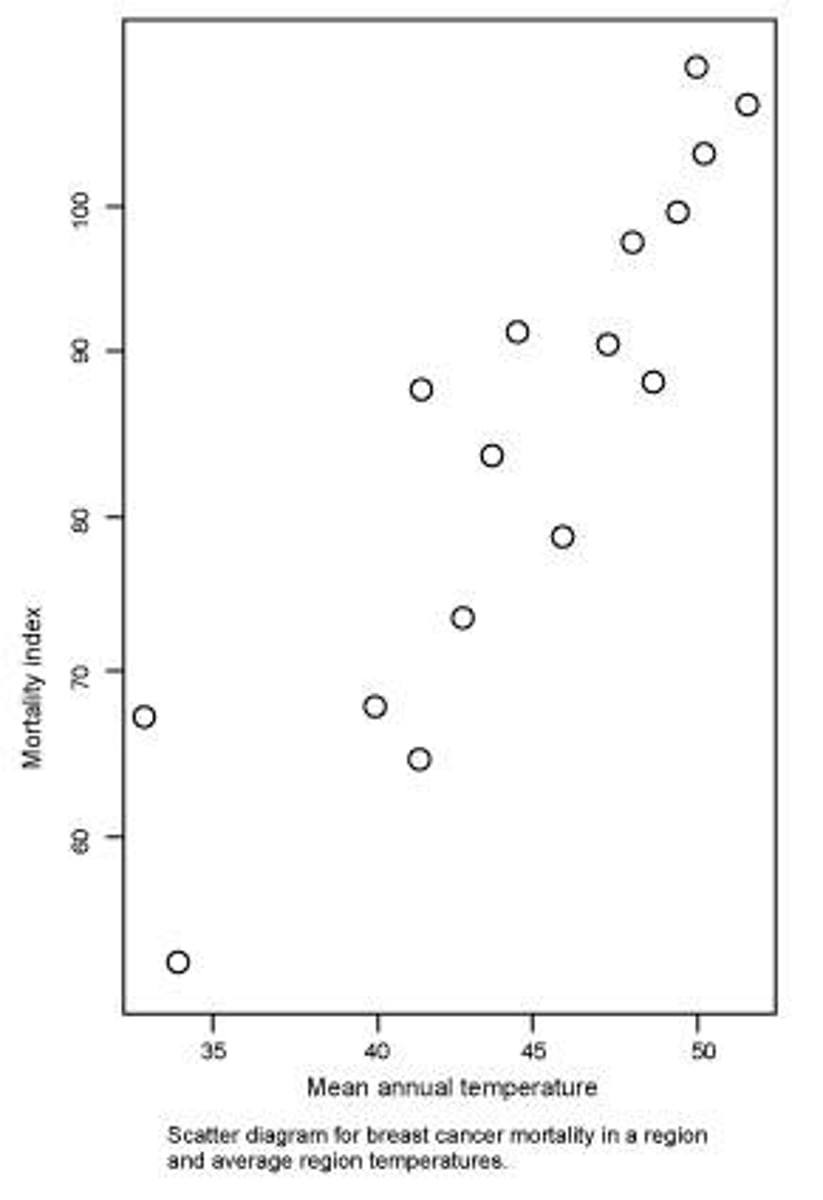
Scatter diagrams
Displays correlation
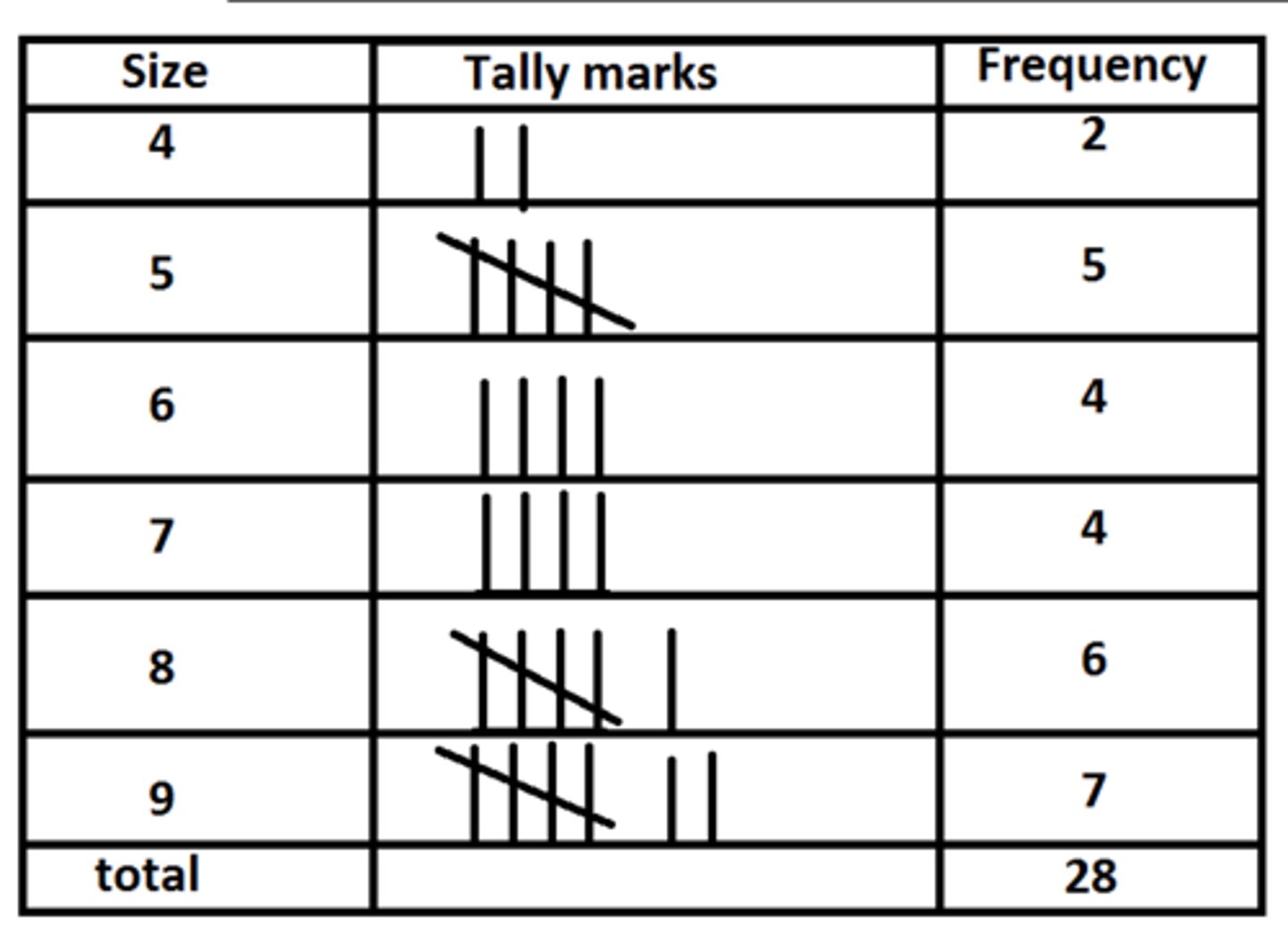
Frequency tables
Number of times smth occurs
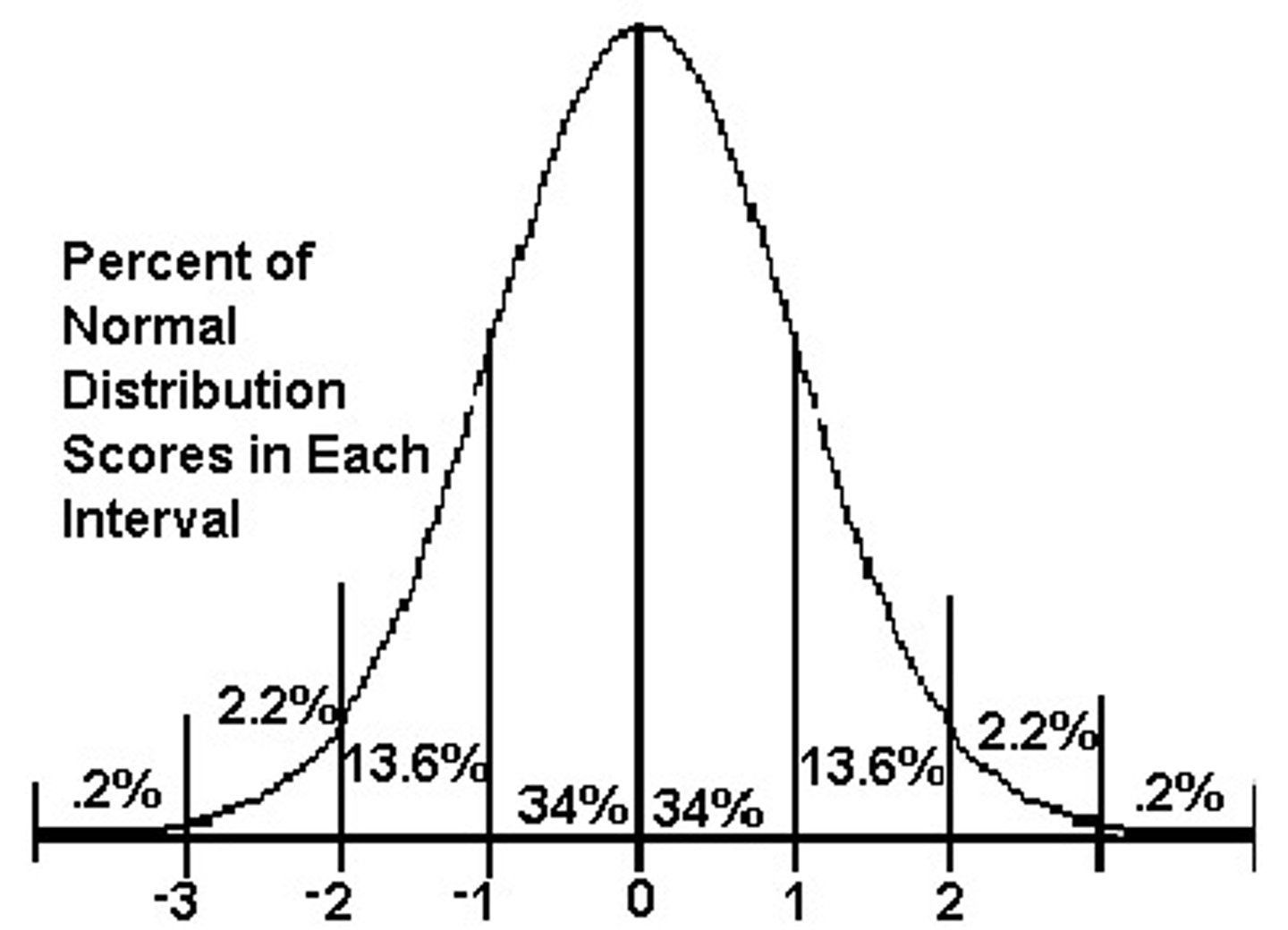
Frequency graphs
Histogram, bar charts or normal distribution
Laboratory experiments
Takes place in a lab
EV can be controlled, standard procedures
Behaviour in a lab is not natural, Pps may change behaviour
Field experiments
Takes place in a natural setting
More realistic, some standard procedures
No control of EVs, Ethical issues
Natural experiment
Natural event that occurs
High validity due to real world situation
Rare opportunities, may be EVs
Independent groups
Different Pps for each IV condition
Order effects not a problem
Lots of Pps, Pp variables
Repeated measures
All Pps do every IV condition
No order effects
Pp variables
Matched pairs
Pps are matched based on variables, and one from each pair does each condition of the EV
No order effects of Pp varibles
Takes time to match Pps, doesn't control all varibles
Allocation to conditions
Using chance or systemic methods to avoid Pp varibles
Counterbalancing
One group of Pps do IV conditions in one order and the other group do it in reverse
Participant variables
How factors like mood, skill, personality or age can skew results
Case studies
An in depth investigation of a person, event or group
No specific aims for extra research
Studies rare condition
Not generalisable
Questionnaires
Uses open/closed questions
Easy to get lots of info, open qualitative, closed quantitative
Social desirability bias, leading questions
Interveiws
Produce lots of qualitative info
Difficult to analyse or uncomfortable
Structured interveiws
List of prepared questions
Can have follow ups
Unstructured interveiws
Some prepared questions
New questions based on what is said
Semi-structured interveiws
Some questions decided before
Follow ups can be made up
Random sampling
Equal chance of selection
No bais, takes time
Opportunity sampling
Selecting people avalible
Quick and cheap, not representative
Systemic sampling
Selecting every nth person
No researcher bias, may be unrepresentative
Stratified sampling
Finding the proportion in the target population
Most representative, very time consuming
Ethical issues
Privacy, deception, protection from harm, informed consent
Privacy
Pps can control info about themselves
Confidentiality
Data must be protected and respected
Deception
Pps must not be lied to about aims
Informed consent
Pps should be told the purpose of the research
Natural and controlled observation
Record behaviour where it would normally occur
Researcher manipulates environment
Covert and overt observation
Secretive recording
Told in advance about recording
Participant and non-participant observation
Researcher is part of the group
Researcher remains seperate
Intraobserver reliability
Two researchers should produce the same record of data