TCB Economics
 Call Kai
 Learn
Learn Practice Test
 Spaced Repetition
 Match
Match Flashcards
 Knowt Play
1/35

There's no tags or description
Looks like no tags are added yet.
Name | Mastery | Learn | Test | Matching | Spaced | Call with Kai |
|---|
No analytics yet
Send a link to your students to track their progress
36 Terms
What are the resources (factors of production)
Explain each one providing an example
Capitol, Labour and Natural
Natural; resources produced by the natural environment eg land, water ect.
Capitol: The tools and machinery needed for the production of goods and services it enhances labour. eg, forklifts ect.
Labour: The mental and physical efforts of people in the production process, eg builders.
*also hire others to temporarily work for them- eg electricians.
What is the basic economic problem?
Scarcity restricts living standards of a nation because we can’t have everything we want
Countries with access to more resources or use them more efficiently can have higher standards of living

What choices need to be make by about scarcity?
Who makes them?
Governments (do we produce submarines or build better water pipelines for Australia ?)
Businesses (do we make dolls or toy guns ?)
Consumers (do I spend money on a textbook or go to the movies and have lunch with friends ?)
What is making chocies mean?
Making choices means we sacrifice one thing for something else
MEANING ESSENTIALLY
Opportunity cost – the value forgone or lost when resources are used for one purpose rather than the next best alternative
What is a market?
A place where buyers interact with sellers and an exchange of goods takes place at an agreed price.
Examples of markets
Financial market
Share market
Property market
Commodity market
Currency market
Labour market
Livestock market
Black market
Education market
What is the black market?
The selling and purchasing of illegal products
What is supply in the market and demand?
Supply: amount of product produced
Demand: the amount of product consumers want
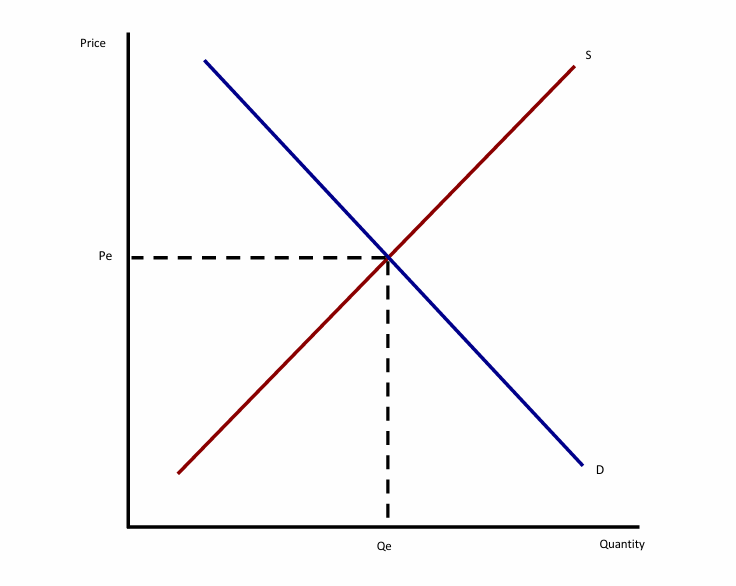
THE FORCE OF SUPPLY AND DEMAND DETERMINE THE PRICES IN A MARKET.
Why do prices decrease in a market?
Supply stays the same but demand from consumers decreases.
Why do governments need to intervene in markets?
Underproduce important goods (e.g. schools, hospitals, roads) because they’re not profitable
Overproduce harmful goods (e.g. alcohol, cigarettes, drugs) because they make profit
→ Government intervenes to reallocate resources and protect living standards
What can the government do about underproduce of important goods and overproduce of harmful goods?
Laws eg illegal to…
• Legislation eg to ensure health and safety •
Use incentives (eg tax incentives, advertising etc) to ensure something required is supplied
• Provide the goods and services (eg via Budget expenditure) eg
• Subsidise another ‘body’ to provide the good / service
What are private goods and services?
Are rivalrous (depletable) and excludable in consumption eg a milkshake purchased from a shop (i.e.Purchase & consumption by one person reduces the amount available for another person & a person can be legally stopped from consuming it if they didn’t pay for it)
What are public goods or services?
are non-excludable and non-rivalrous (non-depletable) in consumption. A person who does not pay for the good (or service) cannot be excluded or stopped from consuming it and one person’s enjoyment/ consumption does not lesson another’s enjoyment. Examples of public goods: A lighthouse, Police force, streetlights, footpath, prisons, border control, Problem: a person can use the G or S with it paying for it (free rider problem). Where is the incentive for suppliers to offer it in the market? Is this fair? The free rider problem can lead to another problem.
Difference between public and private goods and services?
Public is rivalrous and excludable and public is non-excludable and non-rivalrous (depletable)
What is the key role of the Government?
to provide public goods in a free-market economy where the benefits associated with the provision of the G /S outweigh the costs
ow might they ensure the public good/service is provided or produced?-Government subsidies: (eg a direct cash payment to private business to provide/ produce)-Full govt responsibility: eg national defence, prisons, police force, schools lighthouses). Paid via Gov’t revenue sources such as income tax.
What are common access resources?
1. Non-excludable- anyone can utilise these resources without having to pay for them 2. They are rivalrous in consumption this means that when someone consumes it, it reduces or affects the consumption of it by others
What do governments aim to do in the economy?
Smooth booms and downturns, control economic activity, and improve national wellbeing.
What are the 4 phases of the economic cycle + key features?
Expansion: Growth, rising jobs & spending
Peak: Highest activity, low unemployment, inflation risk
Contraction: Slowing growth, rising unemployment
Trough: Lowest activity, high unemployment, low spending
What is monetary policy?
It is how the reserve bank sets interest rates
Lower rates = more borrowing & spending. • • Higher rates = less borrowing & spending
What is fiscal policy?
The government spending and taxatrion.
More government spending boosts the economy. • • Tax increases reduce spending and slow the economy
Monetary vs Fiscal Policy
Monetary Policy: • • Set by the Reserve Bank • • Controls interest rates • • Affects borrowing & spending • Fiscal Policy: • • Set by the Government • • Controls spending & taxes • • Affects public services & job
Supply and Demand
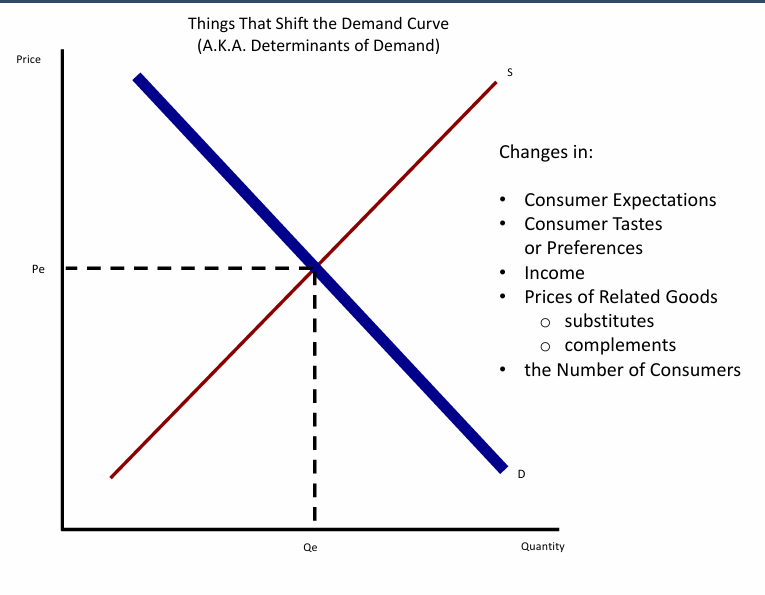
Things that shift demand curve
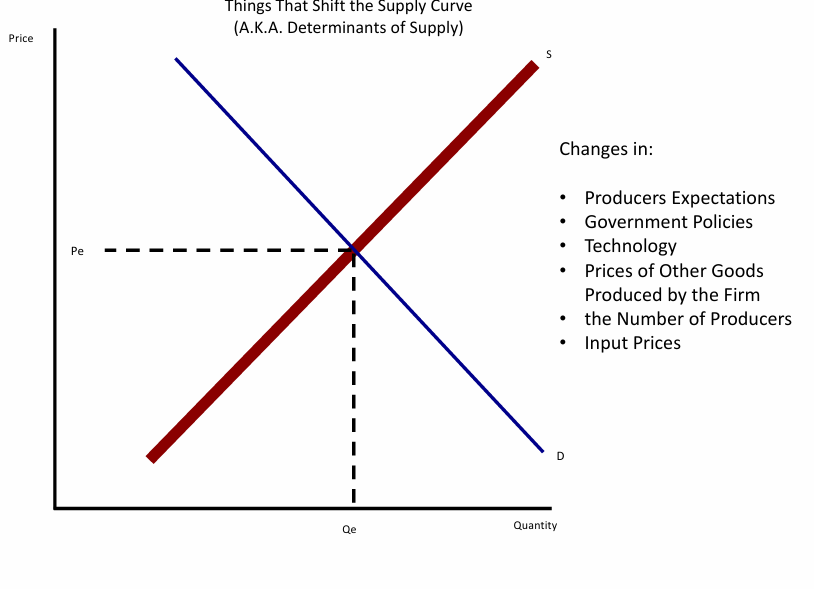
Things that shift supply curve
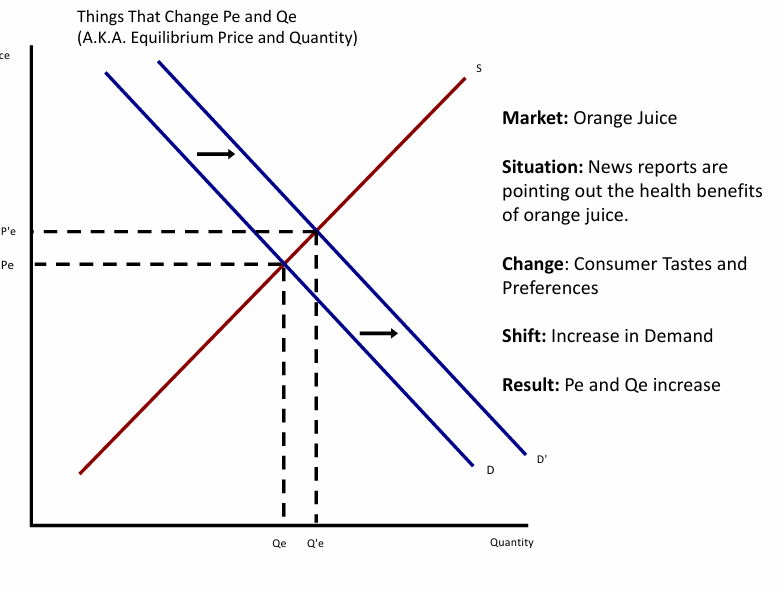
Things that change the equilibrium
What is globalization
Globalisation is the process where the world becomes more connected through trade, communication, and technology. • It allows goods, services, money, and ideas to move across borders more easily. • Globalisation affects how countries interact and depend on each other
What is Australia’s role in global trade?
Australia trades with countries all around the world, especially China, Japan, South Korea, and the United States. • Exports include iron ore, coal, natural gas, and agricultural products. • Imports include electronics, cars, machinery, and clothing. • Trade creates jobs and supports Australia’s standard of living
Benefits of Globalisation for Australia
Access to a wider range of goods and services. • Increased economic growth through exports. • Opportunities for Australian businesses to expand internationally. • Cultural exchange and greater global awareness
Challenges of globlaisation
Local industries may struggle to compete with cheaper imports. • Economic dependence on global markets can create risks. • Environmental concerns from increased production and transport. • Some workers may lose jobs as businesses move operations overseas
What are Australia’s major trading partners
China – largest trading partner, major export destination for minerals. • Japan – key buyer of coal and natural gas. • United States – important for investment and technology. • India – growing trade partner, especially in education and resources
easy way to understand public private and common access goods and examples
Private goods → you pay for it and it’s yours.
Public goods → everyone can use it without reducing it for others.
Common access goods → everyone can use it, but overuse can cause shortages.
Extra examples:
Private: concert ticket, laptop, coffee
Public: lighthouse, flood barriers, public parks
Common access: groundwater, wild animals, shared rivers
Livability in Melbourne material and non-material
Material factors
(Material things that improve quality of life)
Good public transport such as trams, trains and buses
Access to healthcare and hospitals
Employment opportunities
Quality schools and universities
Housing and infrastructure
Parks, sporting facilities and shopping centres
Non-material factors
(Feelings, experiences and social wellbeing)
Sense of safety and security
Community and cultural diversity
Entertainment, arts and music scene
Work-life balance
Friendly atmosphere and social connections
Access to recreation and leisure activities
non material and material living standards vs material and non material in the livability of Melborune.
Topic | Material | Non-material |
|---|---|---|
Liveability of Melbourne | Things that make Melbourne comfortable and convenient to live in — transport, hospitals, schools, housing, parks | Feelings and experiences of living in Melbourne — safety, culture, community, entertainment, lifestyle |
Living standards | The amount of goods and services people can access — income, food, healthcare, technology | Overall wellbeing and happiness — freedom, relationships, life satisfaction, stress levels |
Cost benefit analysis of a project we have studied- Melbourne Airport rail link (two costs two benefits and conclusion)
Benefits
1.Convenient Travel to the City
The Melbourne airport rail link will provide 30 minute train rides from the Tullamarine Airport to the CBD, through 10 minute frequency services.
This affects daily commuters, tourists, and residents as they will be utisising this service to create a faster, easier and more reliable travel into the city.
2. Reduces traffic to and from the Tullamarine Airport
From 2018 to 2023 60% of indivudials travelling to Melbourne Airport used private car or similar (drive/pick-up/park/rental). This creates build up and congestion on Freeways, creating stress and inconvience. The developing train line will eliminate most of the people who travel by car towards the airport, as it would be cheaper, possibly faster (depends on location), and more stress-free.
Costs:
Labour Costs
Labour costs is the total expense of maintaining a workforce, which includes wages, salaries, bonuses, payroll taxes, and other related overhead. Labour costs is a huge expense for the government as they are hiring over 500 employees to build and develop this line.
2. Disruption to everyday commutes
Disruption to everyday communities refers to the breaking apart or significant alteration of the normal, expected patterns of life within a group of people. The building of the new line not only interrupts those requiring land acquisition, as previously stated, but also those who are affected by the construction in some way. For example, those living close to the station who have to take detours or hear the noise, or train sessions are being canceled due to the testing of the new lines; interupting any who are using the line.
Conclusion:
Our research and cost-benefit analysis found that the benefits of the Melbourne Airport Rail Link outweigh the costs. Although the project requires major upfront spending for new stations, trains, land acquisition, and deforestation, the long-term benefits are greater. Revenue from public transport users will help recover the government’s investment over time. The rail link will also improve convenience by providing direct airport access from over 30 stations, making travel to the city easier and reducing traffic congestion.
Complementary goods
sheets, bedding ect
substitute
coke for pepsi, one or the other