BSC2010 - Chapter 16 Vocabulary
 Call Kai
 Learn
Learn Practice Test
 Spaced Repetition
 Match
Match Flashcards
 Knowt Play
1/55

There's no tags or description
Looks like no tags are added yet.
Name | Mastery | Learn | Test | Matching | Spaced | Call with Kai |
|---|
No analytics yet
Send a link to your students to track their progress
56 Terms
cell division
Process by which a cell divides into two new daughter cells
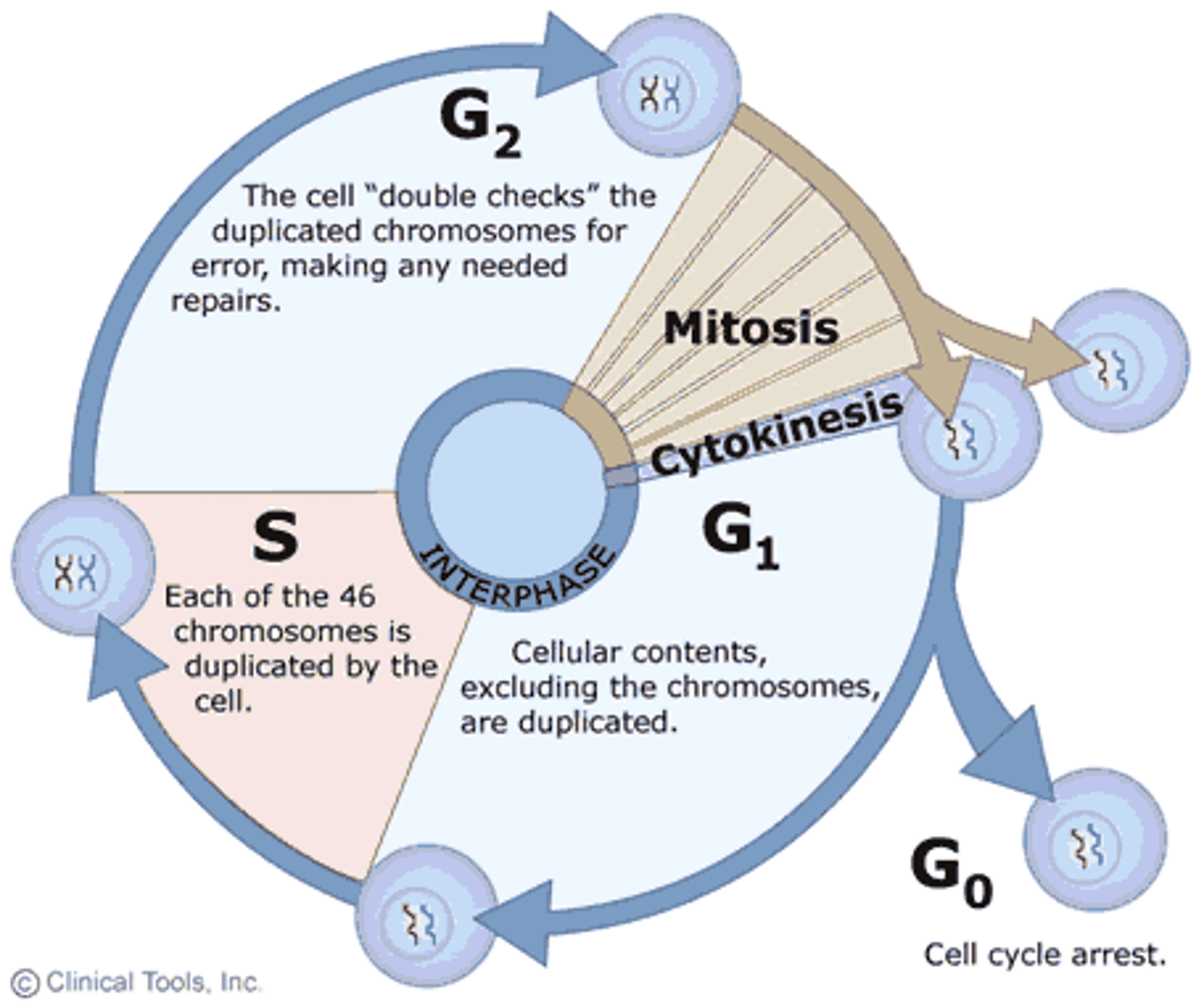
cell cycle
The regular sequence of growth and division that cells undergo
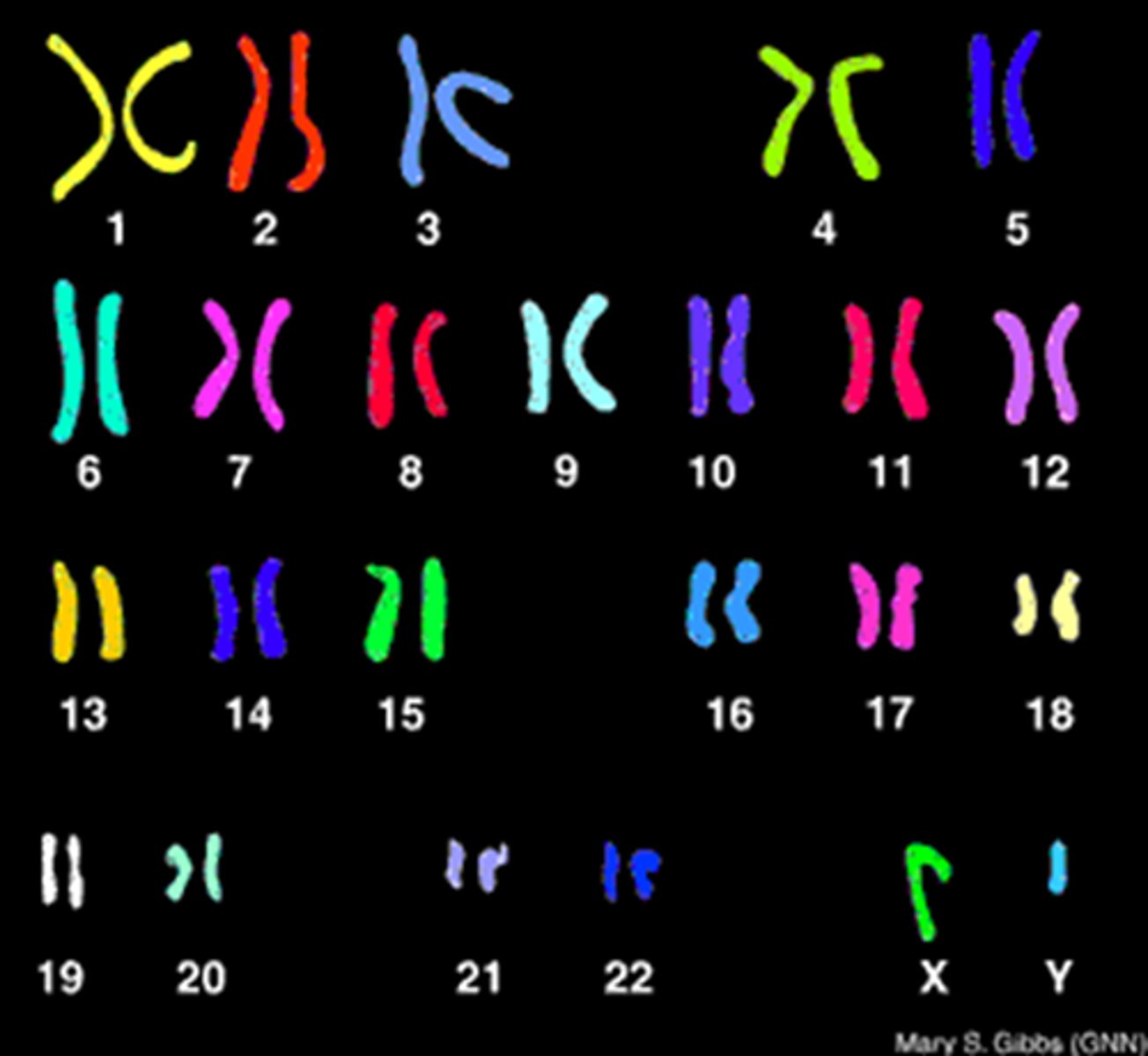
karyotype
A picture of all the chromosomes in a cell arranged in pairs
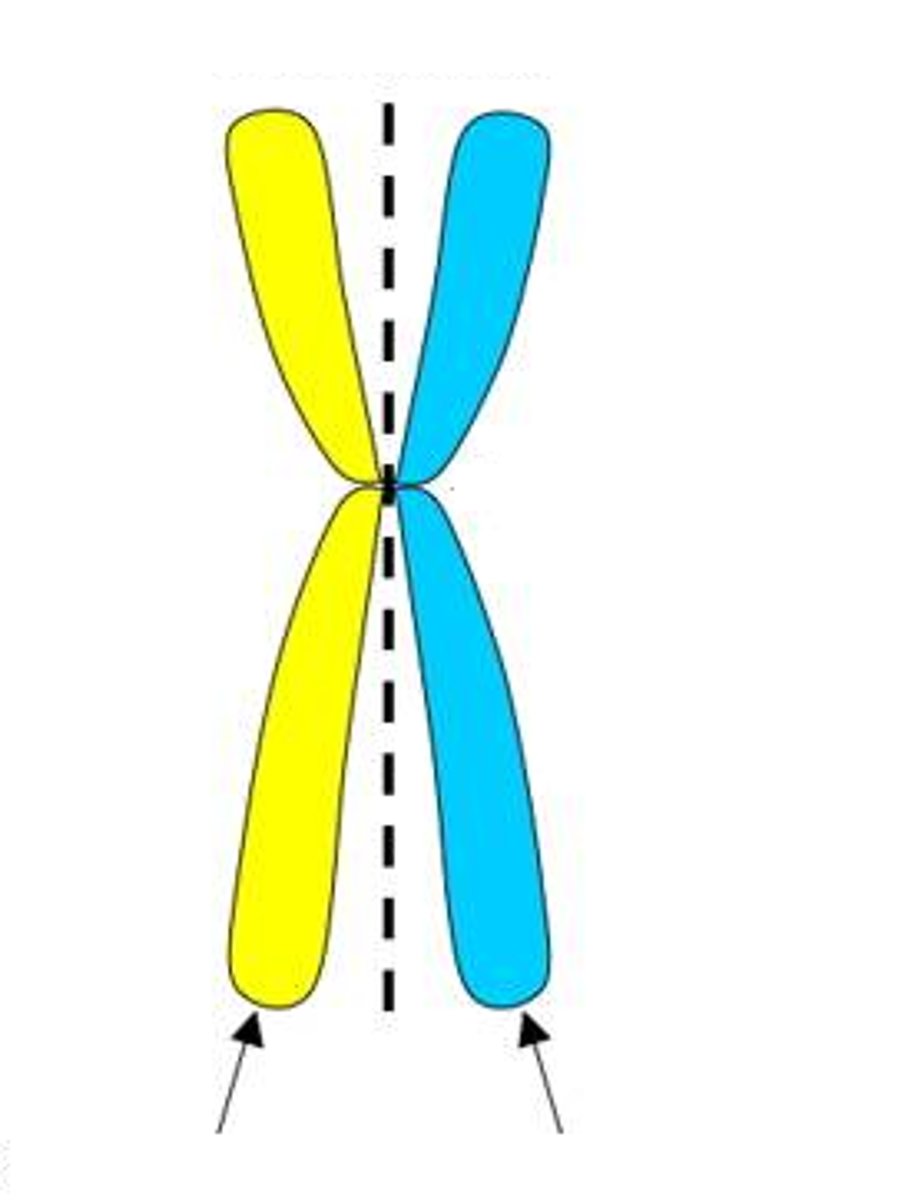
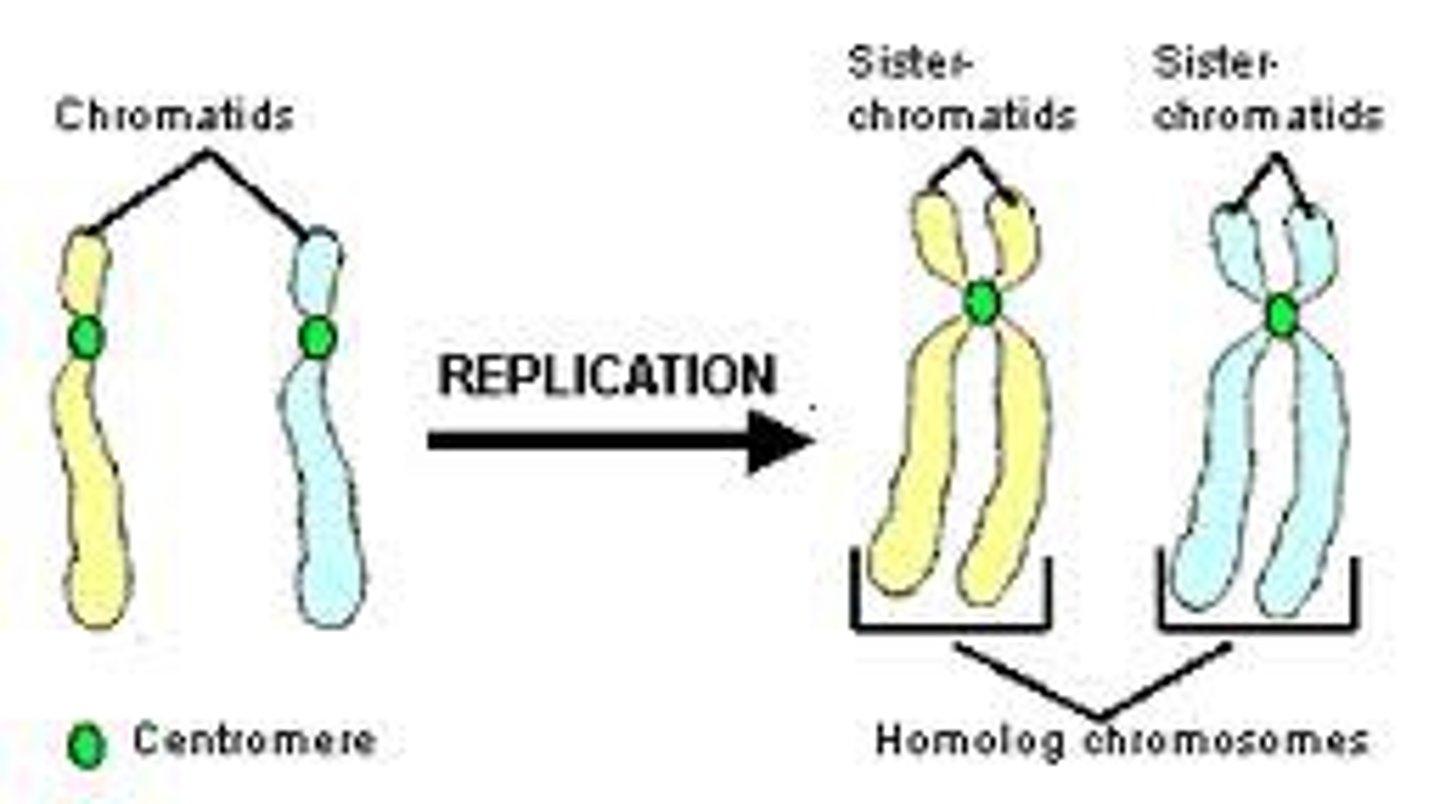
sister chromatids
Replicated forms of a chromosome joined together by the centromere and eventually separated during mitosis or meiosis II.
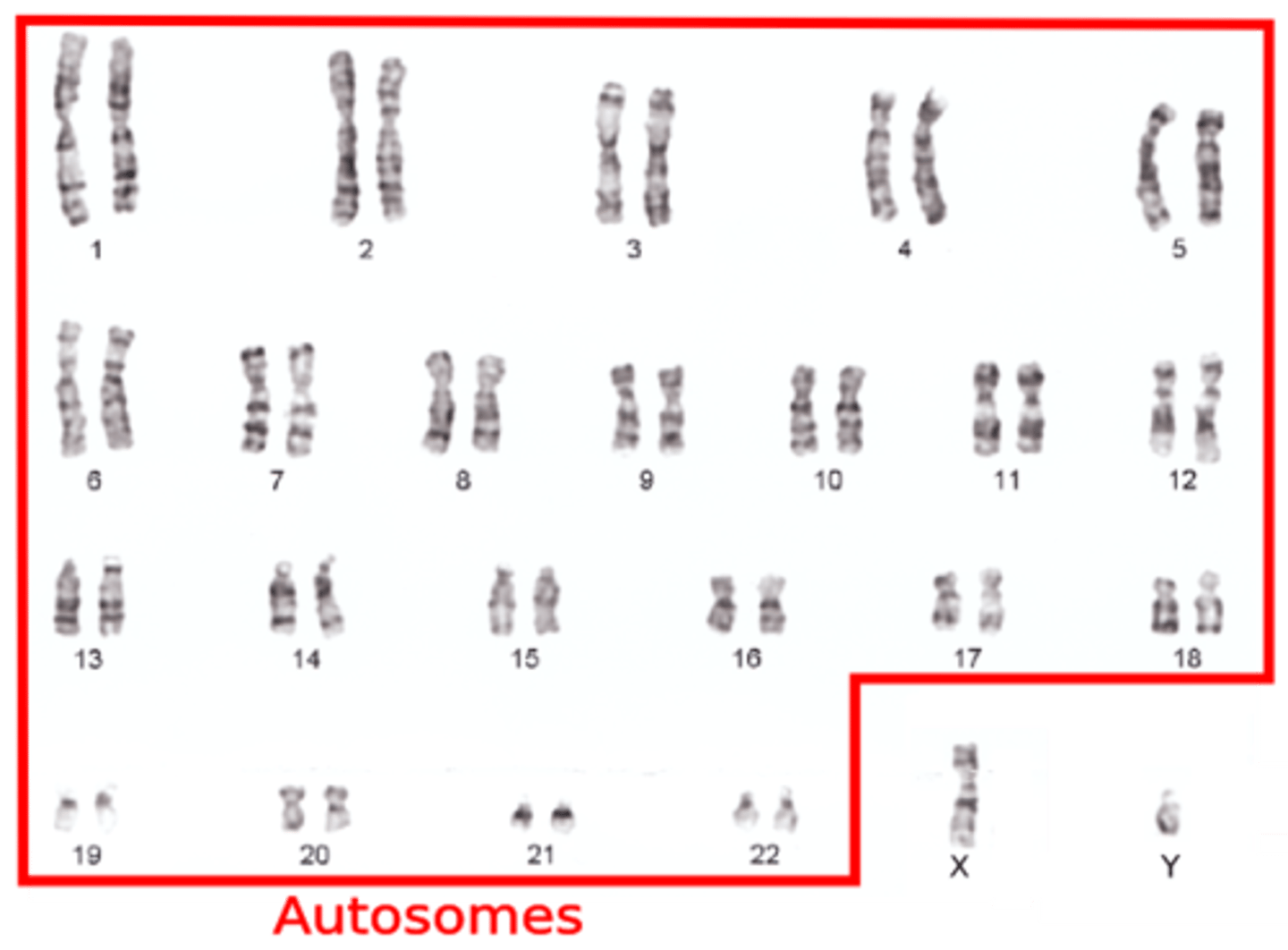
sex chromosomes
Chromosomes that determine the sex of an individual
autosomes
Any chromosome that is not a sex chromosome
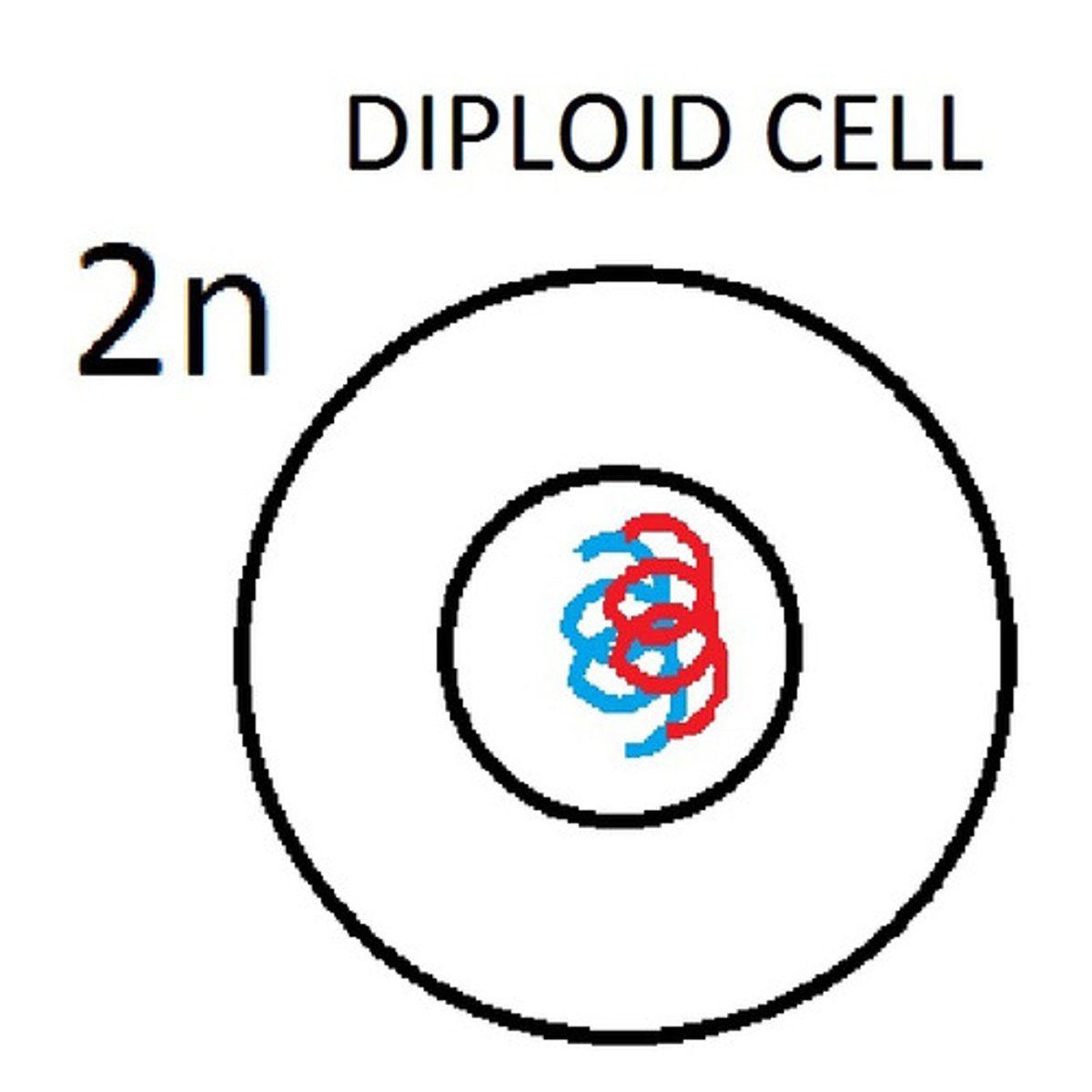
diploid
2 sets of chromosomes
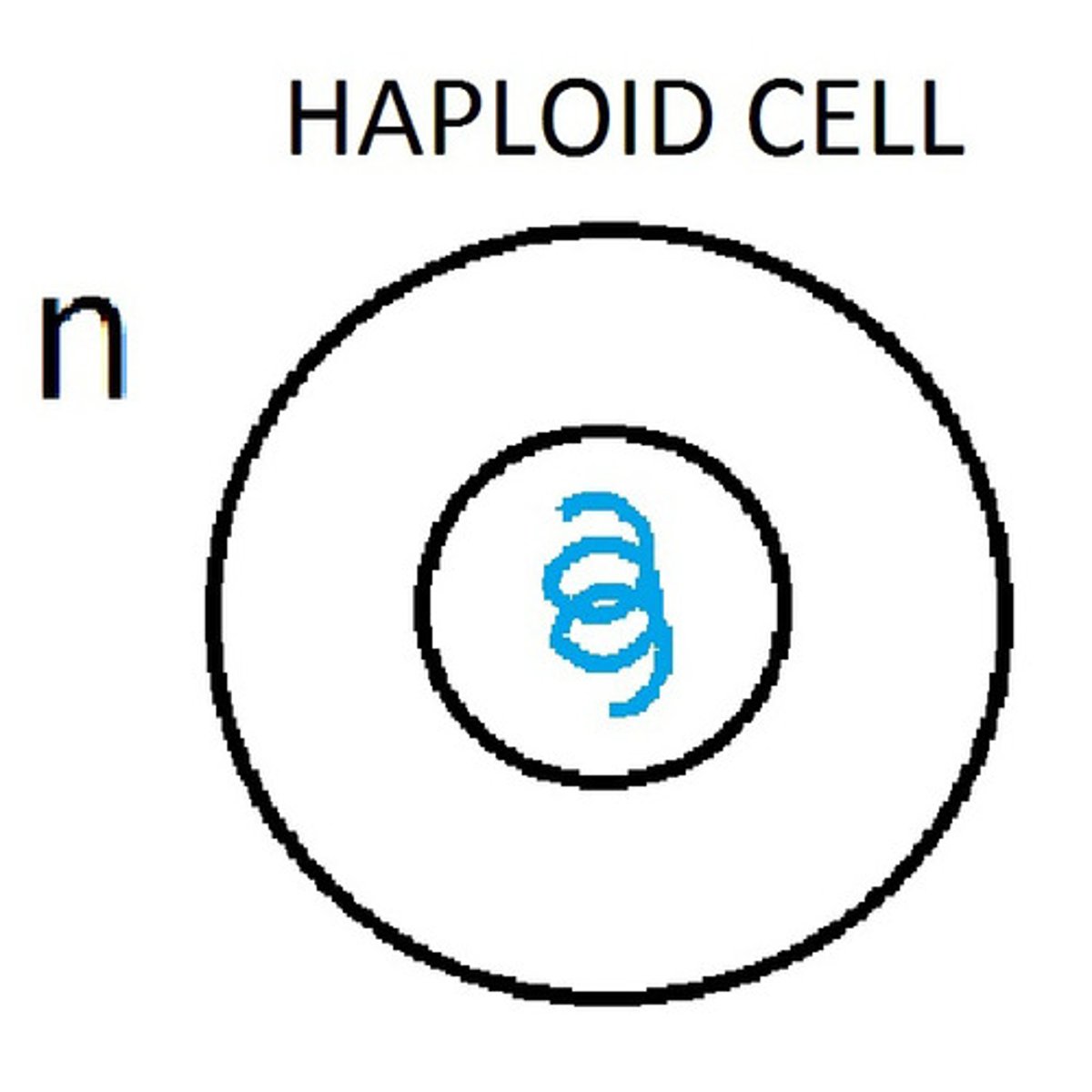
haploid
having a single set of unpaired chromosomes
homologs
Members of a pair of chromosomes
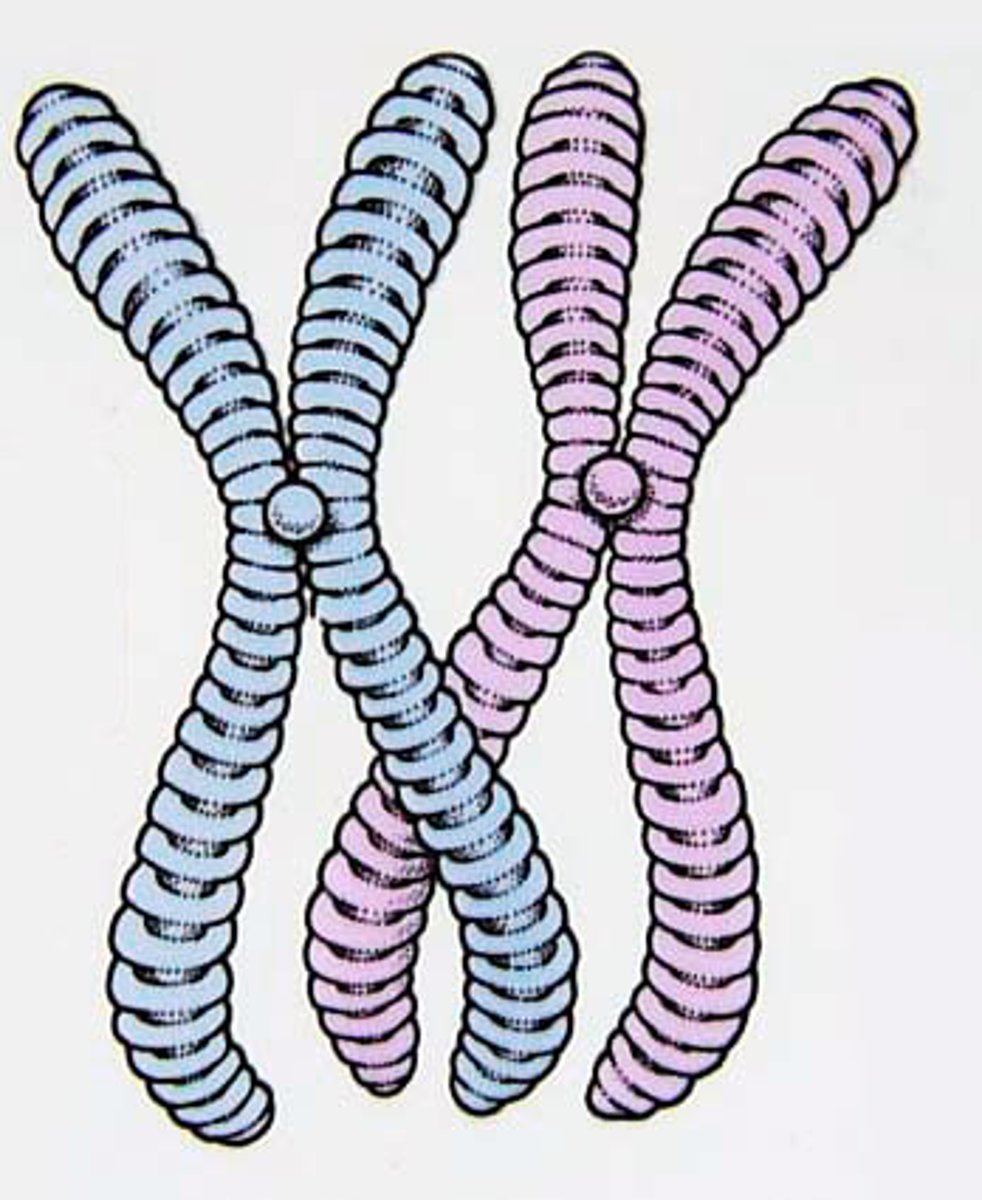
interphase
period of the cell cycle between cell divisions
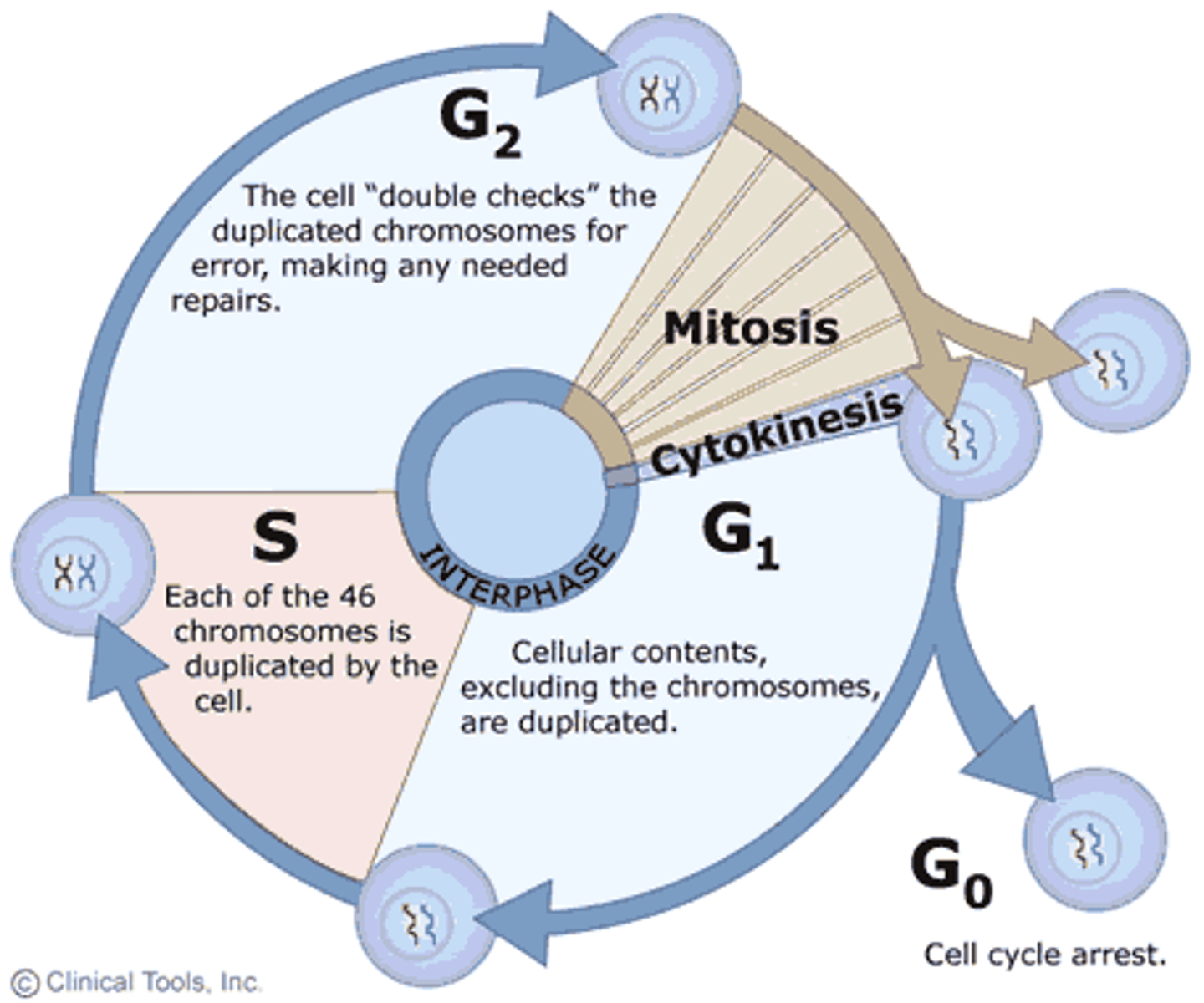
G1 phase
The first gap, or growth phase, of the cell cycle, consisting of the portion of interphase before DNA synthesis begins.
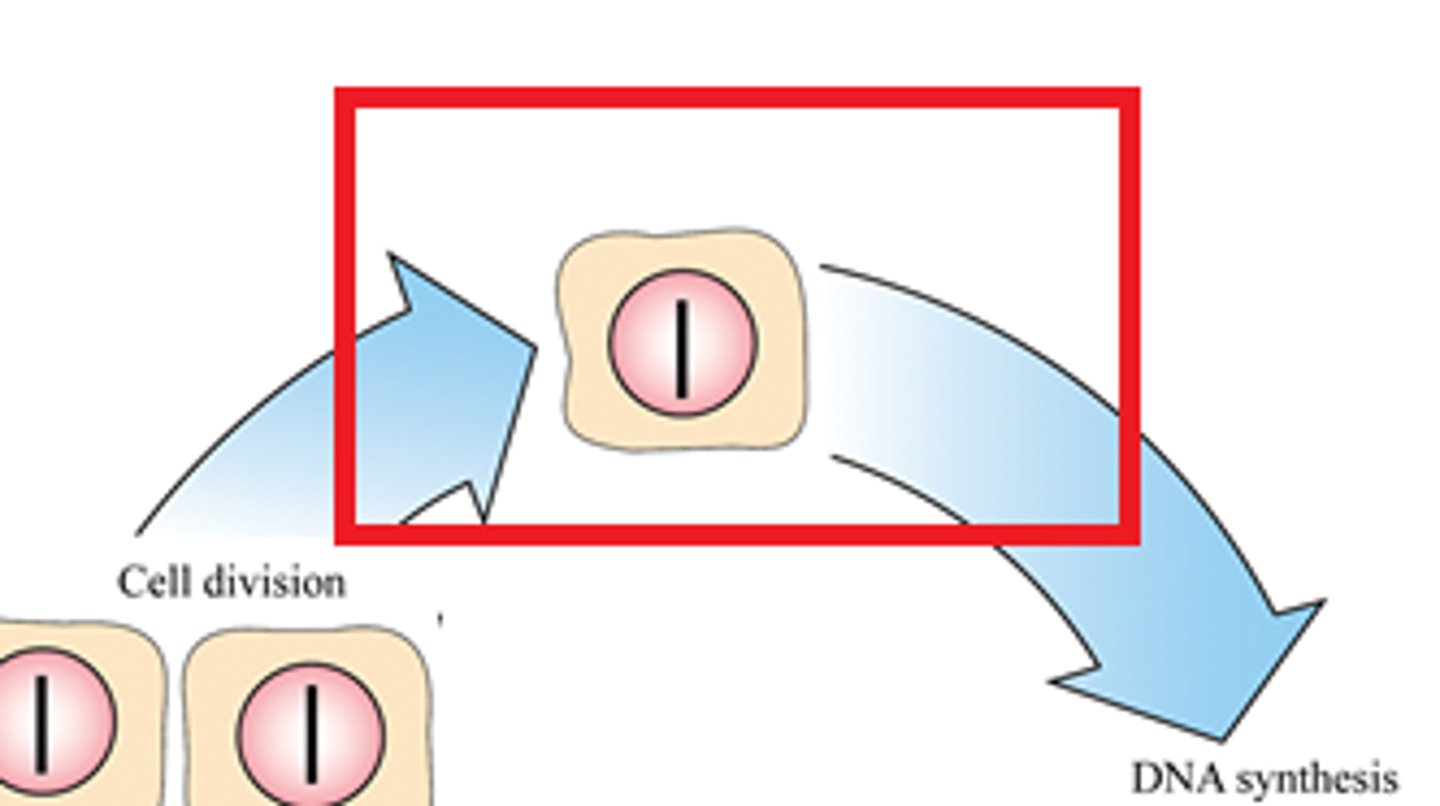
S phase
The synthesis phase of the cell cycle; the portion of interphase during which DNA is replicated.
G2 phase
The second growth phase of the cell cycle, consisting of the portion of interphase after DNA synthesis occurs.
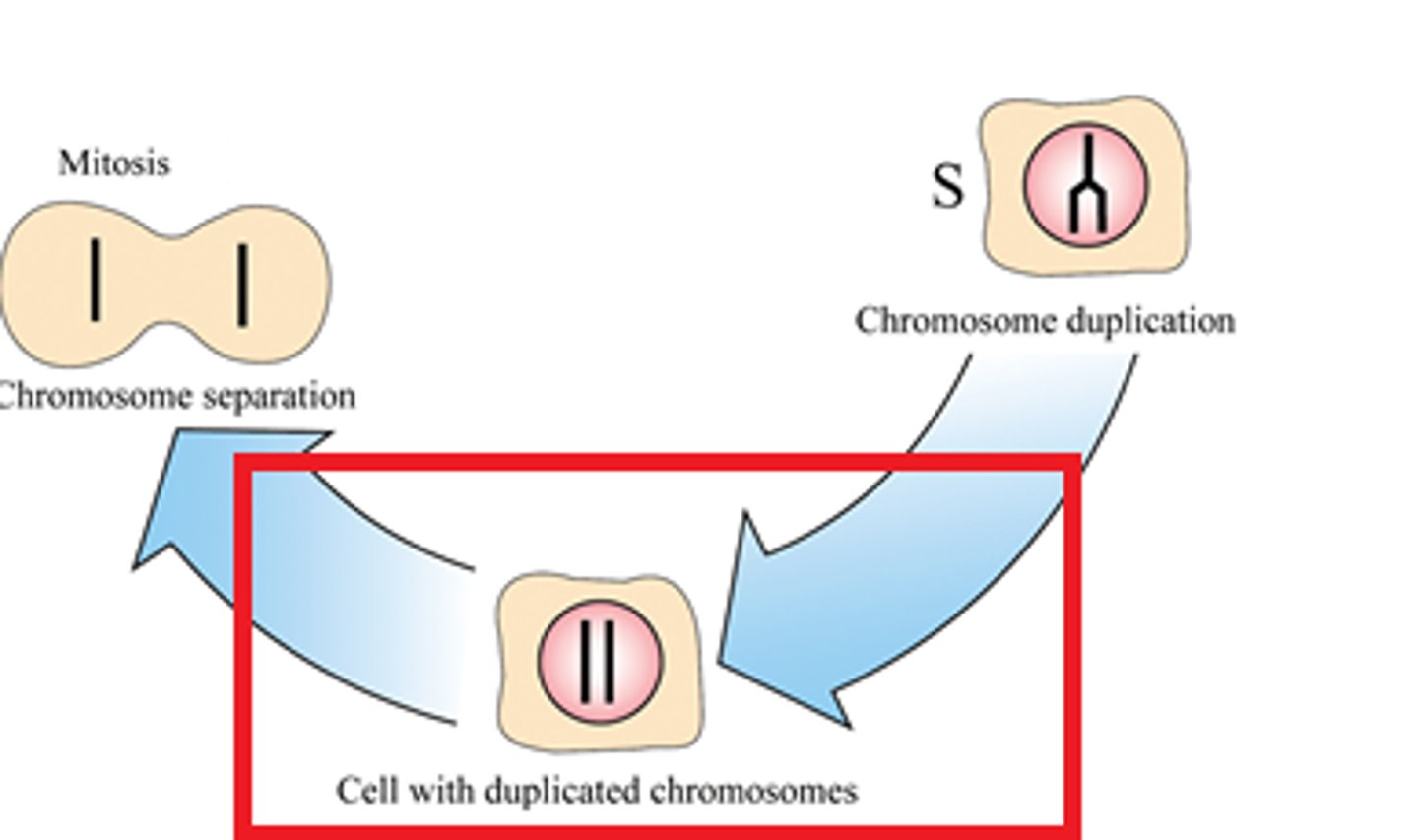
M phase
mitosis and cytokinesis
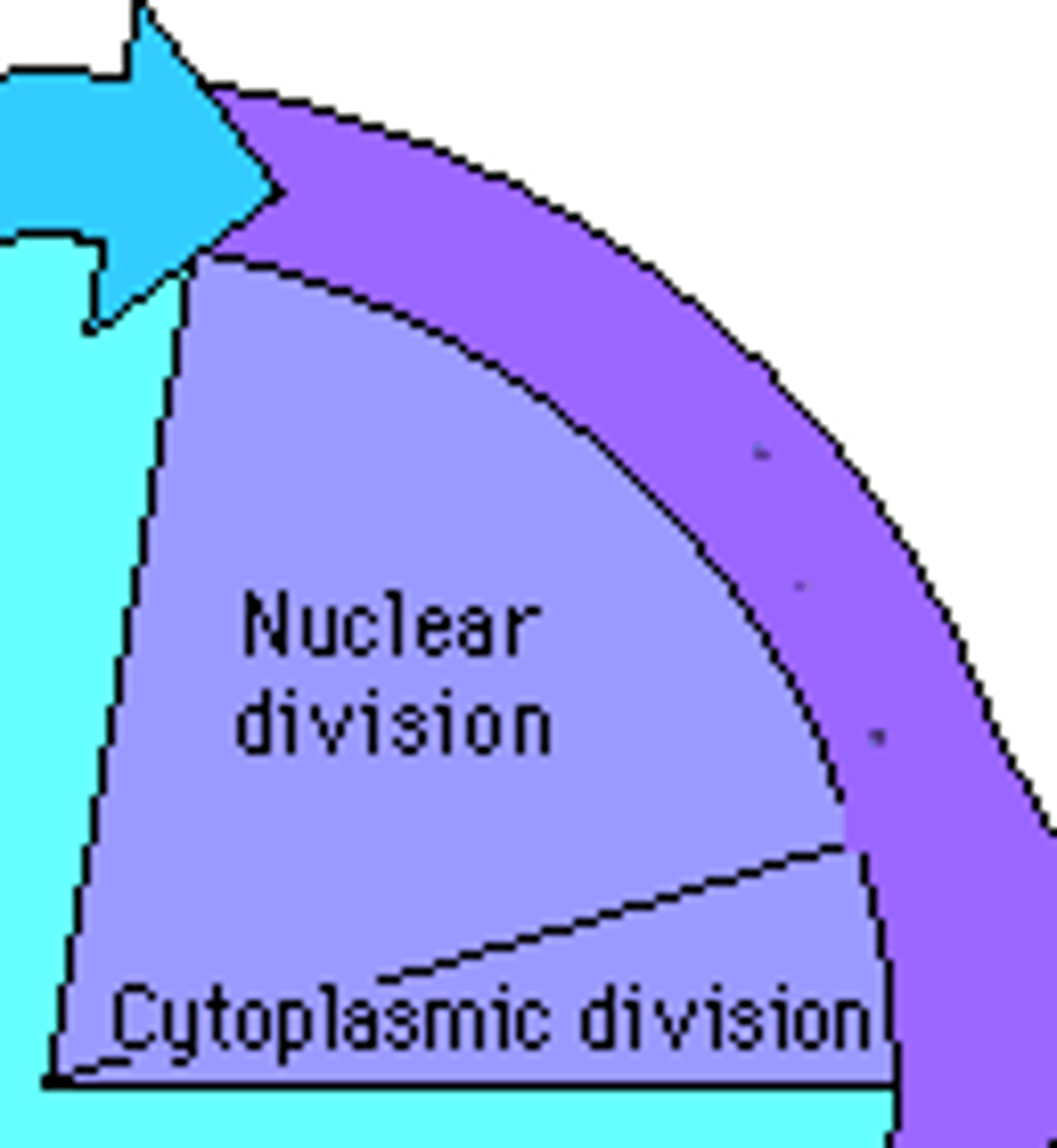
mitosis
part of eukaryotic cell division during which the cell nucleus divides
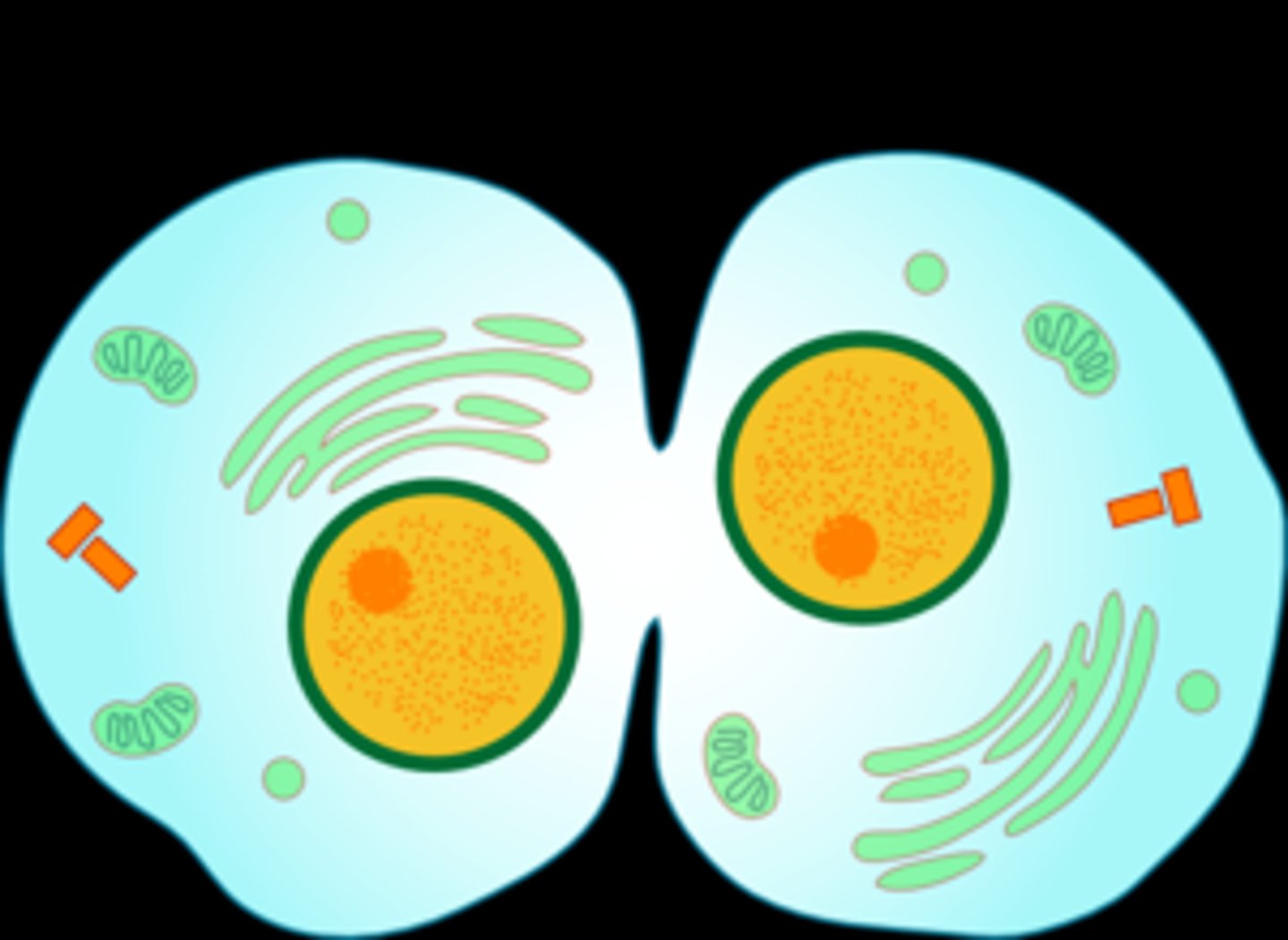
cytokinesis
division of the cytoplasm
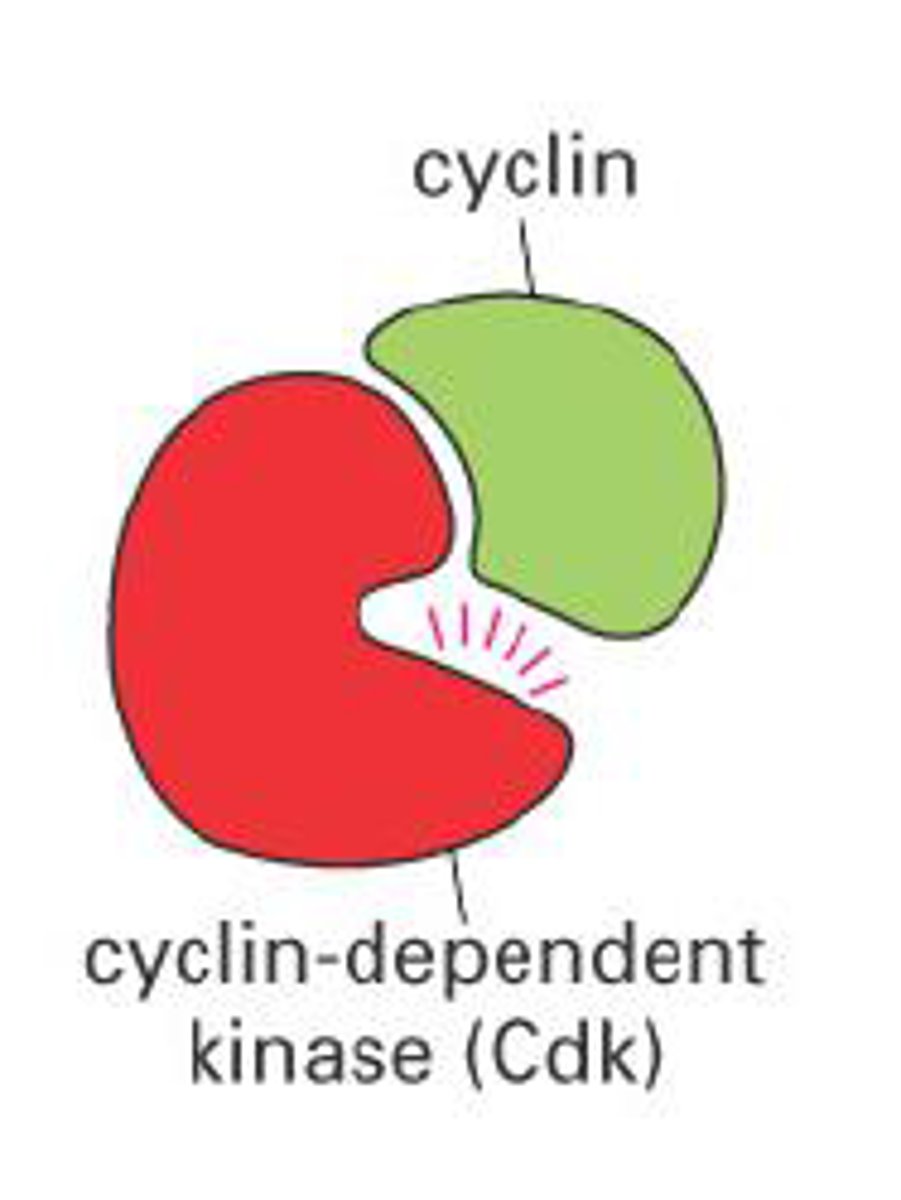
cyclins
proteins that regulate the cell cycle
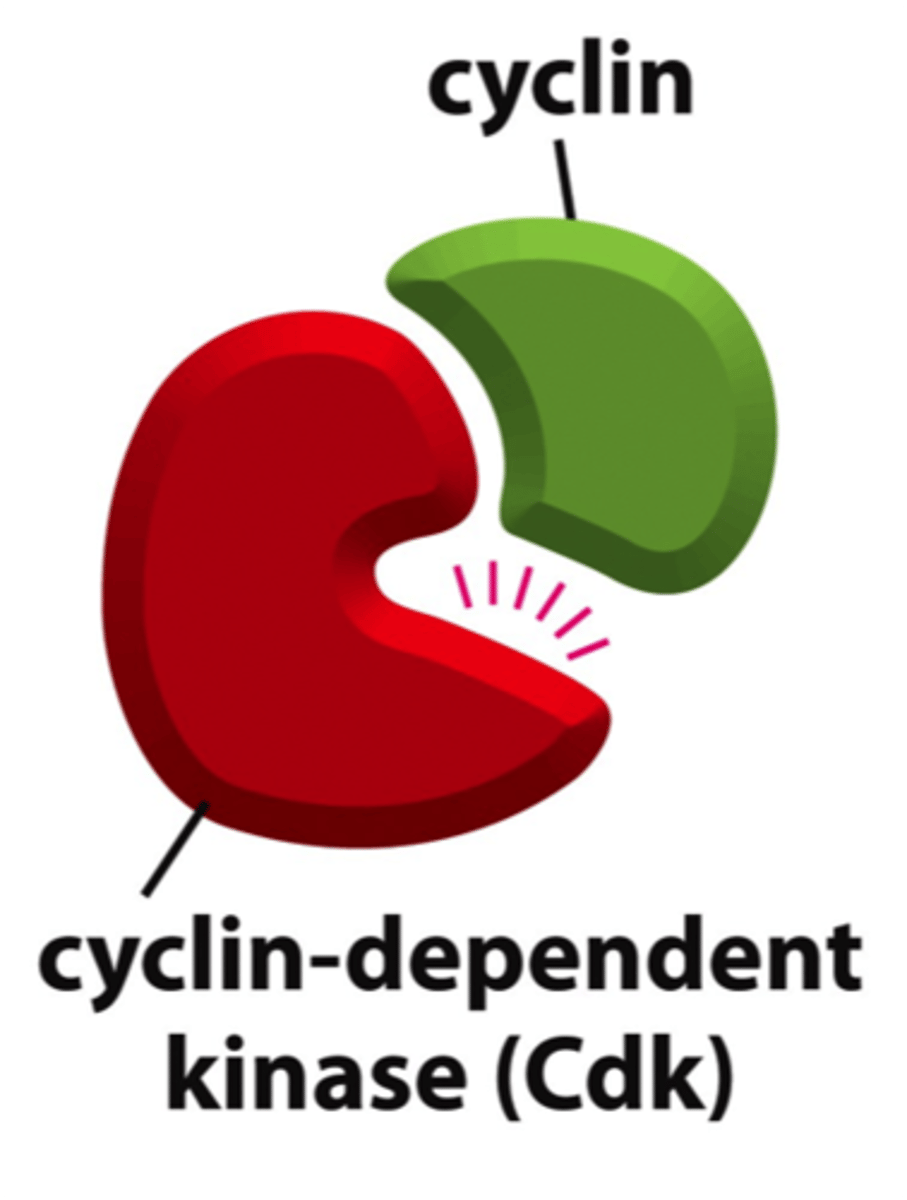
cyclin-dependent kinases (Cdks)
A protein kinase that is active only when attached to a particular cyclin.
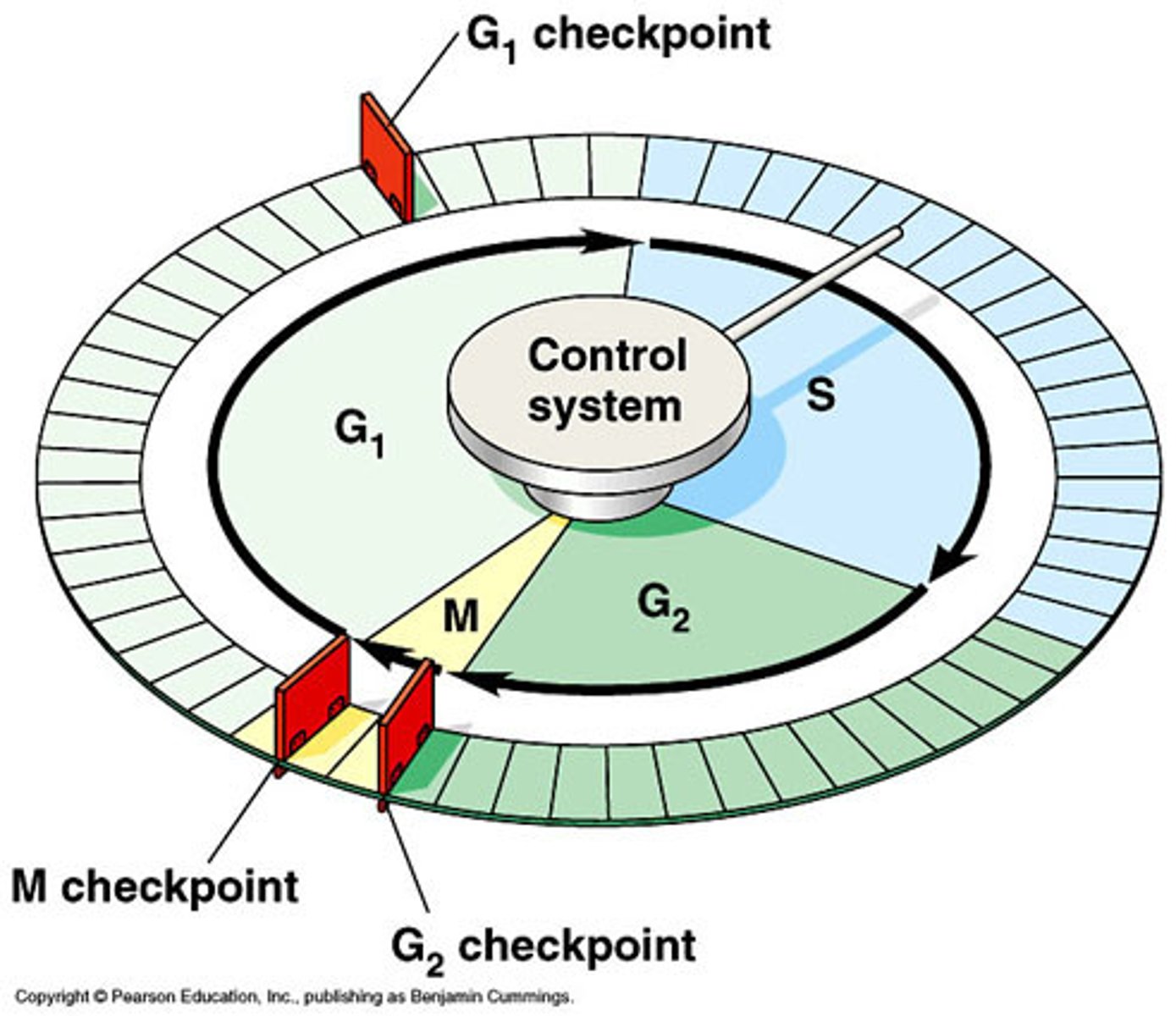
checkpoints
3 points where regulatory proteins (enzymes) determine if cell is ready to proceed in cell cycle
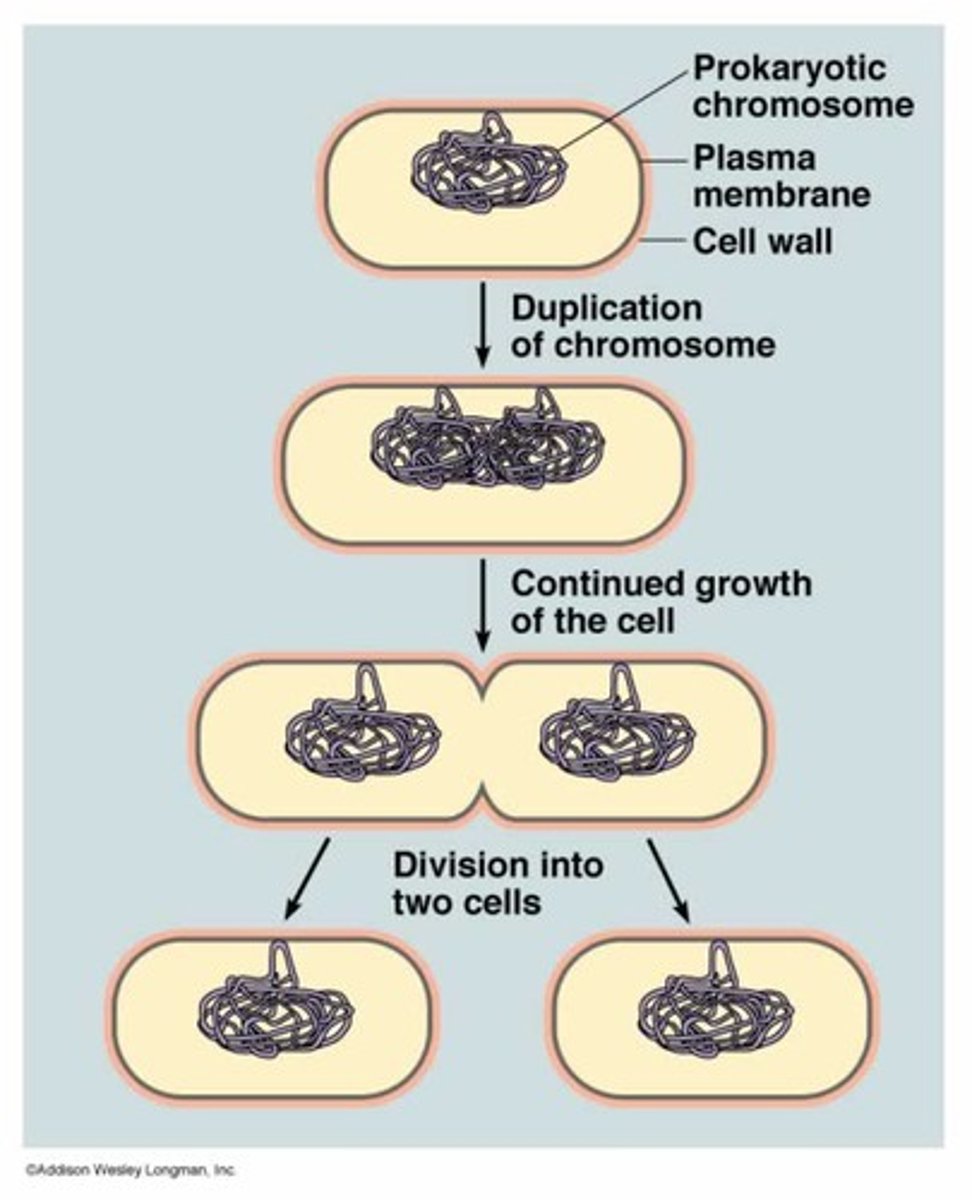
asexual reproduction
Process by which a single parent reproduces by itself
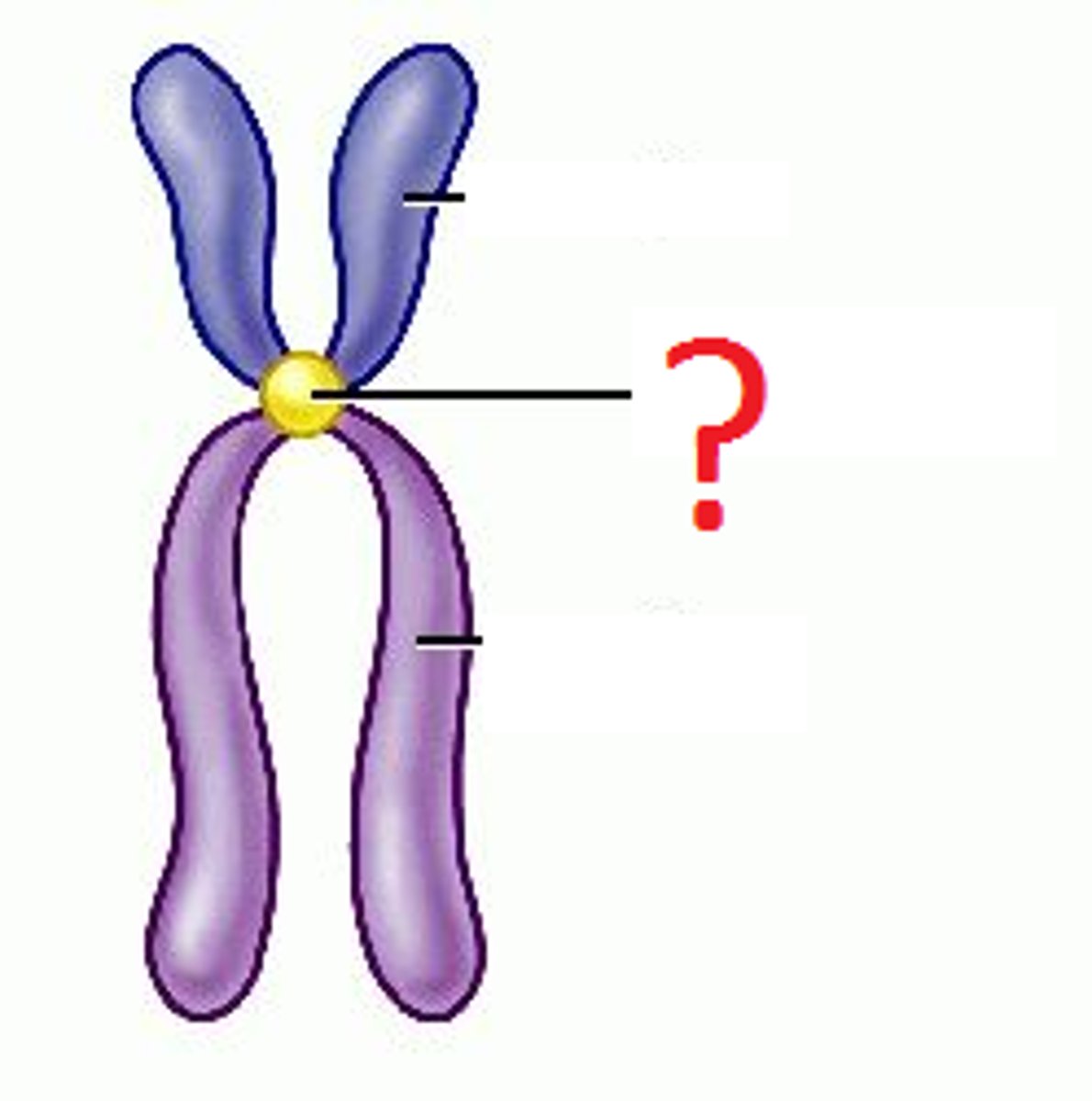
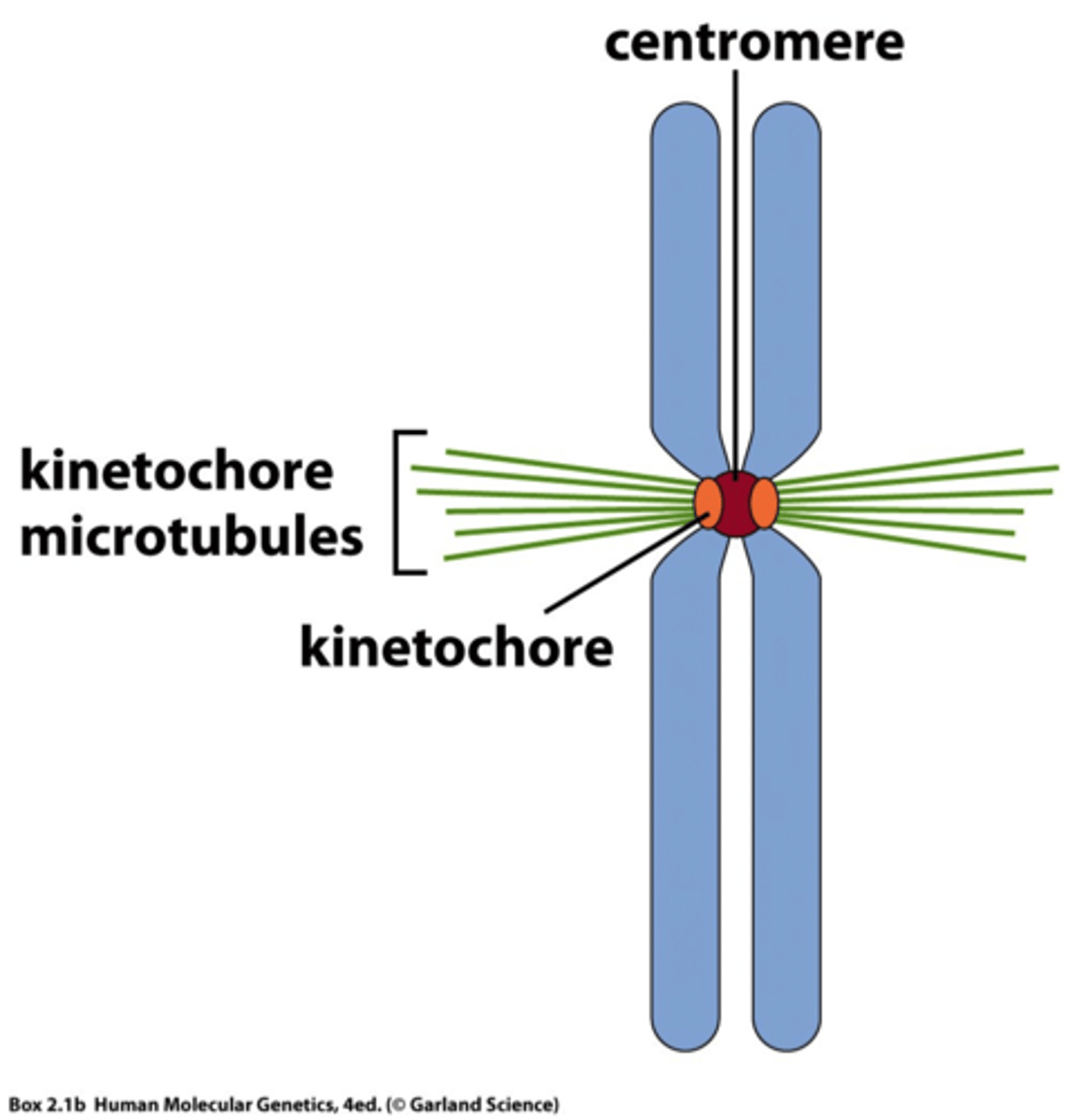
centromere
Region of a chromosome where the two sister chromatids attach
kinetochore
A structure of proteins attached to the centromere that links each sister chromatid to the mitotic spindle.
mitotic spindle
a structure made of microtubules that controls chromosome movement during mitosis
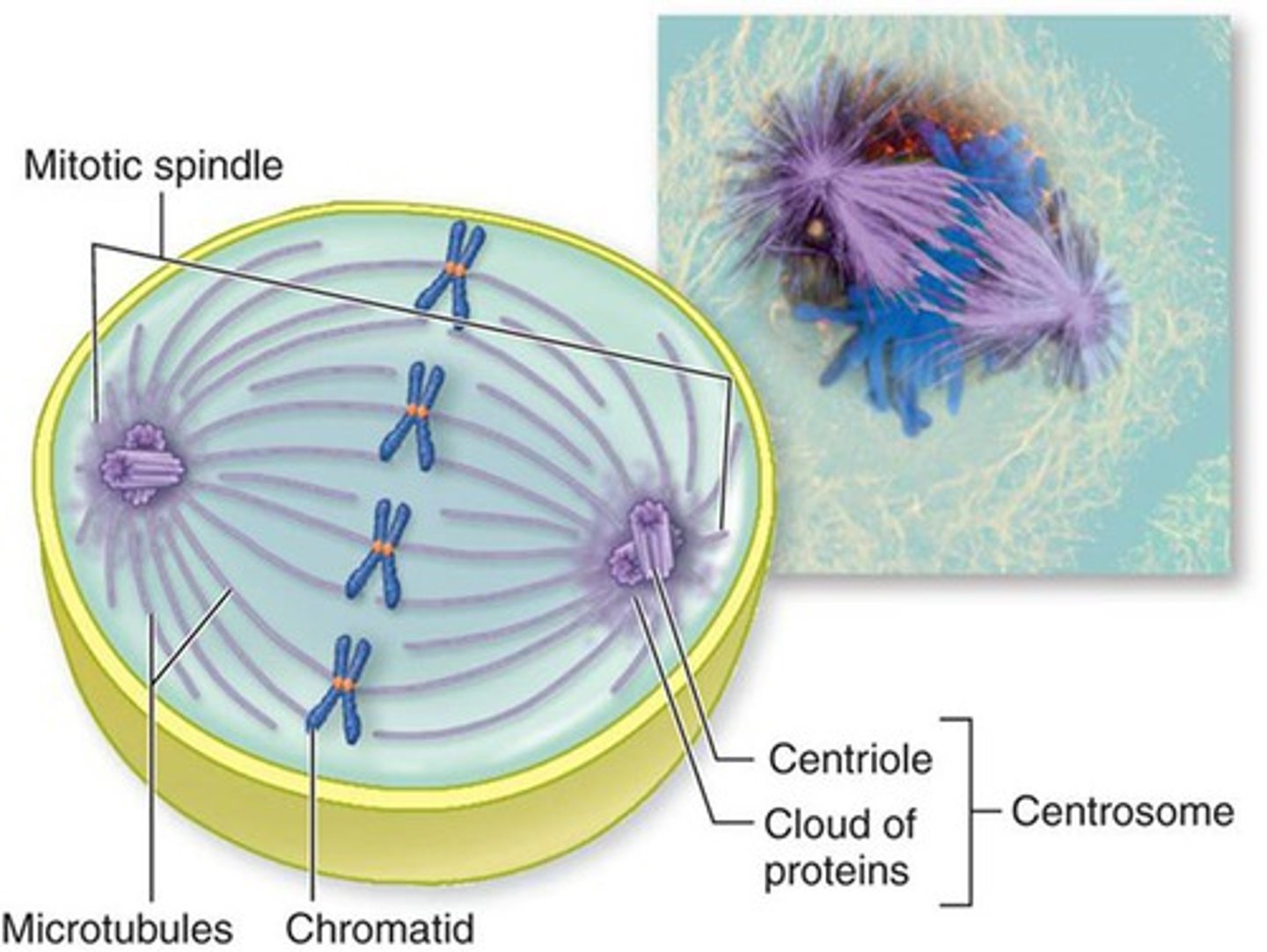
Kinetochore Spindle Fibers
attach to kinetochores on the surface of centromeres and pull chromosomes
polar spindle fibers
spindle fibers that extend beyond midpoint of cell
push cell poles apart
astral spindle fibers
spindle fibers that grow toward plasma membrane
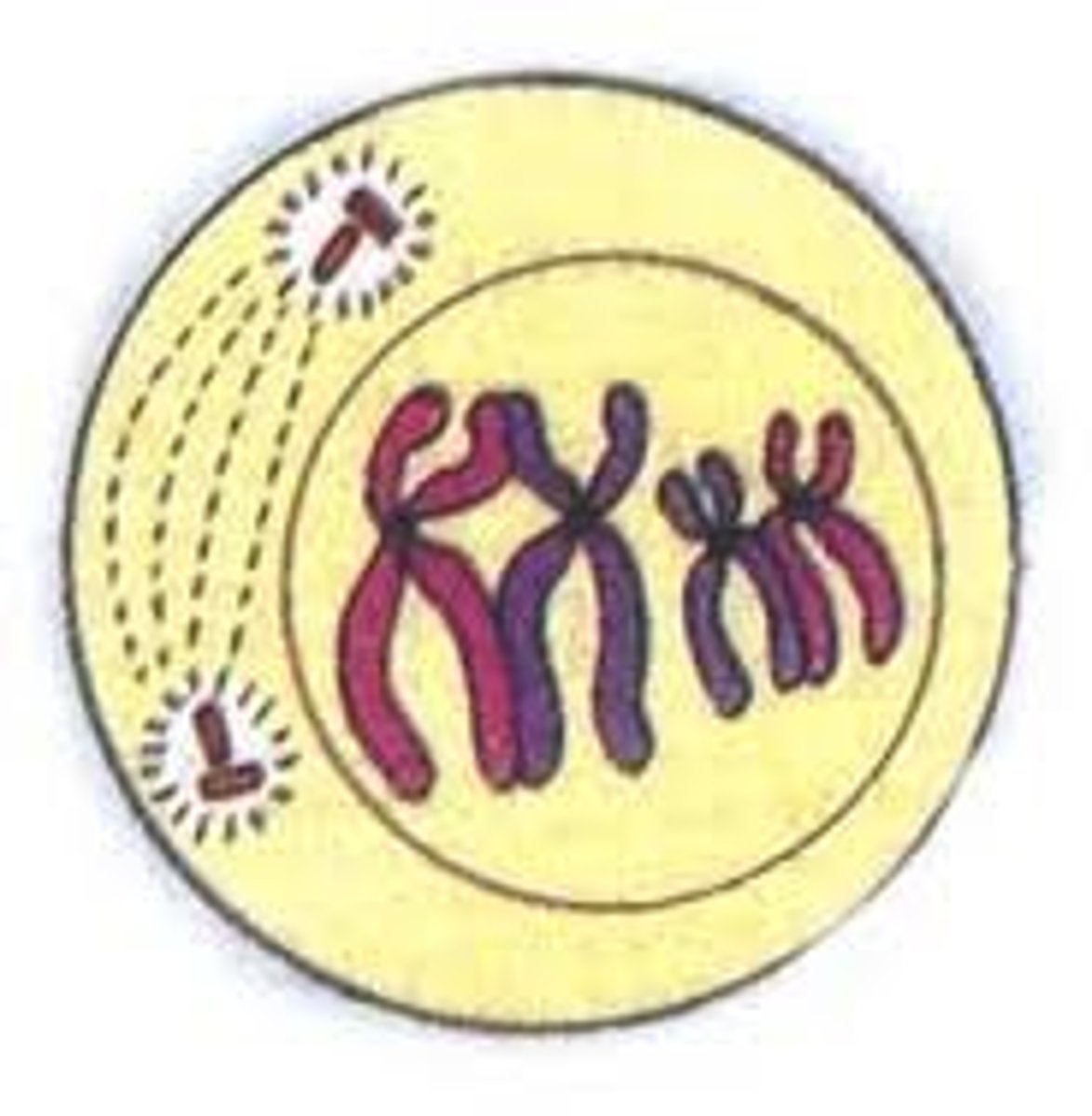
prophase
Chromosomes become visible, nuclear envelop dissolves, spindle forms
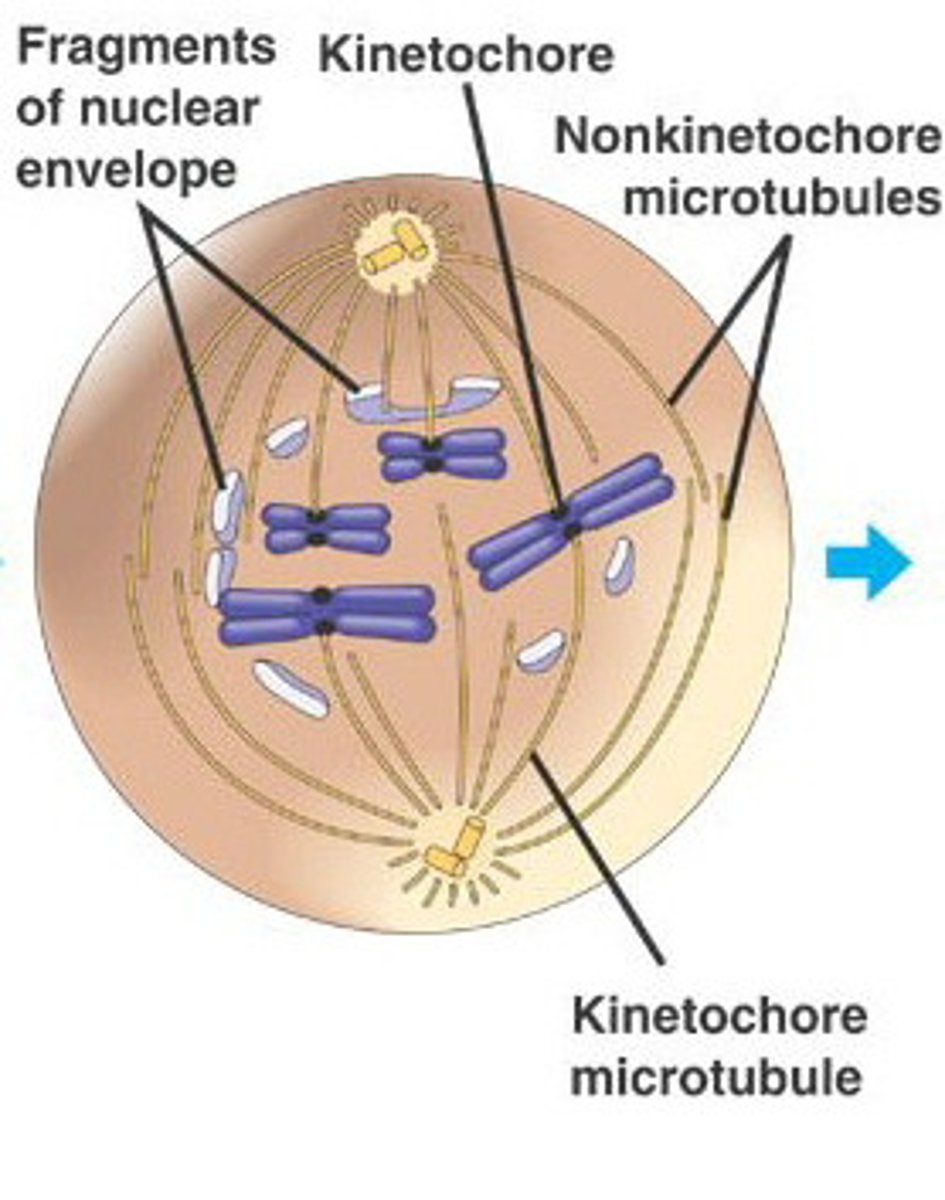
prometaphase
The second stage of mitosis, in which the nuclear envelope fragments and the spindle microtubules attach to the kinetochores of the chromosomes.
metaphase
Chromosomes line up in the middle of the cell
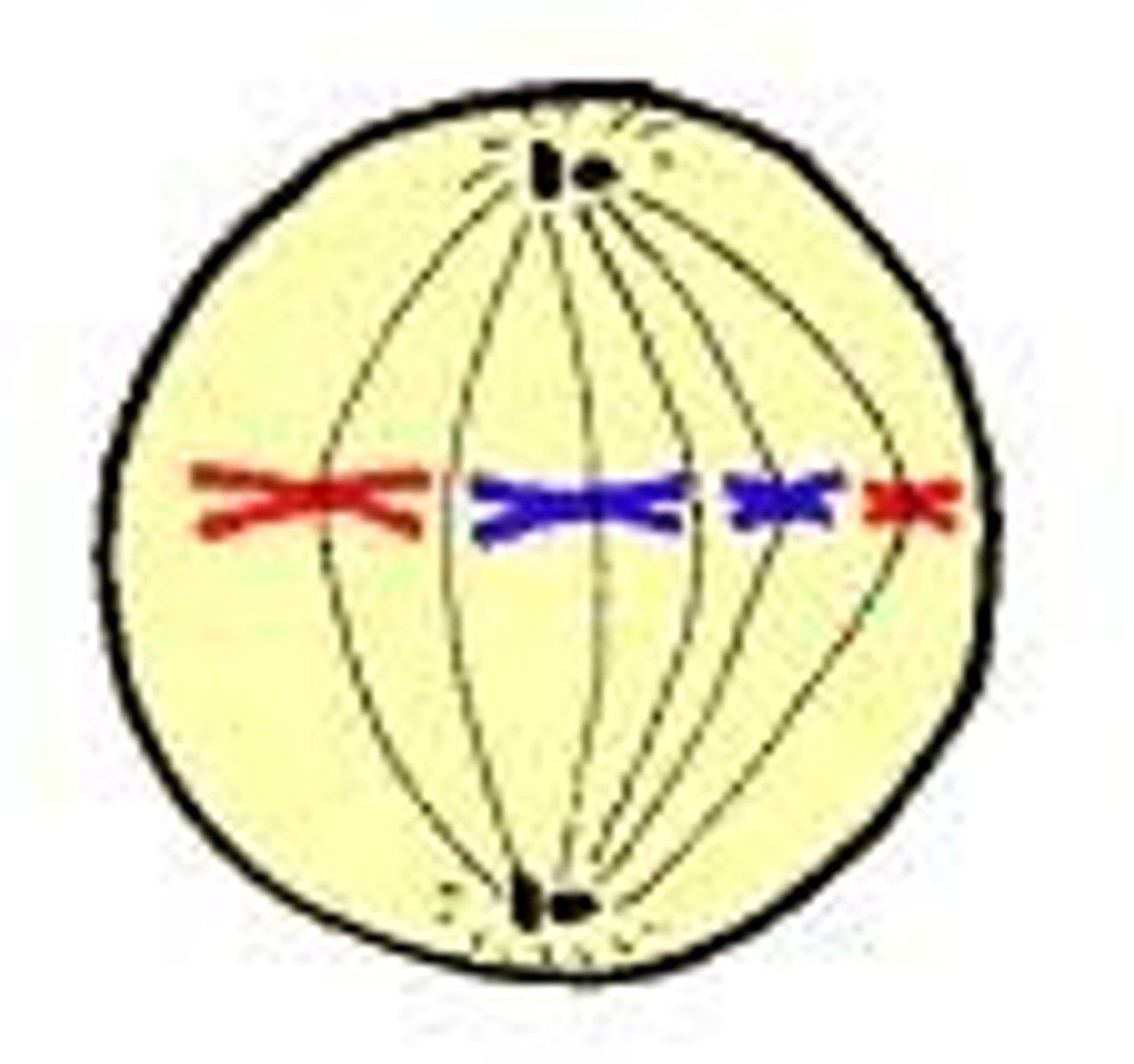
metaphase plate
An imaginary structure located at a plane midway between the two poles of a cell in metaphase on which the centromeres of all the duplicated chromosomes are located.
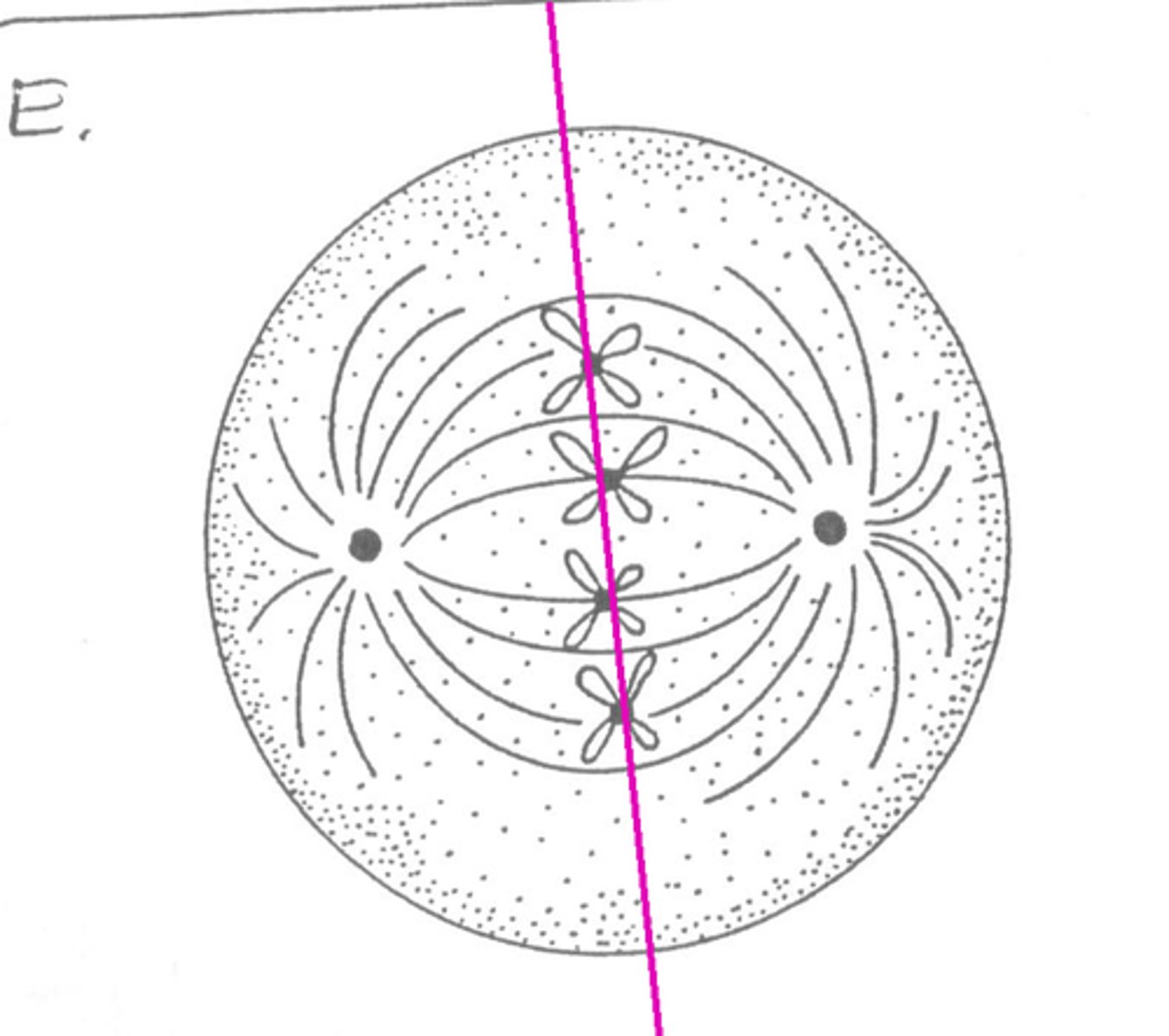
anaphase
Phase of mitosis in which the chromosomes separate and move to opposite ends of the cell
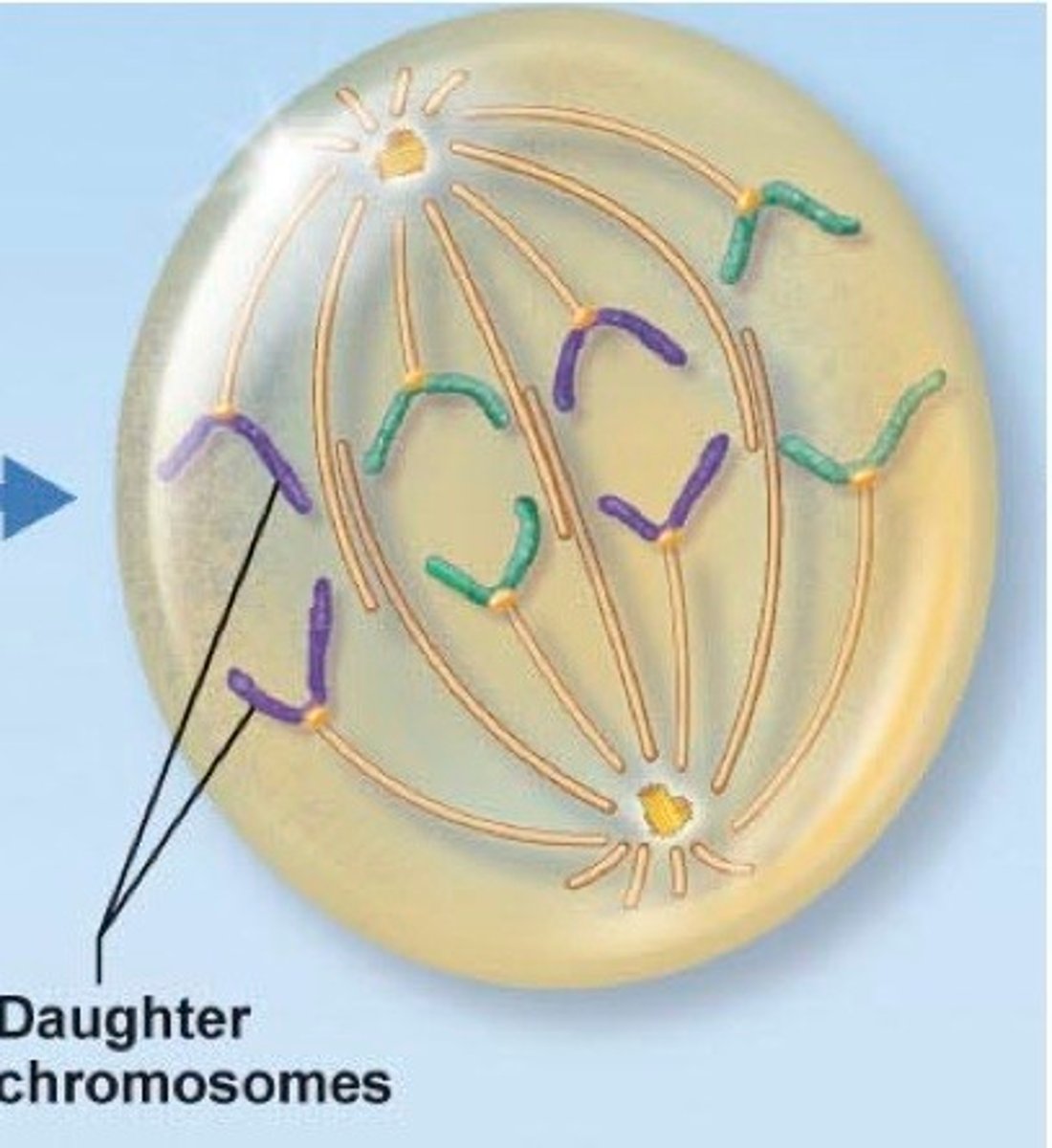
telophase
the final phase of cell division, between anaphase and interphase, in which the chromatids or chromosomes move to opposite ends of the cell and two nuclei are formed.
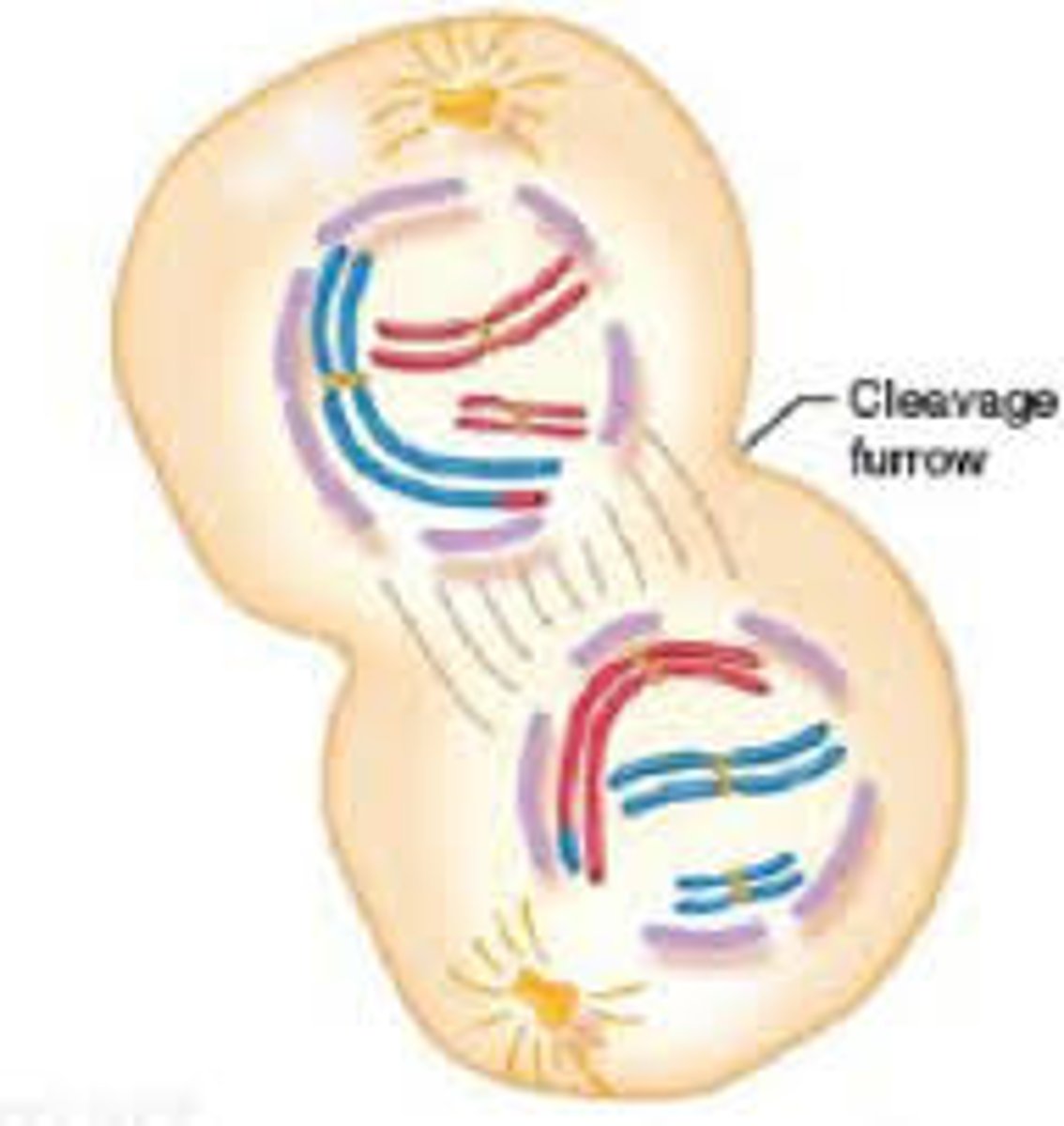
cleavage furrow
The first sign of cleavage in an animal cell; a shallow groove in the cell surface near the old metaphase plate.
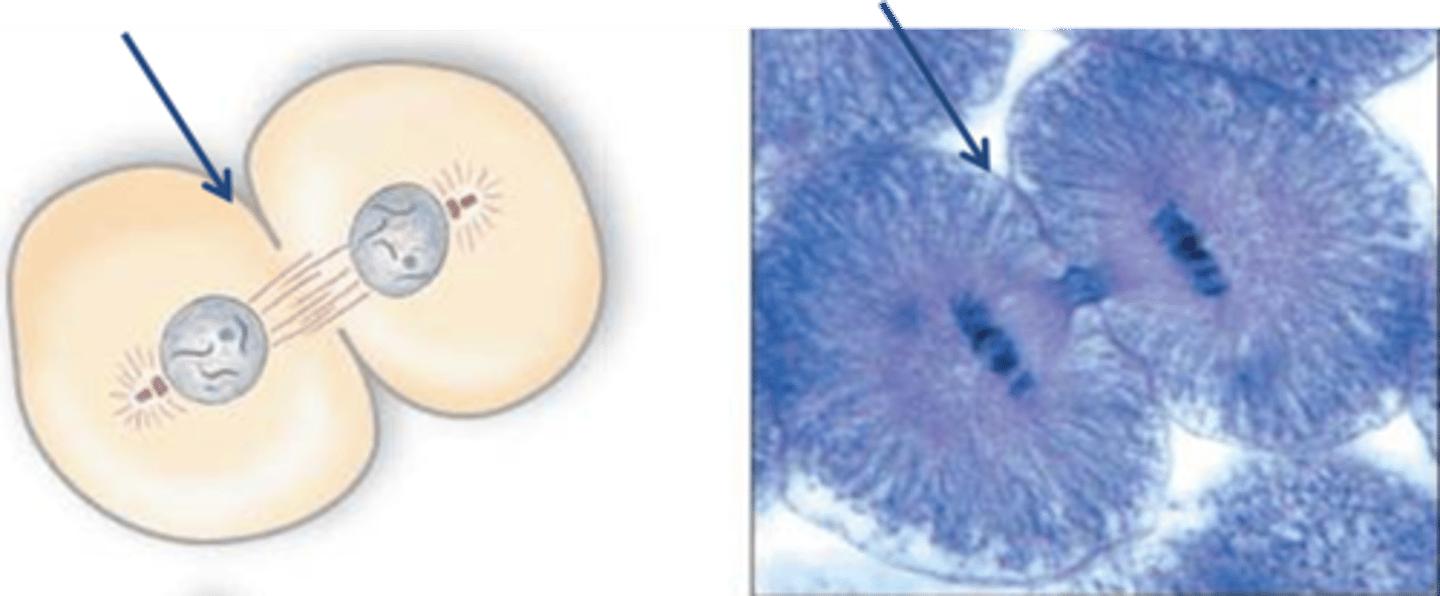
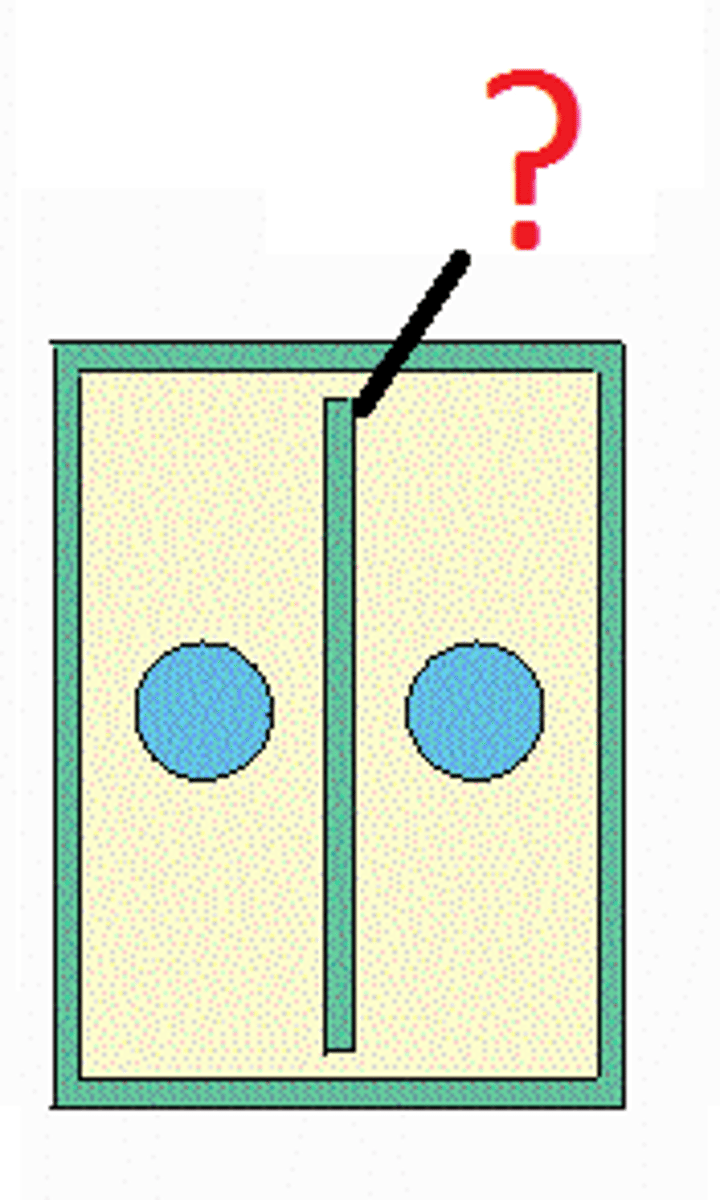
cell plate
In a plant cell, midline of dividing cells. Becomes the cell wall eventually.
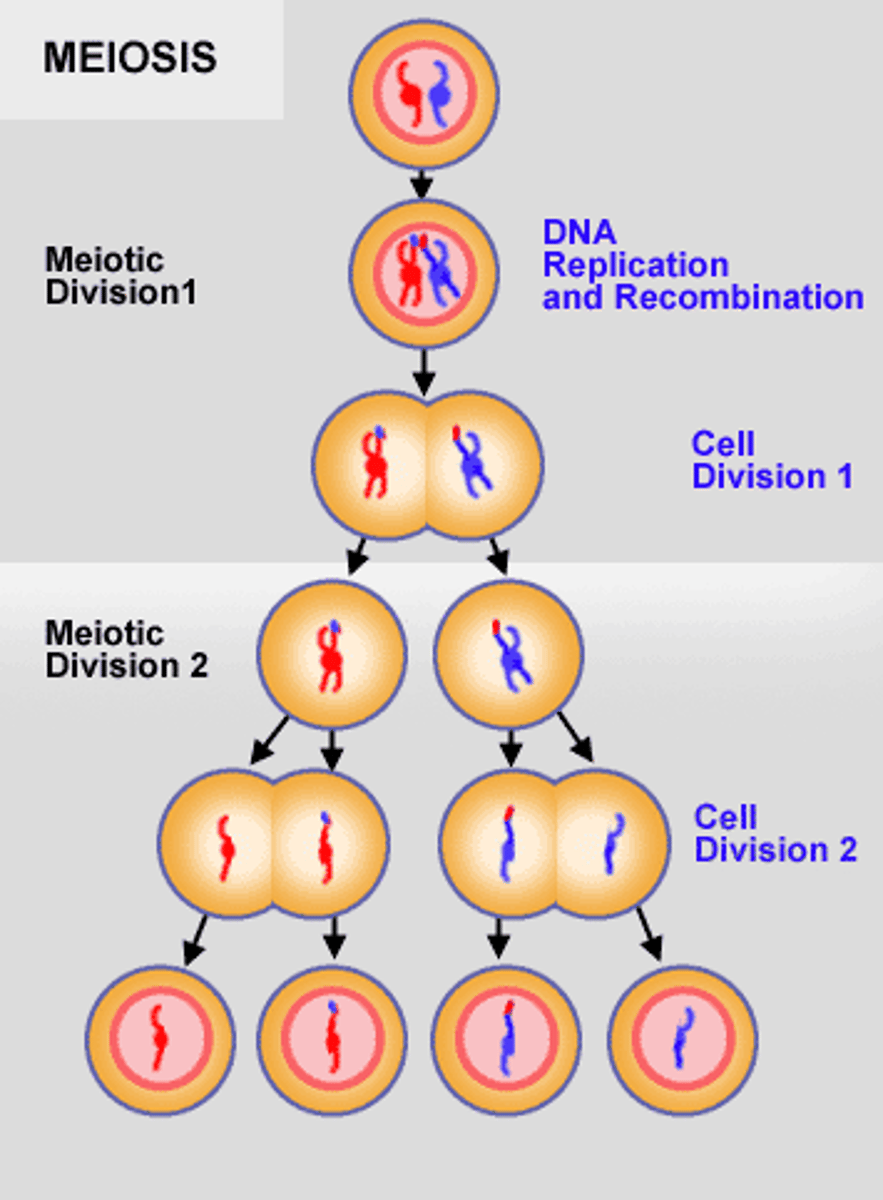
meiosis
Cell division that produces reproductive cells in sexually reproducing organisms
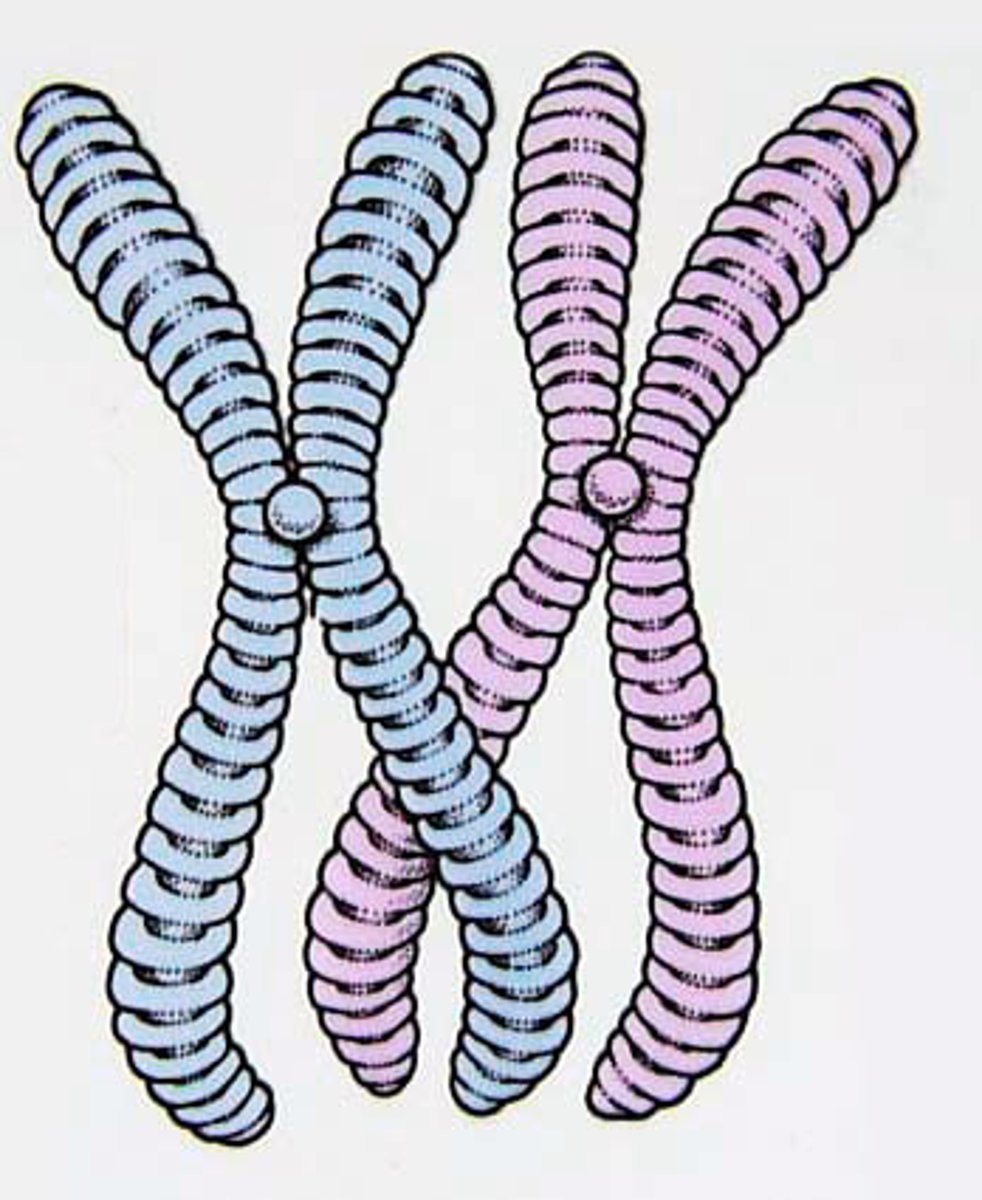
bivalent or tetrad
homologous replicated chromosomes that are joined together during prophase I and metaphase I of meiosis
synapsis
Pairing of homologous chromosomes
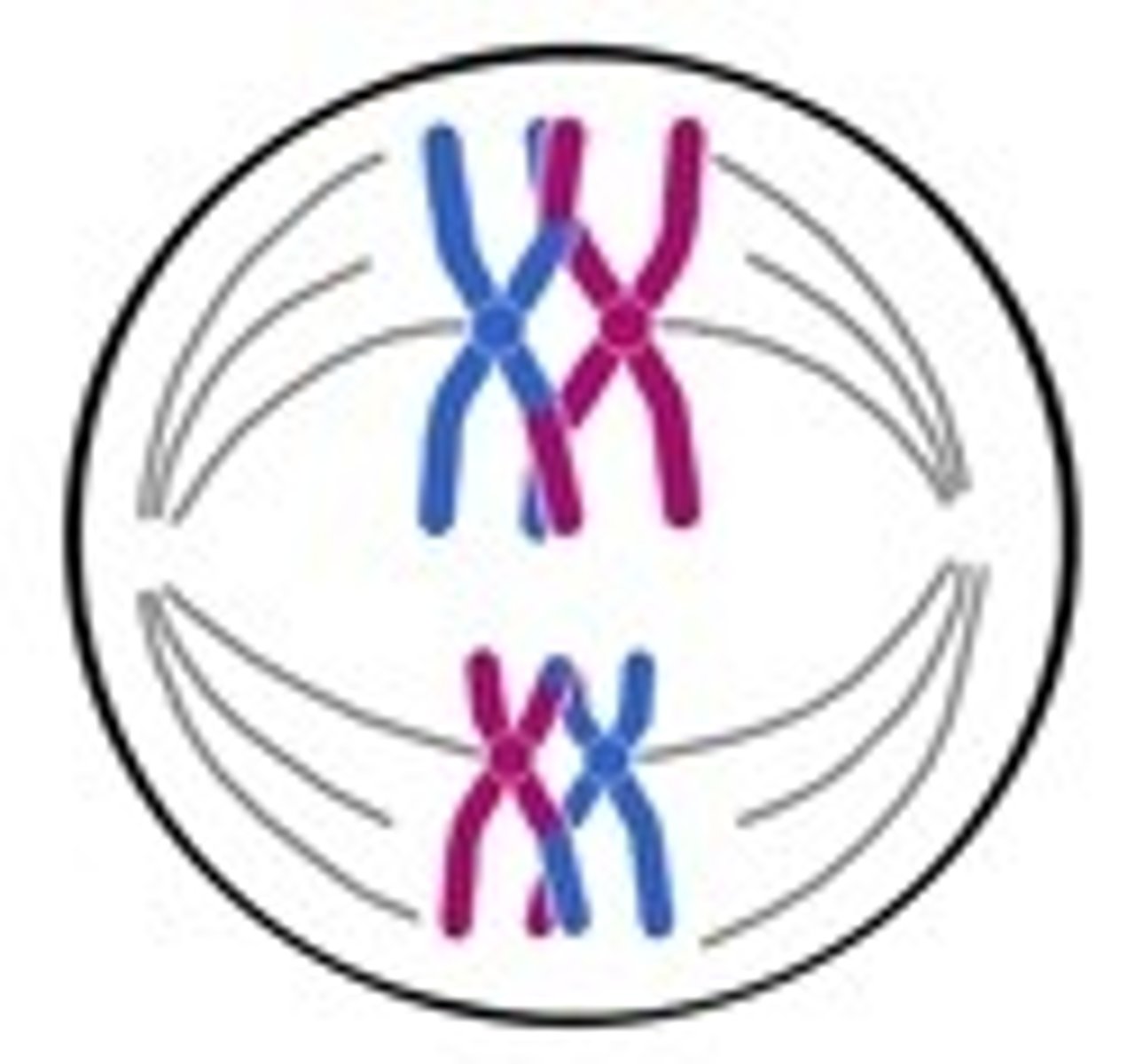
crossing over
Process in which homologous chromosomes exchange portions of their chromatids during meiosis.
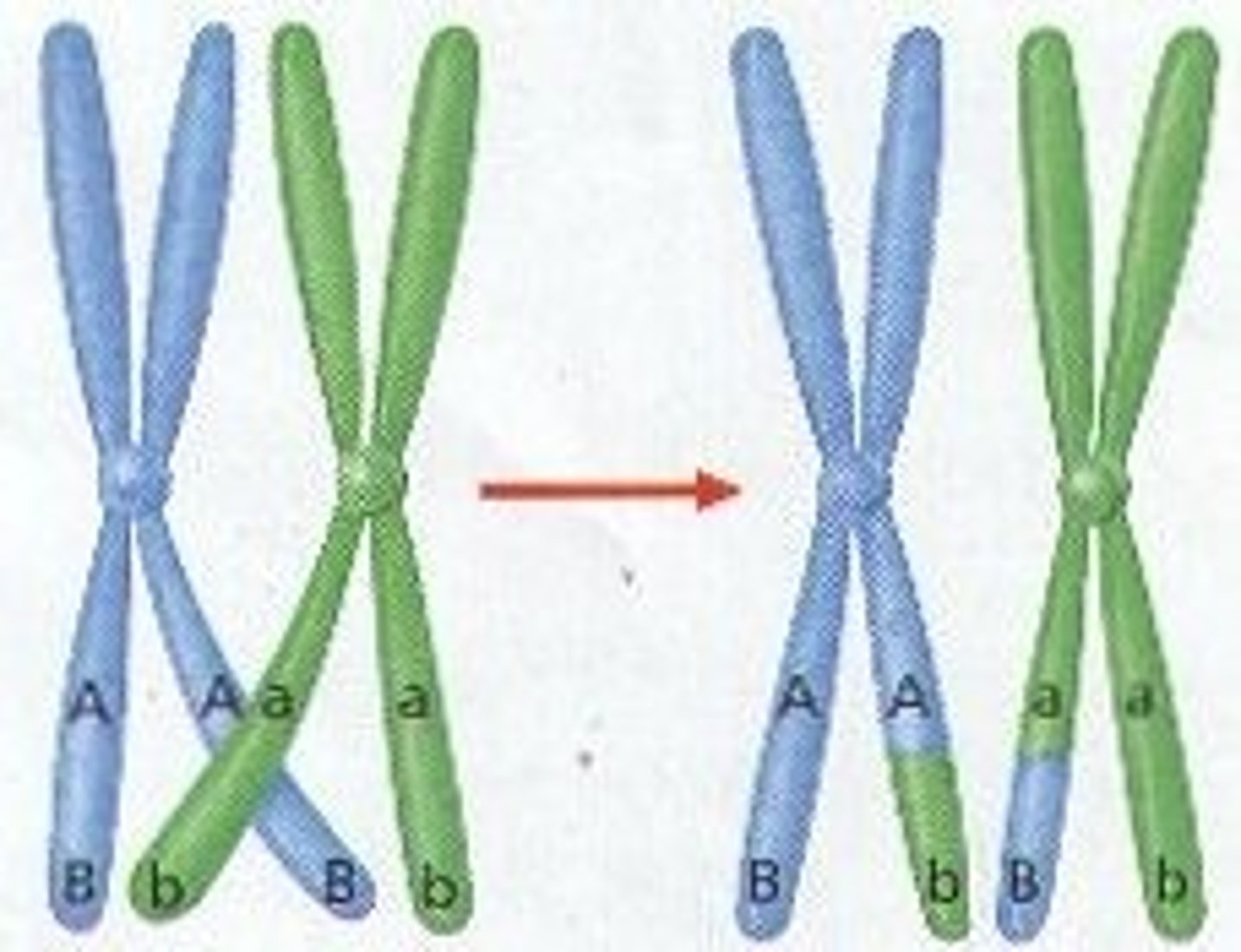
meiosis I
The first division of a two-stage process of cell division in sexually reproducing organisms that results in cells with half the number of chromosome sets as the original cell.
meiosis II
the second phase of meiosis consisting of chromatids separating, along with the two diploid cells splitting in two
sexual reproduction
A reproductive process that involves two parents that combine their genetic material to produce a new organism, which differs from both parents
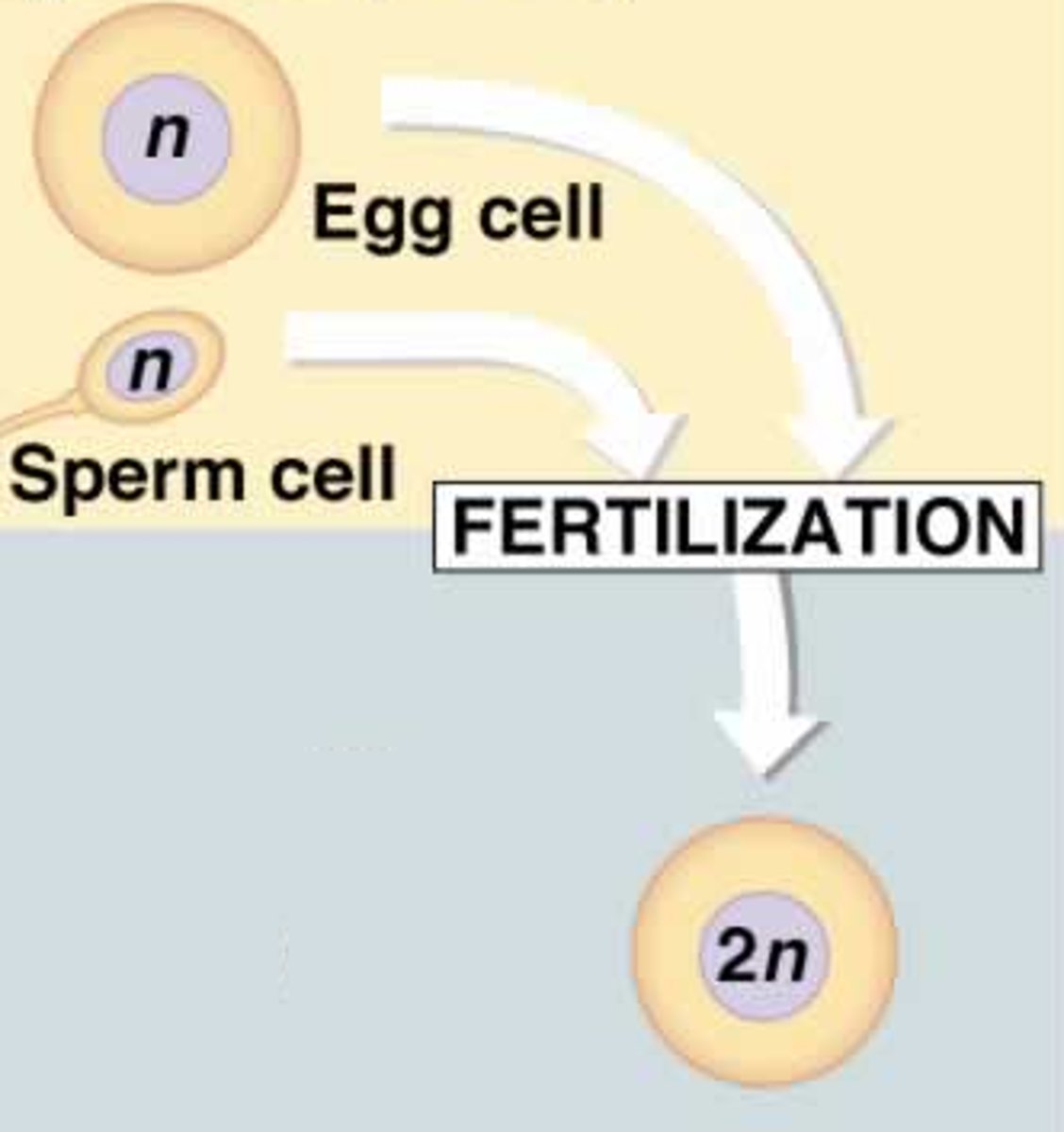
metacentric
centromere in middle
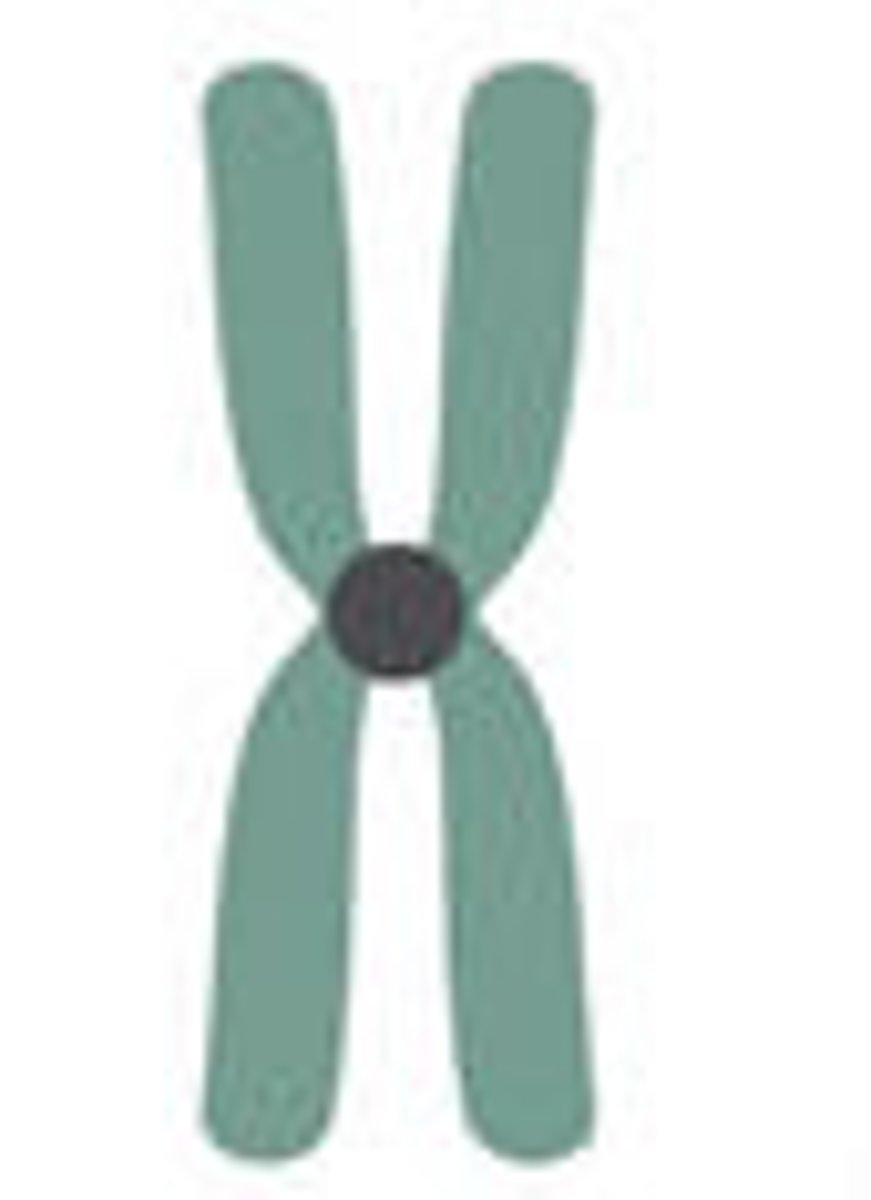
submetacentric
centromere slightly off center
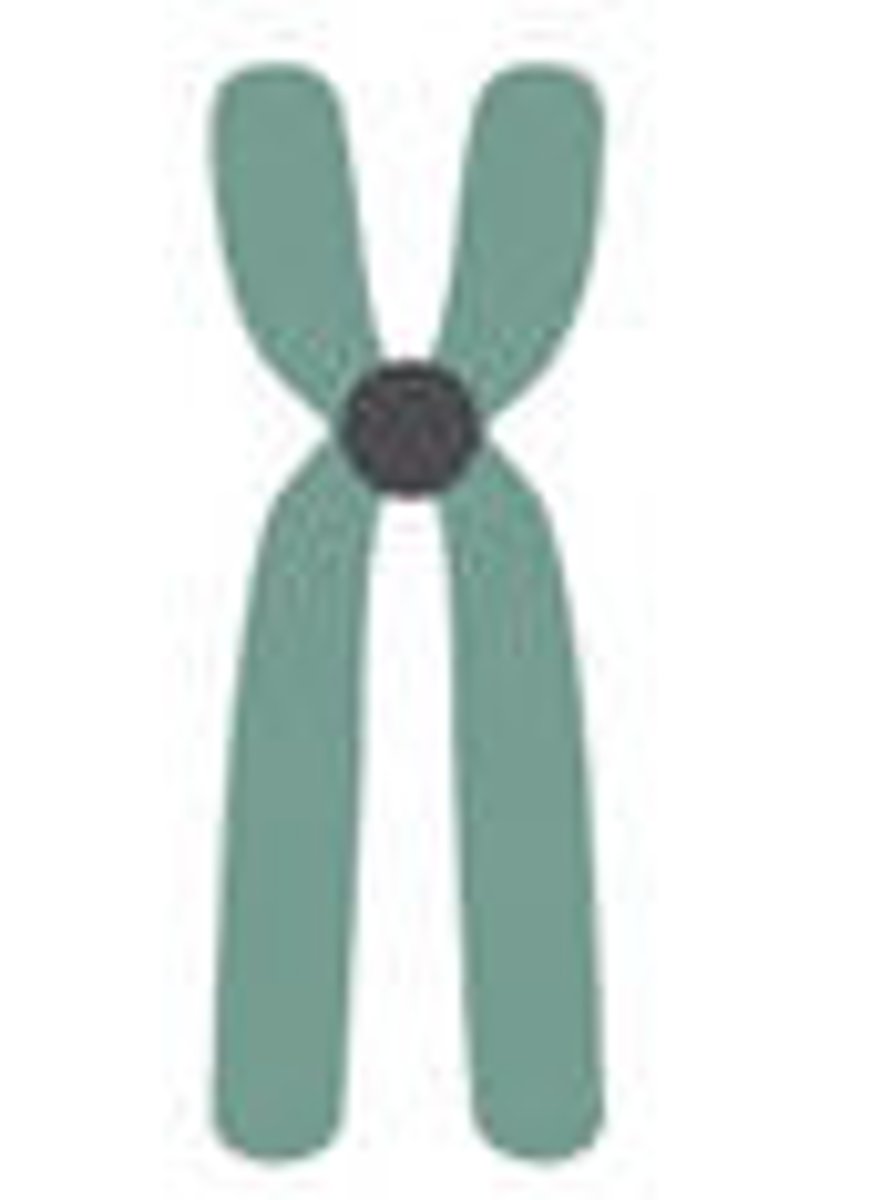
acrocentric
centromere close to end
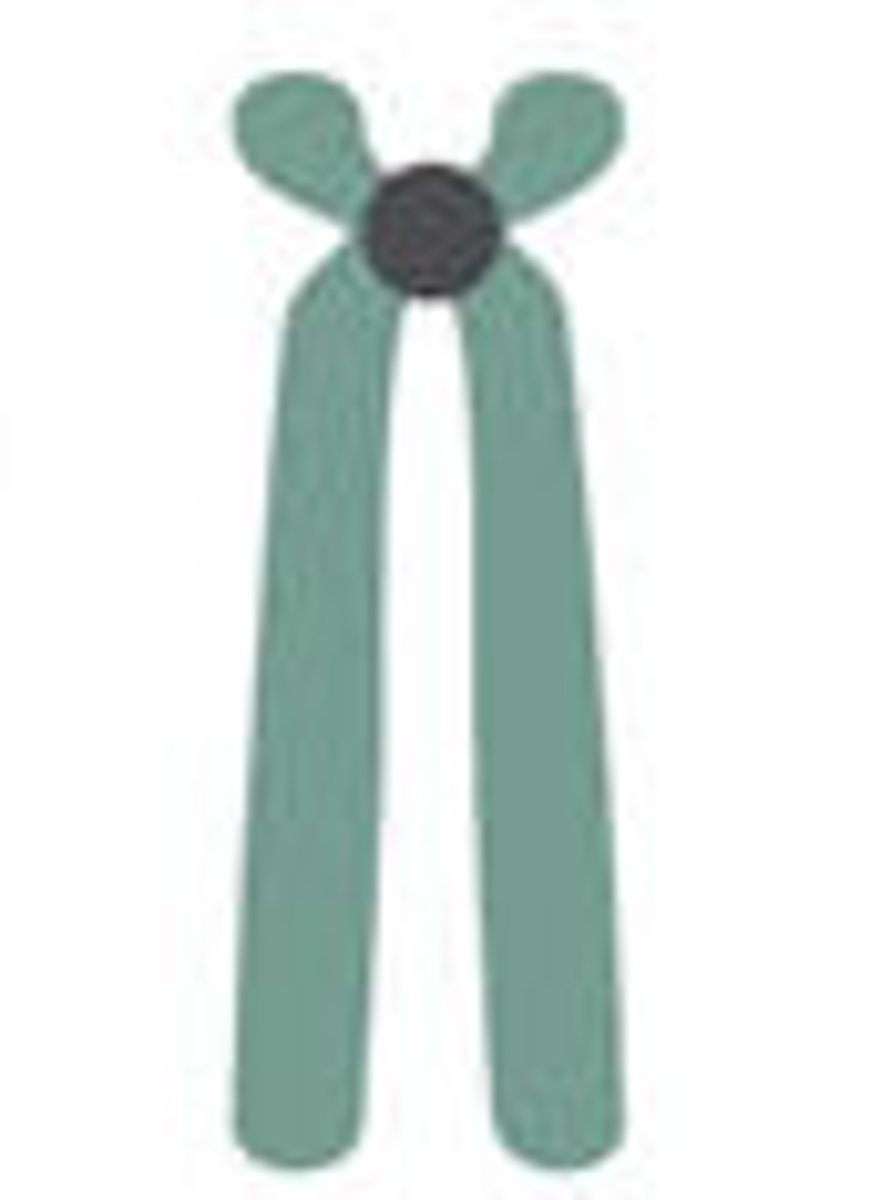
telocentric
centromere at end
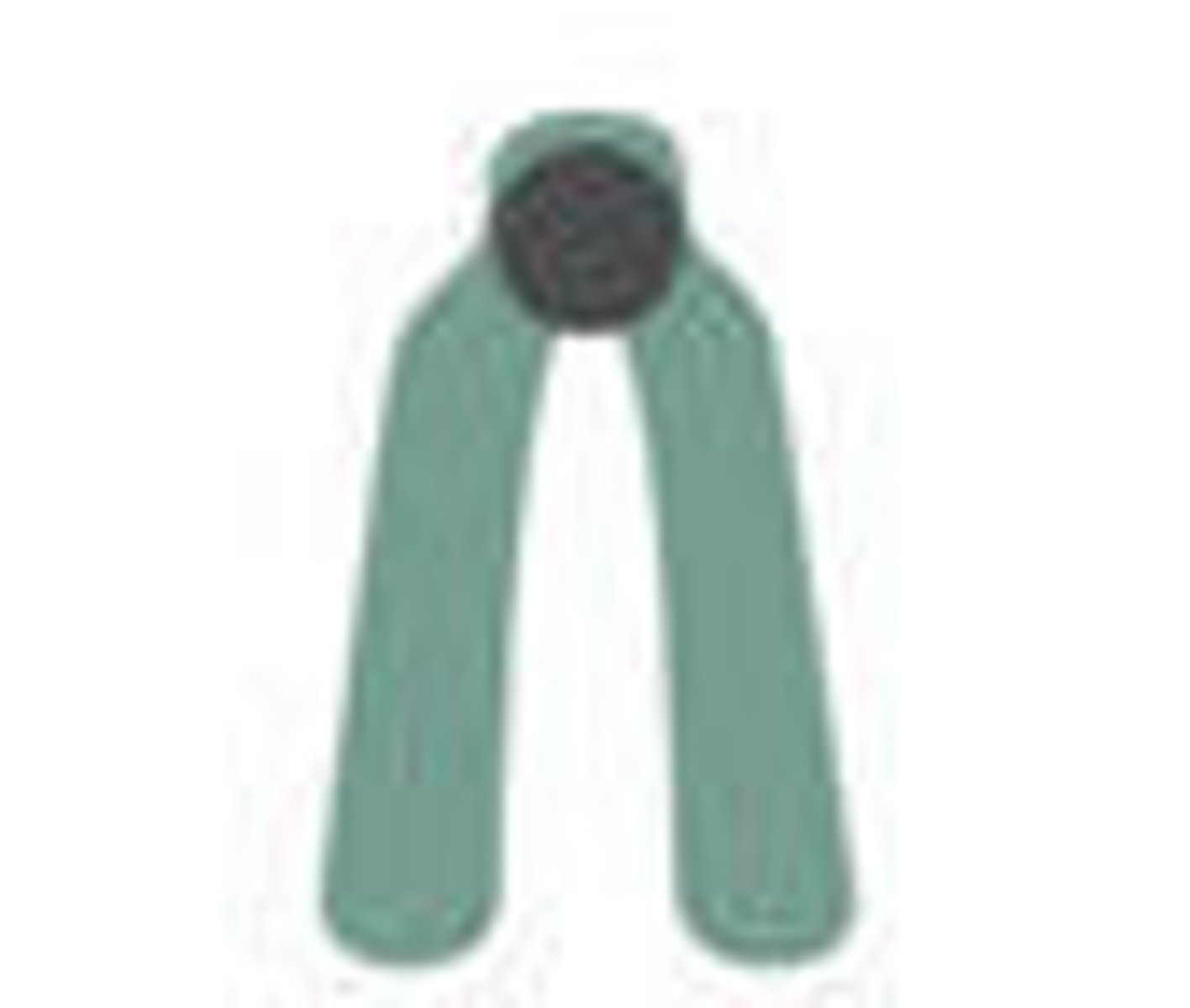
deletion
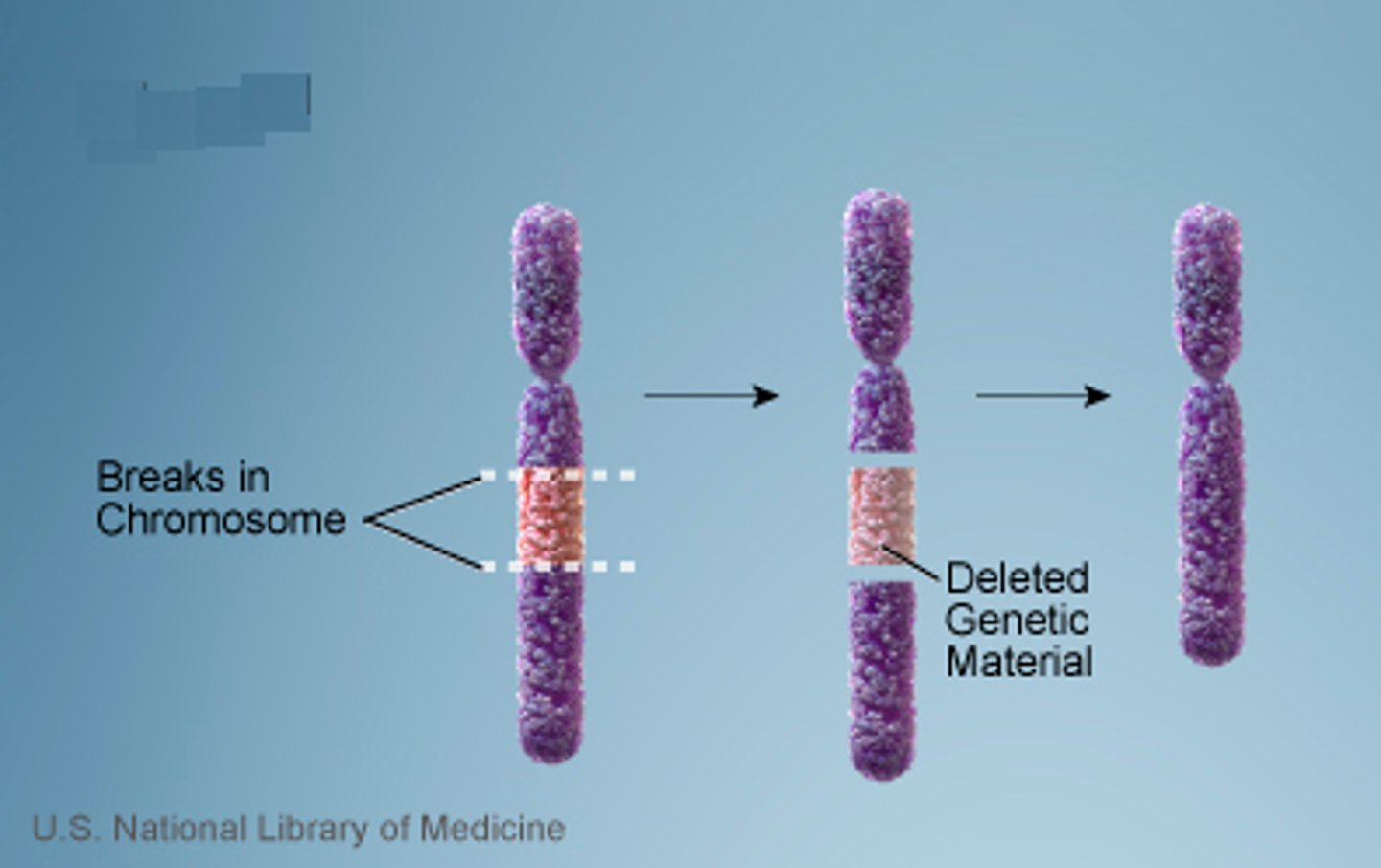
A change to a chromosome in which a fragment of the chromosome is removed.
duplication
change to a chromosome in which part of the chromosome is repeated

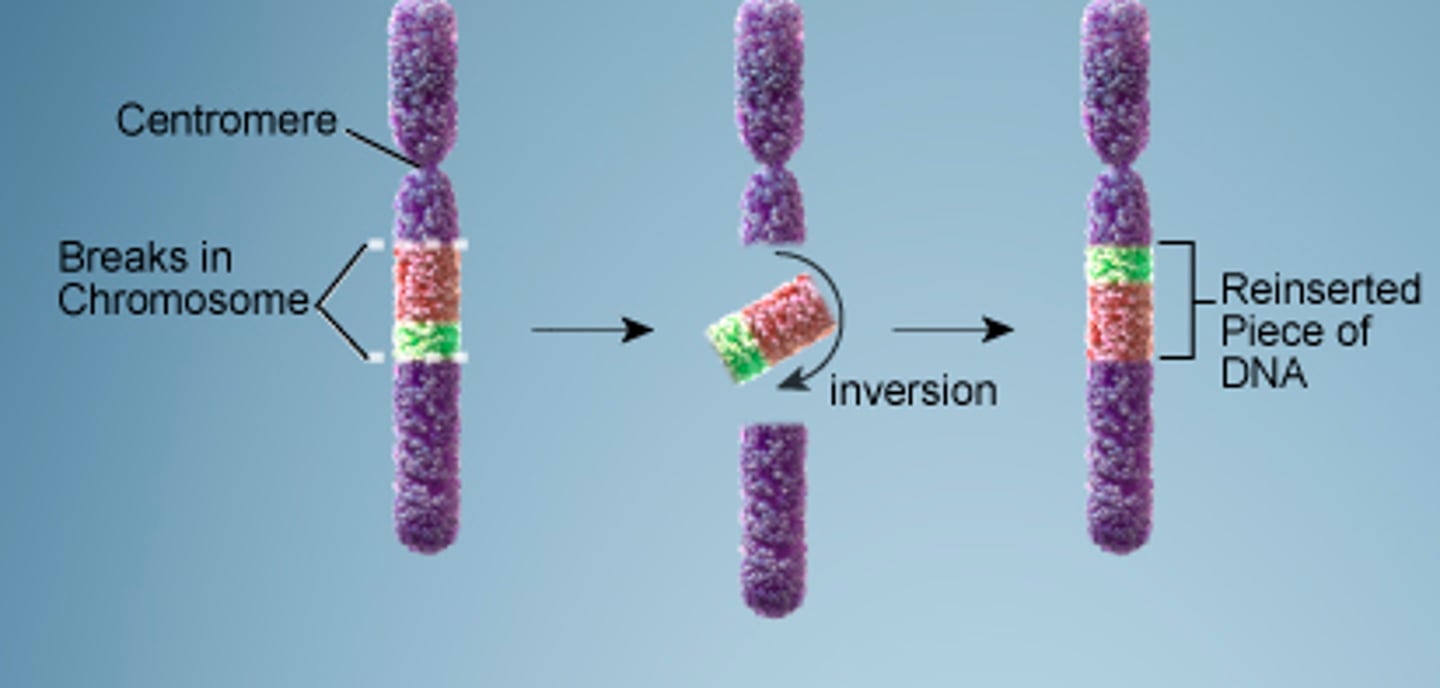
inversion
change to a chromosome in which genes are in reverse order
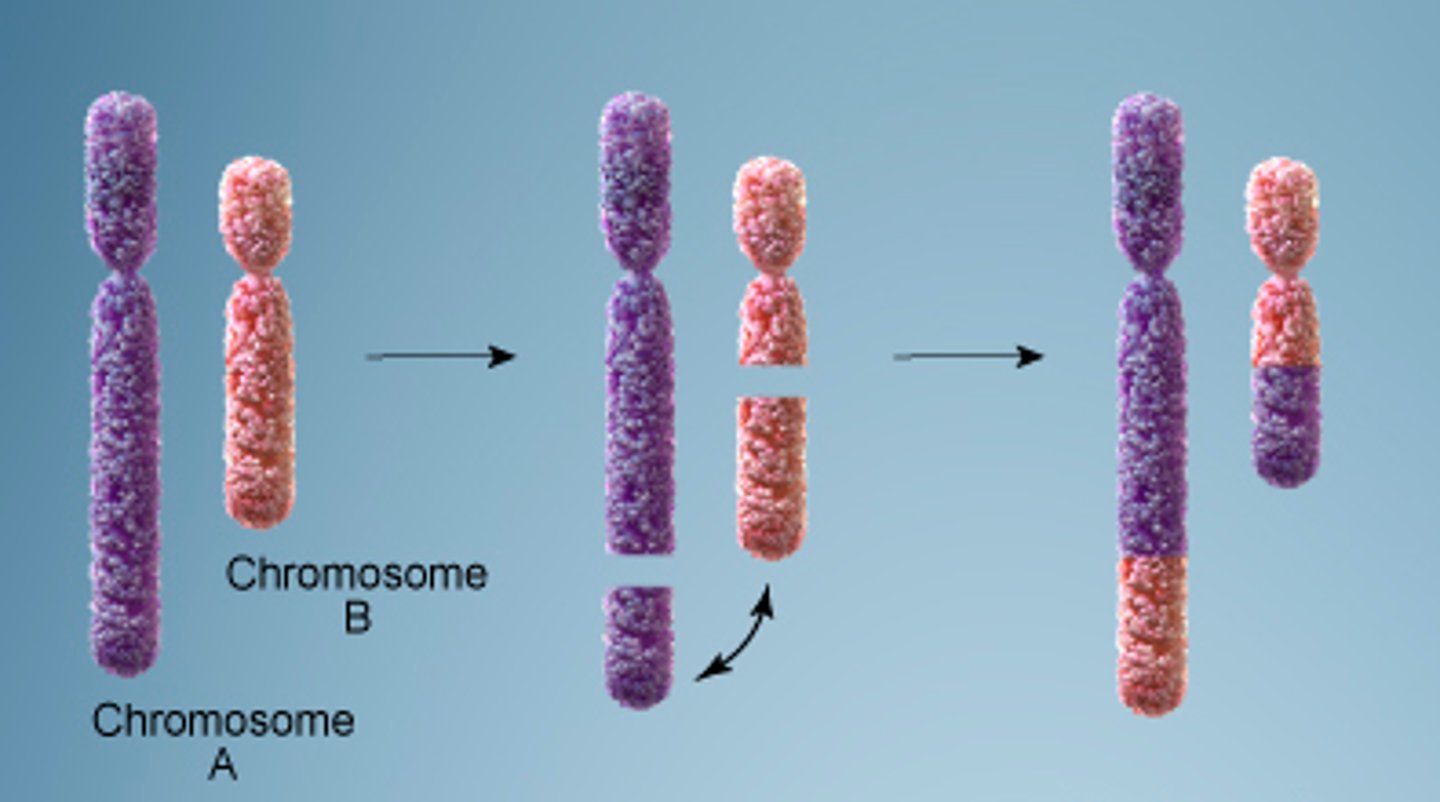
translocation
Change to a chromosome in which a fragment of one chromosome attaches to a nonhomologous chromosome.
euploid
normal number of chromosomes
polyploid
condition in which an organism has extra sets of chromosomes
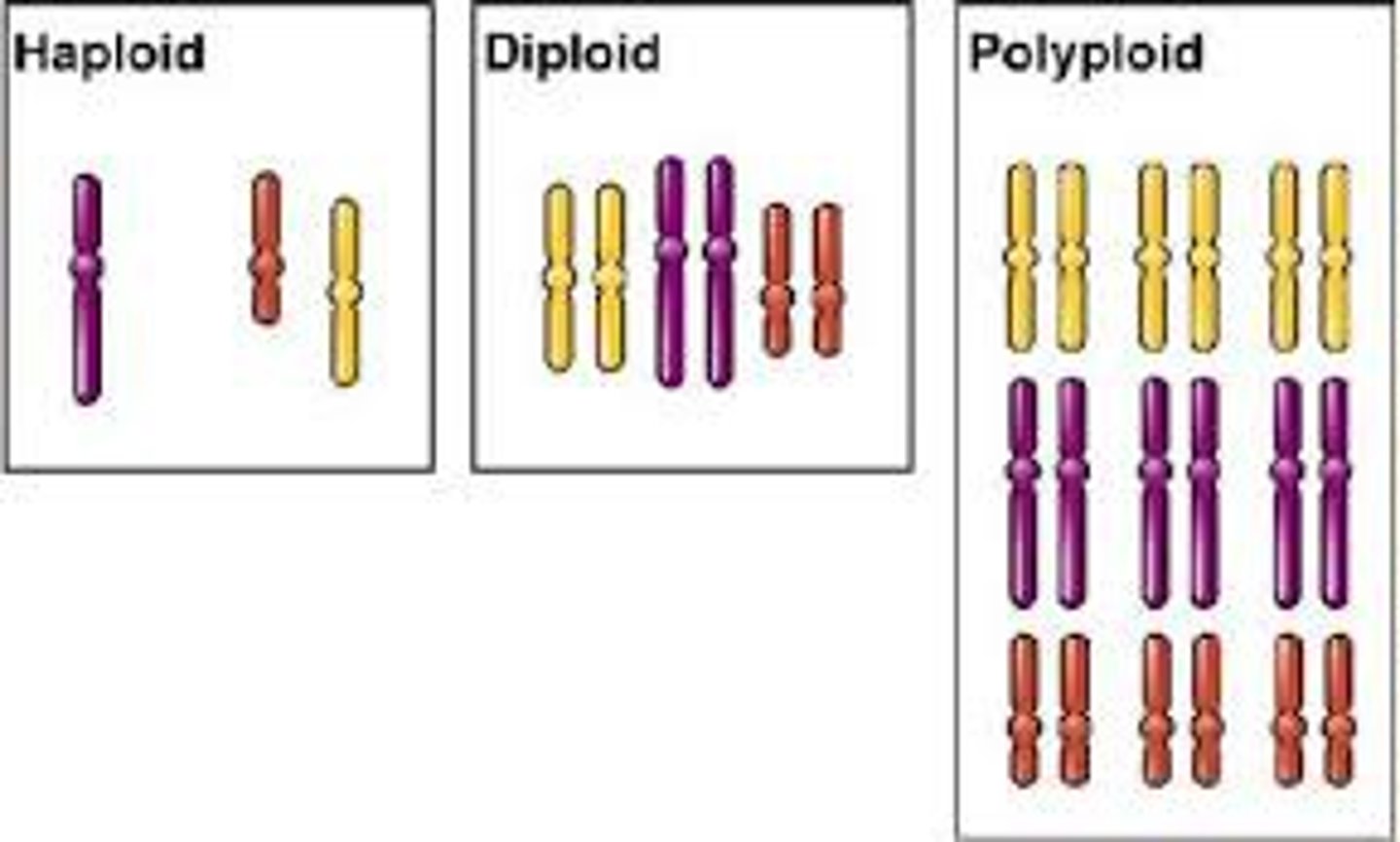
triploid
A chromosomal mutation where an organism has three sets of chromosomes (3n) instead of two (2n)
aneuploidy
A chromosomal aberration in which one or more chromosomes are present in extra copies or are deficient in number.
nondisjunction
Error in meiosis in which homologous chromosomes fail to separate.
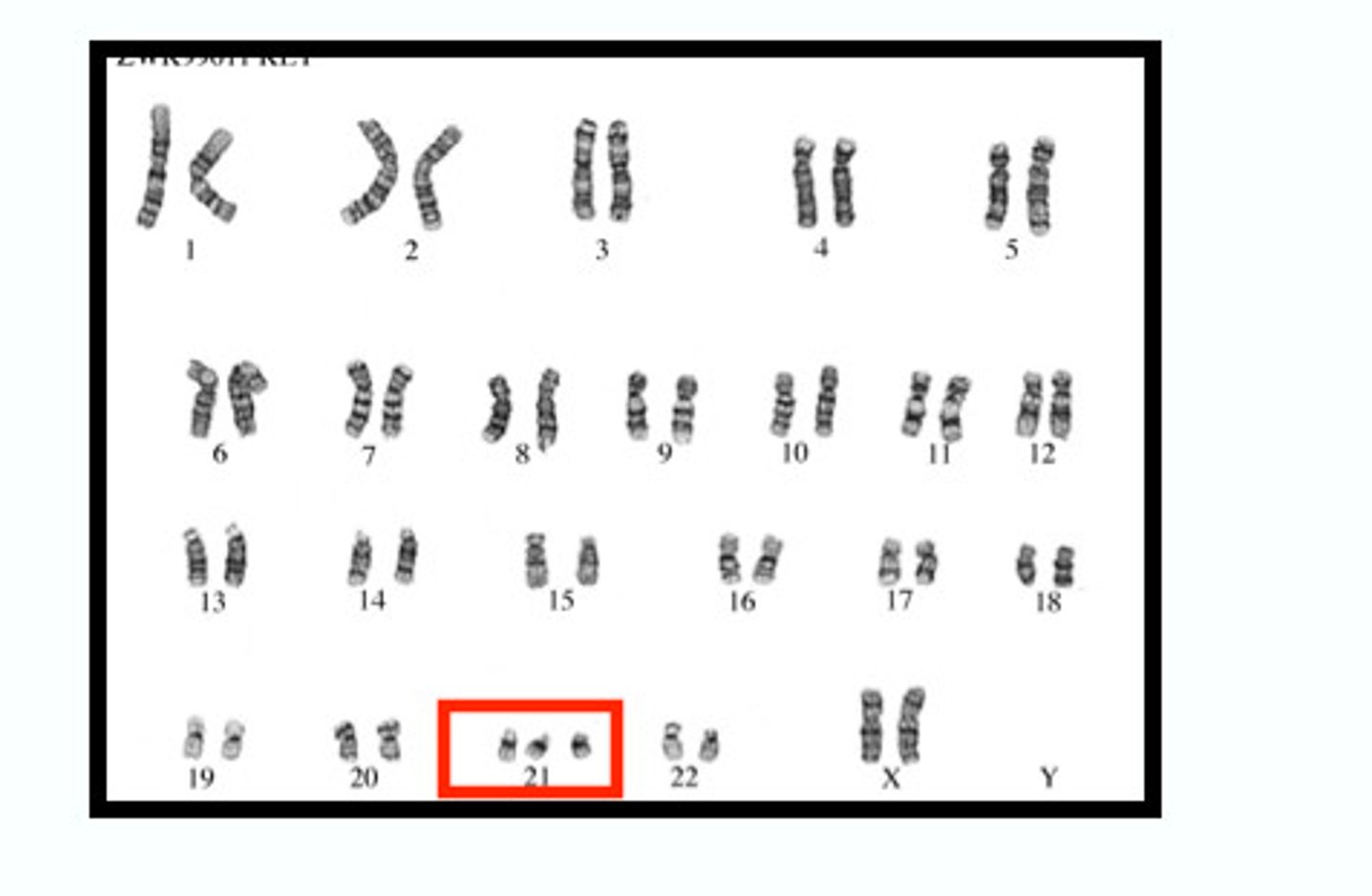
Trisomy
a condition in which an extra copy of a chromosome is present in the cell nuclei, causing developmental abnormalities.
Monosomy
Chromosomal abnormality consisting of the absence of one chromosome from the normal diploid number