specialised cells
 Call Kai
 Learn
Learn Practice Test
 Spaced Repetition
 Match
Match Flashcards
 Knowt Play
1/10

Earn XP
Description and Tags
11 Terms
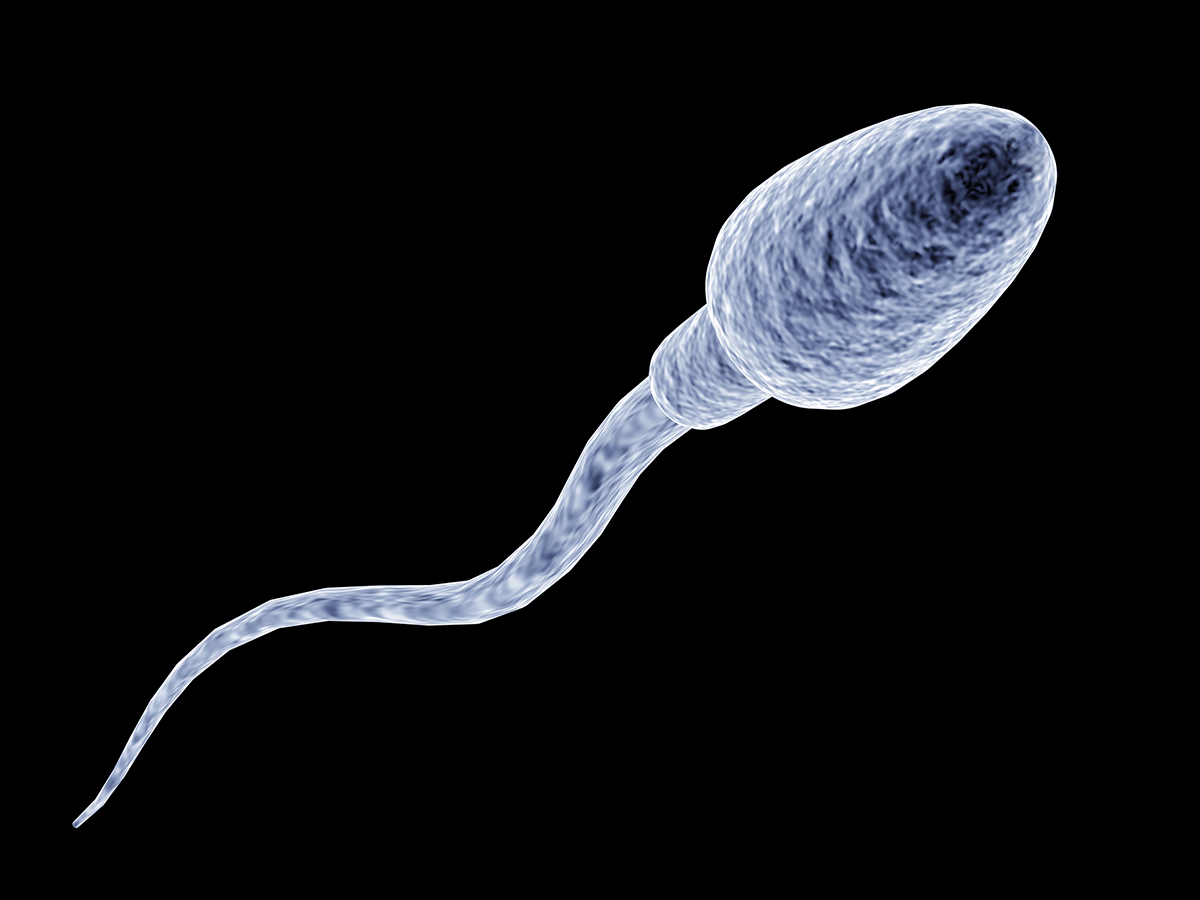
sperm cells function
to carry the male DNA to the egg cell (ovum) for reproduction

sperm cell characteristics
long tail for swimming
mitochondria in the middle piece to supply energy for cell’s movement
acrosome (head) penetrates egg cell membrane
haploid nucleus - 23 chromosomes

egg cell function
specialised to accept a single sperm cell to develop embryo
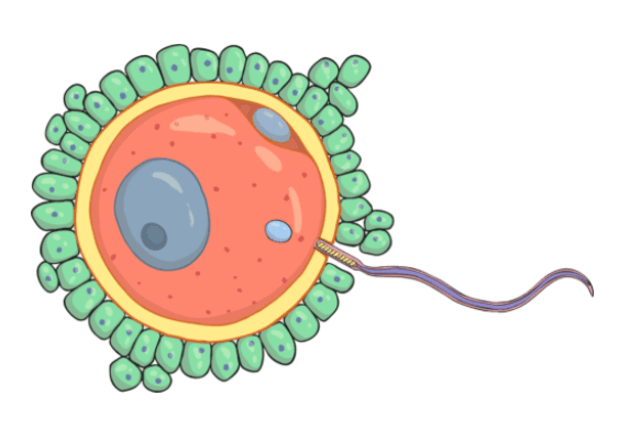
egg cell characteristics
surrounded by special cell membrane that can only accept 1 sperm - becomes impermeable afterwards
Alot of mitochondria to provide energy for embryo’s growth
haploid - 23 chromosomes

ciliated cells function
specialised to waft bacteria/other particles trapped by mucus up to the throat (to be coughed out) or down to the stomach (to be digested)
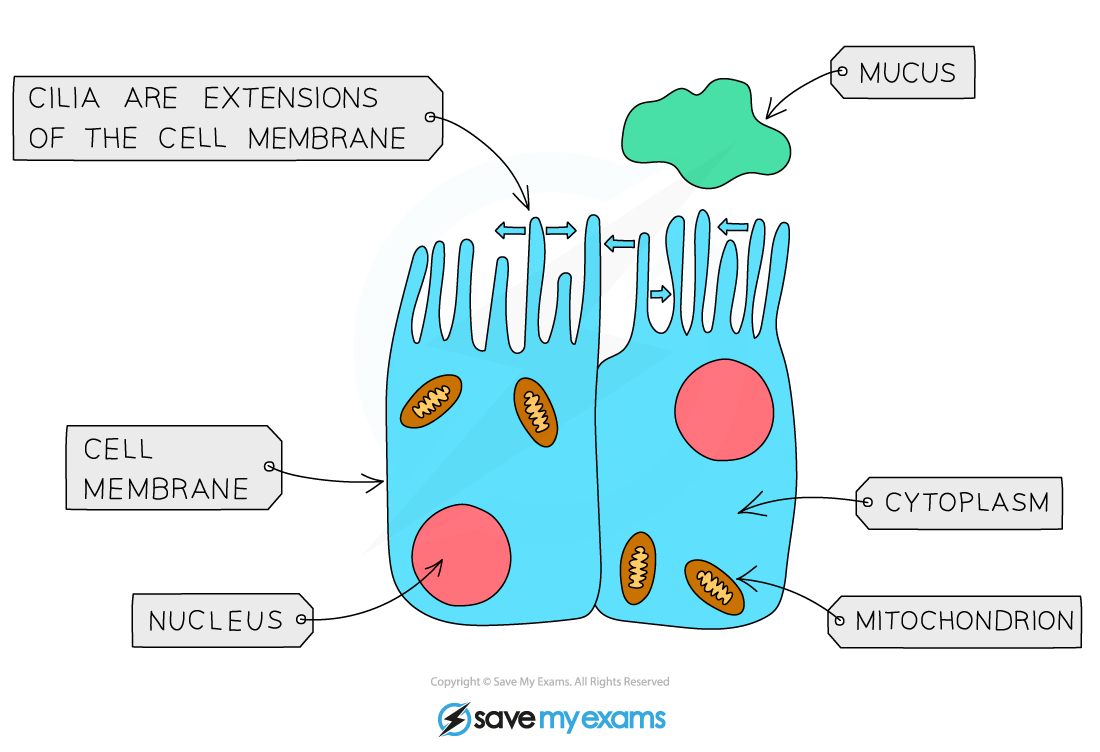
ciliated cells characteristics
long hairs (cilia) waft bacteria trapped by mucus to the stomach - where they are killed by stomach acid (this protects our body against illnesses)

root hair function/characteristics
takes up water by osmosis and mineral ions by active transport from the soil
characteristics
large surface area so more water can move in
large vacuole affect the speed of movement of water from the soil to the cell
mitochondria provides energy from respiration for the active transport of mineral ions into root hair cell

red blood cell functions/characteristics
specialised to transport oxygen from the lungs to the rest of the body
characteristics
contains a haemoglobin to carry oxygen molecules
no nucleus for more space to carry oxygen
flat disc shape with dips on both sides (biconcave) gives them a large surface area and better chance of absorbing as much oxygen as they can in the lungs

villi function/characteristics
structures about 1mm long in the small and large intestines. millions of them poke out to absorb digested food and water into the blood
characteristics
large surface area
thin walls that are 1 cell thick
cells of the lining have tiny hairs to absorb more food/water

nerve cells functions/characteristics
transmit electrical signals in the nervous system
characteristics
they’re thin and carry messages up and down the body over long distances very quickly
nerve cells have branched connections at end to join to other nerve cells to pass messages around the body
have a fatty layer (myelin sheath) surrounding them which increases the speed the message can travel