MLS 407 | Clinical Laboratory Safety
 Call Kai
 Learn
Learn Practice Test
 Spaced Repetition
 Match
Match Flashcards
 Knowt Play
1/36

There's no tags or description
Looks like no tags are added yet.
Name | Mastery | Learn | Test | Matching | Spaced | Call with Kai |
|---|
No analytics yet
Send a link to your students to track their progress
37 Terms
Standard Precautions
All patient samples treated as potentially infectious or biohazardous
Also referred to as Universal Precautions
Follow standard precautions when handling any specimen
Follow these for safety and it’s the law!
Engineering Controls
Devices provided that reduce the chance of a biosafety exposure
Safety shower
Eyewash stations
Biohazard waste disposal
Biohazard sharps disposal
Biological safety cabinet
Spill kit
How long should you wash your eyes at the eyewash station?
15 minutes
What is considered biohazardous waste?
Blood tubes
Reaction tubes
Blood contaminated PPE
KOVA slides (used in urinalysis)
Biosafety
Maintenance of safe conditions to reduce or eliminate exposure to potentially hazardous agents and microorganisms
What are the following routes by which a healthcare worker can be exposed to biohazardous substances?
aerosol/airborne
ingestion
non-intact skin
percutaneous
permucosal
What are control methods used to reduce the risk of biohazard exposure and transmission? Include examples.
Engineering devices (eyewash station)
Work practice controls (hygiene)
PPE
Describe the proper sequence for putting on and taking off PPE
Donning: gown, mask, gloves
Doffing: gloves, gown, mask, wash hands
Sterilization
removing all living organisms including spores (autoclaving)
Disinfection
reduces number of harmful microorganisms using disinfectants like bleach
can be done once per shift (minimum) or whenever there is a spill
Describe the protocols to follow when exposed to a body fluid
Follow site protocol
Clean wound/splash site
Notify personnel
Seek medical care
What is the order of steps to follow when cleaning up a biohazardous material spill?
Choose proper PPE
Contain spill with paper towels
Use disinfectant, working from the outside in and letting it sit for 10-60 minutes
Use dustpan and broom
Use Kevlar gloves for broken glass
Dispose of waste in appropriate bins
Describe the proper order of steps to follow if you discover a fire
RACE: Rescue, Alarm, Confine, Extinguish/Evacuate
Describe the proper use of a portable fire extinguisher
PASS: Pull, aim, squeeze, sweep
Is static electricity an electrical safety hazard?
No, it is just caused by materials rubbing together and building up a charge
What are the primary negative health effects of UV exposure? How do you protect yourself?
Damage to skin and eyes
Sunburn, aging, melanoma, corneal damage
To protect yourself
Wear proper PPE: lab coat, face shield, cover exposed skin
Never use a BSC with a UV light on
What does the OSHA require?
OSHA requires labs to develop a written Chemical Hygiene Plan (CHP) that is readily available to employees which includes: policies, procedures, and responsibilities that protect employees from hazards
Chemical containers clearly labeled
Safety Data Sheets (SDS): contains information on hazardous chemicals including nature, precautions, PPE, conditions for safe use, clean-up procedure, disposal
What should you do when storing chemicals?
All chemicals stored in a secure location on level, stable shelves
Keep away from direct sunlight/heat
Hazardous chemicals/liquids below eye level
Do not store on floor or window ledges
Provide secondary containment system for liquids (trays, etc)
Gas cylinders chained or strapped in place with cap on
Dry chemicals, liquids, and gases should not be stored together
Store in cabinets resistant to corrosion or compatible secondary containers
Separate
Acids – bases and flammables
Bases – acids, flammables, reactives
Flammables – acids, bases, oxidizers
Oxidizers – bases, flammables, reactives
What are the two signal words?
DANGER and WARNING
What is required when labeling hazardous chemicals?
Full name
Product identifier
Hazard pictogram
Signal words (DANGER/WARNING)
Hazard Statement 1-4
Severity: A-Z
Precautionary statement
Manufacturer identifier
What do you put on a label when you’ve transferred a chemical?
Full chemical name
Precautionary and hazard information
Date solution is mixed
Concentration
Expiration Date
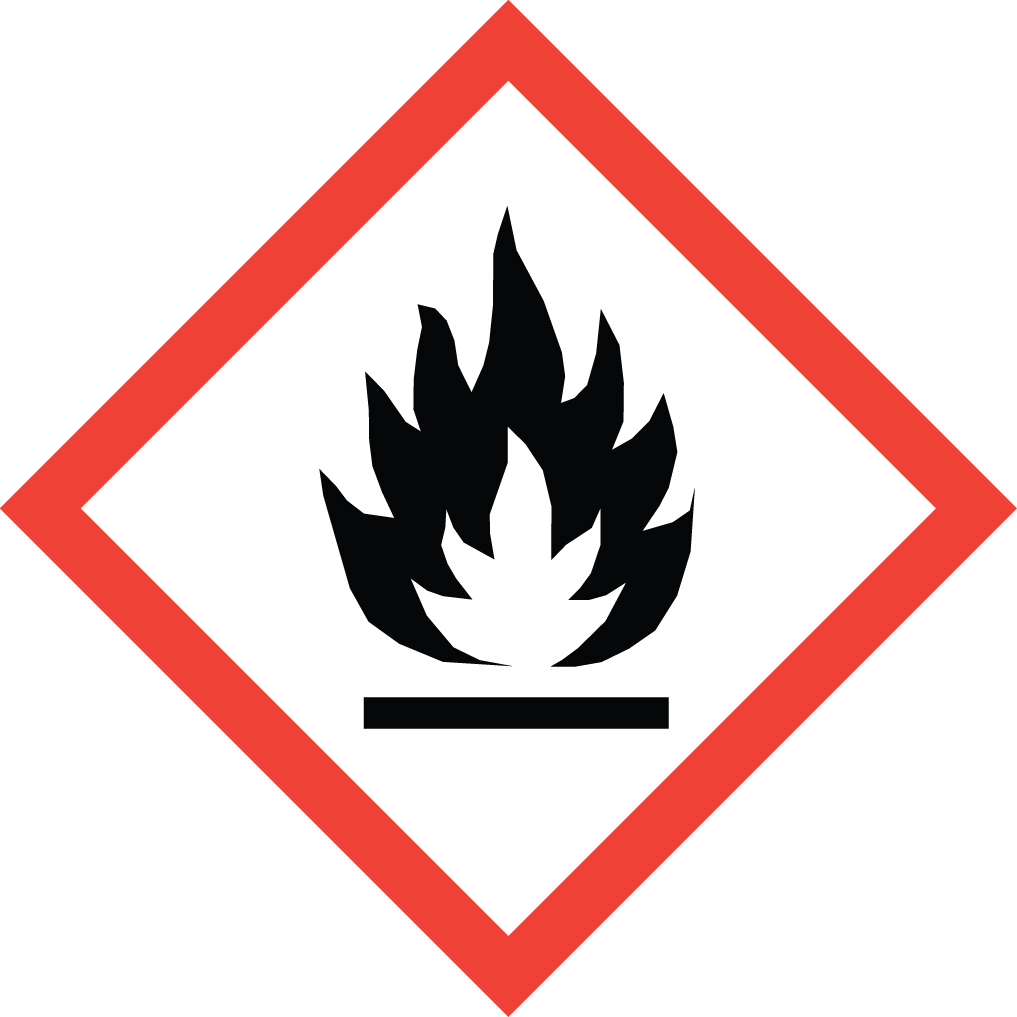
Flammable, self reactive
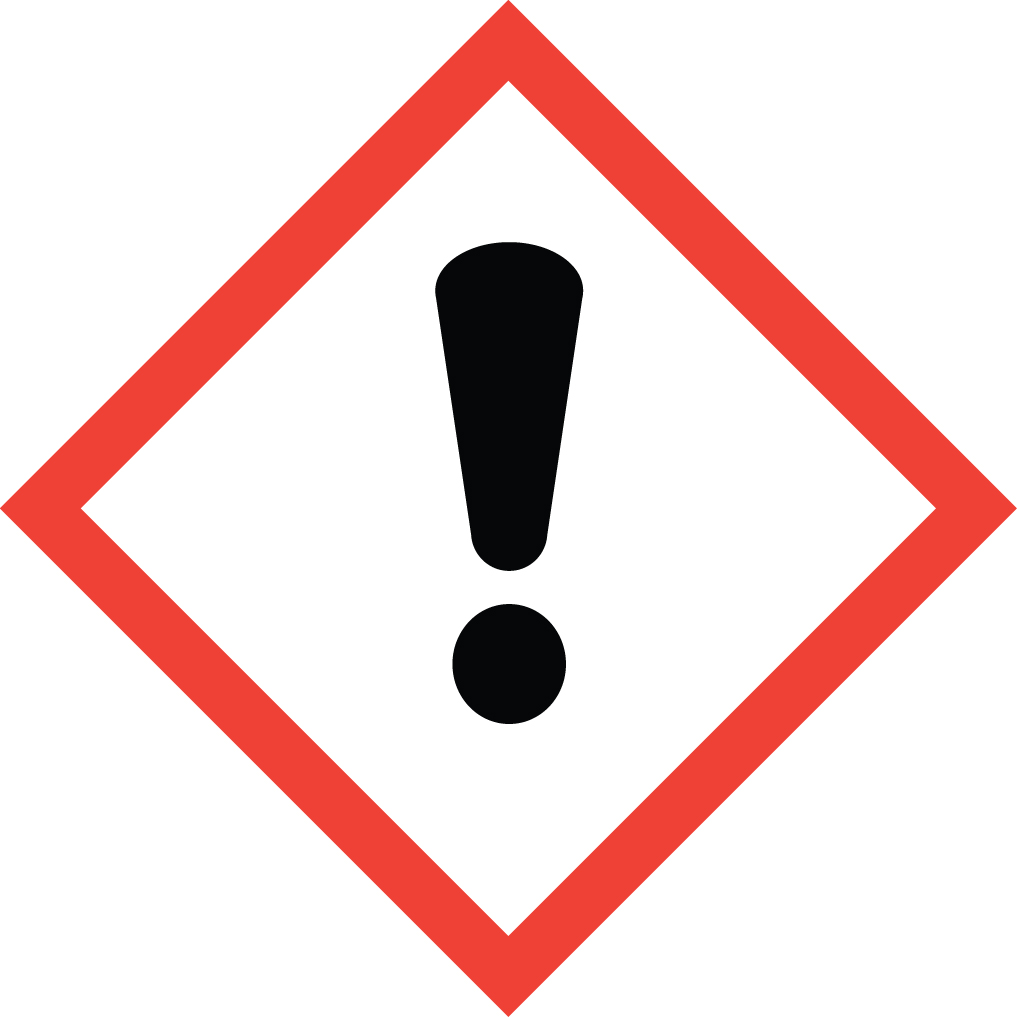
Acutely toxic (harmful), irritant, hazardous to ozone layer
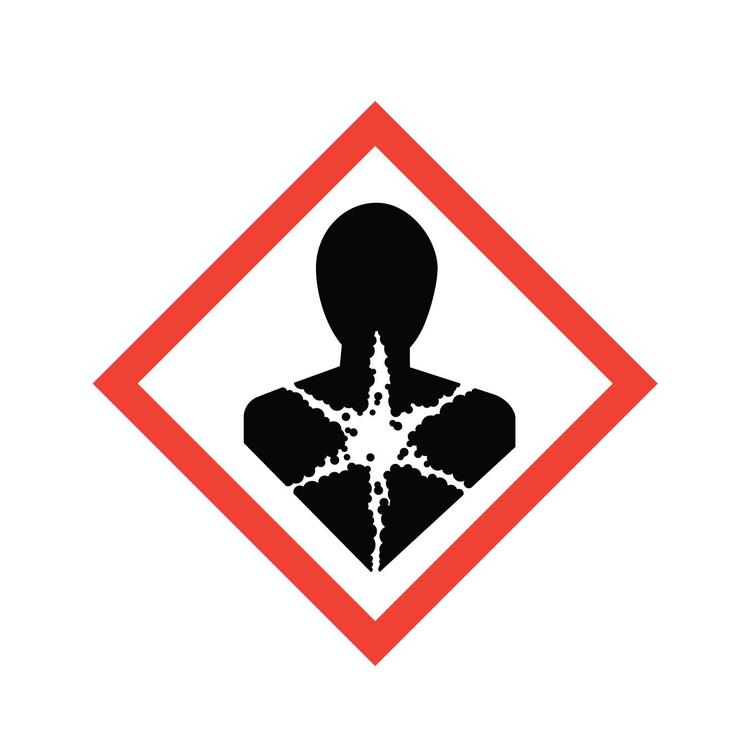
Carcinogen/reproductive toxicity/respiratory sensitizer/target organ toxicity
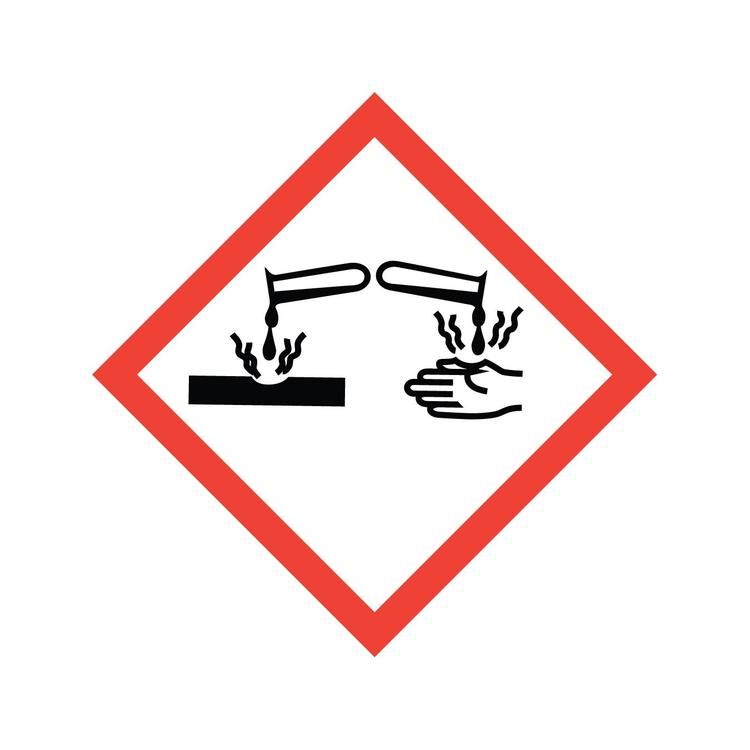
Skin corrosion/burns/eye damage
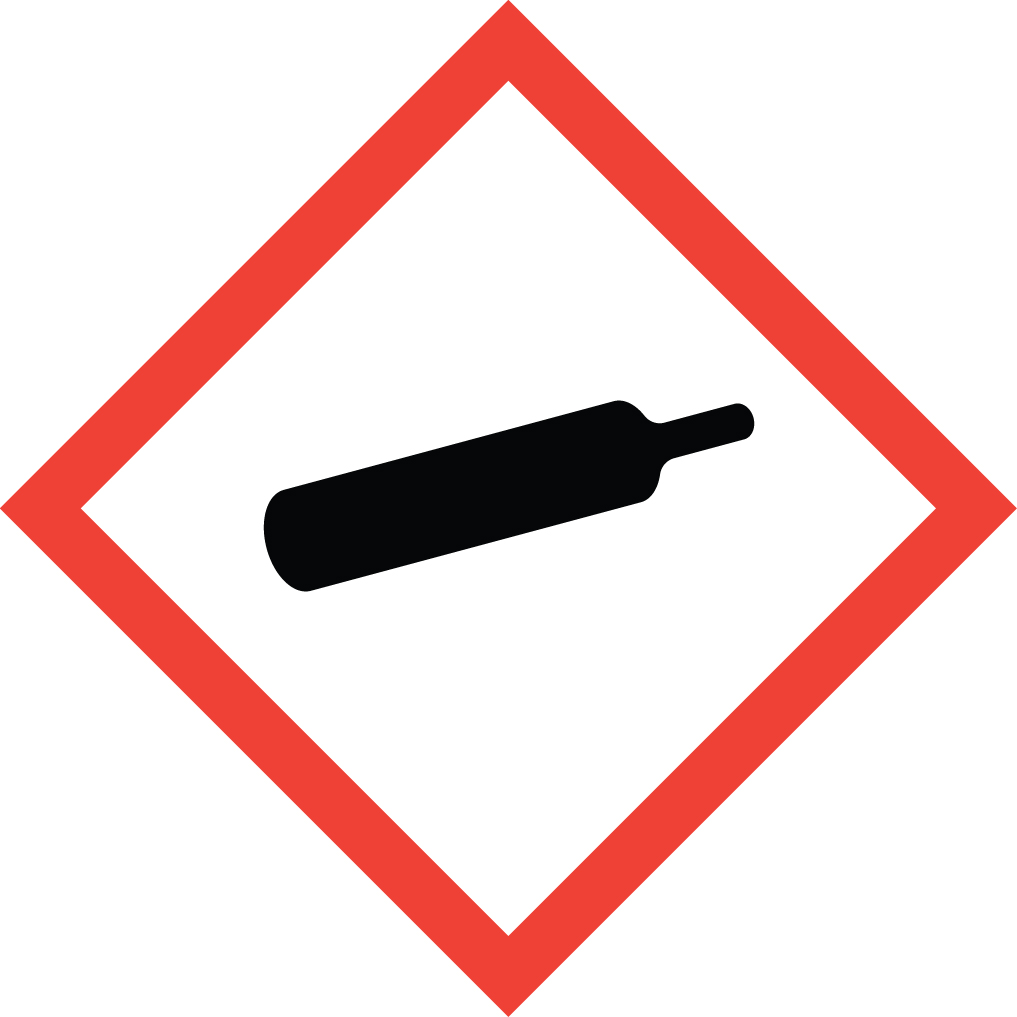
Gases under pressure
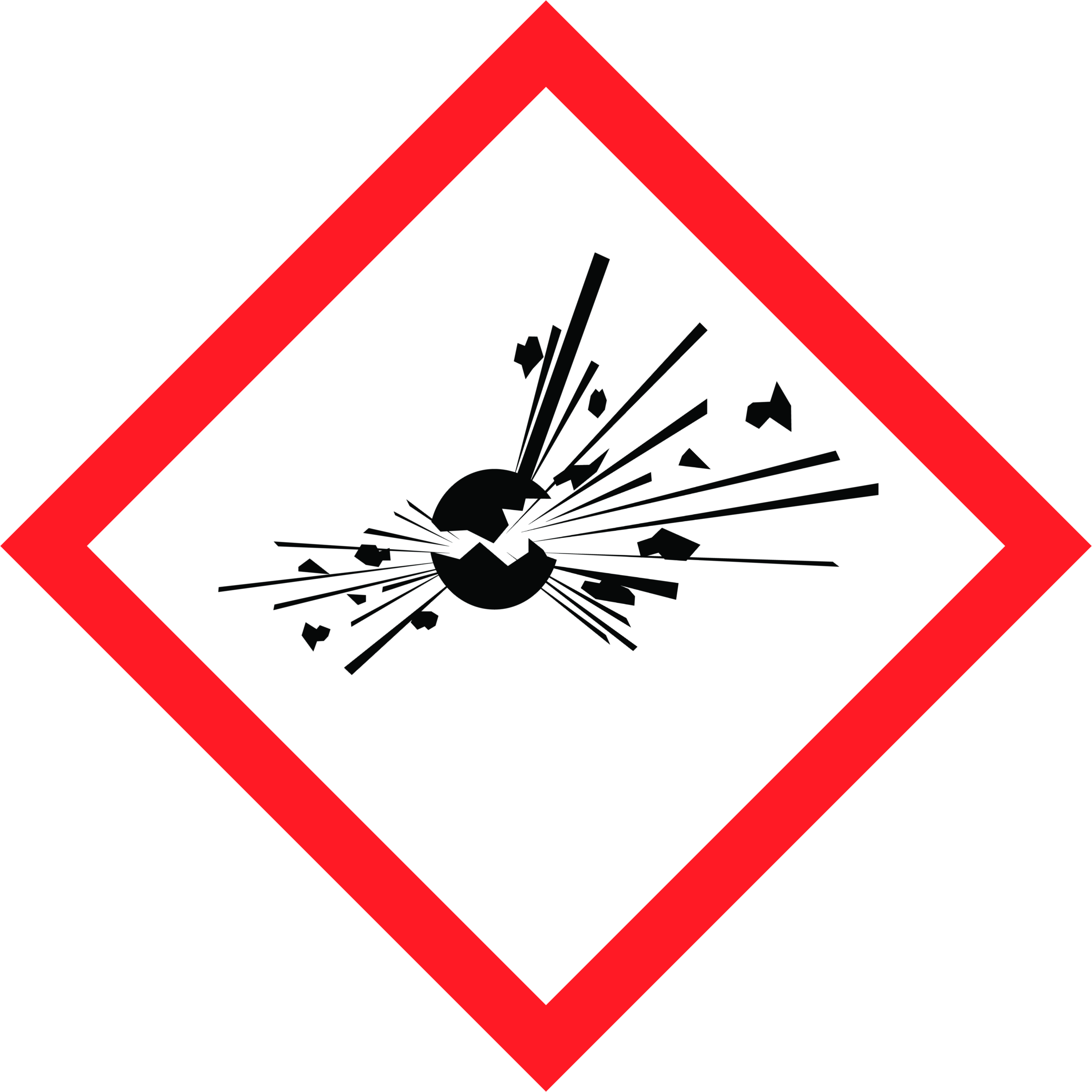
Explosives
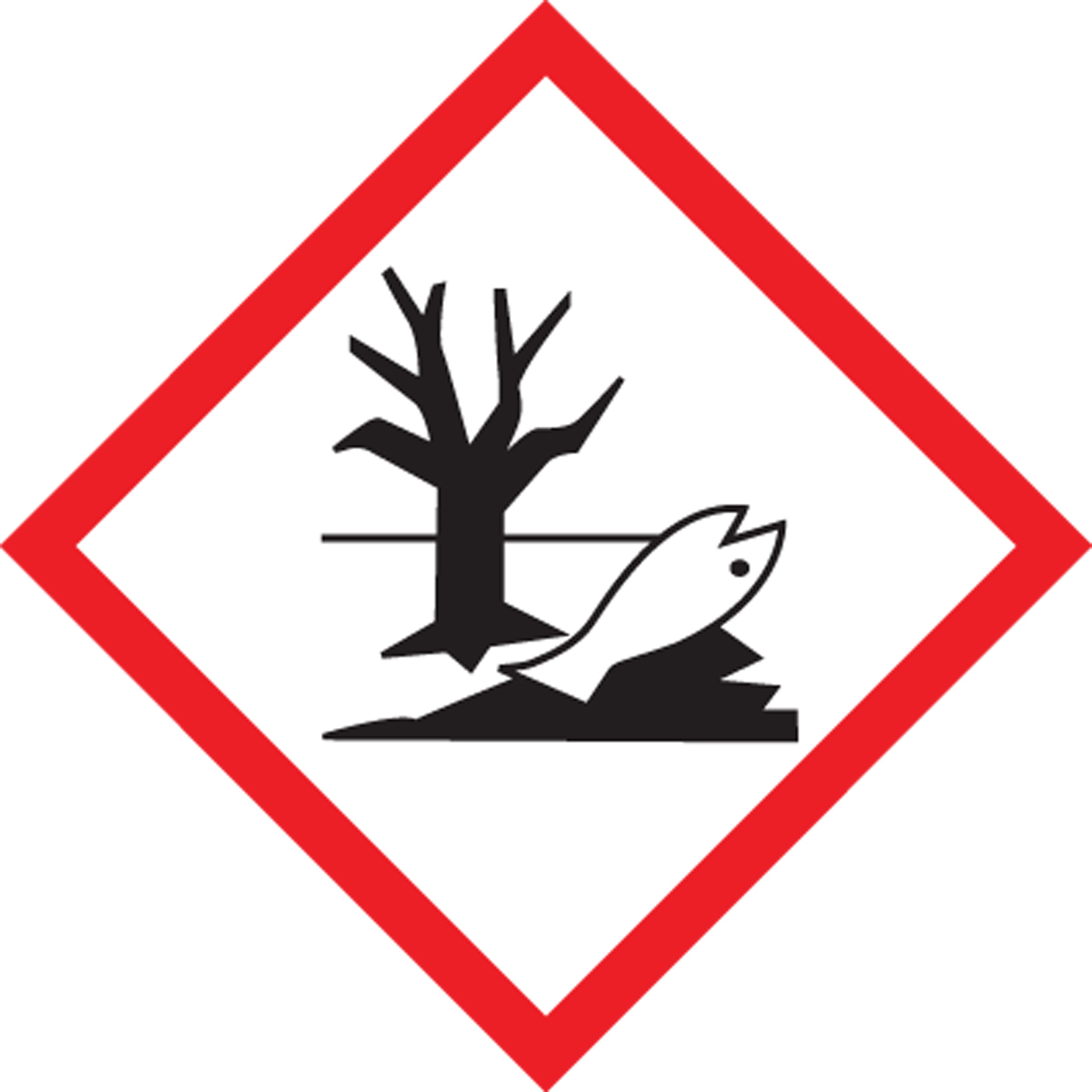
Toxic to aquatic environment
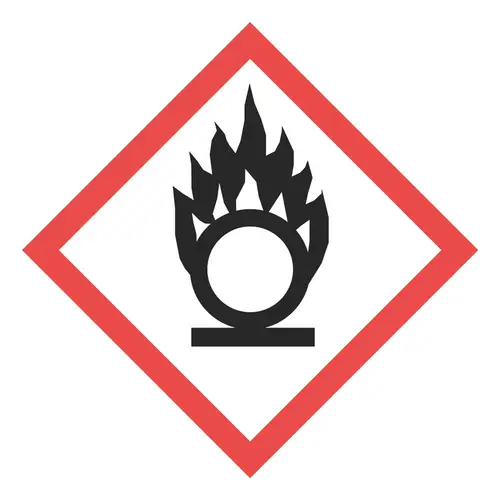
Oxidizers
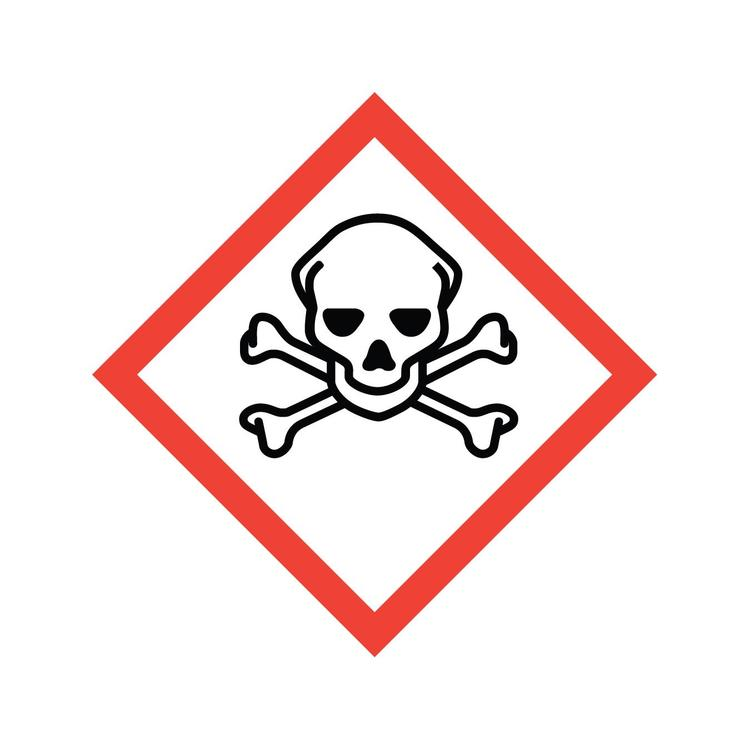
Acutely toxic (severe)
Standard precautions are a set of infection control practices that should be followed whenever handling blood and body fluids from:
A. A patient exhibiting signs of tuberculosis
B. A patient known to be positive for Hepatitis B Virus
C. A patient known to be positive for Human Immunodeficiency Virus
D. All patients
D
Which of the following is an example of permucosal exposure to possibly infectious material?
A. A patient with Mycobacteria tuberculosis coughs on a phlebotomist
B. A phlebotomist drawing blood from a combative patient is stuck with a needle
C. A student brings a backpack with a water bottle into student laboratory
D. An MLS with an open hand sore operates an instrument when not wearing gloves
A
Match the following examples of potential biohazard exposures with the appropriate term for that route of exposure: (can be 2)
Failing to use safety caps in the centrifuge
Biting your fingernails when working in the lab
Popping a vacutainer cap with no splash guard
Cutting your finger on a broken tube of blood
Urine spills over a scratch on your ungloved hand
Blowing your nose with a Kleenex with your gloves on
Squeezing bleach directly on a chemical spill
Aerosol or permucosal
Ingestion
Aerosol or permucosal
Percutaneous
Non-intact Skin
Permucosal only
Aerosol or permucosal
Examples of engineering controls used to reduce employee biosafety exposure include:
A. Biological safety cabinets, eyewash stations, safety glasses
B. Eyewash stations, safety glasses, sharps disposal containers
C. Safety glasses, sharps disposal containers, biological safety cabinets
D. Sharps disposal containers, biological safety cabinets, eyewash stations
D
Biohazard sharps containers used in the laboratory must be changed:
When ¾ full
What is always a reason to immediately discontinue using a piece of electrical equipment?
Mild shock/tingle
The signal word used to indicate a more severe hazard on a GHS label is:
Danger