#Class 4 - The Muscular System
 Note
Note Call Kai
 Learn
Learn Practice Test
 Spaced Repetition
 Match
Match Flashcards
 Knowt Play
1/24

There's no tags or description
Looks like no tags are added yet.
Name | Mastery | Learn | Test | Matching | Spaced | Call with Kai | Chat |
|---|
No analytics yet
Send a link to your students to track their progress
25 Terms
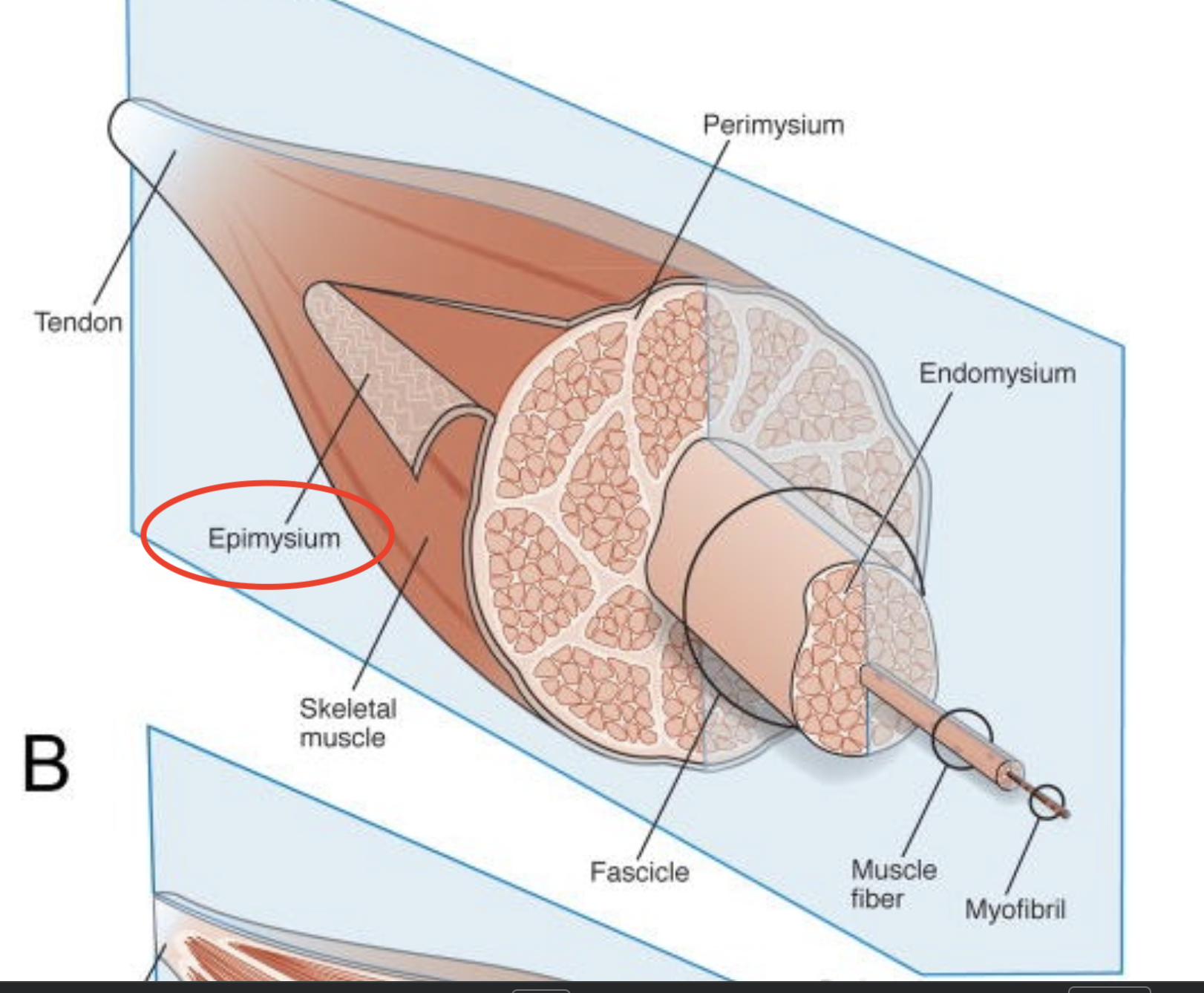
Epimysium
Outermost dense layer surrounds the entire muscle
(epi a prefix meaning "upon" or "over"; mysium refers to muscle tissue)
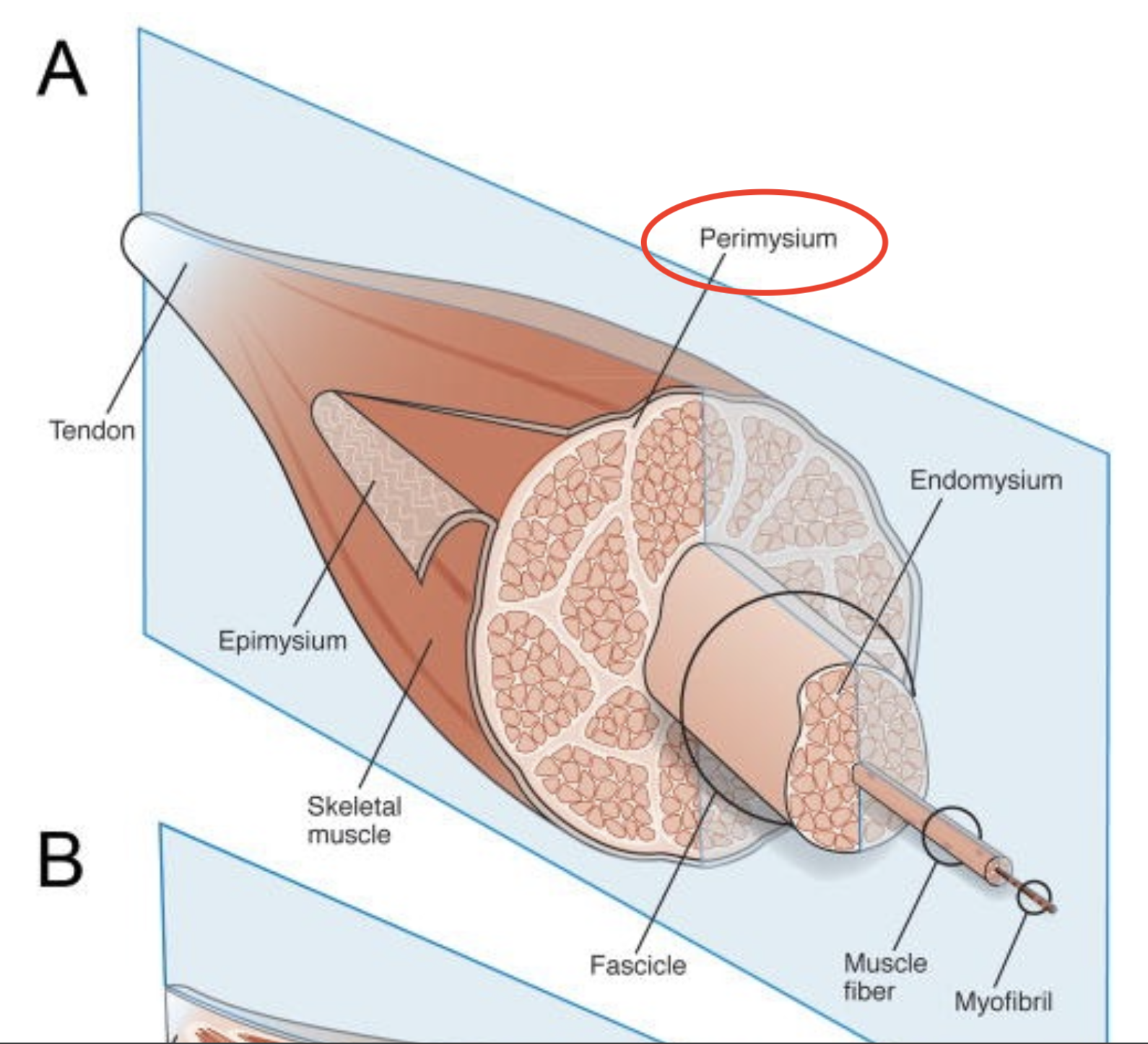
Perimysium
Connective tissue around the muscle fascicles (bundles of muscle cells)
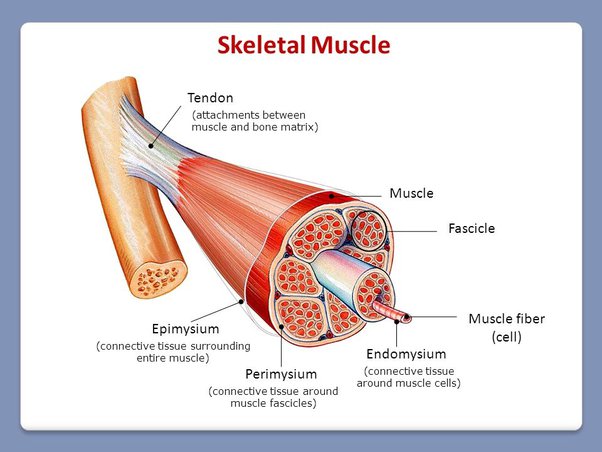
Endomysium
Thin connective tissue surrounding individual muscle fibers (cells);
Deepest layer in skeletal muscle
Tendon
Flexible tissue that attaches a muscle to the bone;
; extensions of the three coverings attaching the muscle to the periosteum of the bone (EPI-PERI-ENDO=mysium)
3 Types of Muscle Tissue
Skeletal muscle, Cardiac muscle, and Smooth muscle
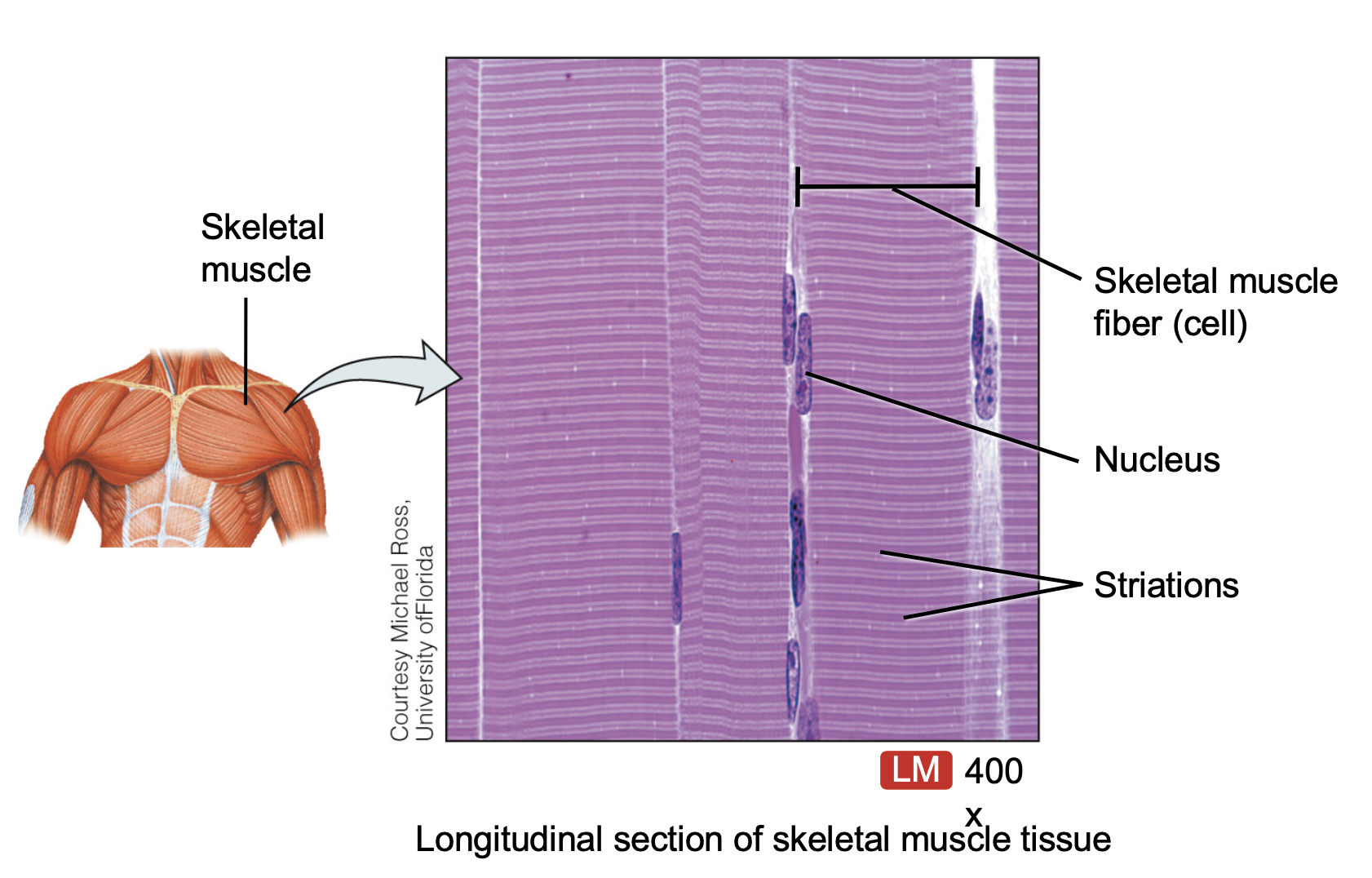
Skeletal muscle tissue characteristics (3)
Multi-nucleated
Striated
Voluntary
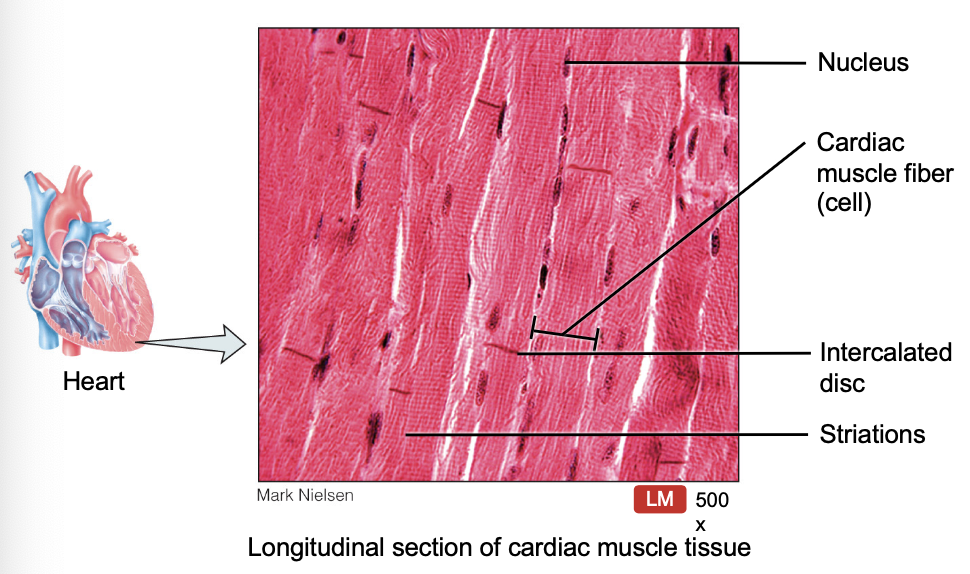
Cardiac muscle tissue characteristics (4)
One nucleus
Striated
Intercalated discs
Involuntary
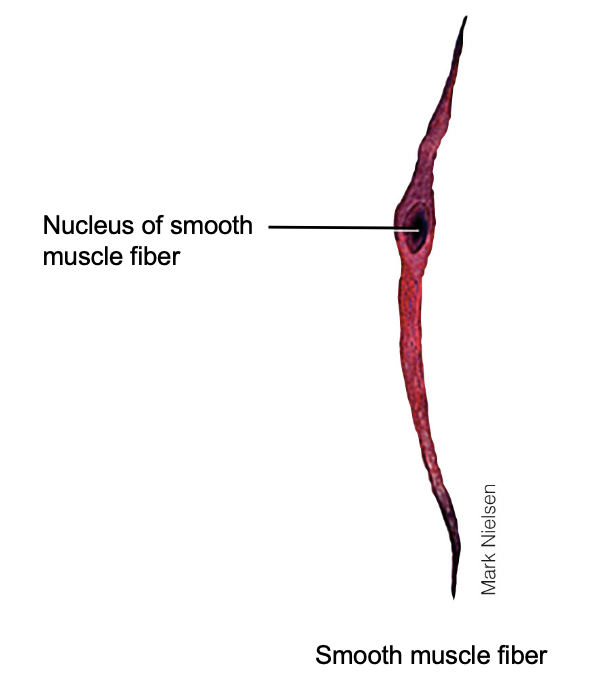
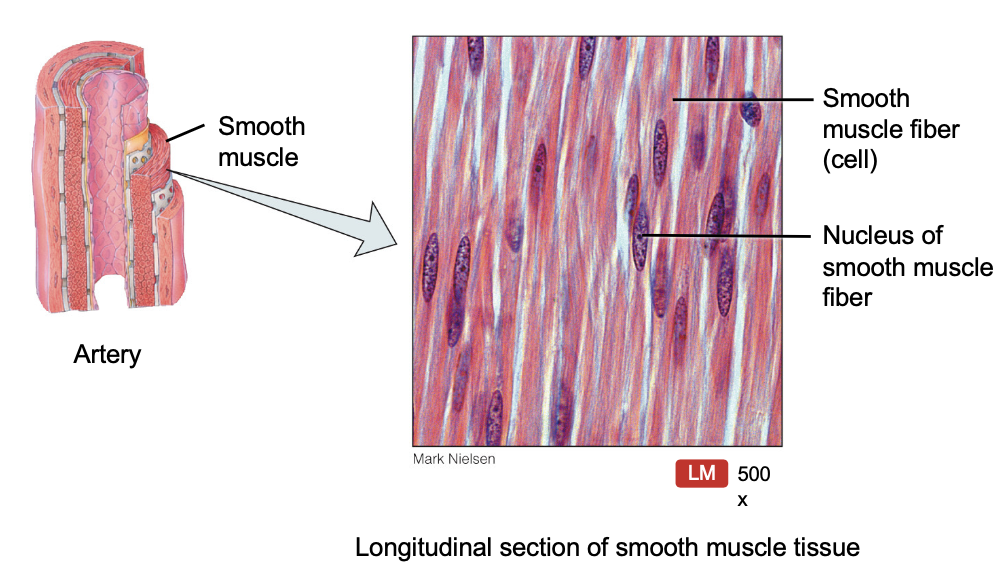
Visceral (smooth muscle)
One nucleus
No striations
Involuntary
4 Properties of Muscle Tissue
Electrical Excitability
Contractility
Extensibility
Elasticity
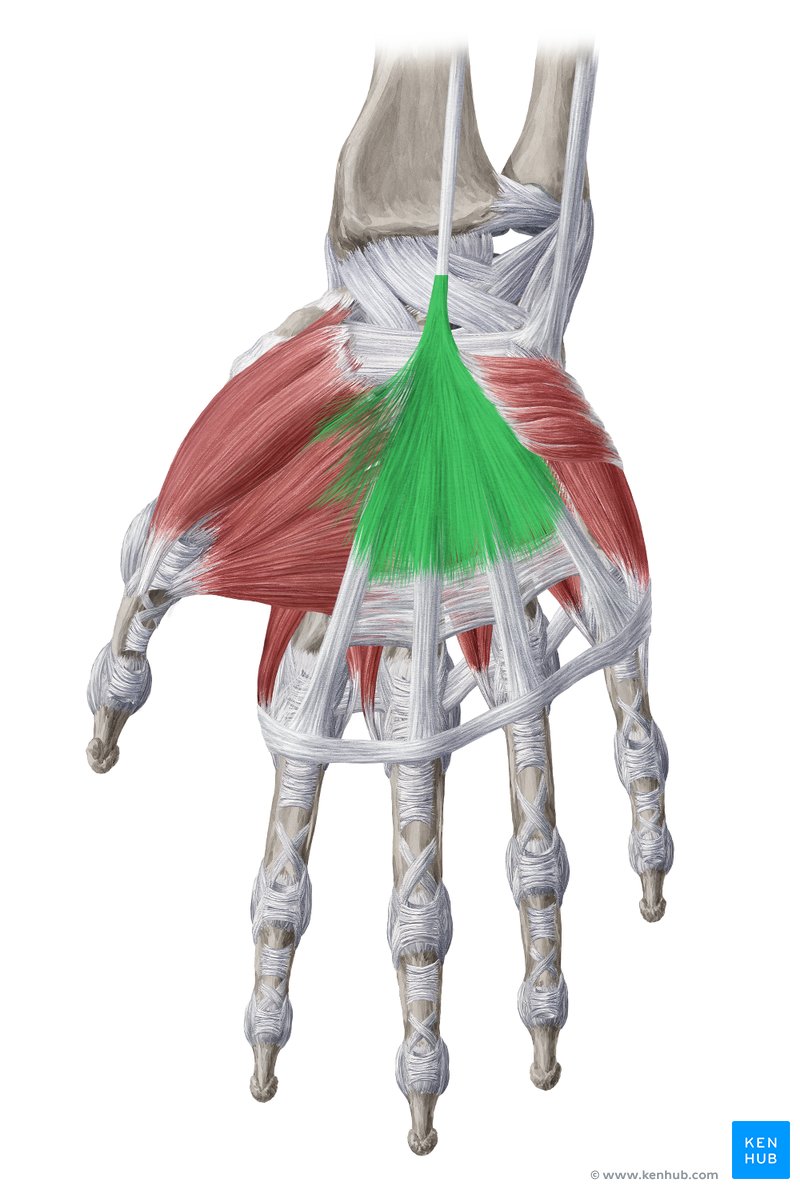
Aponeurosis
Wide flat tendon that connects muscle to the part it moves
(ie. Palmar aponeurosis)
Skeletal muscles produce movements by [blank]
Exerting force on the tendons
Origin vs. Insertions
Origin: attachment of the muscle tendon to stationary bone (Typ. Proximal)
Insertion: attachment of the other tendon to the moving bone (Typ. Distal)
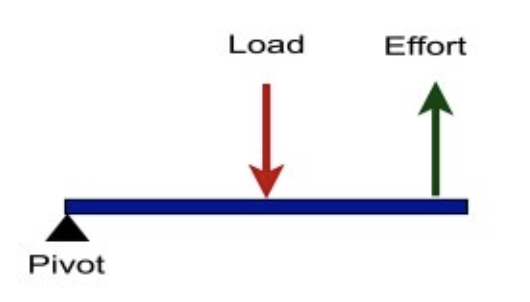
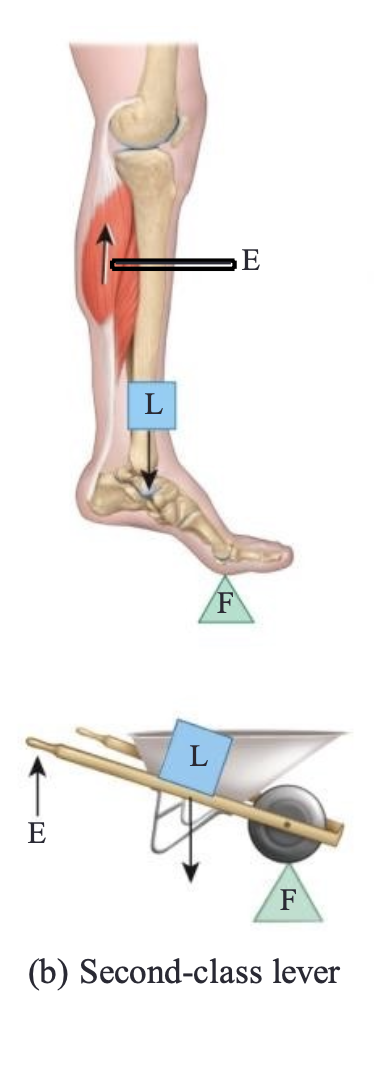
Name the lever type
Second class lever (FLE)
Load is between the fulcrum and the effort
Mechanical advantage
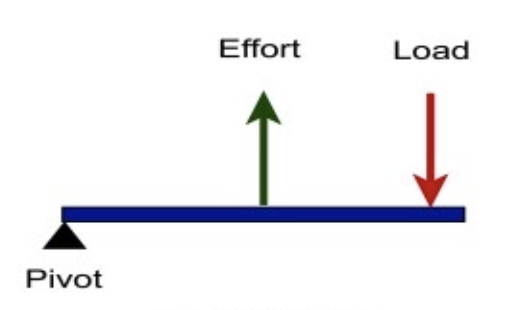
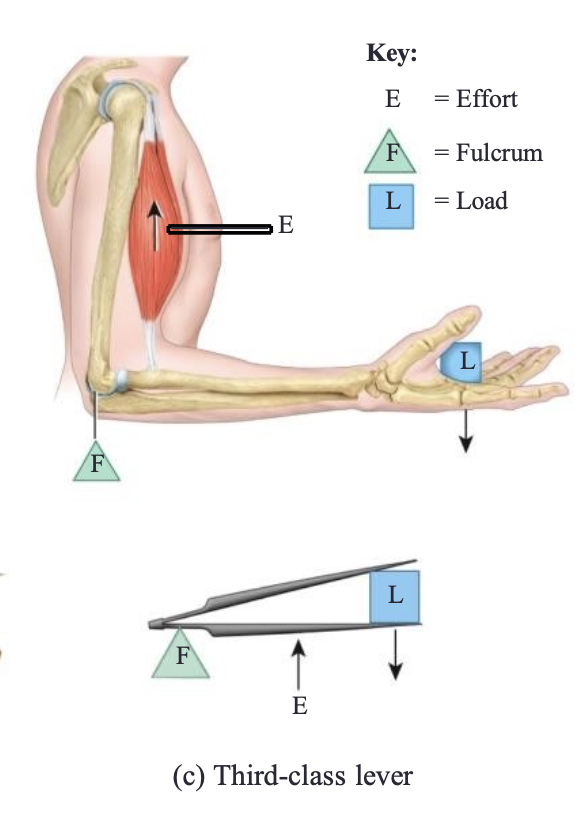
Name the lever type
Third class lever (FEL)
Effort is between the fulcrum and the load
Mechanical disadvantage
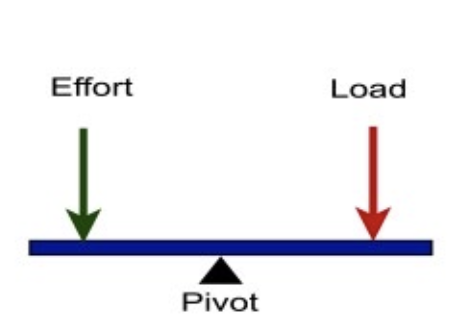
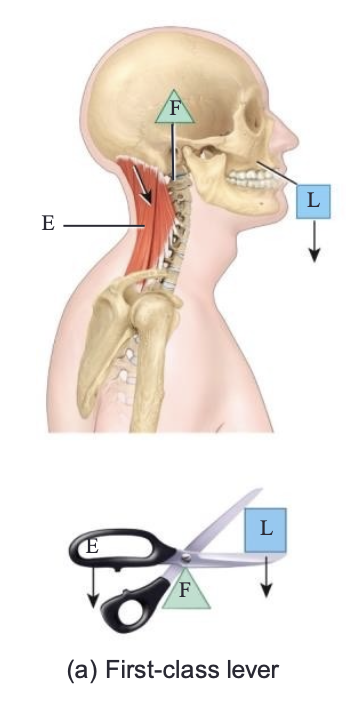
Name the lever type
First class lever (EFL)
The fulcrum is between the effort and the load
Mechanical advantage / disadvantage
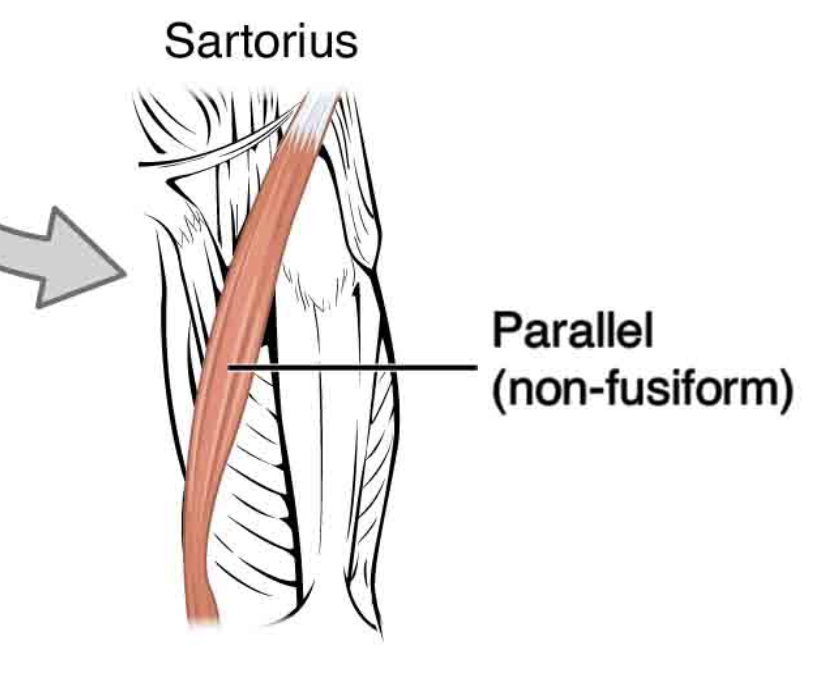
Parallel
Fascicles parallel to longitudinal axis of muscle; terminate at either end in flat tendons
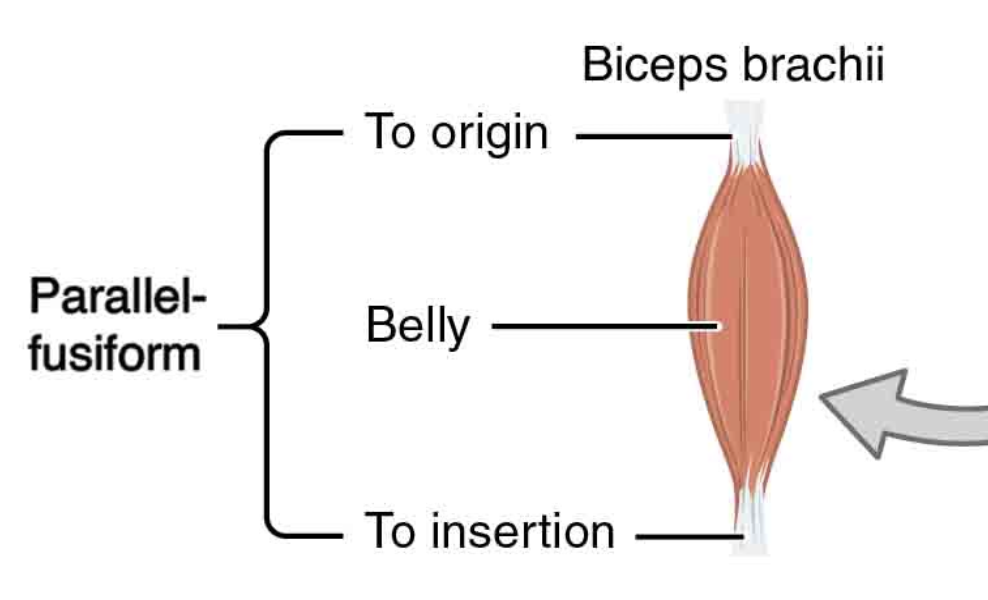
Fusiform
Fascicles nearly parallel to longitudinal axis of muscle; terminate in flat tendons; muscle tapers towards tendons
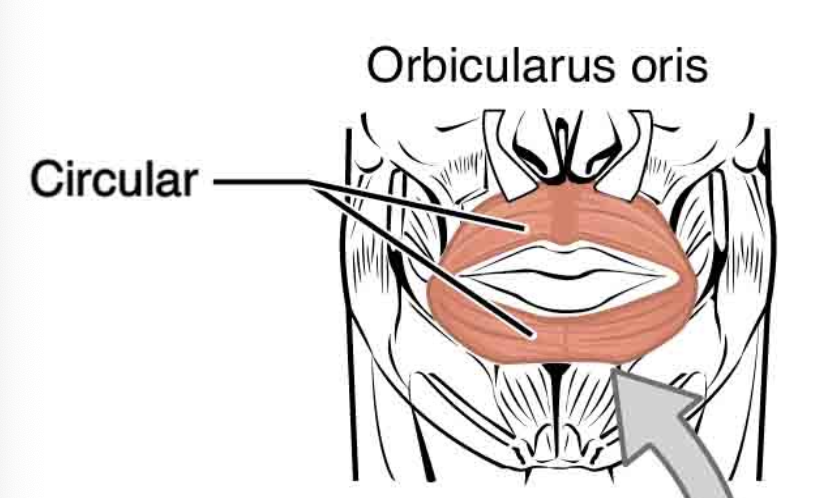
Circular
Fascicles in concentric circular arrangement; enclose an orfice (opening) - form sphincter muscles
ie. Oribicularis oculi muscle
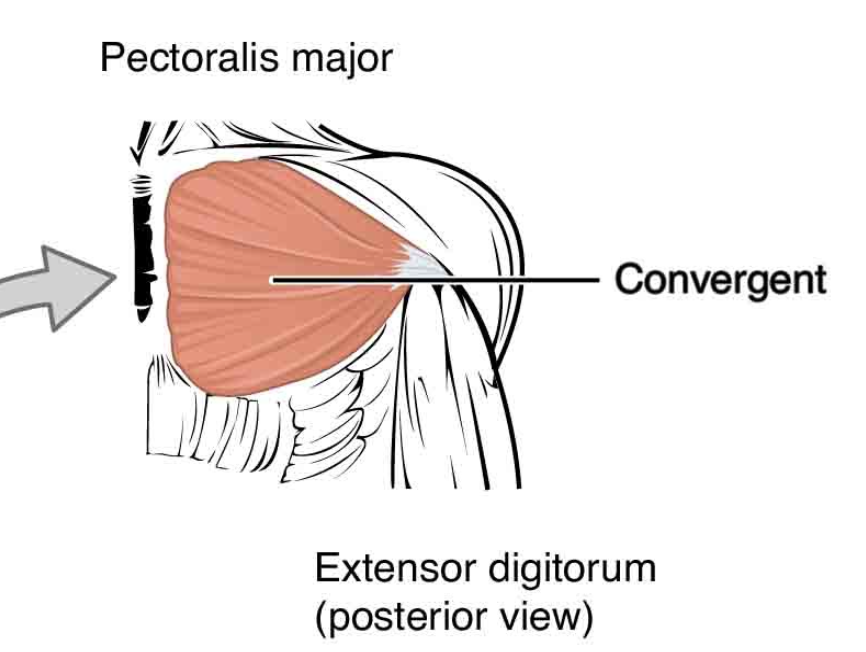
Triangular
Fasicles spread over broad area converge at thick central tendon
ie. Pectoralis major
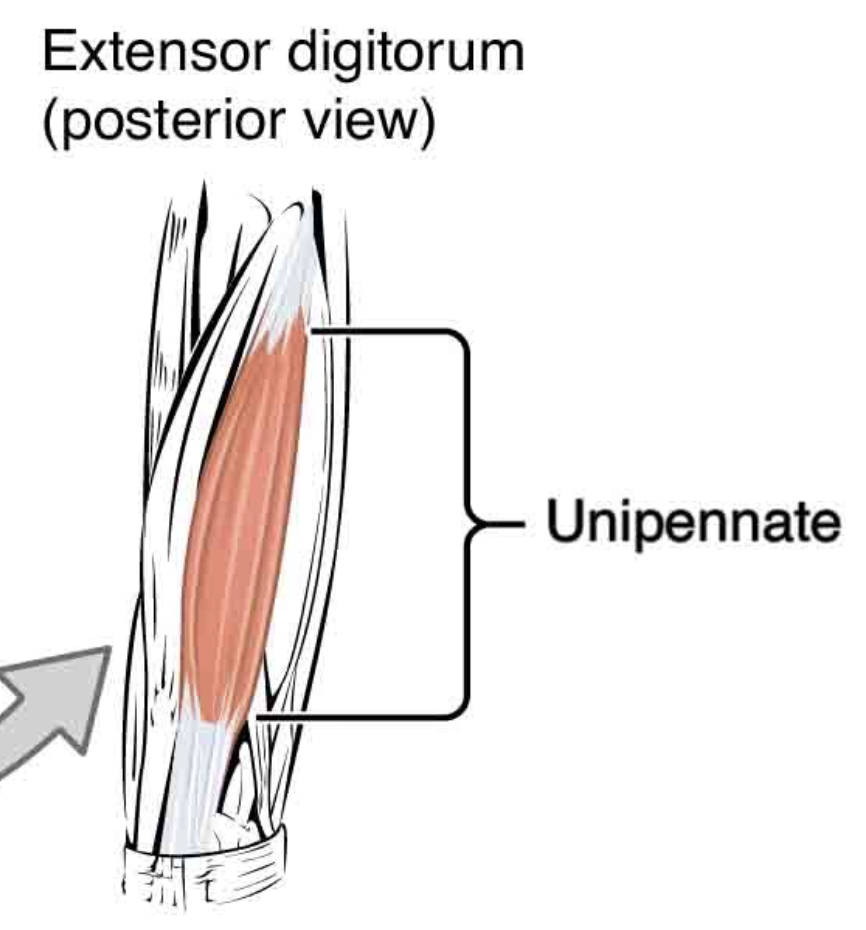
Pennate
Fascicles on one side of tendon
ie. Extensor digitorum longus muscle
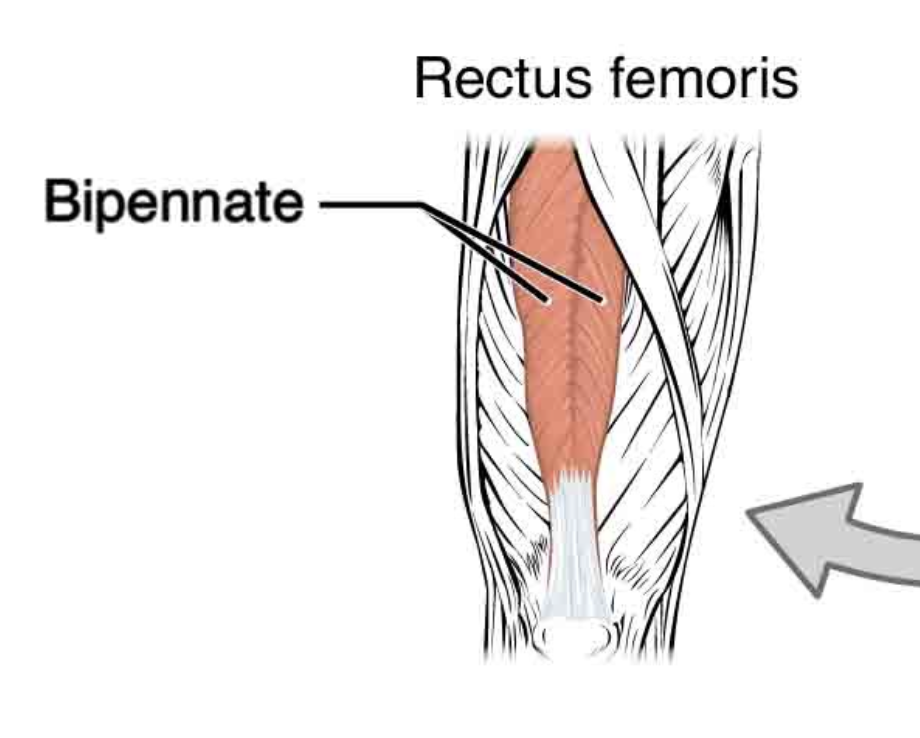
Bipennate
Fascicles arranged on both sides of centrally positioned tendons
ie. Rectus femoris muscle
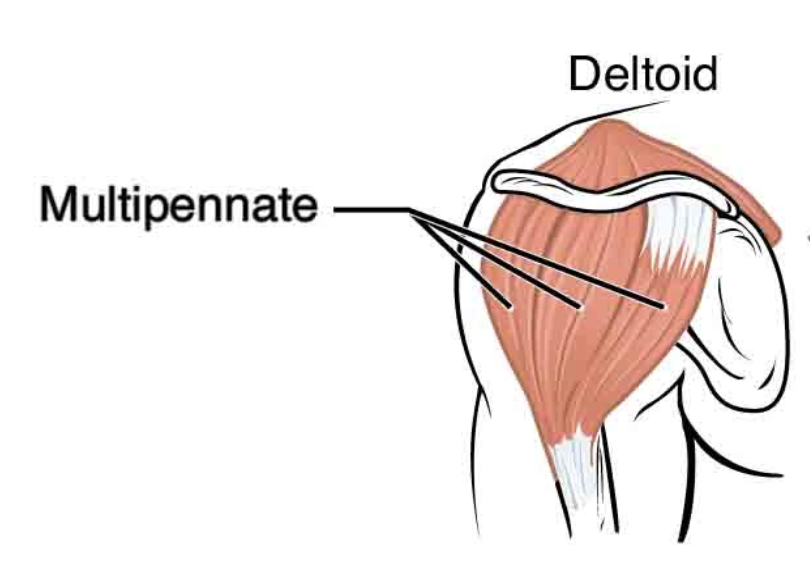
Multipennate
Fascicles attach obliquely from many directions to several tendons
ie. Deltoid muscle
Agonist
Prime mover in a muscle action, responsible for the majority of the movement
Antagonist
Stretches and yields to the effects of the prime mover
Synergist (2)
Muscles that assist the agonist in performing a movement
Prevent unwanted movements
Subcategory: Fixators - stabilizing origin of prime mover