Vis Com Exam
 Note
Note Call Kai
 Learn
Learn Practice Test
 Spaced Repetition
 Match
Match Flashcards
 Knowt Play
1/33

There's no tags or description
Looks like no tags are added yet.
Name | Mastery | Learn | Test | Matching | Spaced | Call with Kai | Chat |
|---|
No analytics yet
Send a link to your students to track their progress
34 Terms
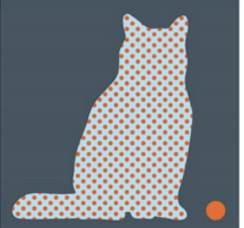
Point
A mark, not always circular, that creates shade, tone, or texture and is used in various printing techniques.
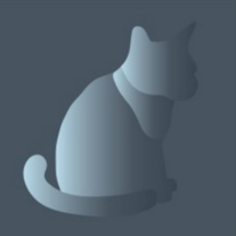
Tone
Variation of light or dark of any color that describes 3D form through shadows and highlights.
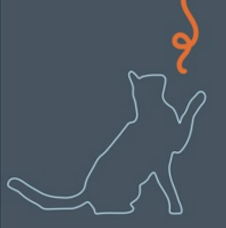
Line
A continuous mark that can be straight, curvy, or textured, used to create shade, tone, and denoting direction.
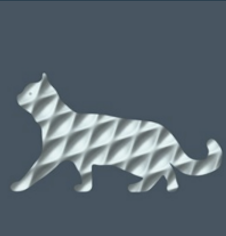
Texture
Communicates a tactile feel and is created using points, lines, or other elements.
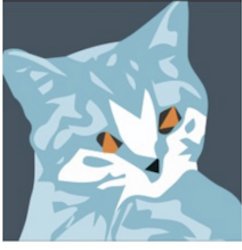
Shape
An enclosure defined as an outline or filled area, which can be organic, geometric, or abstract.
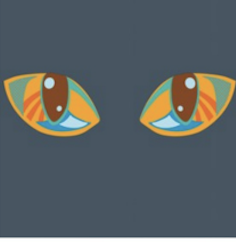
Colour
Perceived light in different wavelengths, enhancing form and evoking emotion based on relationships shown on the color wheel.
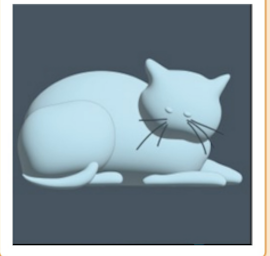
Form
A 3D entity in visual communication created with points, lines, shapes, and enhanced with tone, texture, and color.
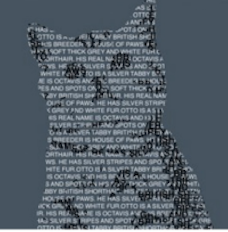
Type
A visual representation of text and symbols used in design.
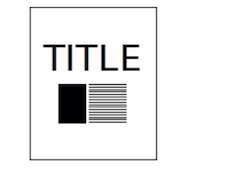
Hierarchy
The sequence in which a design is read or viewed, created using scale, contrast, color, or positioning.
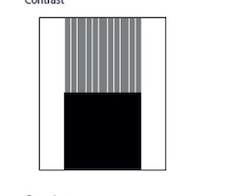
Contrast
The deliberate use of opposing qualities to create emphasis and visual tension in a design.
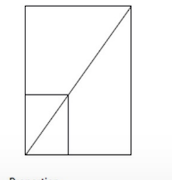
Scale
The relative size of components in visual communication, which creates depth and hierarchy.
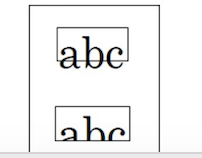
Cropping
The action of removing or framing part of an image to improve composition and focus attention.
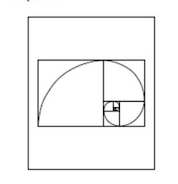
Proportion
The size, scale, and ratio of elements in relation to each other to ensure harmonious balance.
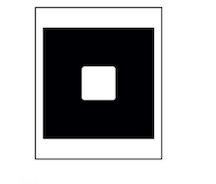
Figure-Ground
The ability to distinguish the main object (figure) from the background (ground) based on visual qualities.
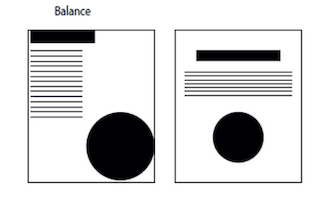
Balance
The arrangement of components in relation to a central axis, affecting visual appeal and stability.
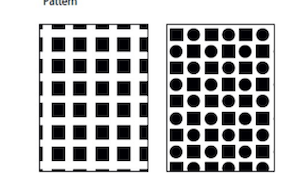
Pattern
Repetition or alternation of design elements in an organized way, adding visual interest and movement.
Message
The core concept behind design projects like branding, advertising, and visual merchandising.
Object
Design projects including products, packaging, tools, and furniture.
Environments
Design projects pertaining to residential and commercial buildings and public spaces.
Interactive Experiences
Design projects that involve customer touchpoints and interface design for digital and physical spaces.
Substitute
Replace a part, material, or process with something else in design.
Combine
Join elements or ideas together in new ways or merge with a new element.
Adapt
Modify something to better suit a new purpose, context, or person.
Modify
Change the size, shape, or attributes of something in design.
Eliminate
Remove or simplify elements in design to focus on essentials.
Reverse
Flip, reorder, or invert priorities in the design process.
One-Point Perspective
A drawing method representing form/space with lines receding to one vanishing point on the horizon.
Two-Point Perspective
Drawing method viewed from a corner with lines receding to two vanishing points on the horizon line.
Planometric Drawing
A type of axonometric projection viewed from above with all axes at 45° to the horizontal.
Isometric Drawing
A type of paraline drawing with axes set at 30° for visualization and presentation.
Developmental Drawings
Visual representations of design ideas including sketches, diagrams, and storyboards.
Documentation Drawings
Drawings that define technical specifications in 2D or 3D formats.
FaT Cat SPLaT
Form, Tone, Colour, Texture, Shape, Point, Line, Type
SHe PiC PiC BeeF
Scale, Hierarchy, Proportion, Contrast, Pattern, Balance, Figure-ground