HoWAIII - Exam 1
 Call Kai
 Learn
Learn Practice Test
 Spaced Repetition
 Match
Match Flashcards
 Knowt Play
1/43

There's no tags or description
Looks like no tags are added yet.
Name | Mastery | Learn | Test | Matching | Spaced | Call with Kai | Chat |
|---|
No analytics yet
Send a link to your students to track their progress
44 Terms
Modernism
Movement defined by the rejection of the art traditions supported by the Renaissance. Artists wanted to experiment.
Impressionism
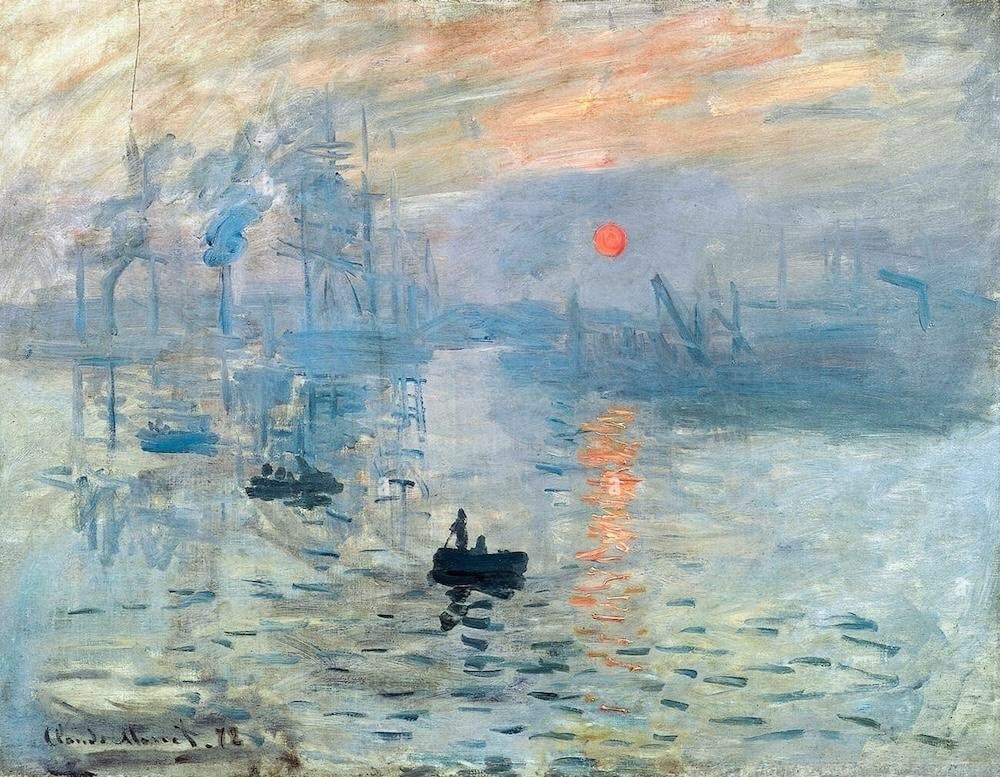
Movement with emphasis on capturing the immediate visual sensation of a moment, focusing on the effects of light and color, informal depictions, visible brush strokes. How a landscape or thing appeared to the painter in the moment.
Realism
Movement that accurately depicts everyday life, normal subjects, and ordinary people
Neo-impressionism
Movement defined by pointillism. Focused on form and color. French movement, response to impressionism.
Art nouveau
Movement based on the rejection of traditional academia (specifically the Academy), inspired by nature, lots of movement, breaks down the traditional distinction between fine and applied art.
Post-impressionism
Artists wanted to create with more formal order and structure and others developed more abstract styles. Focused on the subjective vision of the artist. Reaction against impressionism
Die Brucke
Movement that was in opposition to the older, established bourgeois social order of Germany, art focused on ideas of alienation of the modern world, expressive styles & colors
Der Blaue Reiter
German movement that focused on the color blue, explored synesthesia or the connection between color and music and the senses
Symbolism
Movement that was both artistic and literary, opposed rationalism, explored imagination, emotion and spirituality, ambiguous subject matter and formal stylization suggestive of hidden and elusive meaning. Subject matter: occult, dark, morbid, dream world, evil
Psychoanalysis
A way to understand the repressed instinctual impulses. In art, introduced concepts like the unconscious mind, repression, and trauma
Avant-garde
One of the defining factors of modernism. Translates to moving/advancing forward. Modernists were working ahead of their audience’s ability to comprehend.
Fauvism
Influenced by impressionist uses of color, French movement, very colorful with non-idealized figures
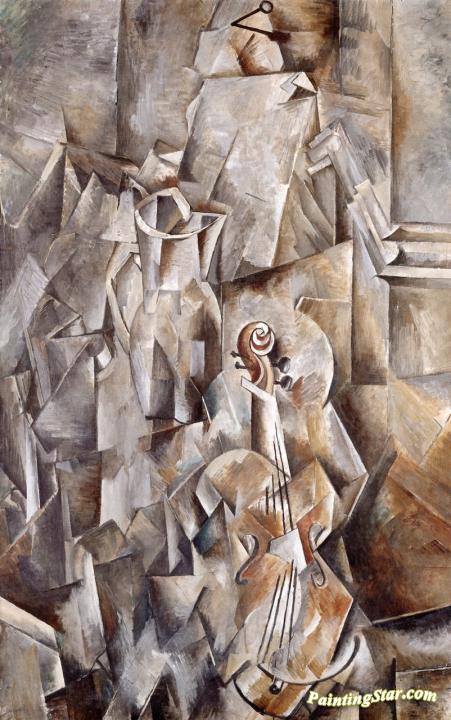
Cubism
Movement of intellectual analysis, Picasso’s later works, analytic (monochromatic, fractured subjects), synthetic (simple shapes, brighter colors, collage), decorative (design oriented, no focus on the theory of perspective)
Futurism
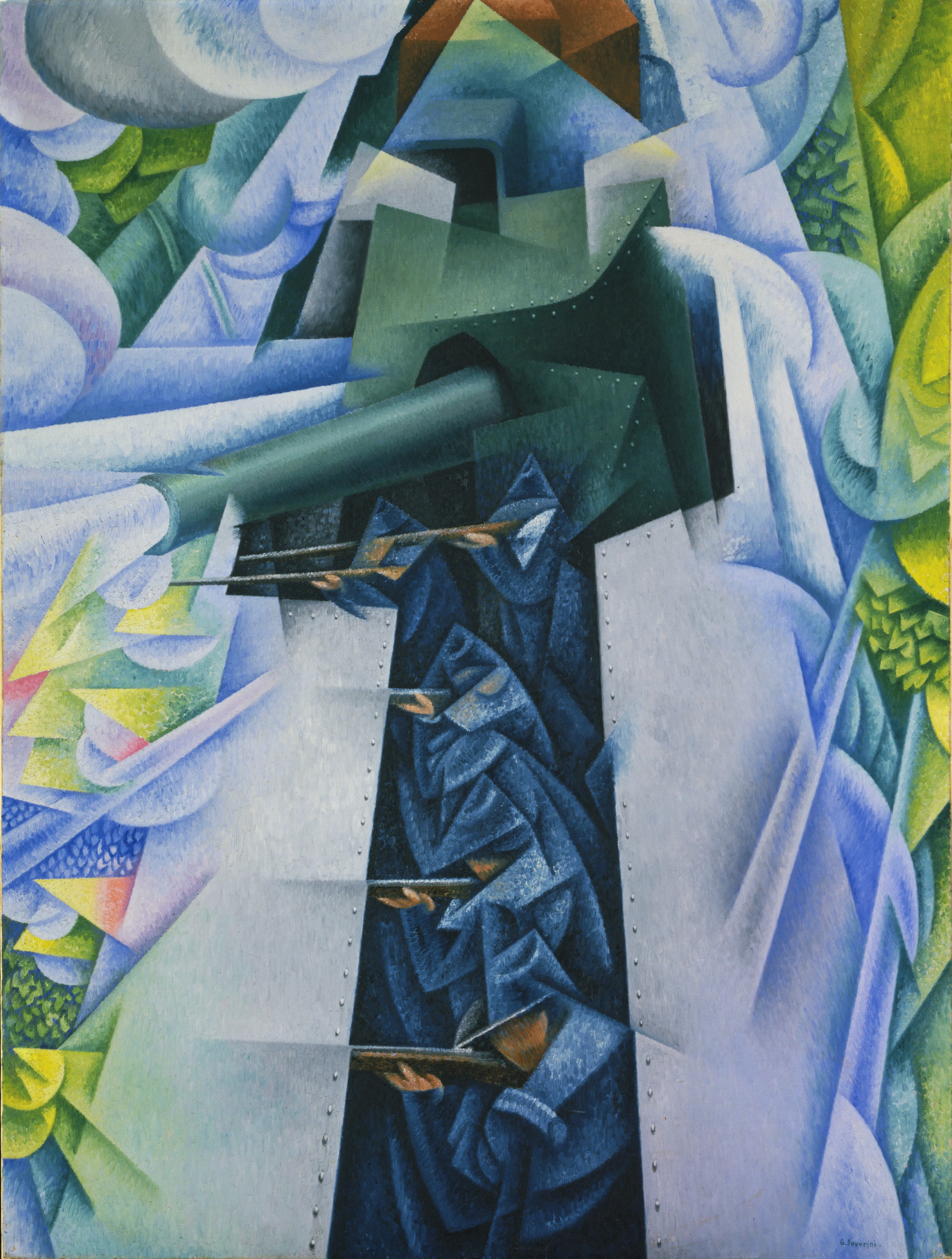
Art and social movement that originated in Italy, expressed dynamism, speed, technology, youth, violence, and machines, military, hated women
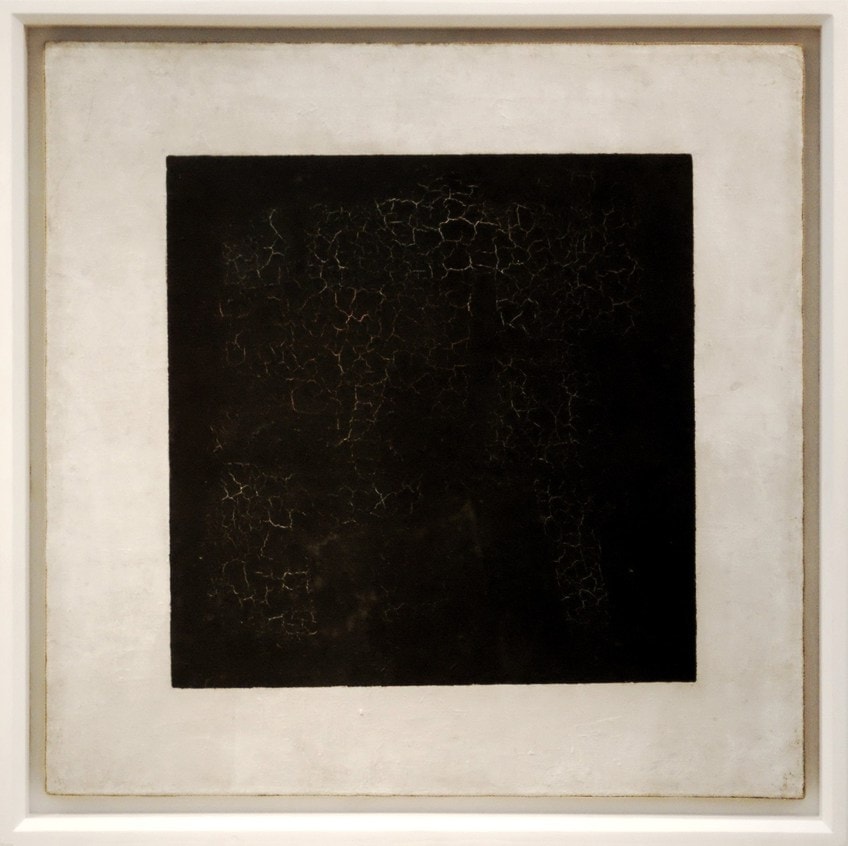
Suprematism
Movement based in Russia characterized by simple geometric shapes and associated with ideas of spiritual purity. Kazimir Malevich and his black square.
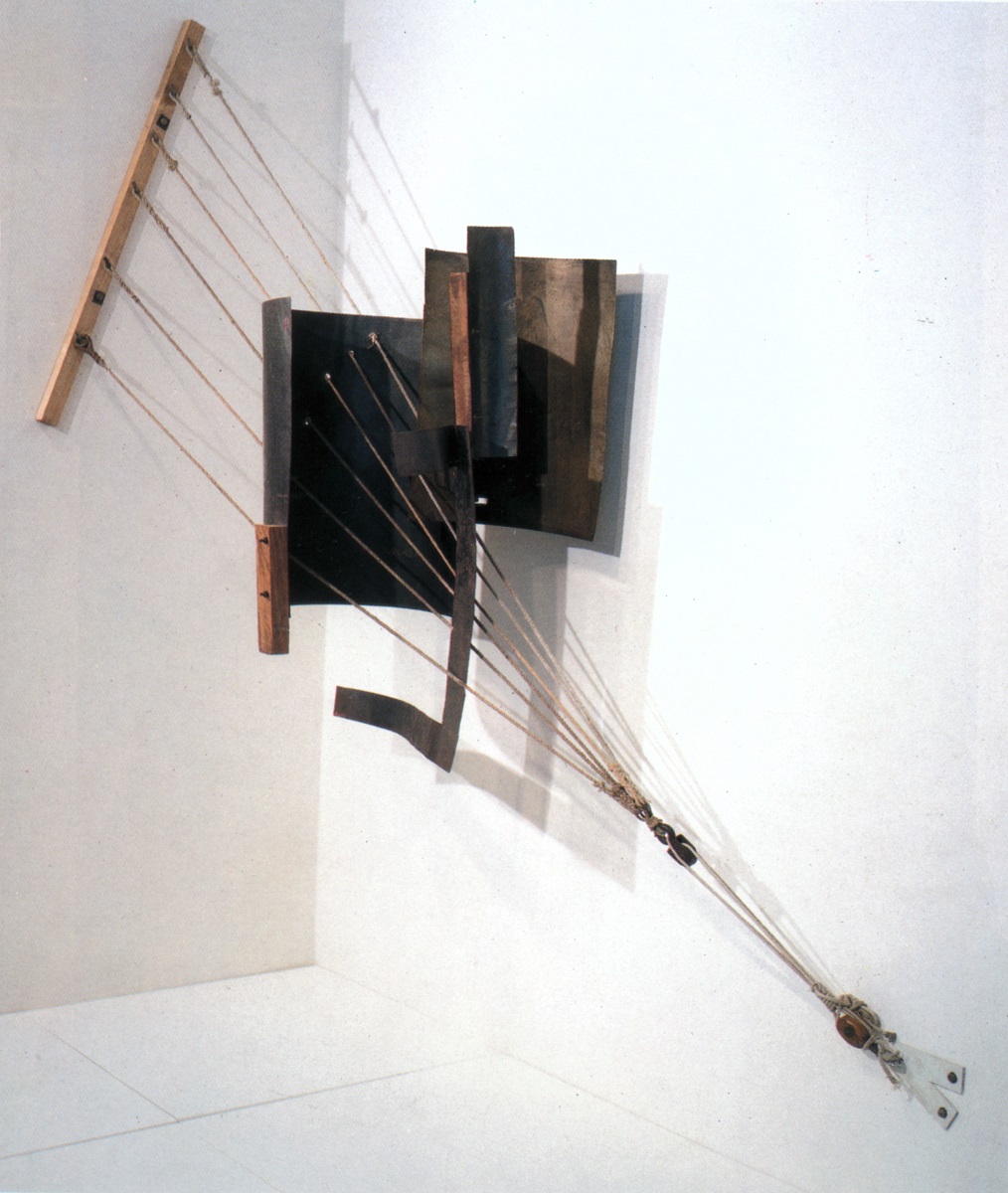
Constructivism
Movement that emphasized building and science rather than artistic expression and its goals went far beyond the realm of art.
Salon des Refuses
Salon of rejected art. Ended up being more popular than the main Salon.
Aestheticism
Movement where art was just for art’s sake, looks pretty and has no intended meaning
The Salon + the academia’s influence over Parisian
The Academy controlled the art market and the salon’s. Certain pieces of art just were not shown no matter the skill displayed.
Culture
The language, traditions, food, behaviors, beliefs, and values of a group of people or region.
Plein Air
Painting outside
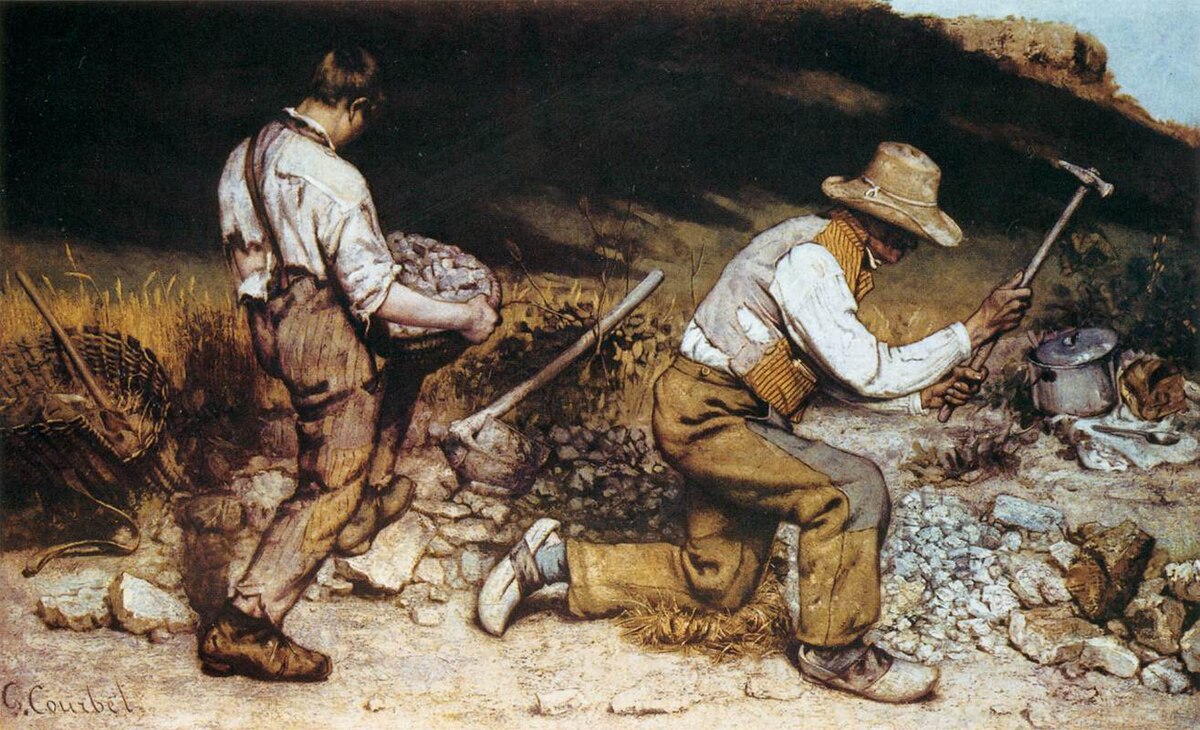
Gustave Courbet, The Stone Breakers, 1849-50
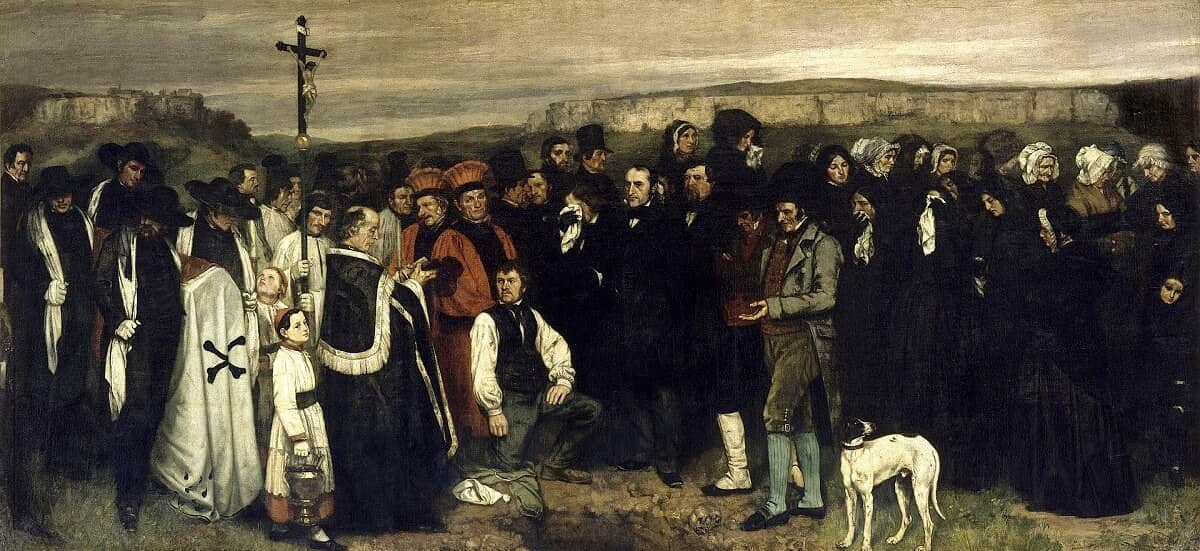
Gustave Courbet, A Burial at Ornans, 1849-50
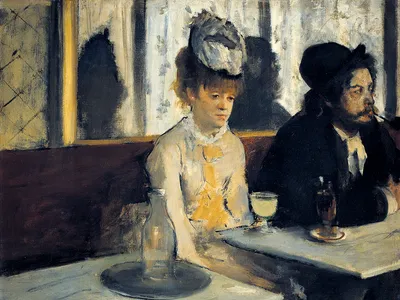
Edgar Degas, Absinthe, 1875-76
Claude Monet, Impression - Sunrise, 1872
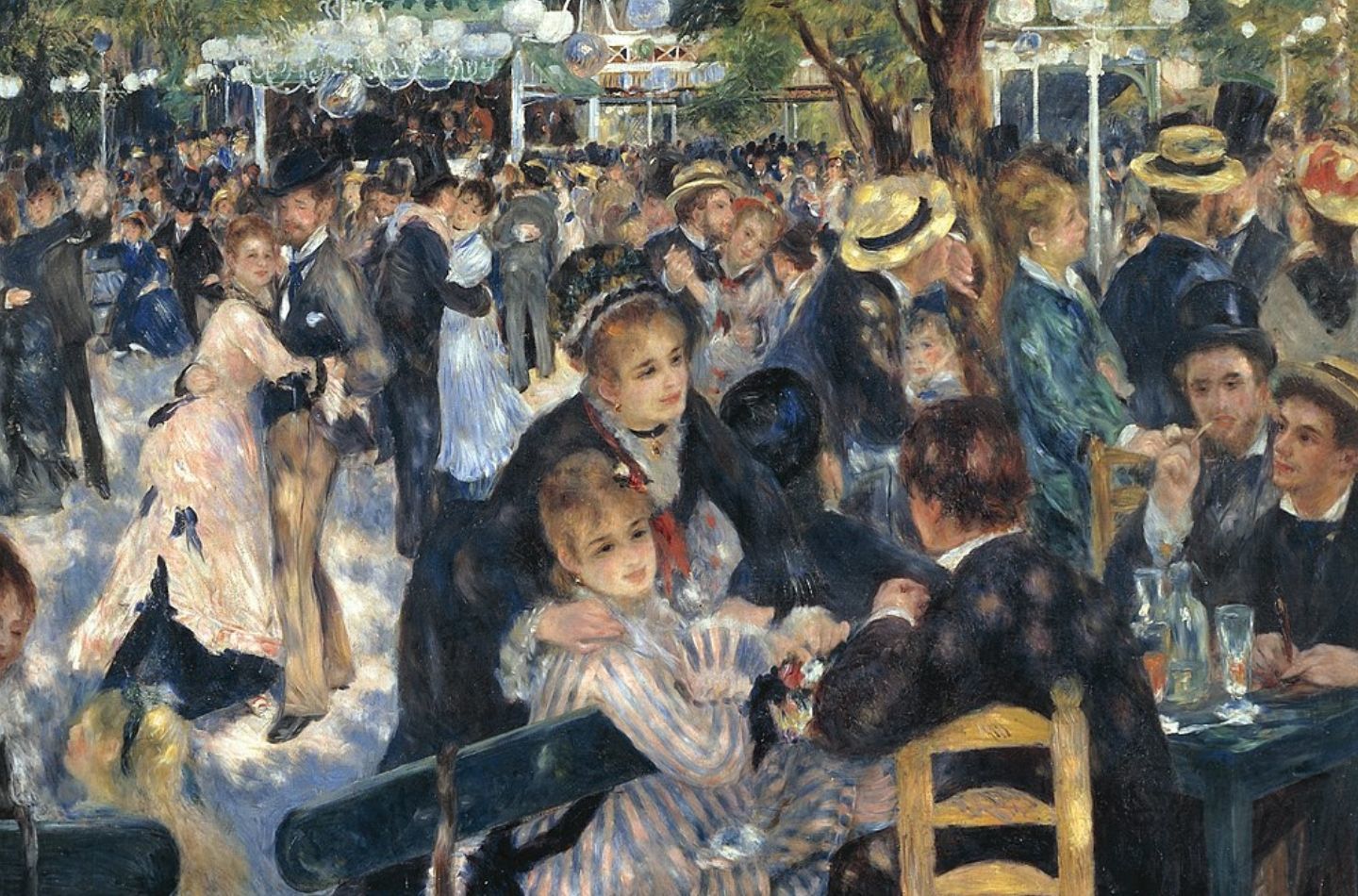
Pierre-Auguste Renoir, Ball at the Moulin de la Galette, 1876
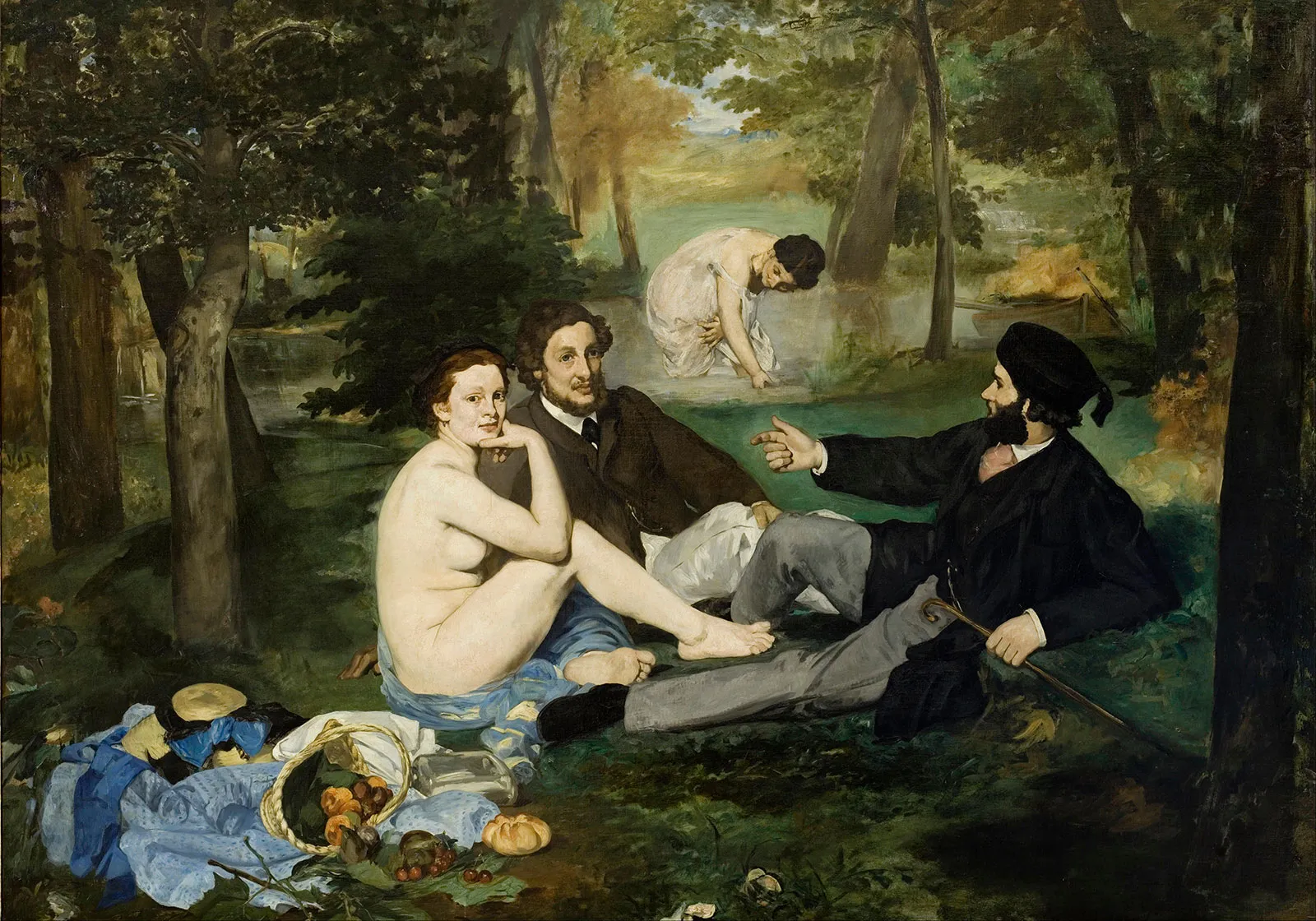
Edouard Manet, The Luncheon on the Grass, 1863
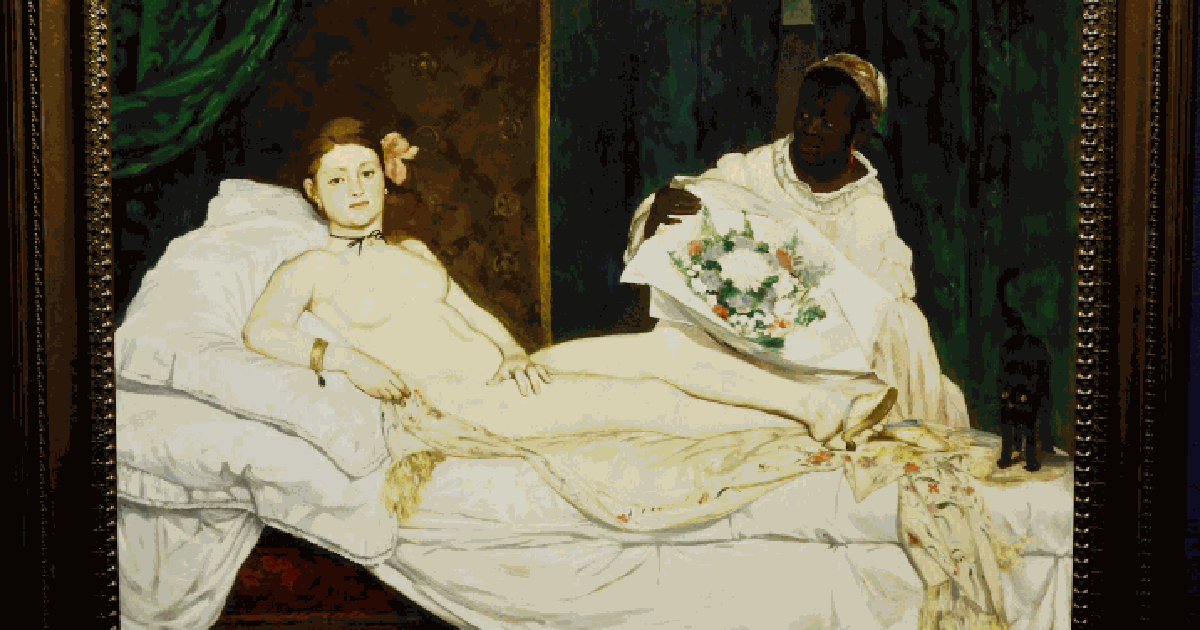
Edouard Manet, Olympia, 1863
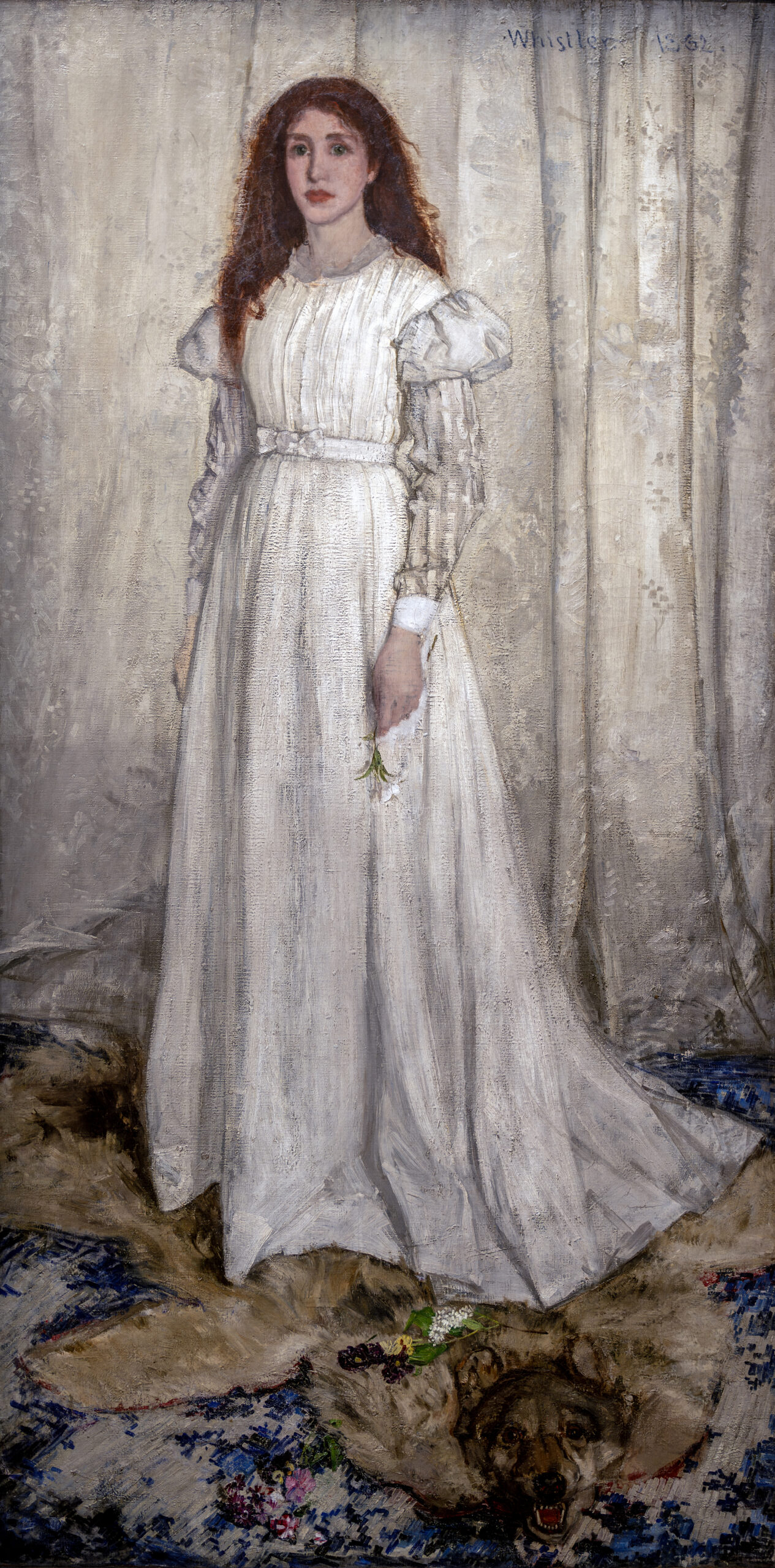
James McNeil Whistler, Symphony in White - No. 1: The White Girl, 1861-62
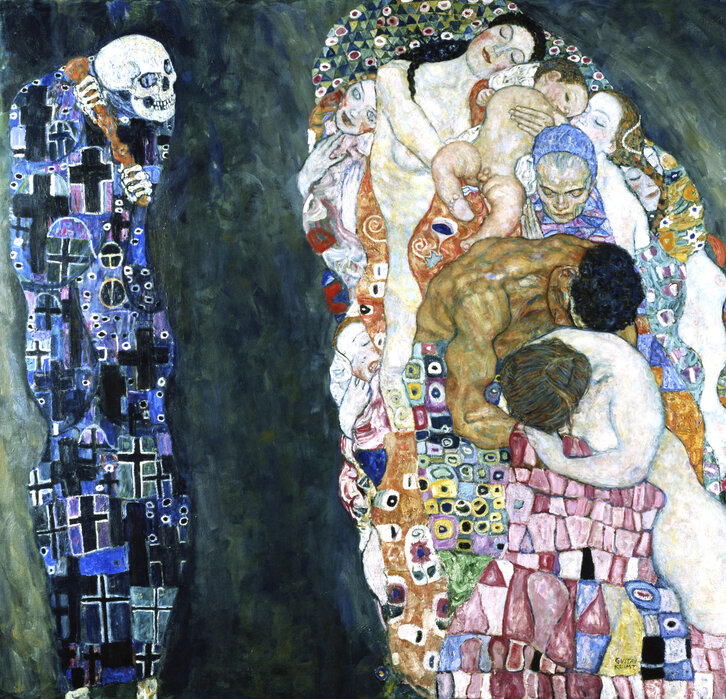
Gustav Klimt, Death and Life, 1910s
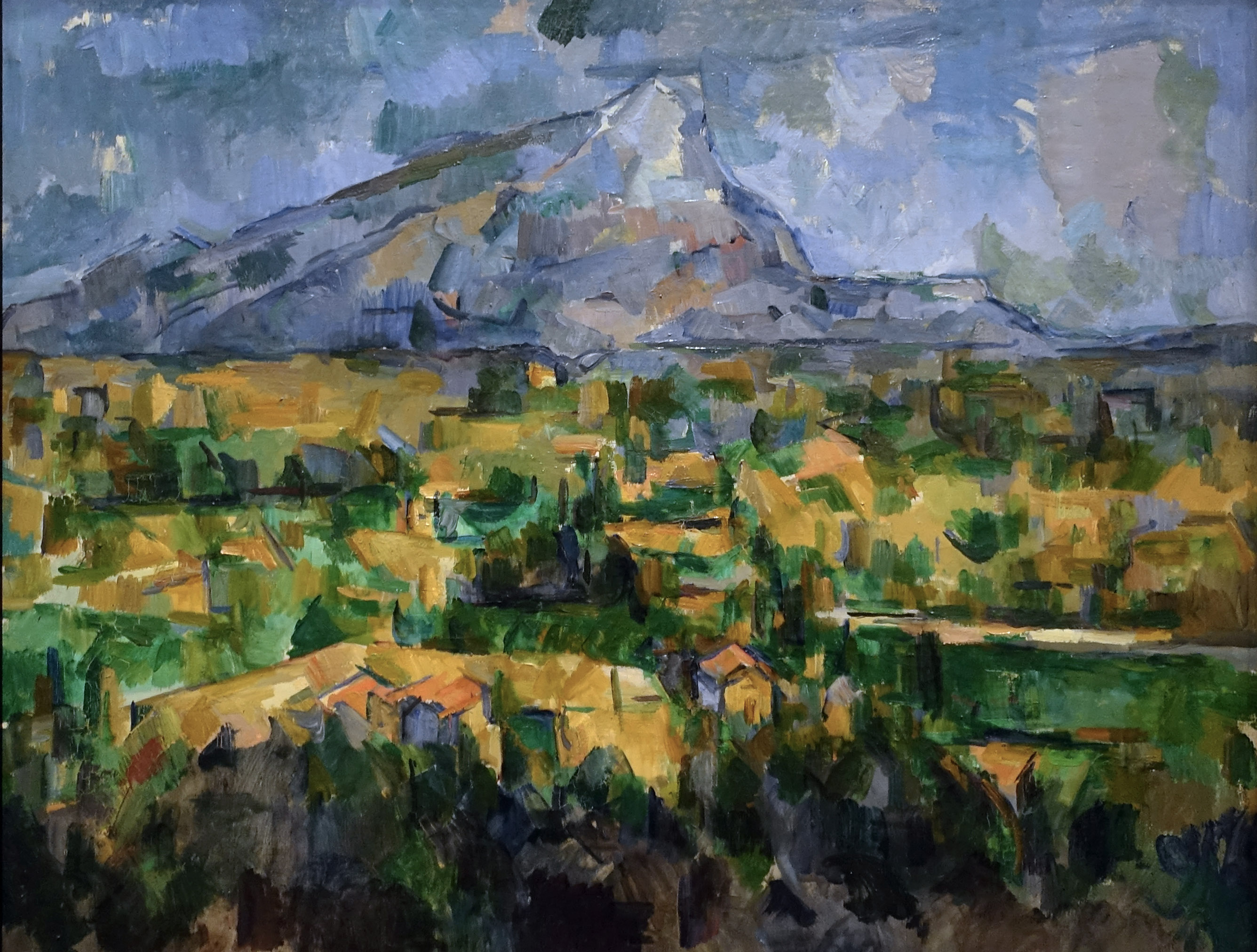
Paul Cezanne, Mont Sainte-Victoire, 1885-87
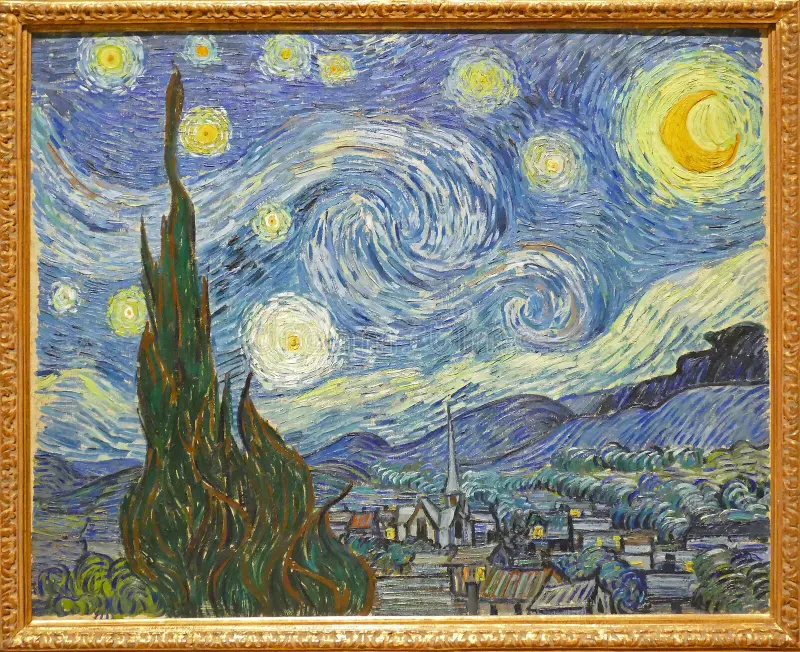
Vincent Van Gogh, Starry Night, 1889
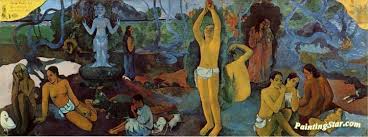
Paul Gauguin, Where do we come from? What are we? Where are we going?, 1897
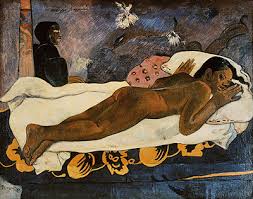
Paul Gauguin, Manao tapapu (The Specter Watches over Her), 1892
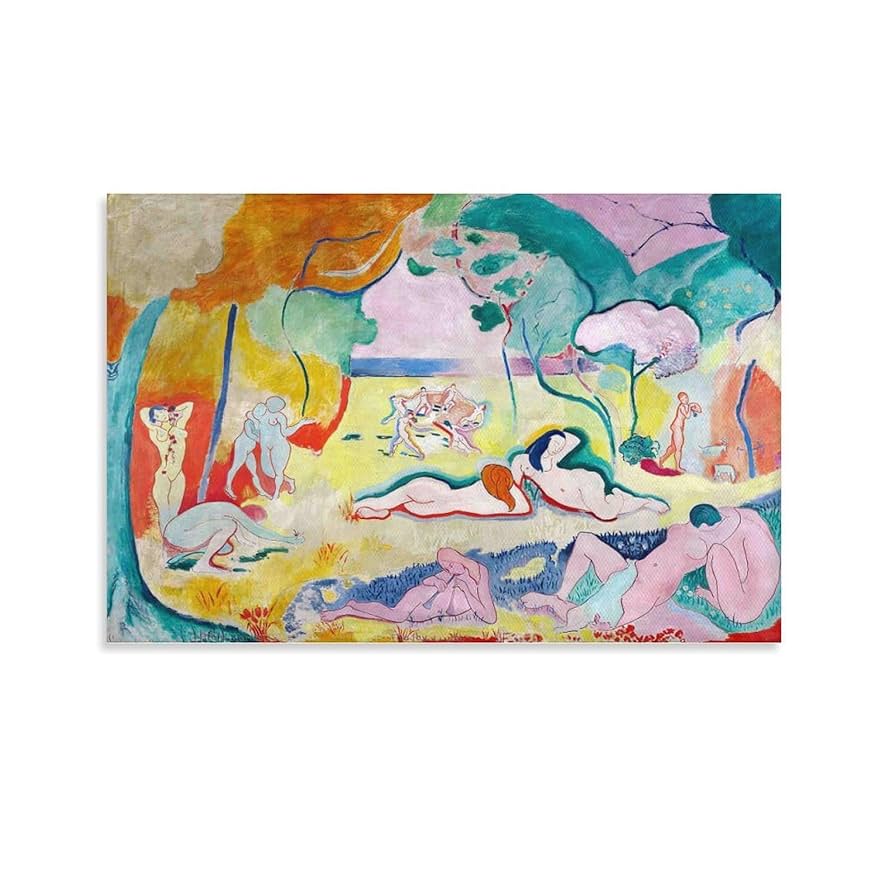
Henri Matisse, The Joy of Life, 1906
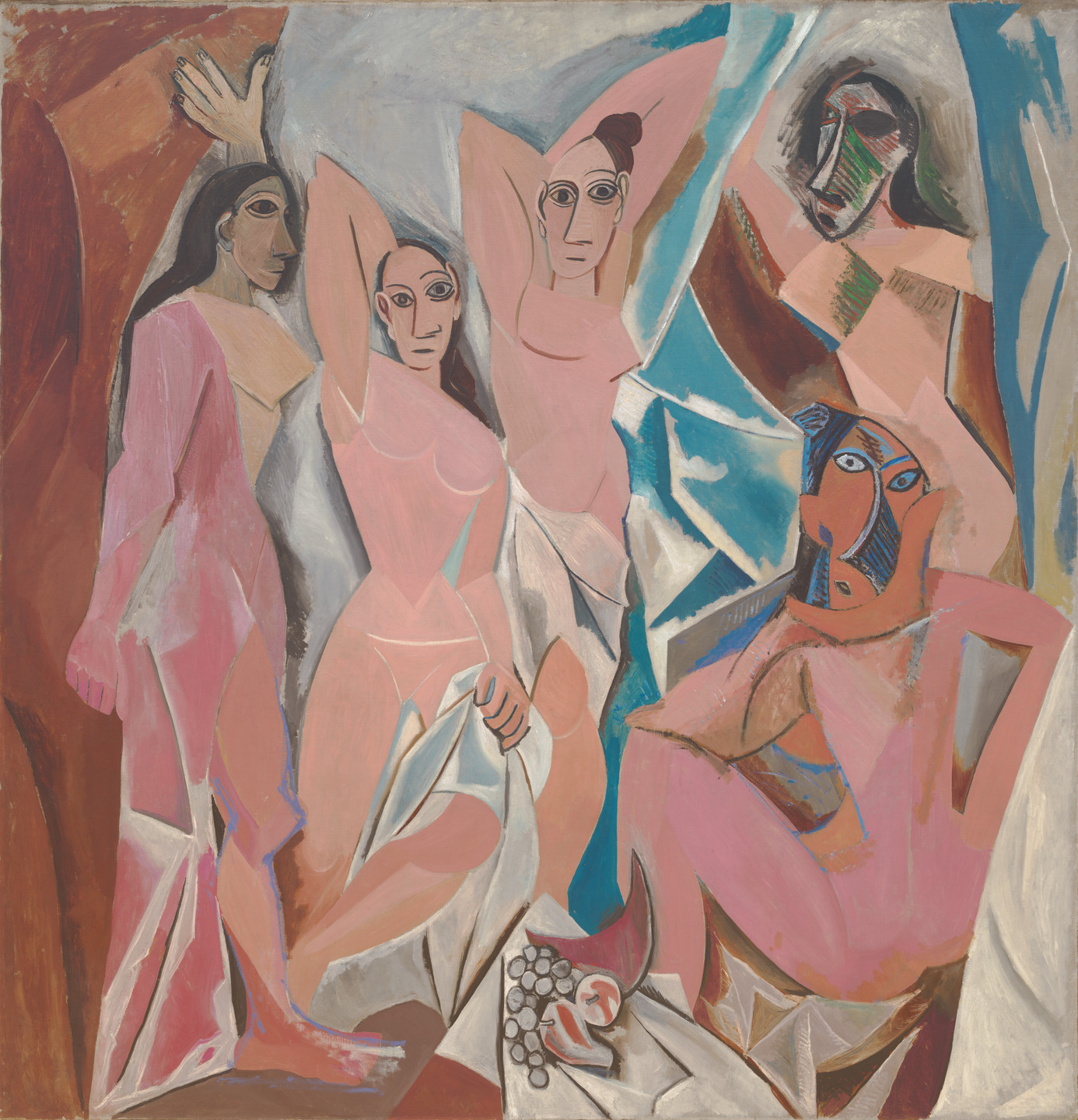
Pablo Picasso, Les Demoiselles d’Avignon, 1907
Georges Braque, Violin and Pitcher, 1910
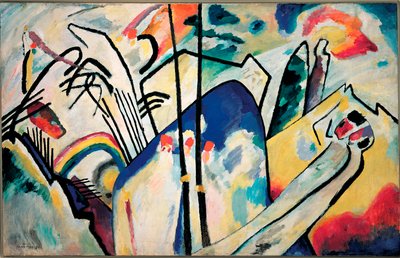
Vassily Kandinsky, Sketch for Composition IV, 1910-11
Kazimir Malevich, Black Square, 1915
Vladimir Tatlin, Corner Counter-Relief, 1915
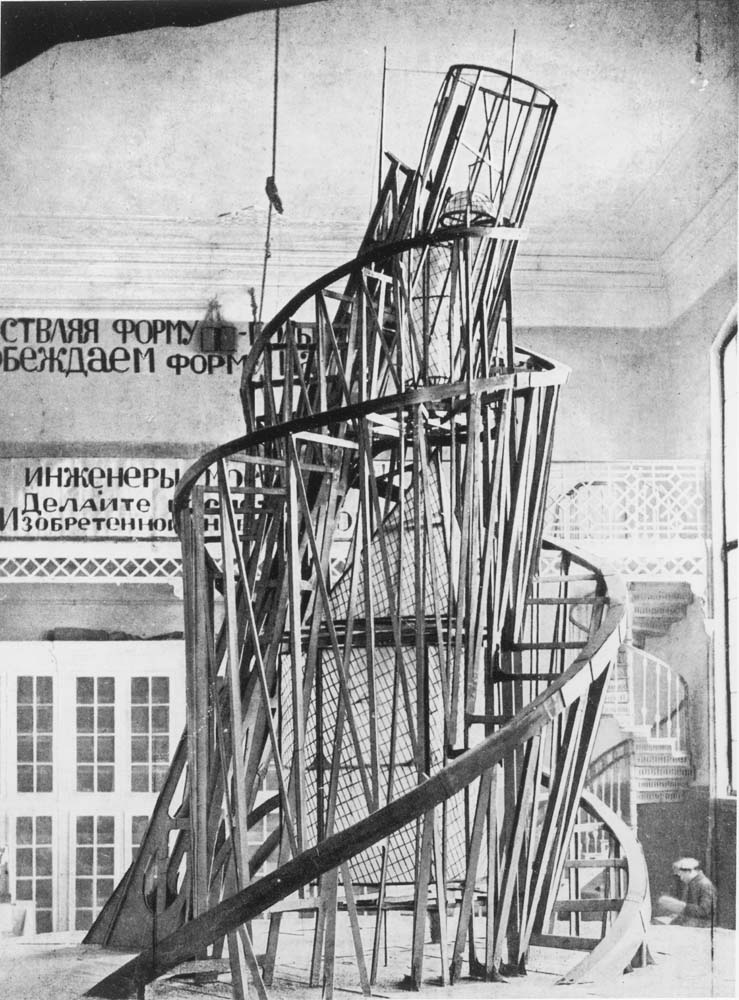
Vladimir Tatlin, Model for Monument to the Third International, 1920
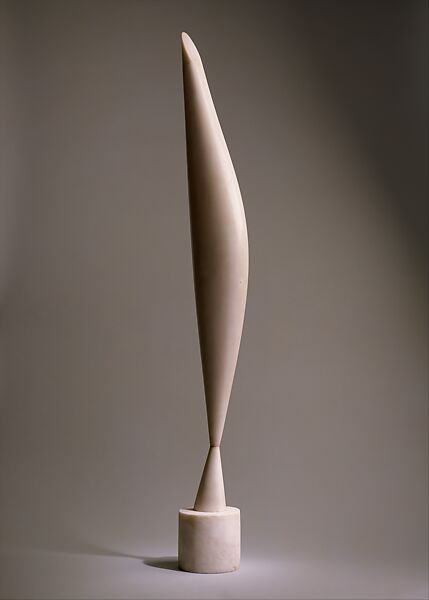
Constantin Brancusi, Bird in Space, 1923
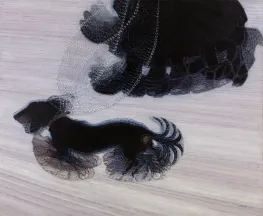
Giacomo Balla, Dynamism of a Dog on a Leash, 1912
Gino Severini, Armored Train in Action, 1915