Chapter 12-Macroeconomics- Aggregate Demand and Aggregate Supply
 Call Kai
 Learn
Learn Practice Test
 Spaced Repetition
 Match
Match Flashcards
 Knowt Play
1/28

There's no tags or description
Looks like no tags are added yet.
Name | Mastery | Learn | Test | Matching | Spaced | Call with Kai |
|---|
No analytics yet
Send a link to your students to track their progress
29 Terms
Aggregate Demand
Real GDP desired at each price level. Inverse Relationship: Real Balances Effect, Interest rate Effect, Foreign purchases effect
The Aggregate Demand Curve
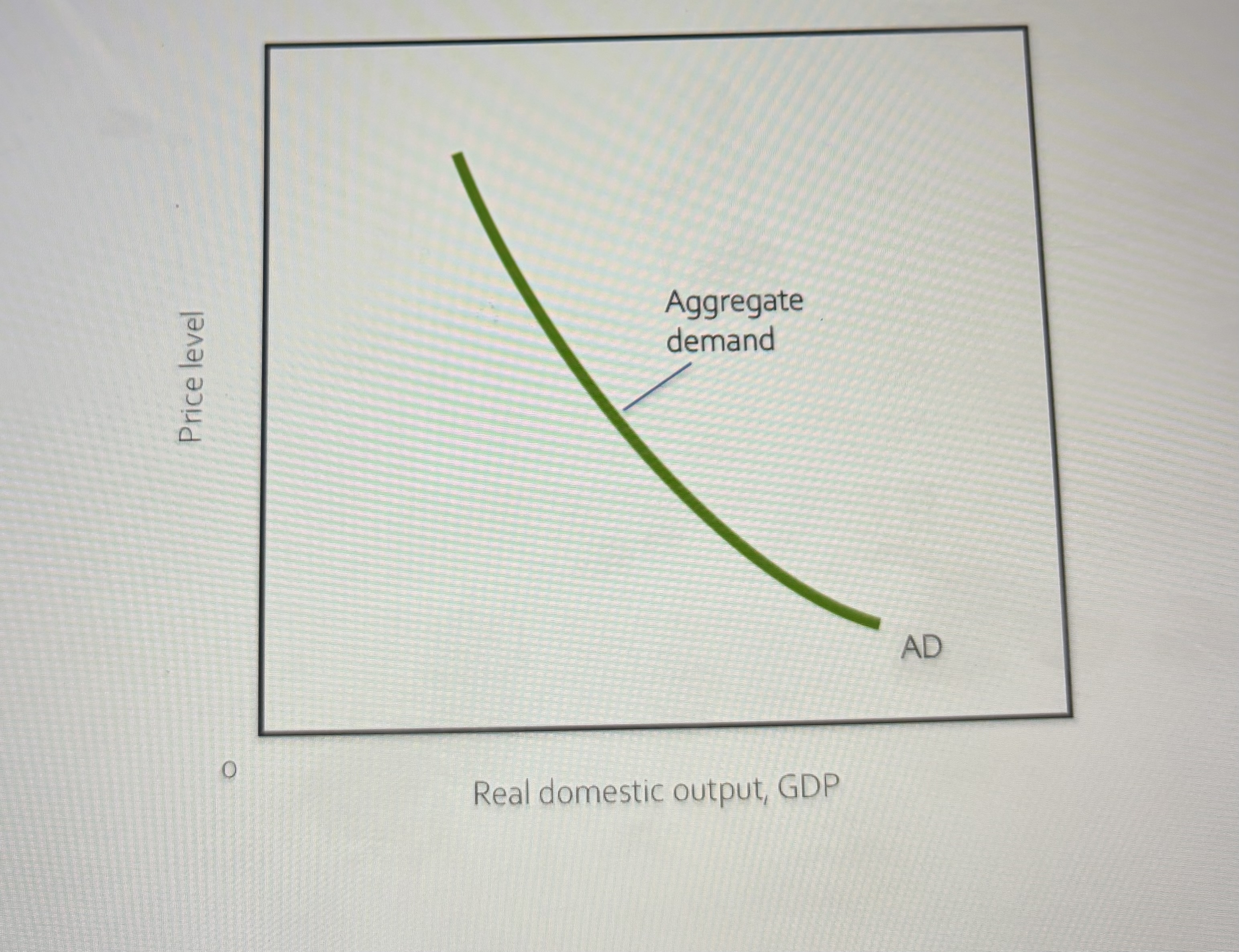
Determinants of aggregate demand:
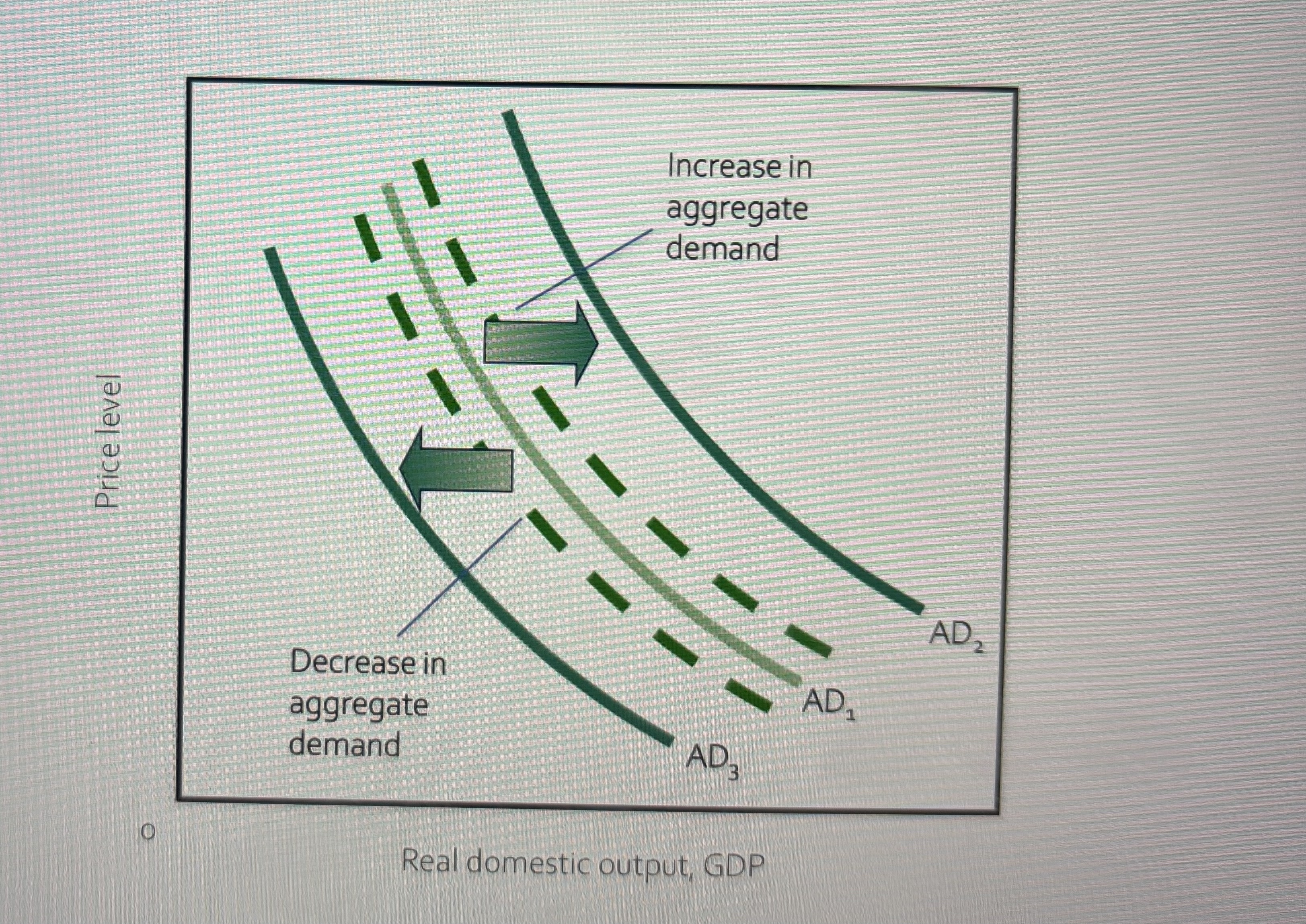
Shift factors affecting C, I, G, Xn
Two components involved:
Change in one of the determinants 2. Multiplier Effect
Changes in Aggregate Demand Graphed
Consumer Spending
Consumer Wealth, Household Borrowing, Consumer Expectations, Personal Taxes
Investment spending
Real Interest Rates, Expected Returns(Expectations about future business conditions, Technology, Changes in excess capacity, Business taxes)
Government Spending increases
Aggregate demand increases(as long as interest rates and tax rates do not change), More transportation projects
Government spending decreases
Aggregate demand decreases, less military spending
Net Export Spending
National Income Abroad, Exchange rates: Dollar depreciation, dollar appreciation
Aggregate Supply
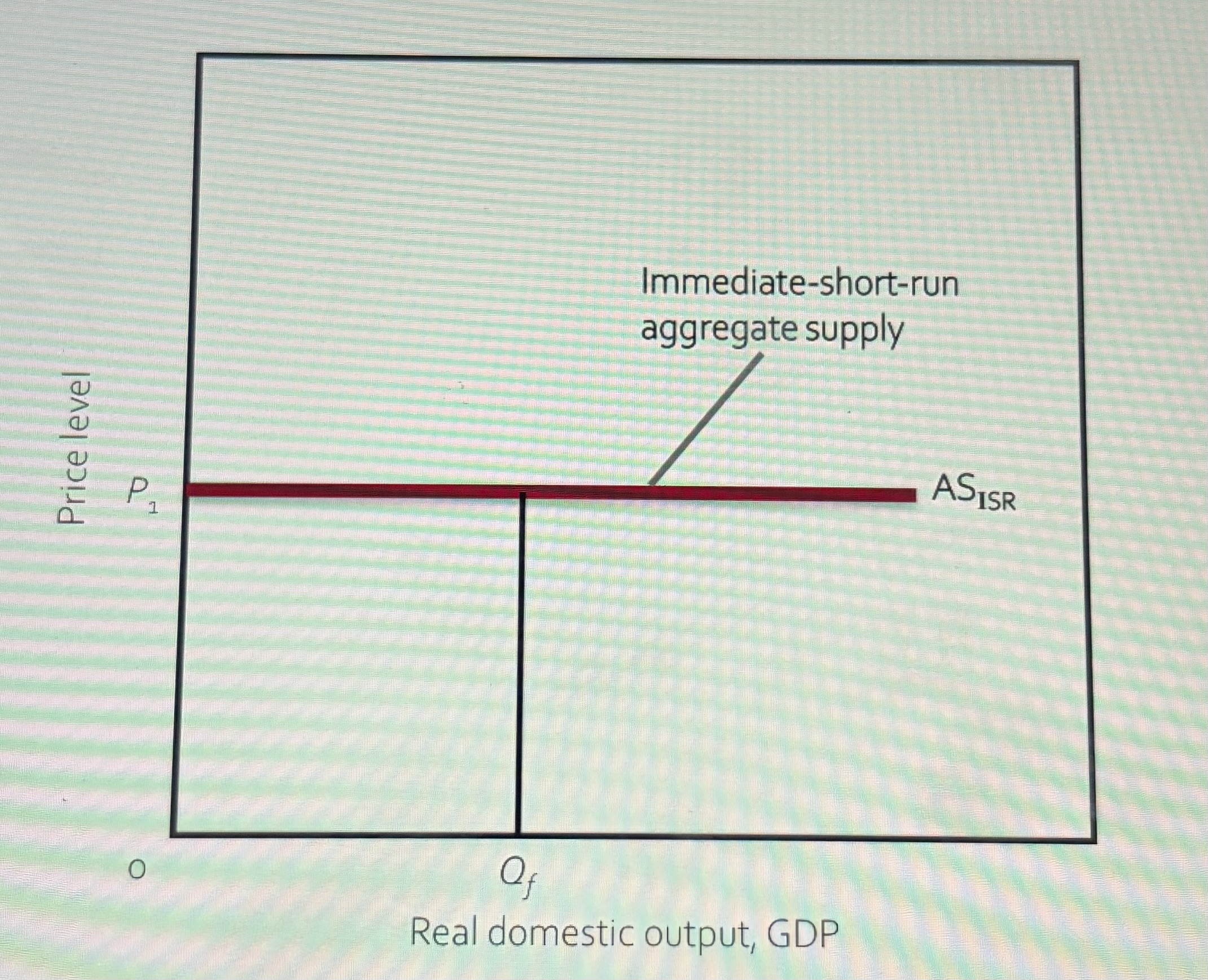
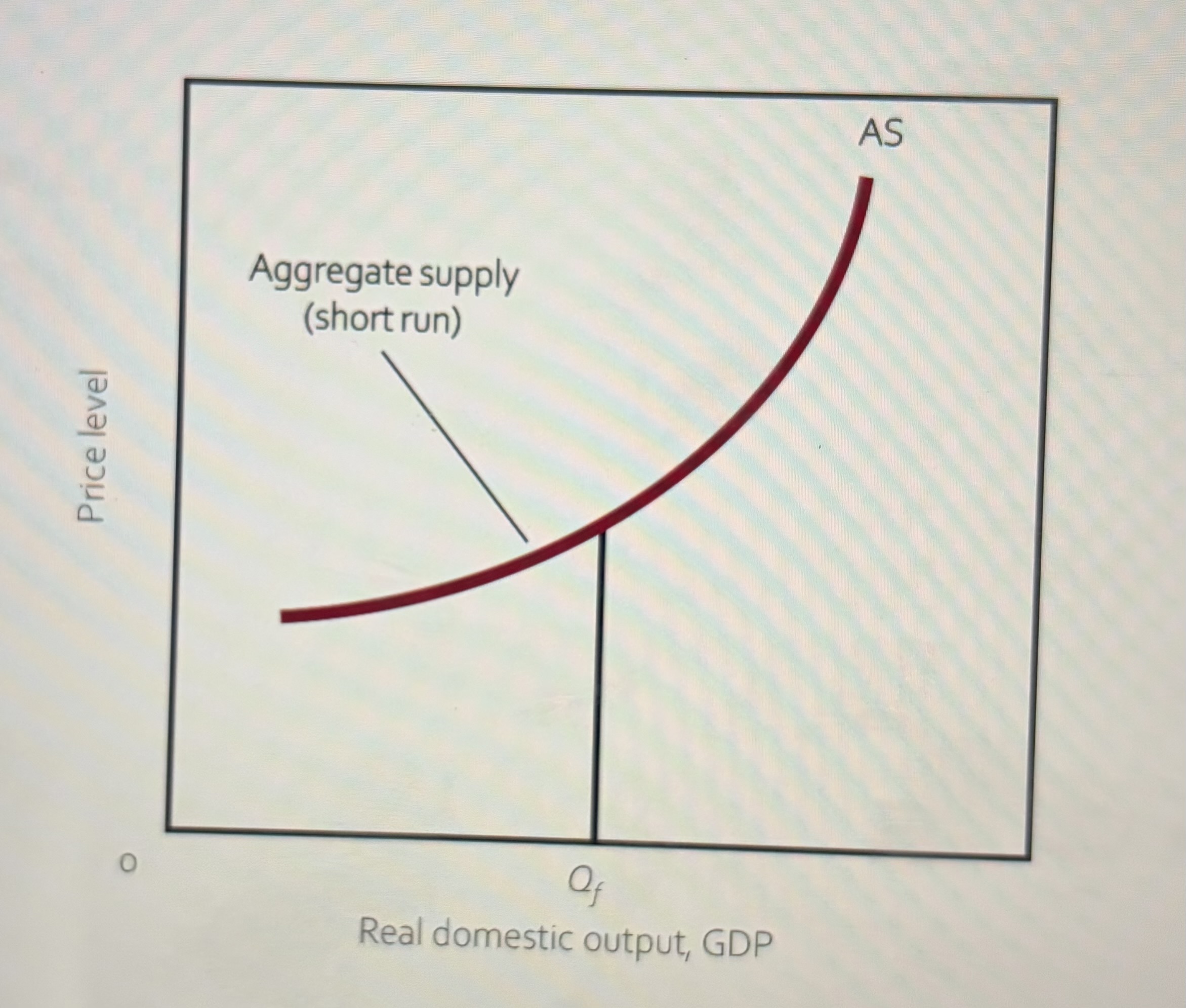
Total real output produced at each price level, relationship depends on time horizon: Immediate short run, short run, long run
Aggregate Supply in the immediate Short run
The Aggregate Supply Curve(Short Run)
Aggregate Supply in the Long Run
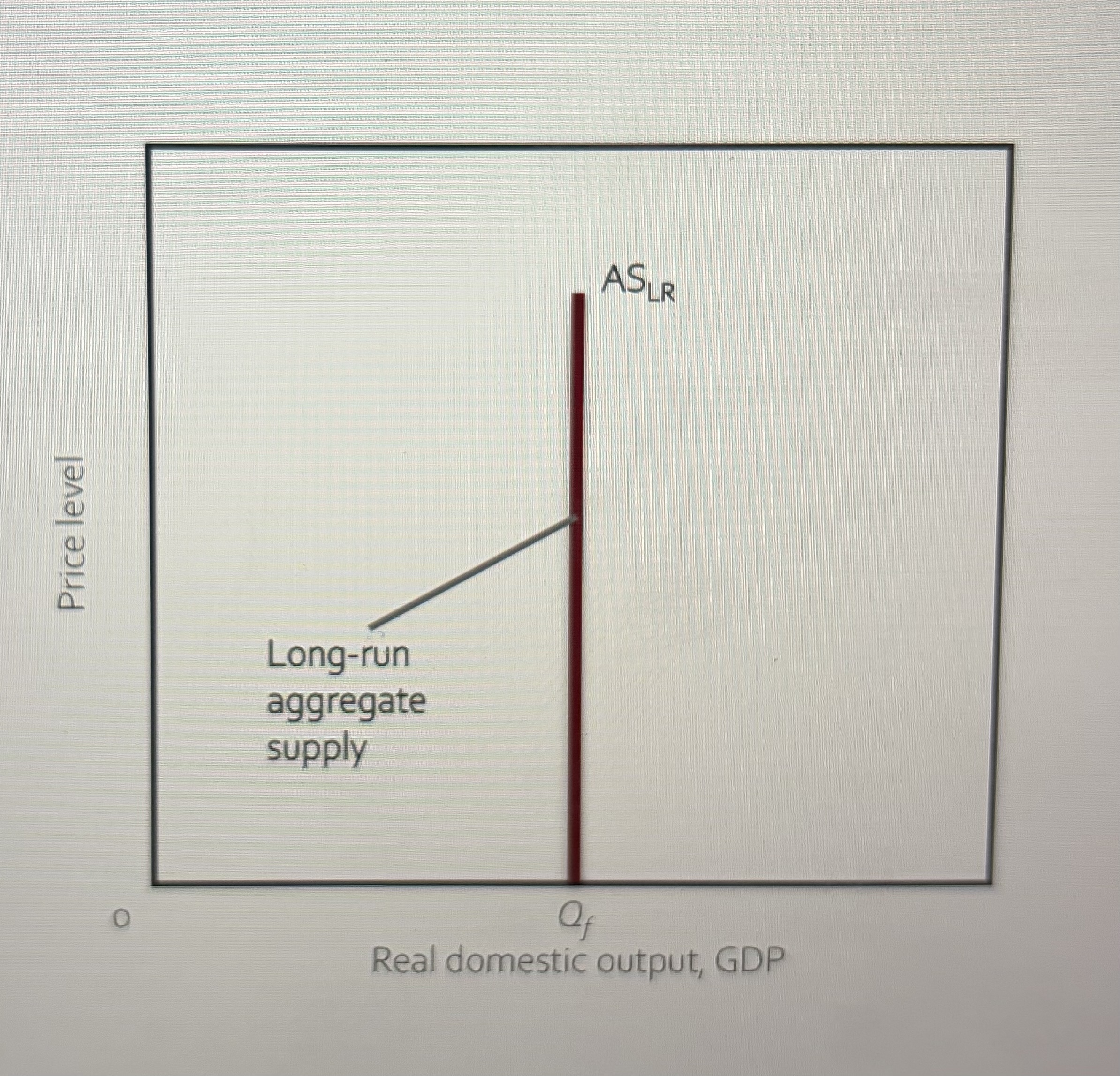
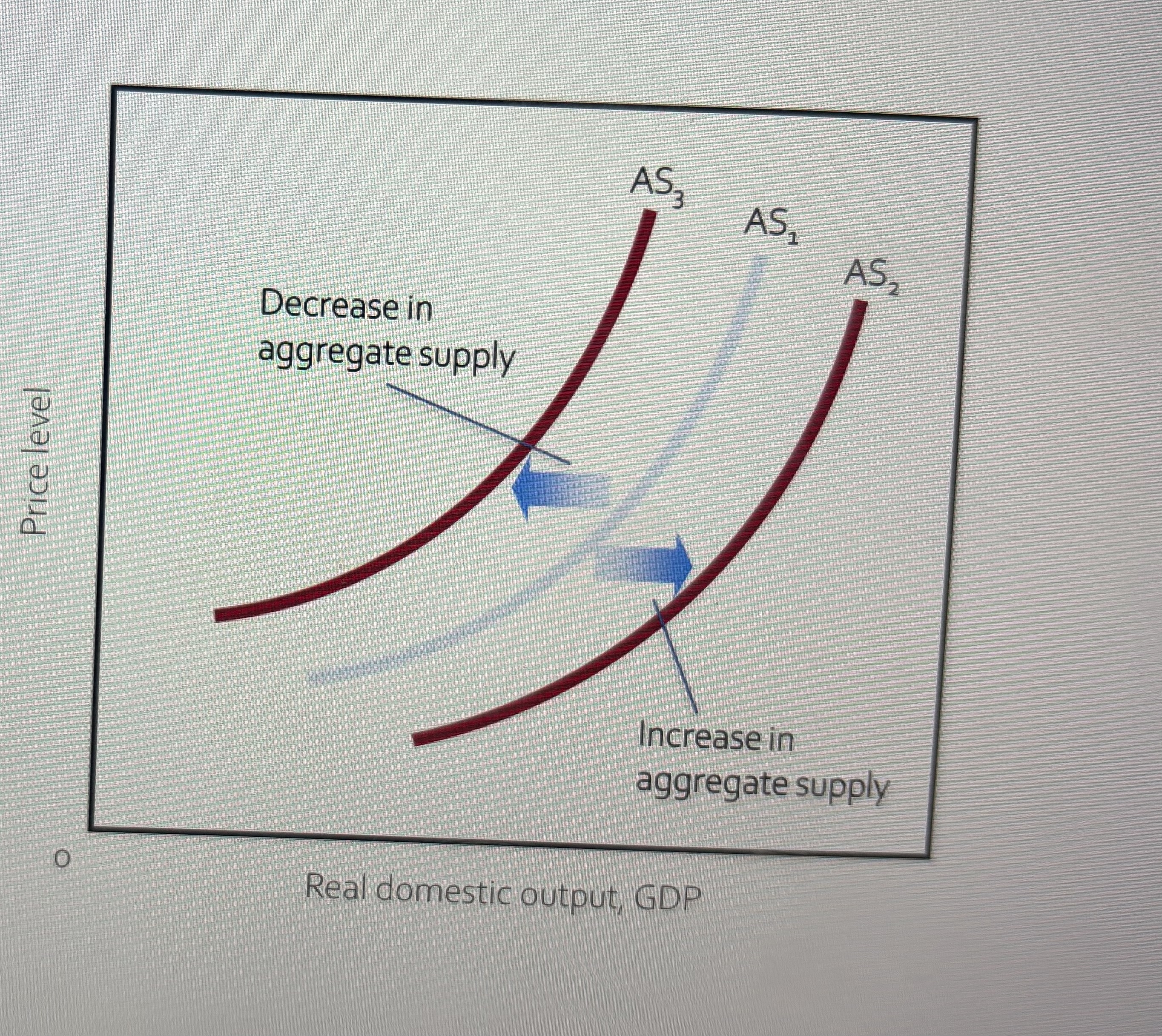
Changes in Aggregate Supply Graphed
Determinants of aggregate supply:Shift Factors, Collectively position the AS curve, Changes raise or lower per-unit production costs
Input Prices
Domestic resource prices: Labor, Capital, Land
Prices of imported resources: Imported Oil, Exchange Rates
Productivity
Real output per unit of input, increase in productivity reduce costs, decrease in productivity increase costs
Productivity
total output/total inputs
Per-unit production cost
Total input cost/total output
Legal Changes alter per-unit costs of output
Business taxes and subsidies, government regulation
The equilibrium price level and Equilibrium Real GDP,
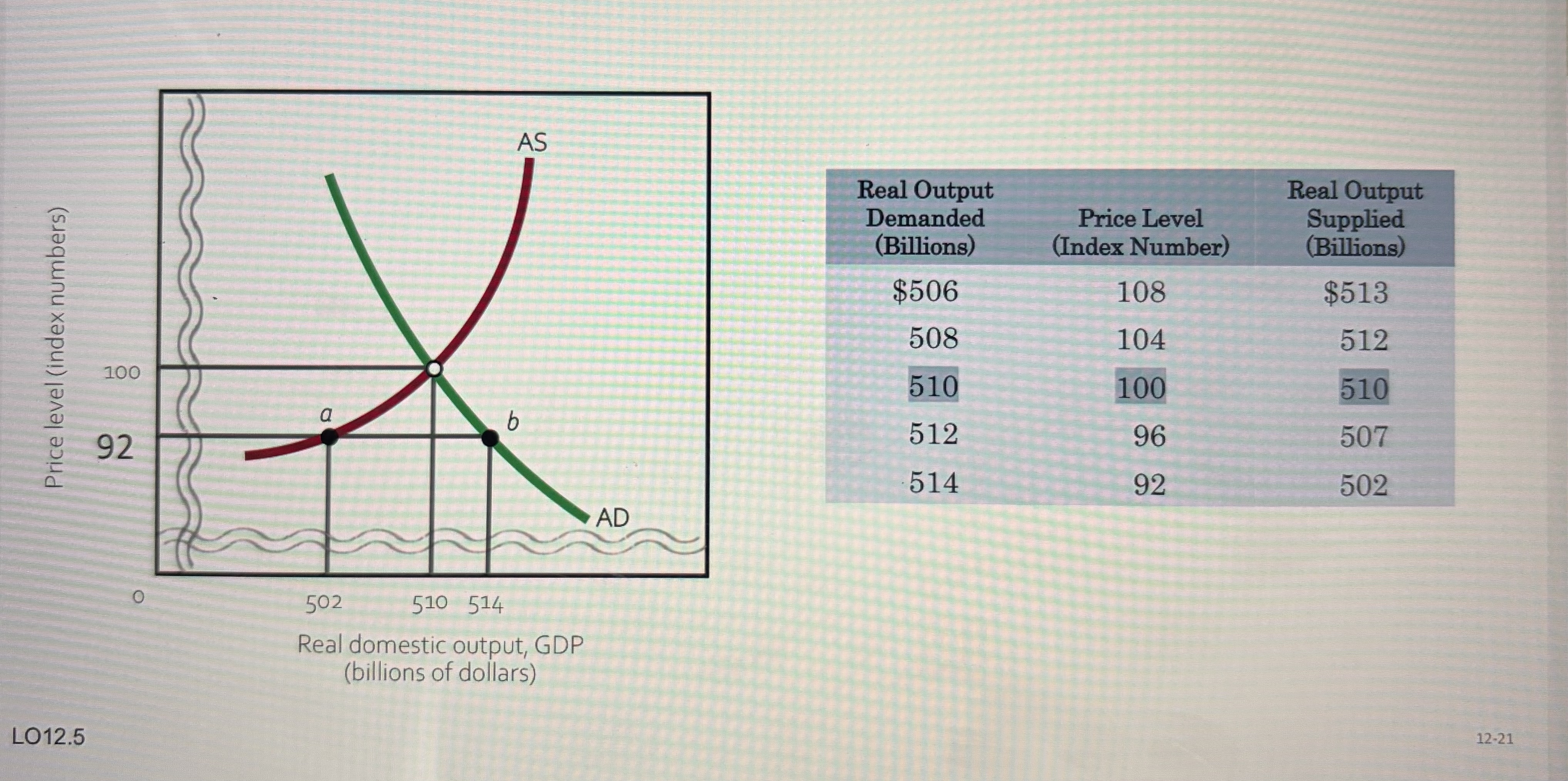
An increase in Aggregate Demand that causes Demand-Pull Inflation
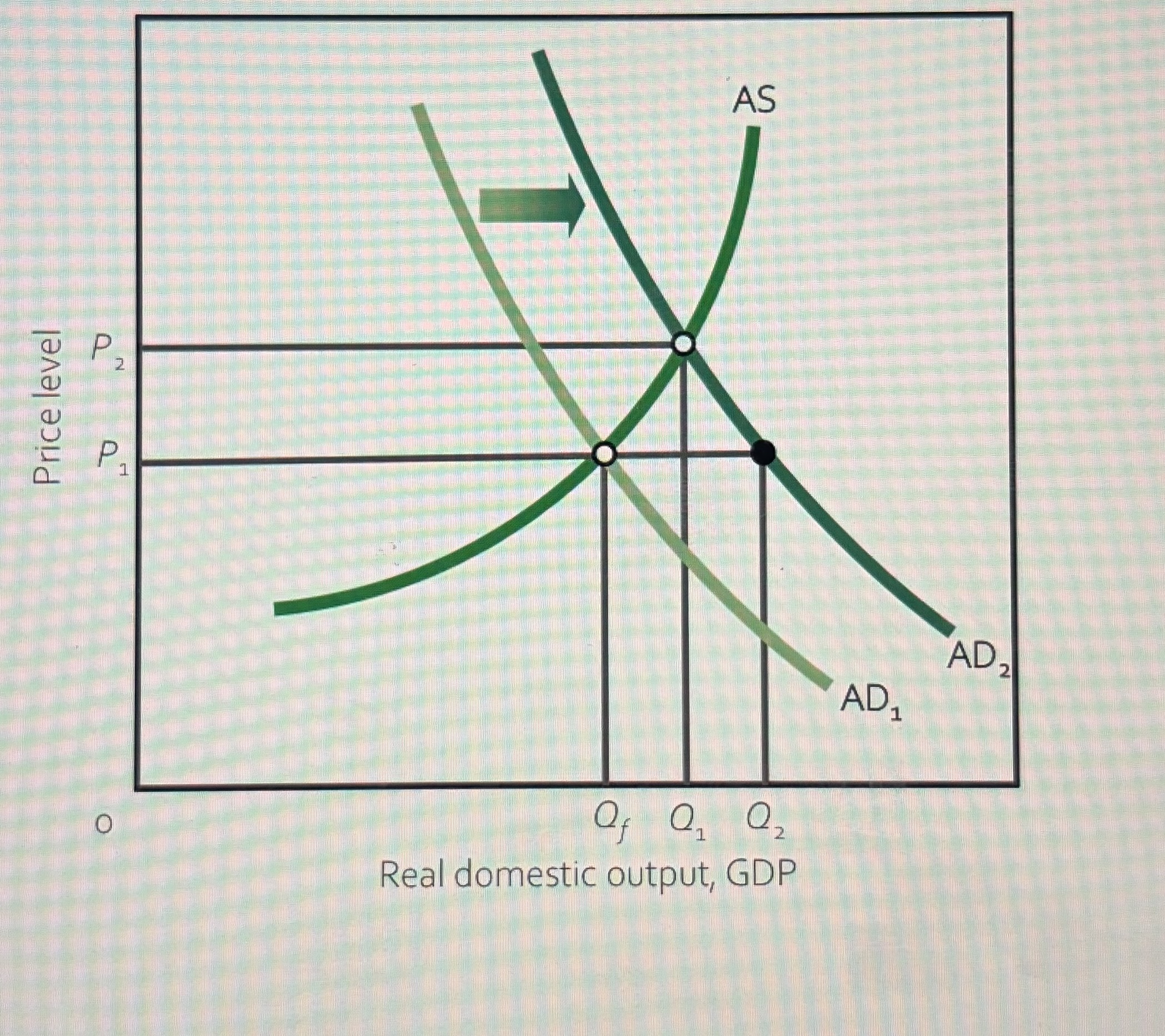
A Recession Resulting from a Leftward Shift of Aggregate Demand When the Price Level is Downwardly Inflexible
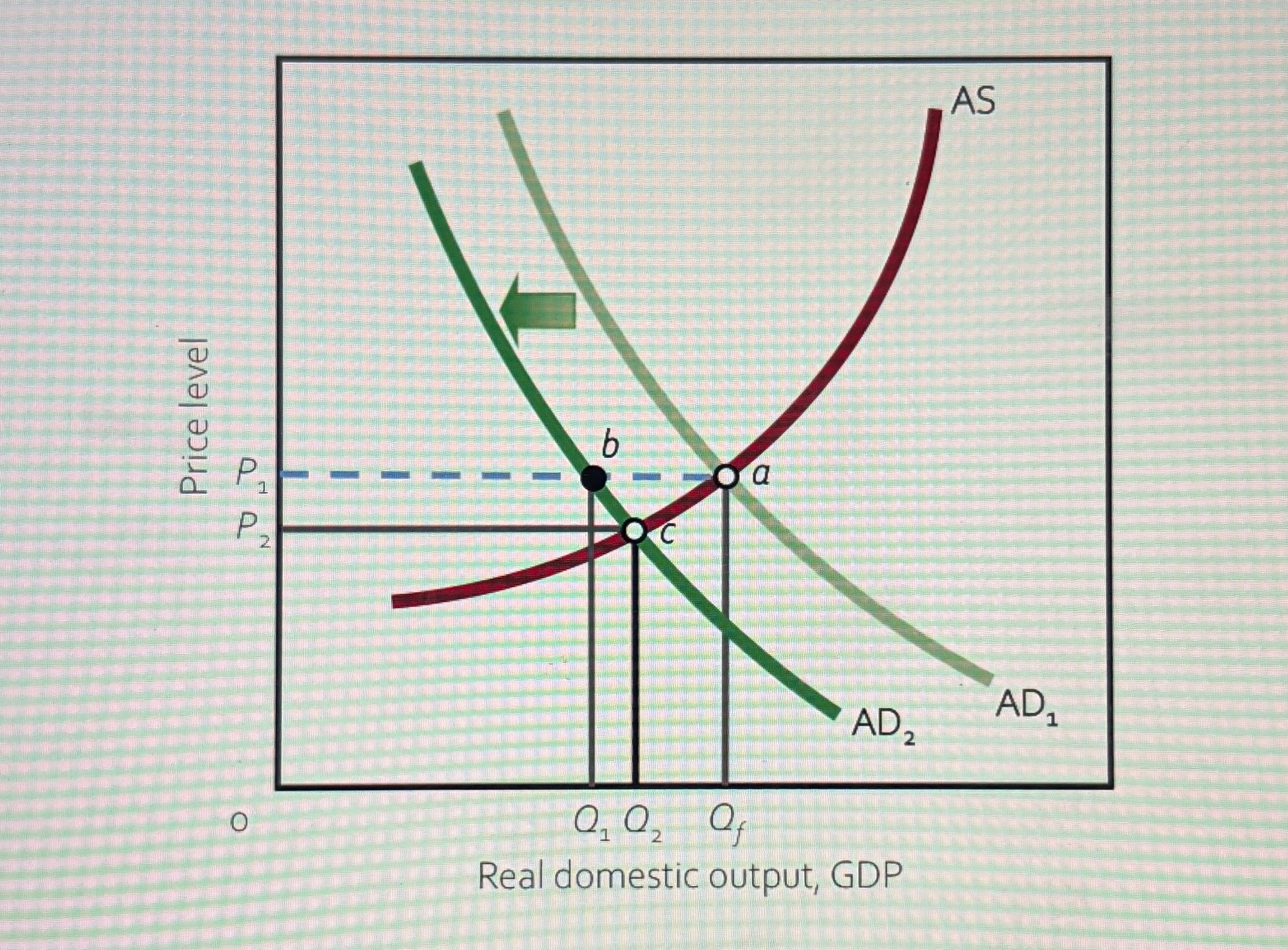
Decreases in AD: Recession and Cyclical Unemployment
Prices are downwardly inflexible: Fear of price wards, menu costs, wage contracts, efficiency wages, minimum wage law
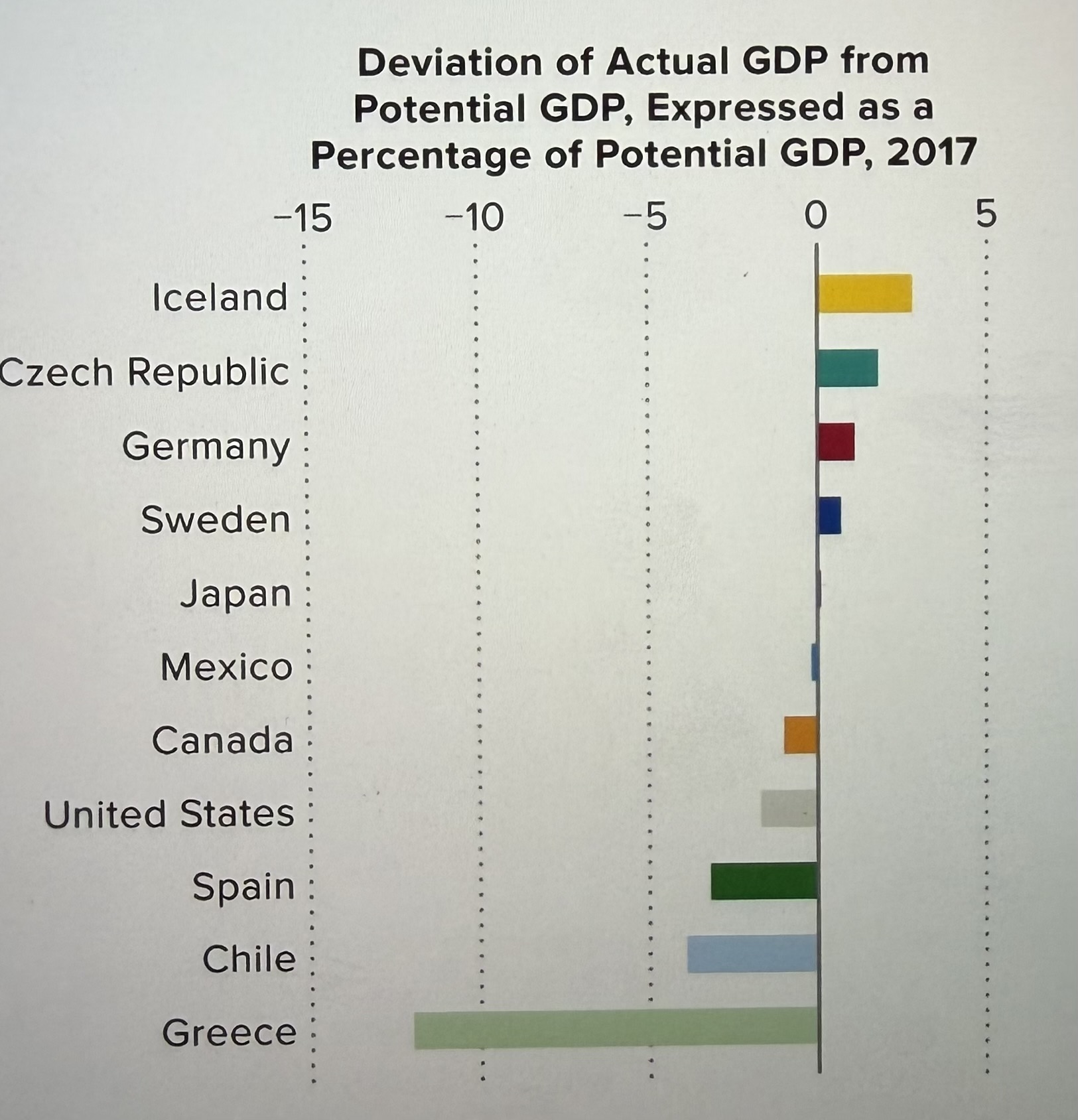
Deviation of Actual GDP from Potential GDP, expressed as a percentage of potential GDP, 2017
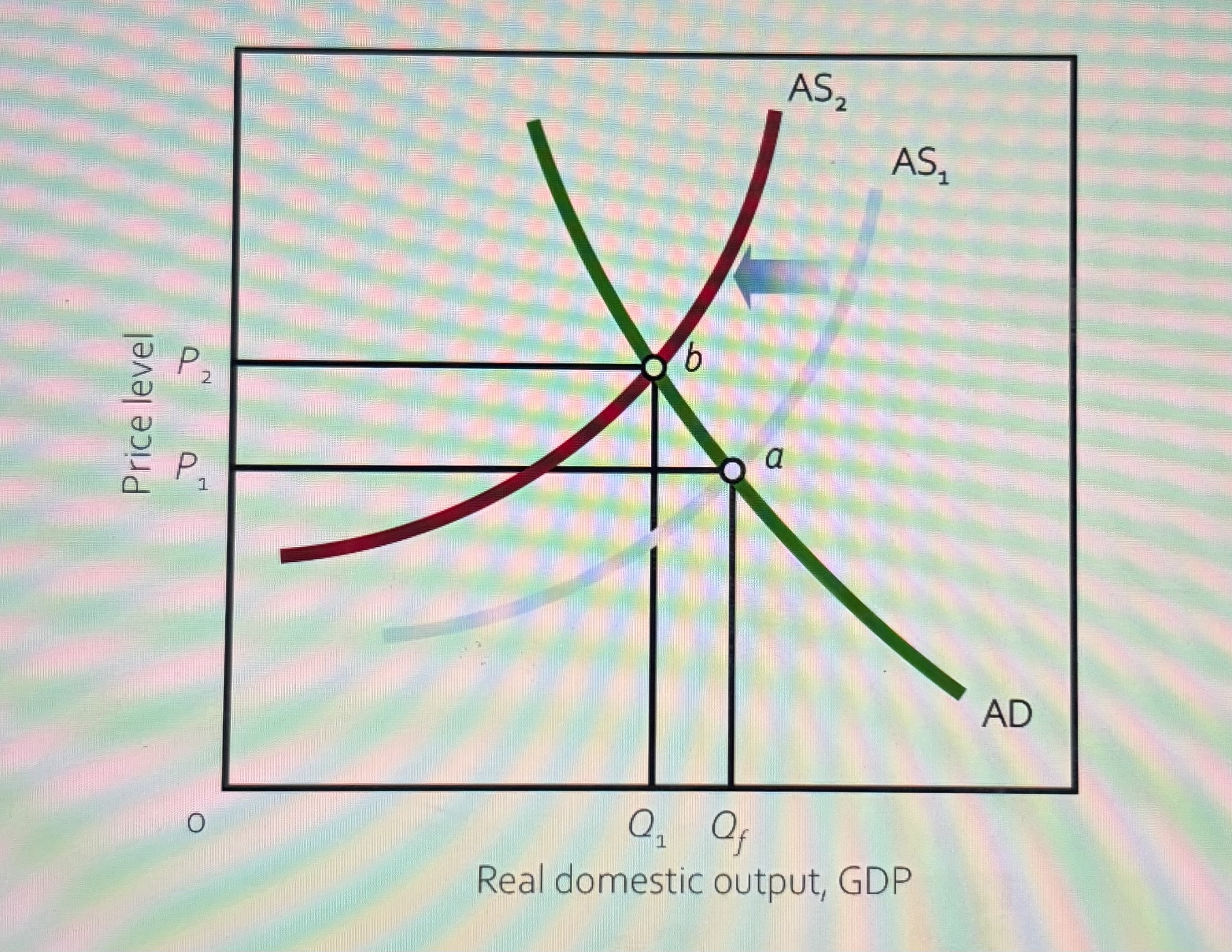
A Decrease in Aggregate Supply that Causes Cost-Push Inflation
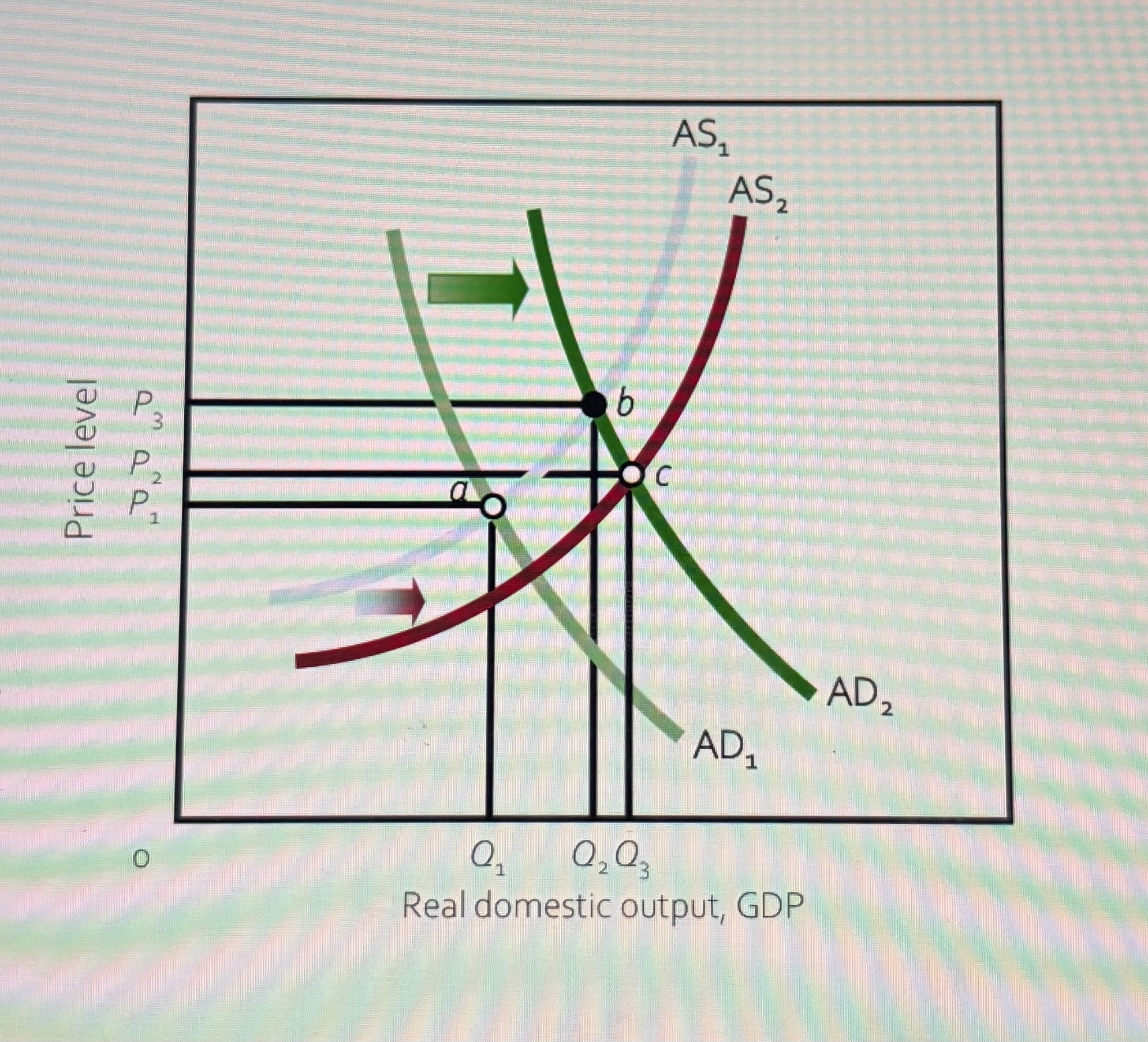
Growth, Full-Employment, and Relative Price Stability
Part One: stimulus and the Great Recession
Housing collapse triggers bank failures which leads to recession, Federal Reserve intervenes: Lowers short-term interest rates, federal government begins largest peacetime program of spending.
Last word: stimulus and the Great Recession
GDP Growth has been disappointing, High debt load due to low interest rates, high rate of savings, unequal impact, price increases rather than output gains