BIOS 1310 lab quiz #8
 Call Kai
 Learn
Learn Practice Test
 Spaced Repetition
 Match
Match Flashcards
 Knowt Play
1/144

There's no tags or description
Looks like no tags are added yet.
Name | Mastery | Learn | Test | Matching | Spaced | Call with Kai |
|---|
No analytics yet
Send a link to your students to track their progress
145 Terms
5 Processes of the digestive system
ingestion
digestion
absorption
compaction
defecation
Ingestions
voluntary intake of food into the oral(buccal) cavity
mechanical and chem digestion
Mechanical digestion
increases number of food particles —→ increases exposed surface area
allows for maximum exposure to and mixing w digestive enzymes
chemical digestion
breaks down complex macromolecules into fundamental building blocks through enzymatic action
mastication
chewing
initiates mechanical digestion in mouth
salivary glands
parotid
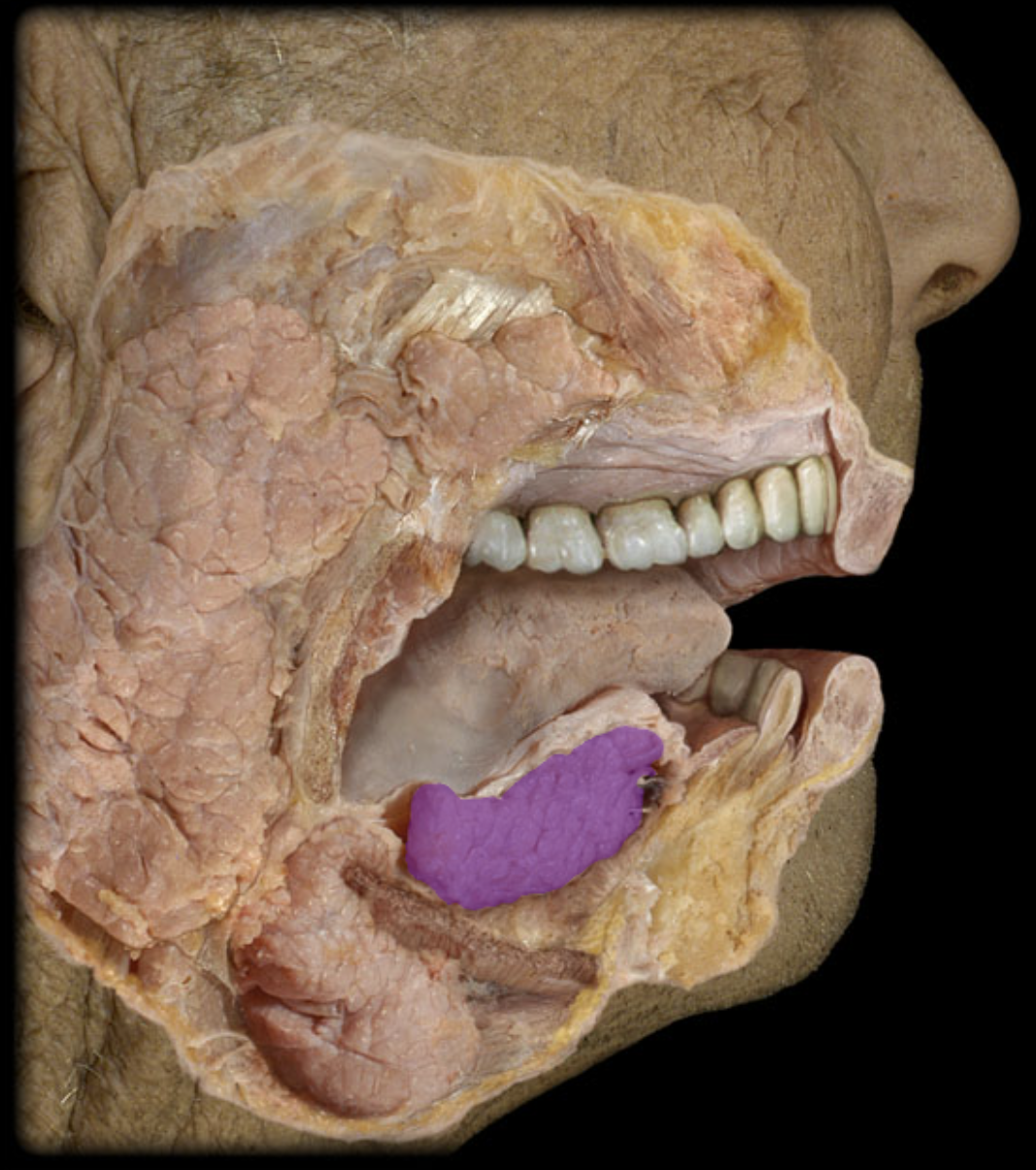
sublingual
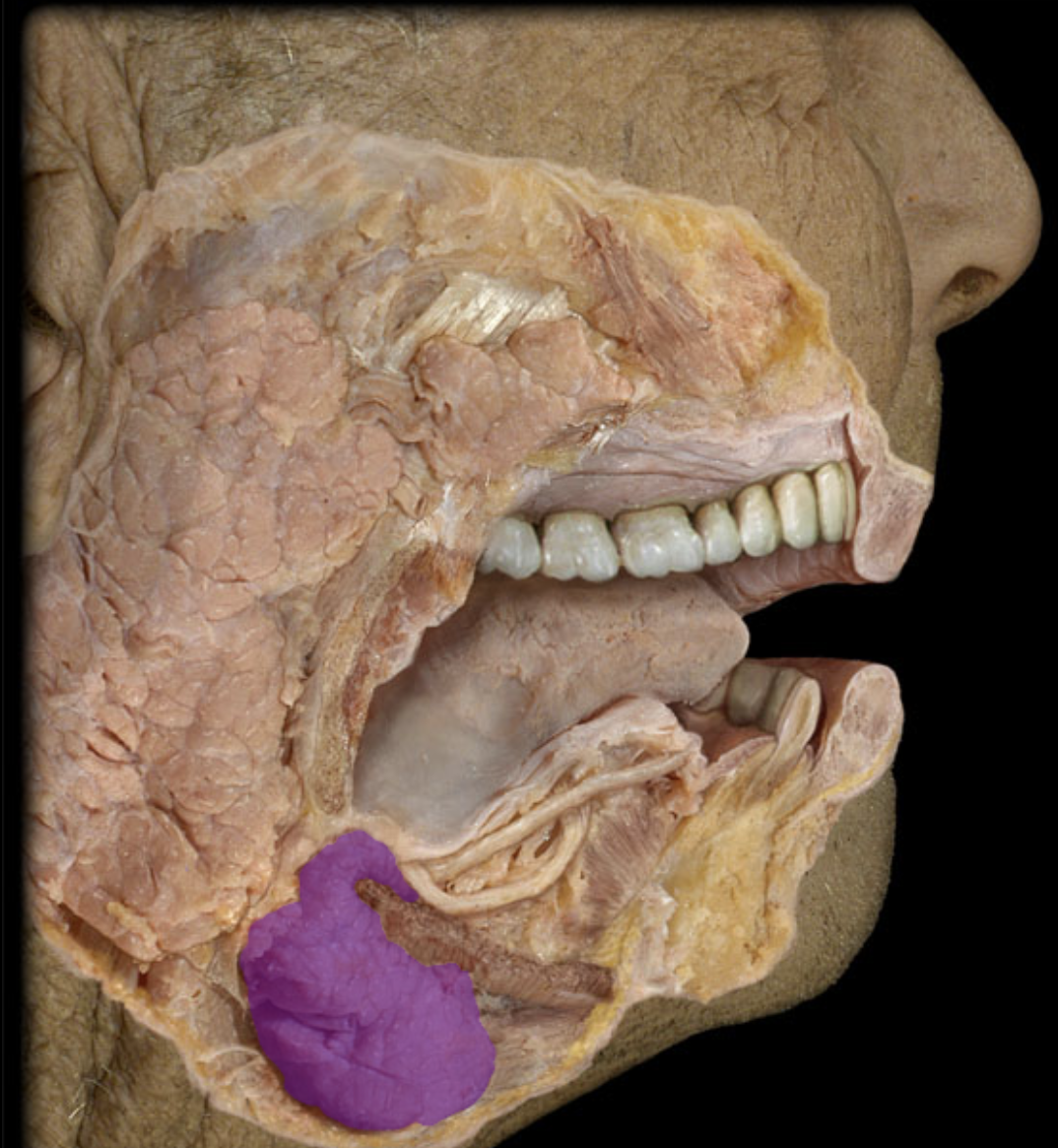
submandibular
produce saliva
saliva
fluid substance loaded w digestive enzymes for chem digestion of a meal
salivary amylase
begins breakdown of starch into simpler carbohydrates
lingual lipase
contributes to early digestion of lipids
deglutition
swallowing
oral cavity —→pharynx—→esophagus
marks transition from voluntary to involuntary control of digestion
Peristalsis
series of coordinated wave-like contractions of smooth muscle
ensure forward propulsion of bolus
Stomach
both mechanical and chem digestion
mix and grind bolus —→chyme
churing and retropulsion
repeatedly forces chyme against pyloric sphincter
reduces particle size
ensures thorough mixing and gastric secretions
Parietal cells and chief cells play a role in the chem digestion
carbohydrate digestion is mostly halted due to acidic conditions
Parietal cells
secrete HCl
creates hgihly acidic environment
denatures proteins
destroys any accidentally ingested pathogens
activates digestive enzymes
produce intrinsic factor
Chief cells
release pepsinogen
inactive precursor of pepsin
activates in presence of HCl
Pepsin
begins breakdown of proteins into smaller peptides
Intrinsic factor
essential for absorption of vitamin B12 in distal ileum
from the stomach chyme moves to…
the small intestine
where majority of digestion and nearly all nutrient absorption occur
In duodenum, chyme is…
mixed w secretions from pancreas and bile from liver and gallbladder
Pancreas
produces
pancreatic amylase
carbohydrates
pancreatic lipase
lipids
several zymogens
Zymogens
precursor protease enzymes for proteins
activated within small intenstine
trypsinogen converts to…
trypsin by enterokinase
trypsin
activates other proteases
allows for efficient protein digestion
bile
produced in liver and stored in gallbladder
aids in digestion of lipids by emulsifying large fat globules into smaller droplets
increases surface area available for enzymatic action
Segmentation
mechanical digestion in sm intestine
process involving localized contractions that mix chyme w digestive secretions and enhance contact w intestial mucosa
Inner, mucosal surface of sm intestine
highly specialized for absorption
lined w enterocytes that possess microvilli
forms brush boder to capture and process nutrients
Brush border
embedded are enzymes that complete final stages of digestion
break down carbohydrates and peptides into simplest, most absorbable forms
Lacteals
lipids are absorbed by these
Residue
any material that cannot be digested or absorbed
is passed into large intestine to undergo compaction
Compaction
water removal
Biliary tree
aka biliary tract or biliary system
complex branching network of organs and ducts responsible for producing, storing, and transporting bile
vital role in breakdown of fats
pathway for waste removal
delivers bile to sm intestine
located in upper abdomen
center of biliary tree
liver
Liver
produces bile
hepatocytes
constantly secrete bile into canaliculi
hepatic ducts
r and l
exit liver and join to form common hepatic duct
2 pathways for bile after common hepatic duct
directly toward sm intestine
through cystic duct to the gallbladder
Cholecystokinin
CCK
released when food (fatty) enters sm intestine
stimulates gallbladder to contract and release bile back through the cystic duct and into the common bile duct. CBD joins w pancreatic duct and empty into duodenum through ampulla of vater
Emulsifying of fats
preformed by bile once in the duodenum
breaks large fat globules into smaller droplets
makes them easier for digestive enzymes to act upon
Bile also…
carries waste products
bilirubin
cholesterol
toxins
from liver to intestines for excretion
Bile acids
reabsorbed in the sm intestine and returned to liver through bloodstream
Common conditions of the biliary system
gallstones
bile duct structures
cancers
lead to symptoms such as
r upper quadrant pain
jaundice
nausea
lipoproteins
specialized particles made of lipids and proteins
cholesterol
triglycerides
essential for metabolism
delivering energy
supporting hormone production
maintaining cell membranes
structure determines density
density of lipoproteins
the more protein they contain the denser they are
main types of lipoproteins
chylomicrons
VLDL
LDL
HDL
Chylomicrons
largest and least dense lipoproteins
form in intestines after eating
transport triglycerides to peripheral tissues
muscles and adipose tissue
where these fats are used for energy or storage
VLDL
very low density lipoproteins
produces by the liver
carry triglycerides synthesized for excess nutrients
main role is to deliver endogenous trriglycerides to adipose tissue for storage
As VLDLs lose triglycerides, they shrink and become denser transitioning to LDL
LDL
low density lipoproteins
primary carriers of cholesterol in the blood
formed after VLDL shed most of their triglycerides (rich in cholesterol)
taken up by cells through receptor mediated endocytosis
cells use the cholesterol for membrane structure and steroid hormone synthesis
High levels of LDL
excess cholesterol can deposit in artery walls
forms plaques
increases risk:
atherosclerosis
heart attack
stroke
LDL is labeled…
bad cholesterol
HDL
High density lipoproteins
serve a protective opposite role
produced in the liver as small, protein rich particles
circulates through bloodstream collecting excess cholesterol and phospholipids from tissues
returns cholesterol to liver where it is excreted in bile or converted into bile acids
reverse cholesterol transport
helps reduce cardiovascular risk
“good cholesterol”
Cholesterol levels
200 mg/dL
desirable
Most cholesterol in the body is produced…
internally by the liver
body adjusts its own production based on dietary intake
dietary cholesterol alone has less impact on blood cholesterol levels
SFAs
Saturated fatty acids
play more significat role in raising cholesterol levels
certain SFAs increase serum cholesterol by reducing its uptake into tissues
Unsaturated fats
help lower cholesterol
Exercise
lowers blood lipid levels through multistep process
increases breakdown of triglycerides in adipose tissue
shrinks VLDL particles
promotes transder of cholesterol to HDL for removal by liver
imporvies overall HDL to LDL ratio
2 categories of nutrients
macronutrients
micronutrients
together they support everything form energy production and metabolism to immune function and long-term disease prevention
macronutrients
required in large amounts to provide energy
form the foundation of daily energy intake
Carbohydrates
should make up roughly 45-50% of daily calories
serve as body’s primary energy source
when consumed they are broken down into glucose
fuels cells and supports brain and muscle function
Complex carbohydrates
whole grains
fruit
veggies
provide fiber
promote more stable blood glucose levels
fiber
nondigestible form of carbohydrate
plays additional role in:
digestive health
satiety
cholesterol reduction
Proteins
account for 10-35% of faily caloric intake
critical for structural and functional roles
composed of AAs that body uses to:
build and repair tissues
synthesize enzymes and hormones
support immune functions
Current recommened intake of protein
0.8 g per kg of body weight
minimum requirement
Higher intake of protein
better supports muscle maintenance
Lipid
should comprise about 20-35% of daily calories
most energy dense macronutrient
provides energy
essential for mainting cell membrane structure
producing hormones
insulating the body
protects vital organs
enable absorption of fatsoluble vitamins
a,d,e,k
Unsaturated fats
beneficial outcomes
saturated and trans fats
should be limited due to link to cardiovascular disease
Micronutrients
needed in smaller amounts
maintains normal physiological function
enzyme activity
gene expression
protection against oxidative stress
vitamins
a,c,d,e,k and B complex gorup
minerals:
calcium, iron, potassium, magnesium, zinc
Whole foods
legumes, whole grains, fruits, veggies, nuts, lean proteins
associated with lower risks of chronic diseases
Serving size
standardized to allow comparison between similar food
what people typically eat not what they should
Calories (kcal)
indicate how much energy is obtained from one serving of food
What nutrients should be limited and why?
saturated fat, sodium, added sugars
excessive intake is associated w chronic disease
Nutrients that are encourages
bc many people do not consume enough of them
dietary fiber, vitamin D, calcium, iron, potassium
Percent daily value
indicates how much a nutrient in one serving contributes to the total daily recommended intake
5% DV or less
low
20% or more DV
high
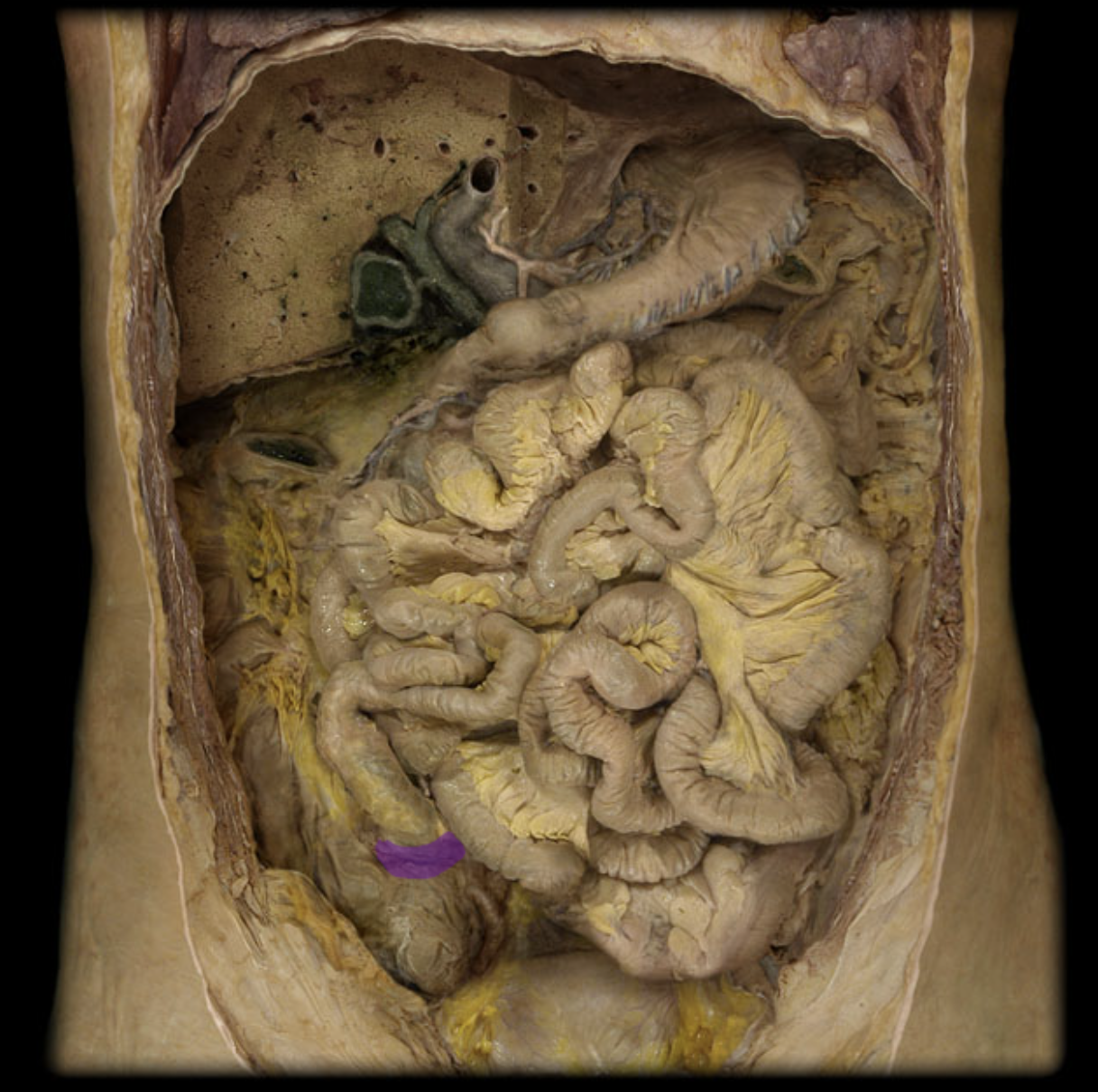
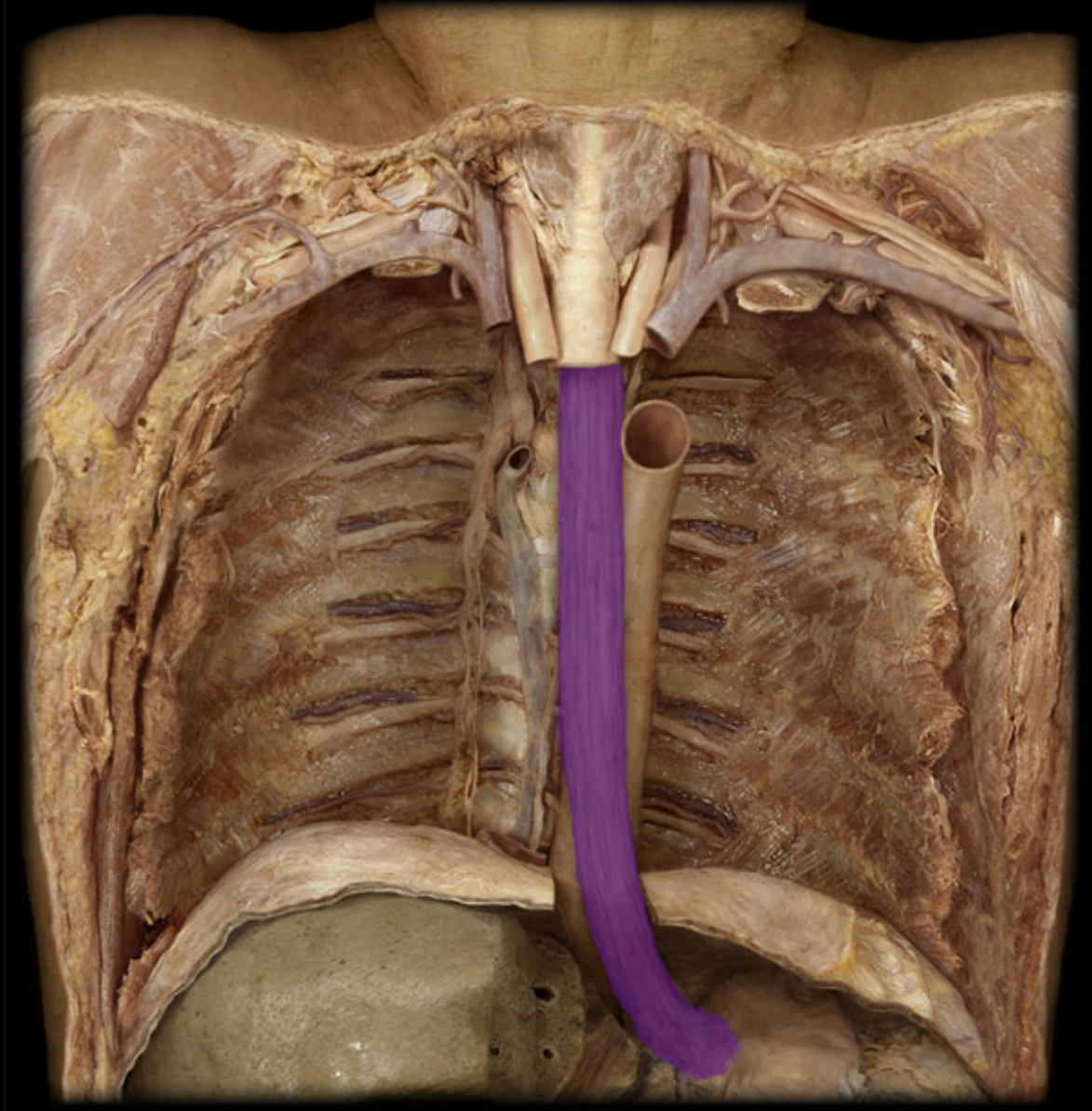
Esophagus
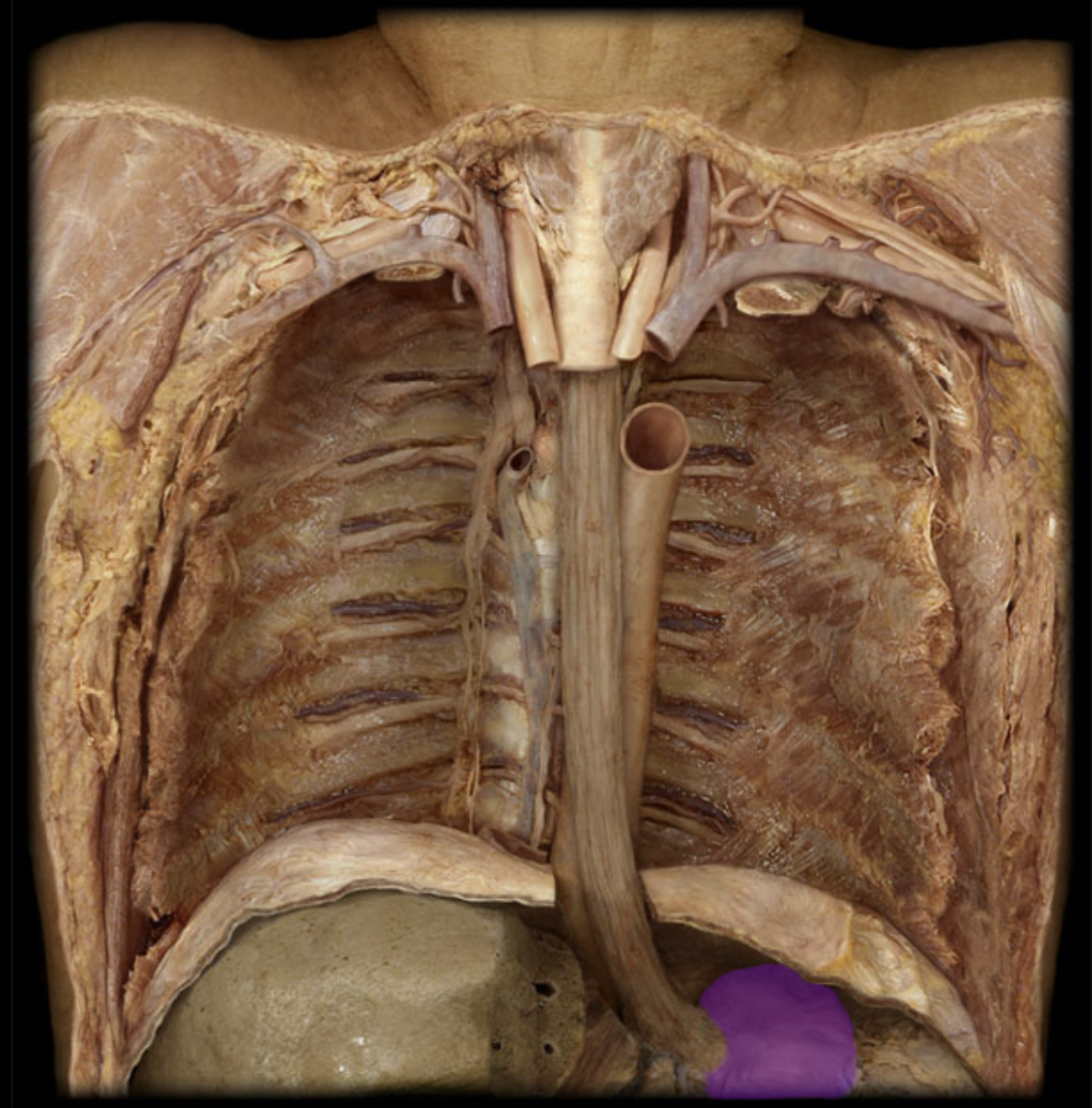
Stomach
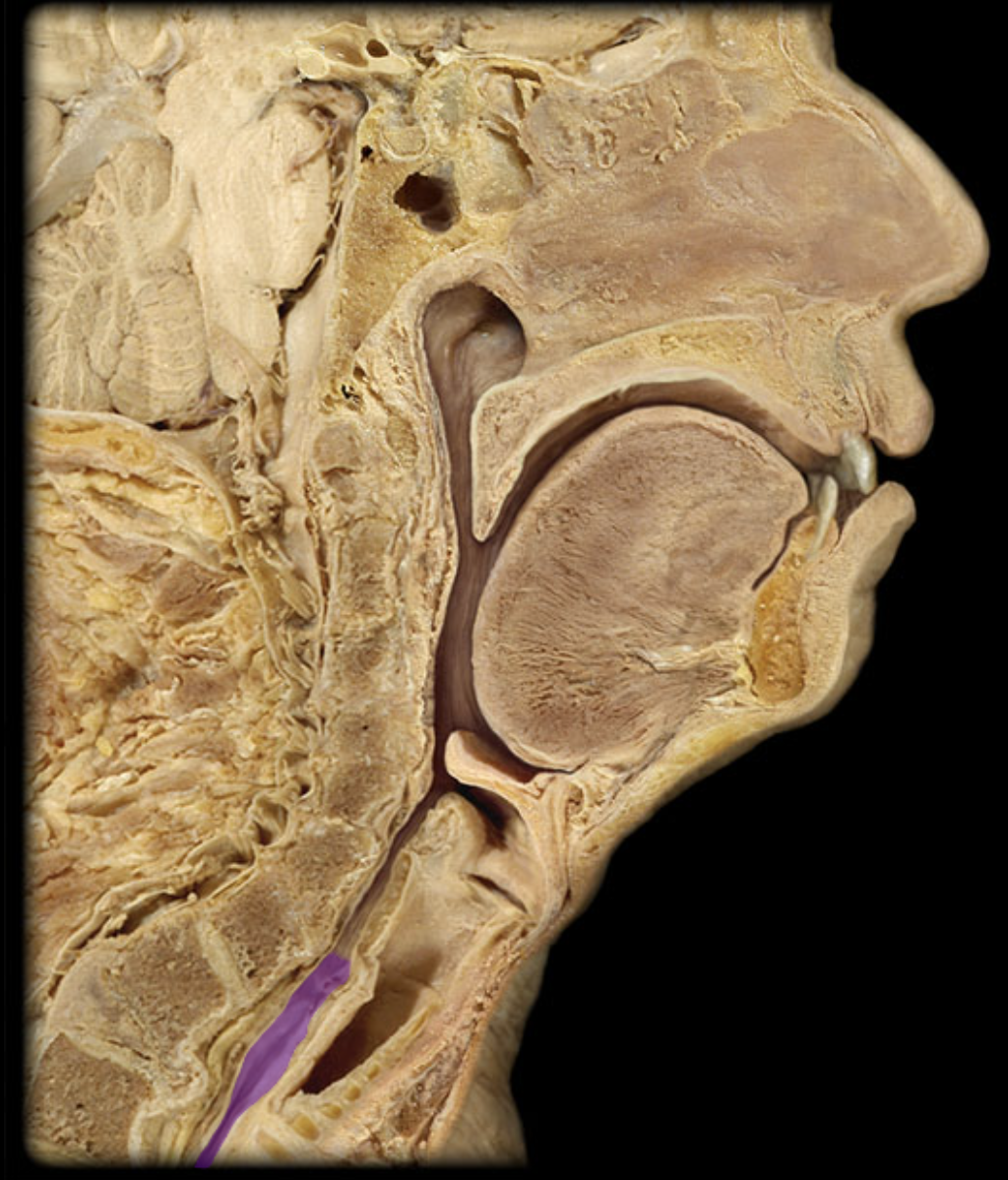
esophagus
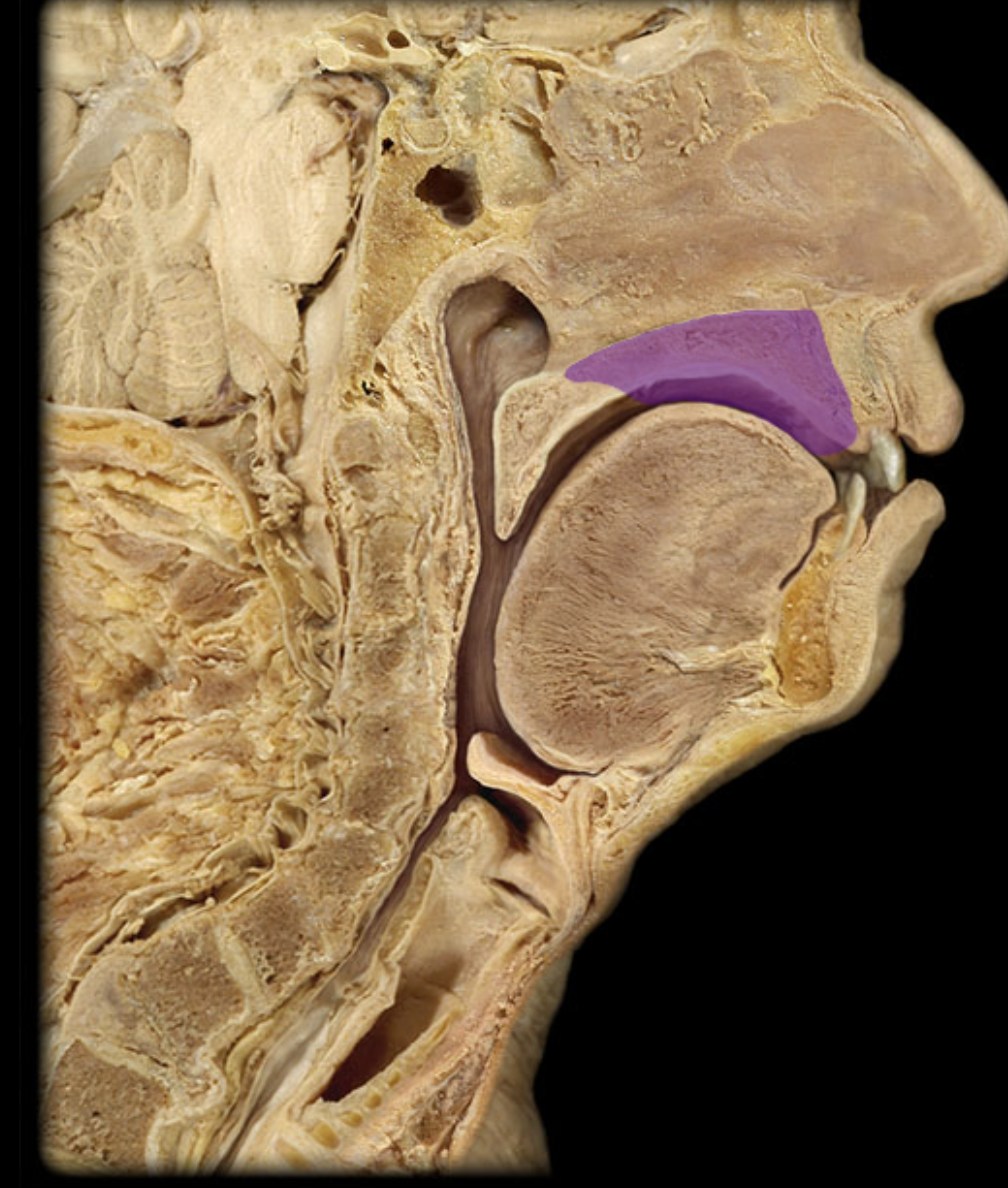
hard palate
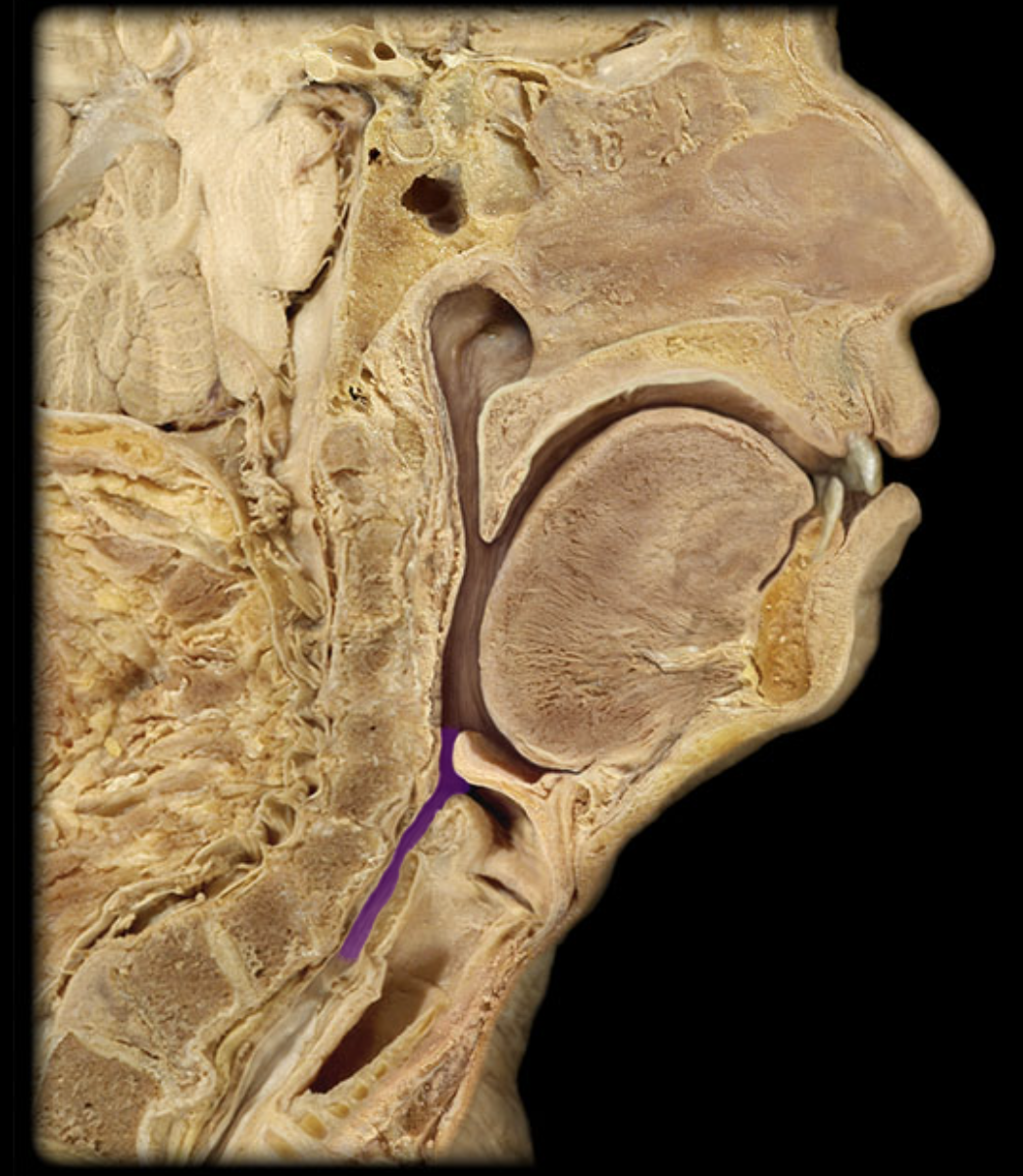
laryngopharynx
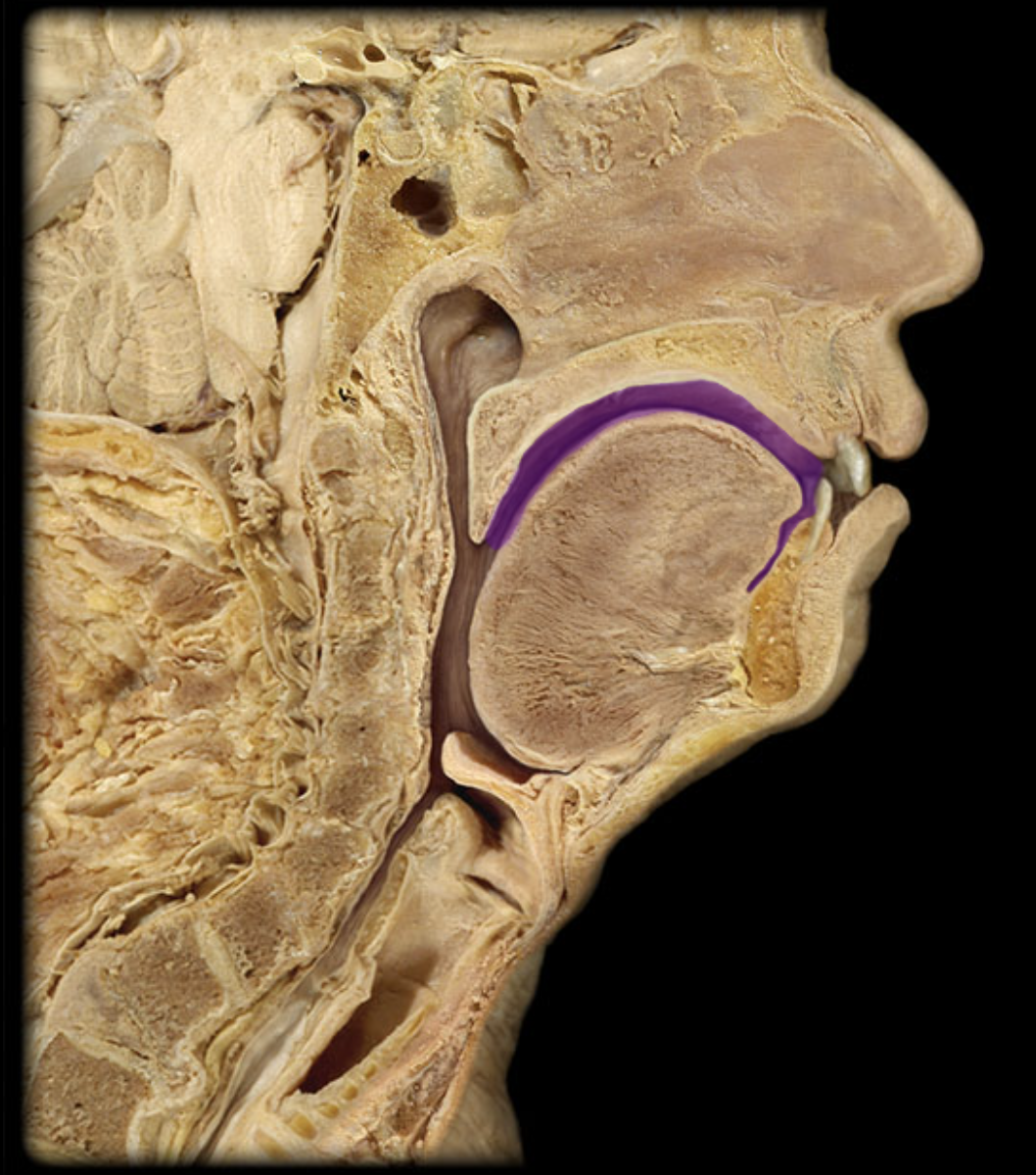
oral cavity
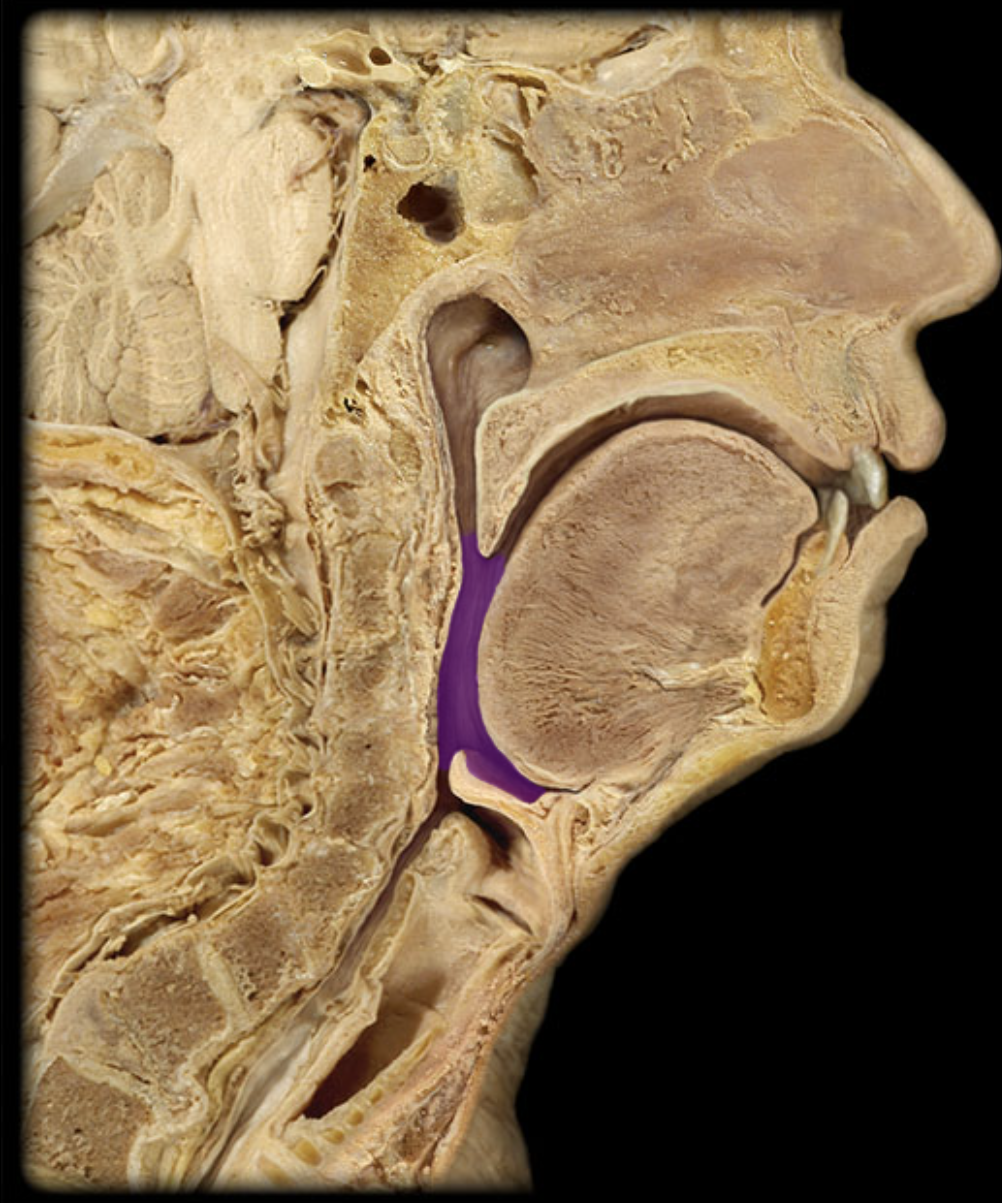
oropharynx
mandibular teeth
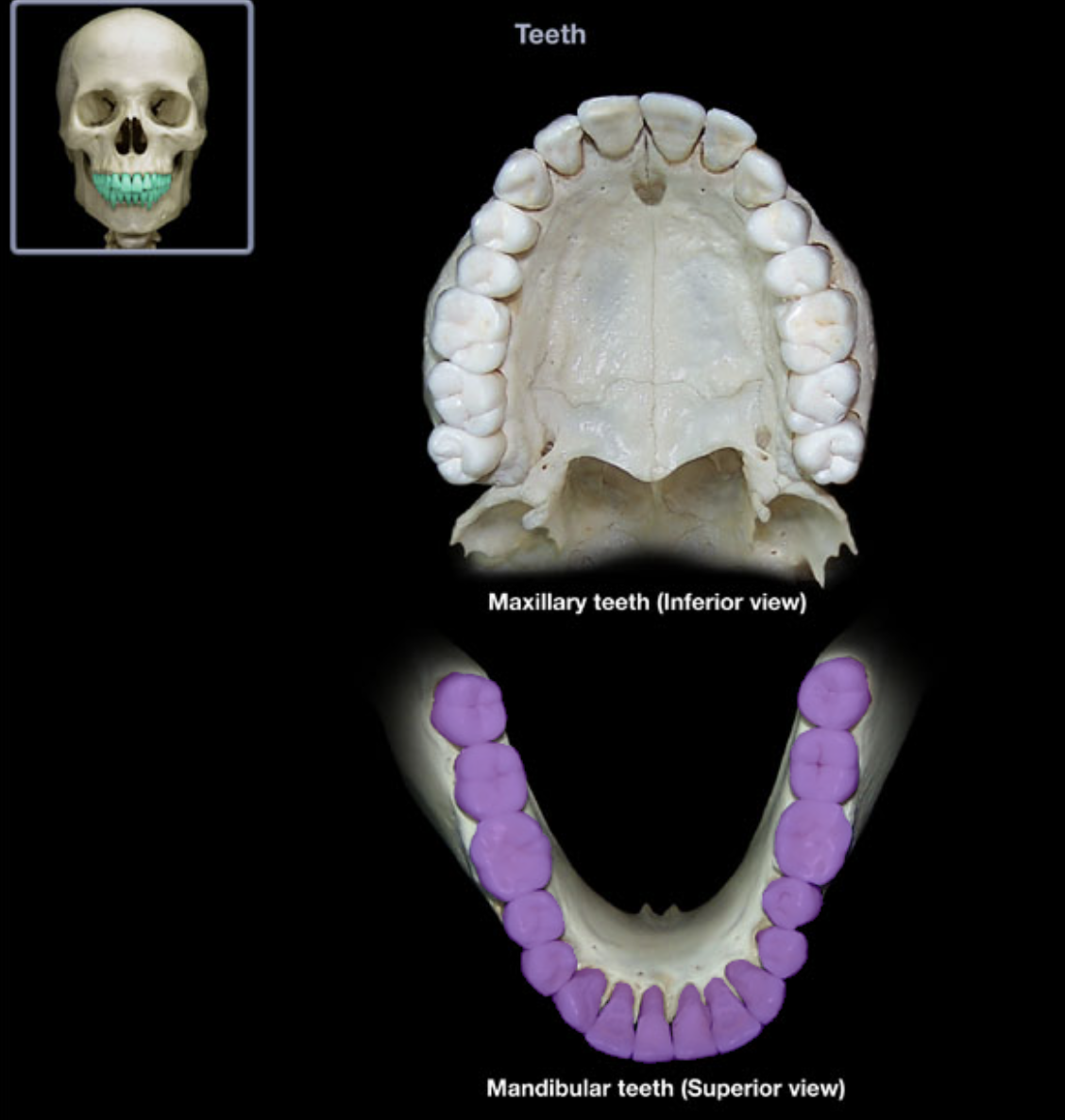
maxillary teeth
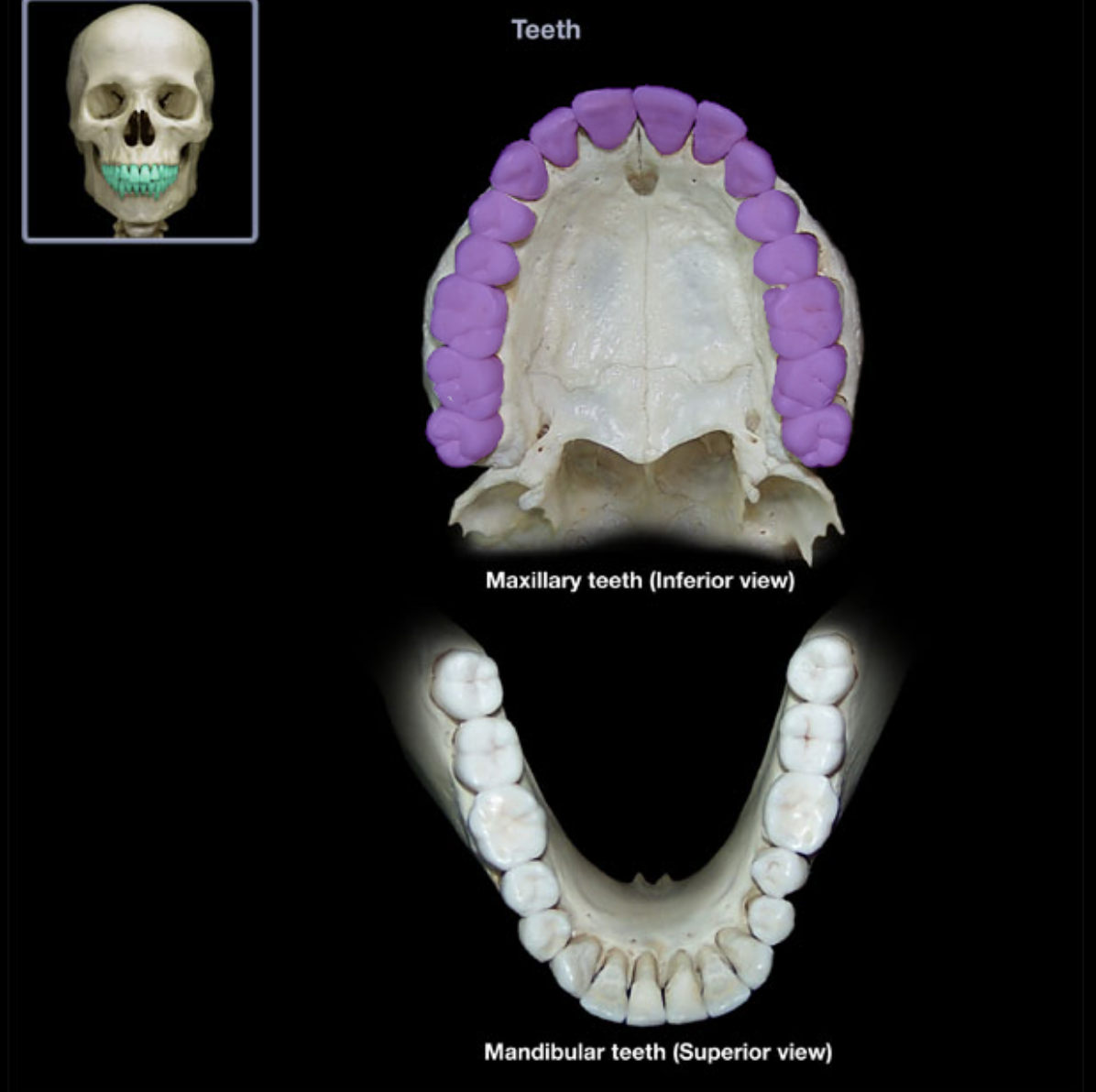
tooth numbers
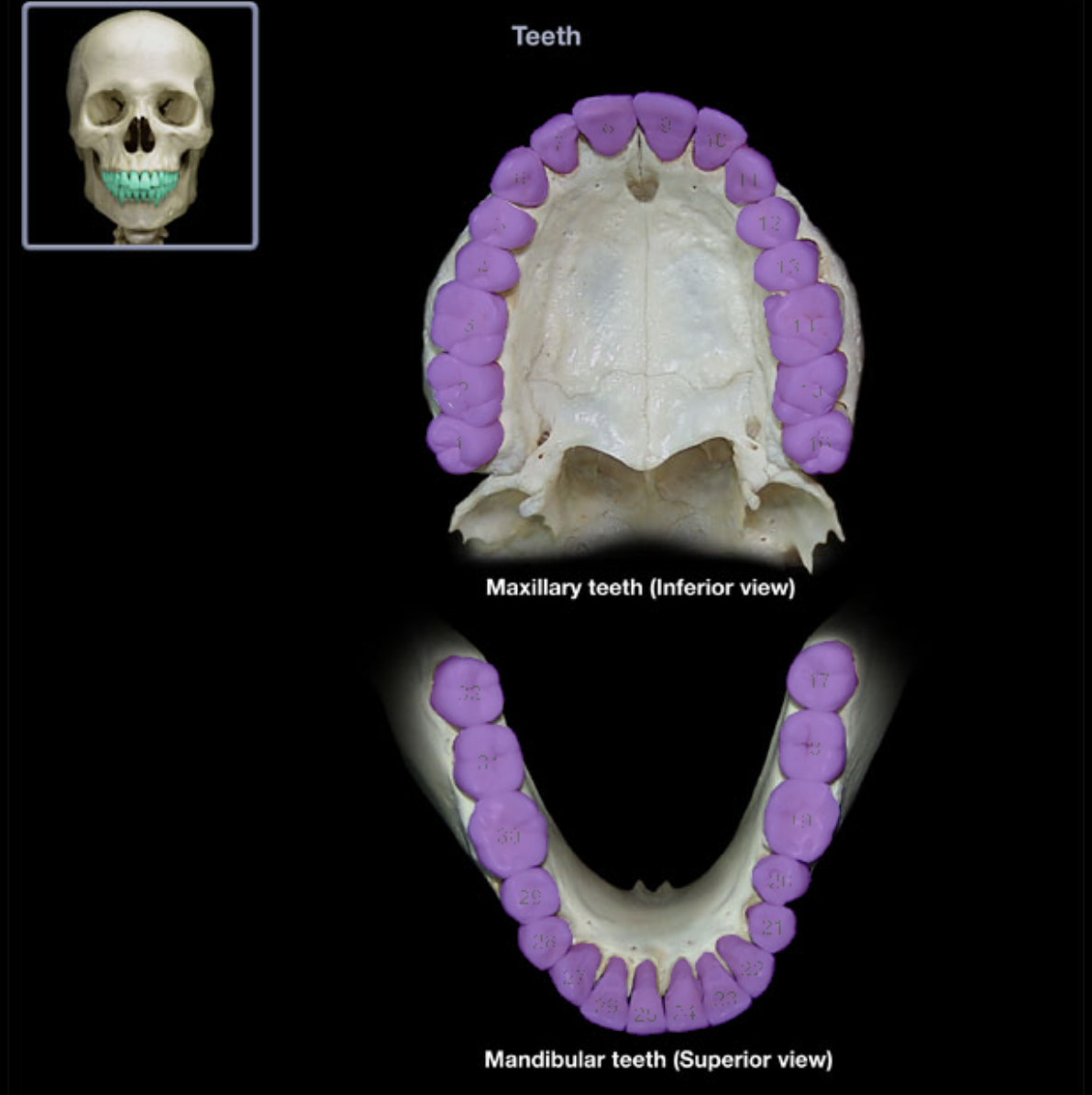
gingiva
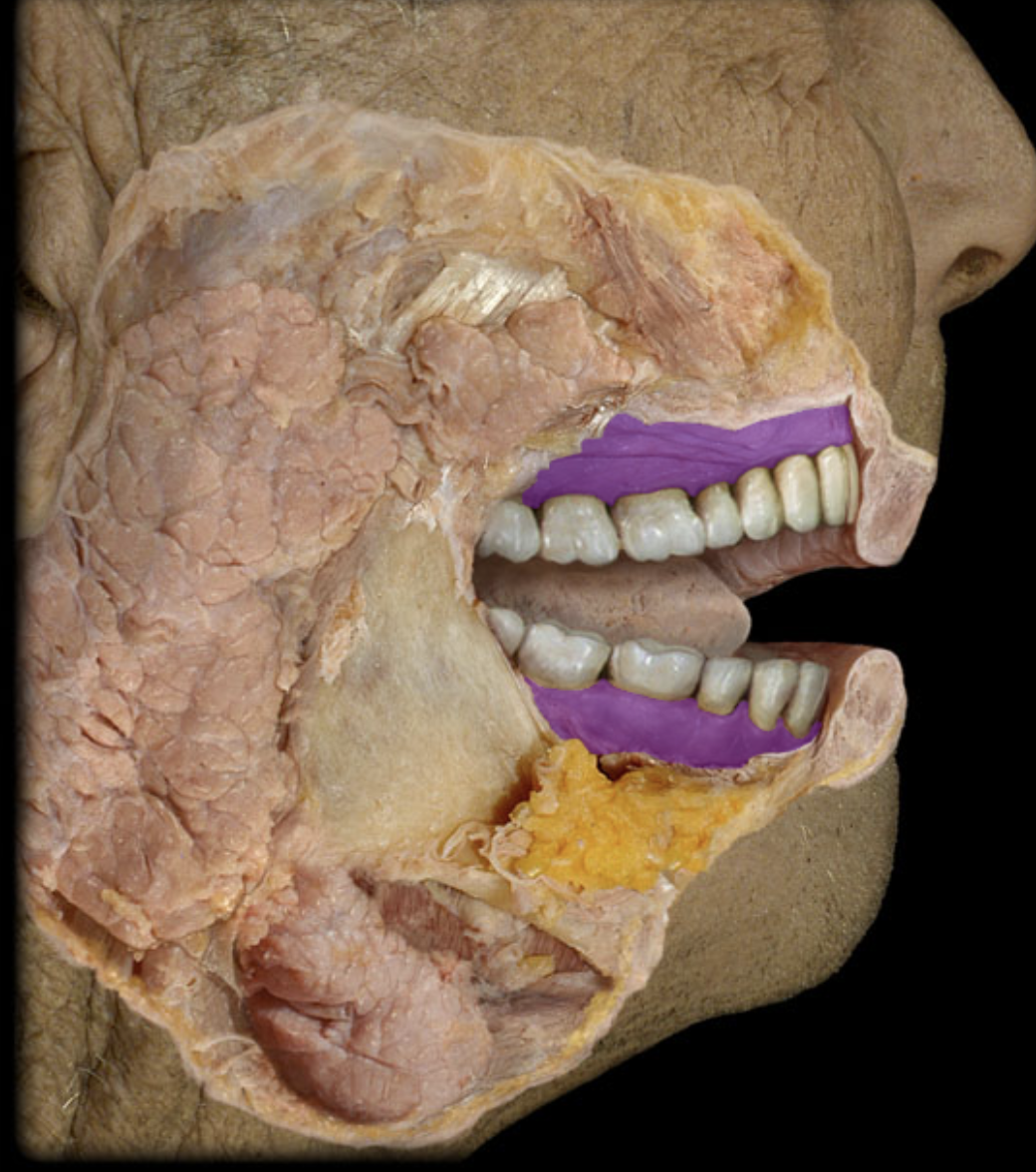
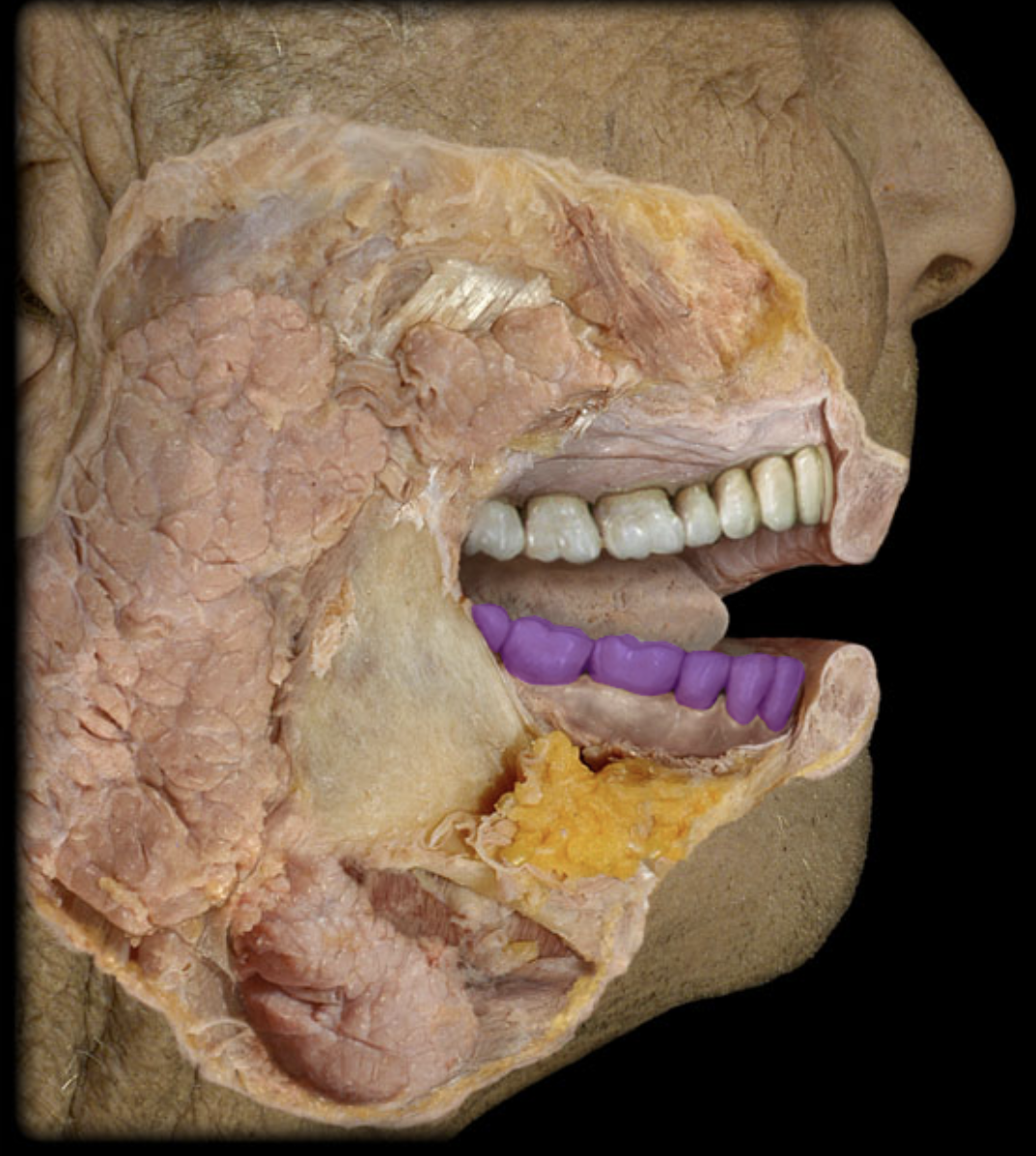
mandibular teeth
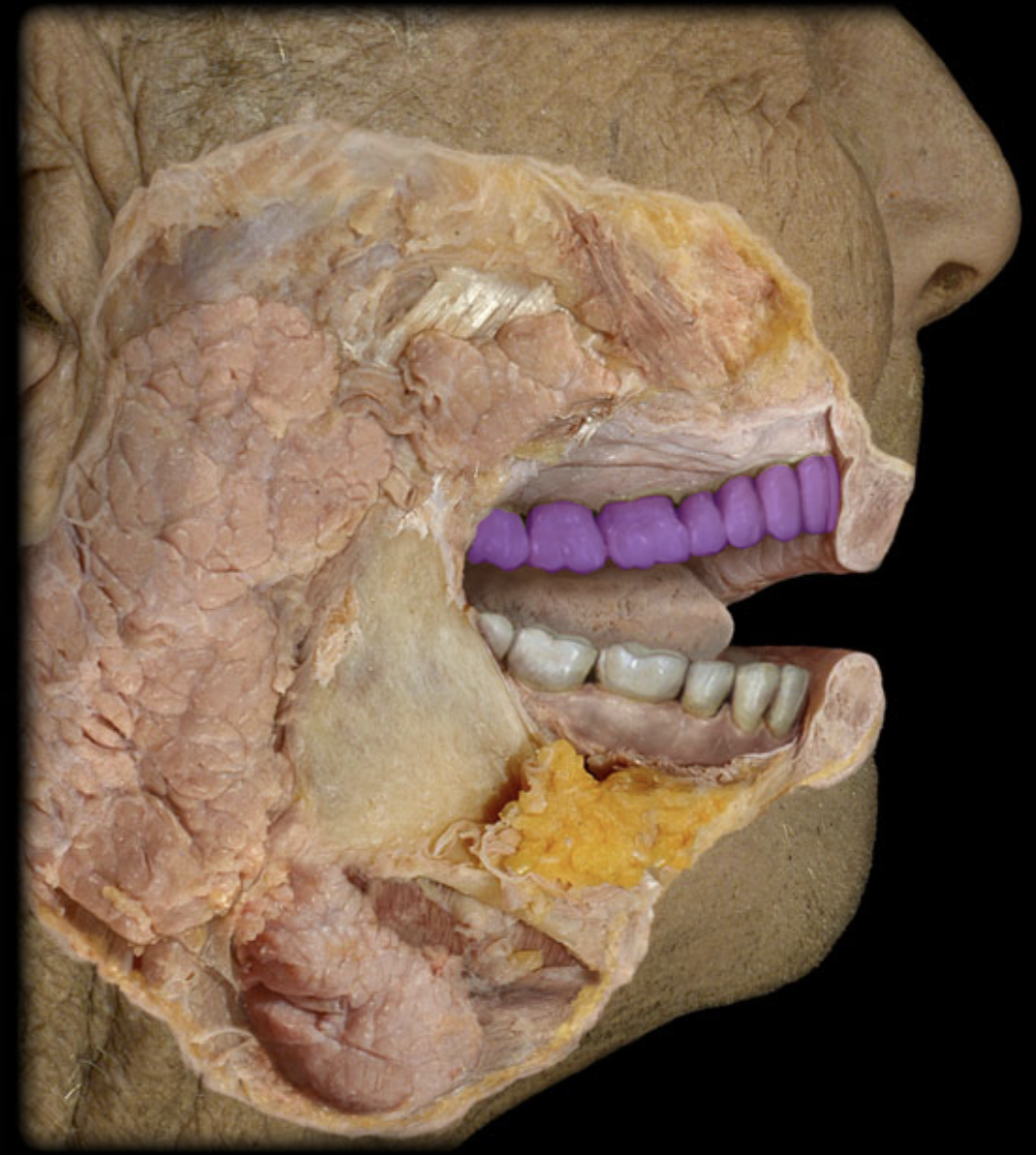
maxillary teeth
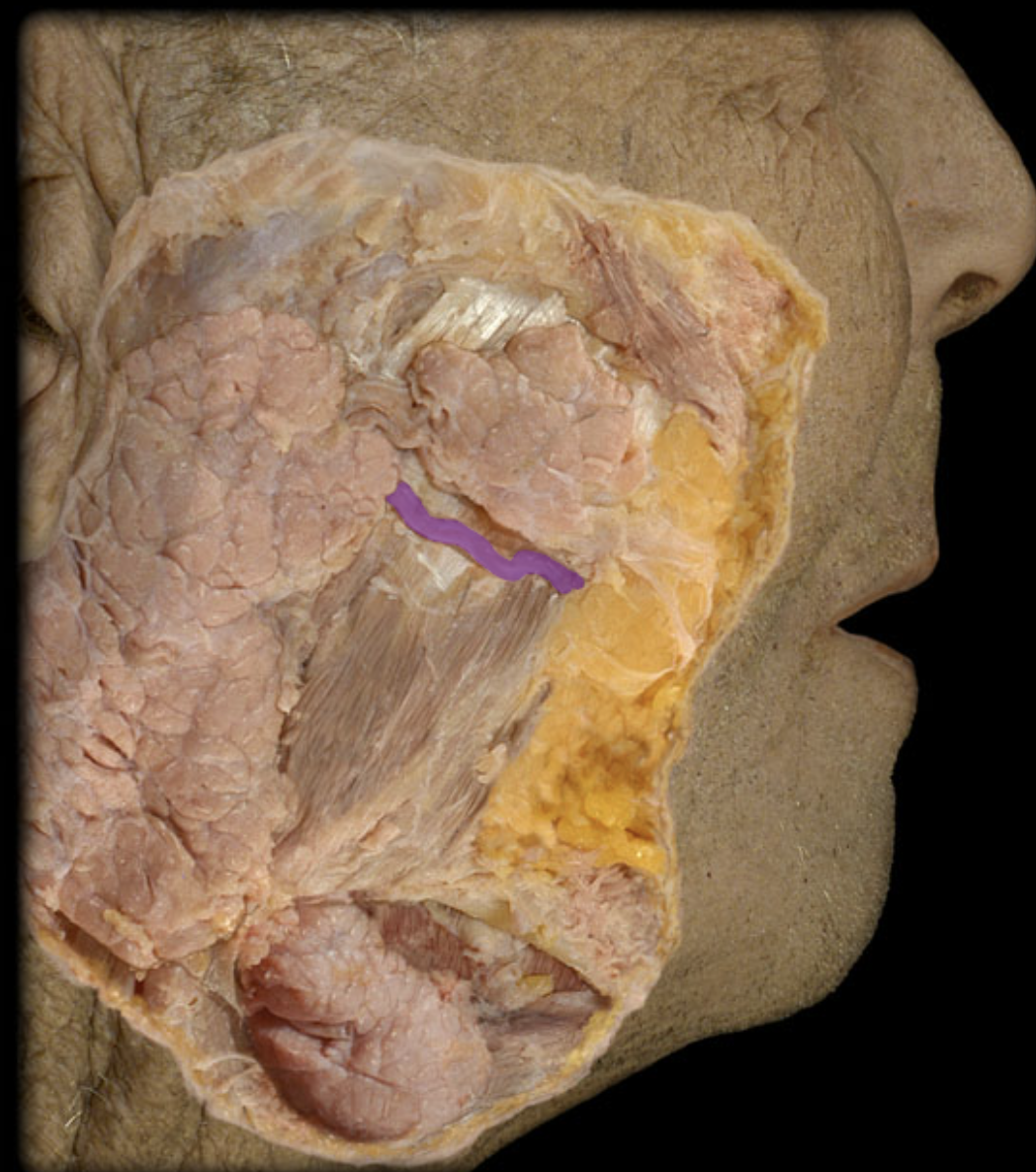
parotid duct
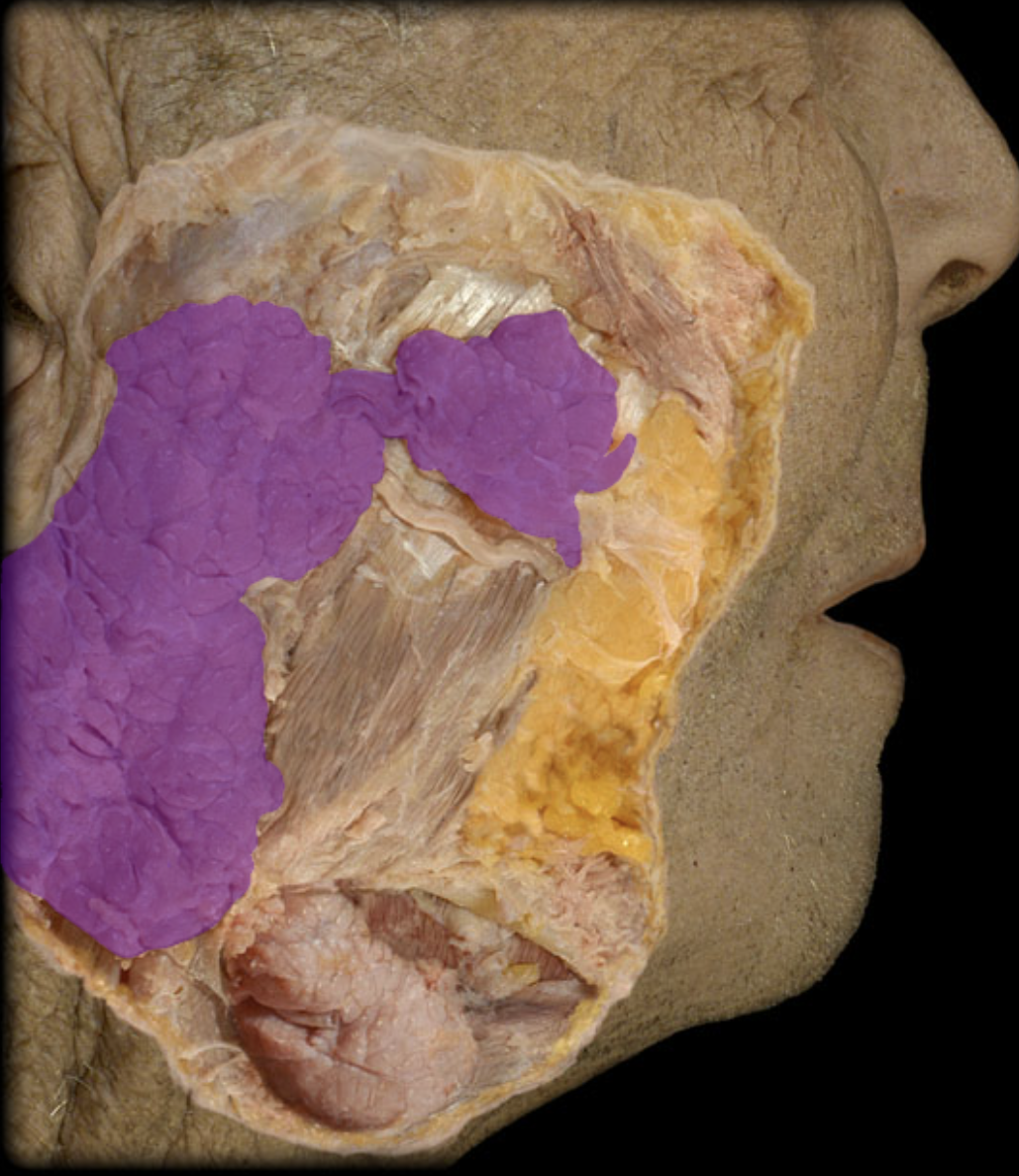
parotid gland
sublingual gland
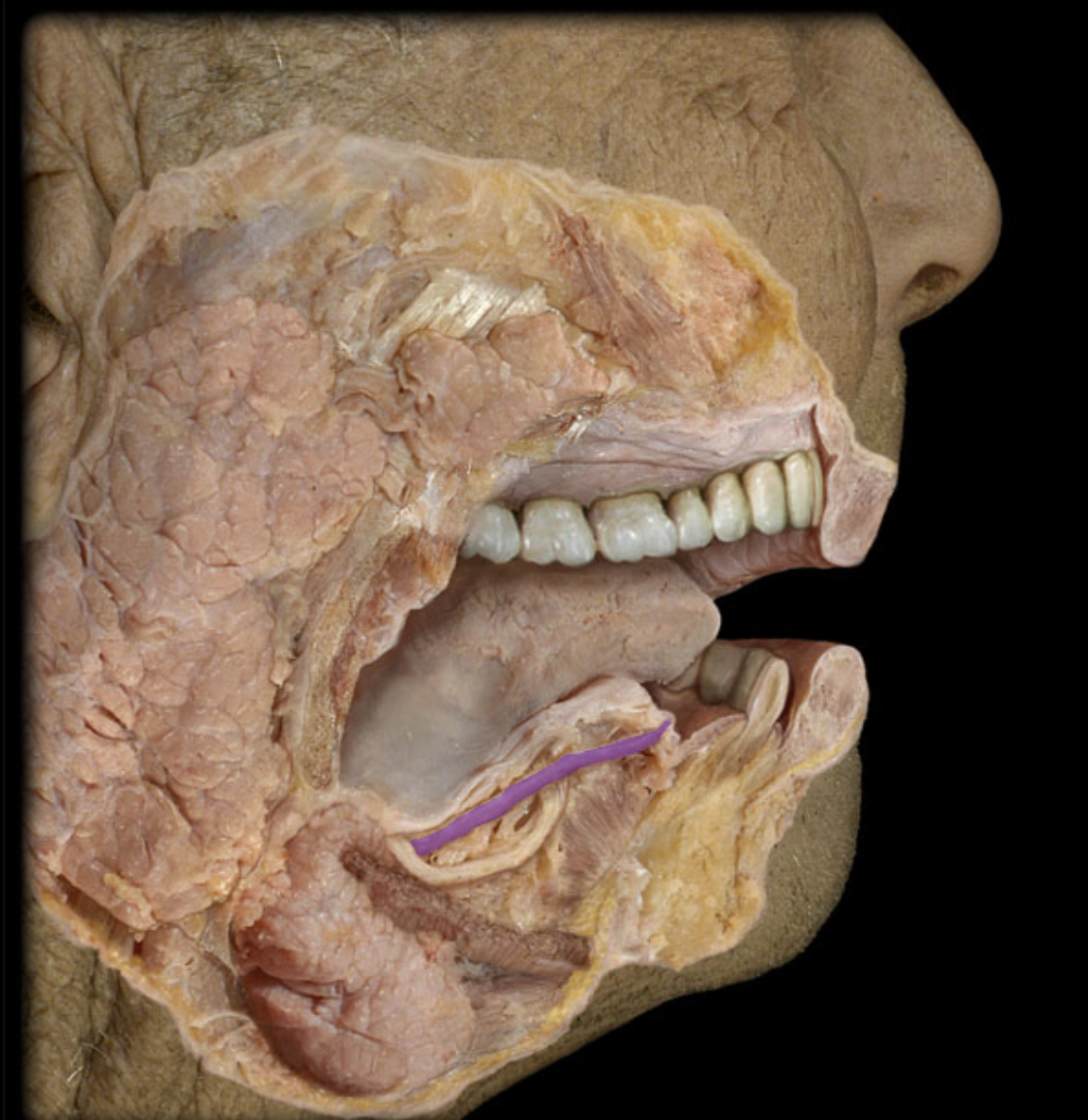
submandibular duct
submandibular gland
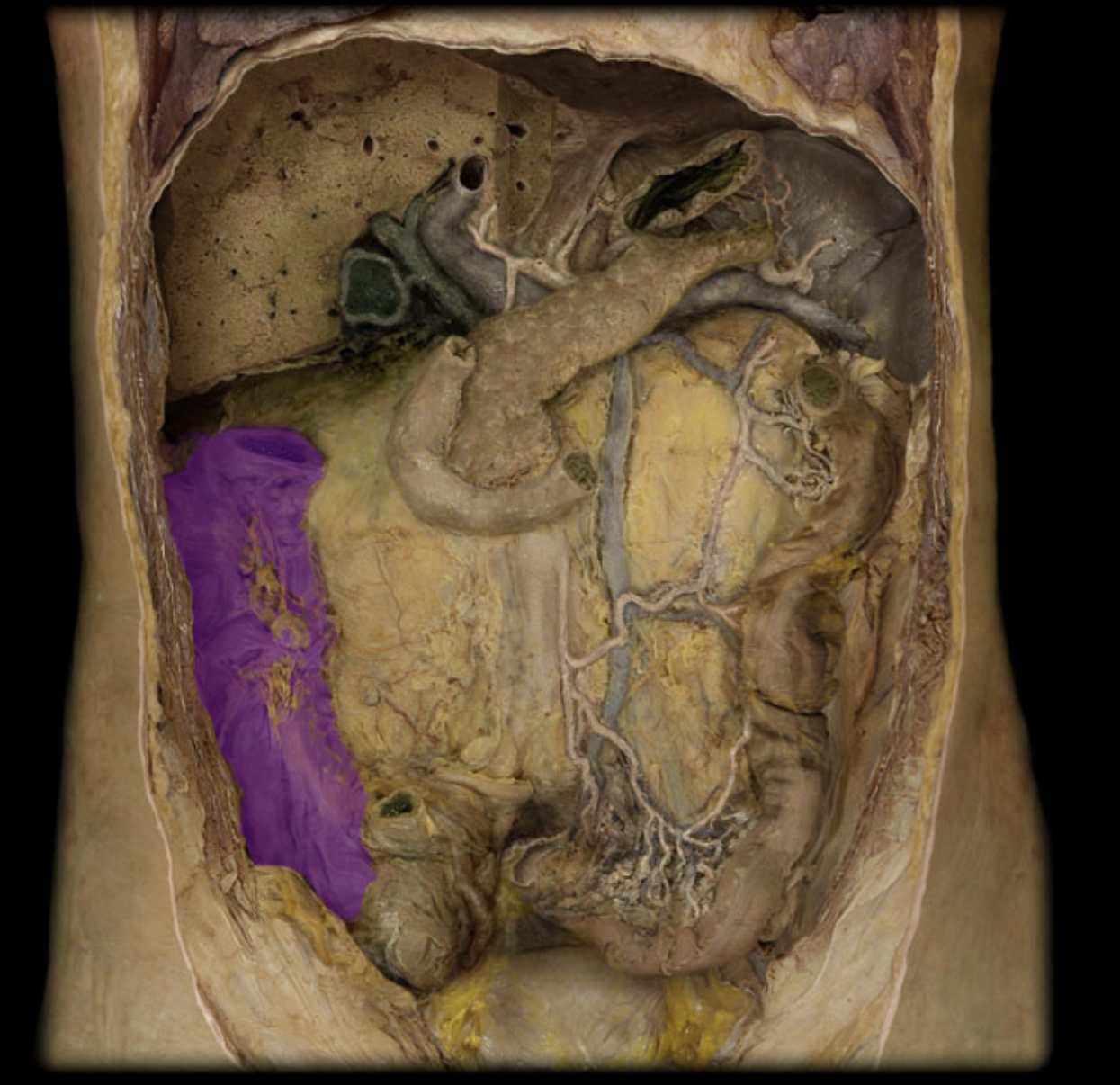
ascending colon
cecum
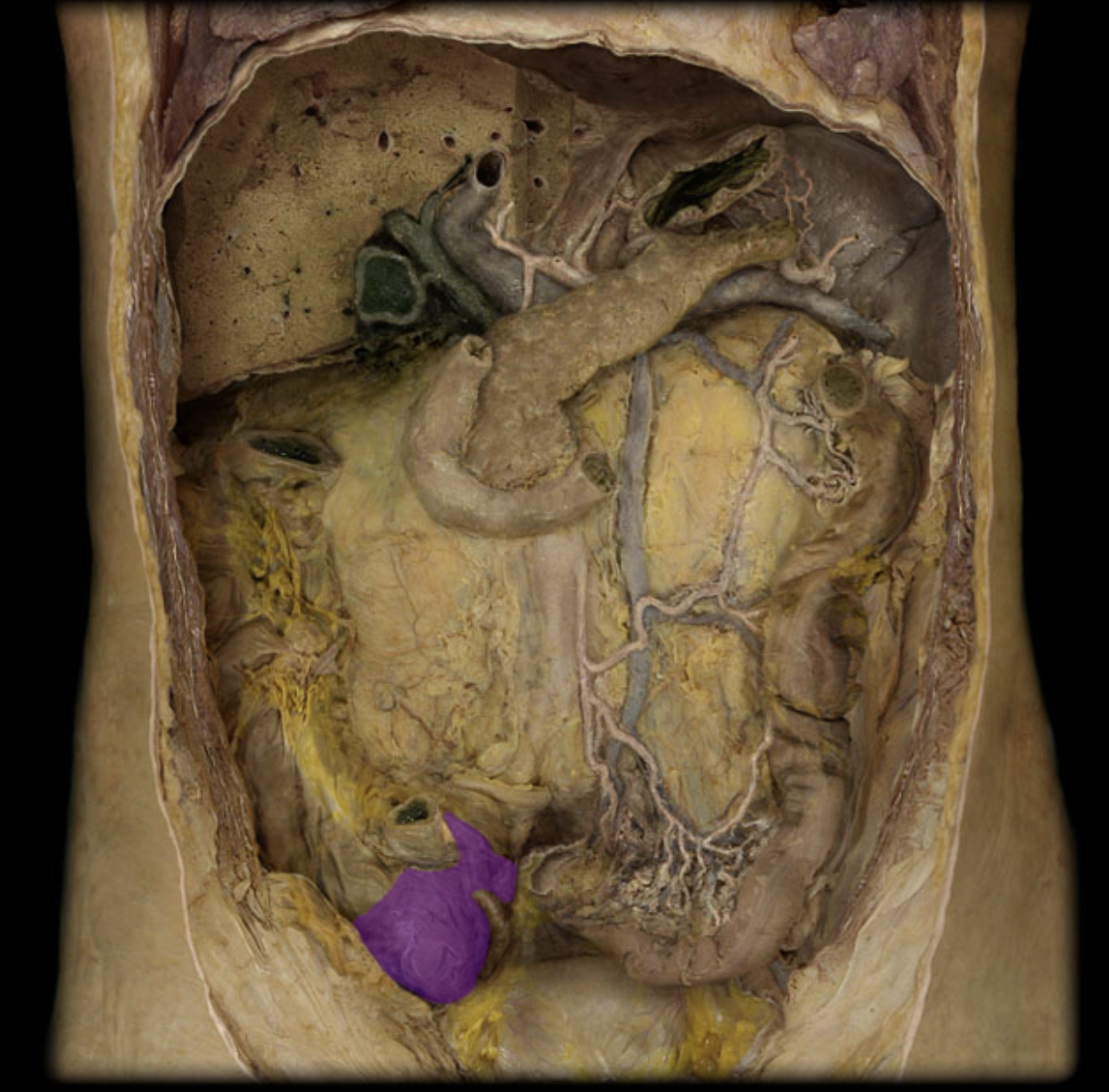
descending colon
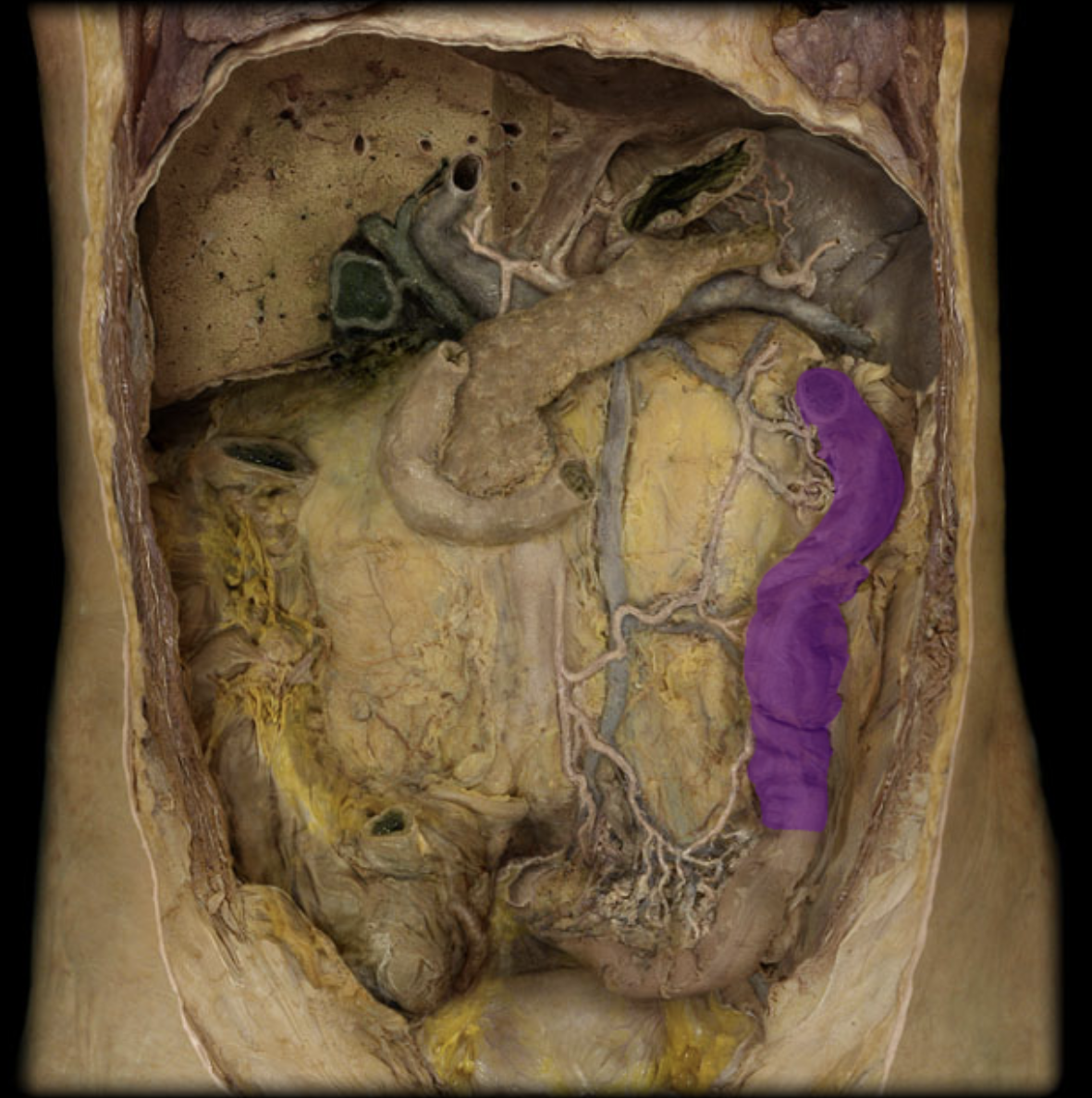
duodenum
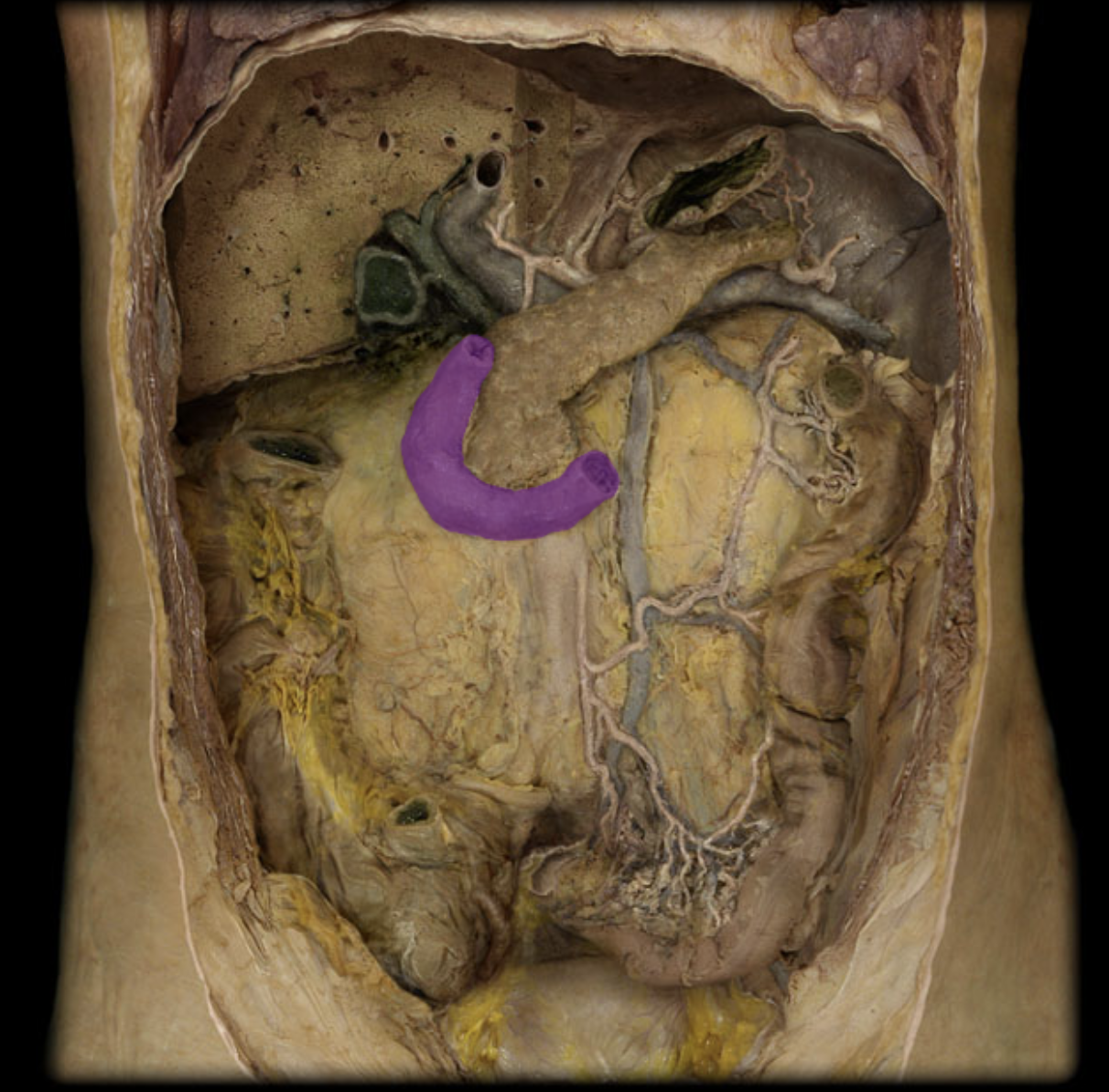
falciform ligament
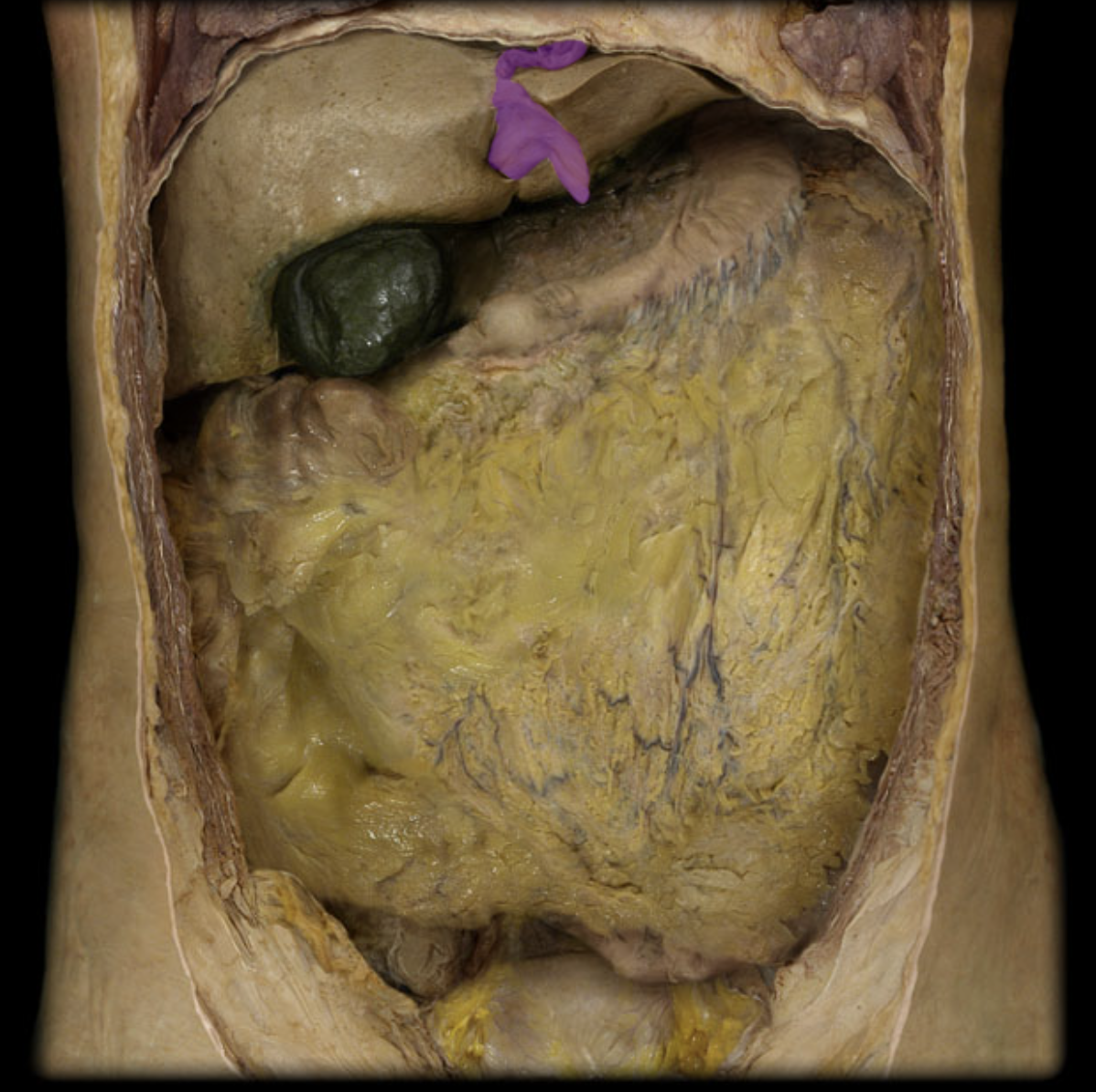
gallbladder
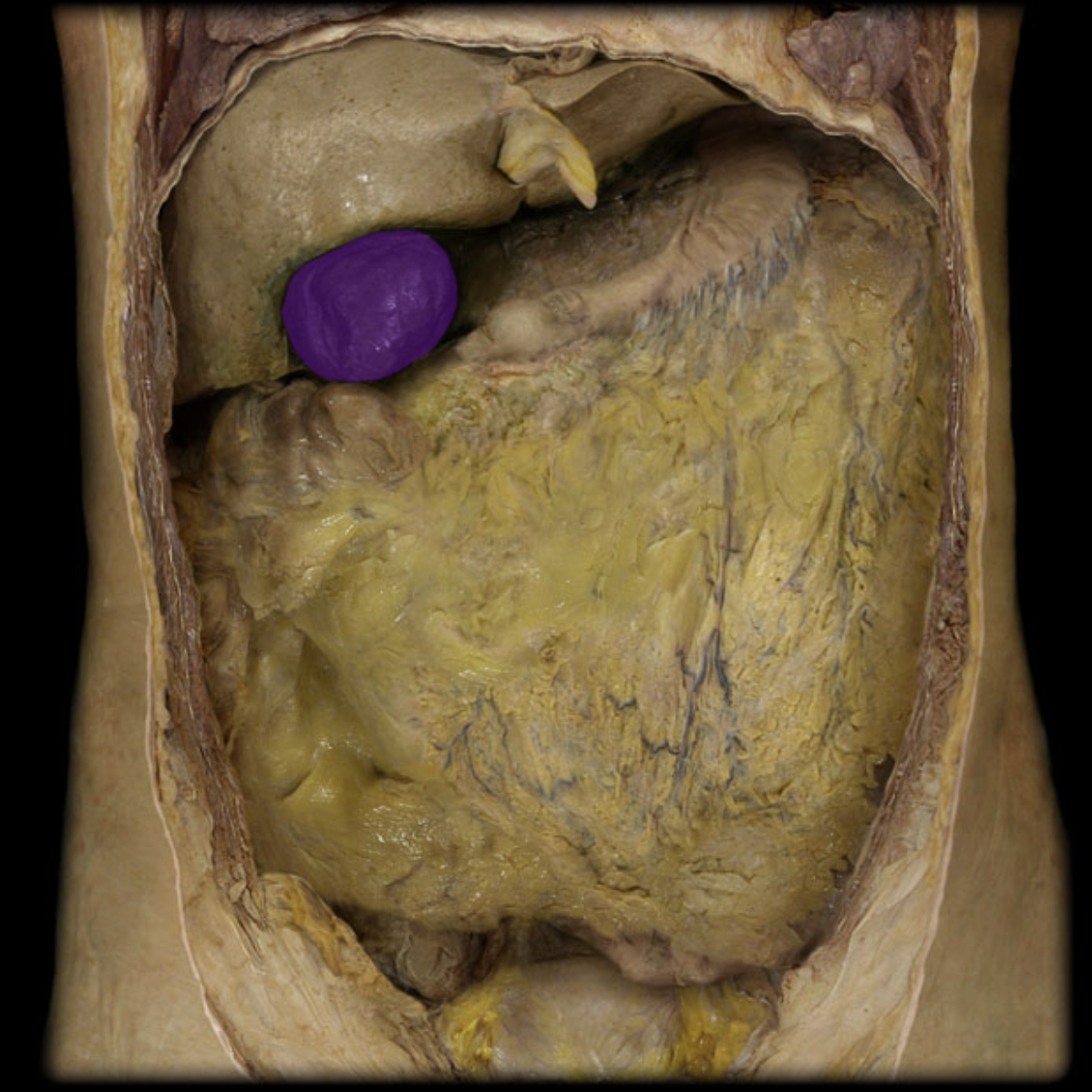
greater omentum
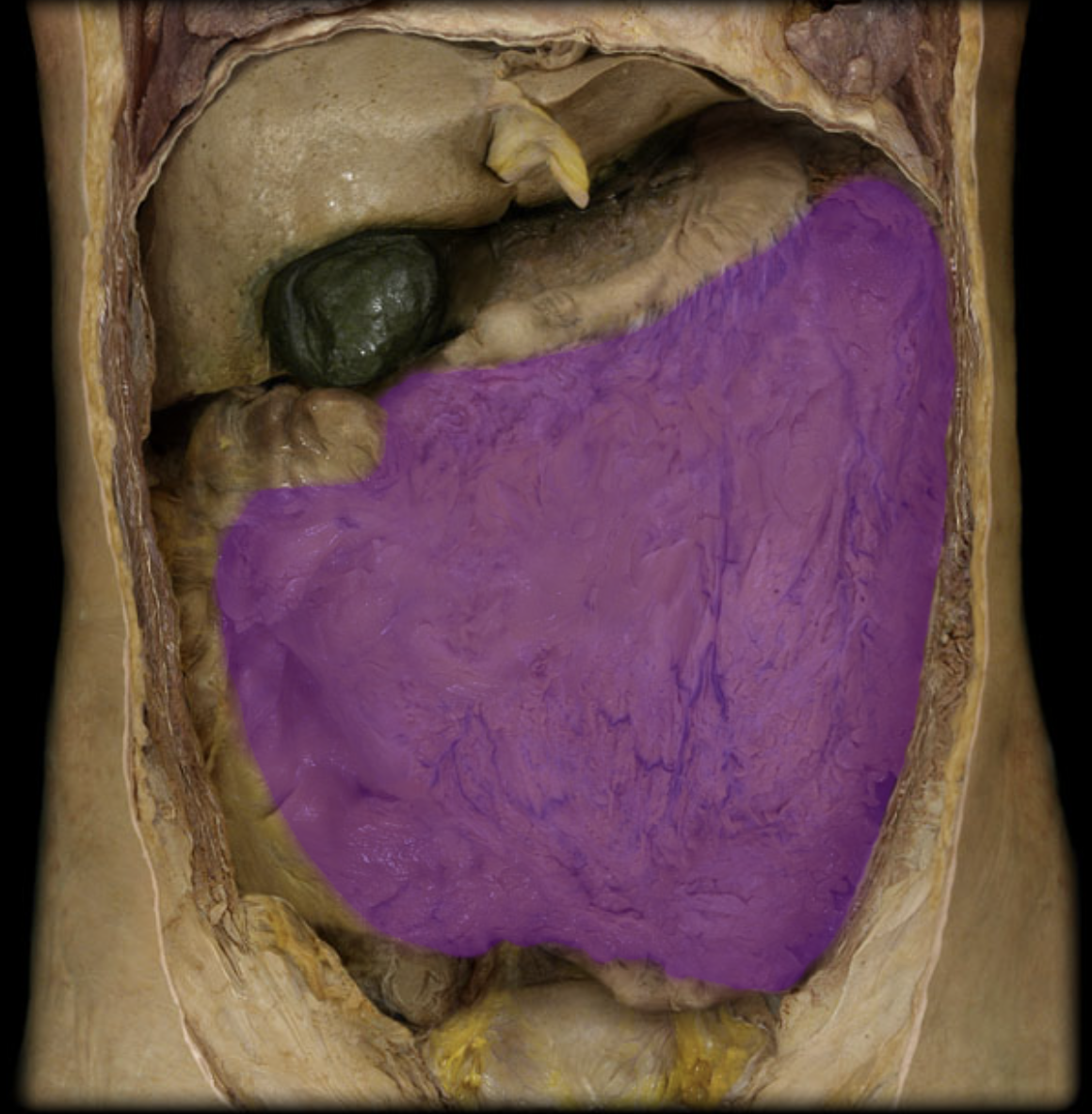
hepatic duct
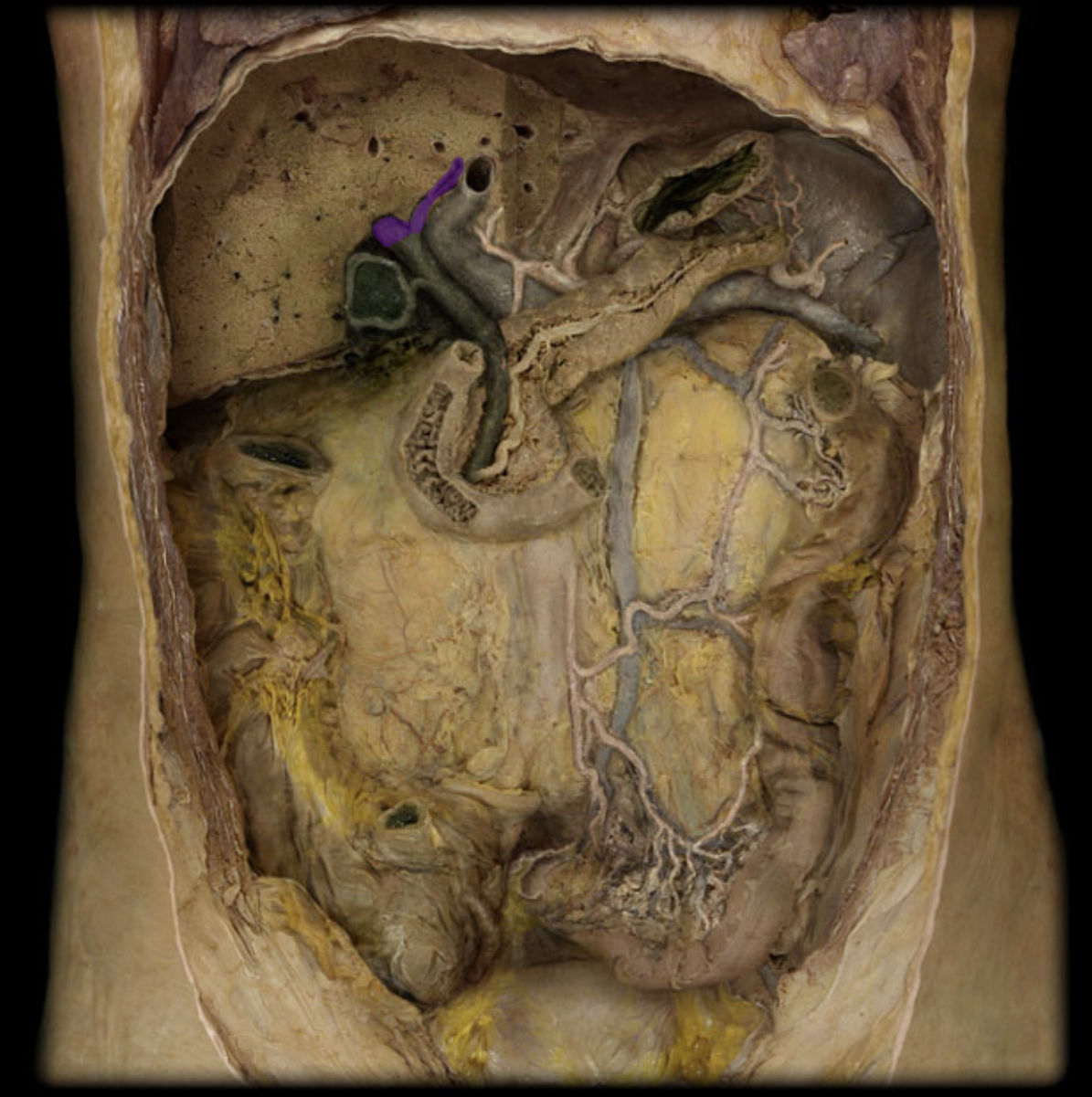
ileocecal junction