Booklet 7: Soviet Actions in Eastern Europe and Their Impact on International Relations: the Berlin Wall 1961
 Call Kai
 Learn
Learn Practice Test
 Spaced Repetition
 Match
Match Flashcards
 Knowt Play
1/10

There's no tags or description
Looks like no tags are added yet.
Name | Mastery | Learn | Test | Matching | Spaced | Call with Kai |
|---|
No analytics yet
Send a link to your students to track their progress
11 Terms
Reasons for growing tensions
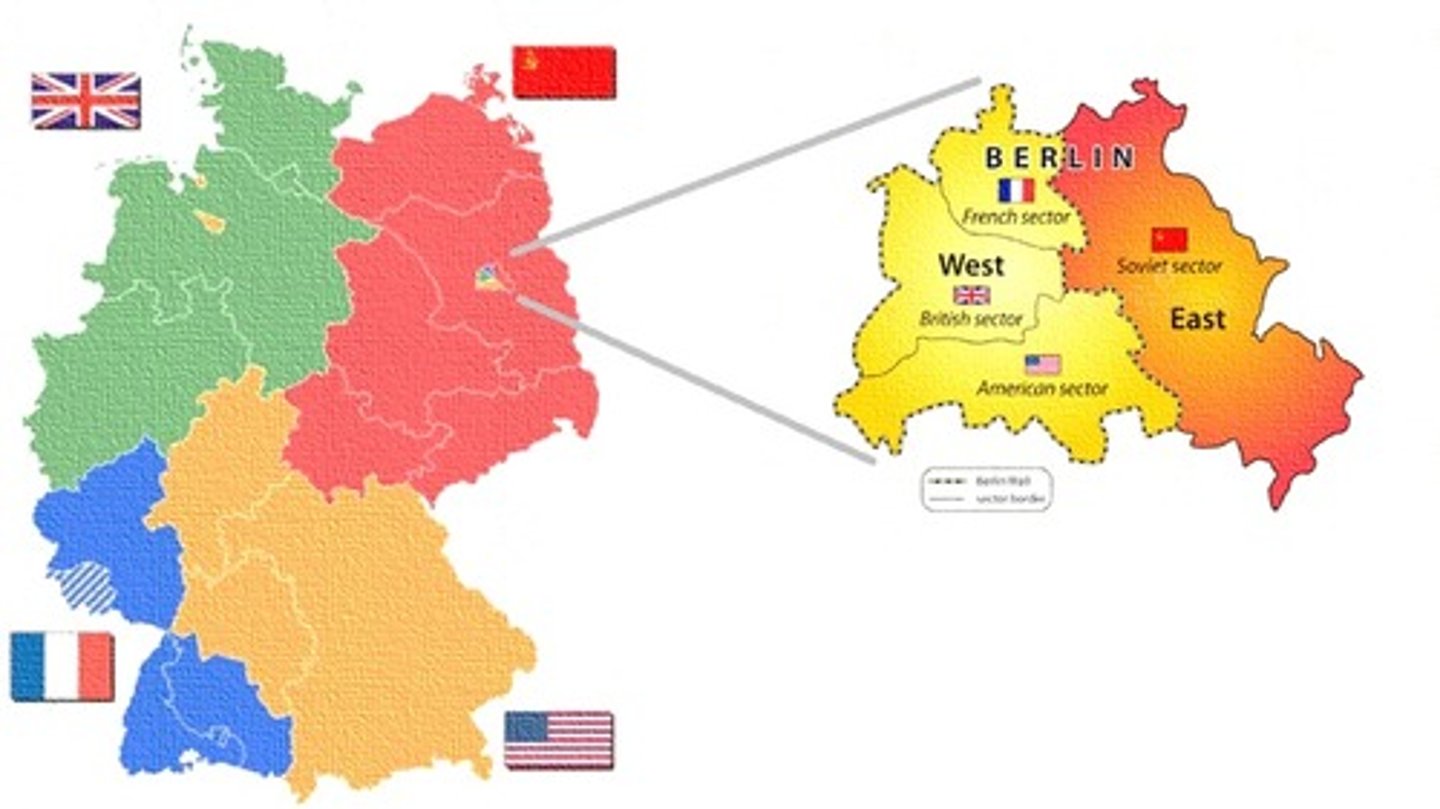
At the Yalta Conference in 1945, Germany and its capital Berlin were both divided into four zones of occupation. Berlin lay well inside the Soviet zone of occupation and was a source of tension throughout the Cold War. This was clear in 1948 with the crisis over the Berlin Blockade. In the late 1950s, issues around Berlin sparked off one of the biggest crises of the Cold War.
Causes
1. Spies
Khrushchev knew that the Americans were using West Berlin as a base for spies to get
information on Eastern Europe.
2. Contrast Between Capitalism and Communism
The Americans had poured Marshall Aid into West Berlin to show off how much better life was in the democratic/capitalist West. People from communist East Berlin could see this as travel within the city between the zones was open and free. The comparison between the wealthy West and the poor East was especially clear in Berlin. This worried Khrushchev.
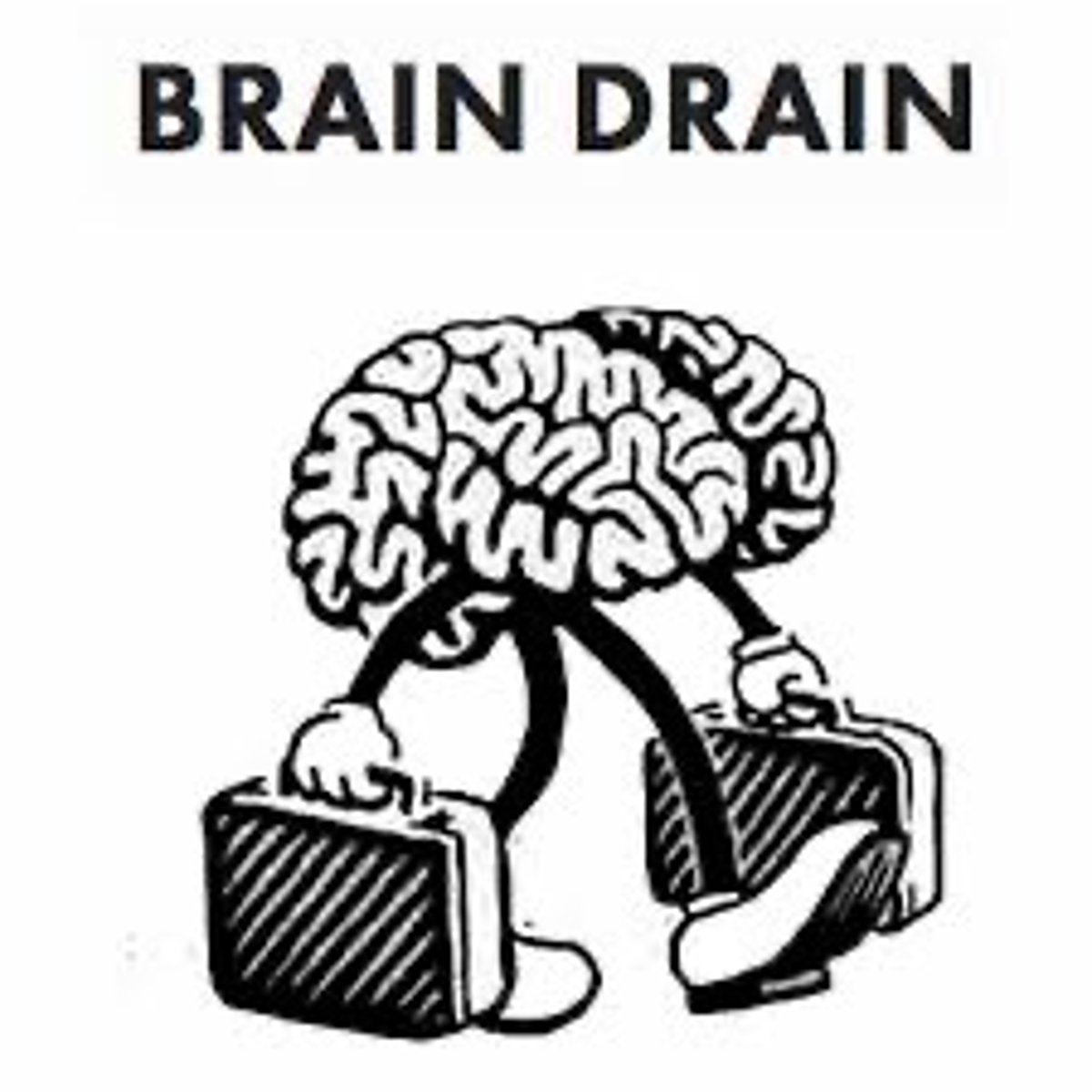
3. The 'Brain Drain'
Khrushchev and the East German authorities were concerned about the 'brain drain' from East Germany into West Germany. Between 1949 and 1961, an estimated 2.7 million East Germans left for West Germany. These people used the city of Berlin as their escape route to the West. At one point 850 people a day were leaving. This meant that East Germany was losing people that it desperately needed to keep the country running properly. Skilled people like dentists, doctors, teachers, lawyers, plumbers, electricians and engineers. Khrushchev knew that if he didn't stop this 'Brain Drain' then the economy of East Germany would collapse. This mass escape also created a bad impression of life in a communist country. It advertised that people wanted to leave rather than live under communist rule.
Khrushchev was worried that people in East Germany might rebel like those in Hungary. Khrushchev became so troubled with this situation that in November 1958 he gave a speech in Moscow in which he gave the West an ultimatum. He demanded that, as Berlin lay in East Germany, the Western powers should withdraw their troops from Berlin within six months.
4. Summit meetings
President Eisenhower did not want to give in to Khrushchev's demands. He held the same views as Truman. If the USA was forced out of Berlin, all of Germany could fall to communism. The US policy of CONTAINMENT meant the USA could not and would not allow the USSR to force them out of Berlin. Eisenhower believed a military presence (US soldiers) was necessary to protect West Berlin's freedom.
It was agreed to hold a summit meeting to resolve the ultimatum. They held a conference in Geneva in May 1959, and then again in September 1959 at the US presidential residence Camp David in the US. Although no agreement on the long-term fate of Berlin was reached, the ultimatum on Berlin was withdrawn by Khrushchev, and it was agreed that further negotiations would take place in Paris the following year.
The Paris summit and the U2 crisis
On 1 May 1960, just thirteen days before the USA and the USSR were preparing to sit down for their important summit meeting in Paris, an American U2 spy plane piloted by Gary Powers was shot down over the USSR. The USA claimed the U2 plane was a weather monitoring plane that had lost its way. However, film retrieved by the Soviets from the plane clearly indicated that the plane had been on a spying mission.
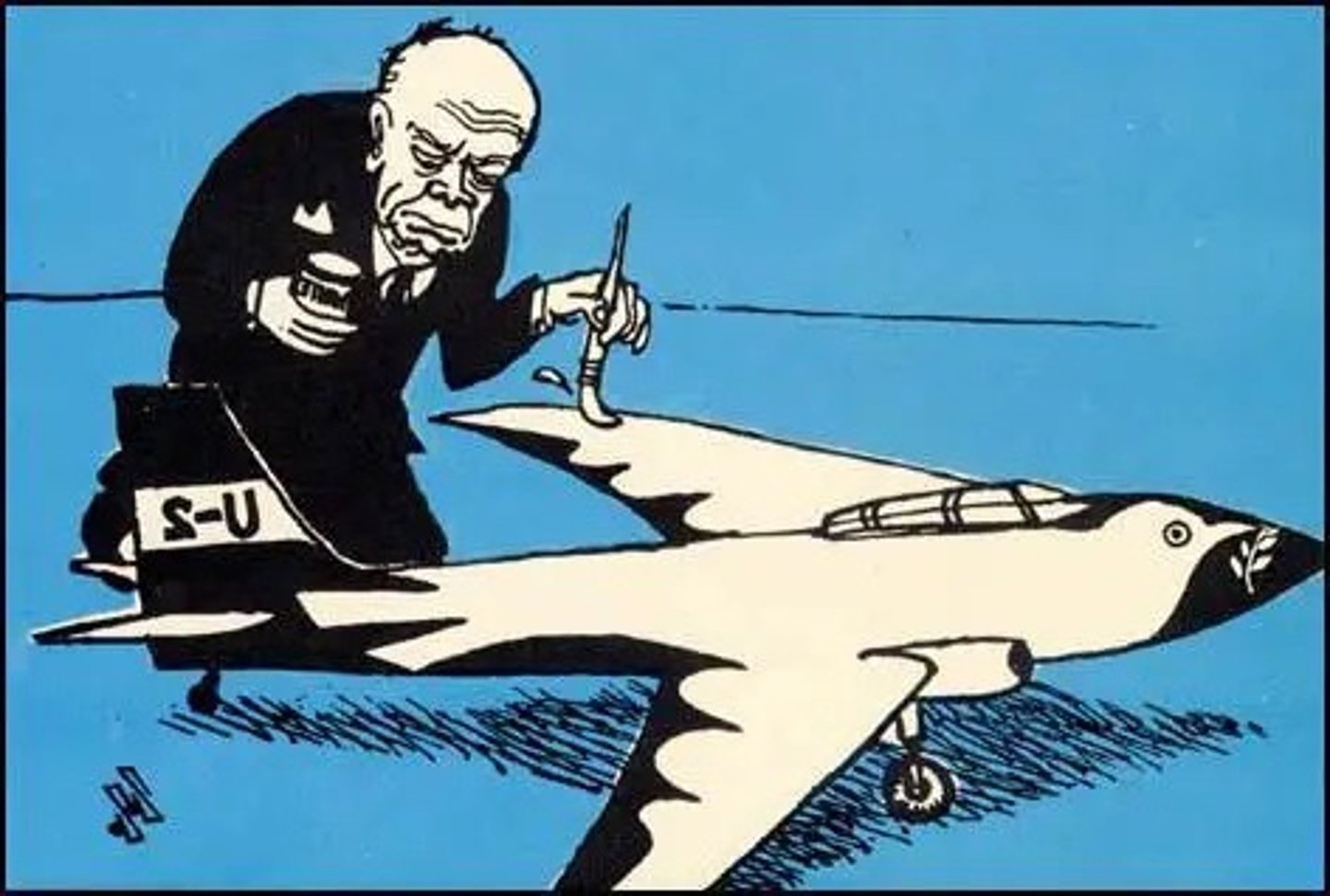
This episode had serious consequences for international relations. (U2 crisis)
-The Paris Summit ended in failure and nothing was done to resolve the question of Berlin. It remained a major source of tension in the Cold War.
-America was embarrassed by the episode. It was shown to have lied about the U2 plane's mission, and to be using methods of espionage (spying) which were morally suspect. They no longer held the 'moral high ground' in the Cold War.
- The relationship between the USA and the USSR deteriorated even further, heightening Cold War tensions.
At the Vienna summit of June 1961, Khrushchev again demanded that the Americans leave West Berlin. He thought he could intimidate and bully the new president who he believed was young and inexperienced. At one stage he threatened to blockade Berlin again and go to war. President John F. Kennedy proved to be just as tough as Khrushchev and refused to be driven out of Berlin. On 25 July, he increased America's spending on weapons.
Relations between East and West got worse when Khrushchev responded to the West's failure to follow his demands for them to leave Berlin.
The Building of the Berlin Wall
Khrushchev had to do something. He decided to change tactics. Instead of blockading the city he sent in Russian troops to start construction on a wall around West Berlin. On 13 August 1961, a barbed wire fence was erected along the border between East and West Berlin. This immediately stopped the movement of people and vehicles from one side of the city to the other. West Berlin was now cut off from East Berlin and the rest of East Germany. The Russians would allow supplies into West Berlin but no-one was allowed to escape from East Germany or East Berlin into West Berlin.
The wire would quickly be replaced by a concrete wall, complete with lookout towers and armed guards who had orders to shoot anyone trying to cross into the Western sector. The Wall became a symbol of communist oppression and the most visible reminder of the distrust between East and West.
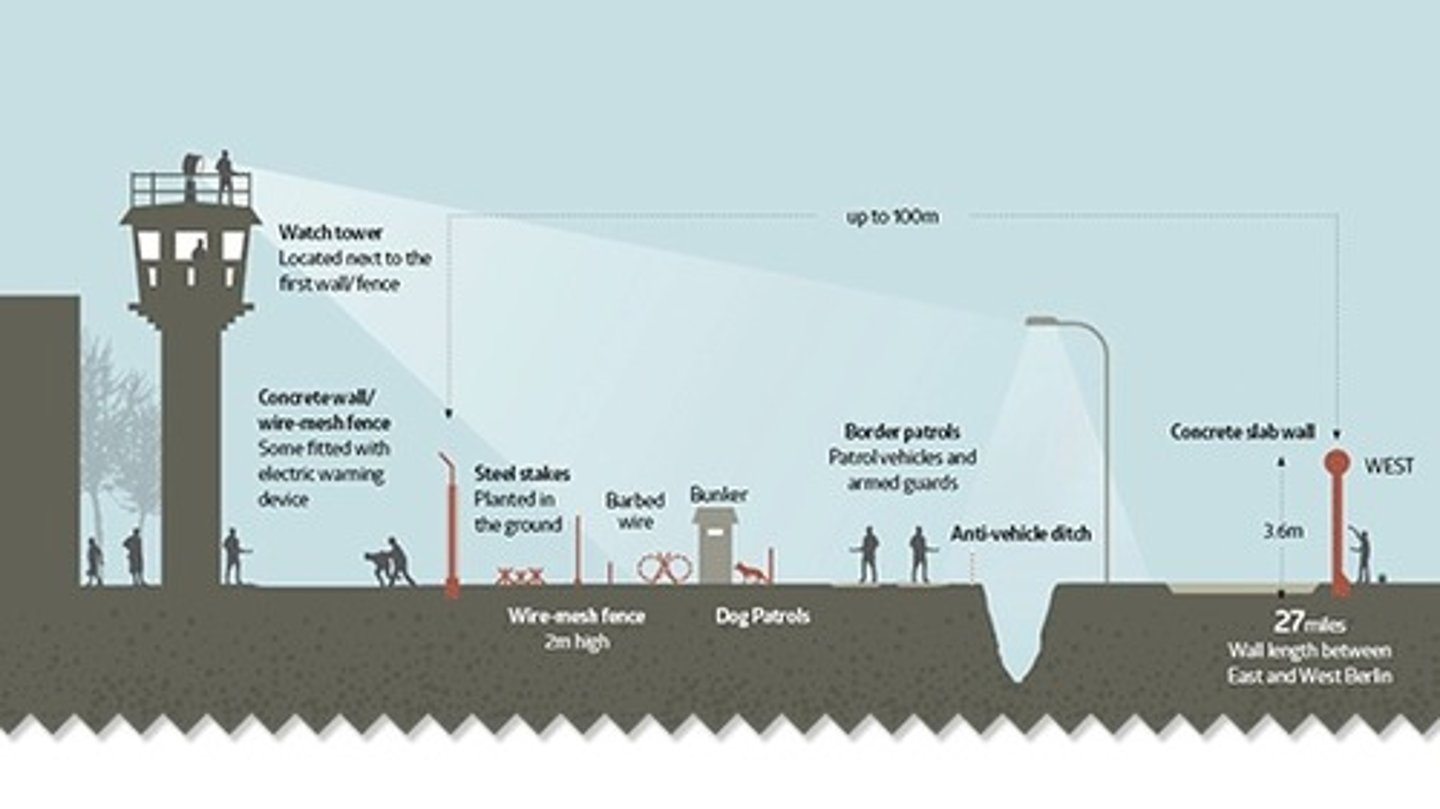
The death strip
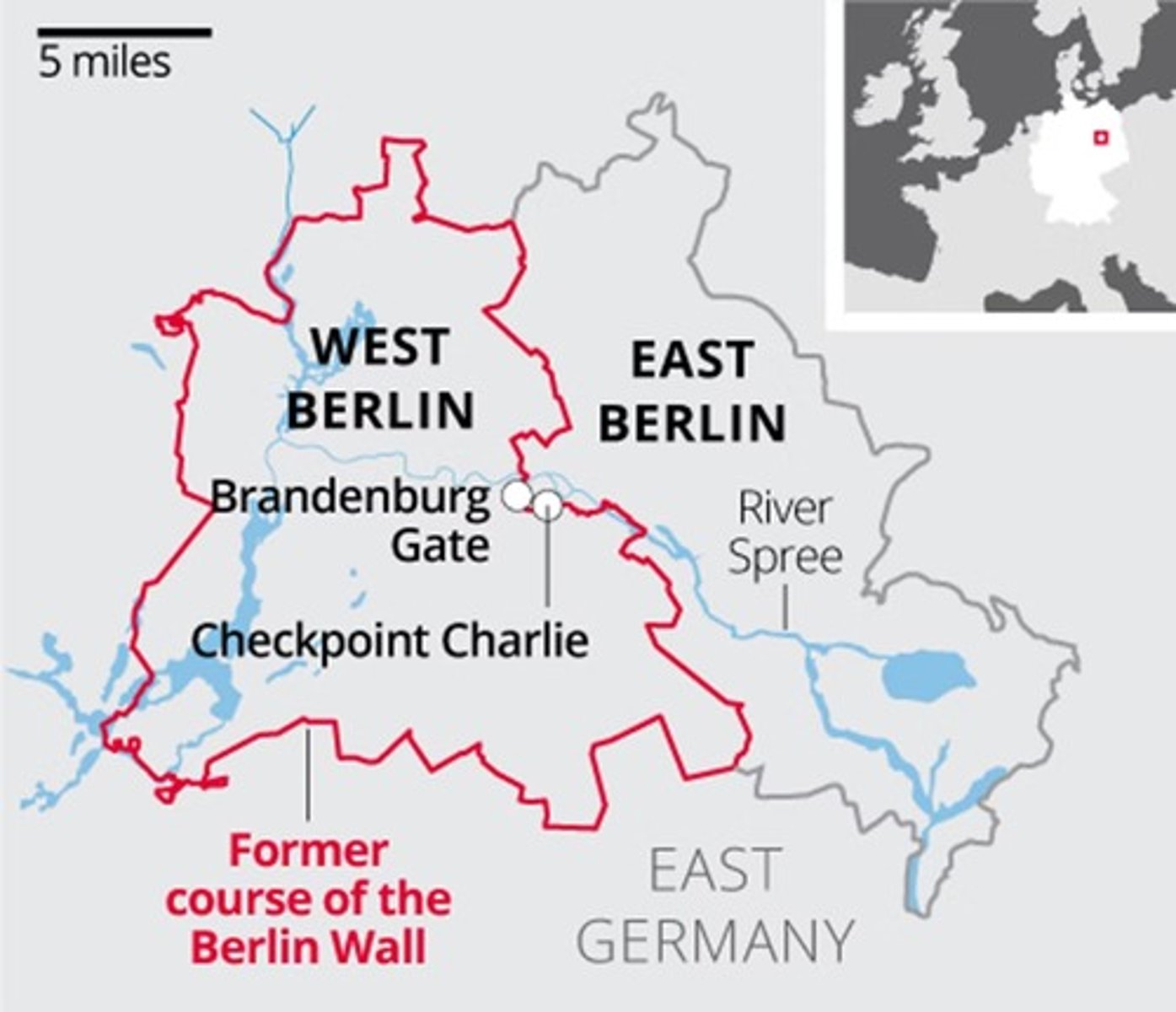
The 27-mile portion of the barrier separating Berlin into east and west.
The wall was 103 miles long, it was 4 metres high andguarded by soldiers in 300 watchtowers. They were told to shoot on sight and were under orders to allow injured escapees to bleed to death. There were
ferocious Alsatian guard dogs on long leashes running free. There were trip wires which set off alarms and mines. There were floodlights to light up the wall at night. There was a wide strip of gravel which showed up foot prints and a deep trench to stop vehicles smashing through. The top of the wall had a long pipe to make
it smooth and hard to grab onto. Despite all this, 5,000 people escaped but 250 lost their lives in the attempt.'
Why was the Berlin Wall built
-The brain drain: throughout the 1950s thousands of East Germans had fled to the West through Berlin, leaving behind the harsh political climate and economic hardship of life under communism. Many of those who defected were educated or highly skilled workers and the East German authorities could not afford to lose their best and brightest citizens.
• Lure of the West: during the 1950s, travel was relatively easy between the Eastern and Western sectors of Berlin. People living under communism in the Eastern sector could visit the West and see what capitalism offered. There was better housing, shops full of goods and relative freedom, all provided by the Western Allies.
• Espionage: Berlin was a Western island in a communist sea - an ideal place for
American spies to gather intelligence on the Soviet military.
• Imbalance in the Cold War superpowers: Khrushchev was very aware of the imbalance between the two sides in the Cold War. Nowhere was this more obvious than in Germany, where the Eastern part was always weaker than the prosperous West. Berlin was the one place where the West was vulnerable, because they were surrounded by the Eastern bloc. For Khrushchev, pressurising Berlin was a way of evening up the balance in the Cold War.
The response of the west
During the early part of August 1961, the foreign ministers of the US, UK, and France met to discuss the crisis in Berlin. A key concern of US and its allies was to keep access to West Berlin free under all circumstances, while ensuring tensions did not escalate into a wider conflict/war with the USSR.
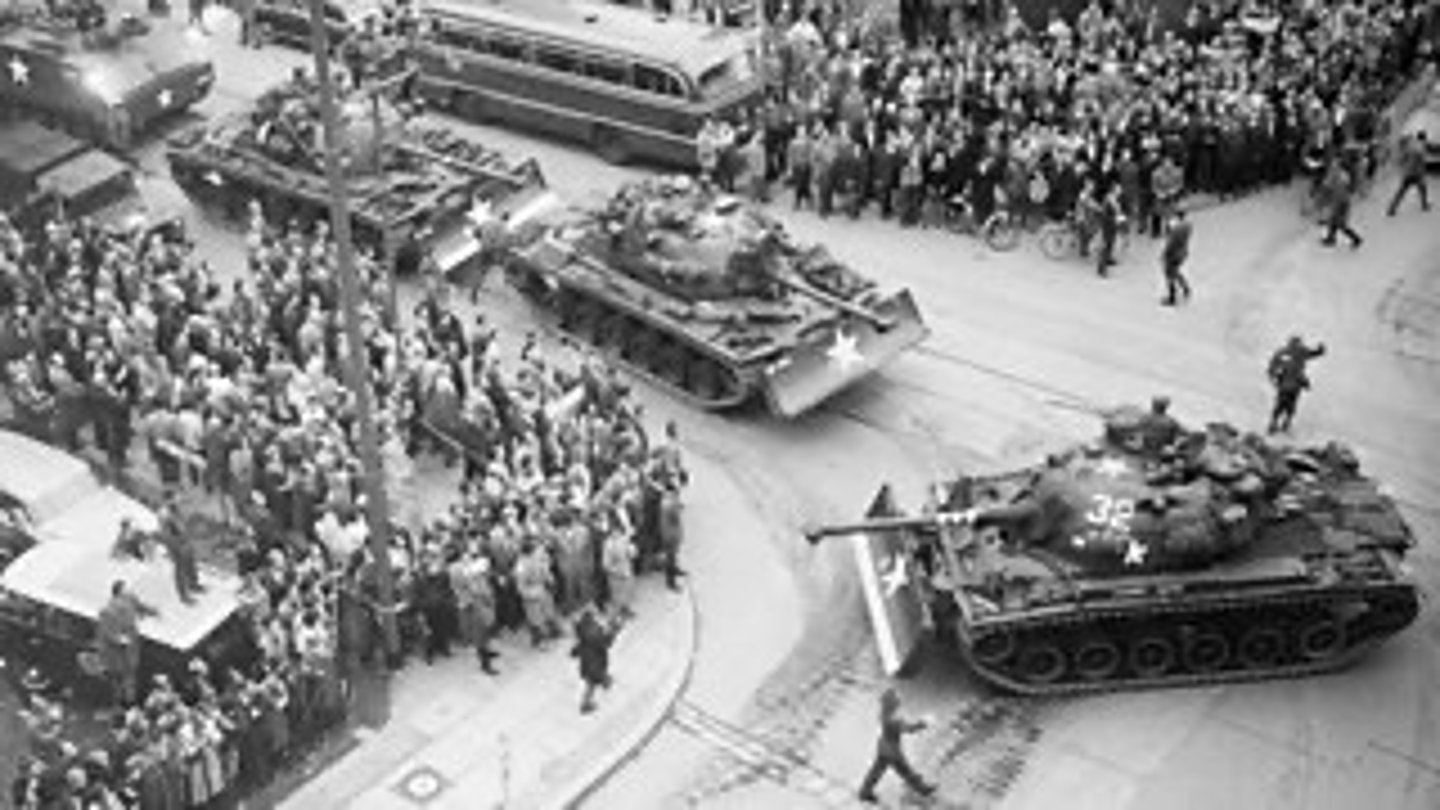
Once the Wall had been constructed, the US decided to test how far they could push the USSR. Foreigners were still allowed to cross the wall, and the US regularly sent troops and diplomats into the Soviet sector through Checkpoint Charlie, one of the guarded crossing points between East and West Berlin. Both sides were entitled to do this under an agreement made after the Yalta Conference.
Stand off
On 27 October 1961, Red Army tanks pulled up to Checkpoint Charlie and refused to allow Americans to pass into the Eastern sector. All day long the two sides faced each other in a tense standoff. The hail-biting crisis lasted for 18 hours until a diplomatic agreement was reached and both sides began to slowly back down.
It was very clear that the USA would not take military action against the Soviet Union in its own geographical and political sphere of influence and risk open conflict between the two nuclear superpowers. There was no attempt at rollback in Berlin, and the East was allowed to remain cut off and isolated from the West. Though Kennedy chose not to challenge directly the Soviet Union's building of the Berlin Wall, he reluctantly resumed testing nuclear weapons in early 1962.
The impact of the wall on international relations
-The Berlin Crisis was a time of quite considerable tension between the superpowers.
-The shooting down of the U2 spy plane could have escalated into a very serious crisis and Khrushchev showed that he could contribute to that escalation.
-The crisis demonstrated that there was willingness on both sides (Kennedy and Khrushchev) to issue threats.
-The fact that the Western powers did not take direct action seems to have left Khrushchev with the impression that Kennedy was weak and could be pushed
around.
Claiming victory
-The Soviet leader Khrushchev claimed a victory from the Berlin Wall crisis as he had successfully stopped the Brain Drain/the flow of mainly highly skilled people from East Berlin.
-Kennedy also claimed a victory in that he had held onto West Berlin despite Khrushchev's requests for him to leave
-Kennedy claimed a propaganda victory. He argued that if communism was so great, the Russians had no need to fence East Berliners in to prevent them moving towards the capitalist west. In 1962 he visited Berlin and made a famous speech criticising the USSR's actions in Berlin.
-Berlin remained a little Western island of democracy surrounded by the Soviet Bloc.
-In the end though, the wall symbolised the Cold War itself and was a physical reminder of how poor relations were between the superpowers.
-It was the people of Berlin who suffered most because of the tension and the inability to resolve matters by negotiation. People lost their jobs, were permanently separated from their family and lost hope that they would ever escape from communist control
-Both sides faced criticism - the USSR from their own people and the Americans from the West Berliners. This created further resentment between the Superpowers and they each blamed the other for the crisis.