Allied Health Study Guide | CHP. 3
 Note
 Call Kai
 Learn
 Practice Test
 Spaced Repetition
 Match
 Flashcards
 Knowt Play
1/63

Earn XP
Description and Tags
Skeletal System Terms, Definitions, Abbreviations, and Word Parts + Diagrams
64 Terms
ankyl/o
crooked, bent, stiff
(e.g. ankylosis - loss of mobility in a joint)
arthr/o
joint
(e.g. arthroscopy - the visual examination of the internal structure of a joint)
chondr/i, chondr/o
cartilage
(e.g. costochondritis - inflammation of the cartilage that connects to the rib to the breast bone)
cost/o
rib
(e.g. costochondritis)
-desis
to bind, tie together
(e.g. arthrdesis - fusion of two bones to stiffen a joint)
kyph/o
bent, hump
(e.g. kyphosis - excessive rounding of the upper back)
crani/o
skull
lord/o
curve, swayback, bent
(e.g. lordosis)
-lysis
loosening or setting free
(e.g. arthrolysis)
myel/o
spinal cord, bone marrow
(e.g. myeloma - tumor —> cancer that occurs in the red bone marrow)
oss/e, oss/i, ost/o, oste/o
bone
(e.g. osteopenia, osteoporosis, osteomyelitis, ossification, osteoclasts, osteoblasts.. find the word part yourself)
scoli/o
curved, bent
(e.g. scoliosis)
spondyl/o
vertebrae, vertebral column, back bone
synovi/o, synov/o
synovial membrane, synovial fluid
-um
singular noun ending
(e.g. cranium)
osteoblasts
rebuild bone
osteoclasts
break down old or damaged bone
ossification
the process of bone formation/development
diaphysis
the shaft of a long bone
epiphyses
the wider ends of long bones, such as the femurs of the legs (singular epiphysis)
metacarpals
the five bones that form the palms of the hand
metatarsals
form that part of the foot to which the toes are attached
compression fracture
when the bone is pressed together (compressed) on itself
juvenile rheumatoid arthritis
autoimmune disorder that affects children (ages 16 years or less) with symptoms that include stiffness, pain, joint swelling, skin rash, fever, slowed growth, and fatigue
laminectomy
surgical removal of a lamina or posterior portion of a vertebra
lordosis
abnormal increase in the forward curvature of the lumbar spine
open fracture
when the bone is broken and there is an open wound in the skin
osteoarthritis
(also known as wear-and-tear arthritis)
commonly associated with aging
osteoporosis
marked loss of bone density and increase in bone porosity that is frequently associated with aging
osteomyelitis
inflammation of bone marrow and adjacent bone
paget’s disease
(also known as osteitis deformans)
a bone disease of unknown cause
pathologic fracture
occurs when a weakened bone breaks under normal strain
podiatrist
holds a DP (doctor of podiatry) or DPM (doctor of podiatric medicine) degree and specializes in diagnosing and treating disorders of the foot
orthopedic surgeon
(also known as an orthopedist)
a physician who specializes in diagnosing and treating diseases and disorders involving the bones, joints, and muscles
prosthesis
substitute for a diseased or missing body part, such as a leg that has been amputee (plural, prostheses)
spiral fracture
a fracture in which the bone has been twisted apart
closed reduction
(also known as manipulation)
the attempted realignment of the bone involved in a fracture or join dislocation
immobilization
(also known as stabilization)
the act of holding, suturing, or fastening the bone in a fixed position with strapping or a cast
traction
a pulling force exerted on a limb in a distal direction in an effort to return the bone or joint to normal alignment
external fixation
a fracture treatment procedure in which pins are placed through the soft tissues and bone, so that an external appliance can be used to hold the pieces of bone firmly in place during healing
internal fixation
(also known as open reduction internal fixation (ORIF))
a fracture treatment in which a plate or pins are placed directly into the bone to hold the broken pieces in place
total knee replacement
all the parts of the knee were replaced
total hip replacement
(also known as total hip arthroplasty)
performed to restore a damaged hip to full function
partial knee replacement
describes a procedure in which only part of the knee is replaced
bone density testing
used to determine losses or changes in bone density
skeletal system
made up of:
bones - hard tissue (only harder connective tissue is dental enamel ((chat idk what that means))
cartilage - tissue that protects your joints and bones
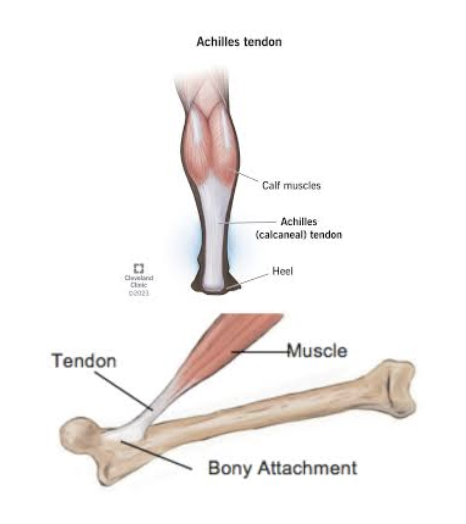
tendons - a cord of strong, flexible tissue, similar to a rope
ligaments - a fibrous connective tissue that attaches bone to bone
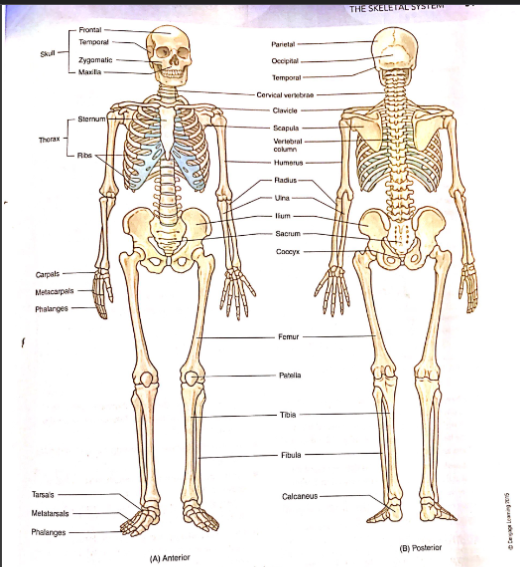
functions of the skeletal system
bones act as the framework for the body
bones support and protect internal organs
joints work with muscles, ligaments, and tendons to make for body movement
calcium, which is needed for normal nerve and muscle function, is stored in the bones
red bone marrow, which is important for RBC formation, is located in the spongy bone
parts of bones
bone
periosteum - fibrous tissue that covers the bones
compact bone - dense, hard, strong bone that forms the protective layer
spongy bone - found in the ends and inner portions of longer bone,
red bone marrow is located in the spongy bone
not as strong 😕
medullary cavity - central cavity in the shaft of the long bone
surrounded by compact bone
red and yellow bone marrow are stored inside
endosteum - tissue that lines the medullary cavity
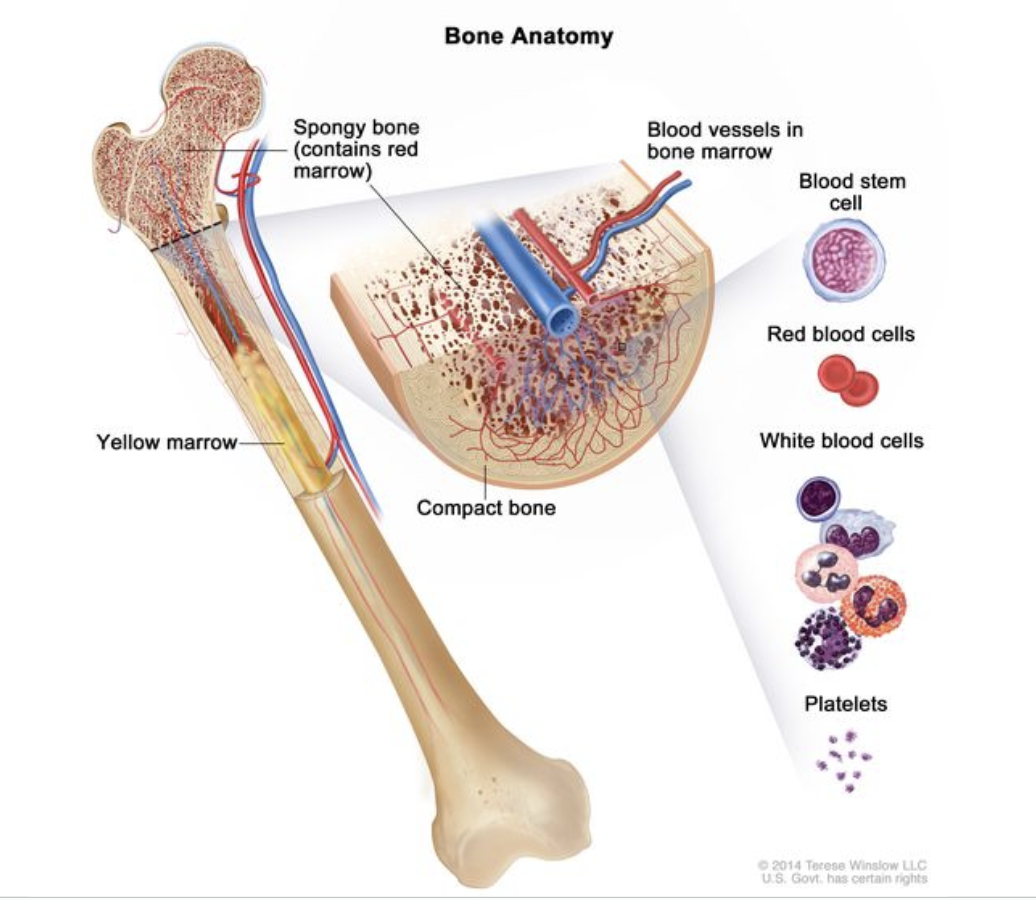
five main types of bones
flat bones - made up of a layer of spongy bone between two thin layers of compact bone
irregular bones - vary in shape and structure, therefore, do no fir into any other category
sesamoid bones - a small bone commonly found embedded within a muscle or tendon near joint surfaces
short bones - shaped roughly as a cube and contains mostly spongy bone
long bones - a bone that has a shaft and 2 ends, where it is longer than it is wide
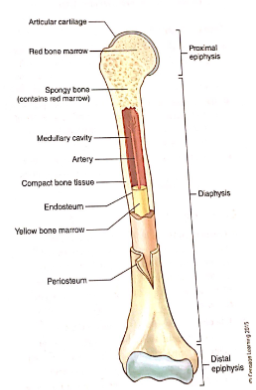
red bone marrow
located in the spongy bone, hemopoietic tissue (meaning it produces blood cells)
makes RBC, WBC, HGB, and thrombocytes
yellow bone marrow
fat storage area, stores fat cells
ligaments
more elastic than tendons, attach bone to bone, and allows for joint movement
thicker, stiffer, and provides stability
ACL is a ligament that attaches the tibia to the femur
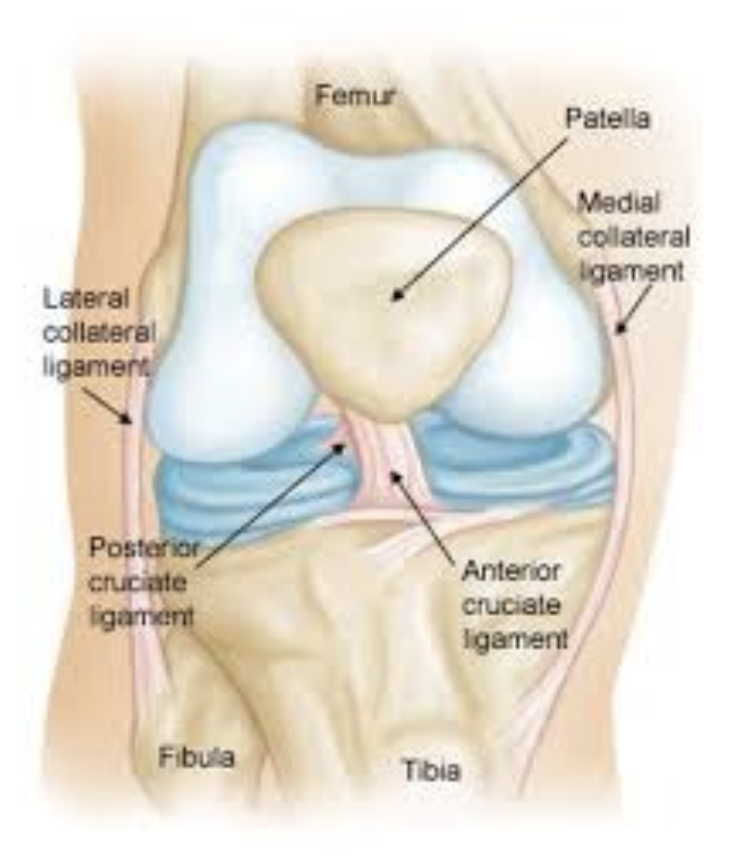
tendons
elastic (less than ligaments), rope-like
dissipate force and reduce workload of muscles
strongest tissue in the human body
achilles tendon
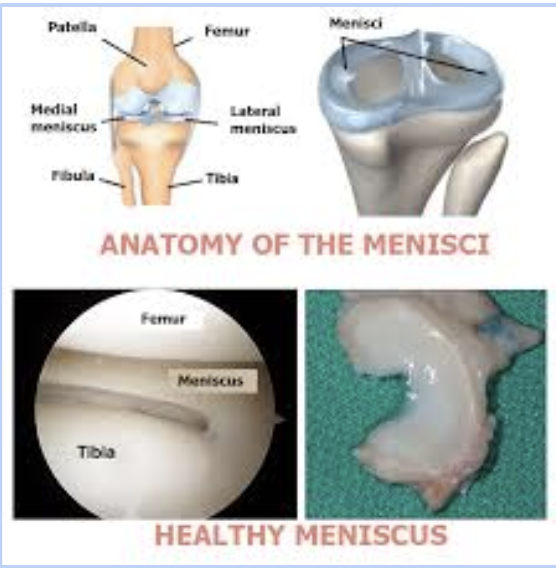
cartilage
smooth, rubbery, connective tissue
acts as a shock absorber between bones
more elastic than bone
cartilage on ear & nose
articular cartilage lines the end of bones to make for smooth joint movement
protects bones from rubbing against each other
joints
known as articulations (place where two or more bones meet)
allow for movement and are classified based on how they move or the degree of movement allowed
three types of joints
fibrous - also known as sutures
cartilaginous - having a skeleton composed either entirely or mainly of cartilage
synovial - freely mobile (diarthroses) and are considered the body's main functional joints
axial skeleton (bones)
protects major organs of the nervous, respiratory, and circulatory system
contains 80 bones: skull, middle ear, hyoid, rib cage, and vertebral column
appendicular skeleton
makes body movement possible, protection organs of digestion, excretion, and reproduction
contains 126 bones: upper extremities & lower extremities
bones of the skull
cranium
frontal
parietal
occipital
temporal
external auditory meatus
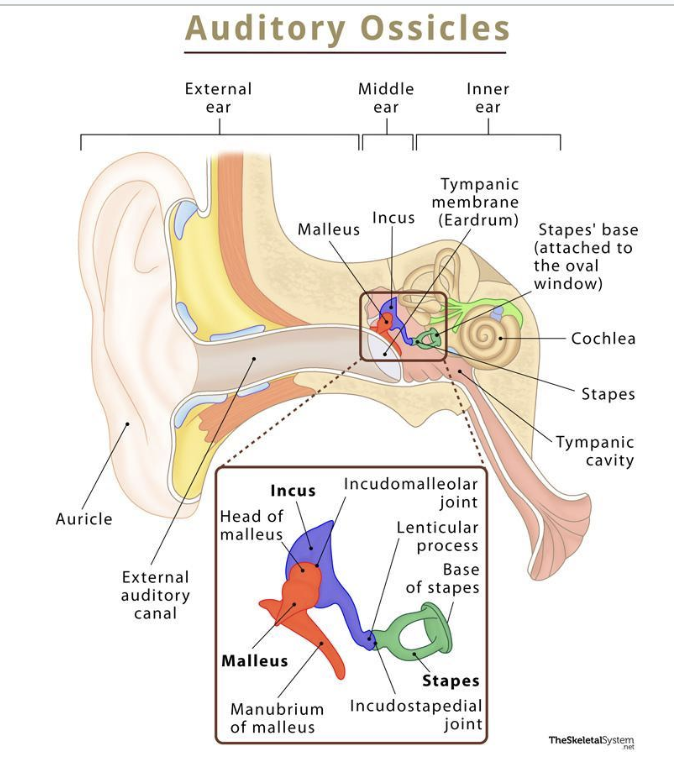
auditory ossicles
nasal bones
zygomatic bones
maxillary
lacrimal
mandible
temporomandibular joint
bones of the thoracic cavity
ribs - 12 pairs
sternum, xiphoid process
bones of the shoulders, arms, wrist, hand, and fingers
clavicle, scapula, acromion
humerus, radius, ulna, olecranon process
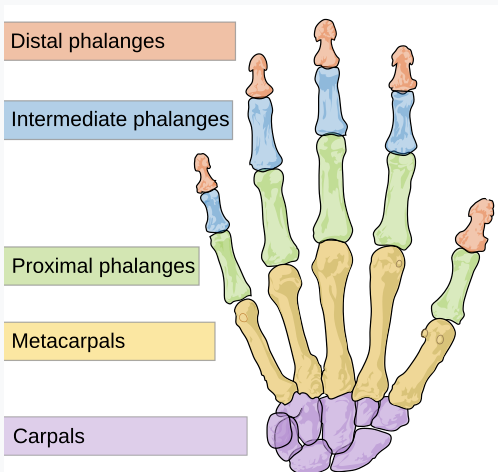
carpals, metacarpals, phalanges
phalanx - any one of the bones in the fingers or toes (know the diff. between distal and proximal —> check image)
bones of the spinal column
cervical (7), thoracic (12), lumbar (5), sacrum, coccyx
= 26 bones in total
bones of the pelvis
ilium, ischium, pubis, pubic symphysis, acetabulum
bones of the legs and feet
femur (head of the femur & femoral neck), patella, popliteal, cruciate ligaments
tibia, fibula
tarsals, malleolus, calcaneus
metatarsals, phalanges