Unit 2 AP World History Networks of Exchange from 1200 CE to 1450 CE
 Call Kai
 Learn
Learn Practice Test
 Spaced Repetition
 Match
Match Flashcards
 Knowt Play
1/63

There's no tags or description
Looks like no tags are added yet.
Name | Mastery | Learn | Test | Matching | Spaced | Call with Kai |
|---|
No analytics yet
Send a link to your students to track their progress
64 Terms
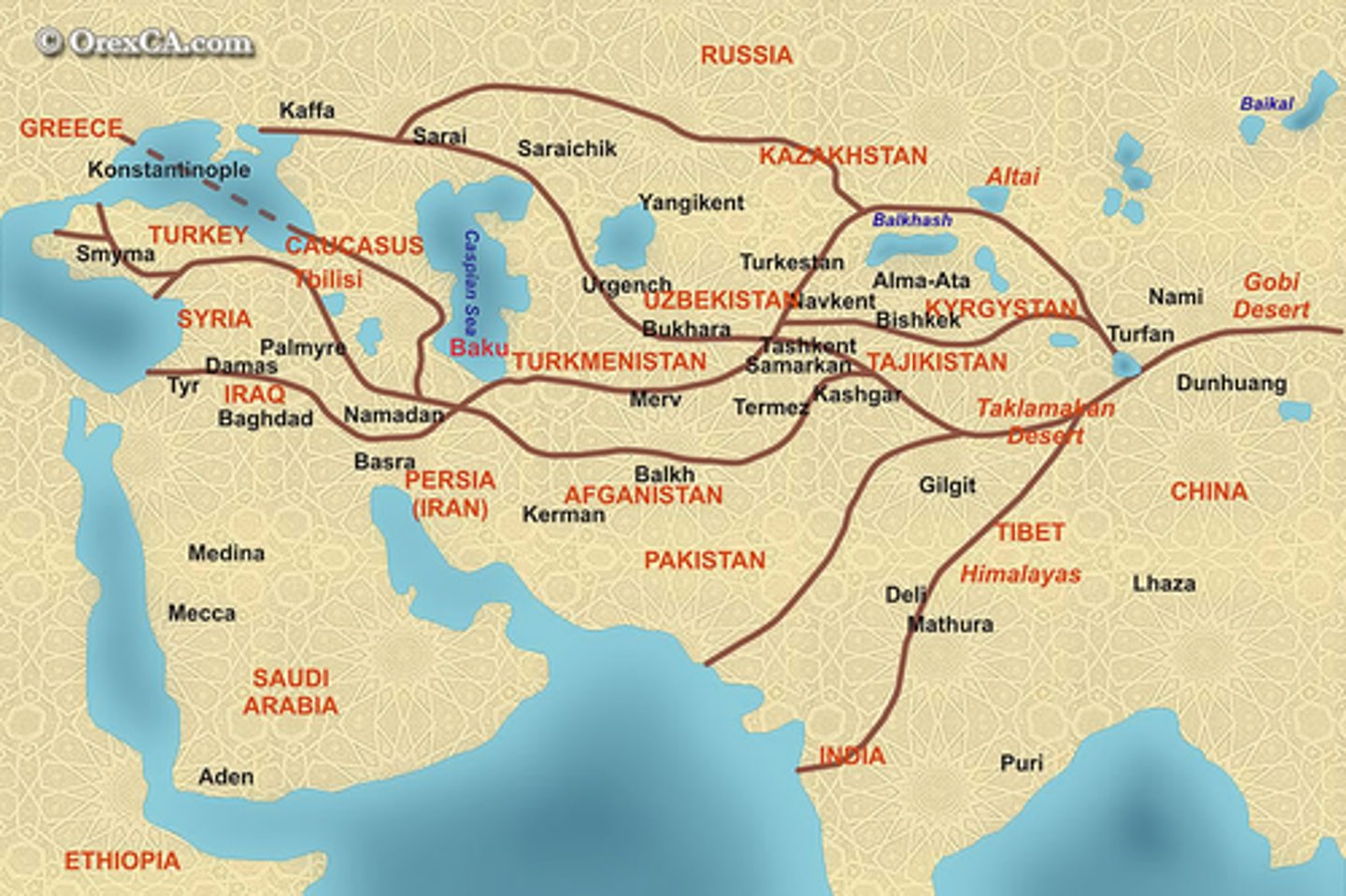
Silk Road
Connected China, India, and the Middle East. Traded goods and helped to spread culture and innovation
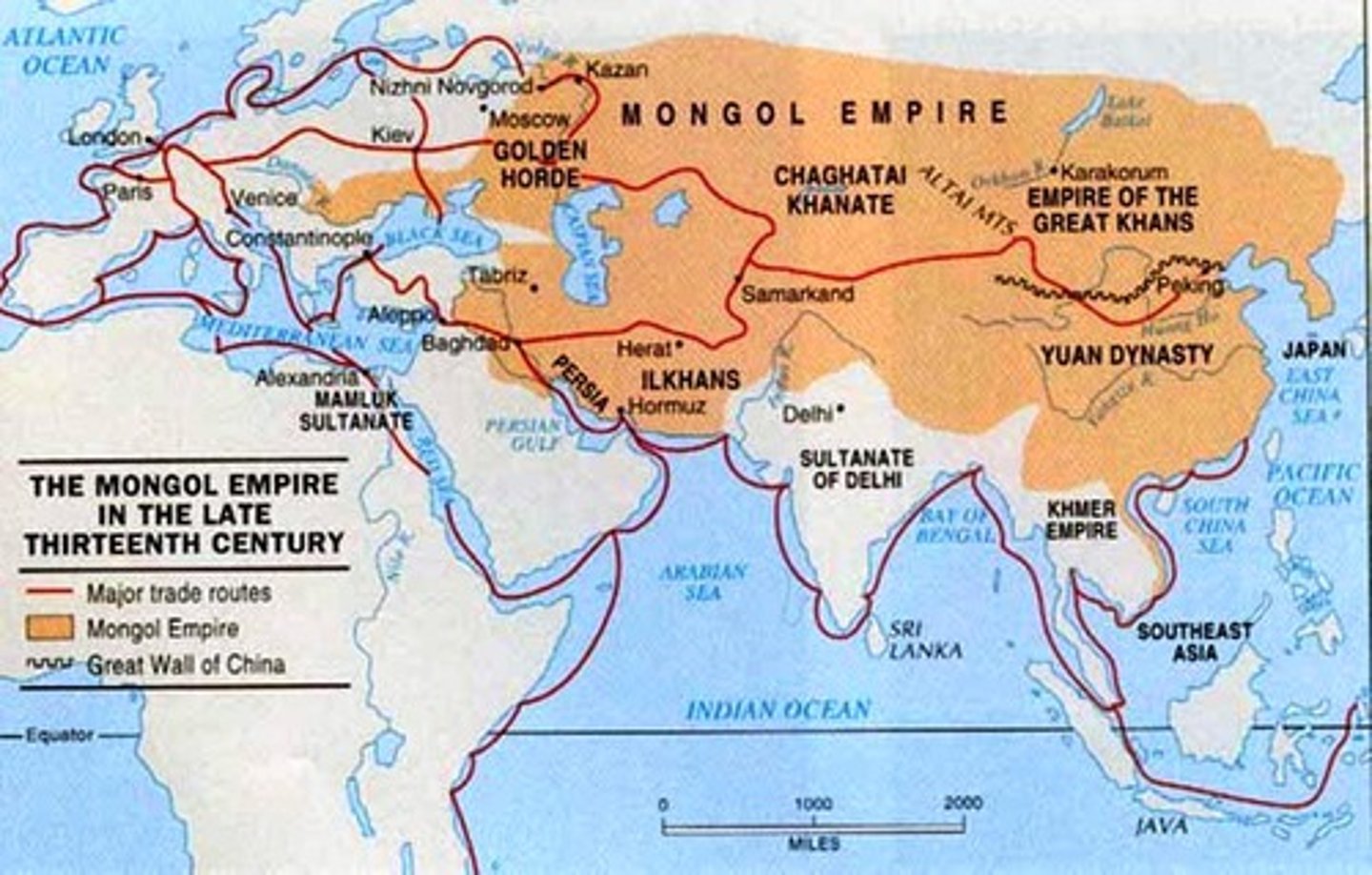
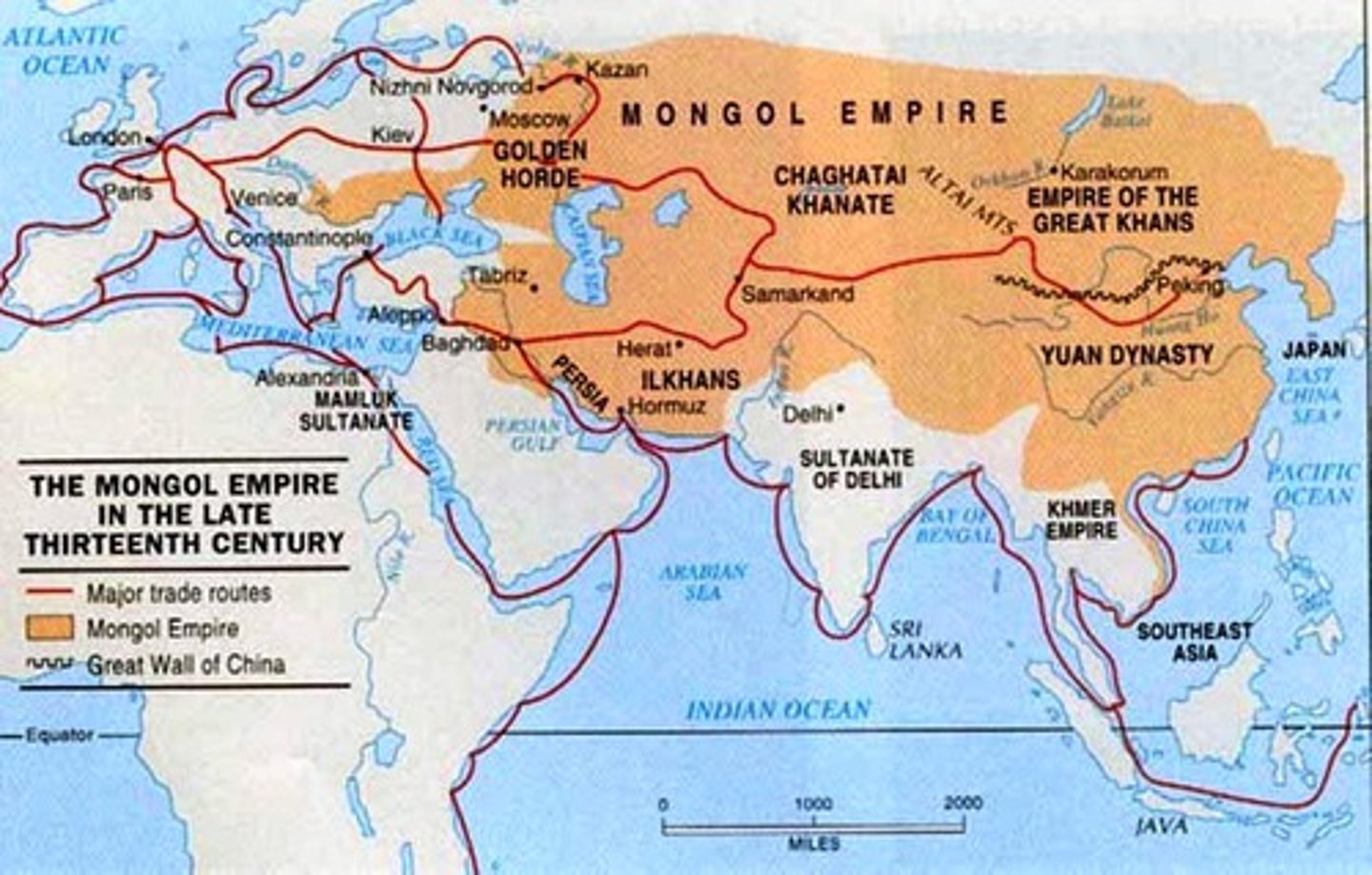
Mongol Empire
an empire founded in the 12th century by Genghis Khan, which reached its greatest territorial extent in the 13th century, encompassing the larger part of Asia and extending westward to parts of eastern Europe.
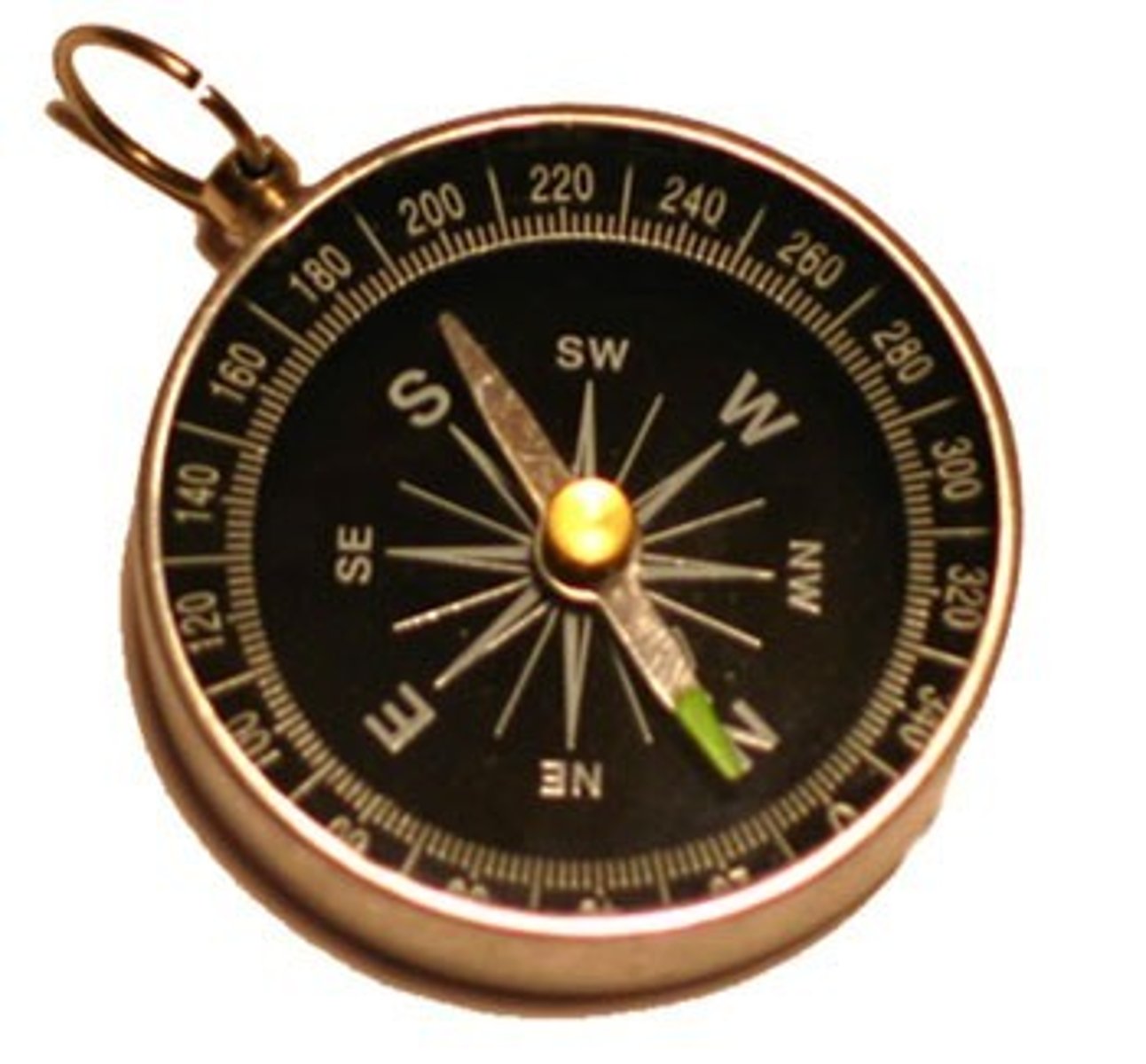
magnetic compass
Chinese invention that aided navigation by showing which direction was north
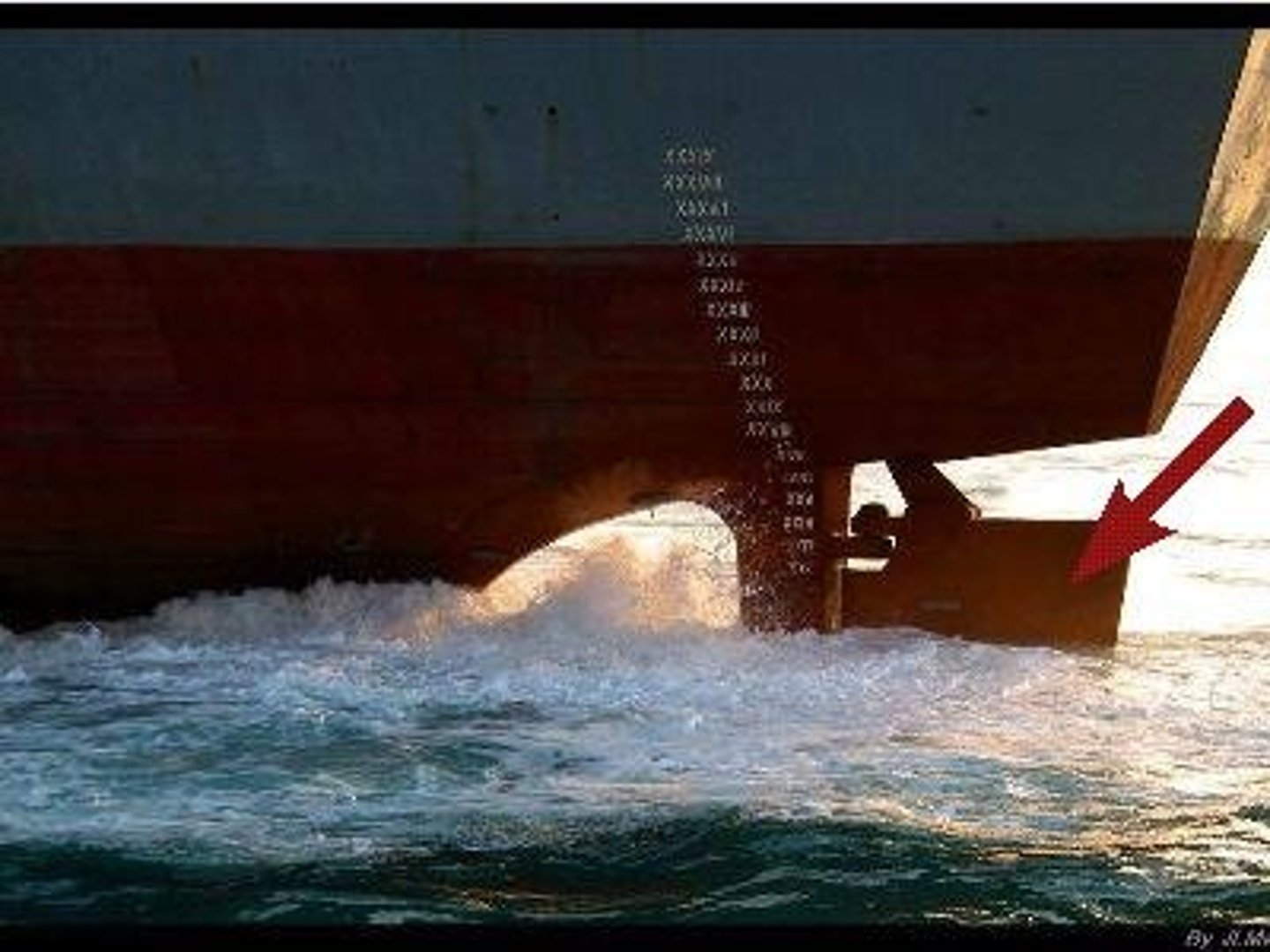
Rudder
the hinged plate at the back and bottom of a boat, used for steering. Chinese improvements in rudder technology allowed China to trade along sea routes
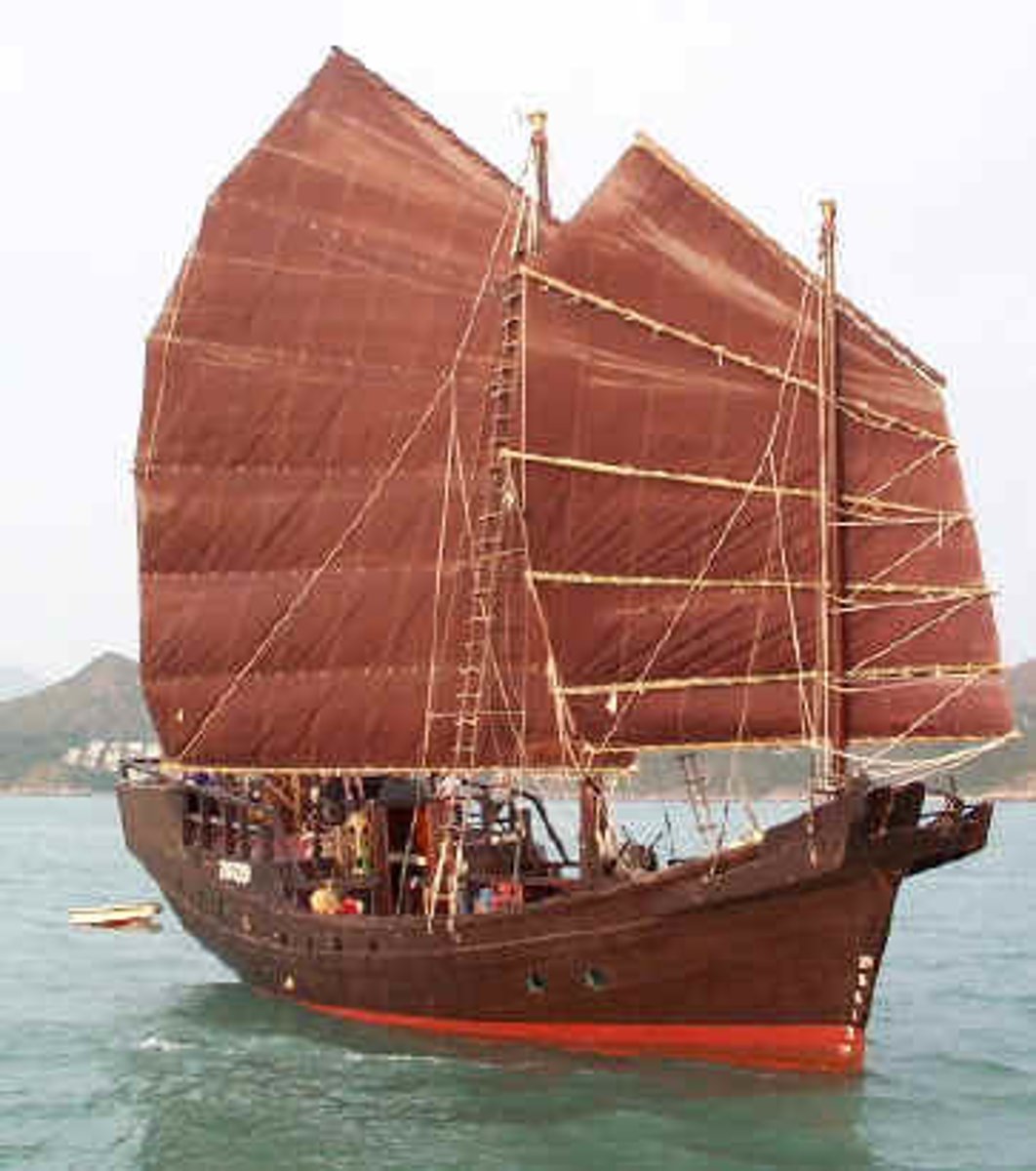
junk
A very large sailing ship (similar to the Asian dhow) produced in the Tang and Song Empires, specially designed for long-distance commercial travel.
Kashgar
a central trading point where the Eastern and Western Silk Roads met.
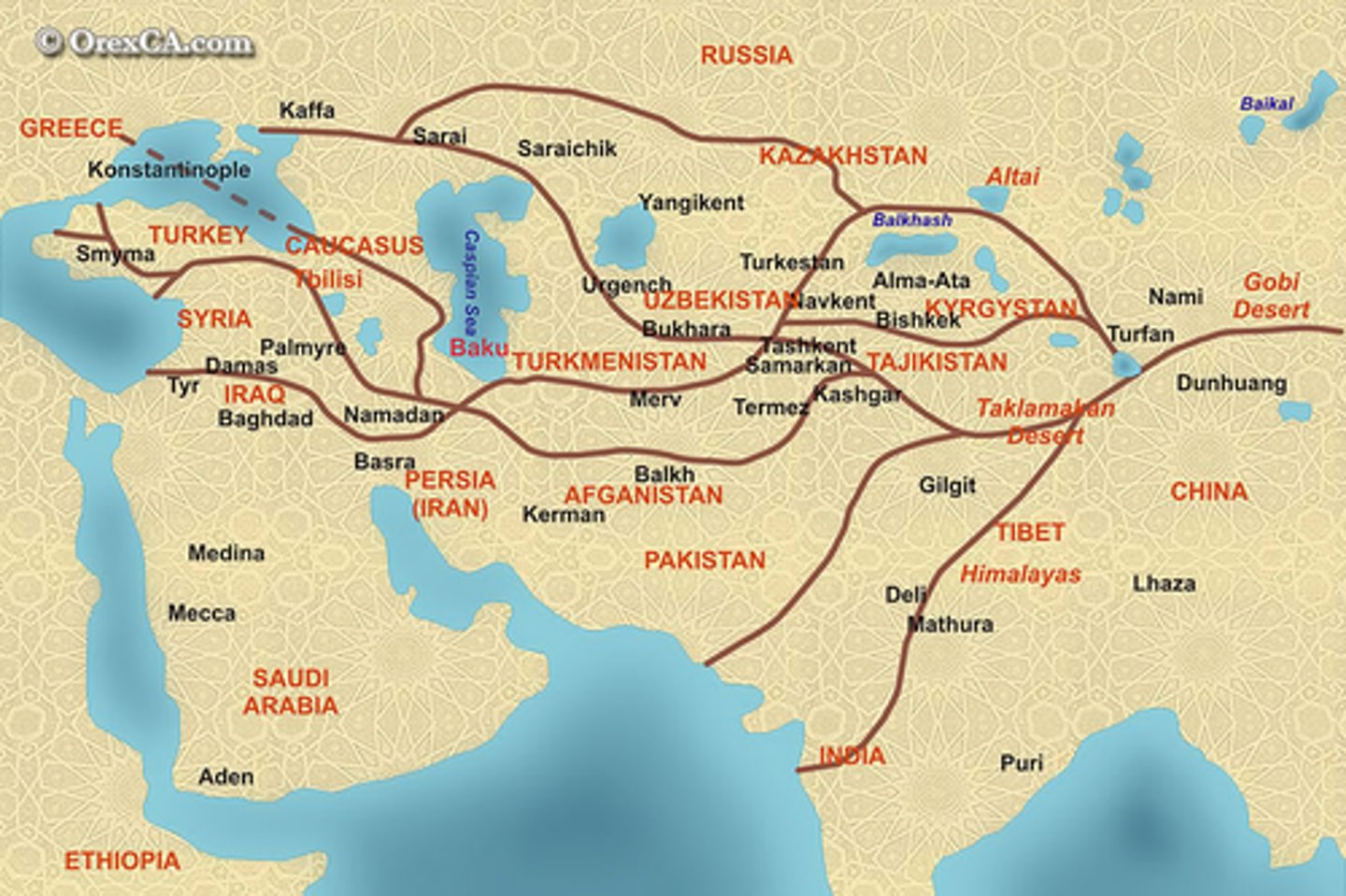
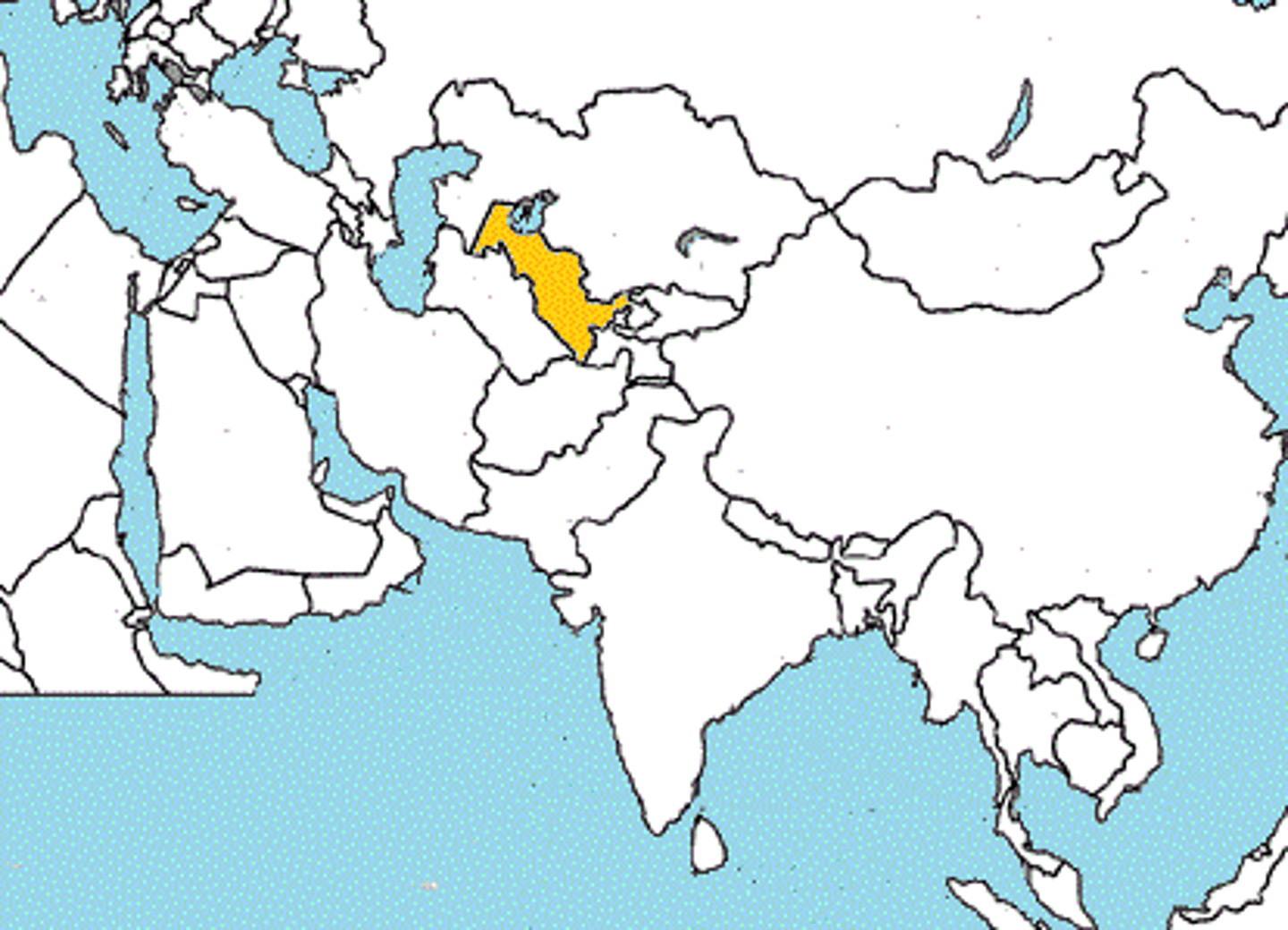
Samarkand
In present-day Uzbekistan, it was an important stopping point along the Silk Road. A center of trade and cultural exchange, very diverse
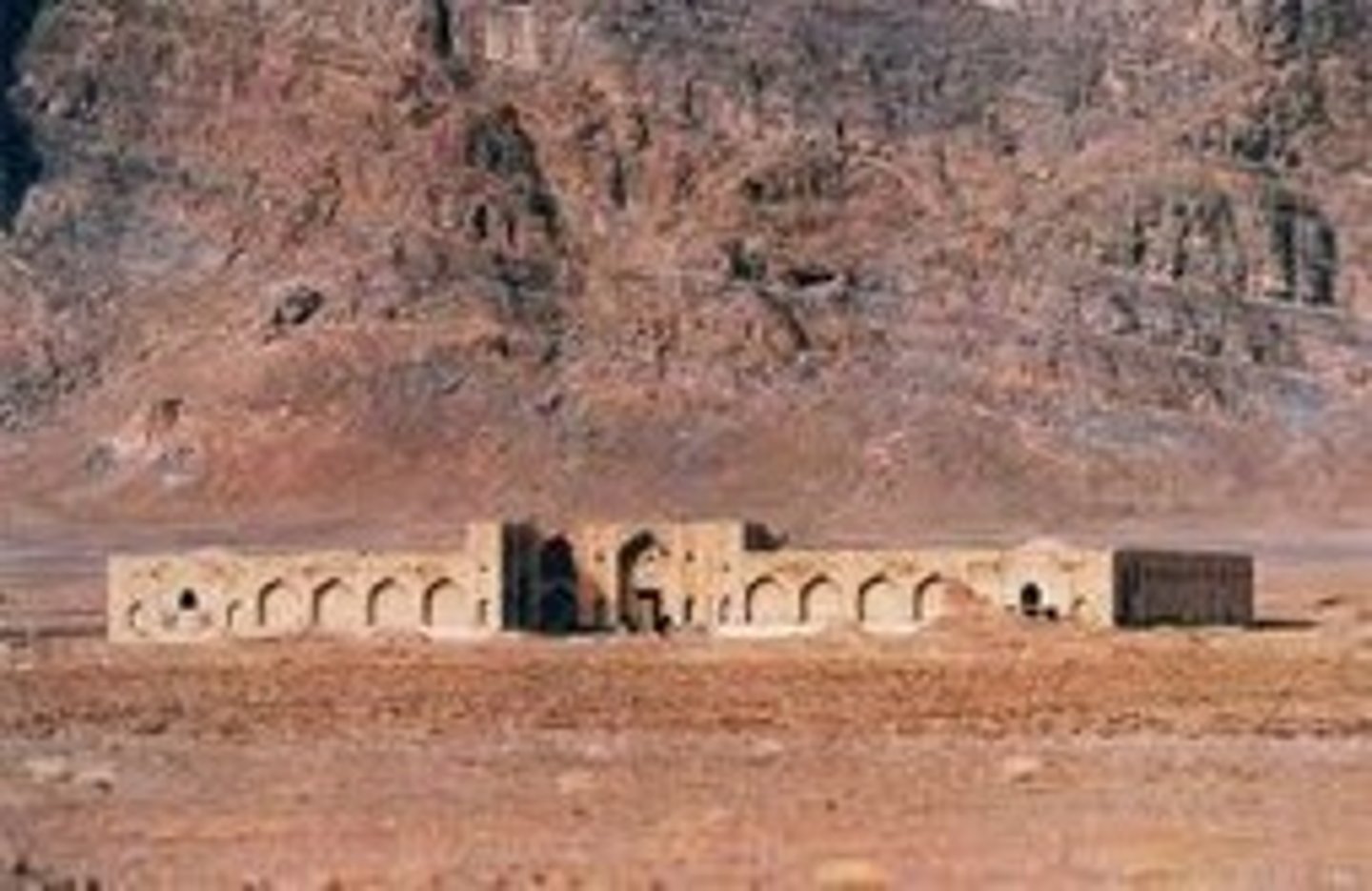
Caravanserai
inn or rest station for caravans about 100 miles apart along the Arid regions of the Silk Road where travelers could trade, rest and replenish. Some historians believe they these may have helped spread the Bubonic Plague because people and animals were housed in close quarters. (fleas)
flying cash
Enabled merchants to deposit good or cash at one location and draw the equivalent in cash or merchandise elsewhere in China. The model for banks in the modern era.
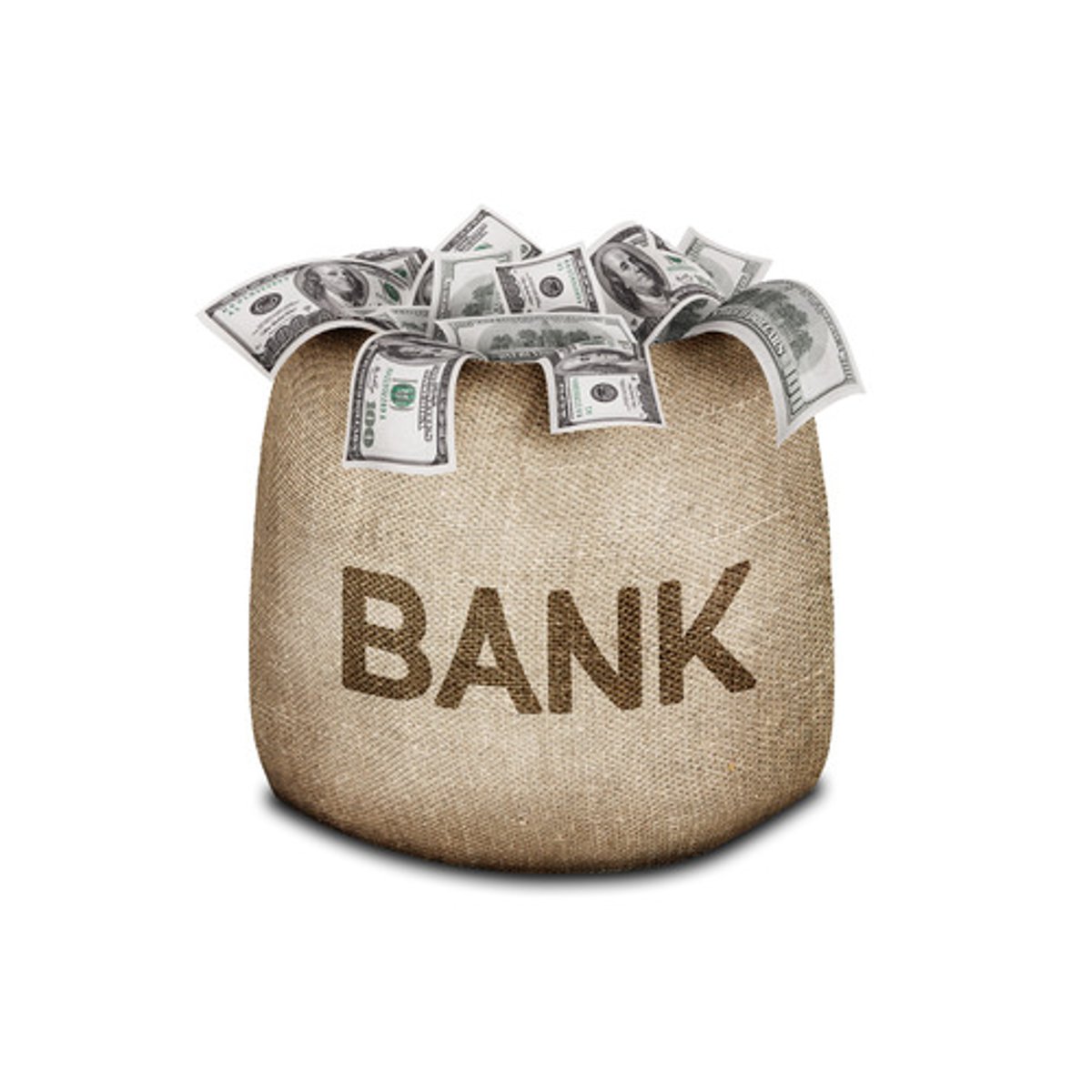
Banking Houses
These European banks developed during the Middle Ages to aid trade. Along with innovations such as bills of exchange, or bank drafts, and credit, the rise of banking houses supported the development of interregional trade in luxury goods.
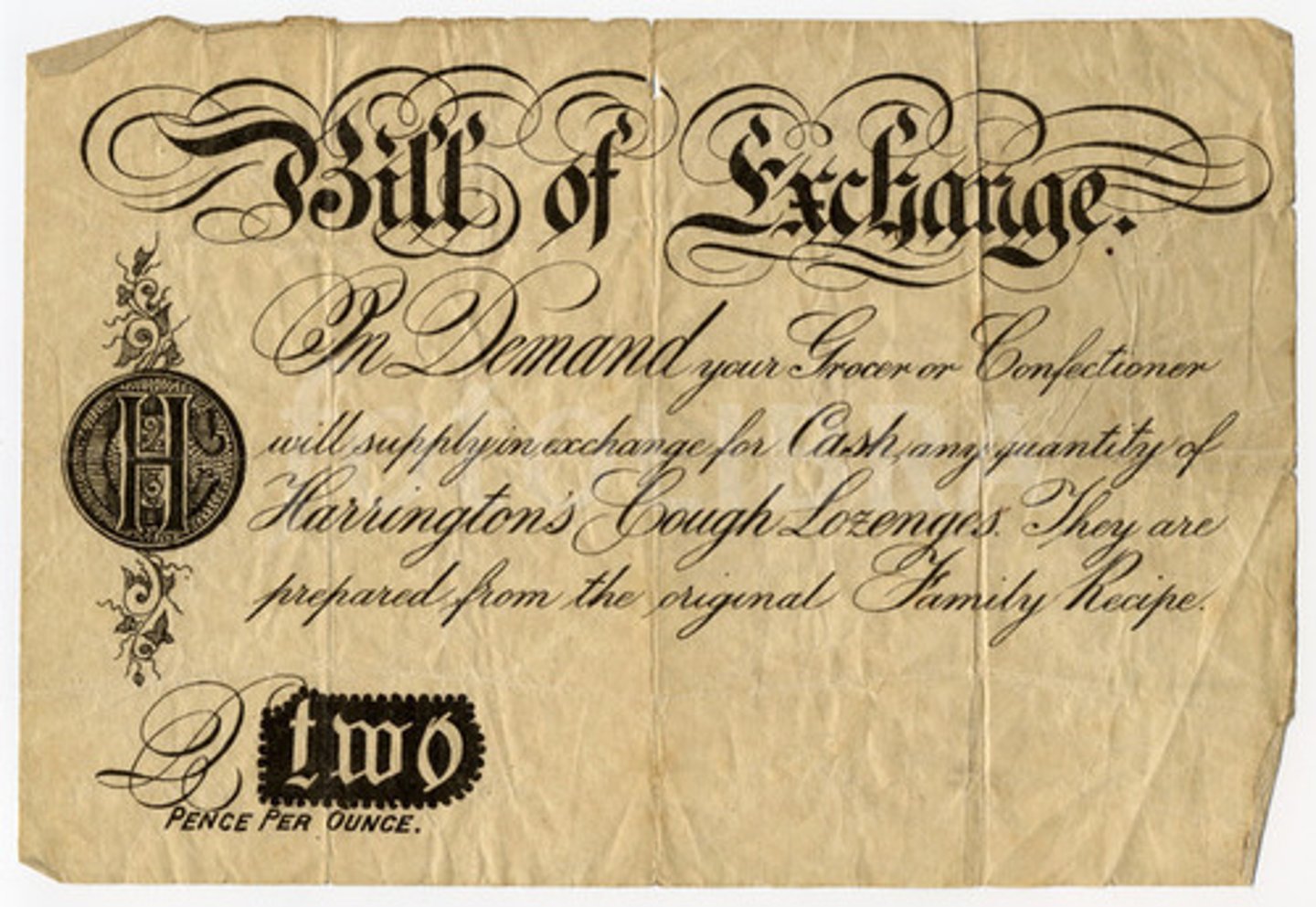
bill of exchange
issued by a banker in one city to a merchant who could exchange it for cash in a distant city, thus freeing him from traveling with gold, which was easily stolen
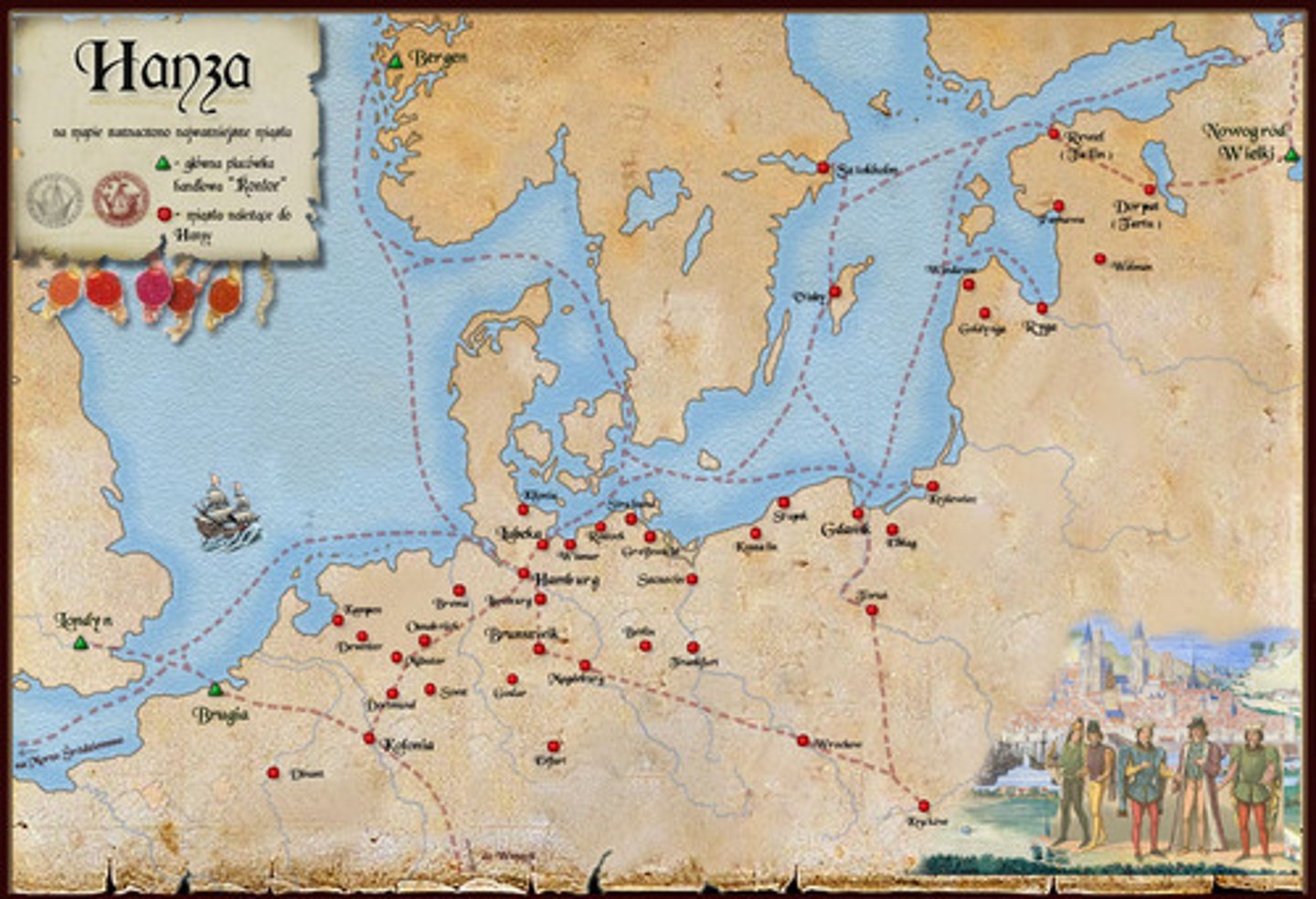
Hanseatic League
an organization of north German and Scandinavian cities for the purpose of establishing a commercial alliance. It is the first common market and confederation of merchant guilds
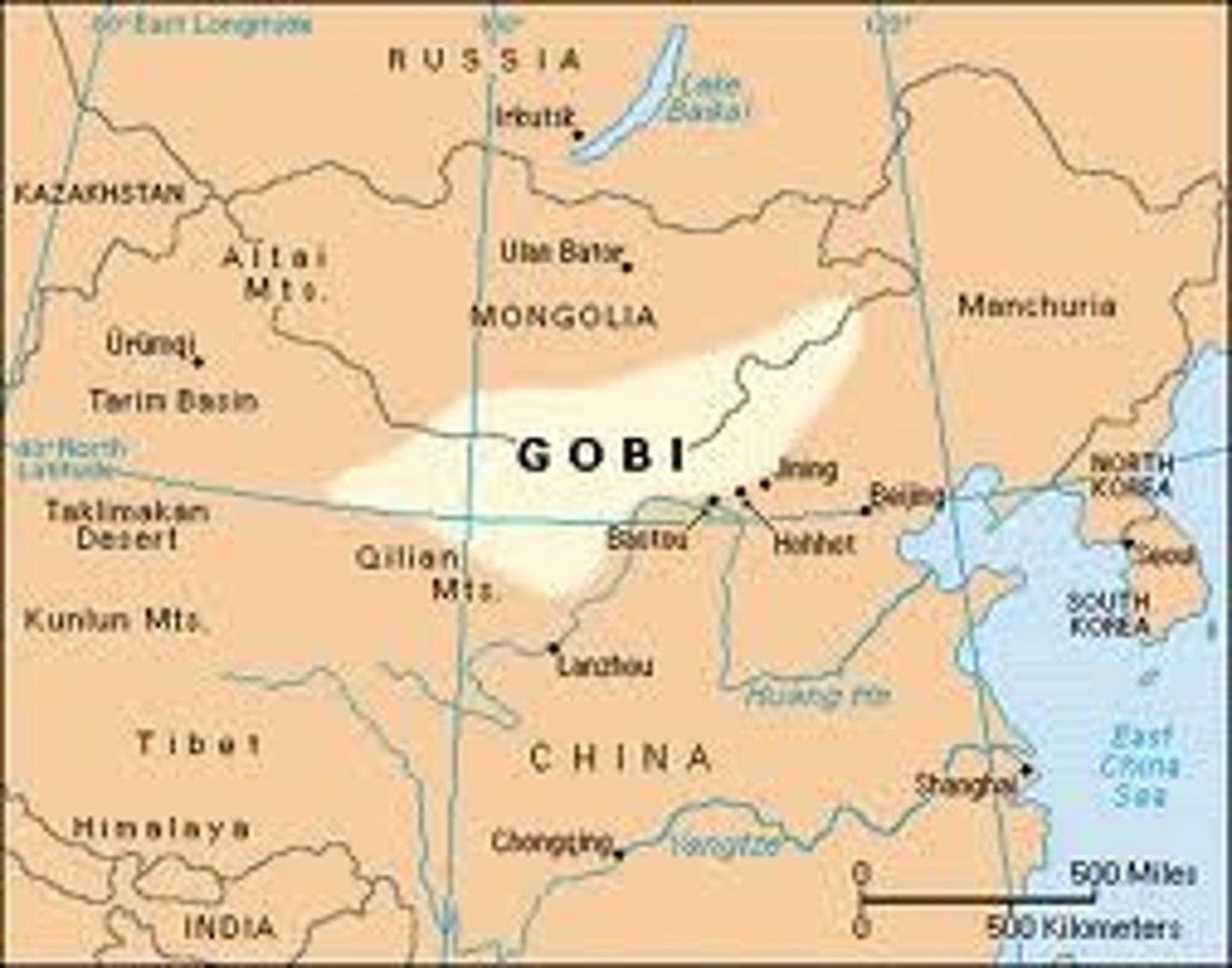
Gobi Desert
One of the worlds largest deserts, covers part of China and present-day Mongolia.
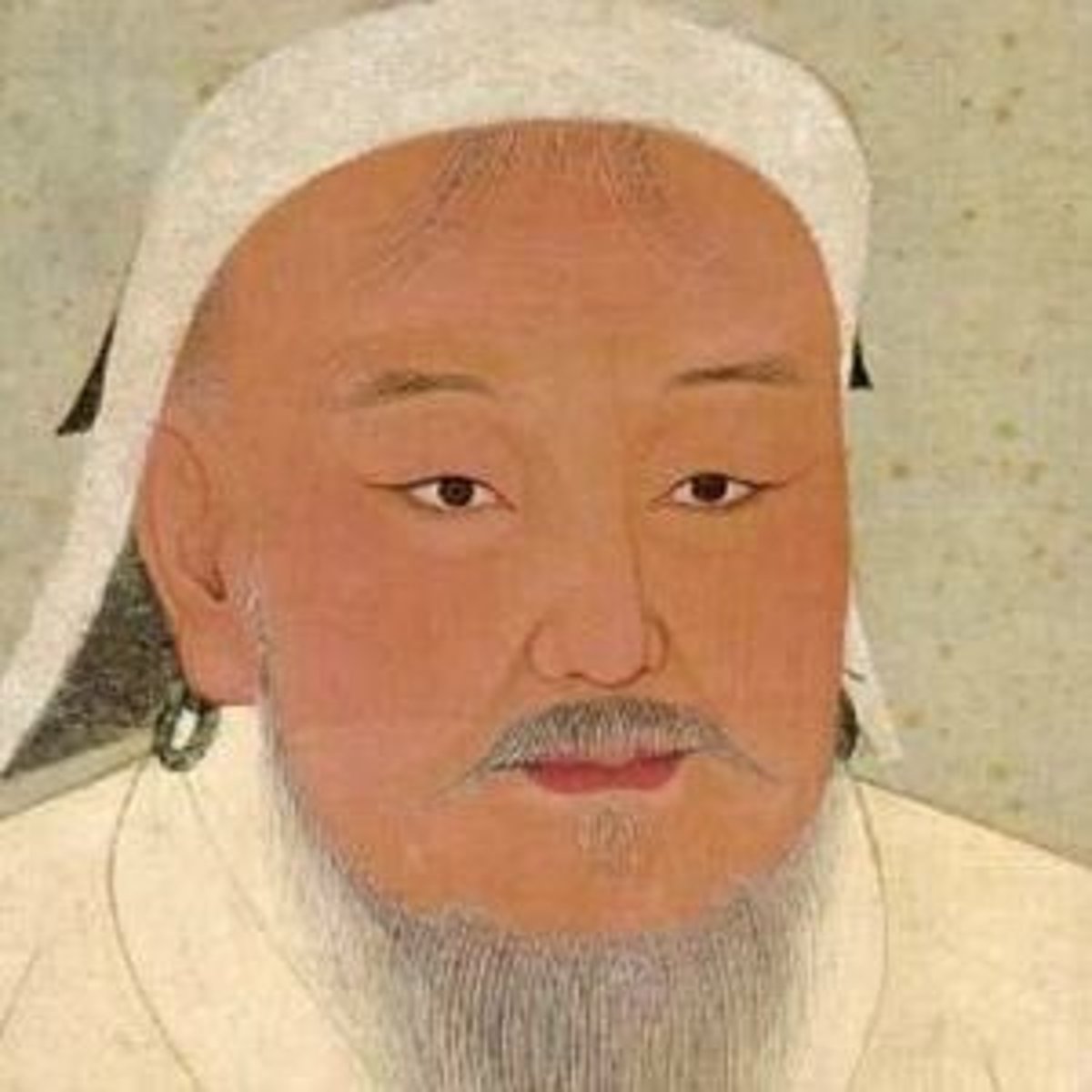
Genghis (Chinggis) Khan
the founder and Great Khan of the Mongol Empire. Born Temujin in 1162, he united the Mongol chieftains
Khan
A Mongol ruler (king)
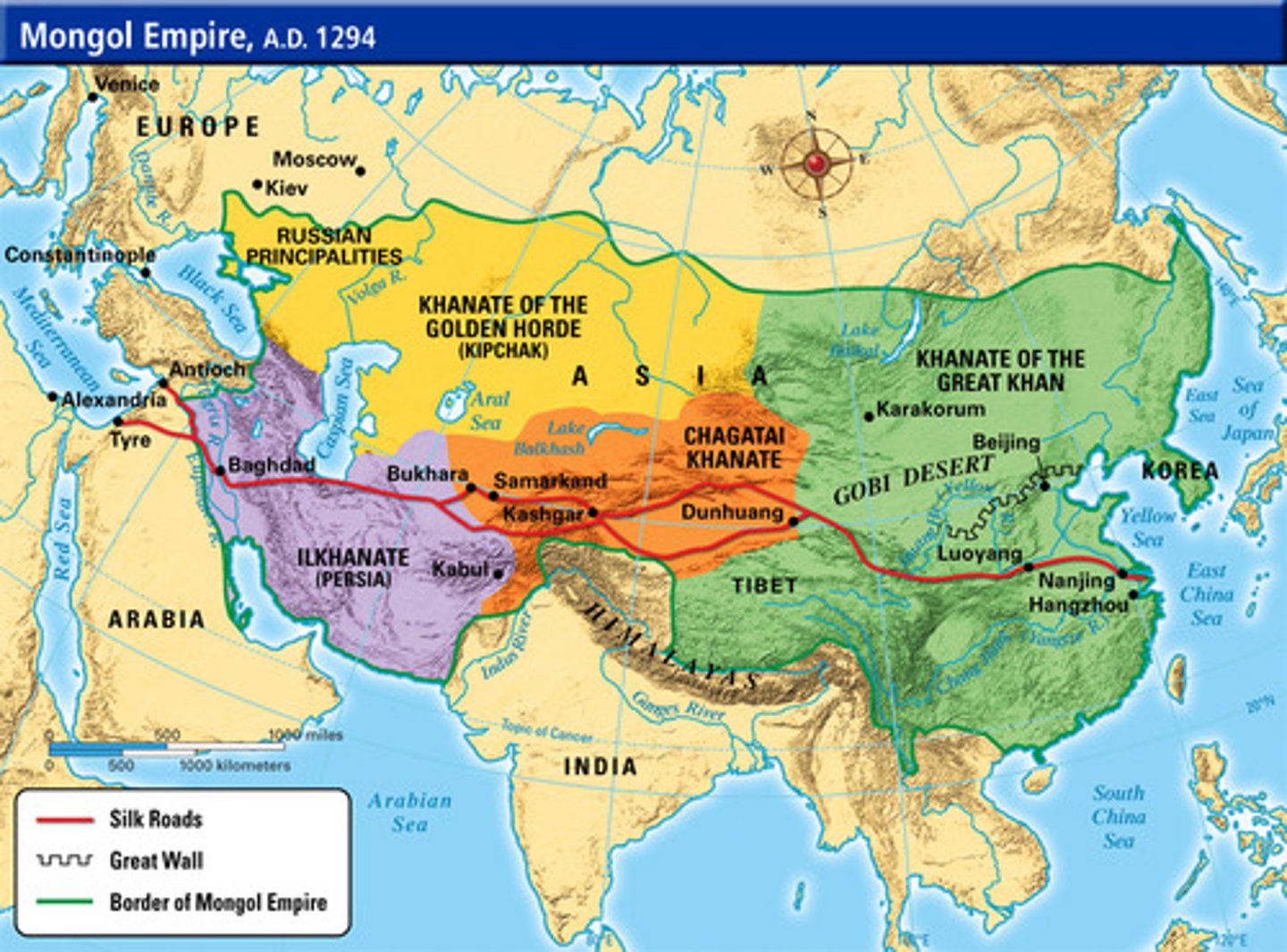
Khanate
Mongol kingdoms, in particular the subdivisions of Genghis Khan's empire ruled by his heirs
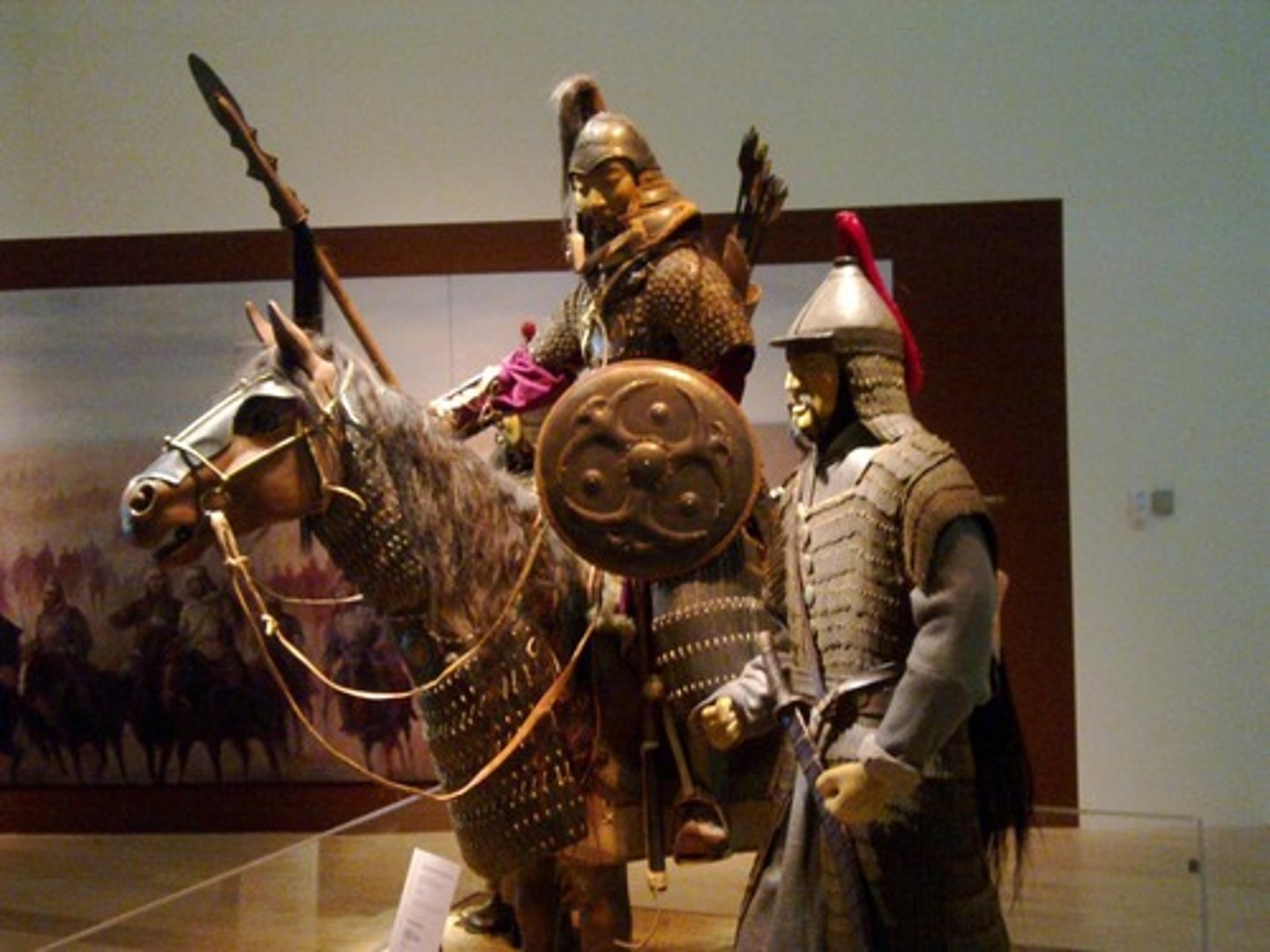
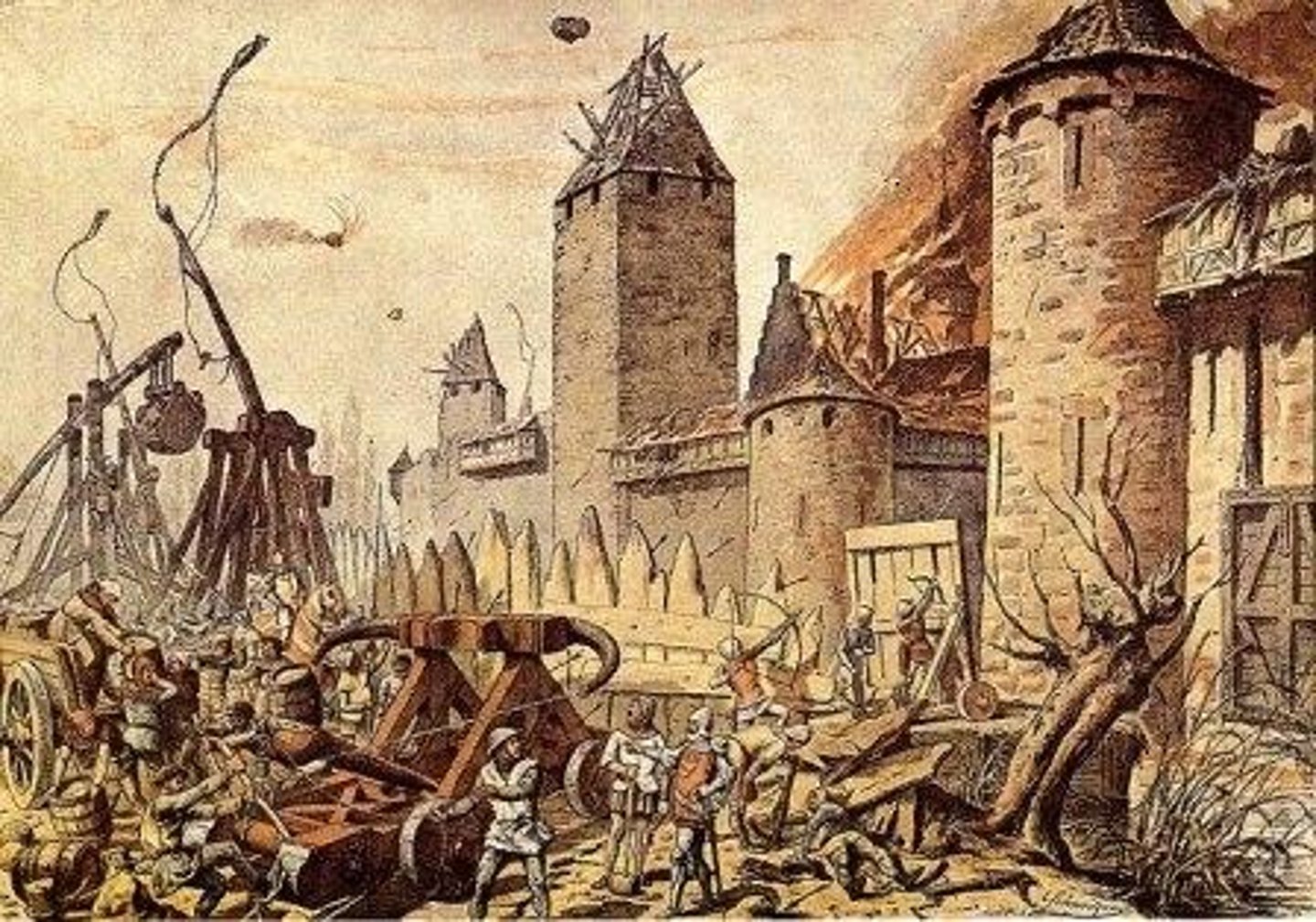
siege weapons
weapons used to attack walled fortifications; portable towers, catapults, battering rams
Pax Mongolica
The period of approximately 150 years of relative peace and stability created by the Mongol Empire.
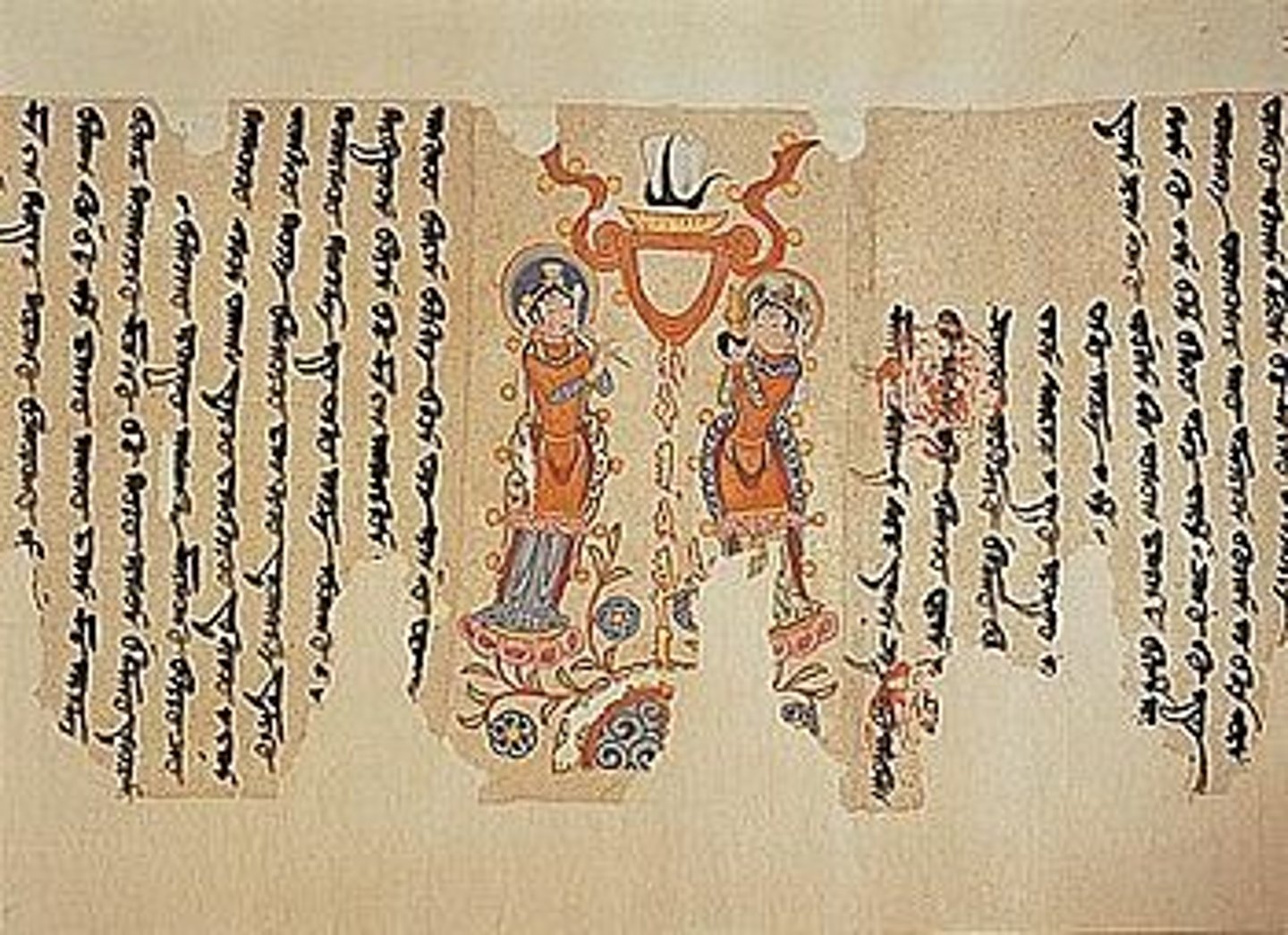
Uyghur alphabet
Alphabet used by the Genghis Khan and still used in Mongolia today
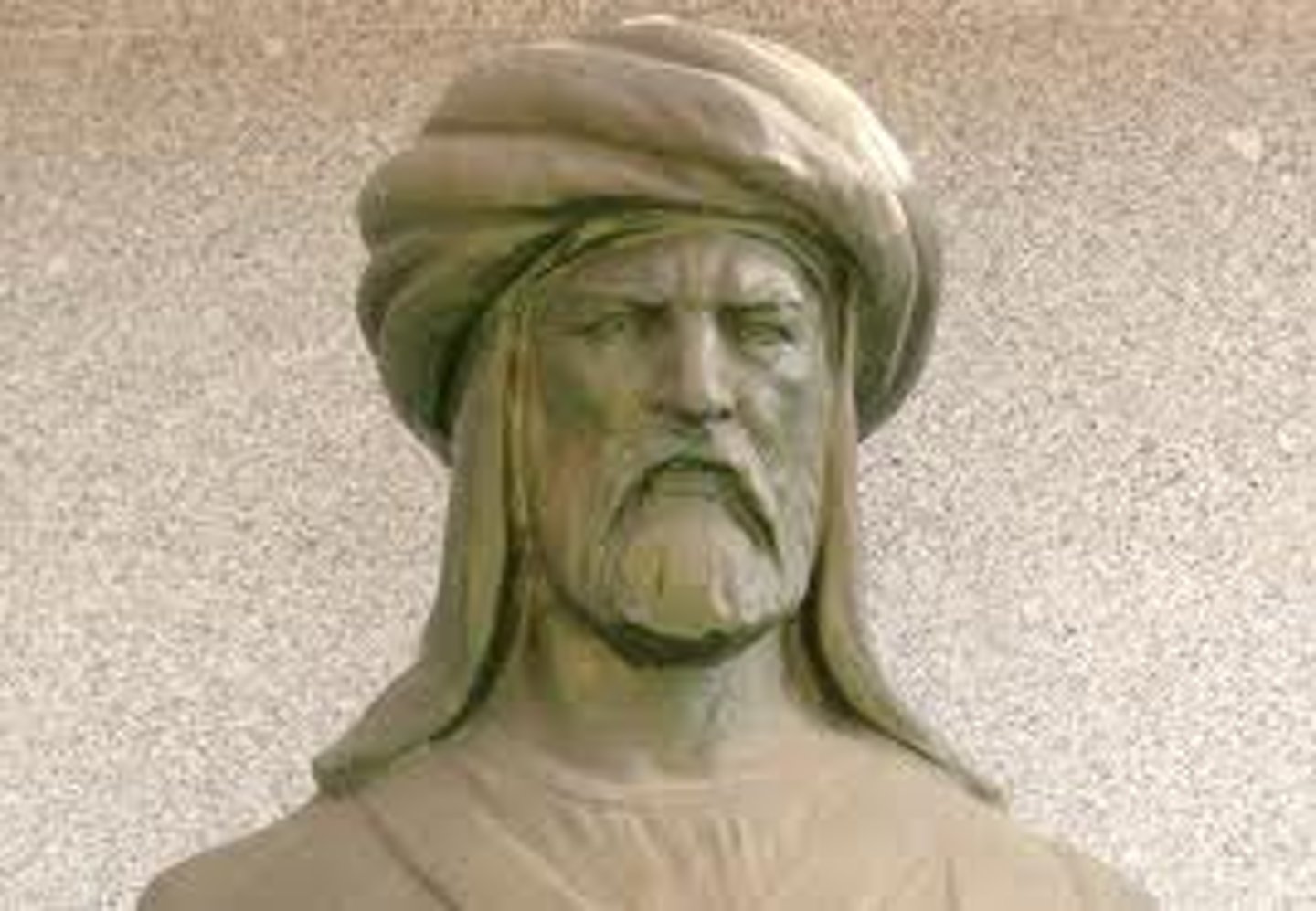
Batu Khan
the grandson of Genghis Khan who took over the armies of the North and conquered Russia and looted and destroyed Kiev in 1240 AD
Golden Horde
Mongol Khanate founded by Genghis Khan's grandson Batu. It was based in southern Russia and quickly adopted both the Turkic language and Islam. Also known as the Kipchak Empire.
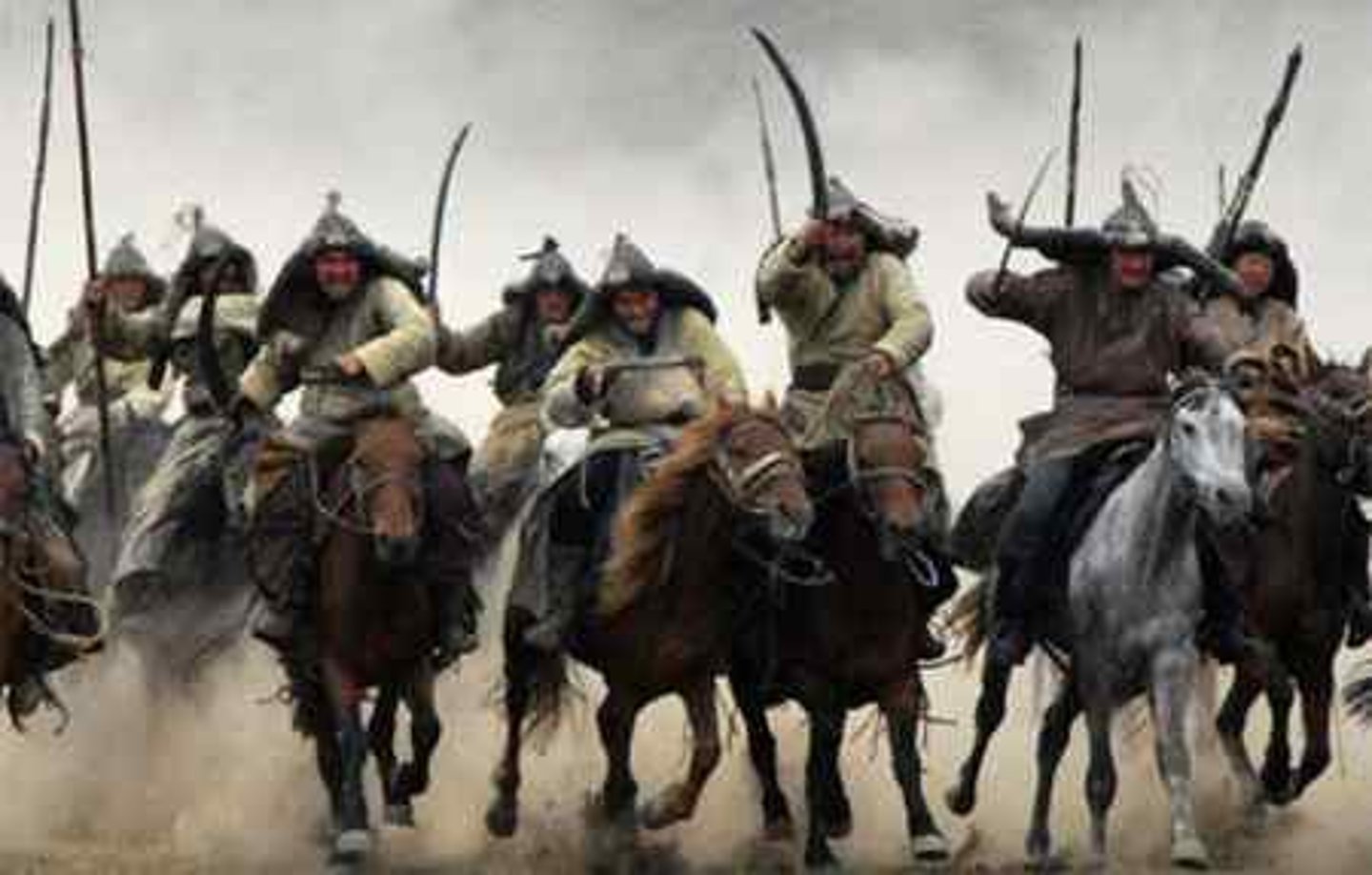
The Battle of Kulikovo was significant because:
This victory marked the beginning of the decline of the Mongol power in Russia. Rulers of the city-state of Moscow set aside $ to and began building an anti-Mongol coalition
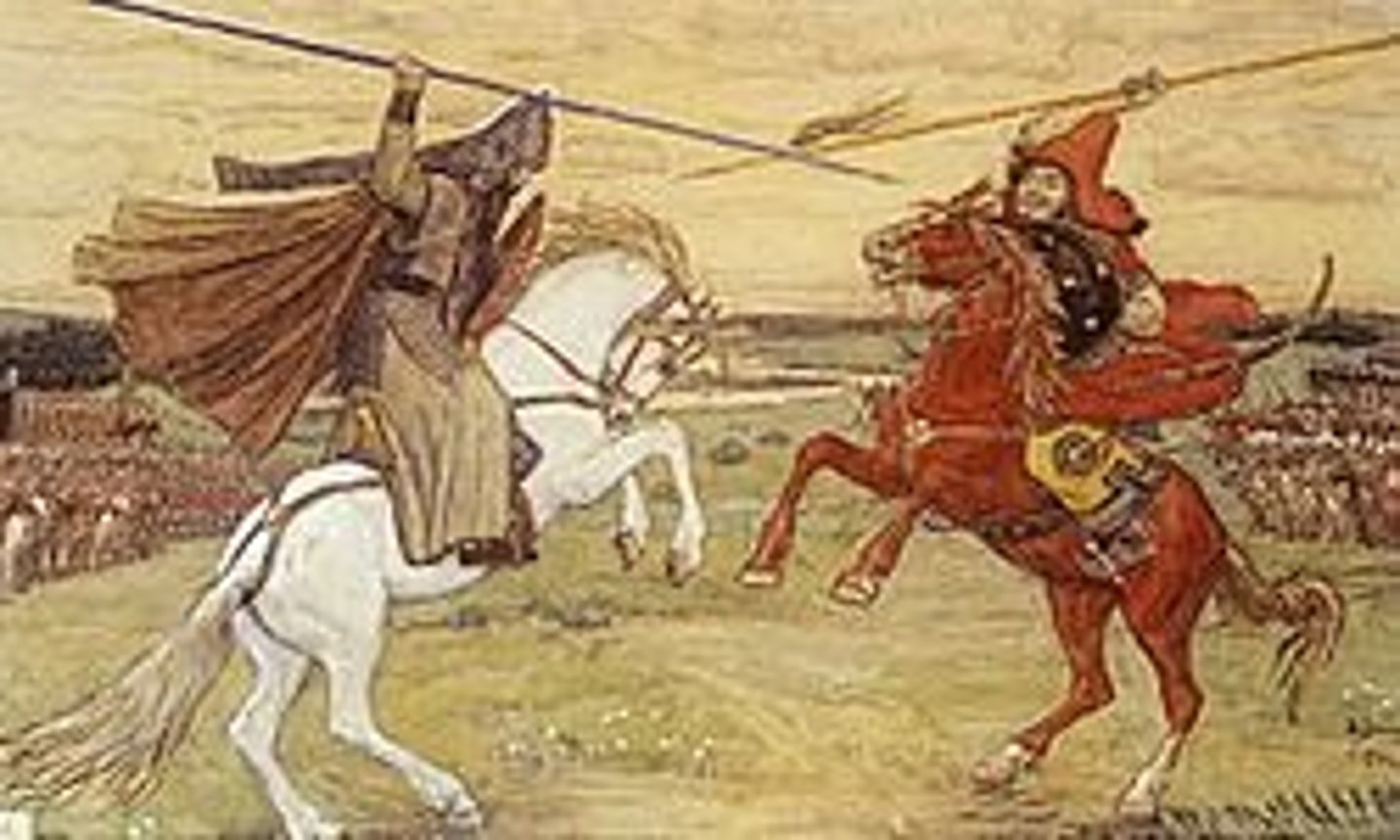
Effects of Mongol Rule on Russia
-Rise of serfdom
-New wealth and land for Moscow
-Russian isolation from Western European cultural trends, fostering suspicion of the West
Hulegu
Grandson of Chinggis Khan and ruler of Ilkhan khanate; captured and destroyed Abbasid Baghdad.
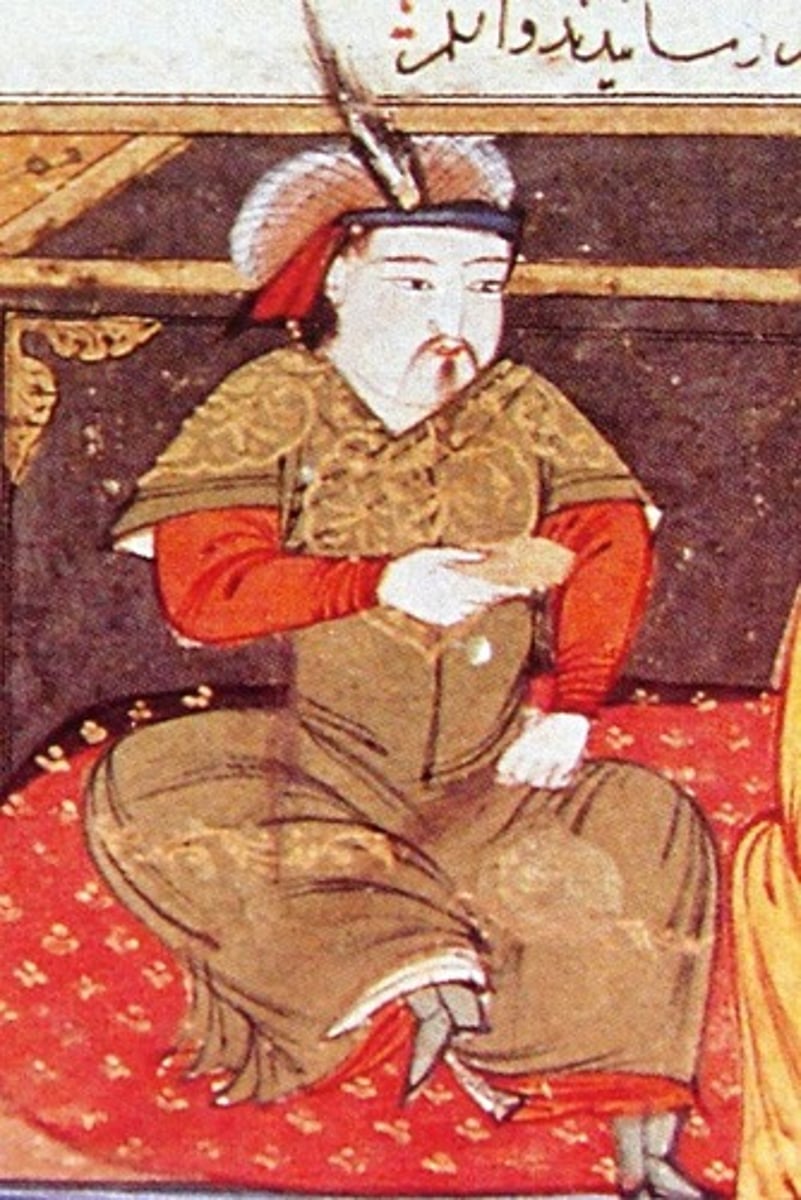
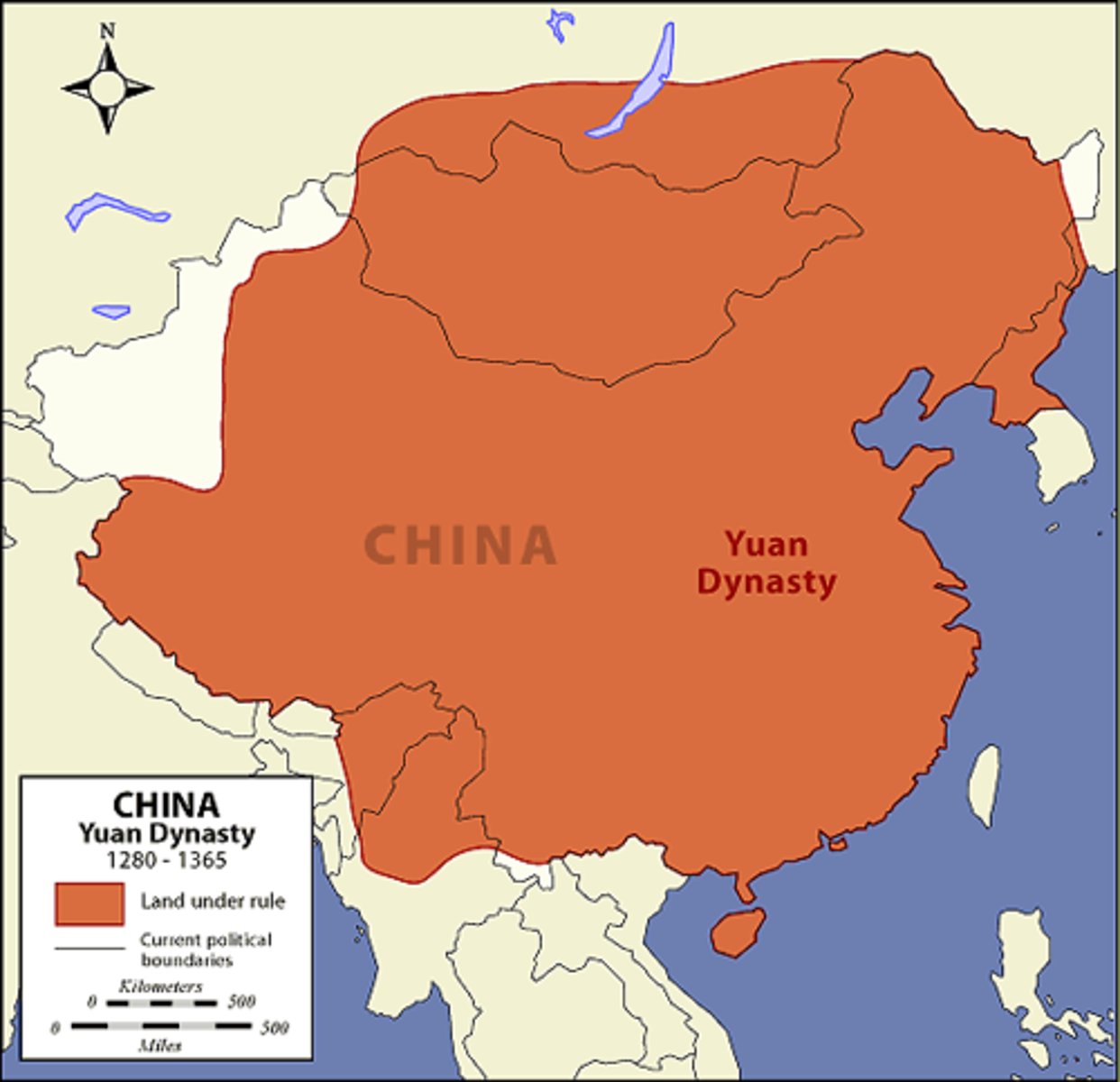
Yuan Dynasty
(1279-1368) Dynasty in China set up by the Mongols under the leadership of Kublai Khan, replaced the Song
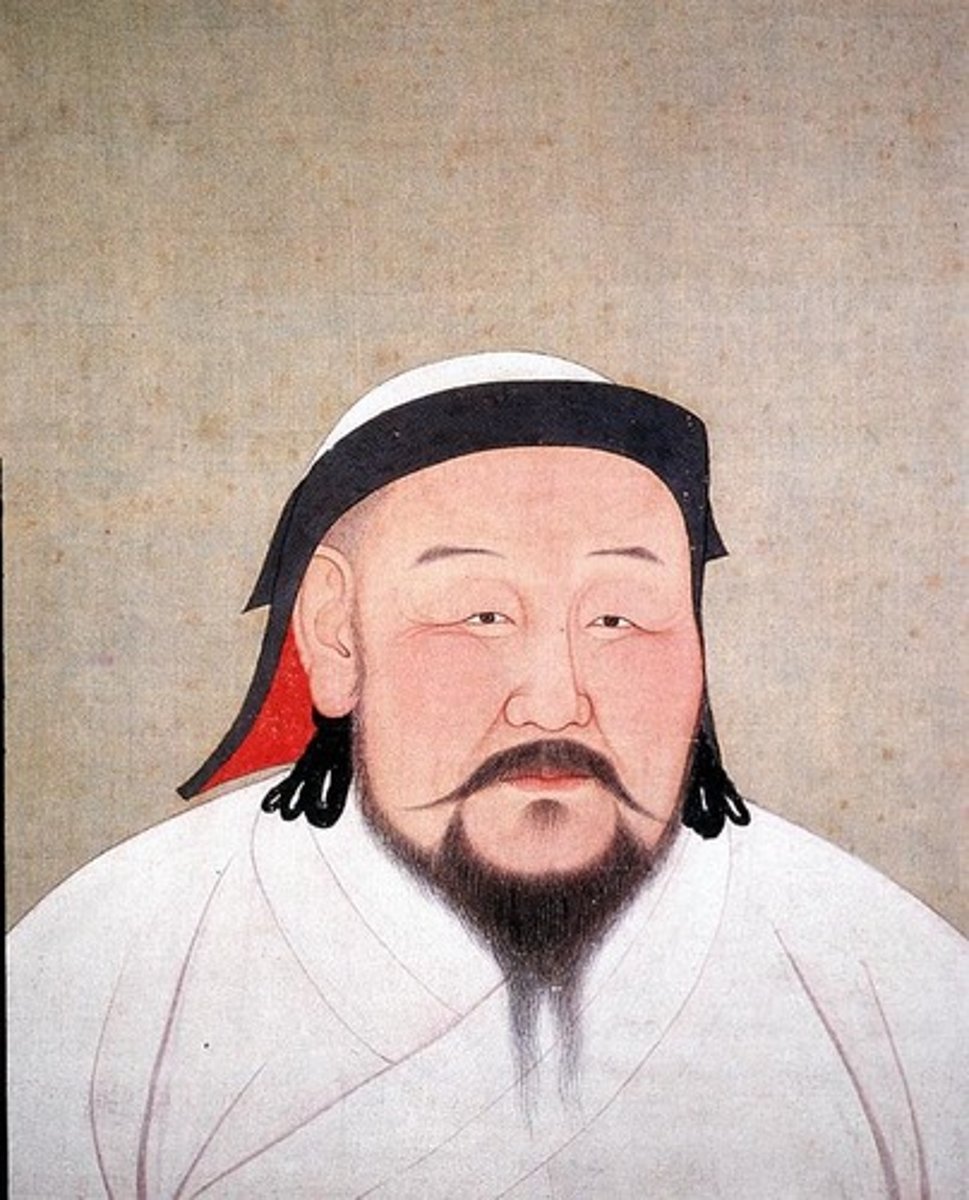
Kublai Khan
(1215-1294) Grandson of Genghis Khan and founder of the Mongol Yuan Dynasty in China.
White Lotus Society
Secret religious society dedicated to overthrow of Yuan dynasty in China

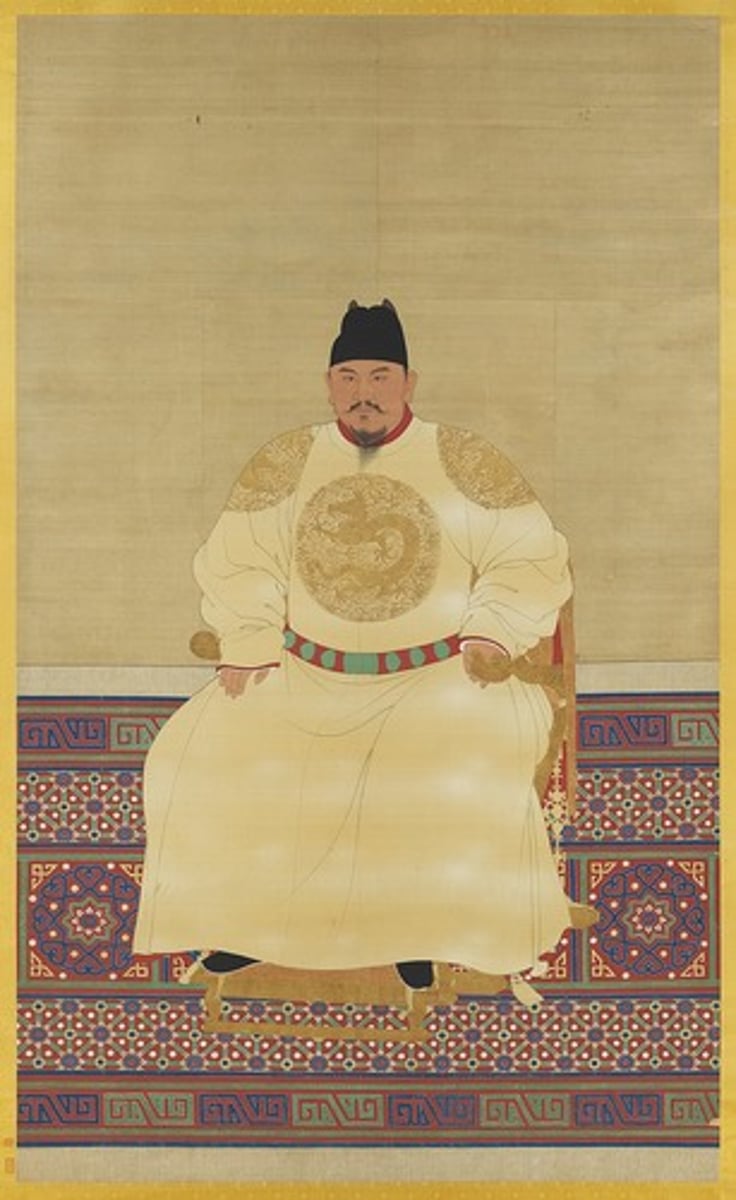
Zhu Yuanzhang
A former monk that led this army in a final victory over the Mongols, became emperor of China and founded the Ming Dynasty
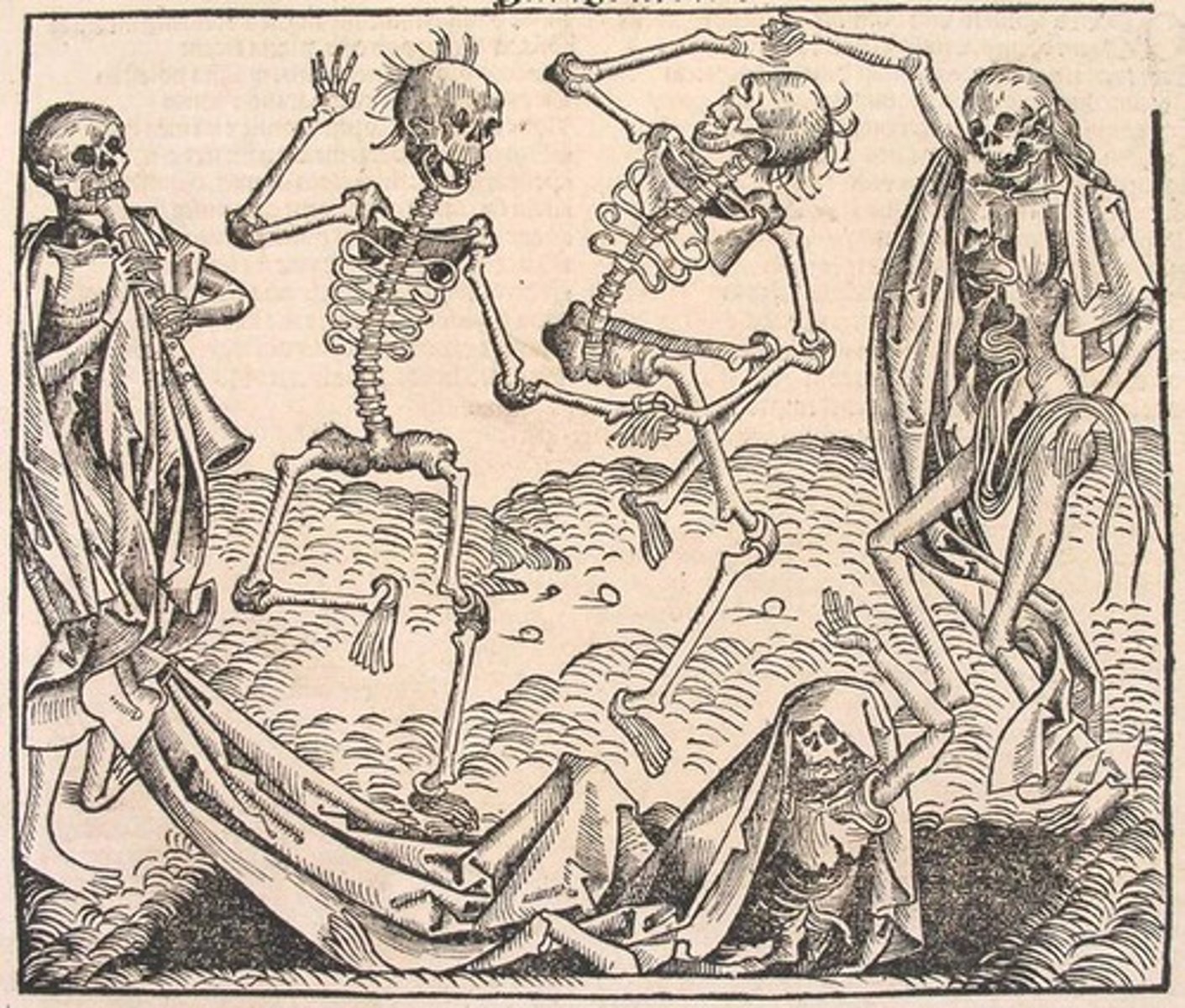
Bubonic Plague
Also called the Black Death; The deadly disease that spread through Asia and Europe along trade routes and killed more than a third of the people in parts of China and Europe.
cannon
A Mongol invention that used Chinese gunpowder, Muslim flamethrowers and European bell-casting technology with deadly consequences
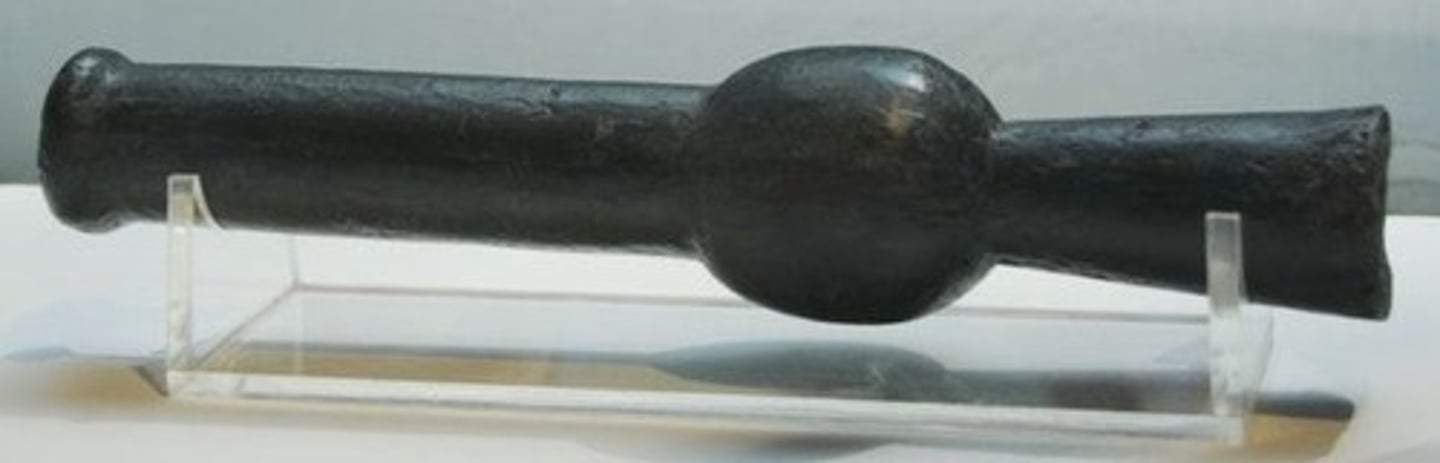
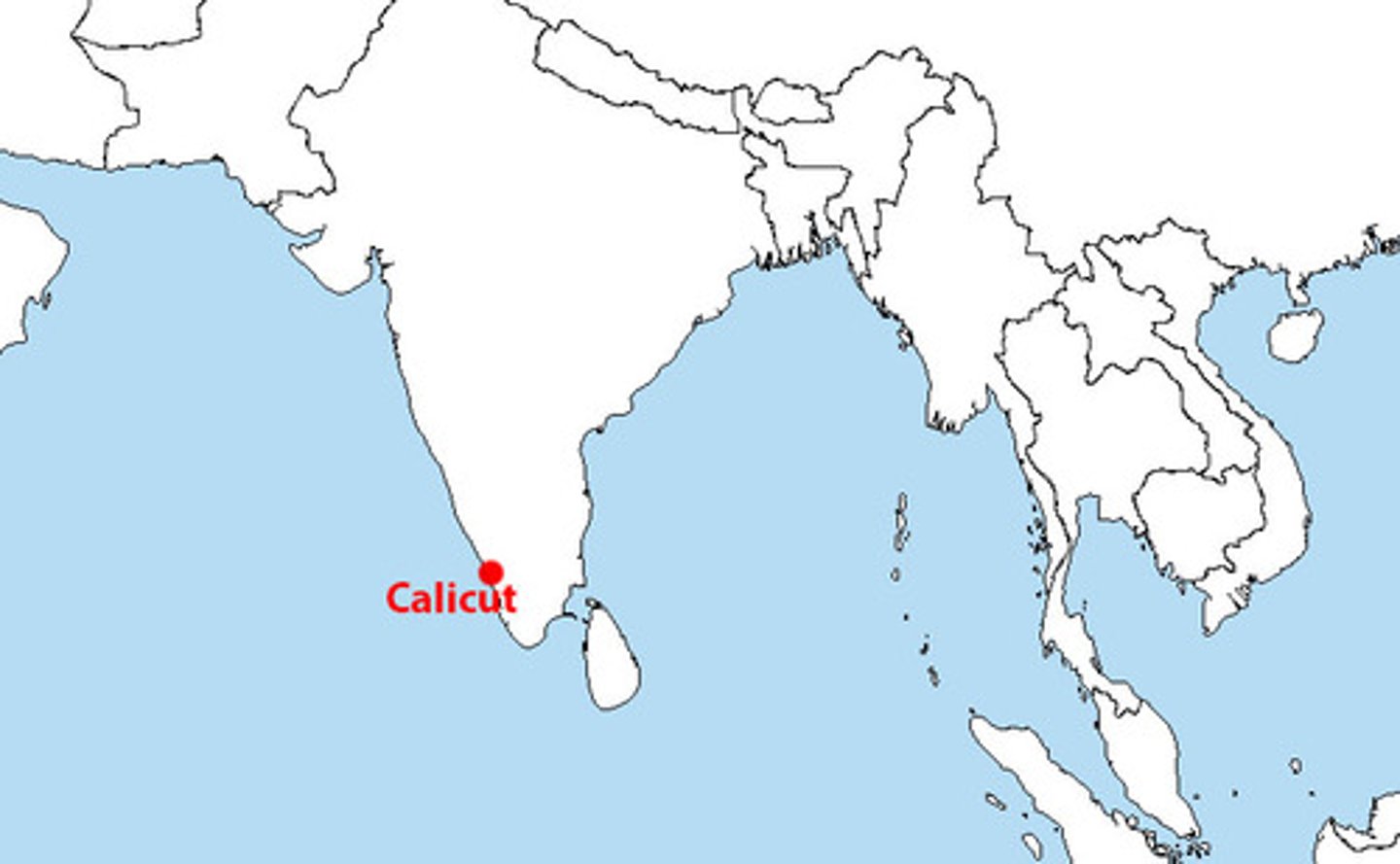
Calicut
Great spice port of India and bustling poet city where foreign merchants from China and Arabia exchanged goods from East to West, bring the city great wealth and prominence in the Indian Ocean Trade
Spice Islands
Modern-day Malaysia and Indonesia. Known for nutmeg, cinnamon, cloves and cardamon. Popular goods traded along the Indian Ocean Trade routes
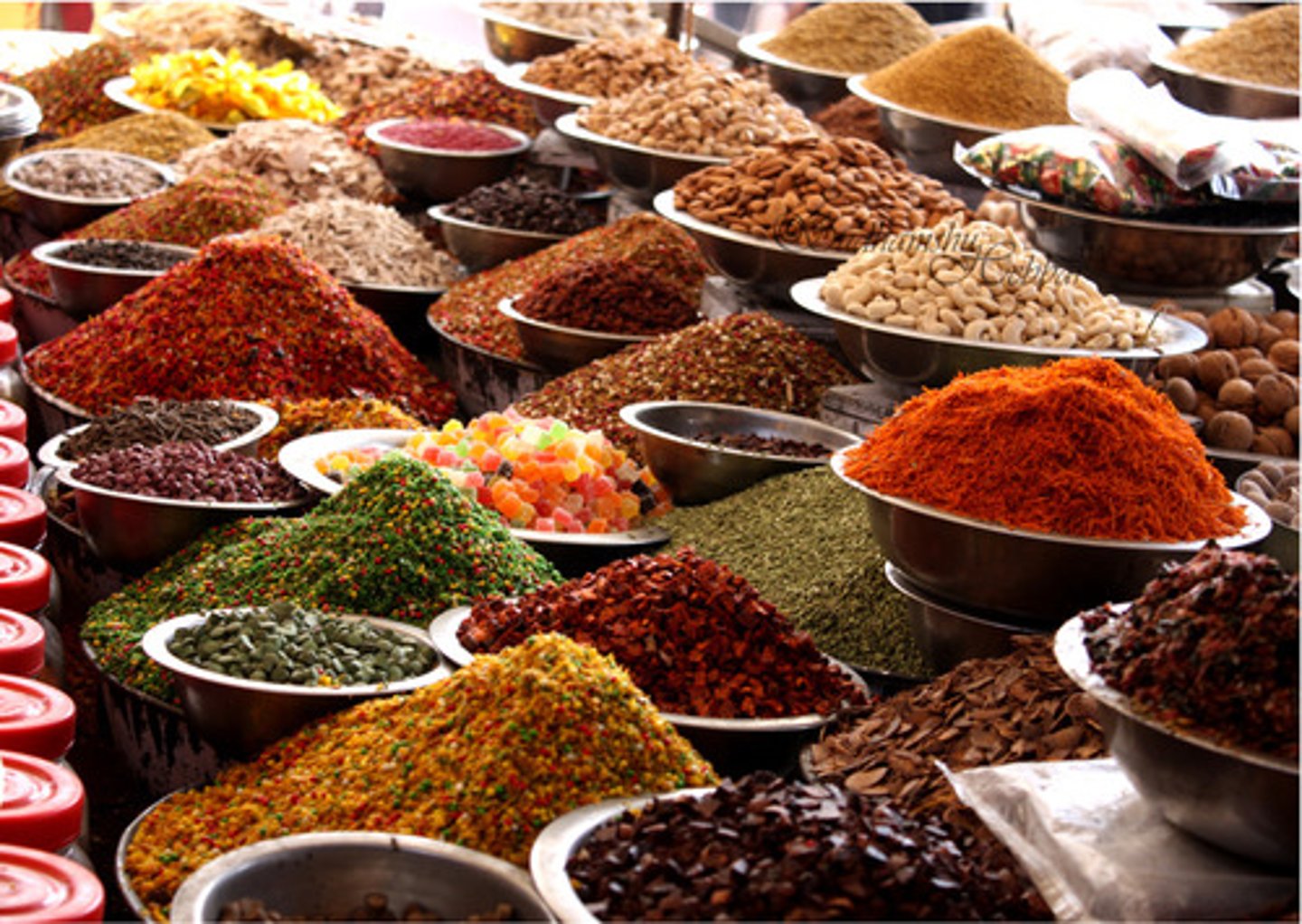
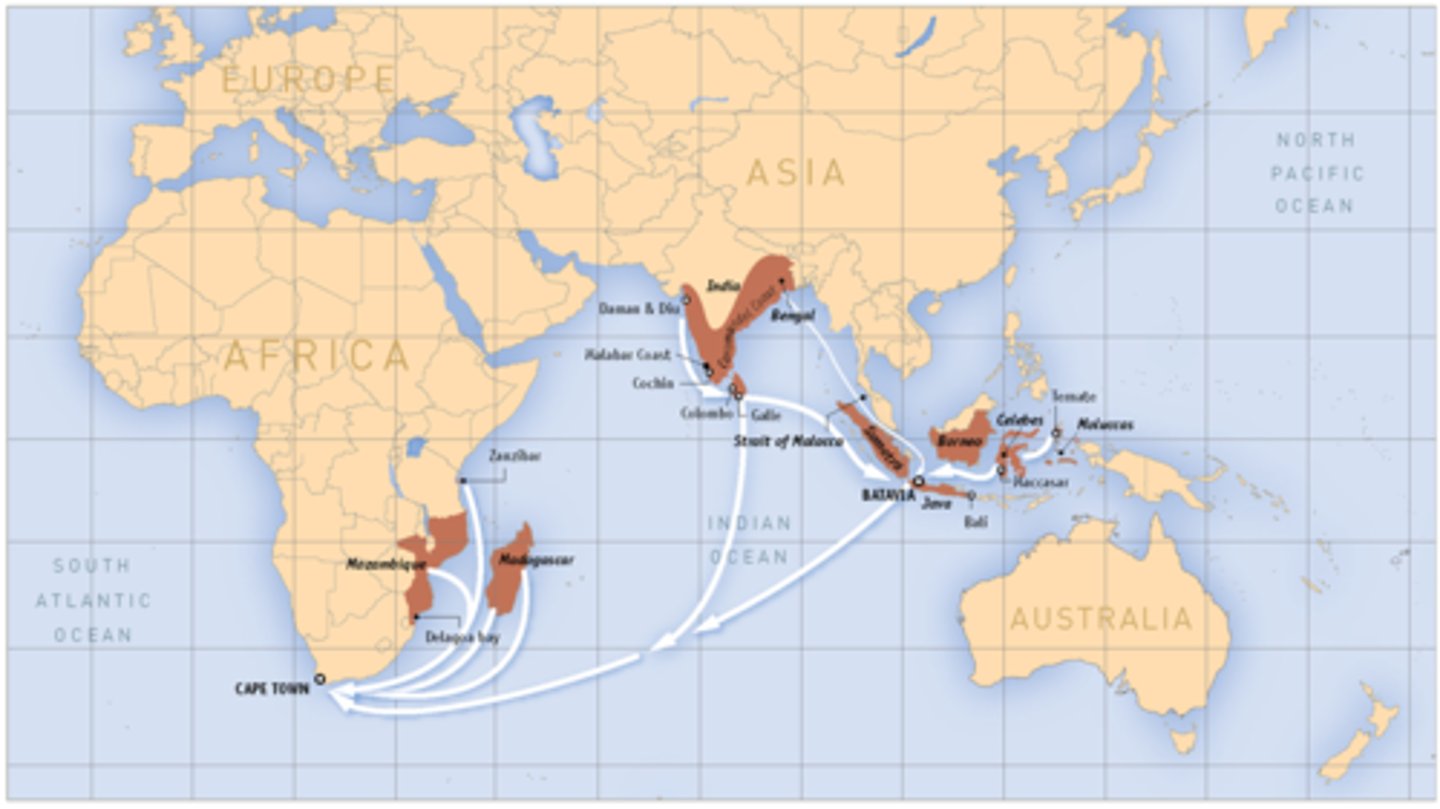
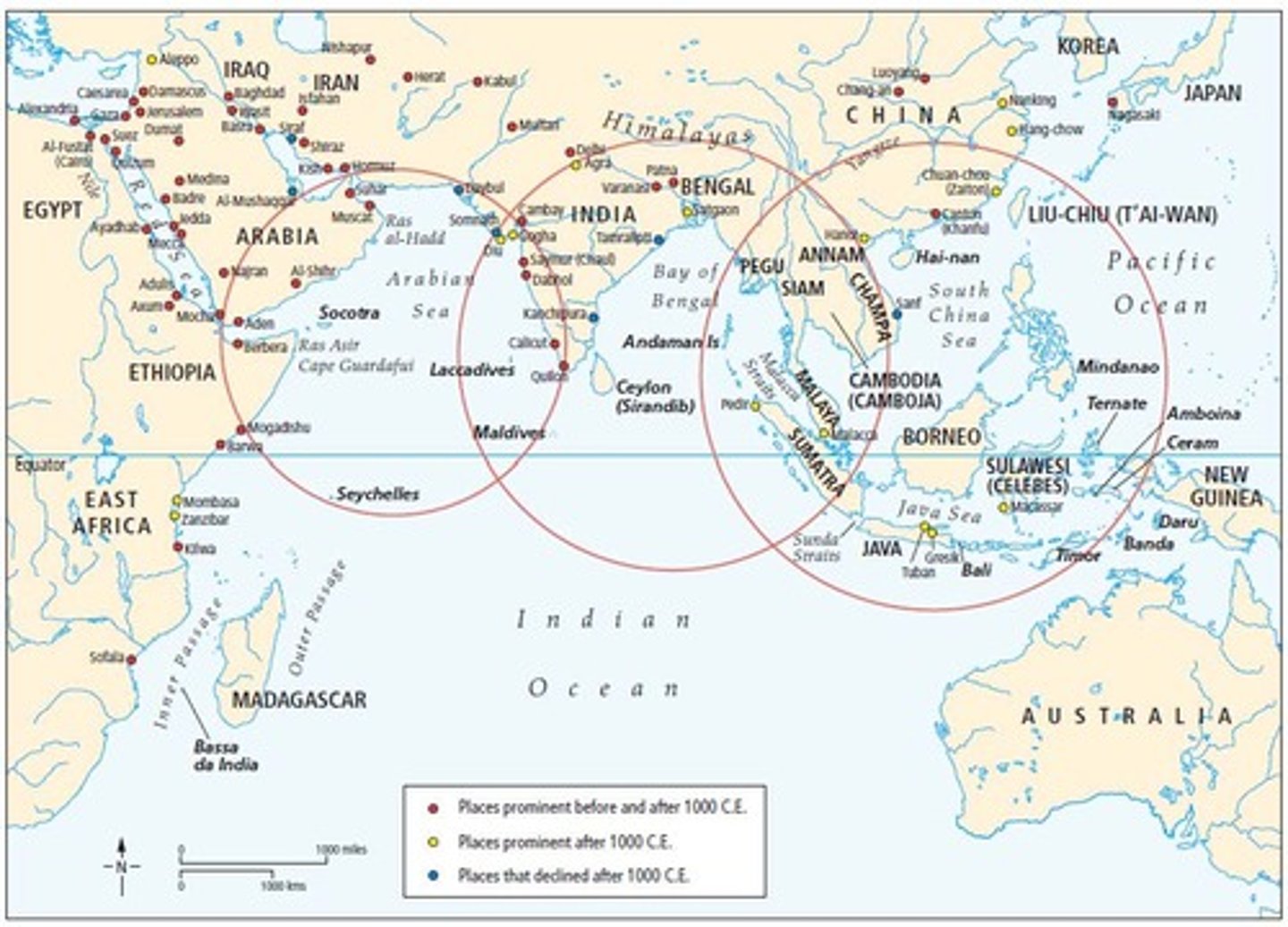
Goods traded along the Indian Ocean Trade Routes
Spice (pepper, nutmeg cinnamon etc...), cotton, steel, tanned leather, Slaves ivory, gold, fine porcelain aka Fine China, Figs, dates, horses
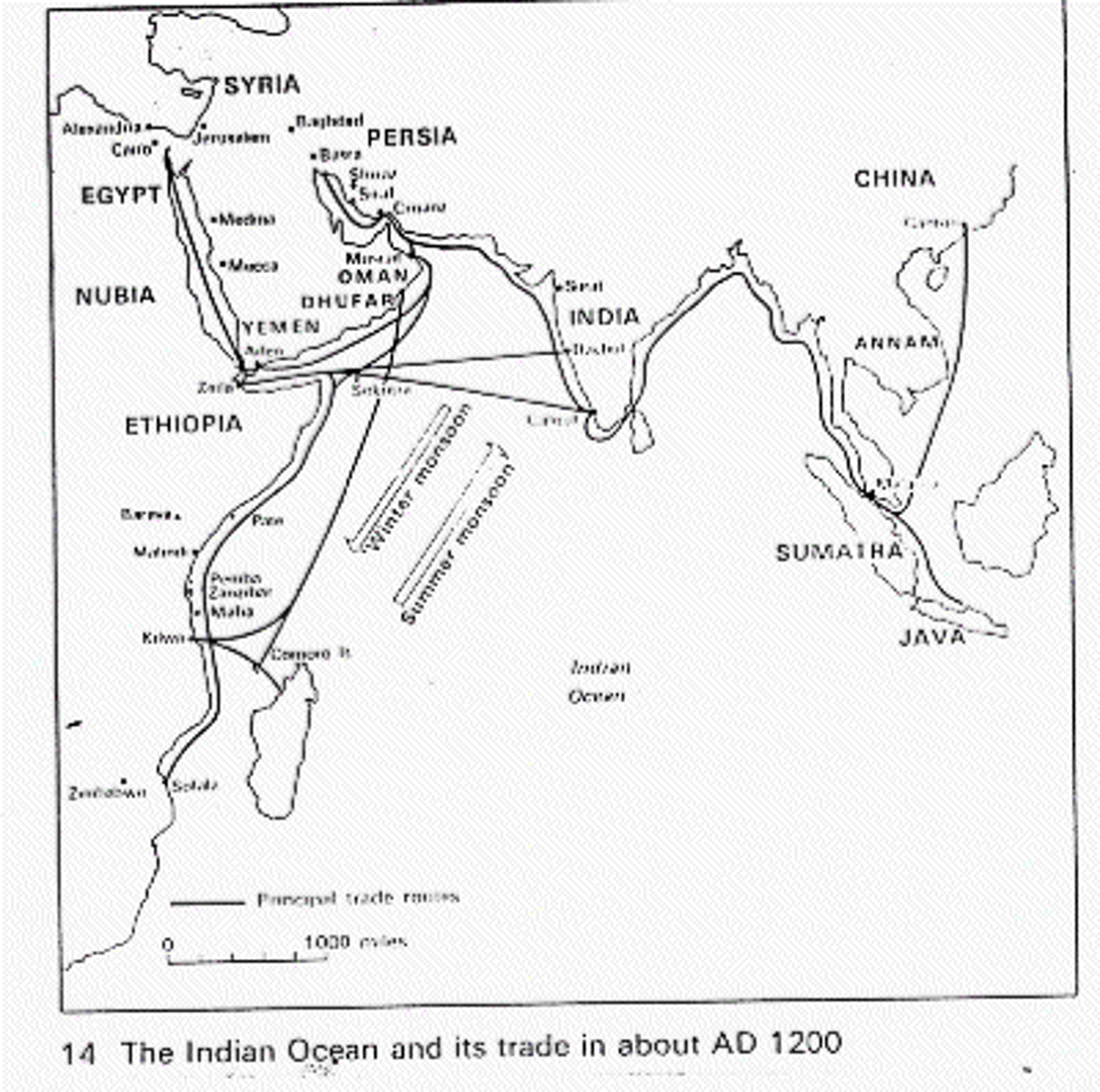
Indian Ocean Slave Trade
E. Africa -> Middle East & India/ Diffusion of African words, music styles and customs can be found in the areas around the basin as the result of the Slave Trade
monsoon winds
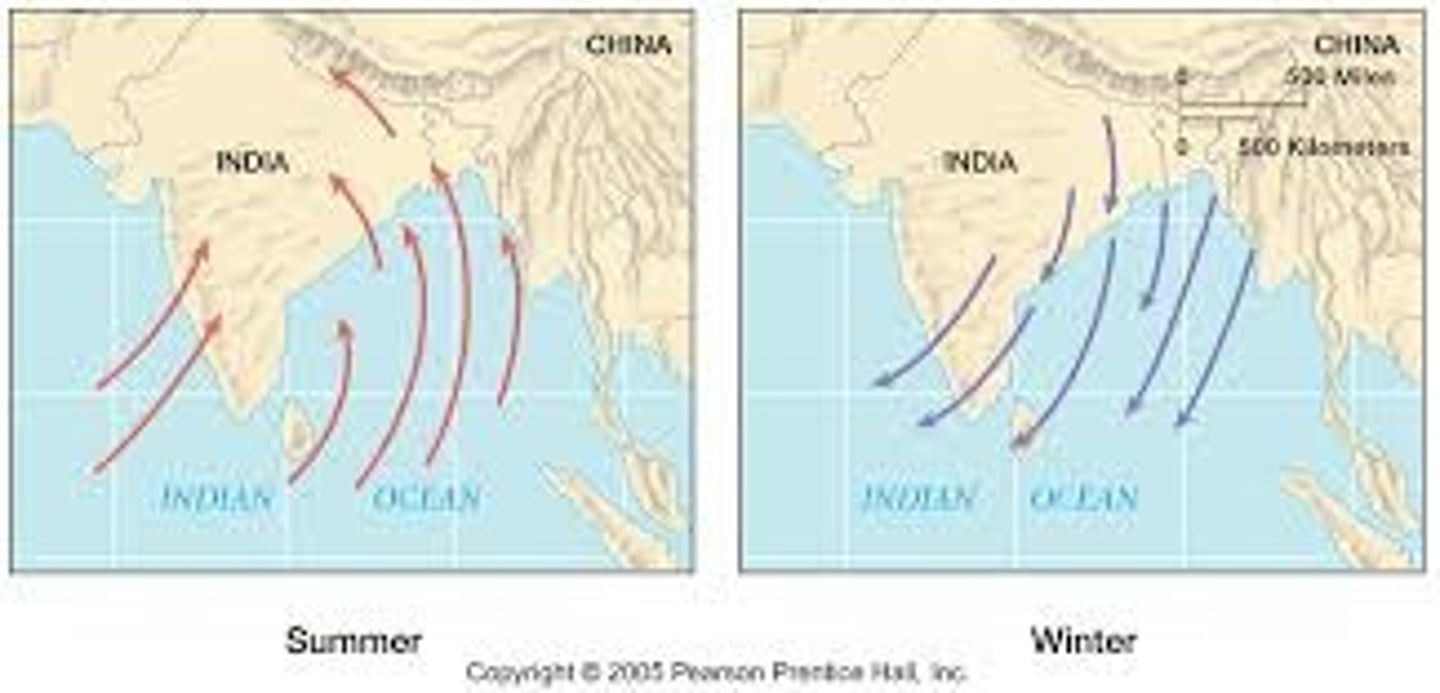
The seasonal wind of the Indian Ocean and southern Asia, blowing from the southwest in summer and from the northeast in winter. Essential for trade, merchants could time their voyages when favorable winds came their way
Lateen Sail
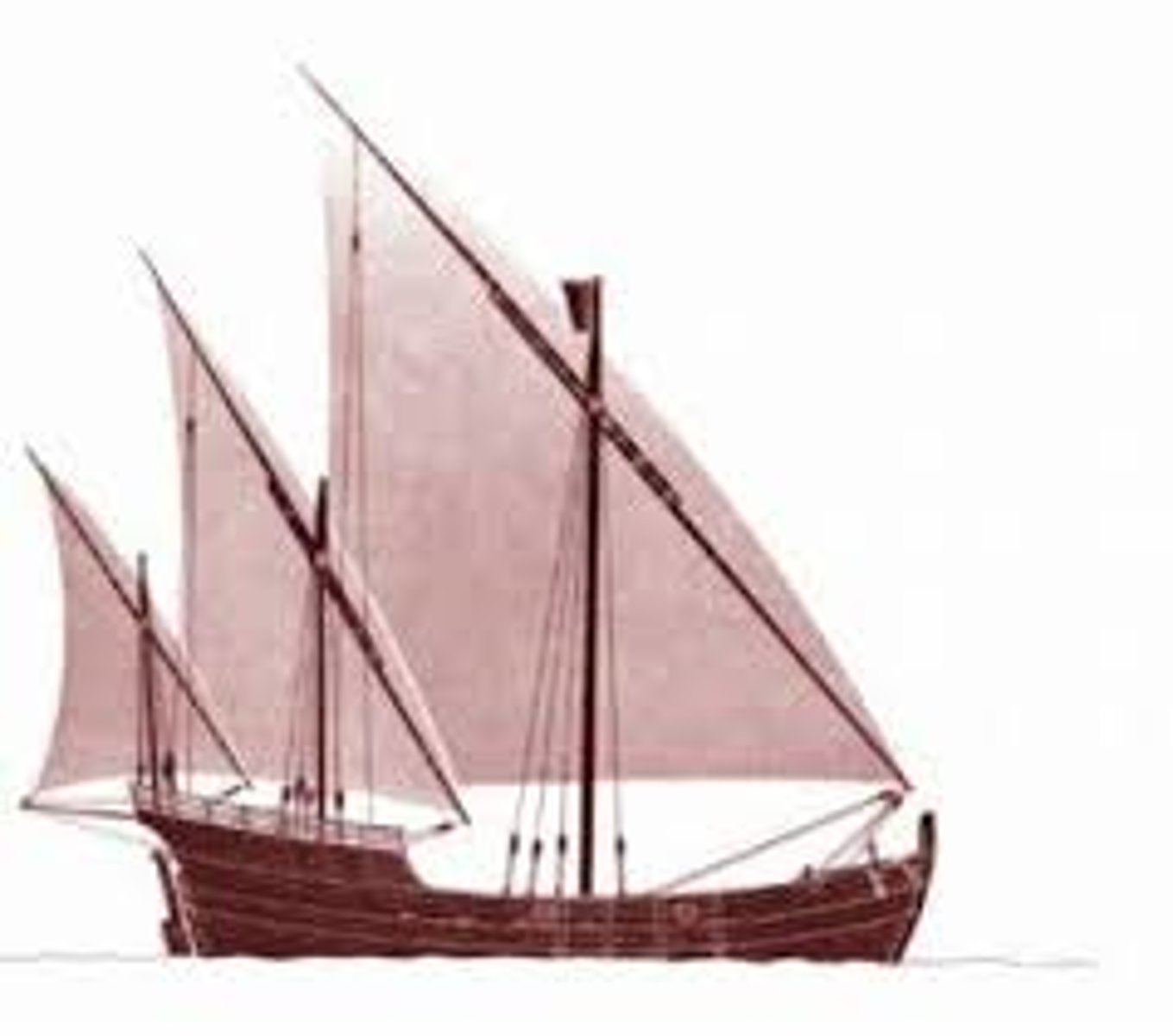
Triangular sail that was developed in Indian Ocean trade that allowed a ship to sail against the wind.
Stern Rudder
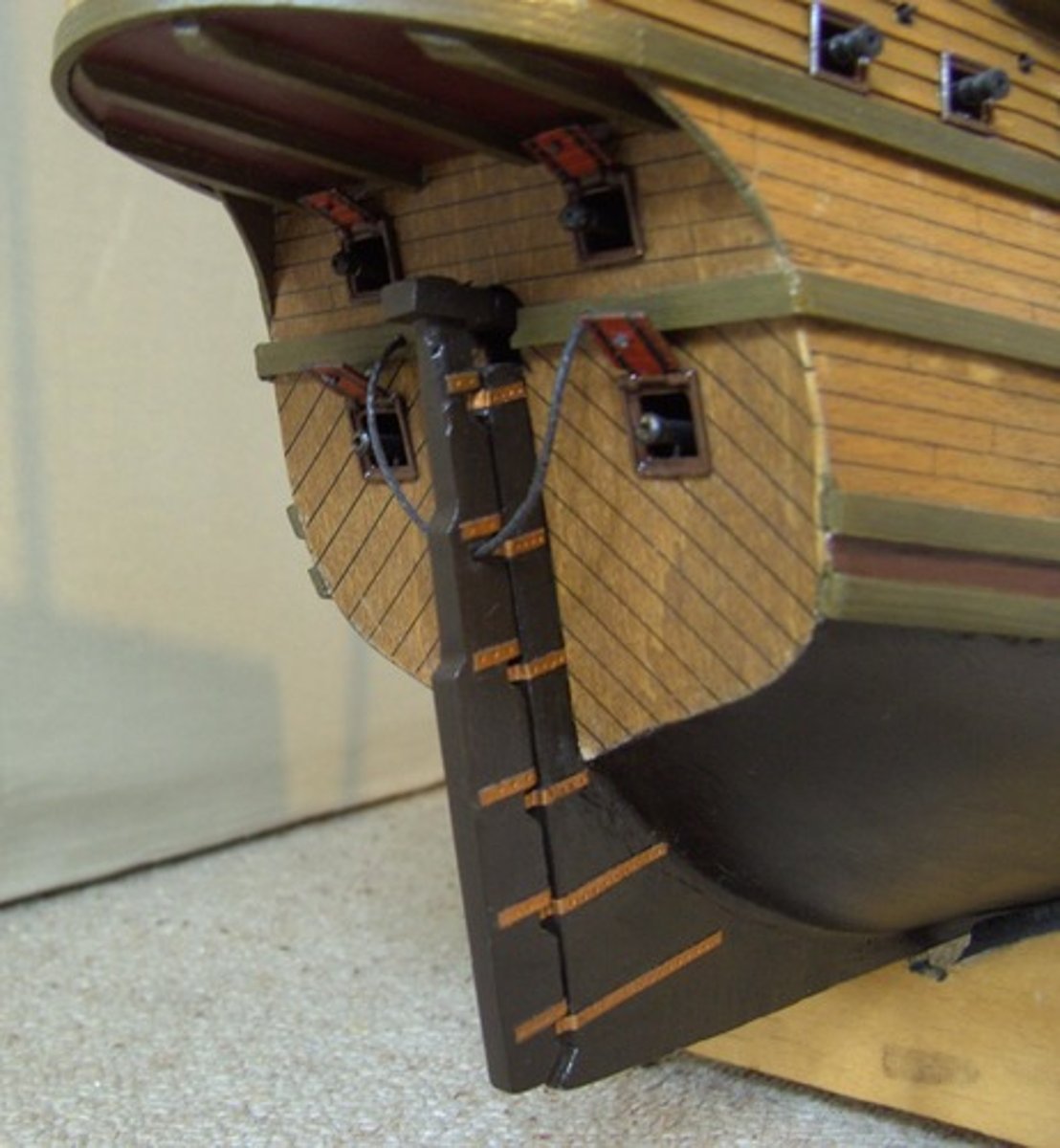
developed by the Chinese, it gave ships more stability and maneuverability
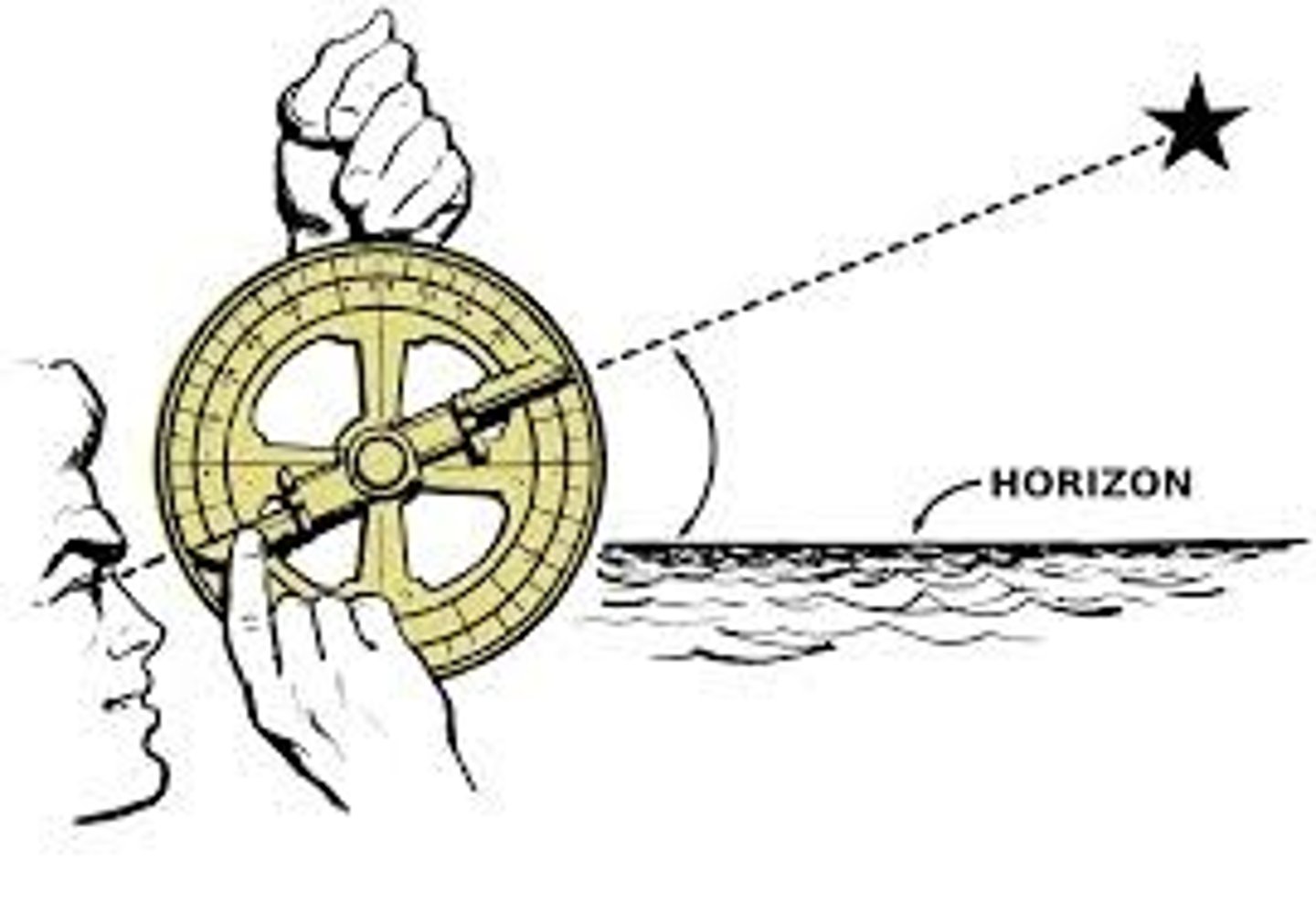
Astrolabe
An instrument that allowed sailors to determine how far north or south they were from the equator
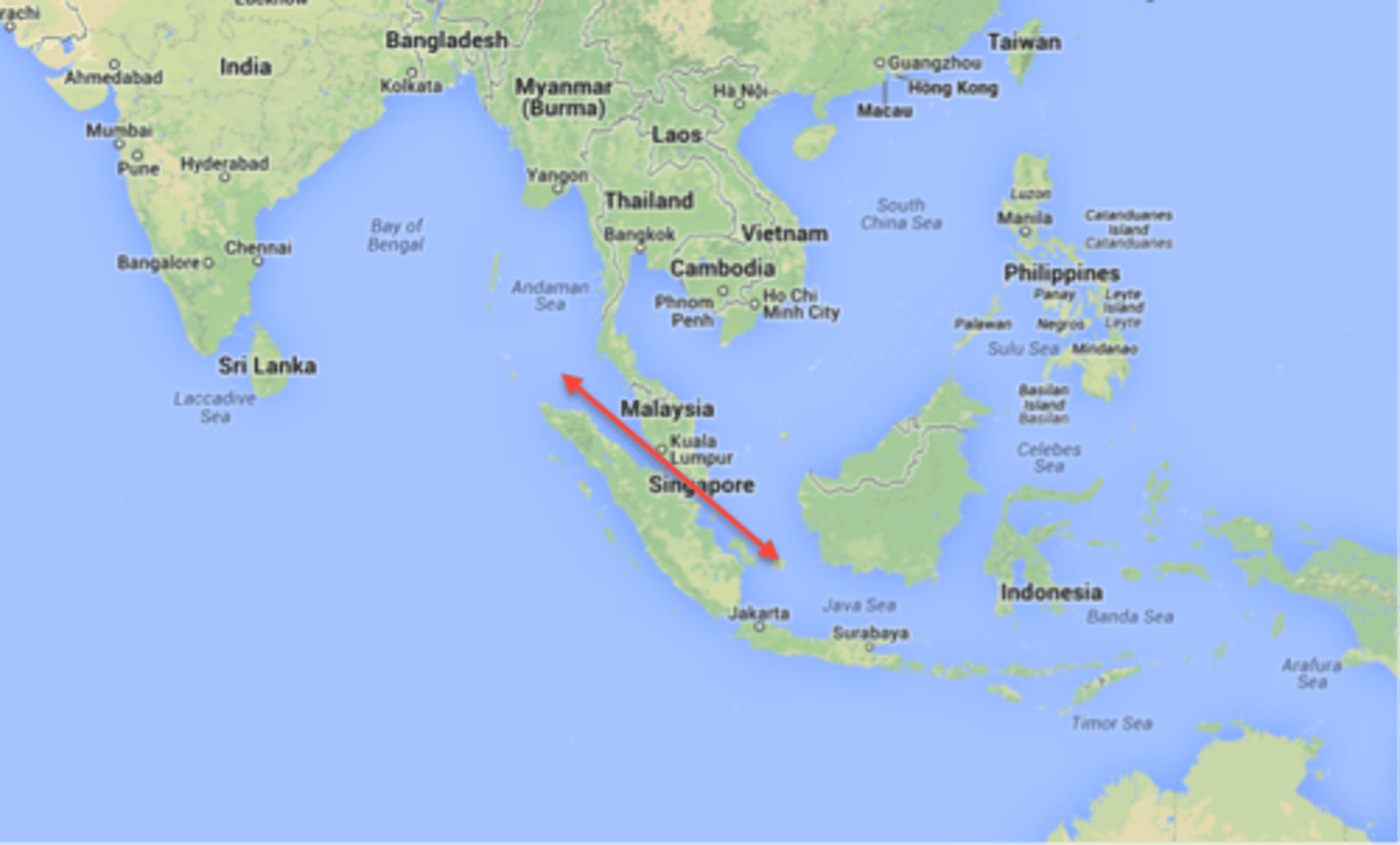
Malacca
A Flourishing trading city in Malaya. It had a highly strategic position for international trade . Built a navy and imposed fees on ships that passed through the Strait of Malacca
Diaspora
A dispersion of people from their homeland where they introduce new culture and technology into new communities (for example Islam to Indonesia)
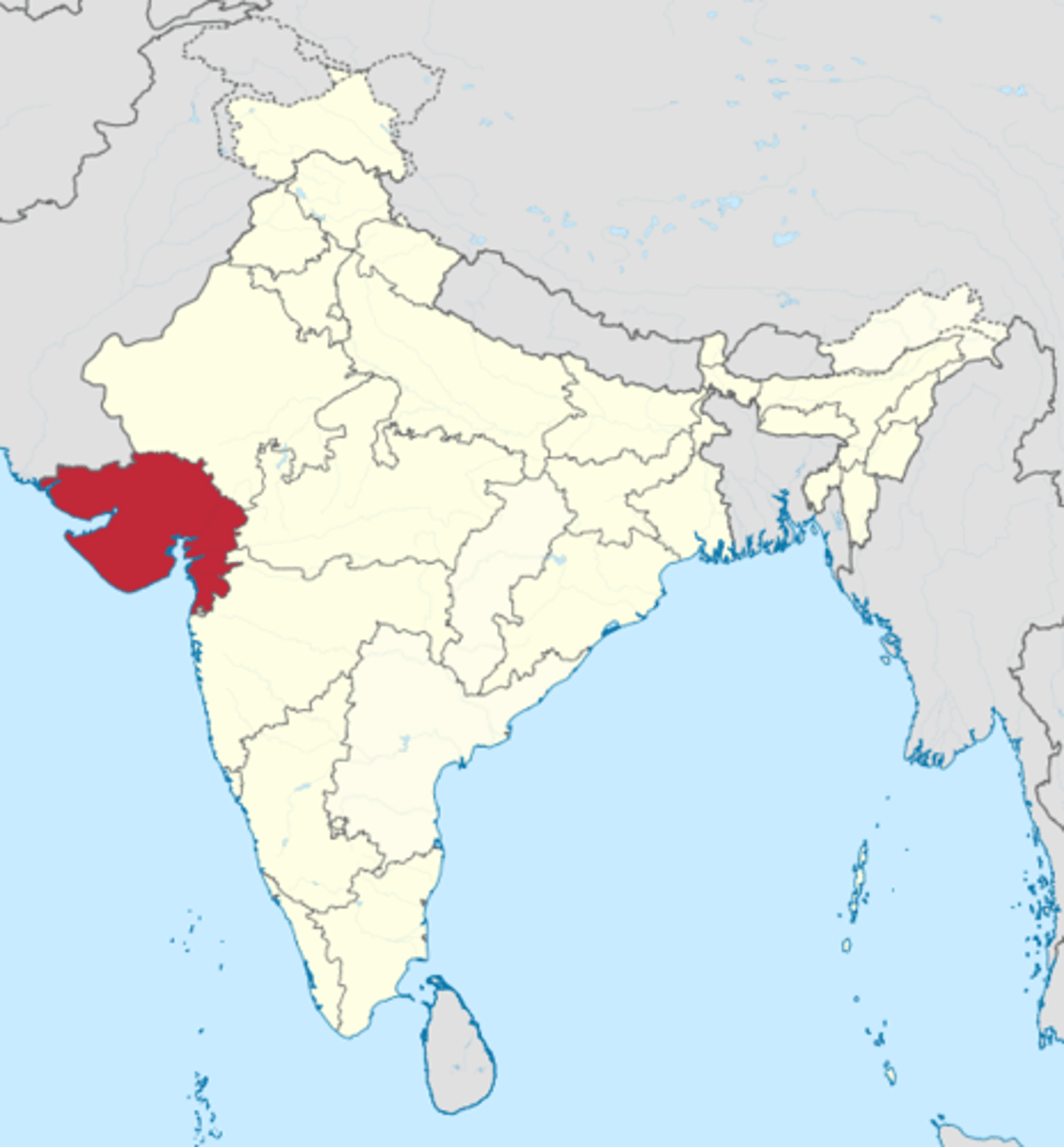
Gujarat
Region of western India famous for trade and manufacturing. Revenue form customs made it very wealthy
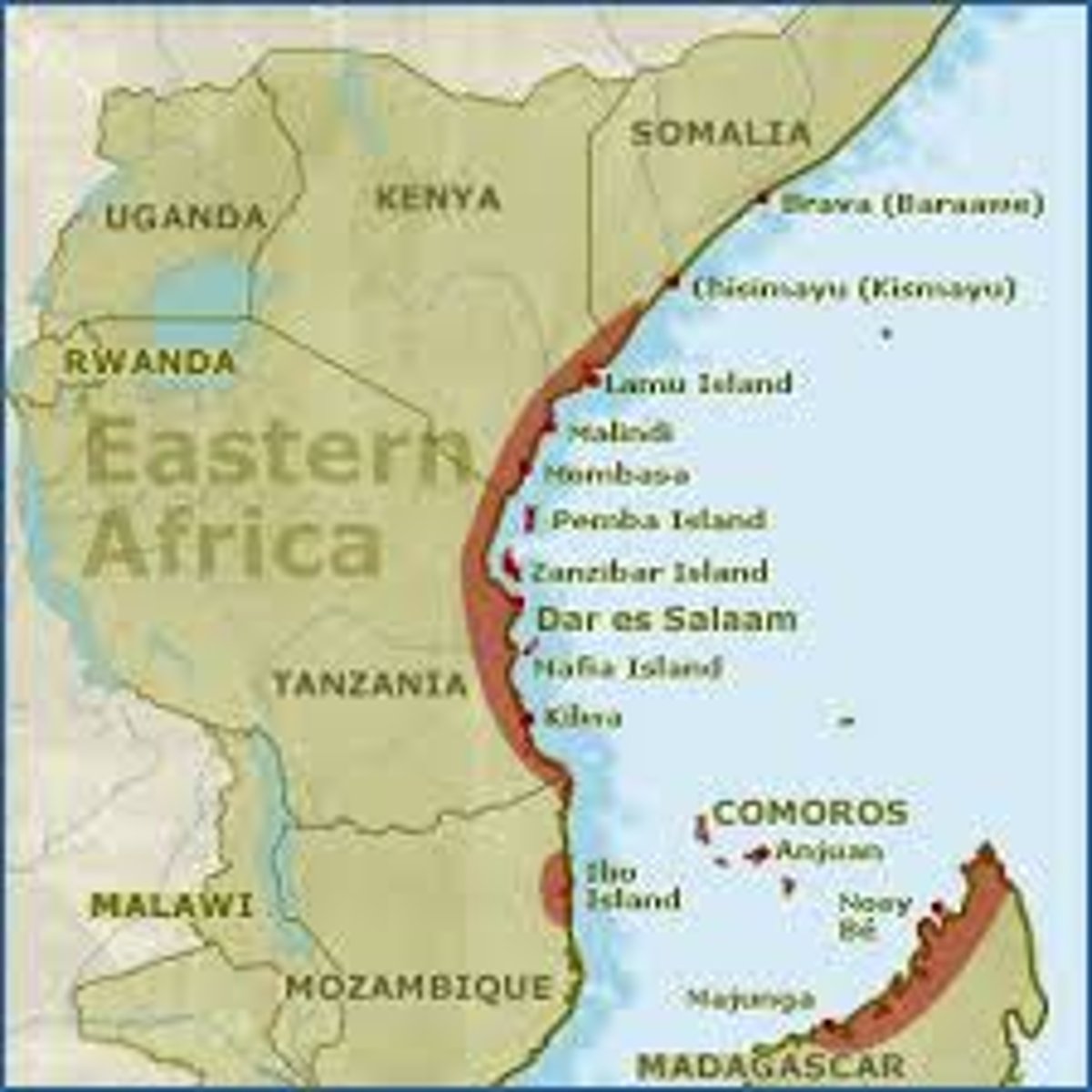
Swahili City-States
Trade centers on East African coast (Zanj) where goods such as gold, ivory, slaves, tortoise shells, peacock feathers and rhinoceros horns were traded for Chinese porcelain, Indian cotton and Iron.
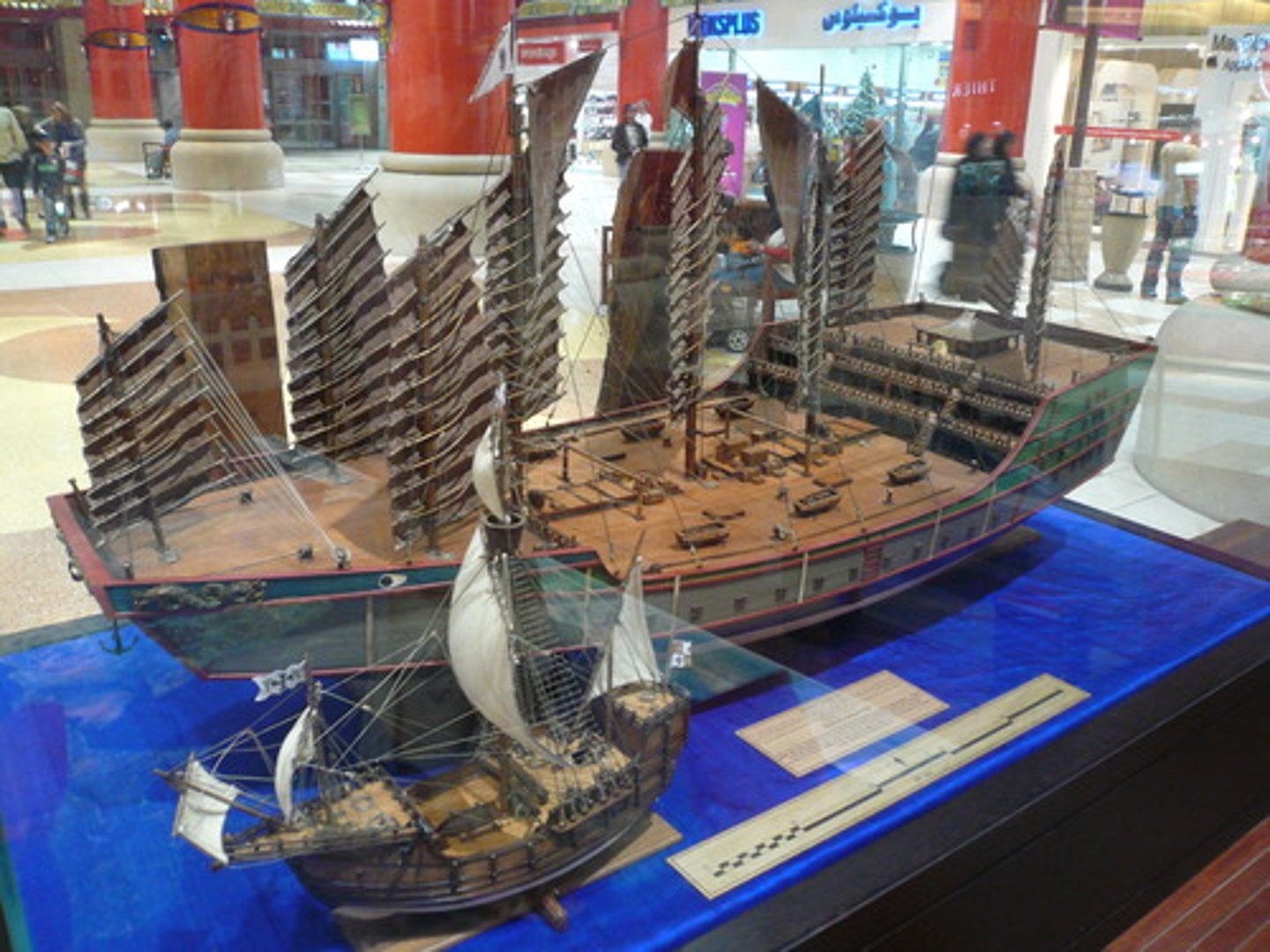
Zheng He (1371-1433)
An imperial eunuch and Muslim, entrusted by the Ming emperor Yongle with a series of state voyages that took his gigantic ships through the Indian Ocean, from Southeast Asia to Africa and opened up markets for Chinese goods
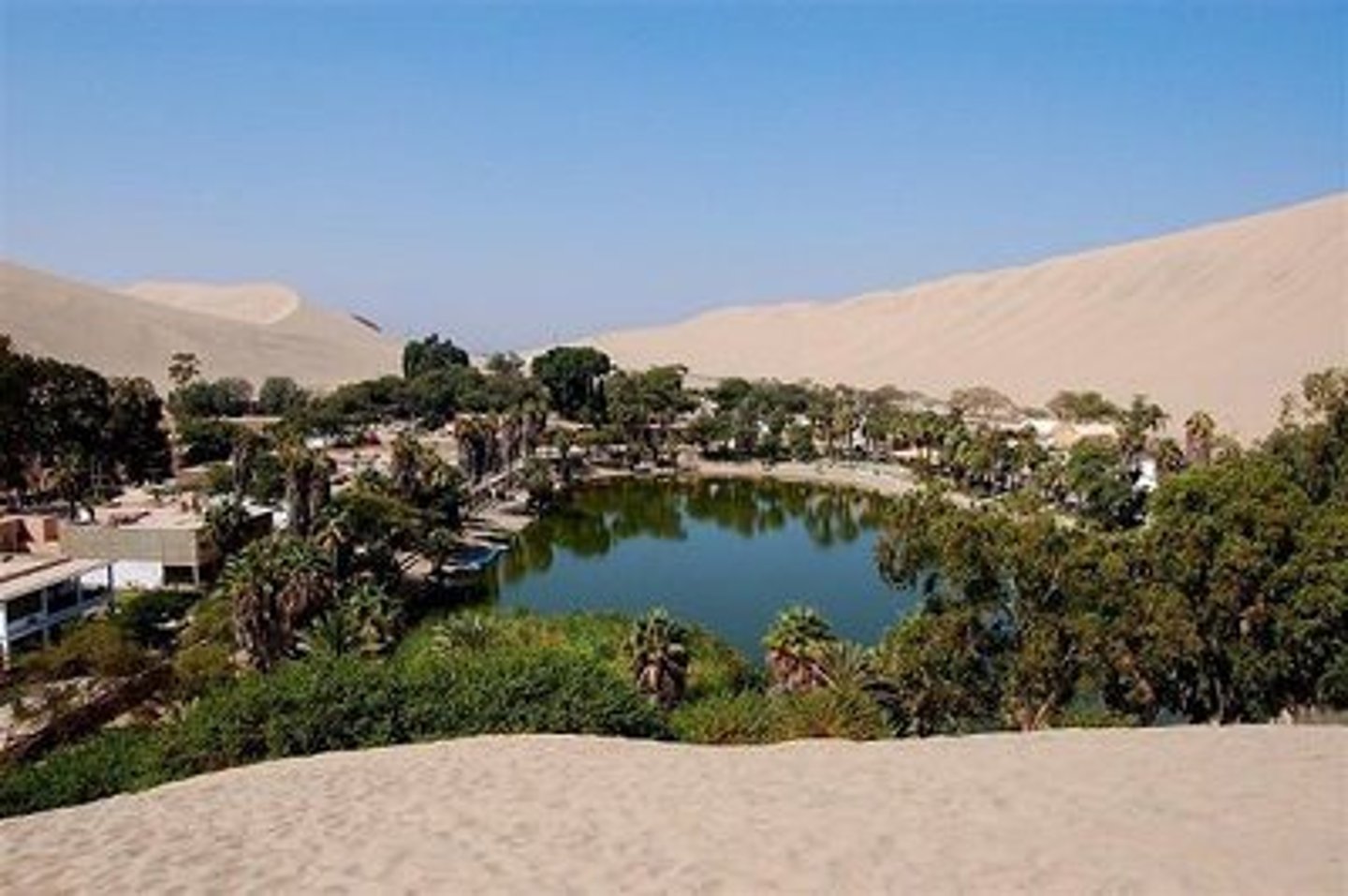
Oases/Oasis
a place where water can be found in a desert making human settlement possible
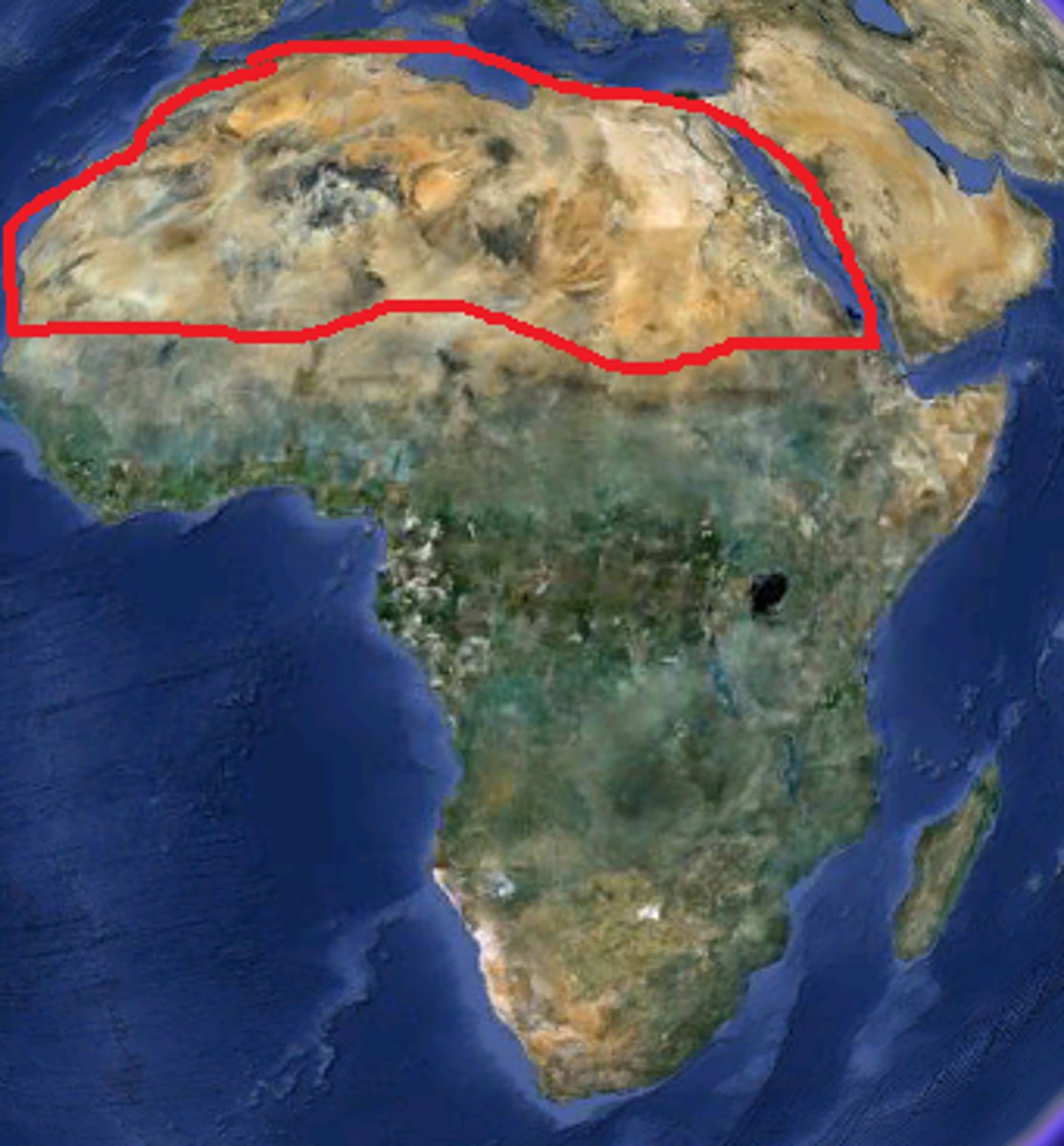
Saraha Desert
Hot dry desert in North Africa. Sparsely populated. Merchants used caravans to traverse this desert.
Camels
Pack animals that made cross-Sahara caravans possible
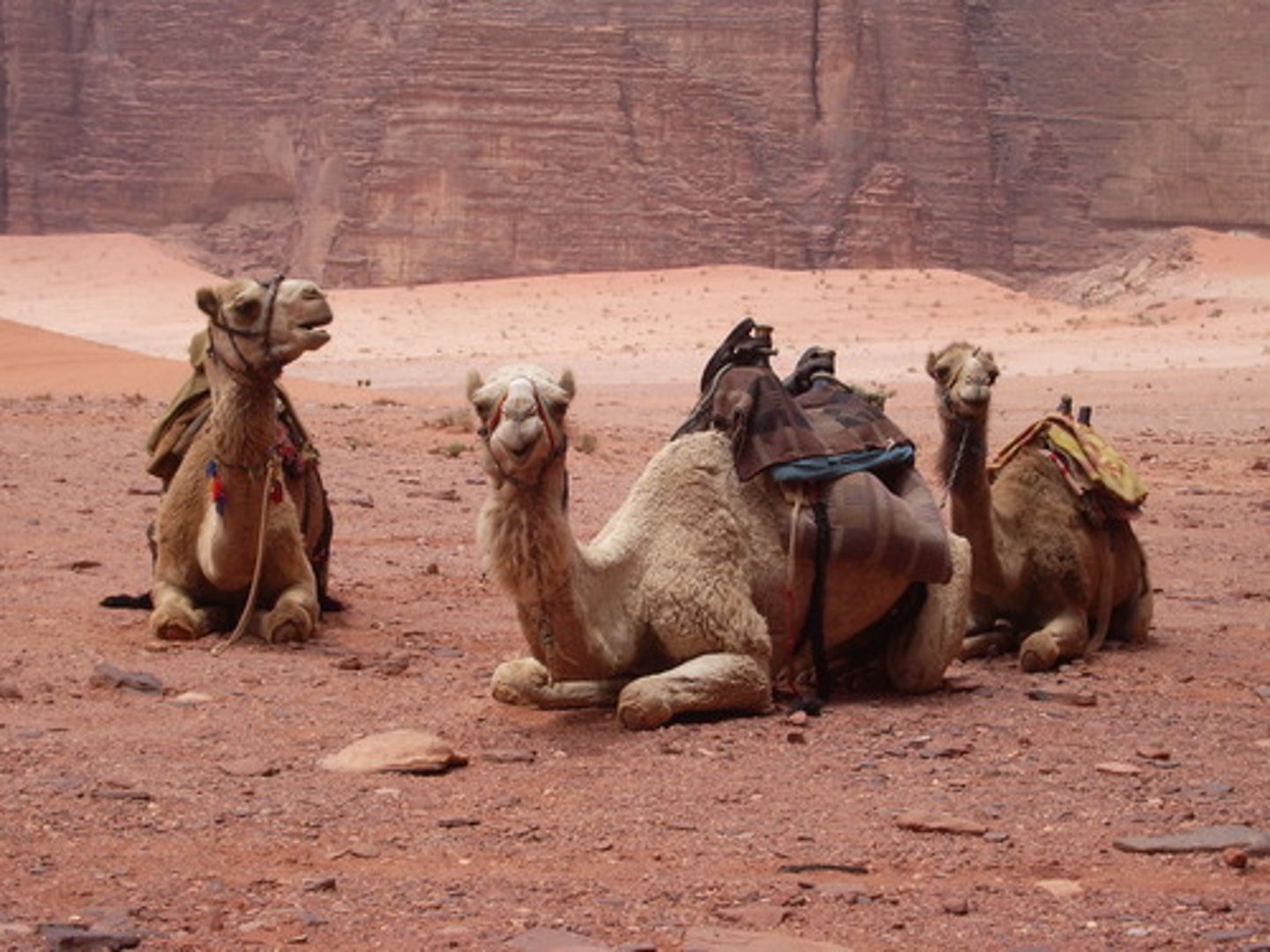
Camel saddles
developed to carry people and heavy loads, increasing trade
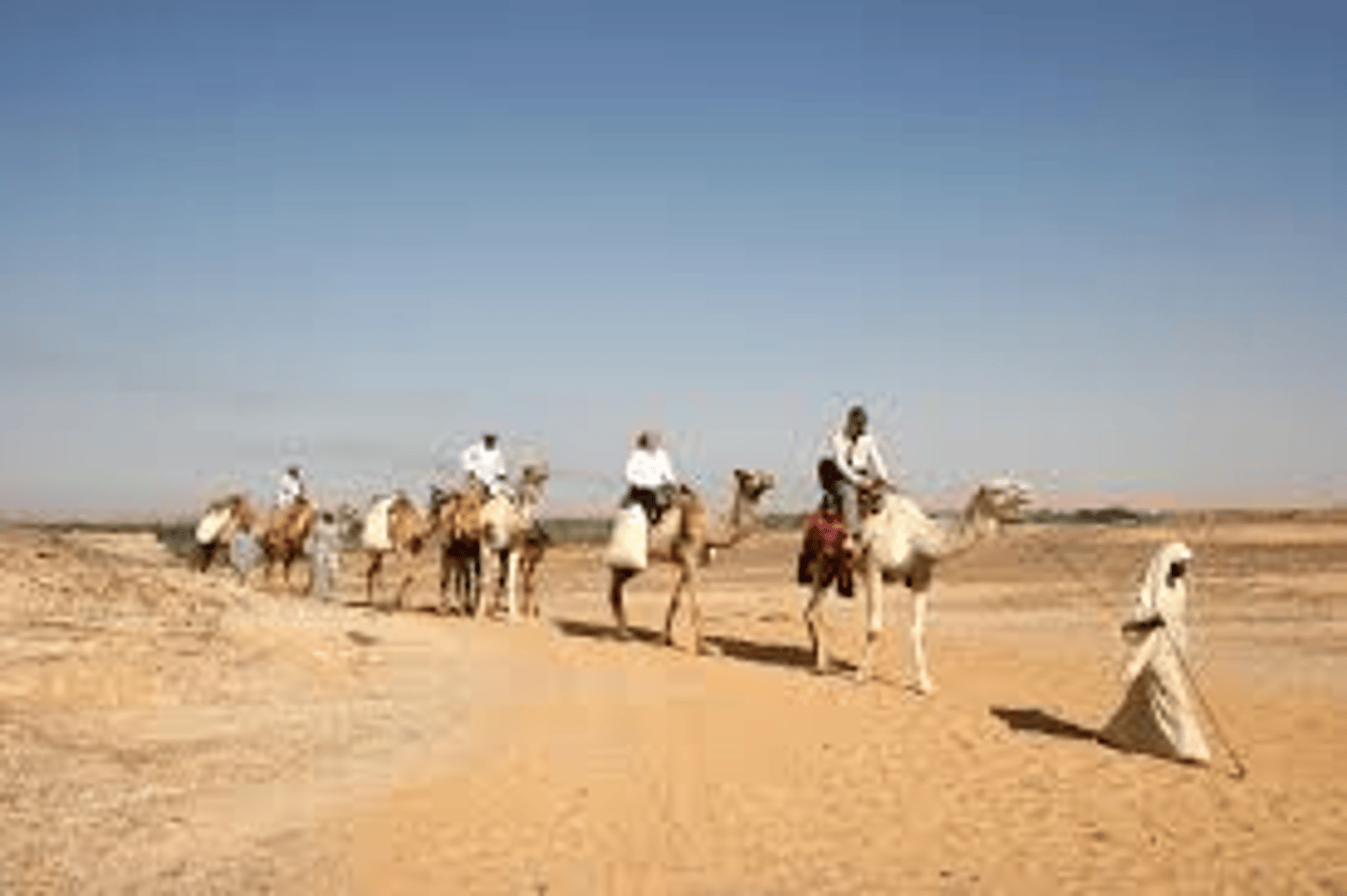
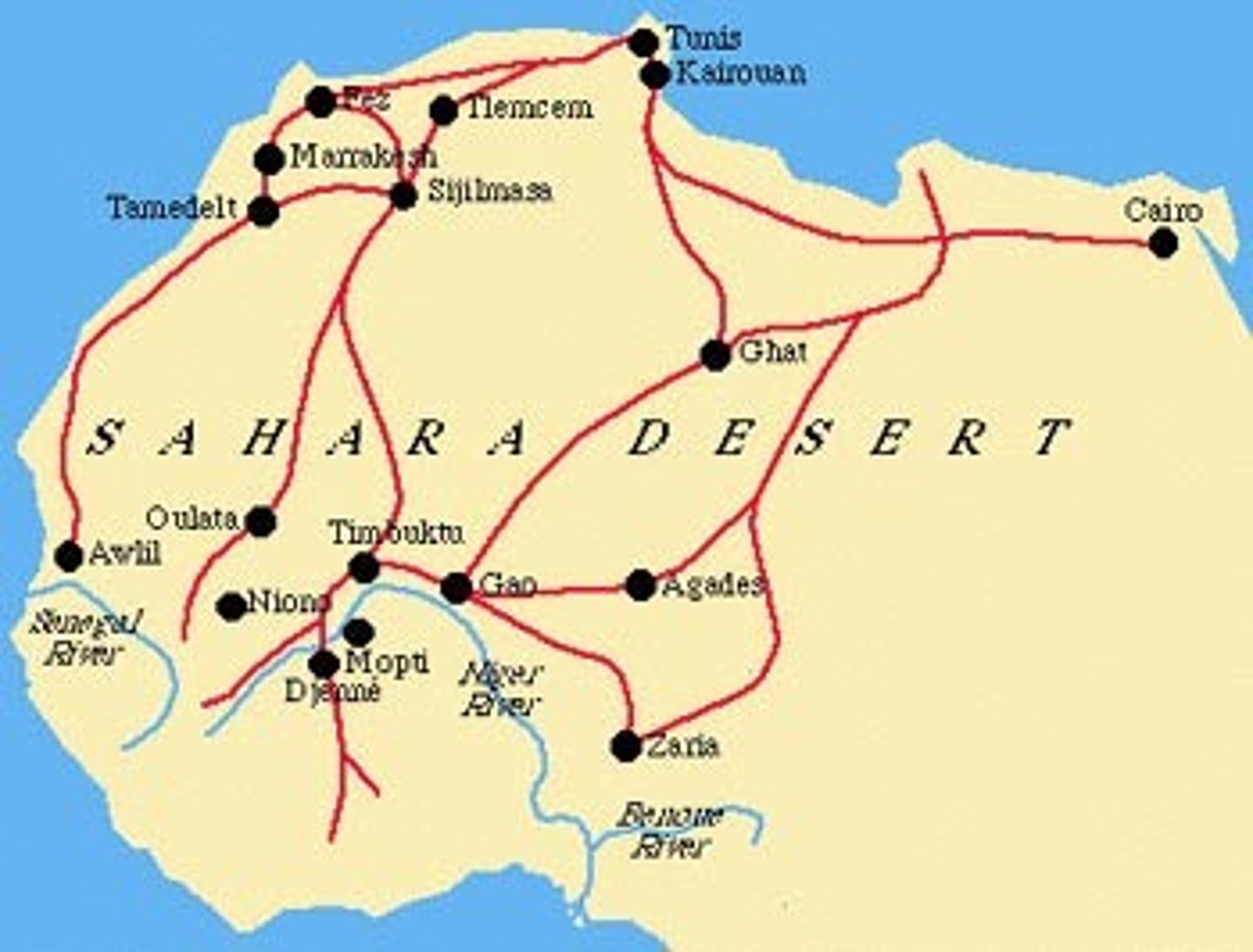
Trans-Saharan Trade
route across the Sahara desert. Major trade route that traded for gold and salt, created caravan routes, economic benefit for controlling dessert, camels played a huge role in the trading
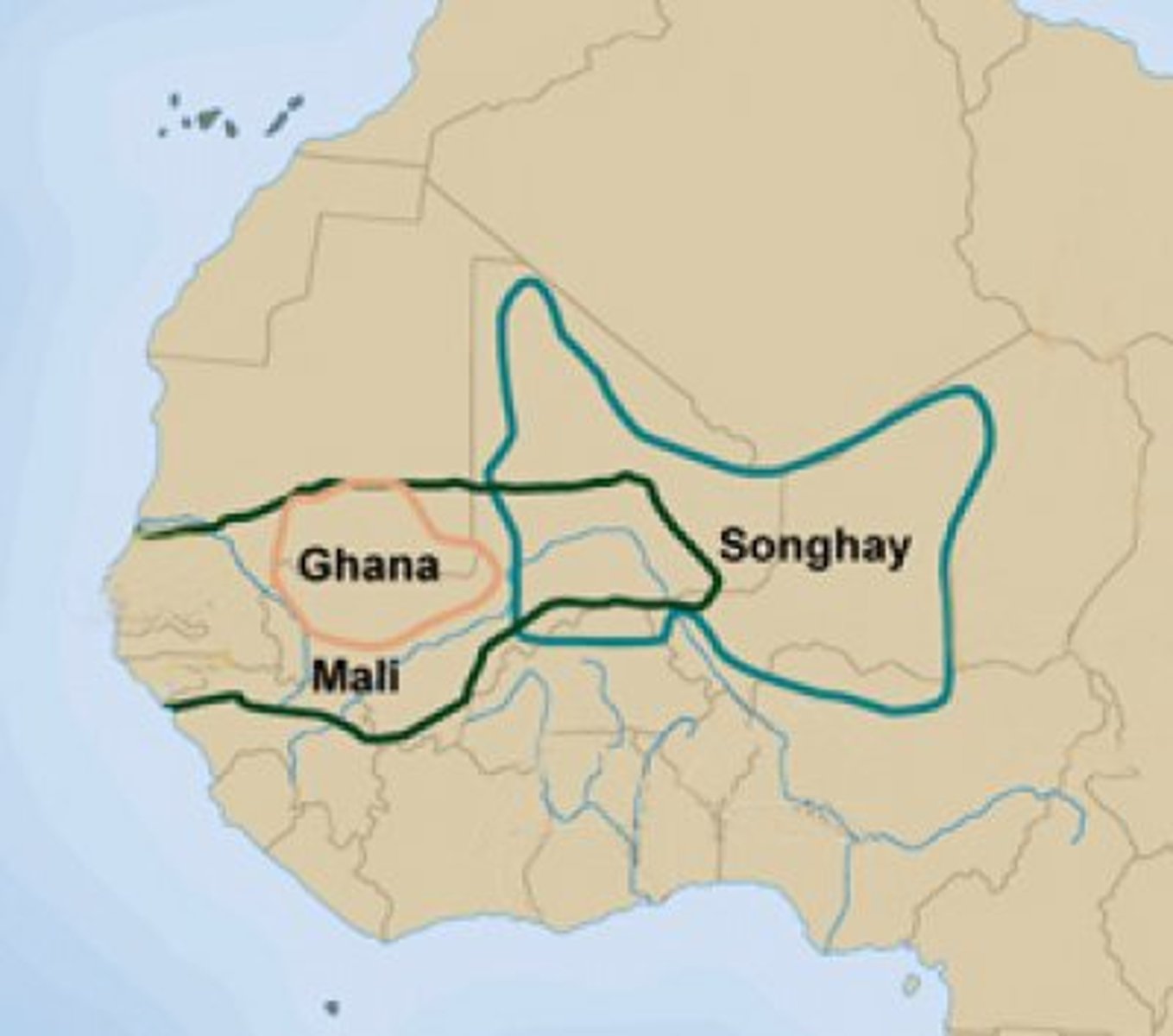
Mali
The most powerful kingdom in West Africa between the 13th and 15th century, (that followed the Kingdom of Ghana;) It was famous for its role in the trans-Saharan gold trade. Its wealth was based on trans-Saharan trade; this kingdom encouraged the spread of Islam.
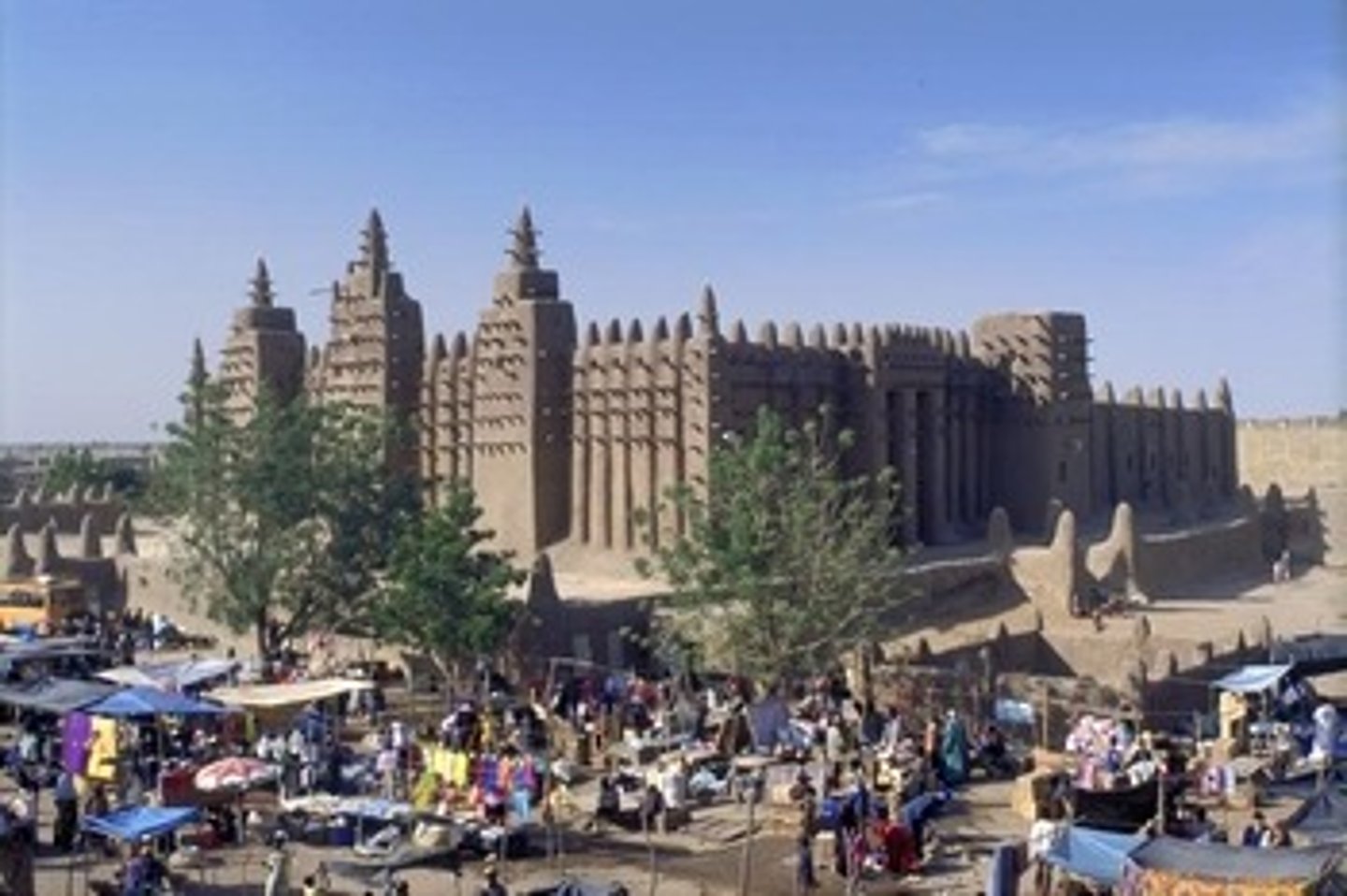
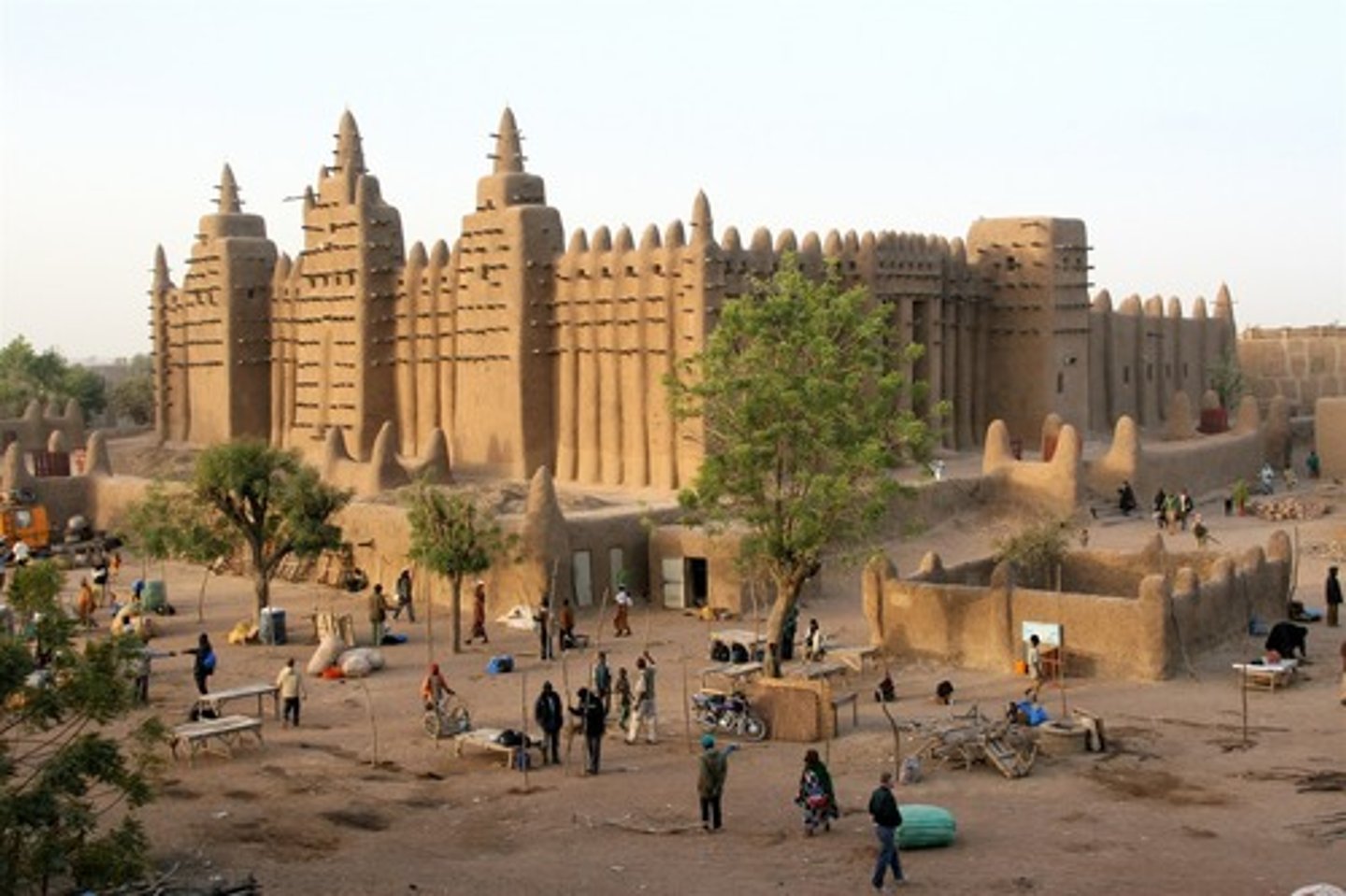
Timbuktu
City on the Niger River in the modern country of Mali. It was founded by the Tuareg as a seasonal camp sometime after 1000. As part of the Mali empire, Timbuktu became a major major terminus of the trans-Saharan trade and a center of Islamic learning.
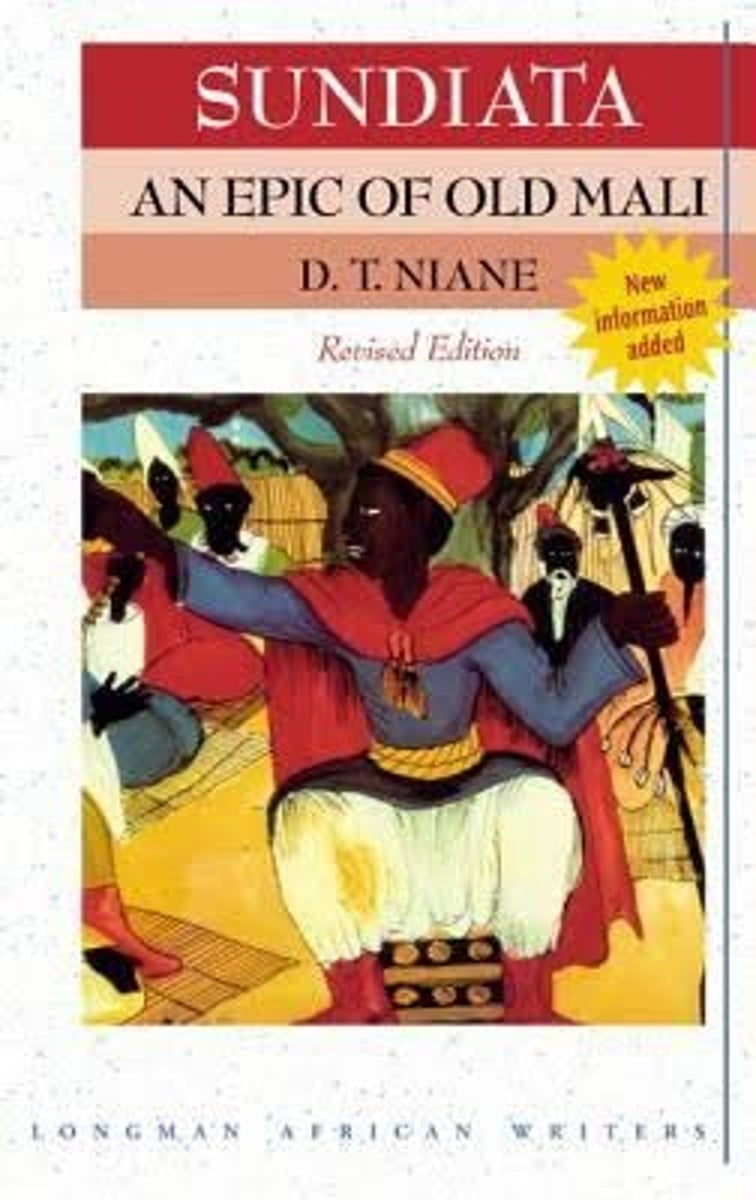
Sundiata
the founder of Mali empire (1235). He crushed his enemies and won control of the gold trade routes. Called "the Lion Prince"
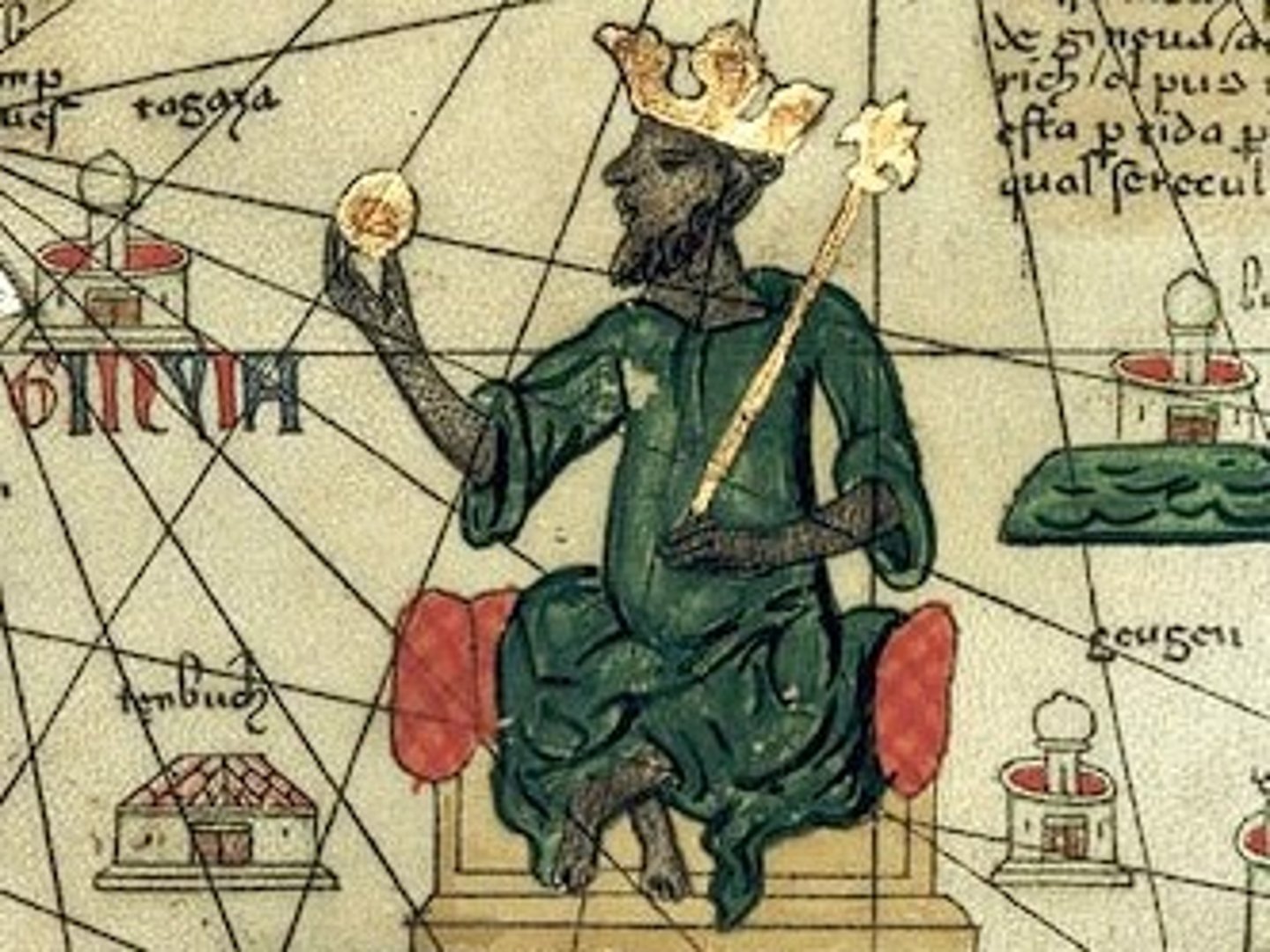
Mansa Musa
Emperor of the kingdom of Mali in Africa. He made a famous pilgrimage to Mecca (1324) where he showered people with gold, his pilgrimage displayed the wealth of Mali to the world. Upon his return he established religious schools in Timbuktu, cementing support for Islam in Mali.
Songhai Kingdom
Largest African trading kingdom during its time (Late 1400's); Replaced the Kingdom of Mali
Influence of Buddhism on East Asian Culture
China- Chan Buddhism (fusion of Taoist principles and Buddhism) popular among the Scholar-Gentry, influenced Chinese literature
Influenced Neo-Confucianism which became widespread in China, Japan, Vietnam and the official state ideology in Korea.
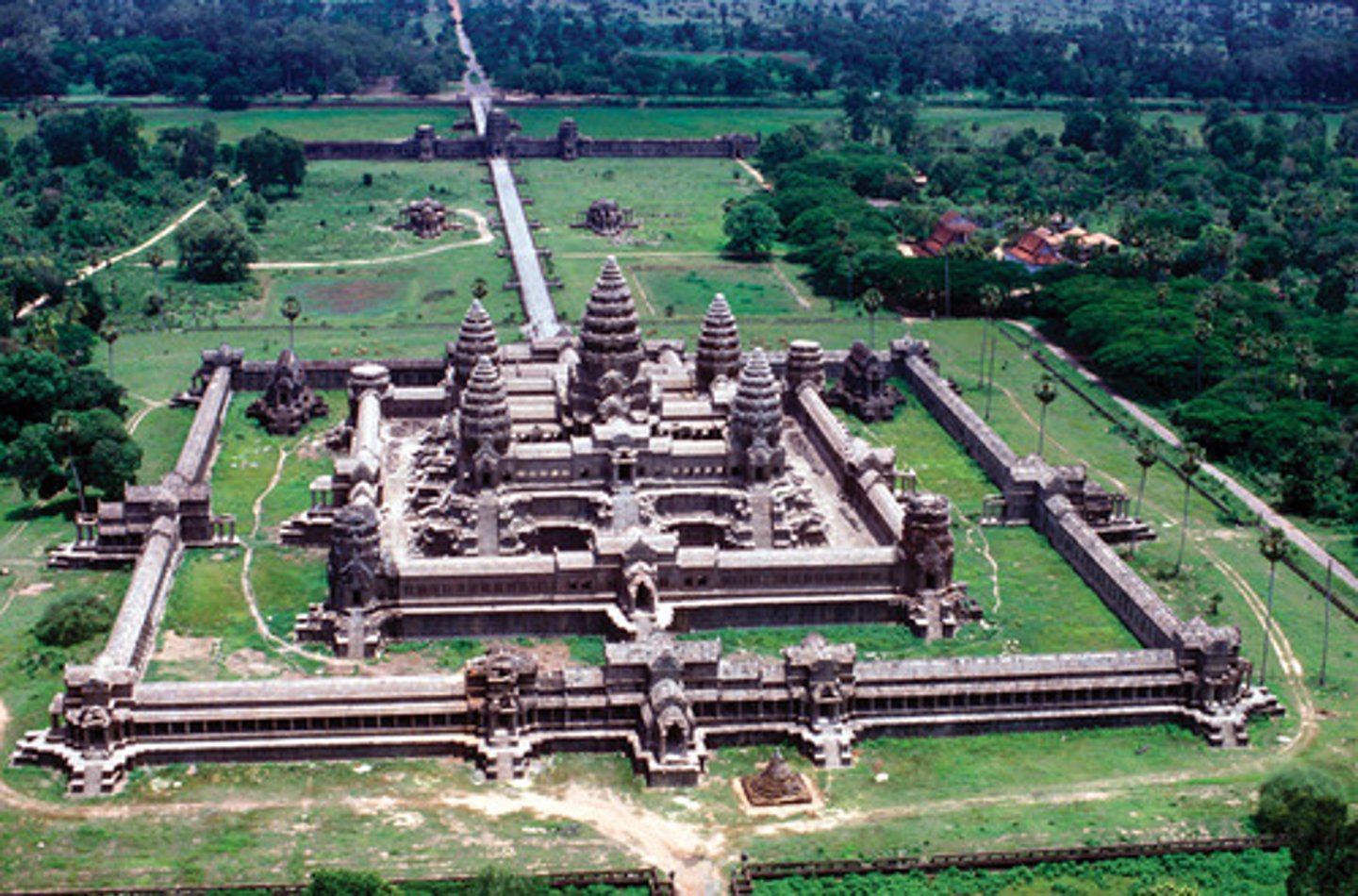
Angkor Thom
Capital of the Angkor (Khmer) kingdom- The most successful kingdom in Southeast Asia. The royal monuments at here shows the influence of both Hindu and Buddhist culture influences on Southwest Asia.
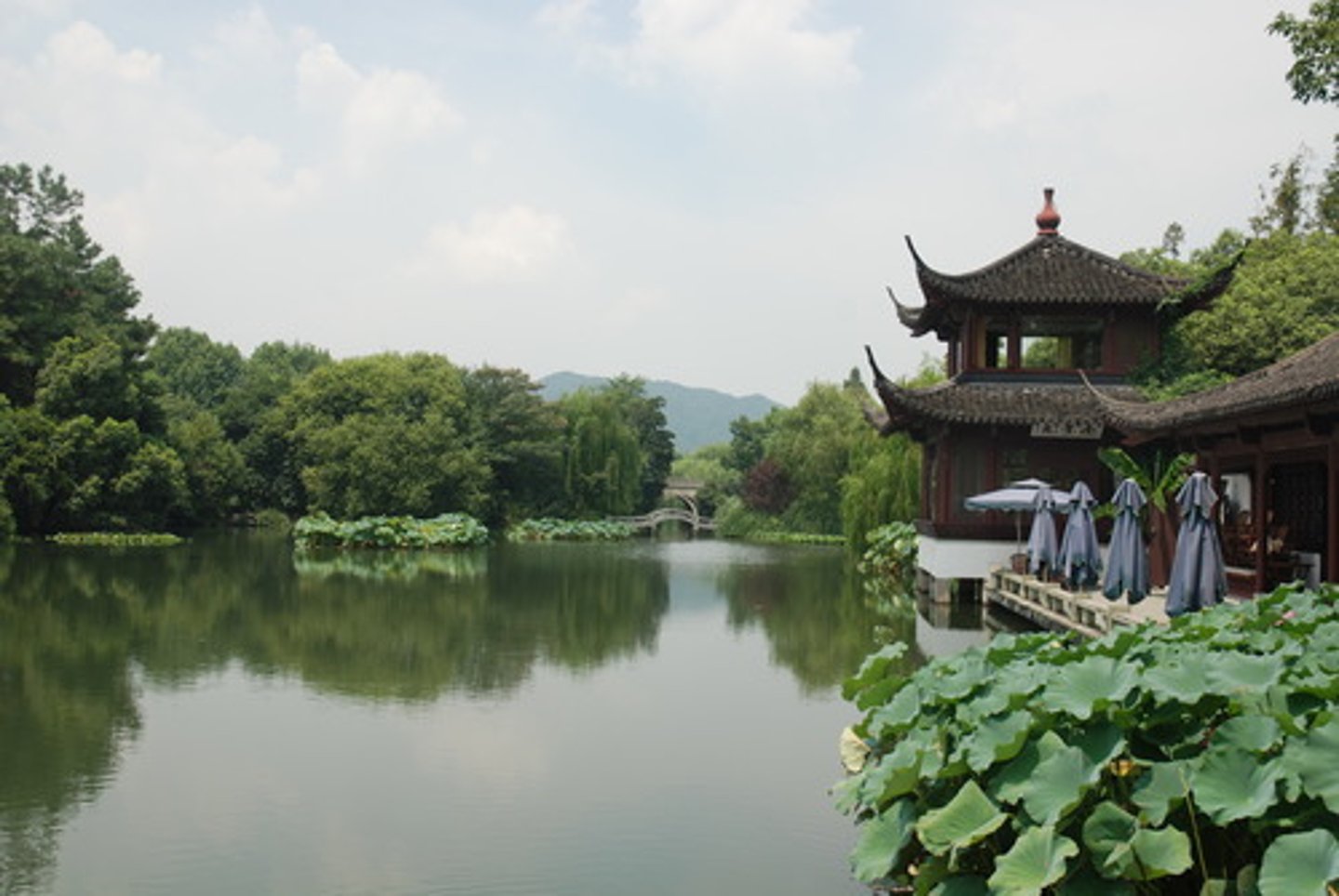
Hangzhou
Chinese City made popular by the writings of Marco Polo, located on the East China Sea -it was a center of trade and culture; permitted overseas trading; population exceeded 1 million.
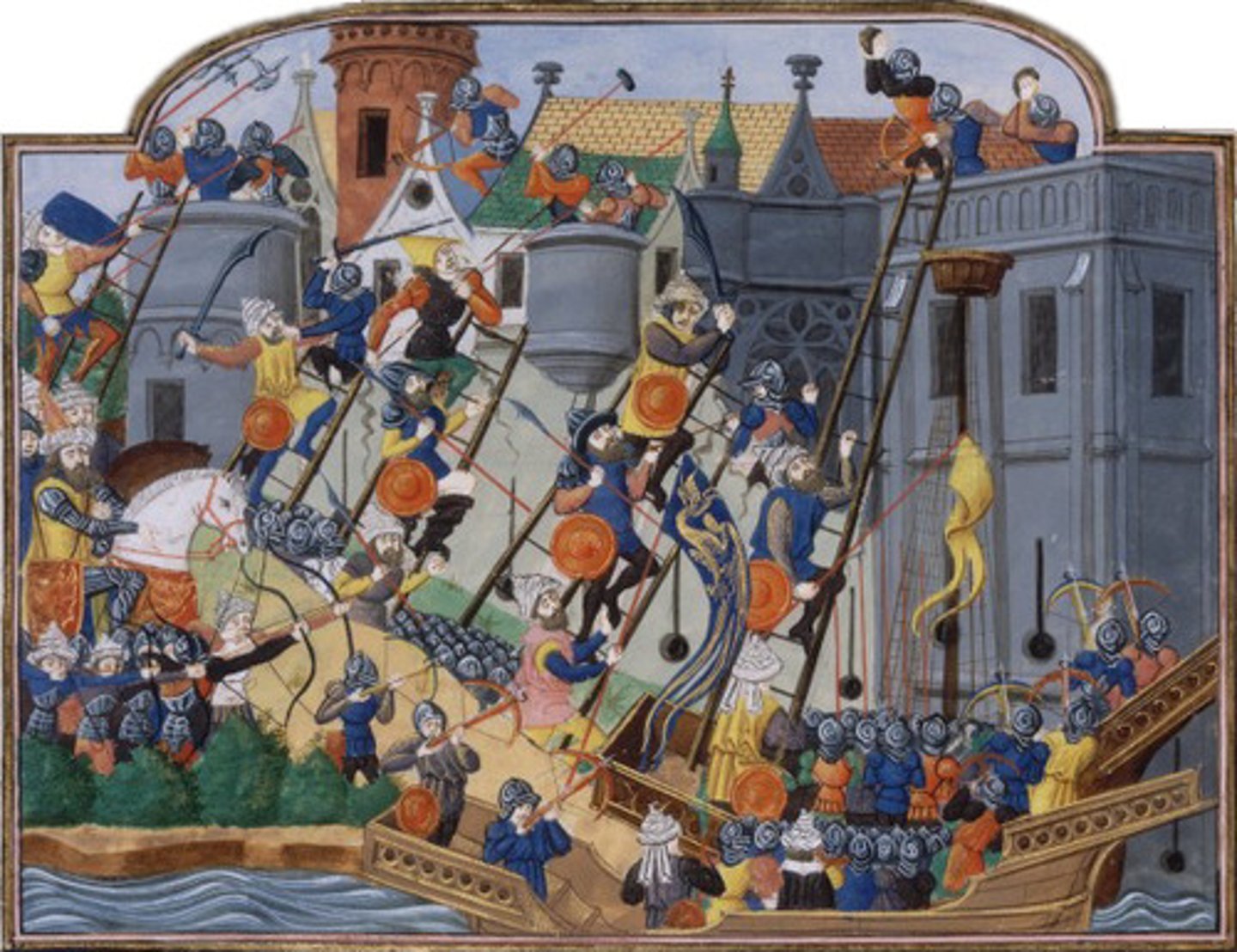
Fall of Constantinople
Severely weakened by crusaders in 1204 and Bubonic plague in 1346 & 1349- killing 1/2 the population, this severely weakened city fell to the Ottoman Turks in 1453, a date some historians see and an end to the High Middle Ages.
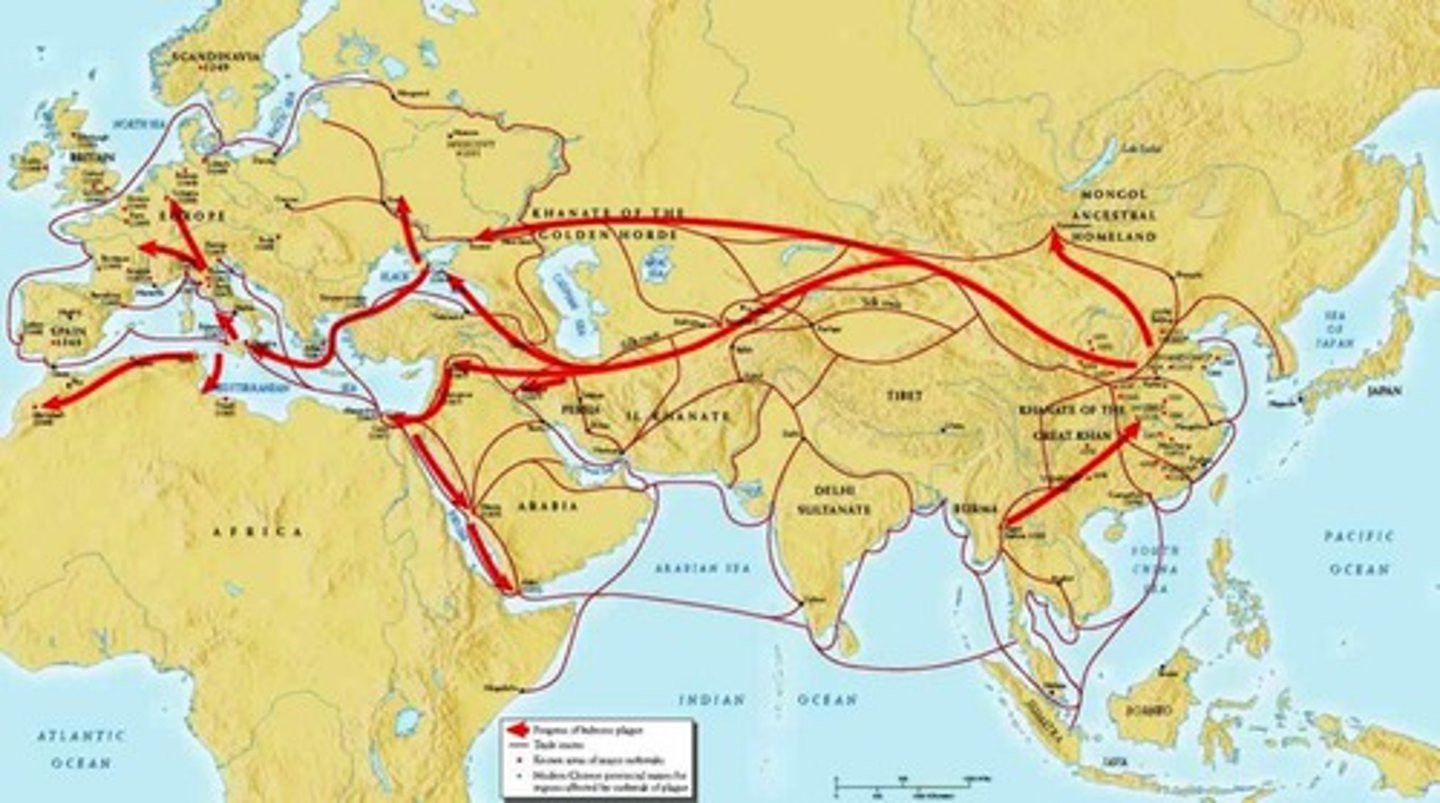
Black Death
A deadly plague that swept through Europe between 1347 and 1351. Introduced to Europe through trade routes, killing as many as 25 million, it changed the economic, political and cultural landscape of Europe
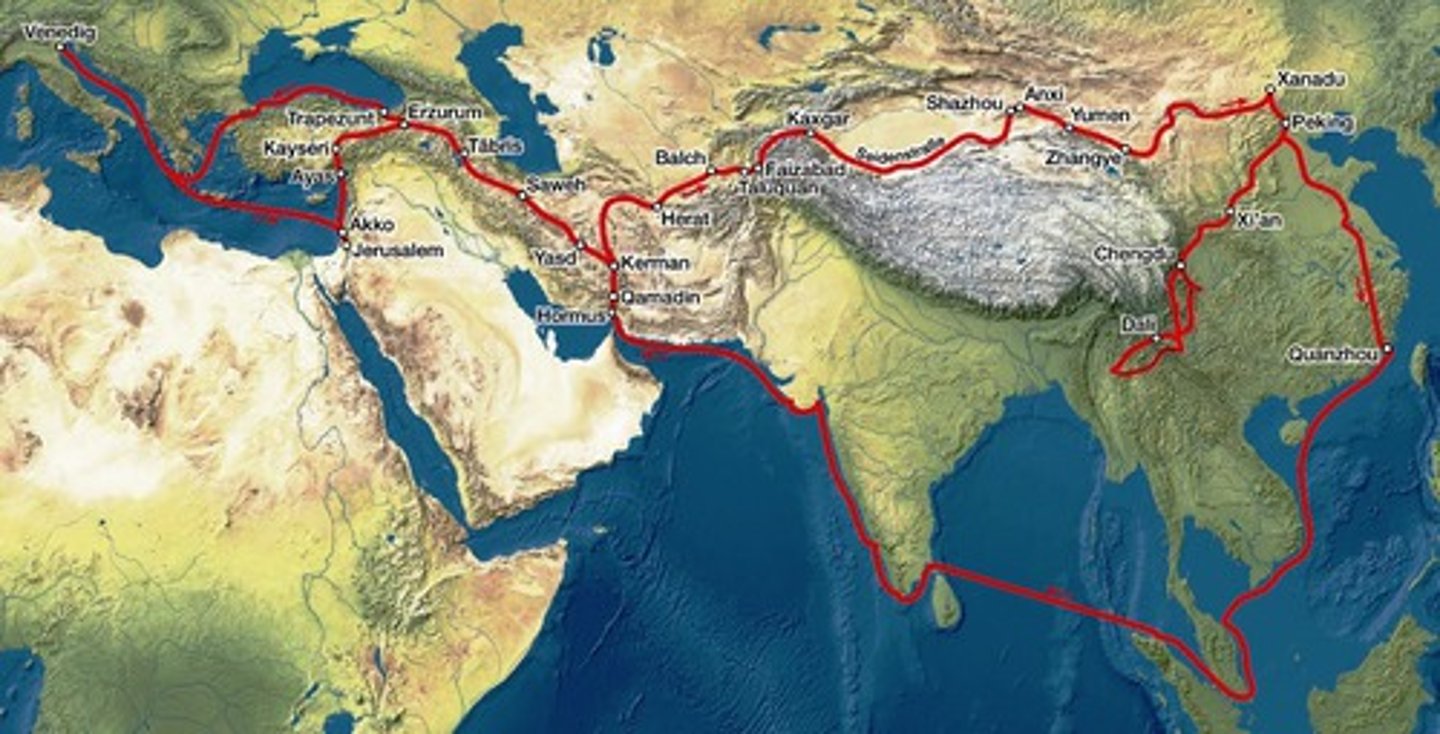
Marco Polo
13th century Venetian merchant and traveler. His accounts of his travels to China offered Europeans a firsthand view of Asian lands and stimulated interest in Asian trade.
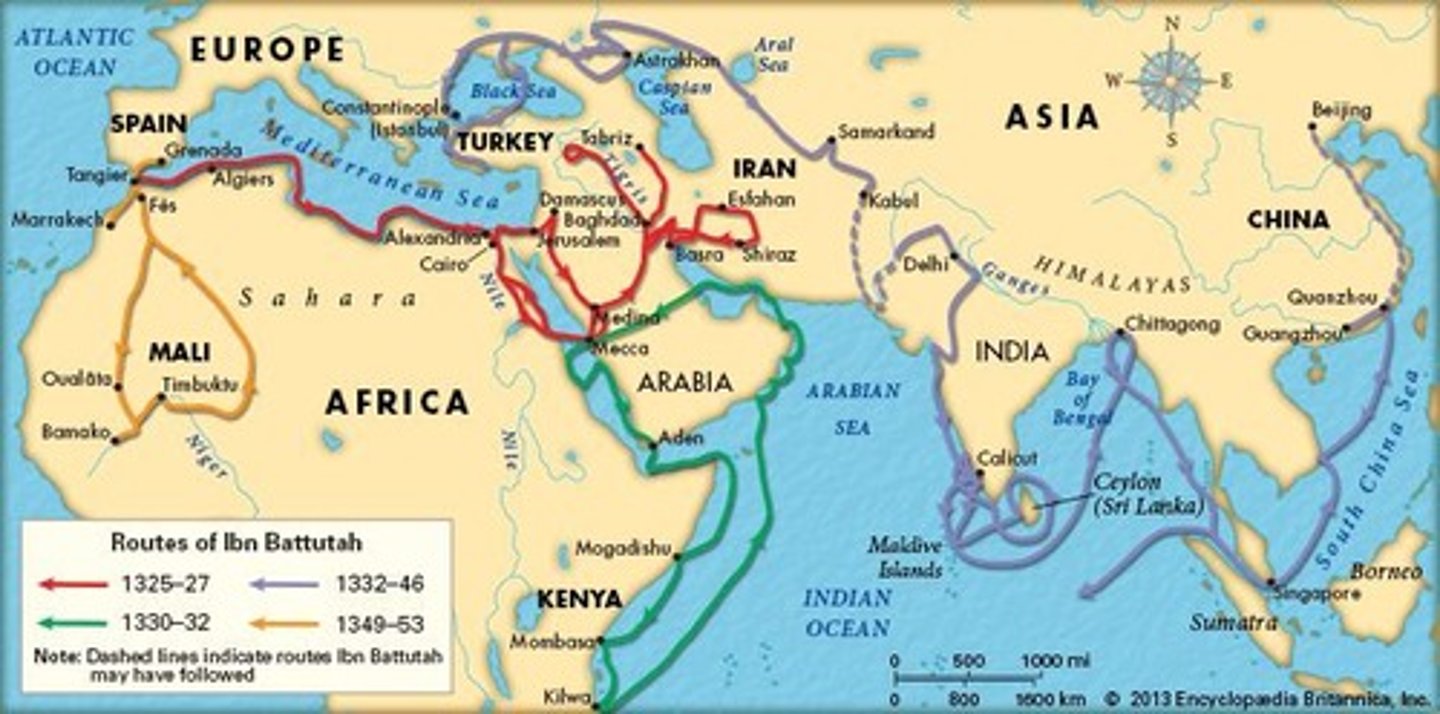
Ibn Battuta (1304-1369)
(1304- 1369) Moroccan Muslim scholar, the most widely traveled individual of his time. He wrote a detailed account (A gift to Those Who Contemplate the Wonders of Cities and the Marvels of Traveling ) of his visits to Islamic lands from China to Spain and the western Sudan.
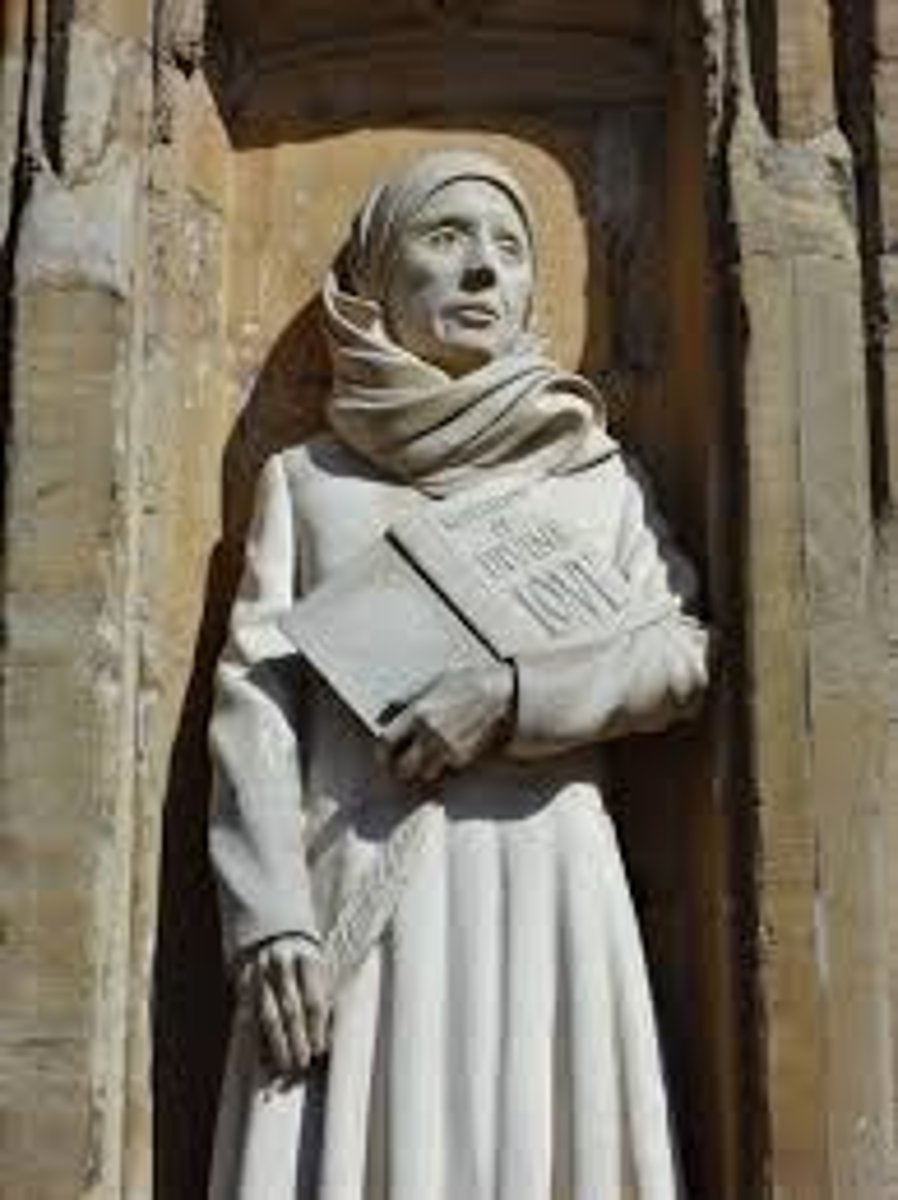
Margery Kempe (1373-1438)
Her descriptions of her travels to Jerusalem , Rome, Germany & Spain are one of the earliest autobiographies in English. Also is a firsthand account of middle-class medieval women's life (with 14 kids!)
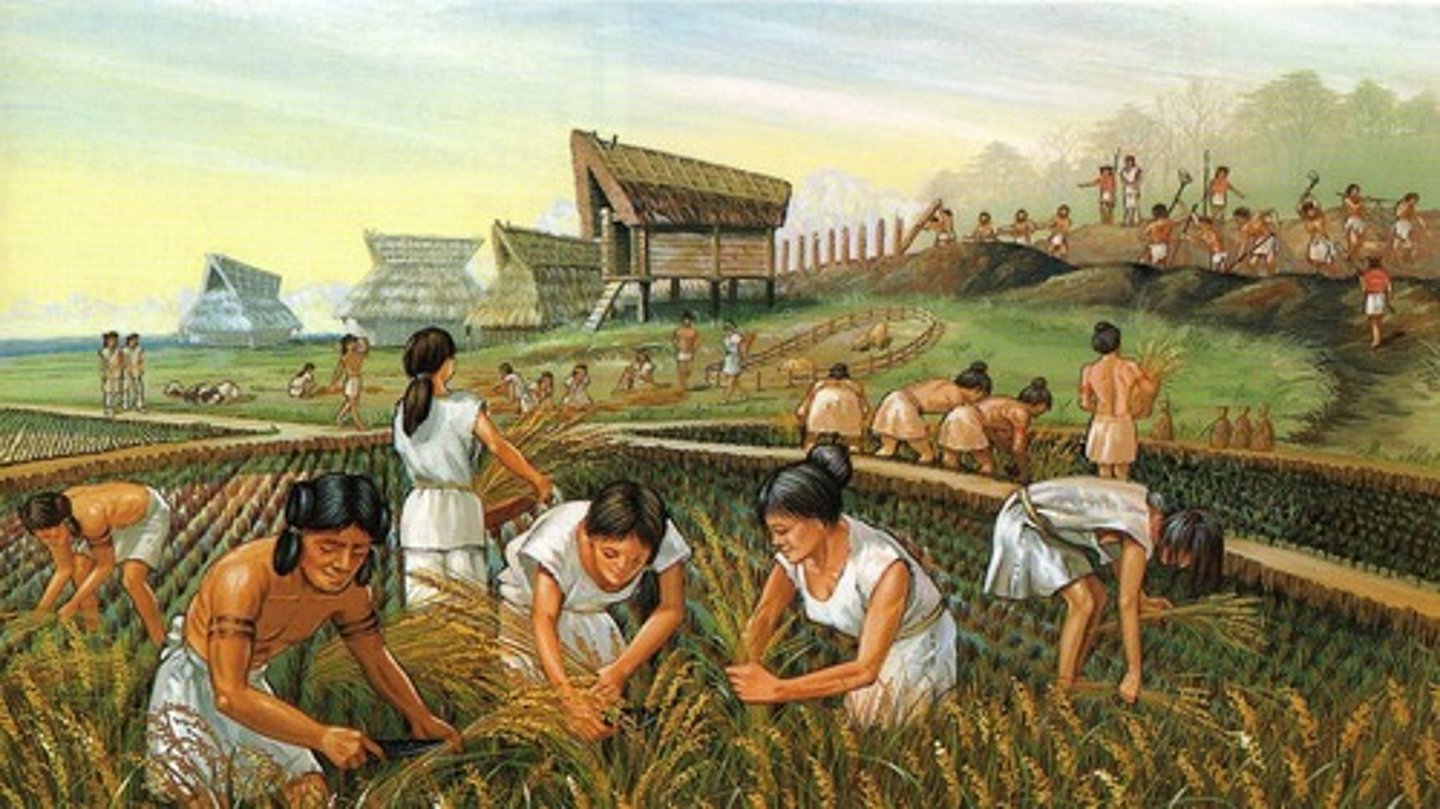
Migration of Crops
Led to increase of food production and population for example Champa Rice from Vietnam to China, Bananas from Indonesia to Sub-Saharan Africa, But it also cause human suffering, for example the high demand for Sugar in Europe eventually led to sugar plantations in the Americas & increase in the slave trade in Americas to meet the demand.
Overgrazing
Destruction of vegetation caused by too many grazing animals consuming the plants in a particular area leading to deforestation and soil erosion. This lead to the abandonment of Greater Zimbabwe in the late 1400's