Genetics and Molecular Biology: Key Concepts and Processes
 Call Kai
 Learn
Learn Practice Test
 Spaced Repetition
 Match
Match Flashcards
 Knowt Play
1/49

There's no tags or description
Looks like no tags are added yet.
Name | Mastery | Learn | Test | Matching | Spaced | Call with Kai |
|---|
No analytics yet
Send a link to your students to track their progress
50 Terms
What is genetics?
The study of heredity and variation; explores how traits are passed from parents to offspring and how changes in genetic information influence health and disease.
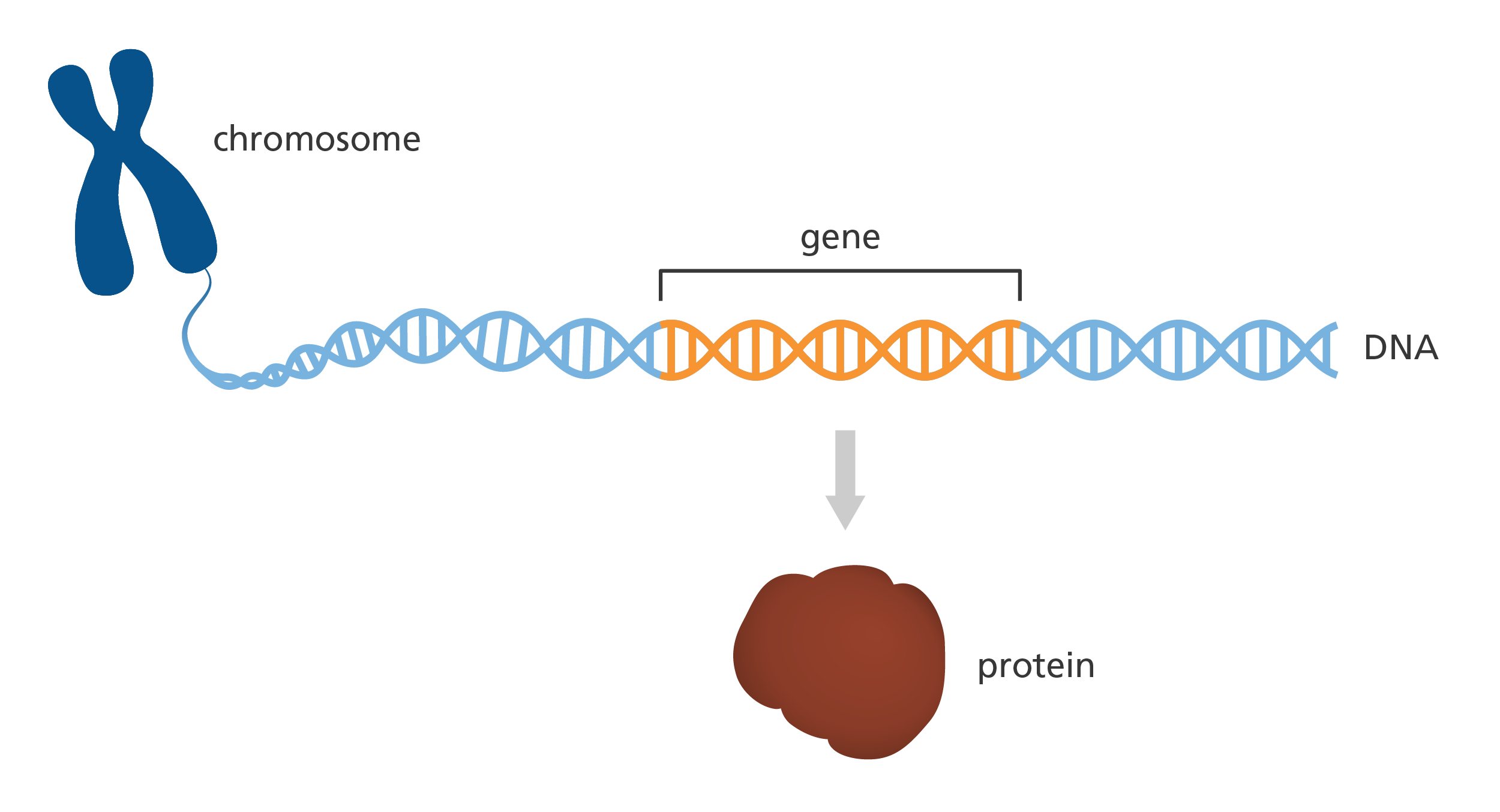
What is a gene?
A segment of DNA that has the information (the code) for a protein or RNA.
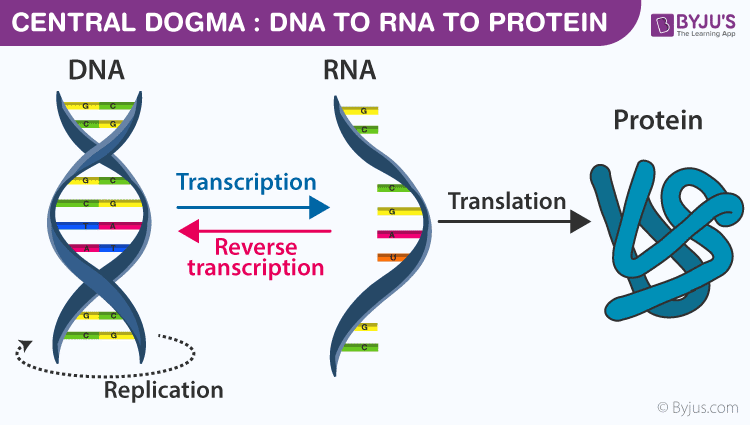
What is the 'central dogma' of molecular biology?
DNA → RNA → Protein
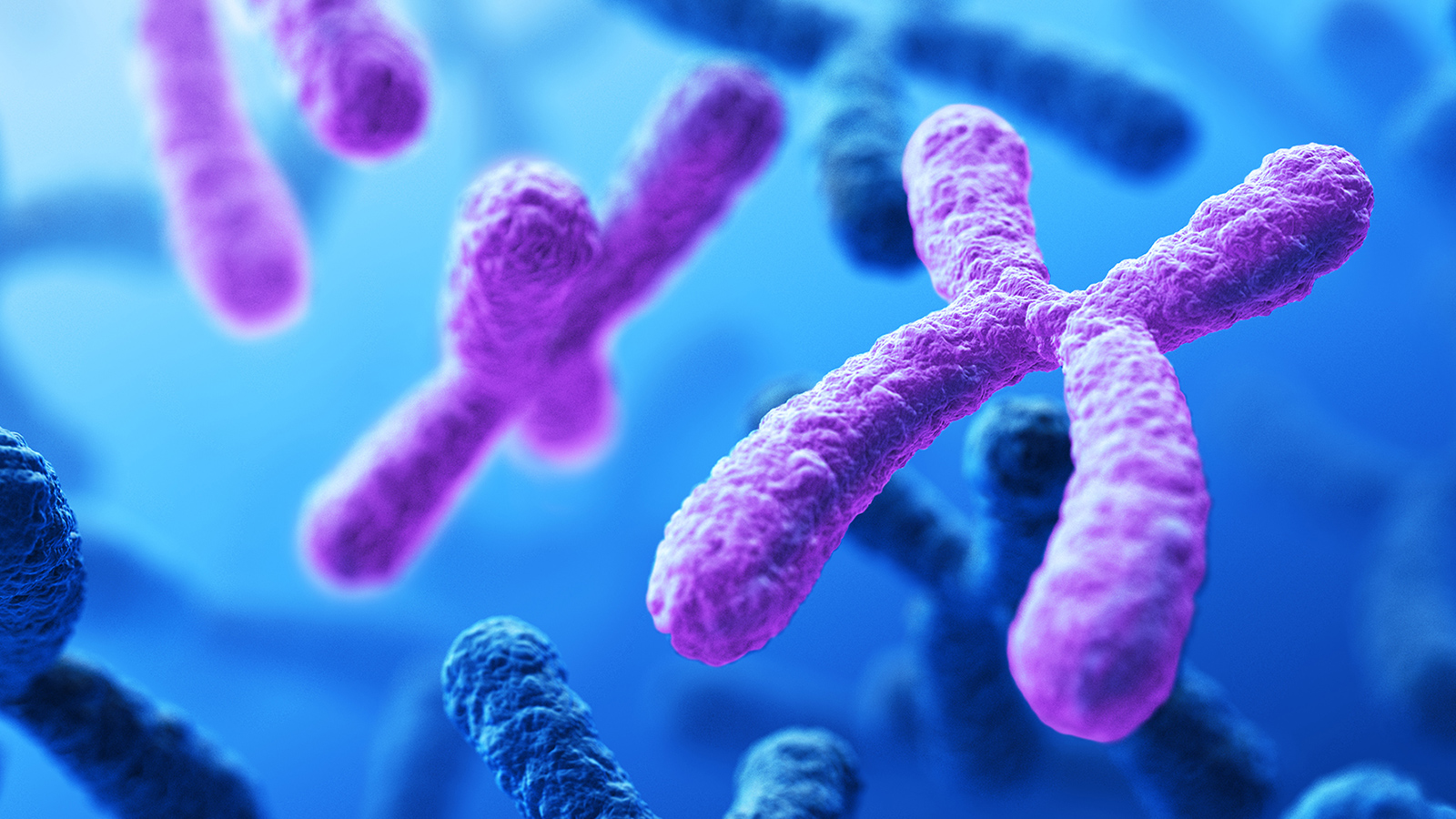
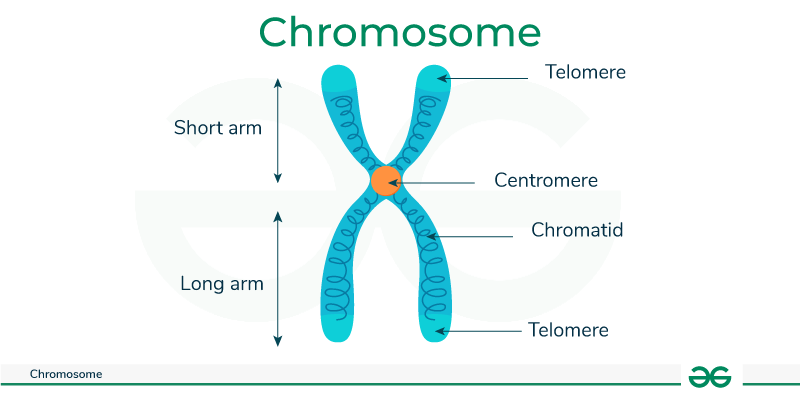
What are chromosomes?
DNA and the proteins associated with it, found in the nucleus.
How many chromosomes do humans have?
46 chromosomes (23 pairs). One set of 23 from mom, one set of 23 from dad.
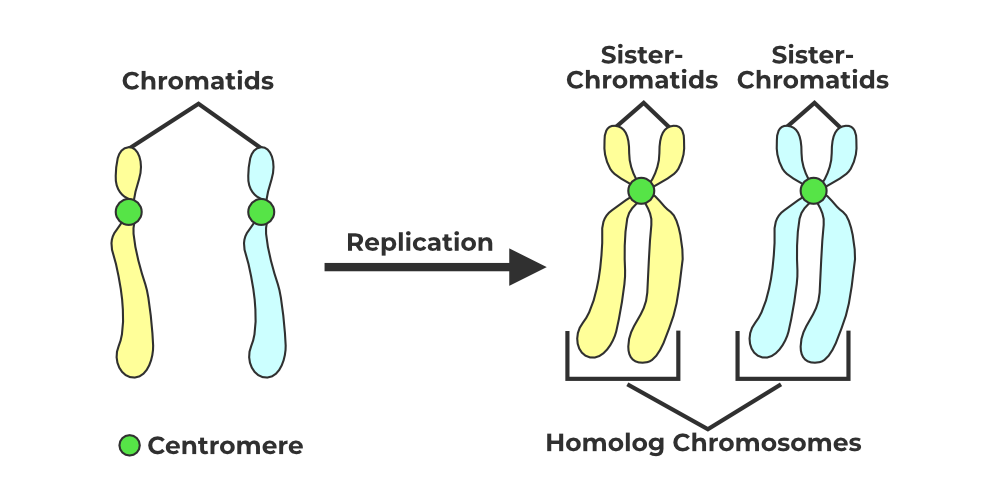
What is a chromatid?
Two exact copies of a chromosome connected together at the centromere.
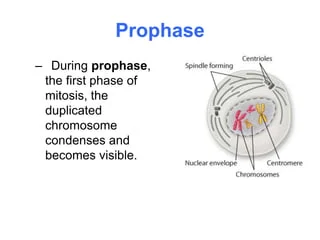
When are chromosomes visible?
Only when a cell is dividing.
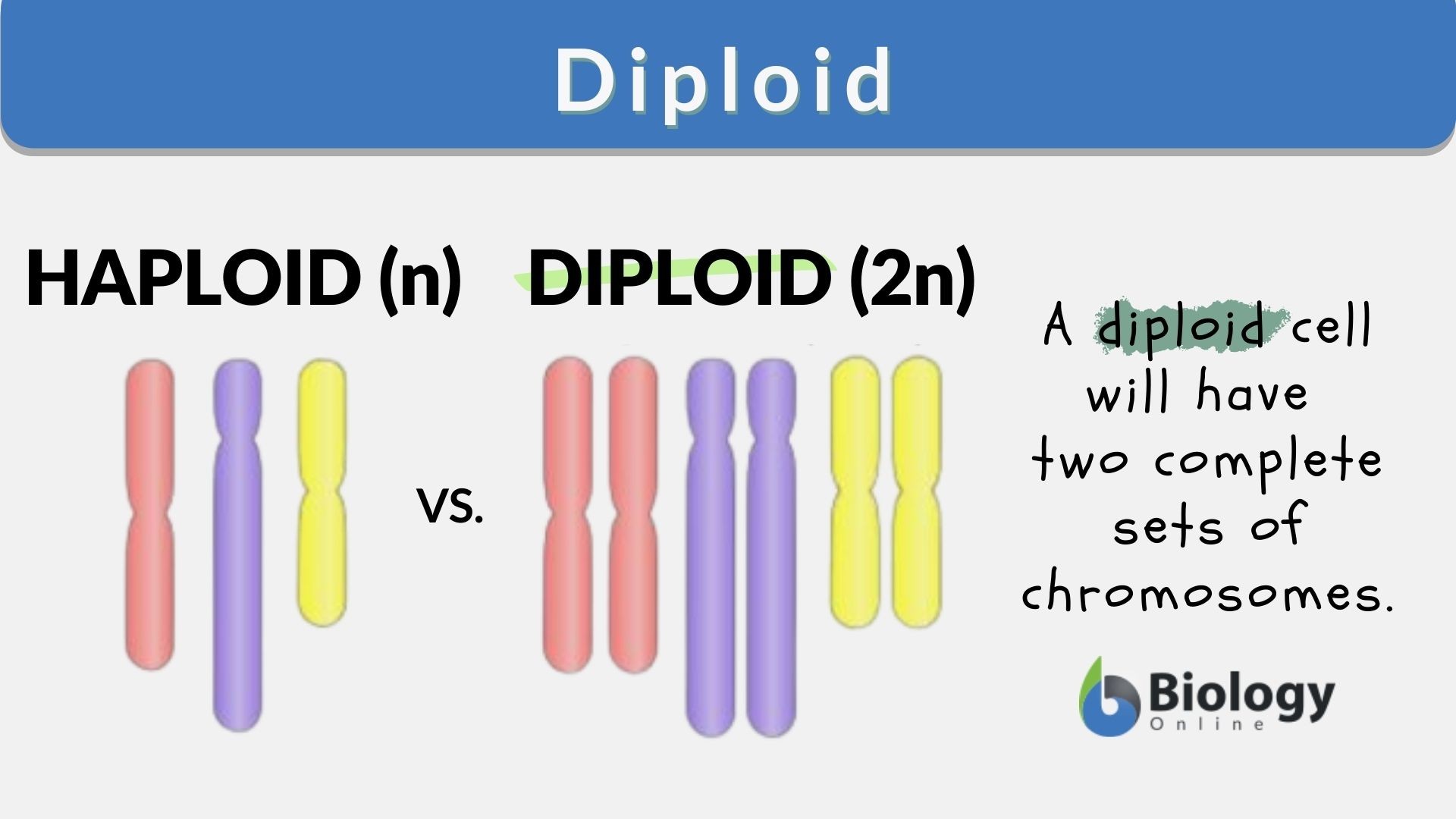
What is a diploid (2n) number?
Two sets of chromosomes, found in all non-sex cells of an organism's body; humans have 46 (2n).
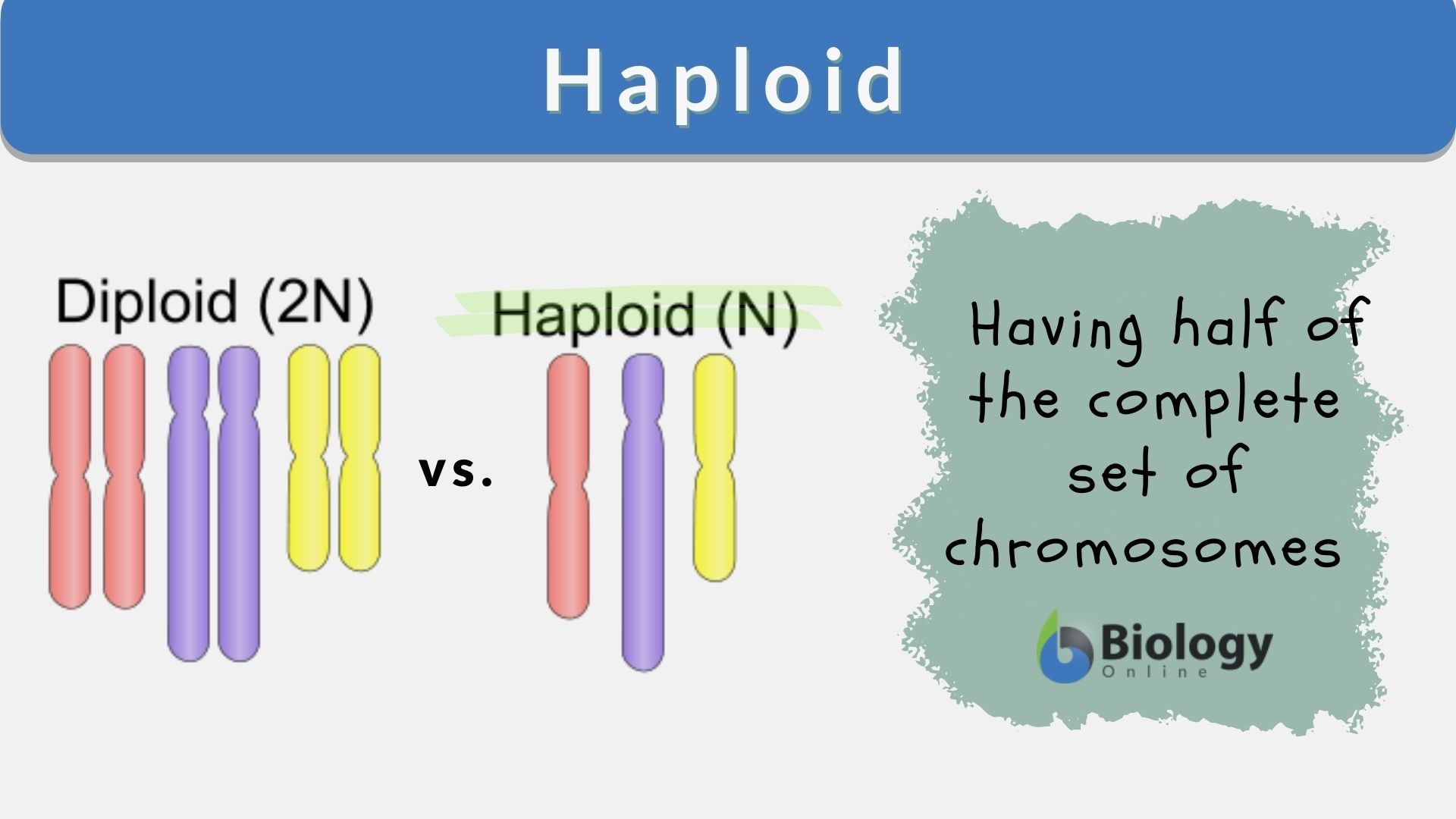
What is a haploid (n) number?
Contains one set of chromosomes, found in sex cells; humans have 23 (n).
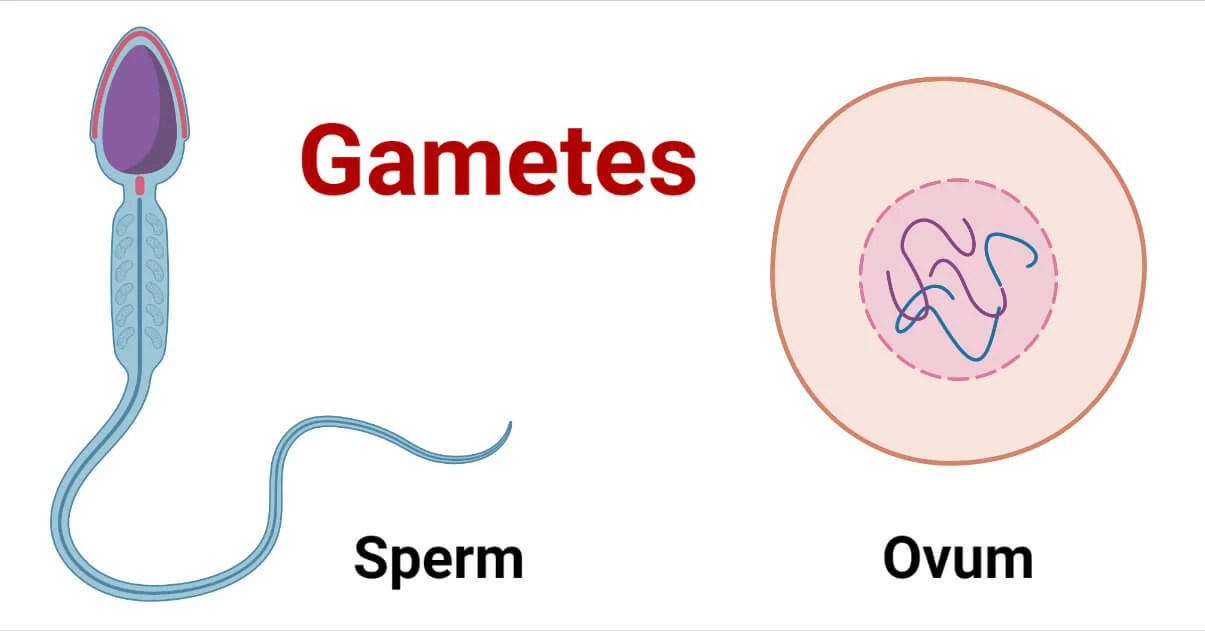
What is a gamete?
Sex cells = sperm or egg.
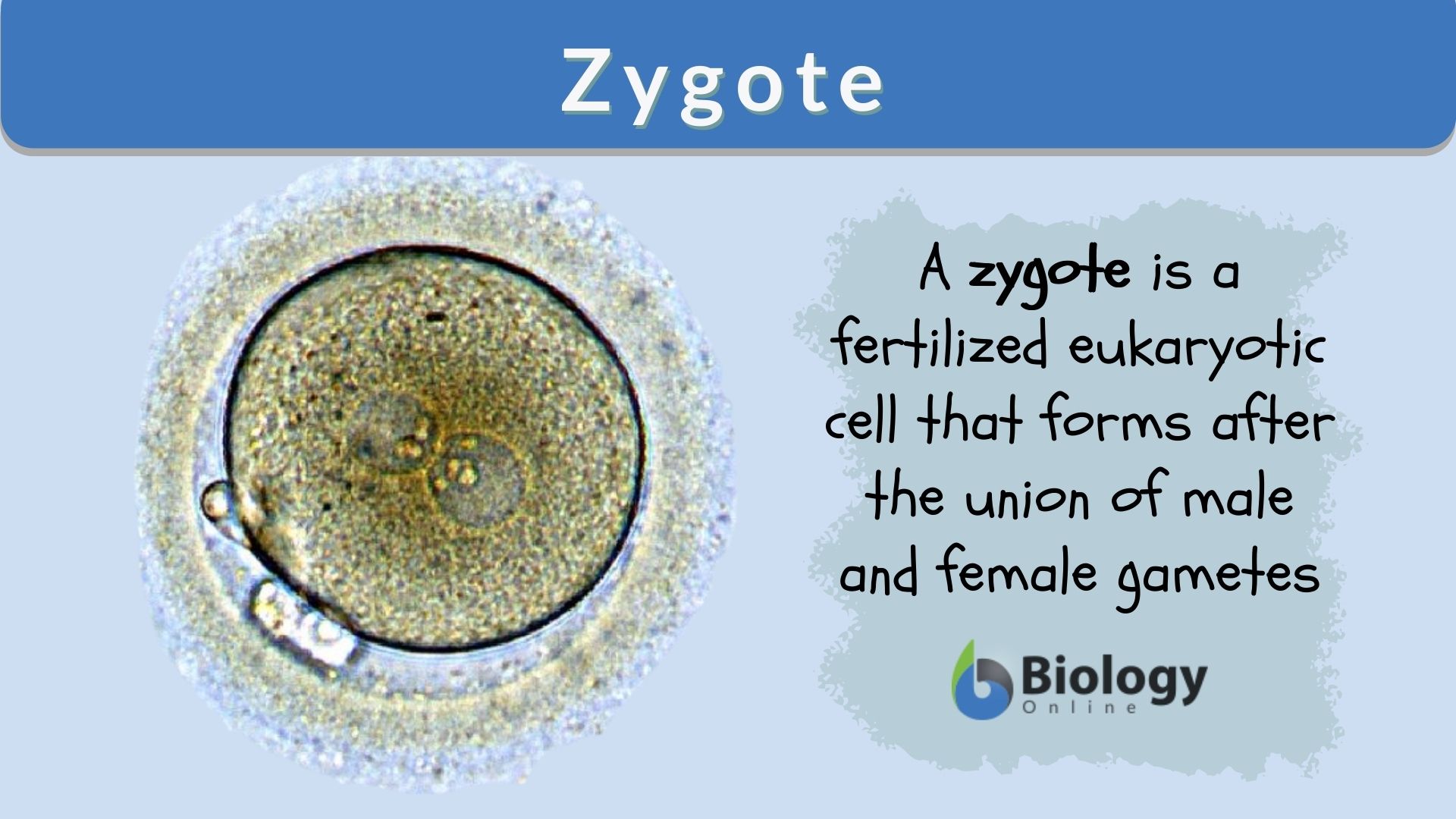
What is a zygote?
A fertilized egg cell (sperm + egg) with a diploid (2n) number of chromosomes.
What are homologous chromosomes?
Chromosomes containing the same type of genetic information; one from each parent.
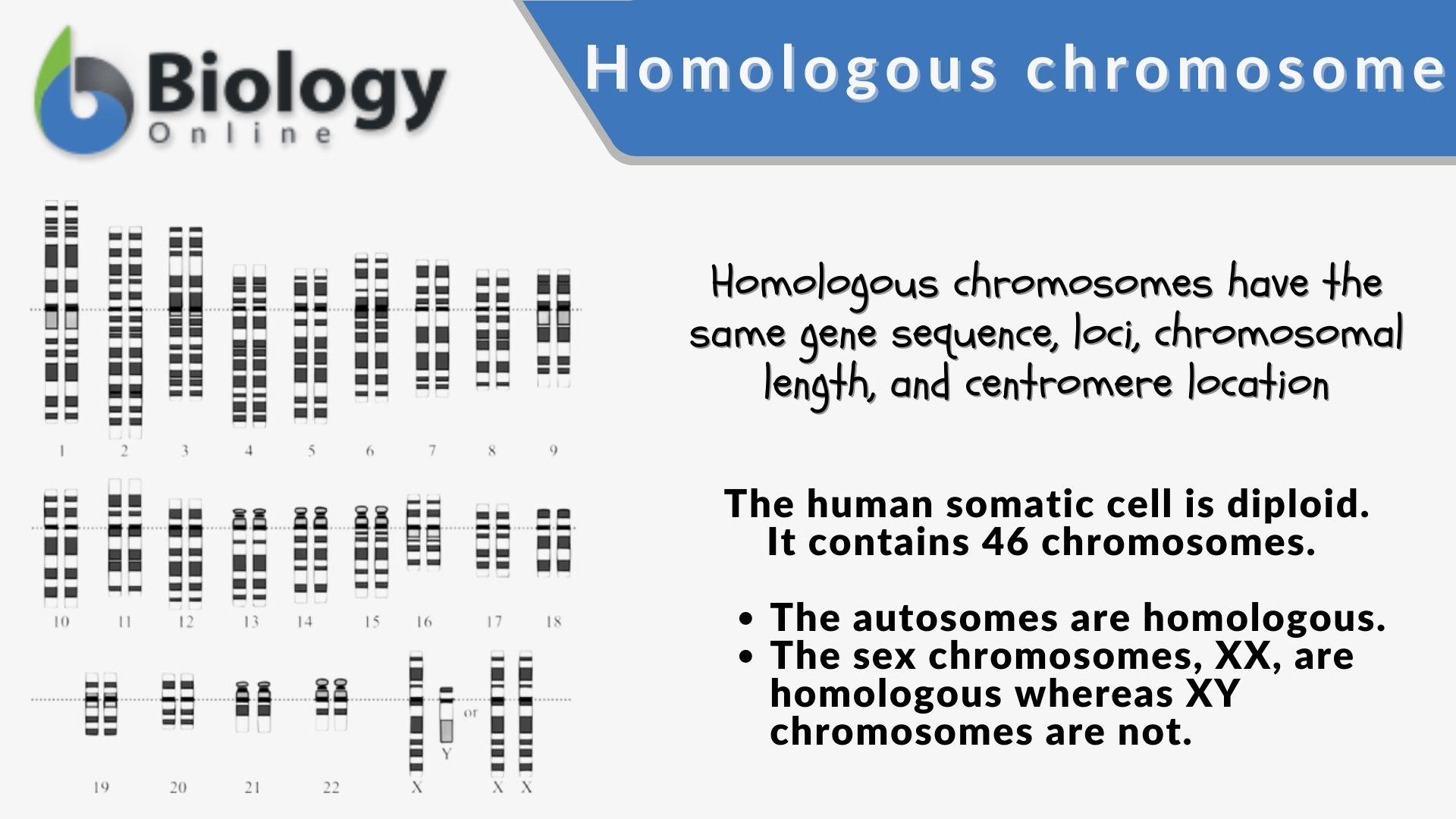
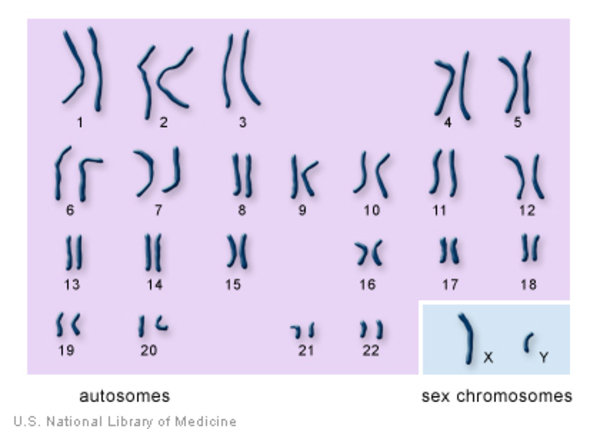
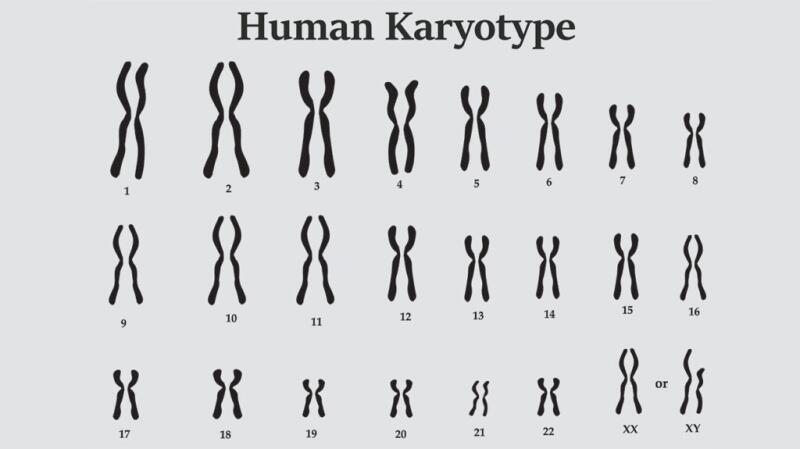
What is a karyotype?
The 46 chromosomes arranged in homologous pairs.
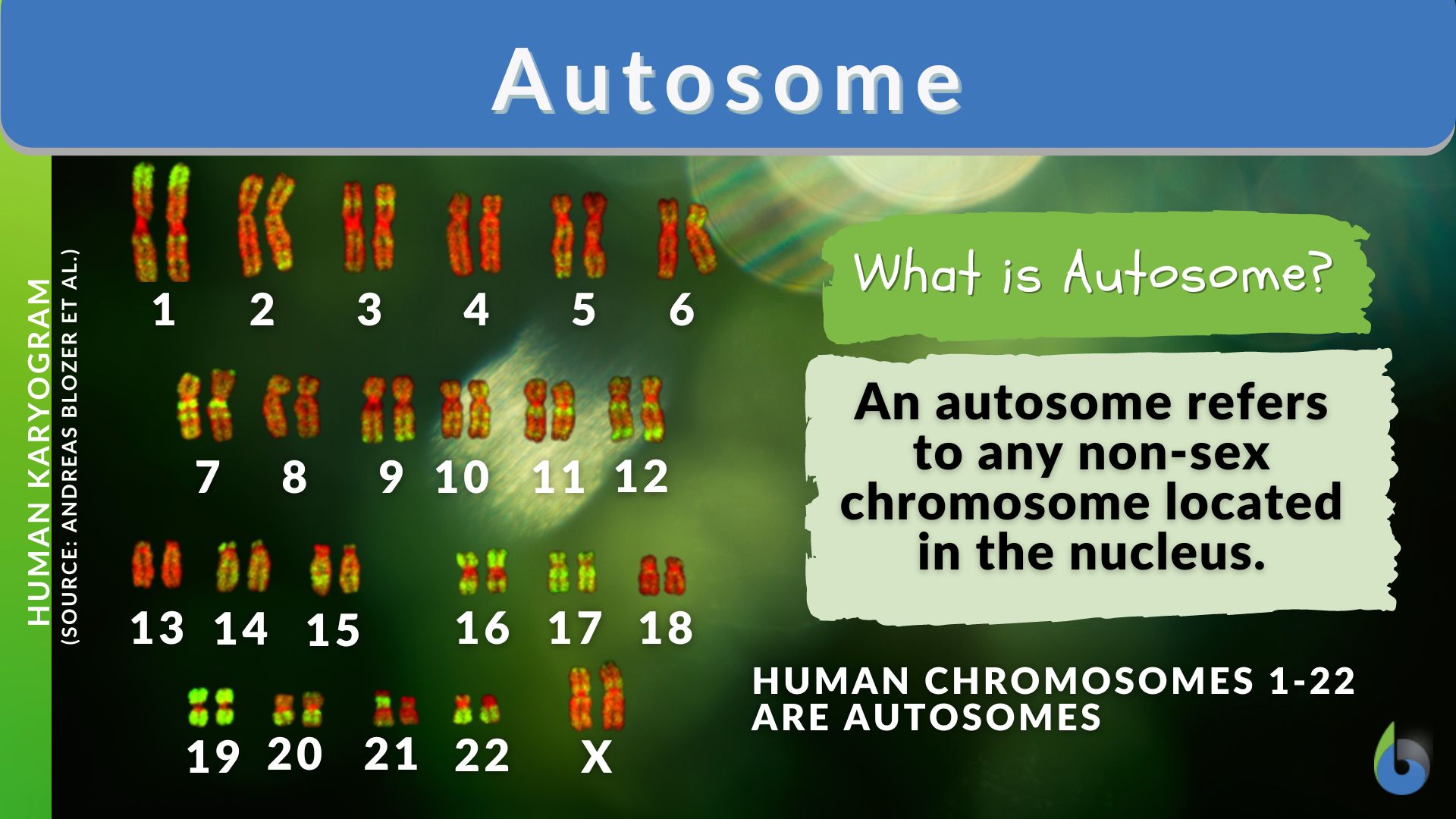
What are autosomes?
Body chromosomes or non-sex chromosomes; humans have 44 (22 pairs).
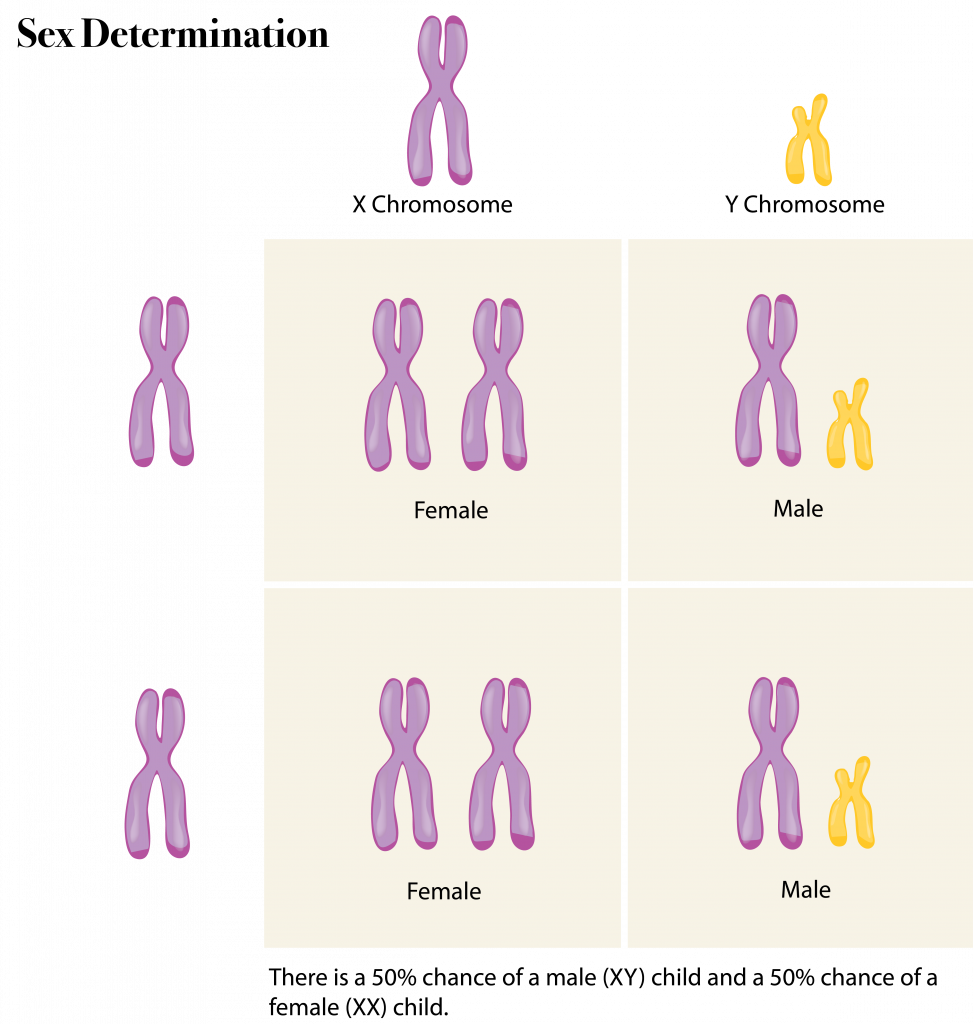
What are sex chromosomes?
The 23rd pair of chromosomes that determines sex; Females = XX, Males = XY.
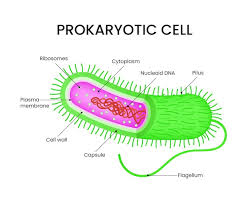
What is the structure of prokaryotic chromosomes?
Bacteria have a single loop of DNA.
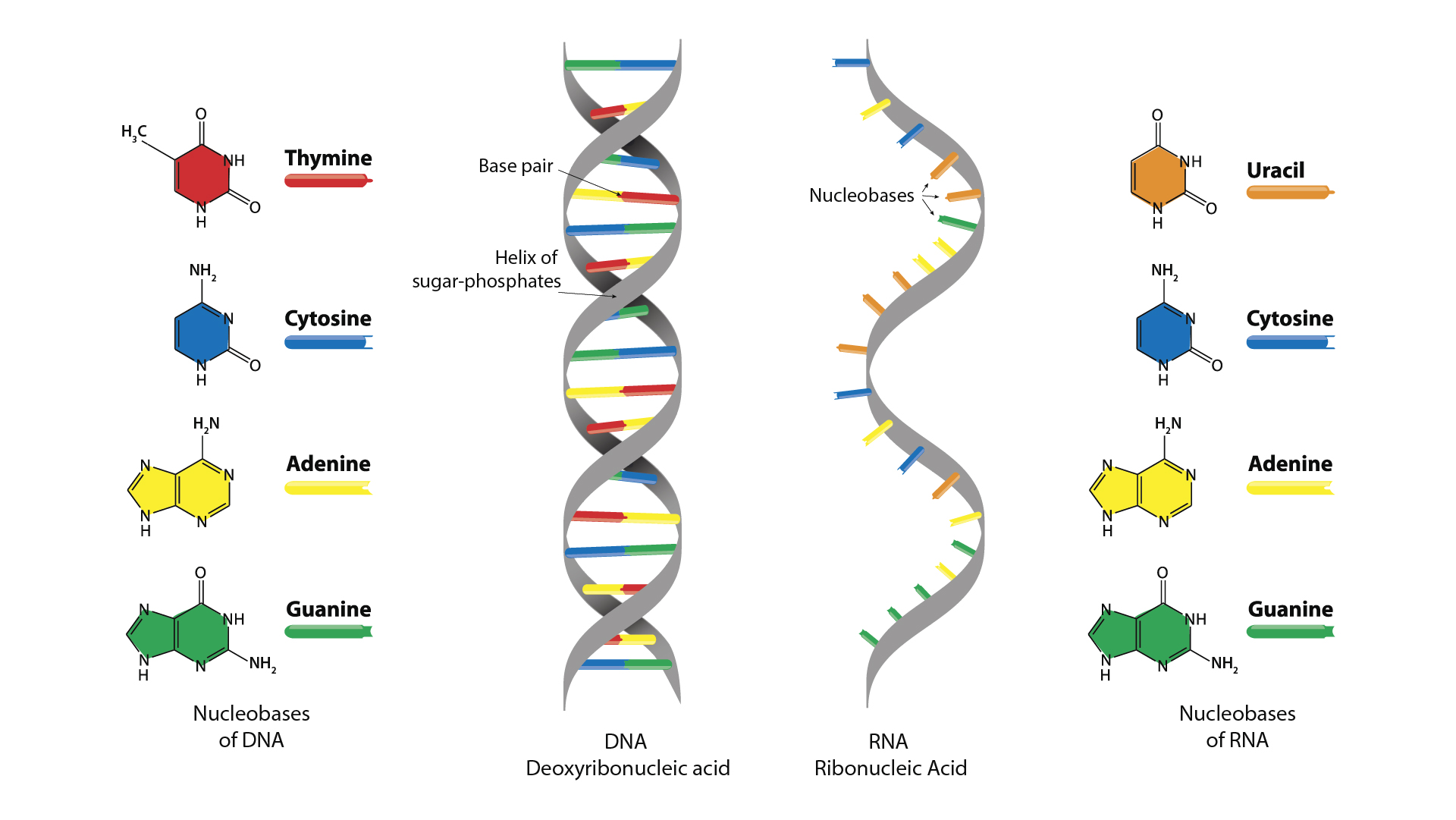
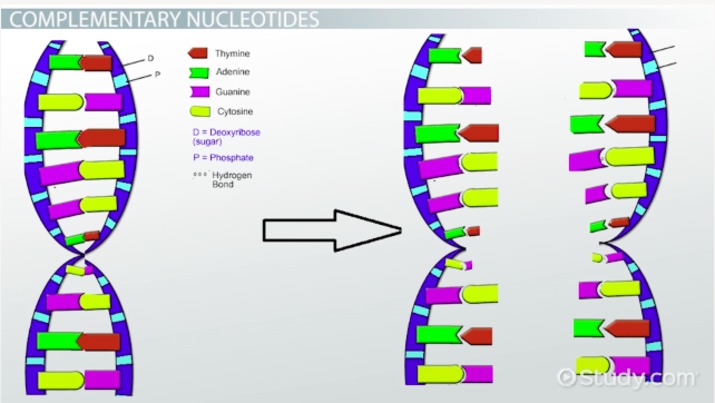
What are the four bases of DNA?
Adenine (A), Thymine (T), Guanine (G), Cytosine (C).
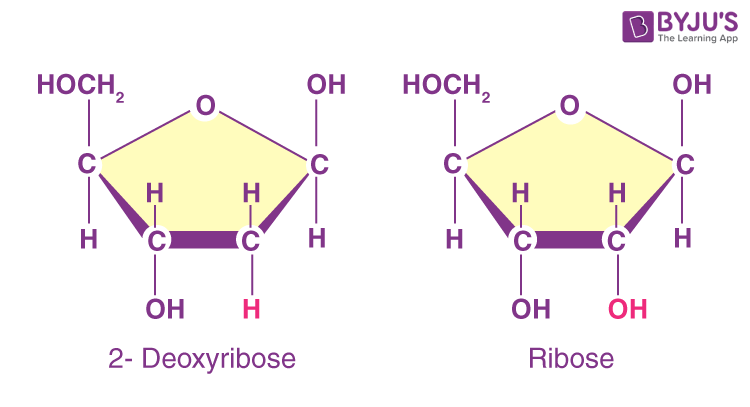
What is the sugar in DNA?
Deoxyribose.
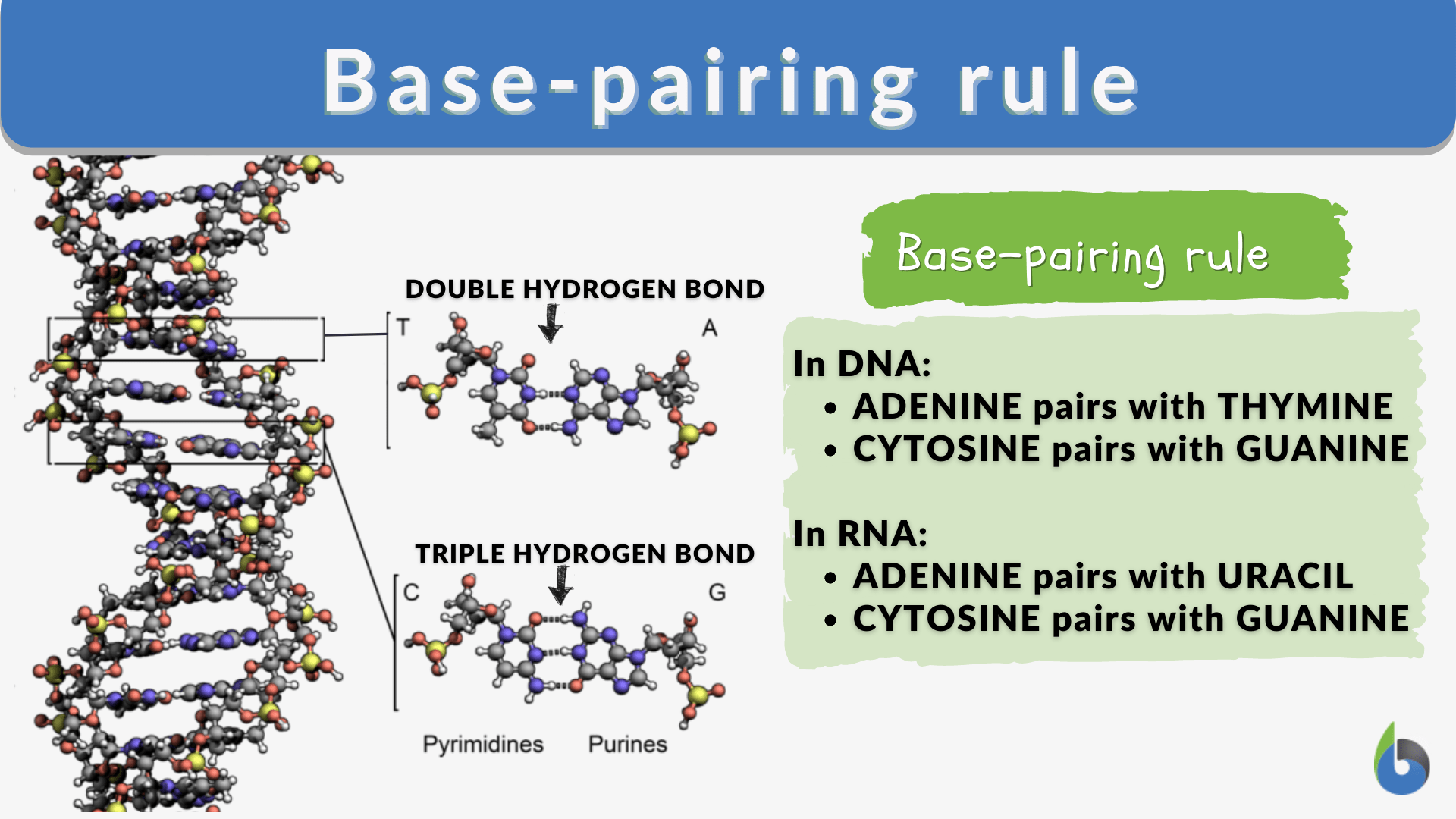
What are the base pairing rules in DNA?
Adenine pairs with Thymine (A=T); Guanine pairs with Cytosine (G≡C).
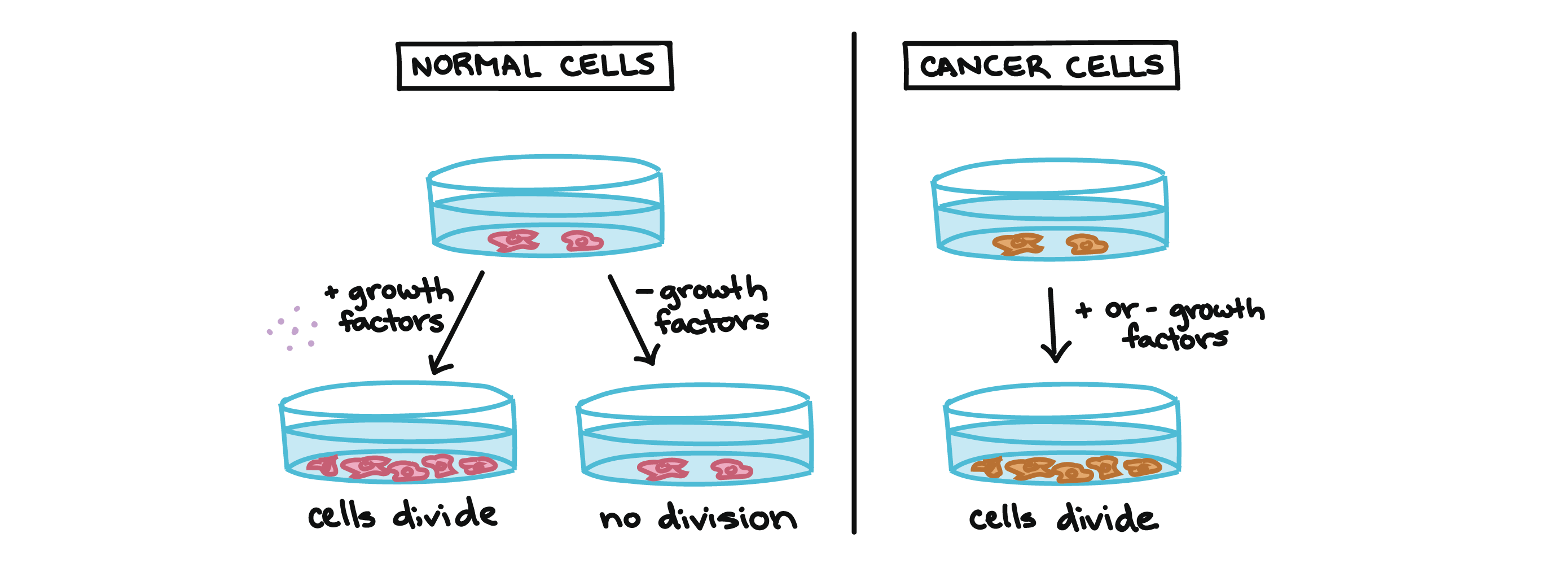
What happens when there is a mutation in genes that control the cell cycle?
The gene produces a non-functional protein, leading to uncontrolled cell growth and division.
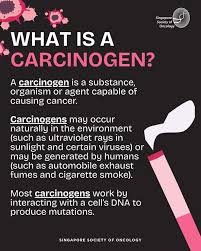
What is a carcinogen?
A substance that causes cancer.
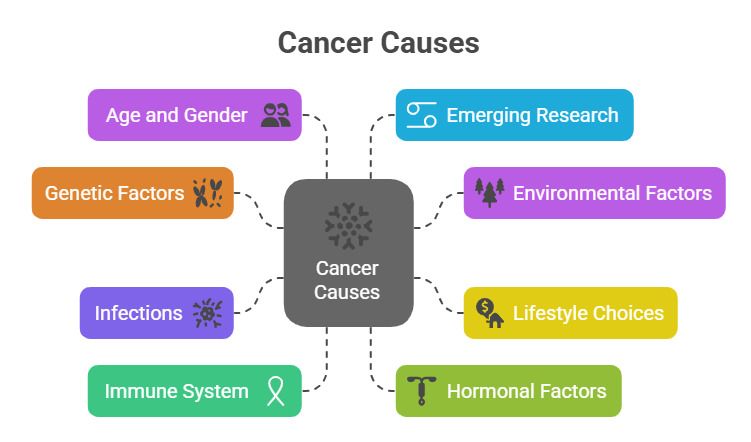
What are the common causes of mutations leading to cancer?
1. Smoking 2. UV-radiation 3. Environmental influences/chemical exposure 4. Effects of diet.
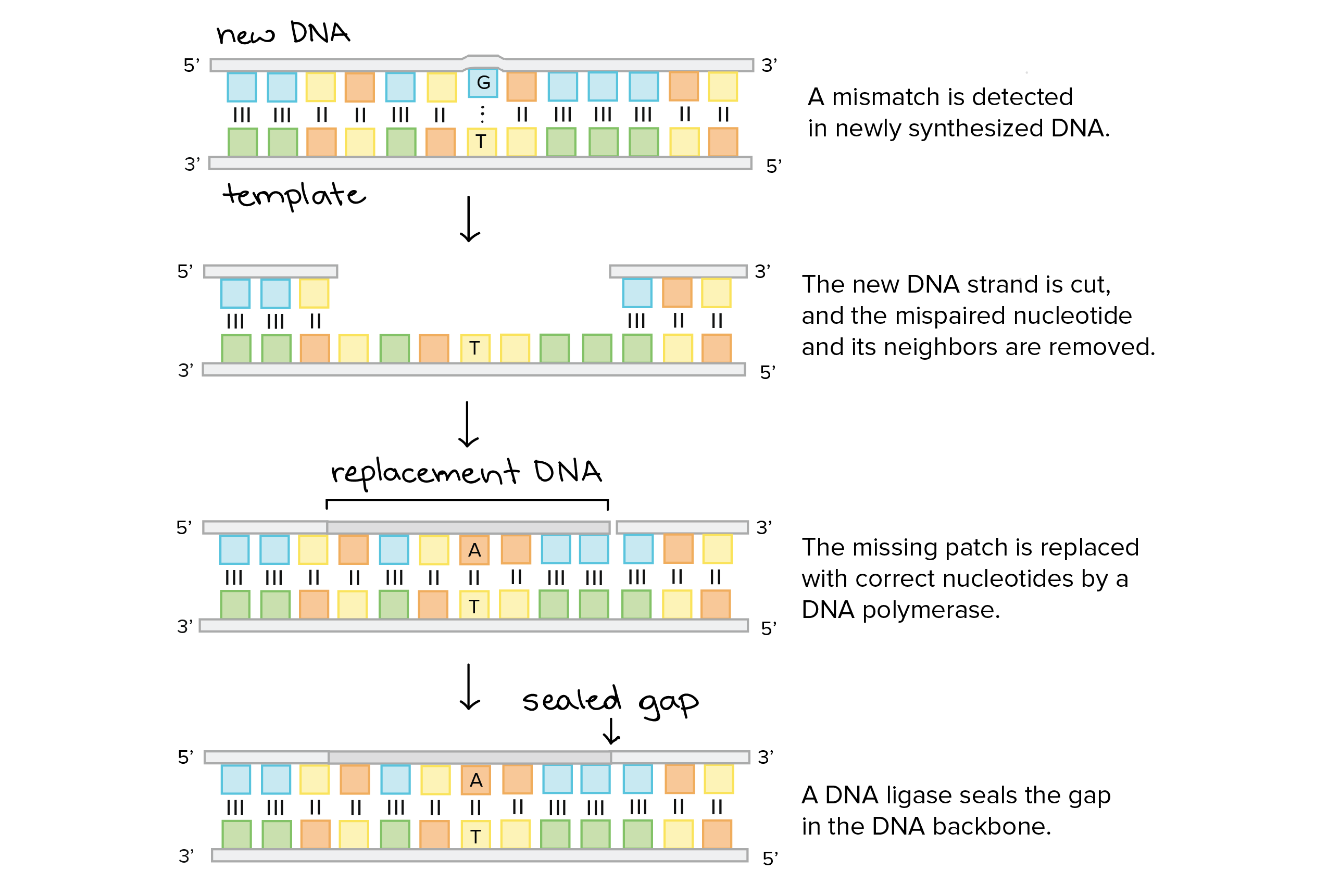
What is the role of DNA polymerase?
Adds complementary bases during DNA replication and can repair errors.
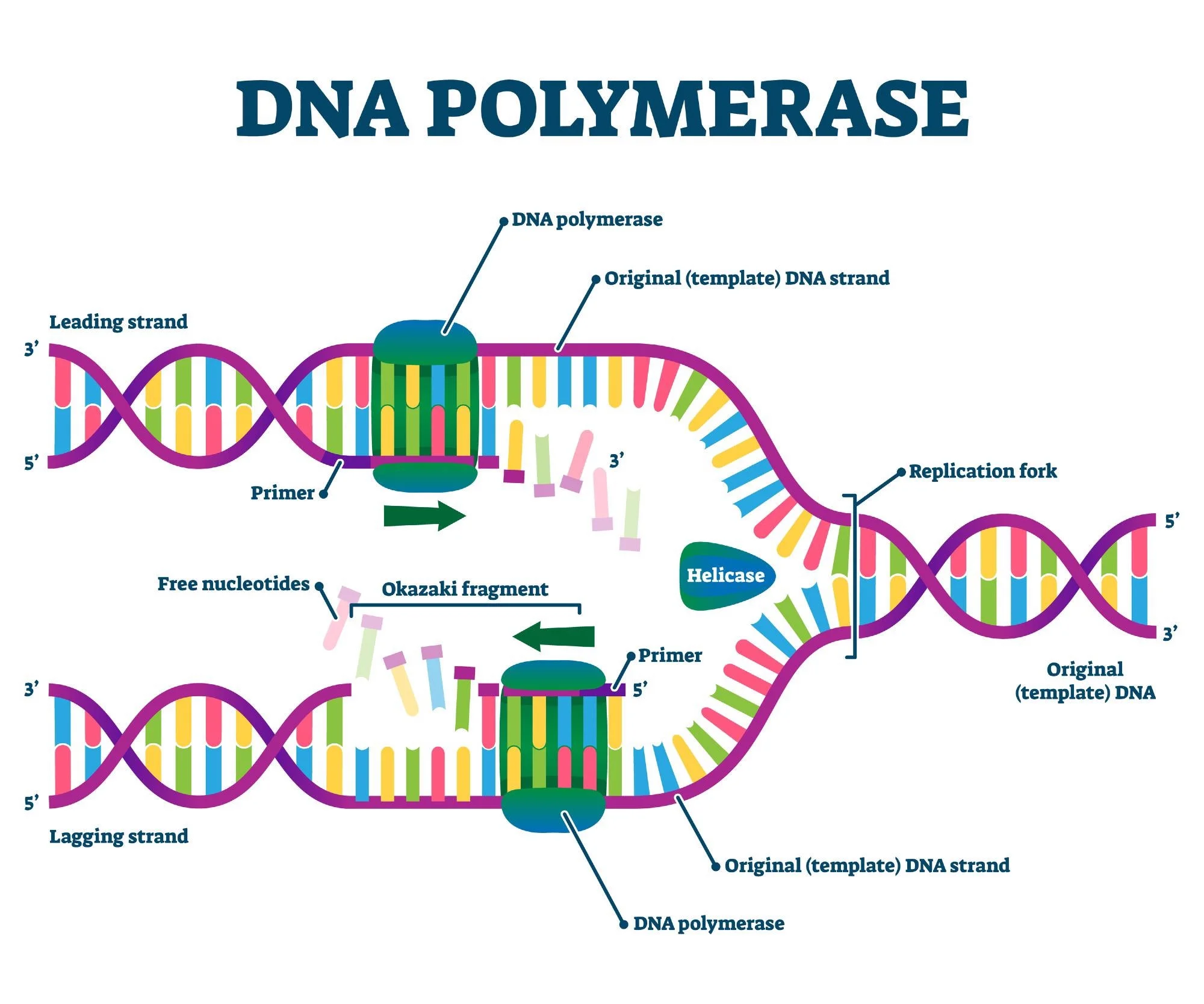
In what direction does DNA replication occur?
5' to 3' direction only.
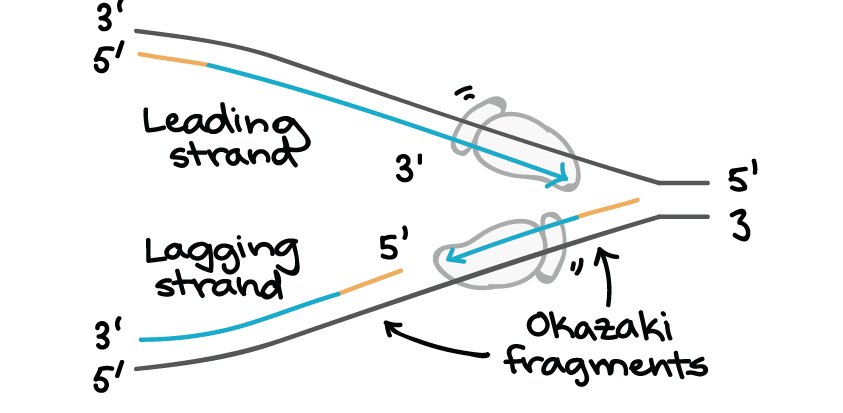
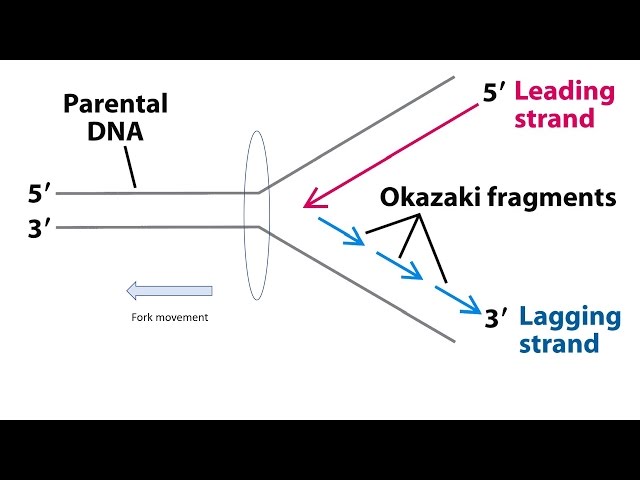
What is the difference between continuous and discontinuous replication?
Continuous replication occurs on the leading strand; discontinuous on the lagging strand.
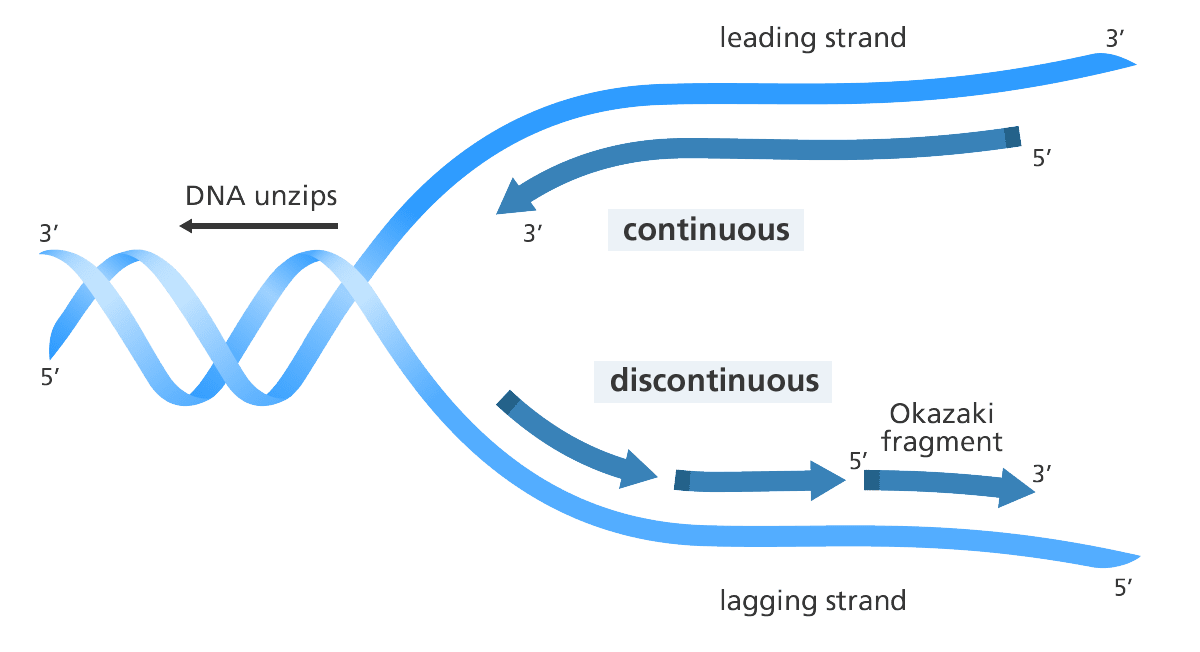
What is the Law of Segregation?
Organisms inherit two copies of each gene and donate only one copy in their gametes.
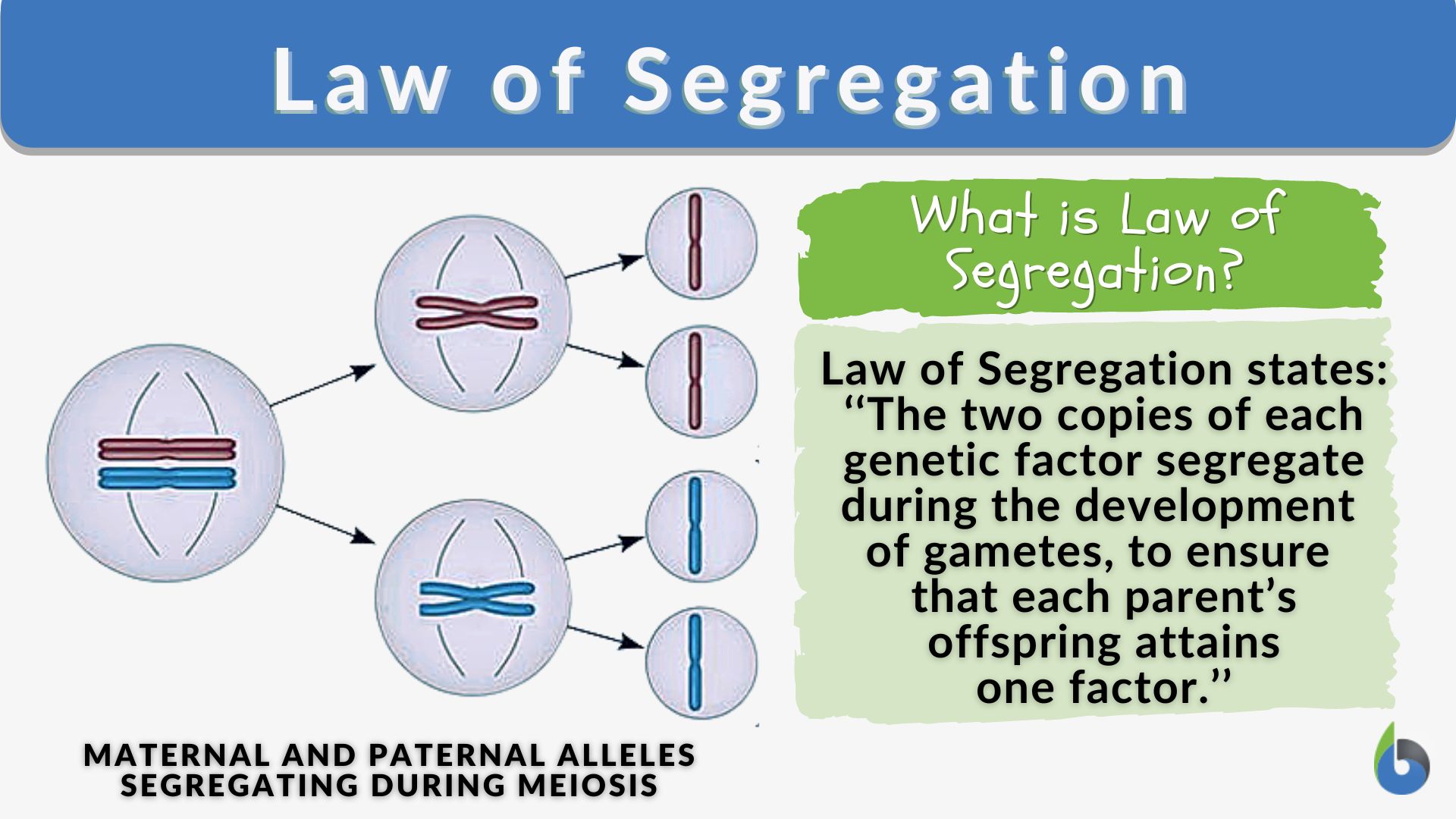
What is the difference between genotype and phenotype?
Genotype = actual alleles; Phenotype = physical expression of the genotype.
What is homozygous dominant?
Both alleles are the same and dominant (e.g., BB).
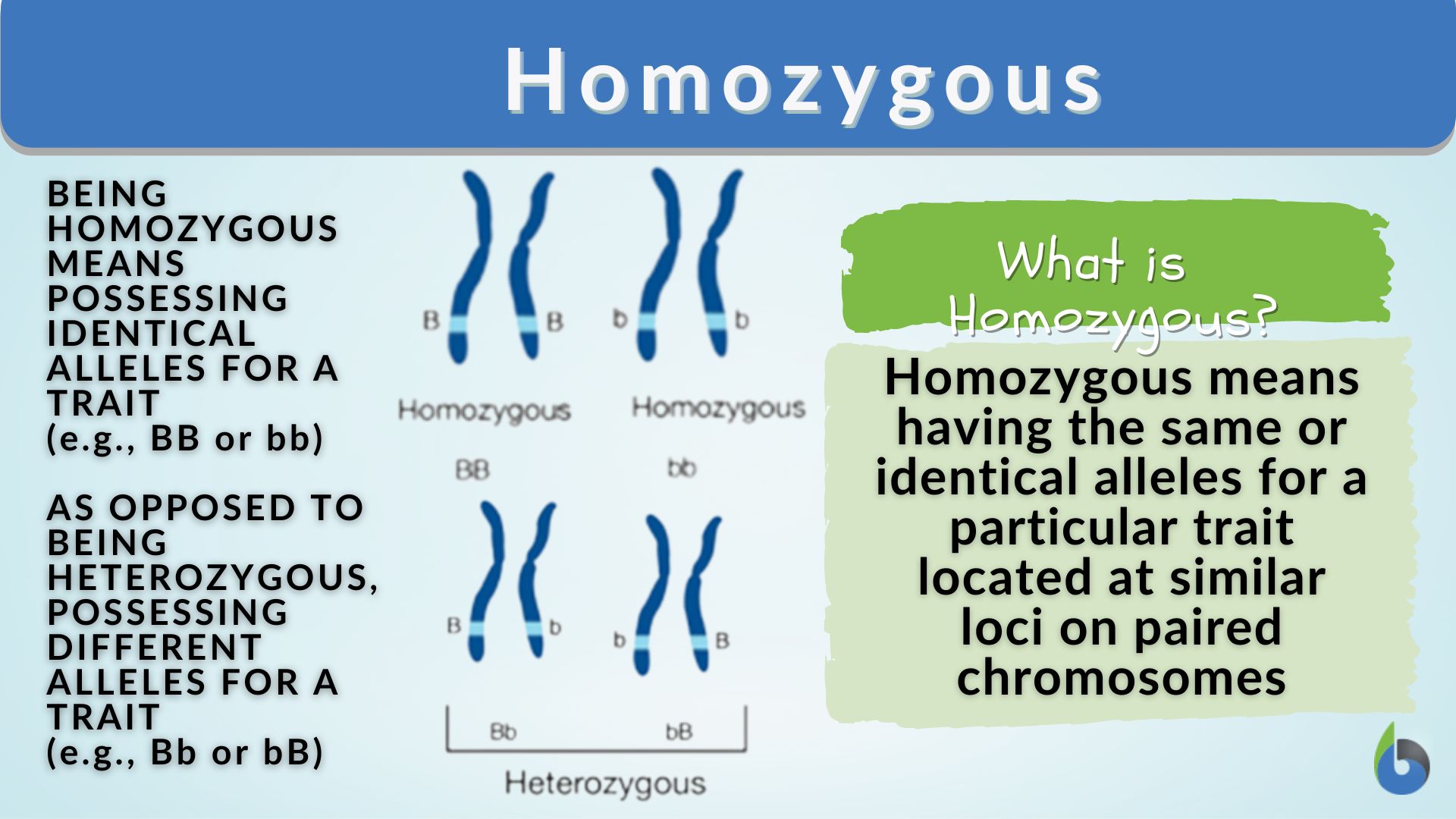
What is homozygous recessive?
Both alleles are the same and recessive (e.g., bb).
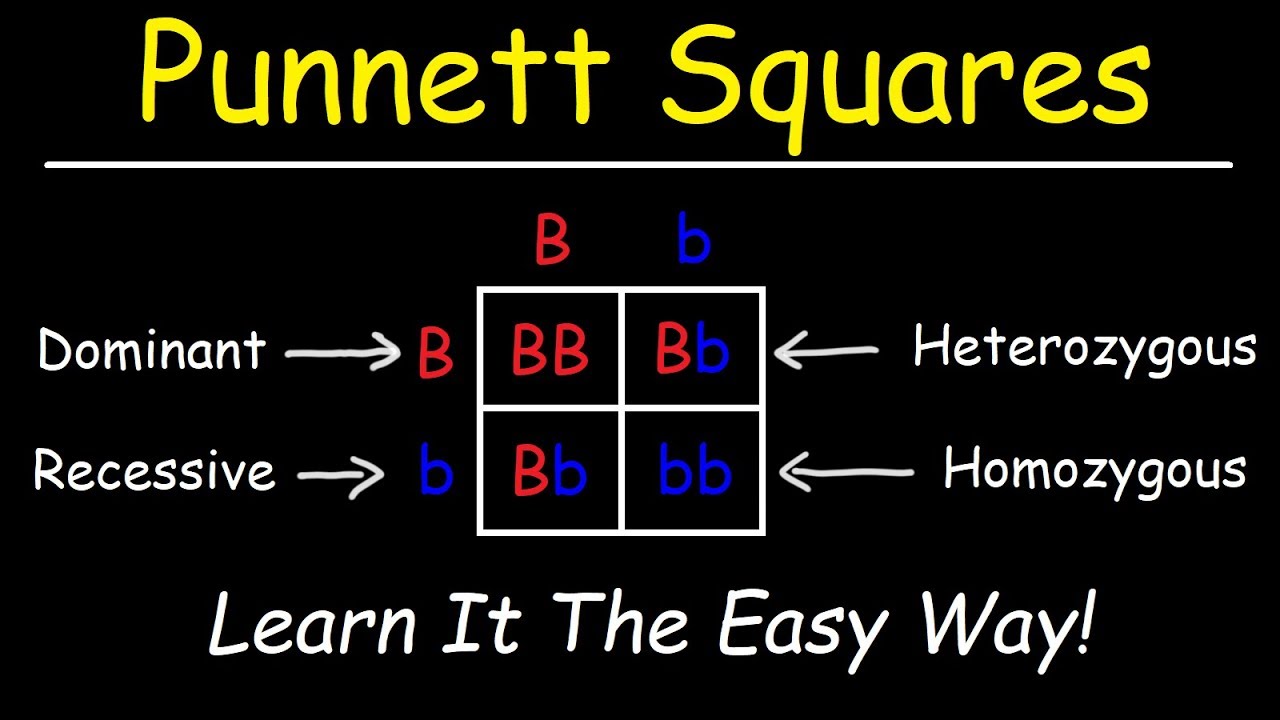
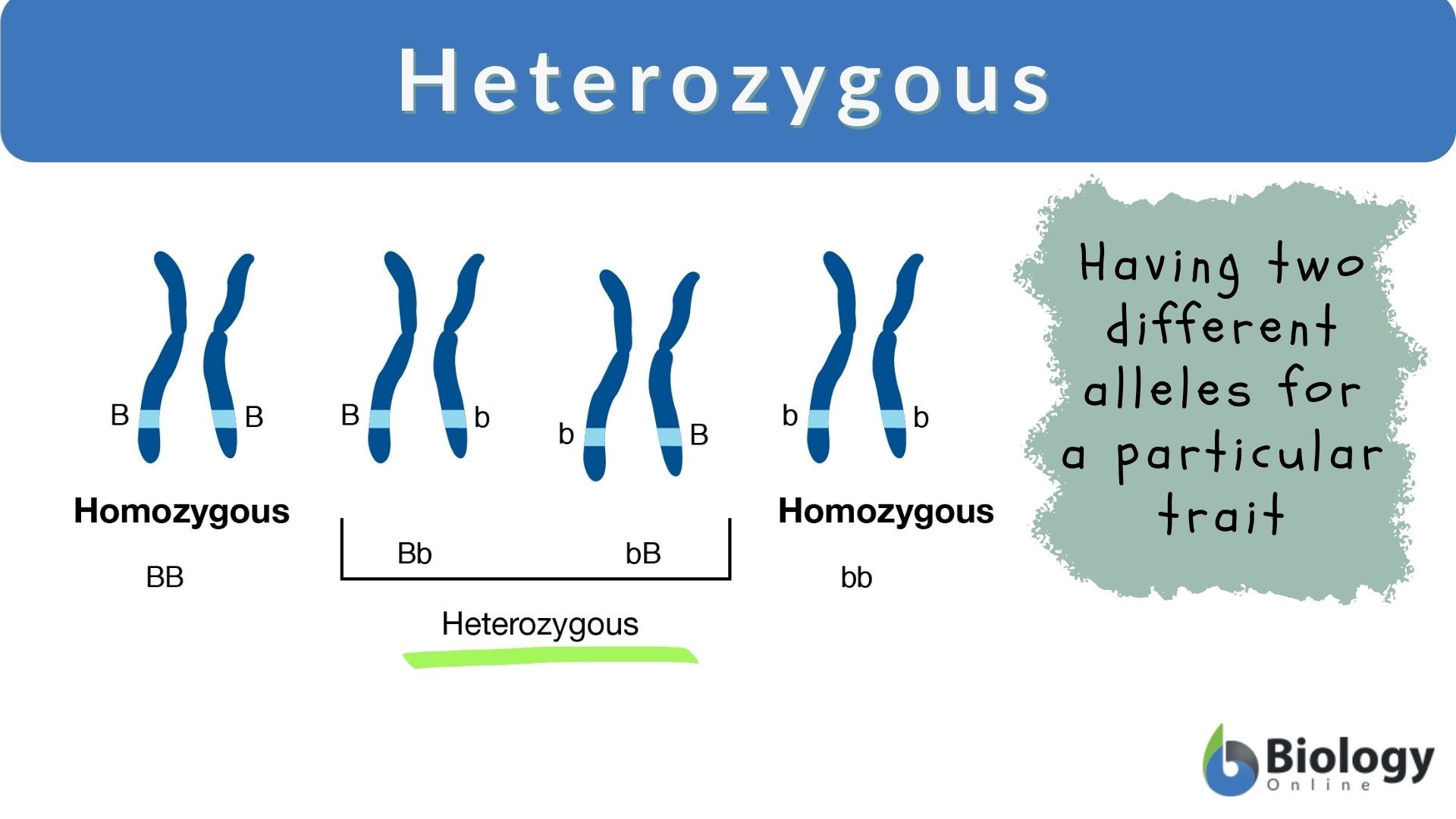
What is heterozygous?
The alleles are different (e.g., Bb).
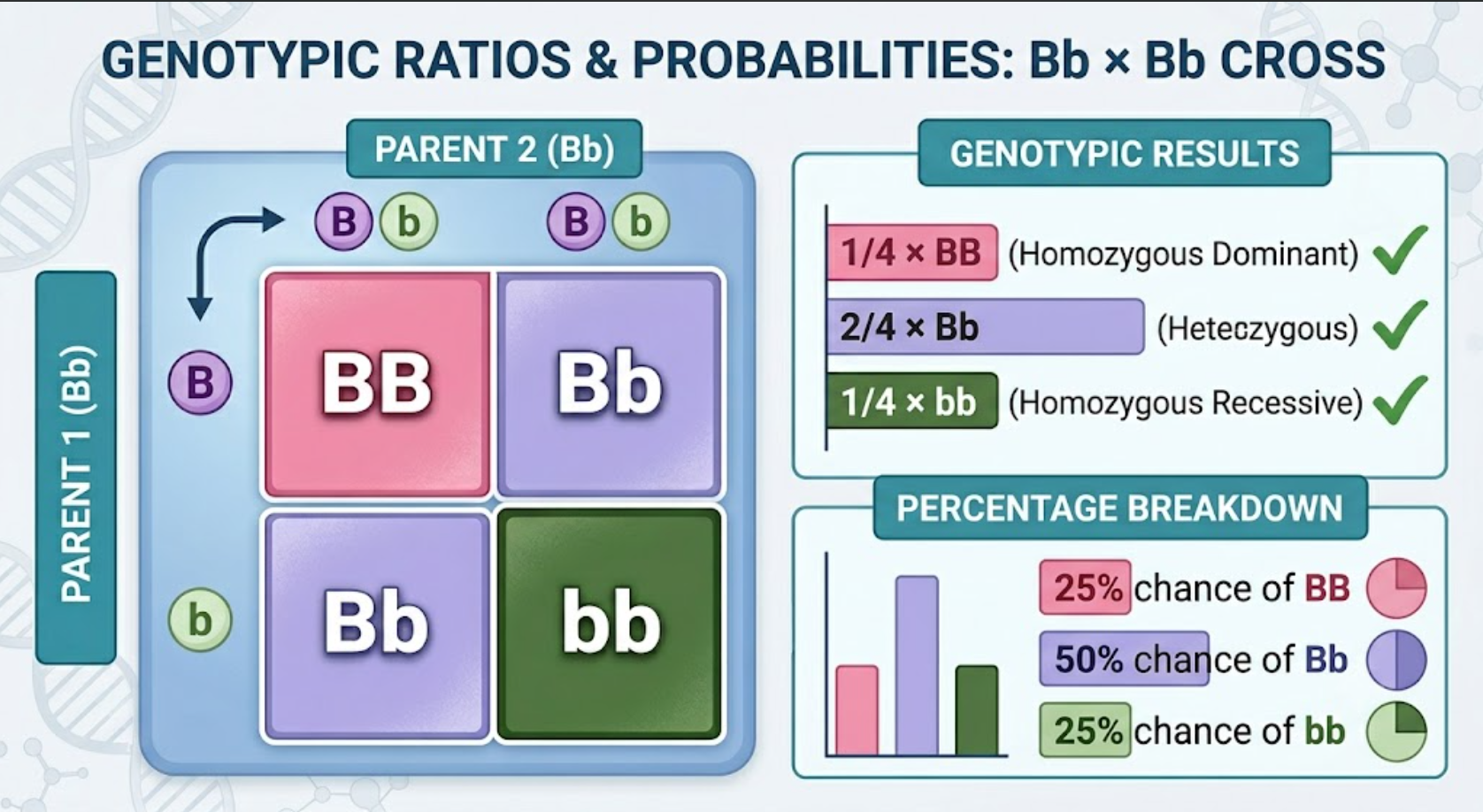
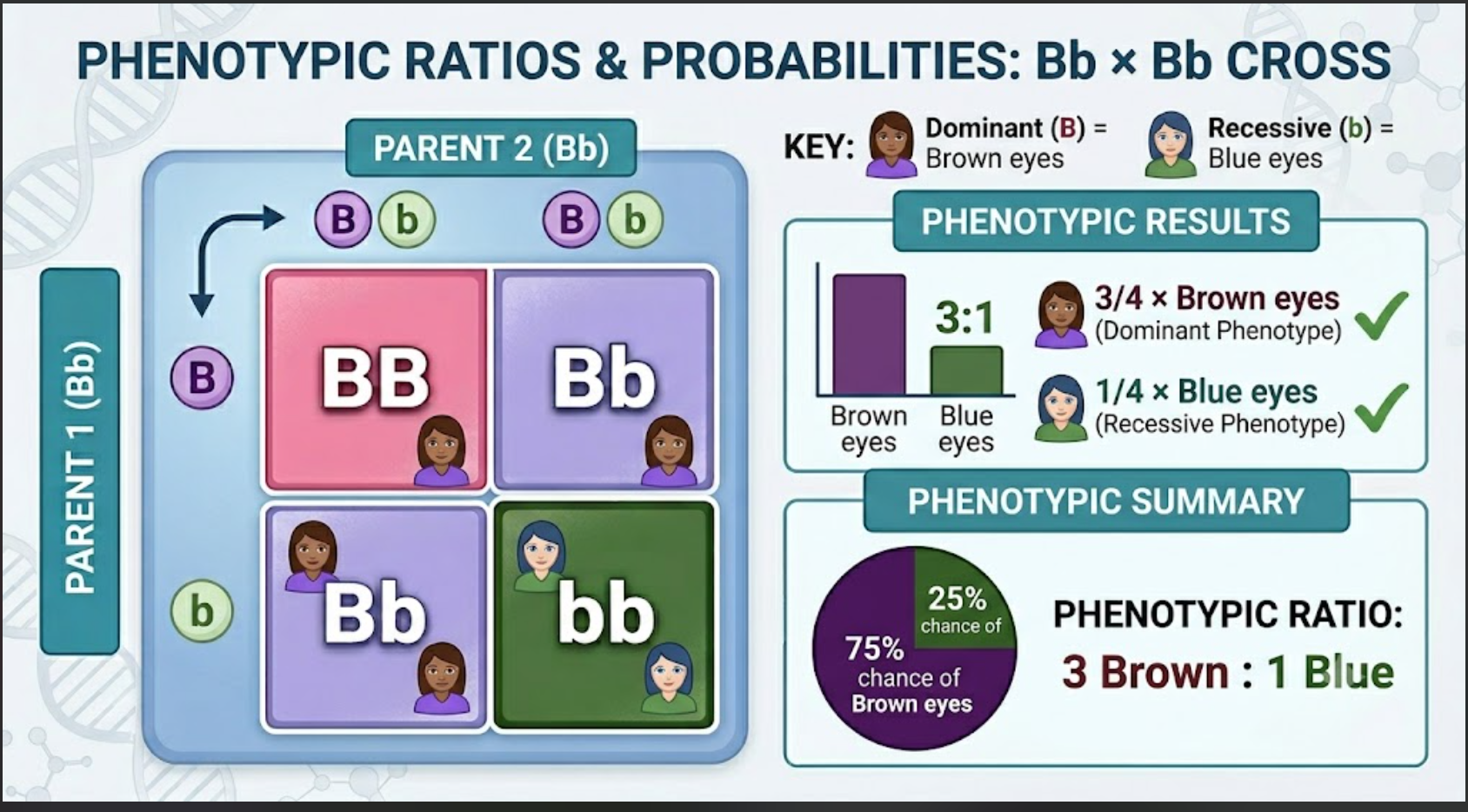
In a Punnett square where both parents are heterozygous (Bb × Bb), what are the genotypic ratios?
25% BB, 50% Bb, 25% bb (Genotypic ratio: 1:2:1).
In a Punnett square where both parents are heterozygous (Bb × Bb), what are the phenotypic ratios?
75% dominant trait, 25% recessive trait (Phenotypic ratio: 3:1).
What is cystic fibrosis and its inheritance pattern?
An autosomal recessive disorder; both parents must be carriers for a child to be affected.
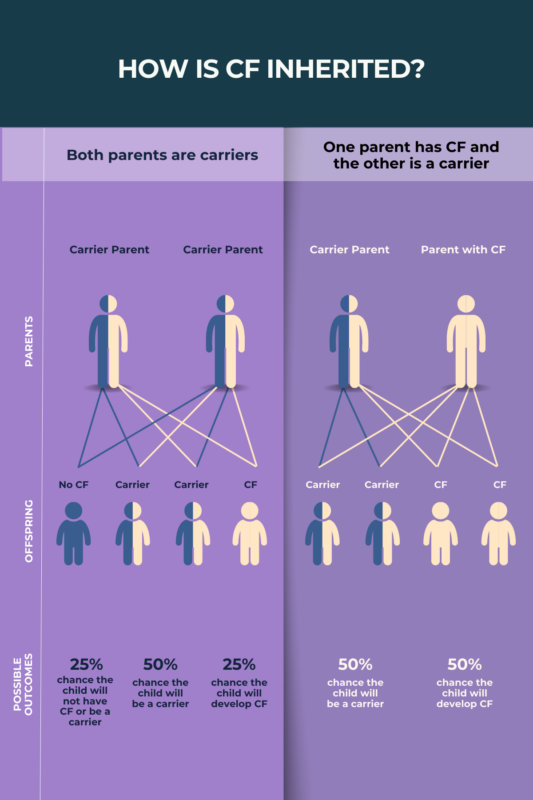
If both parents are carriers for cystic fibrosis, what is the chance their child will have the disease?
25% chance the child will have cystic fibrosis.
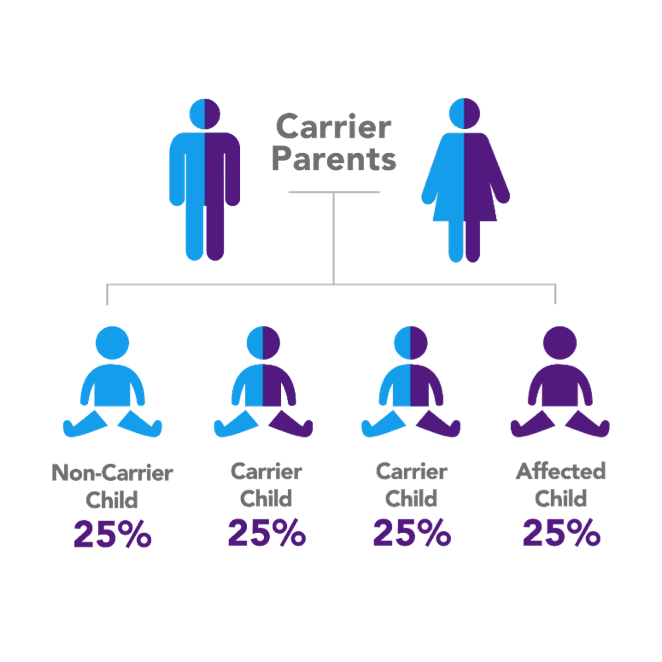
What is a carrier?
An individual who has one copy of a recessive allele but does not express the trait.
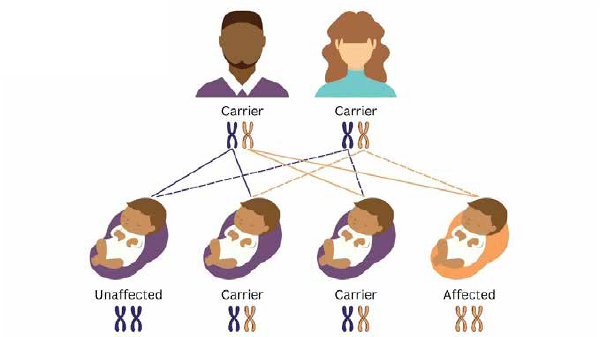
What is a pedigree?
A diagram showing how a trait or disease moves through generations of a family.
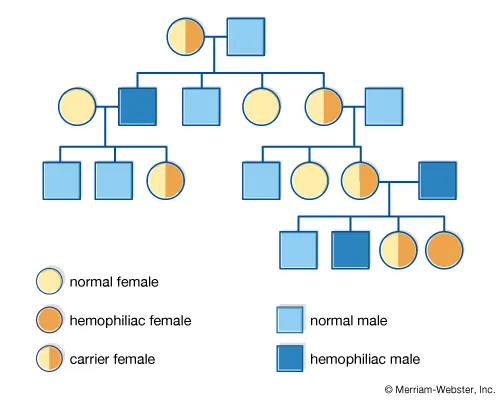
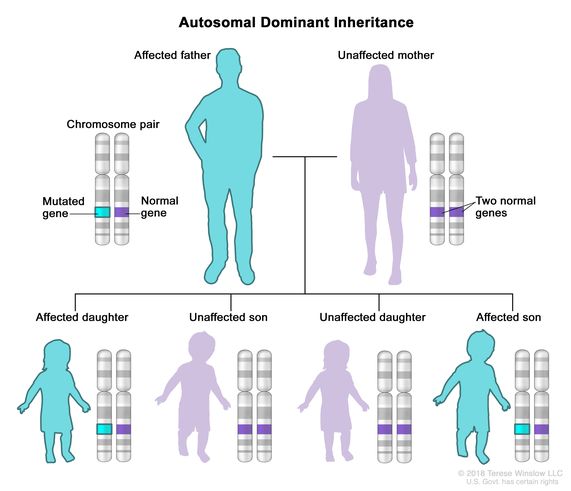
What is an autosomal dominant trait inheritance pattern?
If you have the dominant allele, you express the trait.
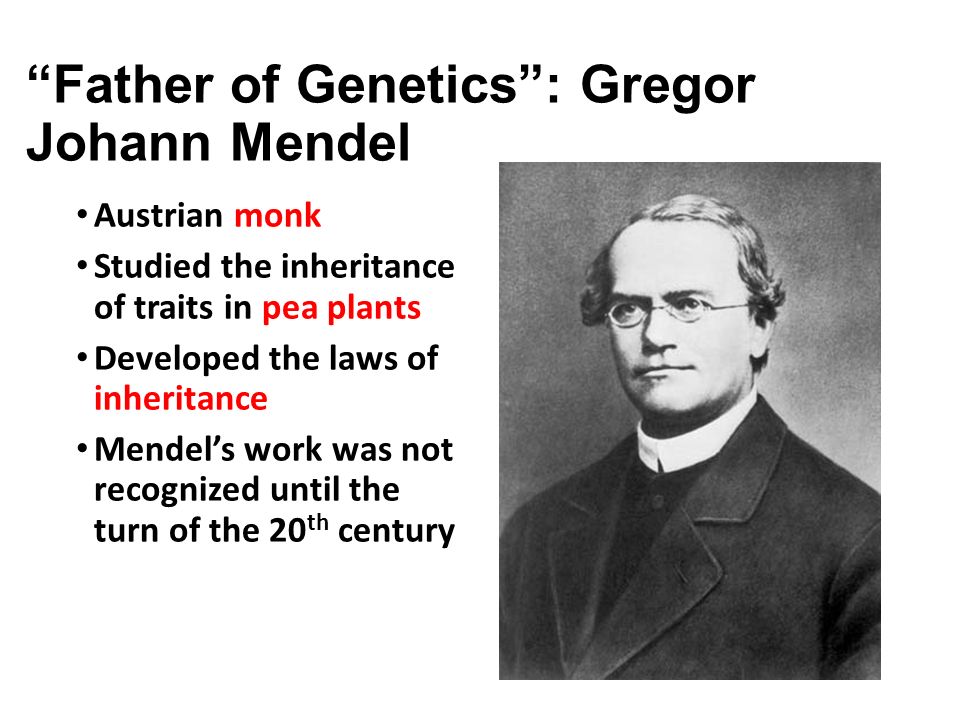
Who was Gregor Mendel?
The scientist who studied pea plants and determined principles of inheritance.
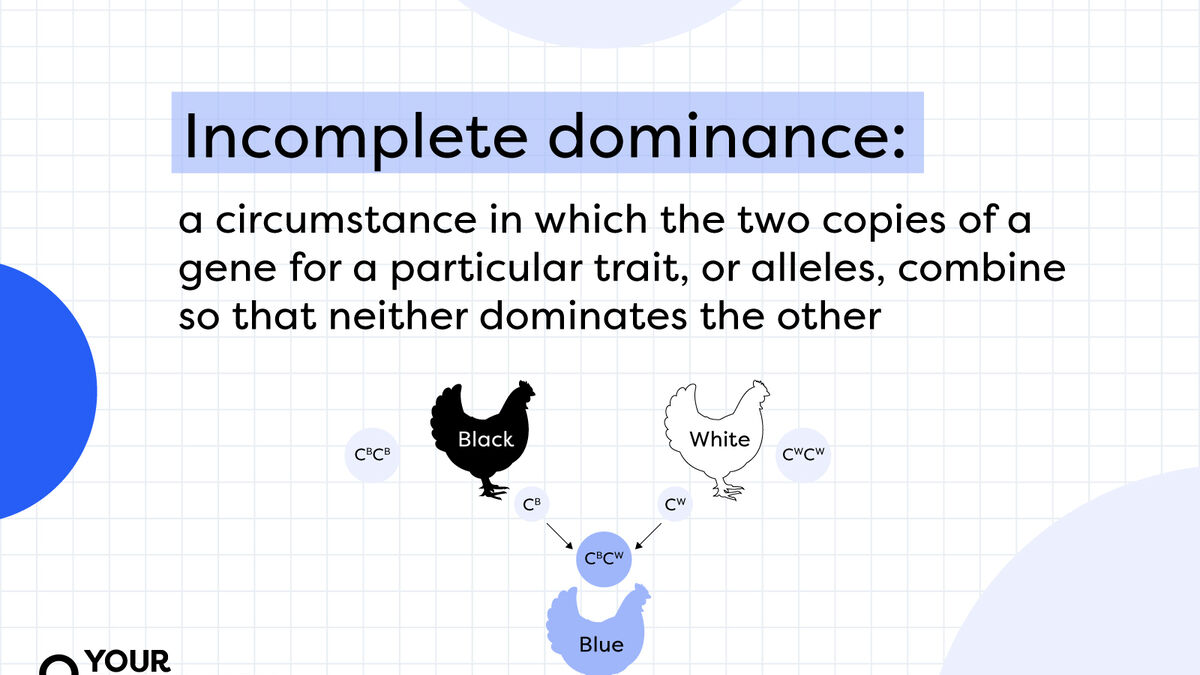
What is incomplete dominance?
When one allele is not completely dominant over another, resulting in a blended phenotype.
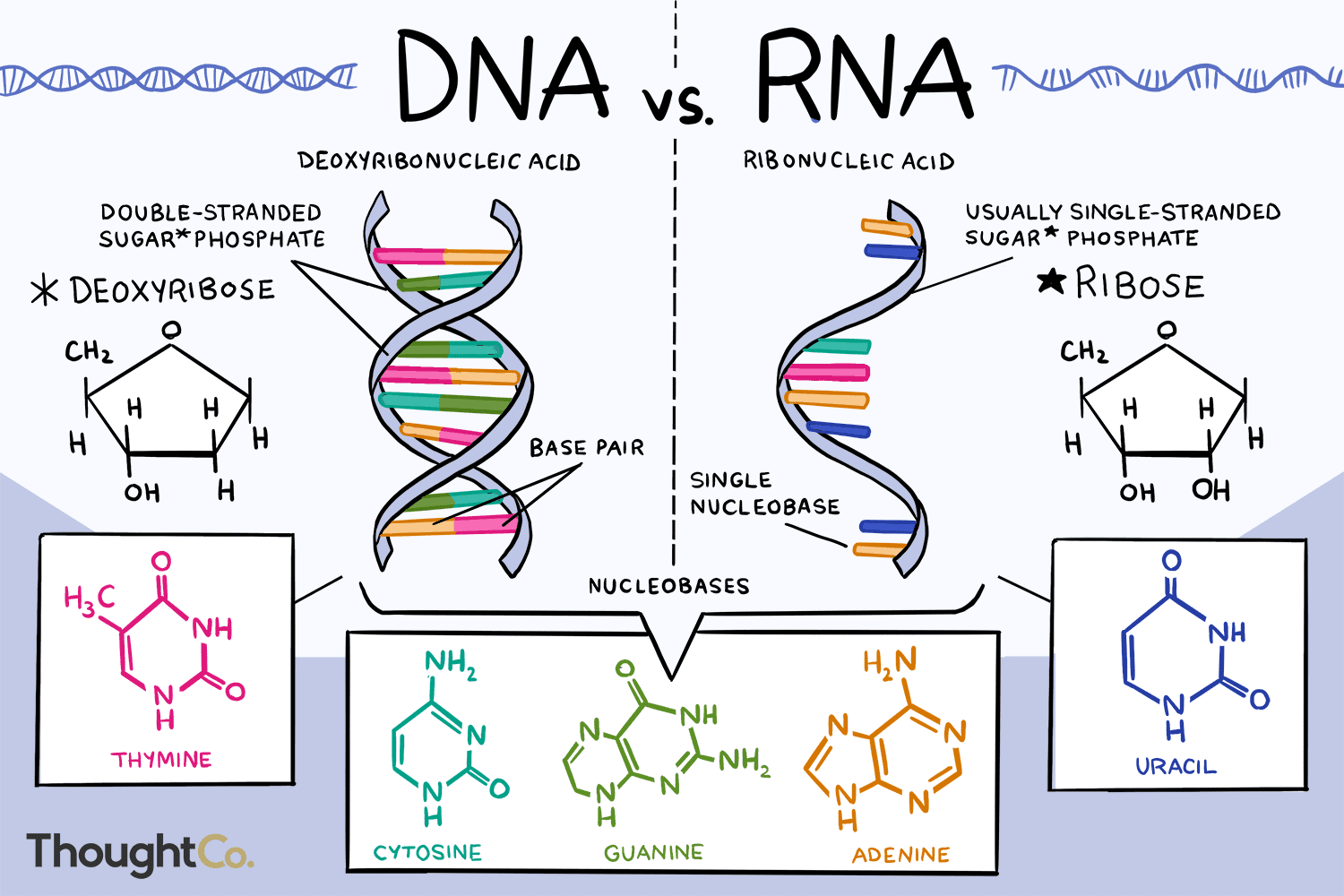
What is the difference between DNA and RNA?
1. RNA is single-stranded, 2. RNA uses ribose sugar, 3. RNA uses Uracil instead of Thymine.
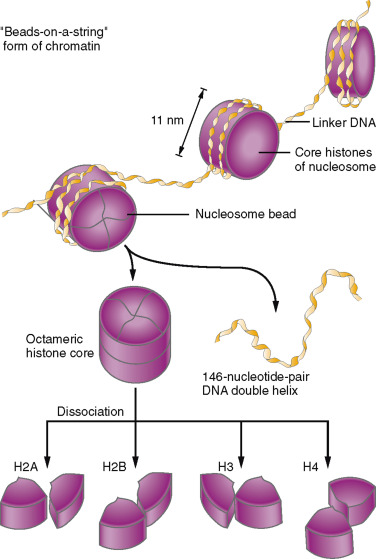
What is the role of histone proteins?
Help DNA coil up and form its shape.
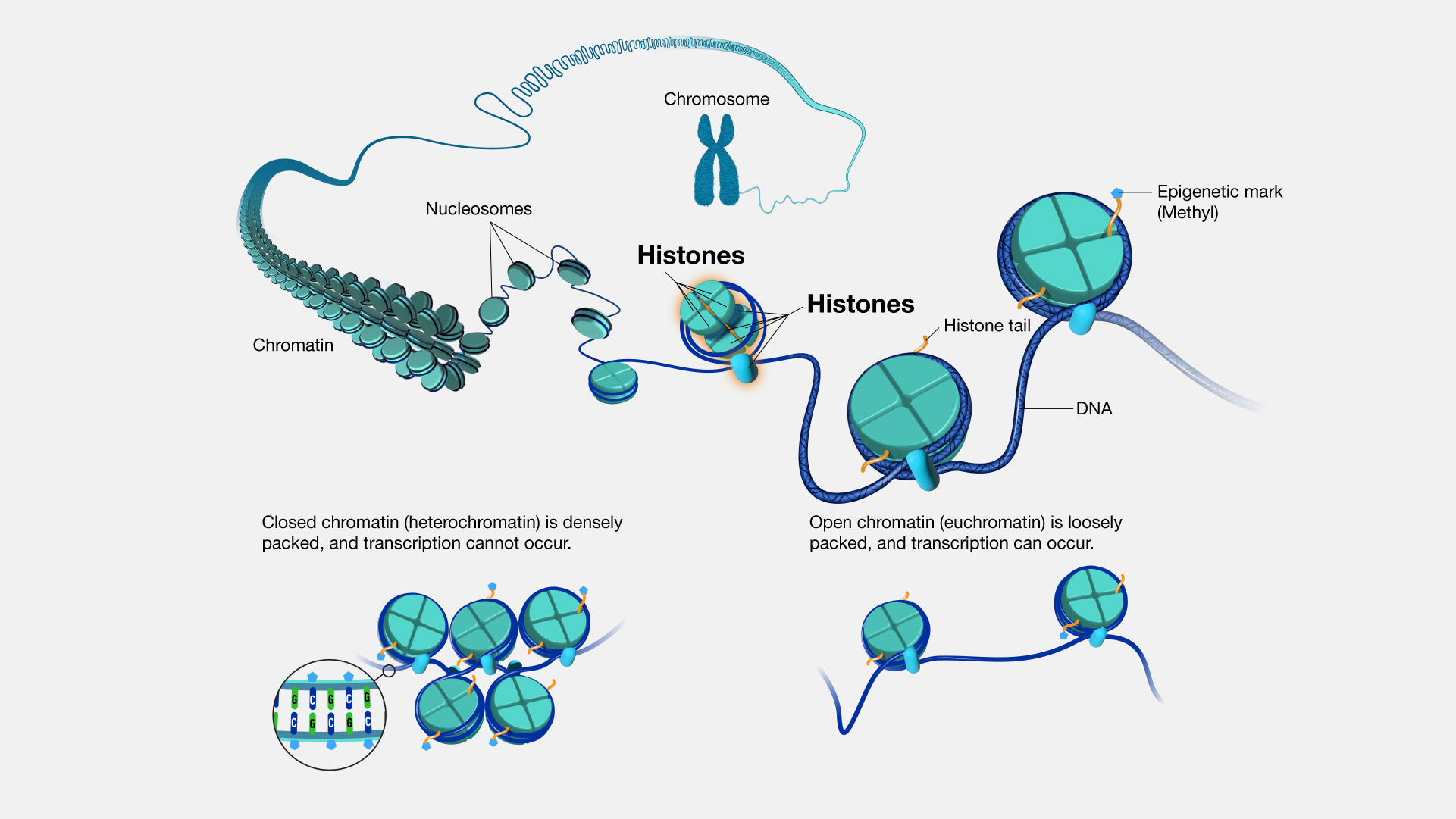
What is the role of non-histone proteins?
Regulate turning genes on and off.
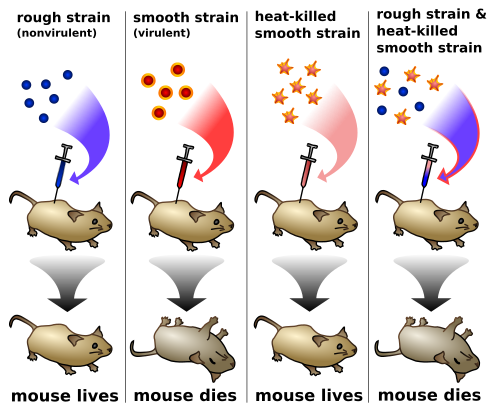
What was the significance of the Griffith experiment (1928)?
Showed transformation - that DNA contains heritable information.
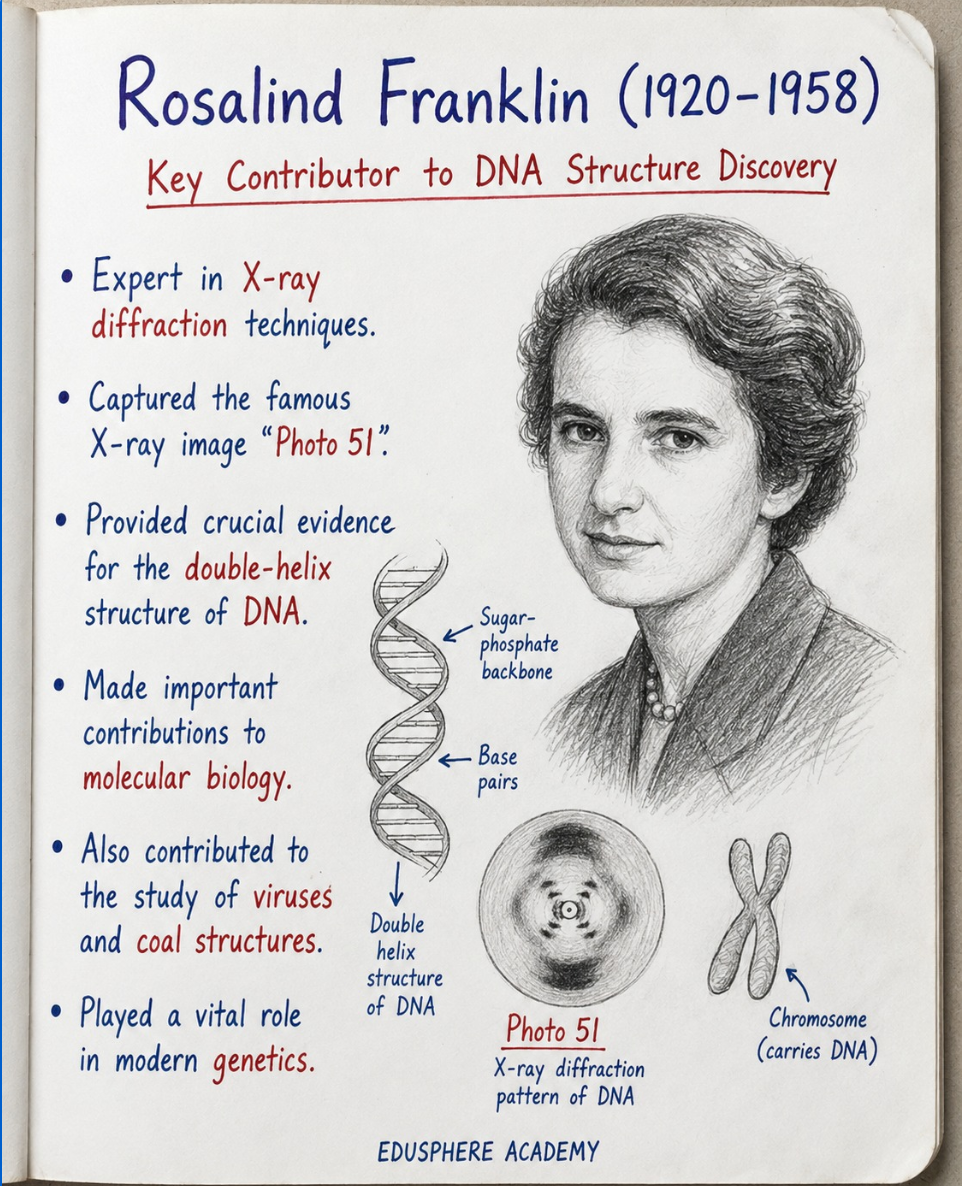
Who is Rosalind Franklin and what was her contribution to genetics?
A biophysicist who confirmed the helical structure of DNA.
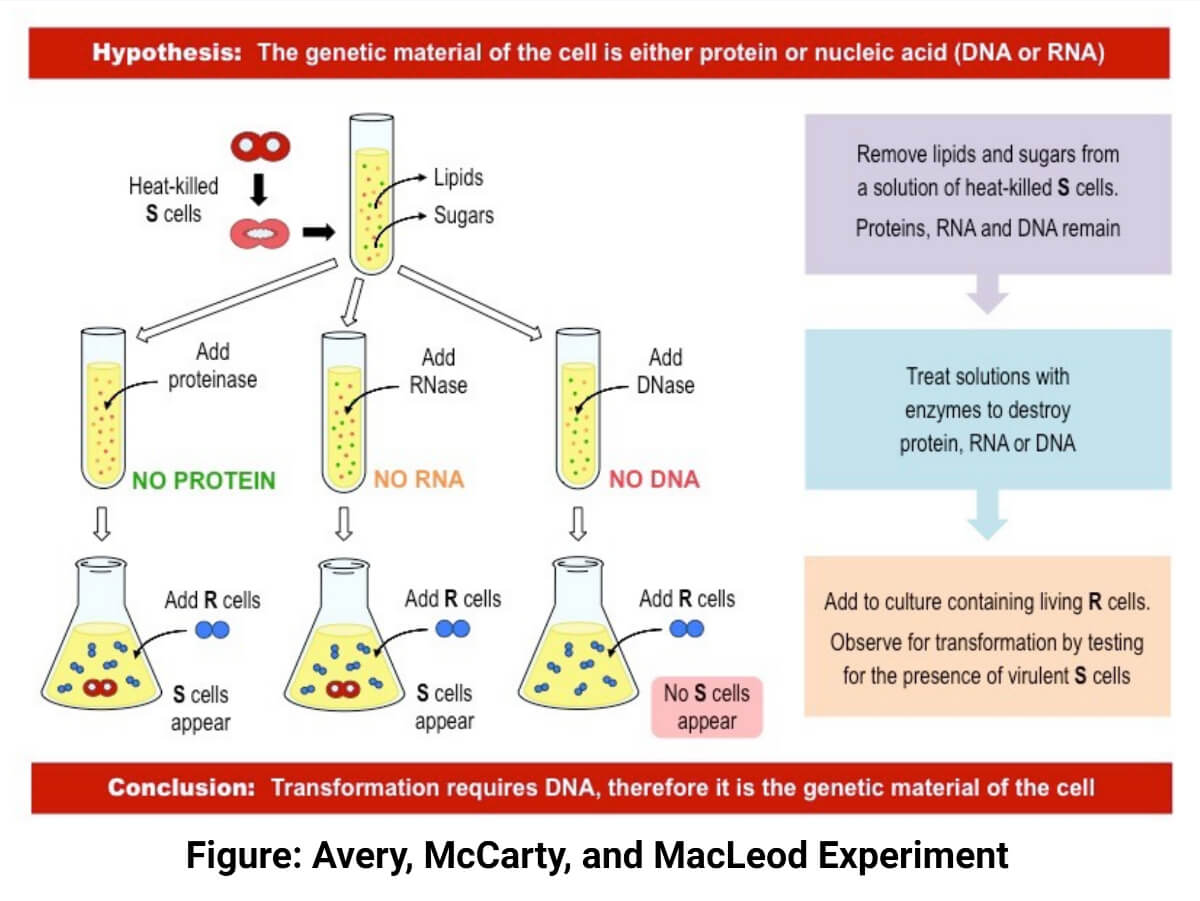
What was Avery's (1944) contribution?
He identified DNA as the 'transformer' - the molecule that contains genetic information.
What are Okazaki fragments?
Short segments on the lagging strand during DNA replication.
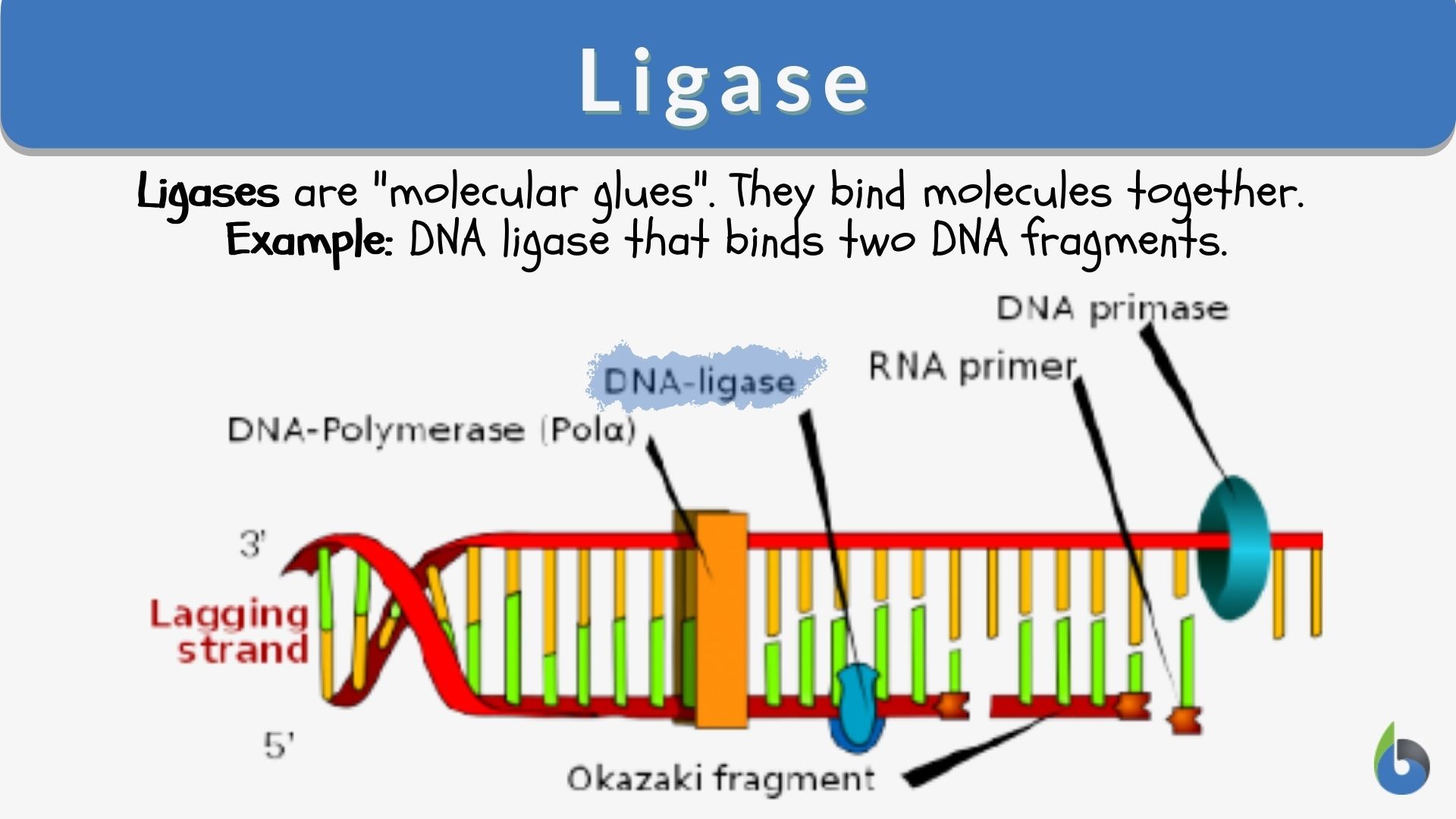
What is the role of DNA ligase in replication?
Joins Okazaki fragments together.
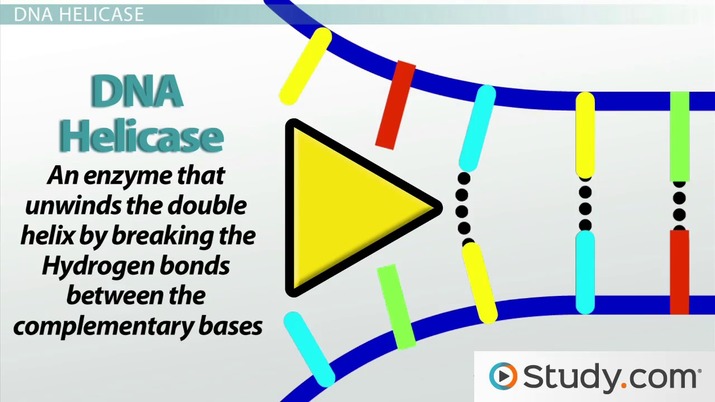
What is the role of helicase in DNA replication?
Unwinds the double helix for replication.
What is the role of RNA primase in DNA replication?
Lays down a short RNA primer for DNA polymerase.
What is proofreading in DNA replication?
DNA polymerase detects and removes mismatched base pairs to correct errors.