All Images & Terms
 Call Kai
 Learn
Learn Practice Test
 Spaced Repetition
 Match
Match Flashcards
 Knowt Play
1/85

There's no tags or description
Looks like no tags are added yet.
Name | Mastery | Learn | Test | Matching | Spaced | Call with Kai | Chat |
|---|
No analytics yet
Send a link to your students to track their progress
86 Terms
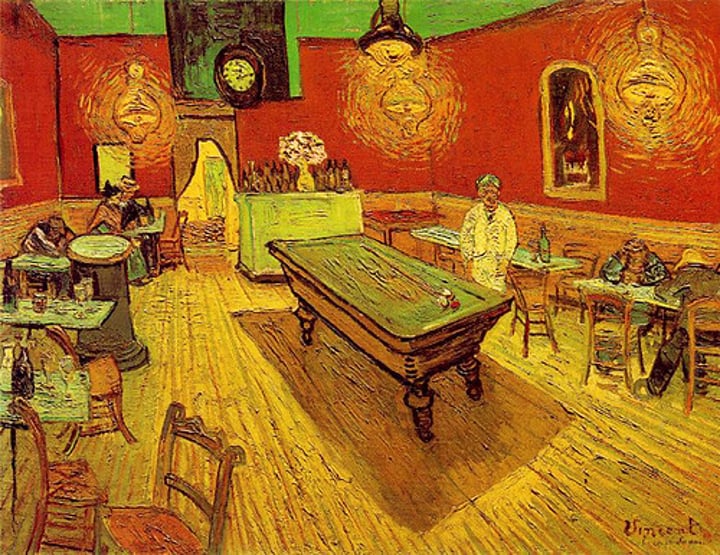
Night Cafe (by Vincent Van Gogh)
1888 (Post-impressionism)
Arles, France
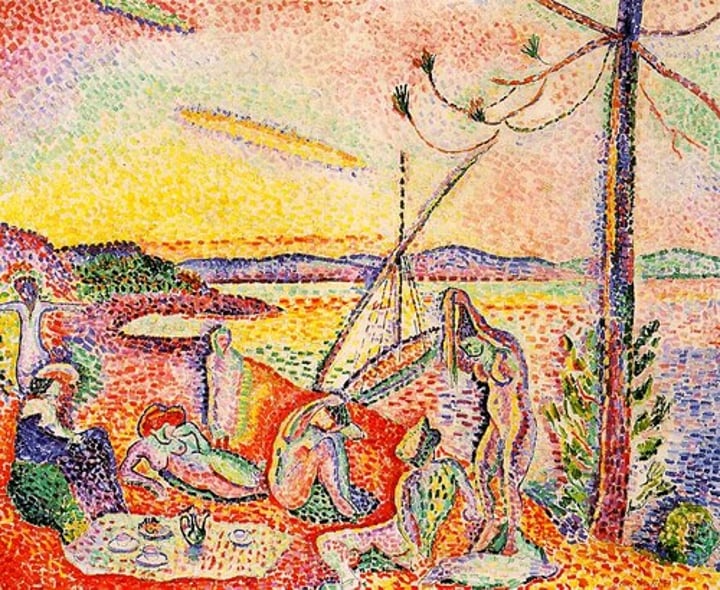
Luxe, Calme et Volupte (by Henri Matisse)
1904 (Fauvism/Expressionism)
St. Tropez, France
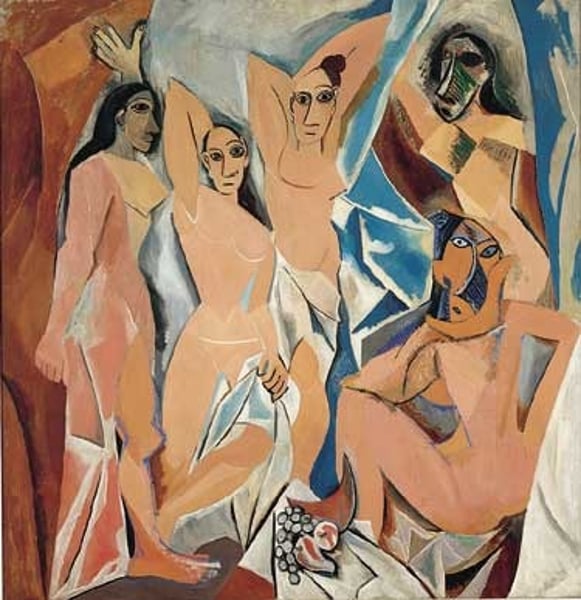
Les Demoiselles d'Avignon (by Pablo Picasso)
1907 (Cubism)
Paris, France
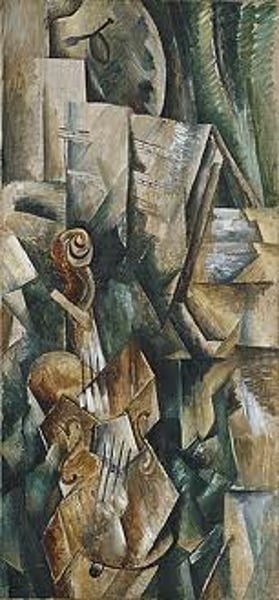
Violin and Palette (by George Braque)
1909 (Cubism)
France
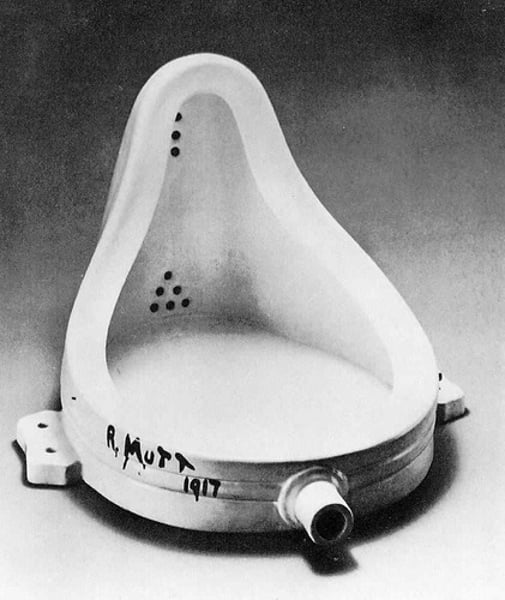
Fountain (by Marcel Duchamp)
1917 (Dada)
New York, US
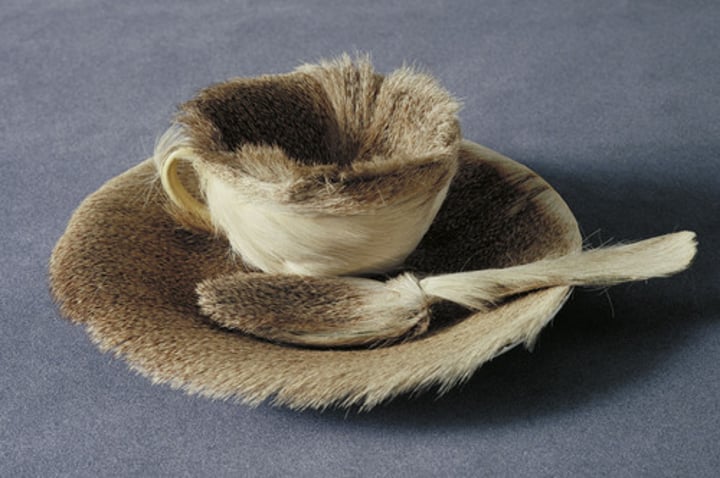
Object (by Meret Oppenheim)
1936 (Surrealism)
France
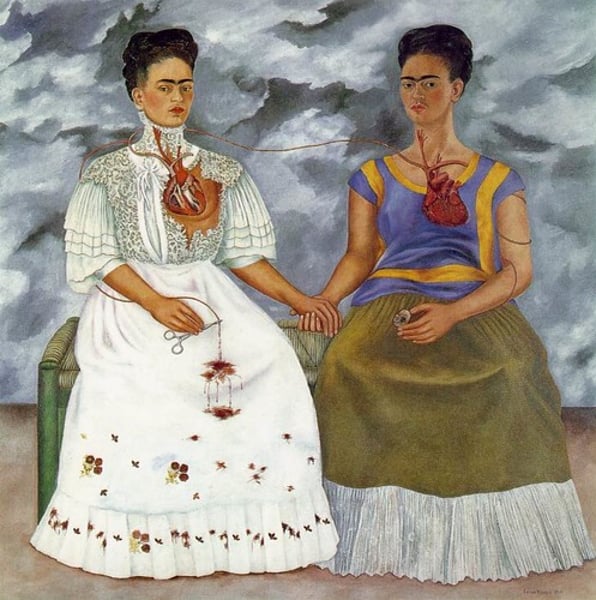
The Two Fridas (by Frida Kahlo)
1939 (Surrealism)
Mexico
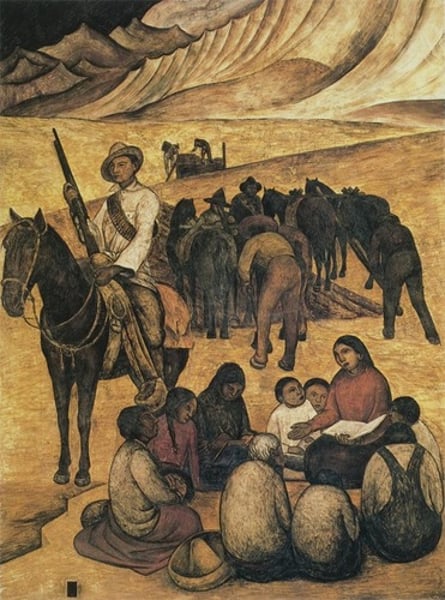
Rural Schoolteacher (by Diego Rivera)
1928 (Mexican Modernism)
Mexico
Readymade
An object from popular or material culture presented without further manipulation as an artwork by the artist.
Muralism
Promotion of mural painting in Mexico starting in the 1920s with political and social messages.
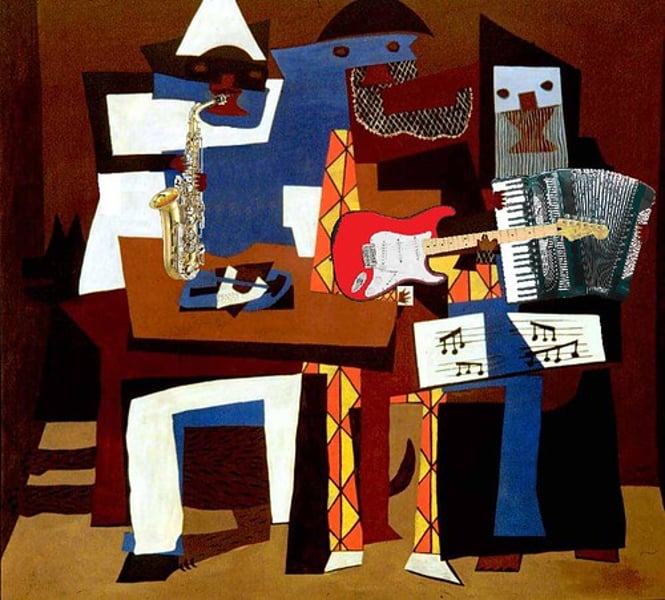
Analytic cubism
the early phase of cubism, chiefly characterized by a pronounced use of geometric shapes and by a tendency toward a monochromatic use of color.
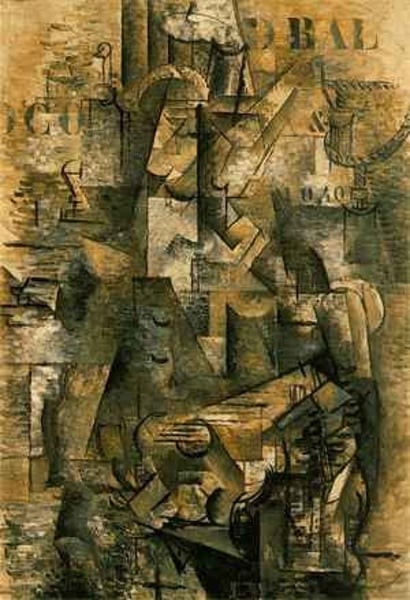
Synthetic cubism
the late phase of cubism, characterized chiefly by an increased use of color and the imitation or introduction of a wide range of textures and material into painting.
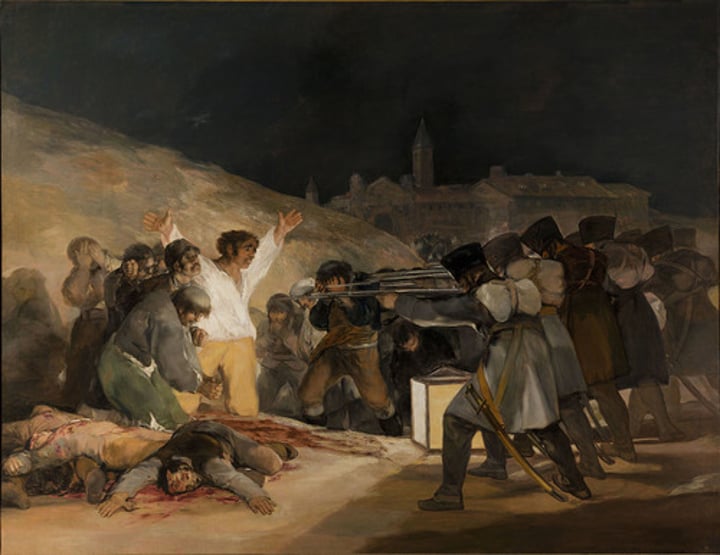
The Third of May 1808 (by Francisco Goya)
1814 (Romanticism)
Madrid, Spain
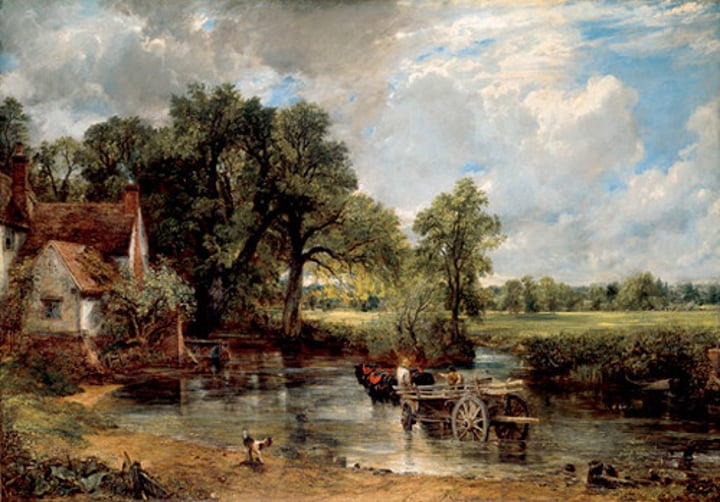
The Hay Wain (by John Constable)
1821 (Romanticism)
England
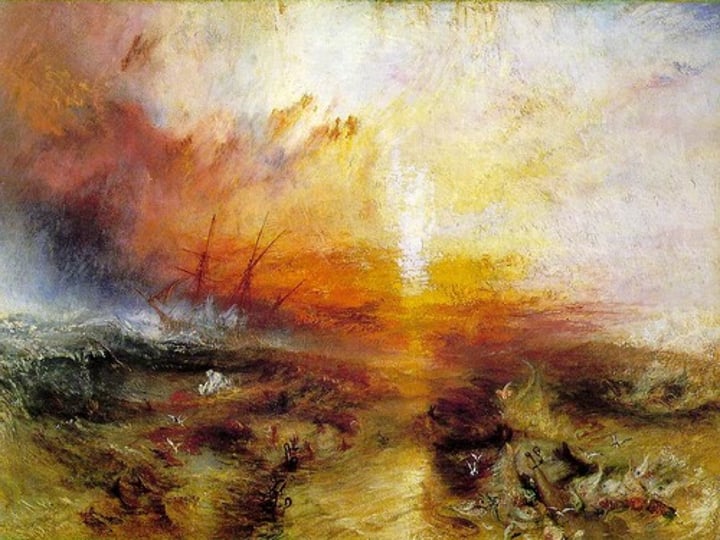
The Slave Ship (by J. M. W. Turner)
1840 (Romanticism)
Europe
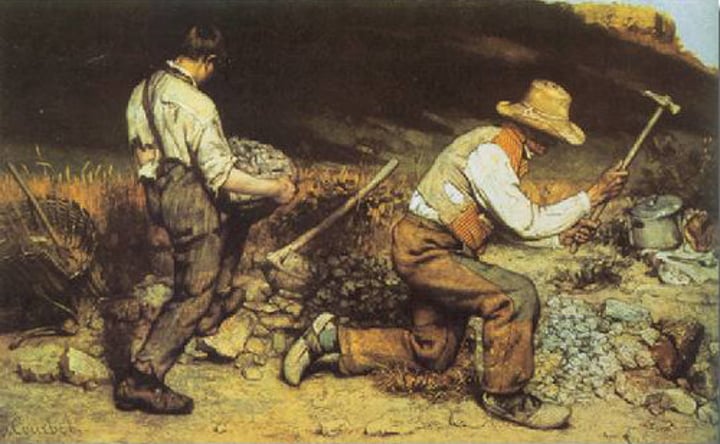
The Stone Breakers (by Gustave Courbet)
1849 (Realism)
France
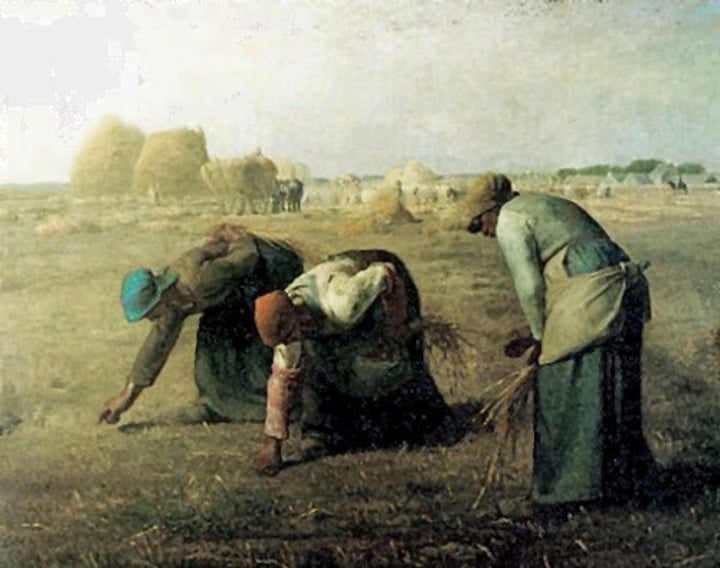
The Gleaners (by Jean-Francois Millet)
1857 (Realism)
France
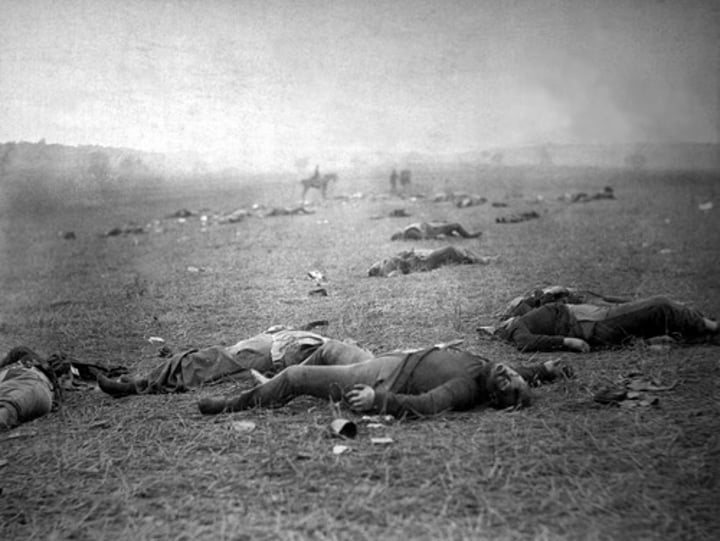
A Harvest of Death (by Timothy O' Sullivan)
1863 (Photography)
Pennsylvania, US
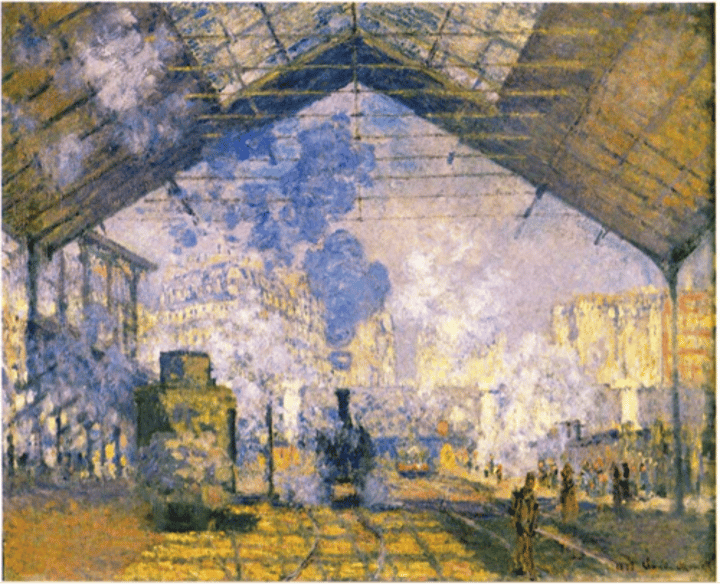
Saint-Lazare Train Station (by Claude Monet)
1877 (Impressionism)
Paris, France
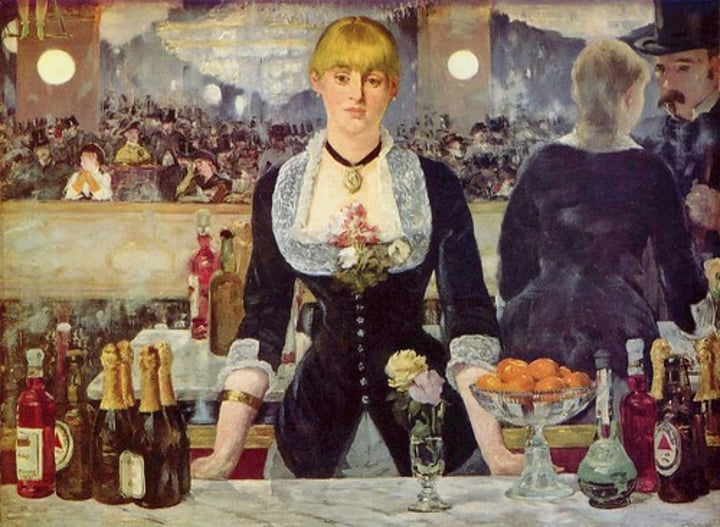
Bar at the Folies-Bergere (by Edouard Manet)
1882 (Impressionism)
Paris, France
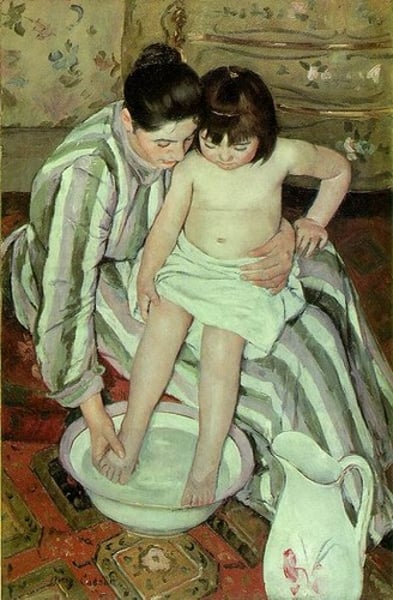
The Bath (by Mary Cassatt)
1892 (Impressionism)
Paris, France
Industrial Revolution
A period of rapid growth in the use of machines in manufacturing and production that began in the mid-1700s
Daguerrotype
a photograph made by an early method on a plate of chemically treated metal (developed by Louis JM Daguerre)
Salon
a social gathering of intellectuals and artists, like those held in the homes of wealthy women in Paris and other European cities during the Enlightenment
Modernism in art history
A rejection of history and conservative values (such as realistic depiction of subjects); innovation and experimentation with form
En plein air
the act of painting outdoors. This method contrasts with studio painting or academic rules that might create a predetermined look.
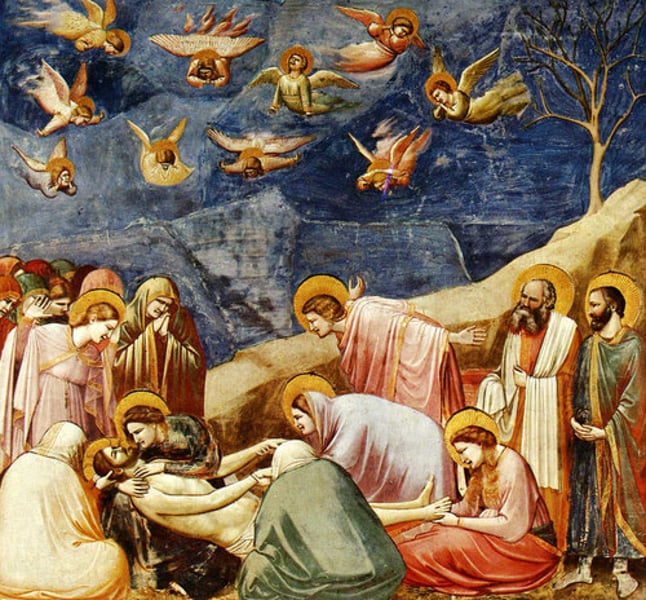
Lamentation (by Giotto di Bondone)
1305 (Early Renaissance)
Made w/ Fresco
Padua, Italy
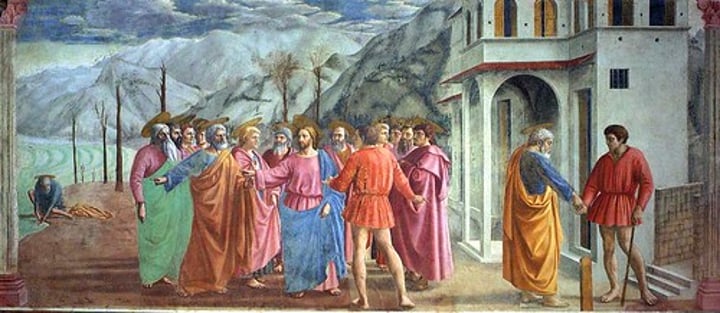
The Tribute Money (by Masaccio)
1424 - 1427 (Early Renaissance)
Made w/ Fresco
Florence, Italy
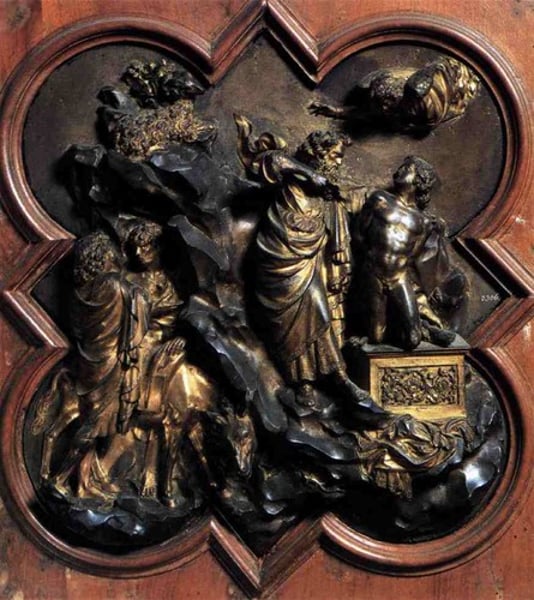
Sacrifice of Issac (by Lorenzo Ghiberti)
1401 (Early Renaissance)
Made w/ Gilded Bronze
Florence, Italy
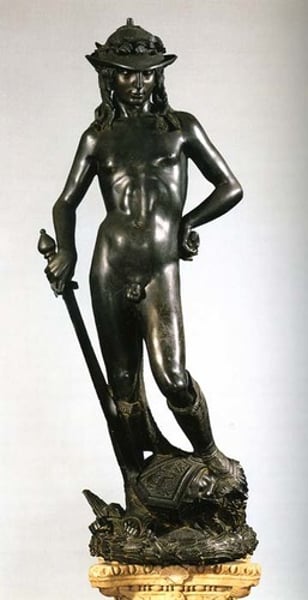
Donatello (by David)
1440-1460 (Early Renaissance)
Made w/ Bronze
Florence, Italy
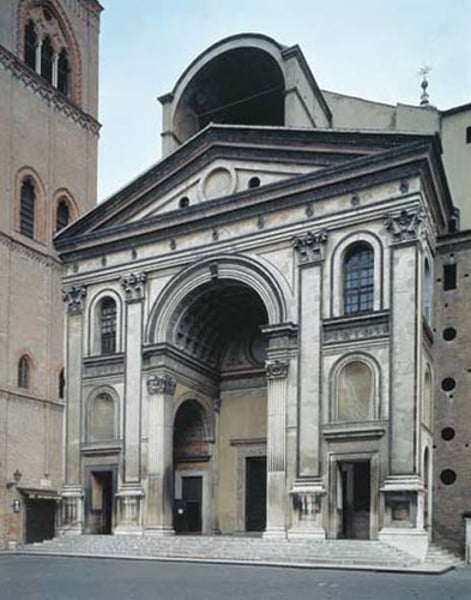
The OUTSIDE of Church of Sant'Andrea (by Leon Battista Alberty)
1470 (Early Renaissance)
Made w/ brick
Mantua, Italy
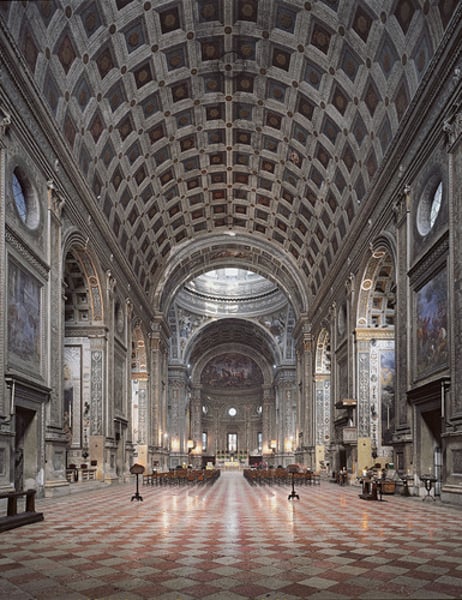
The INSIDE of Church of Sant'Andrea (by Leon Battista Alberty)
1470 (Early Renaissance)
Made w/ brick
Mantua, Italy
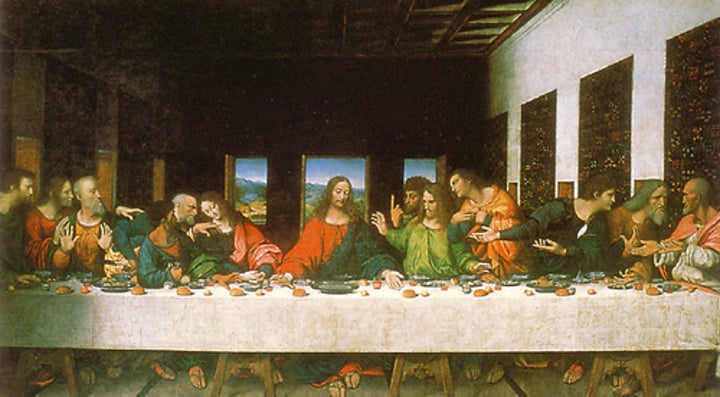
Last Supper (by Leonardo da Vinci)
1495 - 1498 (High Renaissance)
Made w/ oil, tempera, & plaster
Milan, Italy
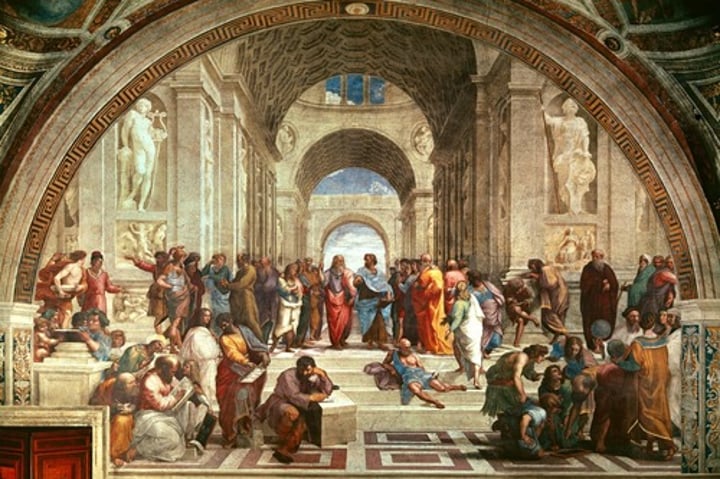
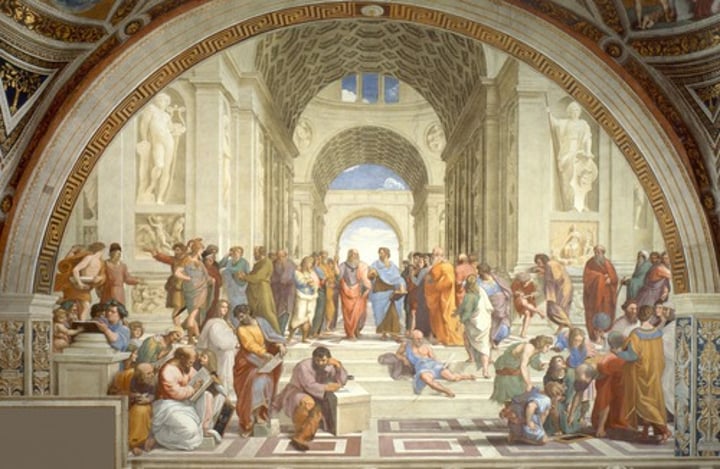
Philosophy - School of Athens (by Raphael)
1509-1511 (High Renaissance)
Made w/ Fresco
Rome, Italy
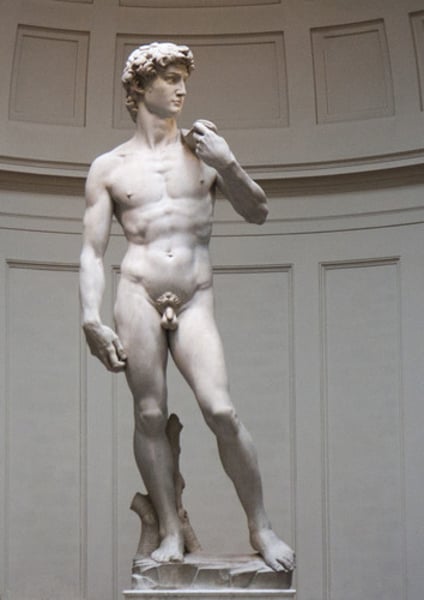
David (by Michelangelo)
1501 - 1504 (High Renaissance)
Made w/ marble
Florence, Italy
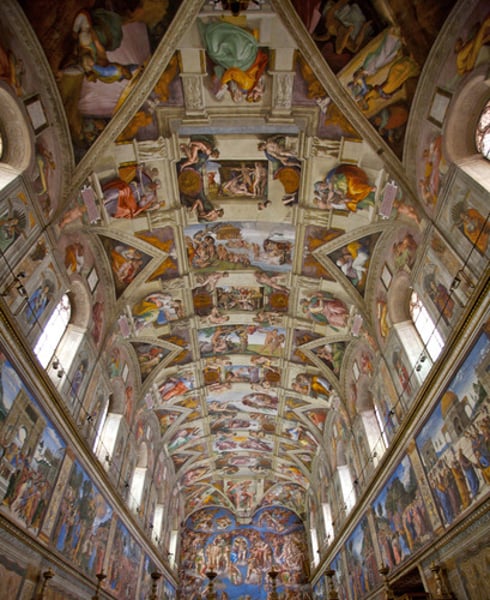
Sistine Chapel Ceiling (by Michelangelo)
1508 - 1515 (High Renaissance)
Made w/ Fresco
The Vatican
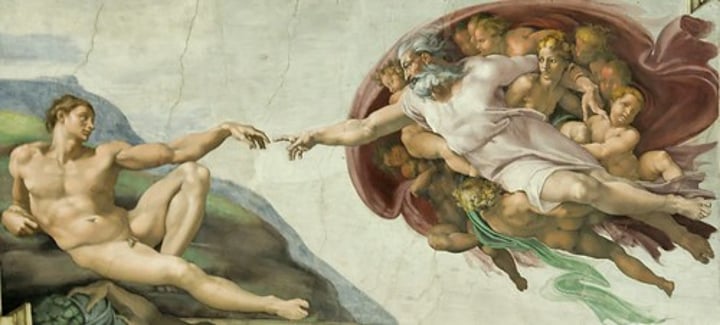
The Creation of Adam - Sistine Chapel Ceiling (by Michelangelo)
1508 - 1515 (High Renaissance)
Made w/ Fresco
The Vatican
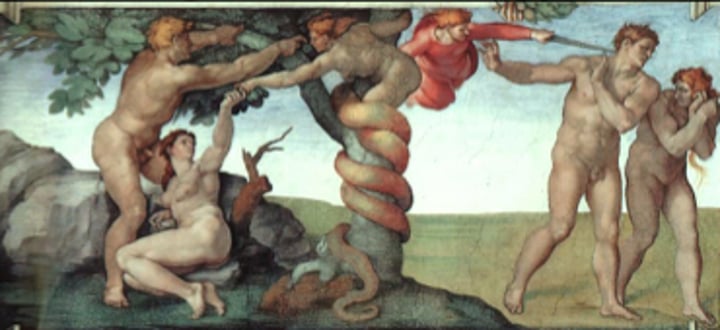
The Fall of Man - Sistine Chapel Ceiling (by Michelangelo)
1508 - 1515 (High Renaissance)
Made w/ Fresco
The Vatican
Humanism
An intellectual movement that focused on human potential and achievements (i.e. think of paintings covered in this section)
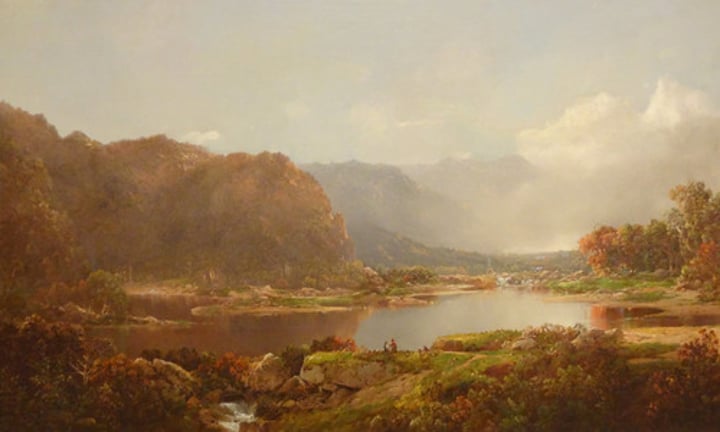
Atmospheric perspective
Creates illusion of depth by making distant objects appear hazy (the farther something is, the hazier/blurrier it seems in paintings)
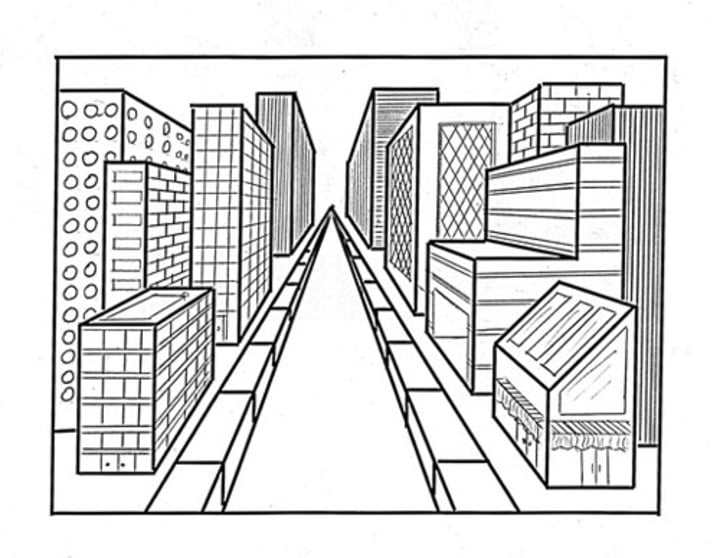
Linear perspective
Technique creating depth by converging parallel lines to a vanishing point (i.e. drawing a street looking straight ahead)
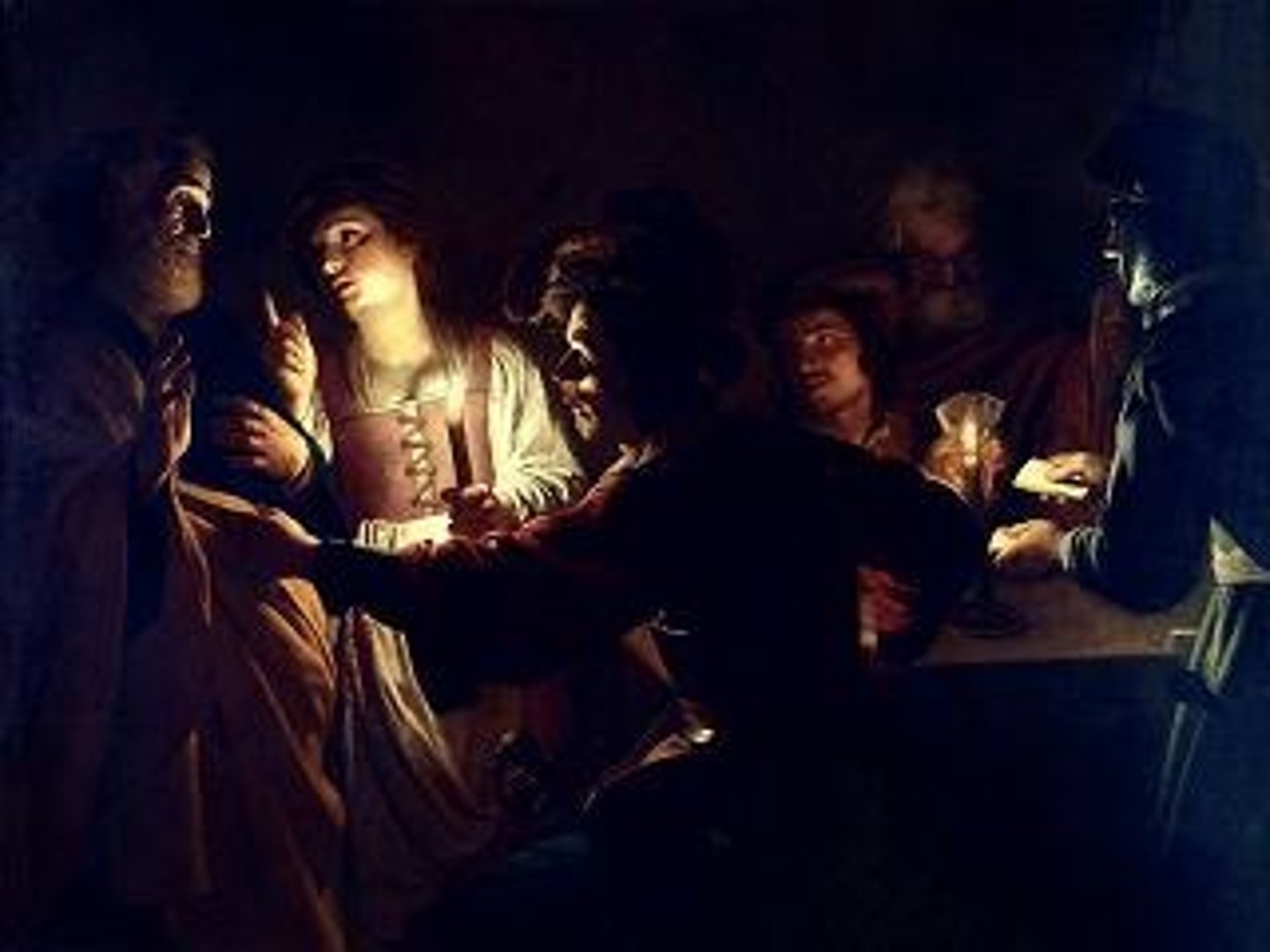
Chiaroscuro
Contrast of light and shadow to create three-dimensional forms (i.e. high contrast in paintings)
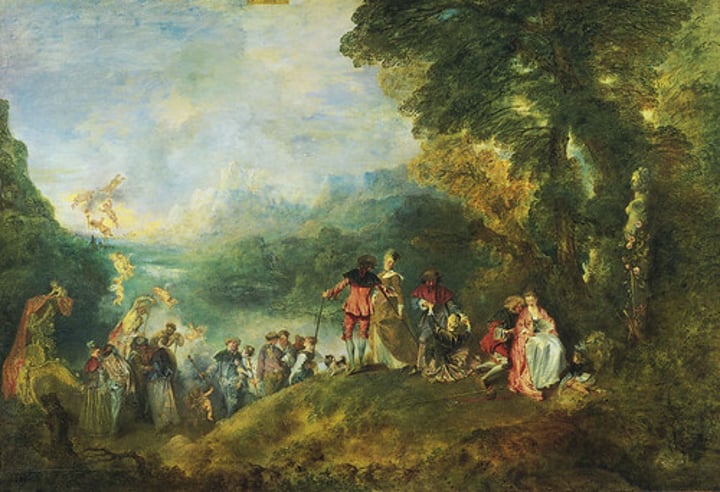
Pilgrimage to Cythera (by Antoine Watteau)
1717 (Rococo)
Musée du Louvre, Paris
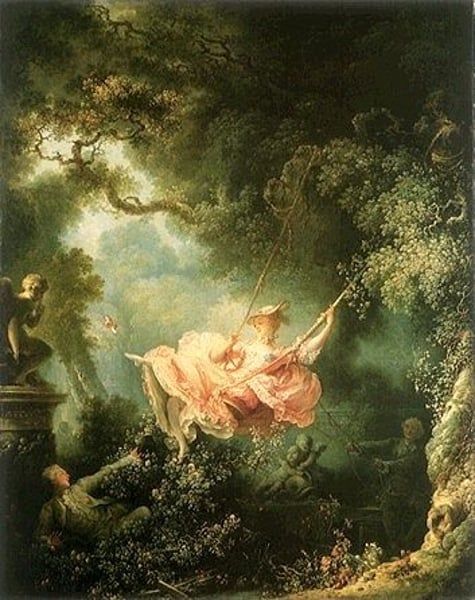
The Swing (by Jean Honoré Fragonard)
1767 (Rococo)
Europe
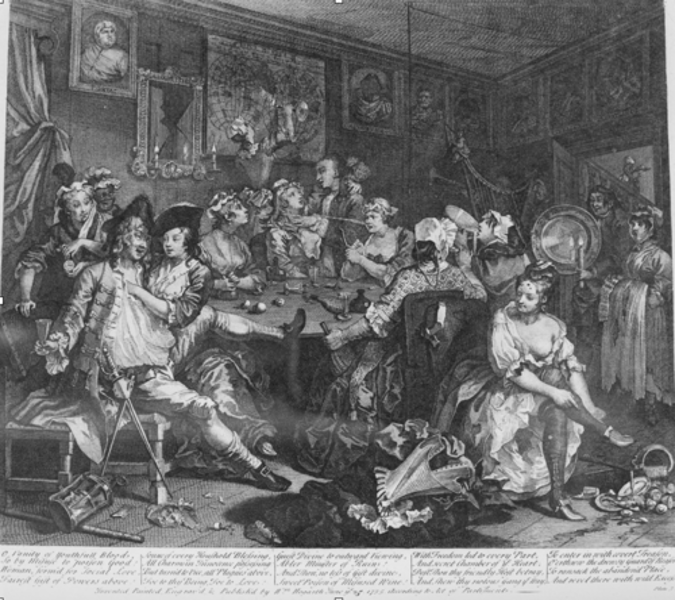
A Rake's Progress (by William Hogarth)
1735 (Rococo)
Europe
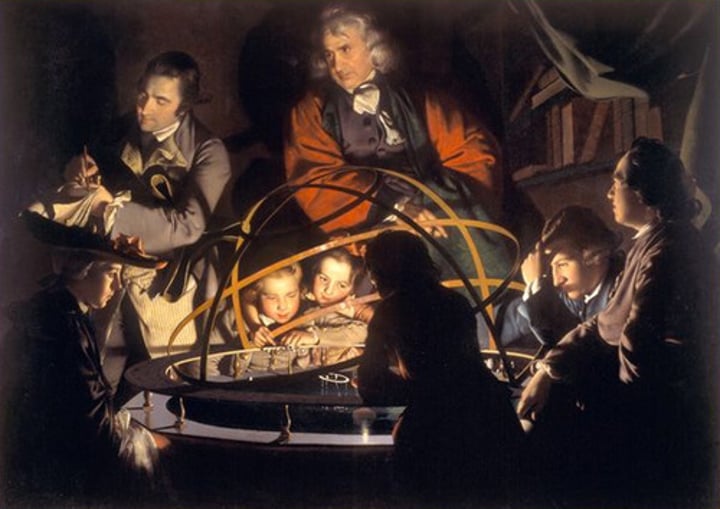
A Philosopher Giving a Lecture at the Orrery (by Joseph Wright of Derby)
1765 (Rococo)
Europe
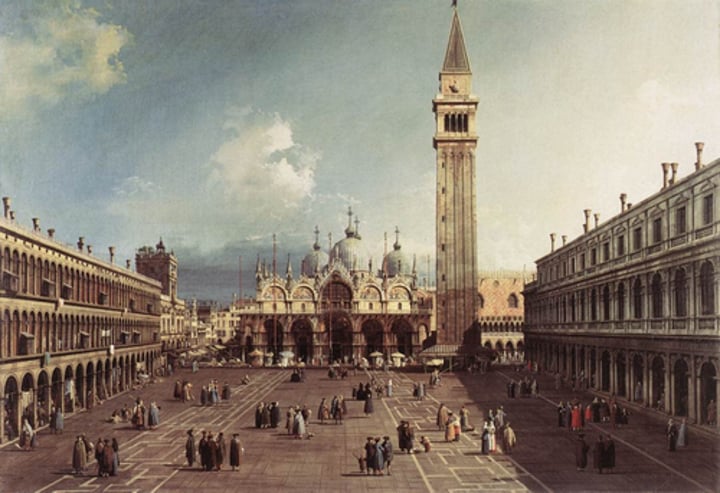
Piazza San Marco (by Canaletto)
1720 (Rococo)
Venice, Italy
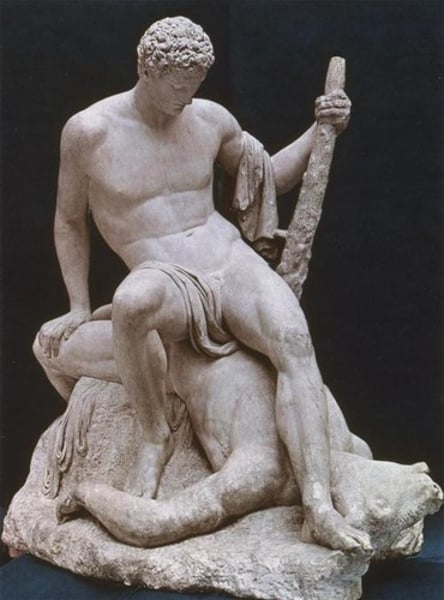
Theseus and the Minotaur (by Antonio Canova)
1782 (Neoclassicism)
Rome, Italy
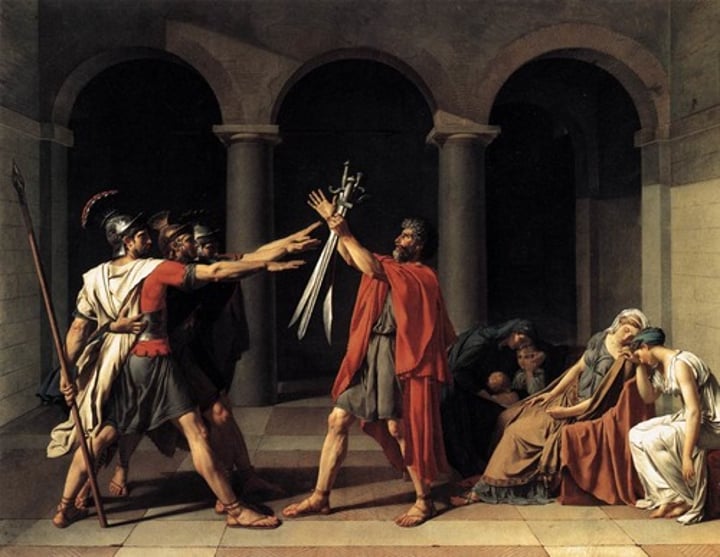
The Oath of the Horatii (by Jacques-Louis David)
1784 (Neoclassicism)
Rome, Italy
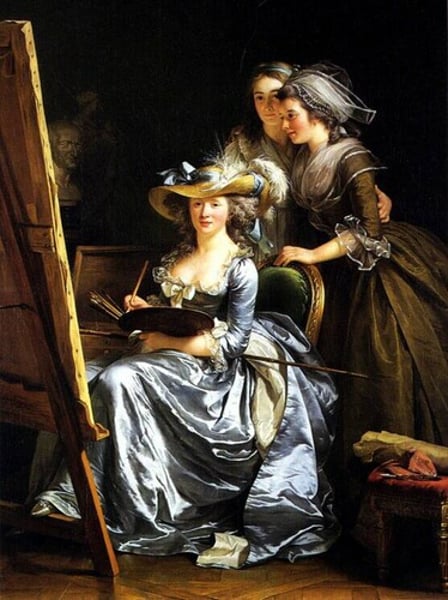
Self-Portrait with Two Pupils (Adélaïde Labille-Guiard)
1783 (Neoclassicism)
France
The Enlightenment
Intellectual movement emphasizing reason, science, and individualism.
The Grand Tour
Educational trip across Europe for cultural exposure.
Etching
Printmaking technique using acid to create designs on metal plates.
French Royal Academy of Painting and Sculpture
Institution for training artists and promoting French art.
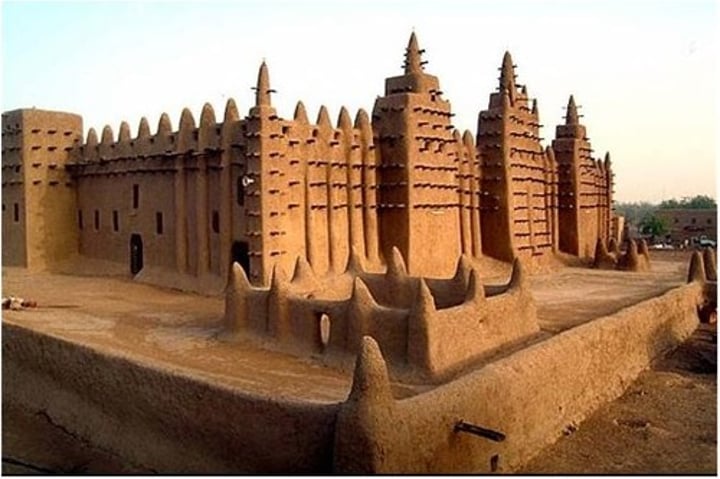
The Great Mosque of Djenné
1200
Djenné, Mali
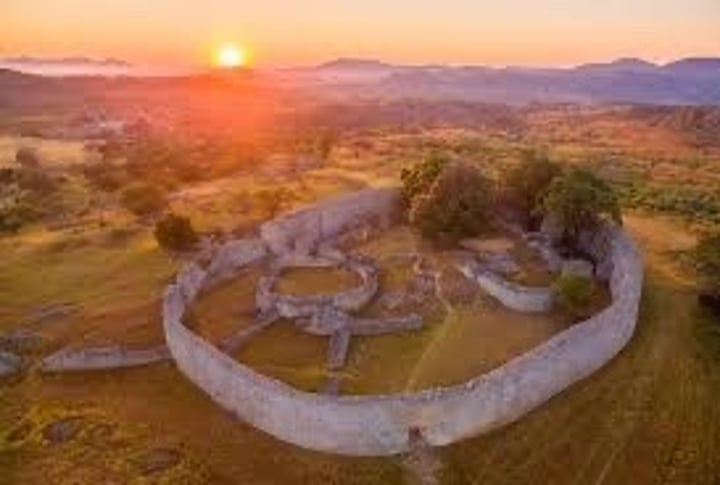
Wall and tower from the great enclosure
14th Century
City of Great Zimbabwe/Modern Zimbabwe
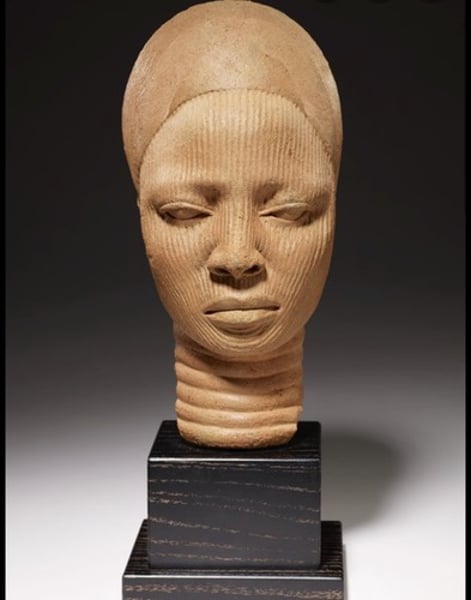
Shrine Head from the Kingdom of Ife
12th - 14th Century
Nigeria
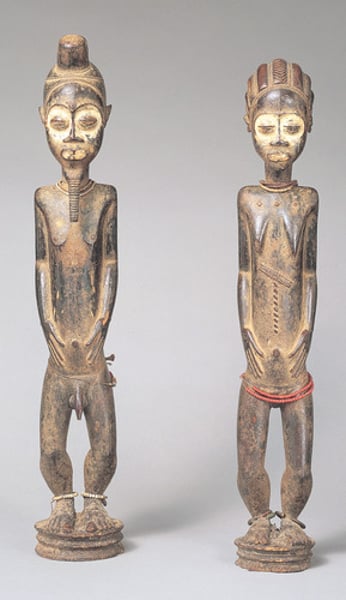
Pair of Diviner's Figures (by Baule peoples)
19th century
Modern Côte d'Ivoire
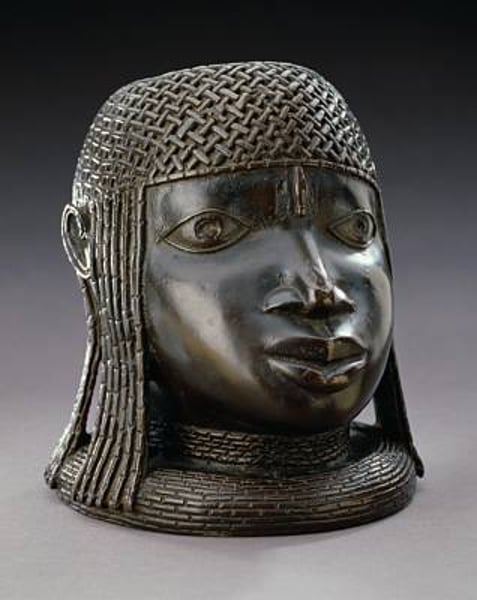
Head of an Oba
16th Century
The Court of Benin/Modern Nigeria
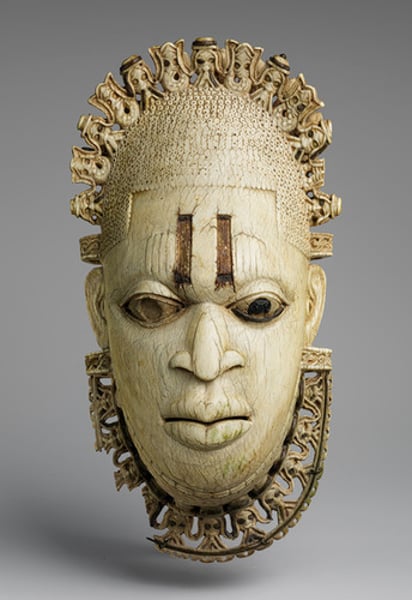
Queen mother pendant mask (Iyoba)
16th Century
The Court of Benin (modern Nigeria)
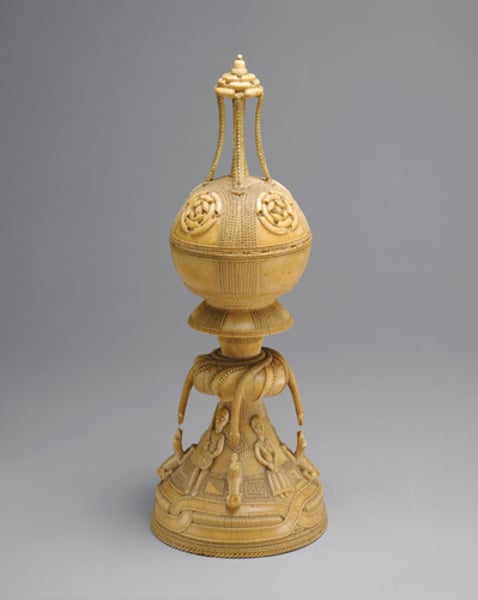
Lidded saltcellar
15th - 16th century
Sapi-Portuguese/Modern Sierra Leone
adobe, mud brick
a building material made from earth and organic materials.
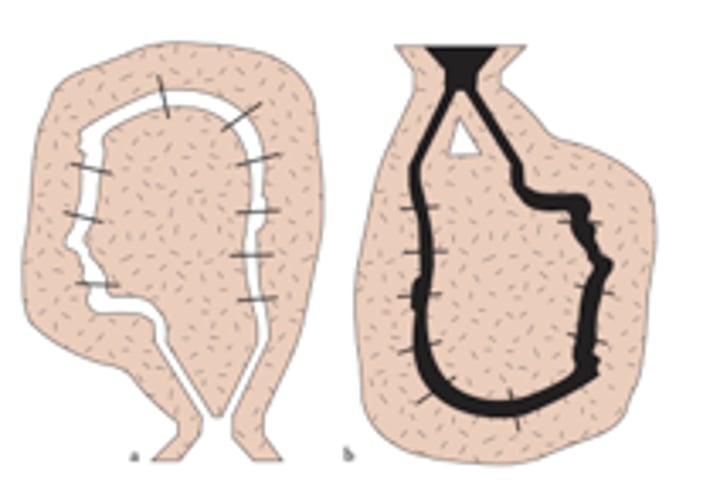
lost-wax casting
process by which a duplicate metal sculpture is cast from an original sculpture
Oba
title for the king of Benin
Shrine Head
Shrine heads represent members of the royal family and were placed inside the royal palace. Sacrifices and offerings were made to dead ancestors.
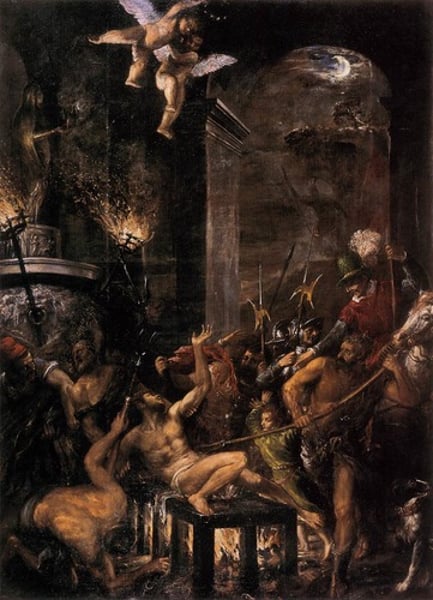
The Martyrdom of St. Lawrence (made by Titain)
1564 - 1567 (Late Renaissane)
Venice
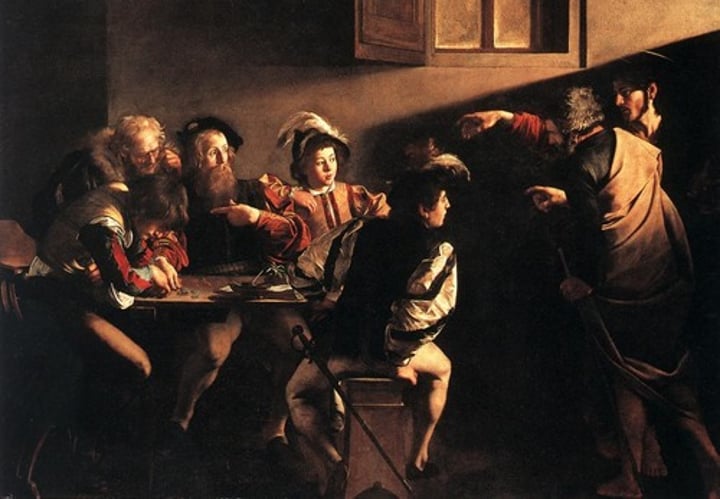
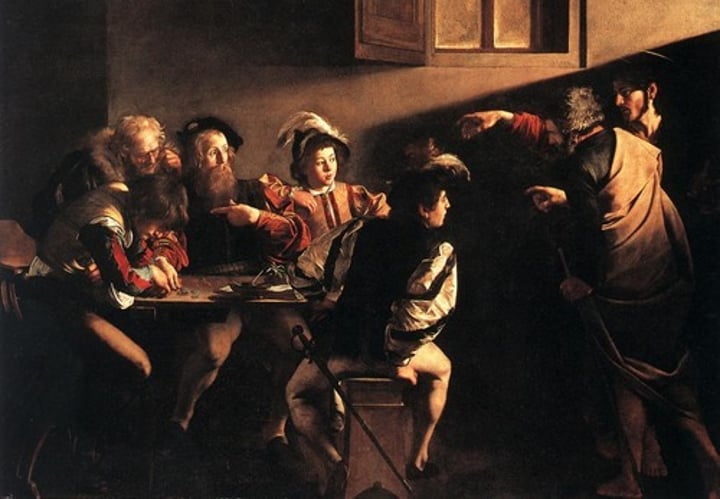
The conversion of St. Matthew (made by Caravaggio)
1600 (Baroque)
Rome, Italy
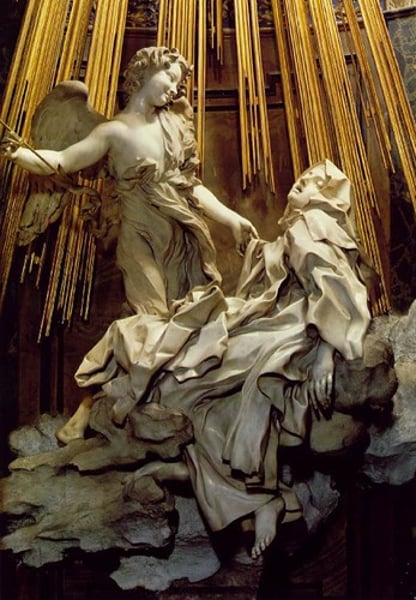
St. Theresa in Ecstasy (made by Gian Lorenzo Bernini)
1650 (Baroque)
Rome, Italy
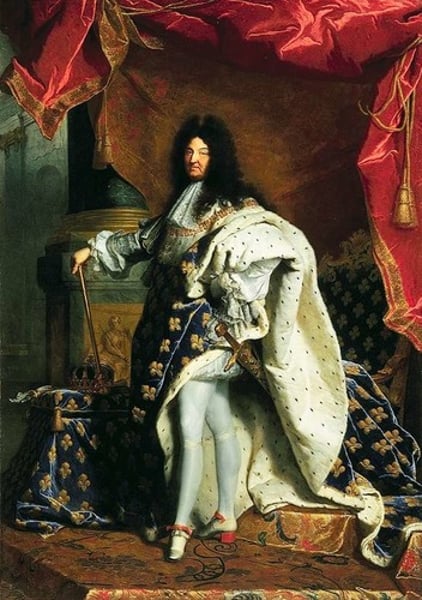
Louis XIV (made by Hyacinthe Rigaud)
1610 (Baroque)
France
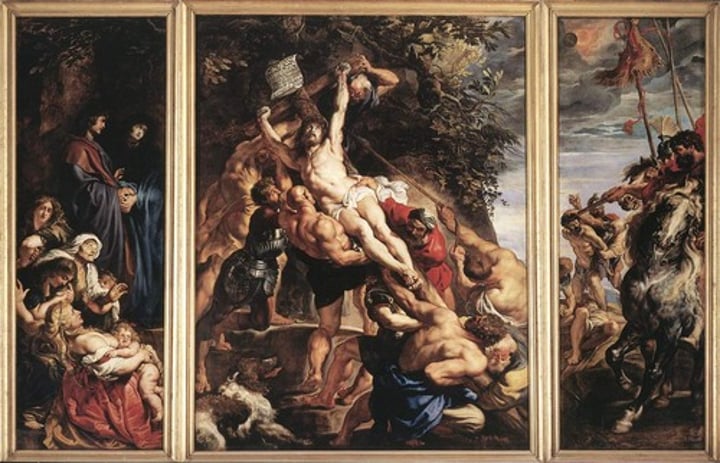
Elevation of the cross (by Peter Paul Rubens)
1610 (Baroque)
Antwerp, Belgium
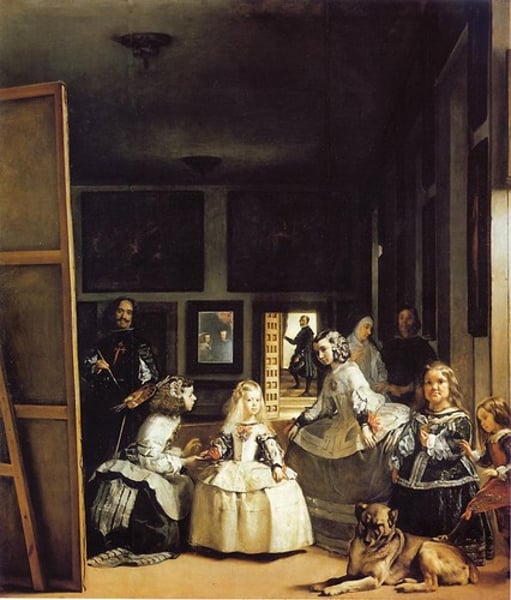
Las Meninas (by Diego Velazquez)
1656 (Baroque)
Spain
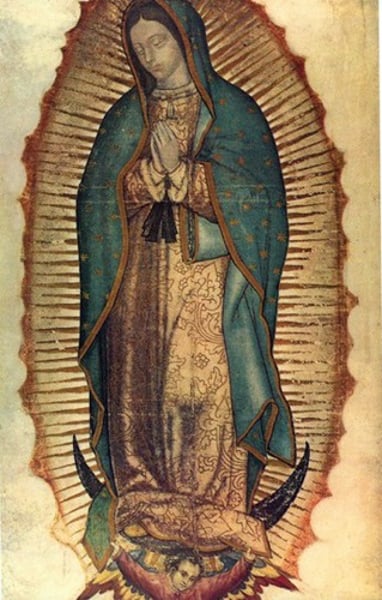
Virgin of Guadalupe (by Sebastián Salcedo)
1550 (Baroque)
Colonial Mexico/New Spain
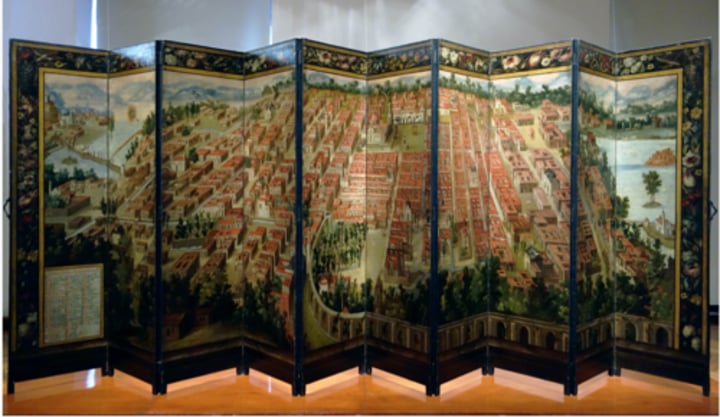
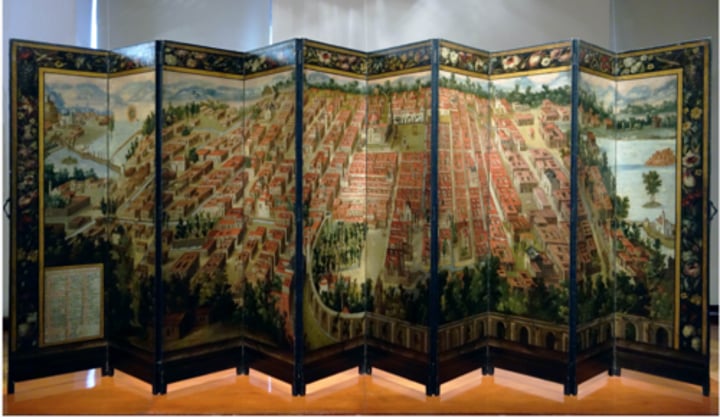
Biombo w/ the Conquest of Mexico City & View of Mexico City
1675 - 1700 (Baroque)
Colonial Mexico/New Spain
Reformation (Christian Churches)
a 16th century movement for religious reform, leading to the founding of Christian churches that rejected the pope's authority
Counter-Reformation (the Catholic Church)
the reaction of the Roman Catholic Church to the Reformation reaffirming the veneration of saints and the authority of the Pope (to which Protestants objected)
Council of Trent
A meeting of Roman Catholic leaders, called by Pope Paul III to rule on doctrines criticized by the Protestant reformers.
baroque
An artistic style of the seventeenth century characterized by complex forms, bold ornamentation, and contrasting elements
tenebrism
dramatic use of intense darkness and light to heighten the impact of a painting
biombo
a folding screen
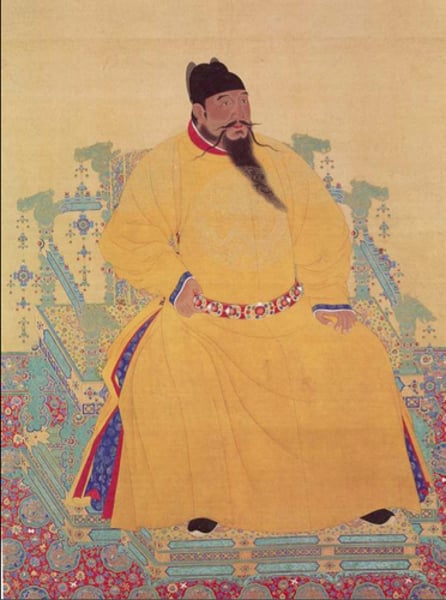
Portrait of the Yongle Emperor (by Yong-lo)
1403 - 1424 (Yongle Period)
Made w/ ink & color on scroll
Yongle, China
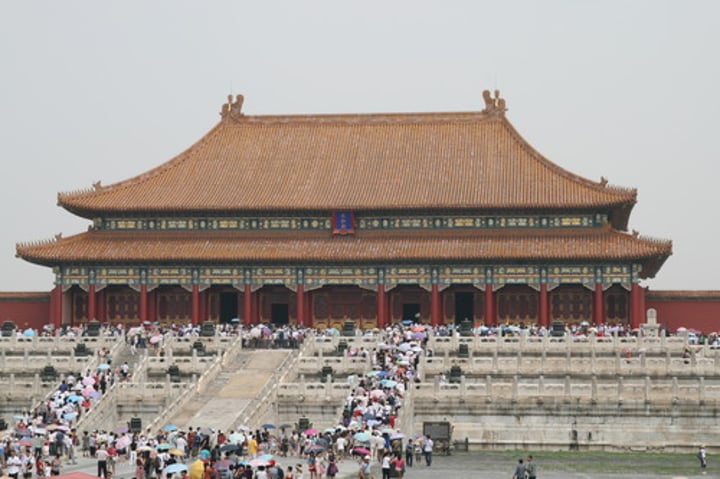
Hall of Supreme Harmony
1406 - 1420 (Yongle Period)
Made w/ paint & carved wood
Beijing, China
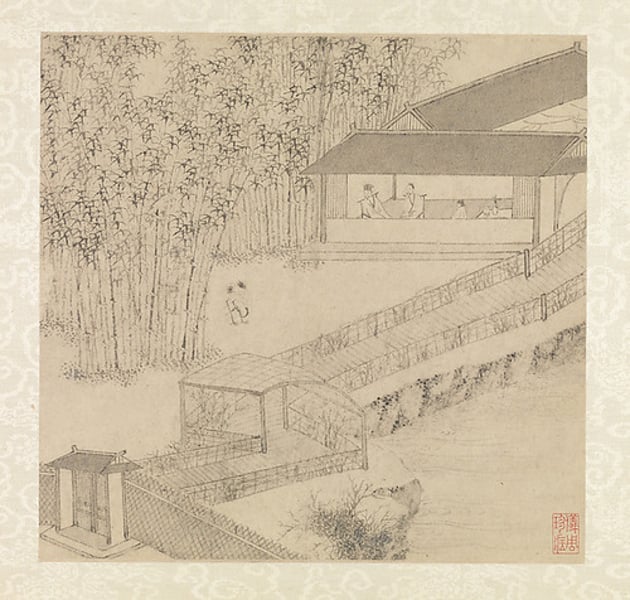
The Garden of the Inept Administrator (by Wang Zengchen)
1551 (Yongle Period)
Made w/ ink & paper
Suzhou, China
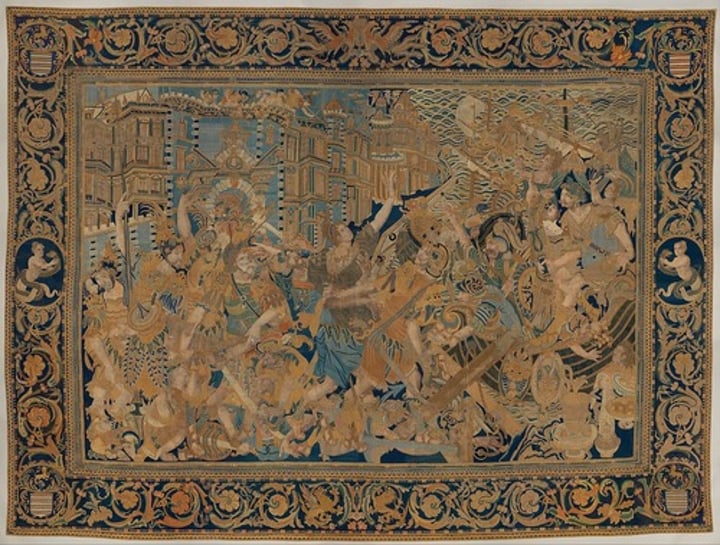
The Abduction of Helen from a set of the story of Troy
1625 (Yongle Period)
Made w/ cotton, silk, gold threads
China
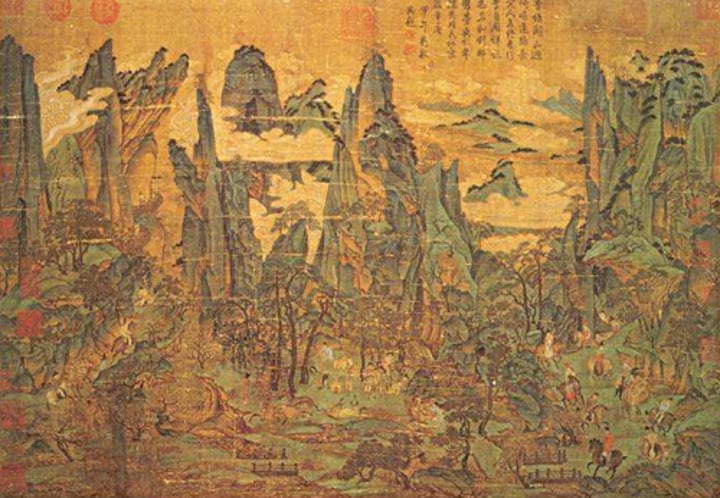
Journey to Shu (Made by Qiu Ling)
1600 (Yongle Period)
Made w/ ink, pigment, silk
China
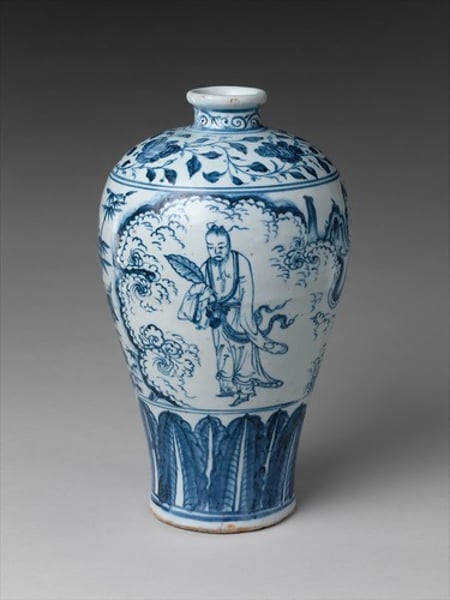
Vase in Meiping Shape with Daoist Immortal Zhongli Quan
Late 15th Century (Yongle Period)
Made w/ porcelain
Jingdezhen, China
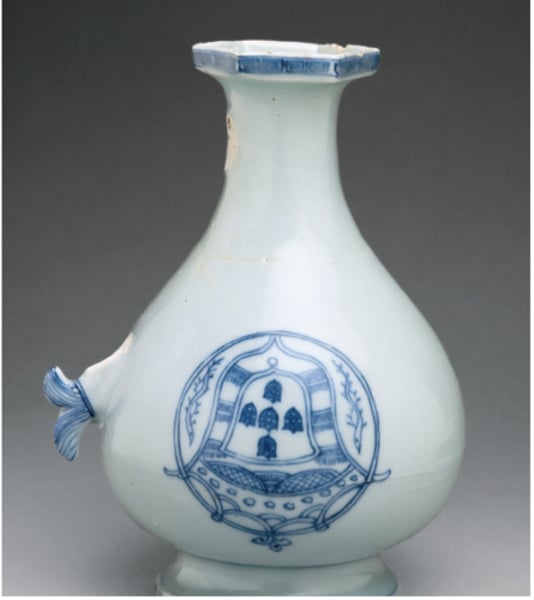
Jug w/ Portuguese coat of arms
1520 - 1540 (Yongle Period)
Made w/ porcelain & cobalt blue
China