AP US History Period 3 Vocabulary
 Call Kai
 Learn
Learn Practice Test
 Spaced Repetition
 Match
Match Flashcards
 Knowt Play
1/55

There's no tags or description
Looks like no tags are added yet.
Name | Mastery | Learn | Test | Matching | Spaced | Call with Kai |
|---|
No analytics yet
Send a link to your students to track their progress
56 Terms
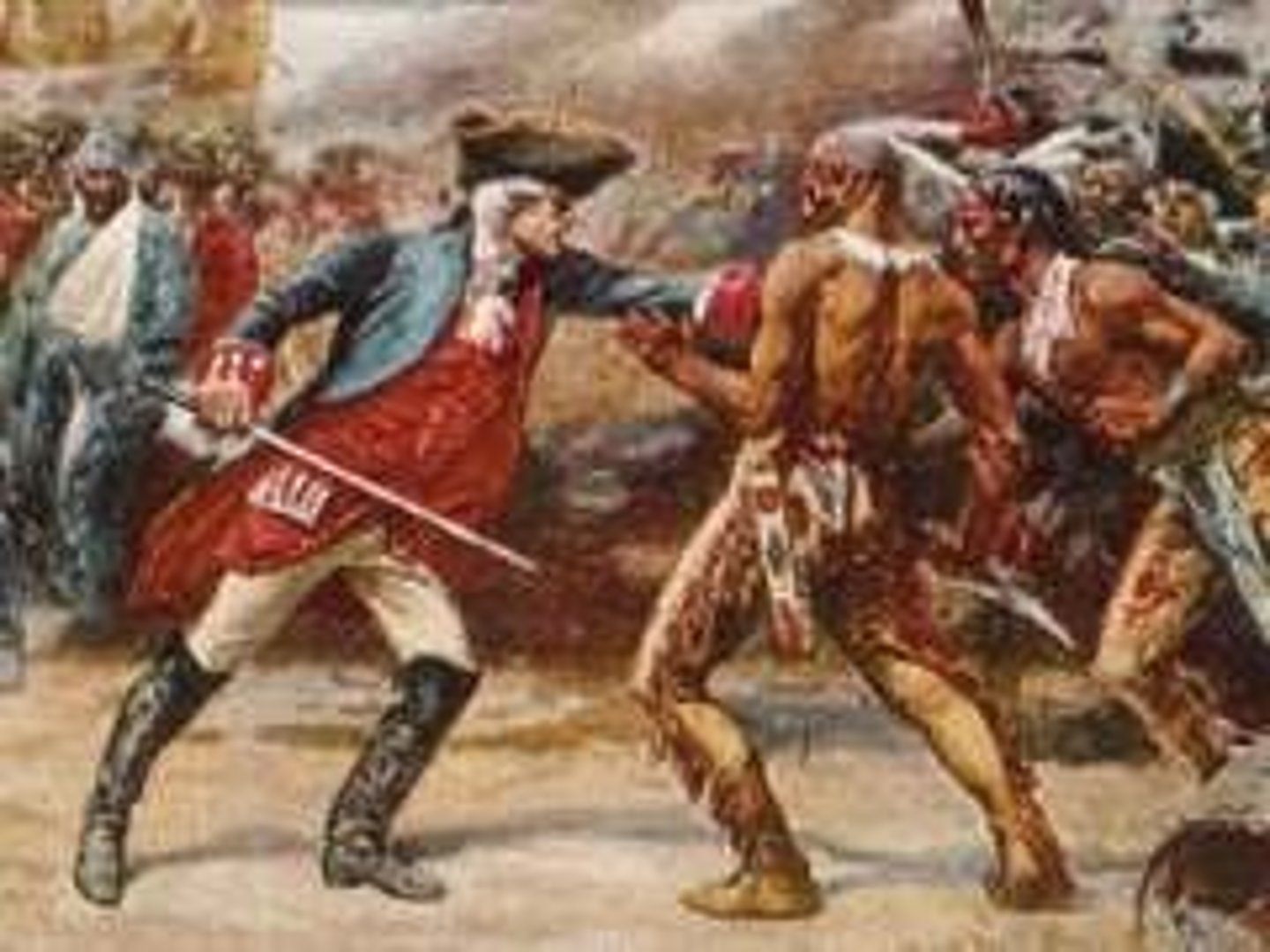
Seven Years' War (French and Indian War)
War fought in the colonies from 1754 to 1763 between the English and the French for possession of the Ohio River Valley area. The English won the war and the Peace of Paris was negotiated in 1763.
The Declaration Of Independence
1776 statement, issued by the Second Continental Congress, explaining why the colonies wanted independence from Britain.
Patriots
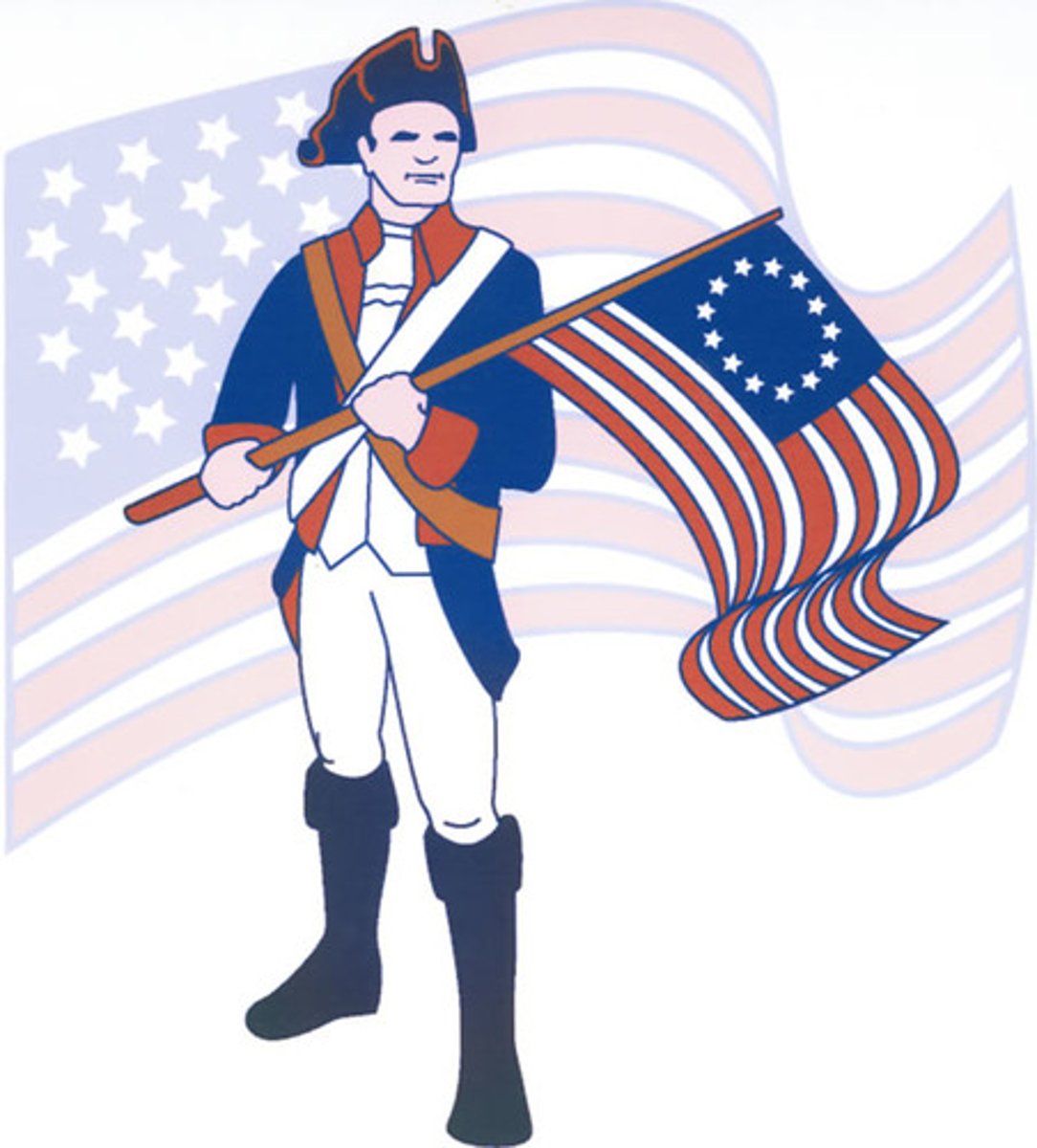
(also known as Revolutionaries, Continentals, Rebels, or American Whigs) were those colonists of the Thirteen Colonies who rejected British rule during the American Revolution and declared the United States of America as an independent nation in July 1776.
Tories/Loyalists
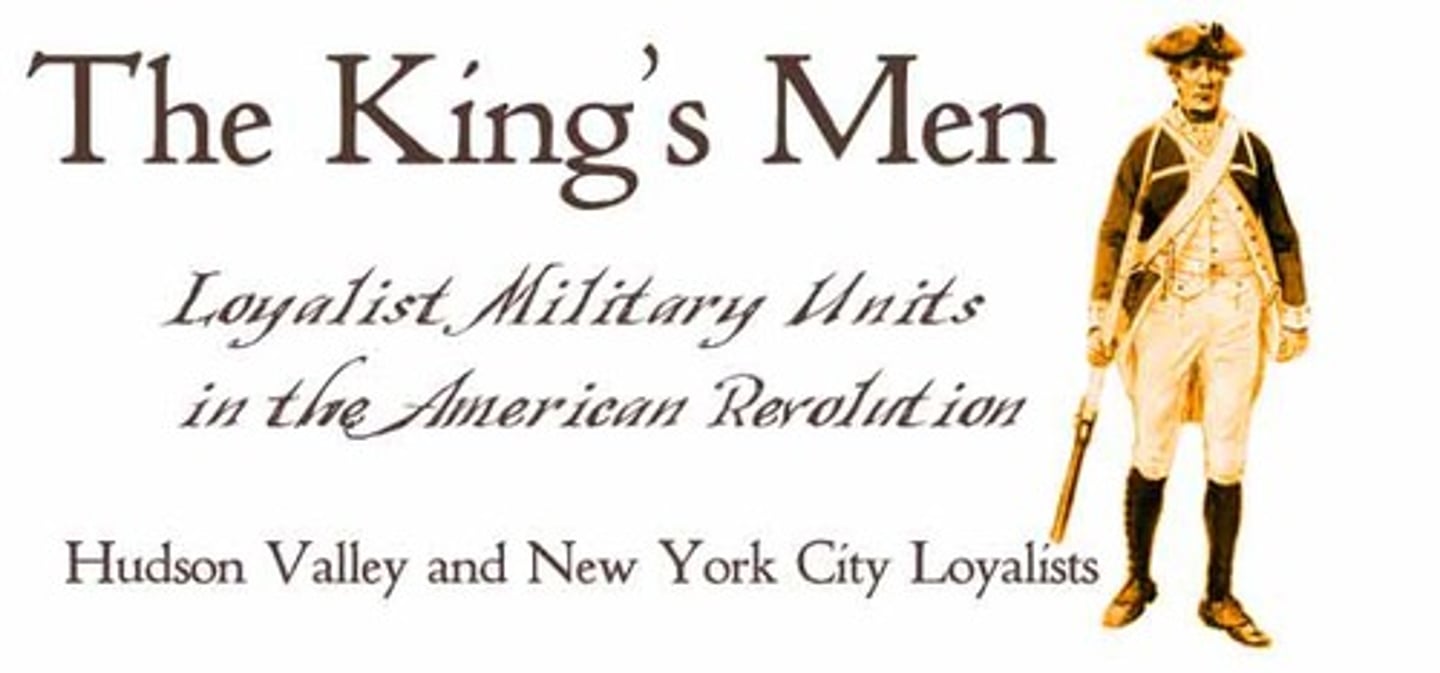
Colonists who favored remaining under British control
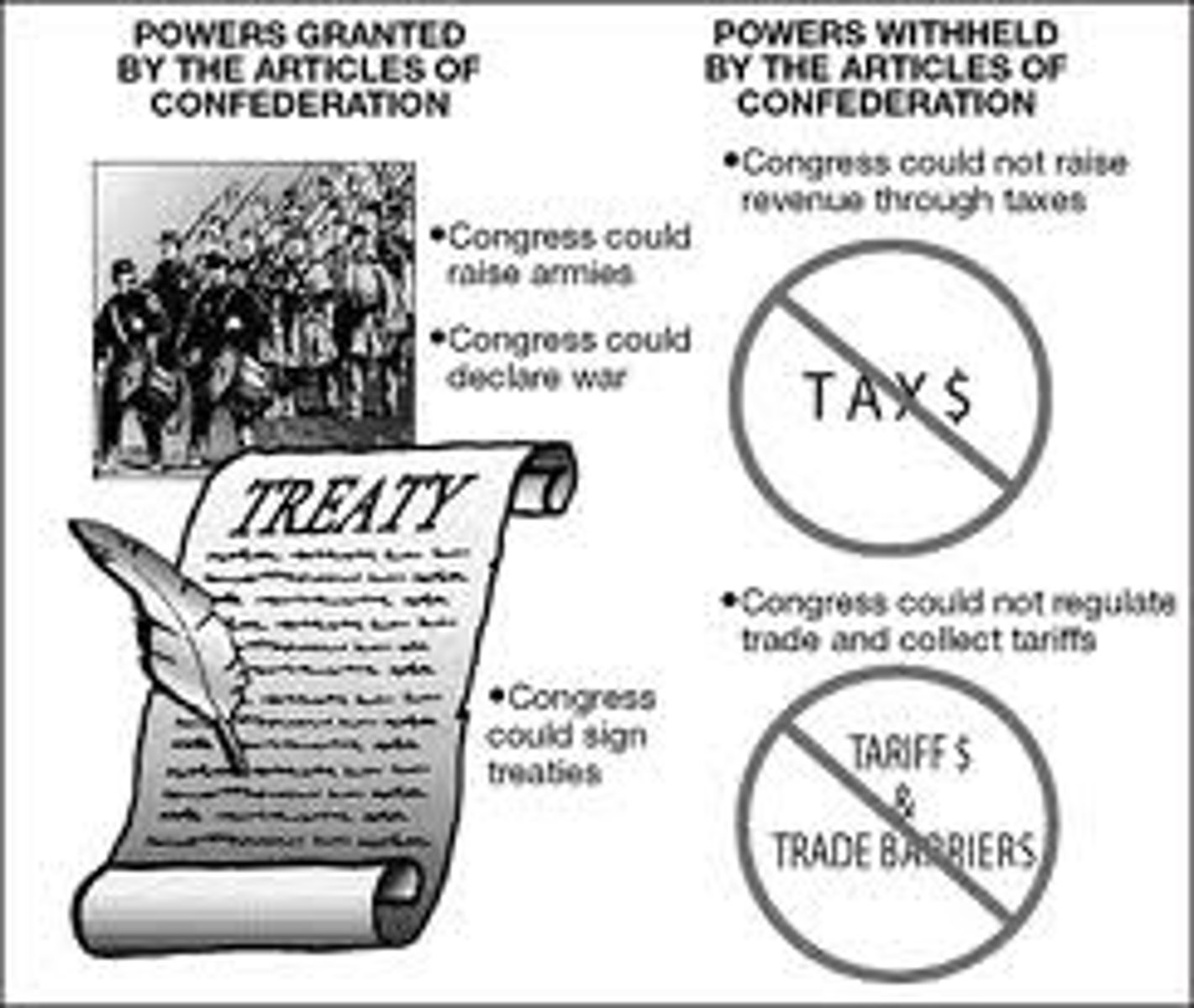
Articles of confederation
first government of the United States; extremely weak government that gave most of the power to states
French Revolution (1789)
Reacting to the oppressive aristocracy, the French middle and lower classes overthrew the king and asserted power for themselves in a violent and bloody revolution. This uprising was inspired by America's independence from England and the Enlightenment ideas.
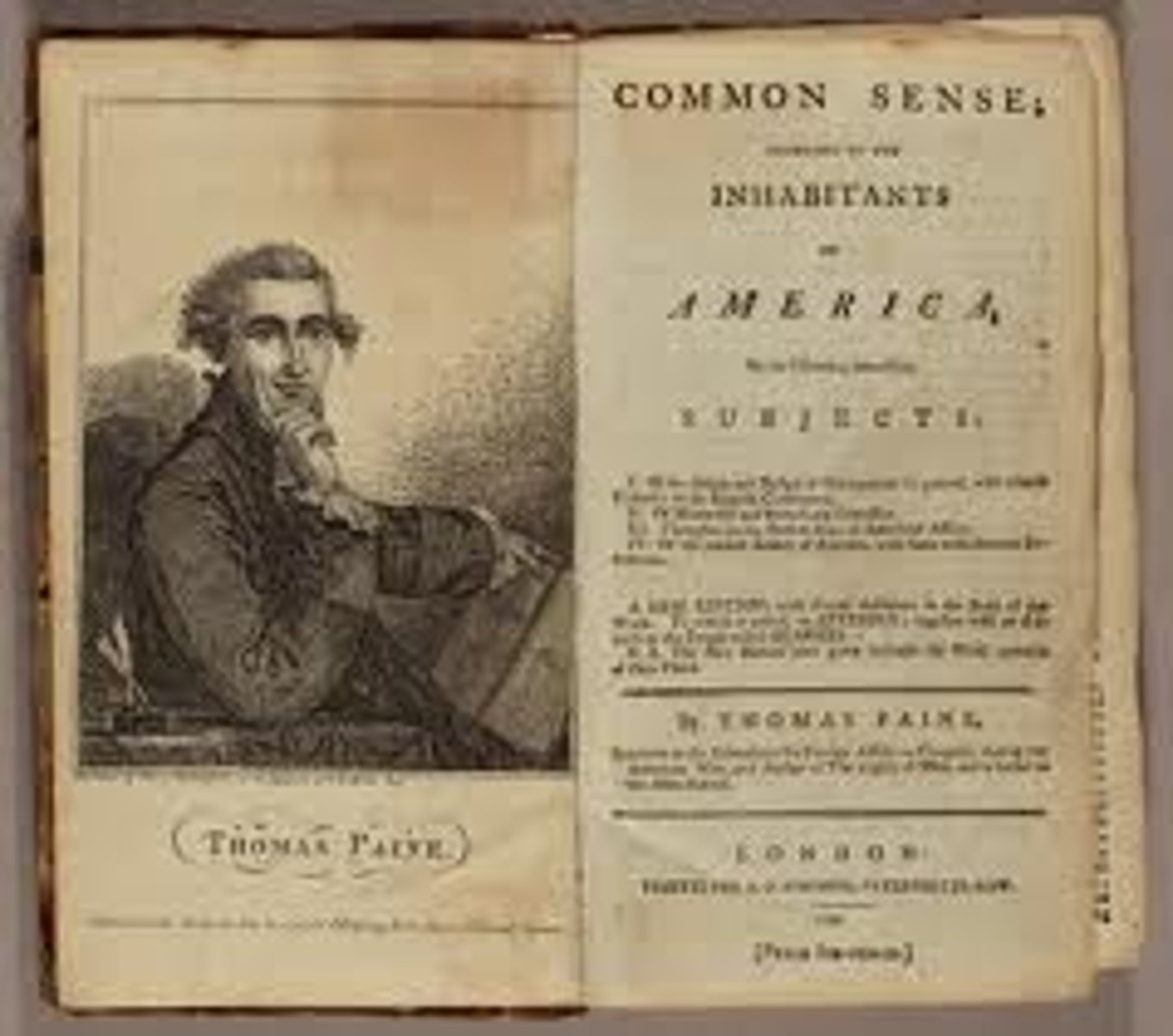
Common Sense
1776: a pamphlet written by Thomas Paine that claimed the colonies had a right to be an independent nation
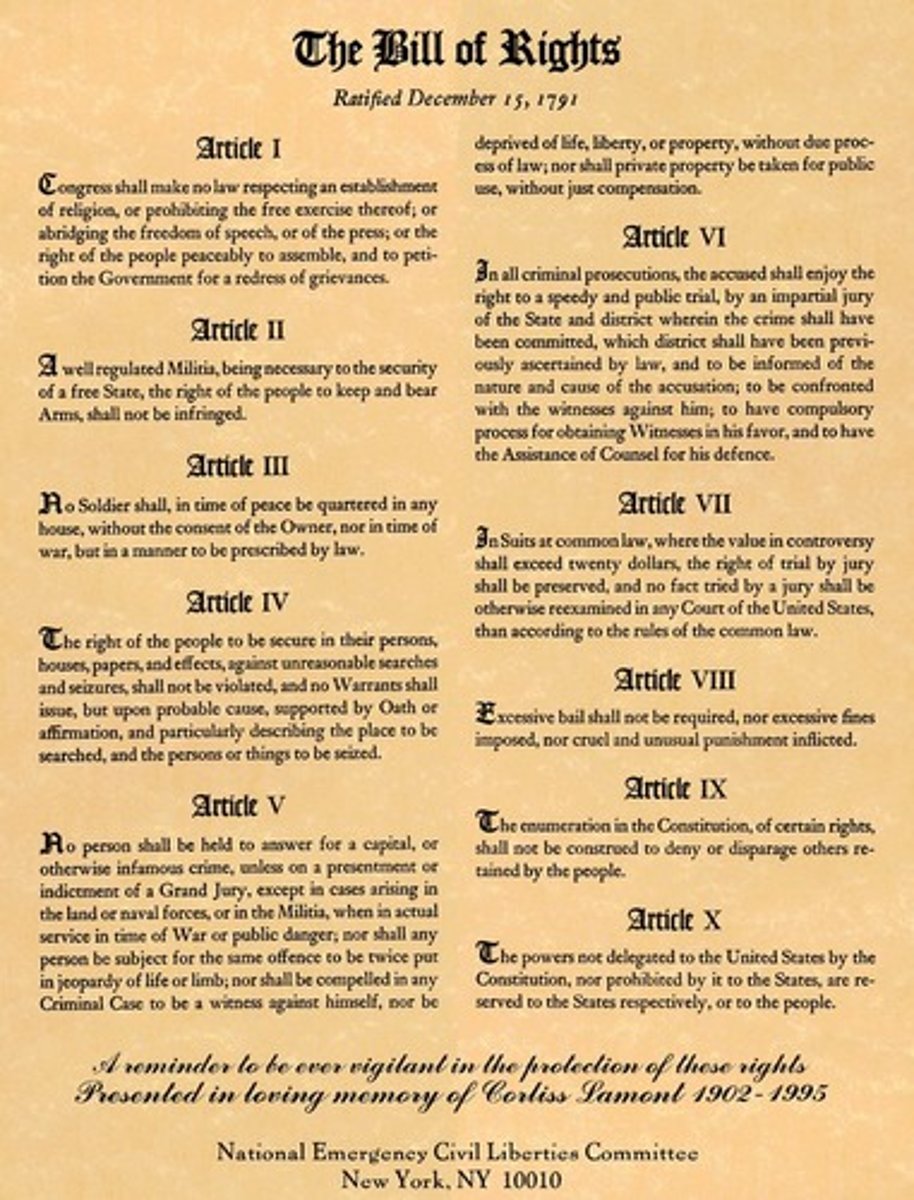
The Bill of rights
First ten amendments to the Constitution, drafted by Madison, created limitations on government and protects natural rights.
Republicanism
A form of government in which people elect representatives to create and enforce laws
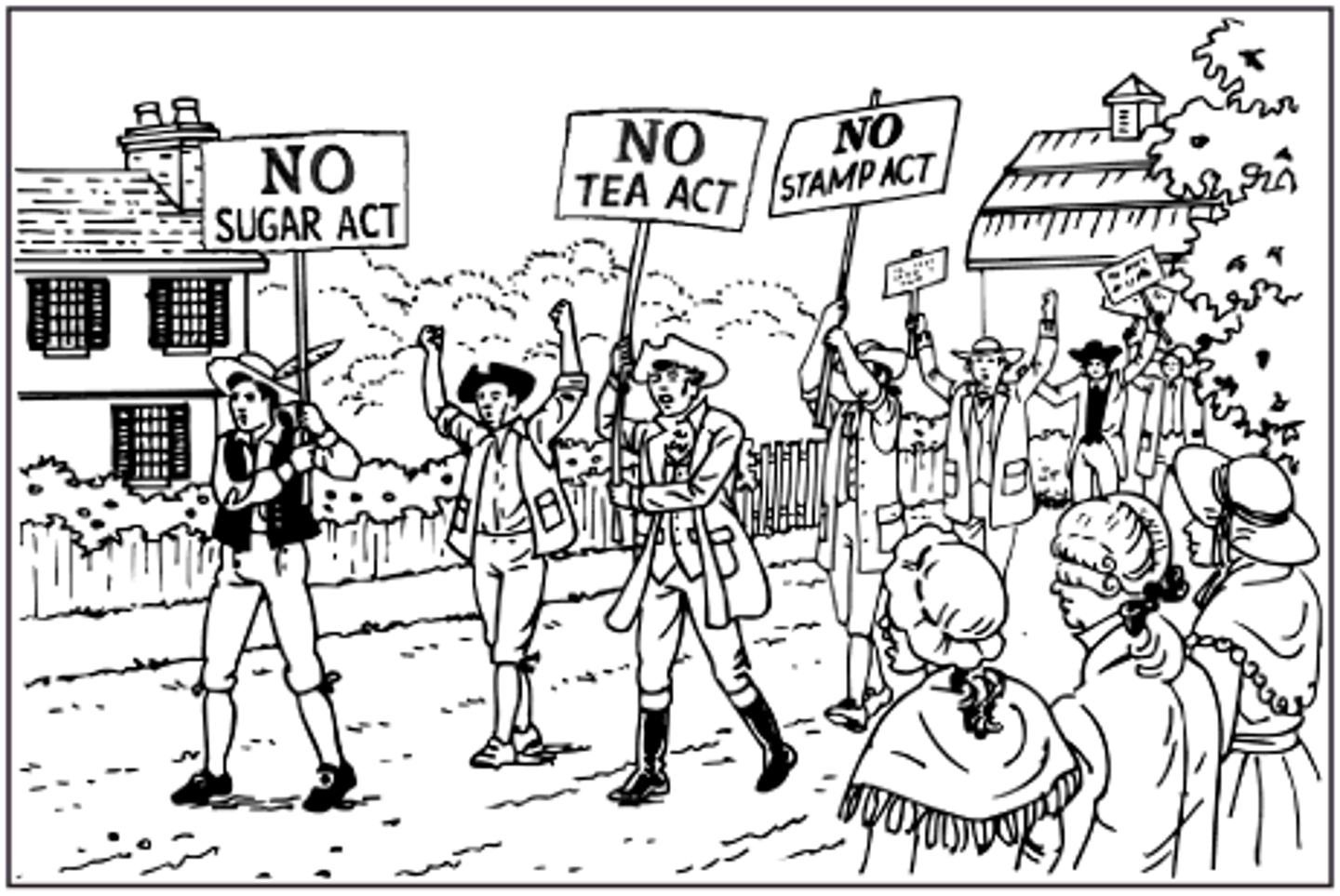
Sugar Act of 1764
An act that raised tax revenue in the colonies for the crown. It also increased the duty on foreign sugar imported from the West Indies.
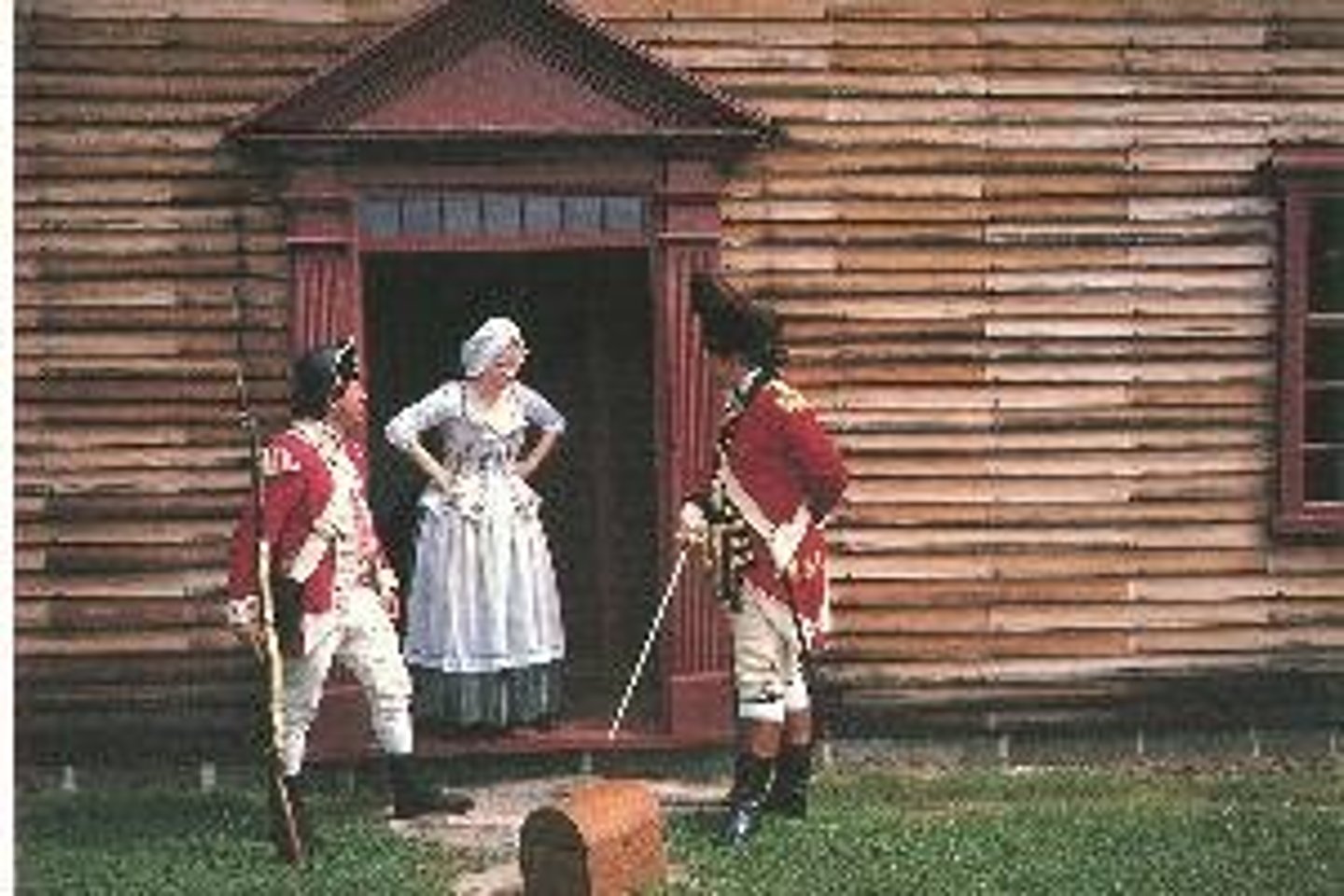
Quartering Act of 1765
Act forcing colonists to house and supply British forces in the colonies; created more resentment; seen as assault on liberties.
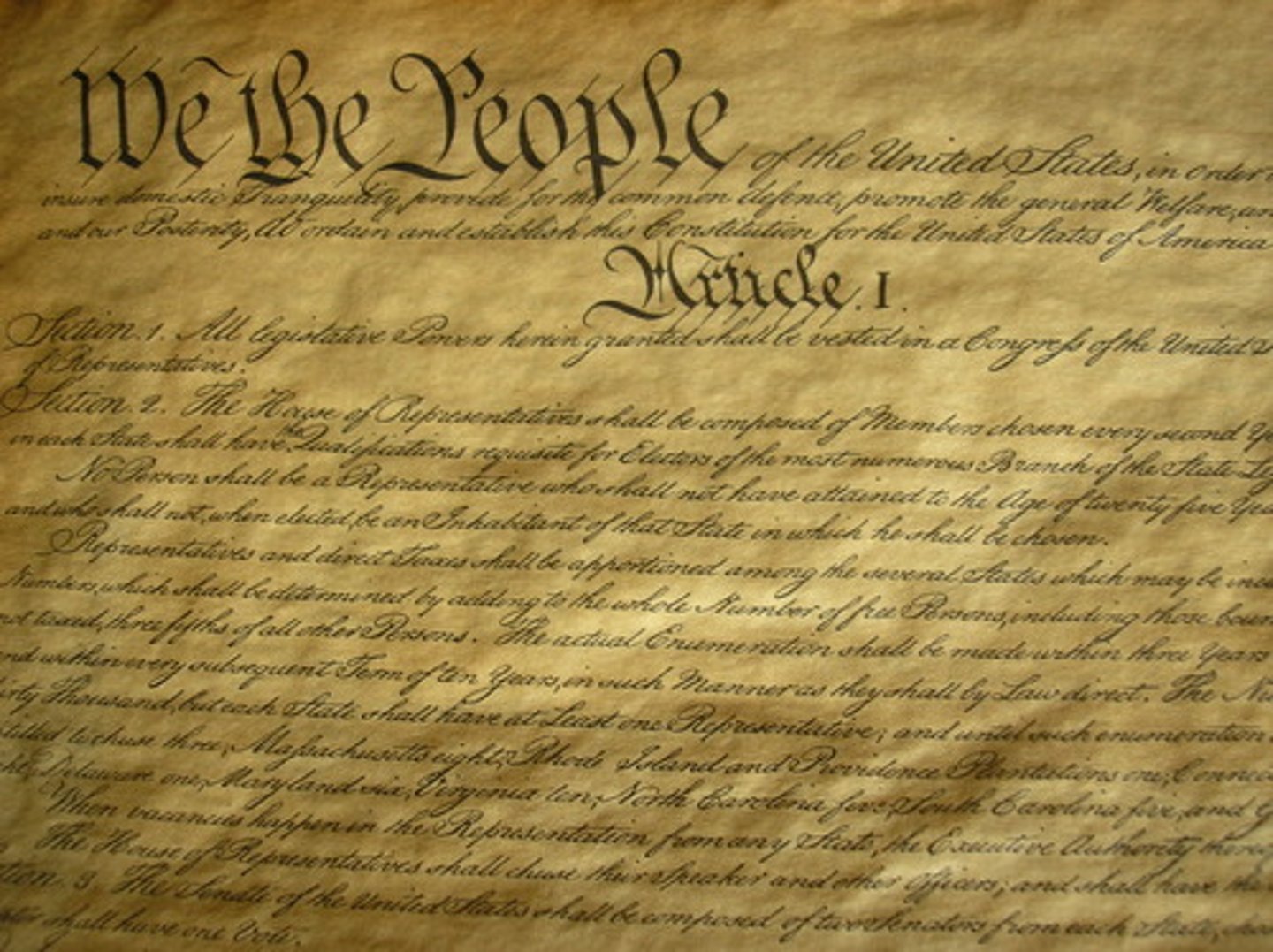
Constitution
document which spells out the principles by which the US government runs and the fundamental laws that govern society
Mercantilism
An economic policy under which nations sought to increase their wealth and power by obtaining large amounts of gold and silver and by selling more goods than they bought
Non-importation agreements
Agreements not to import goods from Great Britain. They were designed to put pressure on the British economy and force the repeal of unpopular parliamentary acts.
Sons of Liberty and Daughters of Liberty
A radical political organization for colonial independence which formed in 1765 after the passage of the Stamp Act. They incited riots and burned the customs houses where the stamped British paper was kept. After the repeal of the Stamp Act, many of the local chapters formed the Committees of Correspondence which continued to promote opposition to British policies towards the colonies. Leaders included Samuel Adams and Paul Revere.
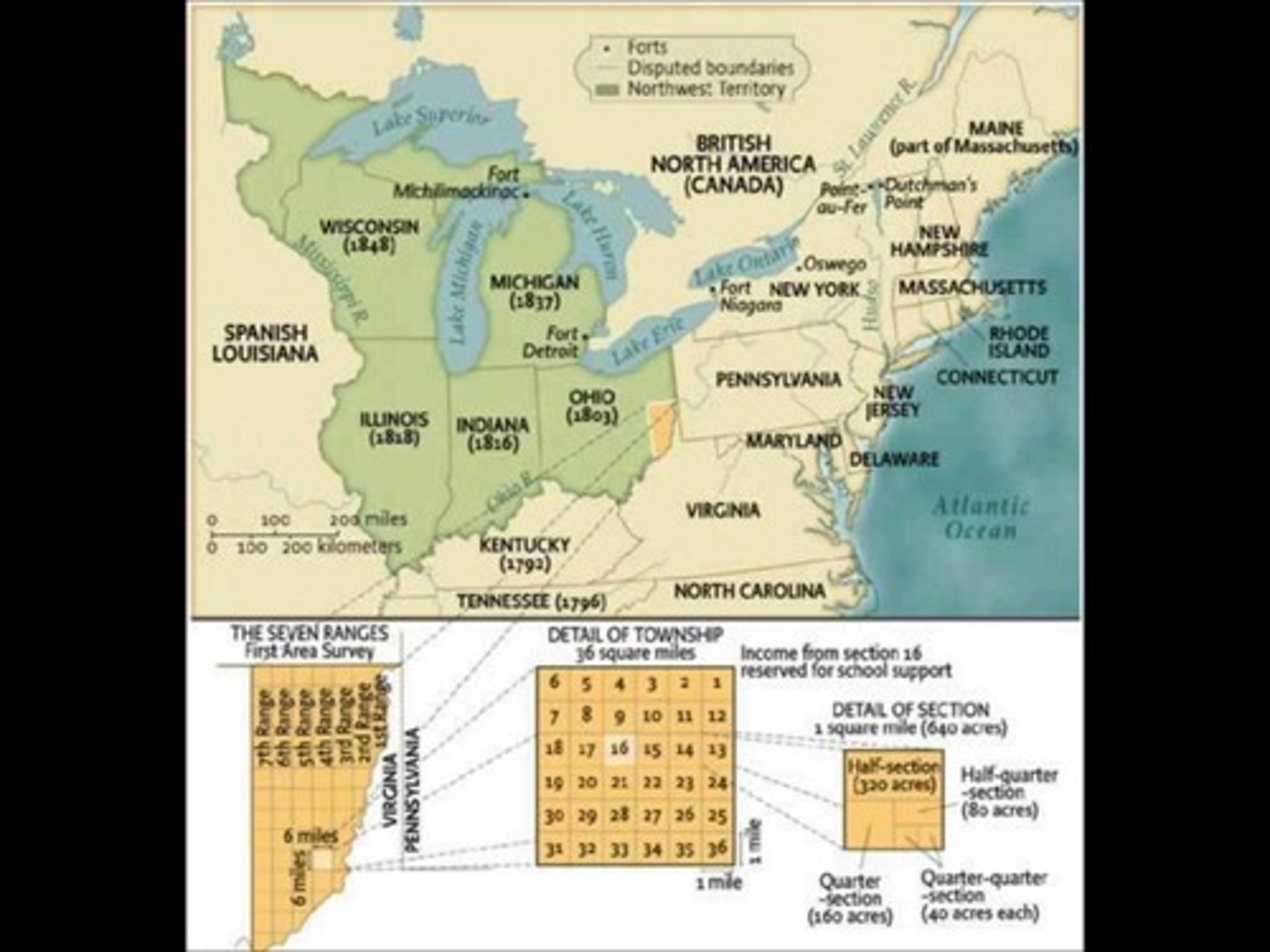
The Northwest Ordinance of 1787
a law that established a procedure for the admission of new states to the Union and set the boundary for slavery at the Ohio River
No taxation without representation
reflected the colonists' belief that they should not be taxed because they had no direct representatives in Parliament
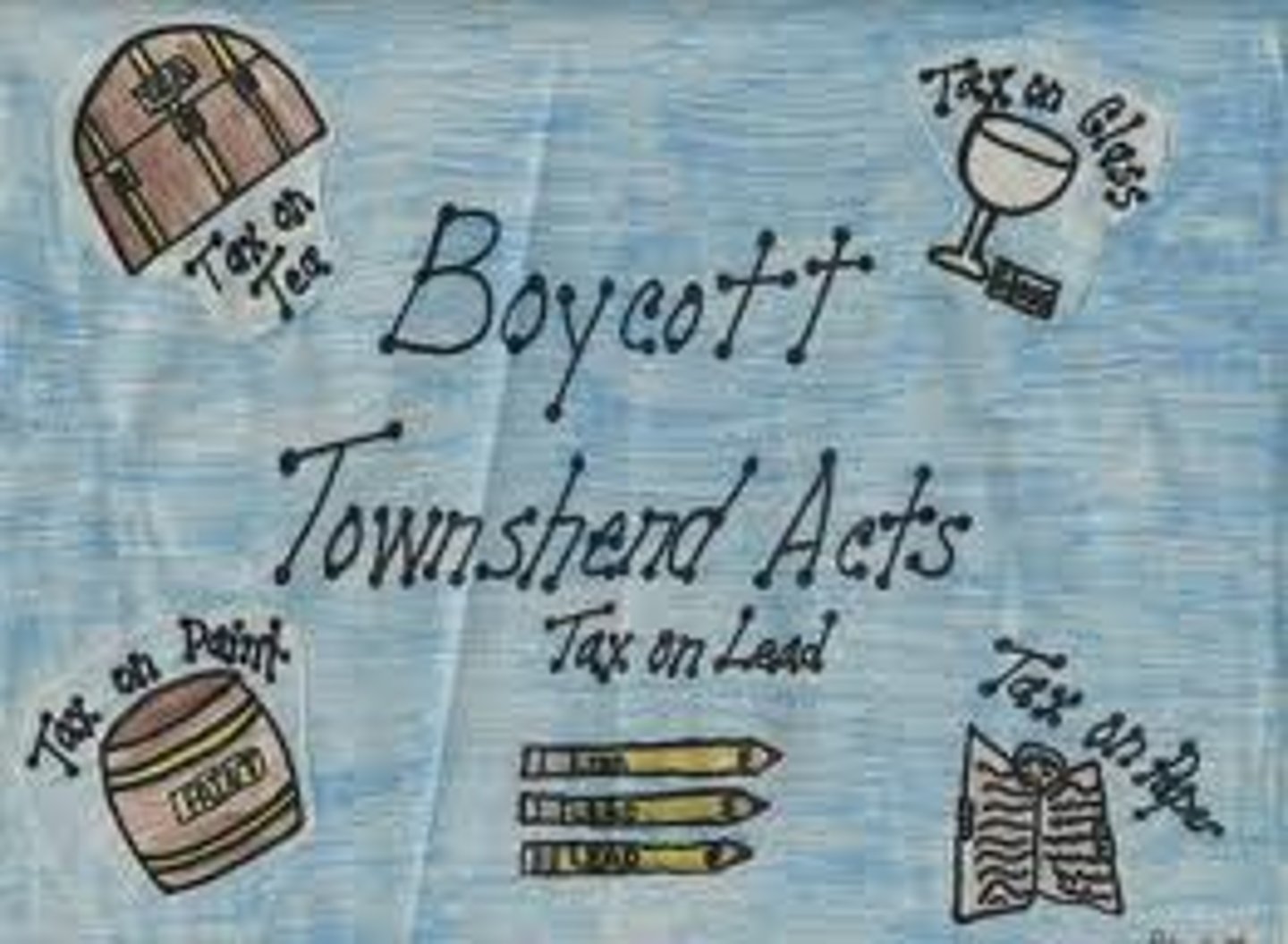
Townshend Acts
A tax that the British Parliament passed in 1767 that was placed on lead, glass, paint, and tea
Declaratory Act
Act passed in 1766 after the repeal of the Stamp Act; stated that Parliament had authority over the the colonies and the right to tax and pass legislation "in all cases whatsoever."
Samuel Adams
American Revolutionary leader and patriot, Founder of the Sons of Liberty and one of the most vocal patriots for independence; signed the Declaration of Independence
Republican Motherhood
The idea that American women had a special responsibility to cultivate "civic virtue" in their children
Quebec Act (1774)
Extended Quebec's boundary to the Ohio River, recognized Catholicism as its official religion, and established a non-representative government for its citizens.
Historical Significance:
Colonists feared a precedent had been established in regards to the type of government that had been established in Quebec and resented the expansion of its borders into territory to which they had been denied access by the Proclamation of 1763.
John Hancock
Patriot leader and president of the Second Continental Congress; first person to sign the Declaration of Independence.
1st Continental Congress (1774)
12 of the 13 colonies sent representatives to Philadelphia to plan a response to British actions. Created the Association. Not calling for independence
Boston Tea Party (1773)
Colonial response to the Tea Act; 30-130 colonists - dressed as Mohawk Indians - boarded British ships and dumped the tea into Boston Harbor
Historical Significance:
Led to the Intolerable Acts.
Boston Massacre (1770)
An incident in which British soldiers fired into a crowd of colonists who were teasing and taunting them; five colonists were killed.
Historical Significance:
Boston's radicals used to incident to wage an Anti-British propaganda war.
"The Association"
A document produced by the Continental Congress in 1775 that called for a complete boycott of British goods. This included non-importation, non-exportation and non-consumption. It was the closest approach to a written constitution yet from the colonies. It was hoped to bring back the days before Parliamentary taxation. Those who violated The Association in America were tarred and feathered
Battles of Lexington and Concord (1775)
1st battles of the American
Revolution
"shot heard 'round the world" - The start
of the American Revolution
Constitutional Convention
A meeting in Philadelphia in 1787 that produced a new constitution
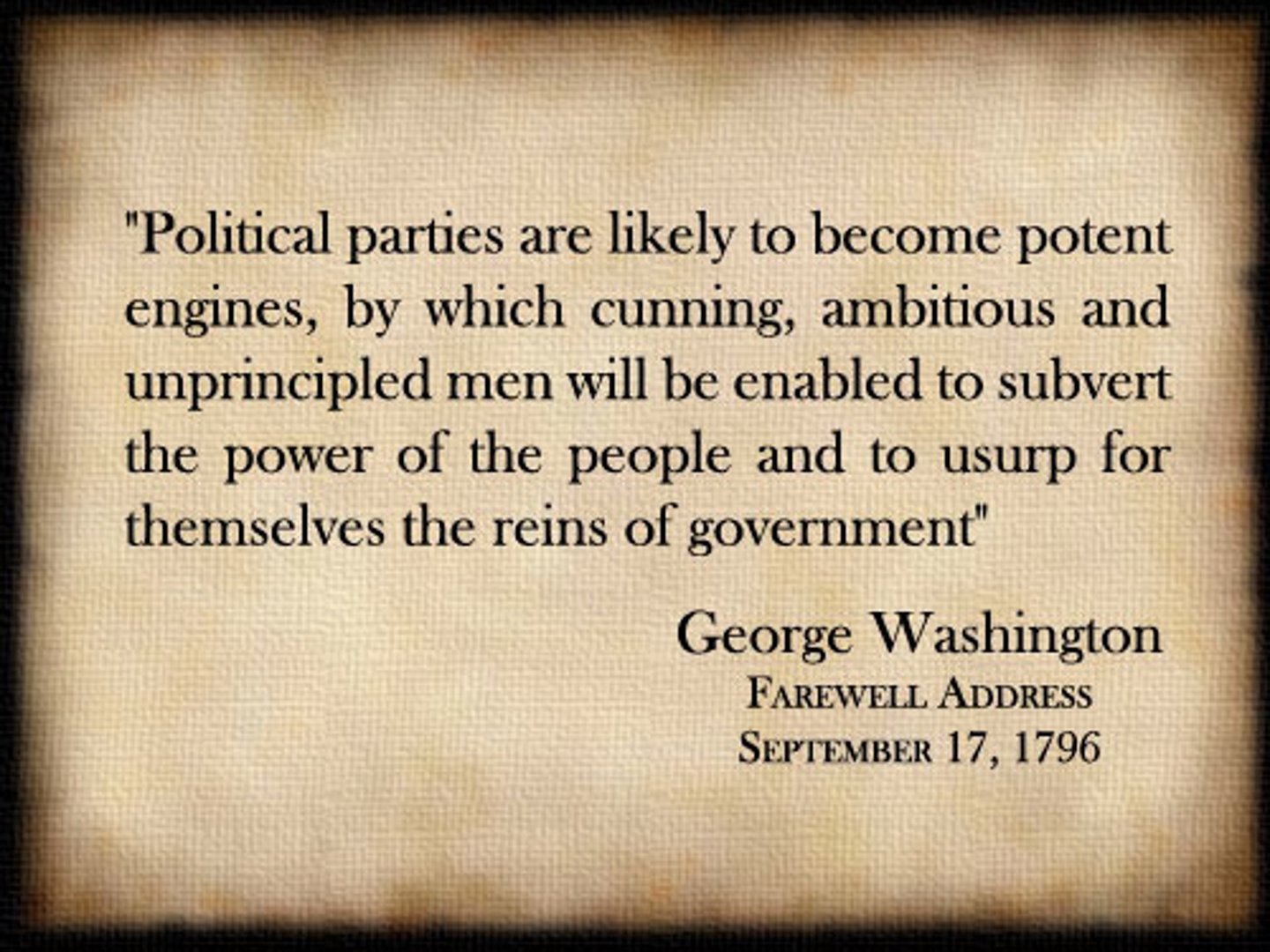
Washington's farewell address
He warned against the dangers of political parties and foreign alliances.
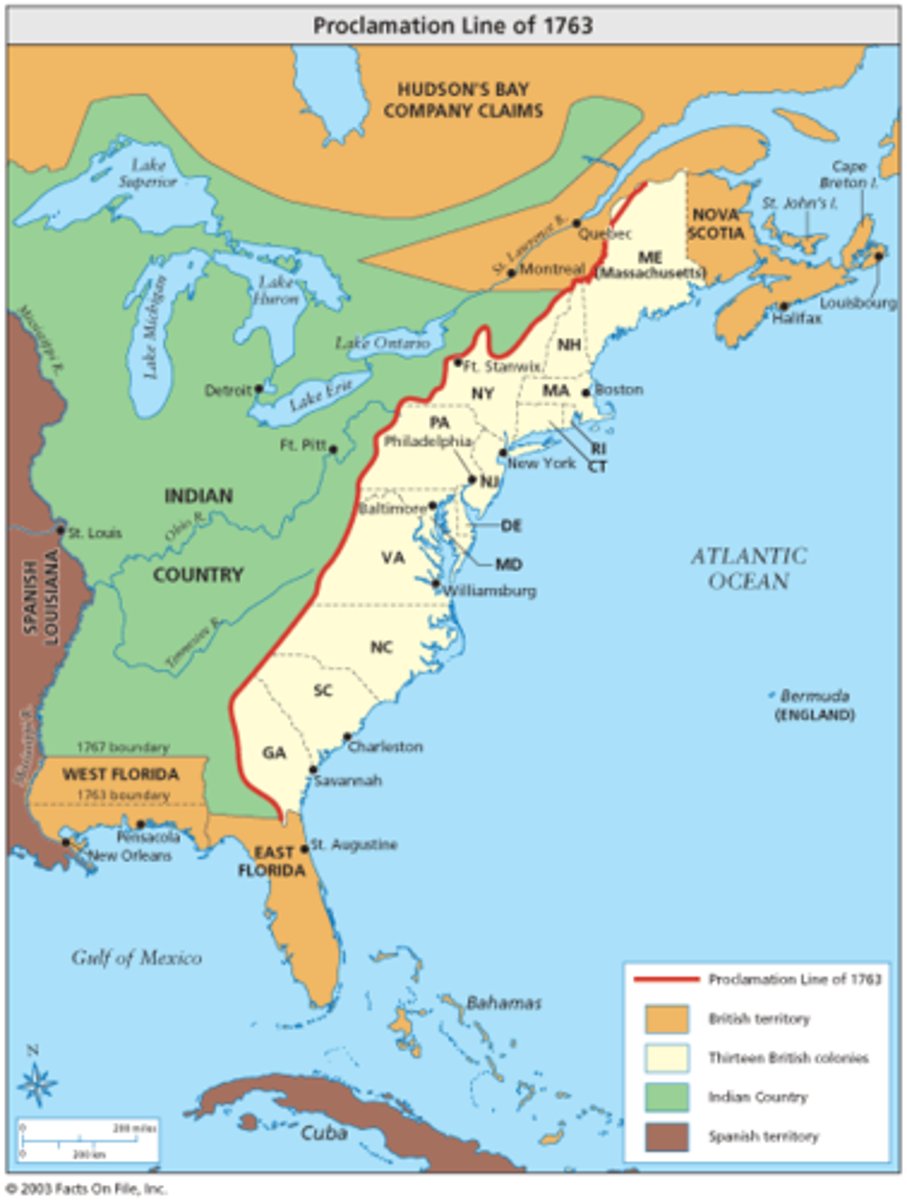
The Proclamation of 1763
Line drawn by British Parliament, colonists not allowed to settle past Appalachian mountains
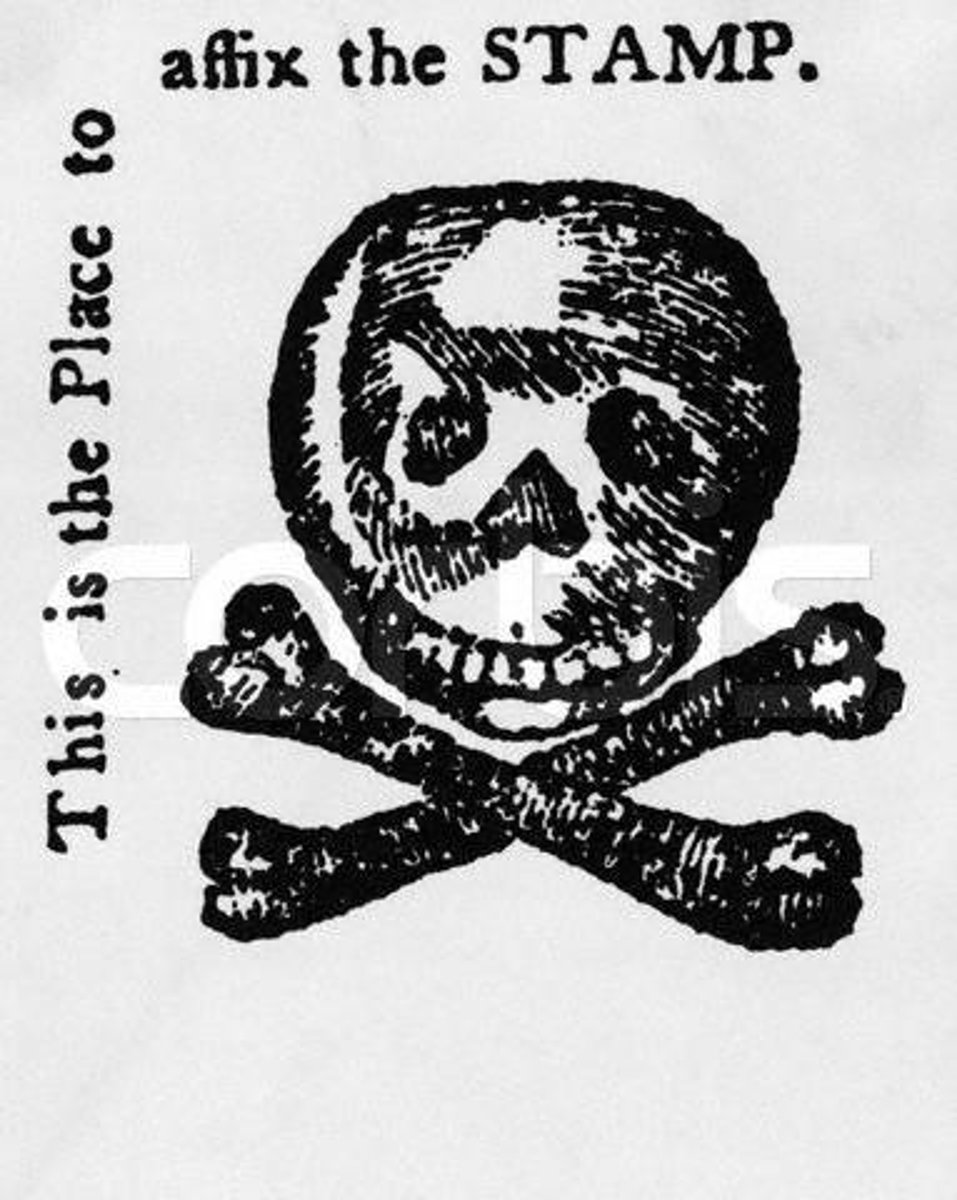
Stamp Act
1765 direct tax on a stamp that must be put on paper, office documents, etc.
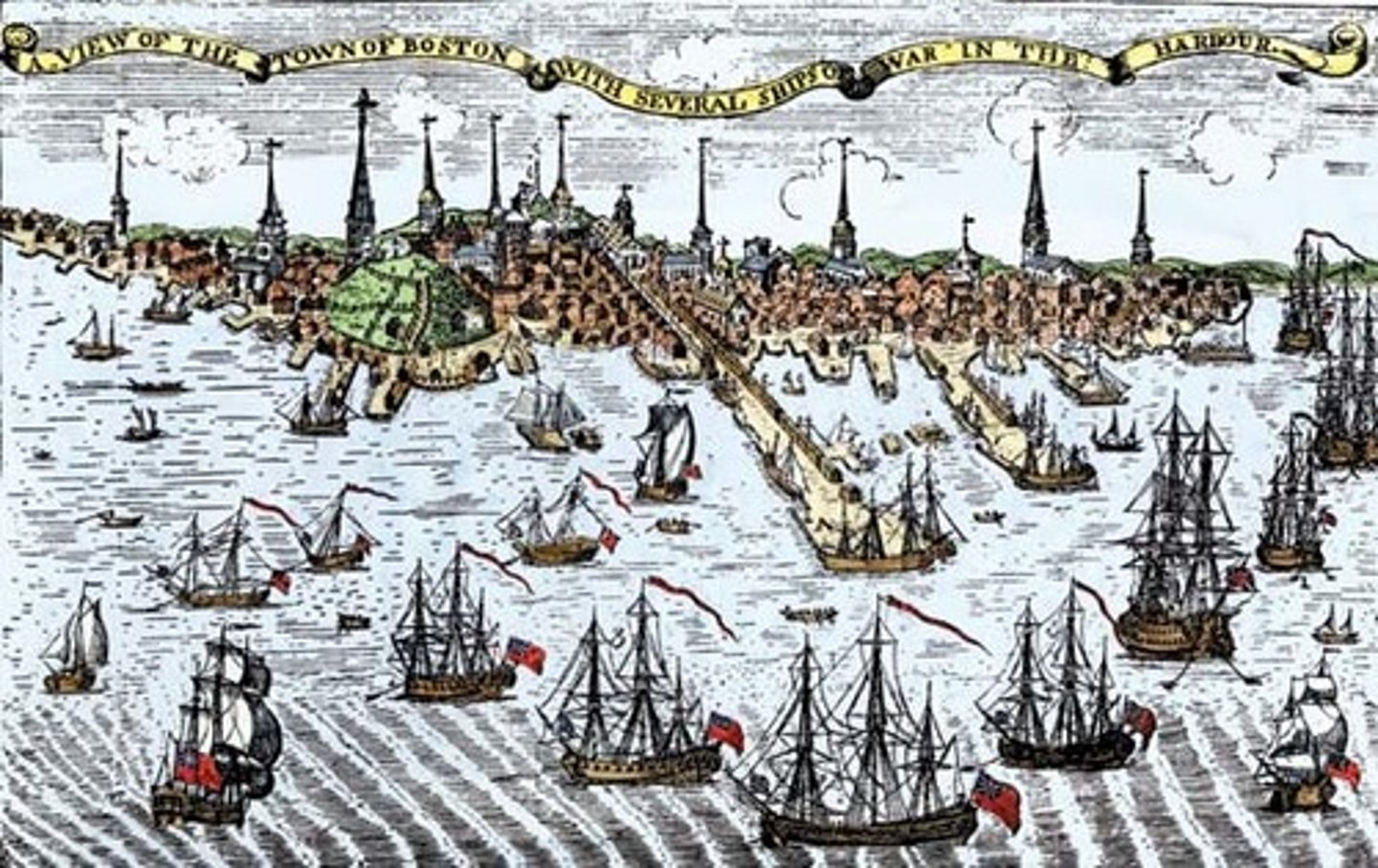
Coercive Acts (Intolerable Acts)
punitive acts applied to Massachusetts in retaliation for the Boston Tea Party; referred to by colonists as the Intolerable Acts
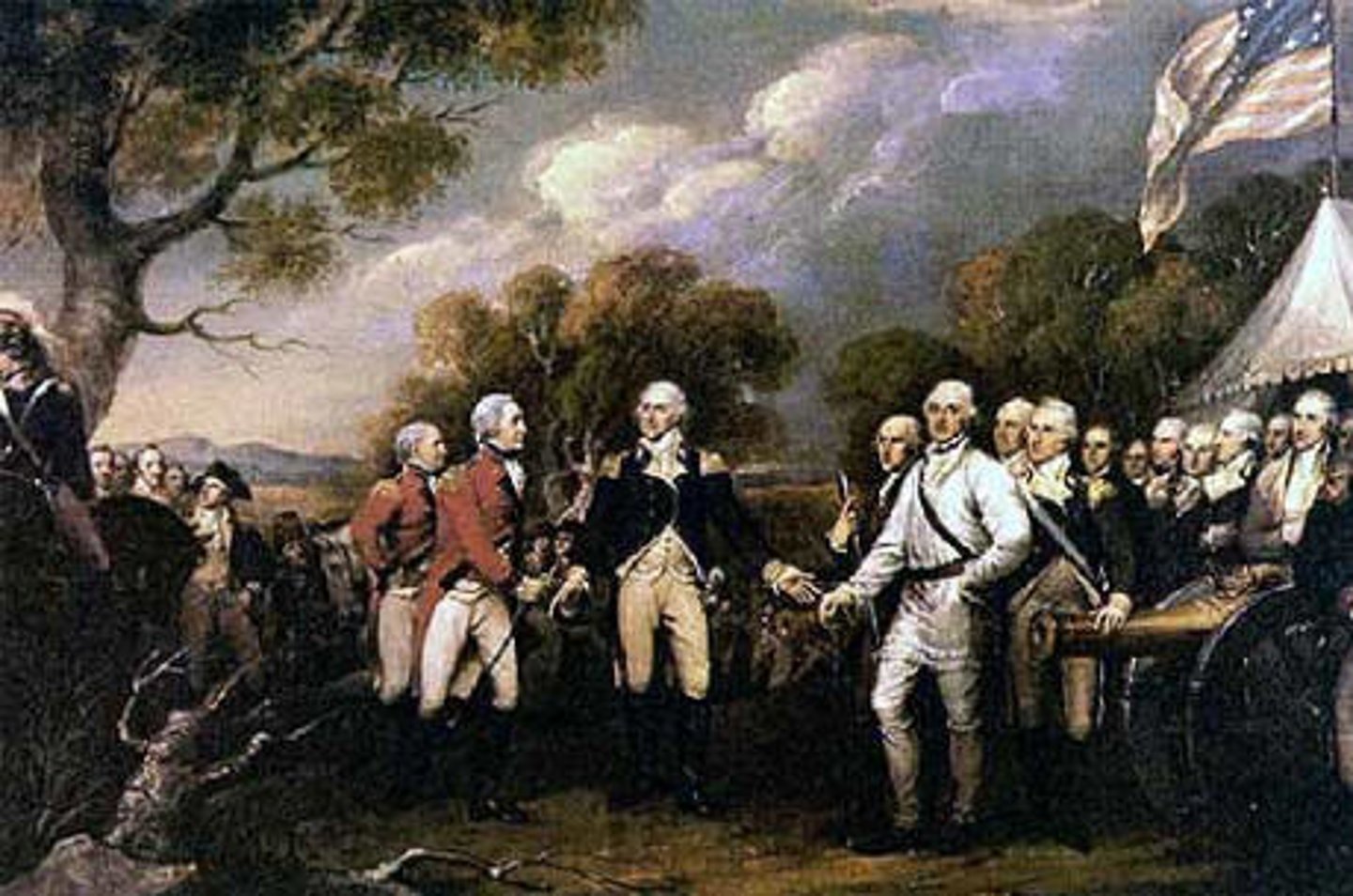
Battle of Saratoga
American victory over British troops in 1777 that was a turning point in the American Revolution.
Shay's Rebellion
A 1787 rebellion in which ex-Revolutionary War soldiers attempted to prevent foreclosures of farms as a result of high interest rates and taxes
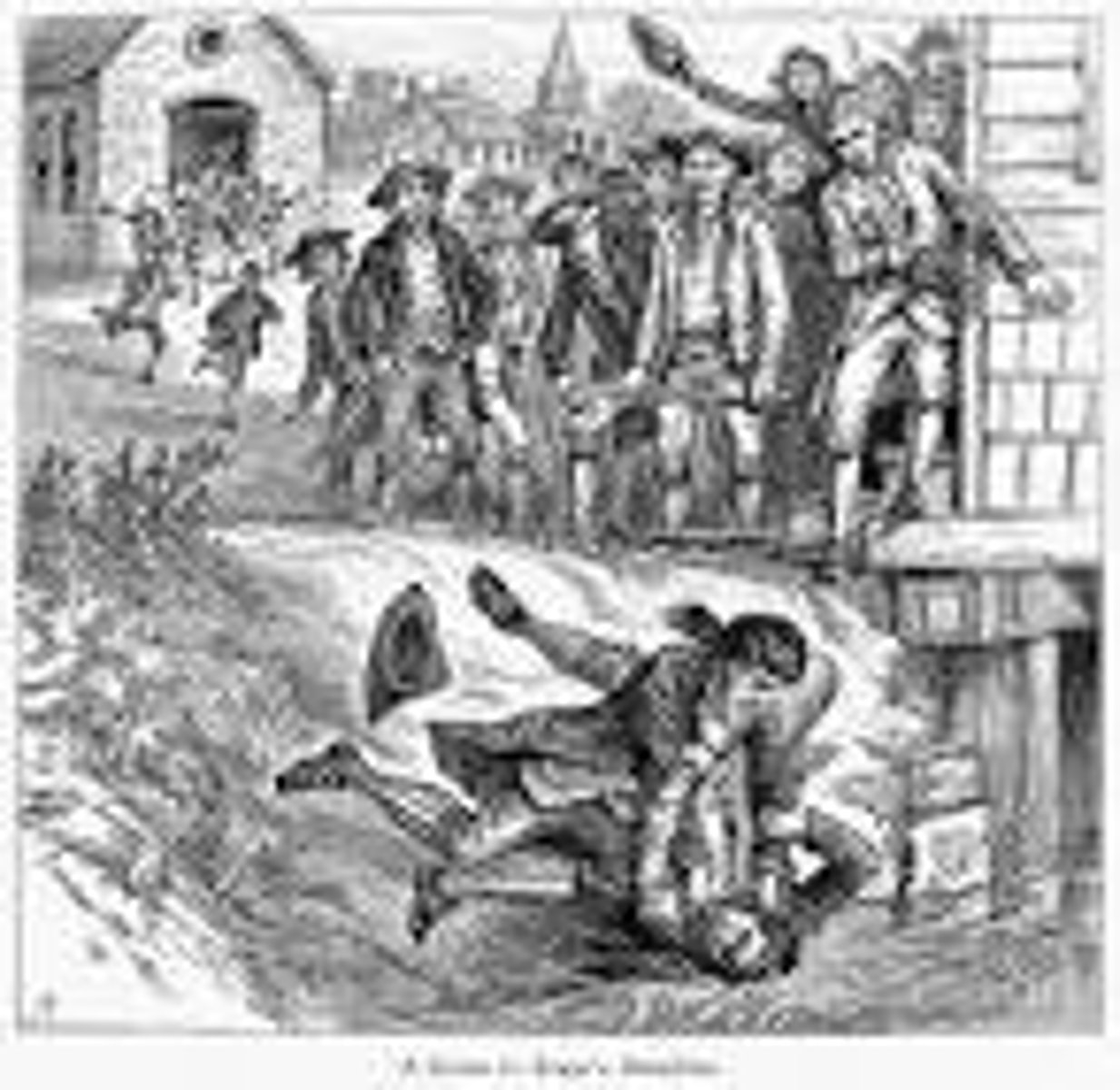
Treaty of Paris 1783
1783 treaty ending the Revolutionary War
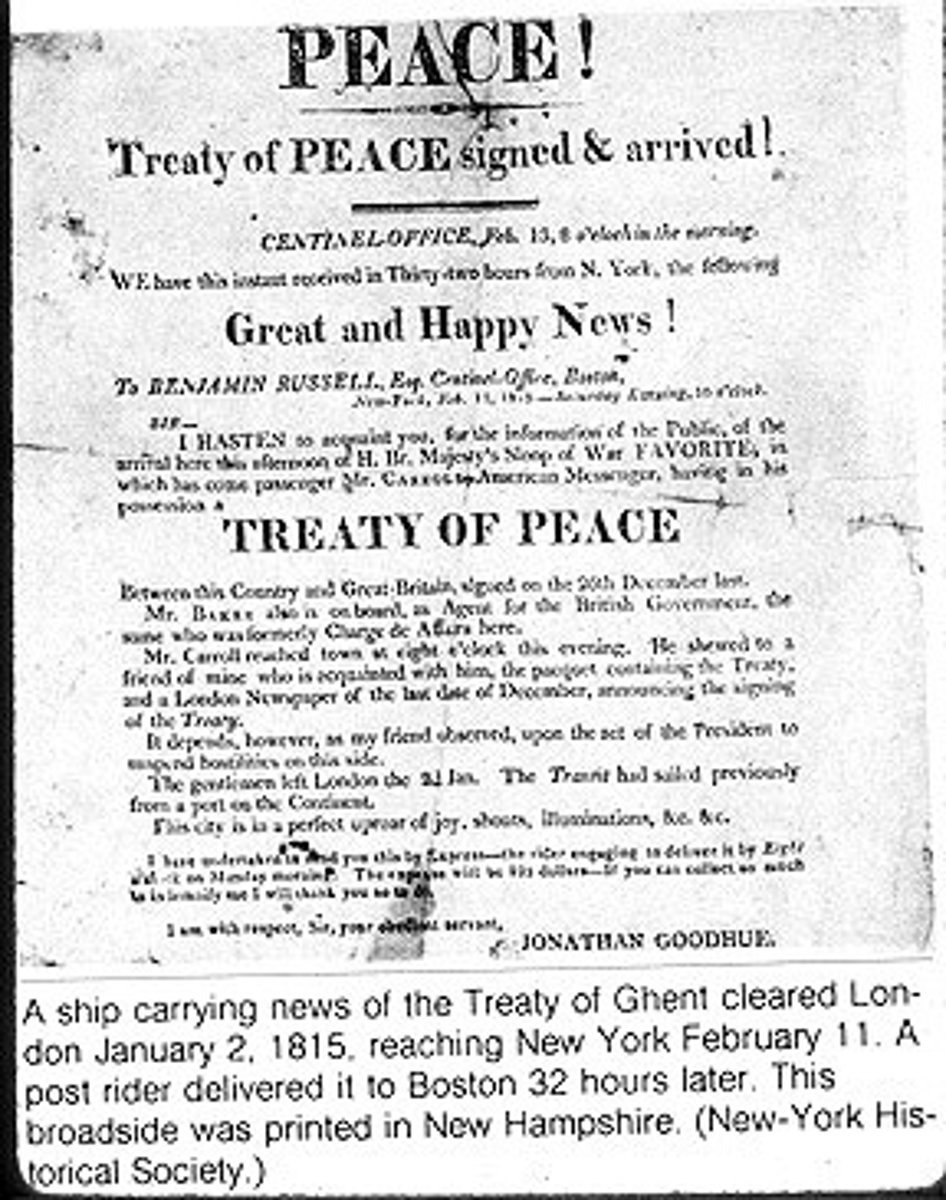
The Great Compromise
a compromise between the New Jersey and Virginia plans that created the Senate and the House of Representatives; each state received equal number of senators, states received representatives based on population
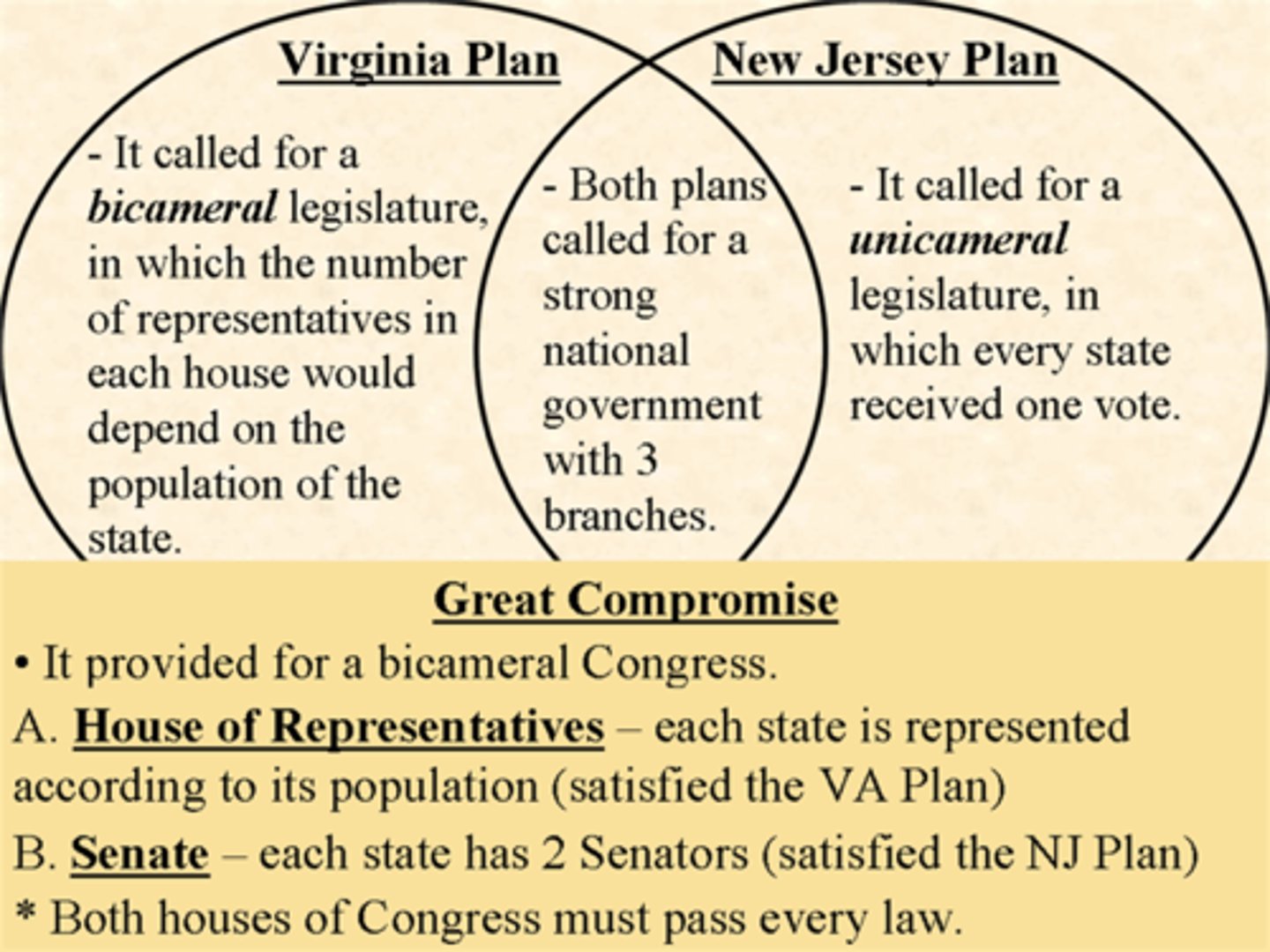
The Three-Fifths compromise
Agreement at the creation of the Constitution that each slave counted as three-fifths of a person in determining representation in the House for representation and taxation purposes
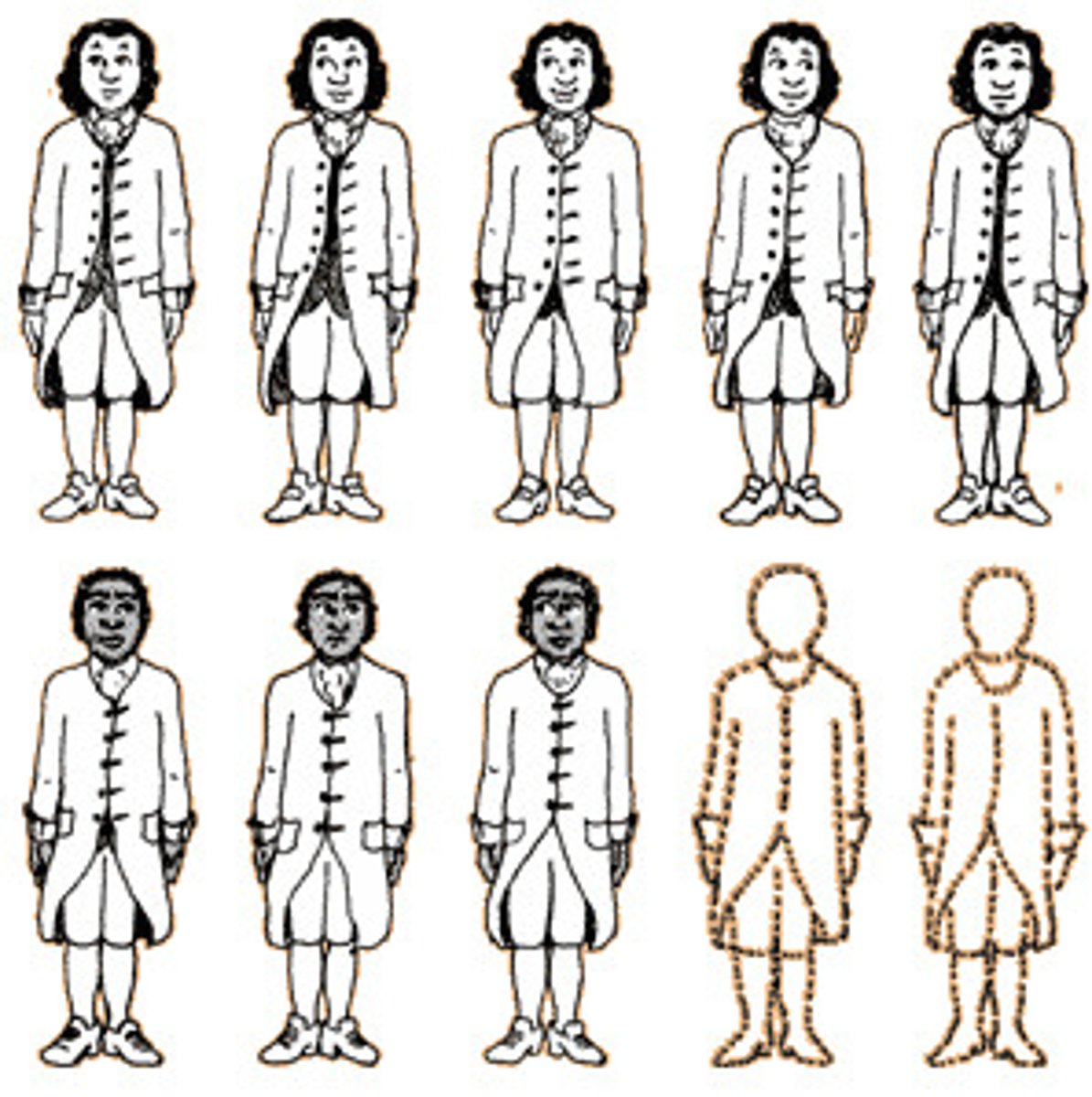
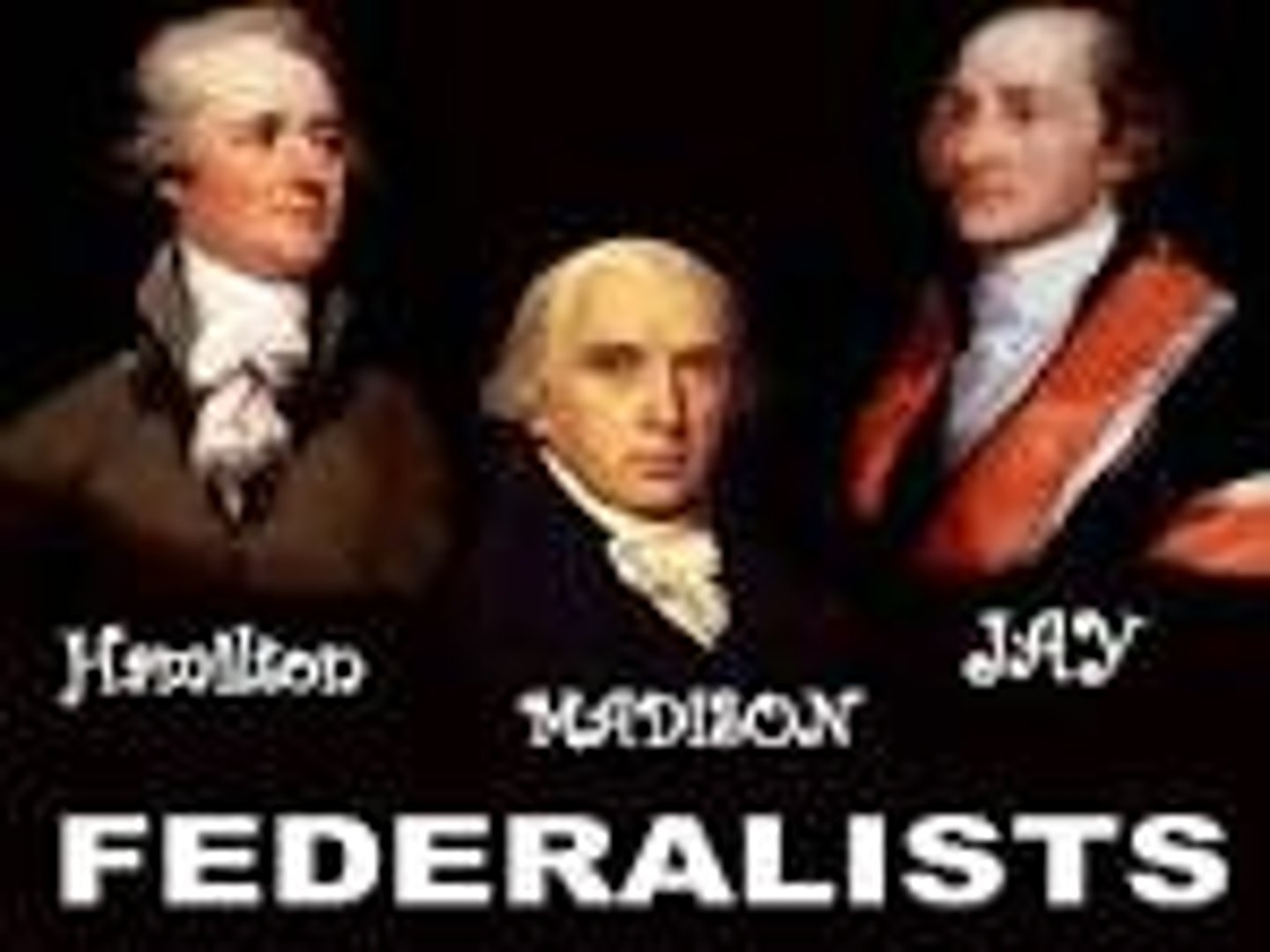
Federalists
Supported the ratification of the Constitution and a strong federal government
Jay's Treaty
Treaty signed in 1794 between the U.S. and Britain; intended to strengthen trade relations between the US and Britain; British agreed to abandon outposts in the Northwest Territory but would not guarantee the non-impressment of American sailors. played a big role in the formation of political parties
Anti-federalists
early opponents of the Constitution during the period of ratification; opposed the Constitution's powerful centralized government, arguing that the Constitution gave too much political, economic, and military control
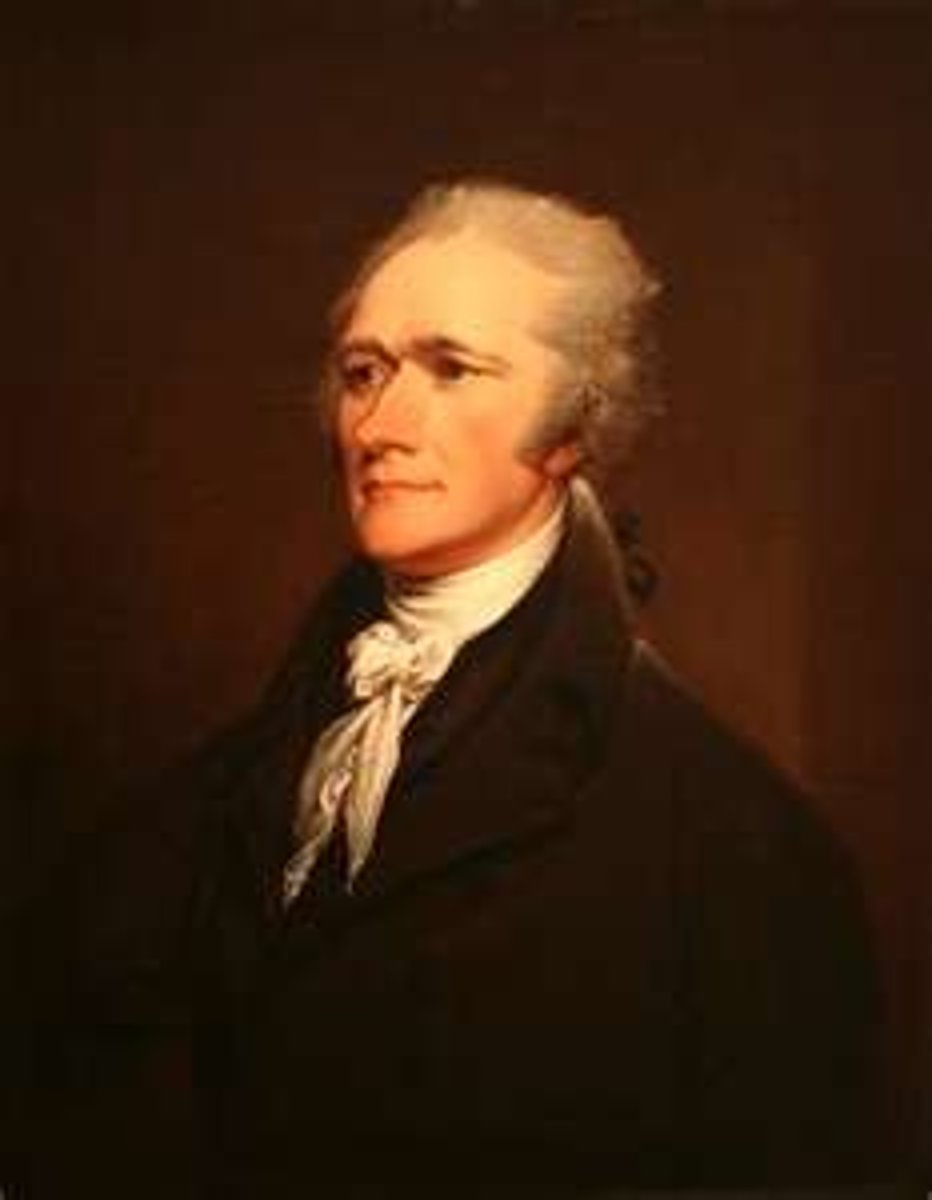
Alexander Hamilton
1789-1795; First Secretary of the Treasury. He advocated creation of a national bank, assumption of state debts by the federal government, and a tariff system to pay off the national debt; strong federalist
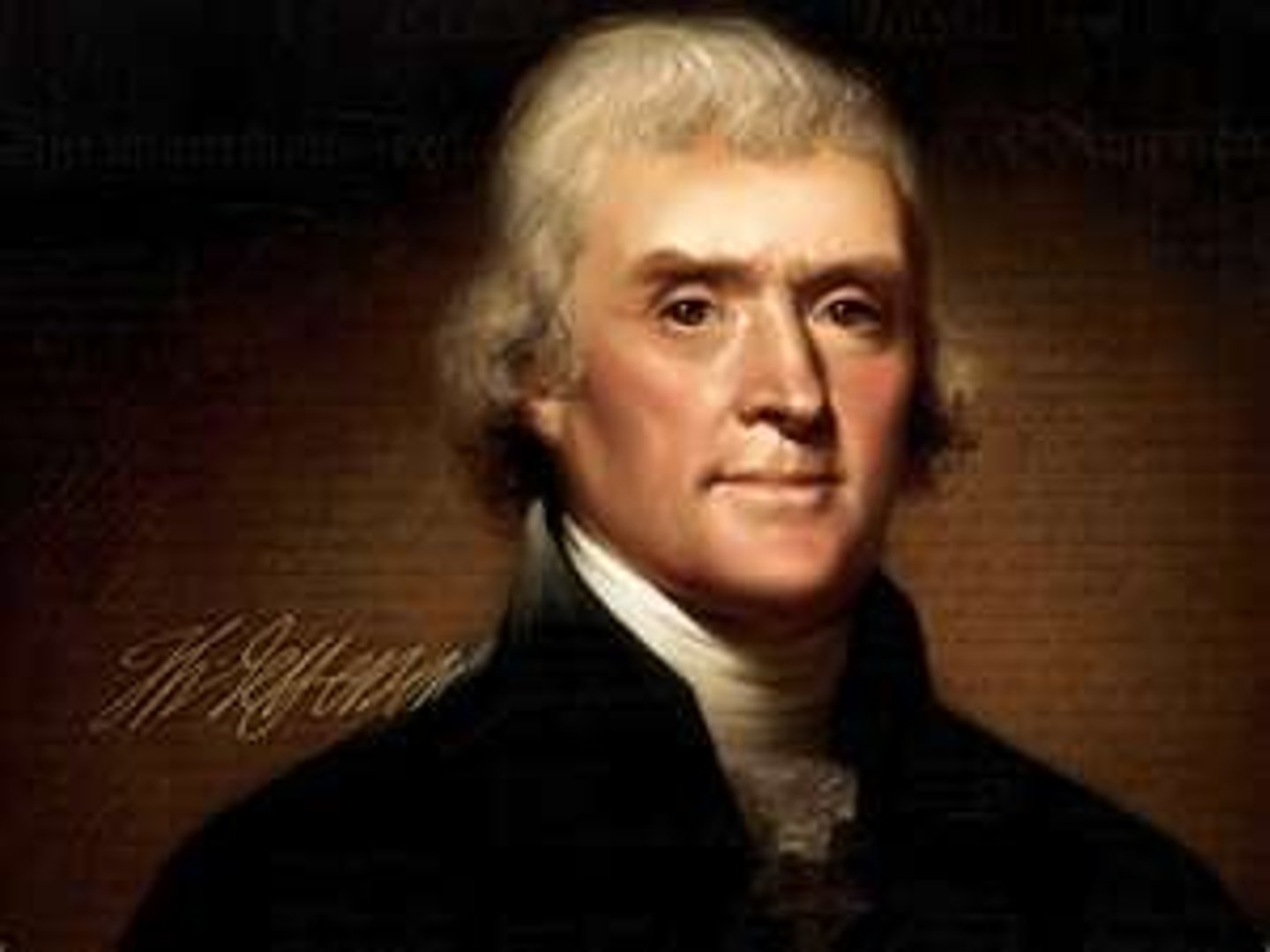
Thomas Jefferson
Wrote the Declaration of Independence;
3rd President of the United States
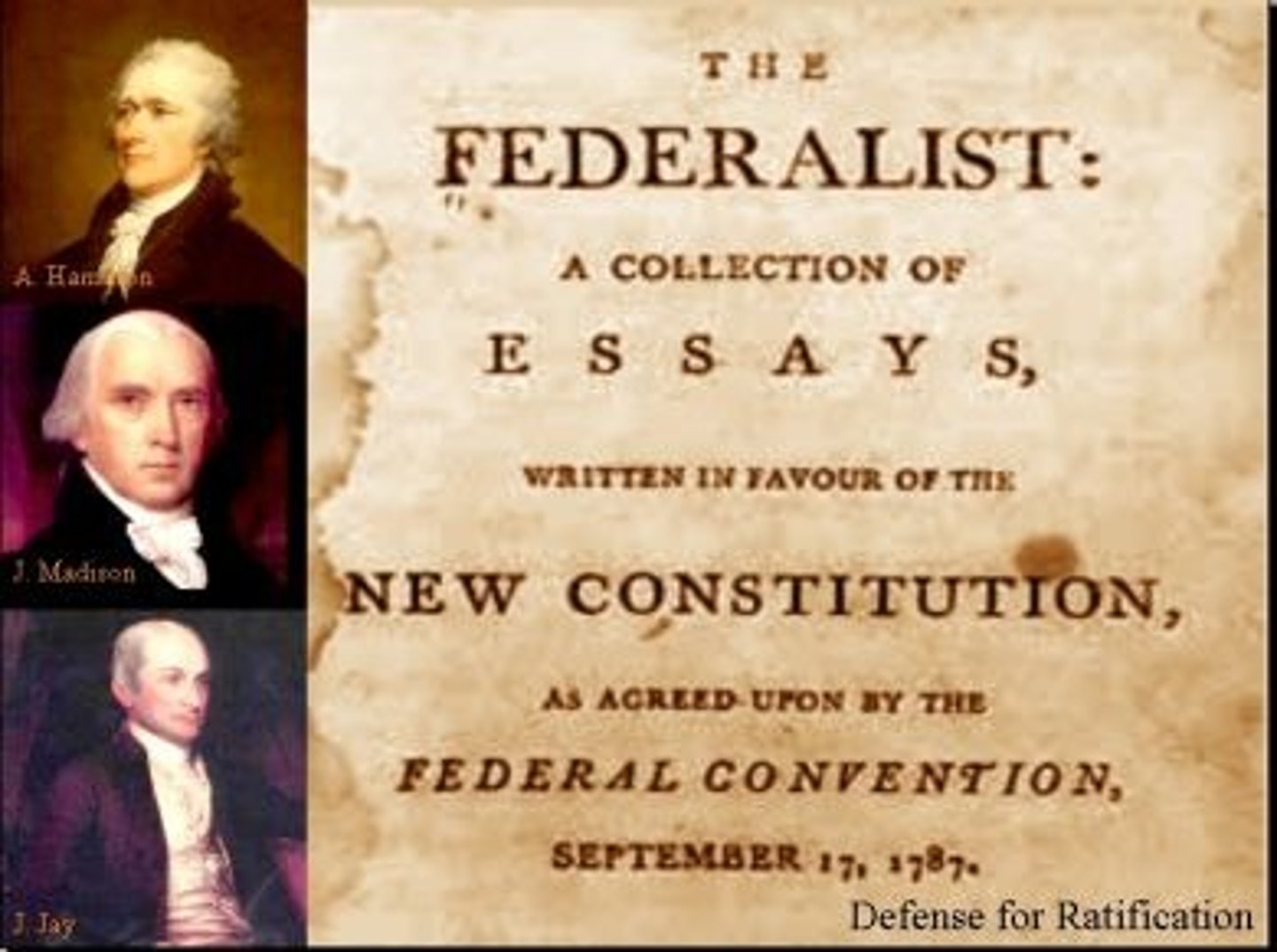
The Federalists papers
This collection of essays by John Jay, Alexander Hamilton, and James Madison; explained the importance of a strong central government; published to convince New York to ratify the Constitution
XYZ Affair
A 1797 incident in which French officials demanded a bribe from U.S. diplomats
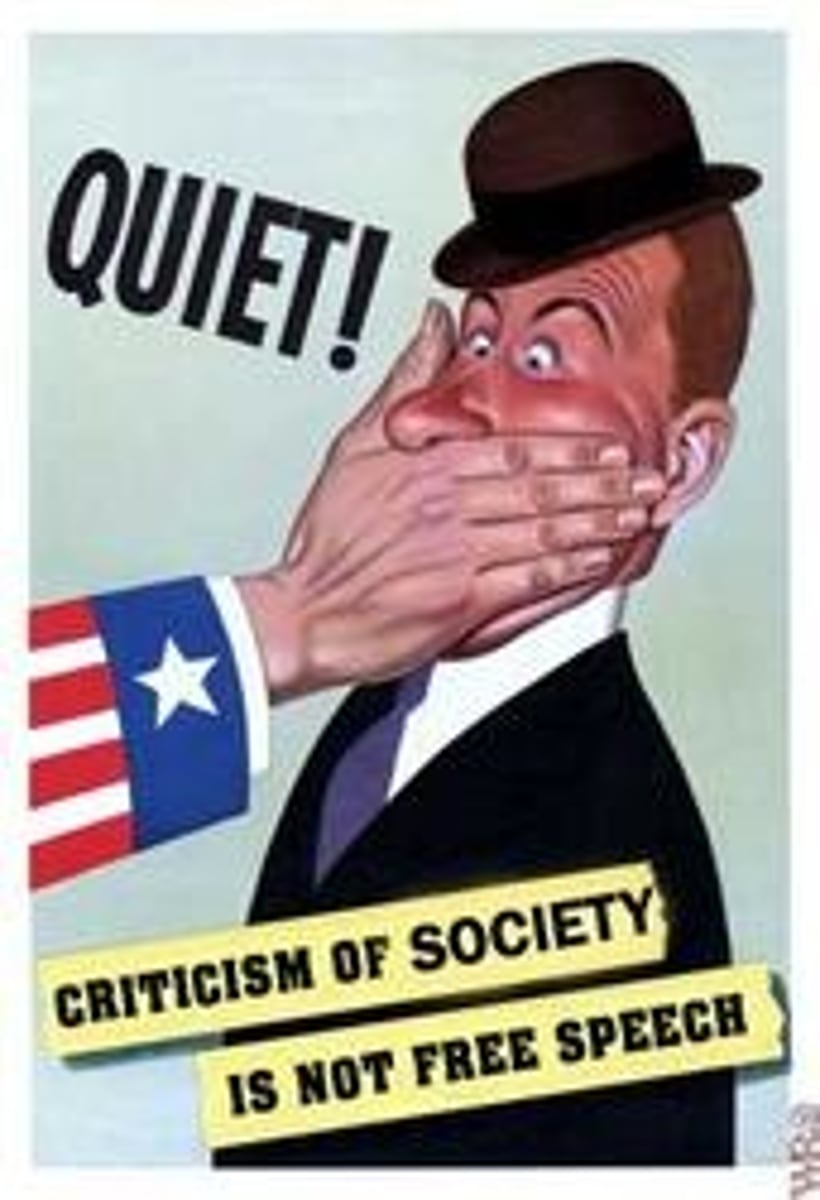
Alien and Sedition Acts
Series of four laws enacted in 1798 to reduce the political power of recent immigrants and limit political opposition to the federalists
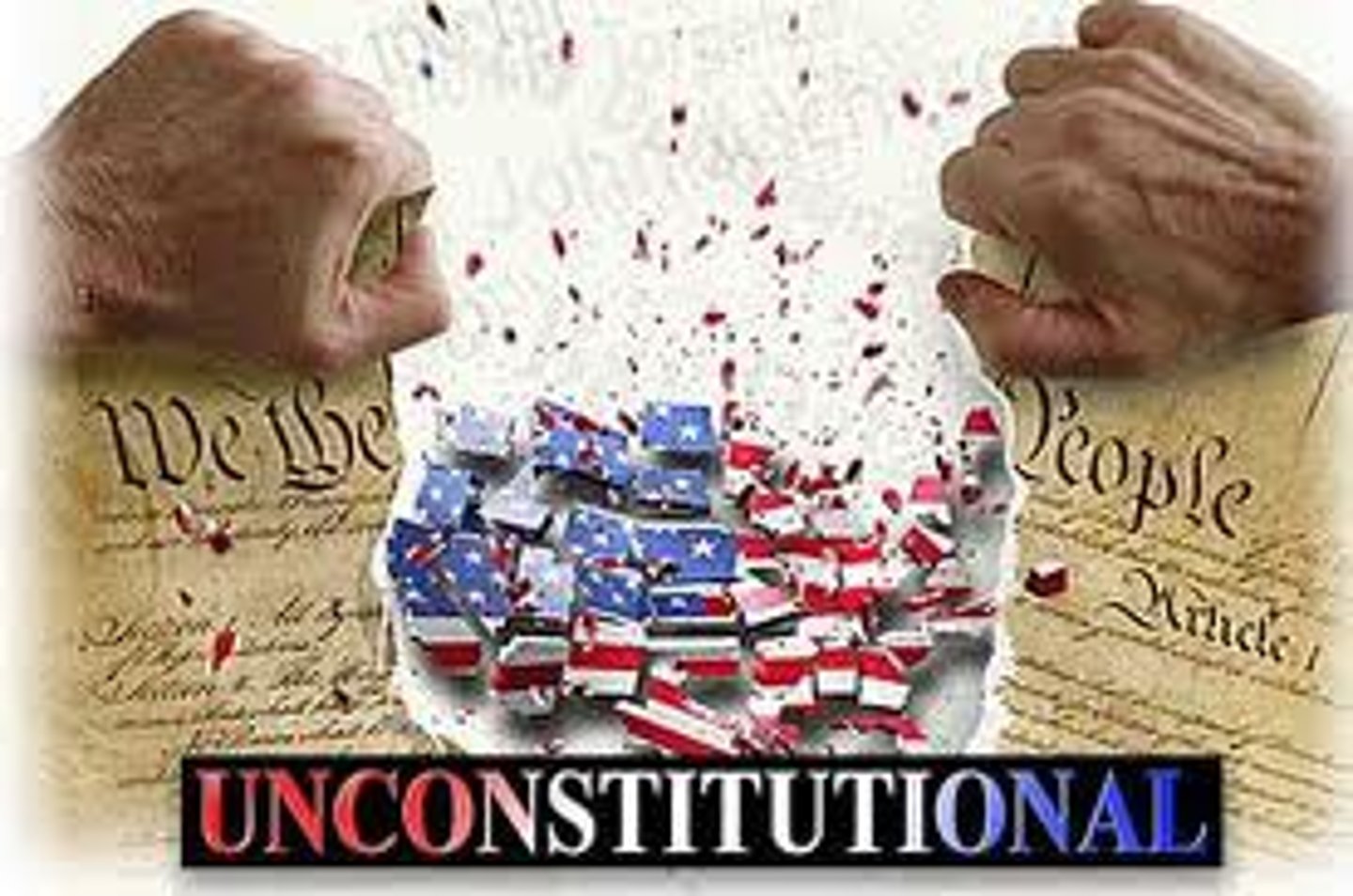
Kentucky and Virginia Resolutions
Republican documents that argued that the Alien and Sedition Acts were unconstitutional; claimed that states have the authority to nullify federal laws
French American Alliance
pact signed by the Americans and the French after the Battle of Saratoga, paving the way for French support of the colonial war for independence and binding the two countries together long-term
Enlightenment
A philosophical movement which started in Europe in the 1700's and spread to the colonies. It emphasized reason and the scientific method. Writers of the enlightenment tended to focus on government, ethics, and science, rather than on imagination, emotions, or religion. Many members of the Enlightenment rejected traditional religious beliefs in favor of Deism, which holds that the world is run by natural laws without the direct intervention of God.
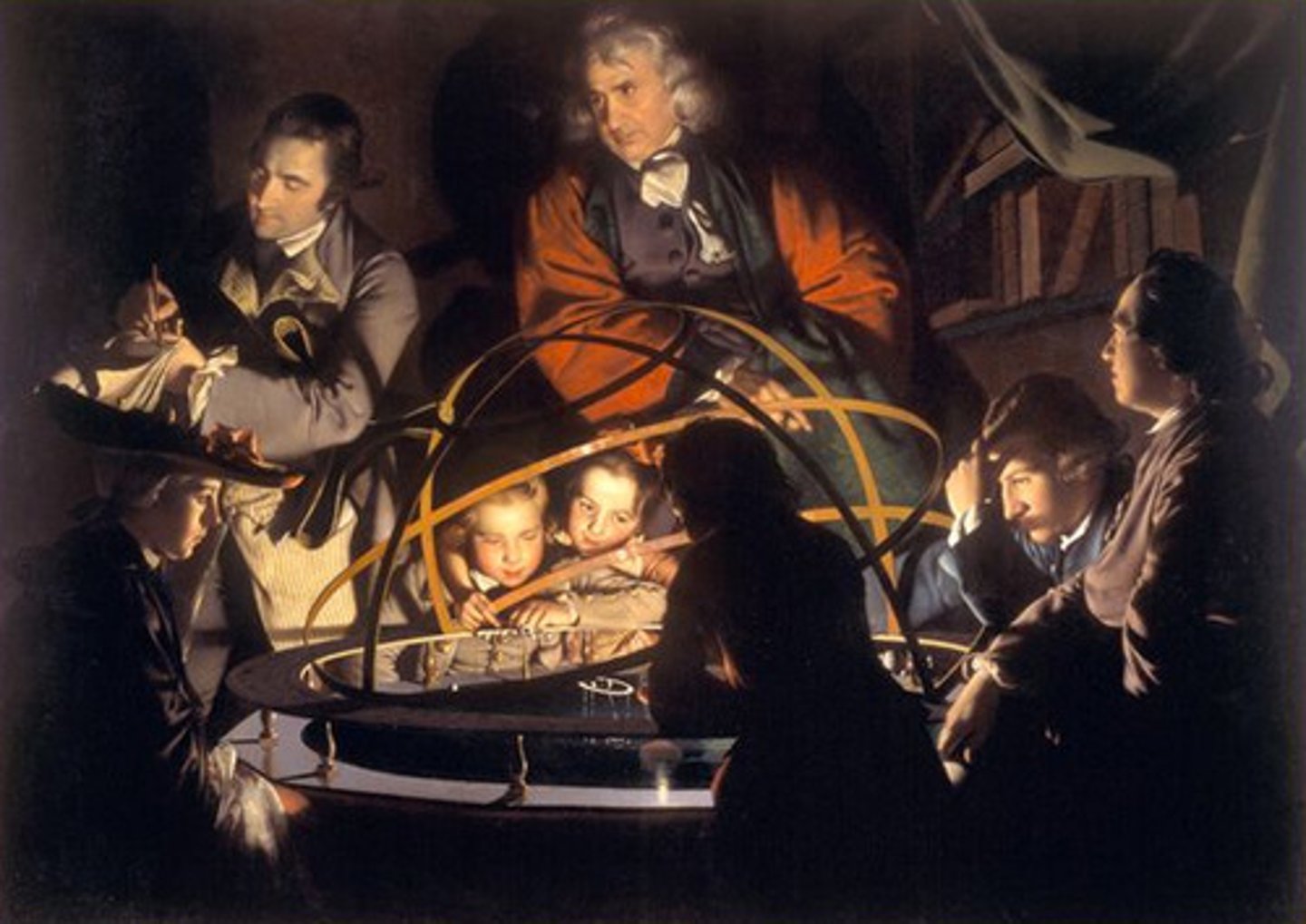
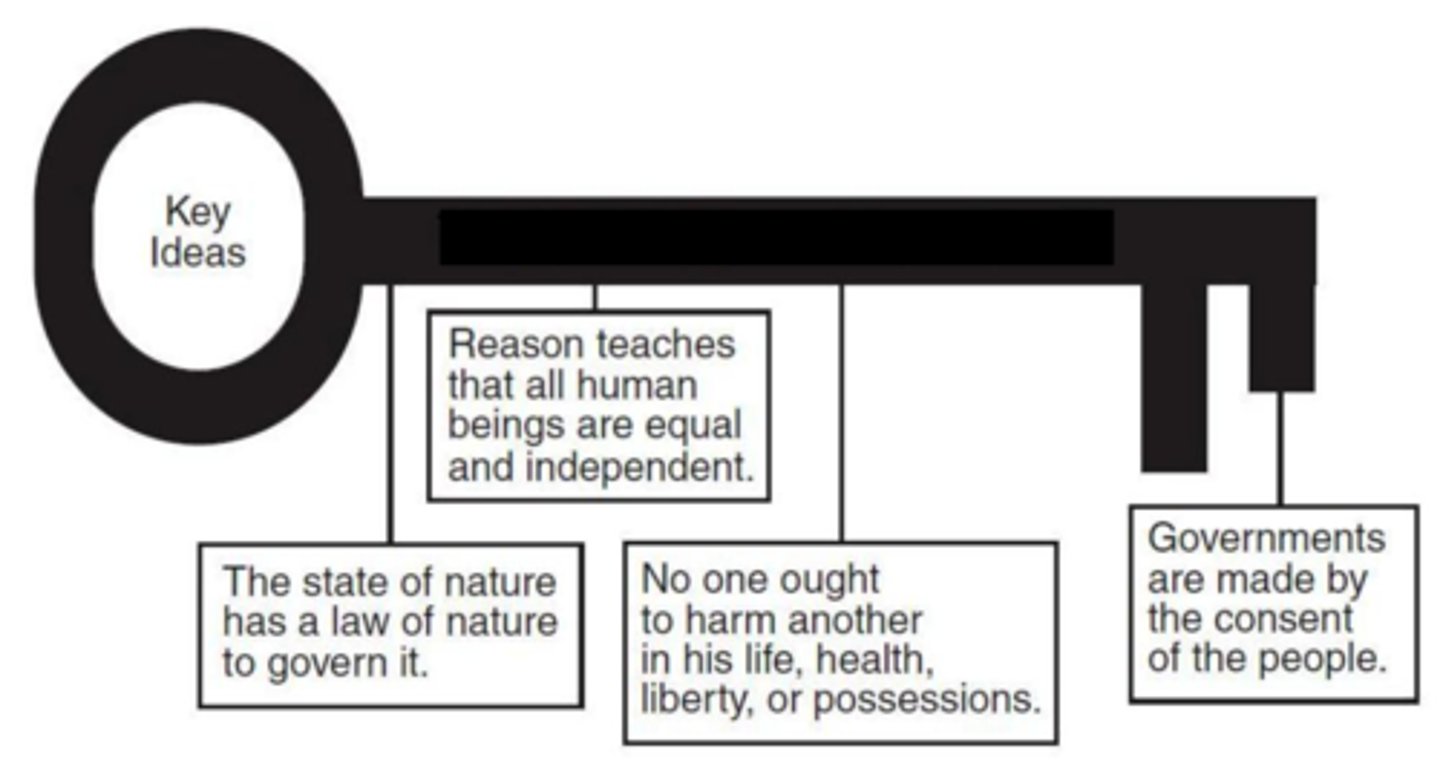
John Locke
English philosopher who advocated the idea of a "social contract" in which government powers are derived from the consent of the governed and in which the government serves the people; also said people have natural rights to life, liberty and property.
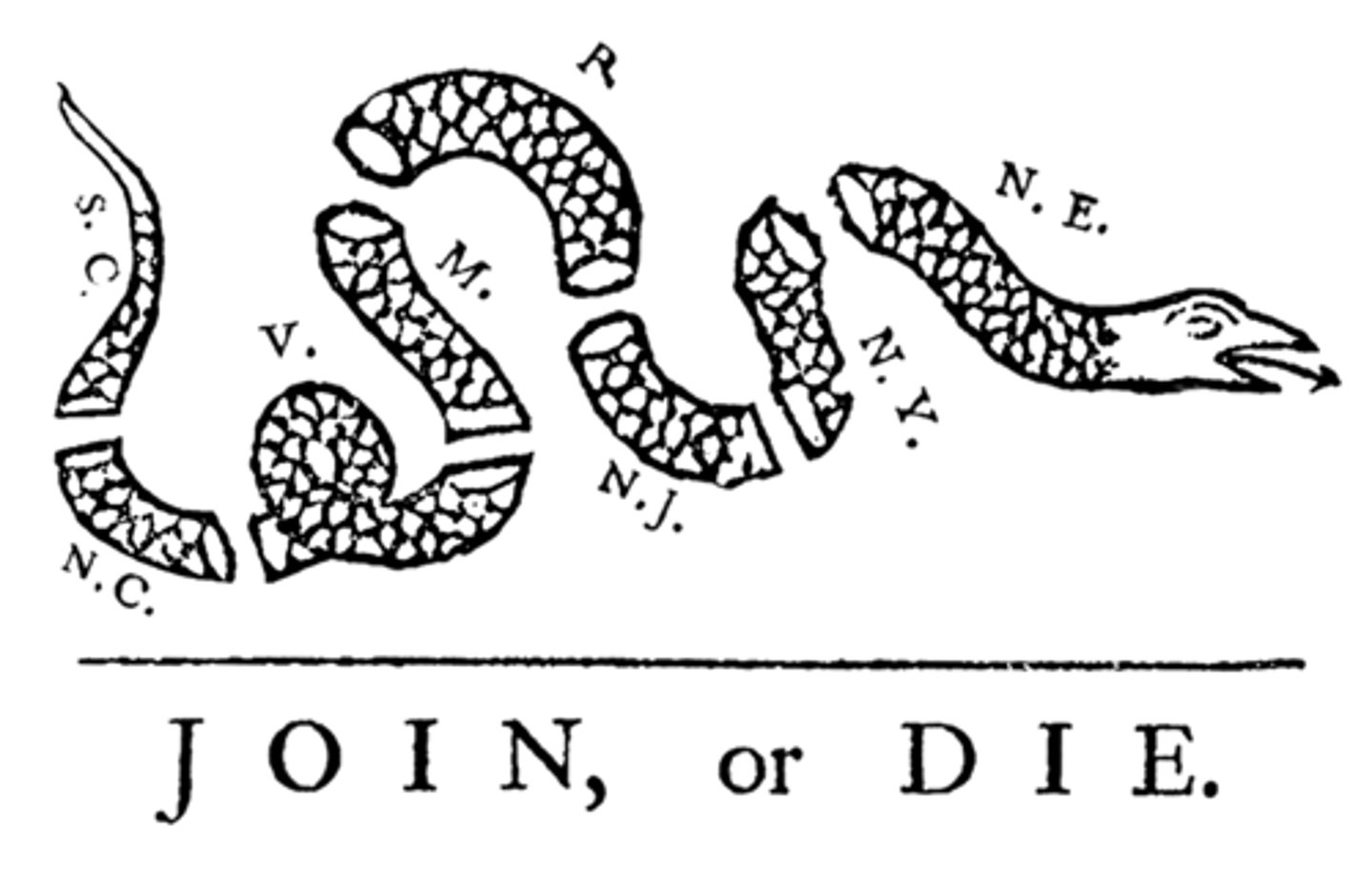
Ben Franklin
A delegate from Pennsylvania and proposed the "Albany Plan of the Union" as a way to strengthen colonies.
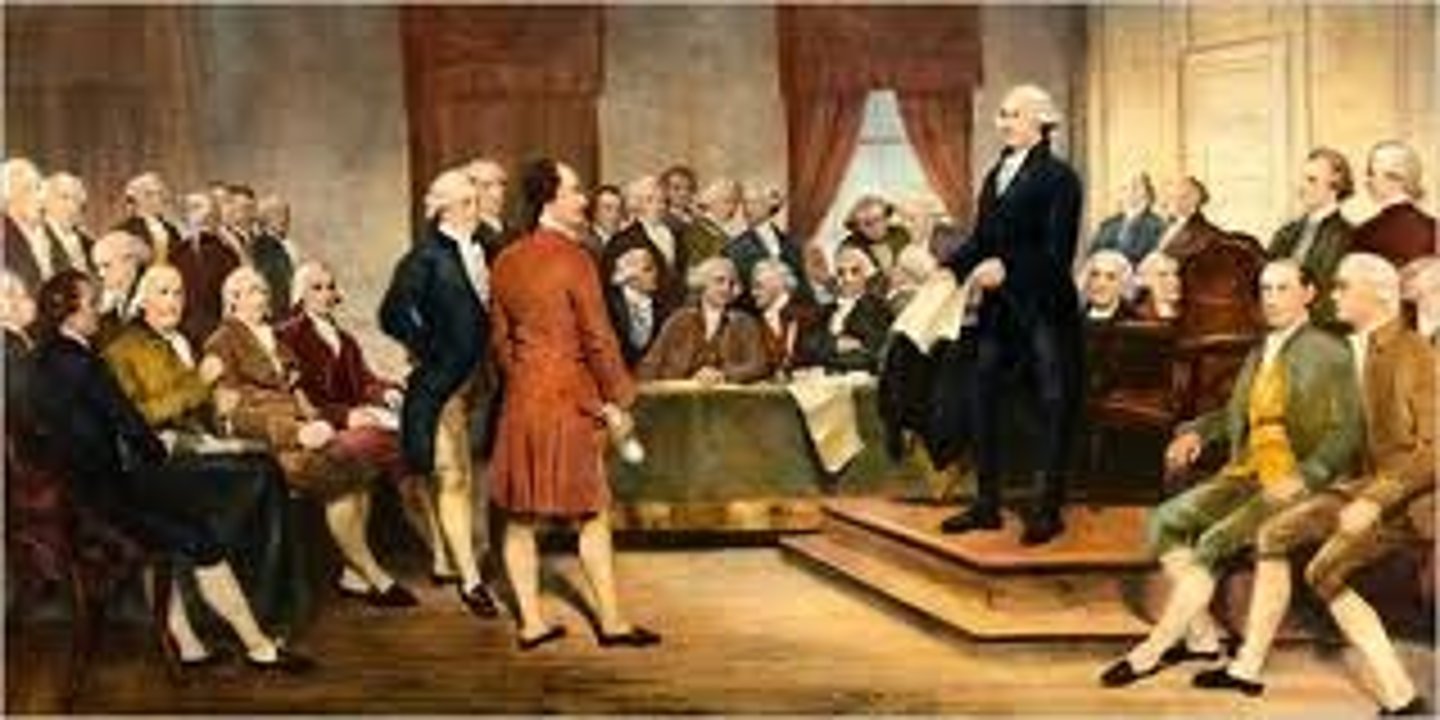
Second Continental Congress (1775)
Managed the colonial war effort, and moved incrementally towards independence - finally adopting the Declaration of Independence in 1776.
Pinckney's Treaty (1795)
This treaty between the U.S. and Spain which gave the U.S. the right to transport goods on the Mississippi River and to store goods in the Spanish port of New Orleans
Quasi War (1798-1800)
undeclared war fought mostly at sea between the French Republic and the United States, caused by the signing of Jay's Treaty between the UK and the US
Olive Branch Petition (1775)
Last colonial offering of peace; King George III ruled colonies in rebellion due to Bunker Hill
Land Ordinance of 1785
A law that divided much of the United States into a system of townships to facilitate the sale of land to settlers.