Exam 1
 Call Kai
 Learn
Learn Practice Test
 Spaced Repetition
 Match
Match Flashcards
 Knowt Play
1/161

There's no tags or description
Looks like no tags are added yet.
Name | Mastery | Learn | Test | Matching | Spaced | Call with Kai |
|---|
No analytics yet
Send a link to your students to track their progress
162 Terms
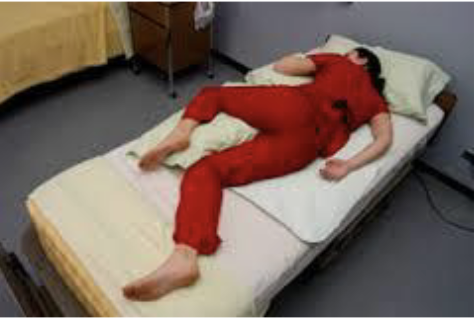
What position is this
Sims
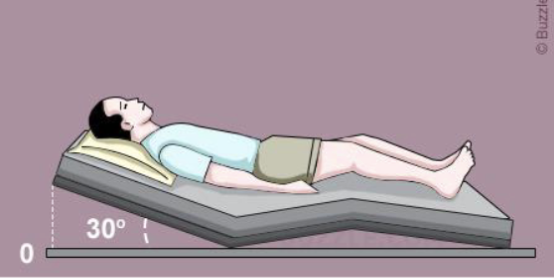
What position is this
Low fowlers
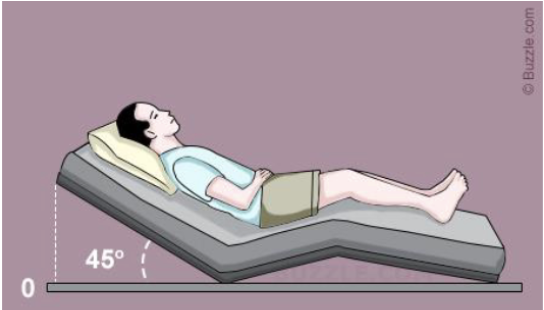
What position is this
Semi fowlers
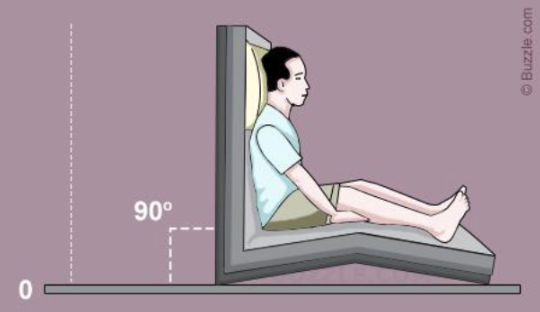
What position is this
High fowlers
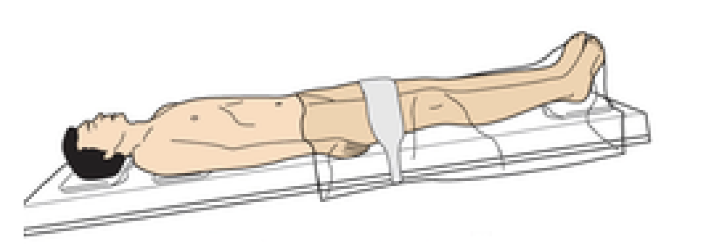
What position is this
Trendelenburg
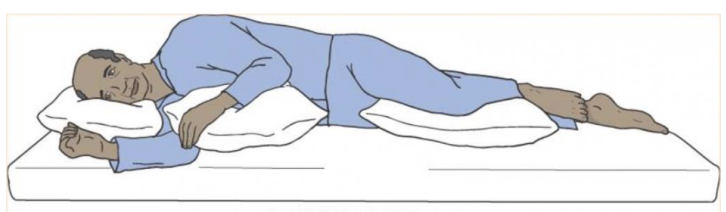
What position is this
Side-lying
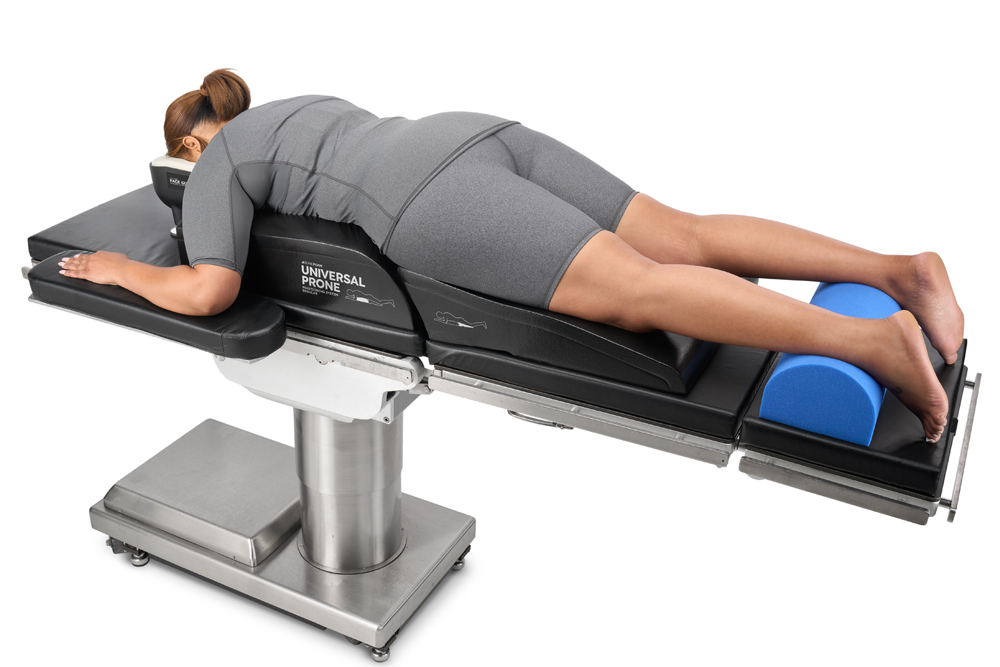
What position is this
Prone
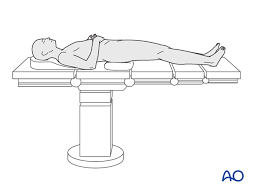
What position is this
Supine
How often should you reposition a patient?
At least every 2 hours
Chain of infection
Pathogen
Reservoir
Portal of exit
Mode of transmission
Means of entry
Susceptible host
Donning isolation gear order
Gown
Mask/respirator
Eyewear / face shield
Gloves
Doffing isolation gear order
Gloves
Eyewear / face shield
Gown
Mask / respirator
Typical temperature range
96.4 - 99.1ºF
Eupnea
Normal breathing, 60-100
Tachypnea
Fast breathing, over 20
Bradypnea
Slow breathing, under 60
Factors that assess respiratory rate
exercise
pain
anxiety
smoking
medications
Cardiac output formula
stroke volume x rate
Cardiac output definition
Total volume of blood pumped by the heart into the systemic circulation per minute
Newborn HR
120-160bpm
Toddlers HR
90-140bpm
School aged HR
75-100bpm
Adolescent HR
60-90bpm
Adult HR
60-100bpm
Well trained athlete HR
40-60bpm
BP formula
cardiac output x vascular resistance
Systolic BP
Force of push during ventricular contraction
Diastolic BP
Force of blood at resting phase of contraction
Pulse pressure
Difference between systolic and diastolic BP
Mean Arterial Pressure (MAP)
Average force of blood into the tissues
MAP formula
(systolic BP + (diastolic BP x 2)) / 3
Signs of malnutrition
Swollen neck glands
Wounds/pressure sores
Muscle wasting
Edema
Transverse ridges on fingernail beds
How often do restraint orders need to be renewed
24 hours
Standard precautions includes…
Gloves when touching body fluids
Mask/eye protecting if splashing possible
Gown if clothing may be exposed
Contact precautions are used for
Infections spread by direct touch or contaminated surfaces
What PPE used in contact precautions?
Gloves
Gown
True or false: contact isolation precautions include a single room and dedicated equipment
True
Examples of contact isolation diseases
MRSA
Cdiff
Scabies
RSV
Droplet precautions are used for…
infections spread through large respiratory droplets (3-6 ft)
PPE required for droplet precautions
Surgical mask (and gloves)
True or false: Droplet precautions include a single room and dedicated equipment
False- single room only
Examples of droplet precautions diseases
Flu
Meningitis
Pertussis
Airborne precautions are used for…
infections spread through tiny airborne particles that remain suspended in the air
PPE required for airborne precautions
N95 respirator or higher
What type of room is required for airborne precautions
Negative pressure room
Examples of airborne diseases
Tuberculosis
Measles
Chickenpox
COVID-19
What are reverse isolation precautions?
Precautions that protects immunocompromised patients from infection
PPE required for reverse precautions
Mask
Gloves
Gown
Examples of patients requiring reverse precautions
Organ transplant
Chemotherapy patients
Severe neutropenia
Do you remove mask inside or outside of room?
Outside
Temperature recording methods
Rectal
Temporal
Axillary
Oral
Tympanic
Where to feel apical pulse
5th intercostal space at left midclavicular line
Factors that determine BP
Cardiac output
Peripheral vascular resistance
Volume of circulating blood
Blood viscosity
Elasticity of vessel walls
Phase 1 of kortokoff sounds
Faint tapping sound
Phase 1 of kortokoff sounds represents…
systolic BP
Phase 2 of kortokoff sounds
Soft swishing sound
Phase 3 of kortokoff sounds
Crisp thumping sound
Phase 4 of kortokoff sounds
Blowing sound
Phase 5 of kortokoff sounds
Silence
Phase 5 of kortokoff sounds represents…
diastolic BP
If a BP cuff is too big, the reading will likely be…
low
If a BP cuff is too small, the reading will likely be…
high
Elevated BP range
120-129 / <80
HTN Stage 1
130-139 / 80-89
HTN Stage 2
140+ / 90+
Hypertensive crisis
180+ / 120+
Culture definition
Thoughts, communications, actions, customs, beliefs, values, and institutions of racial, ethnic, religious, or social groups
True or false: you can use family/friends as interpretation staff in the hospital
False
True or false: if a police comes to hospital asking for information/medical records, you must provide it
false
SOAP stands for
Subjective
Objective
Assessment
Plan
SBAR stands for
Situation
Background
Assessment
Recommendation
4 assessment techniques
Inspection
Palpation
Percussion
Auscultation
What is palpation assessment technique
Using sense of touch to assess texture, temperature, moisture, swelling, tenderness, etc
What is percussion assessment technique
Tapping with short “sharp” strokes to produce vibration and sound
5 types of sounds from percussion
Flatness
Dullness
Resonance
Hyper resonance
Tympany
Flatness percussion sound
Soft, muddled
Dullness percussion sound
Medium/high pitch, quiet, thud-like sound
Resonance percussion sound
Low pitch
Hyper resonance percussion sound
Exaggerated low pitch sound
Tympany percussion sound
Hollow, high pitch, like a drum
The bell is the concave or flat end of the stethoscope?
Concave
The diaphragm is the concave or flat end of the stethoscope?
Flat
Bell side of stethoscope produces which kind of sounds
Low pitch sound (murmurs, bruits, extra heart sounds)
Diaphragm side of stethoscope produces which kind of sounds
high pitch sound (heart, breath, bowel)
Layers of skin
epidermis
dermis
subcutaneous layer
epidermal appendages
hair
sebaceous glands
sweat glands
nails
types of sweat glands
eccrine glands
apocrine glands
Functions of skin
Protection
Temperature regulation
Wound repair
Prevents penetration
Absorption / excretion
Pallor
Pale skin color, may appear white
Erythema
An abnormal redness of the skin or mucous membranes
Cyanosis
Grayish-blue tone- especially earlobes, lips, palms, nail beds
Jaundice
Yellowish color of skin, sclera of eyes, fingernails, palms of hands
Ruddy
chronic, often baseline reddish complexion
Viteligo
loss of pigment in skin, causing distinct white patches
Macule
Flat, confined area that is a change in the color of skin, less than 1 cm in diameter (i.e freckle, flat mole)
Papule
Elevated, firm, confined area less than 1cm in diameter (i.e wart, skin tag)
Patch
Flat, non-palpable irregular shaped macule more than 1 cm in diameter (i.e vitiligo, port-wine stain)
Plaque
Elevated, firm, and rough lesion with a flat top surface greater than 1 cm in diameter (i.e psoriasis)
Nodule
Elevated, firm, confined lesion, deeper in the the dermis than a papule, 1-2 cm in diameter (i.e melanoma, neurofibroma)
Wheal
raised, irregular-shaped area of cutaneous edema; variable diameter (i.e insect bites, allergic reaction)