CH 17: Annelids and Allies
 Call Kai
 Learn
Learn Practice Test
 Spaced Repetition
 Match
Match Flashcards
 Knowt Play
1/83

There's no tags or description
Looks like no tags are added yet.
Name | Mastery | Learn | Test | Matching | Spaced | Call with Kai |
|---|
No analytics yet
Send a link to your students to track their progress
84 Terms
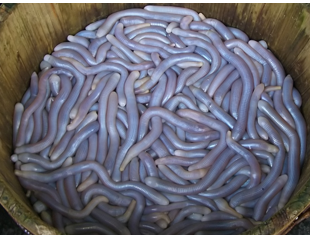
A coelomate protostome develops its coelom through ______
schizocoely
Coelomate protostomes have ______ _______ cleavage
spiral mosaic
The phylum name Annelida comes from a Latin root annelus meaning ______
little ring
The division of the body into segments is called ______
metamerism
The ring-like divisions on annelids are called ______
annuli
Chitinous bristles found on some annelids are called ______
setae
Annelids exhibit ______ symmetry and are triploblastic
bilateral
The body covering of annelids secretes a moist ______
cuticle
Annelids possess a ______ digestive system that is not segmented
complete
Asexual reproduction in annelids can occur by ______ and fragmentation
fission
Waste removal in annelids is typically handled by paired ______
kidney-like organs
Annelids have a ______ circulatory system
closed
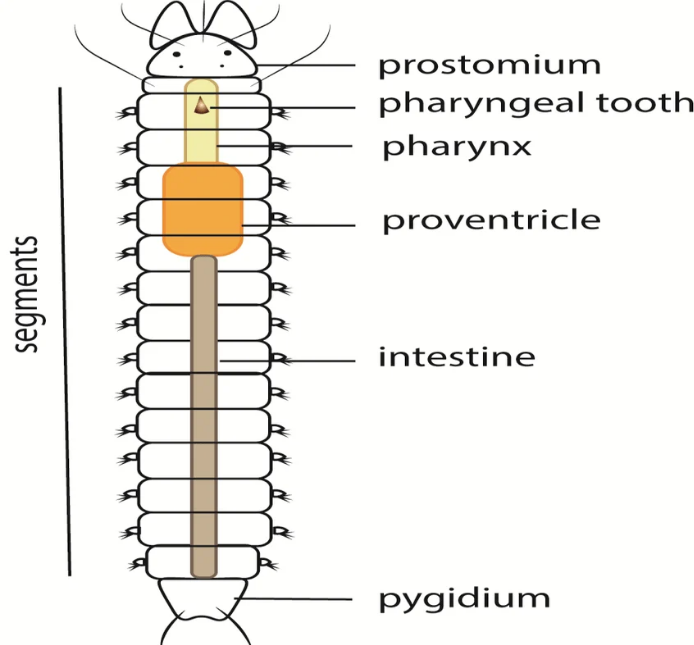
The head of an annelid usually consists of a prostomium and a ______
peristomium
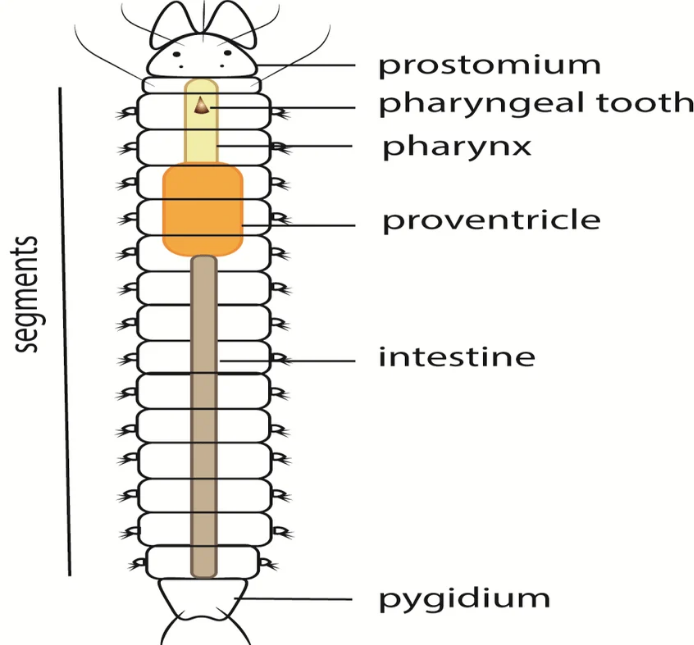
The terminal end of an annelid body is called the ______
pygidium
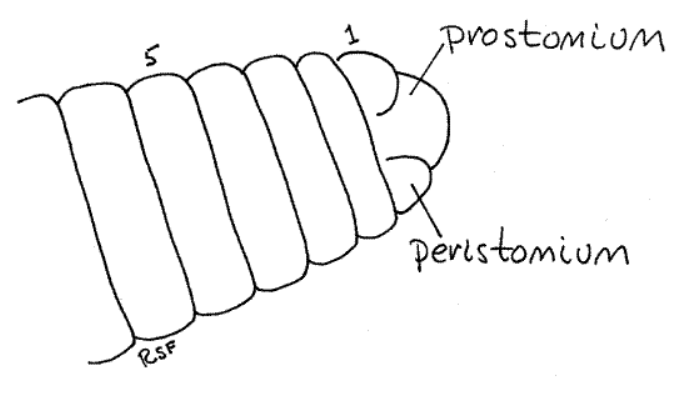
New segments in annelids are added just in front of the ______
pygidium
Fluid-filled coelom in most annelids functions as a ______
hydrostatic skeleton
The class Polychaeta name comes from the Greek (polys) (chaite) meaning ______
many long hairs
Polychaetes primarily live in ______ environments and are up to
marine
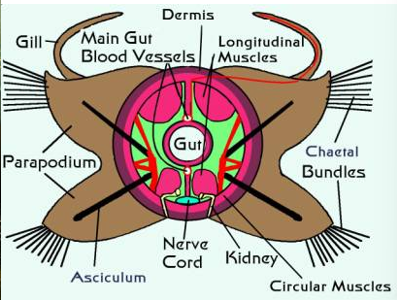
Paired appendages used for movement and gas exchange in polychaetes are ______
parapodia
Polychaetes are often divided into ______ and mobile forms
sedentary
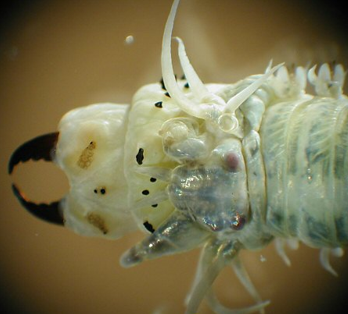
The _________ in polychaetes may contain eyes, tentacles, and sensory palps
prostomium
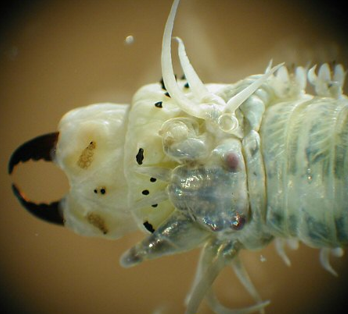
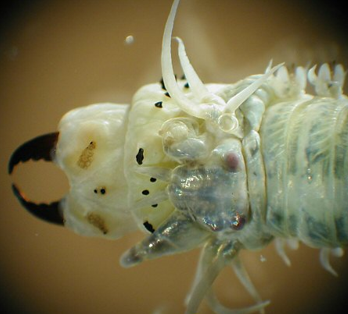
In predatory polychaetes, the peristomium may contain chitinous ______
jaws
Polychaetes have a digestive tract divided into foregut, midgut, and ______
hindgut
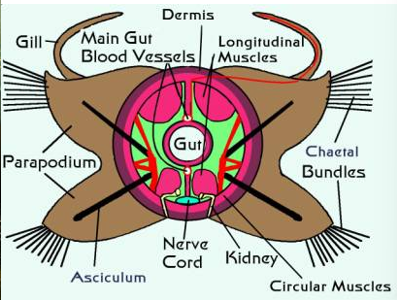
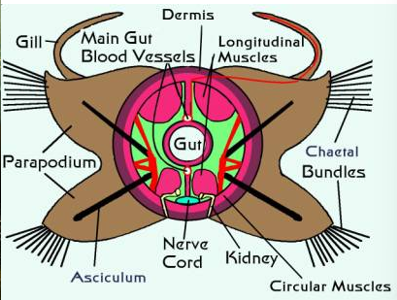
Gas exchange in polychaetes often occurs through parapodia and ______
gills
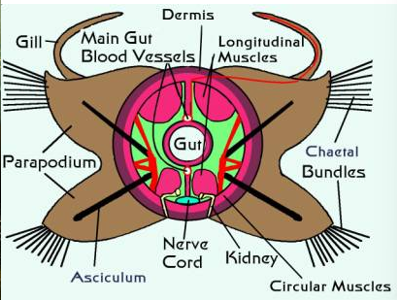
Polychaetes have three types of kidneys depending on species which include include _______ and ______
protonephridia, metanephridia
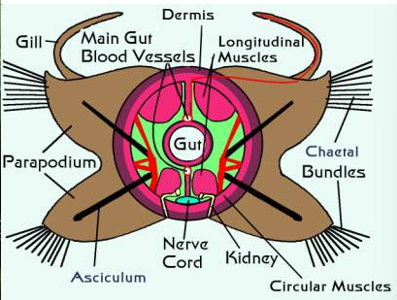
The opening of nephridia into the coelom is called a ______
nephrostome
Polychaetes possess a ______ ventral nerve cord
double
Chemoreceptive sensory structures in polychaetes are called ______
nuchal organs
Polychaetes typically have separate sexes and external ______
fertilization
Polychaetas usually have no permanent ____ _____
sex organs
In polychaetes, gonads exhibit _______ _______, where gametes shed into the coelom
temporary swelling
The larval stage of polychaetes is called a ______
trochophore
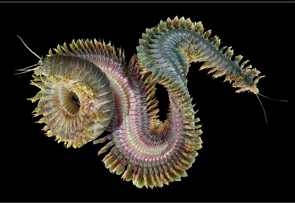
Nereis worms live in ______-lined burrows
mucus
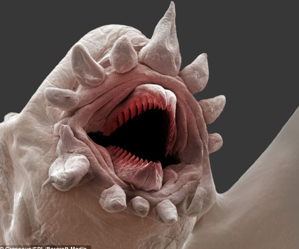
Representative polychaetes are _______ worms that are carnivorous
scale
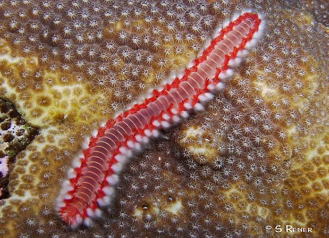
Fireworms defend themselves using hollow setae that inject ______
venom
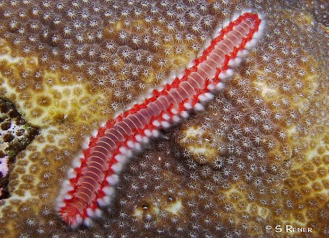
Fireworms feed on ______
cniarians
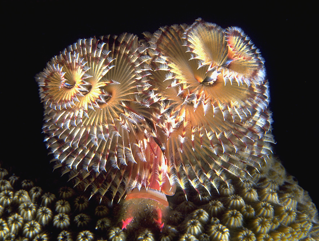
Tubeworms line their burrows with ______
mucus
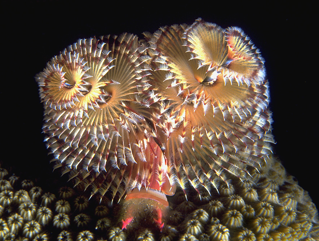
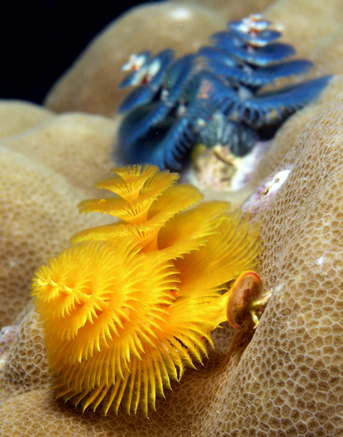
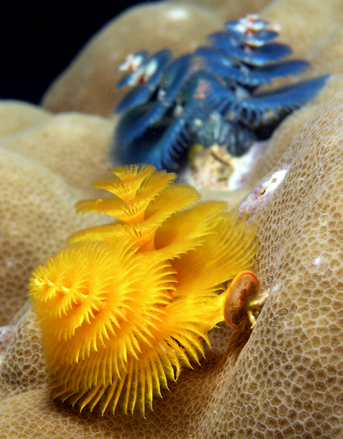
Featherduster worms use ______ for filter feeding
radioles
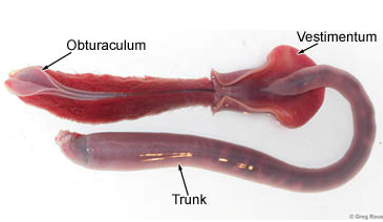
Class Siboglinidae are beardworms that used to be called ________
Pogonophora
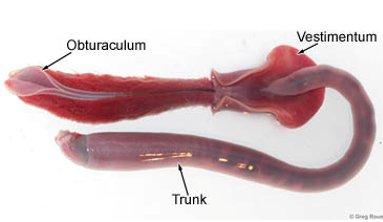
Siboglinids (Siboglinidae) lack a mouth and digestive tract and rely on ______ bacteria
chemoautotrophic
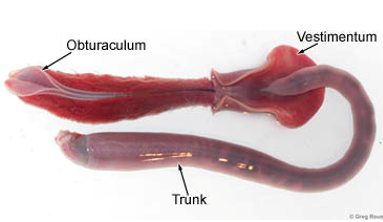
Siboglinids (Siboglinidae) absorb nutrients from __________
seawater
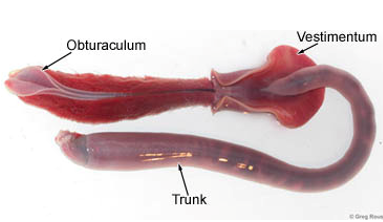
The organ housing symbiotic bacteria in siboglinids is called the ______
trophosome
Clitellates possess a reproductive structure called the ______
clitellum
Members of Clitellata lack ______
parapodia
Clitellates are all ______
monoecious
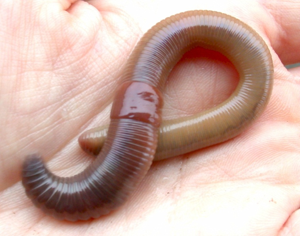
Oligochaetes move using ______ movement
peristaltic
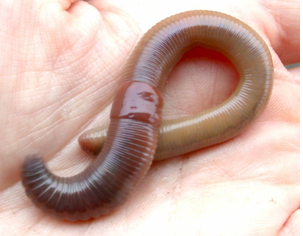
Oligochaeta are sometimes _____
parasitic
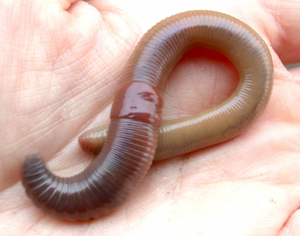
Food in oligochaetes is stored in the ______
crop
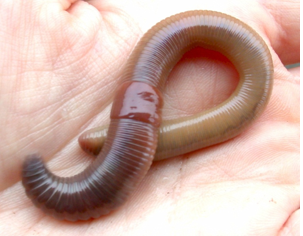
The structure that grinds food in oligochaetes is the ______
gizzard
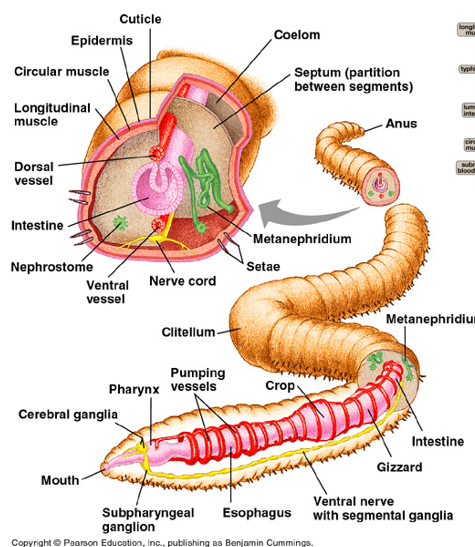
Oligochaetes draw food in via the _______ pharynx
muscular
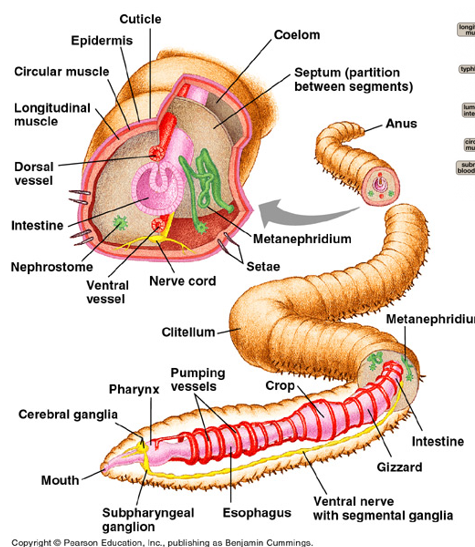
The intestine of oligochaetes contains a fold called the ______
typhlosole
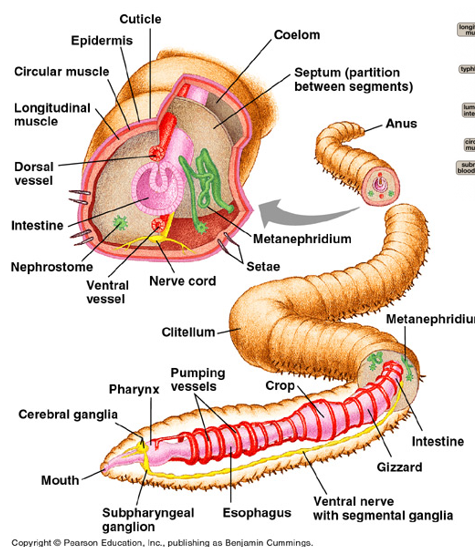
In oligochaetes, yellowish chloragogen tissue synthesizes ______ and ______
glycogen and fat
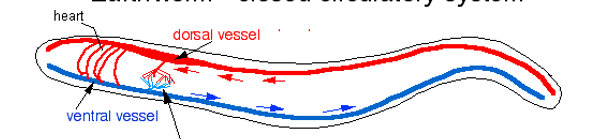
Circulation and respiration in oligochaetes is a ______ transport system using coelomic fluid and circulatory fluid
double
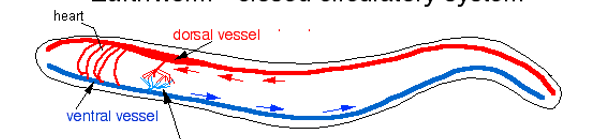
Oligochaetes have ____ main blood trunks through the body
5
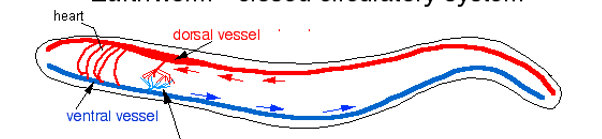
Gas exchange in oligochaetes occurs across the ______
moist skin
Excretory structures in oligochaetes are mainly ______
metanephridia
The funnel-like opening of a nephridium is called the ______
nephrostome
Oligochaetes have a ______ ______ nerve chord
double ventral
The brain of oligochaetes consists of paired ______
cerebral ganglia
Fast signal transmission in oligochaetes is enabled by ______
giant axons
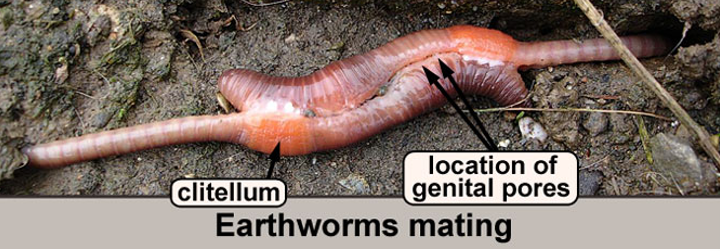
Oligochaetes are typically simultaneous ______
hermaphrodites
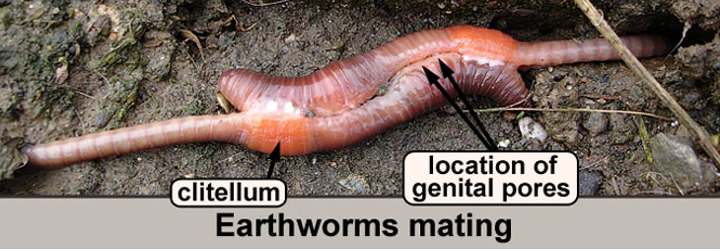
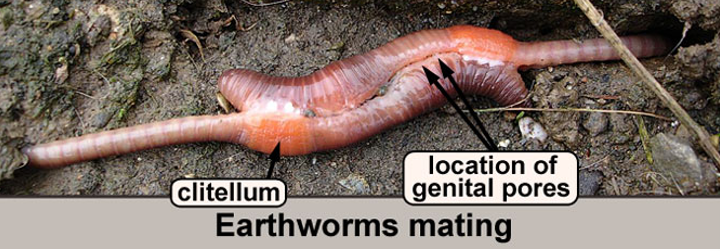
Oligochaetes have a clitellum that secretes _____ that hold mating together
mucus
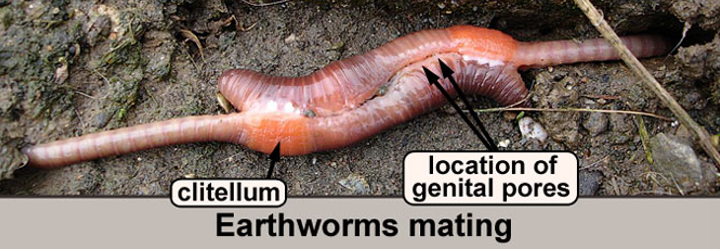
In oligochaetes, sperm travel by _____ ______
seminal grooves
Baby earthworms resemble miniature versions of ______ rather than leech-like larvae
adults
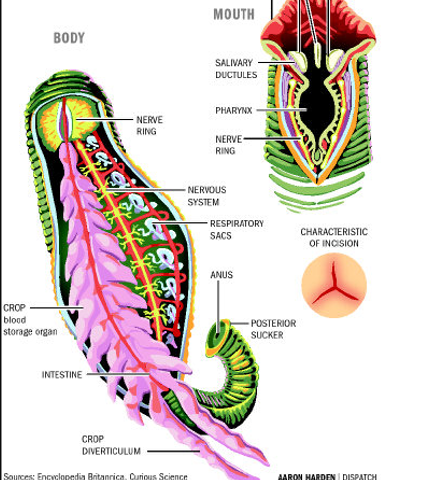
Leeches belong to the class ______
Hirudinea
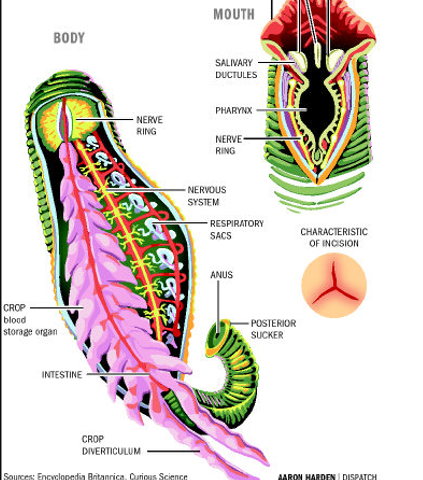
True leeches have ______ segments
34
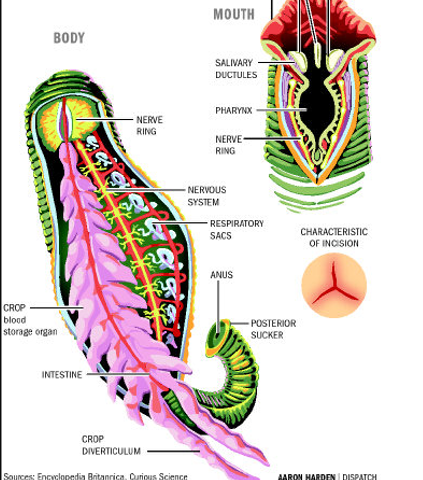
Leeches lack setae and possess anterior and posterior ______
suckers
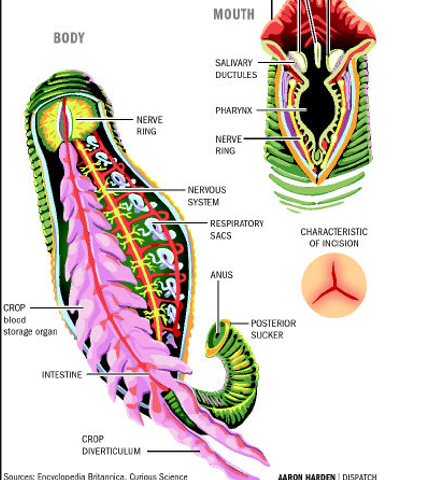
The coelomic spaces in leeches are reduced to ______
lacunae
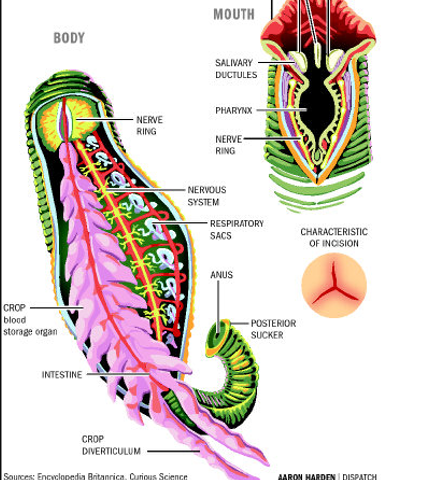
Many leeches are ______ parasites
blood
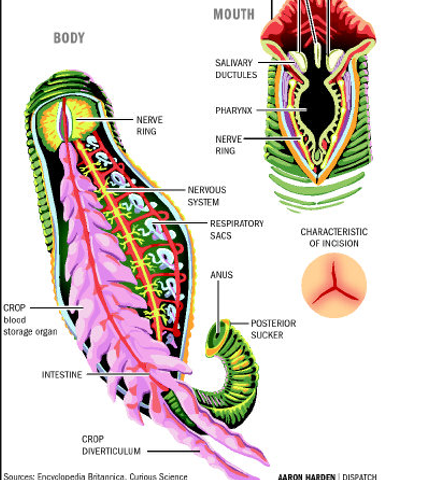
Leeches exchange gases through their ______
skin
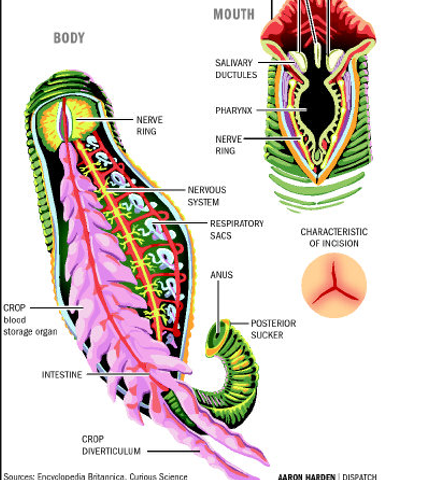
Leeches have two brains composed of 21 pairs of segmental ______
ganglia
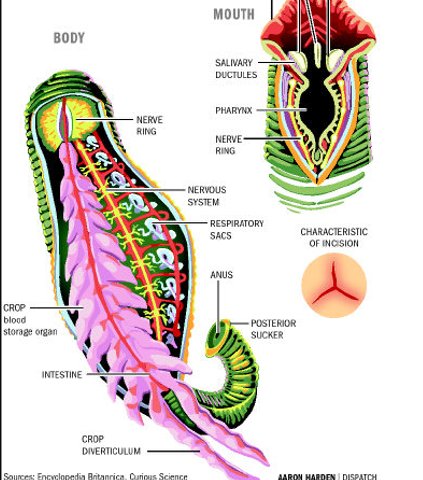
Leeches (Hirudinea) are hermaphroditic cross fertilizers. ______ is transferred by peniic or hypodermic impregnation.
sperm
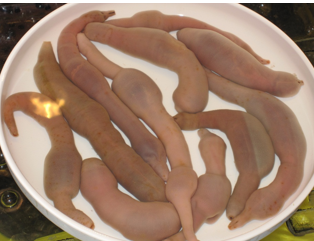
Echiurans are sometimes called ______ worms
spoon
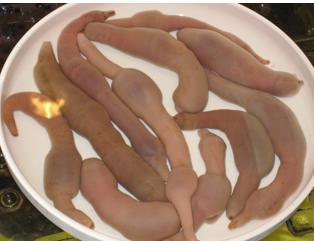
Echiurans consist of ~140 species of marine worms that _____ in mud, sand, or live in holes and crevices
burrow
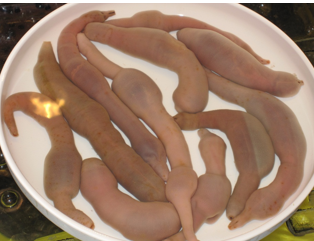
The proboscis of echiurans is used for ______
feeding
Echiurans have a ____ groove leading to the mouth
ciliated
Echiurans have a large coelom and a long digestive tract that is coiled and _______
complete
Gas exchange in echiurans occurs mainly in the ______ through cloacal irrigation
hindgut
Sipunculans are commonly called ______ worms (~250 species)
peanut
Sipunculans lack segmentation and ______
setae
The feeding structure in sipunculans is a retractile ______
proboscis
The digestive tract of sipunculans is _______ and U -shaped
complete
Sipunculans lack circulatory and ______ systems
respiratory
Why has the coelom evolved? It is poorly understood but….
hydrostatic skeleton, primitive circulatory fluid, gamete storage for synchronous release