Ch. 11-12 - Early Jawed Fishes & Chondrichthyans
 Call Kai
 Learn
Learn Practice Test
 Spaced Repetition
 Match
Match Flashcards
 Knowt Play
1/25

There's no tags or description
Looks like no tags are added yet.
Name | Mastery | Learn | Test | Matching | Spaced | Call with Kai |
|---|
No analytics yet
Send a link to your students to track their progress
26 Terms
True or False: No clear intermediate fossils between jawed and jawless fishes have been found.
True
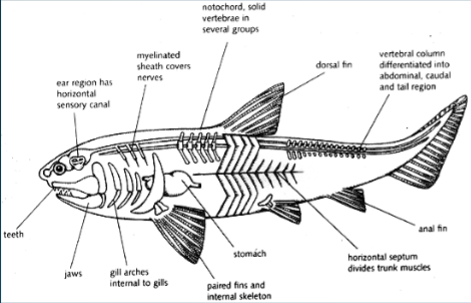
What are defining features of Gnathostoma?
JAWS 🙂 - derived from gill arches
Paired limbs with skeletal support
3 semicircular canals
Dentine-based teeth
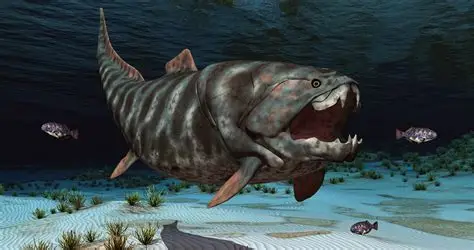
What are defining features of the placoderms?
Bony plated skin
Craniovertebral joint - hinge behind the head between the braincase and cervical vertebrae that allowed jaw to open + larger gape
Dermal bony plate “teeth” attached to jaw cartilage - no replacement dentition
Carcharhiniformes, commonly called _______ or ________ sharks, make up more than half of known shark species and are particularly diverse in tropical and subtropical nearshore habitats.
ground / requiem
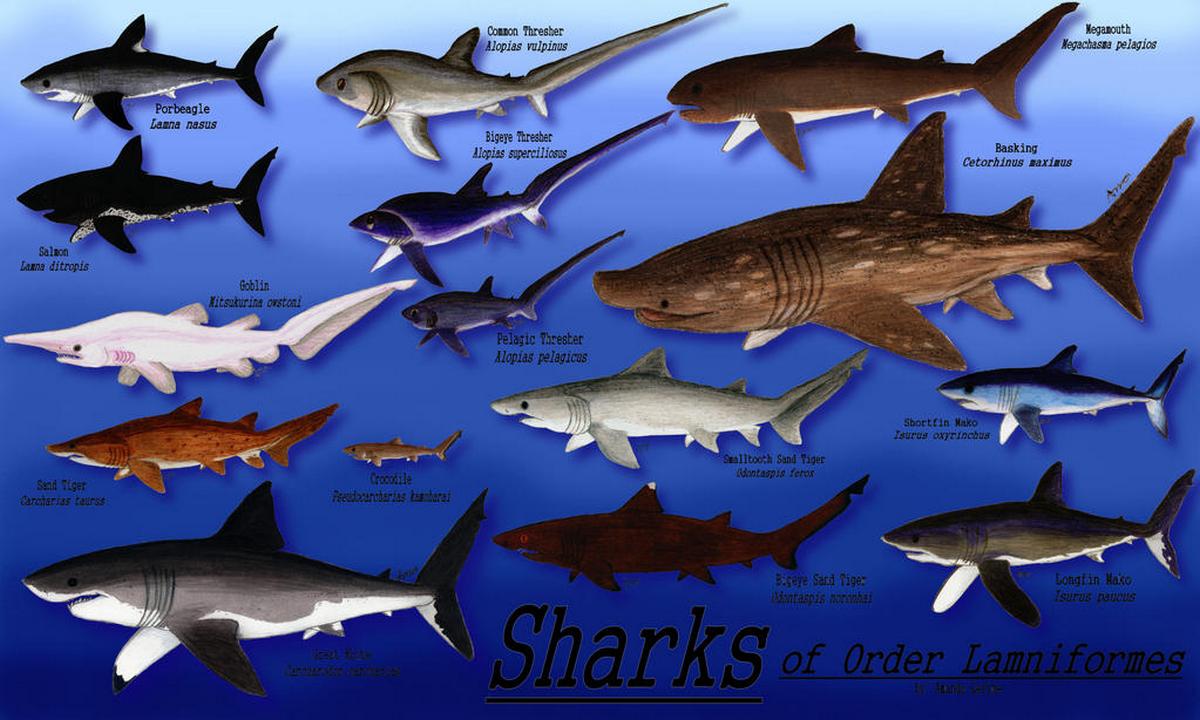
Offshore, pelagic sharks include _______ species like the mako, basking, thresher, and great white.
lamniform
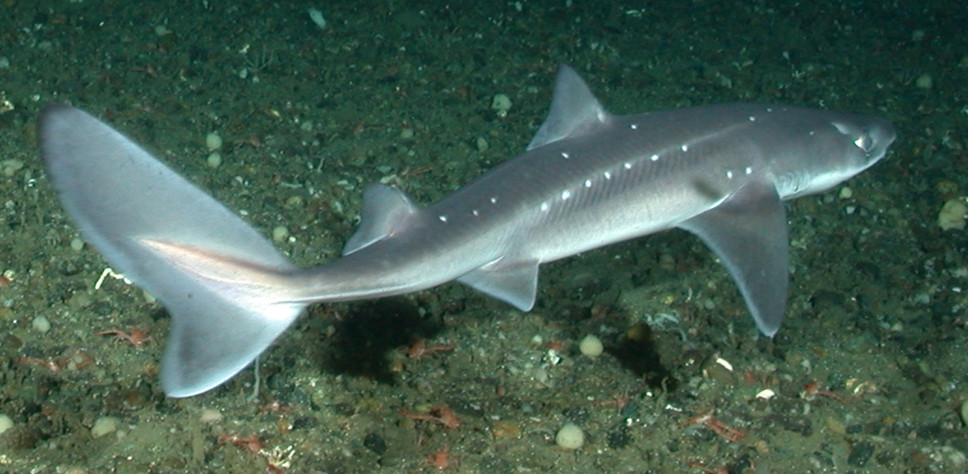
________ dogfish sharks are most successful in deep sea regions of the North Pacific and North Atlantic.
Squaliform
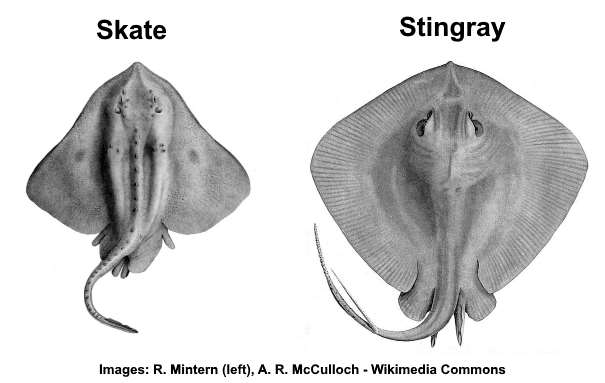
Compare and contrast skates versus stingrays.
Skates
Deep water + high latitudes
1-2 dorsal fins
Long, slender claspers depressed at distal end
Stingrays
Tropical inshore waters
Serrated tail spines
No dorsal fins
Short, stout claspers that are cylindrical or moderately depressed
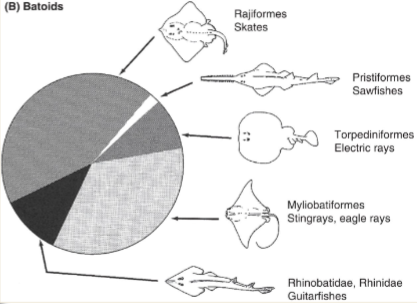
The batoids are concentrated into which FOUR orders?
Torpediniformes - torpedo rays
Rhinopristiformes - sawfishes, guitarfishes, banjo rays
Rajiformes - skates
Myliobatiformes - stingrays, eagle rays
True or False: Sharks that give birth to smaller young often have larger litters and/or shorter intervals between reproduction.
True
True or False: Sharks that give birth in offshore or beachfront areas (which are frequented by larger sharks and predators) tend to have faster growth rates than those born inshore or in nurseries.
True
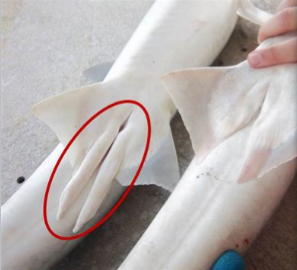
All elasmobranchs practice (internal/external) fertilization aided by the rolled edges of the male’s pelvic fin, known as claspers.
internal
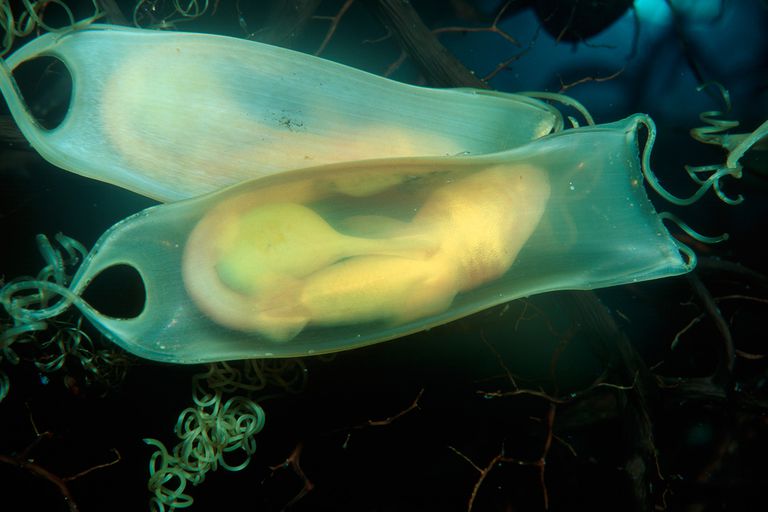
Oviparity
egg-laying
skates, chimaeras, and some shark species
can take between 6-9 months to hatch
Ovoviviparity
eggs hatch within the mother → live birth
certain species will remain in the uterus for a time and feed off of unfertilized eggs - oophagy
Viviparity
live birth
same method used by mammals
pups are born independent and have to fend for themselves
True or False: At least 90% of sharks exceed 30cm in length, but only around 20% exceed 2m.
True
How are certain species of sharks and sawfishes able to move between salt and freshwater?
Adjusting the osmotic concentration of their blood
Salt water = salt accumulates, water loss
Fresh water = less salt, water gain
To accommodate extra fresh water coming in due to osmotic pressure, urine production also increases.
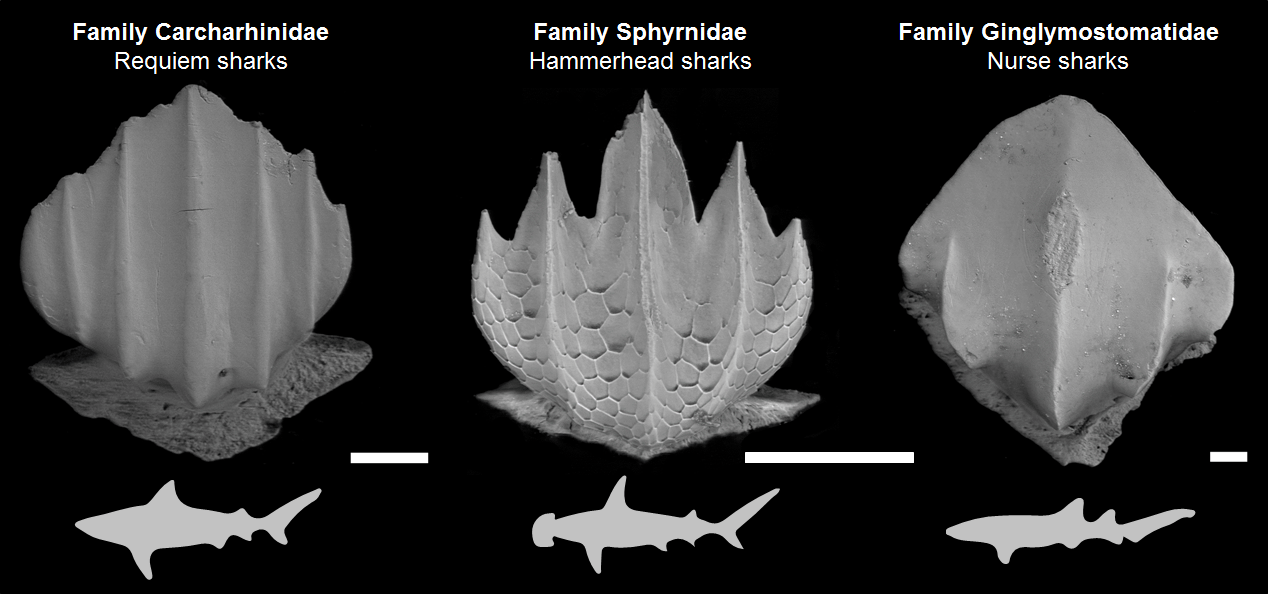
What is the apparent function of a shark’s placoid scales or dermal denticles?
Streamlining - reduces drag in the water
How does having an oily liver rather than a gas bladder benefit sharks?
Oil provides constant buoyancy no matter the depth and pressure, so the shark can move freely without having to adjust their buoyancy control mechanisms
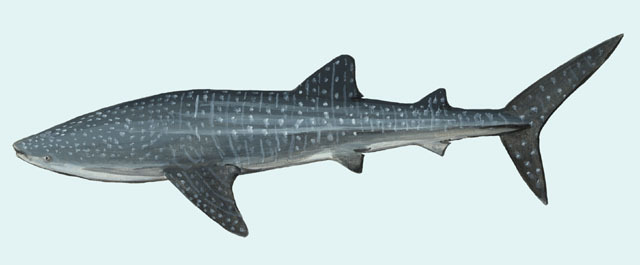
What are defining features of Family Rhincodontidae?
Migratory, returns to sites annually
Numerous small, scale-like teeth
Feed upon plankton and nektonic prey via filtration (special sieve-like gill raker mods)
Ovoviviparous (litter sizes over and up to 300 pups)
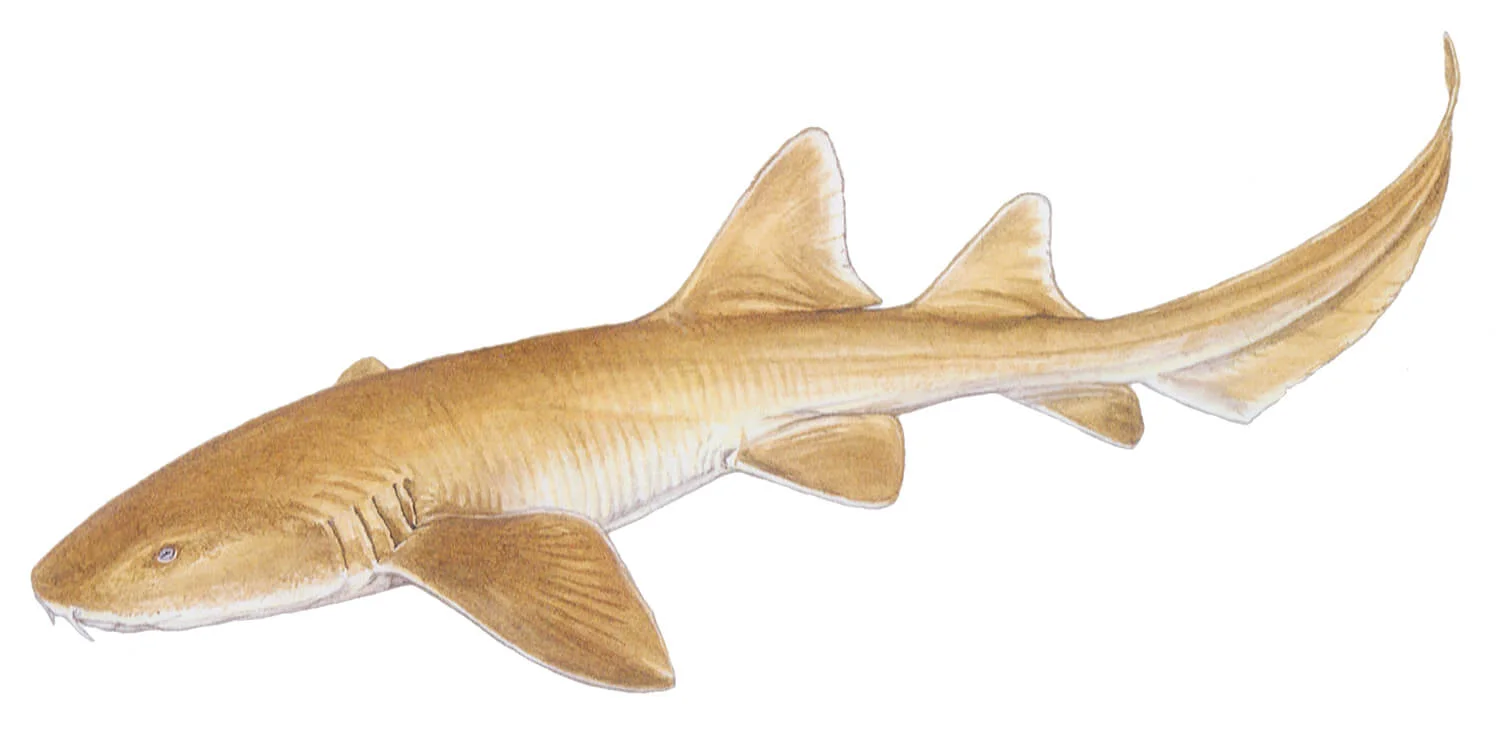
What are defining features of Family Ginglymostomatidae?
Blunt head with inferior mouths and barbels in between nostrils
Found commonly on the sea floors of continental and insular shelves
Solitary and sluggish
Nocturnal
Feeds on bottom-dwelling invertebrates and fish
Ovoviviparous
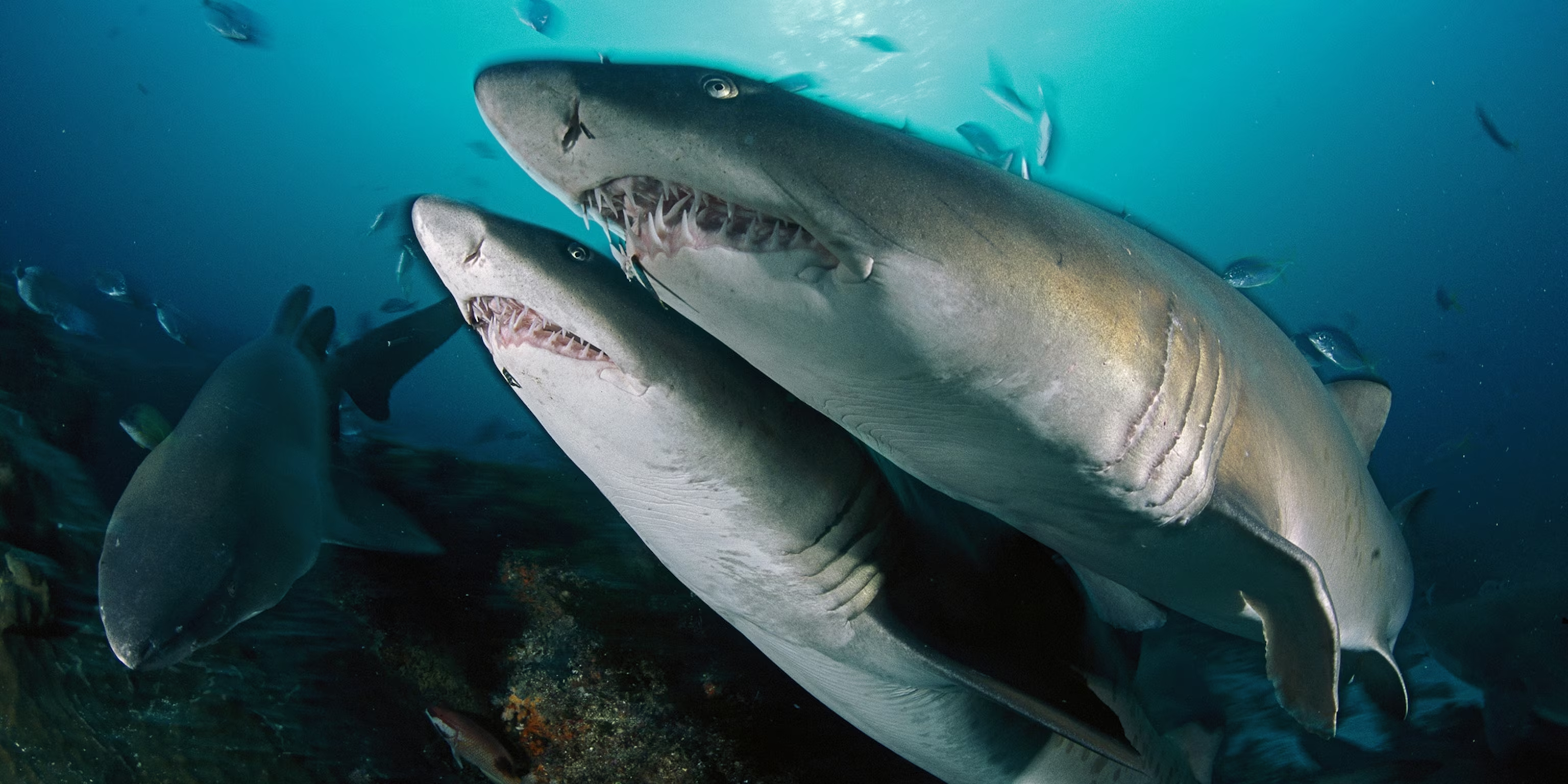
What are defining features of Family Odontaspididae?
Littoral, found inshore past the surf zone or in shallow bays
Only sharks known to gulp and store air in stomach to maintain buoyancy
Feeds on bony fishes, invertebrates, rays, and other small sharks
Ovoviviparous (uterine cannibalism)
Poleward migration in the summer, equatorial migration in autumn and winter
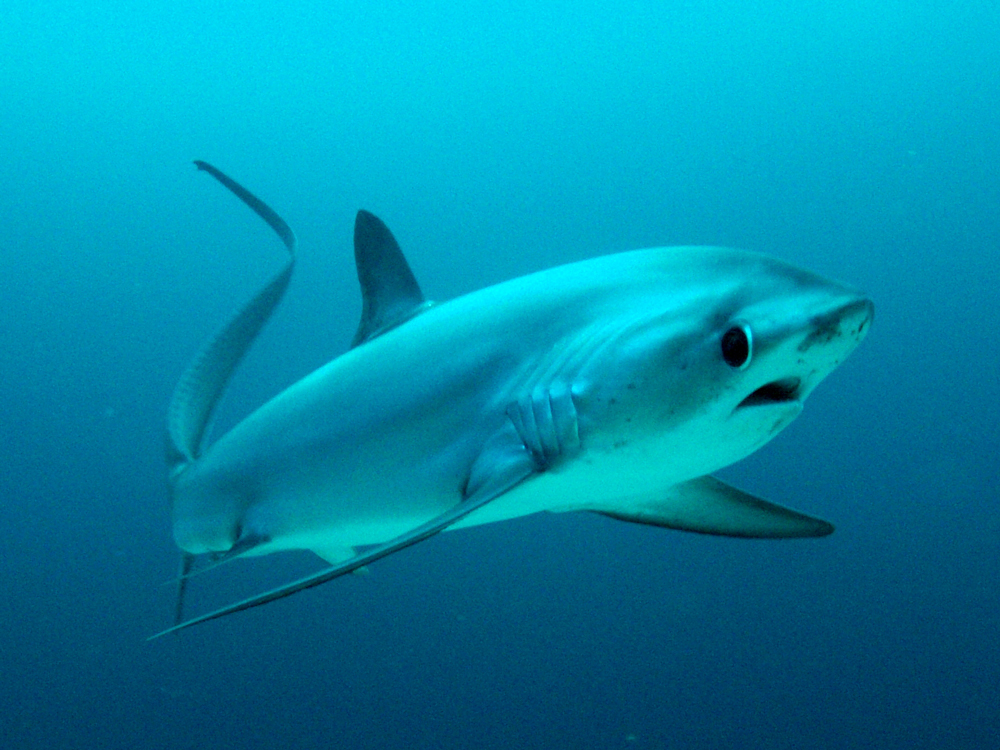
What are defining features of Family Alopiidae?
Coastal > continental, often epipelagic far offshore
Feeds on schooling fishes, octopi, squid, and pelagic crustaceans
Ovoviviparous (uterine cannibalism)
Uses long caudal fin to herd and stun prey
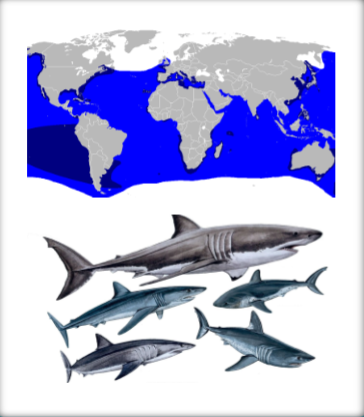
What are defining features of Family Lamnidae?
Primarily coastal and offshore, may also occur near oceanic islands
Solitary or in pairs, may aggregate to feed (does not form schools)
Feeds on bony fishes, sharks, rays, carrion, octopi, squid, sea birds, and oceanic mammals (seals, whales, and dolphins)
Ovoviviparous (uterine cannibalism)
True max length is unknown (possibly 6.5m+)
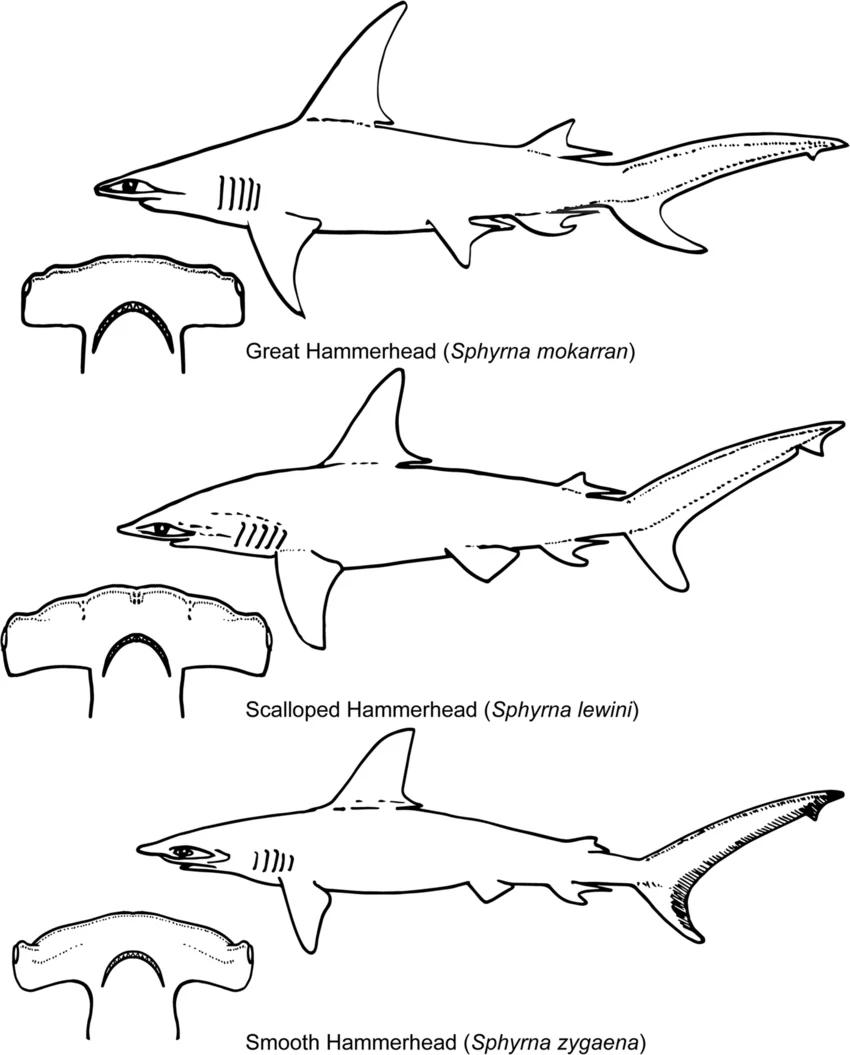
What are defining features of Family Sphyrnidae?
Coastal-pelagic, semi-oceanic; often approaches inshore and enters enclosed estuaries and bays
Solitary or in schools
Feeds on teleost fishes, cephalopods, invertebrates, and other smaller sharks and rays
Viviparous
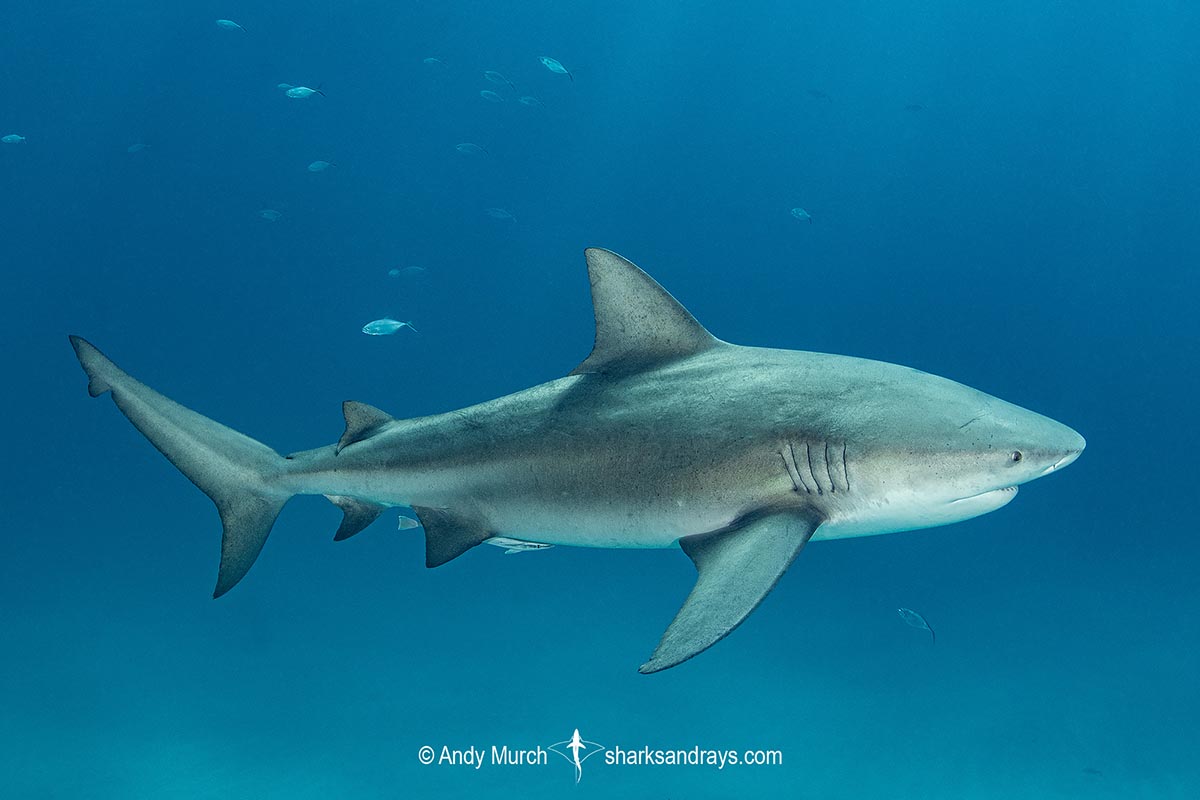
What are defining features of Family Carcharhinidae?
Coastal and brackish dwelling, capable of entering freshwater
Will eat just about anything
Viviparous
Thought to have some of the highest testosterone levels found in sharks, which may be linked to their aggressive and territorial behaviors
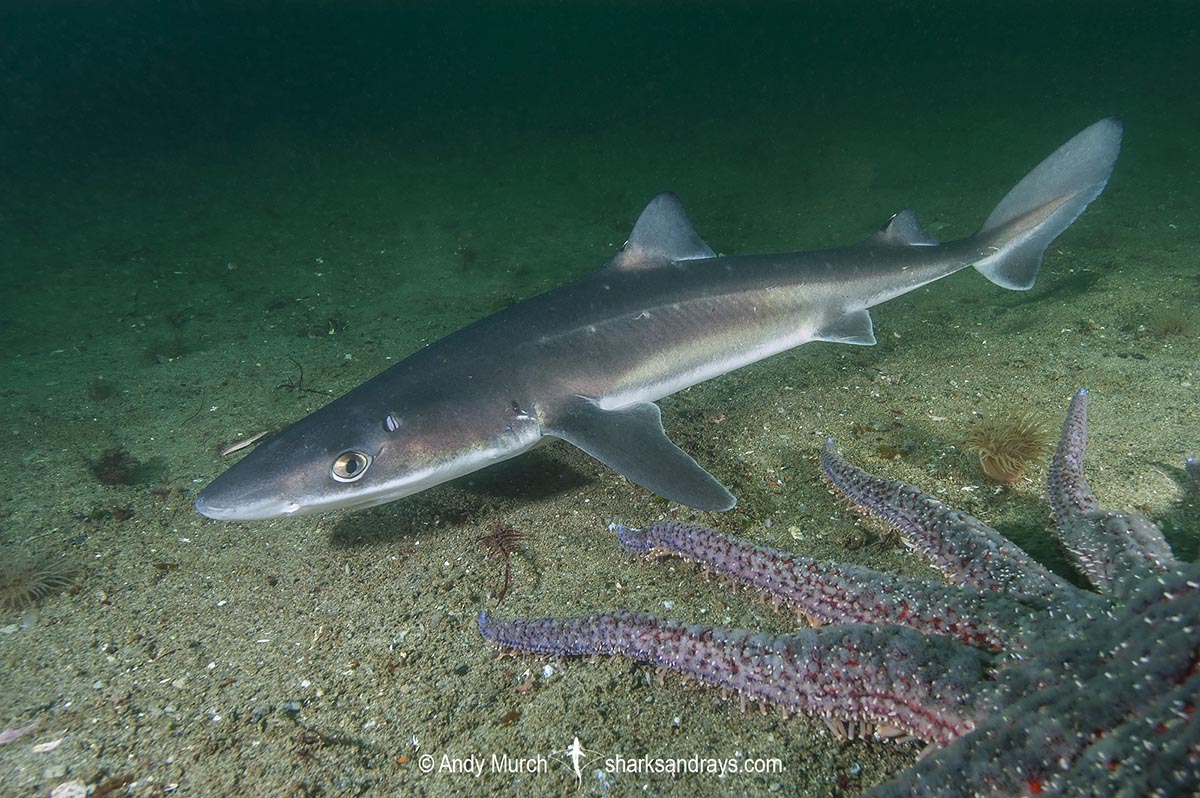
What are defining features of Family Squalidae?
Demersal, mainly epibenthopelagic in coastal or oceanic waters
Prefers specific water temperatures (7-15 degrees Celsius) and will migrate to accommodate
Opportunistic feeders
Ovoviviparous
Livers once used as a source of oil for lamps in the Nanaimo region