10 . DIETARY PROTEINS
 Call Kai
 Learn
Learn Practice Test
 Spaced Repetition
 Match
Match Flashcards
 Knowt Play
1/24

There's no tags or description
Looks like no tags are added yet.
Name | Mastery | Learn | Test | Matching | Spaced | Call with Kai |
|---|
No analytics yet
Send a link to your students to track their progress
25 Terms
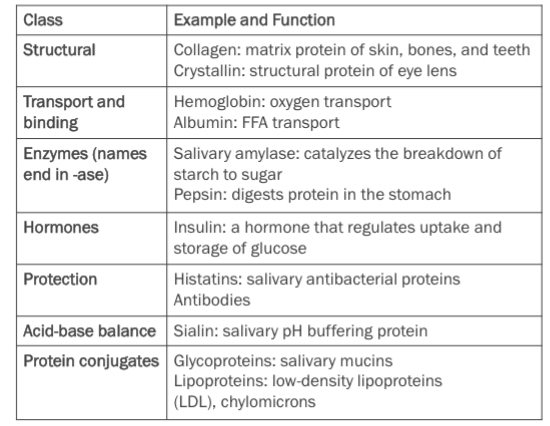
Protein function
Structure ➔ Function
Protein quality
ability of a protein to support growth
Quality determined by digestibility and AA composition when compared with a reference protein (egg white)
Amino acid score
analysis of protein for amino acid content
Ratio of EAA/NEAA that matches the human needs
High-quality protein (complete protein)
contains all 9 essential amino acids, with proper EAA/NEAA ratio
Highest quality protein foods: eggs, milk, meat, fish
Low-quality protein (incomplete protein)
contains most, but not all of the essential amino acids, with inadequate EAA/NEAA ratio
Best sources: grains, legumes
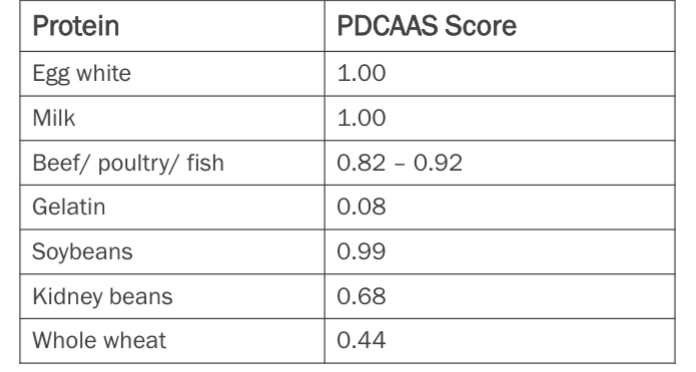
Protein Digestibility Corrected Amino Acid Score (PDCAAS)
takes into account the percent digestibility of a food item
On average animal proteins have higher digestibility (80-90%) compared to plant proteins (<70%)
Protein complementation
combined consumption of a variety of plant proteins in order to provide sufficient amounts of all AA
Not only for a single meal, but over the entire day
Dietary proteins DRI + types
10 – 35%
Insect protein (crickets, grasshoppers, mealworms), animal + plant
Animal origin
Greater quality and content
More readily digested
Plant origin
Lesser protein content
Lower quality
Protein requirements
Amount of dietary protein varies with biological value
Less for animal protein, more for plant protein
The Dietary Guidelines for Americans (2025-2030) recommend 1.2-1.6 g/kg/d
Athletes (strength and resistance training) can increase to 1.6-3g/kg/d
Pregnant women should increase intake to 2g/kg BW/d
RDA for mixed biological value proteins
0.8 g/kg BW/d to prevent deficiencies
Plant-based diets
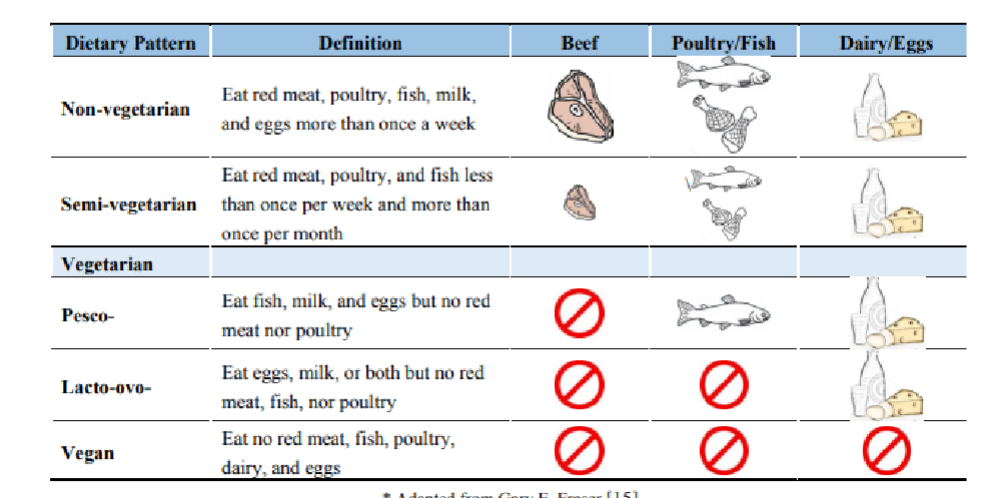
Benefits of vegetarianism
Health: Lower fat intake, Higher amounts of fiber
Ethical: Non-harmful to animals
Economic/environmental: Animal-derived protein involves high production costs and loss of natural resources
Benefits of vegetarian diets
Ease of meeting nutritional guidelines (lacto-ovo vegetarians)
Decreased incidence of obesity
Decreased incidence of hypertension
Lower risk for developing diabetes
Decreased risk for death from colon cancer, coronary heart disease
concerns of vegetarian diets
Caloric adequacy for pregnant females and children (primarily vegans)
Mineral (iron, zinc, calcium) adequacy (primarily vegans)
Vitamin B12, & D adequacy (vegans only)
Need for advanced nutritional knowledge (vegans only)
Dietary recommendations for vegetarians
Choose a variety of foods
Choose whole, unrefined foods
Choose a variety of fruits and vegetables
Choose dairy products and eggs in moderation
Consume a regular source of vitamins B12 and D
Fortified foods or supplements
Protein supplementation
Common among body-builders
Healthy, well-fed individuals do not have to supplement protein supplements
Recommendations:
Supplement of carbs + protein after high-endurance exercise
Complete nutritional supplements for elderly with decreased appetite or medically compromised
Excessive protein consumption
Americans consume on average the required amount of protein.
Consuming increased amounts of protein without endurance training
Excess is deaminated and C-skeletons are used for storage ➔ obesity
Urinary nitrogen excreted along calcium ➔ risk for osteoporosis, increased renal stress
Increased risk for heart disease and stroke
Increased incidence of colon cancer
Carbs and lipids have protein-sparring effect ➔AA used for tissue maintenance and repair
Protein-energy malnutrition (PEM)
Malnutrition: imbalanced nutrient intake, energy intake, or both
2 forms of PEM: marasmus & Kwashiorkor
Populations at risk in North America
Homeless individuals living in shelters or other temporary sites
Older adults
Hospitalized patients: iatrogenic malnutrition
Chronic hunger: working poor, whose incomes barely cover basic expenses of housing, utilities, and health care and leave little for food purchases
Marasmus
In developing countries, in children <1 year
Cause: long-term deficiency in protein and calories (calorie deprivation)
Symptoms:
Extreme muscle wasting
Depletion of subcutaneous fat = emaciation
Reduction in cognitive ability due to impaired brain development
Vitamin and mineral deficiencies
Kwashiorkor
In developing countries, when children are weaned from breast milk to a low-nutrient diet, high-CHO diet
Most common in children ages 18–24 months
Cause: sudden and recent protein deprivation > total calories reduction
Symptoms:
– Stunted growth
– Edema and ascites
– Fatty liver
– Skin lesions
– Defects in cellular immunity
– Deficiency of essential amino acids
Sarcopenia
Progressive and generalized loss of skeletal muscle mass and strength
Primary (age-related) or secondary (rheumatoid arthritis, malignancies, etc)
Recommendations
– 0.8 g/Kg BW/d appear insufficient to prevent sarcopenia progression
– 1.2–1.6 g/Kg BW/d may be more appropriate; others advocate even more
– Weight-bearing exercise and increased protein may stop sarcopenia
Protein food allergies
6 food groups account for 90% of food allergies
About 80% of young children with food allergies outgrow them, if they develop them before the age of 3
Food allergies diagnosed after 3 years are often long-lived
food allergy = food intolerance
implications for dentistry
Protein deficiency can affect the growth and development of oral tissues and structures
Delayed tooth eruption, enamel hypoplasia with increased risk for dental caries, permanent reduction in the size of the mandible, decreased cortical bone density, reduced tissue proliferation
Protein deficiency can also increase susceptibility to general and oral infections
Protein in excess can reduce calcium retention and subsequent bone health