Terms for Practical Exam #3 - Fall 2025
 Call Kai
 Learn
Learn Practice Test
 Spaced Repetition
 Match
Match Flashcards
 Knowt Play
1/97

There's no tags or description
Looks like no tags are added yet.
Name | Mastery | Learn | Test | Matching | Spaced | Call with Kai |
|---|
No analytics yet
Send a link to your students to track their progress
98 Terms
alimentary canal (GI tract)
digestive tube that extends from the mouth to the anus
oral cavity
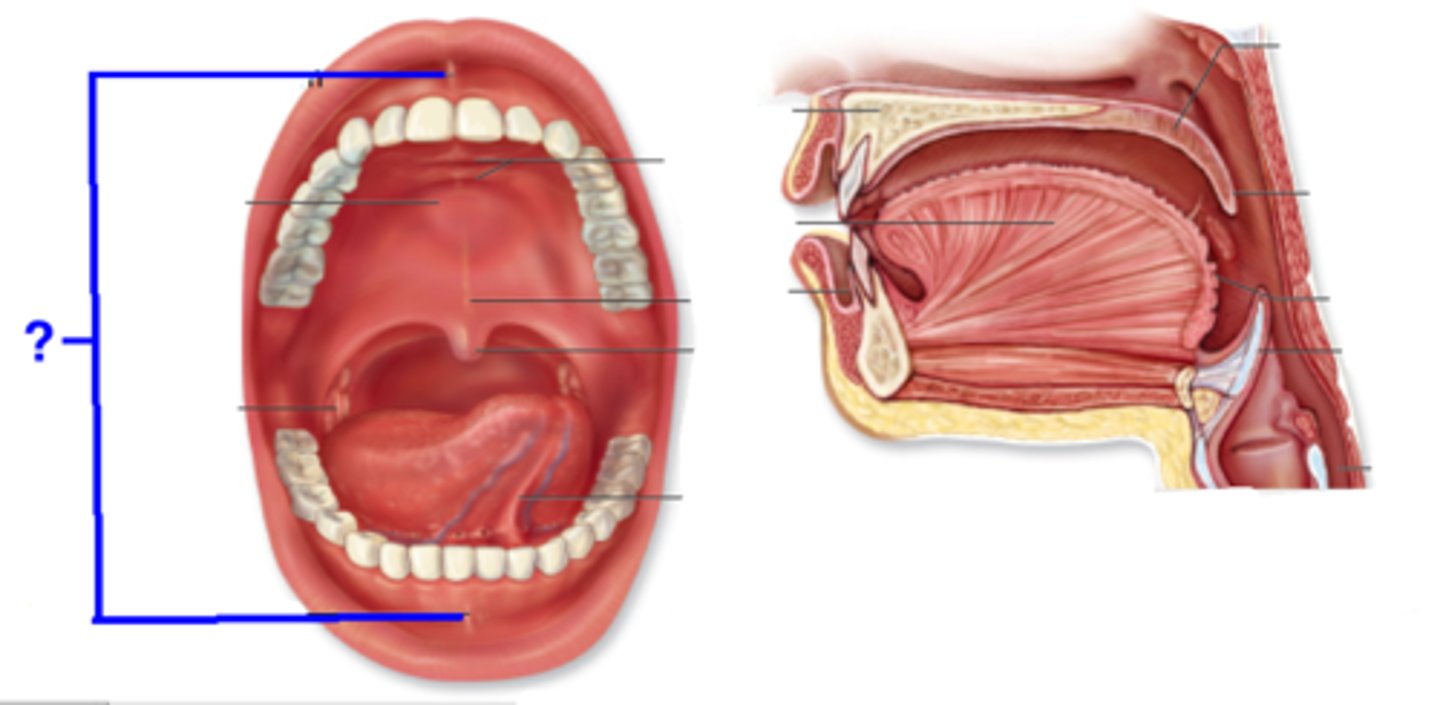
labial frenulum (superior and inferior)
median fold that joins the internal aspect of each lip to the gum
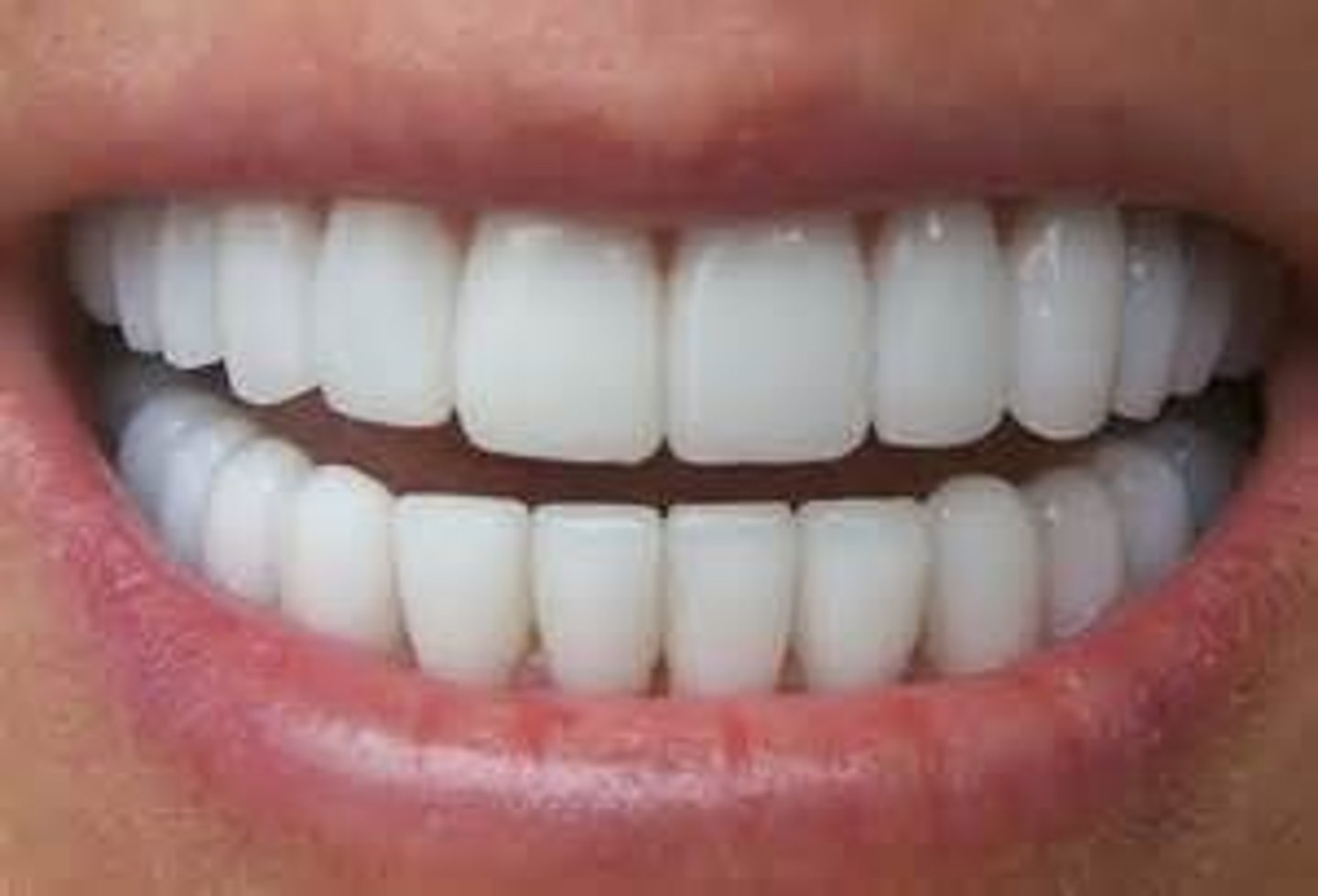
teeth
hard bony projections in the jaws for masticating (chewing) food
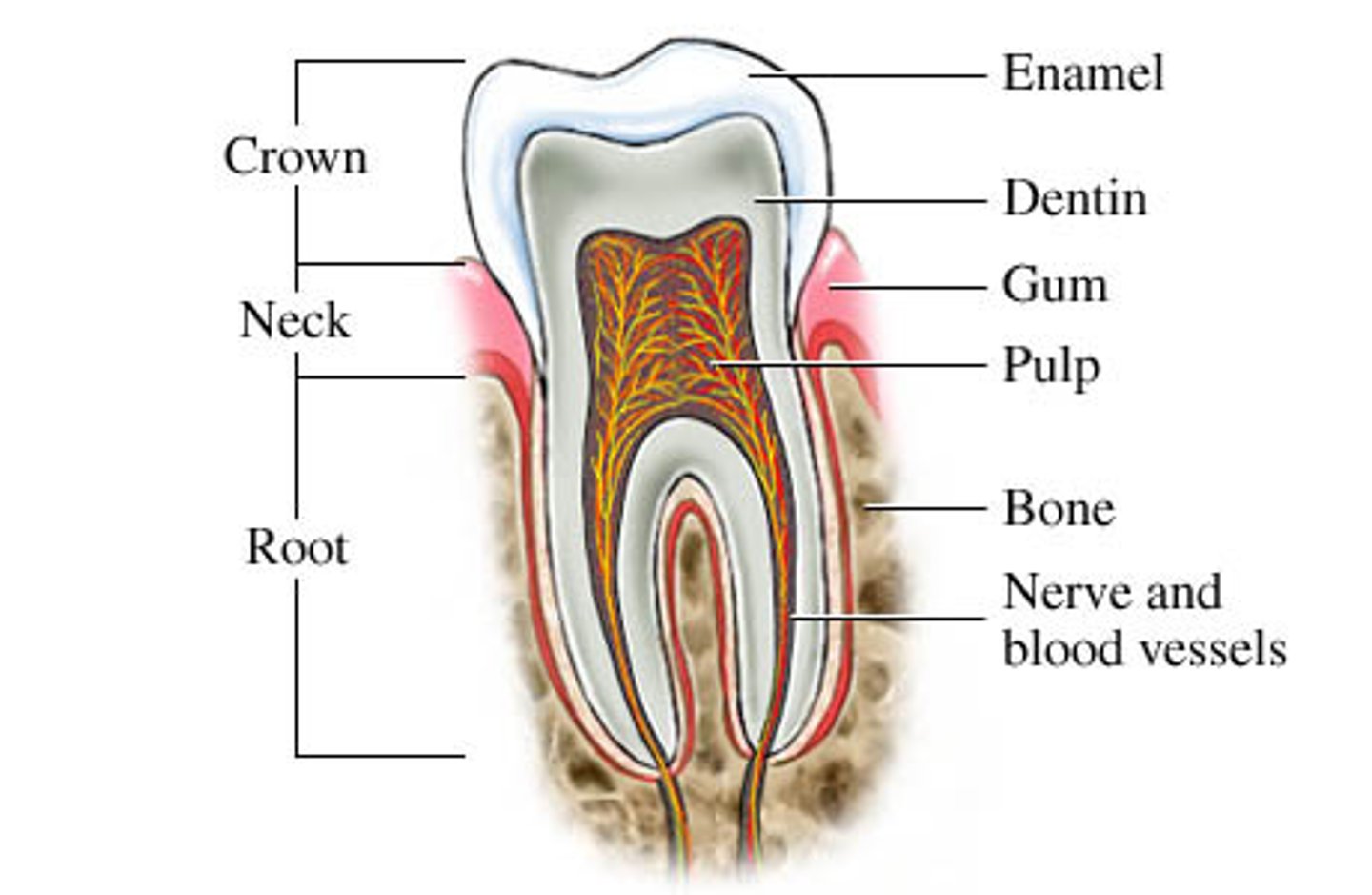
Parts of a tooth
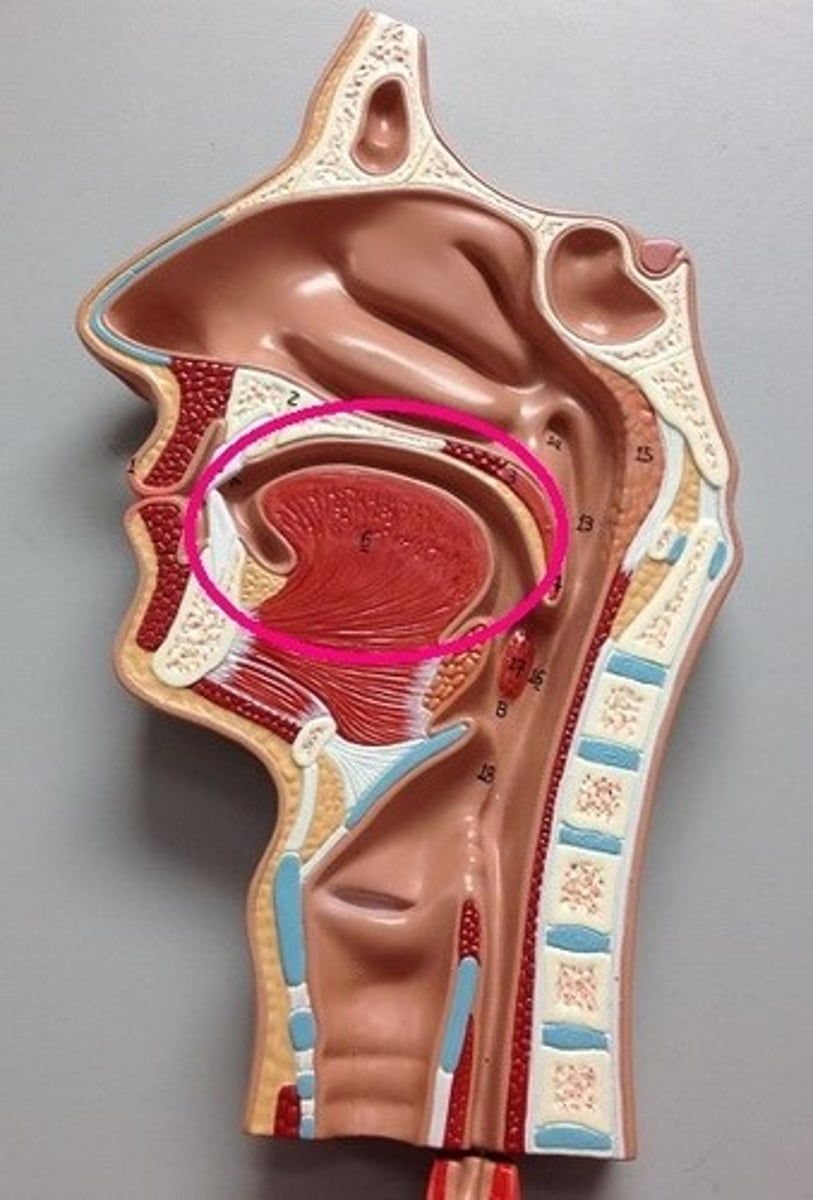
tongue
a mobile mass of muscular tissue covered with mucous membrane and located in the oral cavity
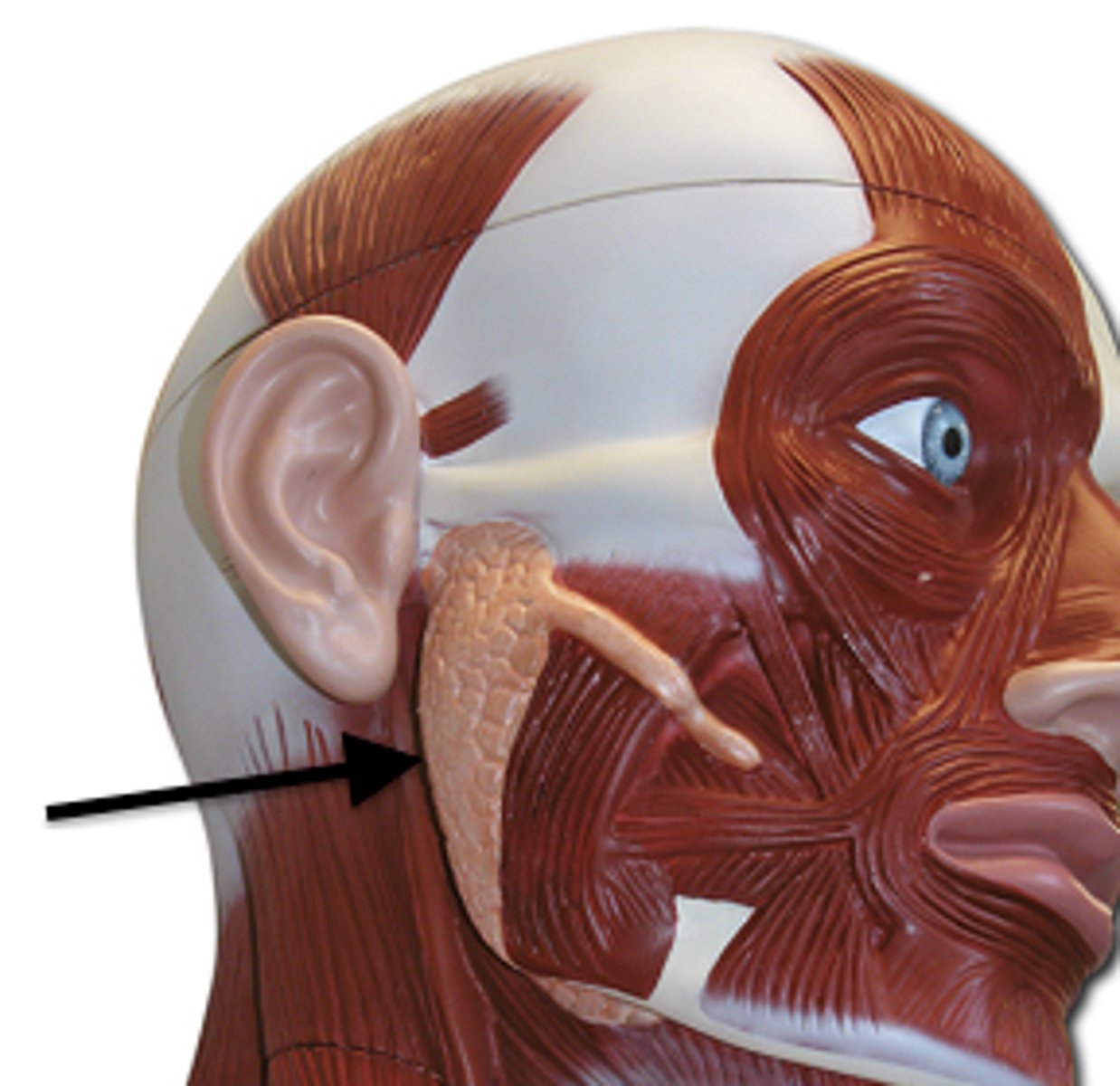
parotid gland
salivary gland within the cheek, just anterior to the ear
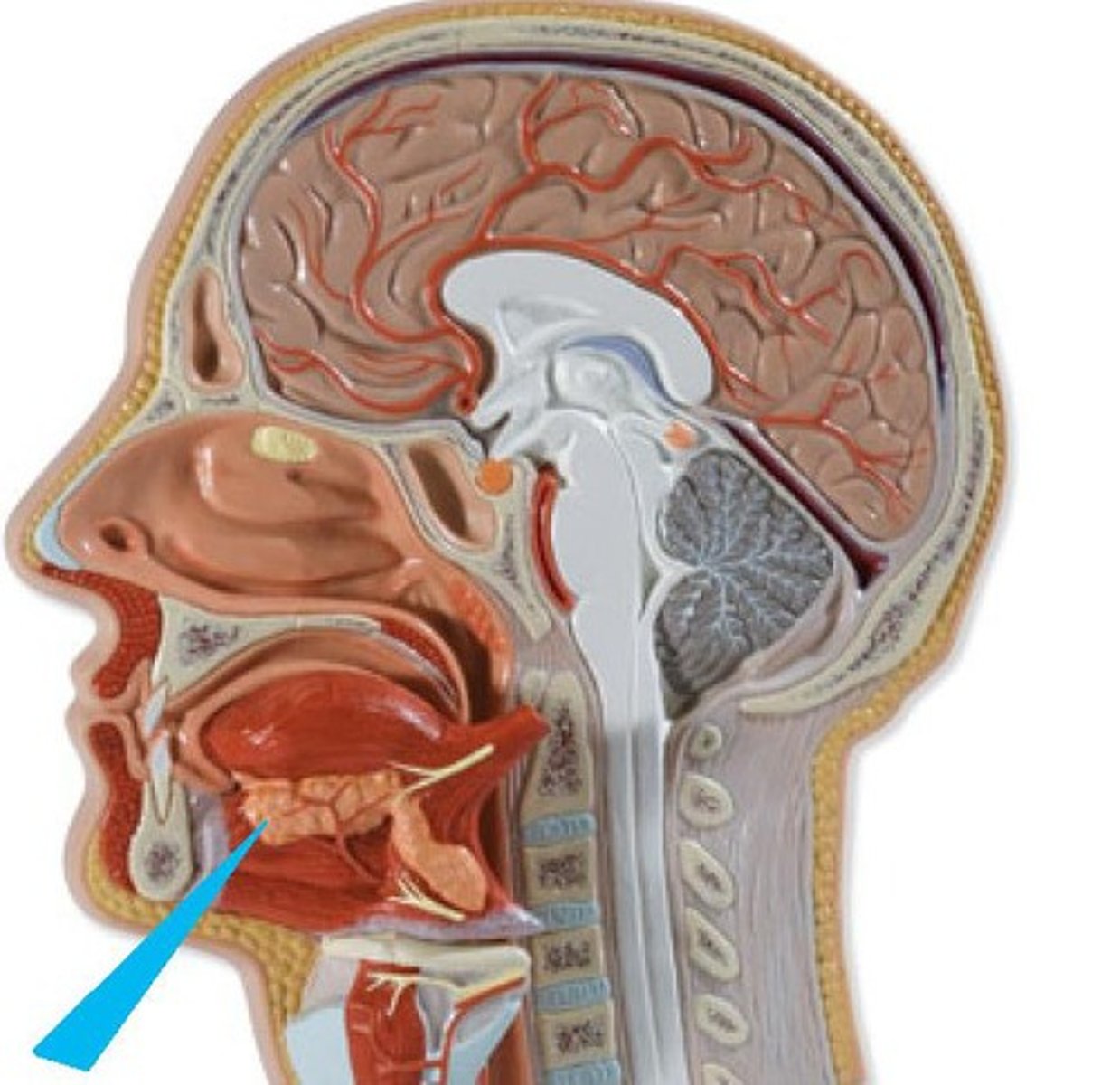
sublingual gland
salivary gland under the tongue
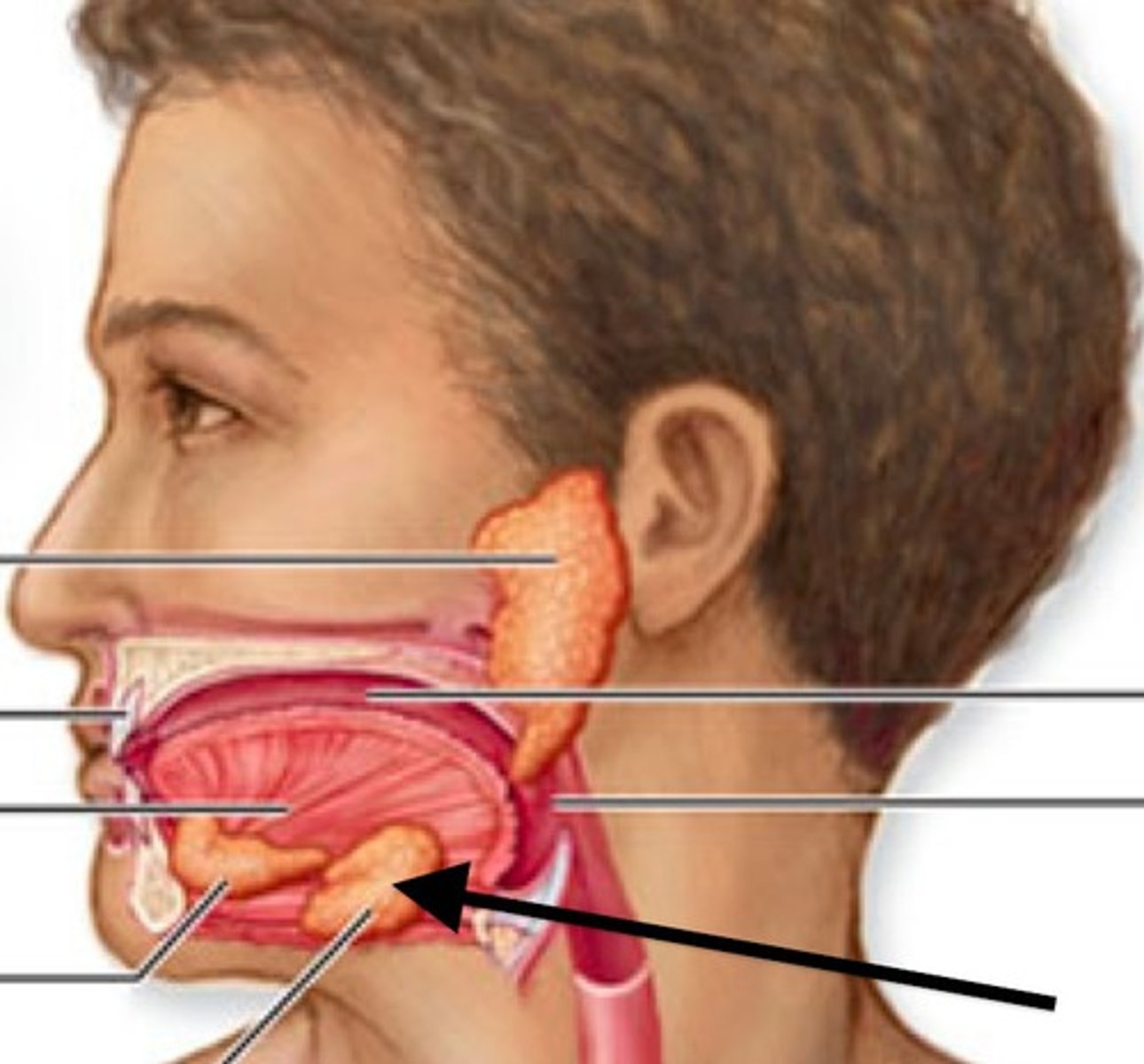
submandibular gland
a salivary gland inside the lower jaw on either side that produces most of the nocturnal saliva
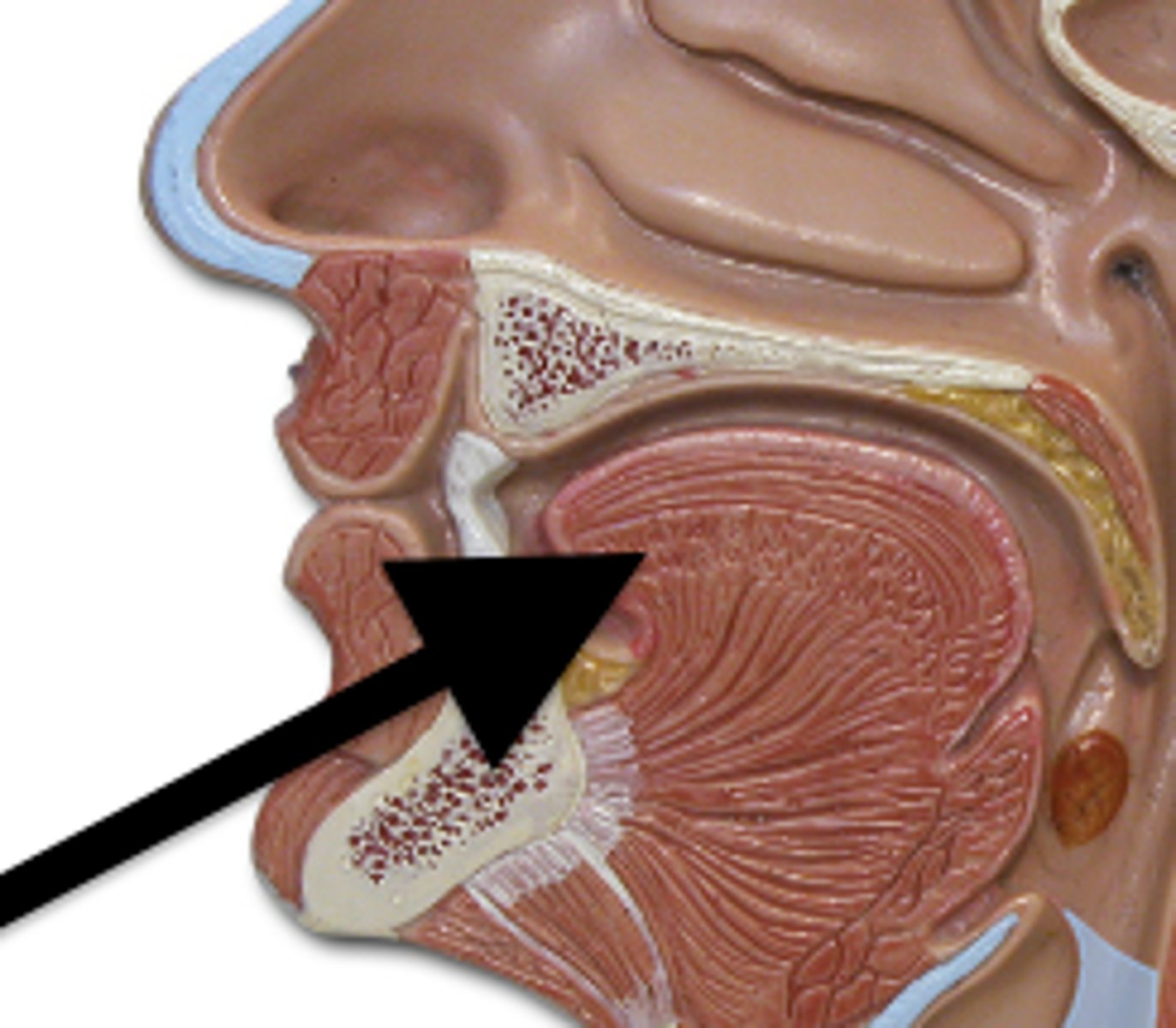
uvula
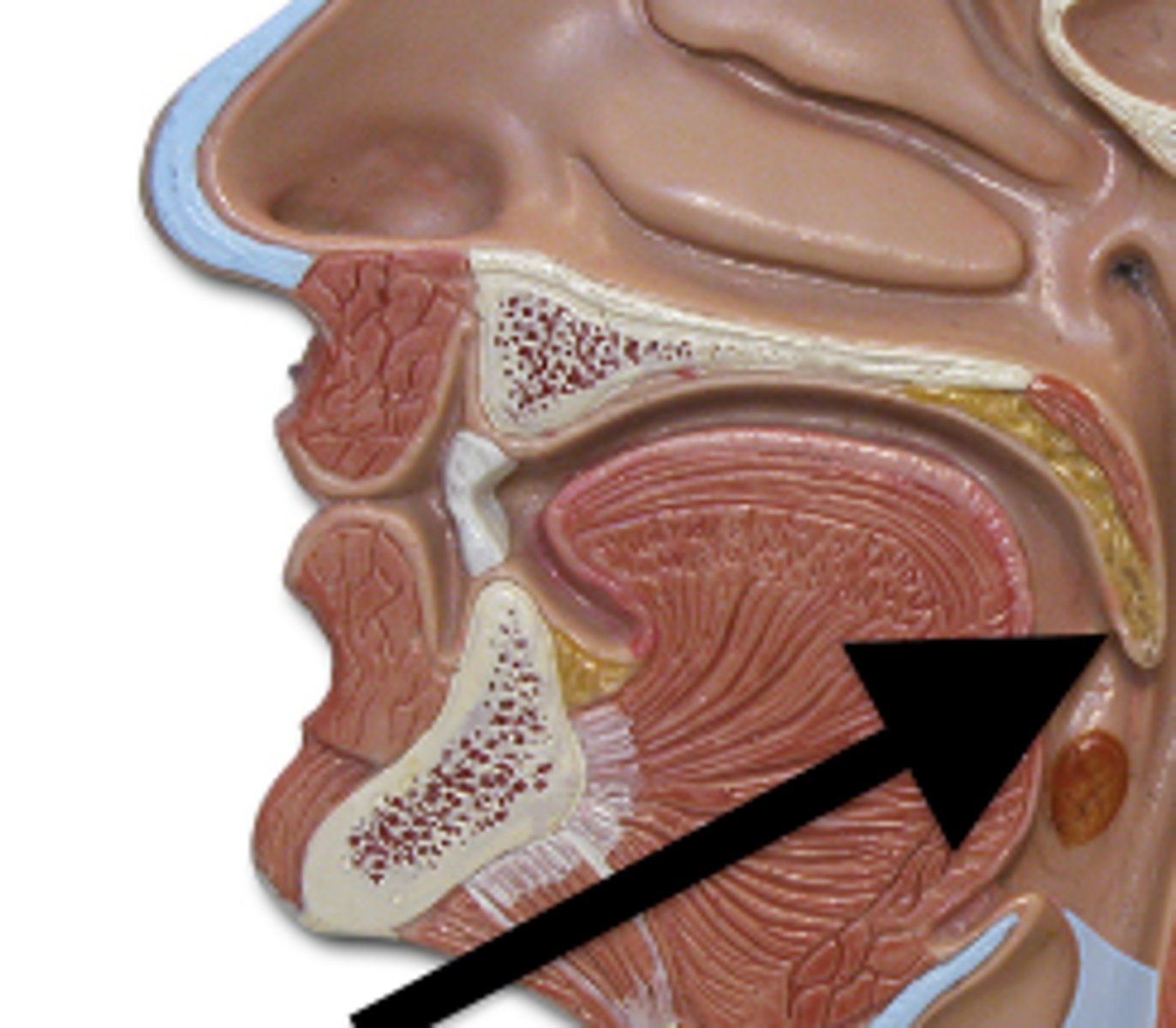
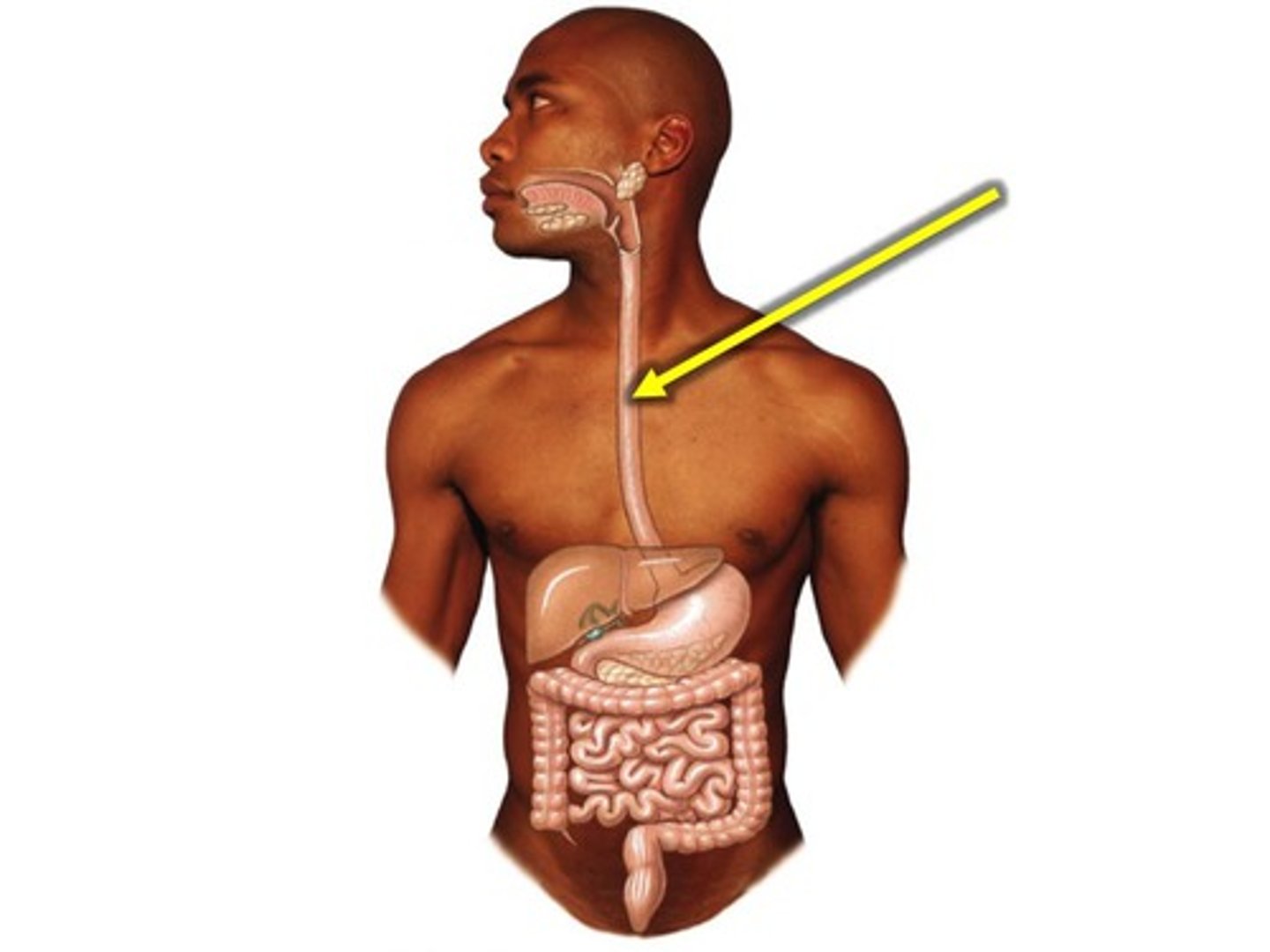
Esophagus
A muscular tube that connects the mouth to the stomach.
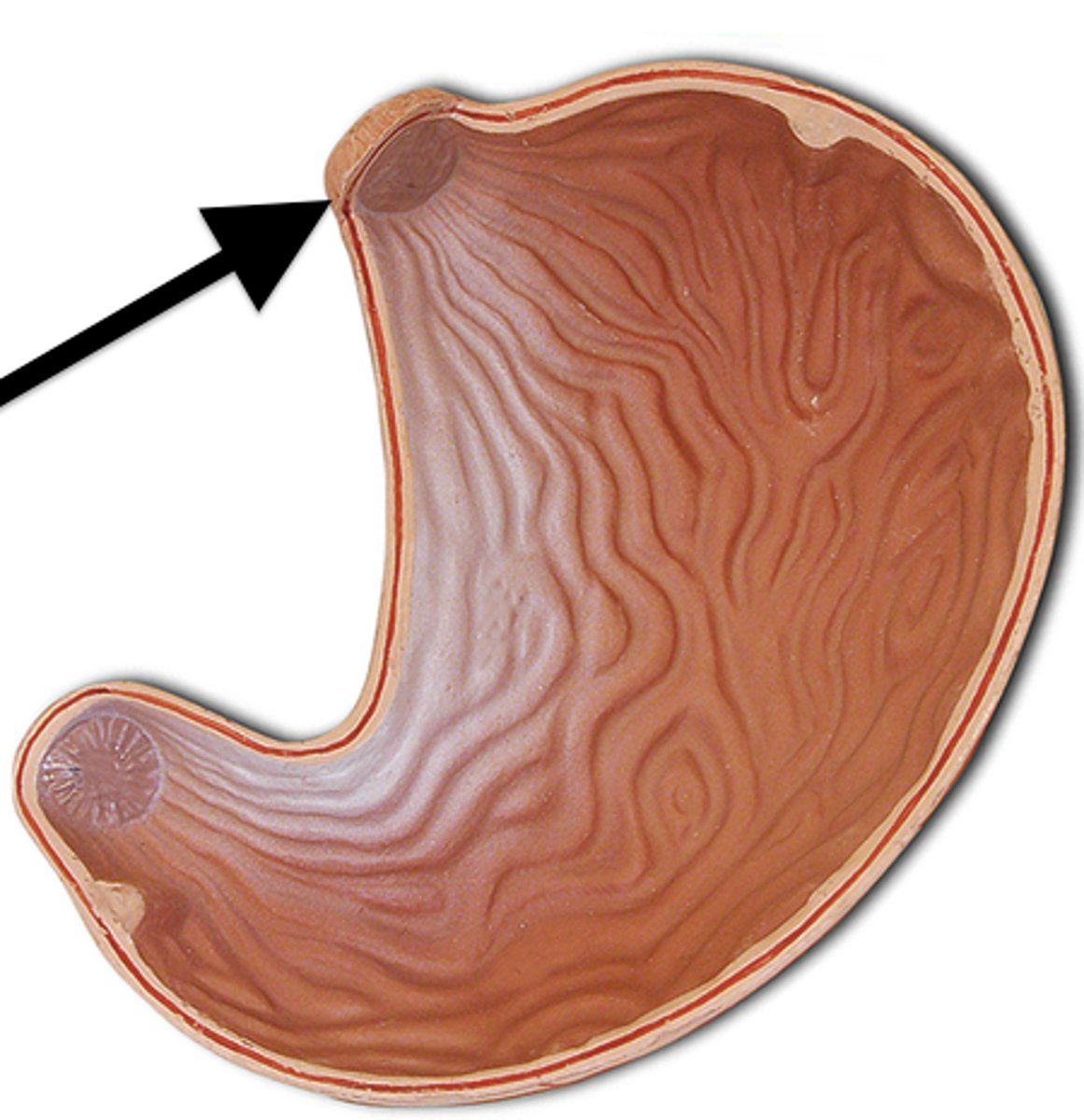
gastroesophageal sphincter
Muscle that connects the esophagus and stomach, and helps keep the stomach contents in the stomach
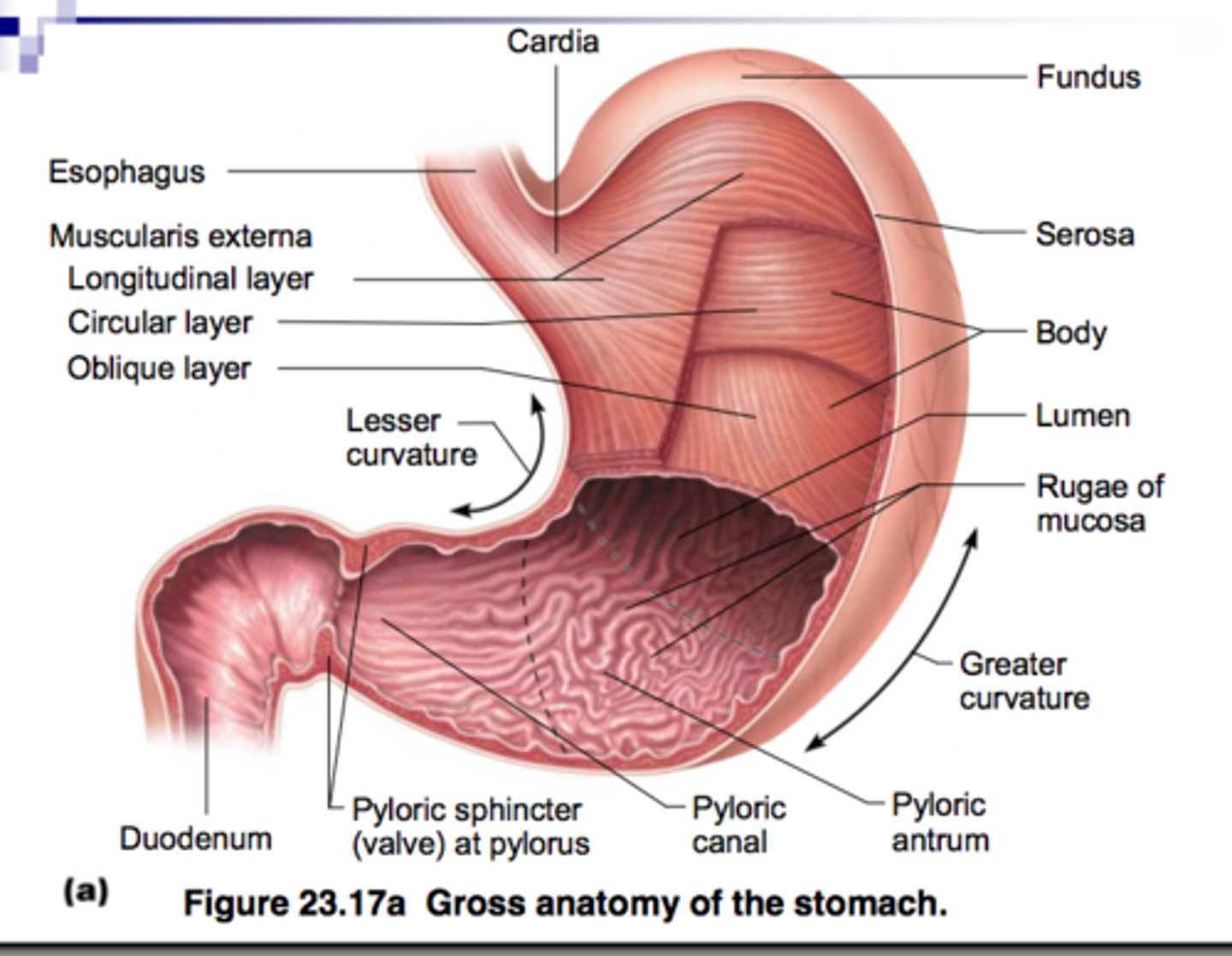
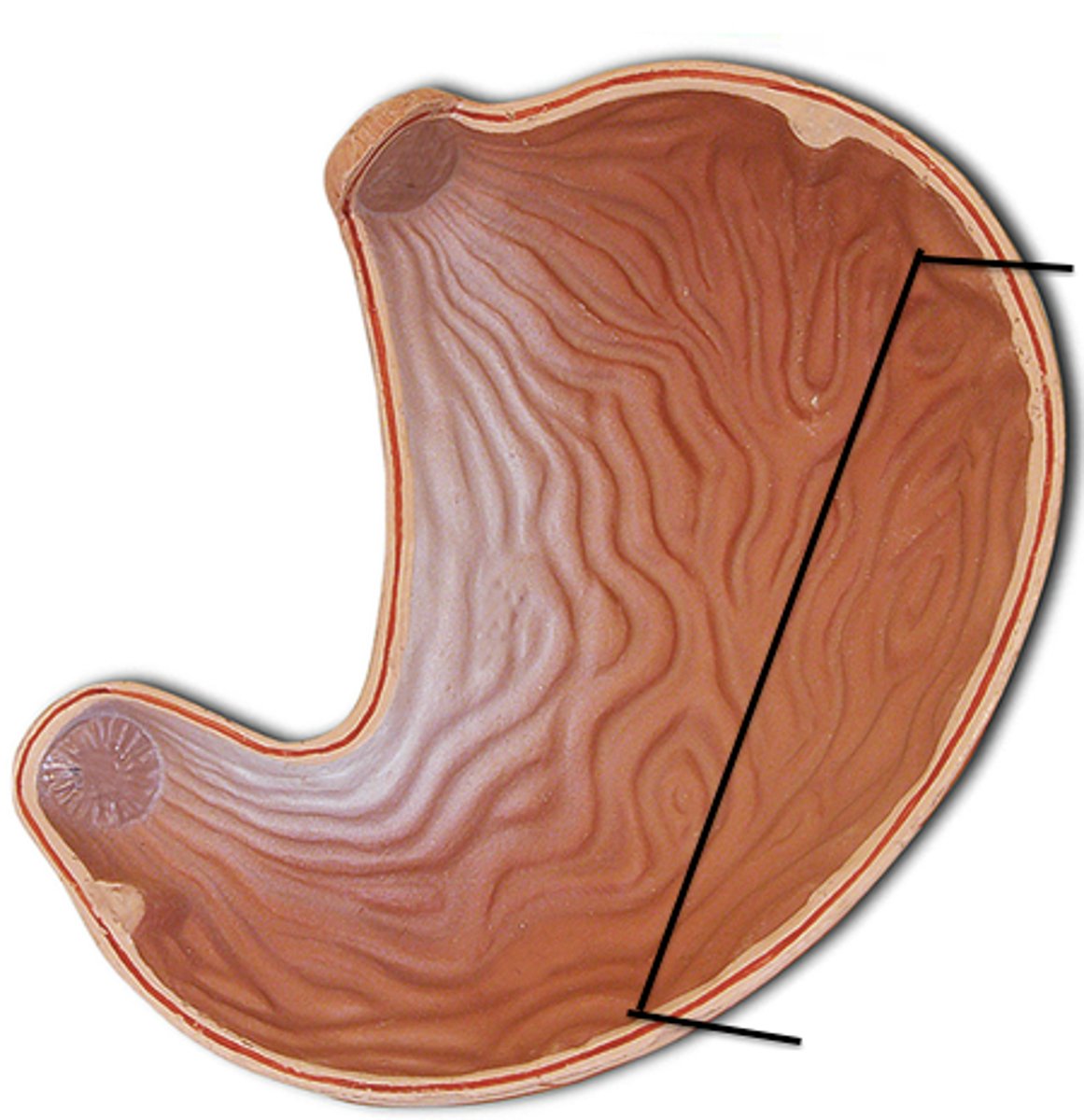
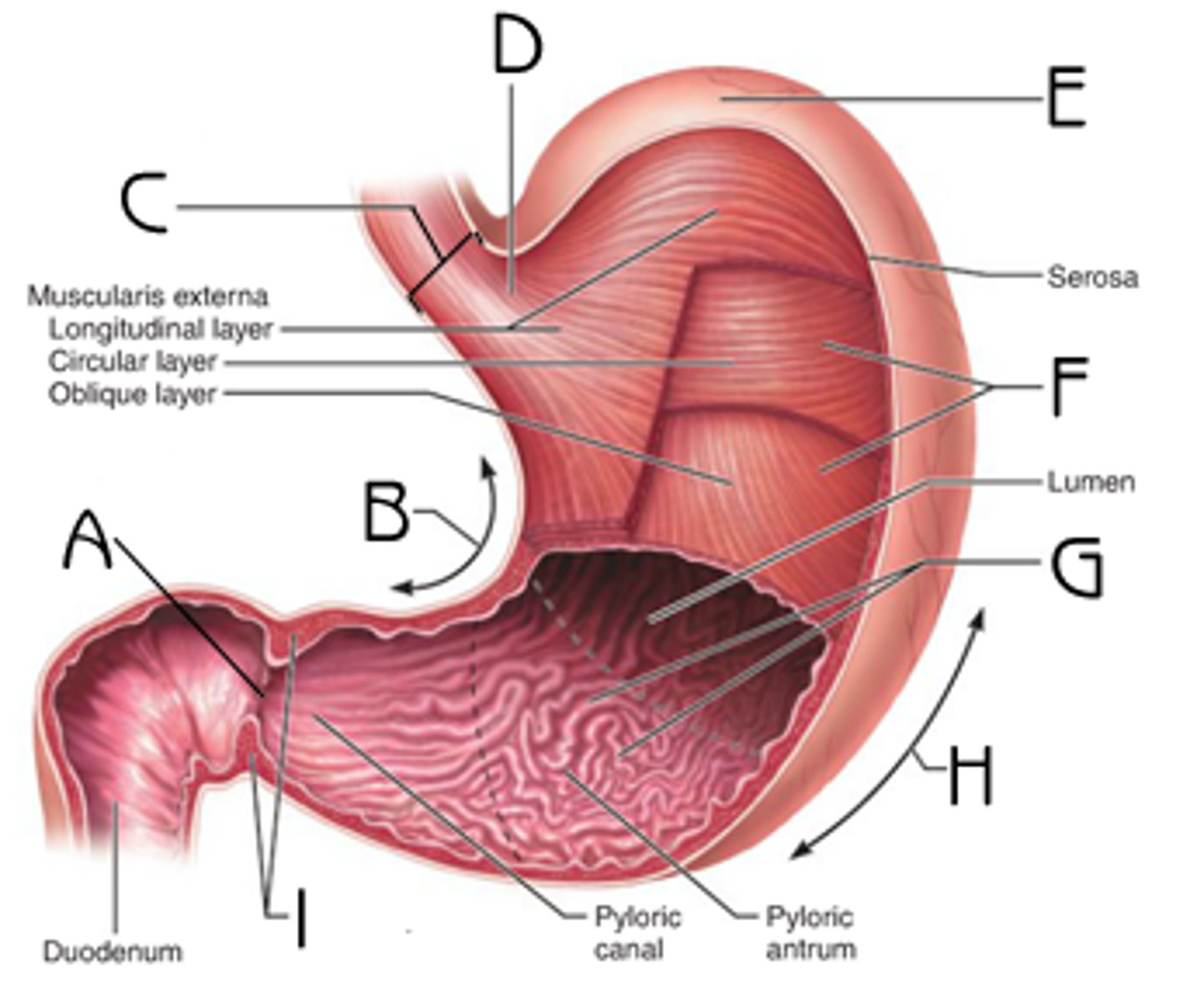
Parts of the stomach
cardia, fundus, body, pylorus
salivary amylase
Enzyme in saliva that breaks down starch
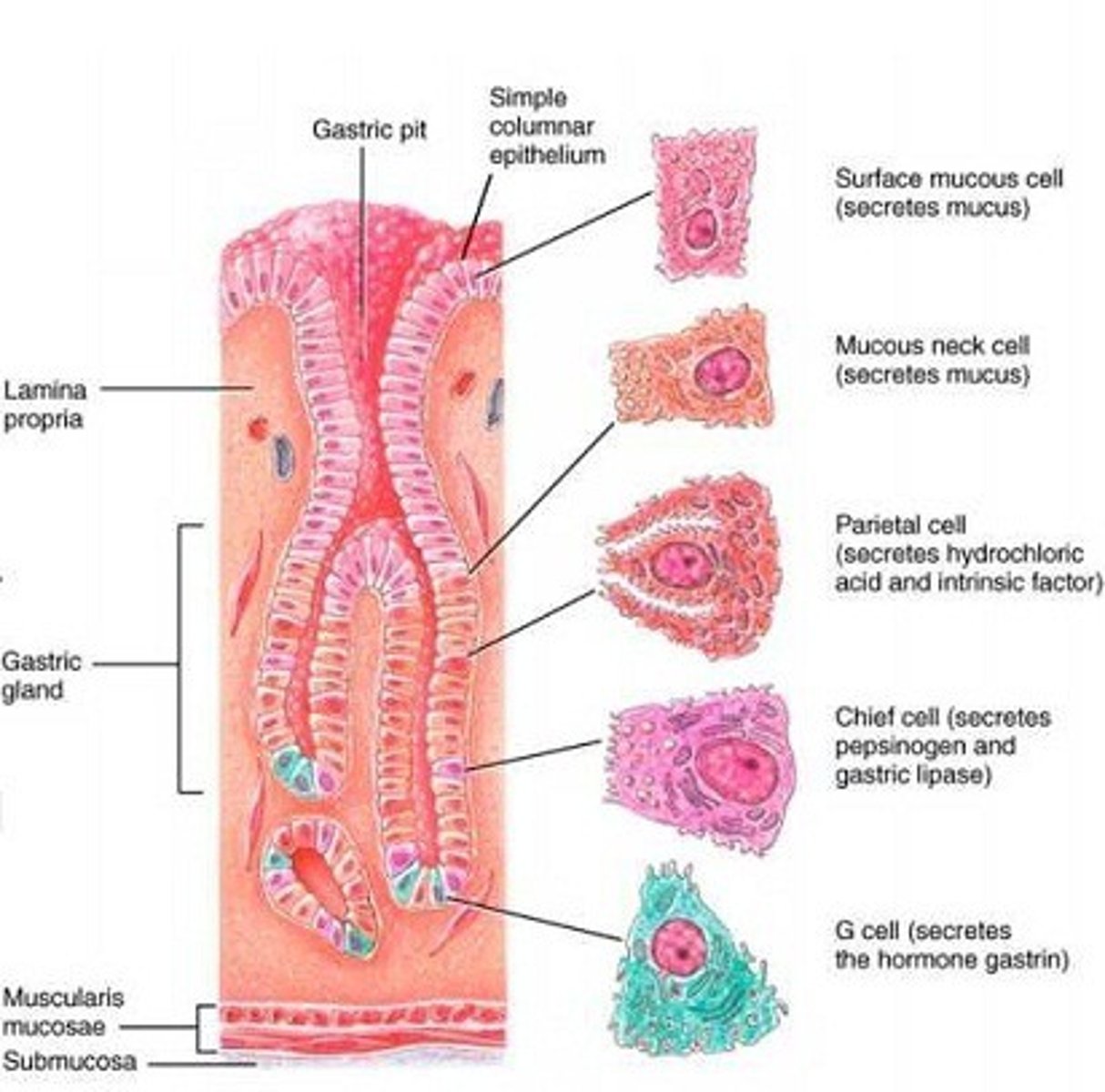
HCl (stomach acid)
Kills harmful bacteria injected with food and denatures proteins for digestion
-causes a drop in pH in the stomach, which converts pepsinogen into pepsin, a protein digesting enzyme
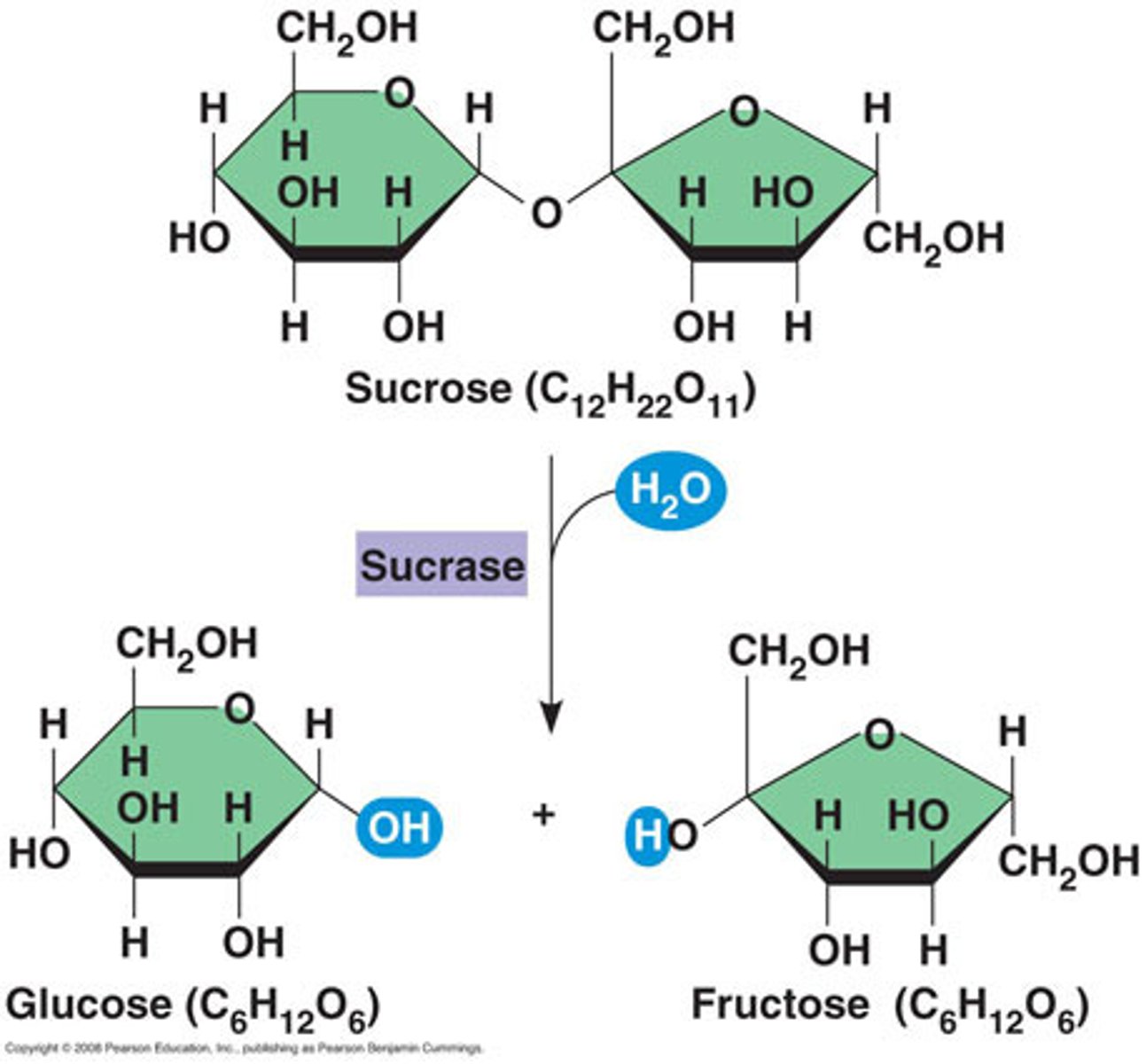
Hydrolysis (Digestion) Reaction
breakdown of molecules involving water. This is often facilitated by an acid or base.
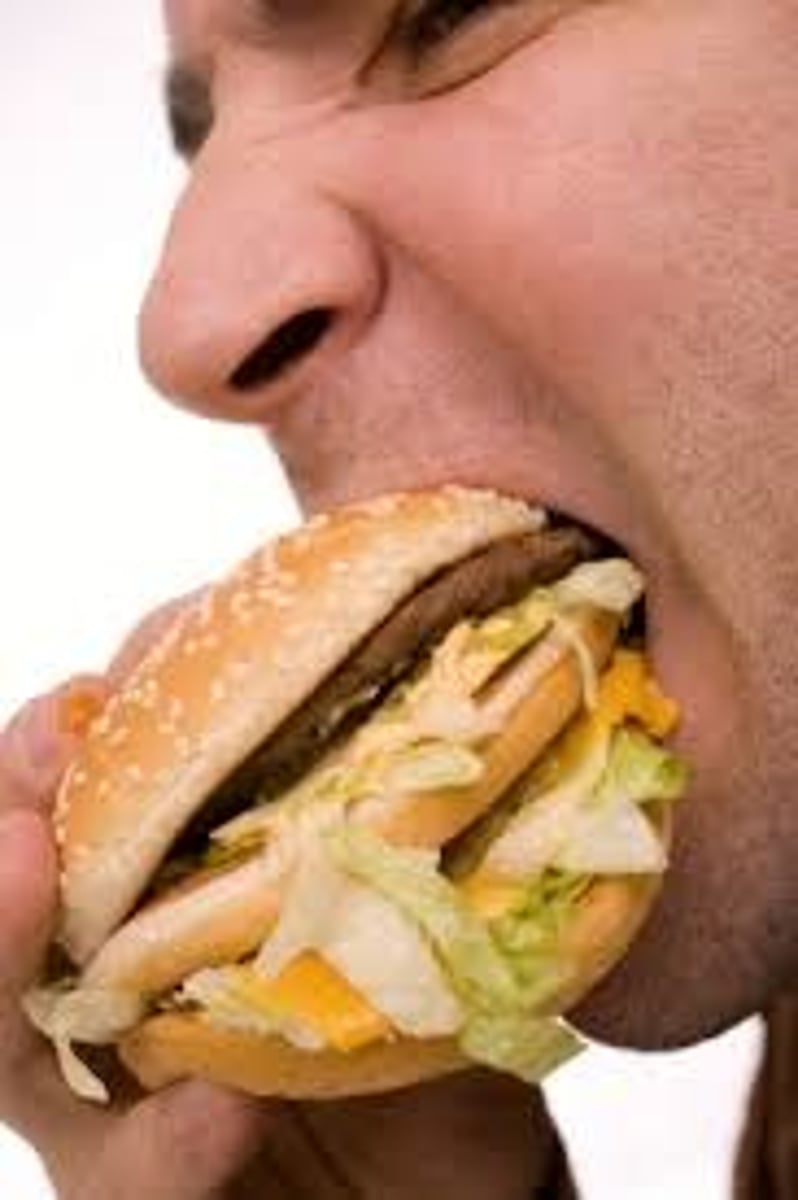
Mechanical digestion
Physical breakdown of large pieces of food into smaller pieces
Chemical digestion
Process by which enzymes break down food into small molecules that the body can use
Pepsin
An enzyme present in gastric juice that begins the hydrolysis of proteins
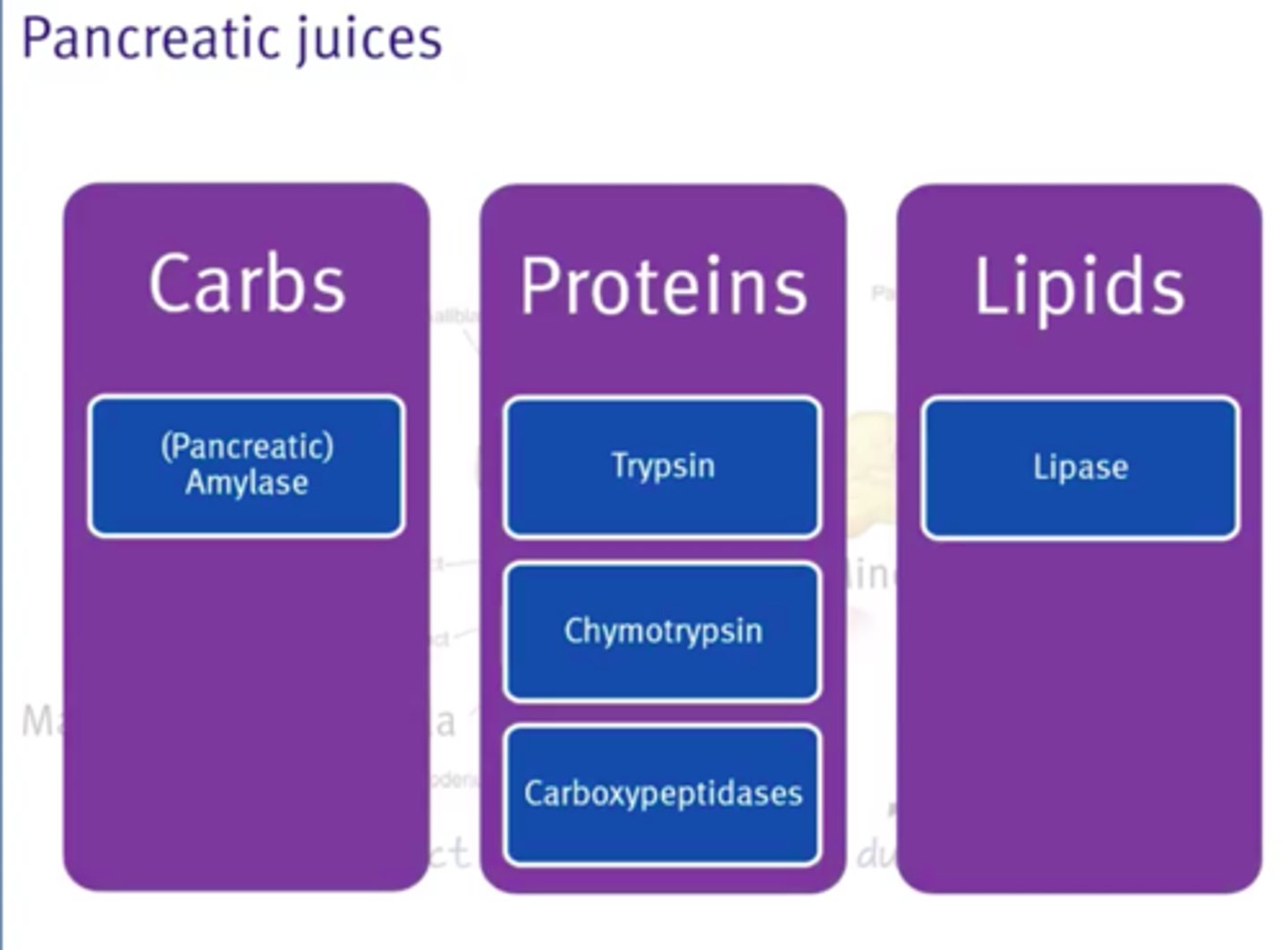
Trypsin
an enzyme from the pancreas that digests proteins in the small intestine
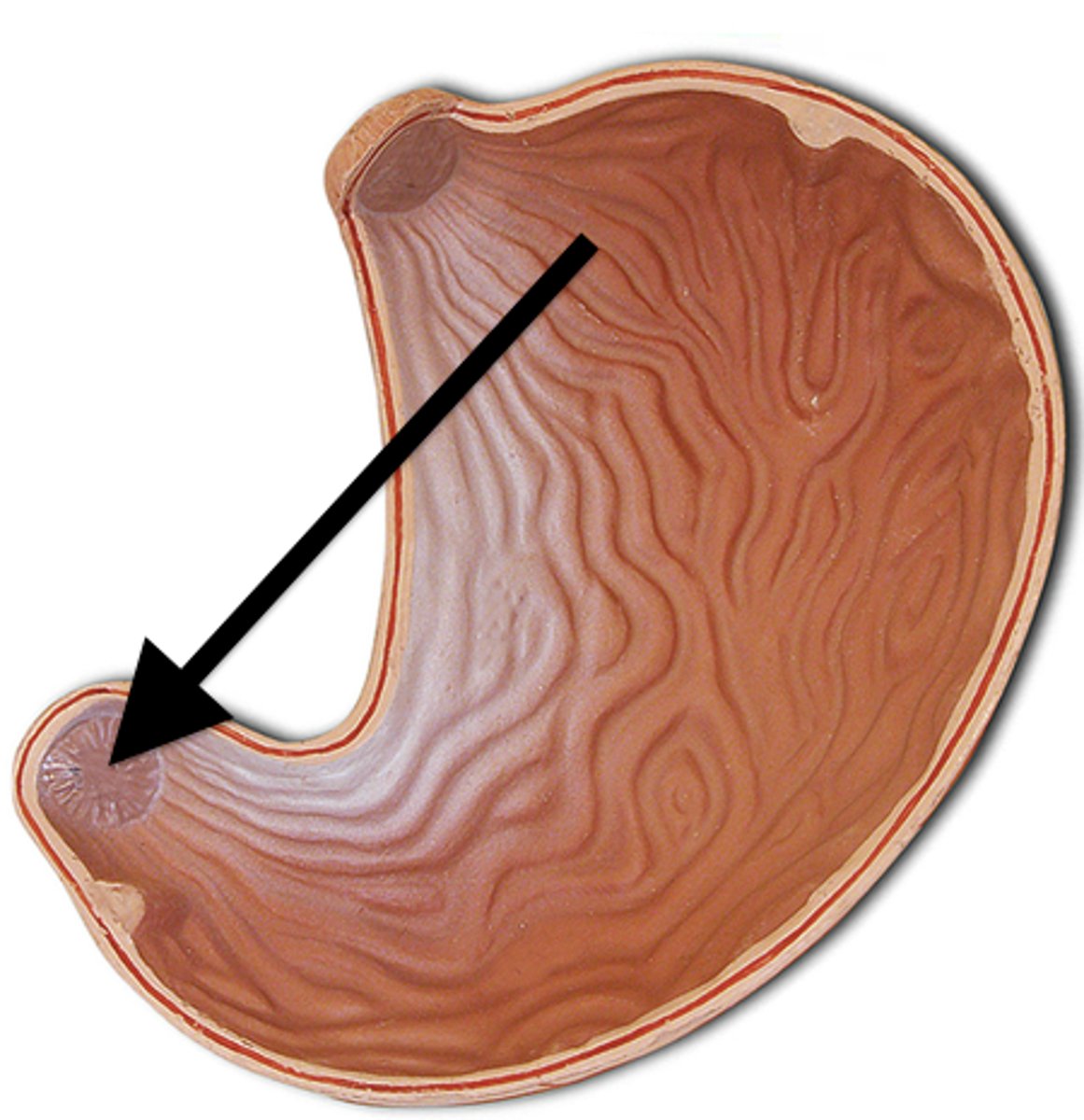
pyloric sphincter (of stomach)
Controls passage of food from stomach to small intestine
Small intestine
Digestive organ where most chemical digestion and absorption of food takes place
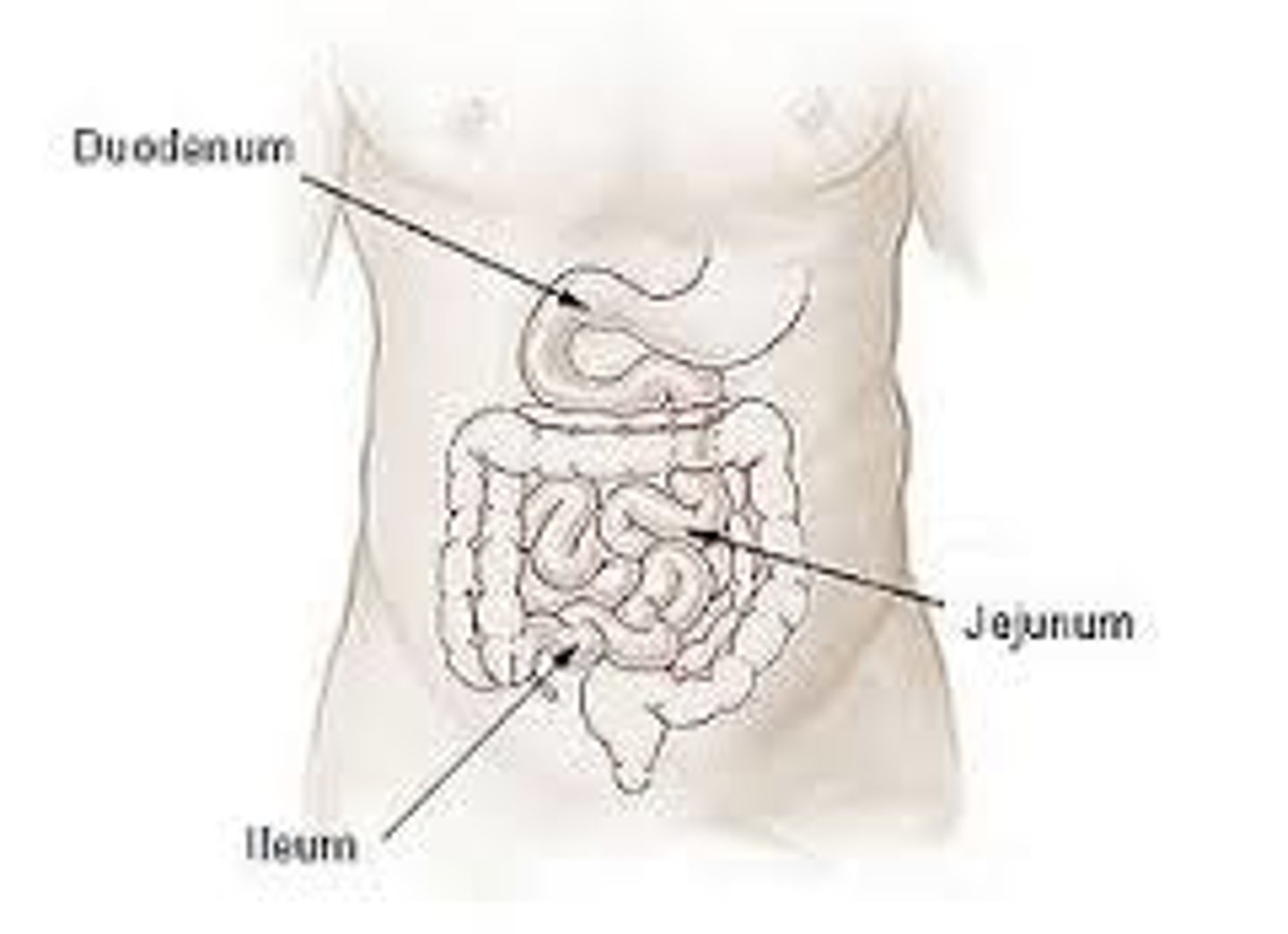
duodenum, jejunum, ileum
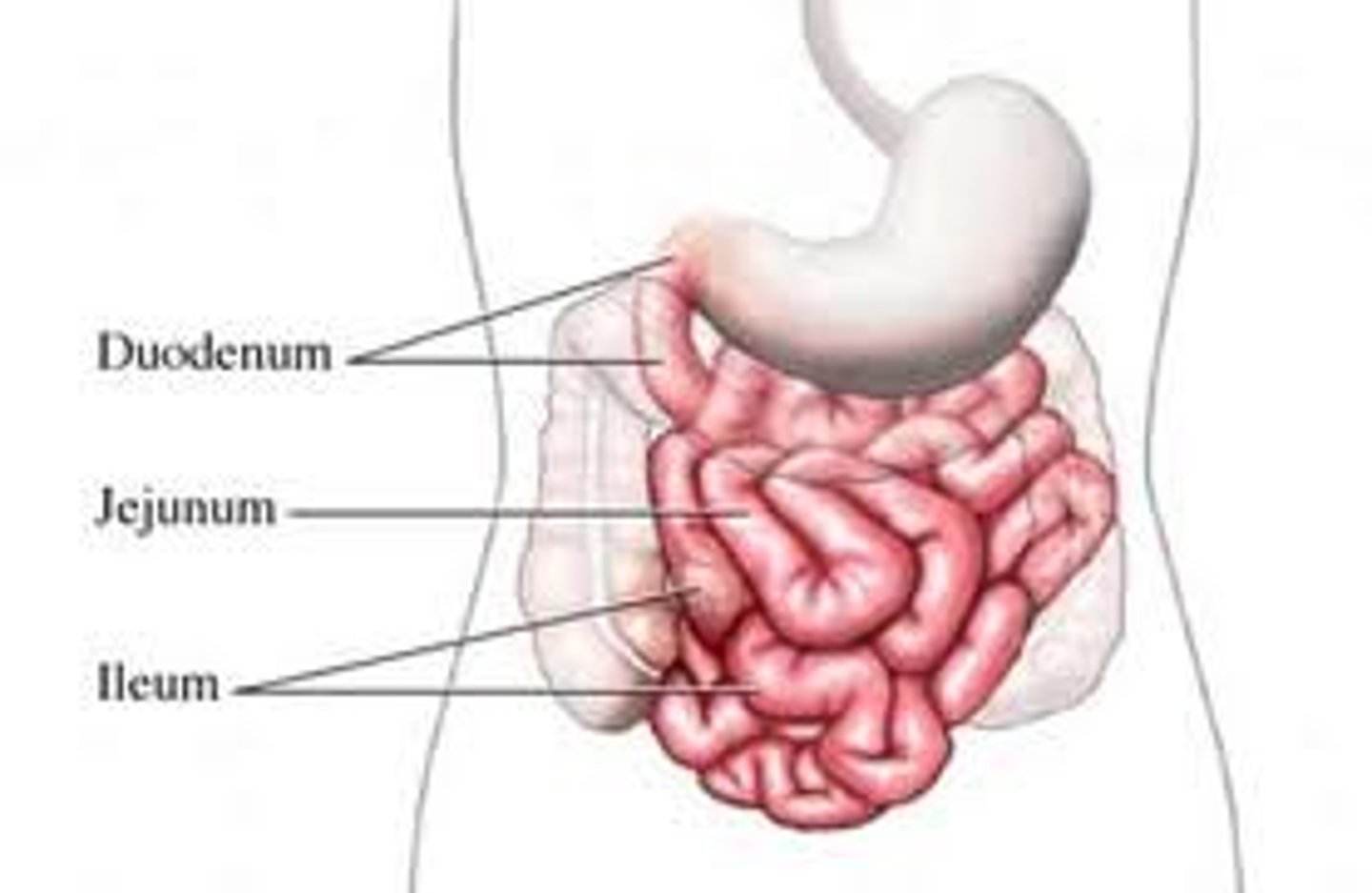
mesenteries
Sheets of connective tissue in moist or fluid-filled body cavities.
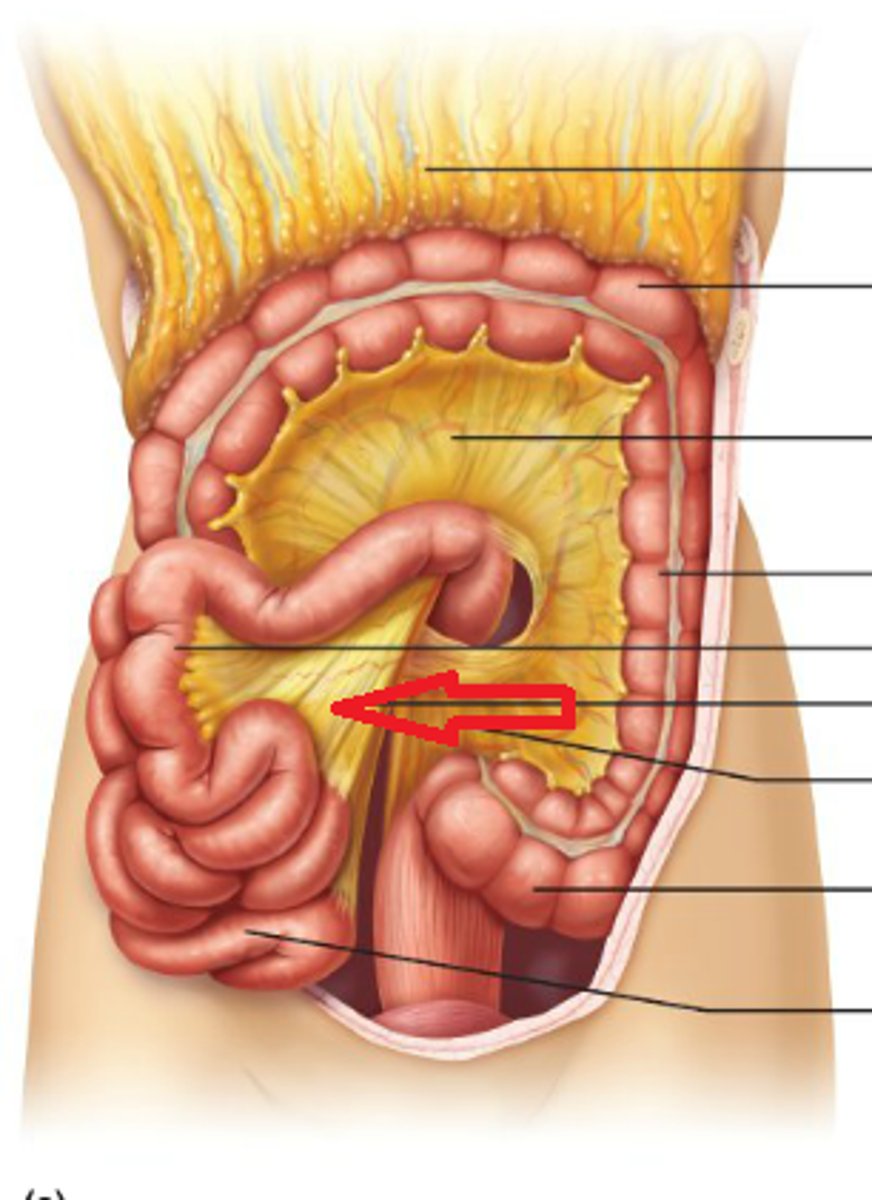
lesser curvature of stomach
concave medial surface of the stomach
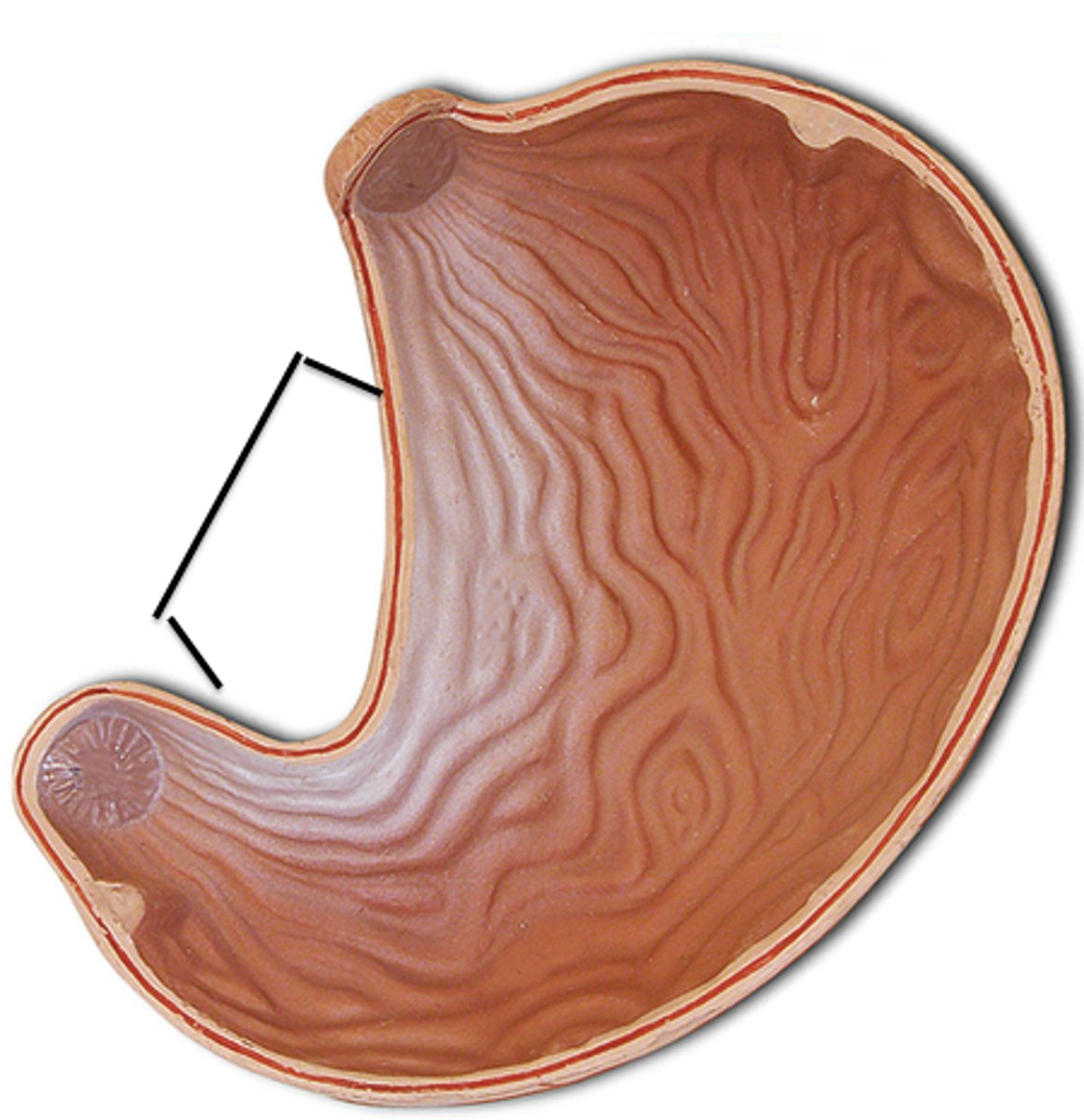
greater curvature of stomach
convex lateral surface of the stomach
stomach
large muscular sac that continues the mechanical and chemical digestion of food
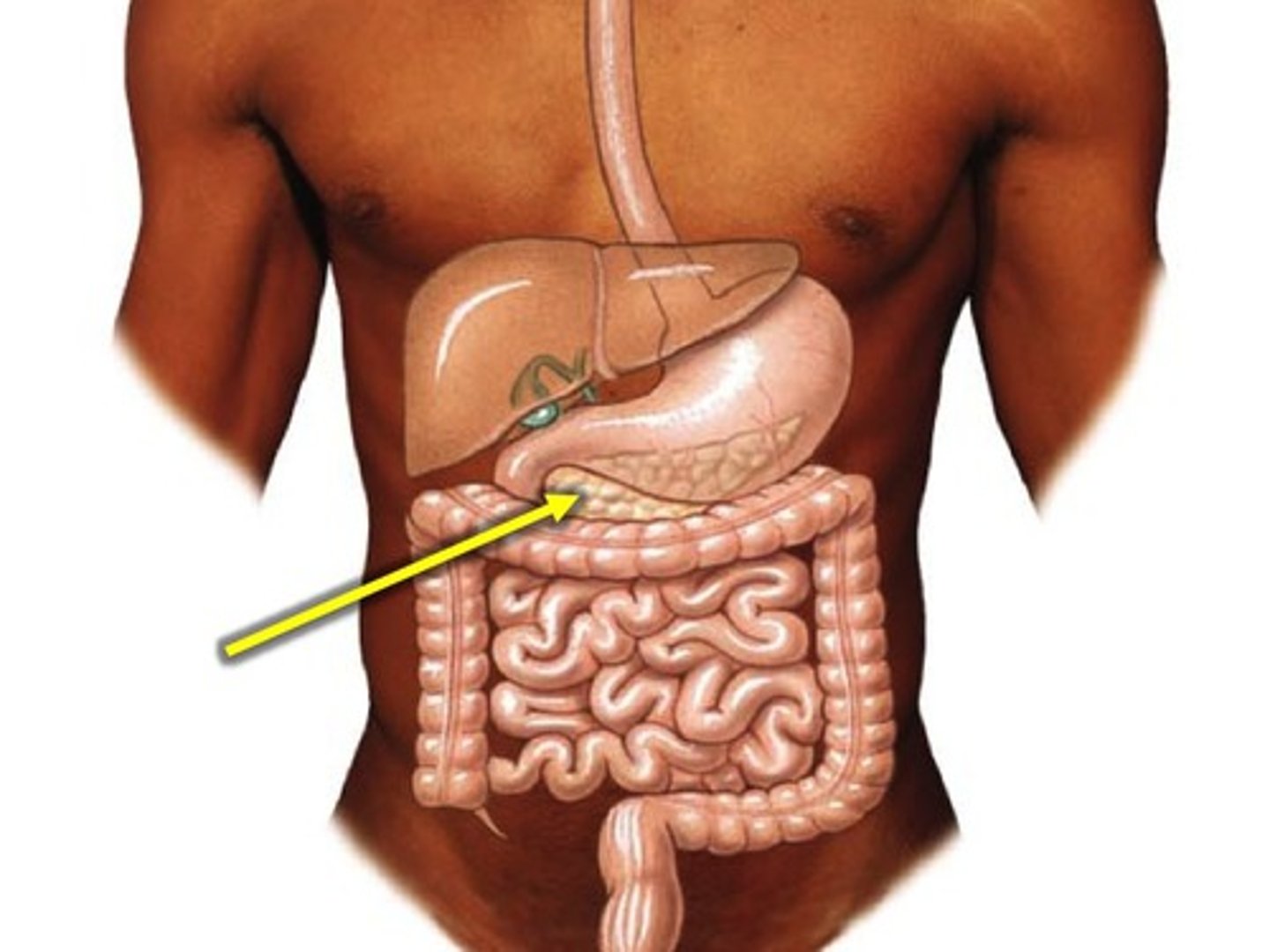
Pancreas
An organs in the abdominal cavity with two roles. The first is an exocrine role: to produce digestive enzymes and bicarbonate, which are delivered to the small intestine via the pancreatic duct. The second is an endocrine role: to secrete insulin and glucagon into the bloodstream to help regulate blood glucose levels.
Pancreatic juices
liquid secreted by the pancreas to break down various food products in the small intestine
Bile
A substance produced by the liver that breaks up fat particles.
Liver
produces bile
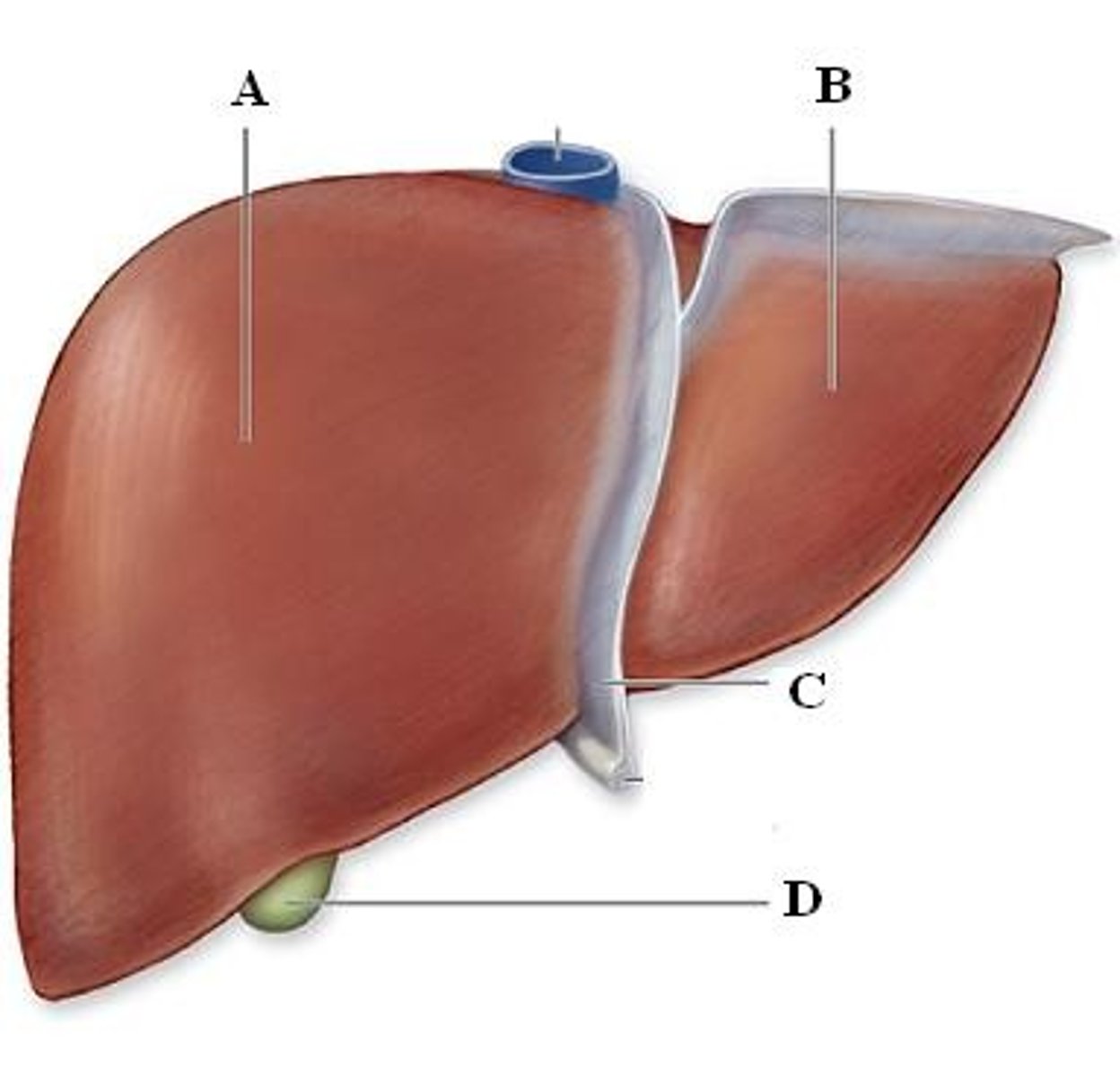
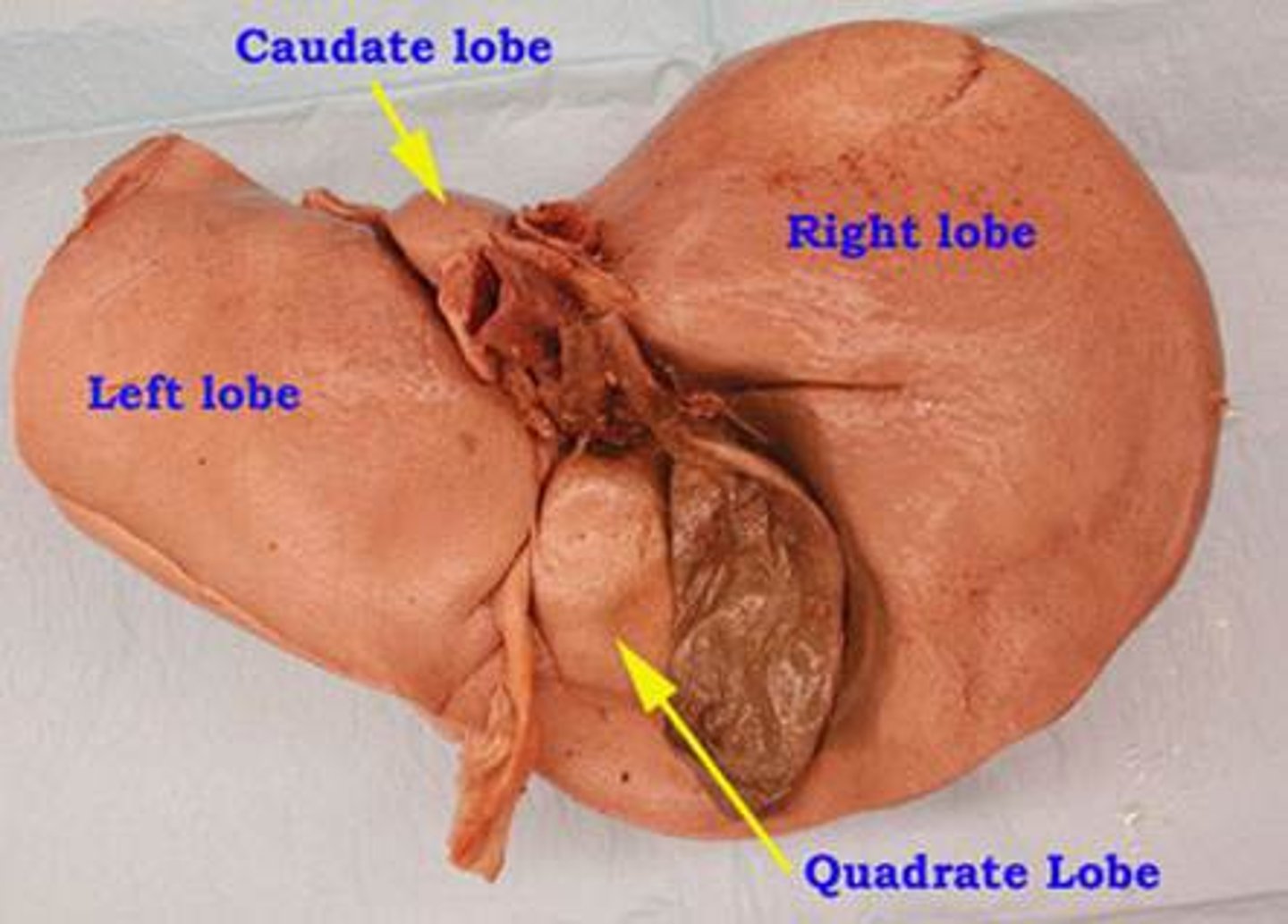
lobes of the liver
left, right, caudate, quadrate
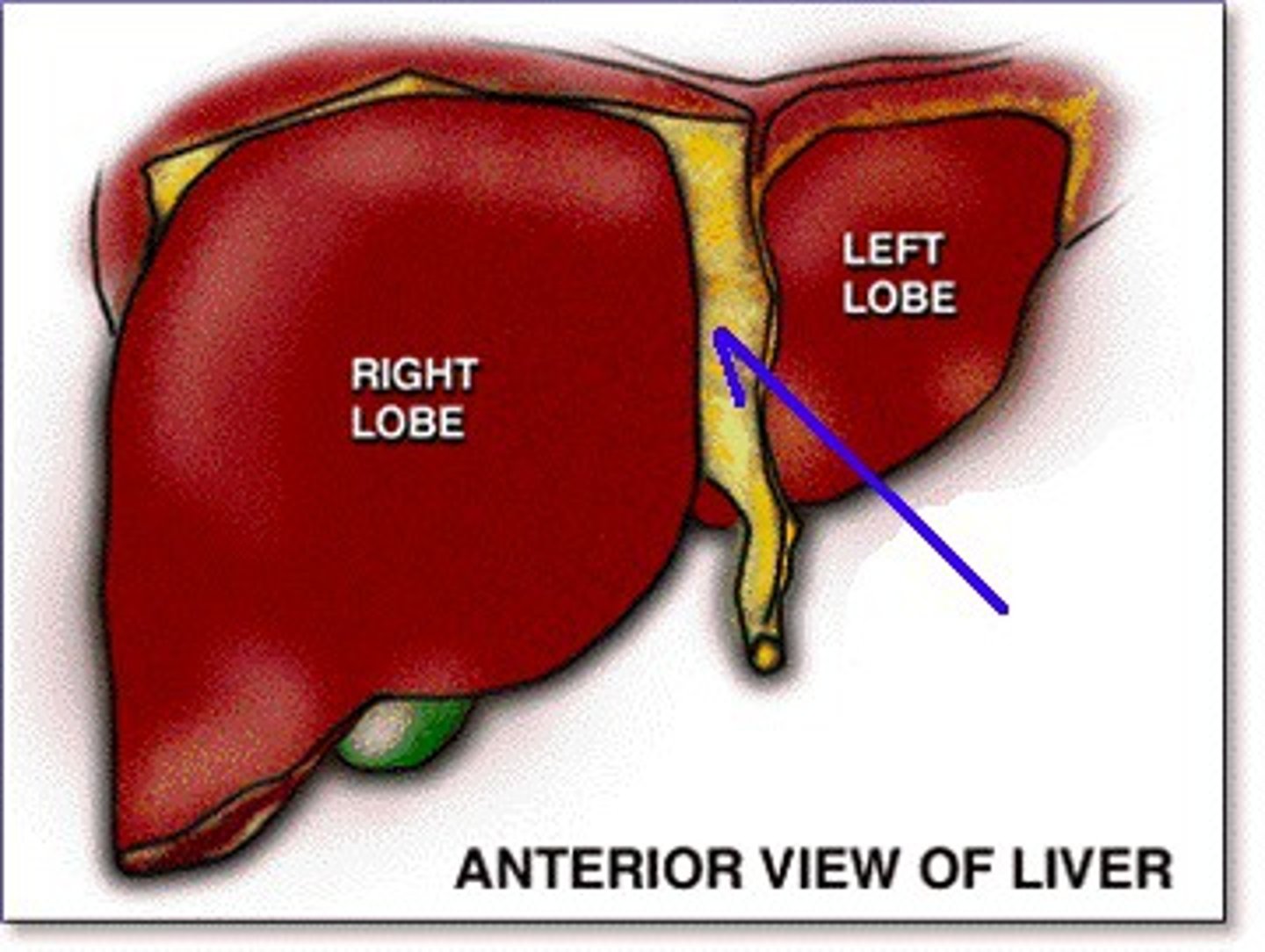
falciform ligament of liver
Separates larger right and smaller left lobes
Suspends liver from diaphragm and anterior abdominal wall
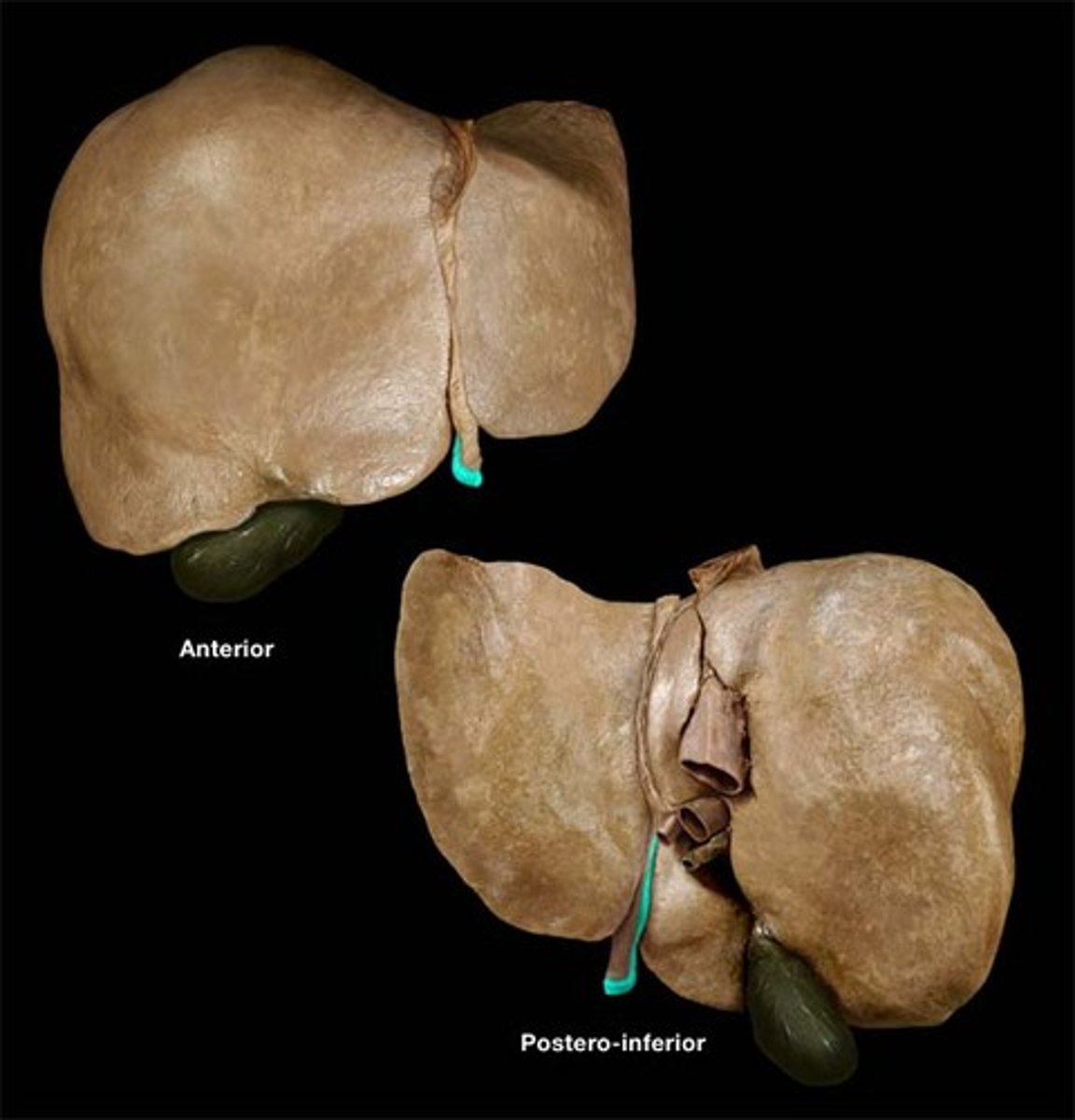
round ligament of liver
porta hepatis
central area of the liver where the portal vein, common duct, and hepatic artery enter
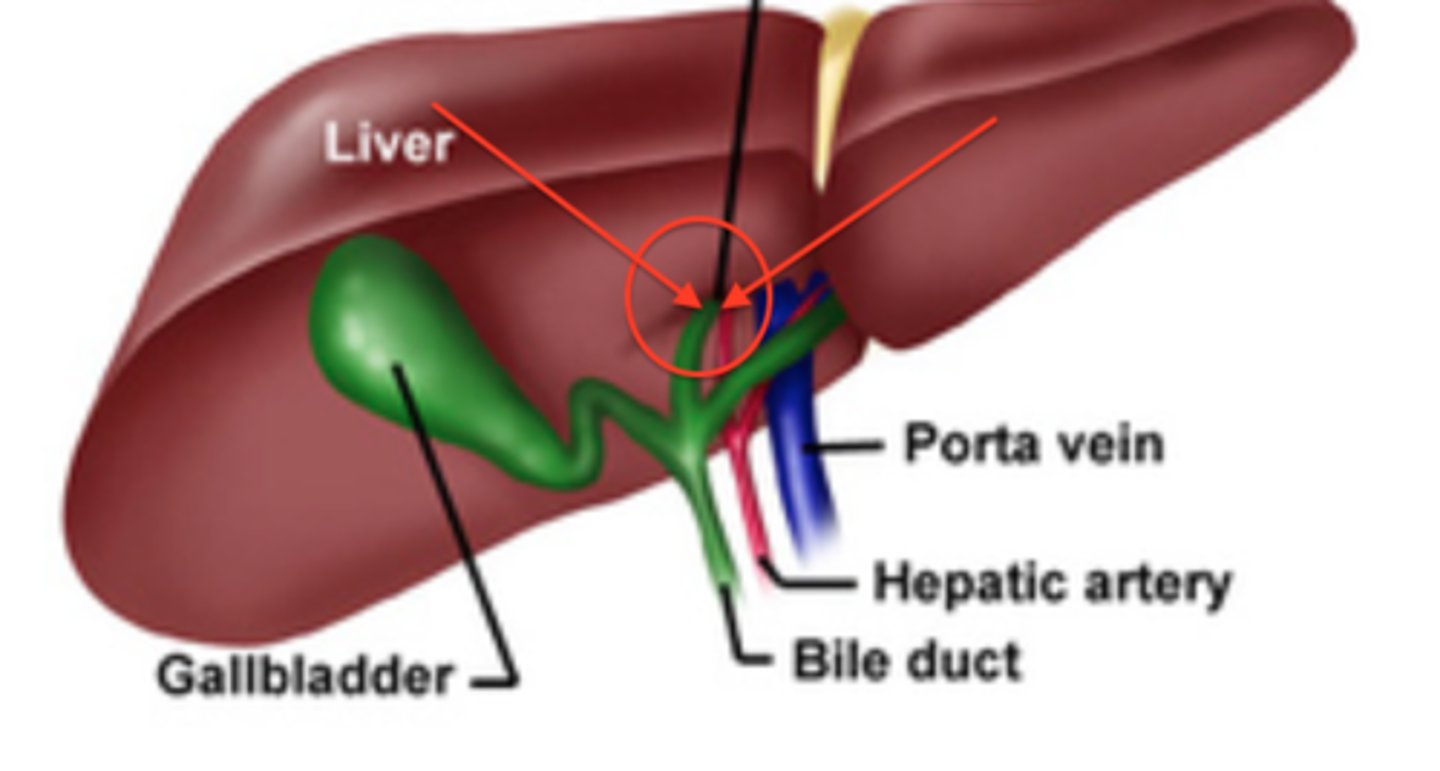
common bile duct (CBD)
Distal portion of the biliary duct or common duct. Transports bile from the level of the cystic duct, inferomedially toward the head of the pancreas and then enters the duodenum and empties the bile to aid in digestion.
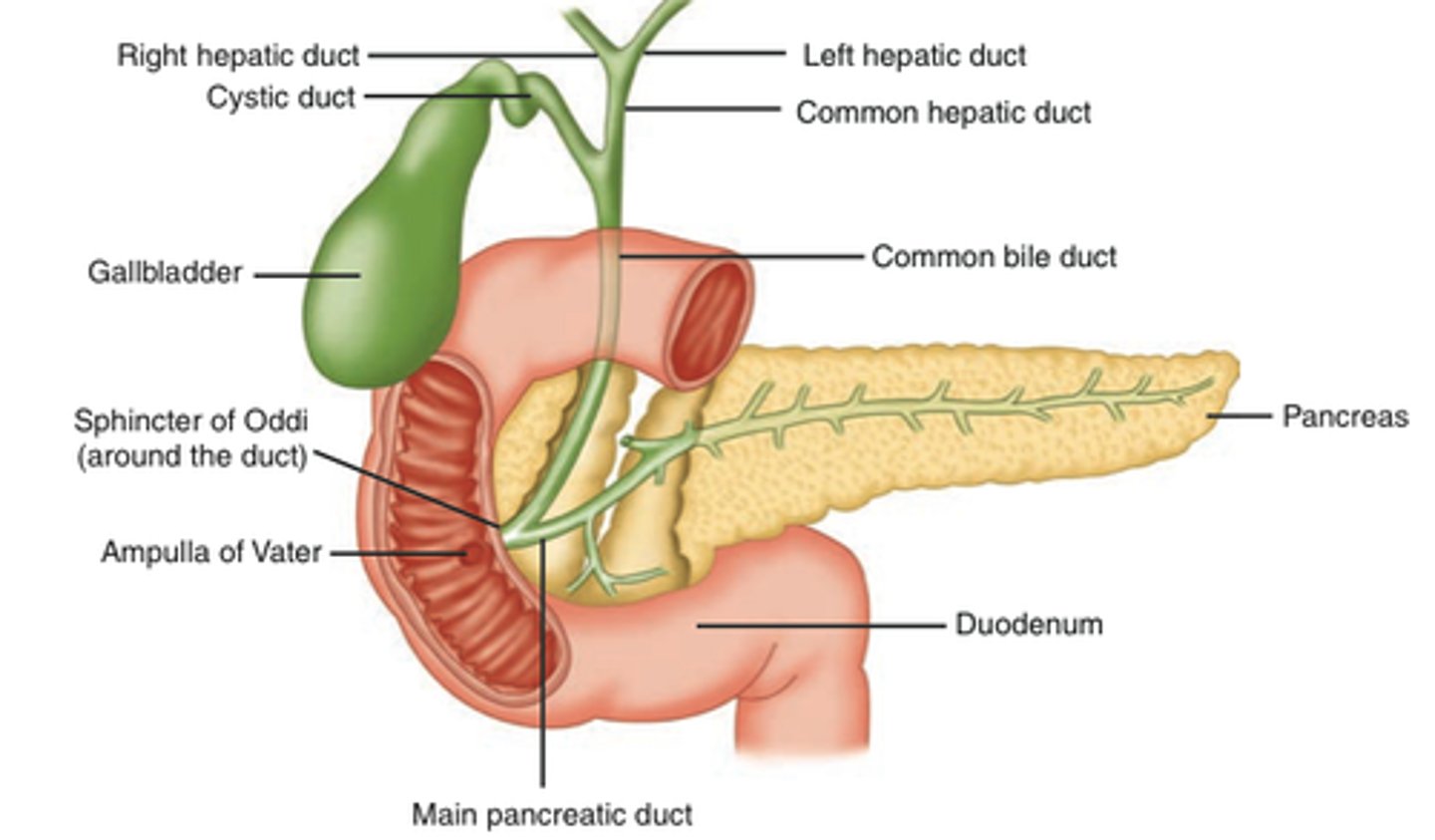
cystic duct of gallbladder
Short duct between gallbladder and common hepatic duct joins common hepatic duct to form bile duct
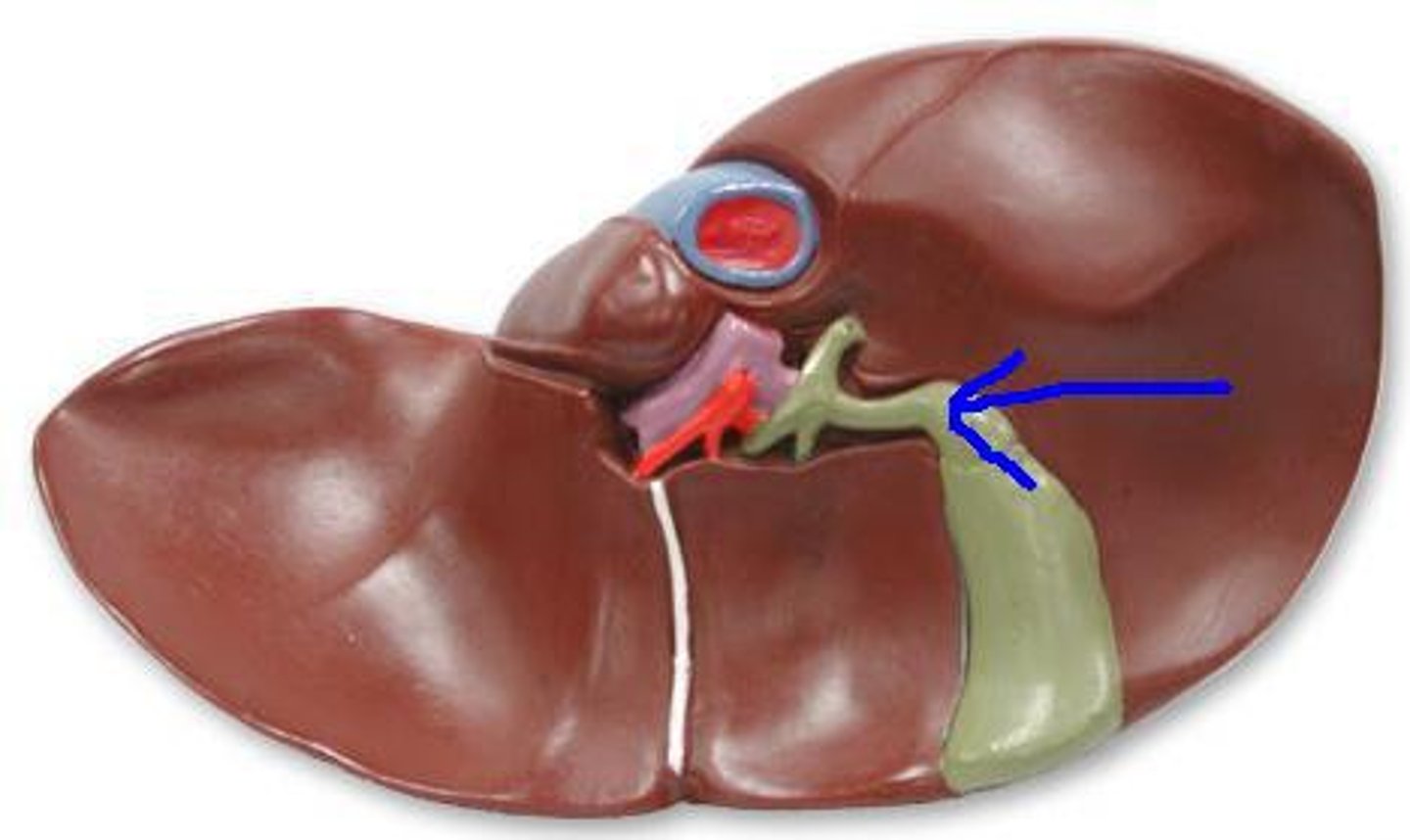
Gallbladder
stores and concentrates bile
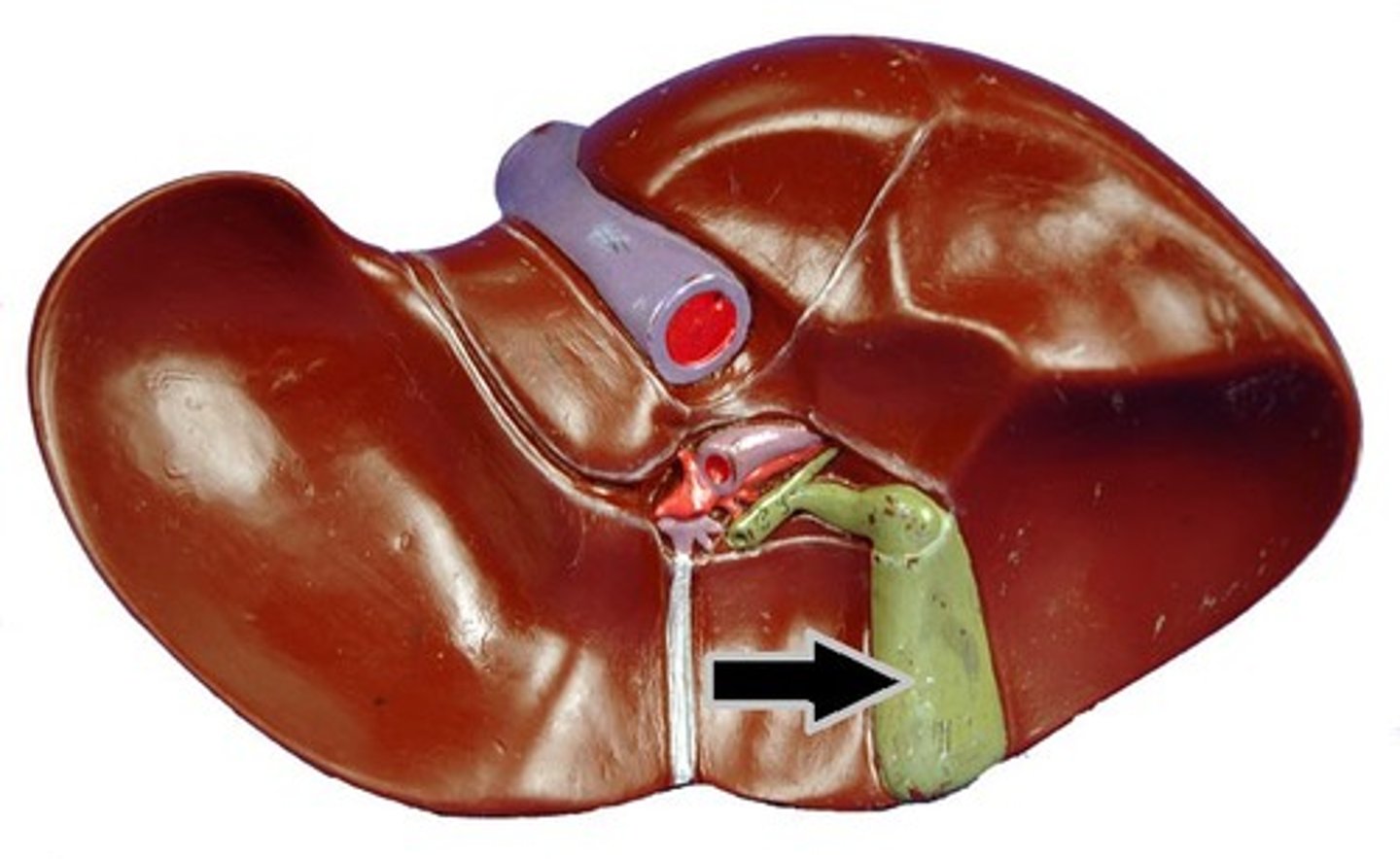
bilirubin
orange-yellow pigment in bile; formed by the breakdown of hemoglobin when red blood cells are destroyed
large intestine
Absorbs water and forms feces
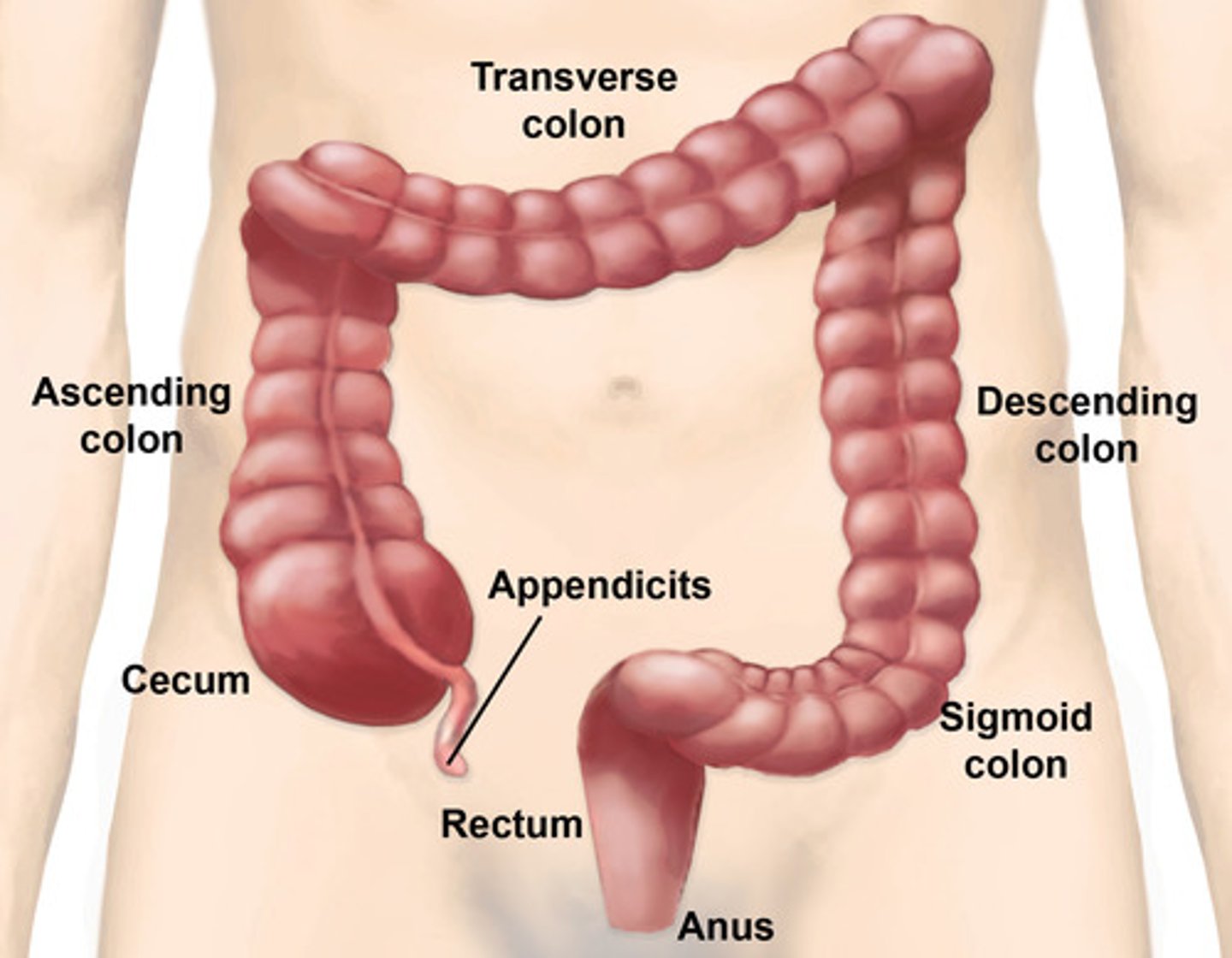
ileocecal valve
Valve at the junction of the small and large intestines
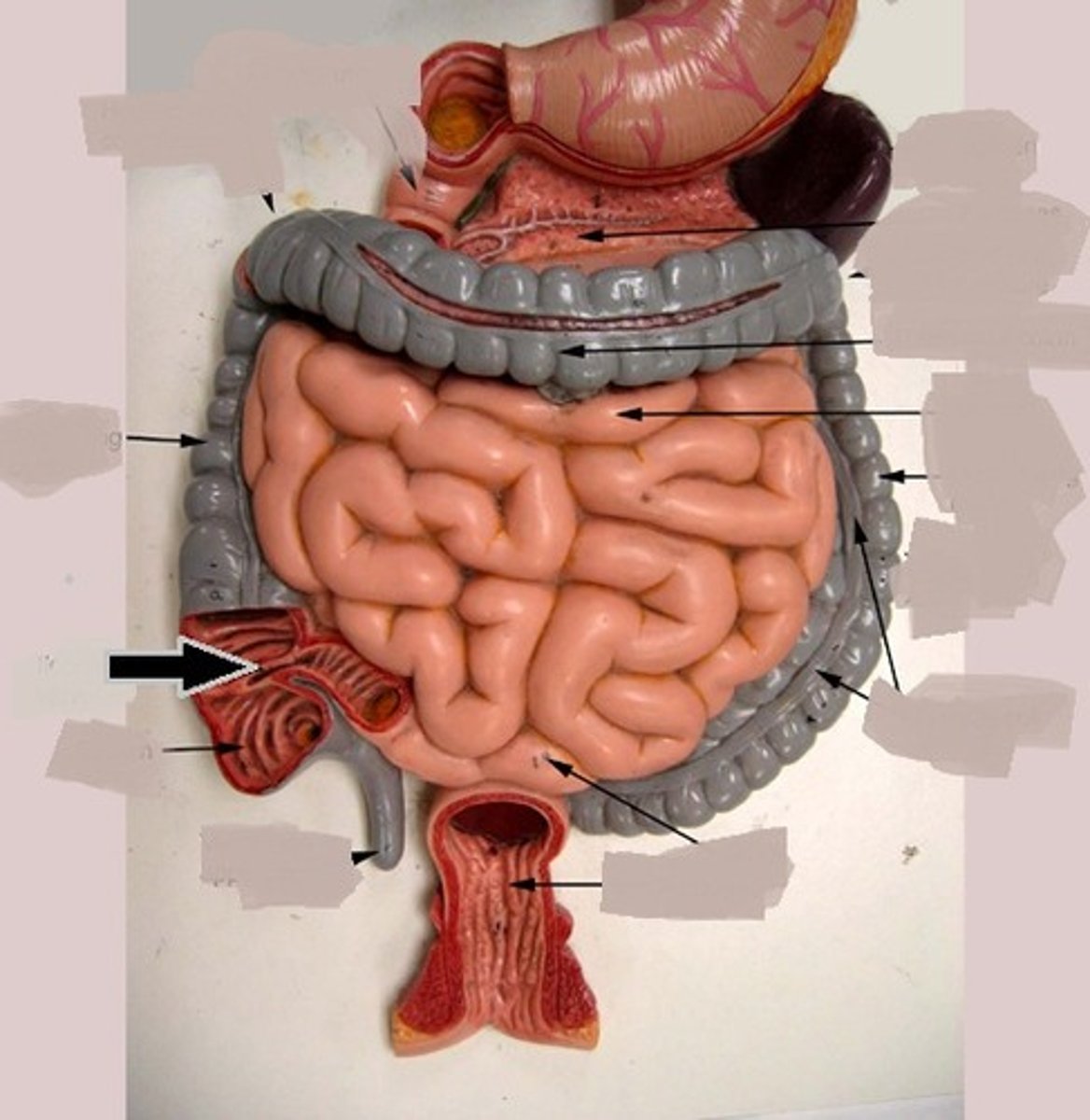
cecum of large intestine
first part of the large intestine
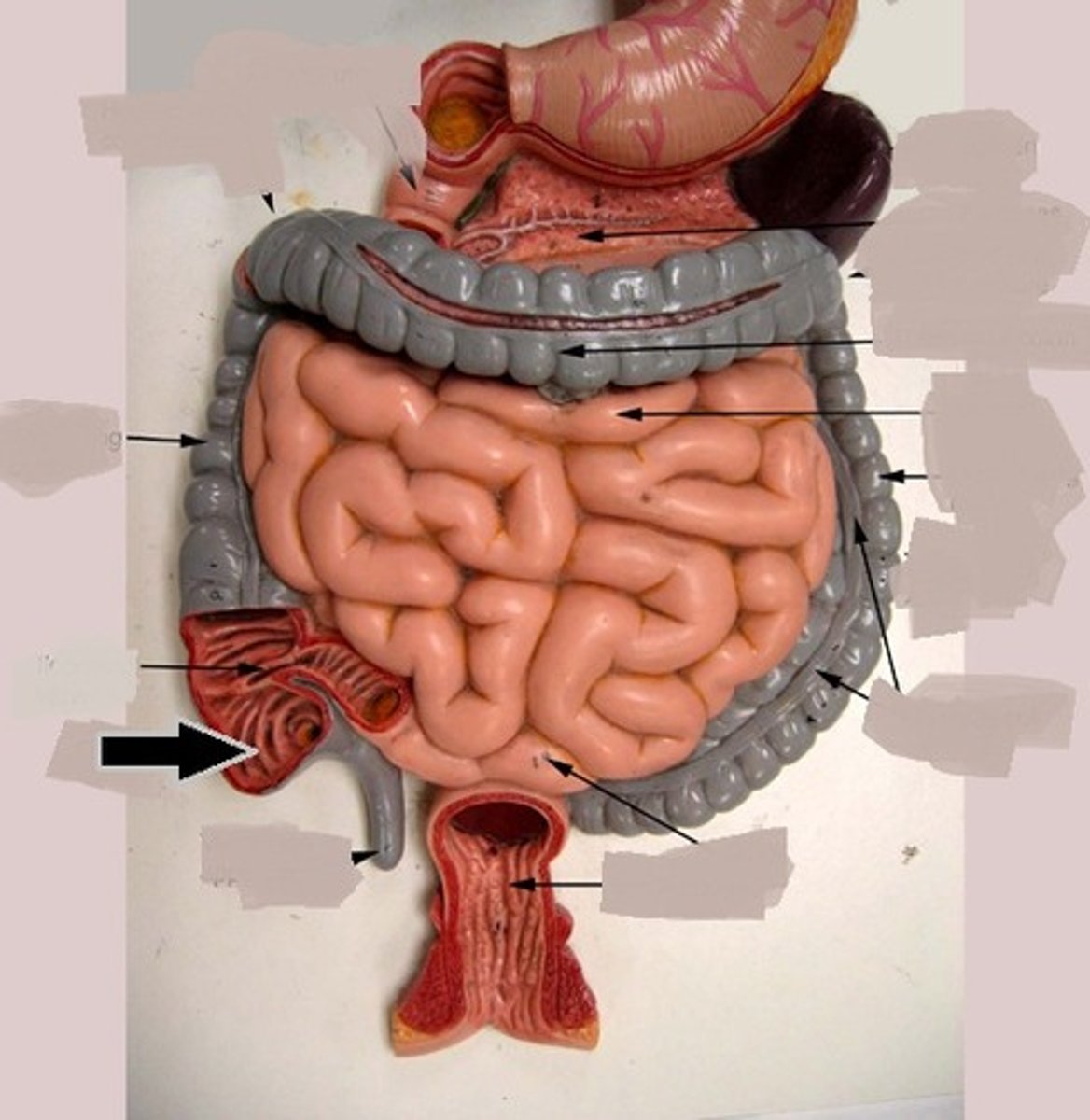
vermiform appendix (appendix)
hangs from the lower portion of the cecum; consists of lymphoid tissue
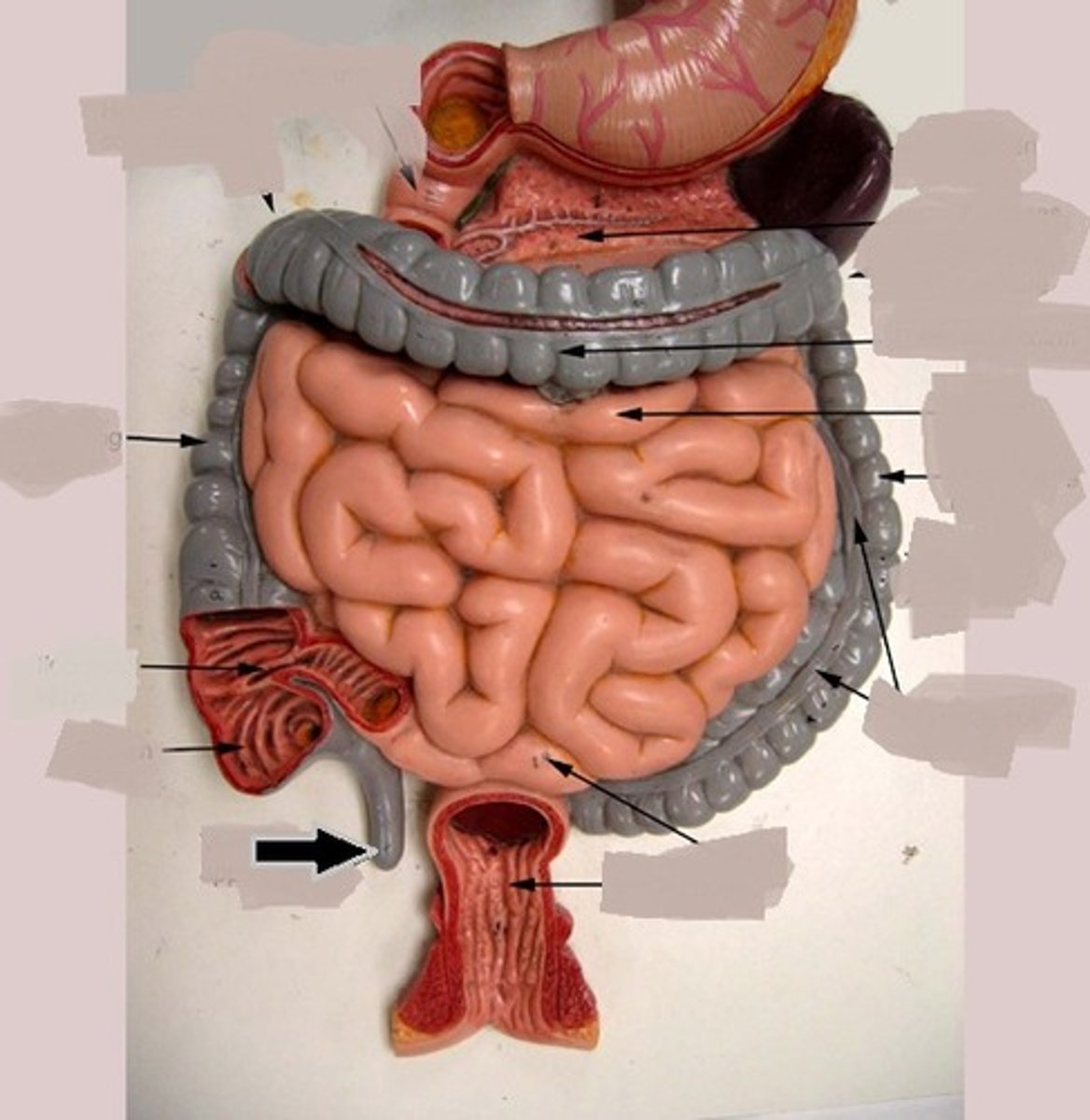
parts of the colon
ascending, transverse, descending, sigmoid
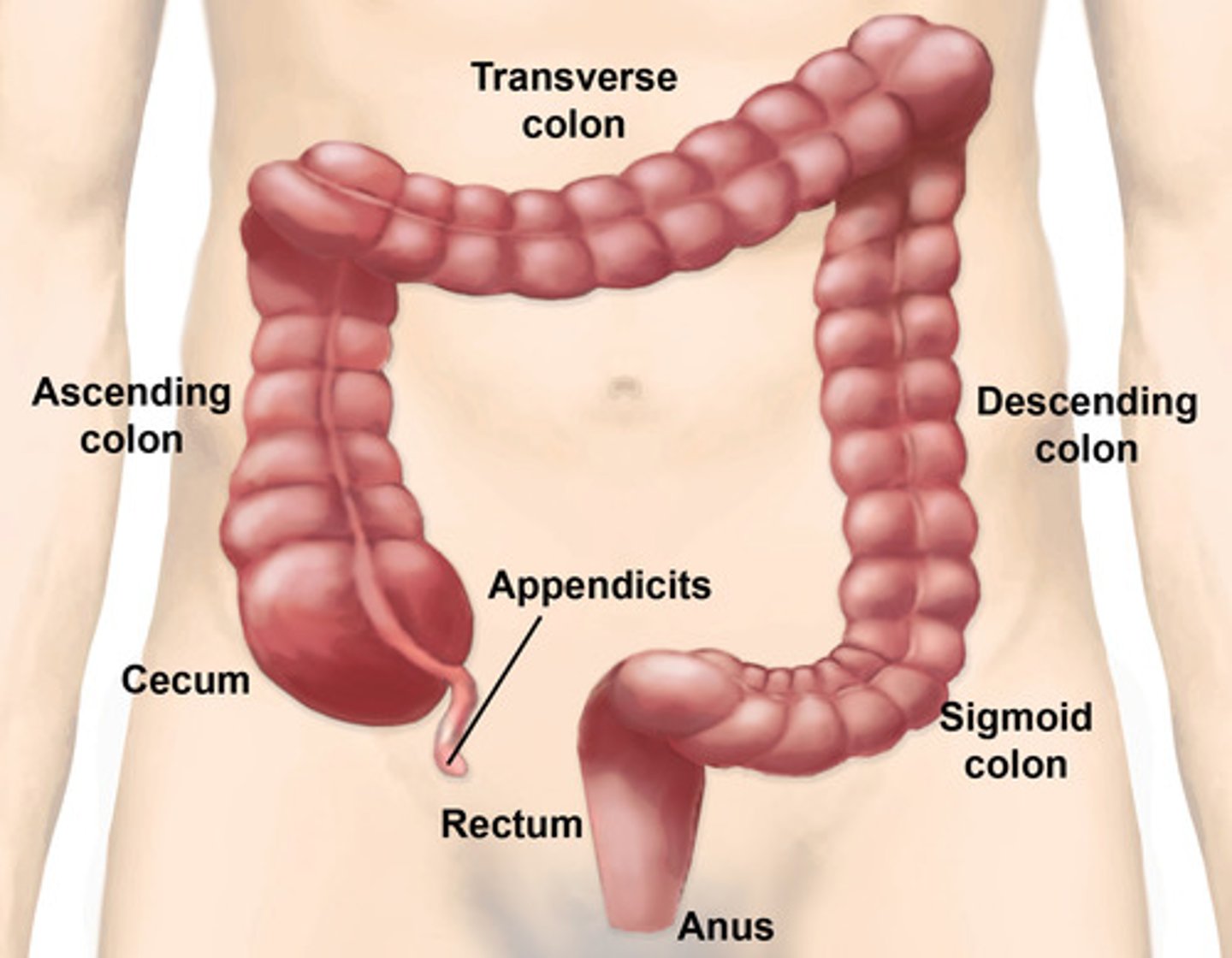
hepatic flexure (right colic flexure)
Bend between the ascending colon and the transverse colon.
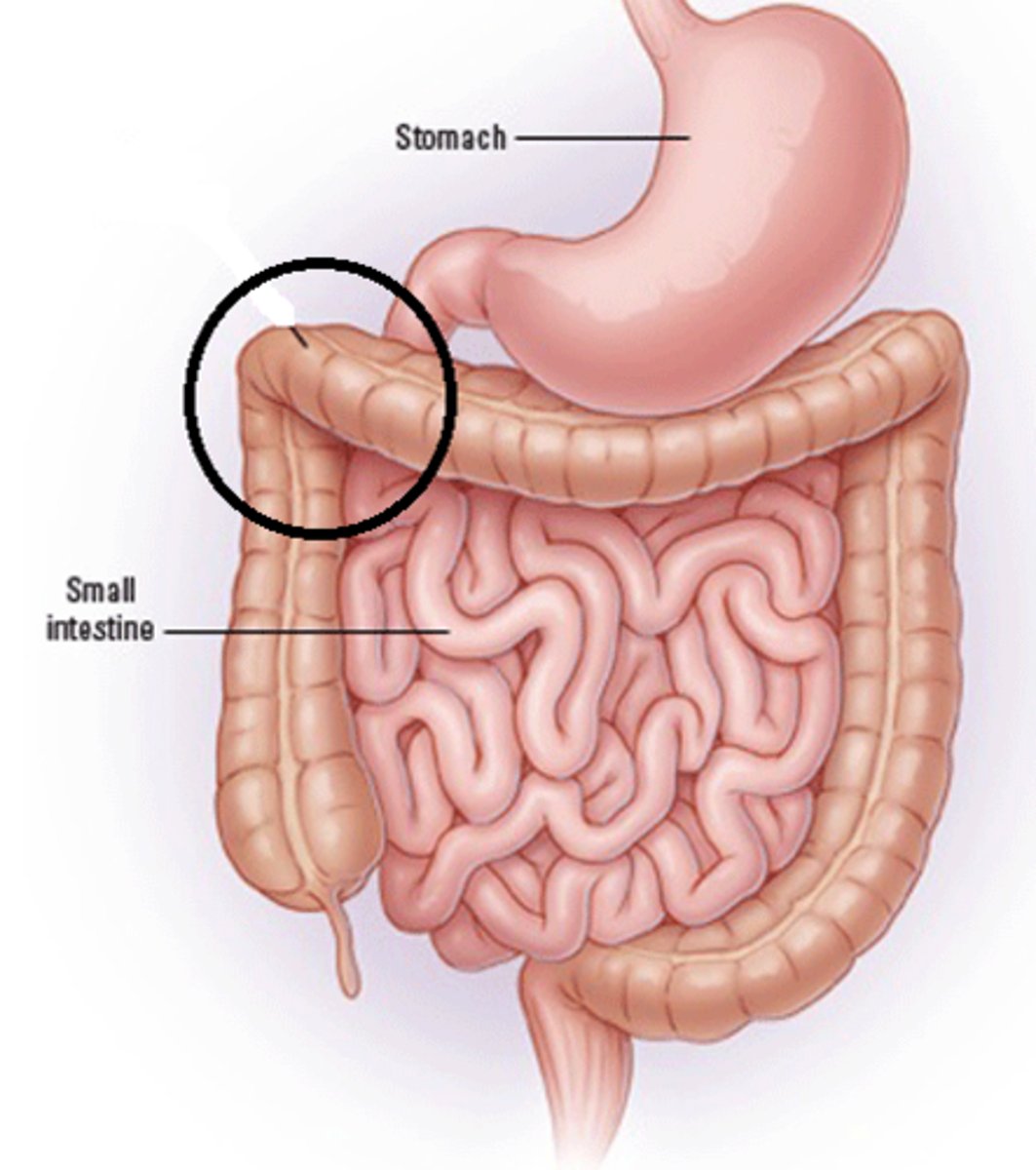
splenic flexure (left colic flexure)
the bend in the colon between the transverse colon and the descending colon
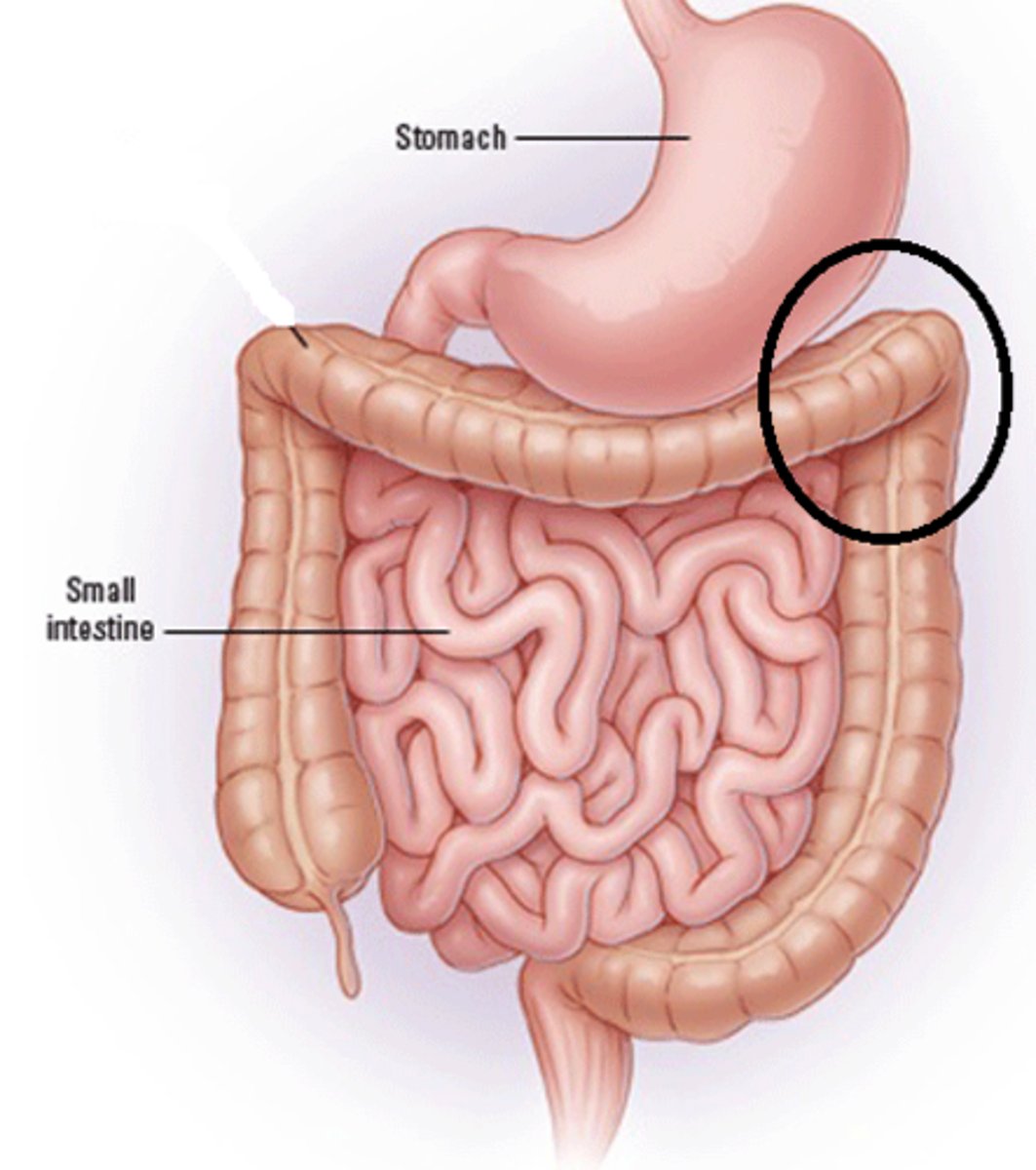
rectum
A short tube at the end of the large intestine where waste material is compressed into a solid form before being eliminated
anal canal
region, containing two sphincters, through which feces are expelled from the body
internal anal sphincter
smooth muscle, involuntary
external anal sphincter
skeletal muscle, voluntary
lesser omentum
attaches stomach to liver
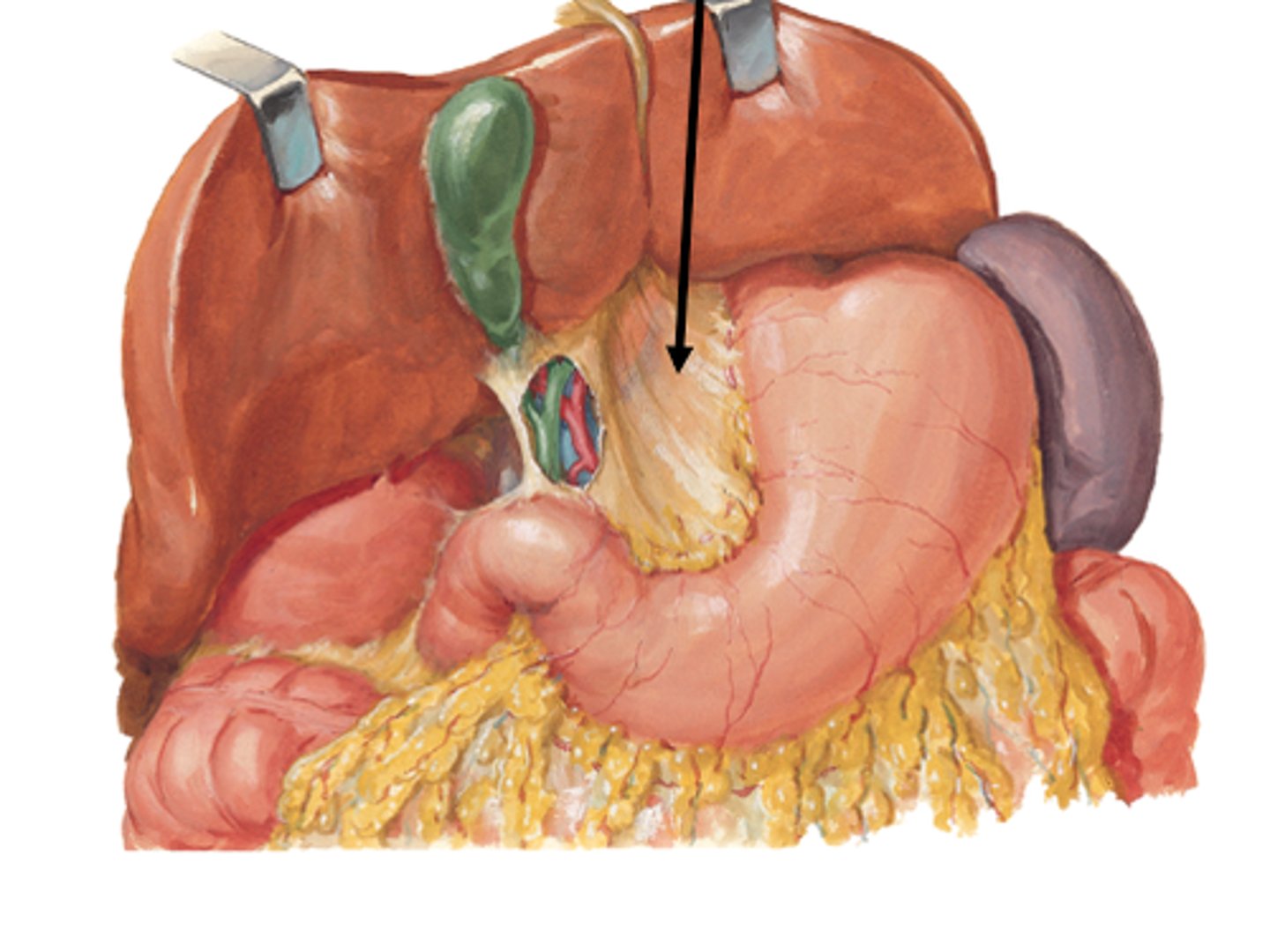
greater omentum
part of the peritoneum attached to the stomach and to the colon and covering the intestines
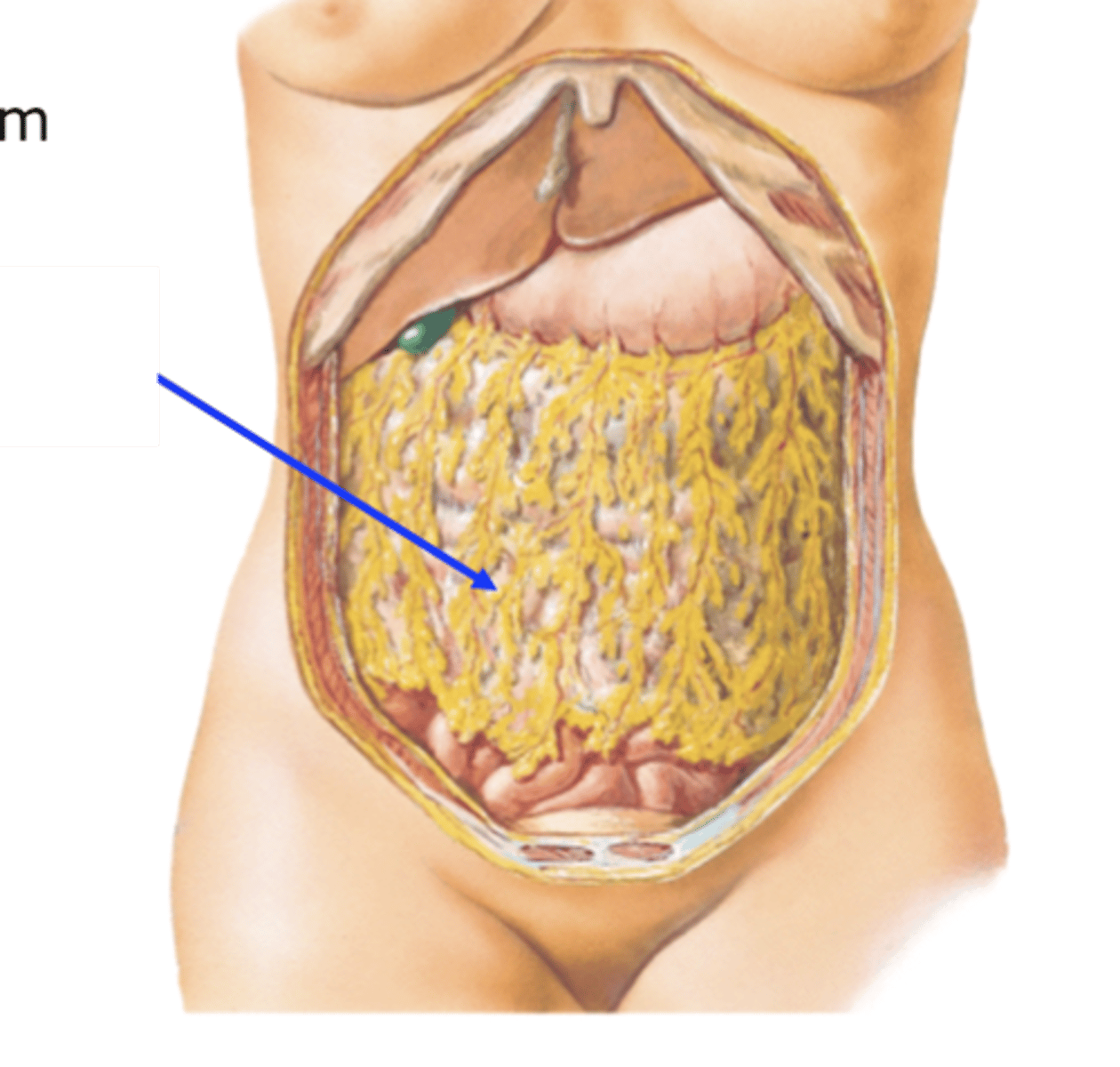
Peritoneum
membrane that lines the abdominal cavity
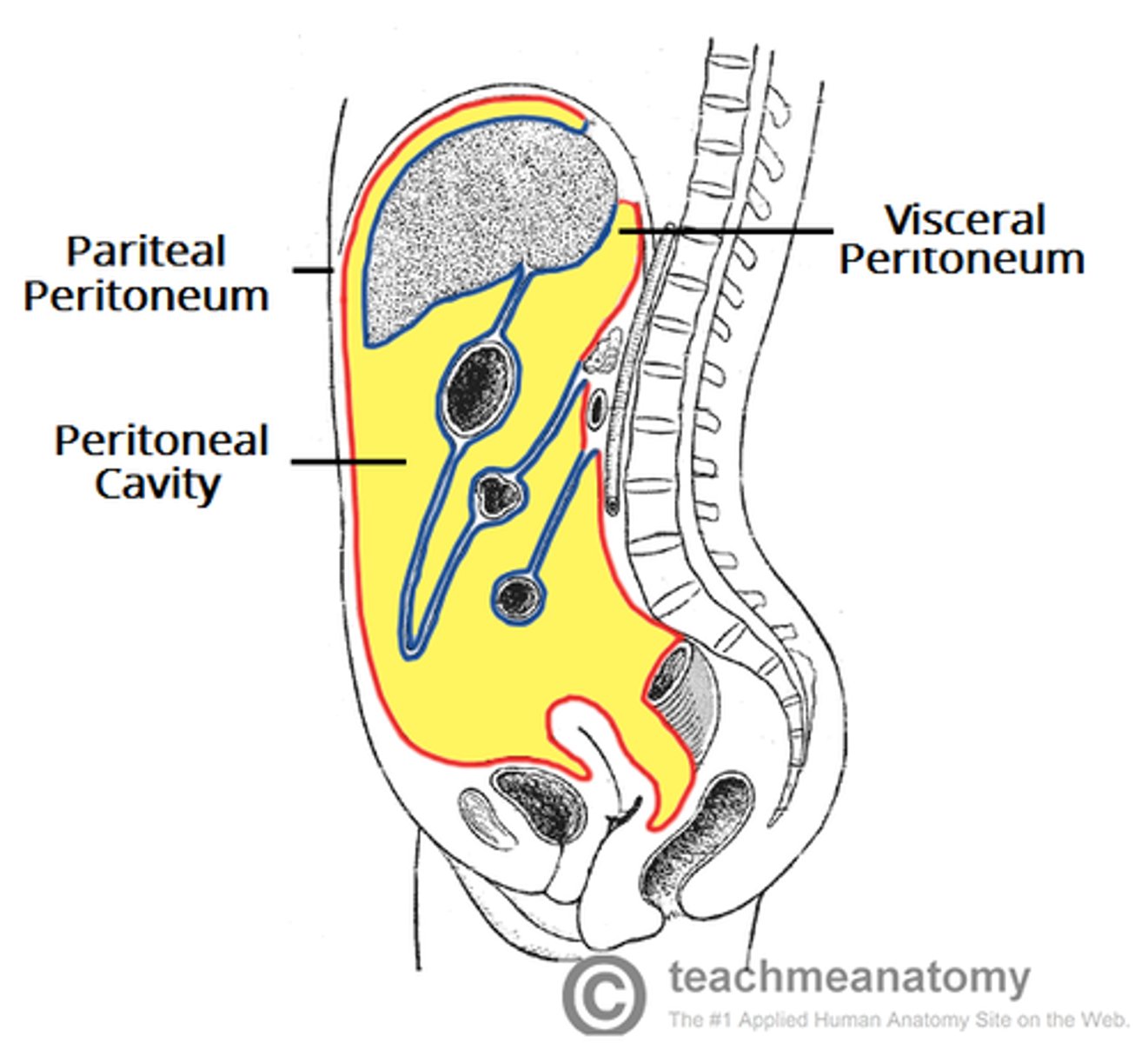
Kidneys
Filter blood from the renal arteries and produce urine as waste
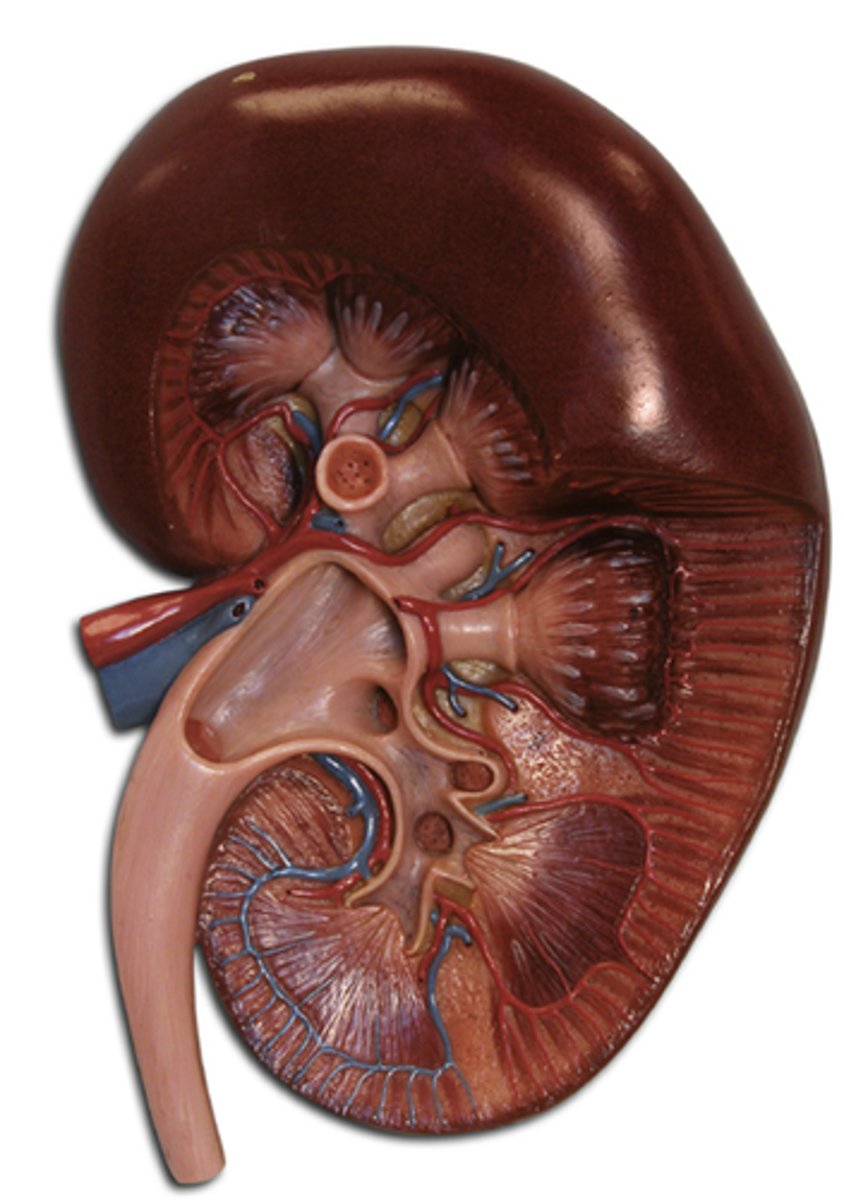
Ureter
A duct leading from the kidney to the urinary bladder.
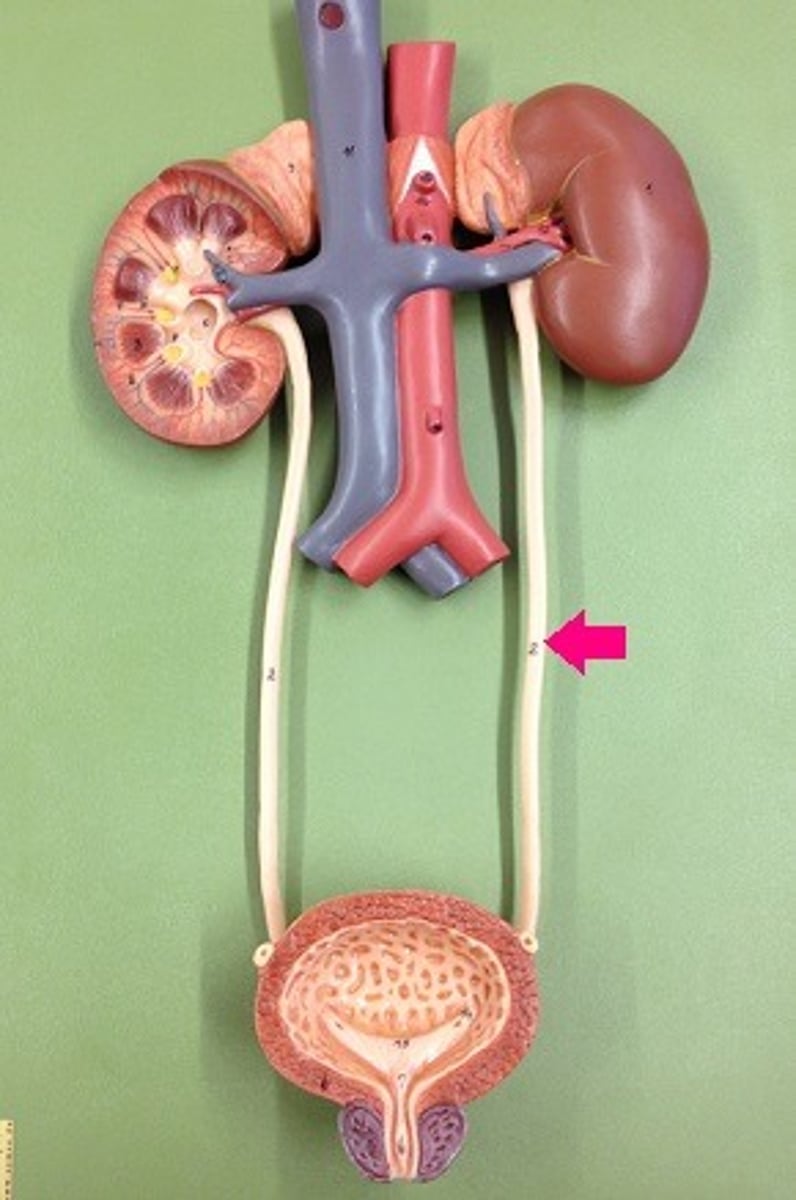
Urinary Bladder
saclike organ in which urine is stored before being excreted
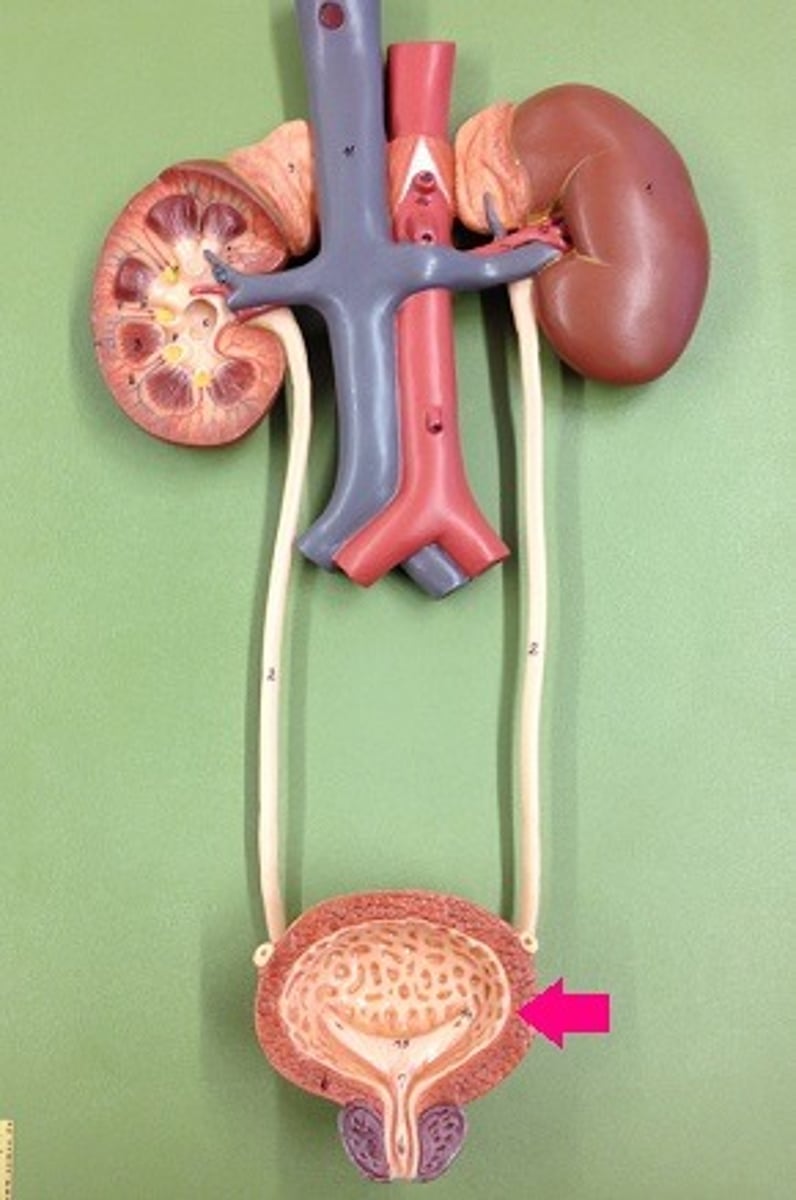
Urethra
tube leading from the urinary bladder to the outside of the body
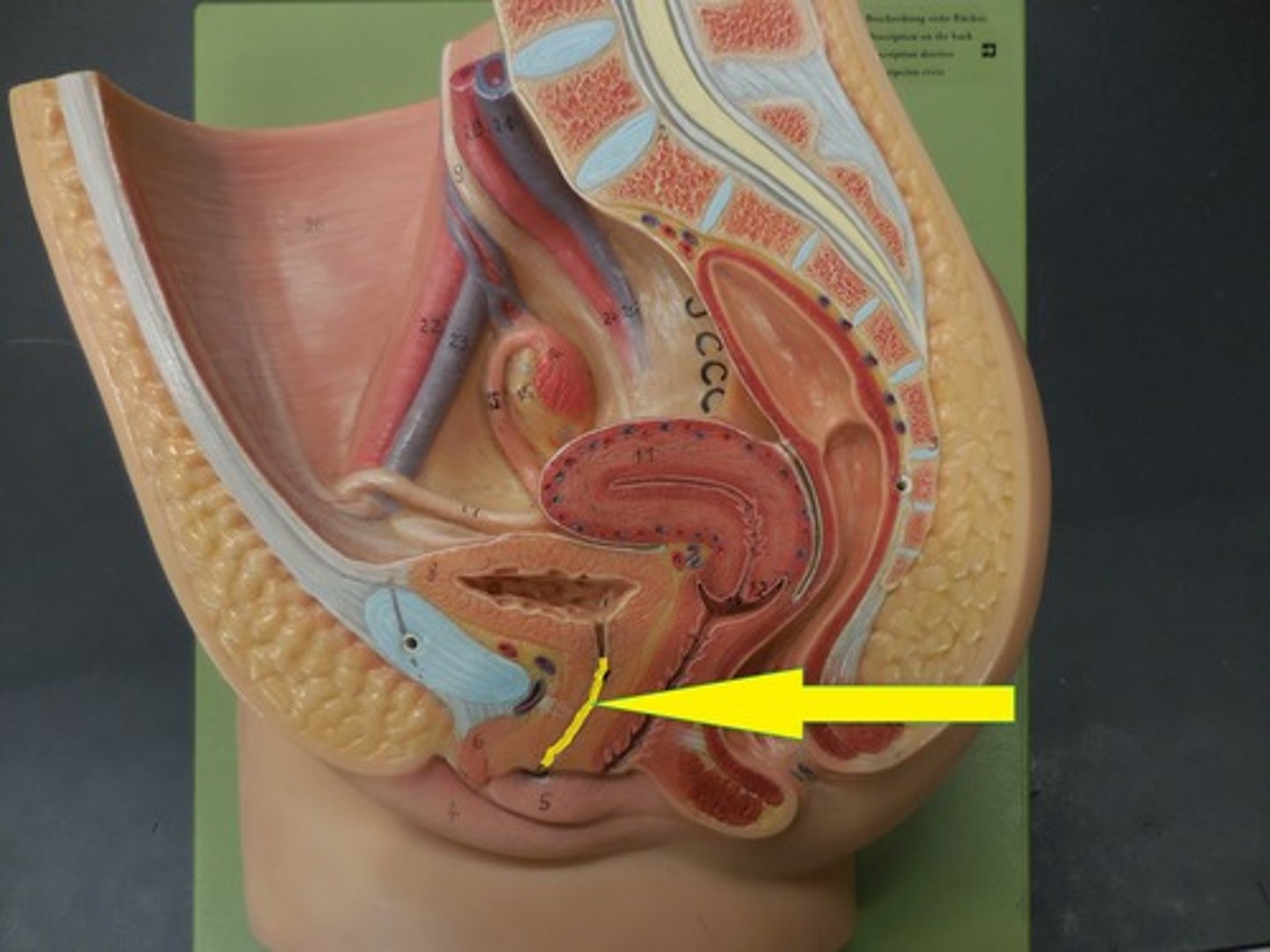
Nephron
functional unit of the kidney
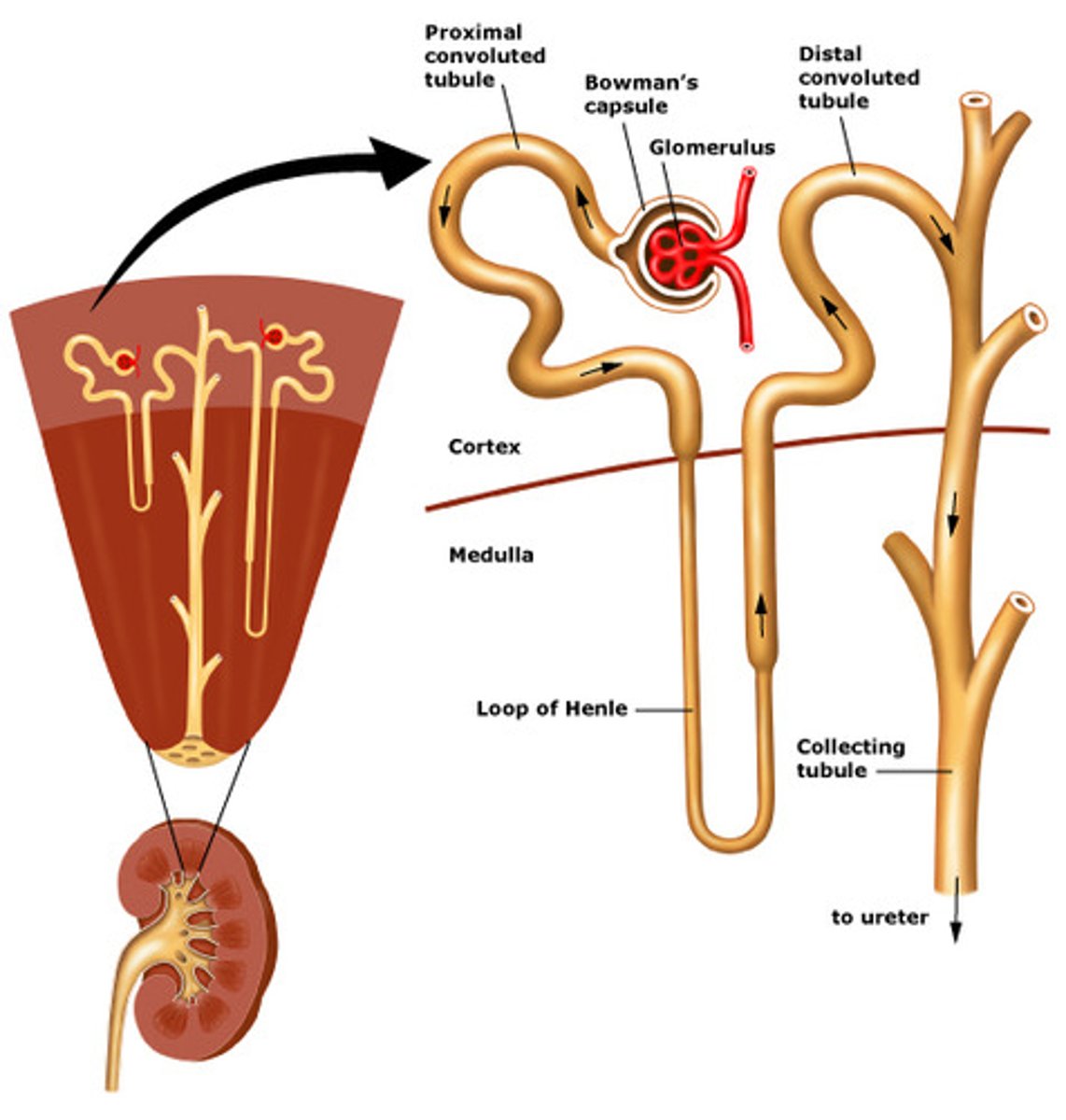
renal corpuscle
glomerulus and bowman's capsule
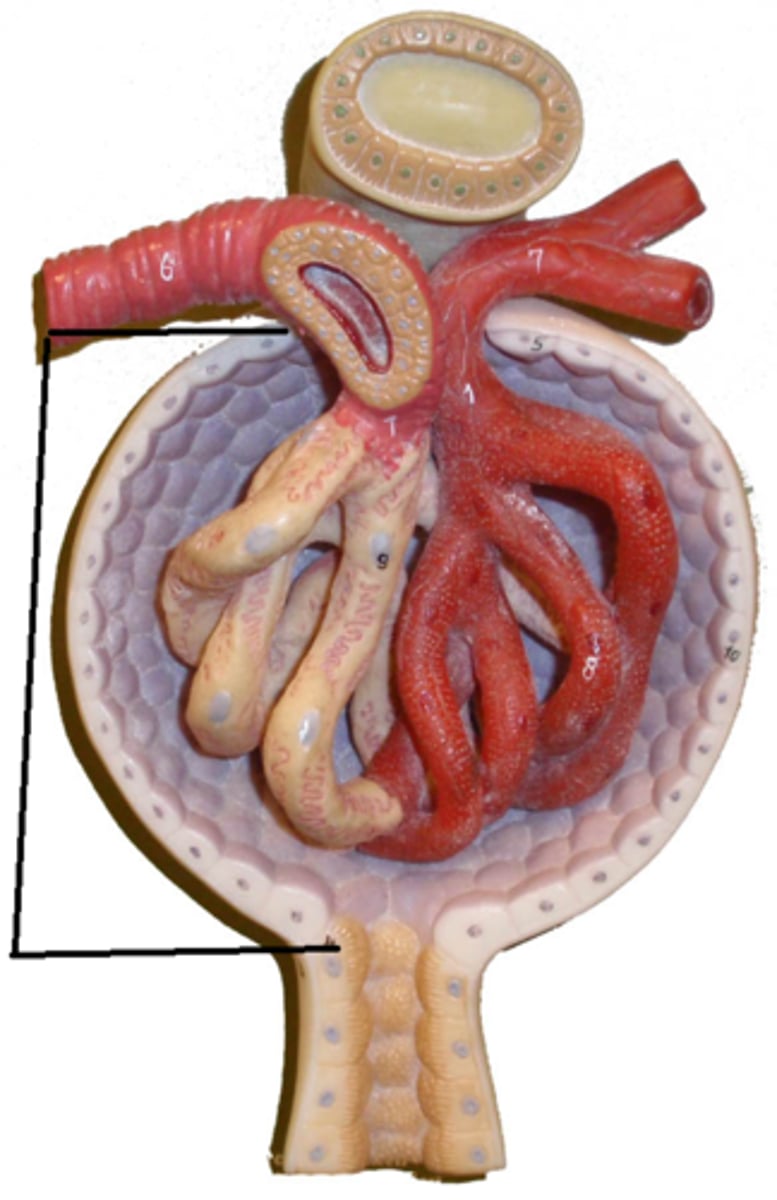
glomerulus
A ball of capillaries surrounded by Bowman's capsule in the nephron and serving as the site of filtration in the vertebrate kidney.
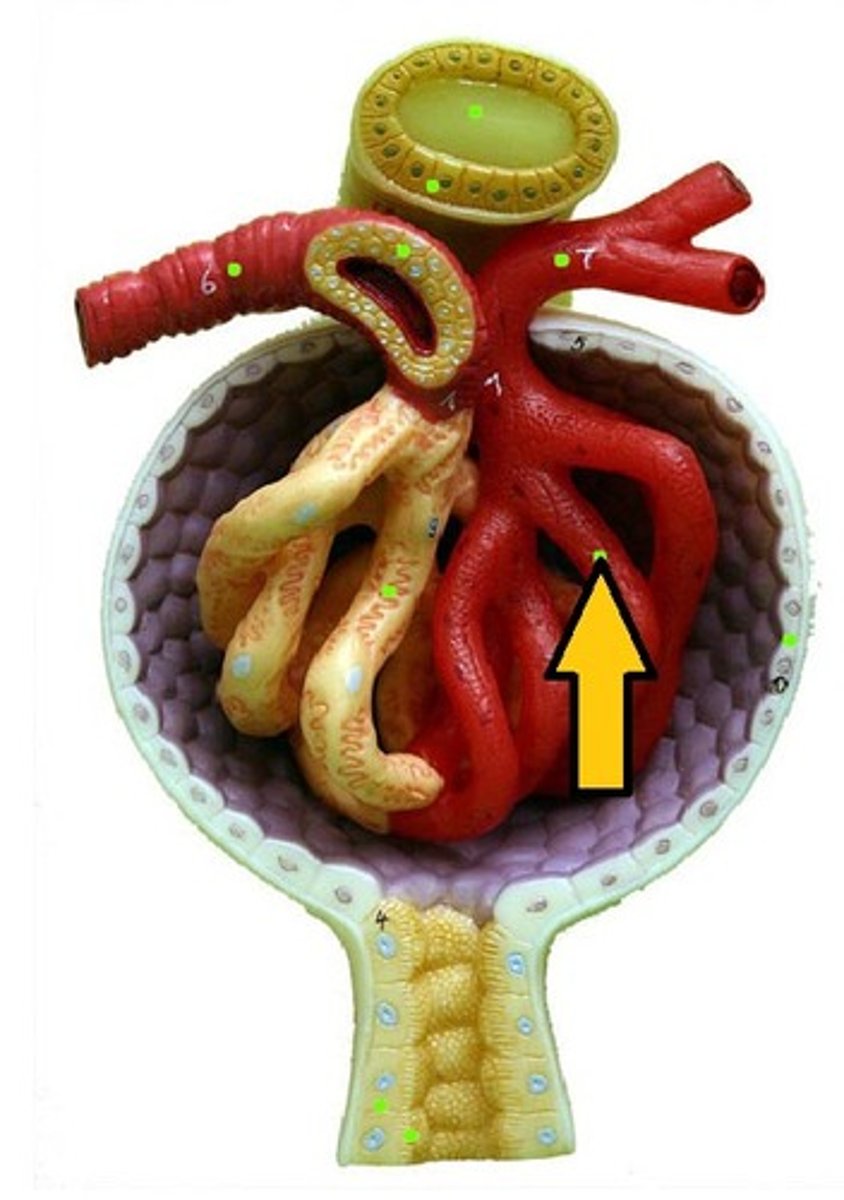
Bowman's capsule
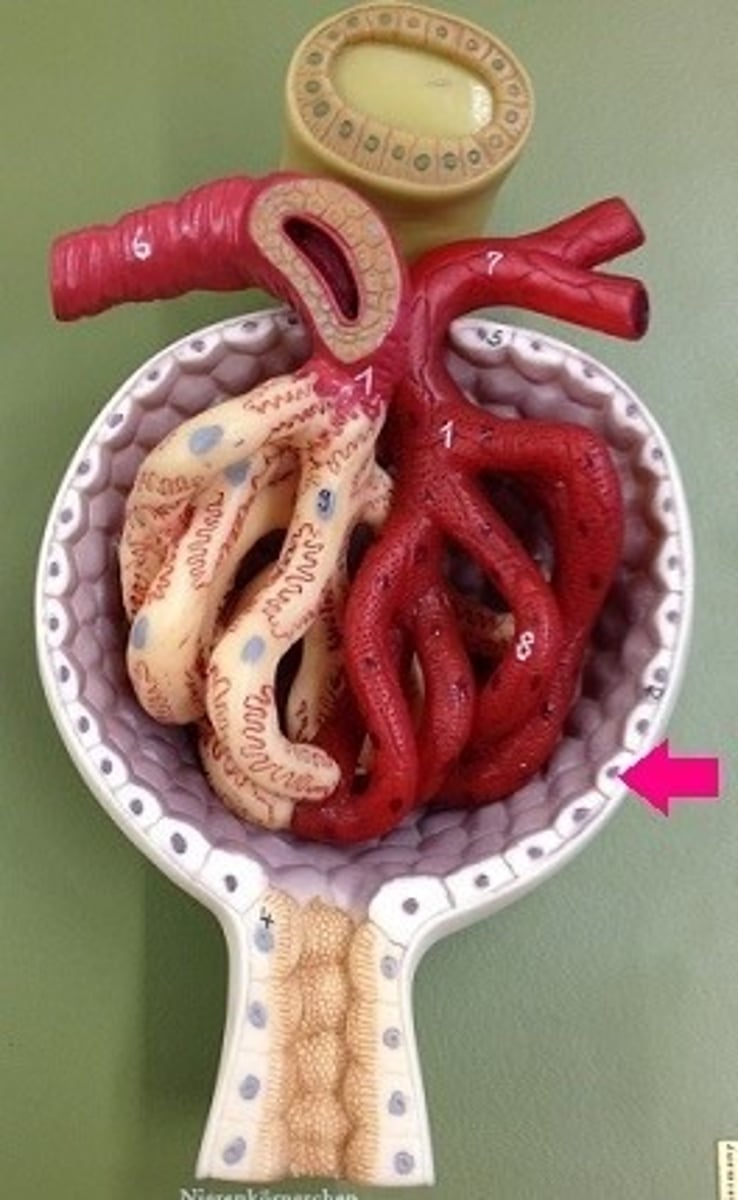
Renal tubule
microscopic tube in the kidney where urine is formed after filtration
Proximal Convoluted tubule
Distal convoluted tubule
Nephron loop
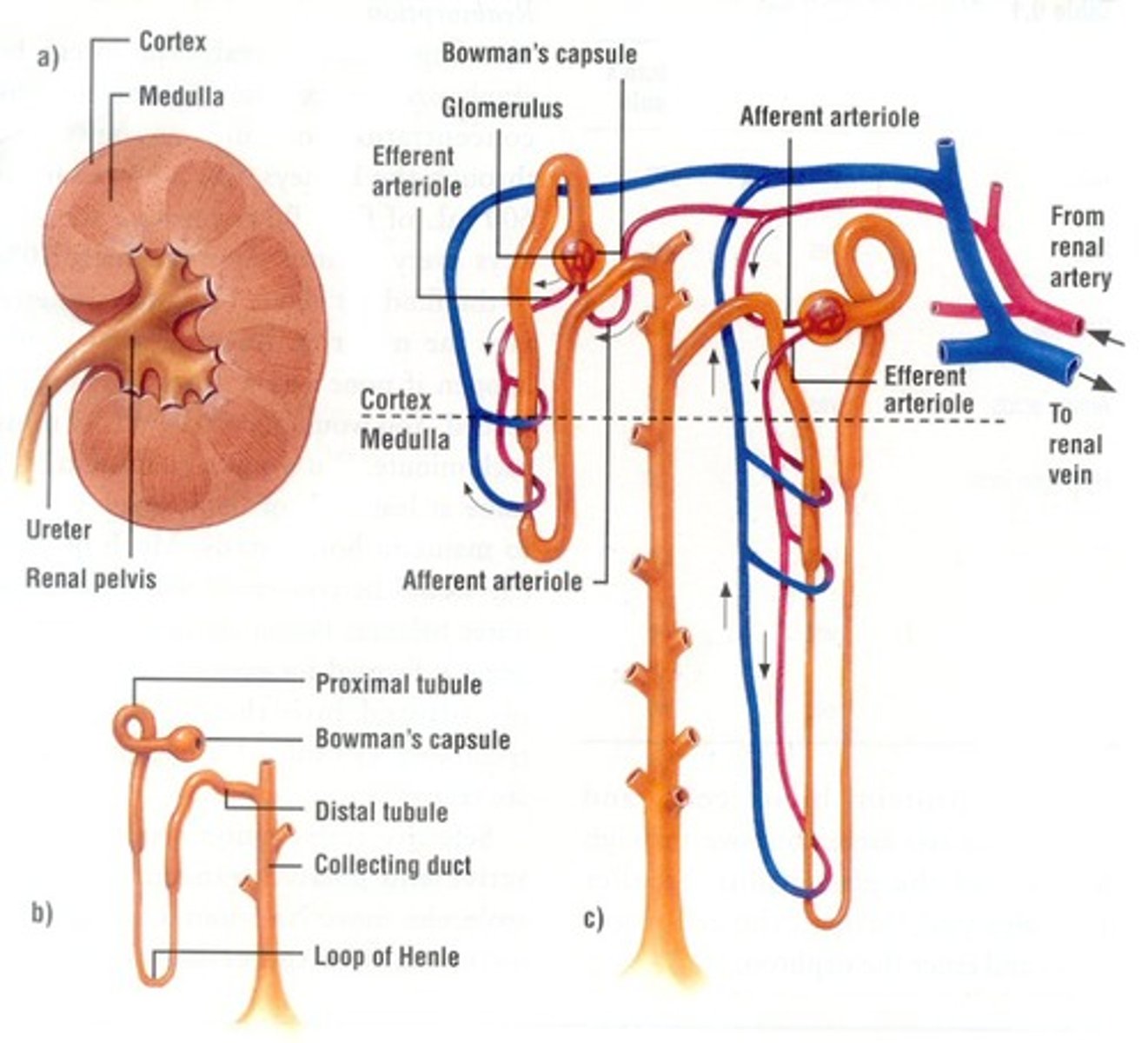
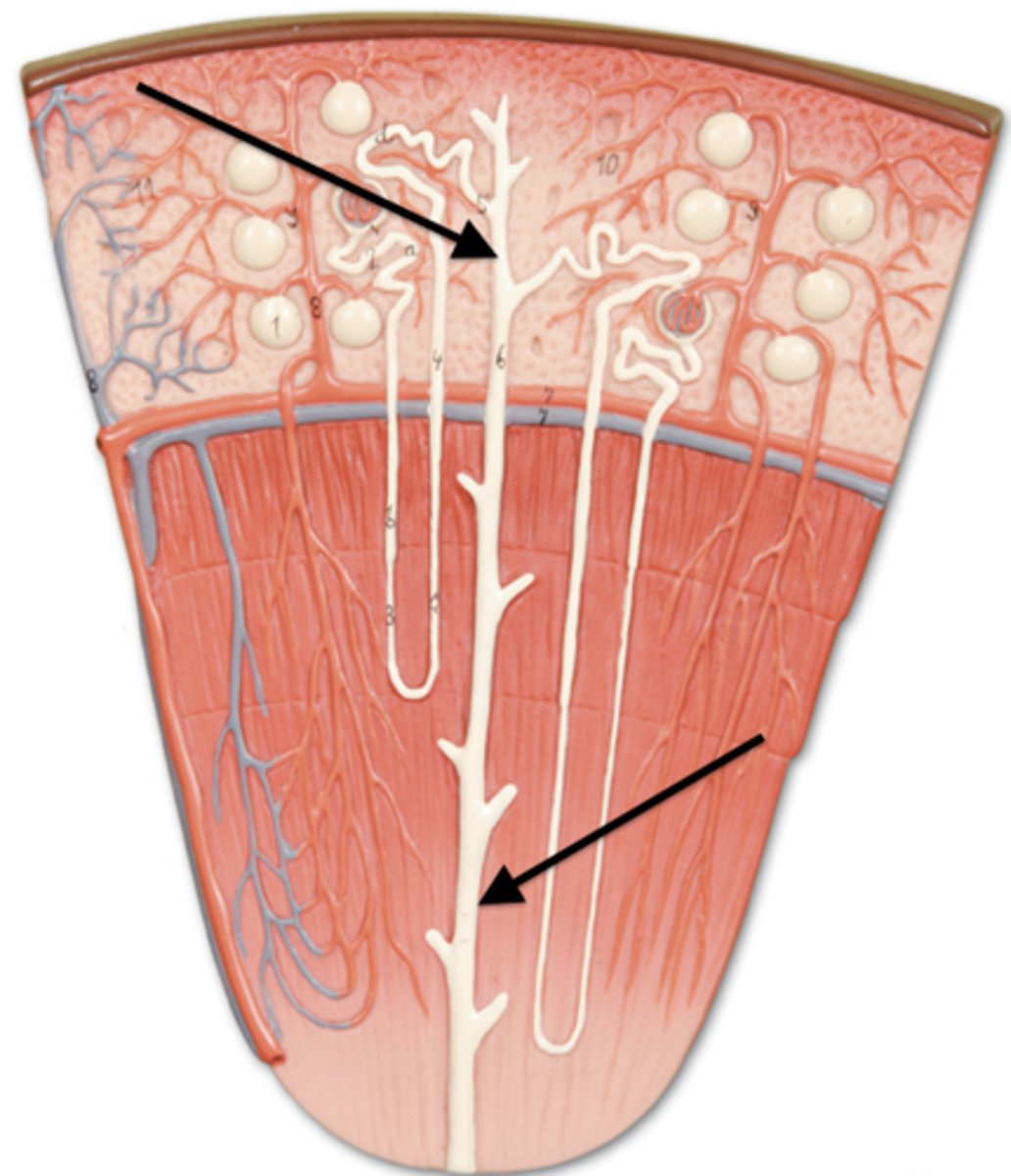
collecting duct
juxtaglomerular complex
consists of specialized cells that secrete renin when glomerular blood pressure decreases
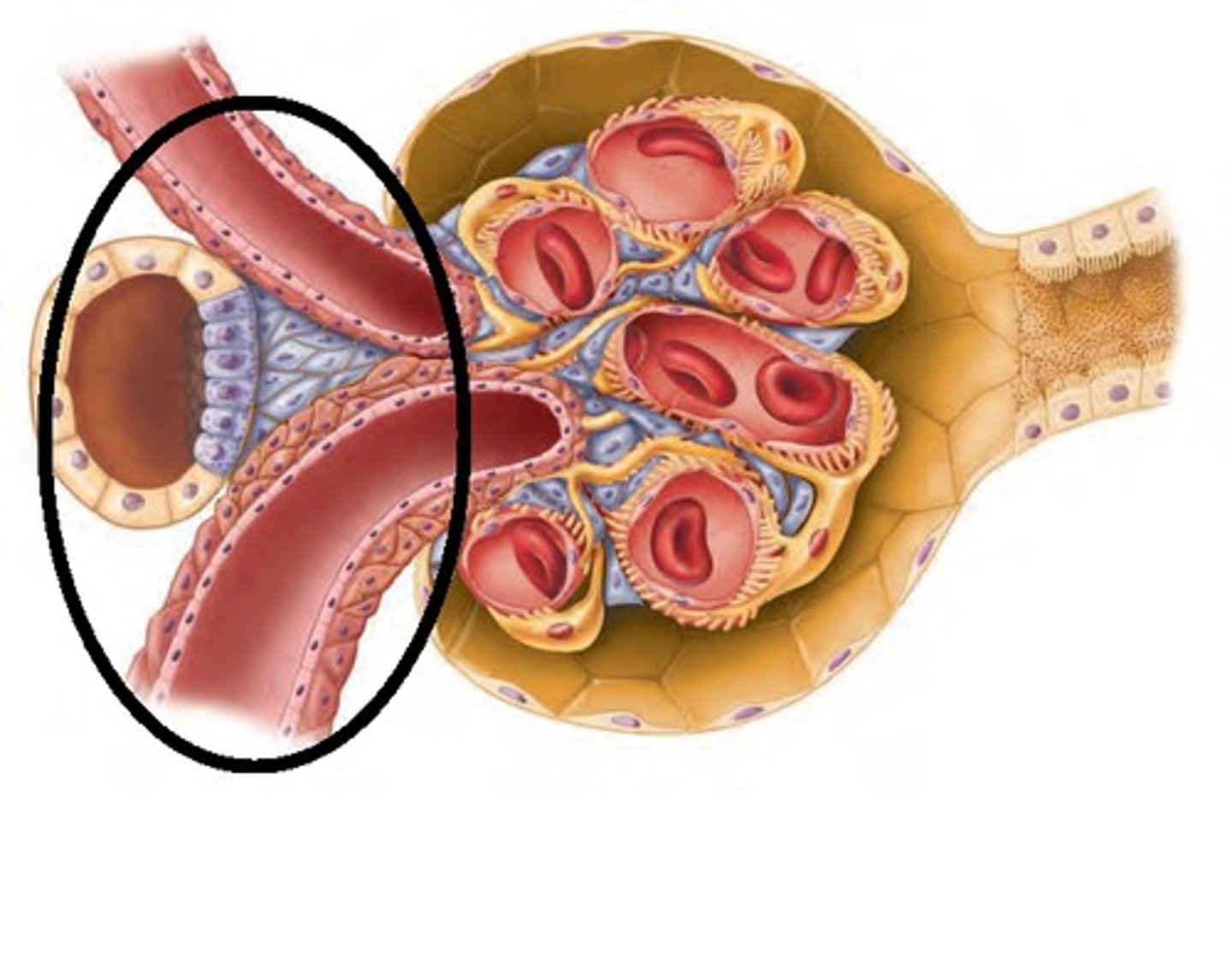
macula densa
The cells of the distal tubule at the juxtaglomerular apparatus. They are receptors that monitor filtrate osmolarity as a means of regulatin filtration rate. If a drop is osmolarity is sensed, the macula densa dilates the afferent arteriole (to increase the blood pressure in the glomerulus and thus increase filtration) and stimulates the juxtaglomerular cells to secrete renin (to raise systemic blood pressure).
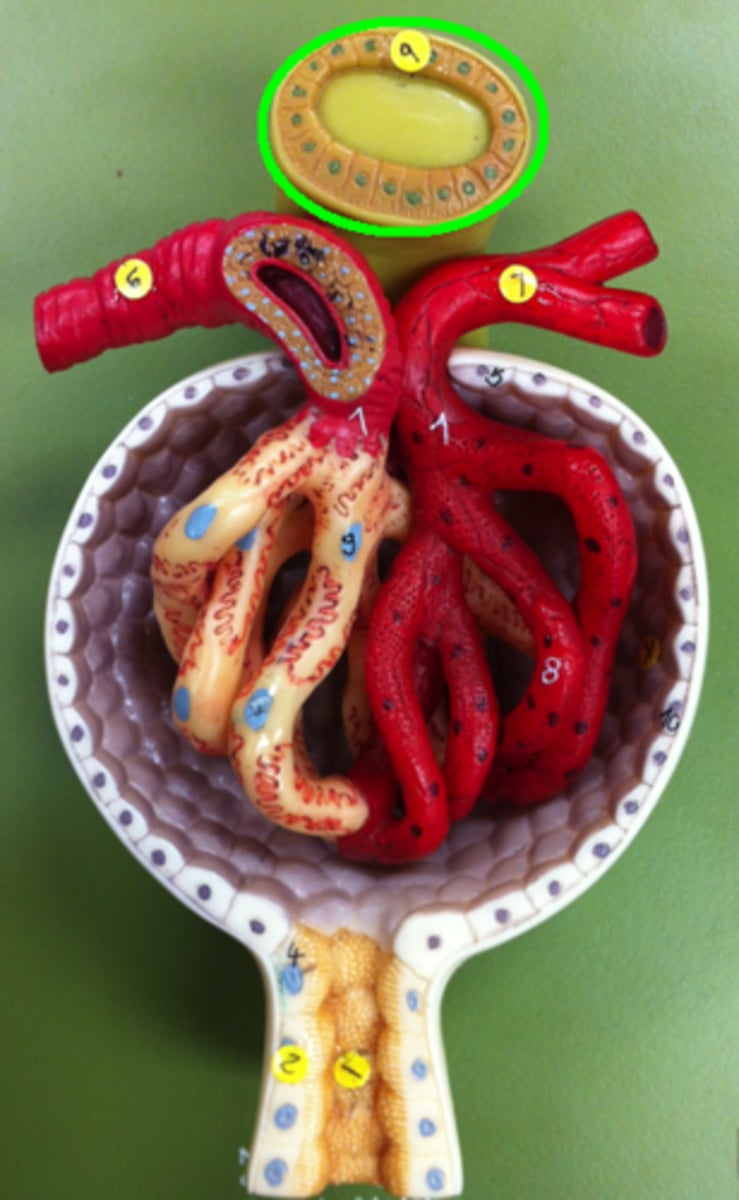
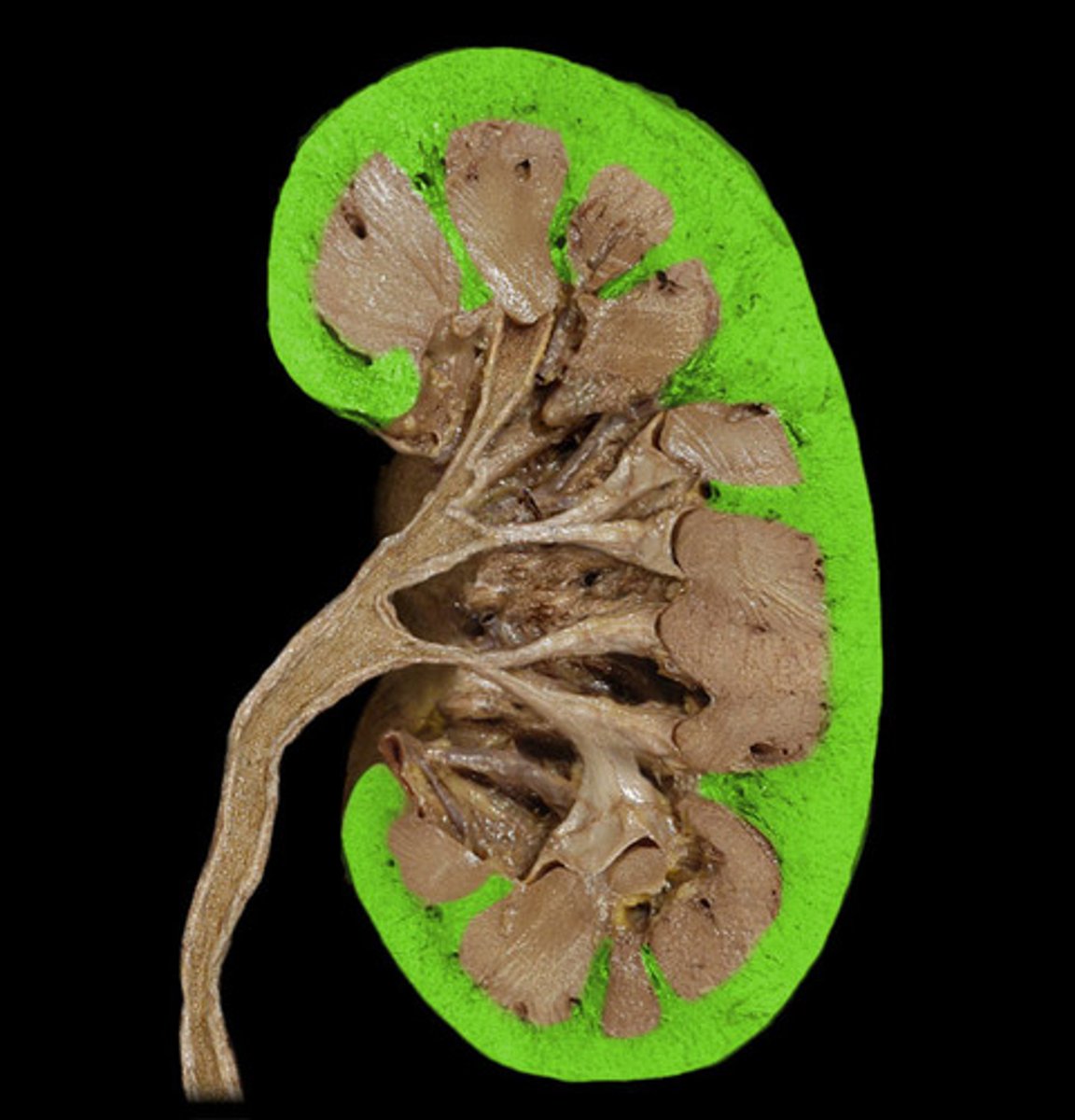
Renal cortex
renal medulla (of kidney)
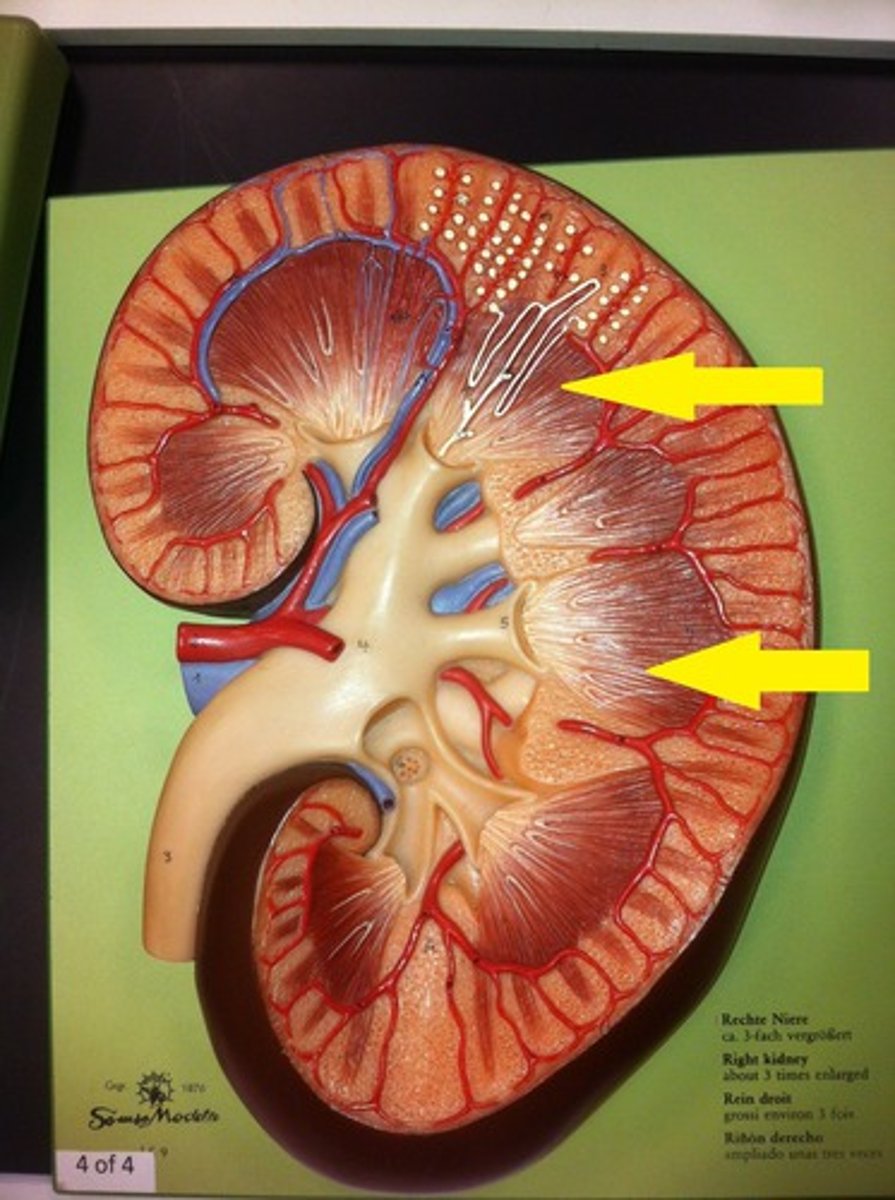
renal pyramids
triangular-shaped areas of tissue in the medulla of the kidney
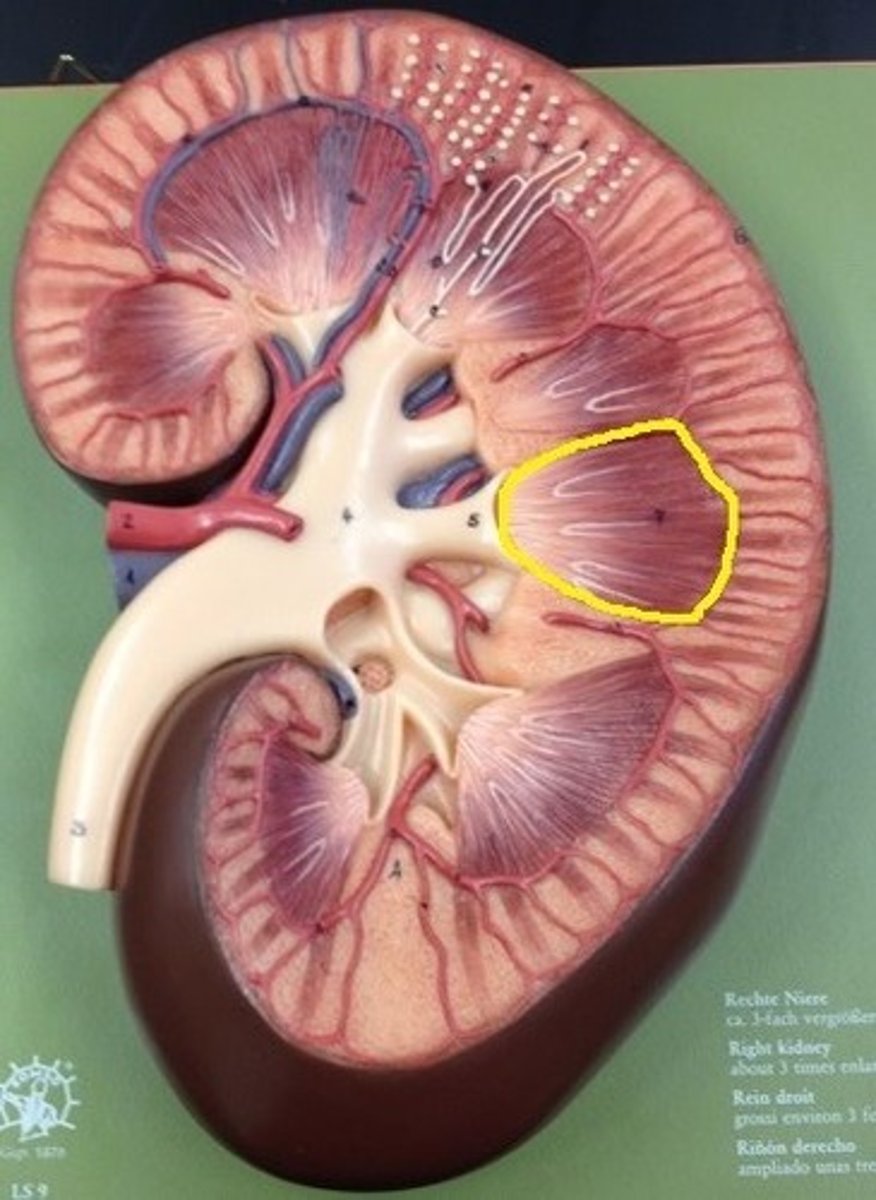
renal pelvis (of kidney)
funnel shaped sac at the superior end of the ureter
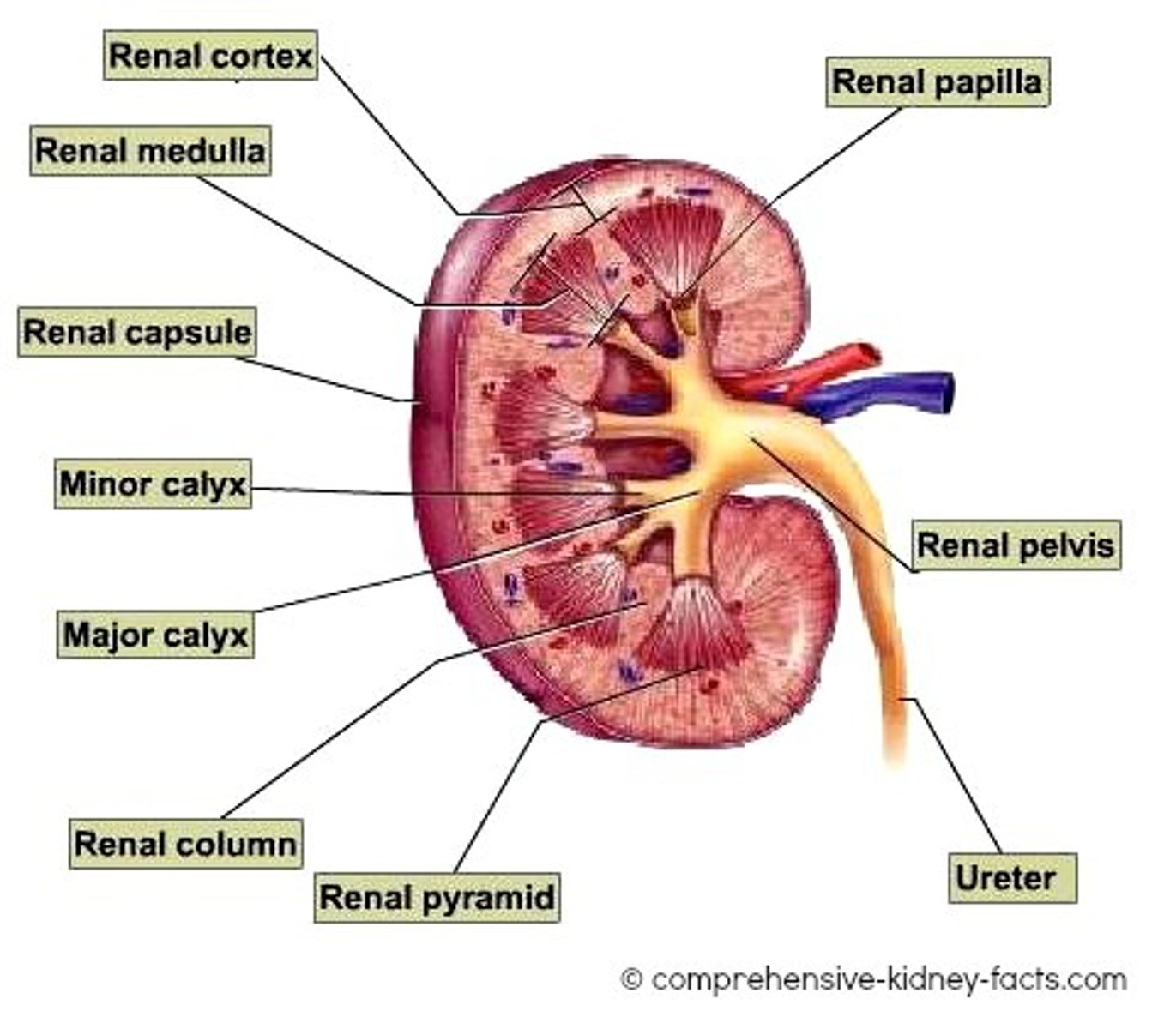
minor calyx (calyces)
small cuplike collecting structures, receive from the renal papillae
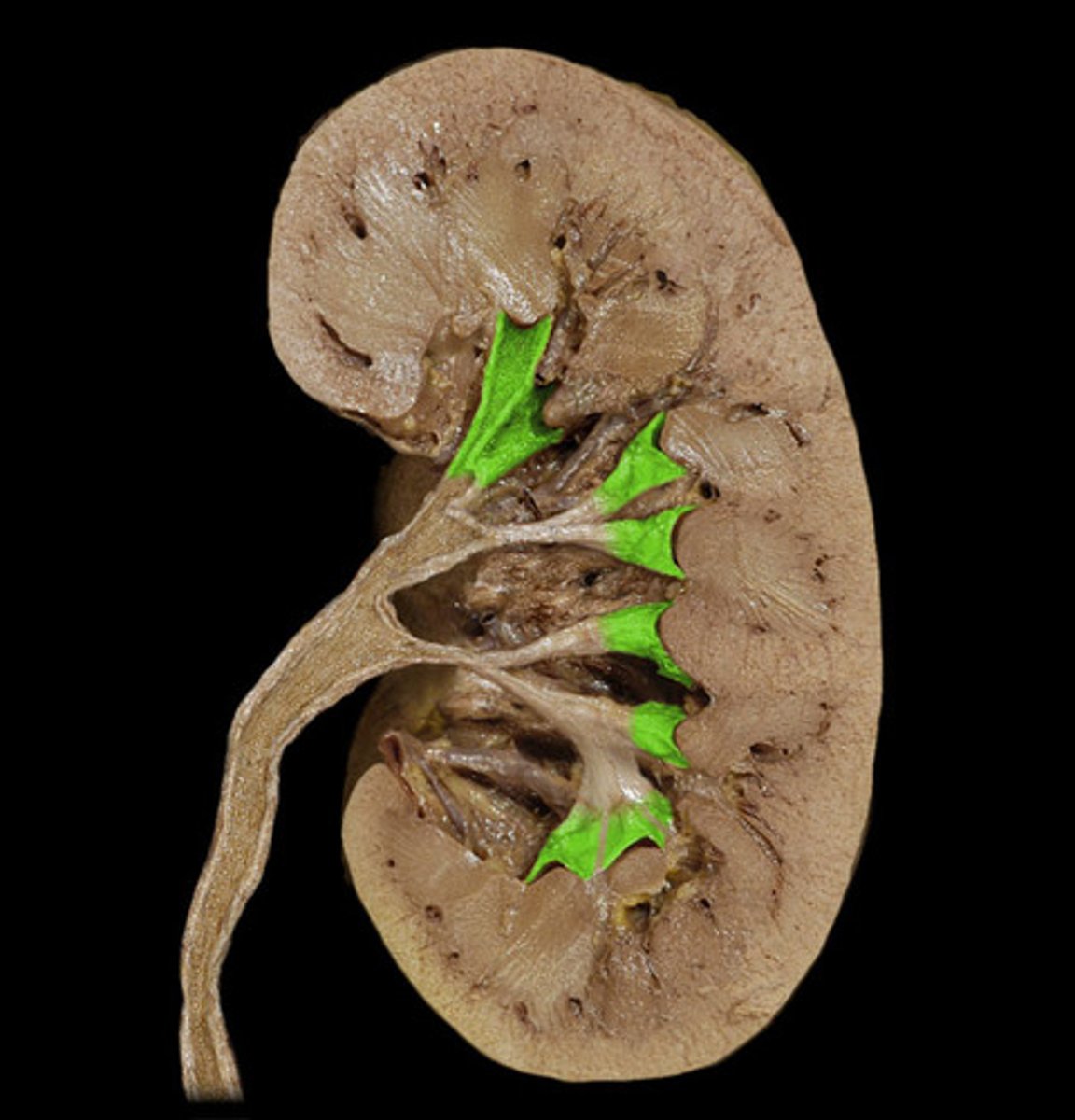
Major calyx (calyces)
larger collecting structures that the minor calyces converge on
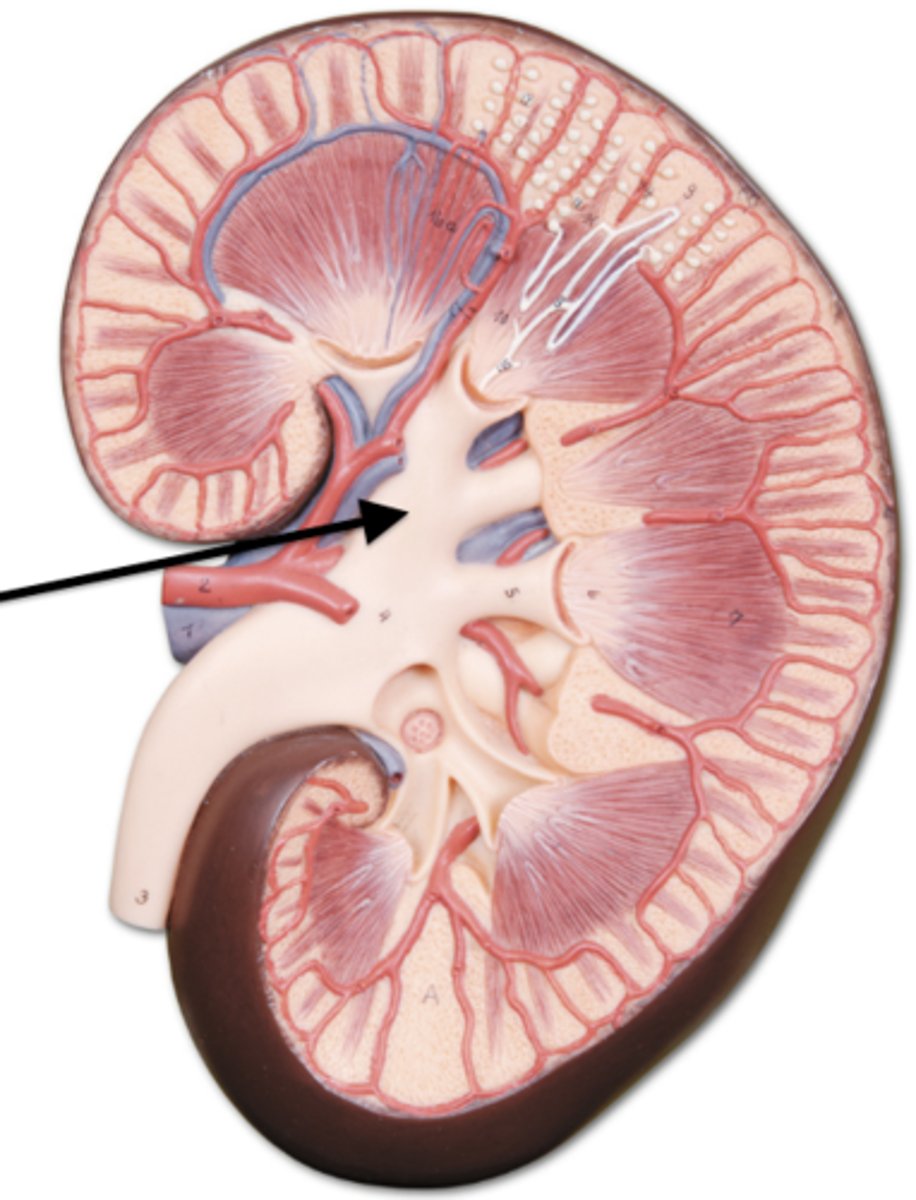
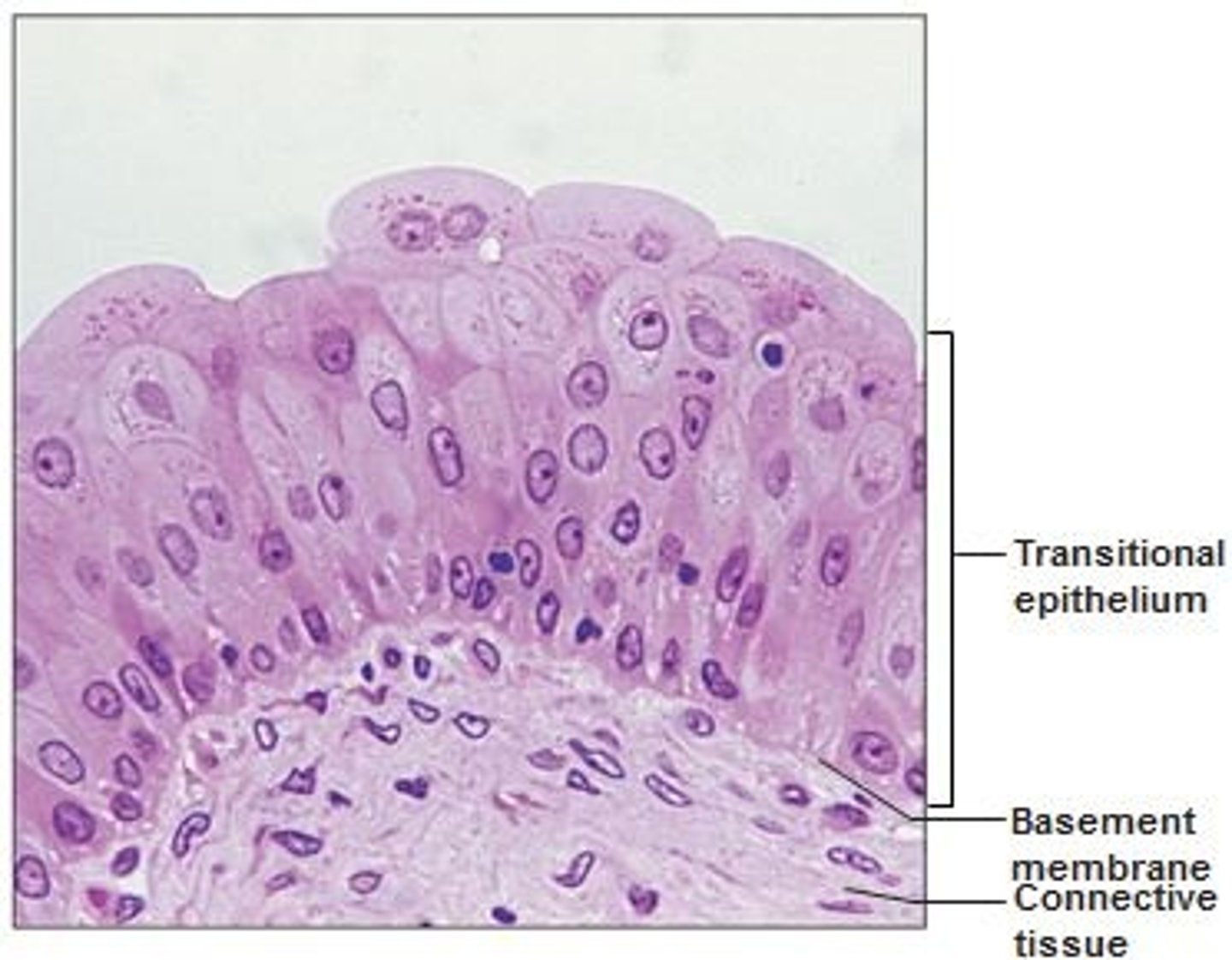
transitional epithelium
function: stretches readily and permits distension of urinary organ by contained urine
Location: lines the ureters, urinary bladder, and part of the urethra
spongy urethra
runs through penis; opens at external urethral orifice
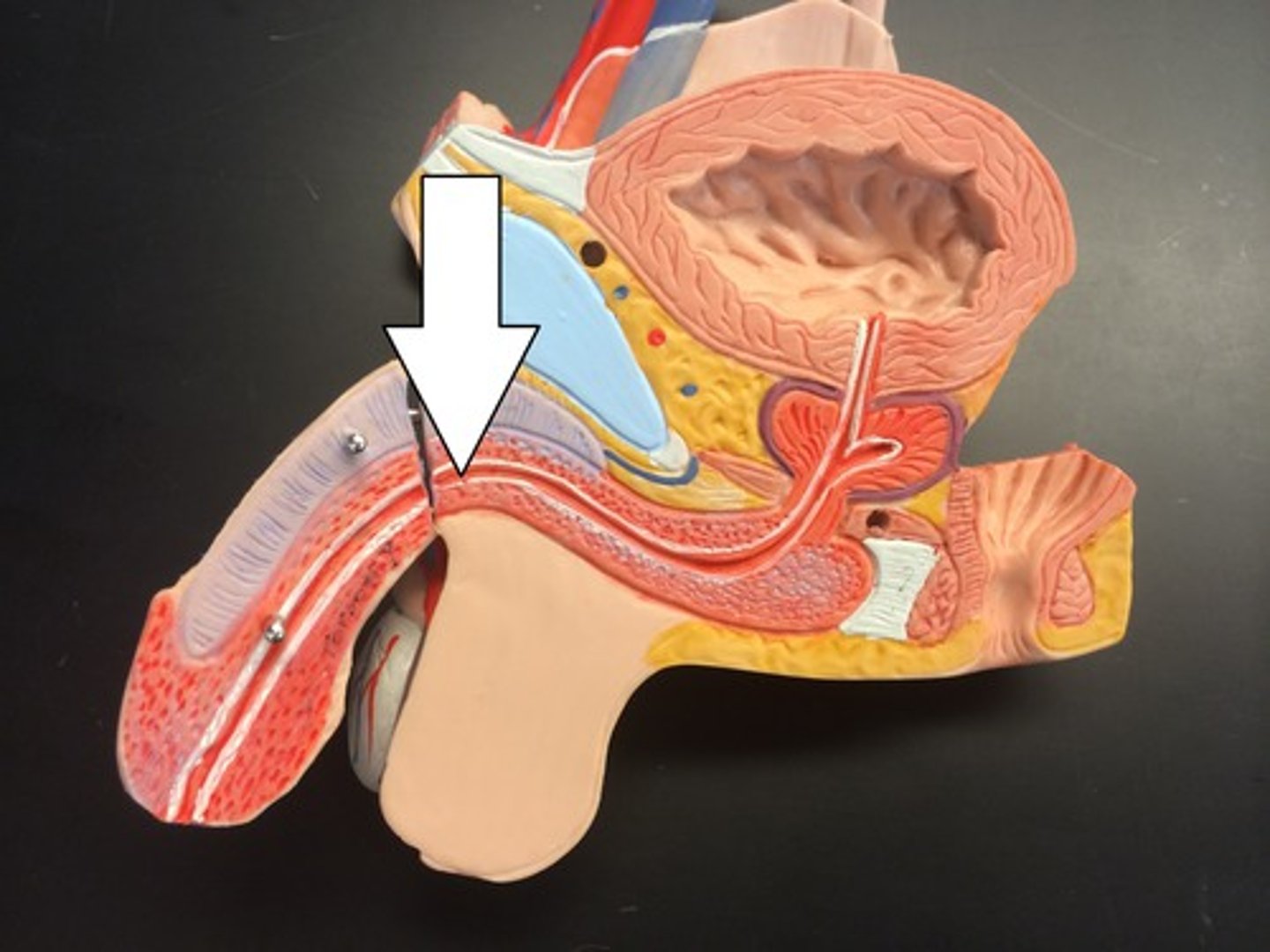
internal urethral sphincter
involuntary smooth muscle
external urethral sphincter
skeletal muscle, voluntary
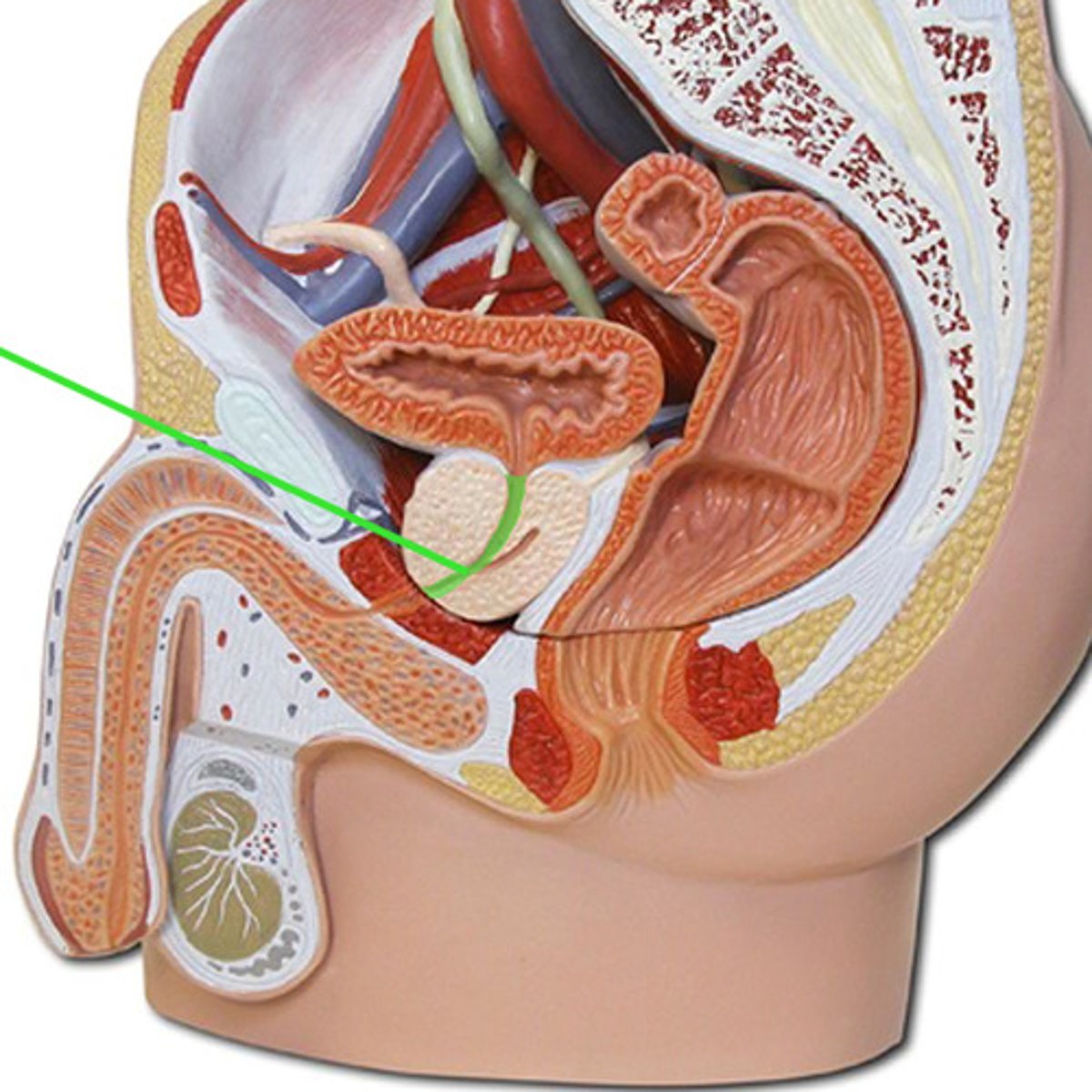
prostatic urethra
Where the urethra passes through the prostate.
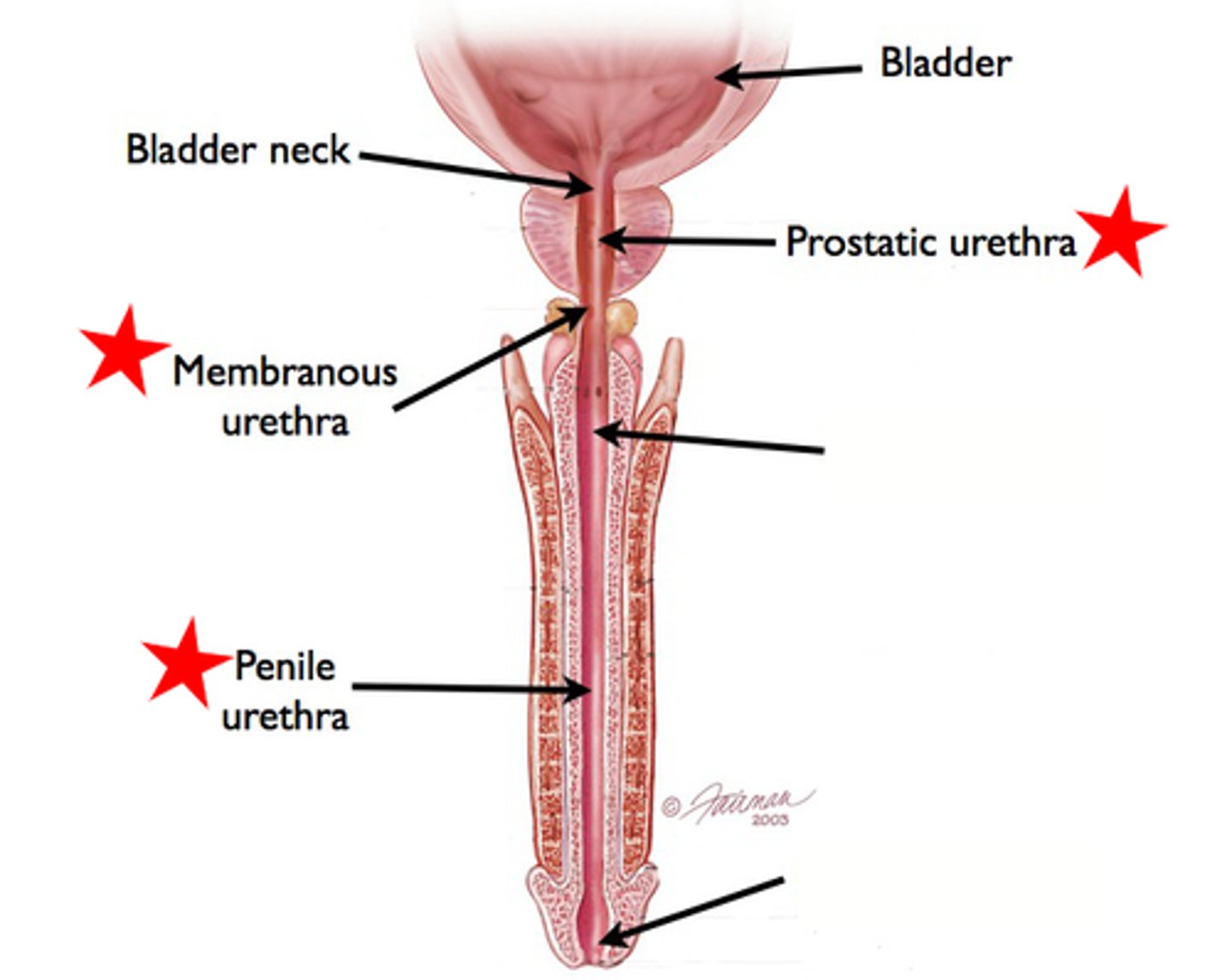
membranous urethra
portion of the urethra between the prostate and the penis
testis
male reproductive organ that produces sperm and hormones
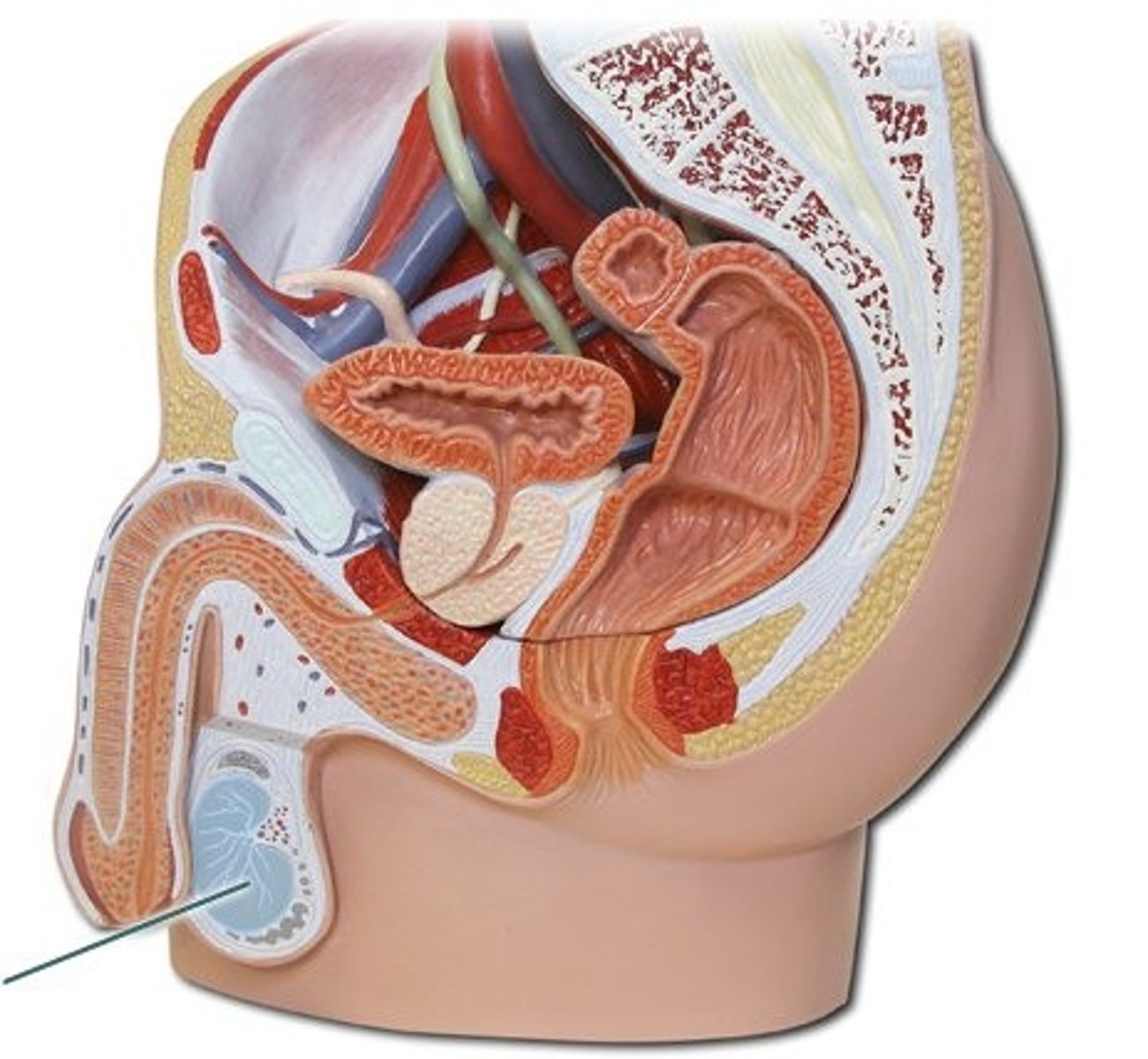
Scrotum
External sac that contains the testes
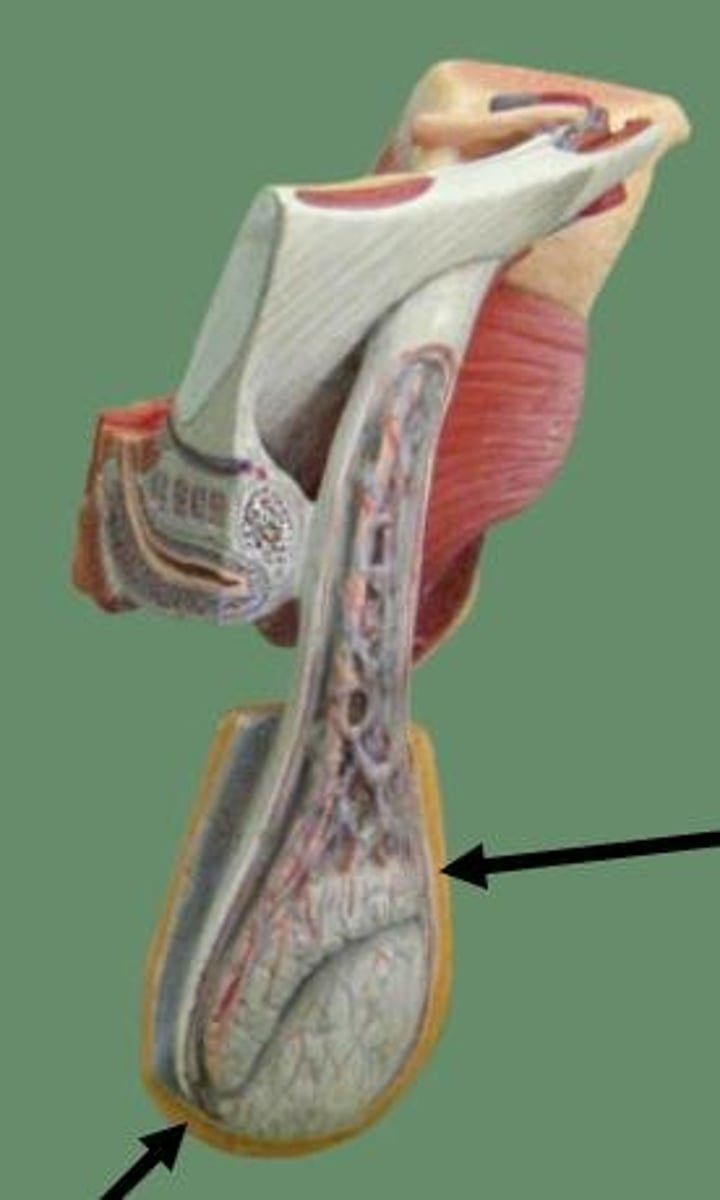
seminiferous tubules (testes)
Where does spermatogenesis occur?
rete testis
network of tubules between the seminiferous tubules and the epididymis
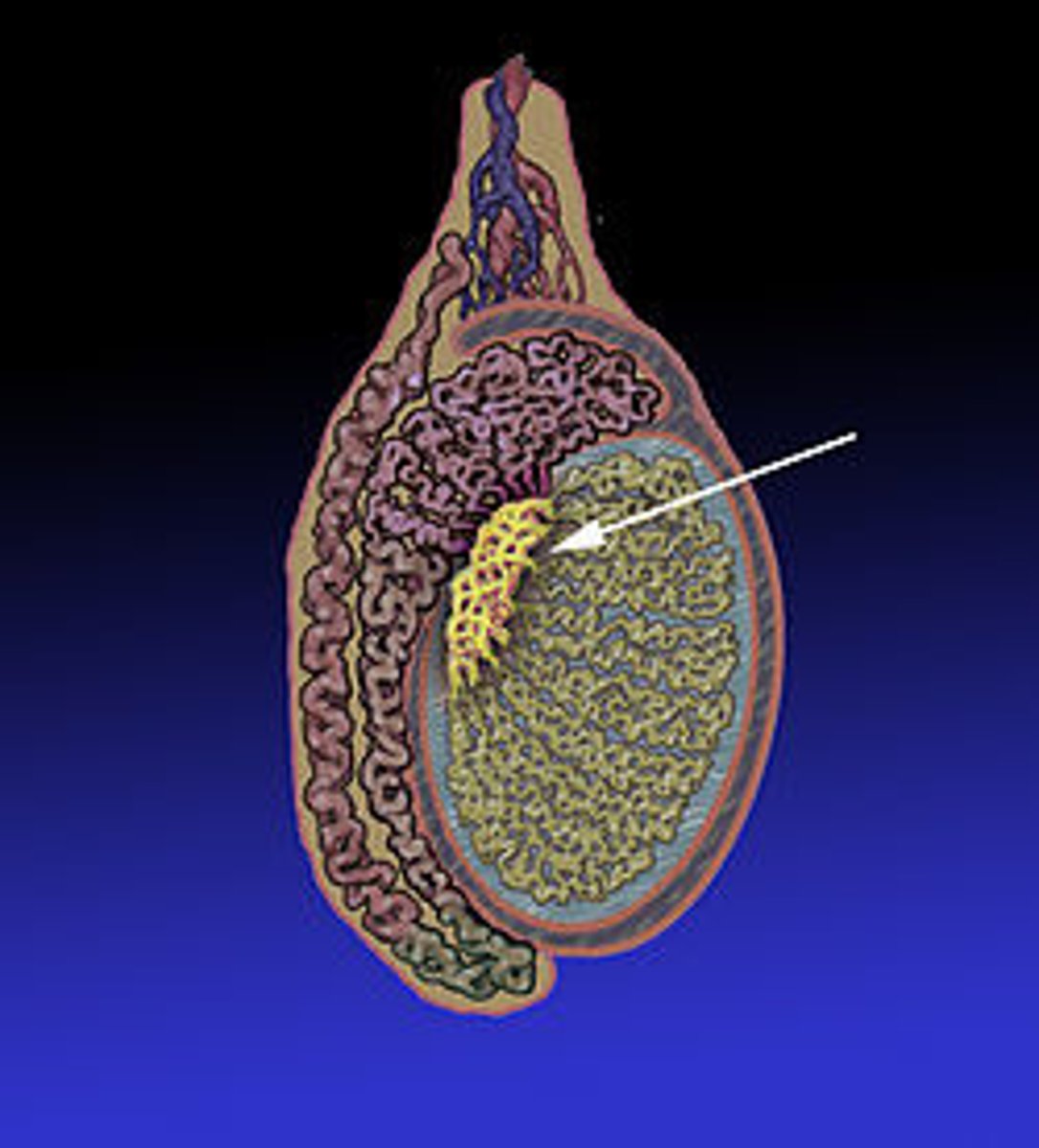
Epididymis
A long, coiled duct on the outside of the testis in which sperm mature.
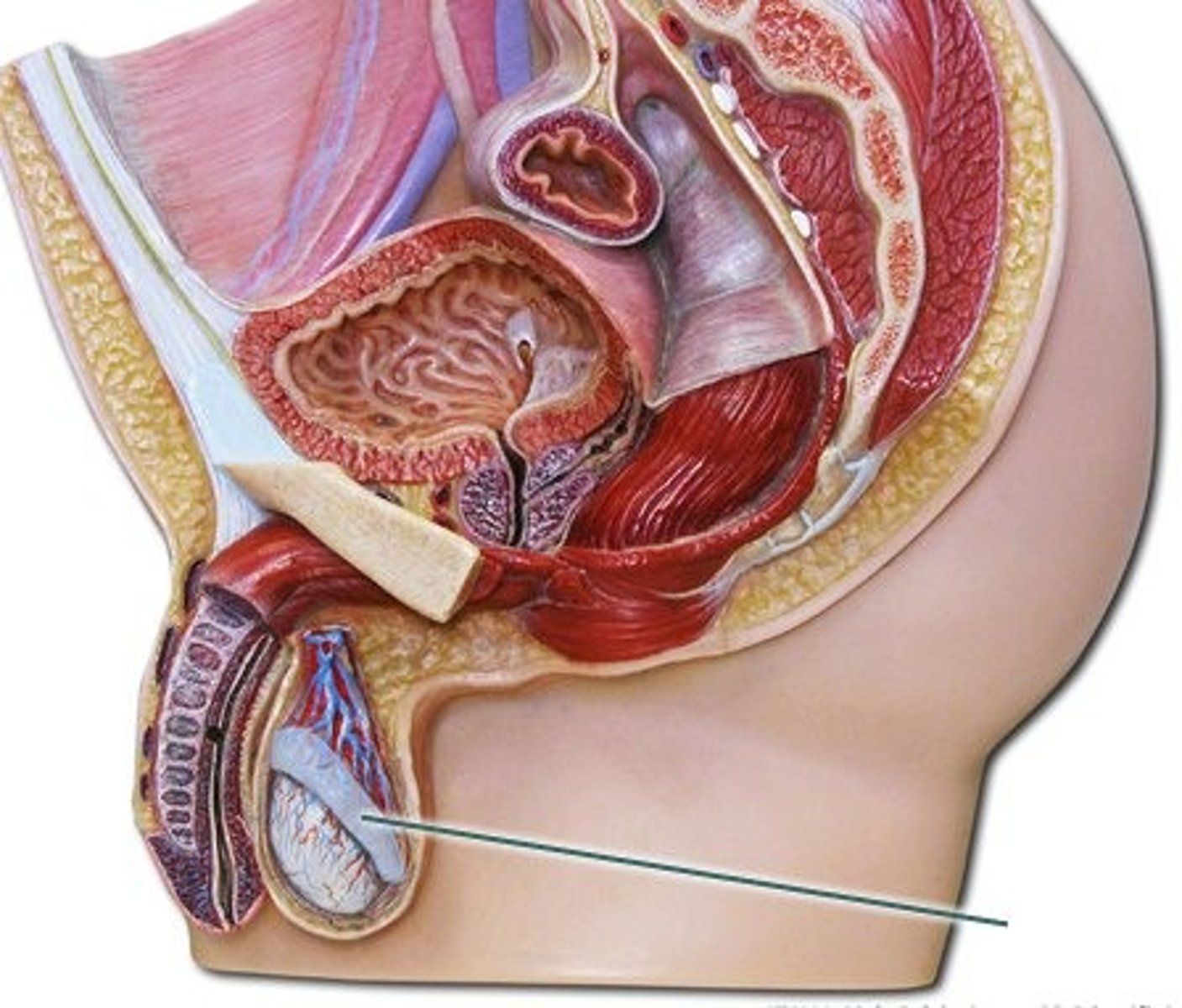
spermatic cord contains
spermatic artery, spermatic vein, spermatic nerve, and ductus deferens
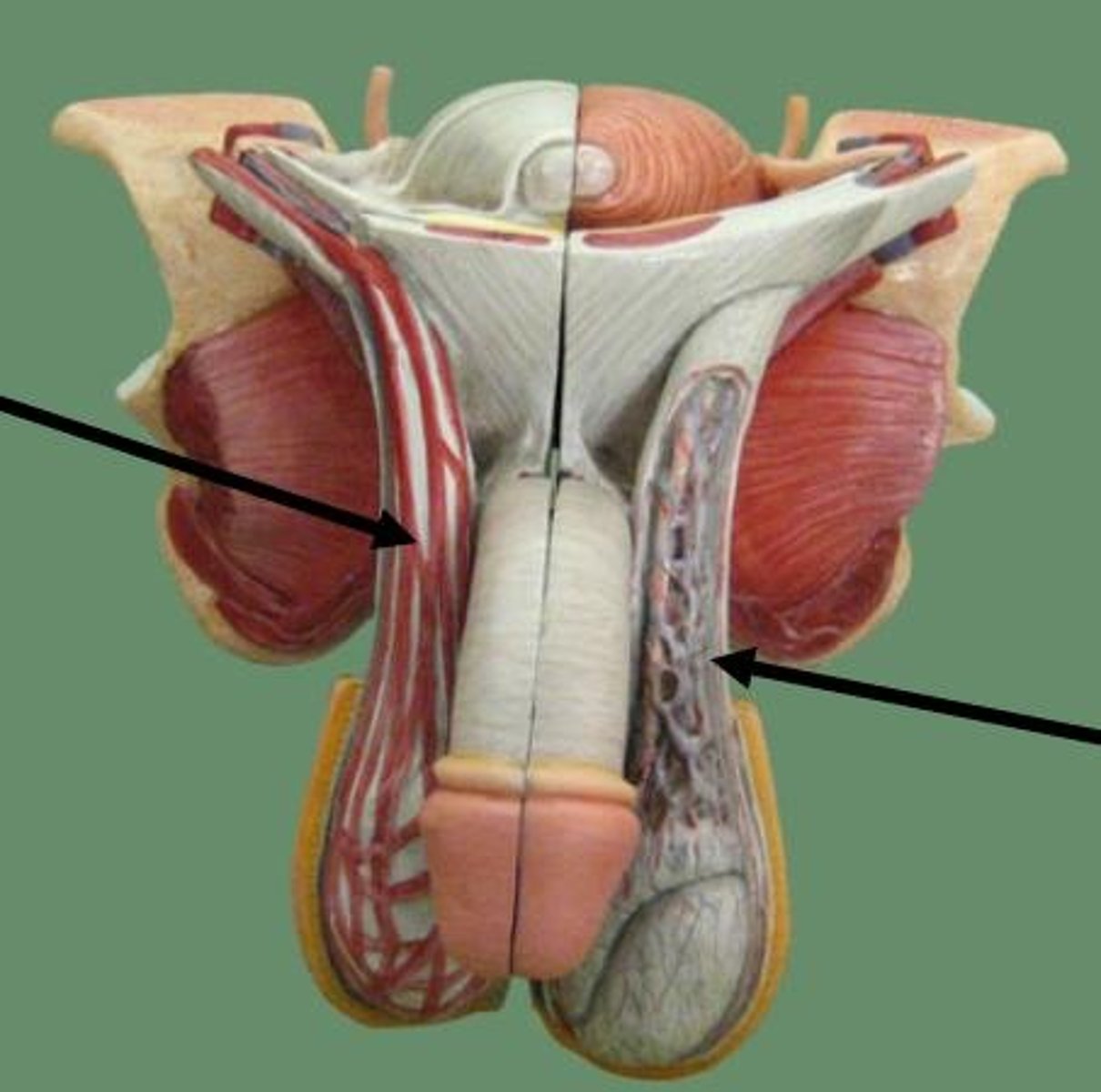
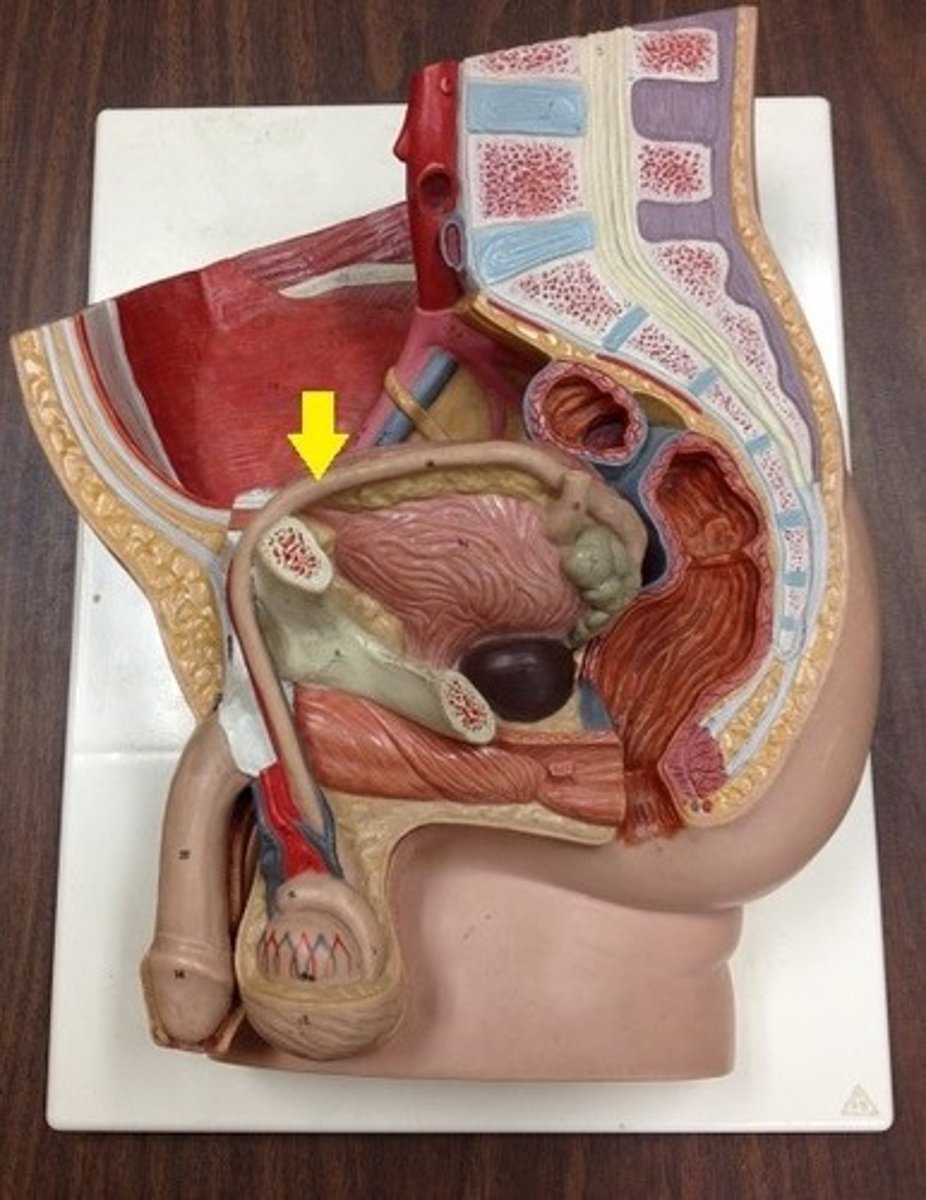
Ductus (Vas) deferens
carries sperm from epididymis to urethra
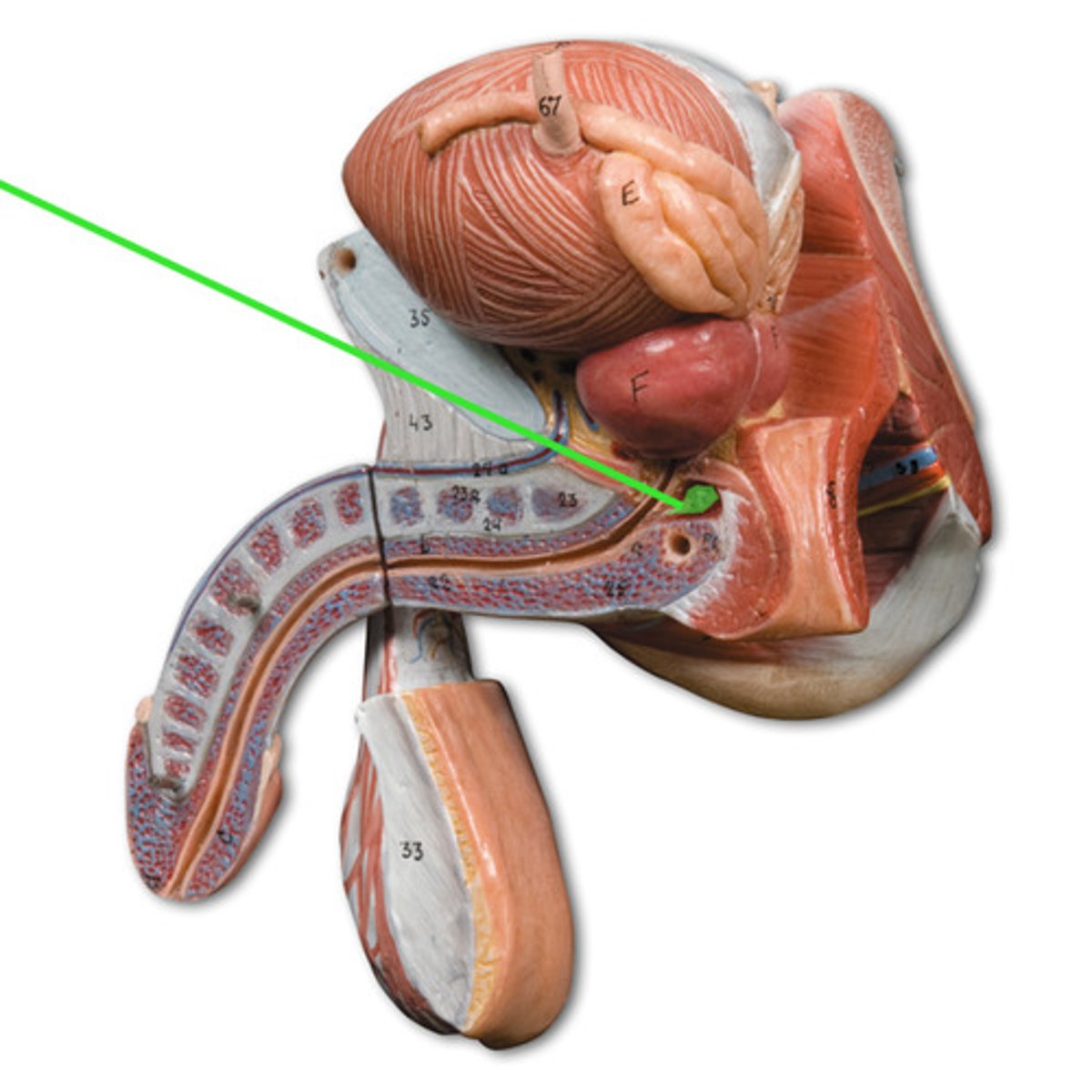
bulbourethral glands (Cowper's glands)
Seminal vesicle
each of a pair of glands that open into the vas deferens near its junction with the urethra and secrete many of the components of semen.
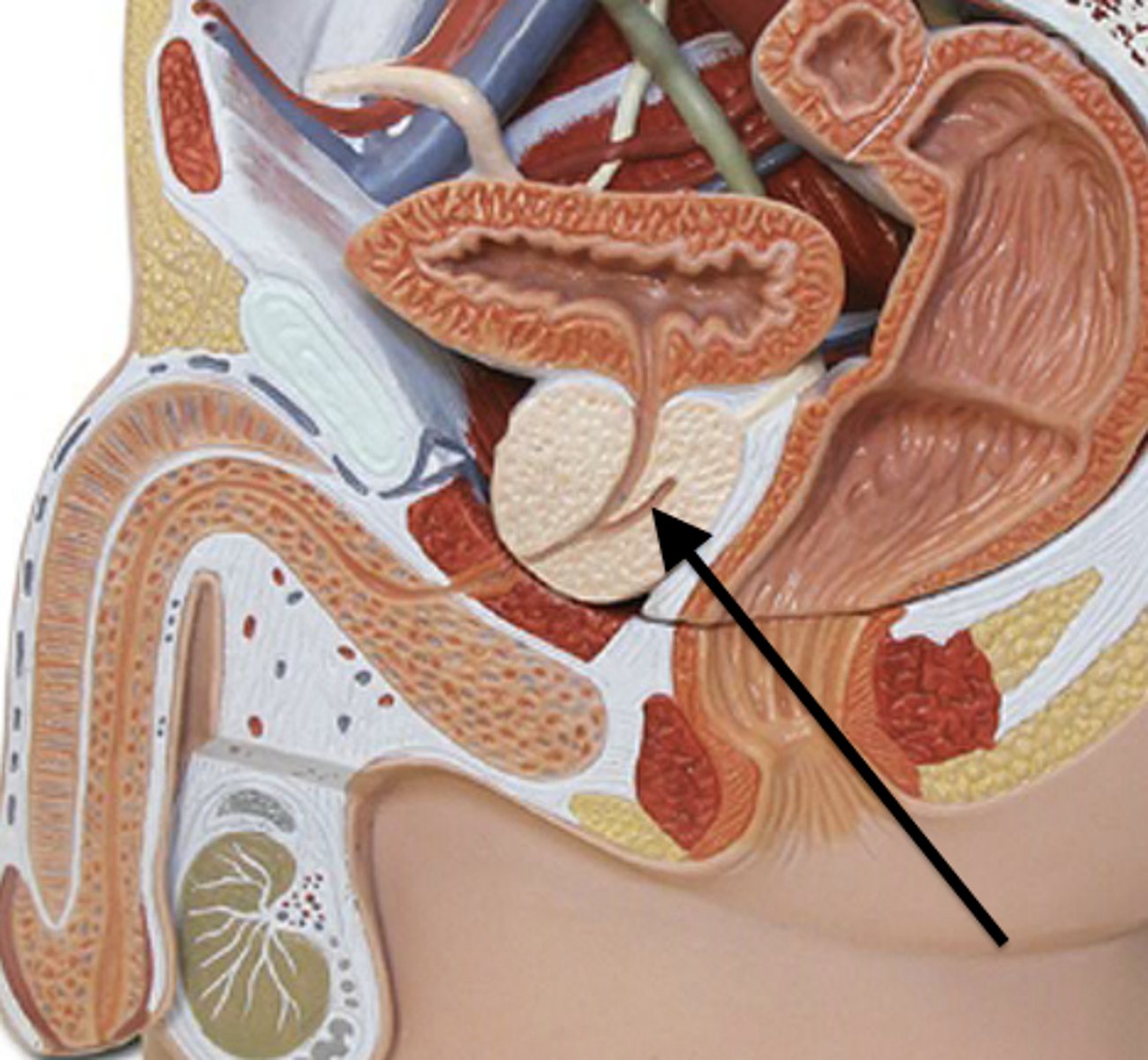
prostate gland
adds a chemical fluid to the semen
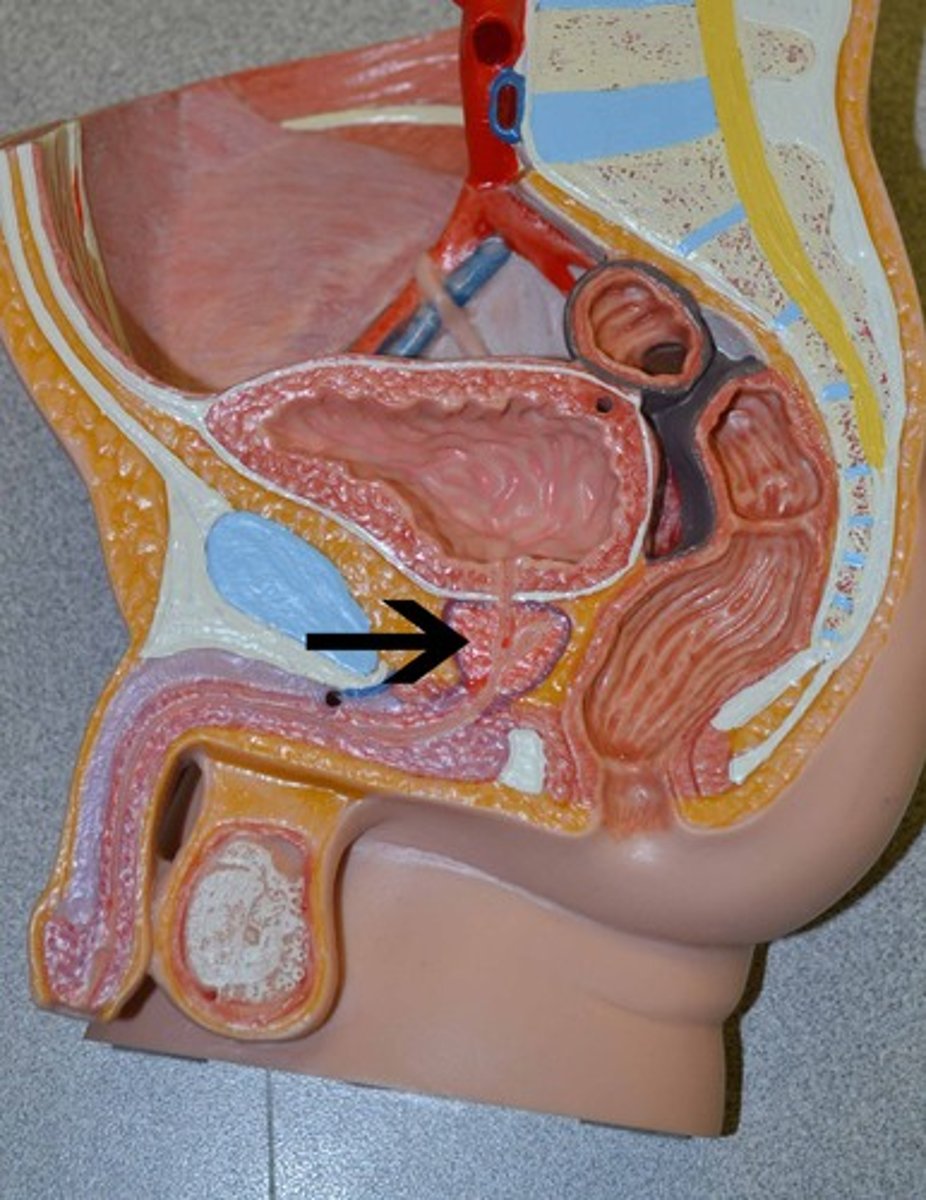
Penis
A tube-shaped organ that extends from the trunk of the body just above the testes
Copulatory organ of males
Corpora cavernosa
two columns of erectile tissue found in the shaft of the penis
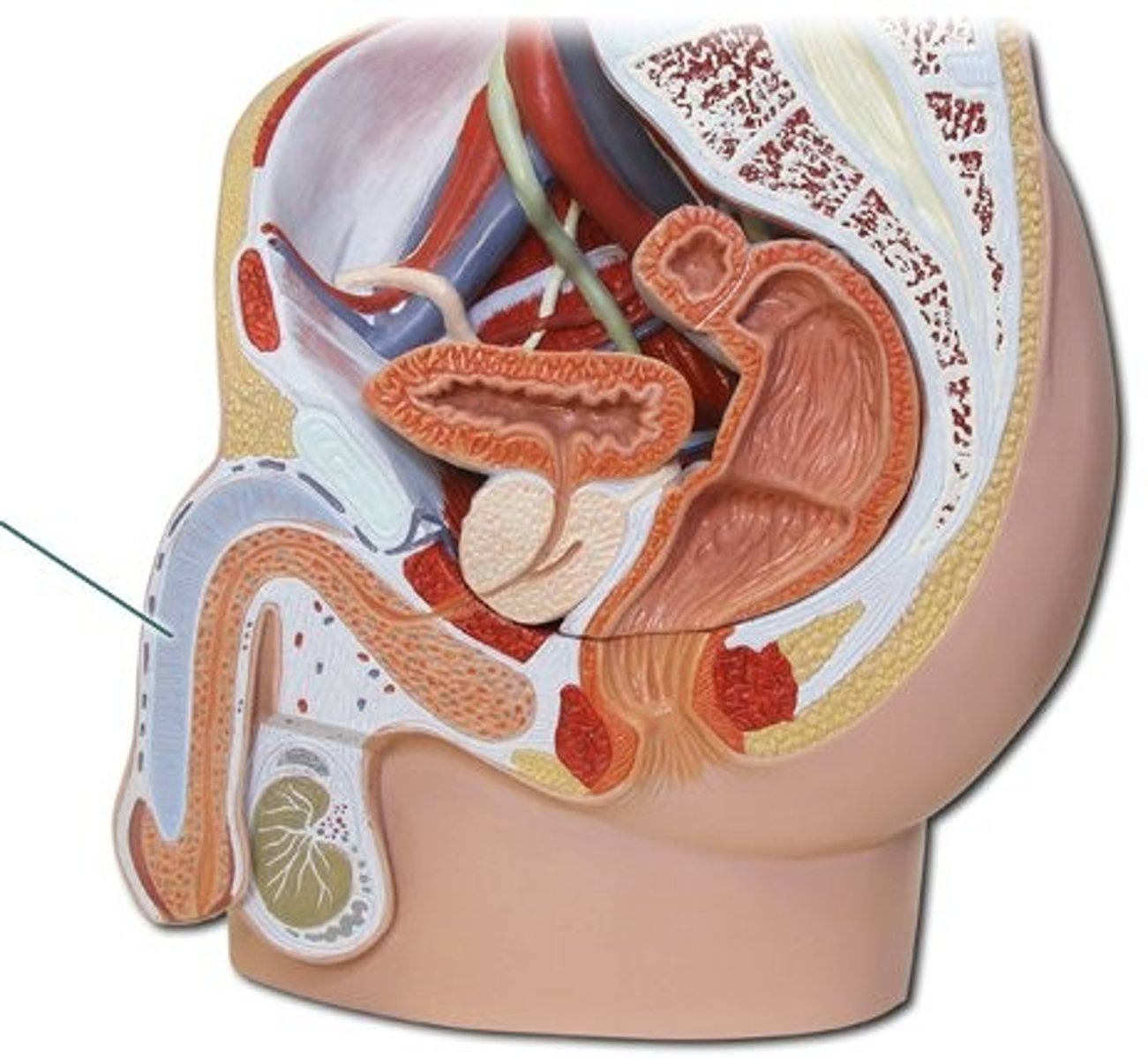
Corpora spongiosum
lines the penile urethra, keeps urethra open during ejaculation
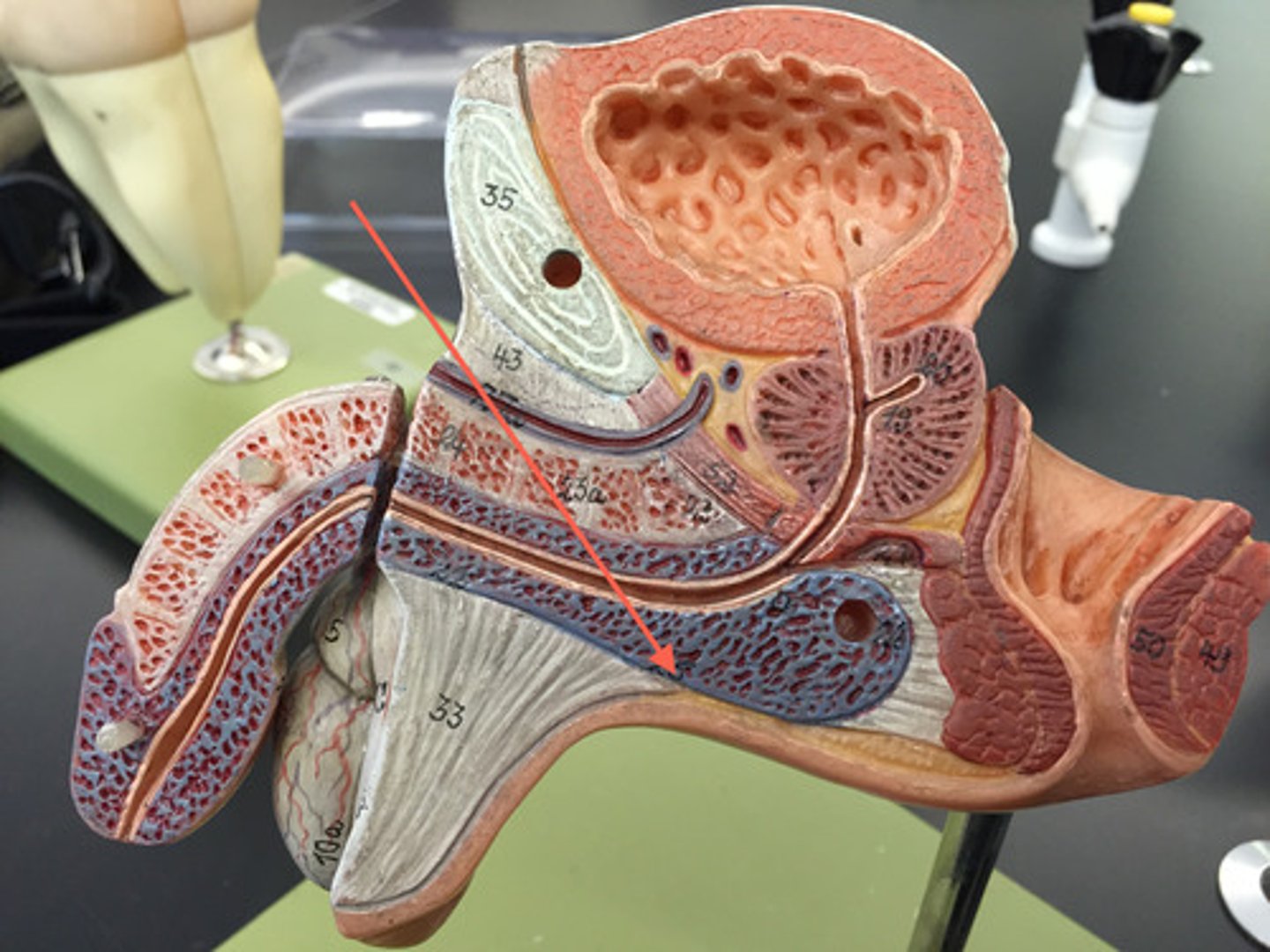
Vagina
A muscular, elastic passageway that extends from the uterus to the outside of the body
Uterus
Female organ of reproduction used to house the developing fetus.
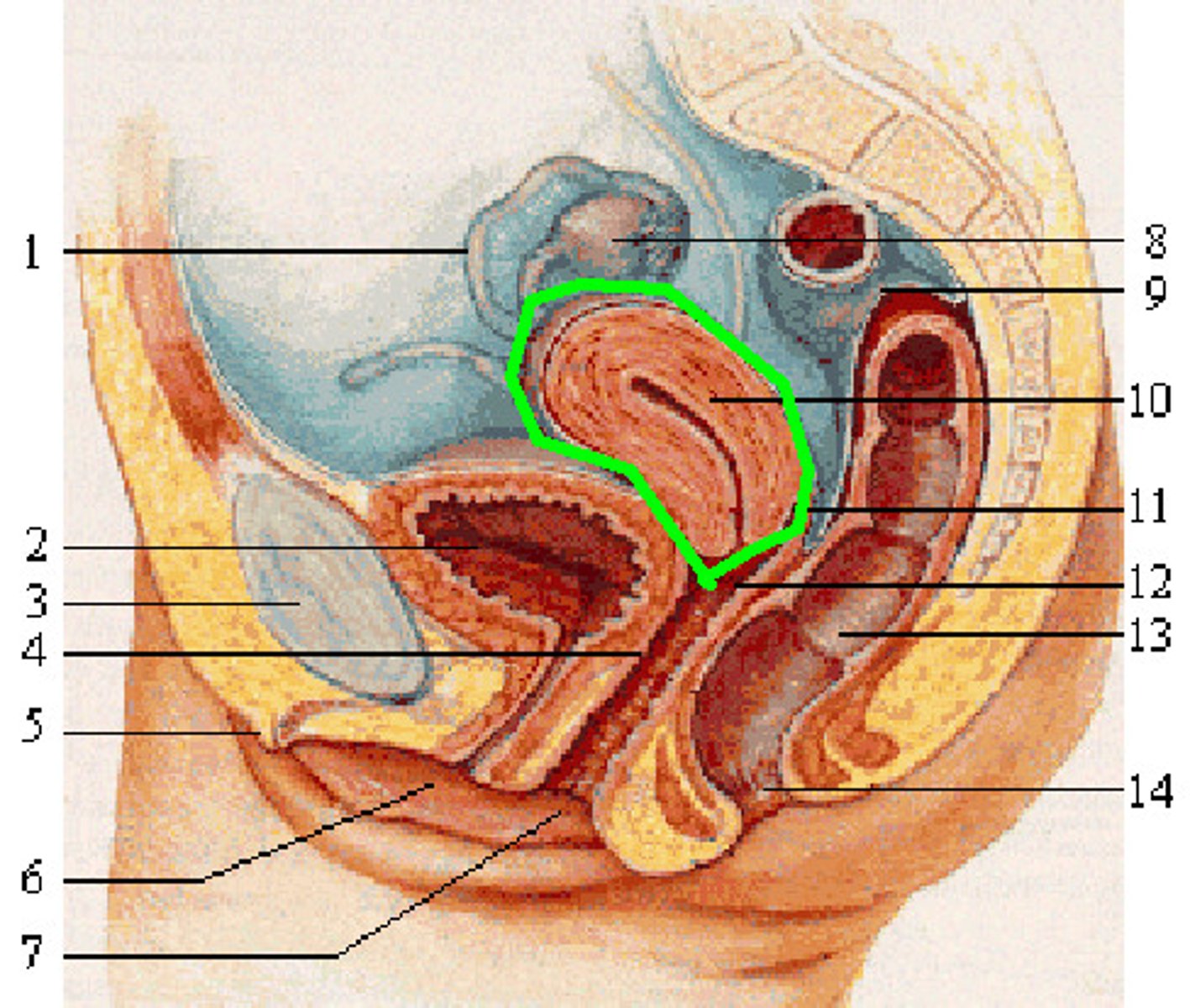
Ovaries
Glands that produce the egg cells and hormones
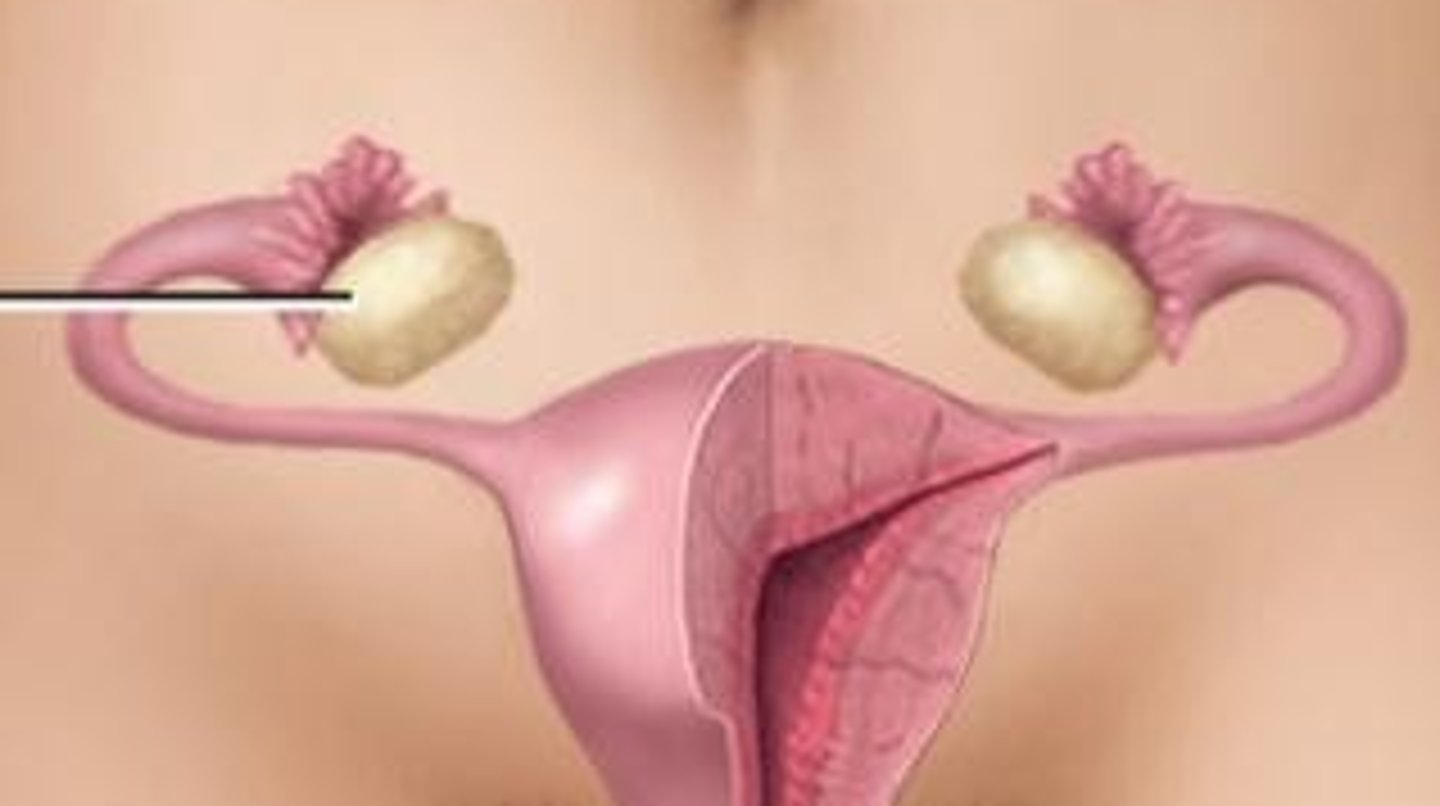
uterine tubes (fallopian tubes)
tubes attached to the uterus that provide a passageway for the ovum to move from the ovary to the uterus
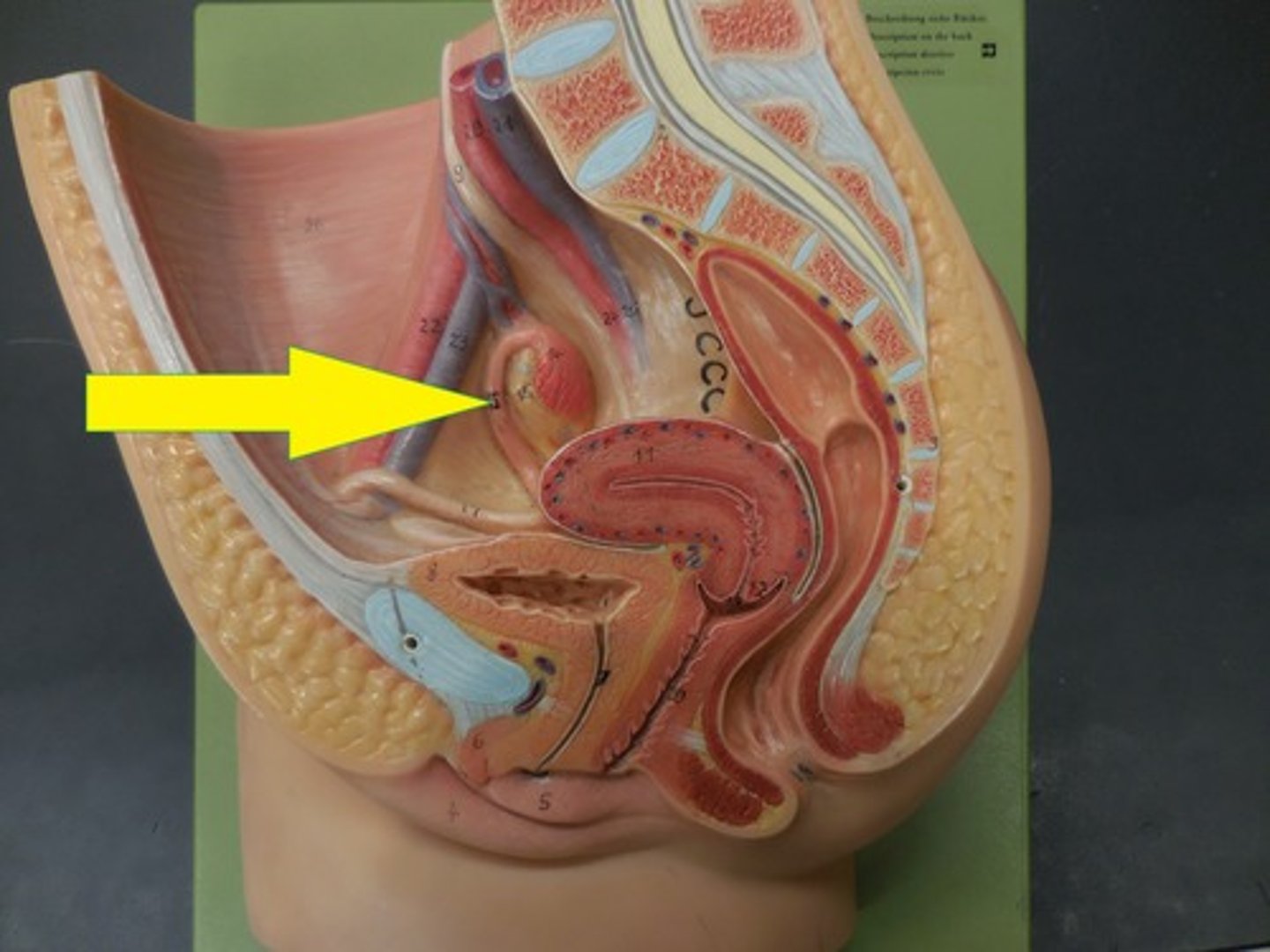
vulva
external female genitalia; includes the labia, hymen, clitoris, and vaginal orifice
cervix of uterus
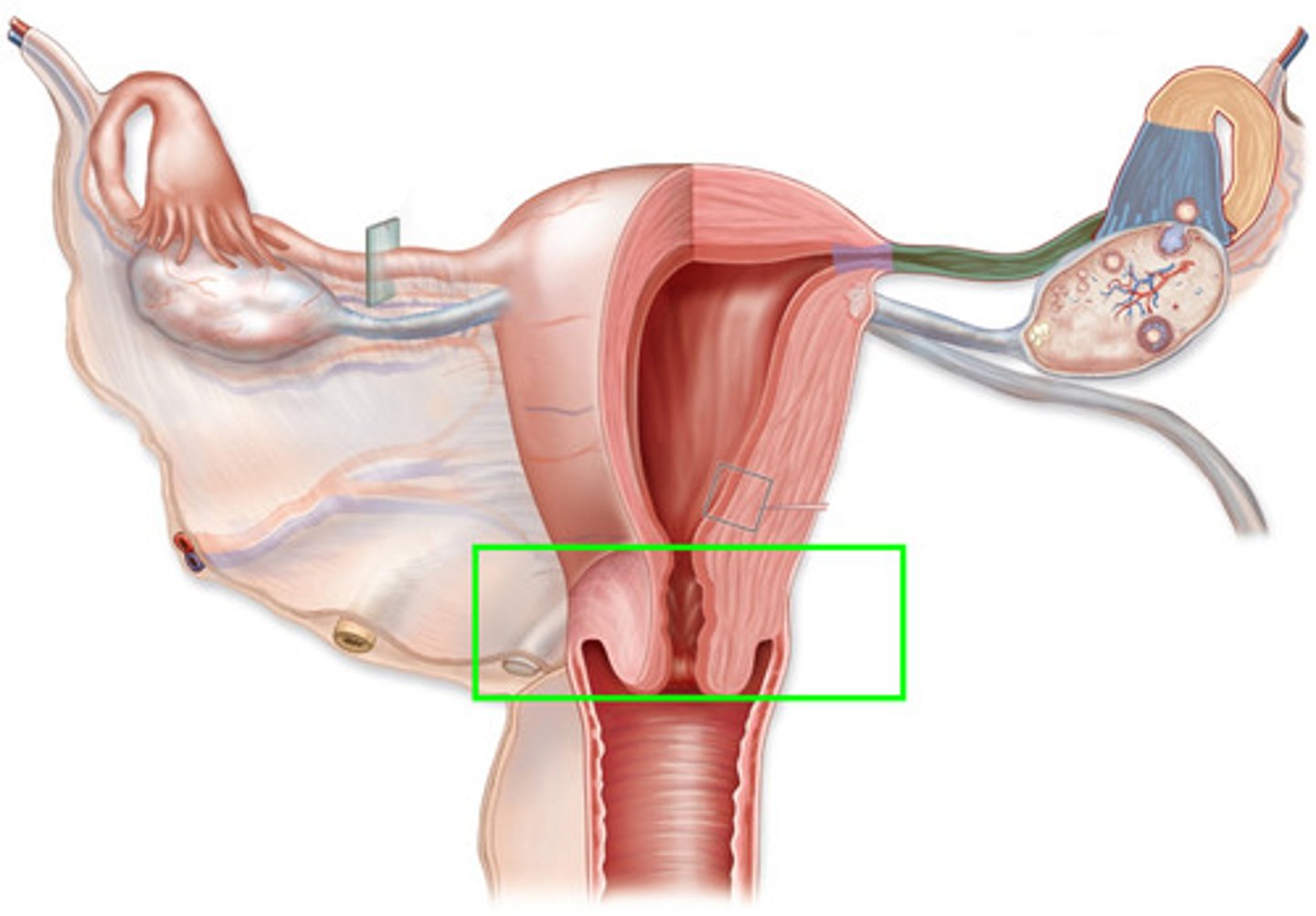
fornix of vagina
The cranial portion of the vagina that forms a crypt extending cranially to the cervix.
Pudendal cleft (female)
fissure between labia majora