Chapter 3-Keys of Andrews
 Call Kai
 Learn
Learn Practice Test
 Spaced Repetition
 Match
Match Flashcards
 Knowt Play
1/21

There's no tags or description
Looks like no tags are added yet.
Name | Mastery | Learn | Test | Matching | Spaced | Call with Kai |
|---|
No analytics yet
Send a link to your students to track their progress
22 Terms
Historical approach of normal occlusion
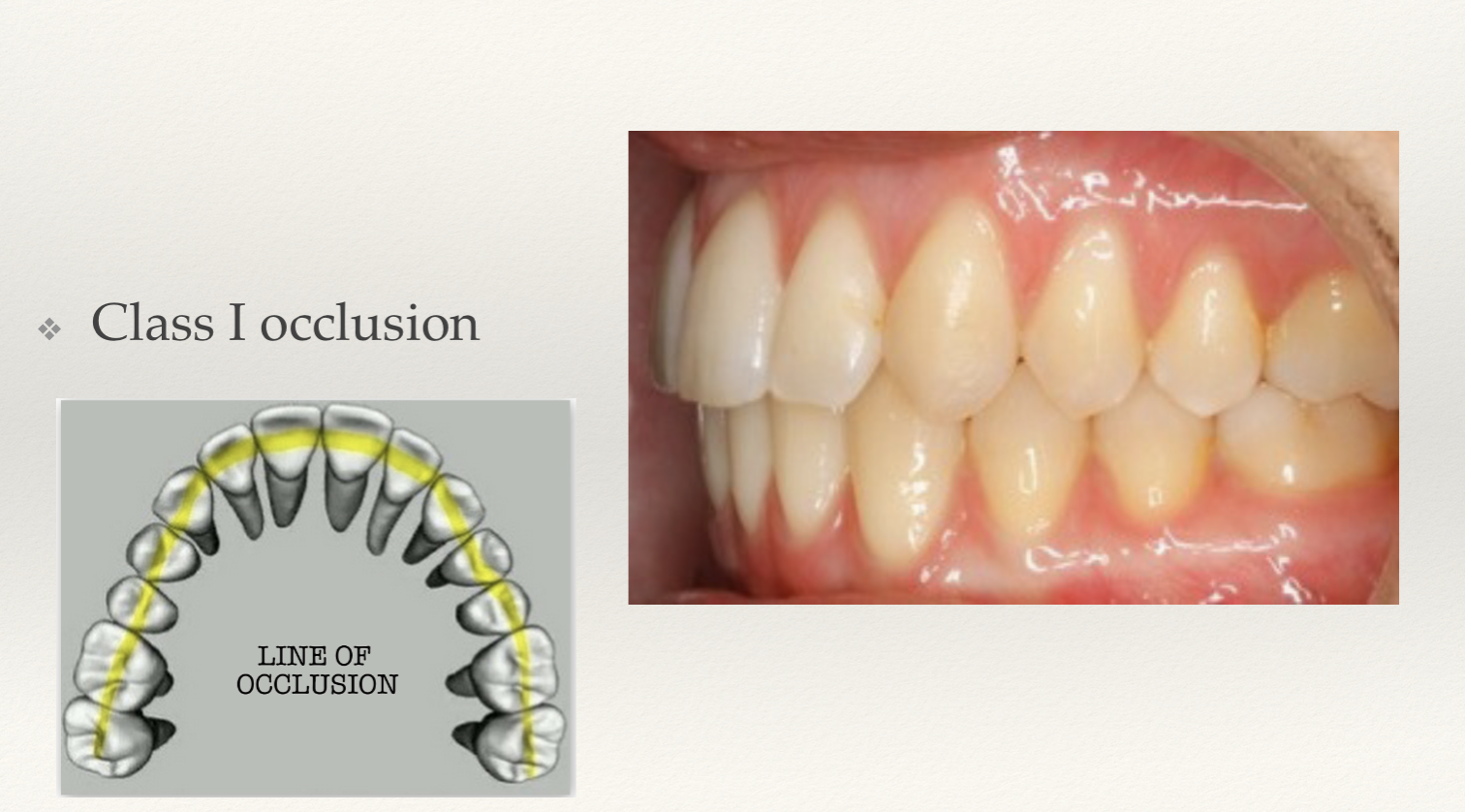
Edward angle in 1890 where upper first molars key. Mesiobuccal cusps occlude in buccal groove of lower molar.
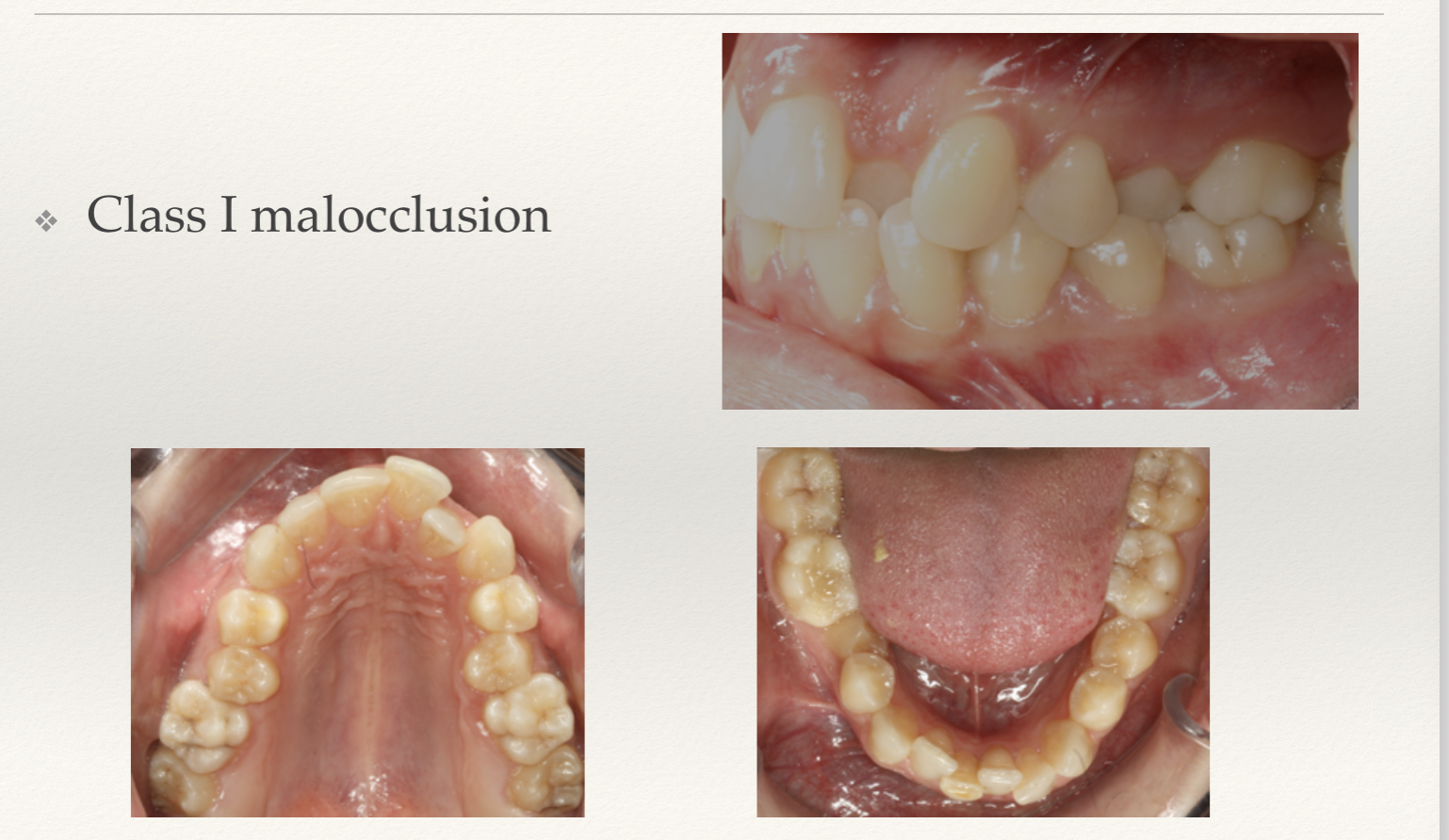
Class 1
Malocclusion can still be in class 1. ❖ Normal relationship of the molars,
❖ Curve of the arch is incorrect (crowding, tooth rotation, etc).
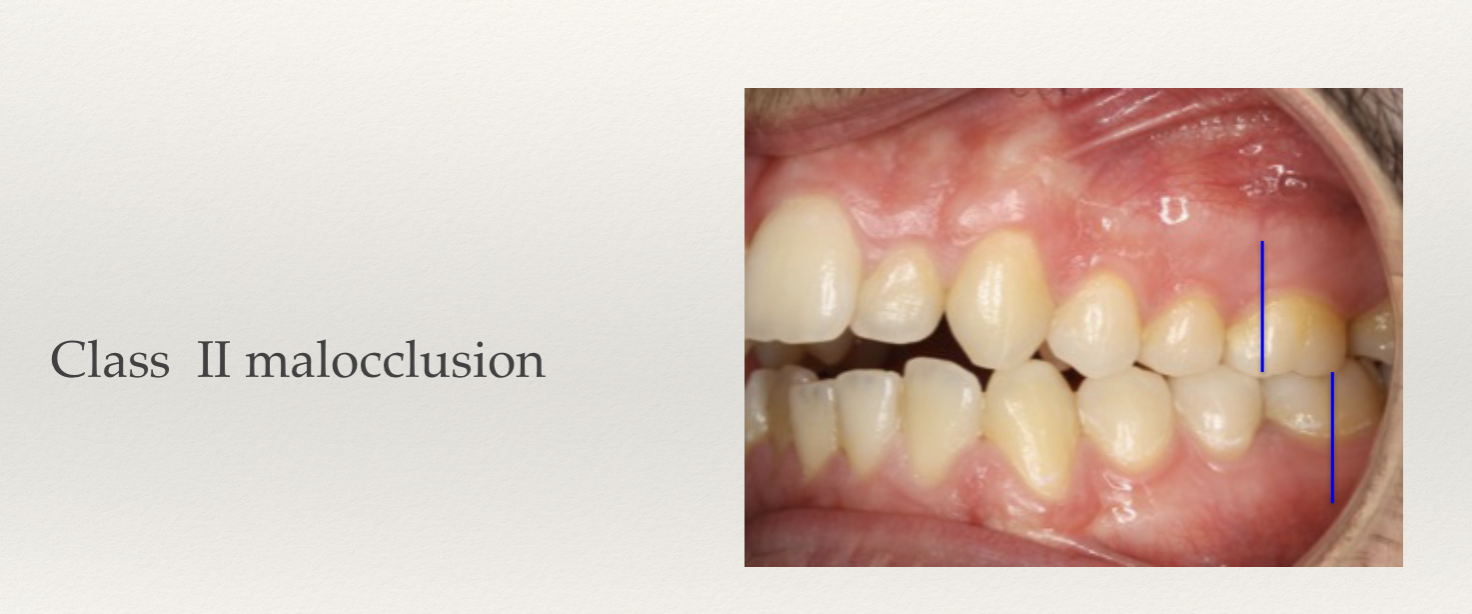
Class II
Lower molar vital to upper molar. Line of occlusion is not specified; but it can be
irregular depending on the facial pattern, crowded teeth, and space needs.
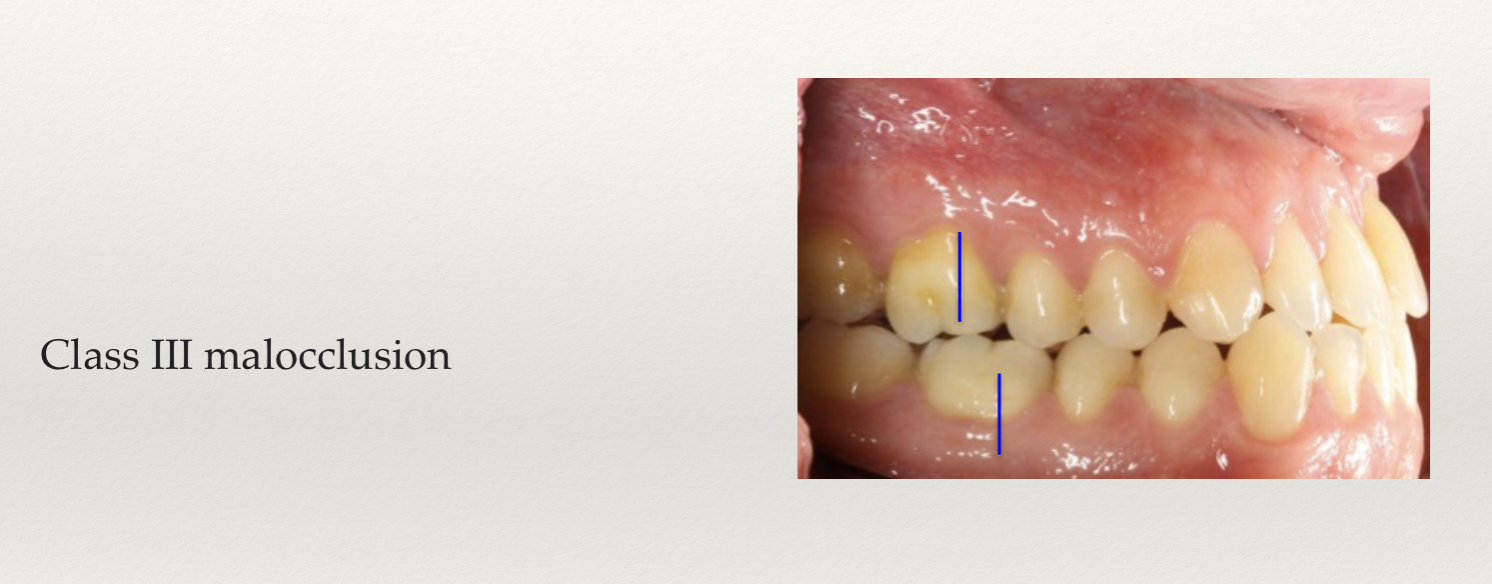
Class III
Lower 6 medial to upper molar. line of occlusion not specified; but irregular,depending on different patterns , overcrowded teeth,or space needs.
Malocclusion stats
❖ Class I malocclusion: 55% of young adults
❖ Class II malocclussion: 20% of young adults
❖ Class III malocclusion: 3% in white adults (caucasian); up to 9% in asians.
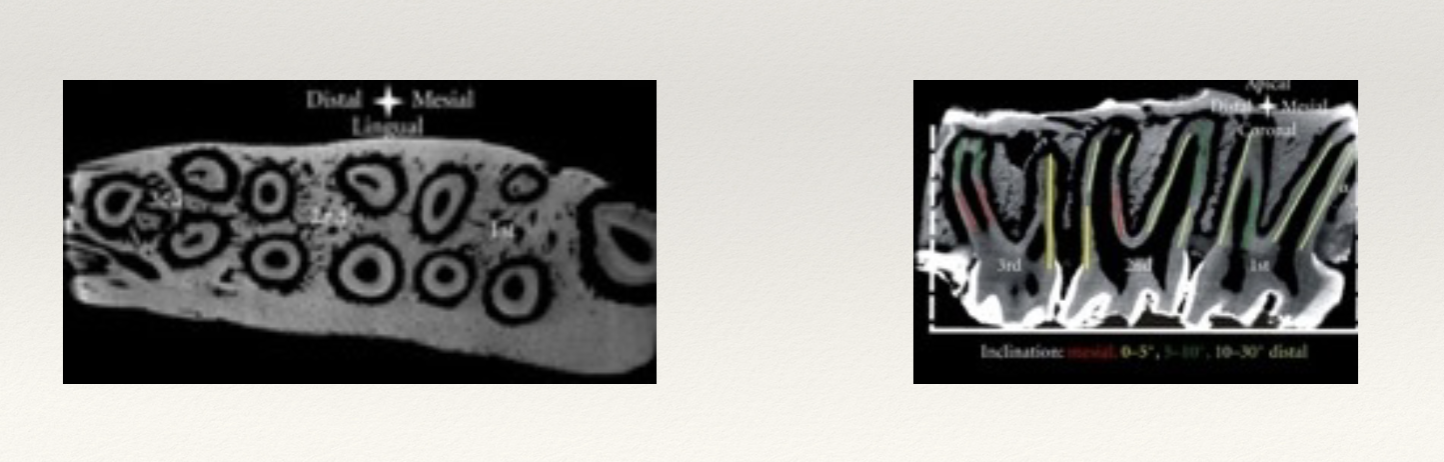
Occlusal statements
❖ Occlusion is the result of a developmental process.
❖ Development of jaws
❖ Tooth formation
❖ Tooth eruption
❖ Occlusion is a dynamic process
❖ Dentoalveolar complex: combination of teeth, periodontal soft structures and alveolar bone, taken
as one entity.
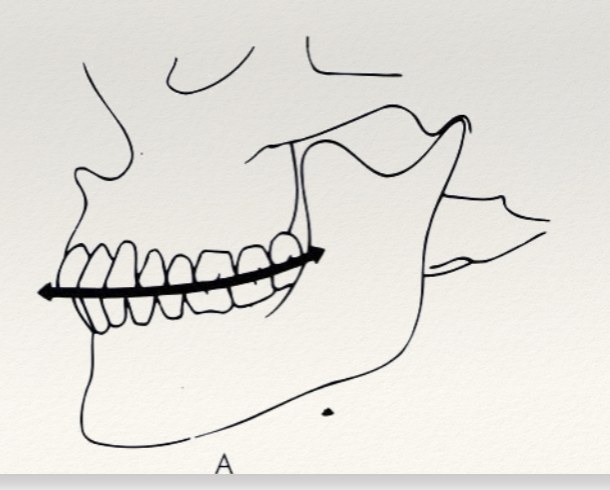
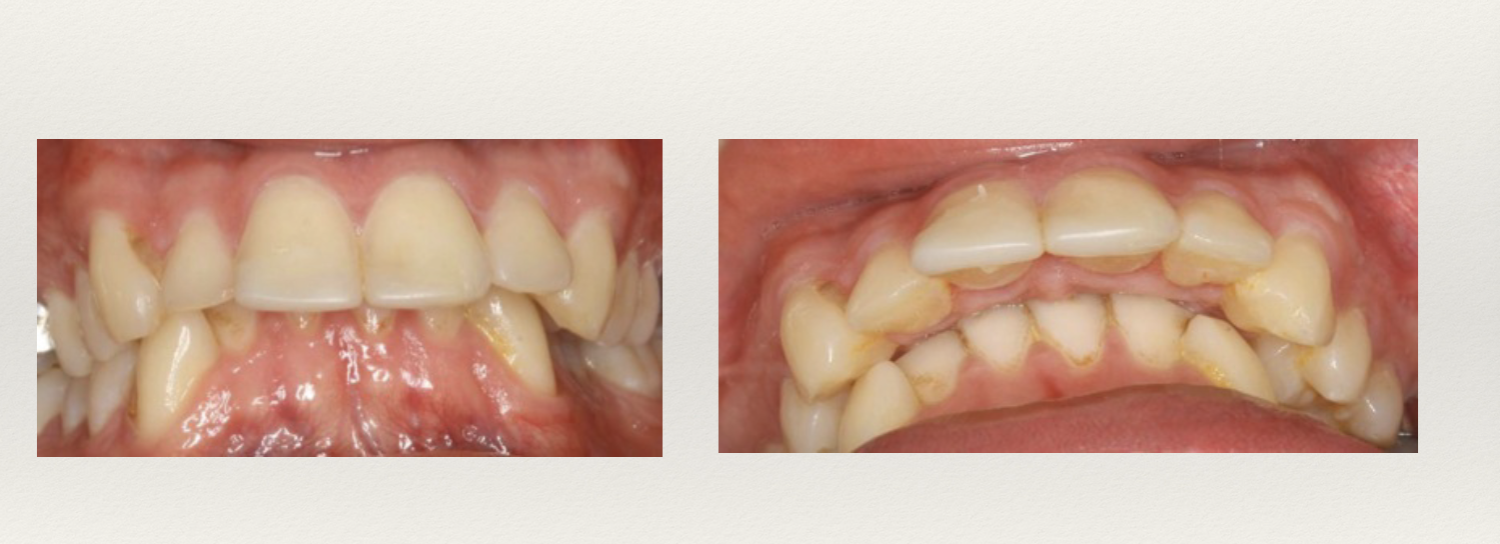
Curve of speed
Anatomic curvature of the occlusal alignment of teeth, at tip of lower canine, following buccal cusps of premolars and molars until anterior border of ramus.
❖ Establishes a correct sagital and vertical relationship
between the maxilla and the mandible.
❖ Therefore, it is strongly related with a proper
❖ overbite
❖ Overjet
❖ Lower third of the face
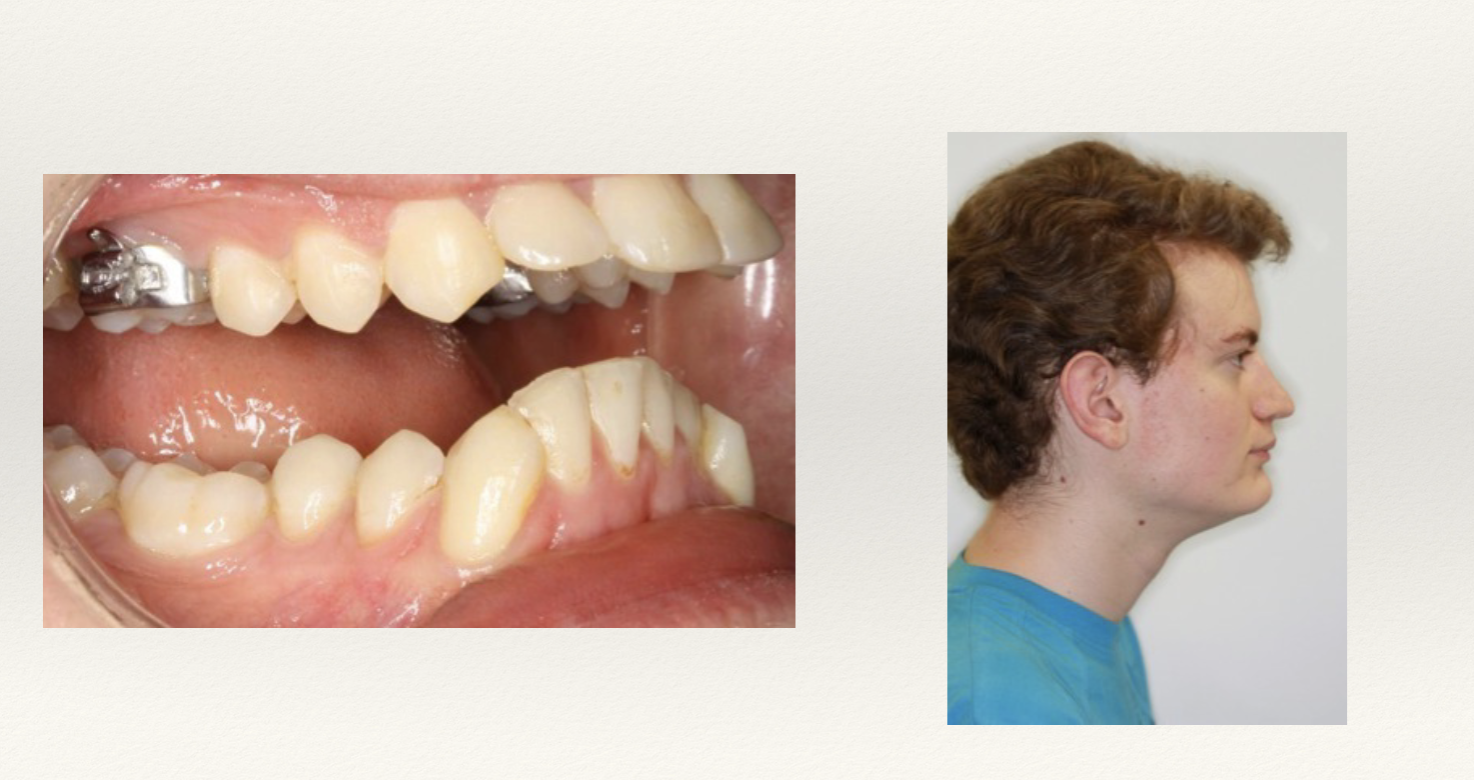
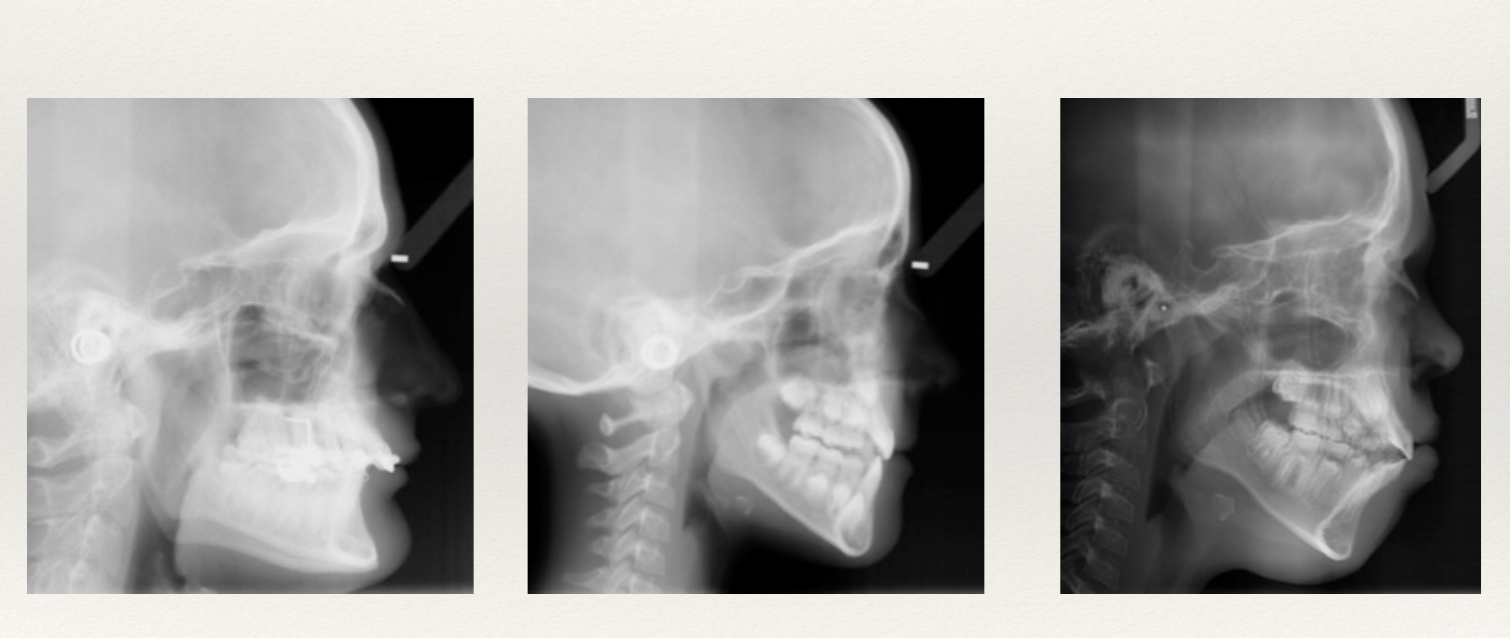
Curve of spee pics
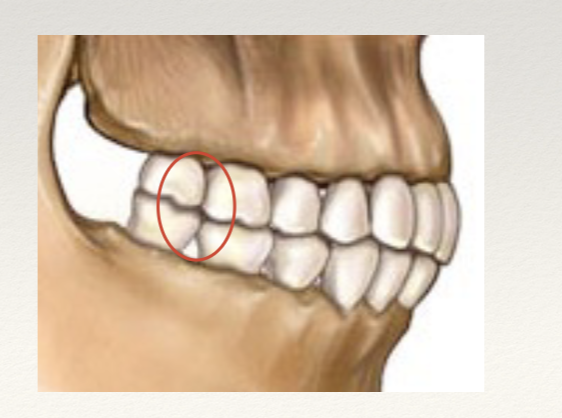
Curve of Wilson
❖ The mediolateral curve that contacts the buccal and lingual cusp tips of each side of the arch.
❖ It results from the inward inclination of the lower posterior teeth, making the lingual cusps lower than the buccal cups on the mandibular arch;
❖ This design permits easy access to the occlusal table: As the tongue lays the food on the occlusal surfaces, it is stopped from going past the chewing position by the taller buccal
cusps.
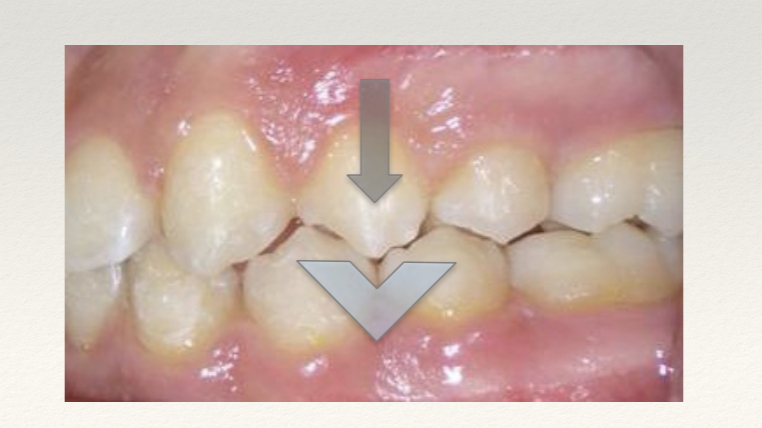
1st key of Andrews
❖ Molar relationship: mesiobuccal cusp of the upper molar, occludes into the mesial groove of the lower molar.
Distal surface of the distobuccal cusp of the upper first molar occludes on the mesial surface of the mesio- buccal cusp of the lower second molar.
Canines and premolars enjoyed a cusp relationship buccally and a cusp-fossa relationship lingually.
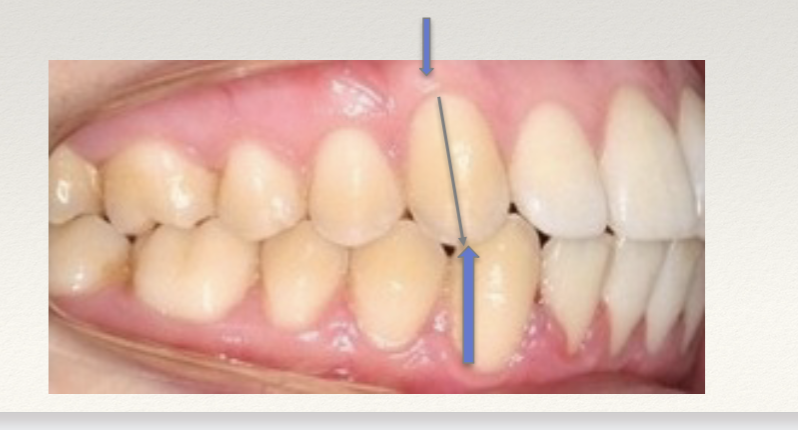
2nd key
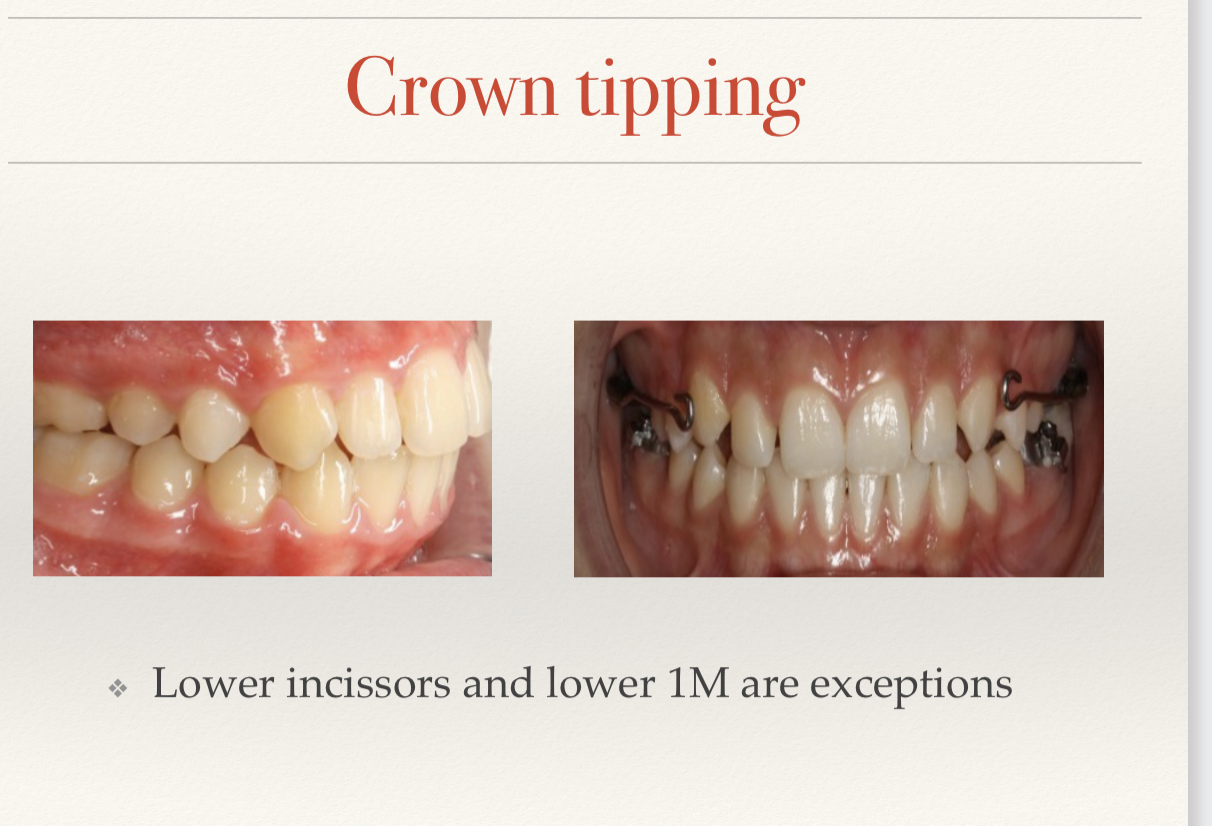
❖ Crown angulation or TIP OF THE CROWN
❖ Refers to the long axis of the crown ≠ long axis of the root
❖ The gingival portion of each crown should be distal to the incisal
portion.
❖ Crown angulation or TIP OF THE CROWN
❖ Refers to the long axis of the crown ≠ long axis of the root
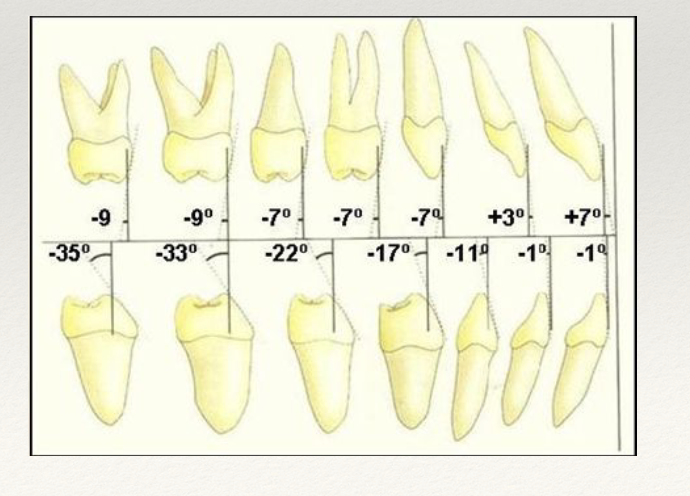
❖ The degree of the crown tip is the angle between the long axis of the
crown seen from a labial surface and a line bearing 90º from the
occlusal plane.
❖ The gingival portion of each crown should be distal to the incisal
portion.
❖ The angulation varies according to tooth type.
3rd Key
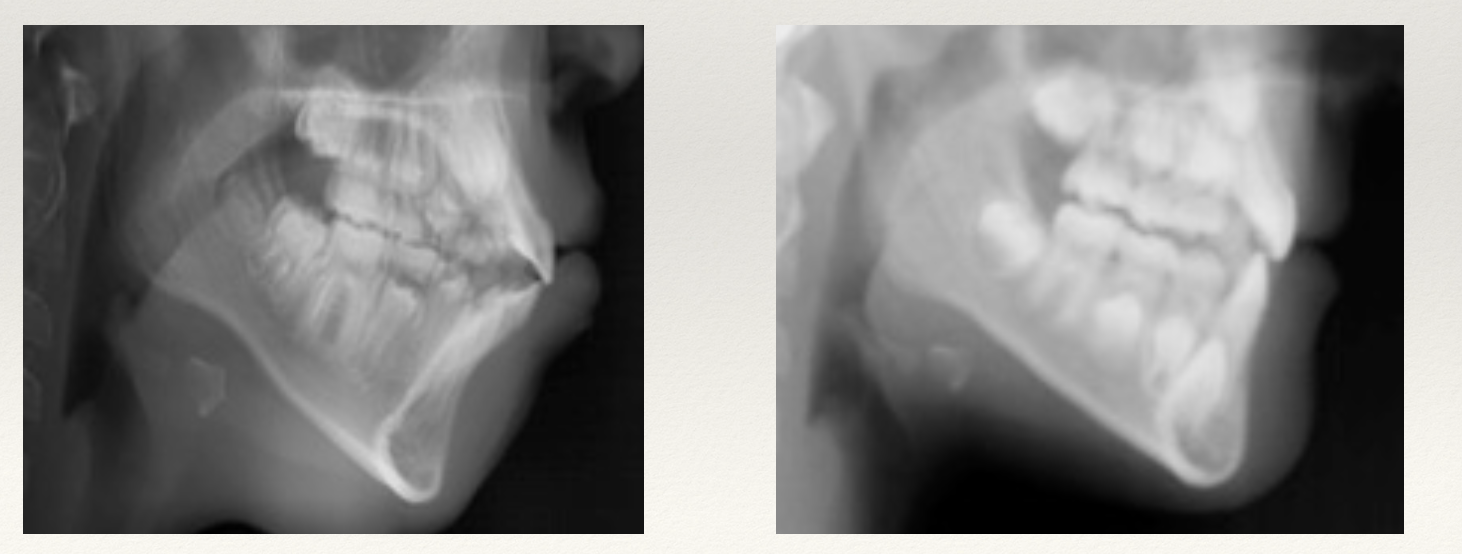
❖ INCLINATION OF THE CROWN(labio-lingual)
❖ Crown inclination is expressed representing the angle formed by the line wich bears 90º to the occlusal plane and a line that is tangent to the middle of the crown
❖ INCLINATION OF THE CROWN(labio-lingual)
❖ The incisors are at a sufficient angulation to prevent overeruption.
❖ INCLINATION OF THE CROWN(labio-lingual)
❖ Upper posterior teeth: the lingual tip is constant and similar from
canine to second premolar and increased in the molars.
❖ Lower posterior teeth: the lingual tip increases progressively from the
canines to the molar.
3rd key clinical picture
4th Key
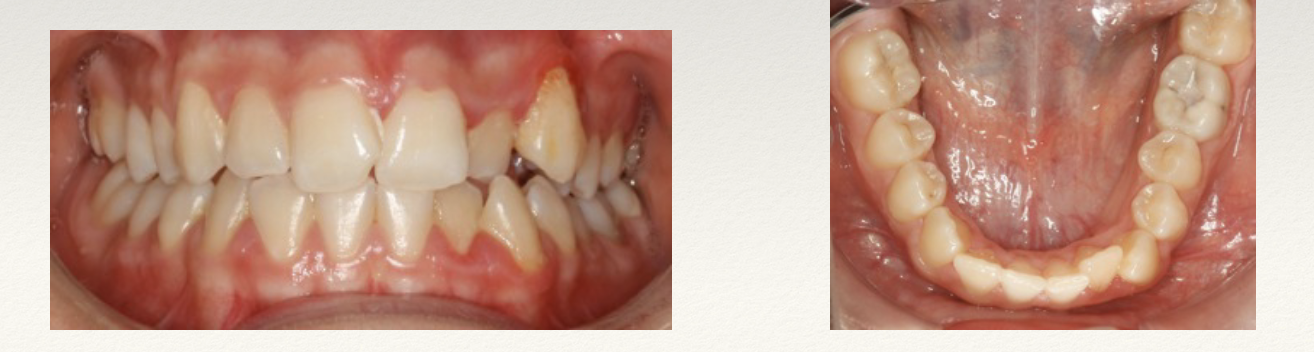
No rotations
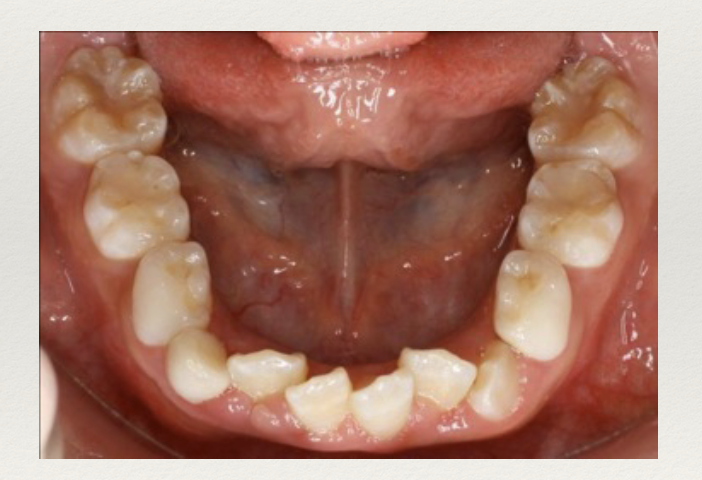
5th Key
❖ TIGHT CONTACT POINTS, with no interdental spaces.
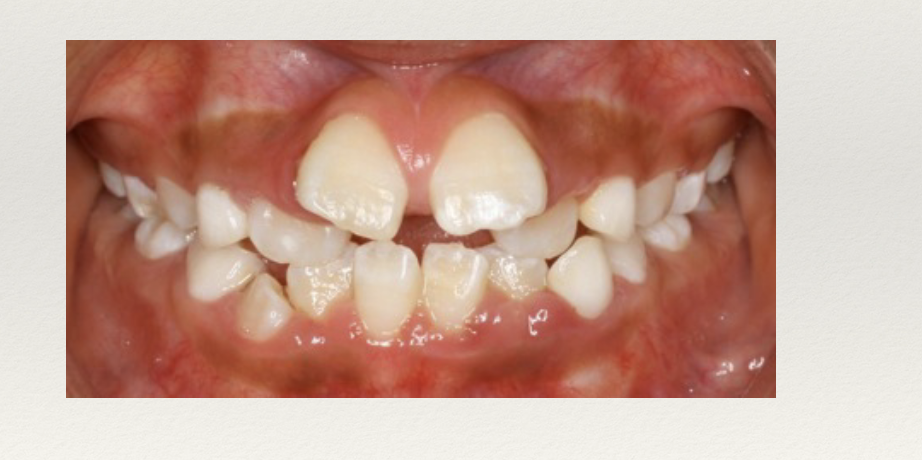
6th Key
There is a flat plane – slight curve of occlusion.
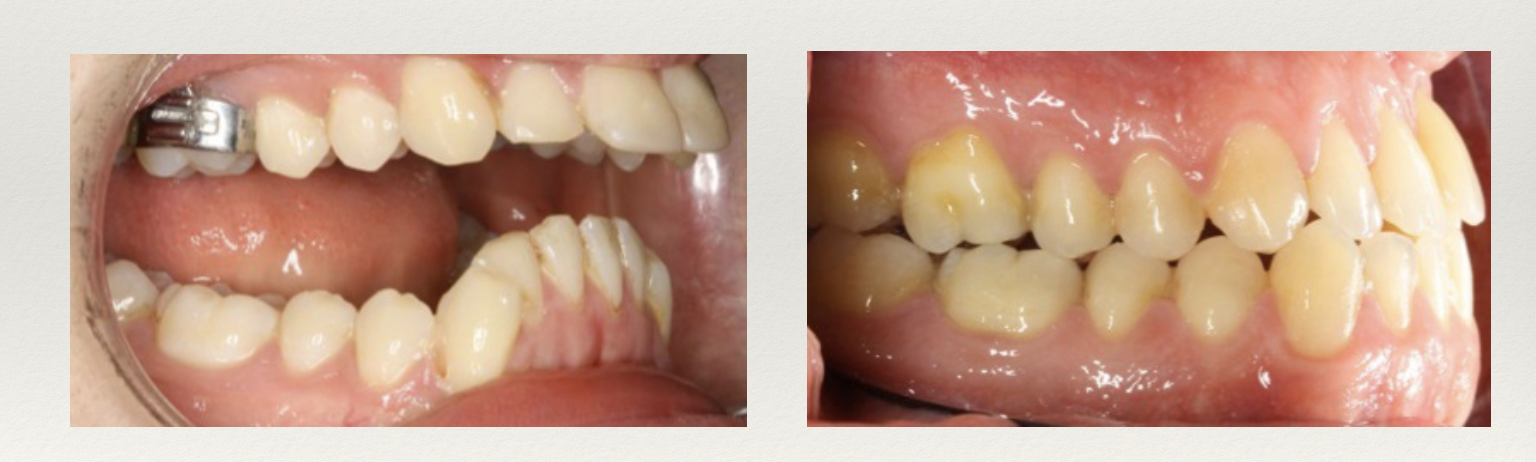
Sagittal plane
❖ Vertical plane from front to back.
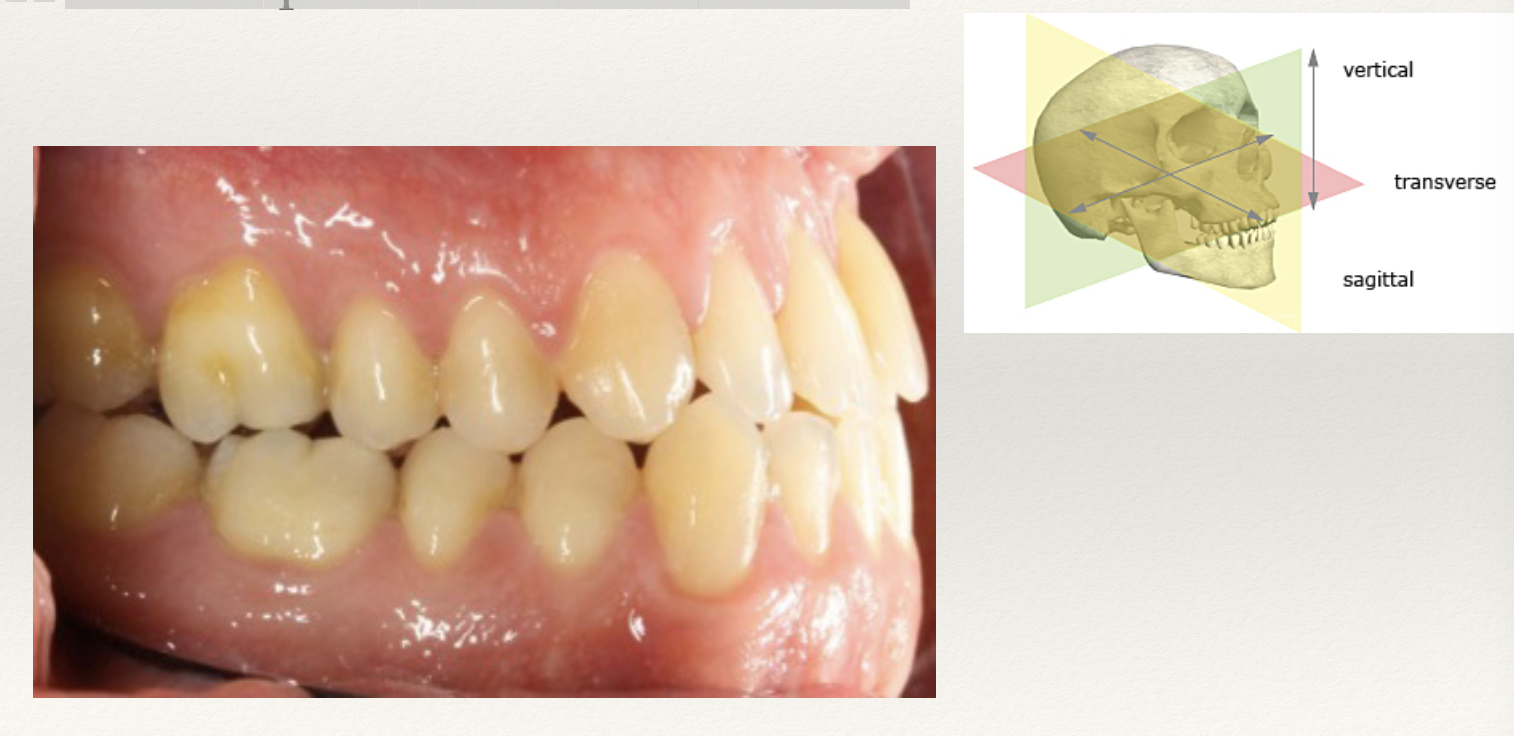
Transverse plane
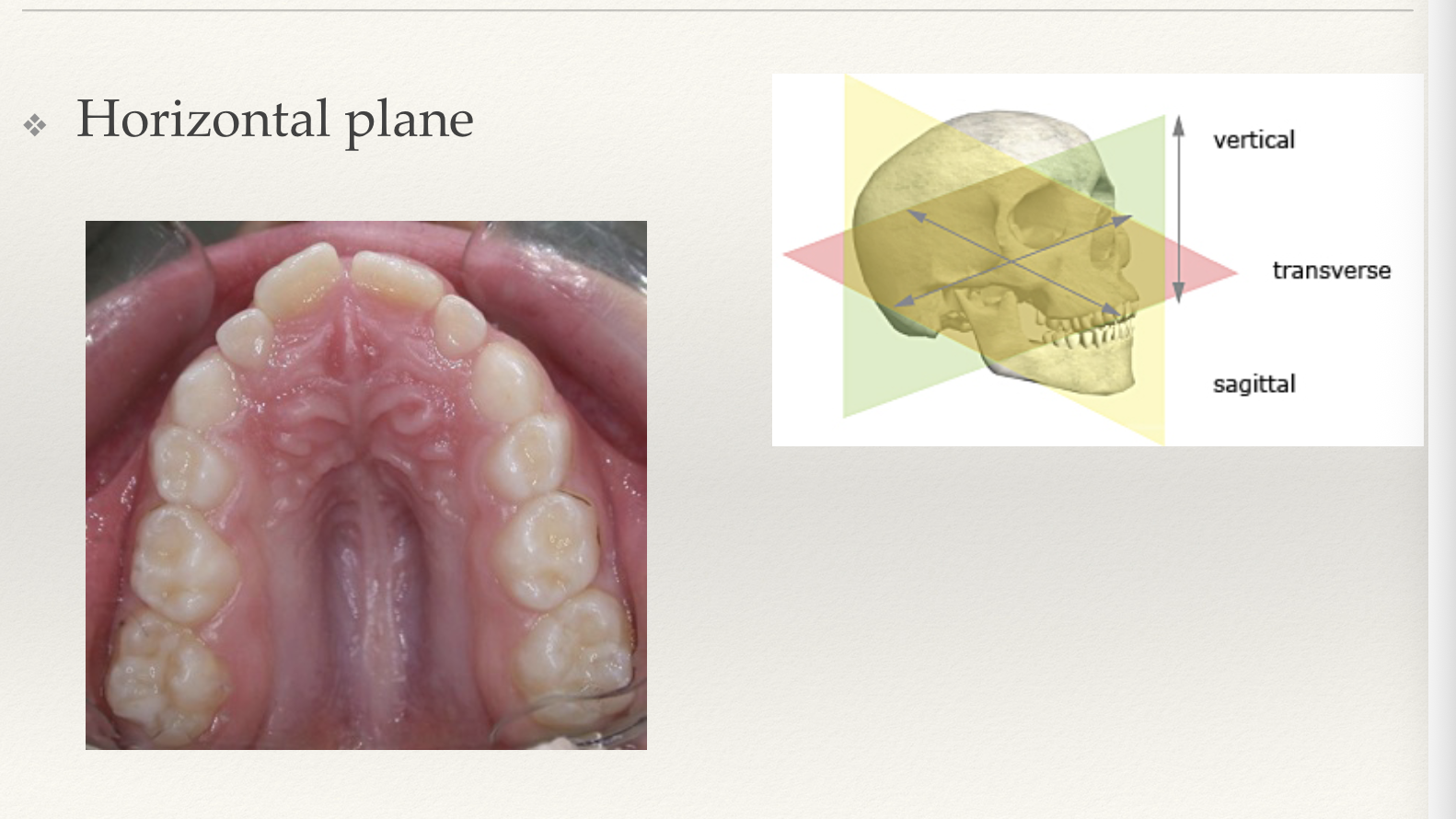
Vertical plane
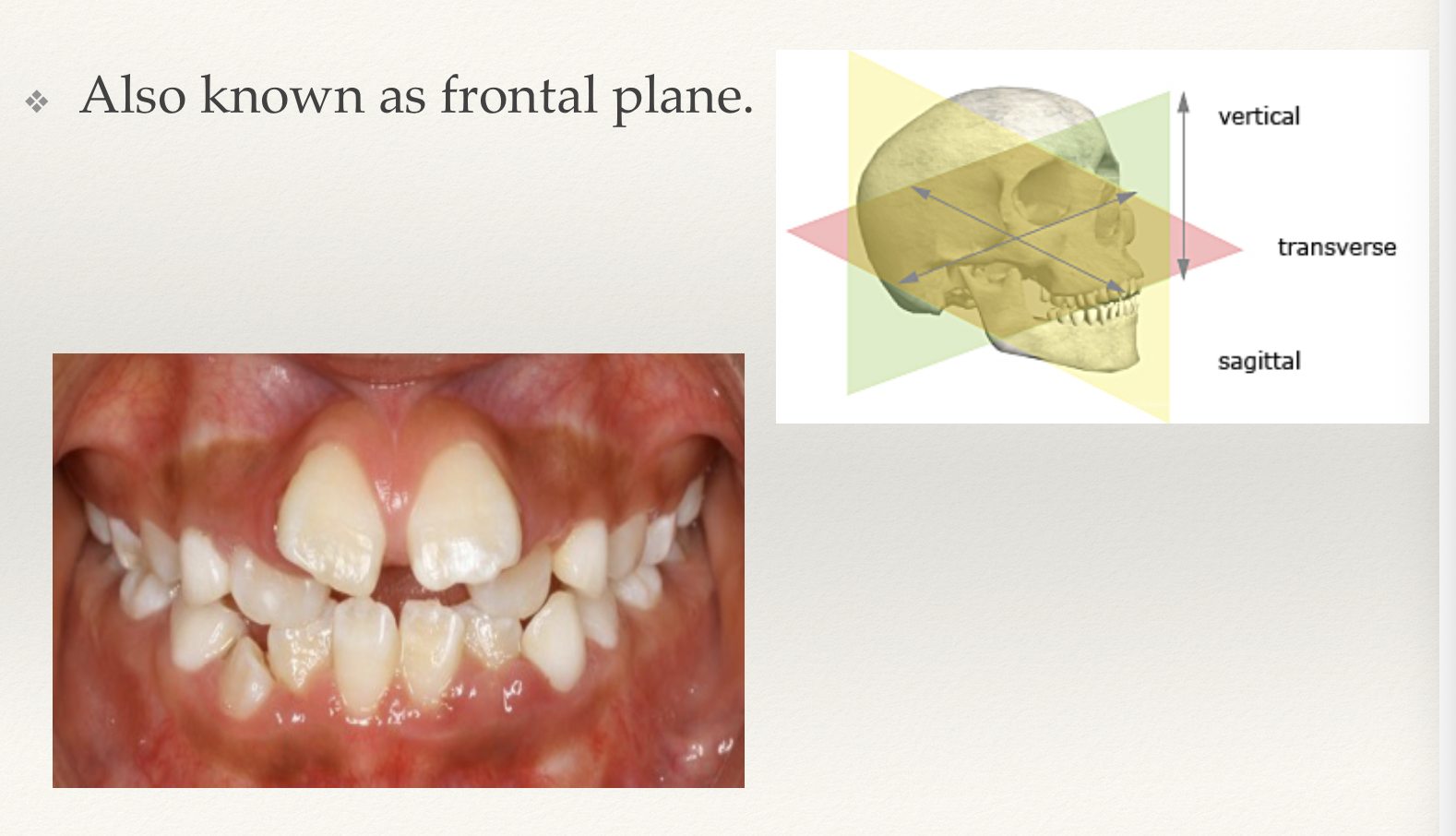
Sagittal plane Problems
❖ MOLAR CLASS
❖ CANINE CLASS
❖ OVERJET
❖ Normal
❖ Increased
❖ Edge to edge
❖ Anterior crossbite
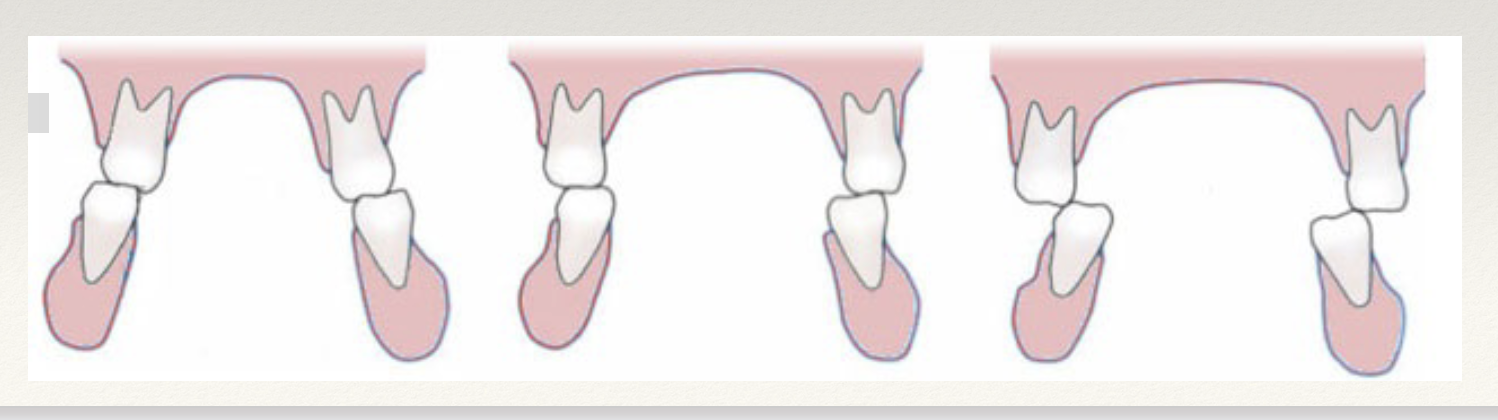
Transverse plane problems
❖ The vestibular cusps of the upper teeth must occlude
labial to the vestibular cusps of the lower arch.
❖ Crossbite
❖ Scissor’s bite - Brodie’s syndrome
Vertical plane problems
❖ Upper incisors should cover 1/3 of the lower incisors
❖ Open bite
❖ Deep bite
❖ Edge to edge