Enlightenment thinkers Quiz (social studies)
5.0(2)
Studied by 16 people Call Kai
 Learn
Learn Practice Test
 Spaced Repetition
 Match
Match Flashcards
 Knowt Play
Card Sorting
1/20

Earn XP
Description and Tags
Last updated 4:07 PM on 10/28/22
Name | Mastery | Learn | Test | Matching | Spaced | Call with Kai |
|---|
No analytics yet
Send a link to your students to track their progress
21 Terms
1
New cards
social contract
A contract between the government and its citizens, where citizens give up certain freedoms in exchange for protection.
2
New cards
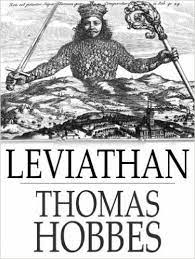
Leviathan
A book written by Thomas Hobbs, that argues for a social contract and rule by an absolute sovereign
3
New cards
Enlightened Despot
In the 18th century, which monarchs pursued legal, social and educational reforms inspired by the Enlightenment.
4
New cards
Sovereignty
Supreme power or authority
5
New cards
Natural laws
A system of right or justice held to be common to all humans and from nature rather than society or government
6
New cards
Baroque
A highly ornate or elaborate style of architecture, art, clothing, or design
7
New cards
Thomas Hobbs
Was one of the first of his era to discuss the idea of a social contract, changed the focus from monarchy to democracy, and wrote a book called Leviathan.
8
New cards
John Locke
Believed in natural rights that the government should protect, and believed the purpose of government is to end the state of nature and give people certain protections
9
New cards
Baron de Montesquieu
Believed in The government was divided into parts, and each part had its own purpose (separation of powers.) each of the parts, or branches, of government should be equal, each branch have the ability to limit the power of the other two branches (checks and balances).
10
New cards
Mary Wollstonecraft
nvolved in the debate about the “women’s question.” “enlightened” thinkers and philosophers of her day who continually failed to recognize women as intellectuals and independent agents of reason.
11
New cards
Voltaire
Believed that religious differences are trivial and separate men, while trade is important and brings them together. spent his life fighting: superstition, intolerance, and irrational behavior of every kind.
12
New cards
Leviathan
by: Thomas Hobbs
13
New cards
The spirit of laws
By: Baron de Montesquieu
14
New cards
Two Treaties on Government
By: John Locke
15
New cards
Candide
By: Voltaire
16
New cards
legitimate government
a government which is recognized by its population as rightful.
17
New cards
The Sovereign
a supreme ruler, especially a monarch.
18
New cards
magna carta
Written in 1215, Introduced limited government
19
New cards
Petition of right
Written in 1628, no taxation without the consent of Parliament
20
New cards
English Bill of rights
Written in 1689, Established the principles of frequent parliaments, free elections and freedom of speech within Parliament
21
New cards
Thomas Paine
supported revolutionary causes in America and Europe.