Ampère’s Law
 Call Kai
 Learn
Learn Practice Test
 Spaced Repetition
 Match
Match Flashcards
 Knowt Play
1/31

There's no tags or description
Looks like no tags are added yet.
Name | Mastery | Learn | Test | Matching | Spaced | Call with Kai |
|---|
No analytics yet
Send a link to your students to track their progress
32 Terms
B
(1)
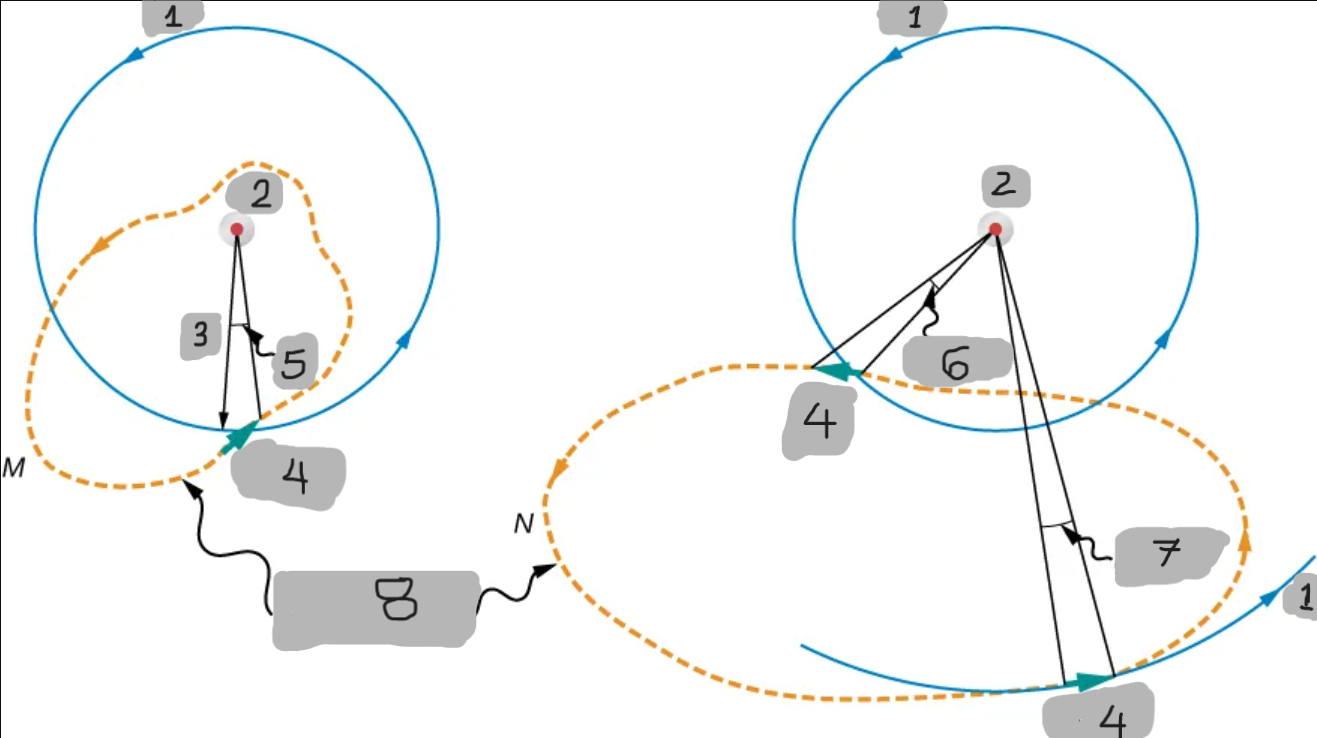
I
(2)
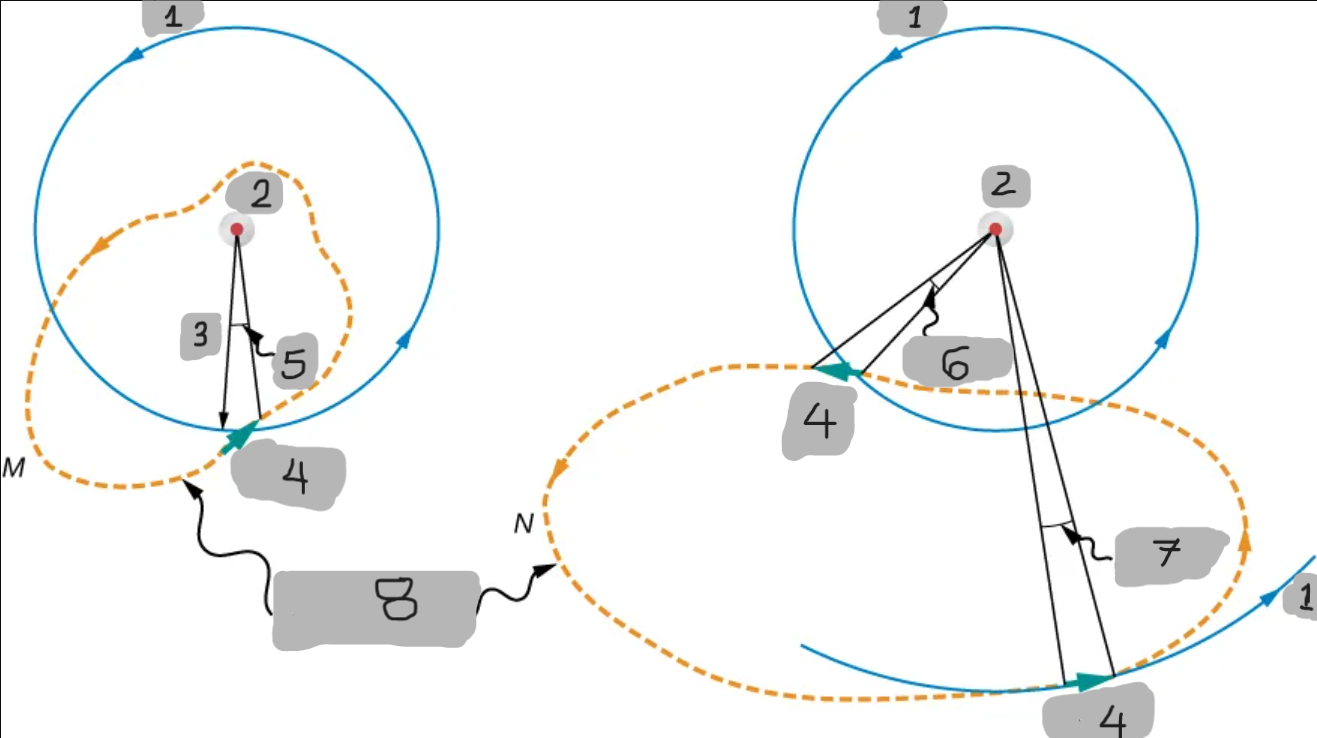
r
(3)
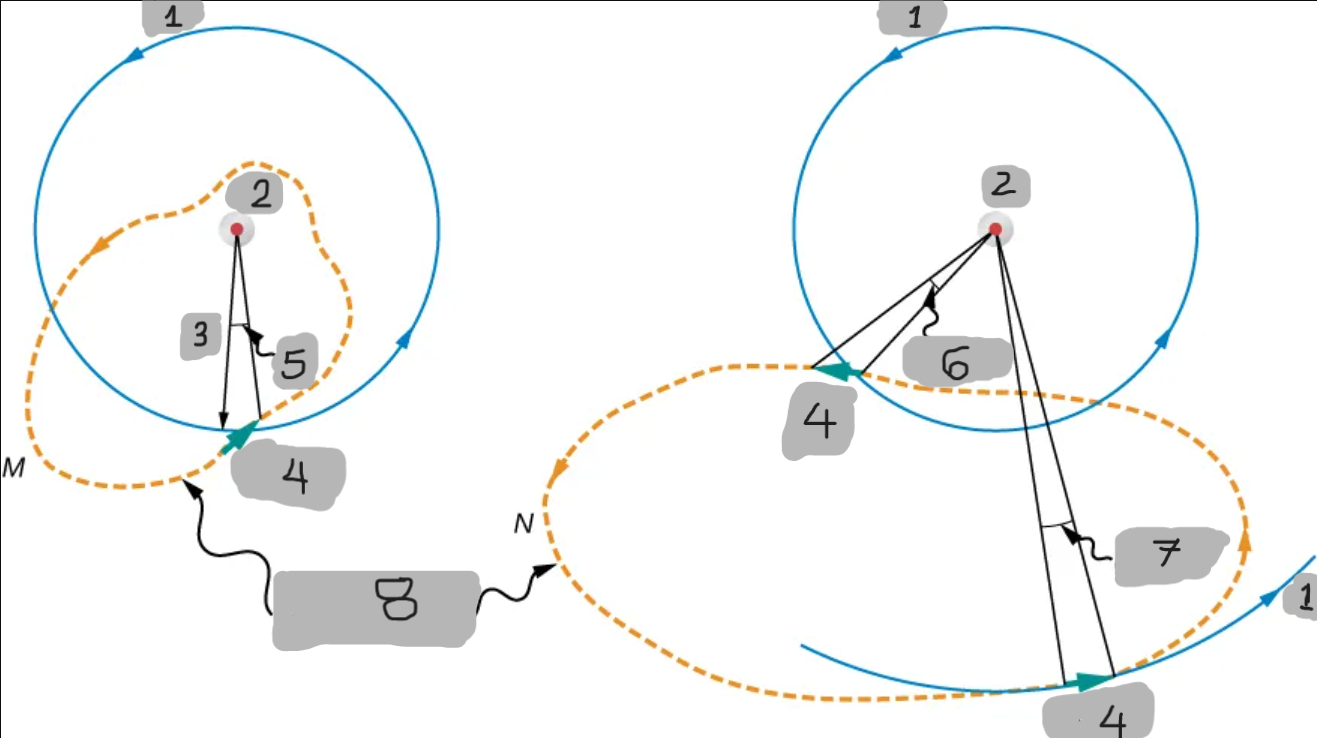
dl
(4)
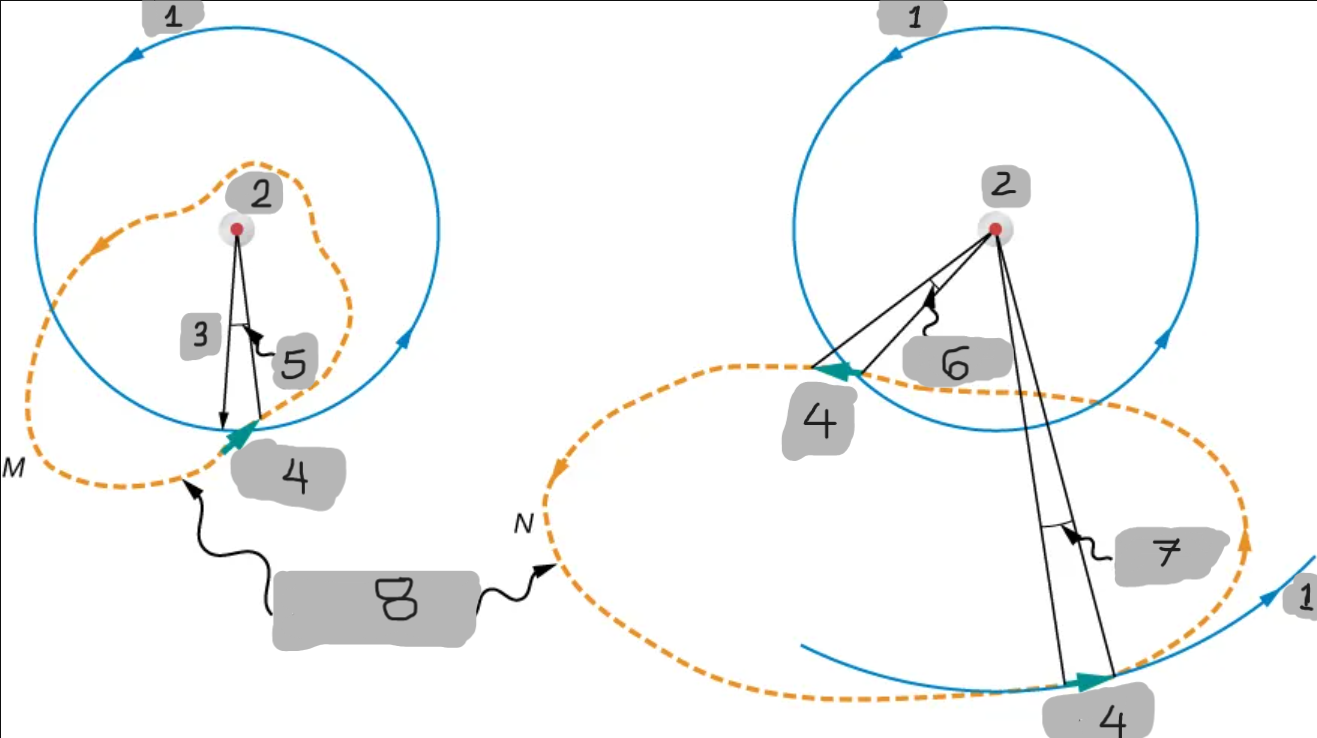
dθ
(5)
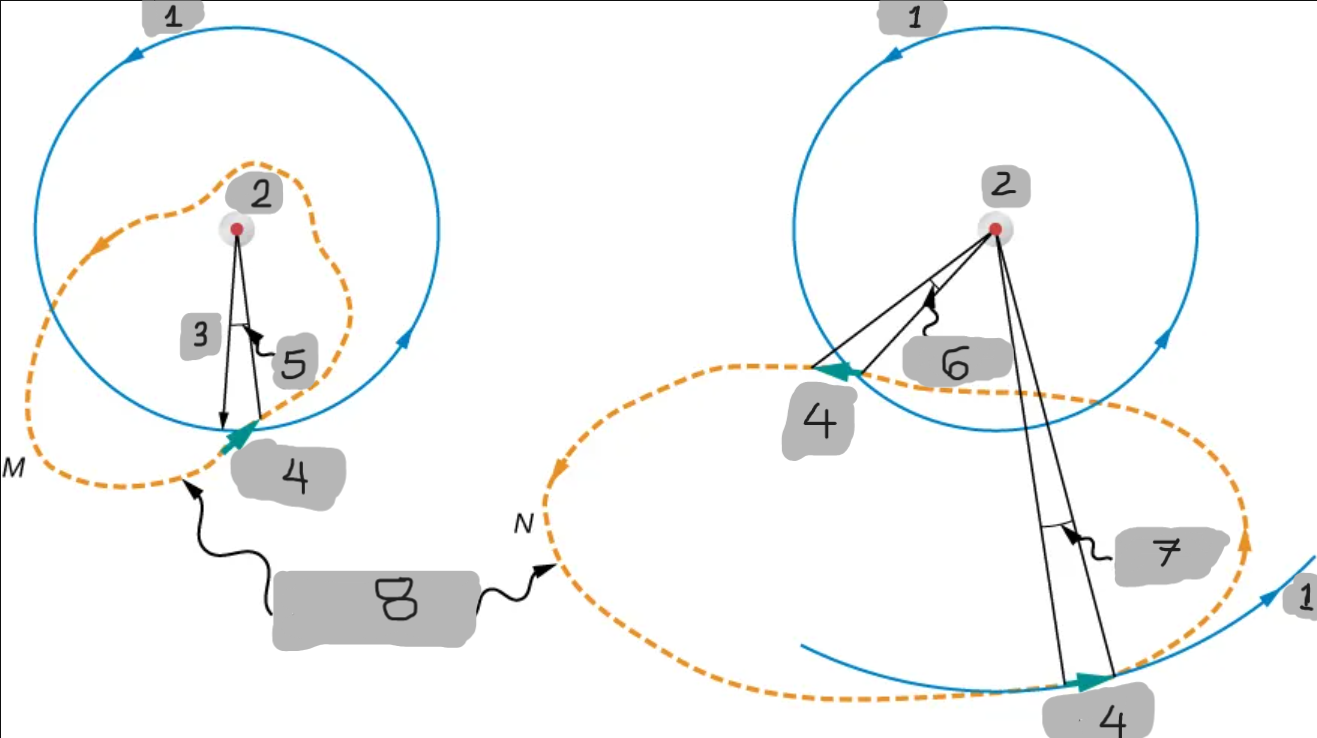
dθ < 0
(6)
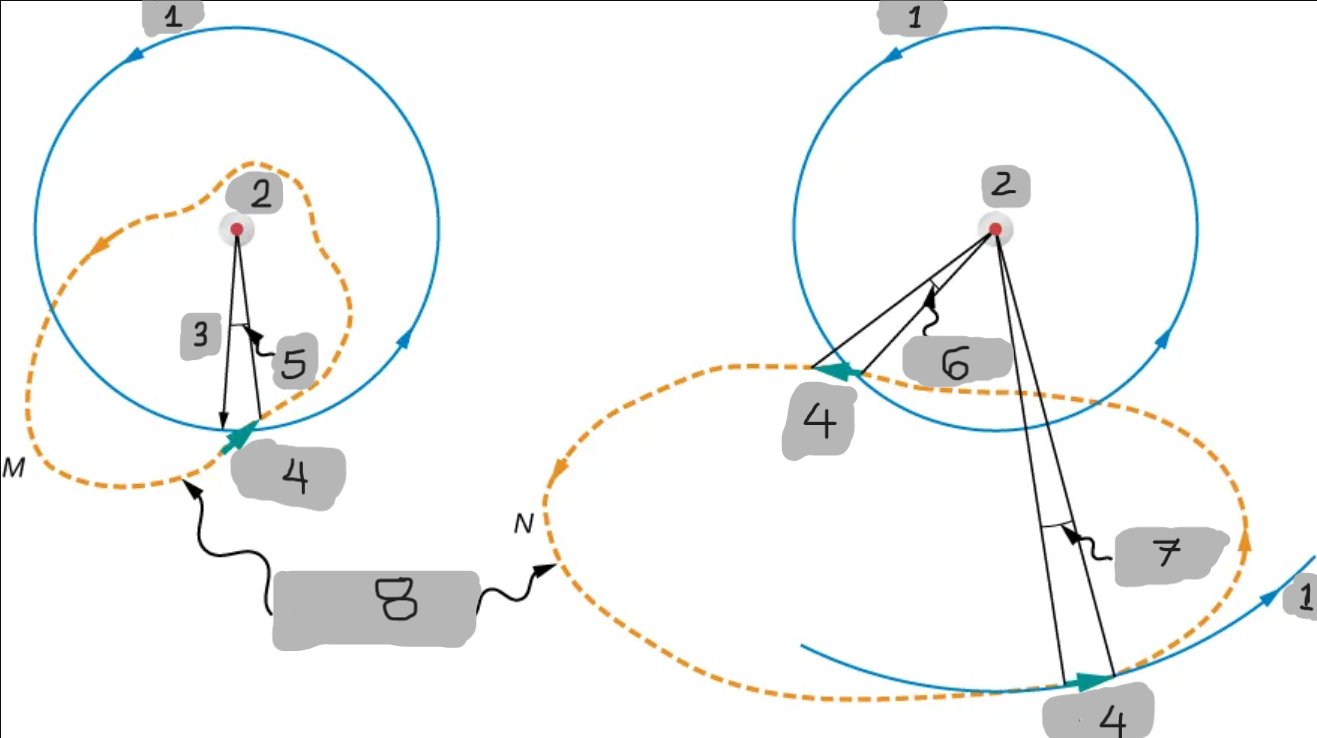
dθ > 0
(7)
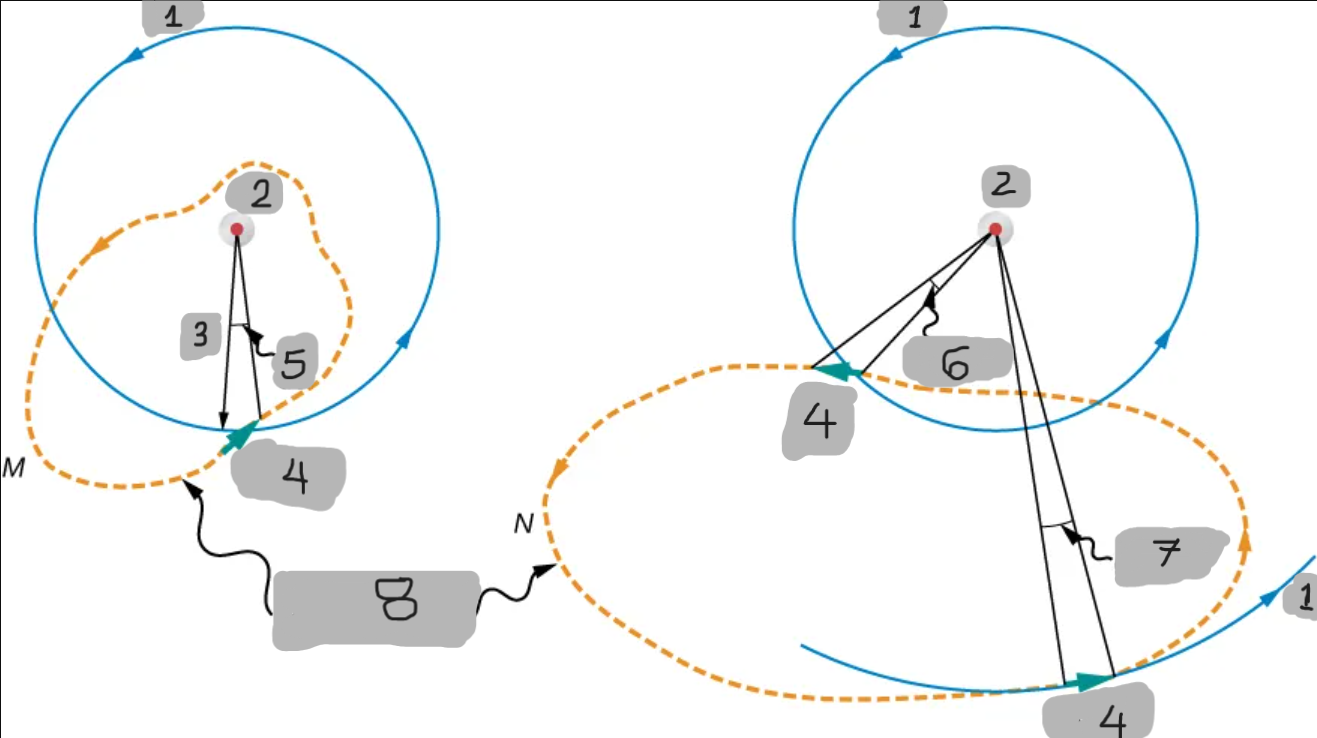
Ampere Paths
(8)
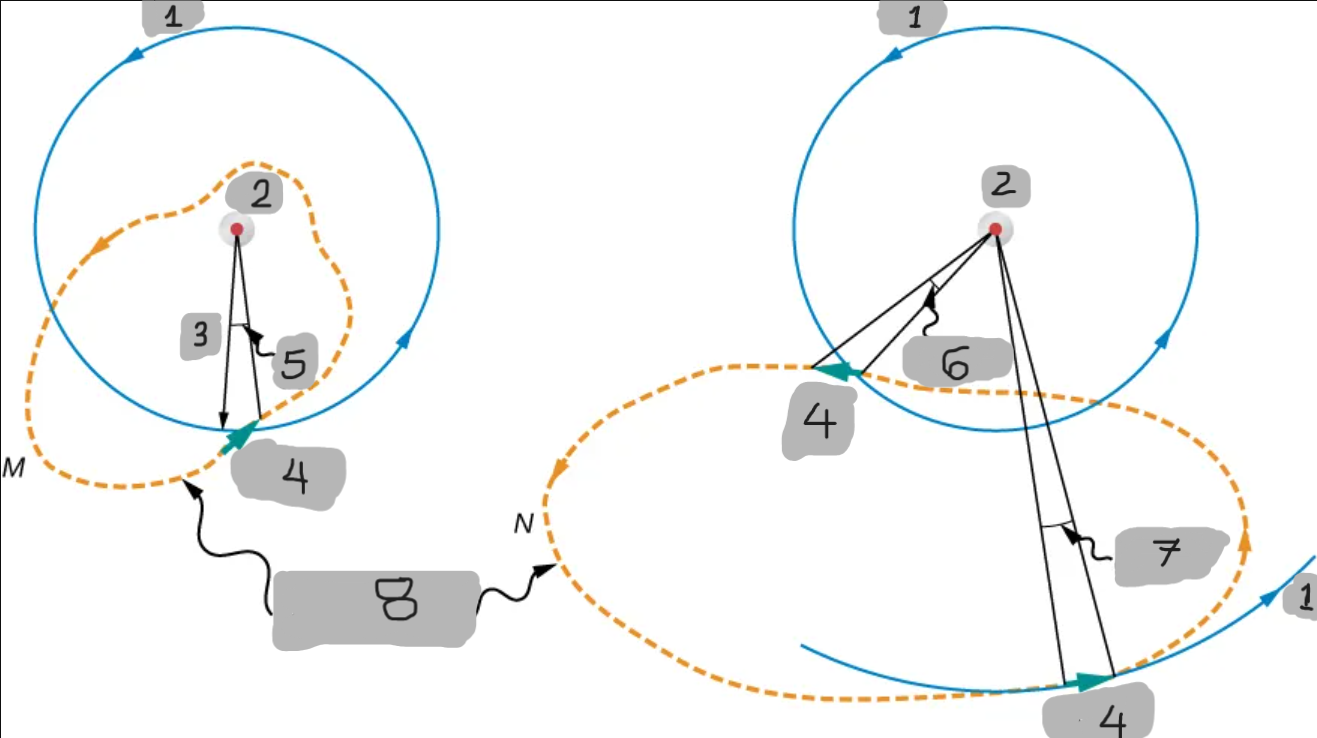
Static Magnetic Field
A magnetic field produced by steady (time-independent) currents. Unlike electrostatic fields, it is not conservative.
Conservative Vector Field
A vector field whose line integral between two points is independent of the path taken.
Non-Conservative Nature of Magnetic Fields
Magnetic fields are non-conservative because the line integral of B depends on the path and is related to electric current.
∮B⋅dl = (μ0)I
Ampère’s Law (Integral Form)
Relates the circulation of the magnetic field around a closed path to the current enclosed.
where I is the total current passing through any surface bounded by the path.
Curl fingers in the direction of integration; thumb points in the direction of positive current.
Right-Hand Rule for Ampère’s Law
B = ((μ0)I)/(2πr)
Magnetic Field of an Infinite Straight Wire
The magnetic field forms concentric circles around the wire.
current, B
Direction of Magnetic Field Around a Wire is given by the right-hand rule: thumb along _______, fingers curl in the direction of _.
B⋅dl = Br dθ
Projection of dl onto circular path (for circular symmetry)
A loop surrounding a current yields a nonzero line integral.
Closed Path That Encloses Current
∮dθ = 2π => ∮B⋅dl = (μ0)I
Mathematical Representation of the “Closed Path That Encloses Current”
∮dθ = 0 => ∮B⋅dl = 0
Closed Path That Does NOT Enclose Current
Positive and negative angular contributions cancel.
Cylindrical Symmetry (Infinite Wire)
The magnetic field depends only on distance r from the wire and is constant along circular paths.
B_r = 0
Radial Component of Magnetic Field For a straight current-carrying wire
Magnetic field lines form closed loops, so no net magnetic flux exists through a closed surface
Ampèrian Loop
A closed path chosen to exploit symmetry when applying Ampère’s law.
B = (((μ0)(I0))/2π)(r/(a^2))
Magnetic Field Inside a Thick Wire (Uniform Current Density) for r ≤ a
((μ0)(I0))/(2πr)
Magnetic Field Outside a Thick Wire for r ≥ a
J = (I0)/(πa^2)
Current Density in a Uniform Wire
I = ((r^2)/(a^2))I0
Enclosed Current Inside Radius r
Magnetic Field Variation with Radius
Inside wire: B∝r
Outside wire: B∝1/r
Ampère’s Law Problem-Solving Strategy
Identify symmetry
Determine field direction (right-hand rule)
Choose Ampèrian loop
Compute enclosed current
Evaluate ∮B⋅dl = (μ0)I
Solve for B
Net Enclosed Current
Sum of all currents passing through the loop, accounting for sign via right-hand rule.
Ampère’s Law with Arbitrary Paths
The integral depends only on net enclosed current, not the shape of the path.
Physical Significance of Ampère’s Law
Explains why tightly paired current-carrying wires produce negligible external magnetic fields.
Ampère’s law mirrors Gauss’s law
Uniform current ↔ uniform charge
Circular symmetry ↔ spherical symmetry