5.1. Physics: Fundamentals, mechanics and ionizing radiation
 Call Kai
 Learn
Learn Practice Test
 Spaced Repetition
 Match
Match Flashcards
 Knowt Play
1/52

There's no tags or description
Looks like no tags are added yet.
Name | Mastery | Learn | Test | Matching | Spaced | Call with Kai |
|---|
No analytics yet
Send a link to your students to track their progress
53 Terms
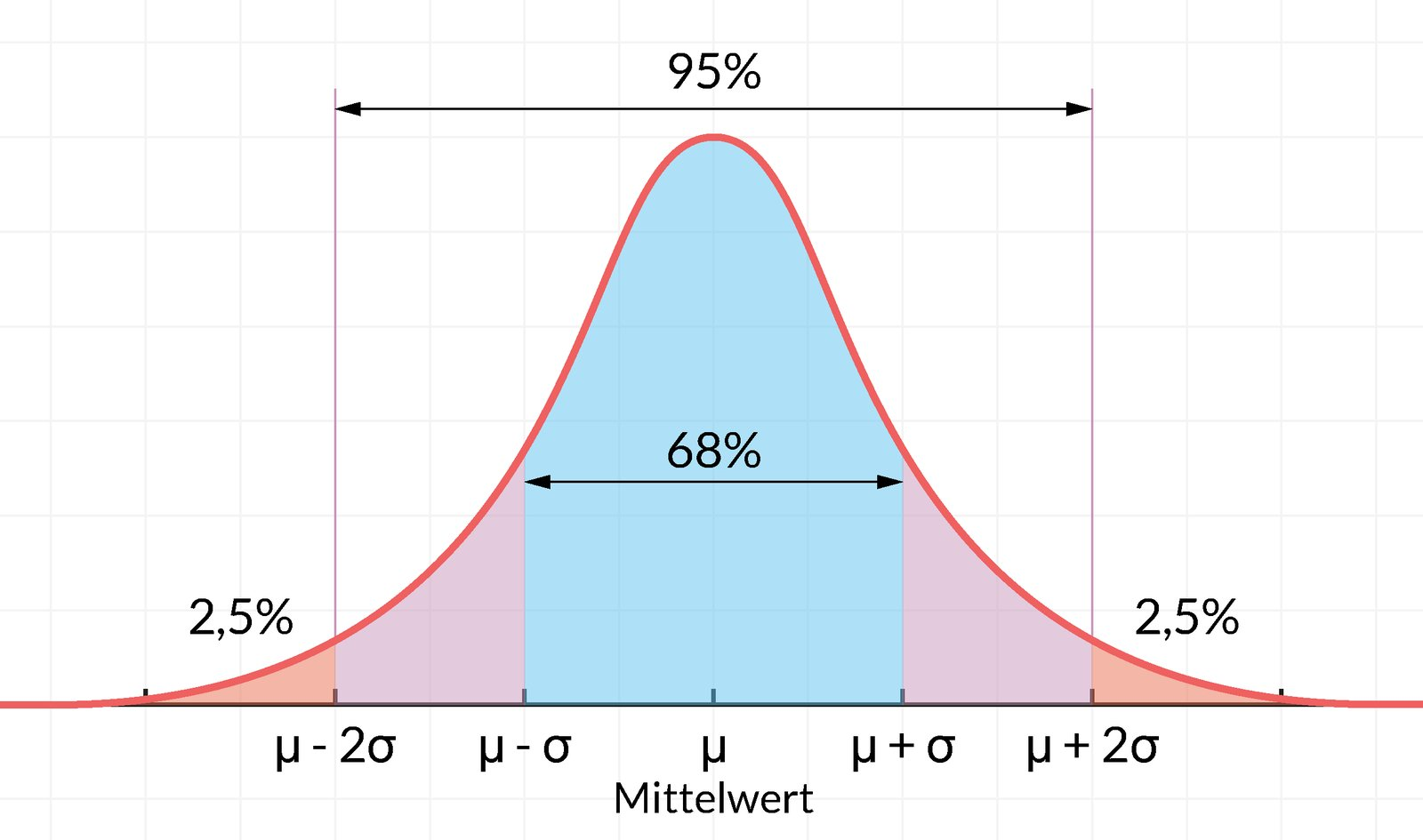
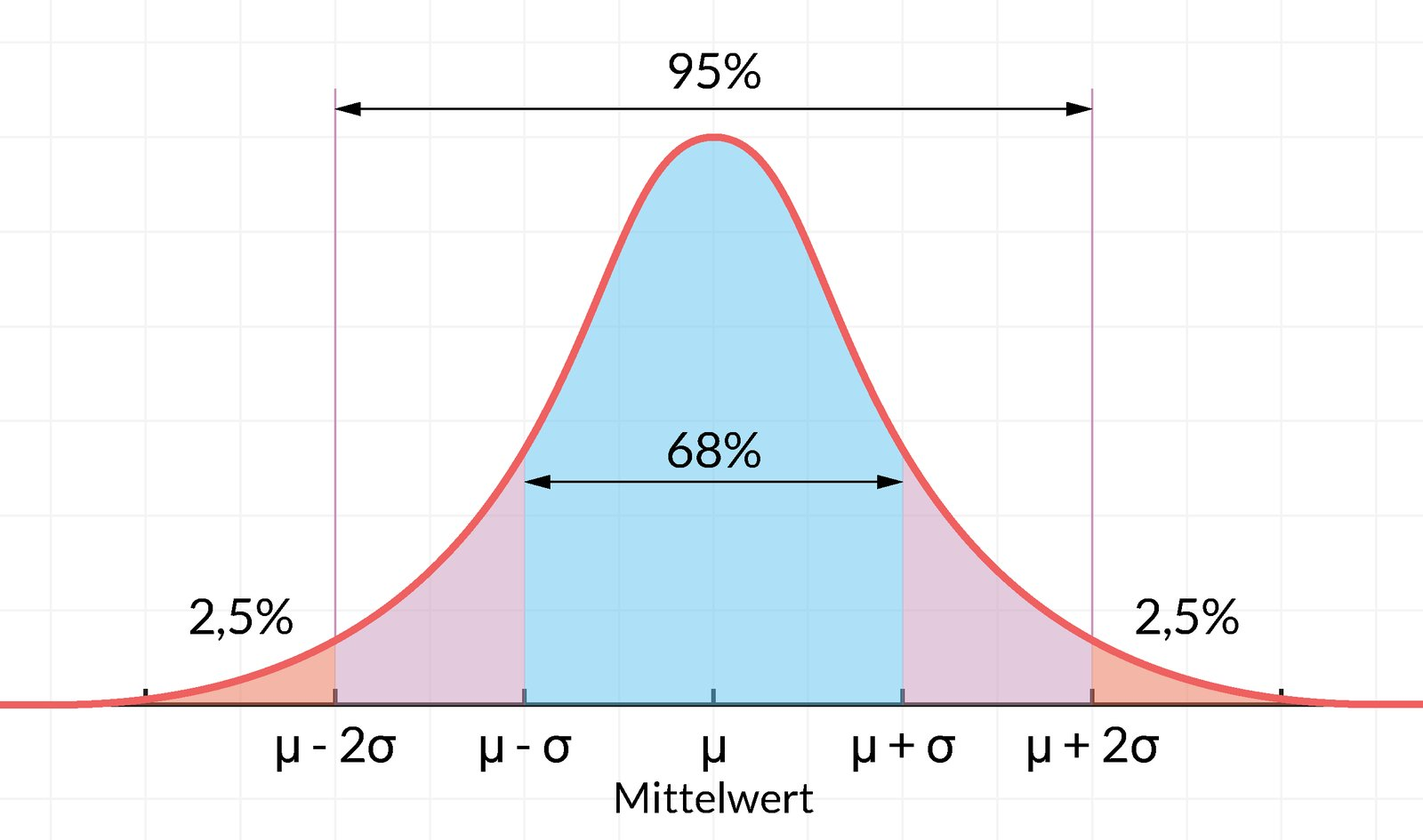
1. A survey of body height with a very large number of male subjects shows a (Gaussian) normal distribution with a mean of 1.80 m and a standard deviation of 10 cm.
Approximately what proportion of men then have a body height between 1.60 m and 2.00 m?
A) 32%
B) 50%
C) 68%
D) 82%
E) 95%
E) 95%
2. What is the average speed of a sprinter in km/h if he covers 100 m in 10 s?
A) 6 km/h
B) 9 km/h
C) 18 km/h
D) 27 km/h
E) 36 km/h
E) 36 km/h
3. A person with a mass of 60 kg is standing in water so that 75% of their volume is submerged. For simplification, the mass density of their body is assumed to be uniform and equal to that of water.
Approximately what force then acts as the difference between weight and buoyancy on their center of gravity?
A) 60 N
B) 120 N
C) 150 N
D) 300 N
E) 600 N
C) 150 N
4. A patient whose mass including clothing is 80 kg is to produce an average (lifting) power of 120 W during an exercise test by walking up a staircase on land, climbing one step per second.
Approximately how high must each step be?
A) 7.5 cm
B) 10 cm
C) 12.5 cm
D) 15 cm
E) 17.5 cm
D) 15 cm
5. A subject produces a mechanical power output of 50 W (e.g., on a bicycle ergometer).
Approximately how much total energy does the subject expend in 10 minutes if they produce this mechanical power with an overall efficiency of about 15%?
A) 3.3 kJ
B) 4.5 kJ
C) 33 kJ
D) 75 kJ
E) 200 kJ
E) 200 kJ
6. A compact piece of bone can withstand a maximum compressive stress of 1.7·10⁸ Pa without breaking. It has the shape of a straight cylinder with a base area of 0.6 cm².
Approximately what is the maximum compressive force (perpendicular to the base area) that the piece of bone can just withstand?
A) 1 N
B) 10 N
C) 0.1 kN
D) 1 kN
E) 10 kN
E) 10 kN
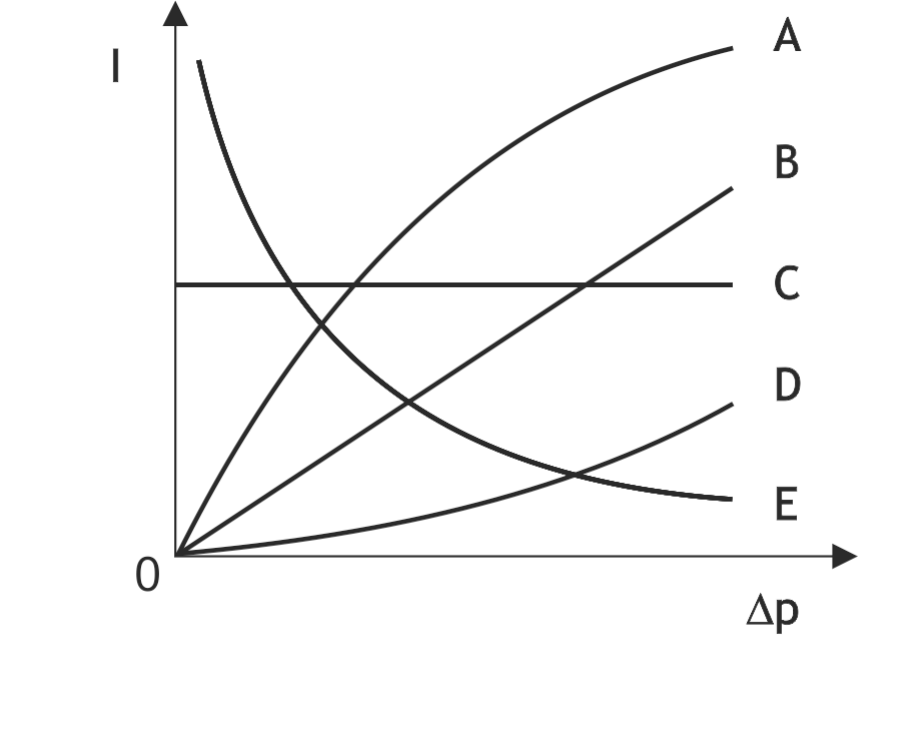
7. In a diagram with linearly scaled axes for a Newtonian fluid flowing through a cylindrical tube, the volume flow rate 𝐼 is plotted as a function of the pressure difference Δ𝑝 (characteristic curve of a Newtonian fluid).
This description most closely applies to which of the plotted relationships A to E?
A. (A)
B. (B)
C. (C)
D. (D)
E. (E)
B. (B)
8. A compressed gas cylinder with an internal volume of 15 L is filled with air at a pressure of 200 bar. A scuba diver rapidly descends (in the Baltic Sea) to a depth of 10 m. They breathe from the cylinder through a pressure regulator that automatically adjusts the inhaled air pressure to match the ambient pressure at that depth, and consume about 25 L of breathing gas per minute at this pressure. The diver remains at a depth of 10 m until the pressure in the cylinder has dropped to 50 bar (as reserve).
Approximately how much time has elapsed since the descent?
A) 30 min
B) 45 min
C) 60 min
D) 90 min
E) 120 min
B) 45 min
9. From a diagram (for 50-Hz alternating current) it can be seen that at a current of 200 mA, the let-go threshold is already exceeded after 10 ms, so that continued current flow can cause fatal ventricular fibrillation.
The following assumptions are made:
• The current path lies between two contact points.
• The electrical resistance of the human body with intact skin is determined mainly by the resistance of the skin under the contacts and totals 0.5 kΩ.
• The contact resistance to the skin (including, e.g., shoe soles) amounts to 1 kΩ in total for both contacts.
• All resistances are considered purely ohmic.
At what electrical voltage between the two contact points is the current therefore 200 mA?
A) 30 V
B) 60 V
C) 300 V
D) 600 V
E) 3 kV
C) 300 V
10. The technical model of a section of a cell membrane consists of a combination of a resistor 𝑅 = 10 MΩ and a capacitor 𝐶 = 0.2 nF (RC circuit).
What is the time constant of this RC circuit?
A) 2 ms
B) 5 ms
C) 20 ms
D) 50 ms
E) 0.2 s
A) 2 ms
11. The resolution of ultrasound sonography depends—apart from technical parameters—on the wavelength of the sound in tissue.
What is the wavelength 𝜆 of an ultrasound wave with a frequency 𝑓 = 7.5 MHz, if the speed of sound in tissue is 𝑐 = 1.5 × 10³ m/s?
A) 20 μm
B) 50 μm
C) 112.5 μm
D) 200 μm
E) 500 μm
D) 200 μm
12. The circular exit opening of a laser device is perpendicular to the beam direction. The laser produces a beam with a power of 1 mW and a diameter of 2 mm at this point.
Approximately how large is the irradiance immediately after leaving the device?
A) 8·10⁻³ W·cm⁻²
B) 1·10⁻² W·cm⁻²
C) 3·10⁻² W·cm⁻²
D) 8 W·cm⁻²
E) 3·10¹ W·cm⁻²
C) 3·10⁻² W·cm⁻²
13. Gamma and X-rays are used, among other things, in medical diagnostics.
Which of the following statements about gamma and X-rays is correct?
A) Gamma rays, unlike X-rays, can be deflected in a magnetic field.
B) Both X-rays and gamma rays are electromagnetic waves that belong to the ionizing types of radiation.
C) X-rays consist of electrons, gamma rays of components of the atomic nucleus (protons/neutrons).
D) X-rays result from the radioactive decay of electrons, gamma rays from the radioactive decay of protons.
E) X-rays, unlike gamma rays, have a longer wavelength than visible light.
B) Both X-rays and gamma rays are electromagnetic waves that belong to the ionizing types of radiation.
14. Which statement about ¹⁴₆C is correct?
A) The atomic nucleus consists of 20 nucleons.
B) The atomic nucleus contains 8 neutrons.
C) The atomic nucleus contains 8 protons.
D) The atomic nucleus is surrounded by 14 electrons.
E) The molar mass is about 20 g/mol.
B) The atomic nucleus contains 8 neutrons.
15. Radium-226 is a radionuclide found, for example, in rocks or building walls. It decays into the likewise radioactive gas radon-222, which can be inhaled by humans and contribute to their (natural) radiation exposure.
Radon-222 decays in one step into polonium-218.
In the decay of ²²²₈₆Rn to ²¹⁸₈₄Po, the following radiation is emitted:
A) α-radiation
B) β⁻-radiation
C) β⁺-radiation
D) Neutron radiation
E) Proton radiation
A) α-radiation
16. For a scintigraphic test, an aqueous solution of the radioactive element ⁹⁹ᵐTc is required. ⁹⁹ᵐTc has a so-called mean lifetime of about 3·10⁴ s.
Approximately how large is the required amount of substance of ⁹⁹ᵐTc in this solution if the initial activity is to be 200 kBq?
A) ≈ 6·10⁹ / 6·10²³ mol = 10⁻¹⁴ mol
B) ≈ 6·10¹² / 6·10²³ mol = 10⁻¹¹ mol
C) ≈ 6·10¹⁵ / 6·10²³ mol = 10⁻⁸ mol
D) ≈ 6·10¹⁸ / 6·10²³ mol = 10⁻⁵ mol
E) ≈ 6·10²¹ / 6·10²³ mol = 10⁻² mol
A) ≈ 6·10⁹ / 6·10²³ mol = 10⁻¹⁴ mol
17. For the energy dose (caused by ionizing radiation), the unit gray (Gy) is commonly used.
Which of the following quantities is equivalent to 1 Gy?
A) 1 J
B) 1 J·kg
C) 1 J·kg⁻¹
D) 1 J·s⁻¹
E) 1 J·kg⁻¹·s⁻¹
C) 1 J·kg⁻¹
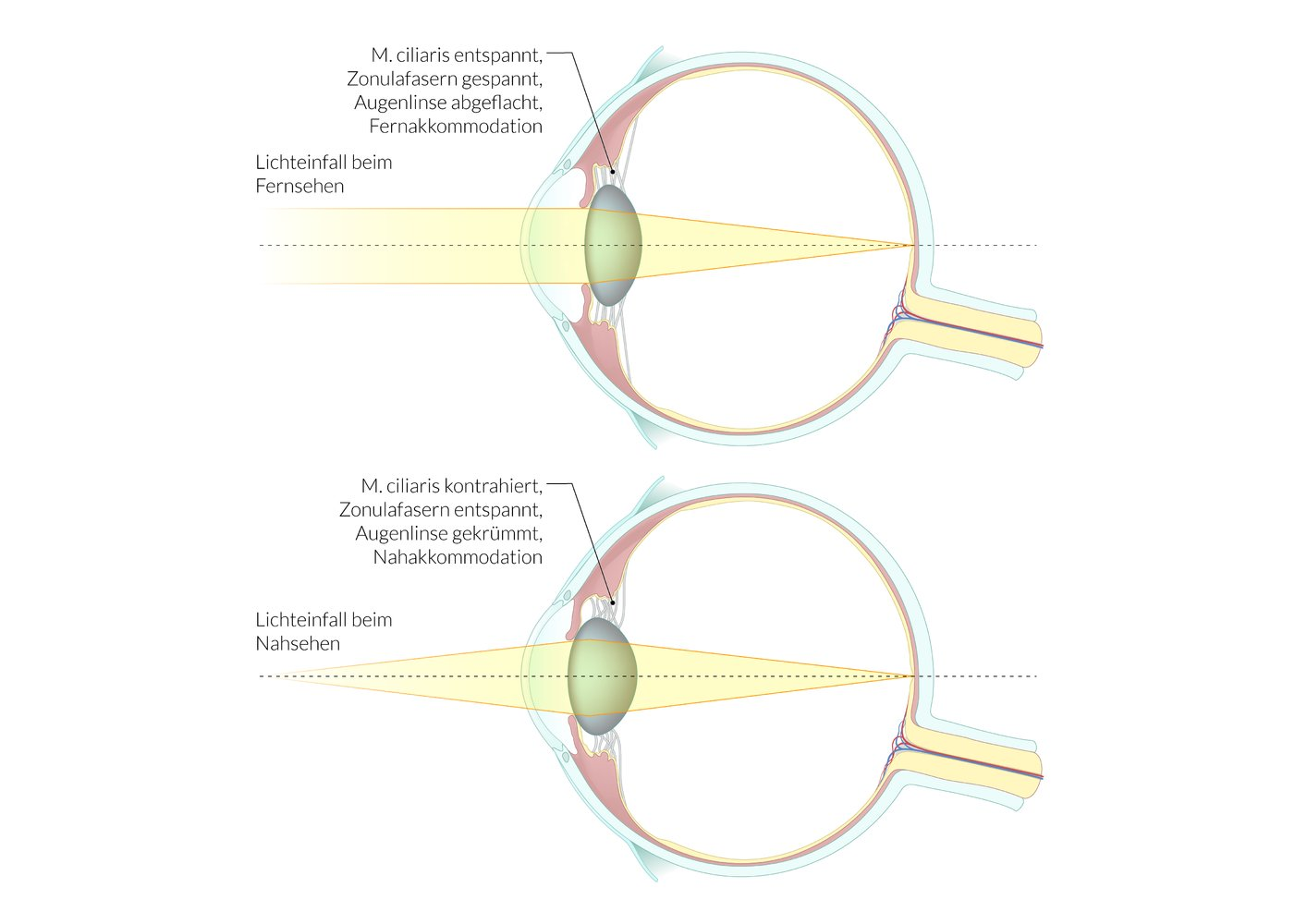
18. In principle, there are several possible mechanisms by which the accommodation of the eye from distance to near vision could occur.
Which of the following mechanisms is primarily realized in the emmetropic eye of young adults?
A) Elongation of the eyeball along the optical axis (axial elongation)
B) Forward displacement of the lens (away from the retina)
C) Increase in the refractive index of the vitreous body
D) Increase in the curvature (decrease in the radius of curvature) of the cornea
E) Increase in the refractive power of the lens
E) Increase in the refractive power of the lens
19. Visual acuity (angular resolution) is a measure of the resolving power of the eye. With a visual acuity of 1′, two objects can still be perceived as separate if their distance corresponds to a visual angle of 1′.
Approximately how large is the distance between the two objects at a viewing distance of 180 m?
(1′ = 1 arcminute = one-sixtieth of a degree)
A) 1 cm
B) 5 cm
C) 10 cm
D) 50 cm
E) 100 cm
B) 5 cm
20. In sonography, sound waves are used for imaging procedures. The relevant information is obtained from the interaction of the sound wave with the tissue it passes through. During the examination, a gel is applied between the transducer and the body surface. Without the gel, there would be an air gap between the transducer and the body.
The gel is most likely used
A) to reduce the propagation speed of the sound wave and thus prevent heating of the skin
B) to match the frequency of the ultrasound excitation to the body
C) to avoid a change in the oscillation plane perpendicular to the direction of propagation (polarization) of the sound wave when entering and exiting the body surface
D) to ensure optimal dissipation of the heat generated at the body surface during the examination
E) to achieve the best possible matching of acoustic impedance between the transducer and the body
E) to achieve the best possible matching of acoustic impedance between the transducer and the body
21. In this exam question, photon energies from different parts of the electromagnetic spectrum are compared, where the energy of a typical photon from the range of
• gamma radiation is denoted as Eγ
• infrared radiation as EIR
• visible light as EVis
• ultraviolet radiation as EUV
In which of the options (A) to (E) are the photon energies listed in the correct descending order?
A) Eγ > EIR > EVis
B) Eγ > EUV > EVis
C) EUV > EIR > Eγ
D) EUV > EVis > Eγ
E) EVis > EIR > Eγ
B) Eγ > EUV > EVis
22. As part of a pharmacological research project, a radioactive marker is prepared. At the beginning, the sample contains about 10¹¹ decayable atoms.
Approximately how many decayable atoms are still present after 10 hours if 10⁸ atoms have decayed during this time?
A) 0
B) 10³
C) 10⁷/3600
D) 10⁸
E) 10¹¹
E) 10¹¹
23. The uranium isotope ²³⁸₉₂U is the starting nucleus of a decay series that ends, after a total of 8 α and 6 β⁻ decays, with a stable nucleus.
The final nucleus has the
A) proton number 76 and nucleon number 206
B) proton number 76 and nucleon number 208
C) proton number 82 and nucleon number 206
D) proton number 82 and nucleon number 226
E) proton number 90 and nucleon number 226
C) proton number 82 and nucleon number 206
24. The radionuclide ¹²³I is a γ-emitter. A corresponding preparation with an activity of 100 kBq is stored behind a lead (Pb) shield, where the approximately parallel radiation strikes the flat lead layer perpendicularly. Directly behind the shielding, an activity of 20 kBq is measured.
Approximately what is the activity behind three additional identical shields placed directly one after another?
A) 0.2 kBq
B) 0.8 kBq
C) 2 kBq
D) 8 kBq
E) 10 kBq
A) 0.2 kBq
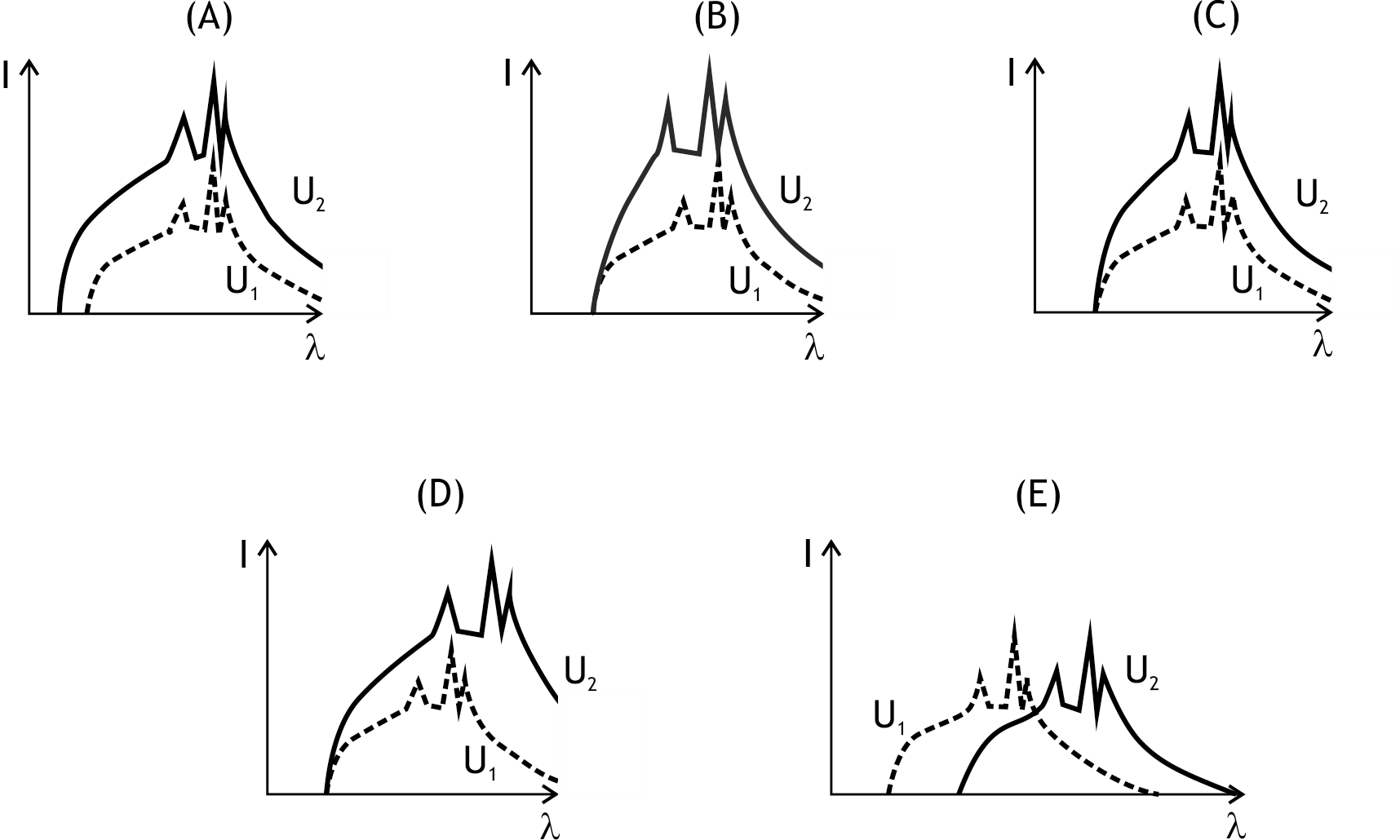
25. An X-ray tube is operated either with anode voltage U₁ or with anode voltage U₂, where U₂ > U₁.
Which of the (schematic) graphs (A) to (E) best represents how the X-ray spectra of the tube differ at the two anode voltages?
(I is the radiation intensity of the X-rays with wavelength λ.)
A. (A)
B. (B)
C. (C)
D. (D)
E. (E)
A. (A)
26. In one series of measurements, the iron concentration in the serum is determined for 10 patients. The (arithmetic) mean value in this series is 15 μmol/L. In a second series with 15 patients, the mean serum iron concentration is 25 μmol/L.
What is the mean serum iron concentration resulting from the combination of both series?
A) 18 μmol/L
B) 19 μmol/L
C) 20 μmol/L
D) 21 μmol/L
E) 22 μmol/L
D) 21 μmol/L
27. If a motor vehicle is very strongly decelerated in a traffic accident, the seat belt can cause injuries, especially in the abdominal region.
Approximately how large is the inertial force on a person compared to their weight force if the person is brought to rest from a speed of 36 km/h (= 10 m/s) with constant deceleration over a distance of 0.5 m?
A) 2 times as large
B) 7.2 times as large
C) 10 times as large
D) 18 times as large
E) 36 times as large
C) 10 times as large
28. During an exercise in a rehabilitation program, a patient is to repeatedly lift a dumbbell with a mass of 6 kg by 0.5 m through flexion at the elbow joint (and then lower it again). The mass of the forearm and hand as well as the energy contribution from lowering are neglected.
Approximately what average mechanical (lifting) power must the patient generate to lift the object 20 times per minute?
A) 1 W
B) 6 W
C) 10 W
D) 60 W
E) 600 W
C) 10 W
29. The German men’s record in apnea diving (breath-hold diving without artificial air supply) using fins stood at a depth of 100 m in 2017.
Approximately how many times the normal air pressure at sea level is added as external pressure on the diver due to the water column above?
A) 2 times
B) 3 times
C) 4 times
D) 10 times
E) 100 times
D) 10 times
30. An injection is performed using a syringe fitted with a needle that has an inner diameter of 0.4 mm. The fluid used flows laminarly, and capillary forces are negligible. The needle is then replaced by another needle of the same length but with an inner diameter of 1.2 mm, and an equal volumetric flow rate through the plunger is achieved by applying the appropriate pressure.
The flow resistance of the second needle compared to that of the first needle is approximately
A) 1/3
B) 1/9
C) 1/30
D) 1/81
E) 1/160
D) 1/81
31. For a woman with a mass of 60 kg, her average body temperature would rise from 37 °C to 38 °C if heat loss did not prevent it. The average specific heat capacity of the body is 4 kJ·kg⁻¹·K⁻¹. Heat loss occurs exclusively through water evaporation. The specific latent heat of vaporization of water is about 2.4 MJ·kg⁻¹.
Approximately how much water must evaporate to keep the temperature constant?
A) 40 g
B) 100 g
C) 200 g
D) 400 g
E) 800 g
B) 100 g
32. When an electric fence is accidentally touched, an electric current can flow through the human body. A particular electric fence device generates a voltage of about 5 kV, which is applied to the human body for only about 10 ms.
Approximately how large would the current through the body be if the total body resistance is 2 kΩ and the maximum current flow is not limited by the device?
A) 100 mA
B) 250 mA
C) 1 A
D) 2.5 A
E) 10 A
D) 2.5 A
33. Magnetic resonance imaging (MRI) is an important imaging technique in medical diagnostics.
Which physical quantity or effect is typically measured or utilized here (even without the administration of contrast agents)?
A) the magnetic moment of atomic nuclei
B) the alpha decay of atomic nuclei
C) the intrinsic angular momentum (spin) of electrons
D) the ferromagnetism of iron
E) the deflection of X-rays in a magnetic field
A) the magnetic moment of atomic nuclei
34. A neutral atom of the radioactive ¹⁴₆C has
A) 8 electrons
B) 8 neutrons
C) 8 protons
D) 14 electrons
E) 14 protons
B) 8 neutrons

35. Positron emission tomography (PET) is an imaging technique in which isotopes (tracers) that emit positrons in the human body are used. Detection of the annihilation radiation resulting from the reaction of positrons with electrons enables localization of the emissions.
Which of the following isotopes is most suitable as a positron emitter?
A) ¹¹C
B) ¹⁴C
C) ¹⁵N
D) ²⁰F
E) ²⁰Ne
A) ¹¹C
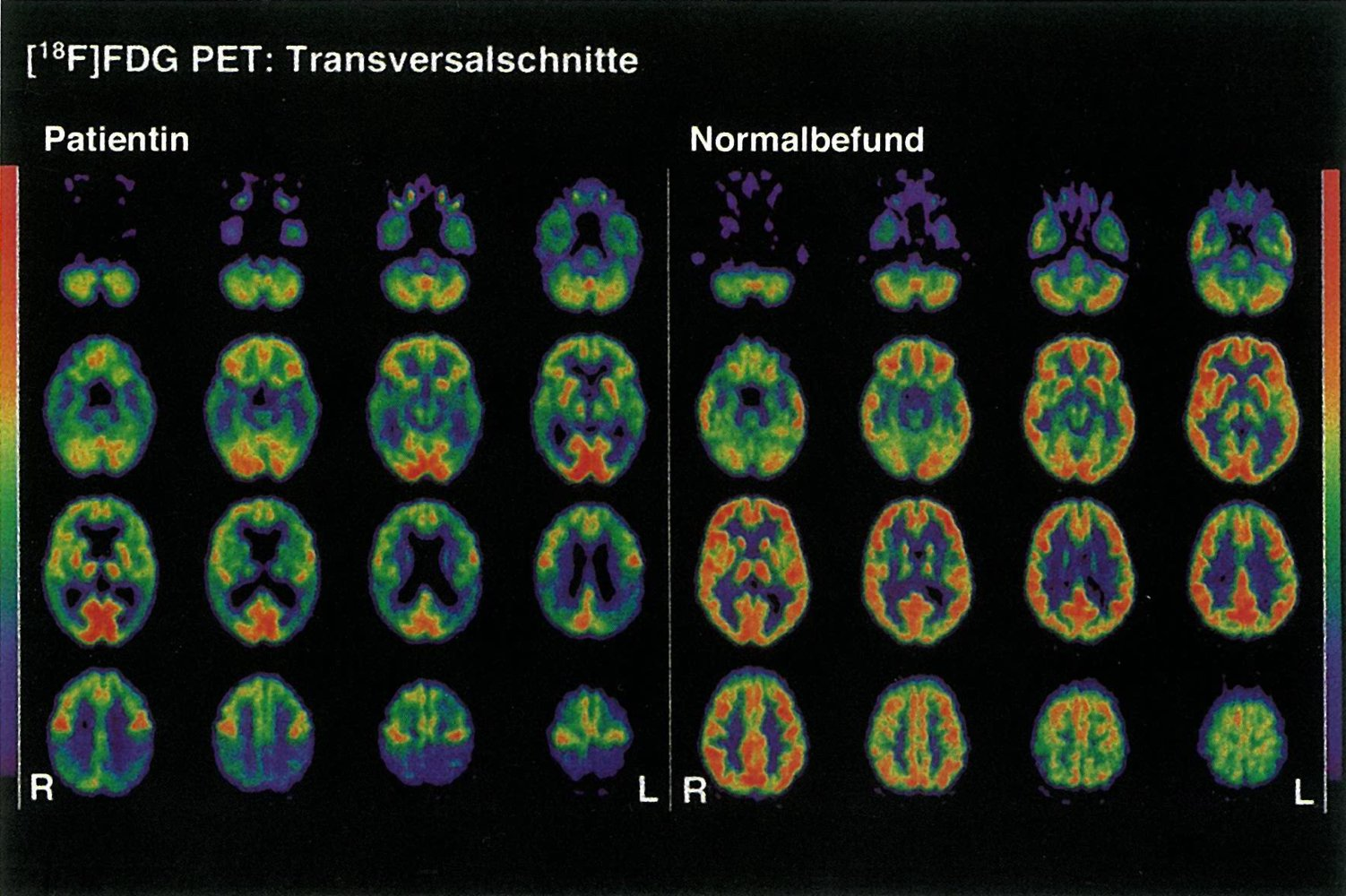
36. In the 6 L of blood of a patient, there are about 24·10¹² erythrocytes. The erythrocytes make up about half of the blood volume, i.e., the hematocrit is about 0.50.
Approximately what is the average volume of one erythrocyte, i.e., what is the MCV?
A) 125·10⁻¹⁵ L = 125 fL
B) 250·10⁻¹⁵ L = 250 fL
C) 500·10⁻¹⁵ L = 500 fL
D) 125·10⁻¹² L = 125 pL
E) 250·10⁻¹² L = 250 pL
A) 125·10⁻¹⁵ L = 125 fL
37. Human height for one sex is (approximately) normally distributed.
Approximately what percentage of women (in the corresponding population) are shorter than 170 cm if the average height is μ = 165.5 cm and the standard deviation is σ = 4.5 cm?
A) 68%
B) 84%
C) 89%
D) 95%
E) 98%
B) 84%
38. A nerve action potential is conducted over a distance of 1.2 m. In the first 0.6 m, the velocity is 60 m/s, and in the second 0.6 m, the velocity is 12 m/s.
What is the average velocity over the total distance of 1.2 m?
A) 10 m/s
B) 20 m/s
C) 30 m/s
D) 40 m/s
E) 50 m/s
B) 20 m/s
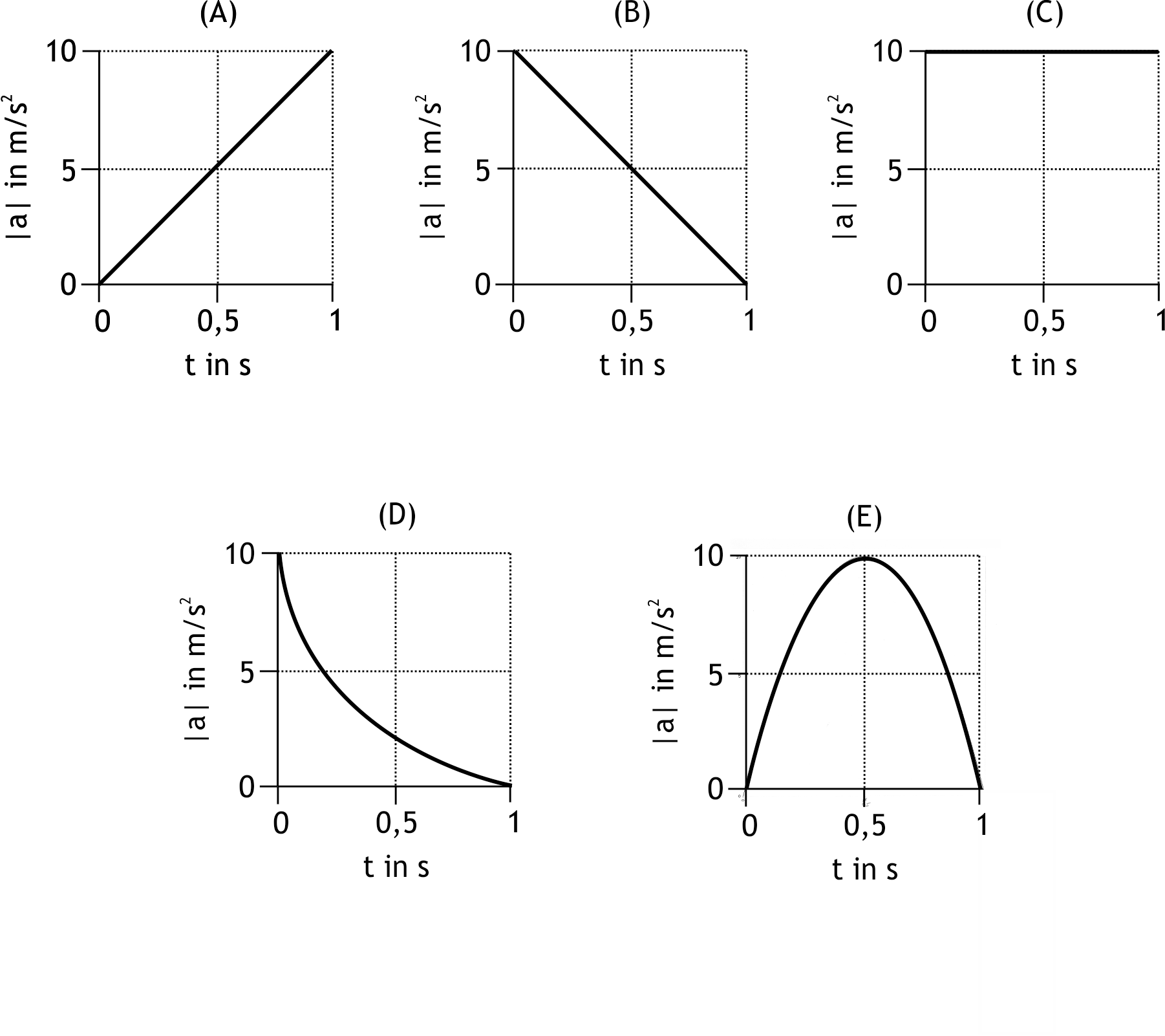
39. A person with a mass of 100 kg (including clothing) falls from a height of 5 m. It is assumed, for simplicity, that this is a free fall lasting 1 second.
Which of the graphs (A) to (E) best represents the magnitude of the acceleration |a| acting on the body as a function of time t?
A. (A)
B. (B)
C. (C)
D. (D)
E. (E)
C. (C)
40. In the hammer throw, an athlete swings a metal ball attached to a metal wire in a circle with outstretched arms and finally releases it. During the circular motion, the ball, with a mass of about 4 kg, is at a distance of about 2 m from the center of its circular path. Shortly before release, the metal ball reaches an angular velocity of 14 s⁻¹ on its path.
Approximately what force must the athlete exert to keep the ball (considered as a point mass of 4 kg in uniform circular motion) on its circular path just before release?
A) 25 N
B) 110 N
C) 200 N
D) 450 N
E) 1,600 N
E) 1,600 N
41. A person gains 10.1 MJ of energy per day from food. Their resting metabolic rate is 6.5 MJ per day. It is assumed that, apart from rest periods, they perform only one activity during which their energy expenditure increases by 100 W compared to the resting rate.
How long per day would they need to perform this activity for their energy balance to be even?
A) 4 hours
B) 6 hours
C) 8 hours
D) 10 hours
E) 18 hours
D) 10 hours
42. The flow resistance of a small tube (as a model for a blood vessel) is 2·10⁹ N·s·m⁻⁵ for a Newtonian fluid.
What pressure difference between the ends of the tube (under laminar flow) produces a volumetric flow rate of 5·10⁻⁷ m³·s⁻¹?
A) 0.25 kPa
B) 0.4 kPa
C) 1 kPa
D) 2.5 kPa
E) 4 kPa
C) 1 kPa
43. At the summit of Mont Blanc, a barometric pressure of 54 kPa is measured. The molar ratio of the components in the air there and at sea level is assumed to be approximately the same. The number 𝑁Montblanc of O₂ molecules in one liter of air at that altitude is to be compared with the number
𝑁NN of O₂ molecules in one liter of air at mean sea-level pressure at the same temperature.
Approximately what is the ratio 𝑁Montblanc/𝑁NN ?
A) 1 − e⁻⁰·⁵⁴
B) 0.54
C) √0.54
D) ³√0.54
E) 1/√0.54
B) 0.54
44. In studies of cell physiology, a potassium leak current of 80 pA is measured at a resting membrane potential of 80 mV.
What is the conductance (caused by the potassium leak channels) in this case?
A) 10⁻⁹ siemens
B) 10⁻⁹ ohms
C) 10⁻⁶ siemens
D) 10⁶ ohms
E) 10⁹ siemens
A) 10⁻⁹ siemens
45. When an electric fence is accidentally touched, a current can flow through the human body. A particular electric fence device generates a voltage of about 5 kV, which is applied to the human body for only about 10 ms at a time. The flowing current is limited by the device to about 30 mA.
Approximately how much electrical energy per voltage pulse is maximally deposited in the body?
A) 0.015 J
B) 0.15 J
C) 1.5 J
D) 15 J
E) 150 J
C) 1.5 J
46. In an ultrasound examination using the pulse-echo method, a device with an ultrasound frequency of 10 MHz is used to detect a structure of approximately 3 mm in diameter.
If another analysis device with an ultrasound frequency of 30 MHz is used — assuming, for simplicity, that the propagation speed of the waves from both devices in tissue is the same — this most likely means, compared to the first device:
A) a shortening of the recording time due to a tripling of the period of the sound waves
B) a lengthening of the recording time due to a tripling of the period of the sound waves
C) a reduction of the wavelength to one third in the examined tissue
D) an increase of the wavelength to three times in the examined tissue
E) no change in the wavelength in the examined tissue
C) a reduction of the wavelength to one third in the examined tissue
47. In a dermatological therapy, ultraviolet electromagnetic radiation with a wavelength of about 300 nm is used, which corresponds to a frequency of about 1·10¹⁵ Hz. Planck’s constant is approximately 6.6·10⁻³⁴ J·s.
Approximately what is the energy of a photon of this radiation?
A) 3·10⁻¹⁹ J (≈ 2 eV)
B) 7·10⁻¹⁹ J (≈ 4 eV)
C) 3·10⁻¹⁸ J (≈ 20 eV)
D) 7·10⁻¹⁸ J (≈ 40 eV)
E) 3·10⁻¹⁷ J (≈ 200 eV)
B) 7·10⁻¹⁹ J (≈ 4 eV)
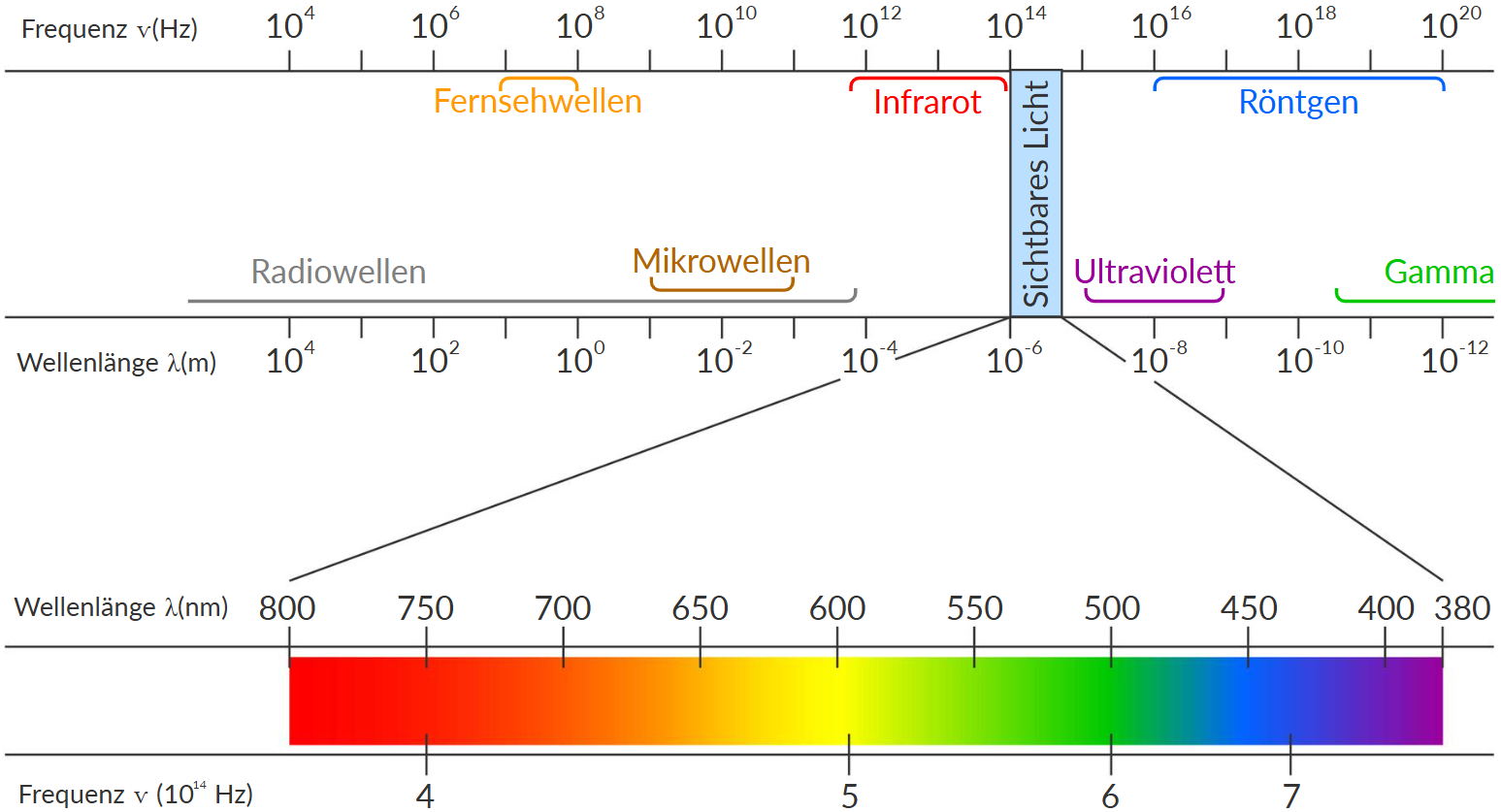
48. In PET (positron emission tomography), radioactive β⁺ emitters that release positrons are administered to the patient.
Which statement best describes the mechanism by which the release site of the positrons in the body is determined?
A) The positive charge in the surrounding tissue caused by the positrons generates an electric field distribution that is spatially detected.
B) The positrons alter the nuclear spins of hydrogen atoms in the surrounding tissue, which are spatially determined via nuclear magnetic resonance tomography.
C) The positrons heat the surrounding tissue, producing thermal radiation that is measured from different directions.
D) The positrons move through the body, lose energy along their path, and eventually reach the detector, where their remaining energy is used to infer their path length.
E) Near the release site, the positrons interact with electrons (pair annihilation) and emit two oppositely directed γ-quanta, which are detected.
E) Near the release site, the positrons interact with electrons (pair annihilation) and emit two oppositely directed γ-quanta, which are detected.
49. For technetium-99m, a radionuclide used in nuclear medicine diagnostics, its activity is mainly determined by an isomeric transition to the ground state, which kinetically corresponds to a first-order reaction. The activity decreases to one-tenth of its initial value within about 20 hours.
Approximately how long does it take for the activity to decay to one-thousandth of its initial value?
A) 60 hours
B) 99 hours
C) 200 hours
D) 2,000 hours
E) 20,000 hours
A) 60 hours
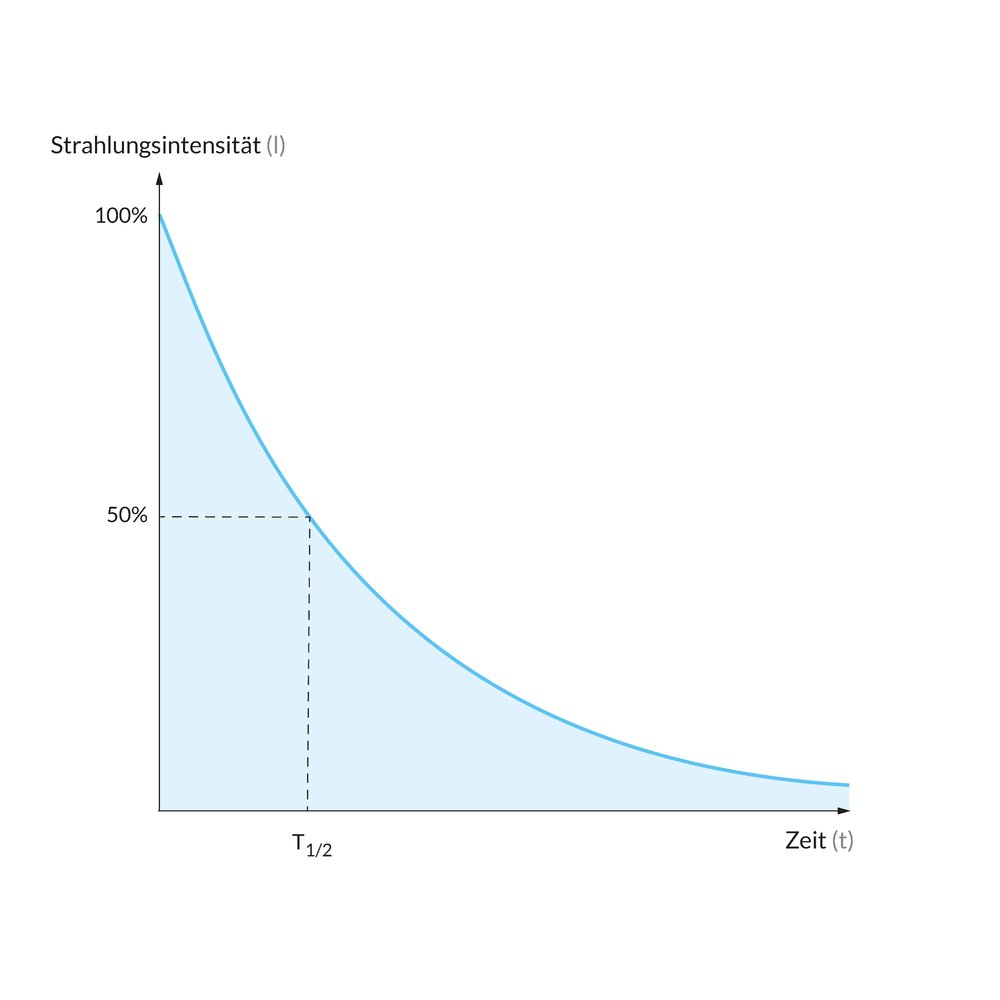
50. The dose rate of a γ-radiation source (assumed to be a point source) is measured in air with a detector at a distance of 10 cm and found to be 1 μSv/h.
How far must one move away so that the dose rate measured with the same detector is only 1% of the initially measured value, assuming negligible losses in air?
A) 0.2 m
B) 0.4 m
C) 1 m
D) 10 m
E) 1 km
C) 1 m
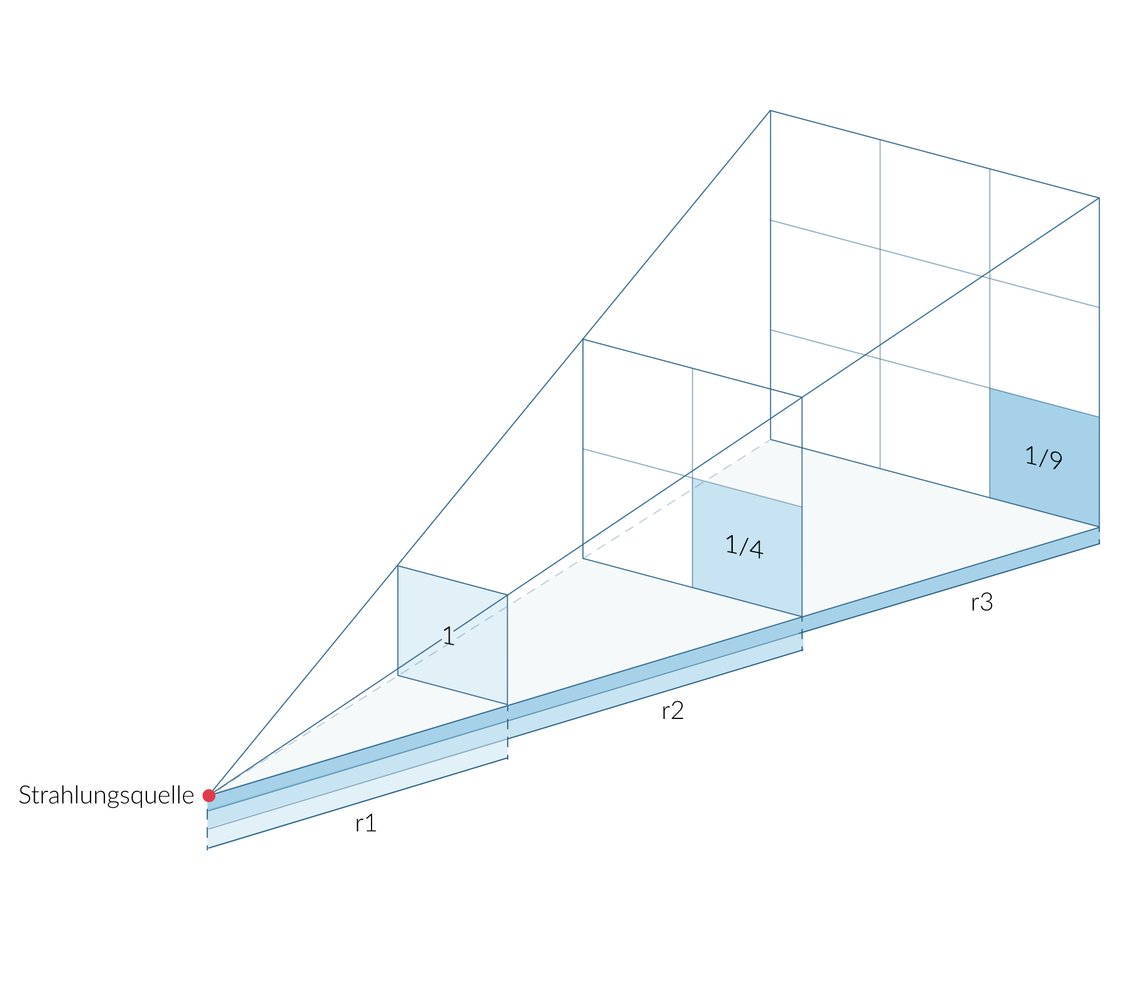
51. Which statement about ¹⁴₆C is correct?
A) The atomic nucleus consists of 14 nucleons.
B) The atomic nucleus contains 6 neutrons.
C) The atomic nucleus contains 8 protons.
D) The atomic nucleus is surrounded by 14 electrons.
E) The molar mass is about 20 g/mol.
A) The atomic nucleus consists of 14 nucleons.
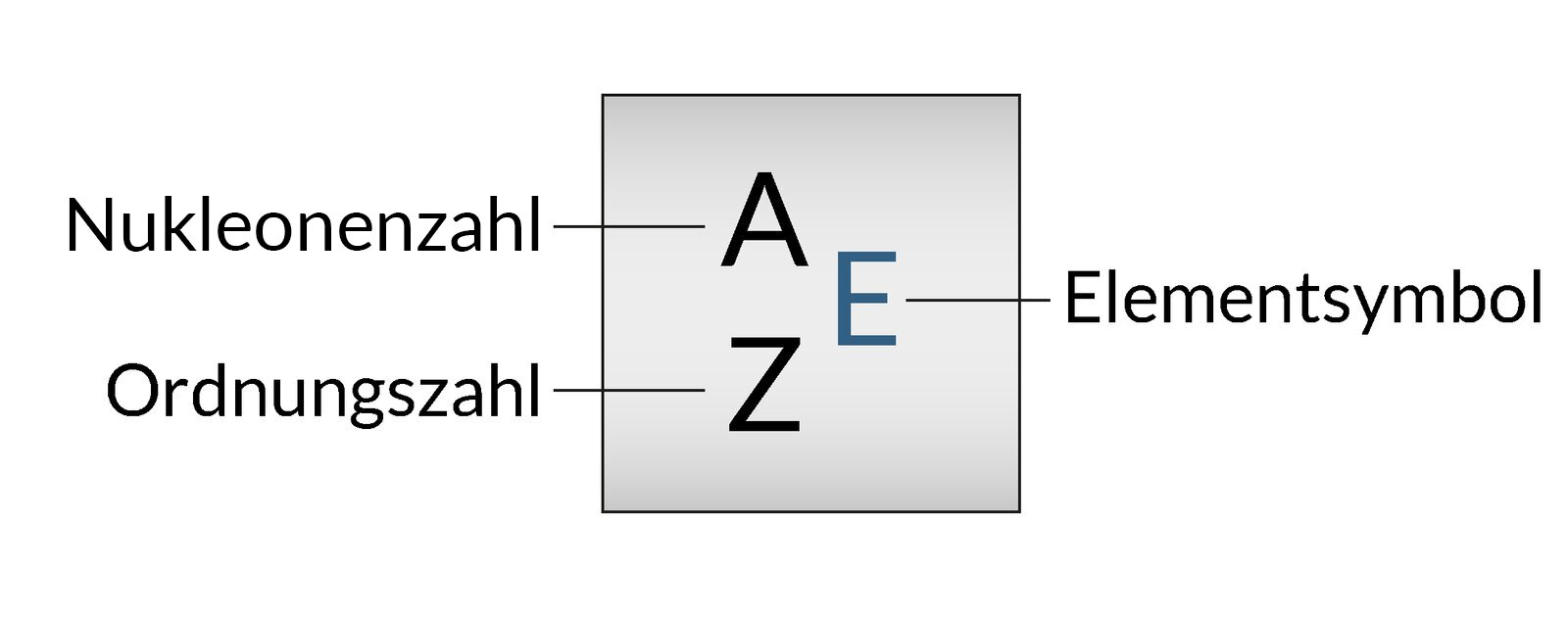
52. In PET (positron emission tomography), fluorodeoxyglucose labeled with the radionuclide ¹⁸F is used. ¹⁸F is a typical positron emitter.
Which statement applies to the decay product of this radionuclide?
A) It is ¹⁸O.
B) It has the same number of neutrons as ¹⁸F.
C) It has the same number of protons as ¹⁸F.
D) It has a higher number of nucleons than ¹⁸F.
E) It has a higher number of protons than ¹⁸F.
A) It is ¹⁸O.
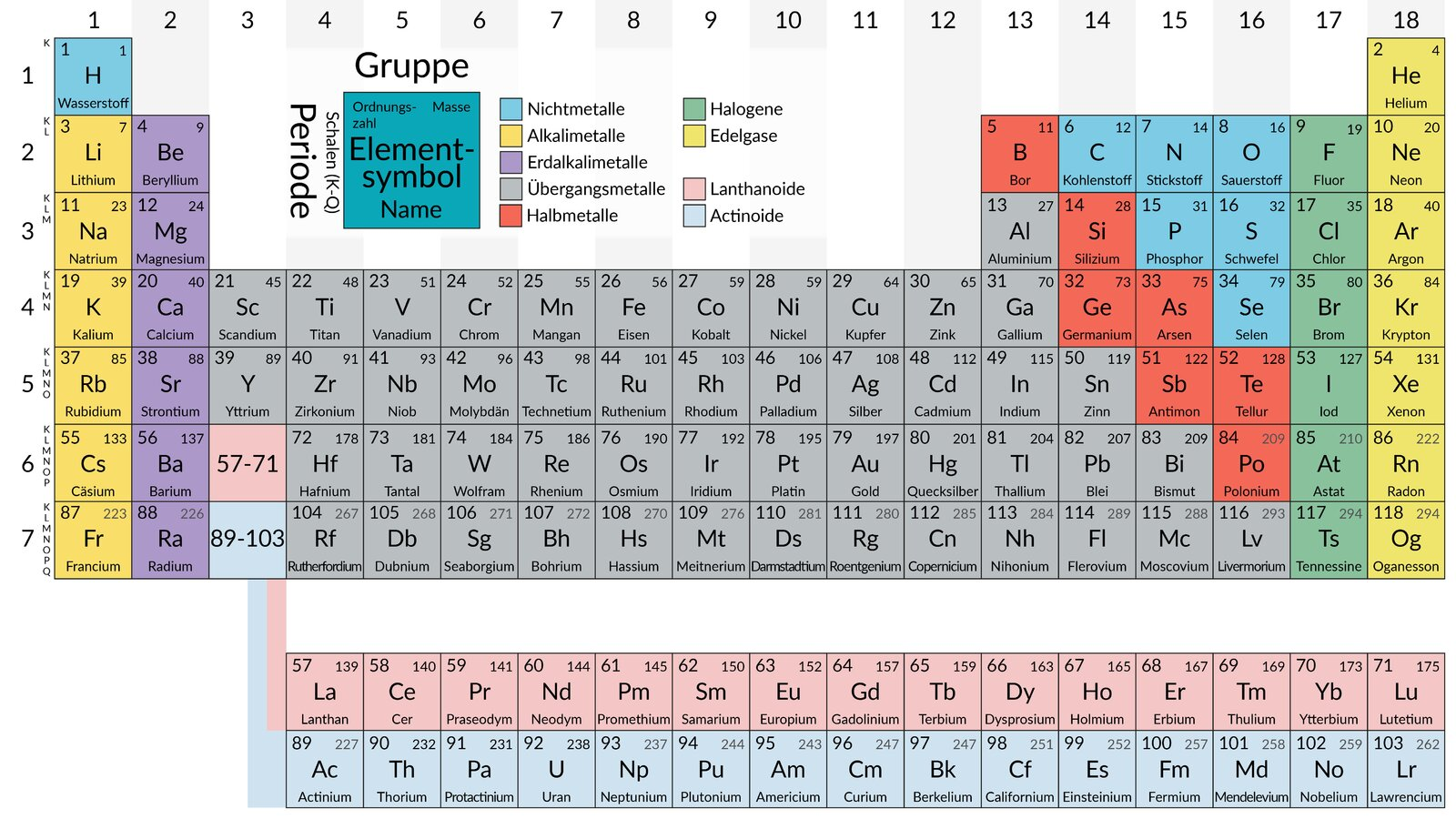
53. What is meant by electronegativity?
A) the absolute measure of an atom’s willingness to give up electrons in a redox reaction
B) the relative measure of an atom’s tendency to attract electrons from a bonding partner in a chemical bond
C) the numerical value of the charge of anions
D) the energy released or required when an atom gains an electron
E) the energy that must be supplied to remove the most energetic electron from the electron shell
B) the relative measure of an atom’s tendency to attract electrons from a bonding partner in a chemical bond