Grade 6 Vocab
 Call Kai
 Learn
Learn Practice Test
 Spaced Repetition
 Match
Match Flashcards
1/46

There's no tags or description
Looks like no tags are added yet.
Name | Mastery | Learn | Test | Matching | Spaced | Call with Kai |
|---|
No analytics yet
Send a link to your students to track their progress
47 Terms
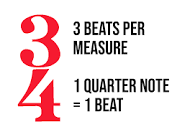
Time Signature
top number = how many beats per measure
bottom number = what kind of note gets one beat
Common Time
same as 4/4 time signature

Whole Note
gets 4 beats in 4/4 time

Whole Rest
gets 4 beats in 4/4 time

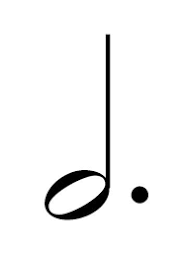
Dotted Half Note
gets 3 beats in 4/4 time
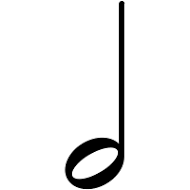
Half Note
gets 2 beats in 4/4 time
Half Rest
gets 2 beats in 4/4 time

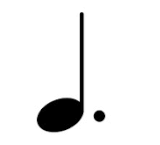
Dotted Quarter Note
gets 1 1/2 beats in 4/4 time
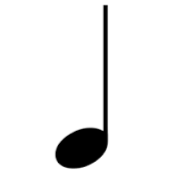
Quarter Note
gets 1 beat in 4/4 time
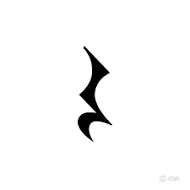
Quarter Rest
gets 1 beat in 4/4 time
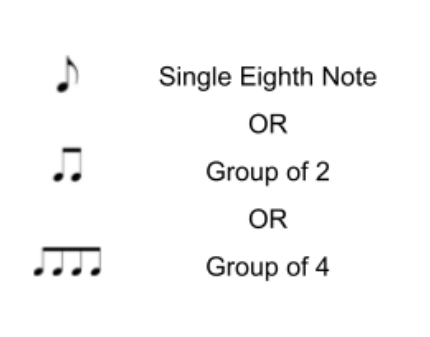
Eighth Note
EACH eighth note gets 1/2 beat in 4/4 time
Eighth Rest
gets 1/2 beat in 4/4 time
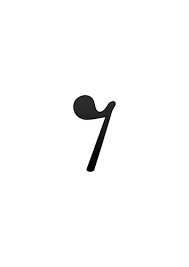
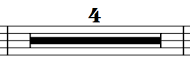
Extended Rests (or “Multi-Measure” Rests)
tells how many MEASURES of rest there are
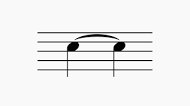
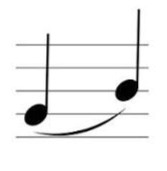
Tie
a curved line that connects notes of the SAME pitch; hold for the total combined note value
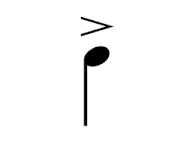
Accent
emphasize the note (articulation)
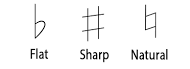
Accidental
a sign indicating that the note does not follow the key signature
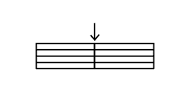
Bar Line
separates the music into measures
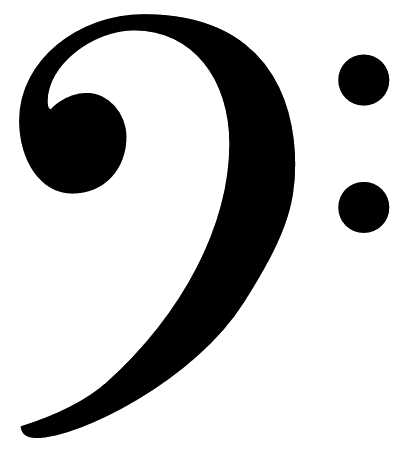
Bass Clef
the lower clef of the grand staff
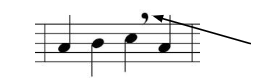
Breath Mark
breathe here
Chromatic
music written with half-step movement; look for passages containing many accidentals
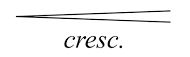
Crescendo
get gradually louder (dynamics)
Da Capo al Fine (D.C. al Fine)
go back to the beginning of the piece and play until the "Fine"
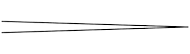
Decrescendo
get gradually softer (dynamics)
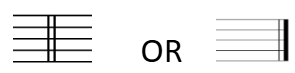
Double Bar Line
separates two sections or indicates the end of a piece of music
Embouchure
the way a player forms his/her mouth in order to play a brass or woodwind instrument
Enharmonic
two notes that sound the same and are fingered the same, but look different on the staff
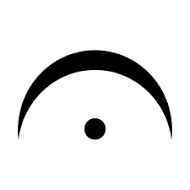
Fermata
hold the note or rest longer than usual or until the conductor signals
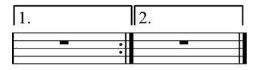
First & Second Endings
Play the 1st ending the first time, repeat the section of music and play the 2nd ending the second time
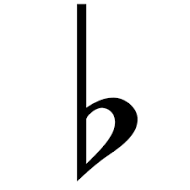
Flat
lowers the pitch 1/2 step
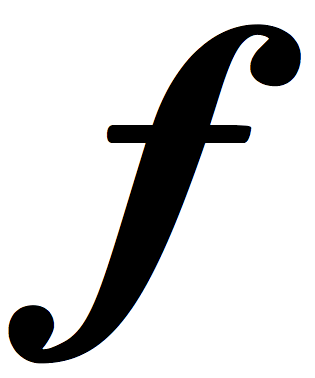
Forte
loud or strong (dynamics)
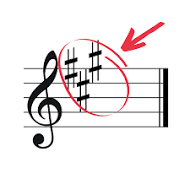
Key Signature
is written at the beginning of each line and tells which notes are sharp, flat, & natural in a piece of music
Measure
the space between bar lines
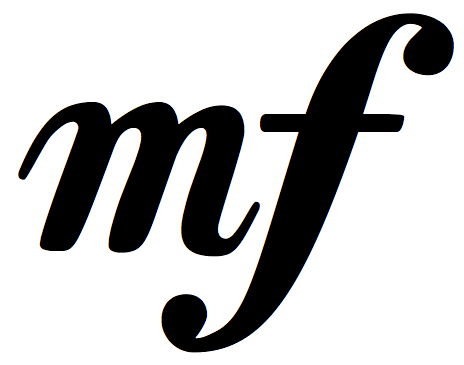
Mezzo Forte
medium loud (dynamics)
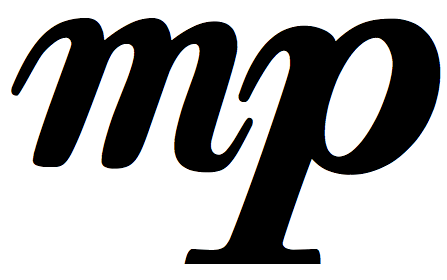
Mezzo Piano
medium soft (dynamics)
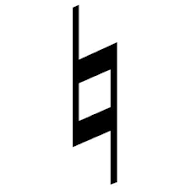
Natural
cancels a flat or a sharp
Phrase
a musical sentence
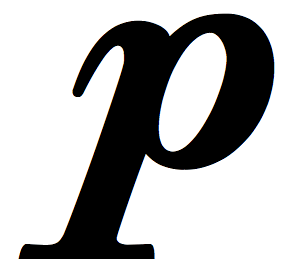
Piano
soft (dynamics)
Pick-Up Notes
a note (or notes) that lead into a complete measure
Repeat Measure Sign (percussion)
play the previous measure again

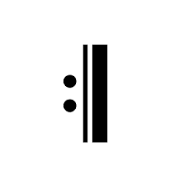
Repeat Sign
repeat back to the beginning or back to the forward repeat sign
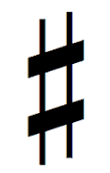
Sharp
raises the pitch 1/2 step
Simile
play the next measures in the same way as previously marked (same articulation or expression marking)

Slur
a curved line that connects notes of DIFFERENT pitches; tongue only the first note in a slur (articulation)
Staccato
play the note separated (articulation)
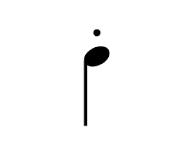
Staff
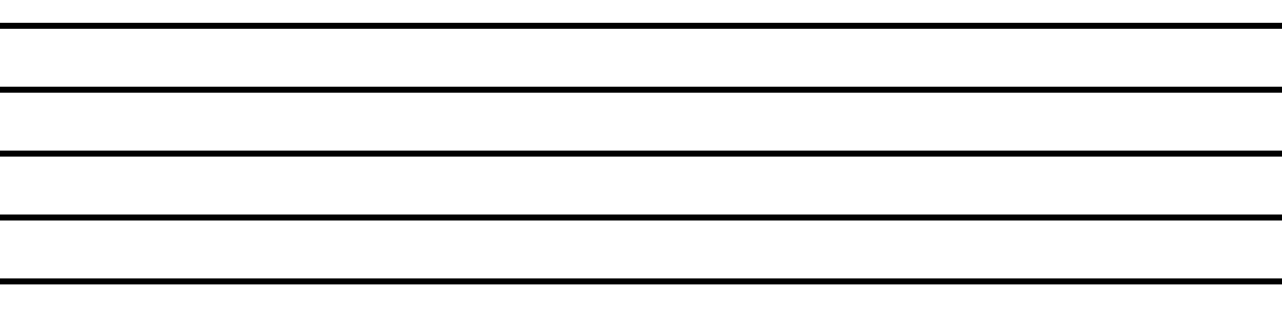
5 lines and 4 spaces
Tonguing
when the player starts the note by touching his/her tongue to the reed or roof of the mouth (articulation)
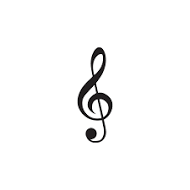
Treble Clef
the upper clef of the grand staff