APUSH Unit 5: A Nation Divided
 Call Kai
 Learn
Learn Practice Test
 Spaced Repetition
 Match
Match Flashcards
 Knowt Play
1/45

There's no tags or description
Looks like no tags are added yet.
Name | Mastery | Learn | Test | Matching | Spaced | Call with Kai |
|---|
No analytics yet
Send a link to your students to track their progress
46 Terms
Popular Sovereignty
Notion that the sovereign people of a given territory should decide whether to allow slavery. Seemingly a compromise, it was largely opposed by Northern abolitionists who feared it would promote the spread of slavery to the territories.
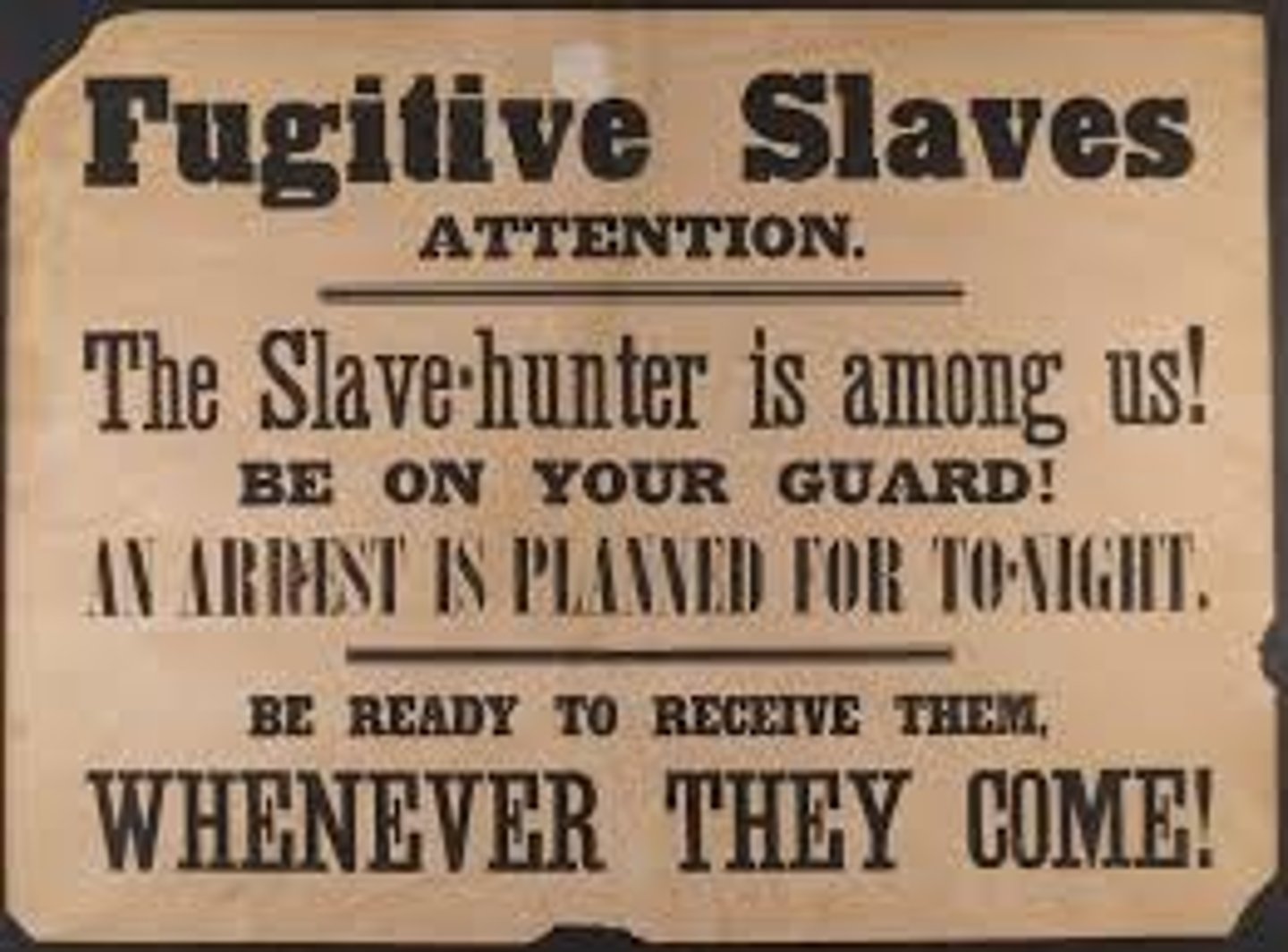
Fugitive Slave Law
Passed as part of the Compromise of 1850, it set high penalties for anyone who aided escaped slaves and compelled all law enforcement officers to participate in retrieving runaways. Strengthened the antislavery cause in the North.
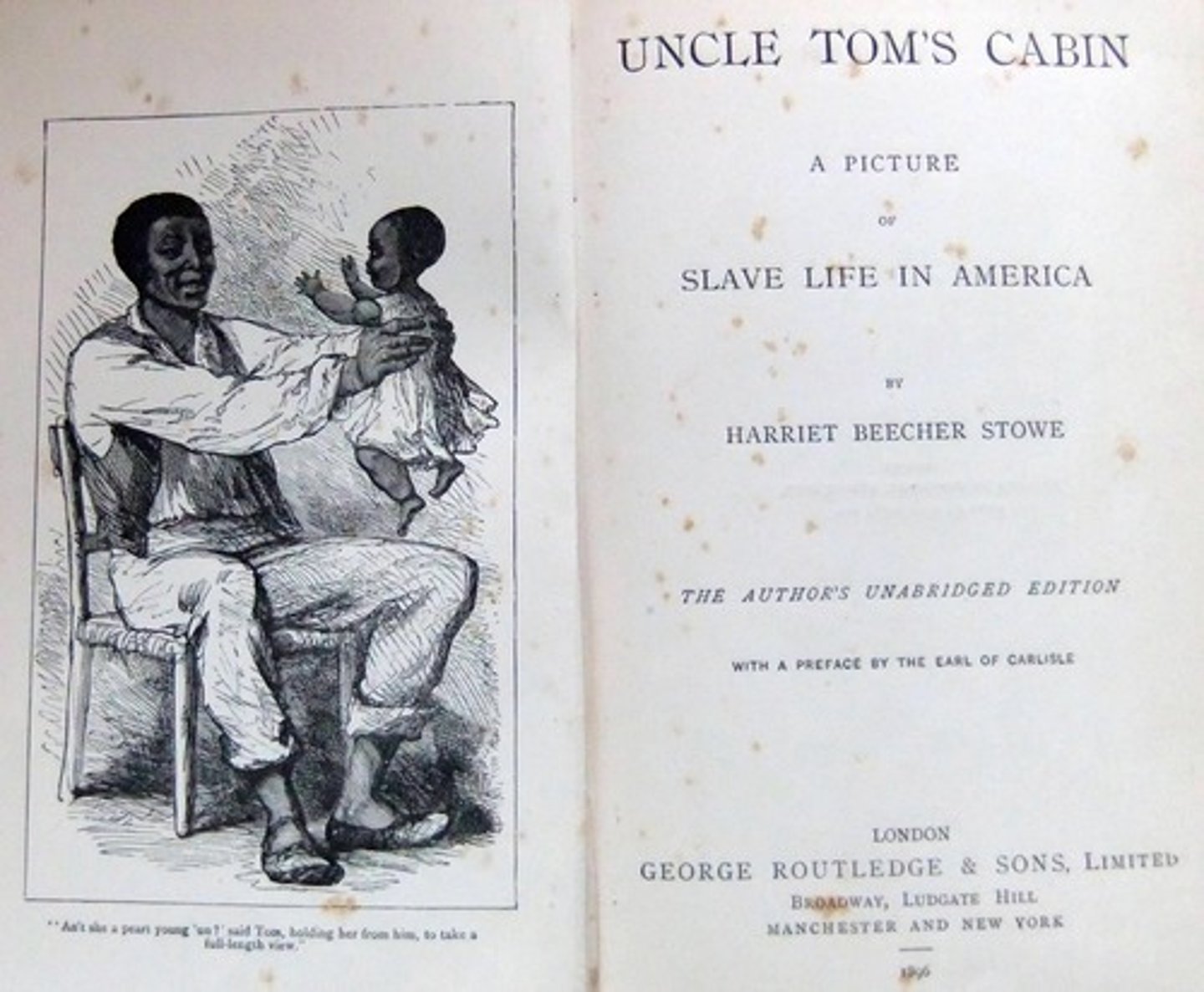
Uncle Tom's Cabin
Harriet Beecher Stowe's widely read novel that dramatized the horrors of slavery. It heightened Northern support for abolitions and escalated the sectional conflict.
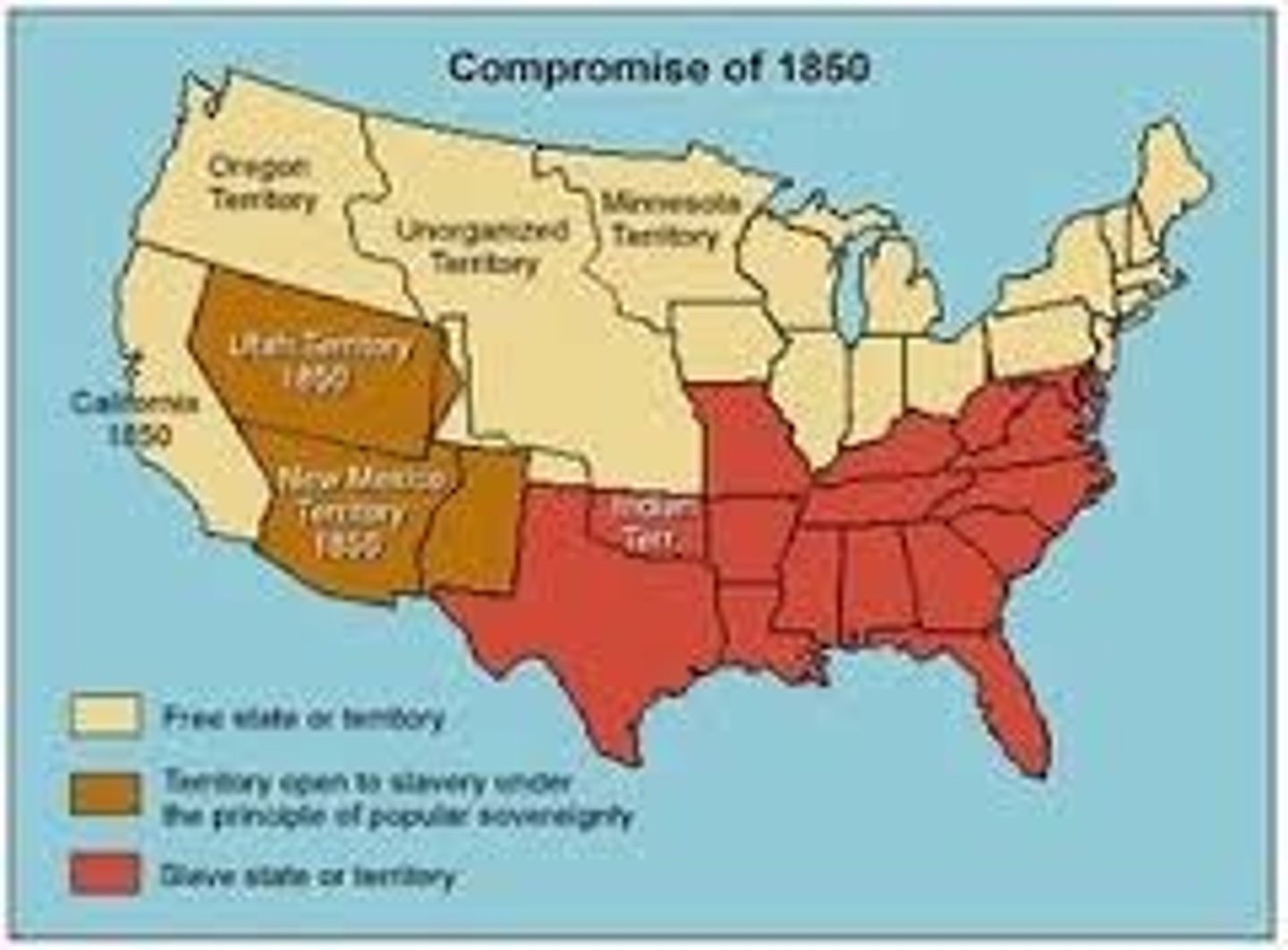
Compromise of 1850
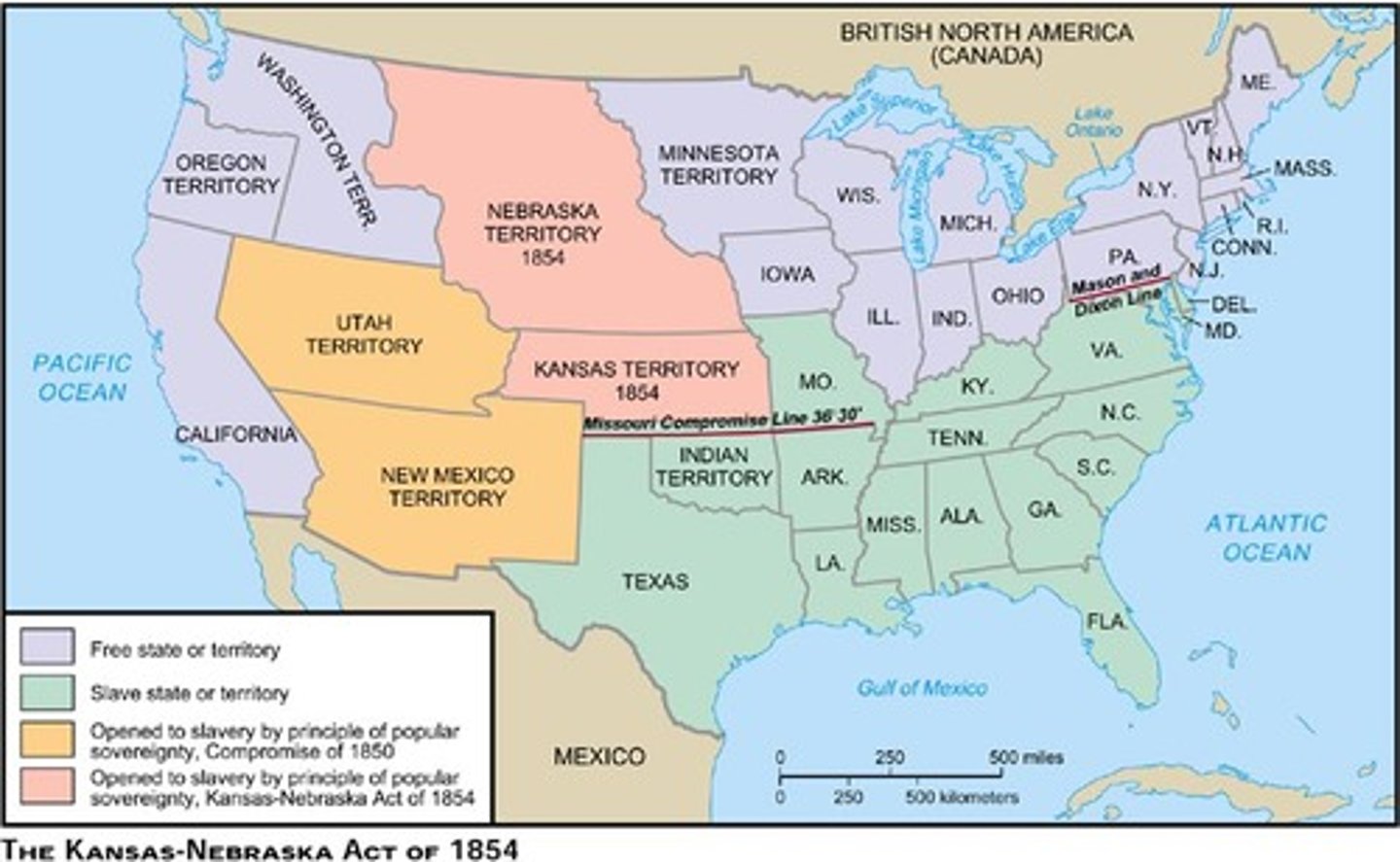
Admitted California as a free state, opened New Mexico and Utah to popular sovereignty, ended the slave trade (but not slavery itself) in Washington D.C., and introduced a more stringent fugitive slave law. Widely opposed in both the North and South, it did little to settle the escalating dispute over slavery.
Kansas-Nebraska Act
1854. Proposed that the issue of slavery be decided by popular sovereignty in the Kansas and Nebraska territories, thus revoking the 1820 Missouri Compromise. Introduced by Stephen Douglass in an effort to bring Nebraska into the Union and pave the way for a northern transcontinental railroad.
Abolitionist Movement
The movement to end the practice of slavery within the entirety of the United States.
Wilmot Proviso
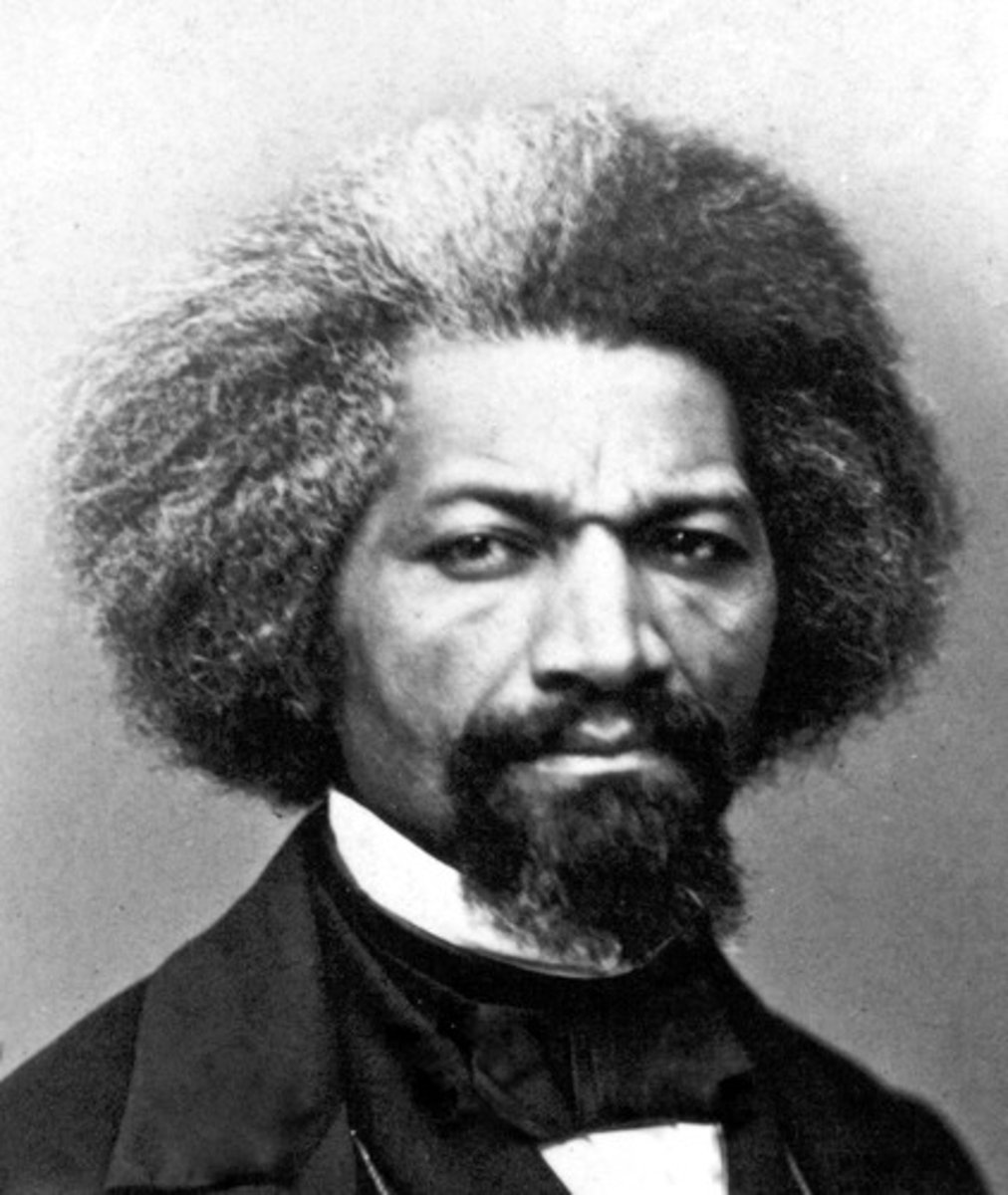
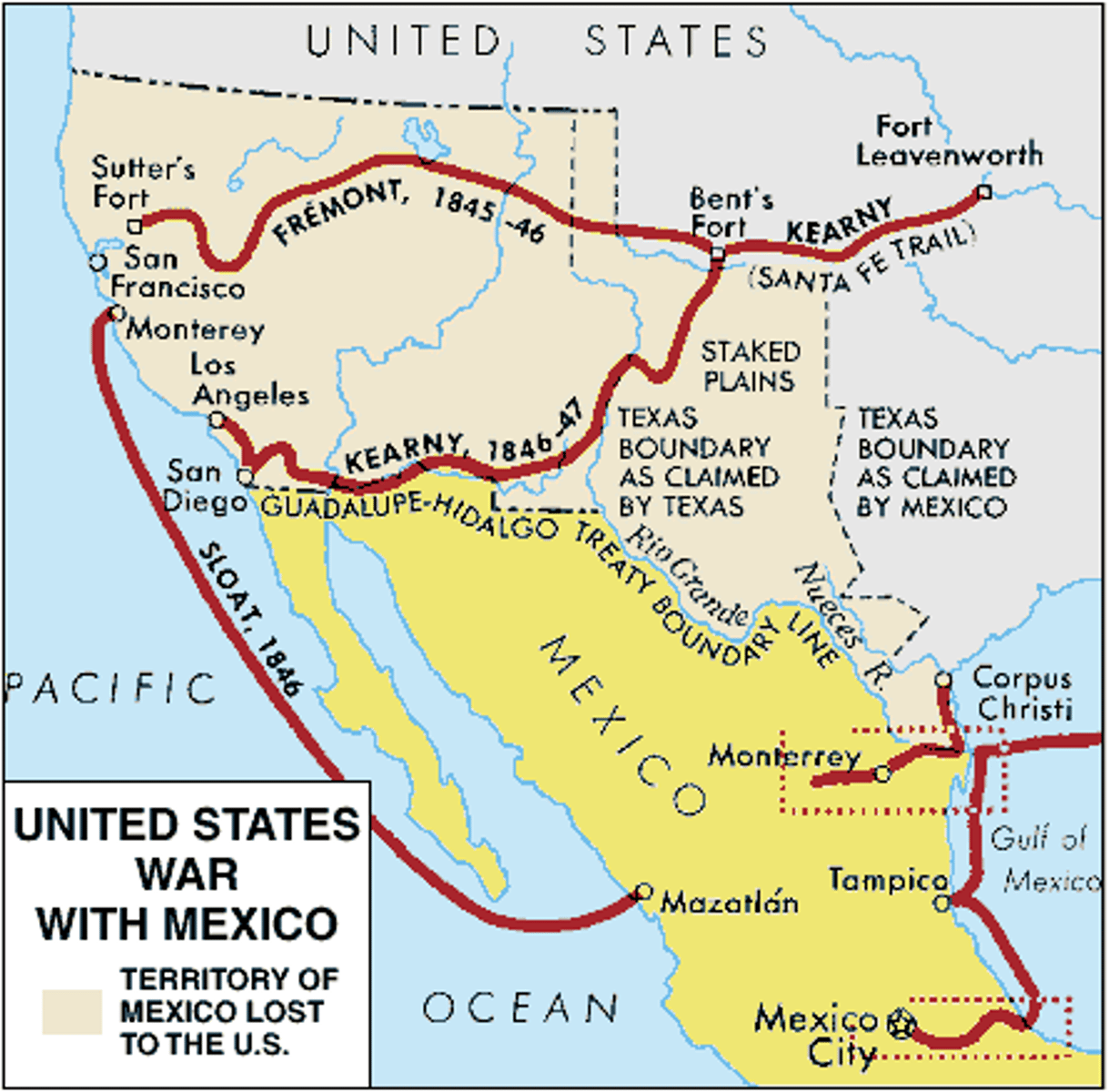
(1846) Proposal to prohibit slavery in any land acquired in the Mexican War. Never passed by both houses of Congress but helped fan the flame of sectional tension.
Free-Soil Party
(1848) Political party dedicated to stopping the expansion of slavery into new territories- was a pre-cursor to what would become the Republican party
Treaty of Guadalupe Hidalgo
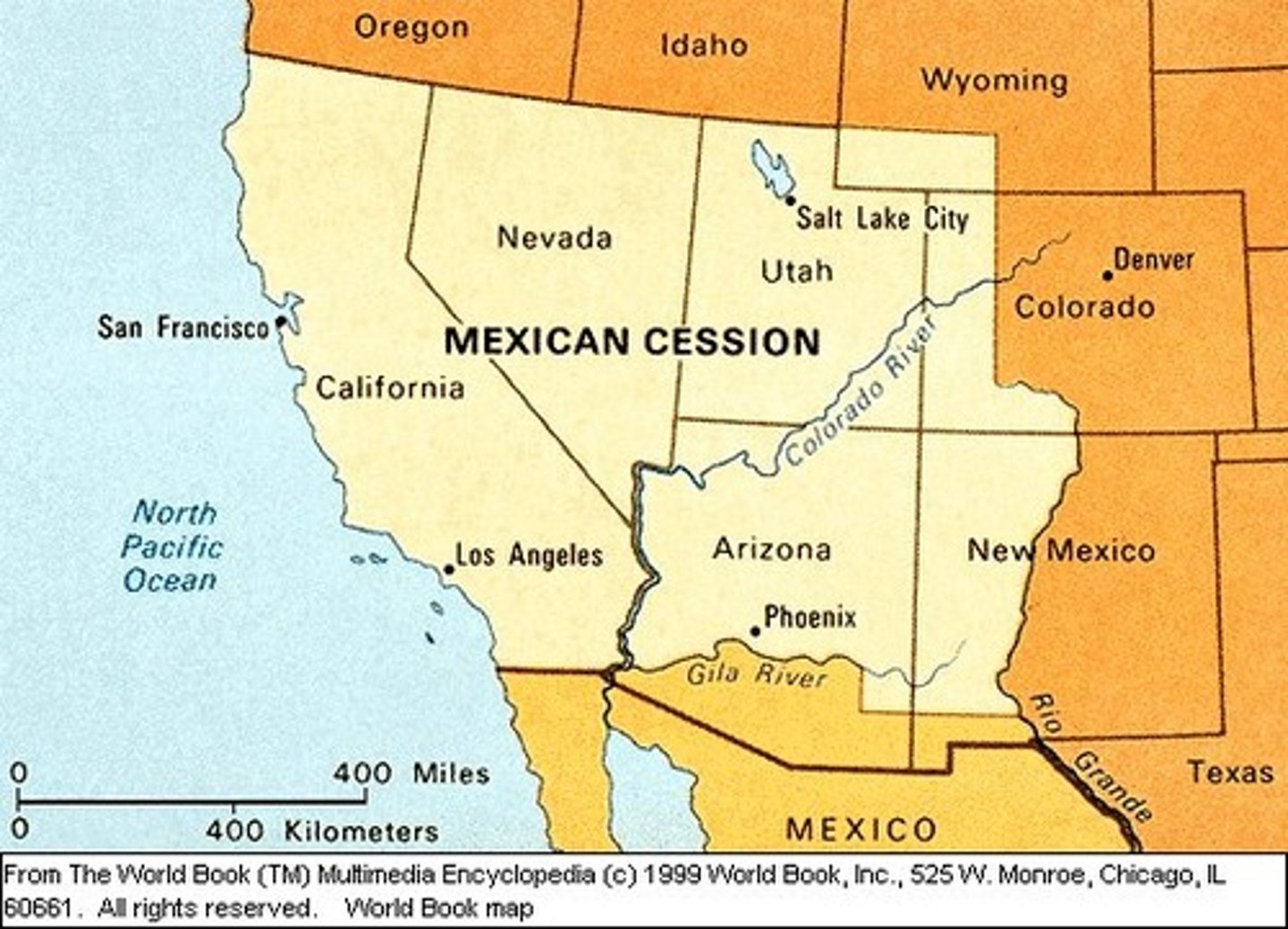
(1848) The Mexican government gave up the area of Texas and offered to sell the provinces of California and New Mexico as a result of its defeat in the Mexican-American War.
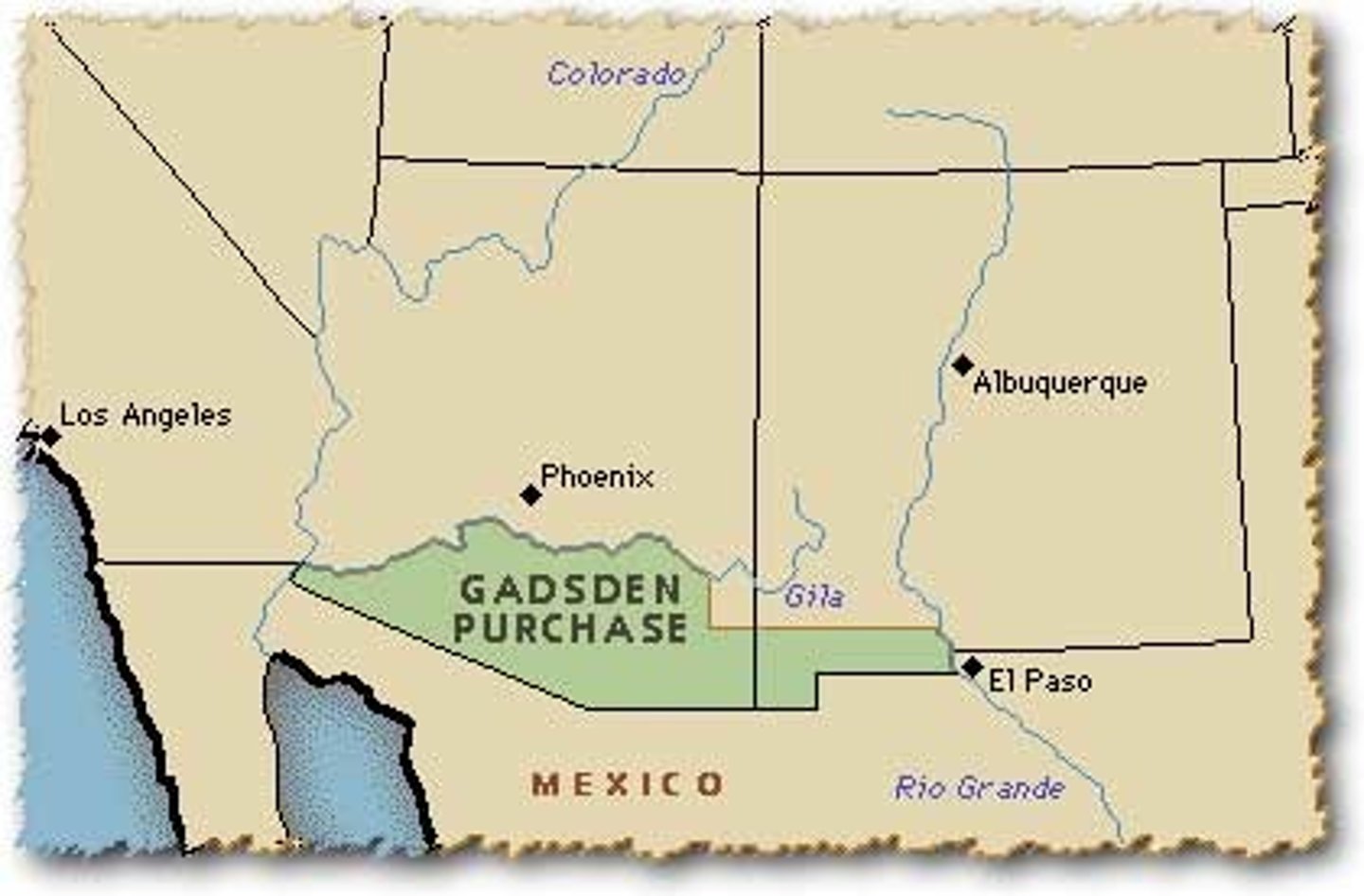
Gadsden Purchase
(1853) Agreement w/ Mexico that gave the US parts of present-day New Mexico & Arizona in exchange for $10 million; all but completed the continental expansion envisioned by those who believed in Manifest Destiny.
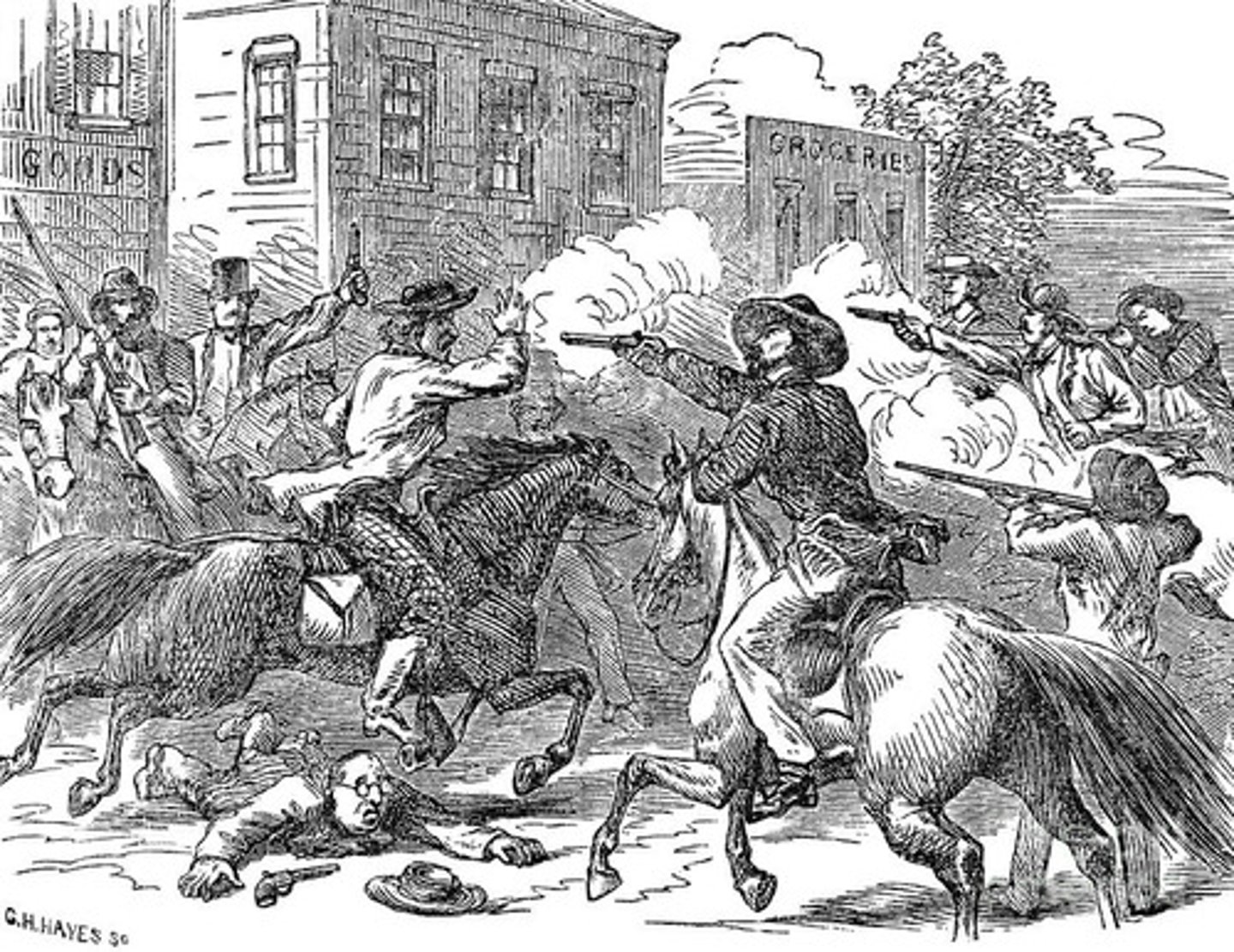
Bleeding Kansas
(1856-1861) A sequence of violent events involving abolitionists and pro-Slavery elements that took place in Kansas-Nebraska Territory. The dispute further strained the relations of the North and South, making civil war imminent.
Dred Scott v. Sanford
(1857) Supreme Court case that decided US Congress did not have the power to prohibit slavery in federal territories and slaves, as private property, could not be taken away without due process. Invalidated the Missouri Compromise.
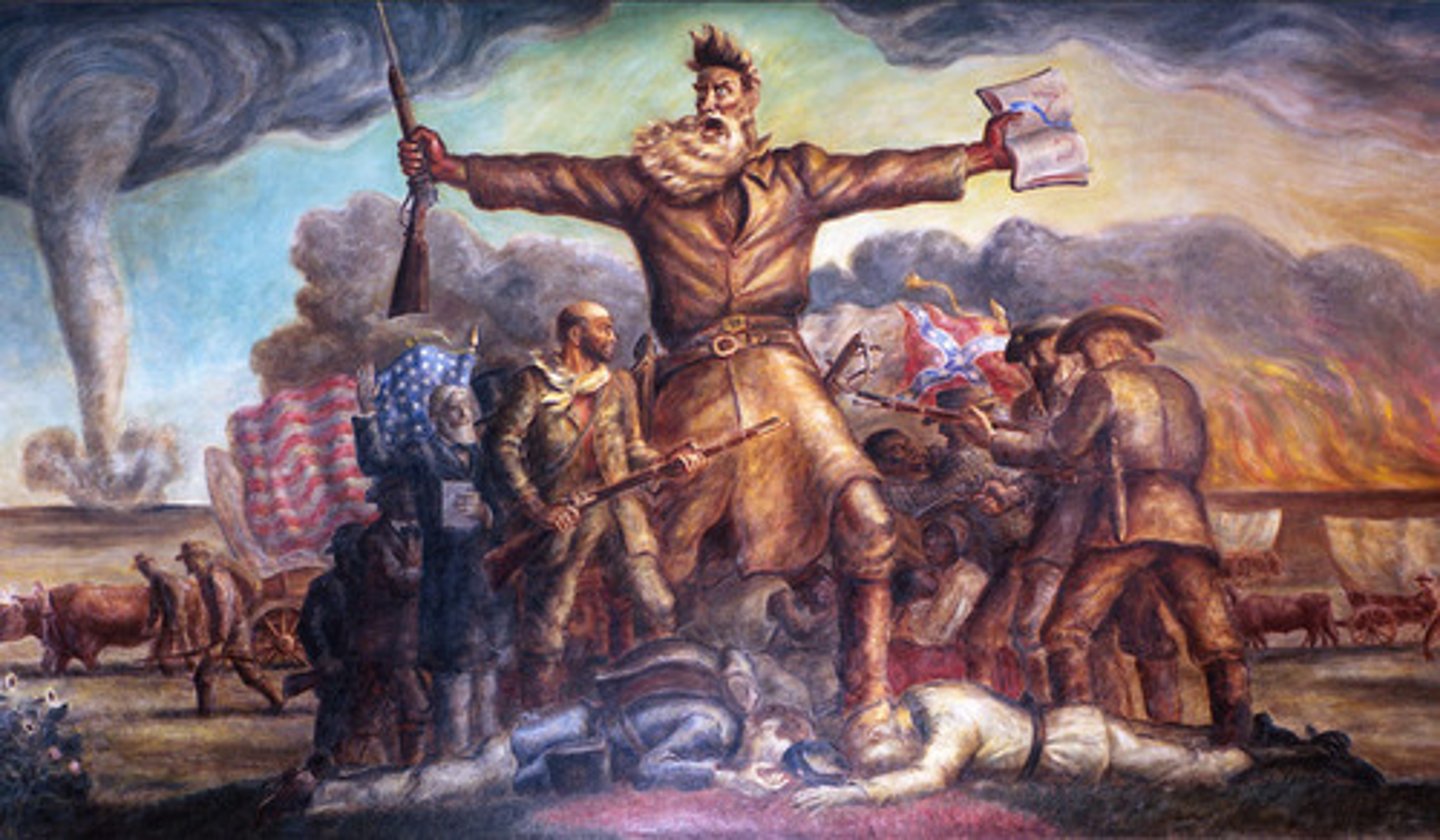
John Brown's Raid on Harper's Ferry
(1859) John Brown led a raid on Harper's Ferry. He hoped to start a rebellion against slaveholders by arming enslaved African Americans. Brown was quickly defeated by citizens and federal troops. Brown became a villain to southerners who now thought northerners would use violence to end slavery as well as a martyr to some northerners who saw Brown as someone who sacrificed himself for the ideal of freedom for all.
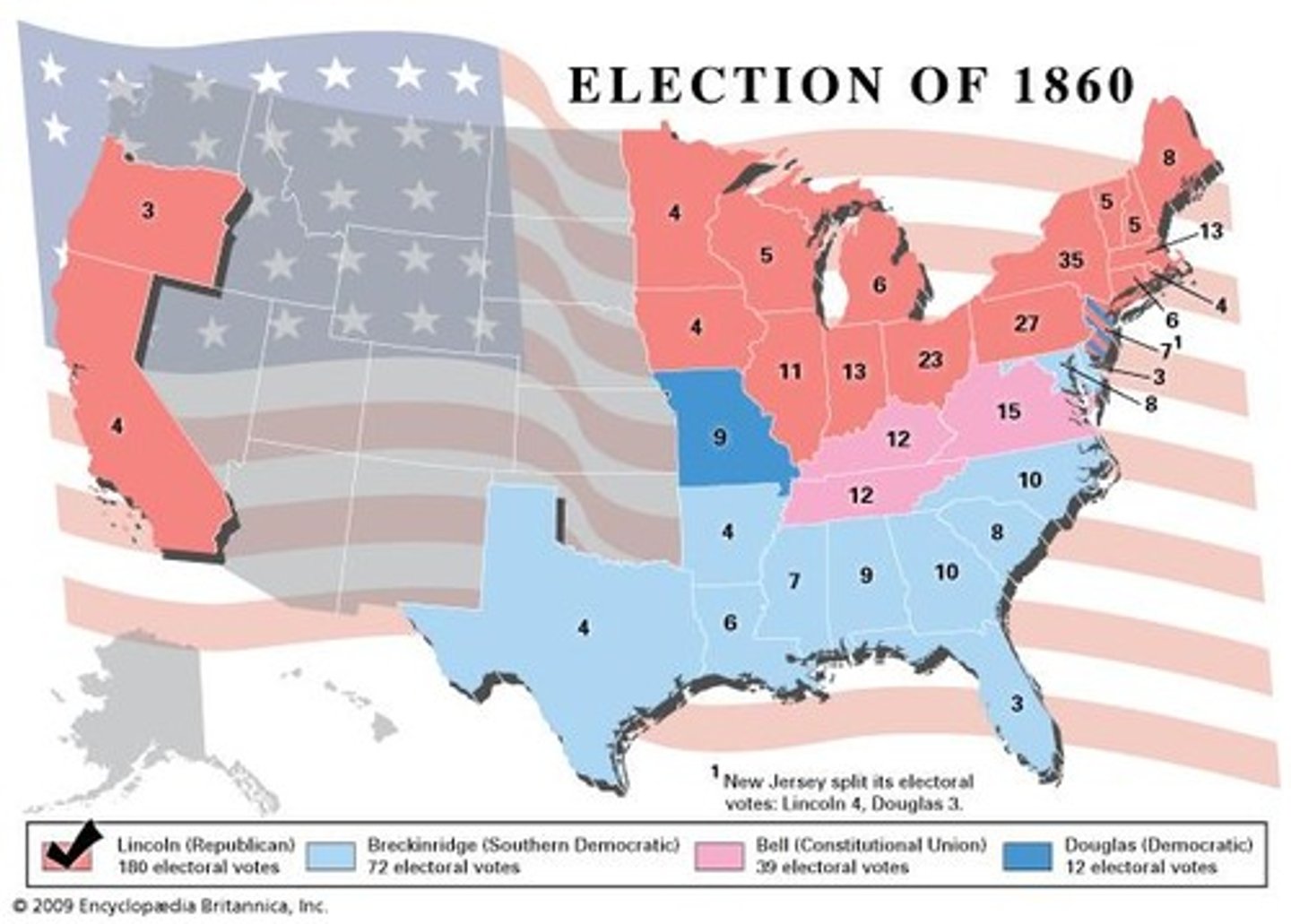
Election of 1860
(1860) Lincoln only won 40% of the popular vote but still won the electoral college over 3 other candidates. The Democrats splintered into northern and southern factions. Lincoln's victory enraged many in the south and within weeks the deep south began seceding from the union
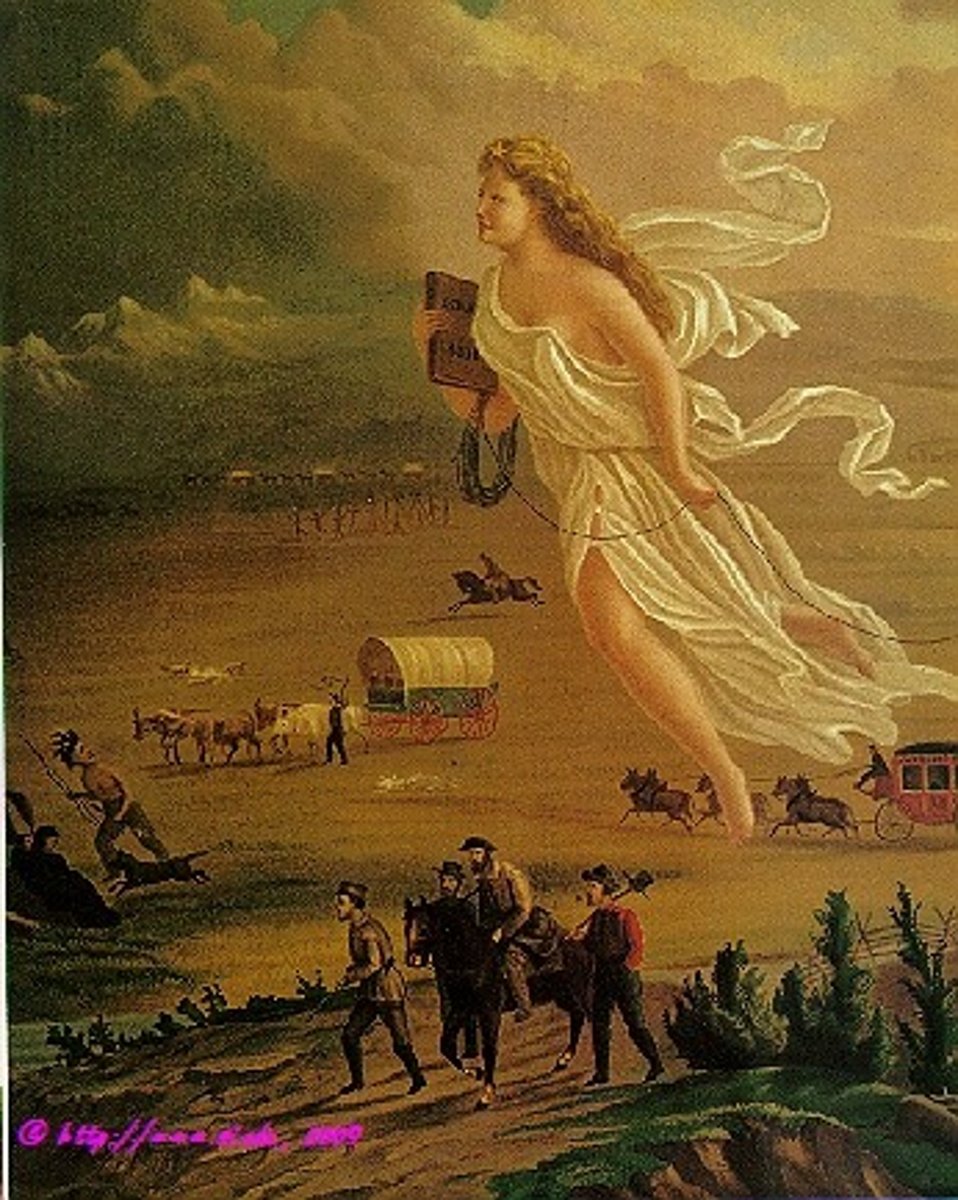
Manifest Destiny
A notion held by a nineteenth-century Americans that the United States was destined to rule the continent, from the Atlantic the Pacific.
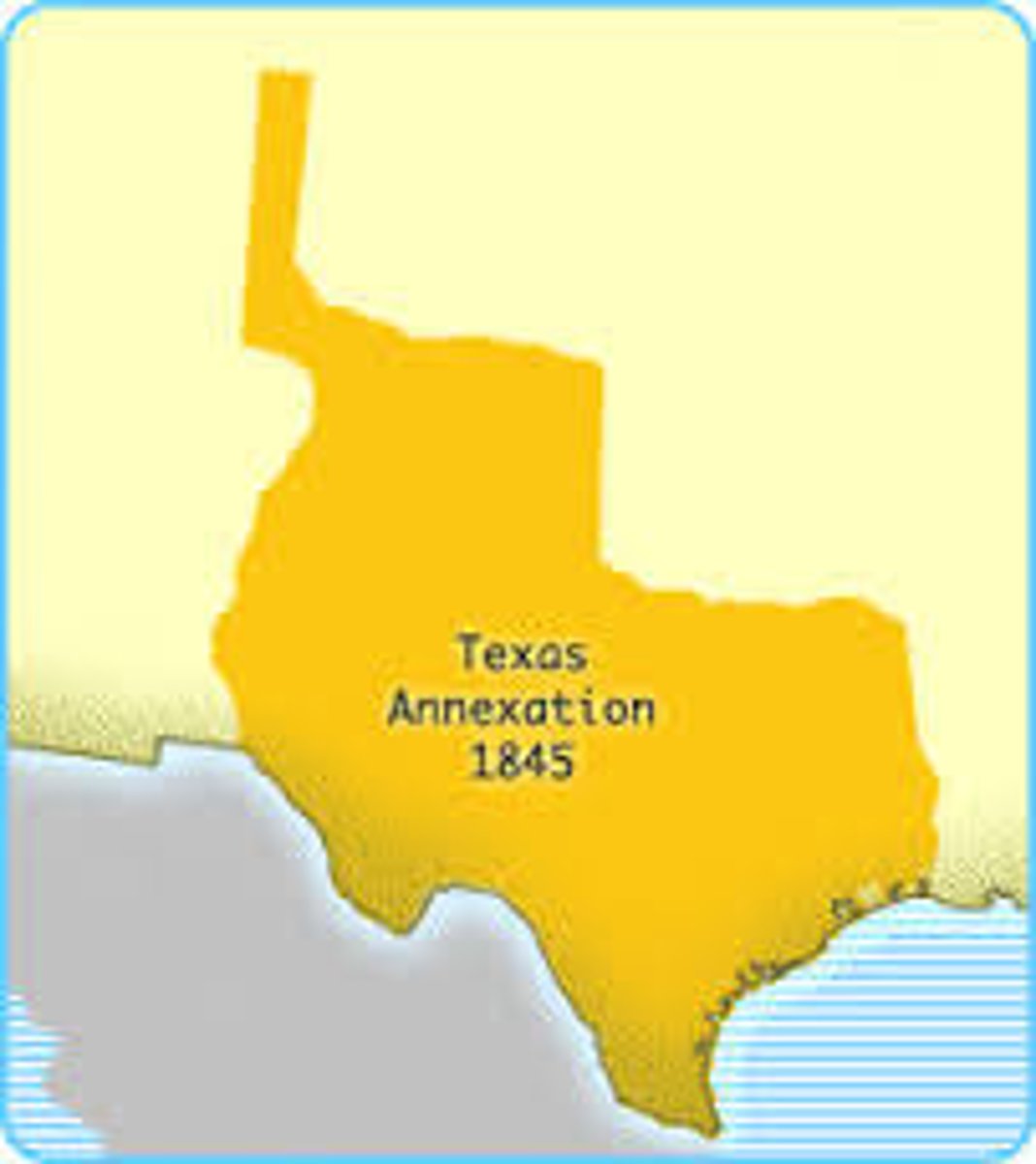
Texas Annexation
1845. Originally refused in 1837, as the U.S. Government believed that the annexation would lead to war with Mexico. Texas remained a sovereign nation. Annexed via a joint resolution through Congress, supported by President-elect Polk, and approved in 1845. Land from the Republic of Texas later became parts of NM, CO, OK, KS, and WY.
Oregon Trail
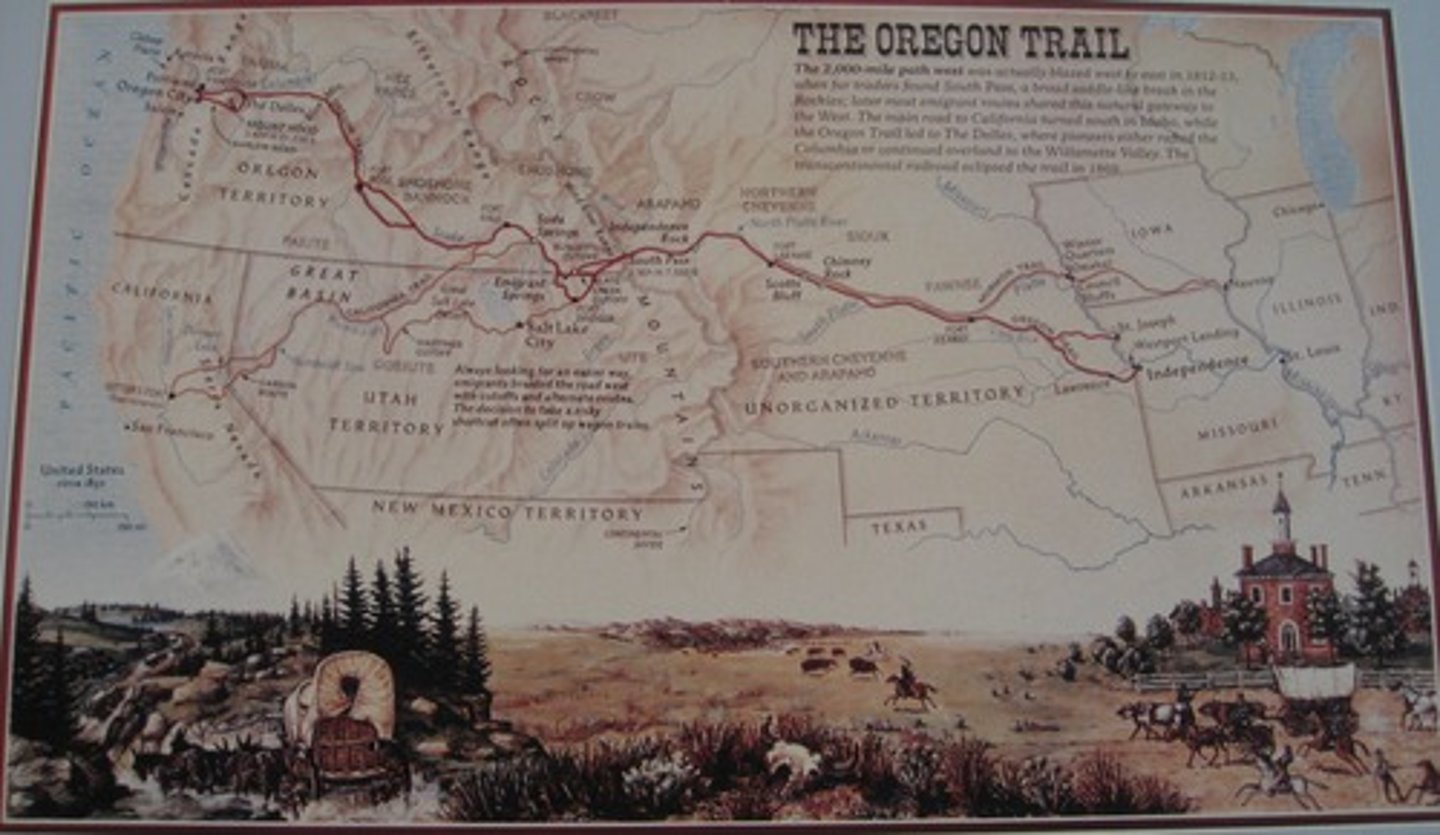
2000 mile long path along which thousands of Americans journeyed to the Willamette Valley in the 1840's.
California Gold Rush
1849. Gold discovered in California attracted a rush of people all over the country and world to San Francisco; arrival of the Chinese; increased pressure on federal government to establish a stable government. Led California to apply for statehood which necessitated the Compromise of 1850.

Mexican American War
1846 - 1848. President Polk declared war on Mexico over the dispute of land in Texas. At the end, American ended up with 55% of Mexico's land, called the Mexican Cession.
Republican Party
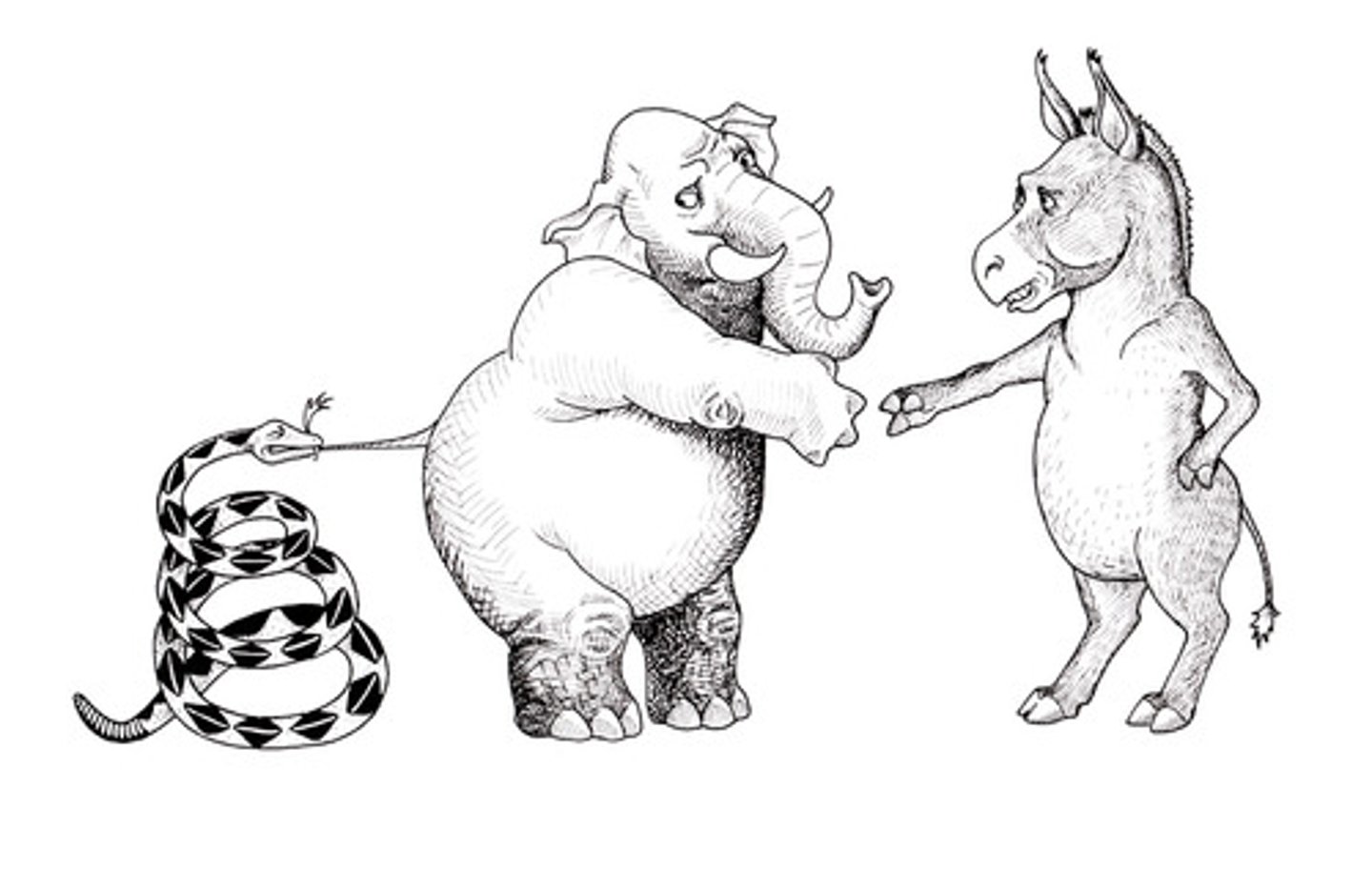
1854. Established by anti-slavery Whigs and Democrats, "free-soilers" and reformers from the Northwest met and formed party in order to keep slavery out of the territories.
Stephen A. Douglas
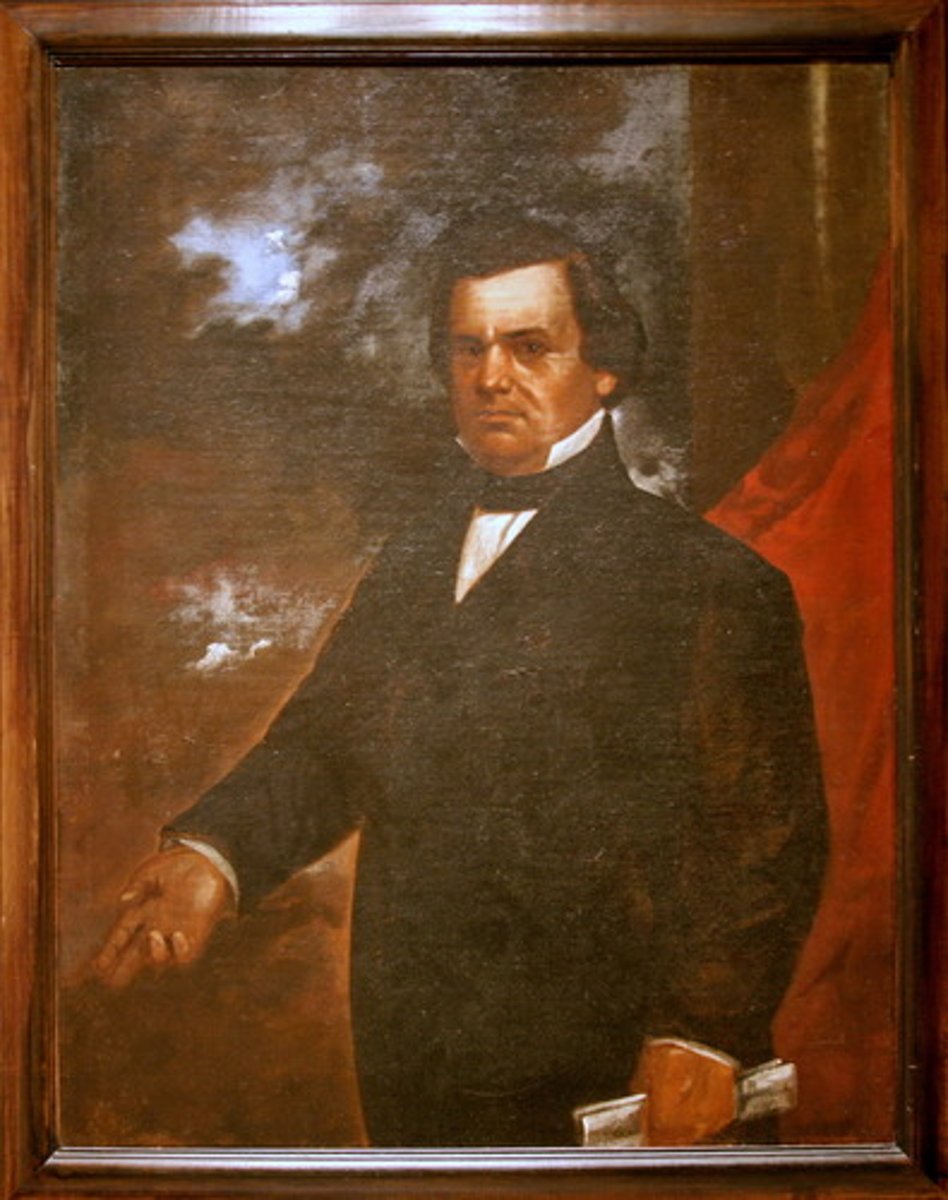
Senator from Illinois who ran for president against Abraham Lincoln and was a leading voice in the debates over slavery and its expansion before the Civil War. Wrote the Kansas-Nebraska Act and the Freeport Doctrine.
Freeport Doctrine
Stated that exclusion of slavery in a territory (where it was legal) could be accomplished by the refusal of the voters to enact any laws that would protect slave property. Stated by Stephen Douglass during the Lincoln-Douglass debates, eventually contributed to his loss in the 1860 presidential election as Democrats believed he had walked back the gains made with the Dred Scott v. Sanford decision.
secession
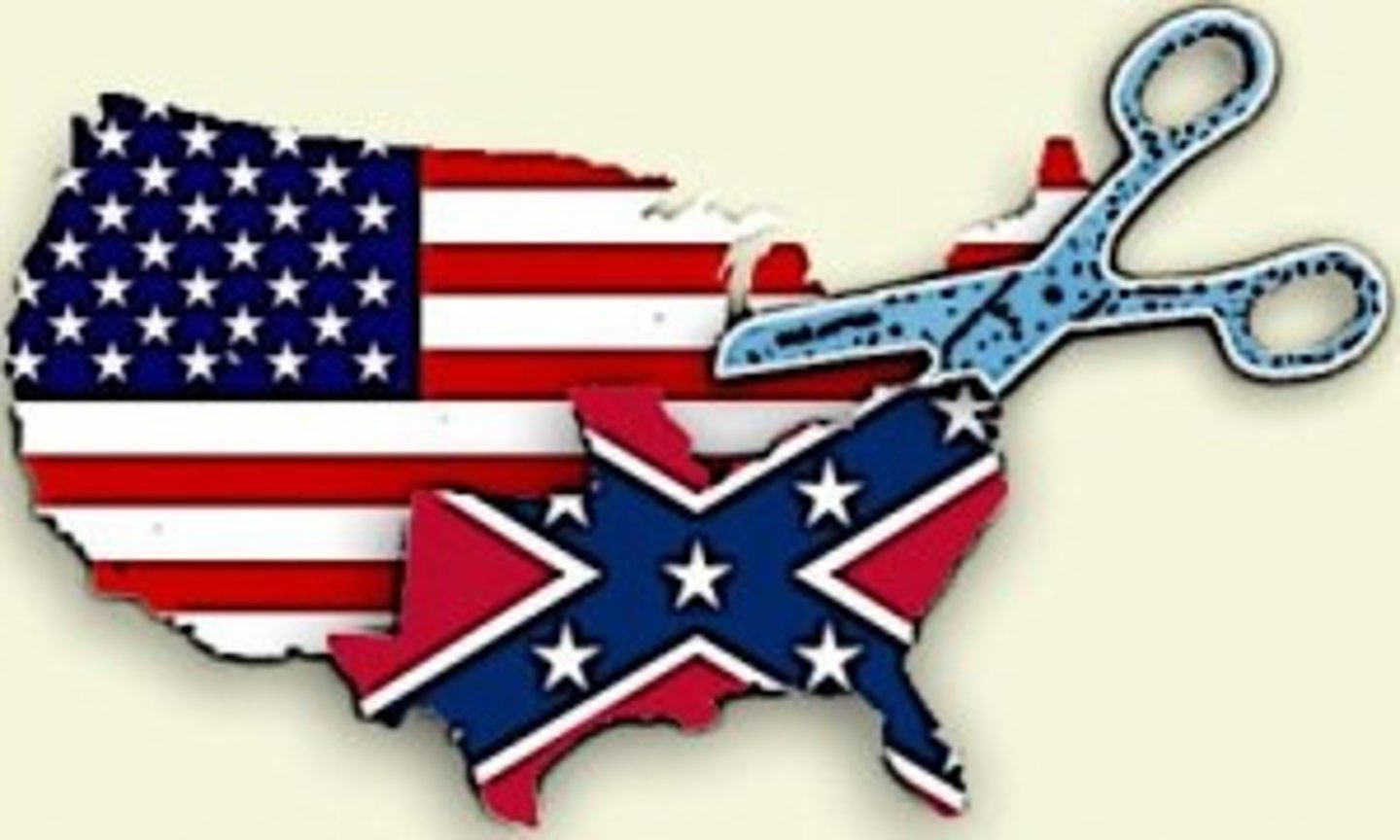
Formal withdrawal of states or regions from a nation
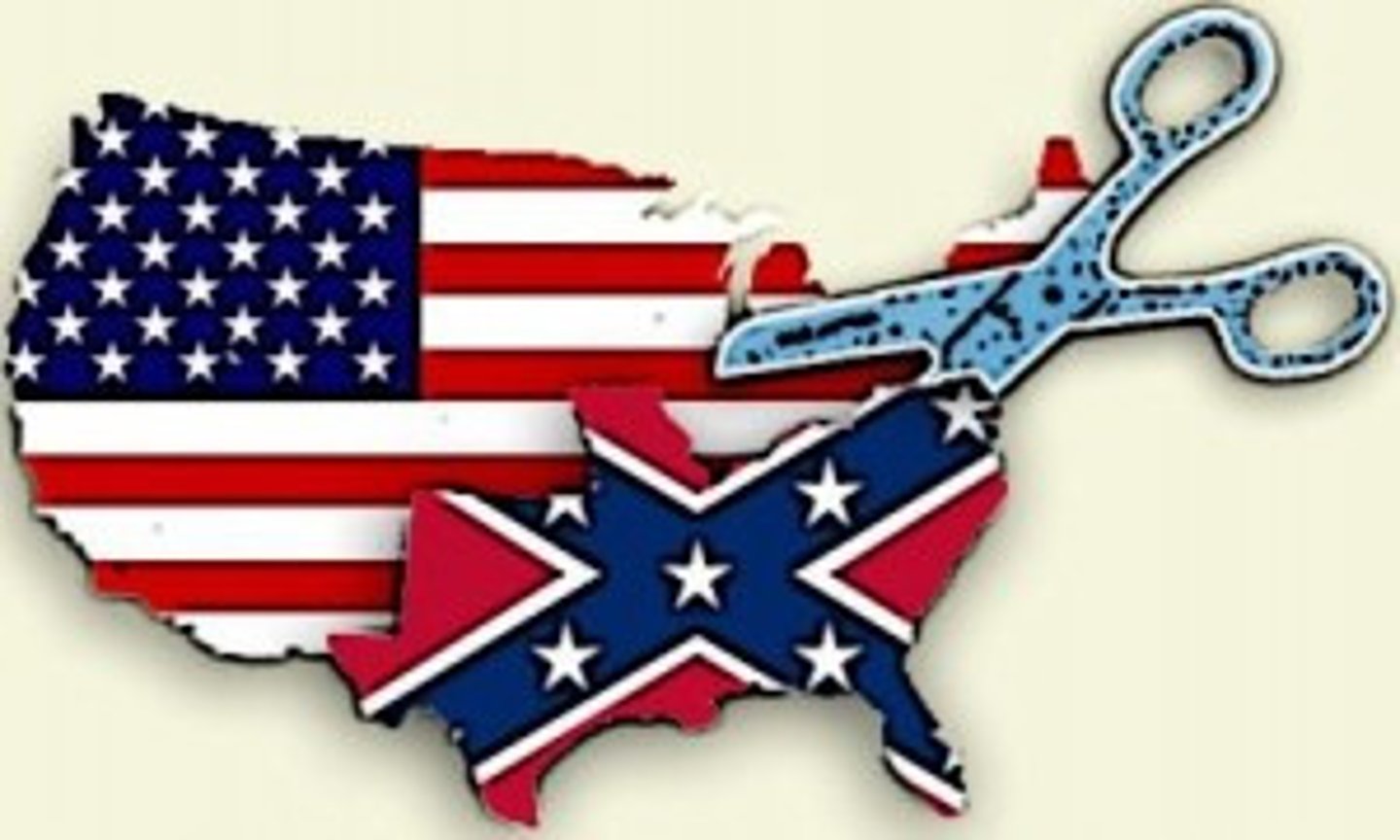
sectionalism
Term used to describe the growing differences between the regions of the United States, especially the North and South, leading up to the Civil War.
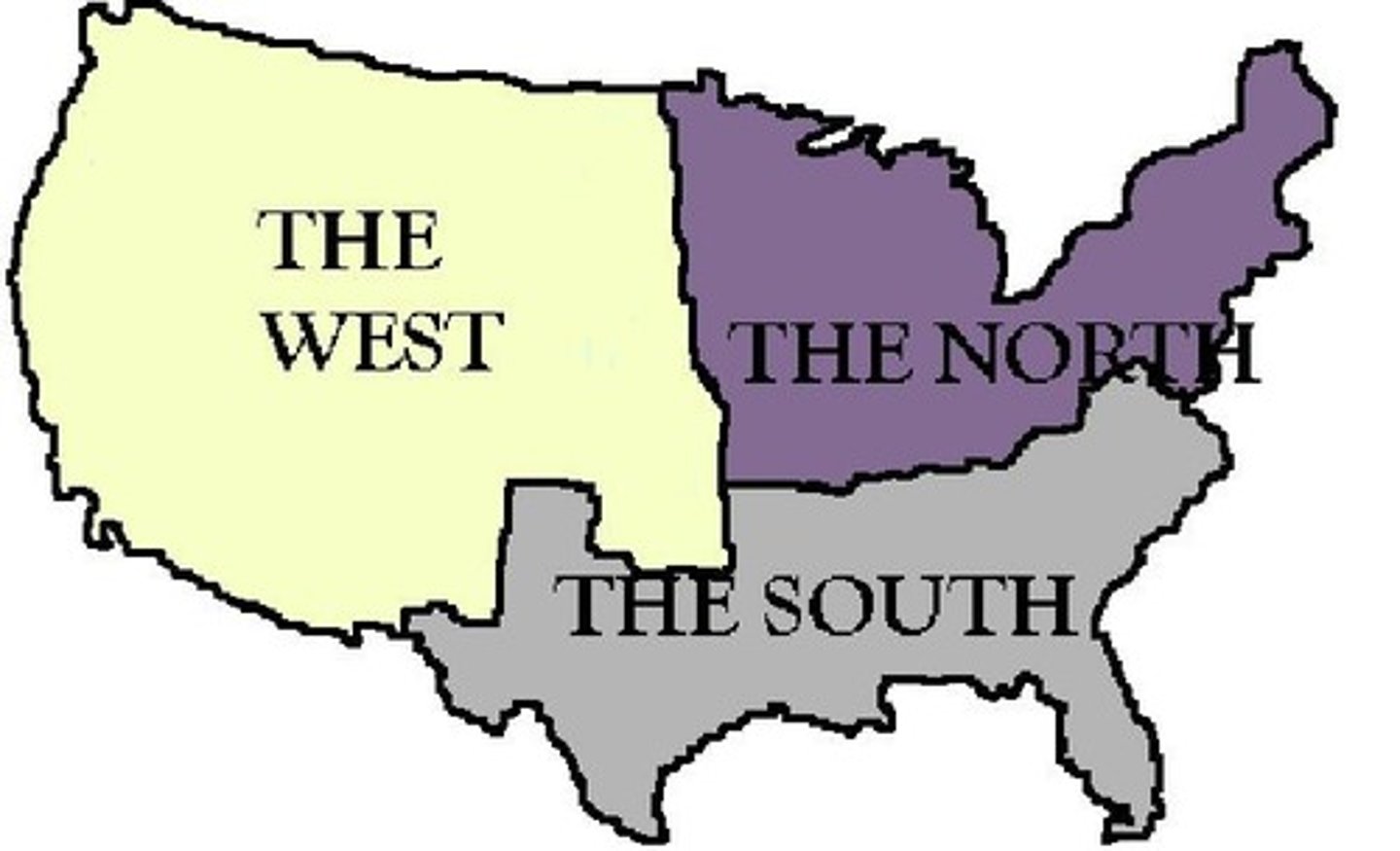
James K. Polk
Democratic president after John Tyler who was best known for policies that promoted Manifest Destiny and expansionism.
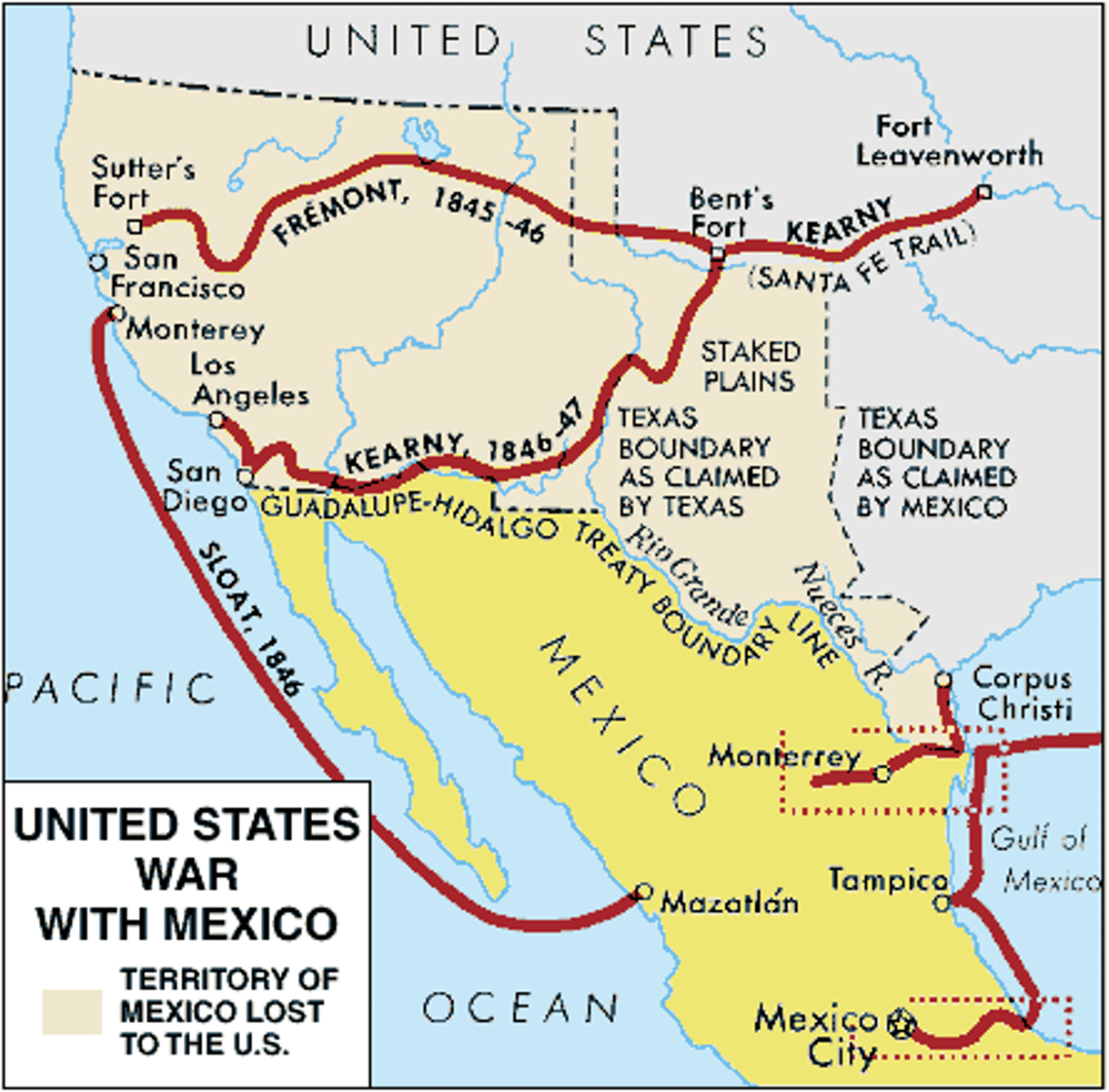
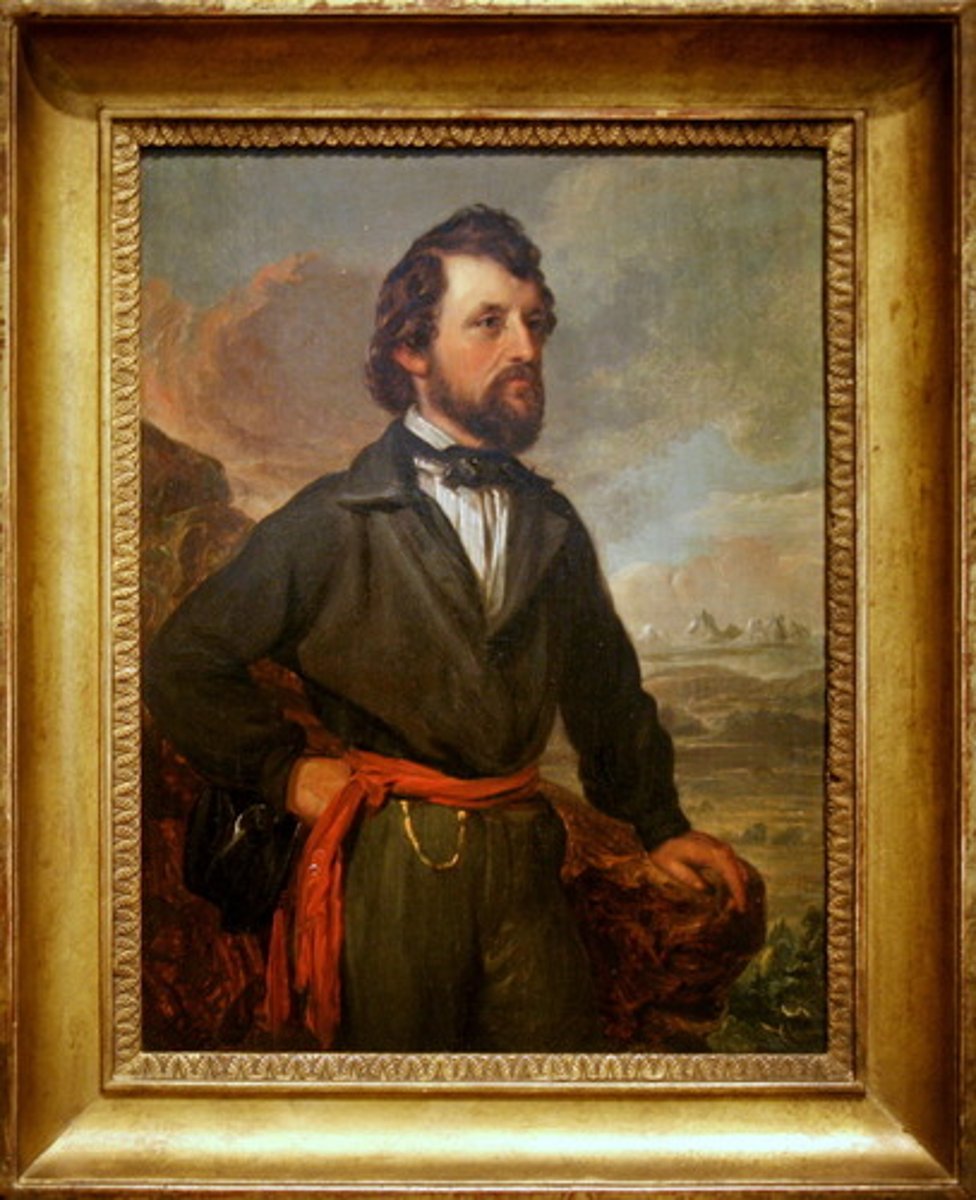
John C. Fremont
An American military officer, explorer, the first candidate of the Republican Party for the office of President of the United States (1856), and the first presidential candidate of a major party to run on a platform in opposition to slavery.
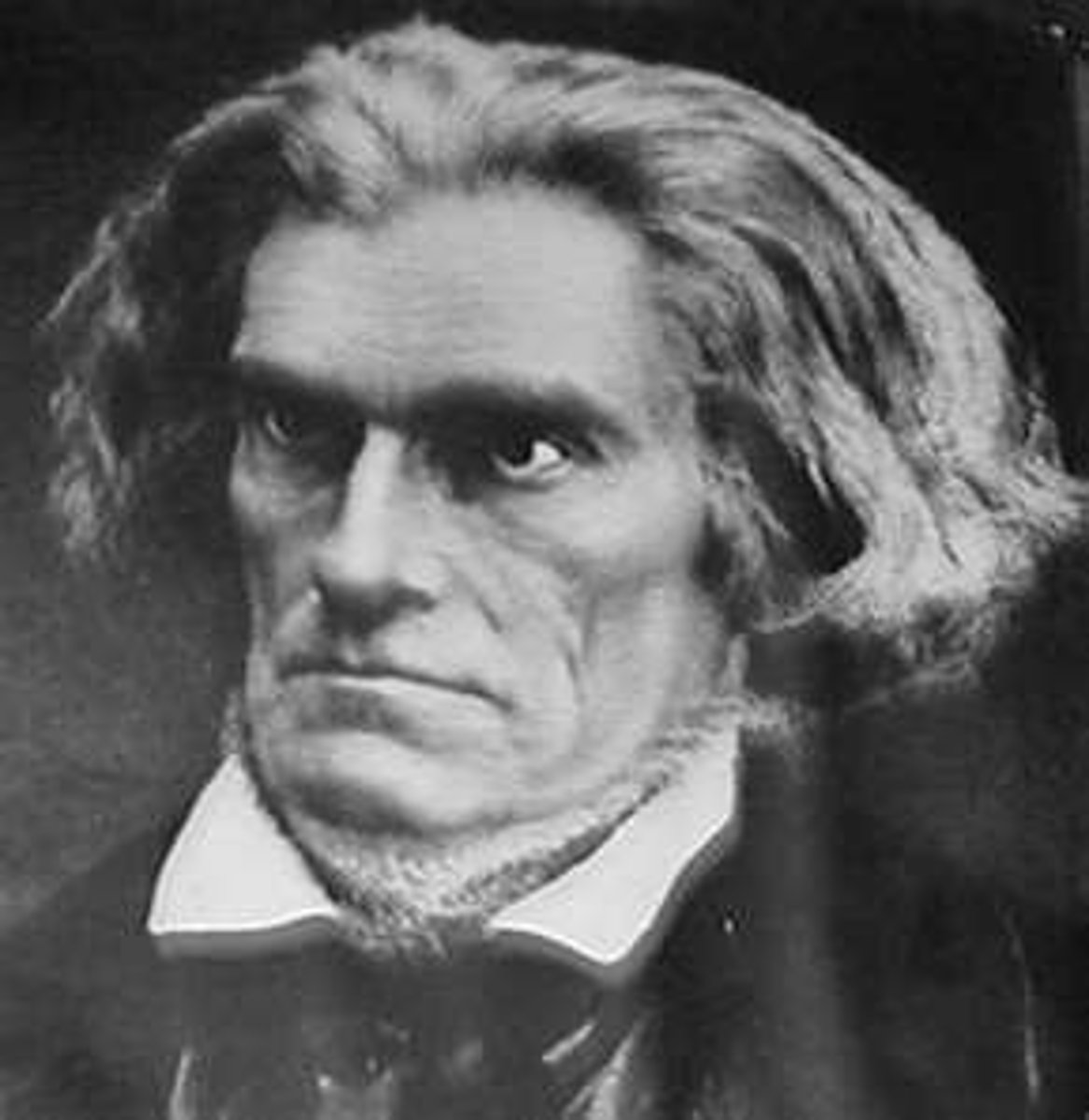
John C. Calhoun
Senator who argued for states' rights for the South. He asked for slavery to be left alone, slaves to be returned to the South, and state balance to be kept intact.
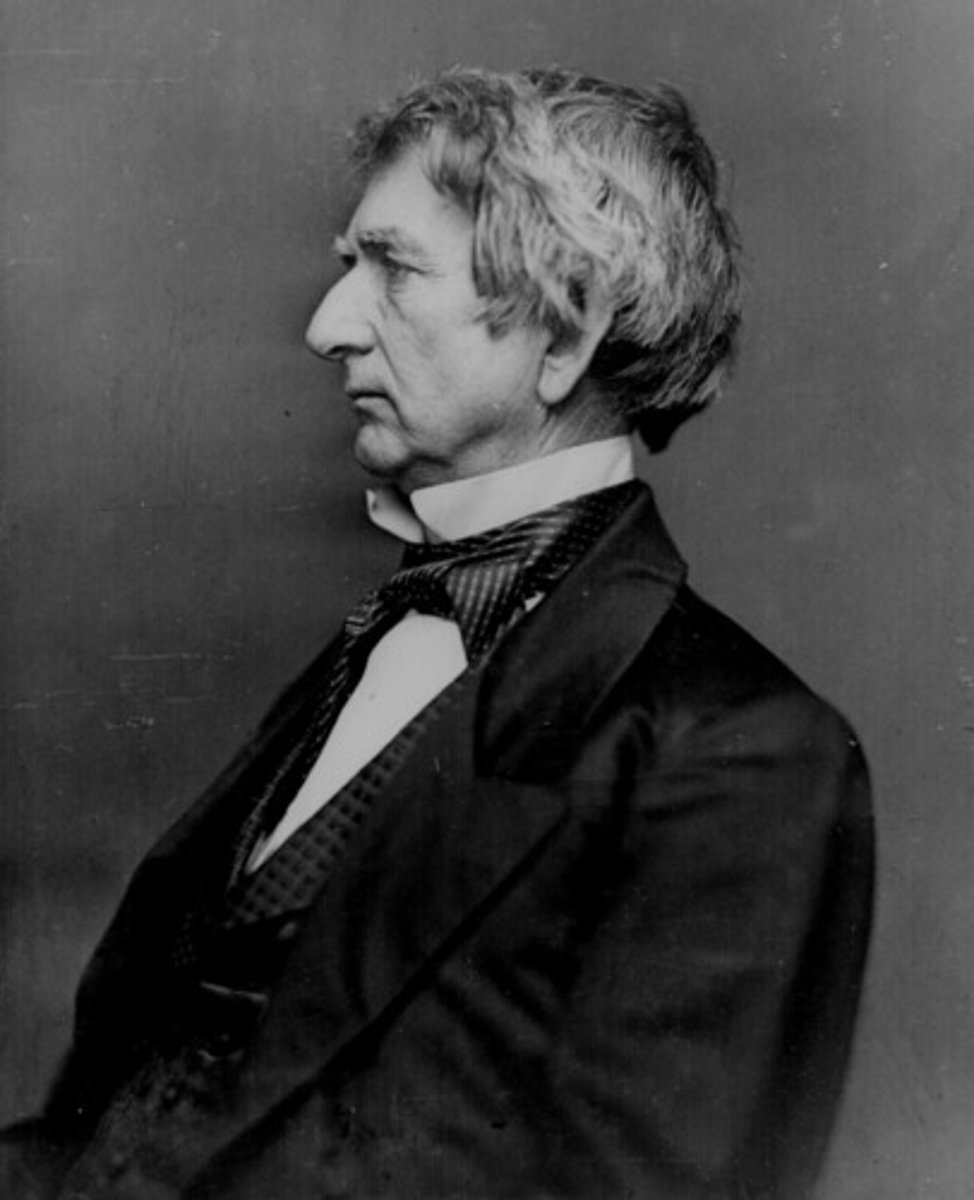
William H. Seward
Congressman of the "Young Guard" who fiercely opposed slavery and argued that Americans should follow a "higher law" (God's law) over the Constitution when it came to the issue of slavery.
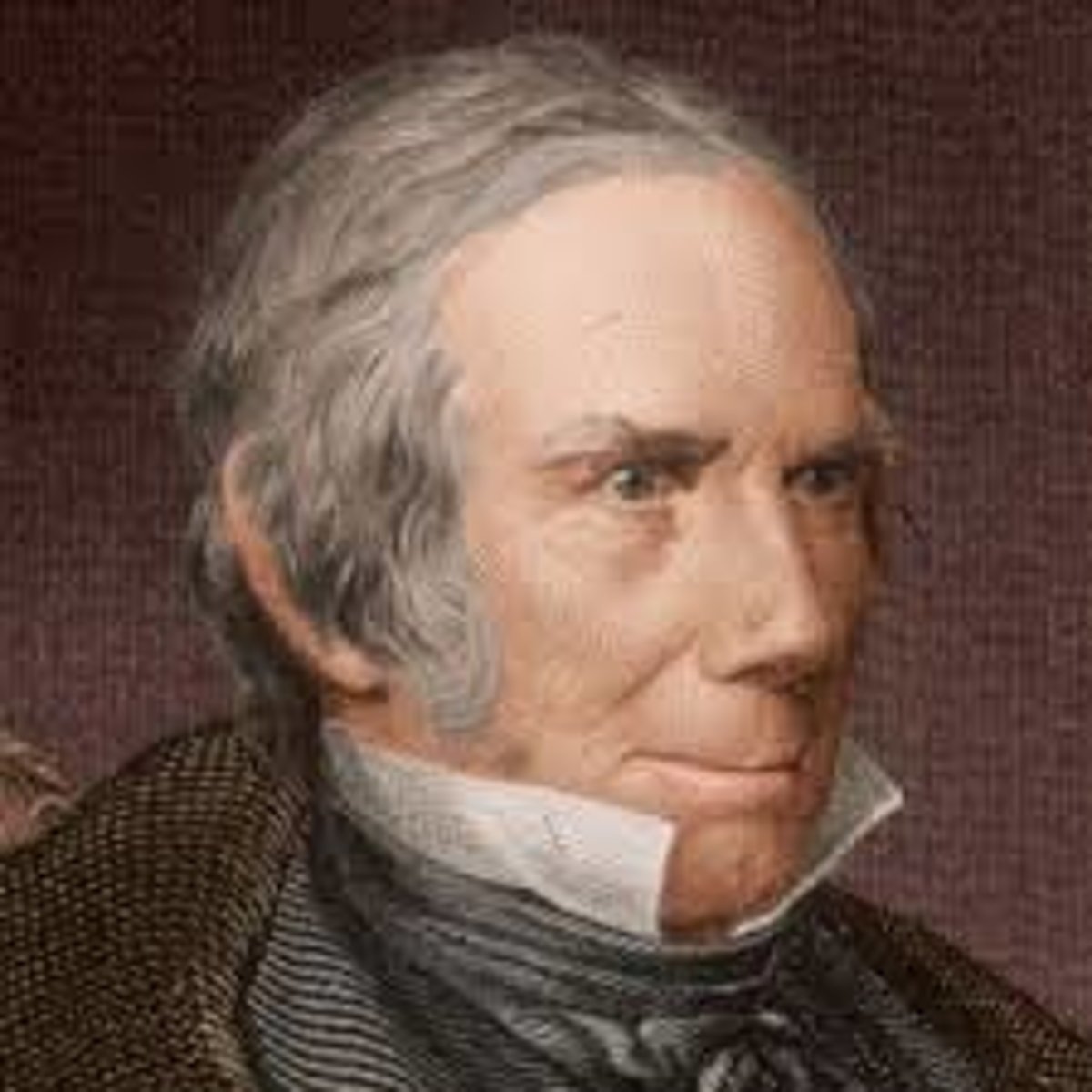
Henry Clay
Known as the "Great Compromiser"; senator who pushed for compromise between the North and South and worked with Stephen Douglas; major figure in the passing of both the Missouri Compromise (1820) and Compromise of 1850.
Underground Railroad
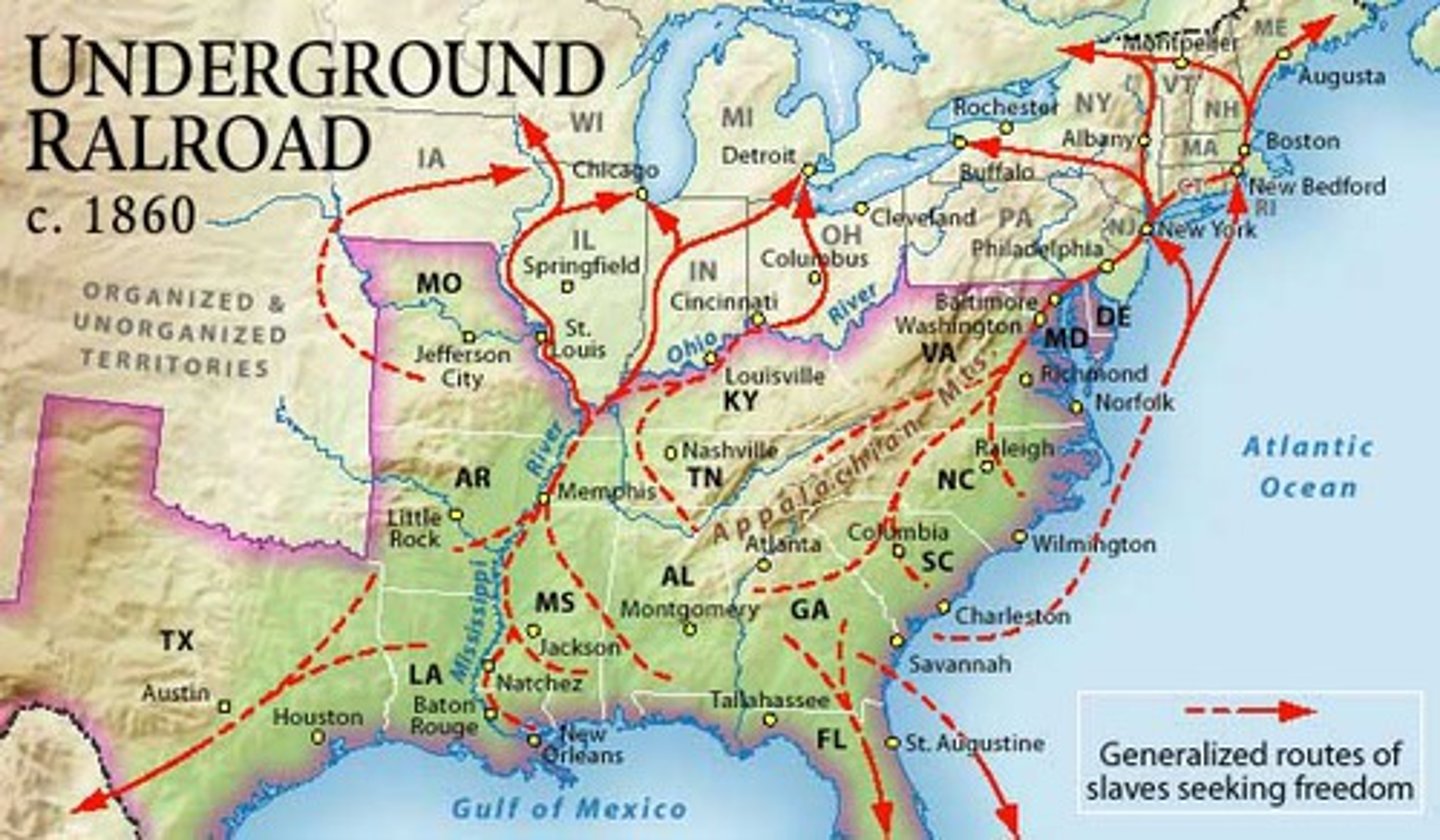
Secret system of safe houses along a route that led many slaves to freedom in the North and eventually Canada.
"Fire Eaters"
Refers to a group of extremist pro-slavery politicians from the South who urged the cessation of southern states.
Charles Sumner
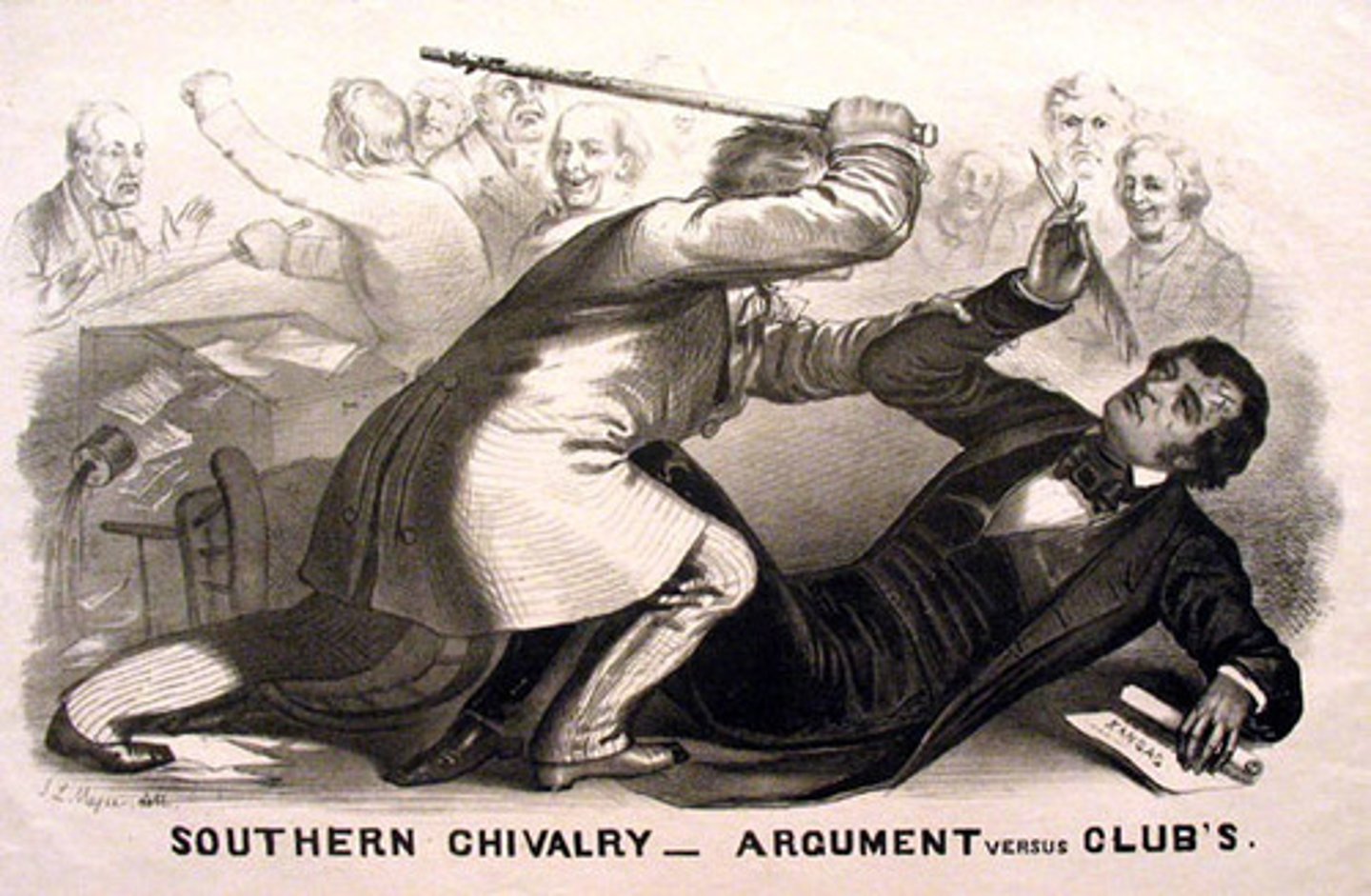
Senator who spoke out for black freedom and racial equality post-Civil War. Publicly beaten by Preston Brooks for speaking out against the violence in Kansas, an event that marked increasing tensions between the North and South prior to the Civil War.
Lecompton Constitution
Supported the existence of slavery in the proposed state and protected rights of slaveholders. It was rejected by Kansas, making Kansas an eventual free state (and was a factor in spurring violence there).
Lincoln-Douglas Debates
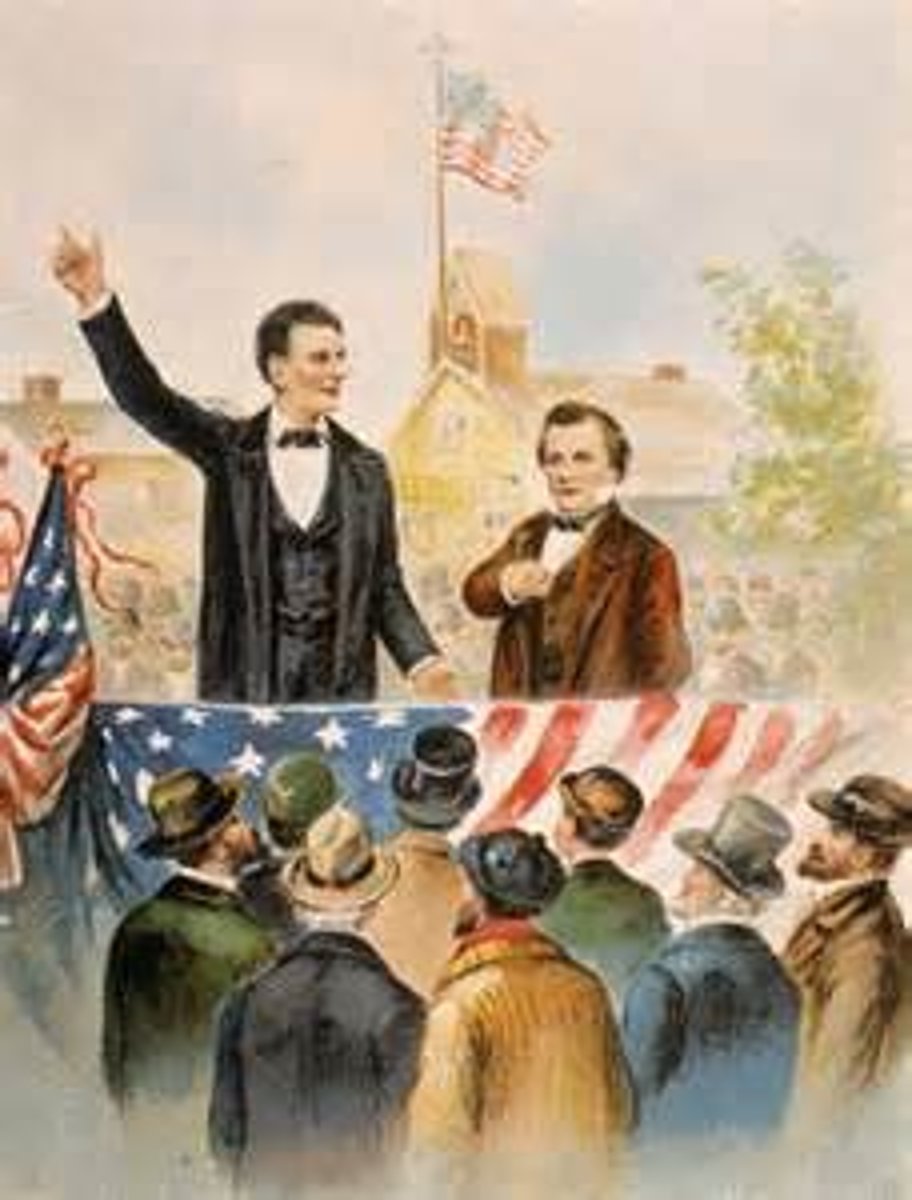
Lincoln challenged Stephen Douglas to debates during the senatorial race of 1858 which became a public referendum on the issue of slavery.
Planter Aristocracy
the wealthy plantation owners with many slaves stood at the head of society determining the political, economical, and social aspects of society

King Cotton
Expression used to describe the importance of cotton on the American economy in the period before the Civil War

American Colonization Society
A Society that thought slavery was bad. They would buy land in Africa and get free blacks to move there. One of these such colonies was made into what now is Liberia.
William Lloyd Garrison
Prominent American abolitionist, journalist and social reformer. Editor of radical abolitionist newspaper "The Liberator", and one of the founders of the American Anti-Slavery Society.
Nat Turner's Rebellion
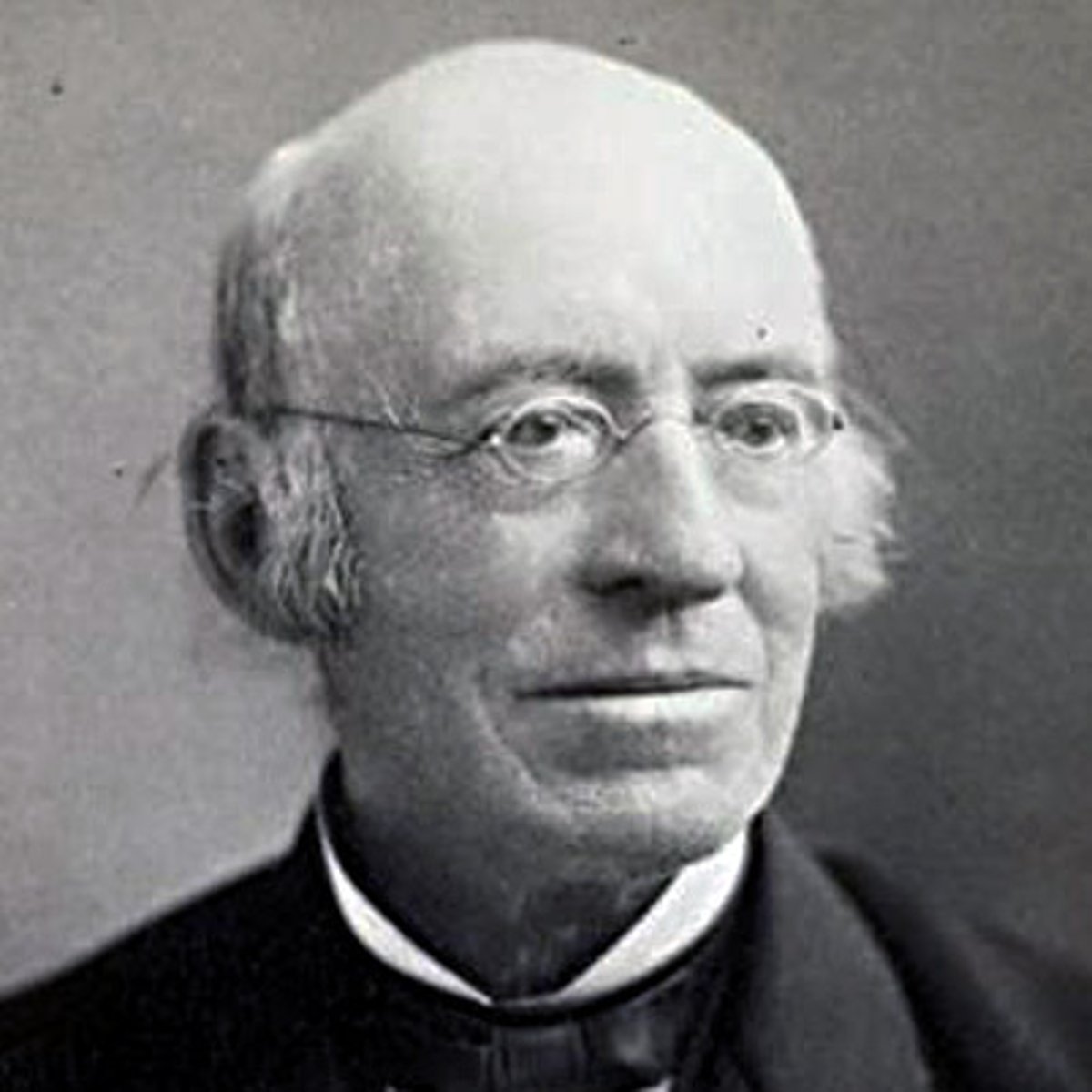
Rebellion in which Nat Turner led a group of slaves through Virginia in an unsuccessful attempt to overthrow and kill planter families
Harriet Tubman
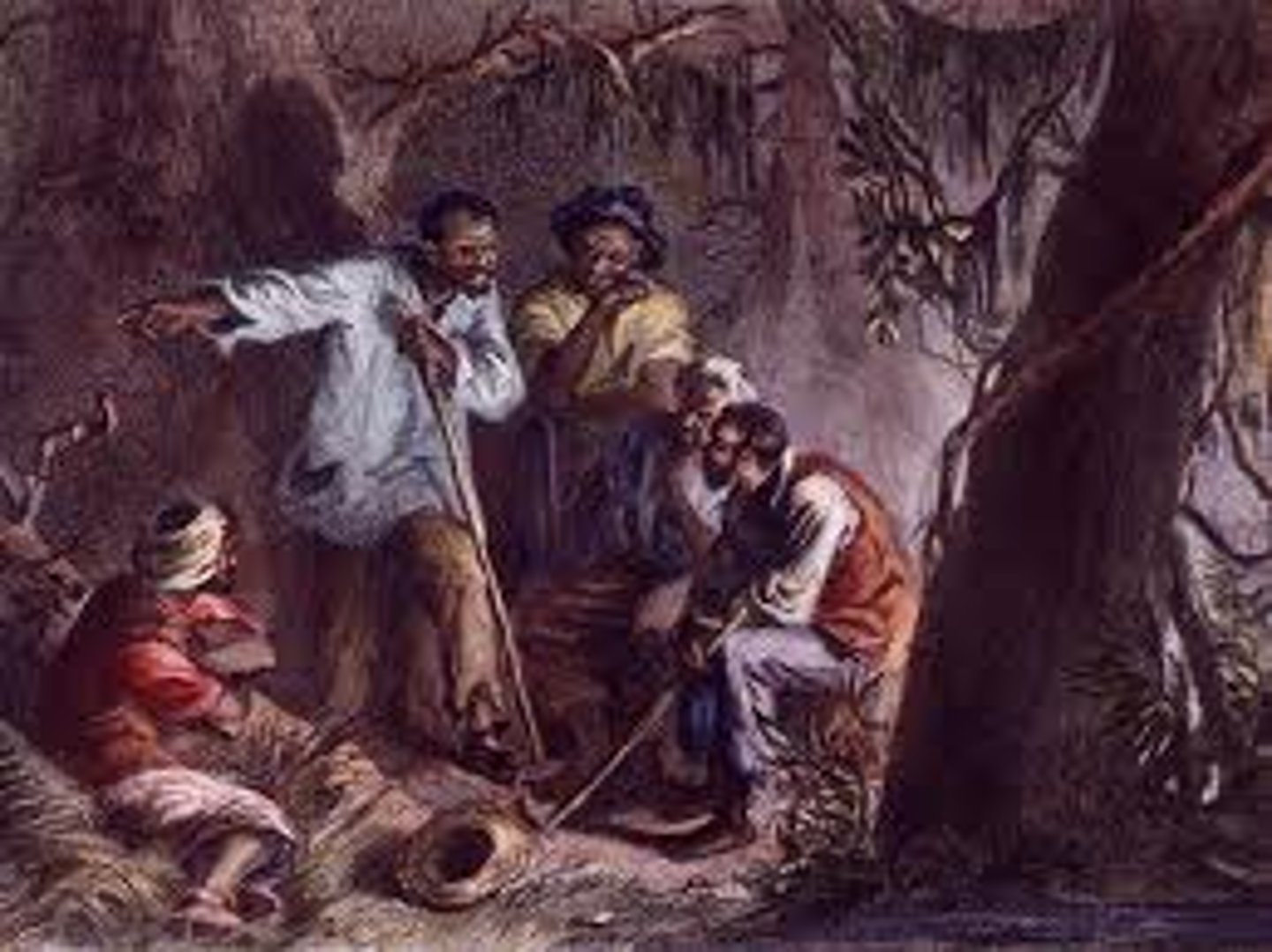
United States abolitionist born a slave on a plantation in Maryland and became a famous conductor on the Underground Railroad leading other slaves to freedom in the North (1820-1913)
Frederick Douglass
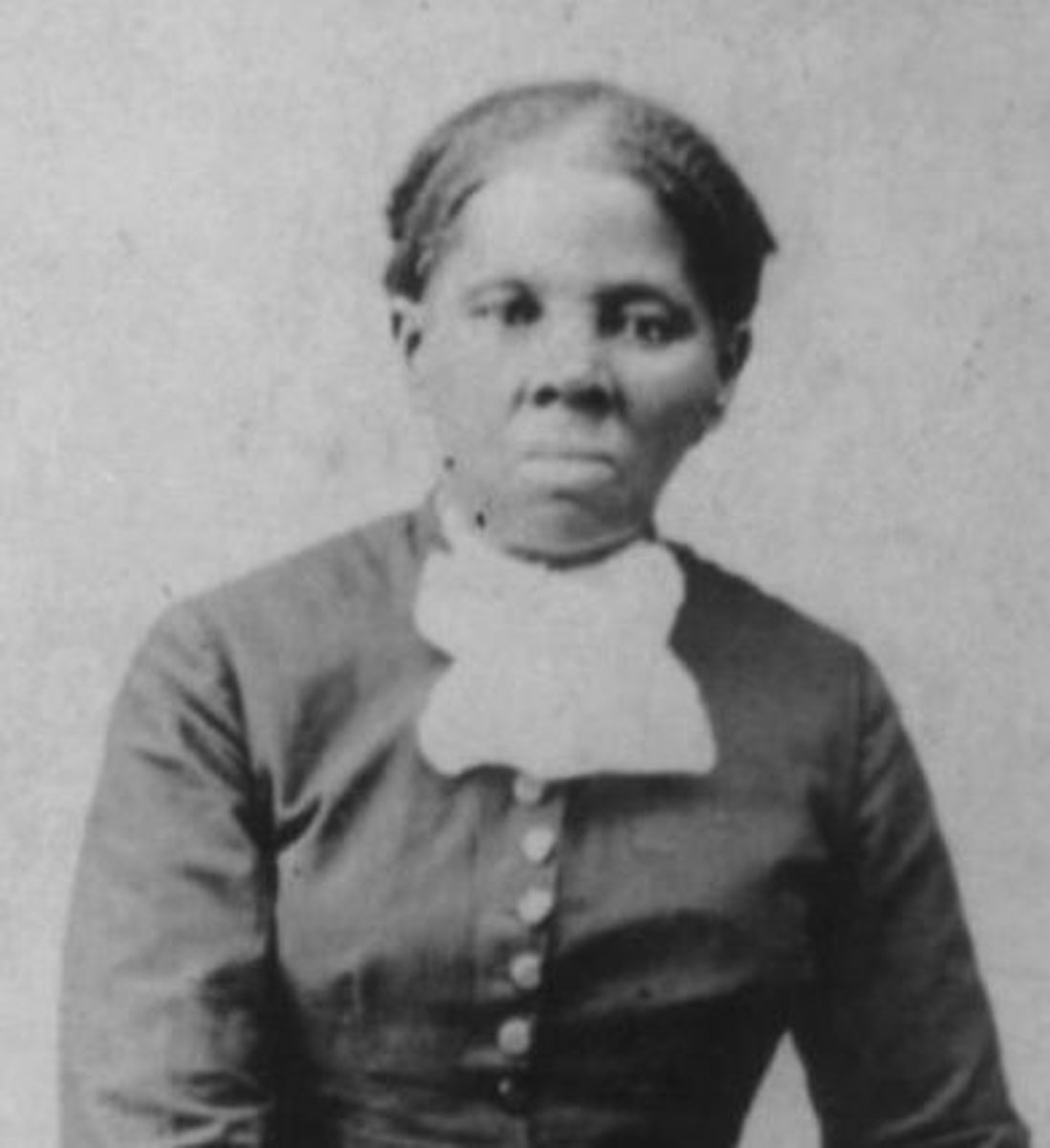
(1817-1895) American abolitionist and writer, he escaped slavery and became a leading African American spokesman and writer. He published his biography, The Narrative of the Life of Frederick Douglass, and founded the abolitionist newspaper, the North Star.
American Blood on American Soil
The Mexican War started over a disputed boundary (Americans and Mexicans claimed ownership over the same land and fought to decide who owned what). President Polk argued that "American blood was shed on American soil" after Mexican soldiers attacked US troops in the disputed area (US troops, from the Mexican point of view, were actually invading Mexico).
The Impending Crisis of the South (1857)
Antislavery tract, written by non-rich, white Southerner Hinton R. Helper, arguing that nonslaveholding whites actually suffered most in a slave economy. Criticized slavery from an economic standpoint (said slavery impeded industrial development)
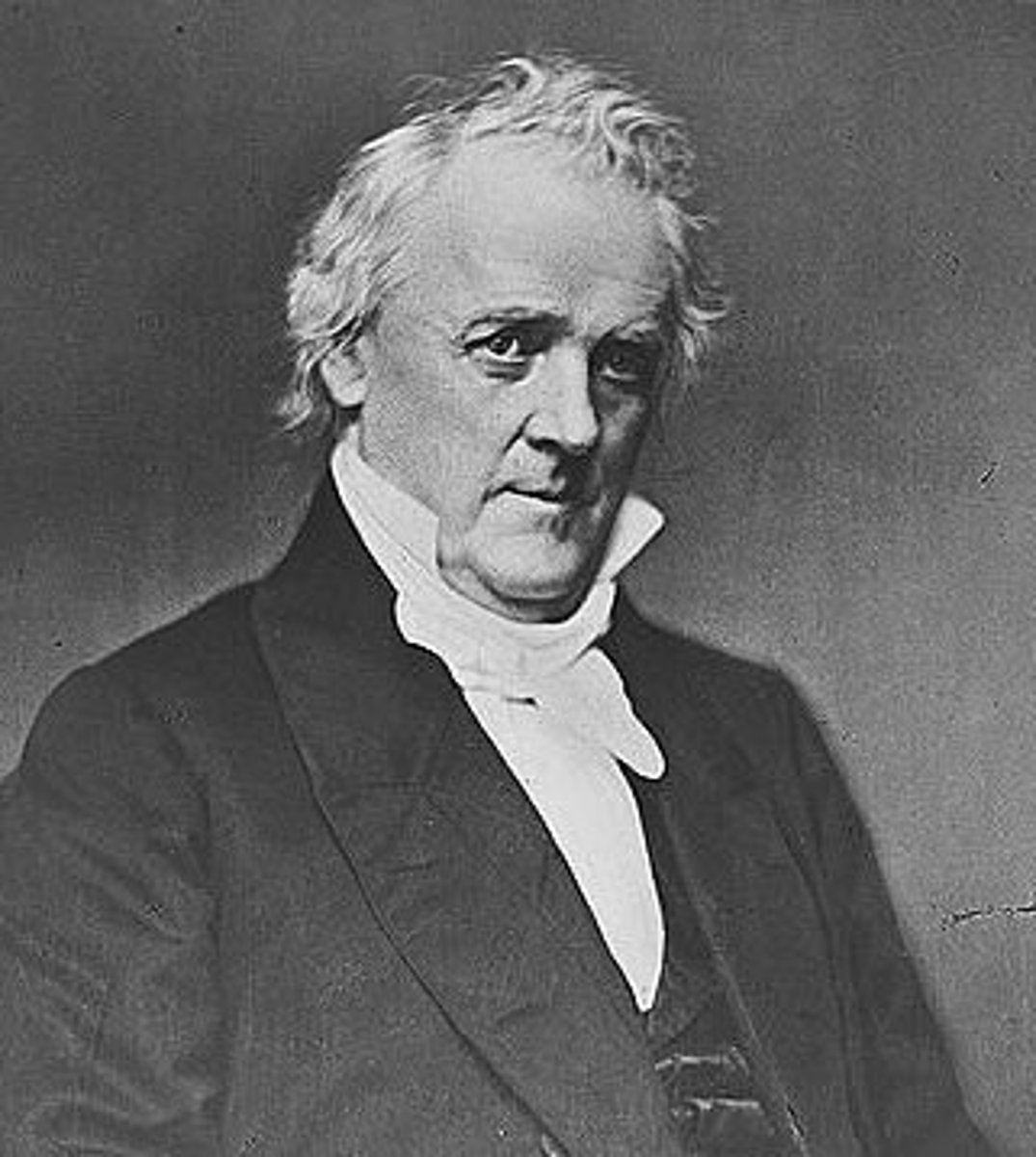
James Buchanan
The 15th President of the United States (1857-1861). He tried to maintain a balance between proslavery and antislavery factions, but his moderate views angered radicals in both North and South, and he was unable to forestall the secession of South Carolina on December 20, 1860.
Crittenden Compromise
1860 - attempt to prevent Civil War by Senator Crittenden - offered a Constitutional amendment recognizing slavery in the territories south of the 36º30' line, noninterference by Congress with existing slavery, and compensation to the owners of fugitive slaves - defeated by Republicans- never actually became a law
Missouri Compromise of 1820
Allowed Missouri to enter the union as a slave state, Maine to enter the union as a free state, prohibited slavery north of latitude 36˚ 30' within the Louisiana Territory (1820)