HORT 2003 Exam 3 Study Guide
 Call Kai
 Learn
Learn Practice Test
 Spaced Repetition
 Match
Match Flashcards
 Knowt Play
1/146

There's no tags or description
Looks like no tags are added yet.
Name | Mastery | Learn | Test | Matching | Spaced | Call with Kai |
|---|
No analytics yet
Send a link to your students to track their progress
147 Terms
Botanically what makes a fruit different from a vegetable
Fruit: comes from the seed-bearing structure of a flowering plant
Vegetable: edible parts of a plant, such as roots, stems, and leaves
Native plant
Indigenous terrestrial and aquatic species that have evolved and occur naturally in a particular region, ecosystem, and habitat
Invasive plant
A plant outside of its native range, introduced or accidental, that displace native plants and disrupt the ecosystem
Adapted plant
Plants that are adapted and do best or thrive in a particular region based upon the environmental conditions of soil and weather
Centers of origin
Where crop plants originated naturally. Area of greatest genetic diversity (provenance)
Center of domestication
Where crop plants were domesticated
Horticulture vs agriculture
Agriculture: diverse, but typically fewer crop types. Dry harvest and long-term storage
Horticulture: very broad-includes fruits, vegetables, ornamentals, trees. Shorter shelf life. Higher moisture content
Father of American Horticulture
Liberty Hyde Bailey: Co-founder of the American Society for Horticultural Scientists
Binomial System of Nomenclature and who created it
Carl Linnaeus
Two part Latin scientific name. Based naming system on reproductive plant parts
How to properly hand-write a scientific name: underline if handwritten
Genus species
Simple Tissues
Undifferentiated cells. Immature plant cells that are actively dividing and responsible for growth
Parenchyma, Collenchyma, Sclerenchyma
Three types of simple tissues
Complex tissues
Nondividing differentiated cells
Mature, specialized cells that have lost the ability to divide and perform specific functions like support, transport, and storage
Phloem
Transports food substances throughout the plant (up and down)
Xylem
Transports water and minerals UP from the roots to the aerial parts of the plant
Monocot
1 cotyledon (single seed leaf)
Large endosperm for food storage
Fibrous roots system
Vascular bundles run side-by-side
Veins are usually similar in size
Parallel leaf venation
Corn, Wheat, Rice, Grasses, Palms
Dicot
2 cotyledons (two seed leaves)
Food stored in cotyledons
Taproot system
Net-like venation
Beans, sunflower, peas, oak
Meristematic tissues
Apical meristem: region of cell elongation both in roots and stem
Lateral meristem: found in the stems and roots of woody plants responsible for growth and girth in diameter
Intercalary meristem: characteristic of grasses and many monocots, where they are located at the bases of leaves or internodes and allow rapid regrowth after grazing or mowing
Types of root systems
Tap root
Fibrous root
Prop root
Adventitious root
Bulb
Fleshy leafy storage stem
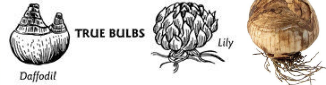
Corm
Storage organ for overwintering
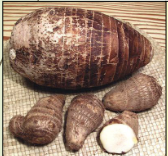
Rhizome
Continuously, laterally growing underground stems
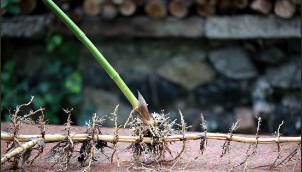
Tuber
Modified underground storage stem
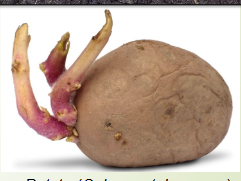
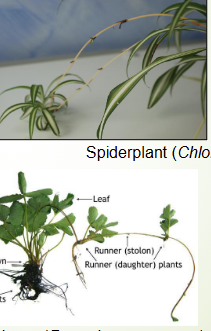
Stolon
Horizontal, extending above-ground stem or runner that takes root along points on its length to form new plants
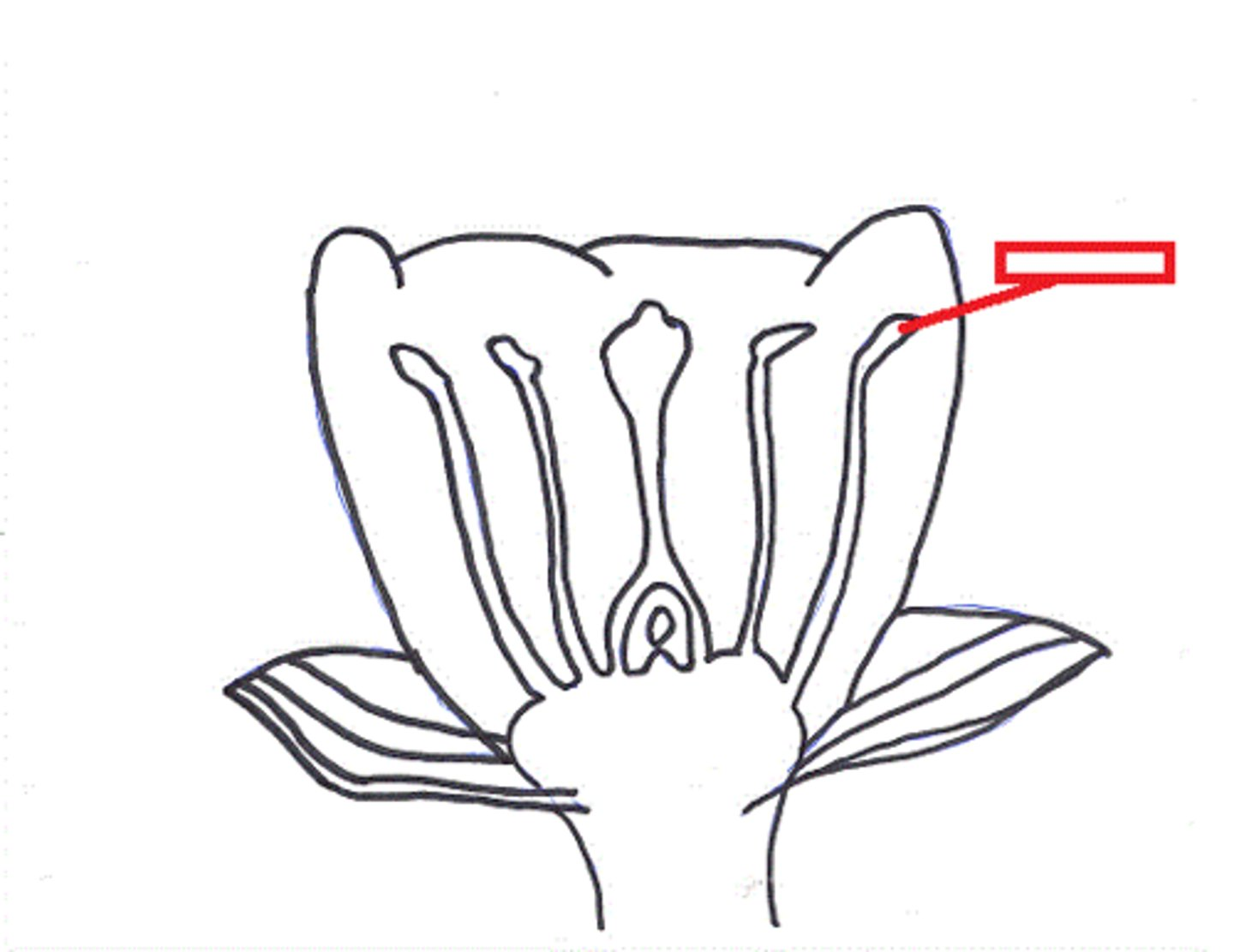
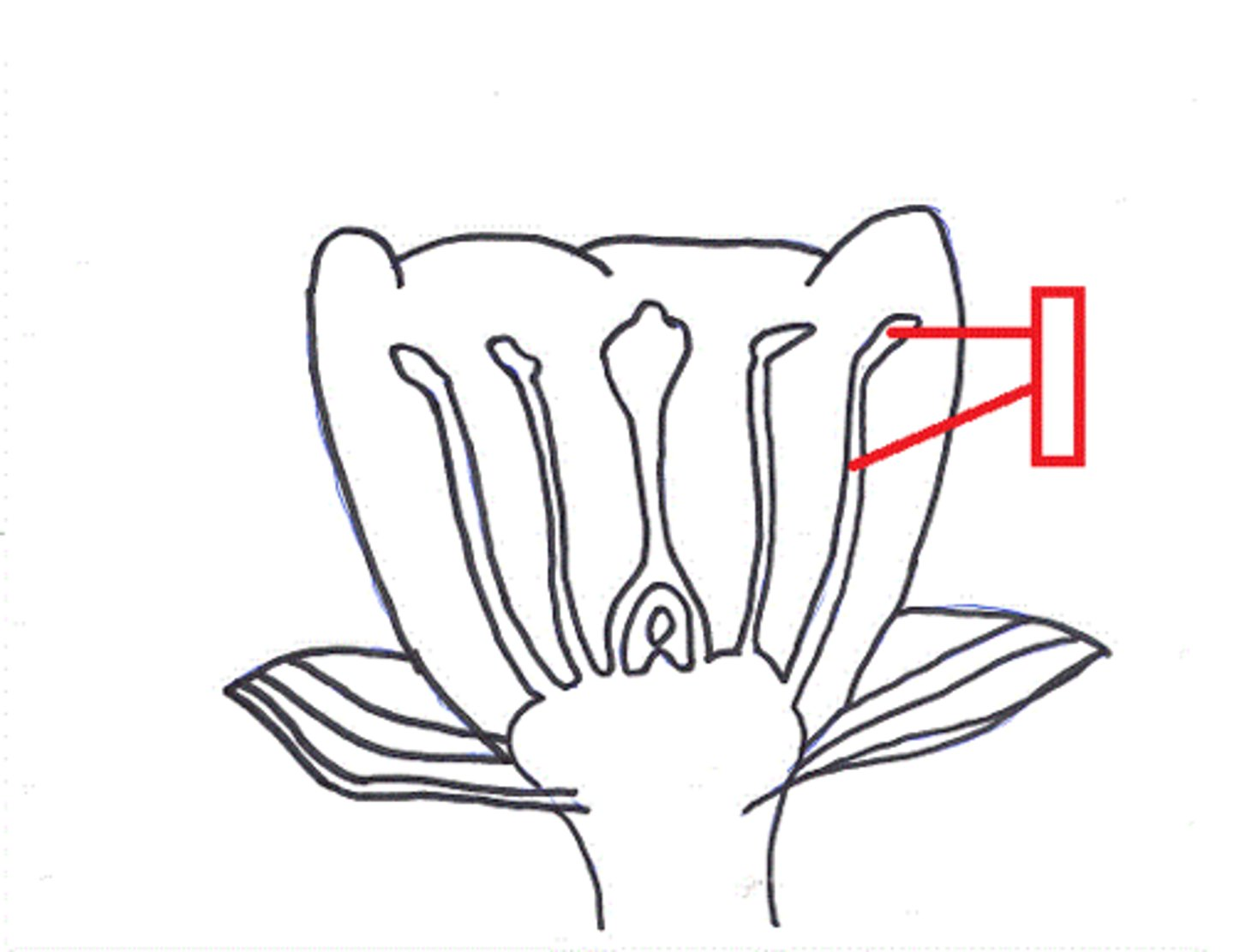
Anther
Male part of the flower where sperm (pollen) are produced by meiosis
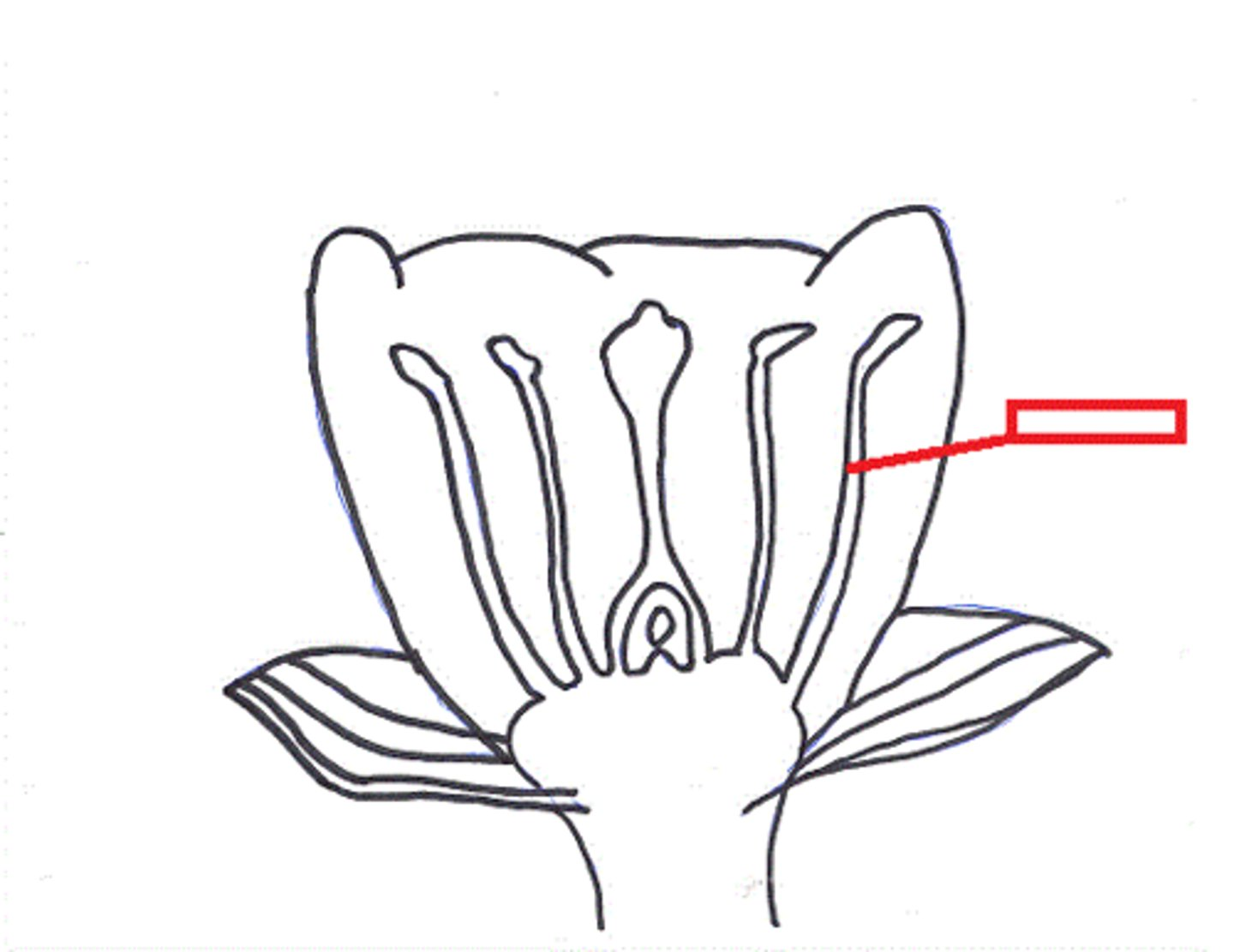
Filament
Supports the anther
Ovary
A flower structure that encloses and protects ovules and seeds as they develop
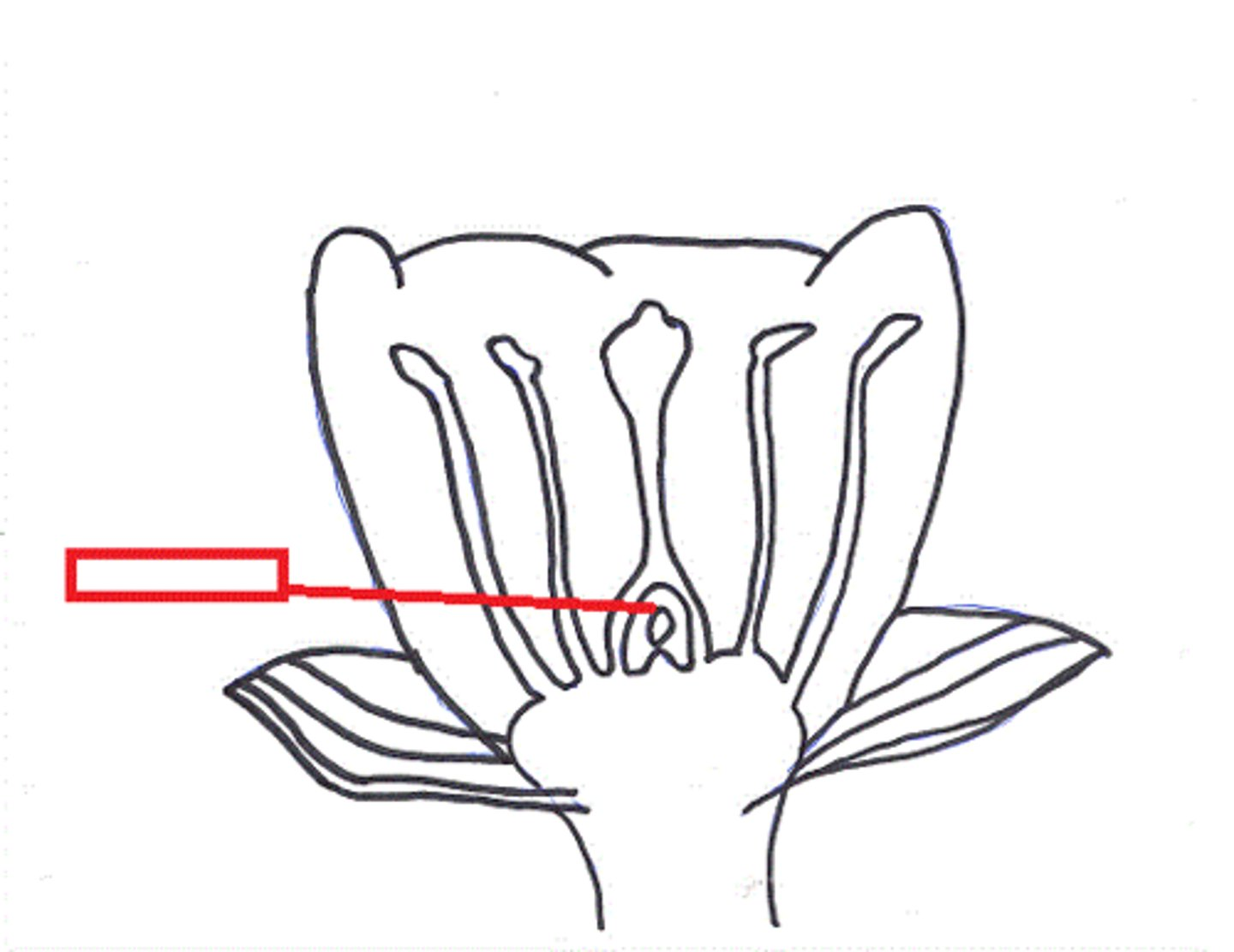
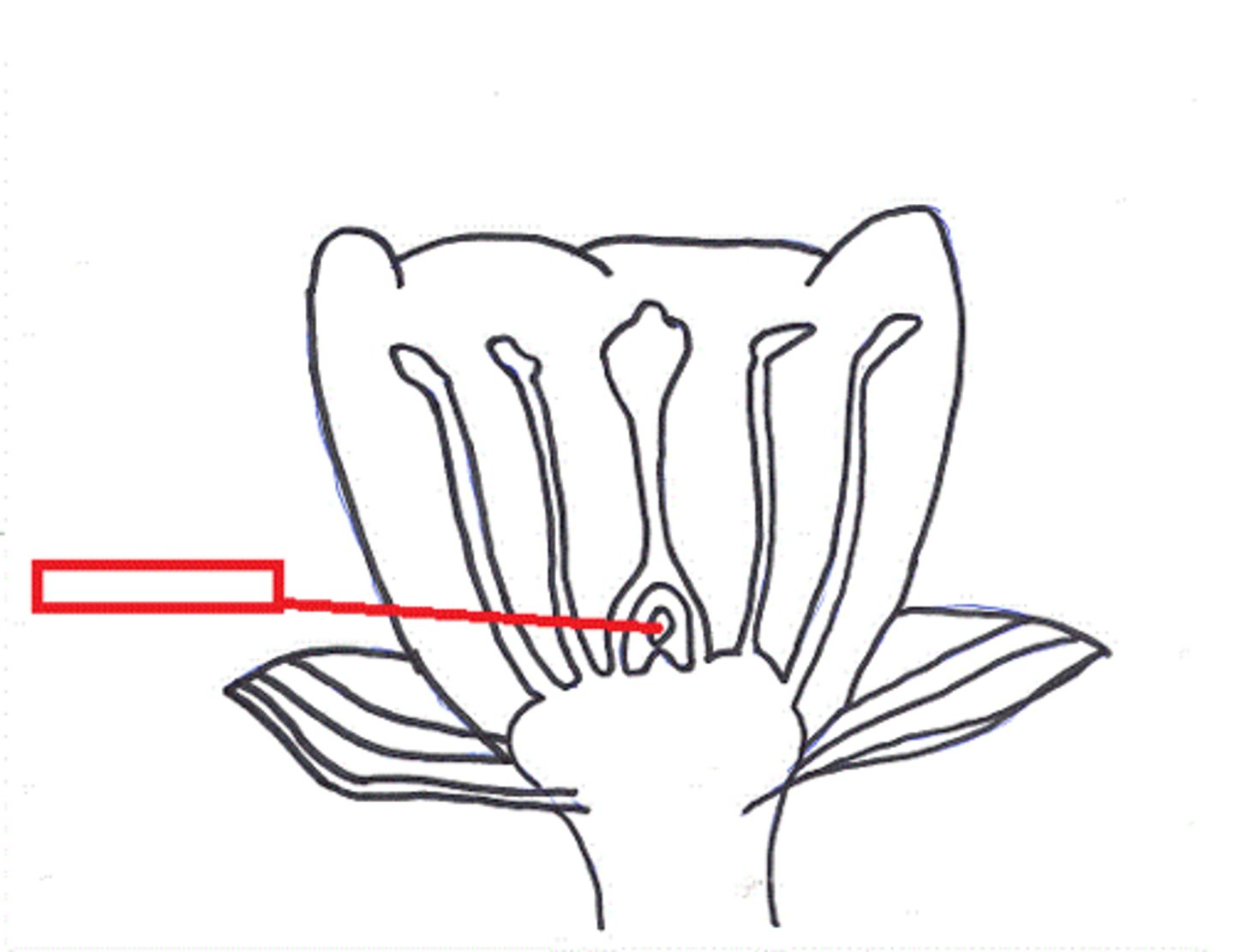
Ovule
A structure that develops within the ovary of a seed plant and contains the female gametophyte
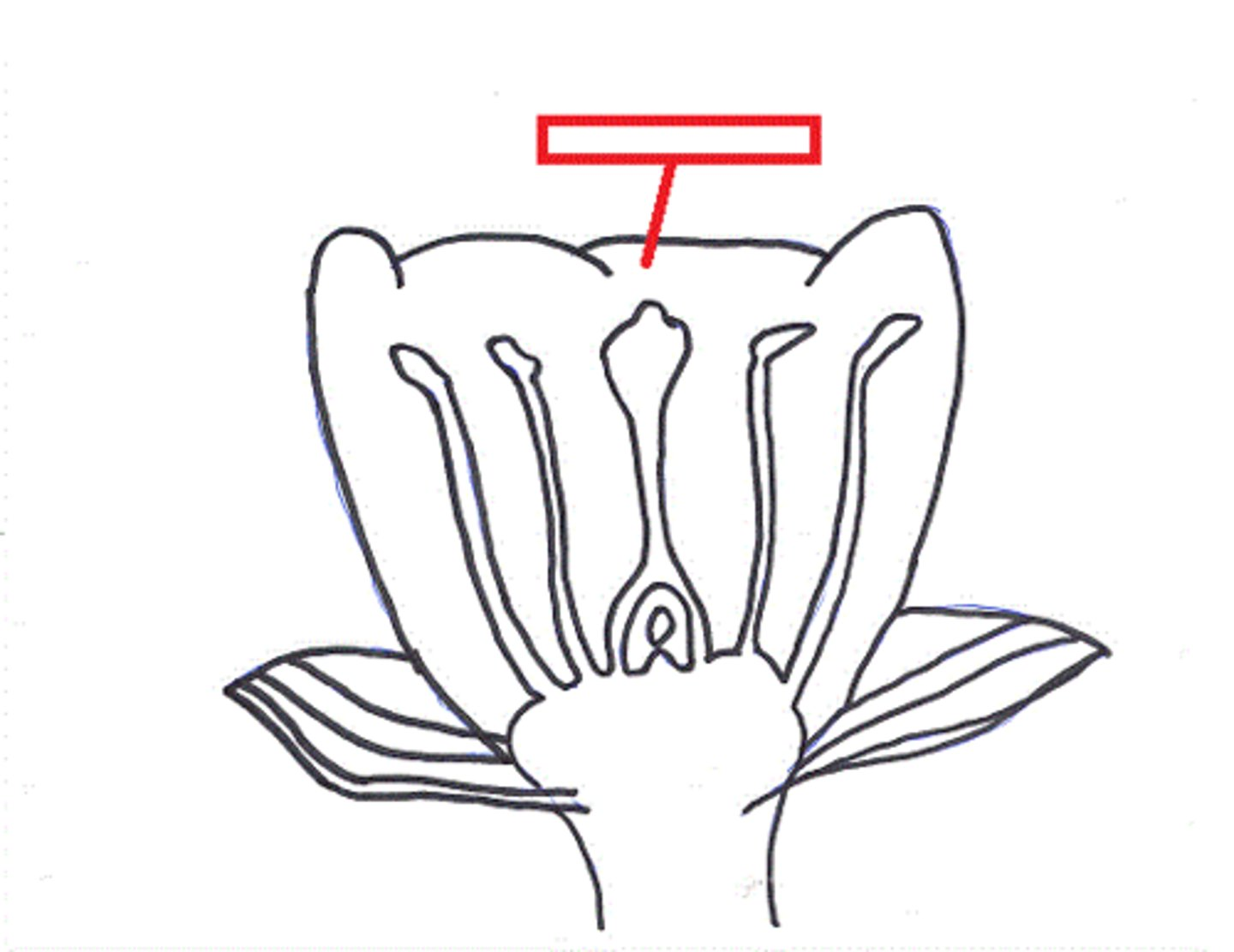
Petal
A modified leaf of a flowering plant. Petals are the often colorful parts of a flower that advertise it to insects and other pollinators
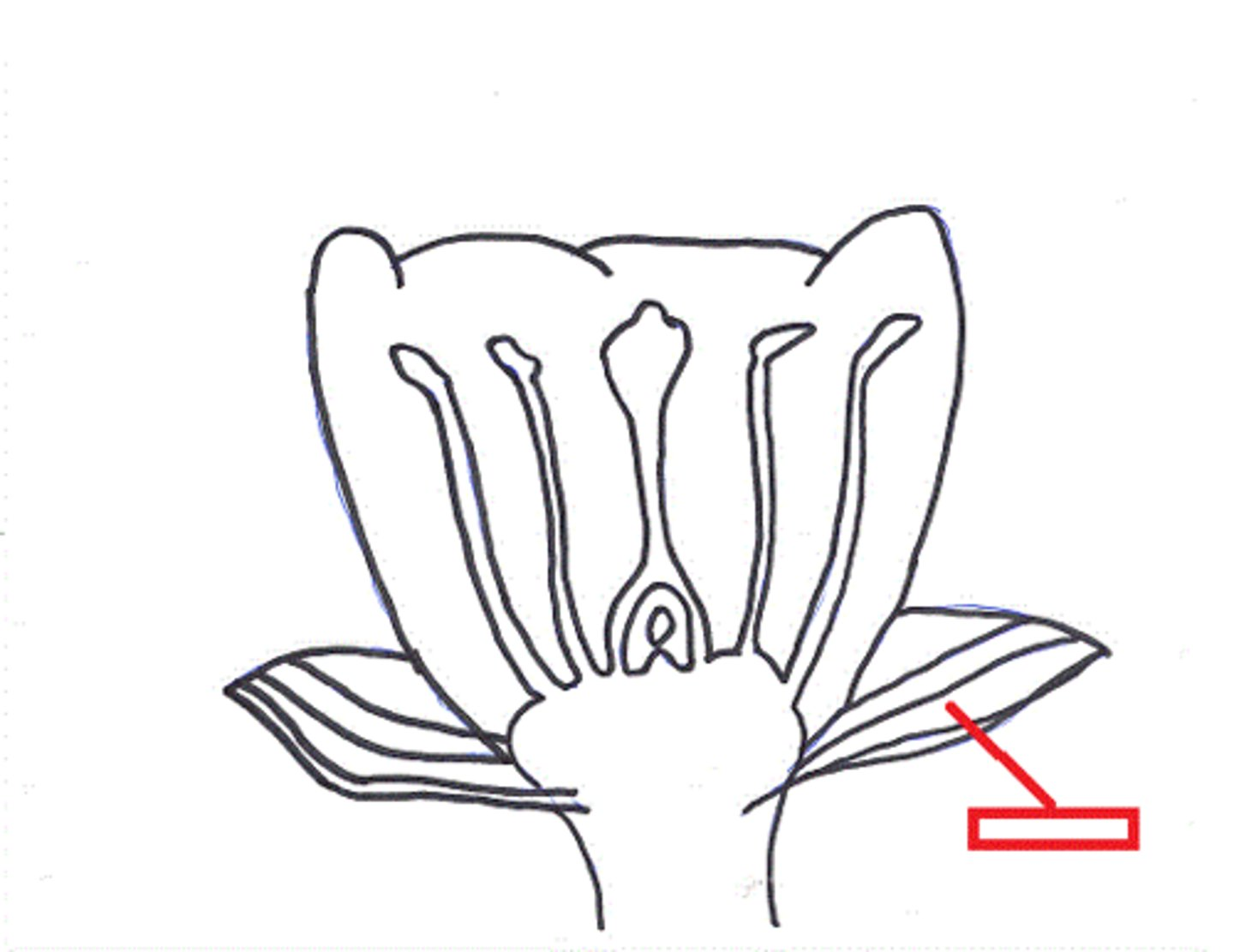
Sepal
A modified leaf in angiosperms that helps enclose and protect a flower bud before it opens
Stamen
The pollen-producing reproductive organ of a flower, consisting of an anther and a filament
Stigma
The top of the central female part of a flower, where pollen is received
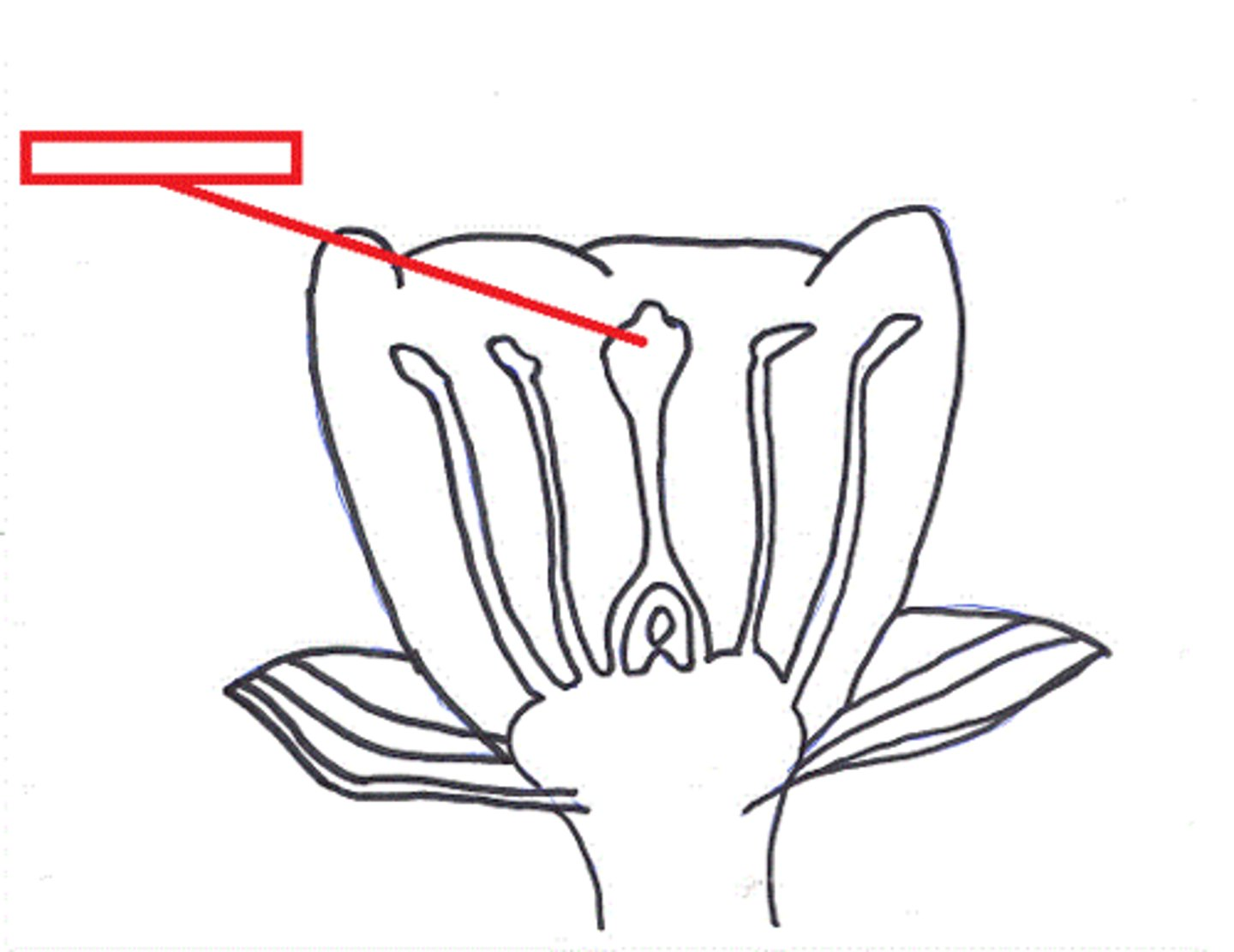
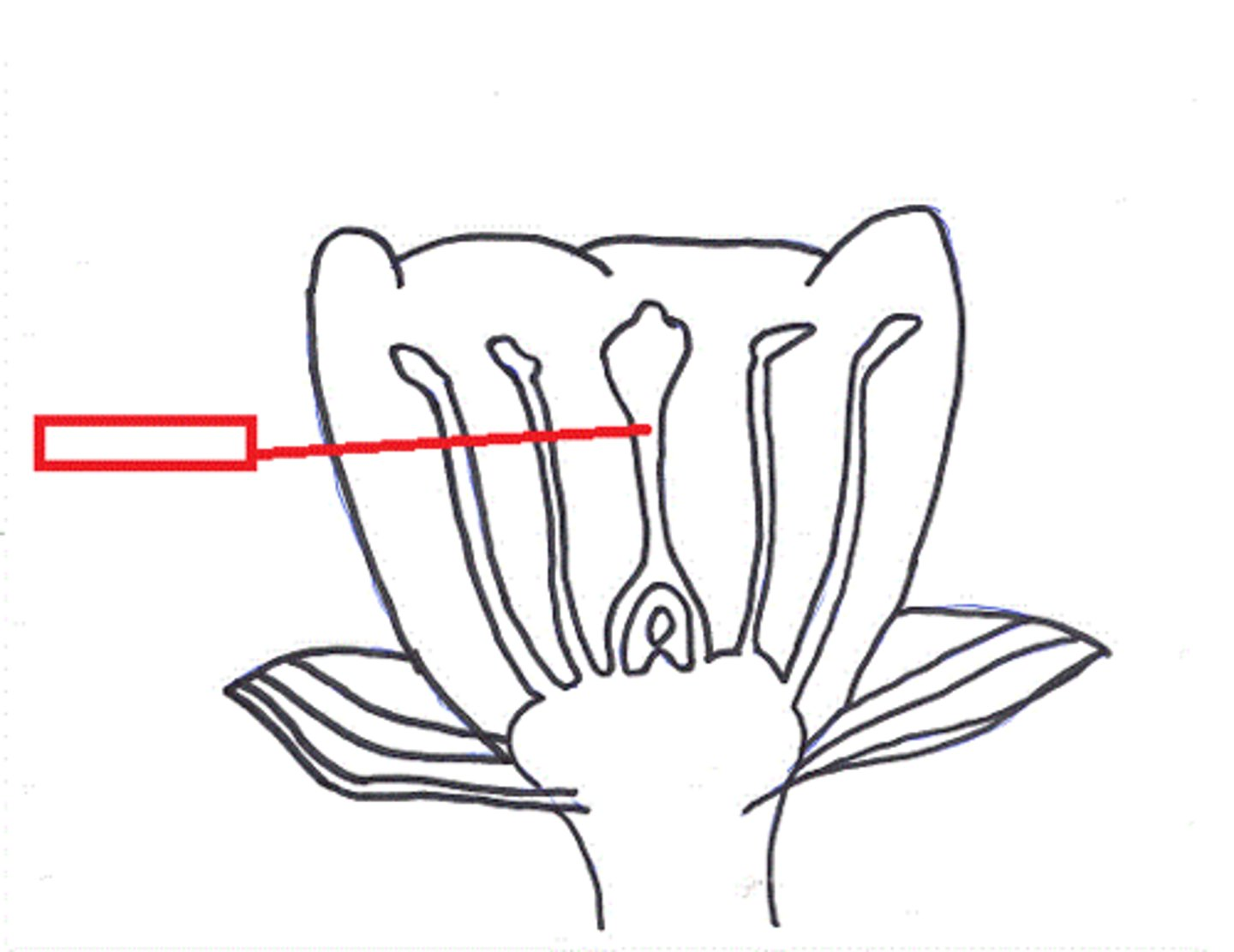
Style
The narrow elongated part of the pistil between the ovary and the stigma
Radial symmetry
A flower that can be divided into equal halves through multiple planes passing through the center
Bilateral symmetry
A flower that can be divided into equal halves through only one plane
Perfect flower
Both staminate and pistillate (male and female) parts in the same flower
Imperfect flower
Either staminate or pistillate flowers (separate male and female flowers) on the same plant or separate plants
Complete flower
Contains all four whorls of multiple parts (pistil, stamen, sepal, petal)
Incomplete flower
Missing one or more of the whorls (pistil, stamen, sepal, or petal)
Monoecious plants
Male and female flowers on the same ONE plant
Dioecious plants
Separate (divided, two) male and female flowering plants
Flower function
Reproduction
Preservation of genetic diversity
Three types of fruit
Simple fruit: single fruit emerging from a single flower
Aggregate fruit: multiple ovaries and fruitlets within a single flower structure
Multiple fruit: adjacent multiple flowers in an inflorescence which form a single fruit structure
C3
Most common form of photosynthesis where carbon dioxide is directly fixed into a 3-carbon compound using the enzyme Rubisco
C4
A more efficient adaptation, particularly in hot climates, where carbon dioxide is initially fixed into a 4-carbon compound before being transferred to the Calvin cycle, allowing for a higher concentration of CO2 around Rubisco and minimizing photorespiration
CAM
Special type of C4 plant
CO2 is stored as malic acid in vacuoles, which makes the plant more acidic at night and basic during the day
Stomata open at night and are closed during the day
Take up CO2 during the night and convert it to a form that can be stored until day
Light Quality
Photons of shorter wavelength and higher frequency BLUE light have more “energetic” potential than photons of red light
Lighting must provide rich amounts of blue and red light for maximum photosynthesis
Light intensity
The unit of measure for the intensity of photosynthetic light is micromoles per square meter per second
Light intensity will affect photosynthesis rates. However, the effect of light intensity varies among different plant species
Sun-loving plants = high light intensity needed
Shade-loving plants = grow best under low intensity
Intermediate plants = in-between the other two categories
Light compensation point = minimum light a plant needs to survive
Light saturation point = maximum light a plant can use efficiently for photosynthesis
Light duration
Longer photoperiod usually = greater photosynthetic activity
Genotype
The plant’s genetic makeup, describing what alleles it carries
Phenotype
The observable traits of a plant, including height, leaf shape, or fruit taste
Disjunct populations
Groups of organisms from the same species that are separated by geographic distances and lack a continuous range of suitable habitat between them
Allopatric speciation
The formation of a new species from an ancestral population due to geographic isolation
Sympatric speciation
The formation of a new species from an ancestral species that remains in the same geographic area, often driven by ecological divergence, sexual selection (e.g., mate preference, or polyploidy (in plants), which reduce geneflow and lead to reproductive isolation
Benefits of polyploidy
Bigger plants and flowers
Larger cells = larger leaves, fruits, and blooms
Seedless fruits
Triploids can’t divide chromosomes evenly = sterile
Crop improvement
Combines traits like stress tolerance, disease resistance, and yield
New plant species
Polyploidy can create instant speciation
Ecotypes
A locally adapted population within a species. They show genetic differences that fit them to their environment
Morphogeneiss
Creation of form and structure (shape and pattern formation)
Differentiation
Specialization of cells and tissues in structure and function. (cells becoming xylem, phloem, epidermis)
Indeterminate growth form
A pattern where flowers form on side buds while the main stem keeps growing, so the plant can keep producing fruit for a long time
Determinate growth form
A growth pattern where the main stem stops growing and all the top buds flower at the same time, so the plant blooms in a short period
5 stages of plant growth
Seed
Juvenile
Transition
Maturity
Senescence
Juvenility vs maturity
Juvenile plants are unable to produce reproductive structures, meaning that they cannot produce flowers or seeds
Plants tend to be more vining, have different leaf form, thorns, ease of root cuttings at this stage
Photoperiodism
Daylength is stable, reliable, and replicable
Short day plants: produce flowers when the daylength is less than or shorter than some critical photoperiod
Long day plants: produce flowers when the daylength is more than or longer than some critical photoperiod
Day neutral plants: do not use photoperiod as a means of floral timing: rely on plant age and size only
Vernalization and chill hours
Chilling hour requirement: A requirement of exposure to temperatures below 45 degrees Fahrenheit for a certain duration of time, usually measured in hours
Auxins
Plant hormones that regulate cell elongation, apical dominance, vascular differentiation, root formation, and directional growth responses such as photoperiodism and gravitropism
Gibberellins
Plant hormones that stimulate stem elongation, seed germination, bolting, flowering, and fruit development
Cytokinins
Plant hormones that promote cell division, delay leaf aging (senescence), and stimulate lateral bud growth
Abscisic Acid (ABA)
A plant hormone that inhibits growth, promotes seed dormancy, and helps plants respond to stress such as drought by closing stomata
Ethylene
A gaseous plant hormone that regulates fruit ripening, leaf abscission, and plant responses to stress
Plant hormones
Naturally occurring organic substances that affect plant growth and development and function at very low concentrations
Trophism
The growth or movement of a plant in response to an external stimulus
Photropism
Growth or movement of a plant in response to light, usually toward the light source
Geotropism (gravitropism)
Growth or movement of a plant in response to gravity, with roots typically growing downward and shoots growing upward
Thigmotropism
Growth or movement of a plant in response to touch or physical contact with a solid object
Endogenous dormancy
A type of dormancy caused by internal factors within the seed, such as undeveloped embryos or the presence of growth-inhibiting hormones
Physical dormancy
Chemical dormancy
Mechanical dormancy
Morphological dormancy
Types of exogenous dormancy
Physiological dormancy
Morphophysiological dormancy
Types of endogenous dormancy
Exogenous dormancy
A type of dormancy caused by external factors outside the seed, such as hard seed coats, temperature, or water-impermeable layers that prevent germination
Physical dormancy
Dormancy caused by a hard of impermeable seed coat that prevents water and gases from entering the seed
Overcome via scarification (scratching, nicking, or soaking seeds)
Chemical dormancy
Dormancy caused by the presence of chemical inhibitors within the seed that prevent germination until they are removed or neutralized
Overcome via: leaching (soaking seeds in water to wash out inhibitors). Removing pulp, then leaching
Mechanical dormancy
Dormancy caused by a seed coat or surrounding structures that physically restrict the embryo from expanding and growing, even if water an oxygen are available
Overcome via: mechanical scarification (cracking or filing the seed coat)
Morphological dormancy
Dormancy in seeds with underdeveloped or immature embryos that require time to grow before germination can occur
Overcome via: warm/cold stratification
Physiological dormancy
Dormancy caused by internal physiological factors, such as growth-inhibiting hormones, that prevent germination even when conditions are favorable
Overcome via:
Stratification: cold or warm treatment to change hormone balance
After-ripening: dry storage for a period
Gibberellic acid application: shift internal hormonal balance
Morphophysiological dormancy
Dormancy in seeds that have both an underdeveloped embryo and physiological inhibitors, requiring both embryo growth and overcoming internal inhibitors before germination
Overcome via: time and stratification or temperature treatments
Combinational dormacny
Both physical dormancy (hard seed coat) and physiological dormancy inside the embryo
Overcome via: scarification + stratification or other treatments
Invasive plant
A non-native organism whose introduction causes or is likely to cause economic or environmental harm, or harm to human, animal, or plant health
Characteristics of invasive plants
Broad ecological amplitude - widely distributed in a diversity of ecosystems and habitats
Grow very fast
Leaf out early in the year
Lack natural predators & diseases
Seeds: high production, high germination rate, and often a long-lived seed bank
Adept at competing for resources
Chemical warfare (allelopathy)
Macronutrients
Essential chemical elements required in relatively large quantities for healthy plant growth, development, and reproduction
Micronutrients
Essential trace elements required in small quantities for critical functions like photosynthesis, enzyme activation, and structural integrity
Major macronutrients
Nitrogen (N)
Phosphorus (P)
Potassium (K)
Nitrogen (N)
Essential for leaf and stem growth
Key component of chlorophyll —> drives photosynthesis
Mobile
Phosphorus (P)
Critical for energy transfer (ATP)
Promotes root development
Important for flowering and fruiting
Mobile
Potassium (K)
Regulates water movement and stomatal function
Improves stress tolerance (drought, disease, cold)
Mobile
How to read a fertilizer bag
Listed as N-P-K
Measured by total weight %
20-20-20 = 20% N, 20% P, 20% K, and 40% inert material
Soil
A natural mixture of minerals, organic matter, water, air, and living organisms that forms the upper layer of the Earth’s surface and supports plant growth
Potting media
A soilless or partially soilless growing medium designed to provide plants in containers with proper aeration, moisture retention, and nutrients for healthy root development
Five factors that form soil
Parent material
Climate
Topography
Organisms
Time
parent material
Originates in rock — as rock weathers it produces tiny fragments that are combined with remains of plants and animals in various stages of decomposition