Biology Unit 1
 Call Kai
 Learn
Learn Practice Test
 Spaced Repetition
 Match
Match Flashcards
 Knowt Play
1/48

There's no tags or description
Looks like no tags are added yet.
Name | Mastery | Learn | Test | Matching | Spaced | Call with Kai |
|---|
No analytics yet
Send a link to your students to track their progress
49 Terms
Neurotransmitters
A neurotransmitter is a chemical that carries messages between nerve cells.
Neuron
A neuron is a nerve cell that sends and receives messages throughout the body. They transmit electrical signals
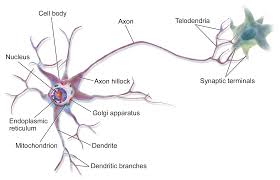
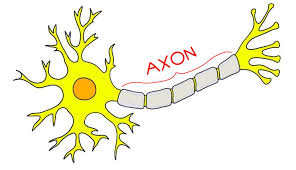
Axon
An axon is the long part of a neuron that carries messages away from the cell body to other cells.
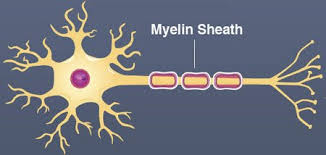
Myelin sheath
A fatty layer that surrounds the axon and helps nerve messages travel faster.
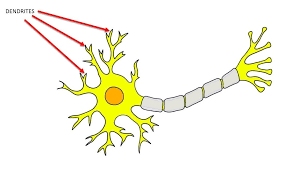
Dendrite
A branch-like part of a neuron that receives messages and carries them toward the cell body
Glucagon
A hormone released by the pancreas that raises blood glucose (sugar) levels when they are too low.
Deviation
A difference from the usual, expected, or average value.
Pineal gland
A small gland in the brain that produces melatonin, a hormone that helps regulate sleep and wake cycles.
Melatonin
A hormone that helps control your sleep cycle and makes you feel sleepy at night.
Pituitary gland
A small gland at the base of the brain that releases hormones and controls many other glands in the body.
Cerebral cortex
The outer layer of the brain that controls thinking, memory, learning, senses, and voluntary movements.
PNS
PNS (peripheral nervous system) is the part of the nervous system that connects the brain and spinal cord to the rest of the body.
CNS
CNS (central nervous system) is the part of the body made up of the brain and spinal cord that controls most body activities.
Autonomic nervous system
The autonomic nervous system is the part of the nervous system that controls automatic body functions like breathing and heart rate.
Somatic nervous system
The somatic nervous system is the part of the nervous system that controls voluntary movements of skeletal muscles.
Cardiovascular
The cardiovascular system is the body system that moves blood, oxygen, and nutrients around the body using the heart and blood vessels. (Basically the same as circulatory)
Circulatory
The circulatory system is the system that transports blood, oxygen, and nutrients throughout the body using the heart and blood vessels.
Response coordinator
A response coordinator is the part of the body that receives information, processes it, and decides how the body should react.
Specialized cell
A specialized cell is a cell that has a specific structure and function to do a particular job in the body.
Stimulus
A stimulus is a change in the environment that causes a response in an organism.
Effectors
An effector is a muscle or gland that carries out a response in the body.
Receptors
Receptors are cells or organs that detect changes in the environment and send signals to the nervous system.
Gland
A gland is an organ that produces and releases substances like hormones or sweat.
Homeostasis
The coordinated actions of the body to maintain a completely stable internal environment.
Glucose
Glucose is a simple sugar that is used by cells as a main source of energy.
Insulin
Insulin is a hormone made by the pancreas that helps control blood glucose levels by allowing cells to take in glucose.
Glycogen
Glycogen is the stored form of glucose in the liver and muscles.
Physiological
Physiological means relating to how the body and its organs normally function.
Testosterone
Testosterone is a hormone mainly made in the testes that helps develop male characteristics and supports reproduction.
Integumentary system
The integumentary system is the body system made up of skin, hair, and nails that protects the body from damage and infection.
Digestive system
The digestive system is the group of organs that breaks down food into nutrients the body can absorb and use for energy.
Nervous system
The nervous system is the body system that sends and receives messages to control and coordinate body activities.
Feedback loop
A feedback loop is a system where the body detects a change and responds to bring conditions back to normal.
Extracellular
Extracellular means located or occurring outside of cells.
Endocrine
The endocrine system is the body system that releases hormones into the blood to control long-term body functions like growth and metabolism.
Thyroid gland
The thyroid is a gland in the neck that produces hormones that control metabolism (how the body uses energy).
Parathyroid glands
Small endocrine glands located on or behind the thyroid. They help control calcium levels in the blood.
Erythropoietin
Erythropoietin is a hormone made by the kidneys that stimulates the production of red blood cells in the bone marrow.
Thymosin
Thymosin is a hormone made by the thymus gland that helps the immune system by supporting the development of T cells.
Adrenaline
Adrenaline is a hormone made by the adrenal glands that prepares the body for a “fight or flight” response by increasing heart rate and energy.
T-cells
T-cells are white blood cells that help the immune system fight infections by destroying infected cells and coordinating immune responses.
Action potential
An action potential is a fast electrical signal that travels along a neuron to send information in the nervous system.
Axon terminal
The axon terminal is the end of a neuron that releases neurotransmitters to pass signals to other cells.
Synapse
A synapse is the small gap between neurons where signals are passed using neurotransmitters.
Acetylcholine
Acetylcholine is a chemical messenger that transmits signals between nerve cells and muscles.
Dopamine
Dopamine is a chemical in the brain that helps control pleasure, motivation, and movement.
Serotonin
Serotonin is a brain chemical that helps regulate mood, sleep, and appetite.
Glutamate
Glutamate is a brain chemical that helps nerve cells send signals and is important for learning and memory.
Reflex arc
A reflex arc is the pathway a nerve signal follows to produce a quick, automatic response to a stimulus.