Autonomic Nervous System and Reinforcing Behaviors
 Call Kai
 Learn
Learn Practice Test
 Spaced Repetition
 Match
Match Flashcards
 Knowt Play
1/29

There's no tags or description
Looks like no tags are added yet.
Name | Mastery | Learn | Test | Matching | Spaced | Call with Kai |
|---|
No analytics yet
Send a link to your students to track their progress
30 Terms
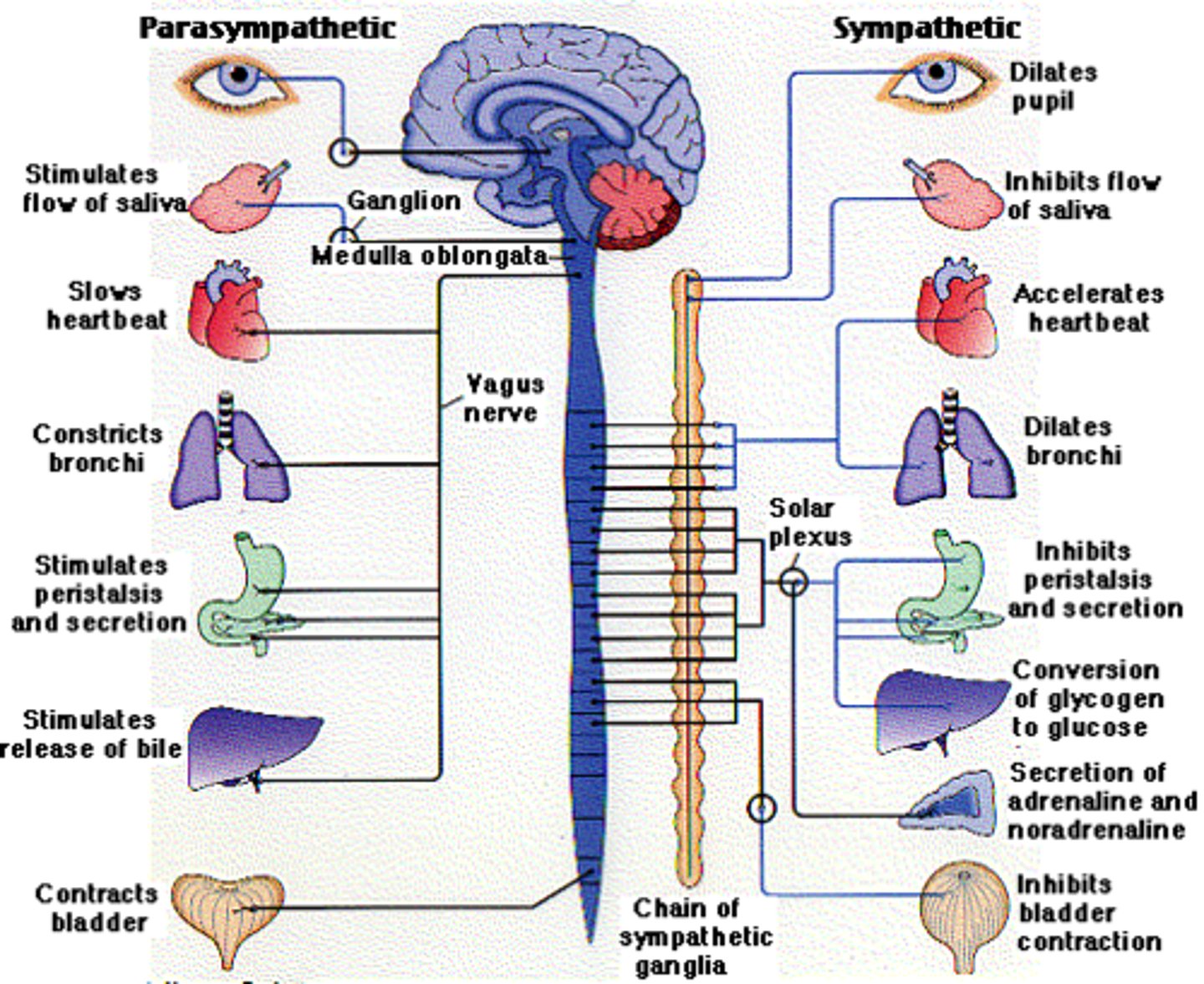
autonomic nervous system
the part of the peripheral nervous system that controls the glands and the muscles of the internal organs (such as the heart). Its sympathetic division arouses; its parasympathetic division calms.
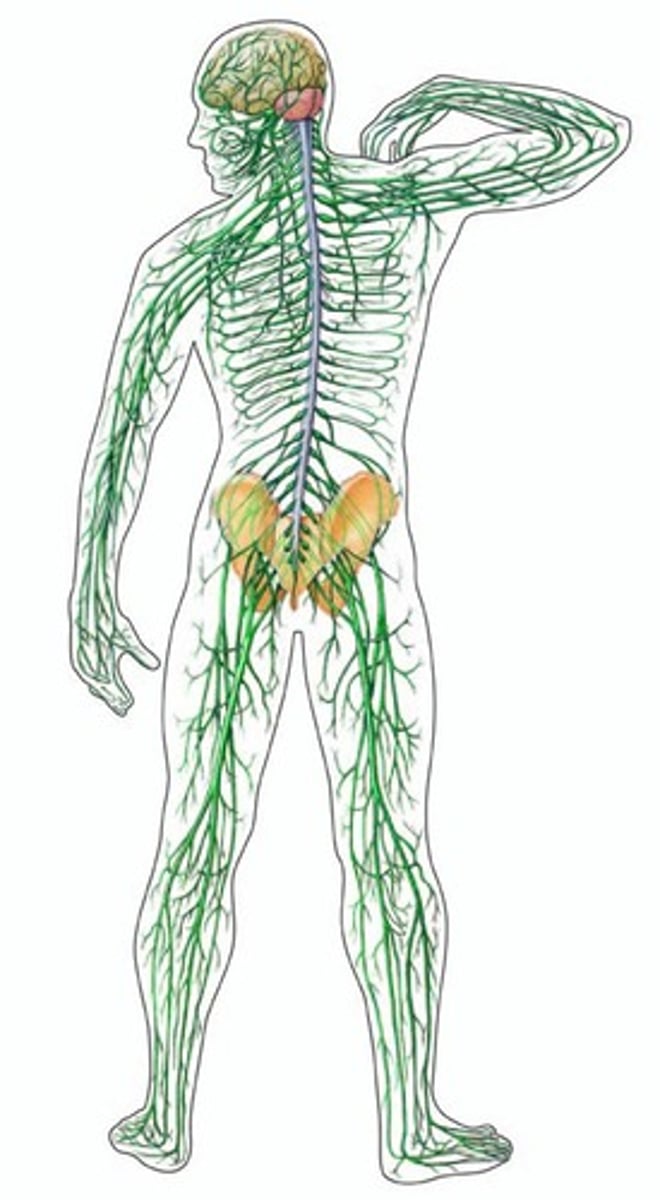
peripheral nervous system
the sensory and motor neurons that connect the CNS to the rest of the body
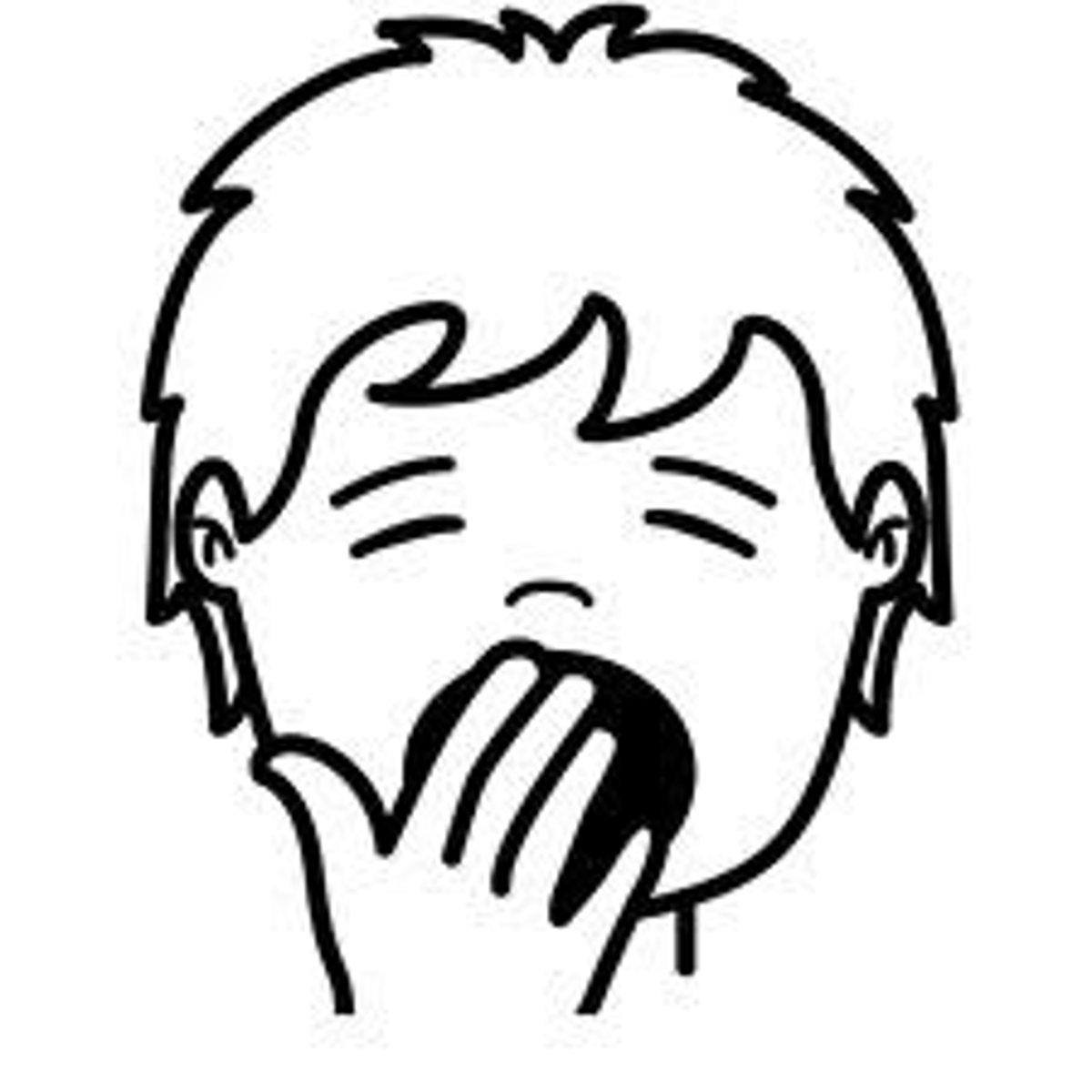
involuntary
not done of one's own free will; automatic; unintentional; spontaneous
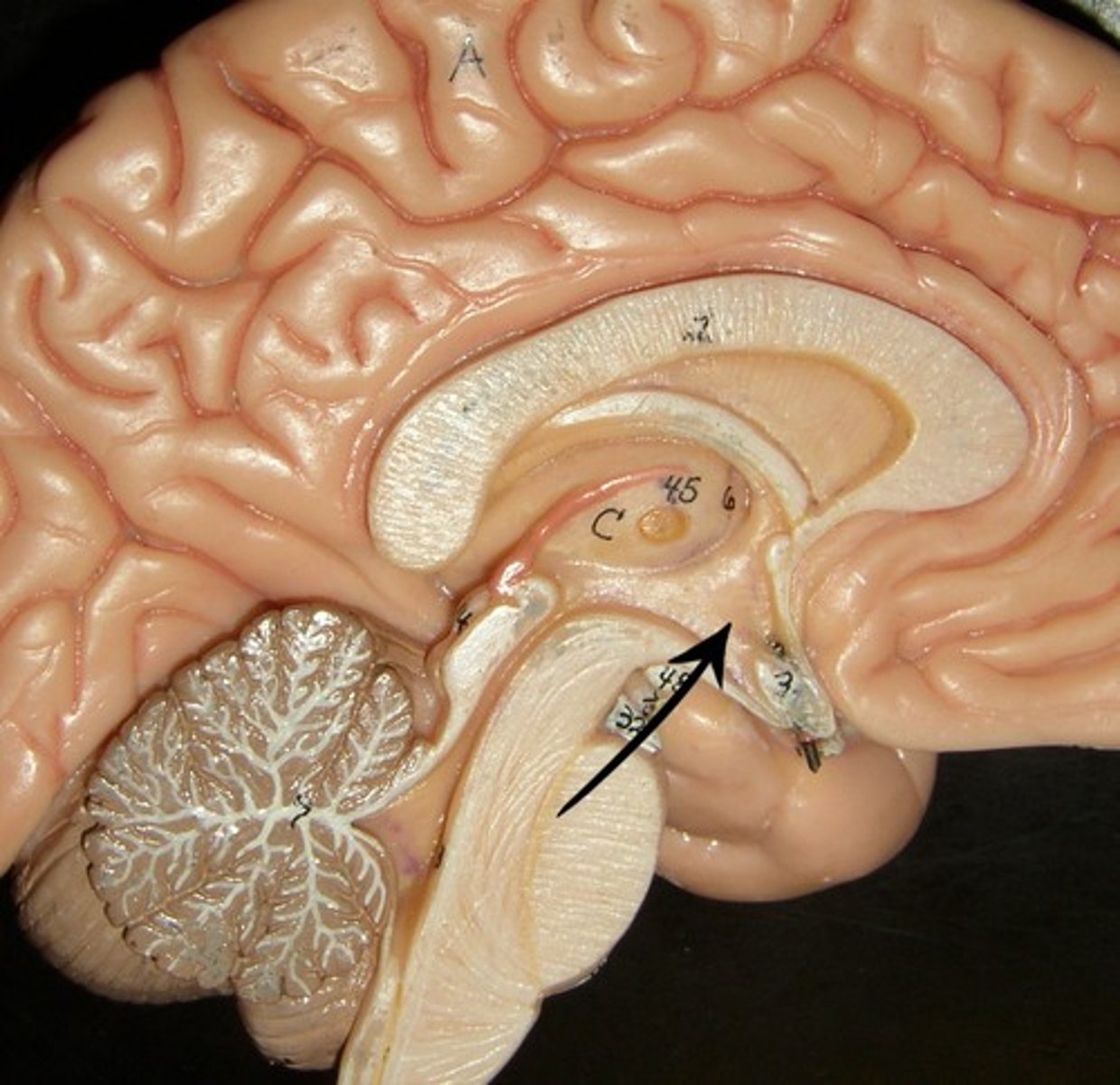
hypothalamus
A neural structure lying below the thalamus; it directs several maintenance activities (eating, drinking, body temperature), helps govern the endocrine system via the pituitary gland, and is linked to emotion and reward.
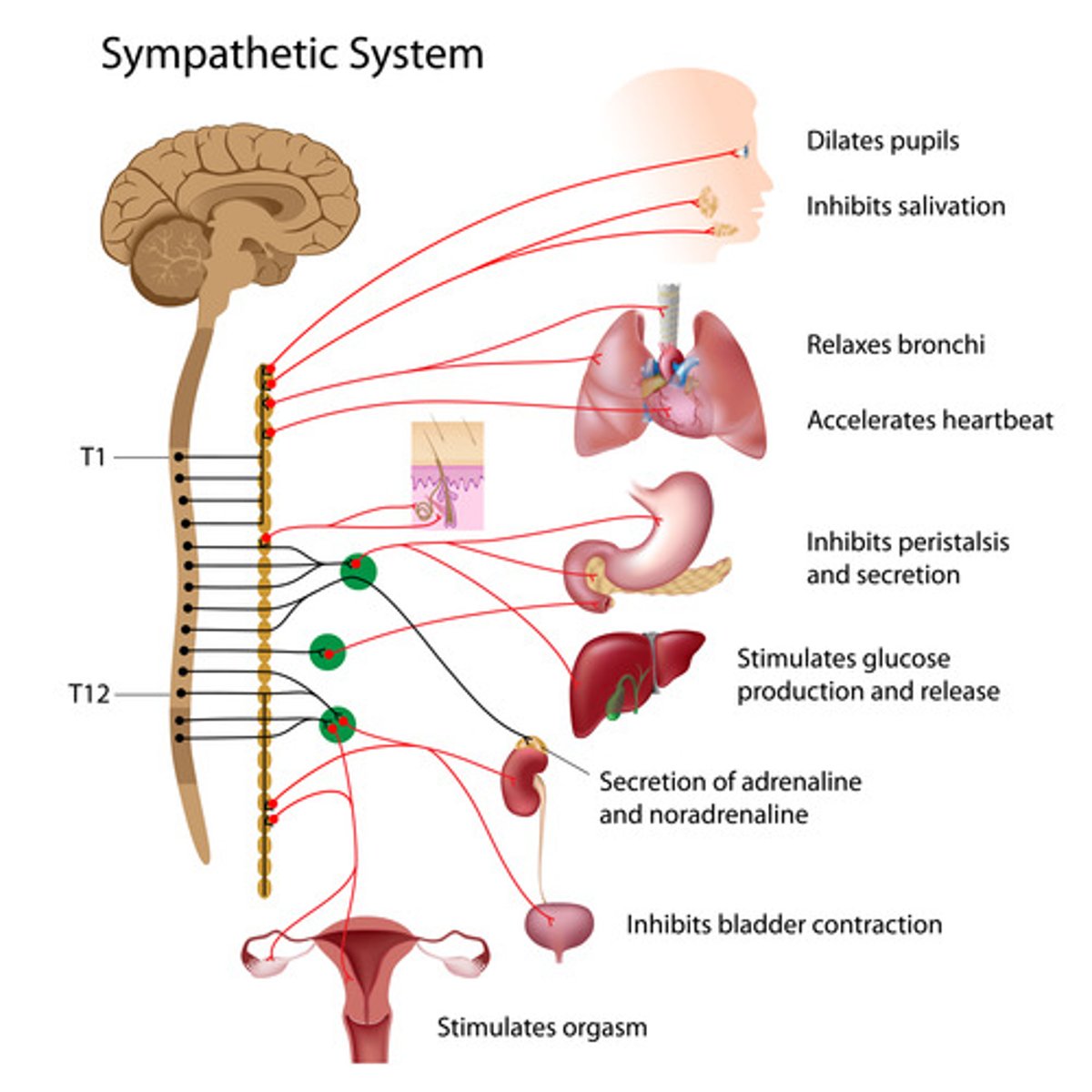
sympathetic nervous system
the division of the autonomic nervous system that arouses the body, mobilizing its energy in stressful situations
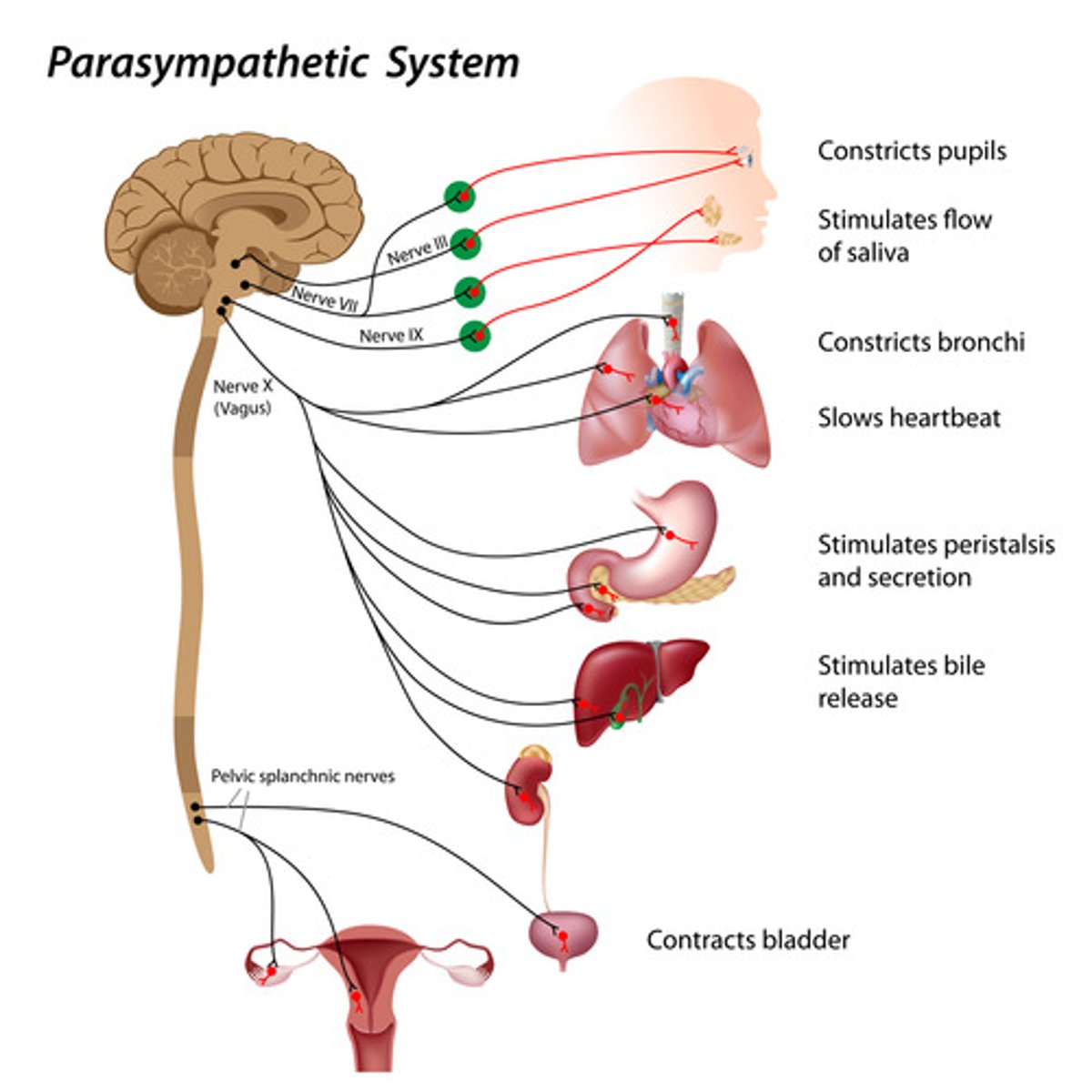
parasympathetic nervous system
the division of the autonomic nervous system that calms the body, conserving its energy
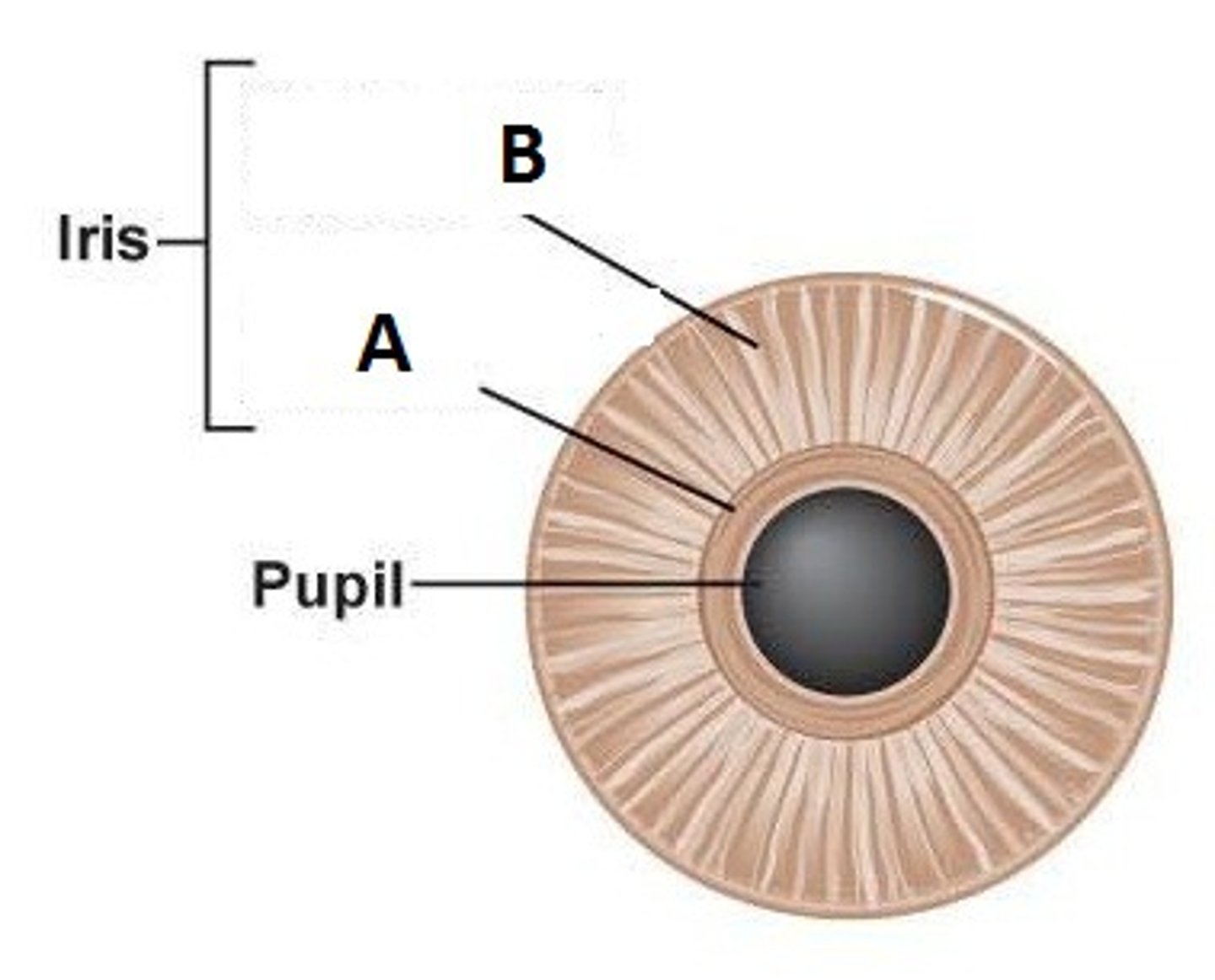
pupilary dilation
Widening of pupils in response to adrenaline.
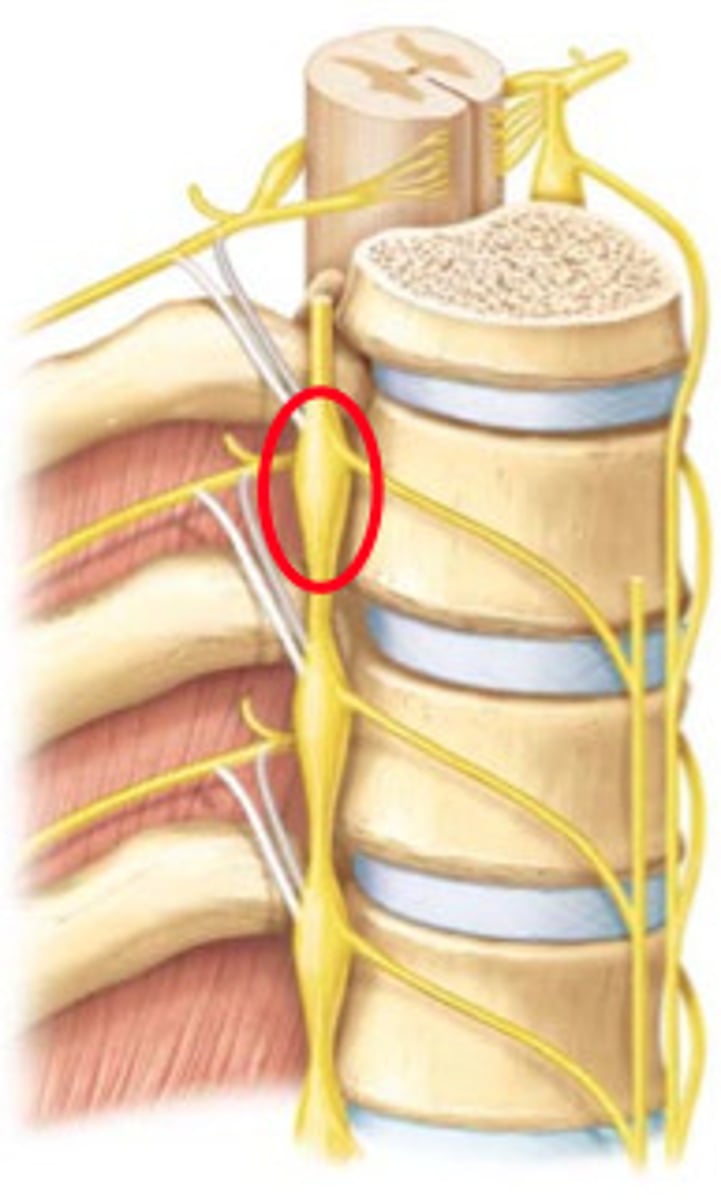
sympathetic ganglia
ganglia that lie along the spinal cord
parasympathetic ganglia
Located near or within target organs.
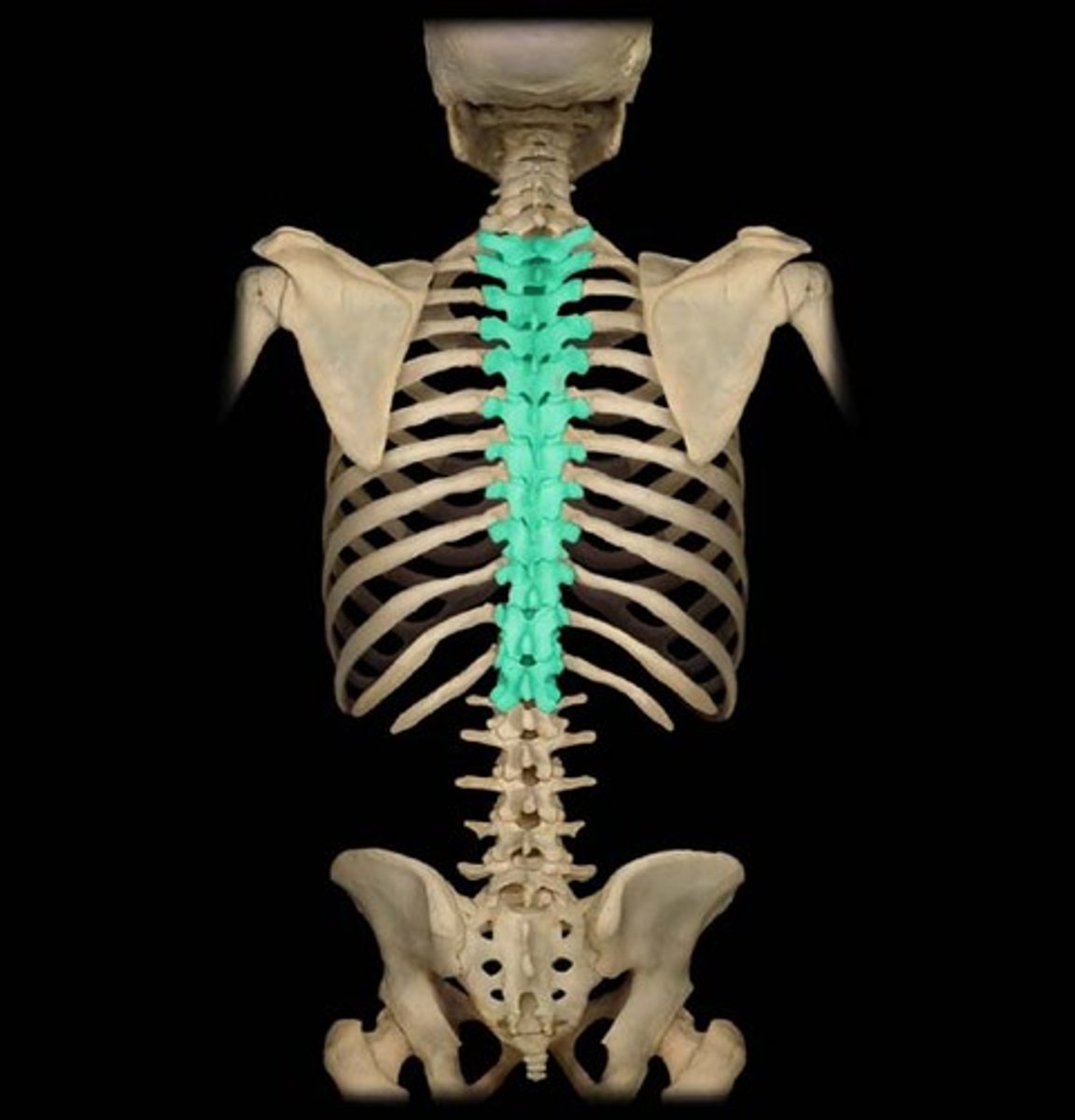
thoracic vertebrae
vertebrae 8 - 13
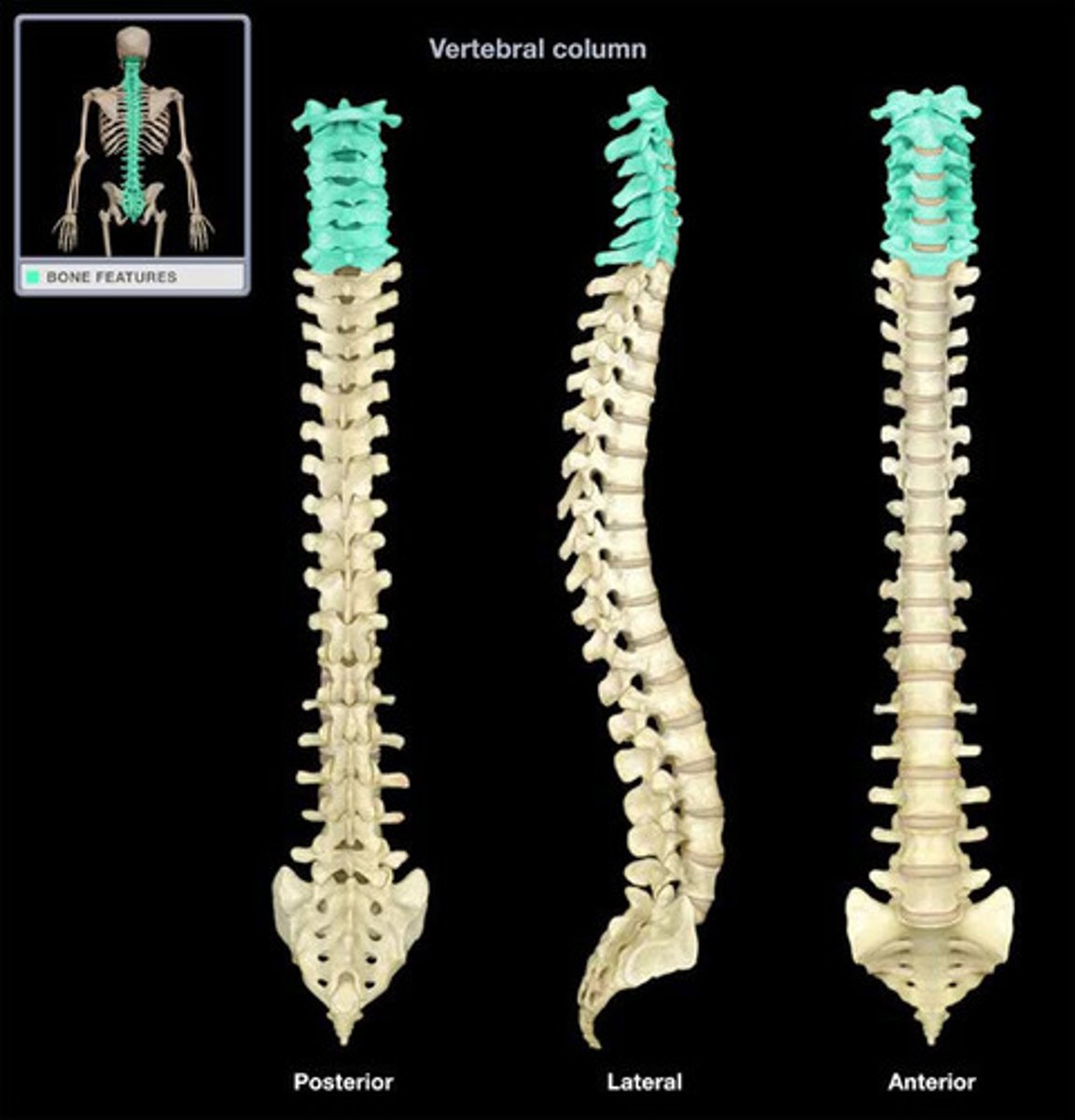
cervical vertebrae
vertebrae 1-7
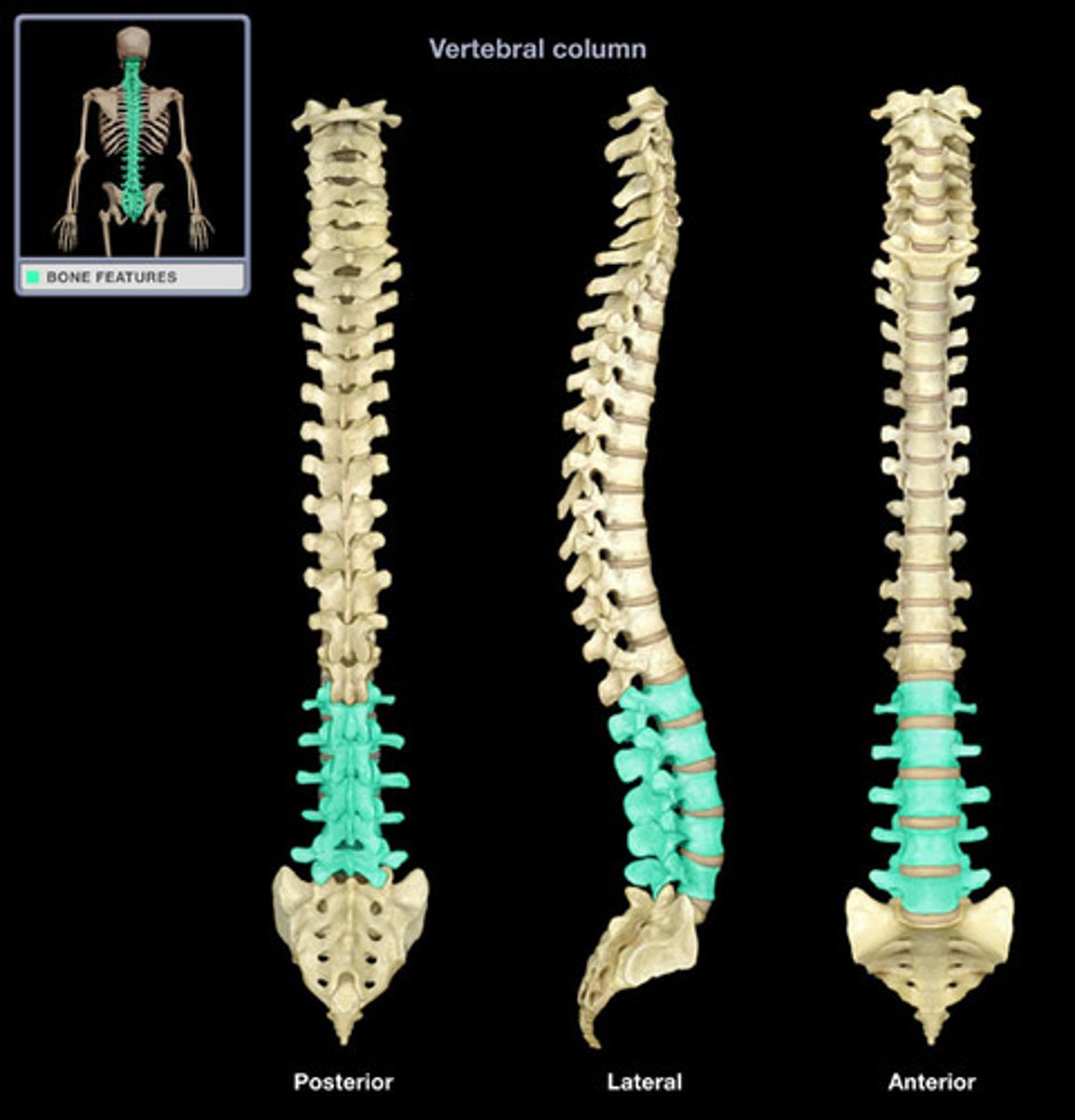
lumbar vertebrae`
vertebrae 20-25
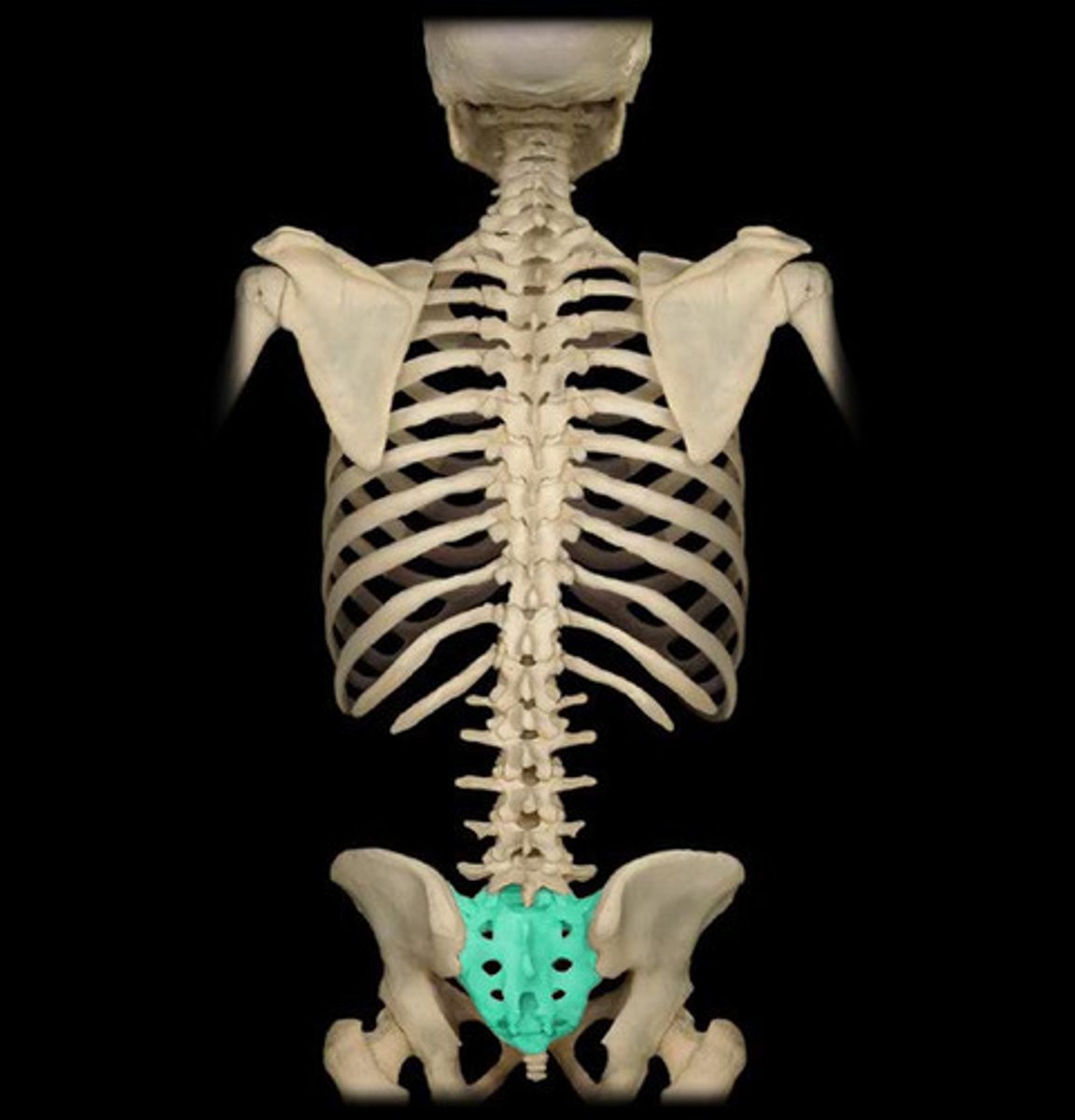
sacrum
5 fused vertebrae
innervate
to provide neural input
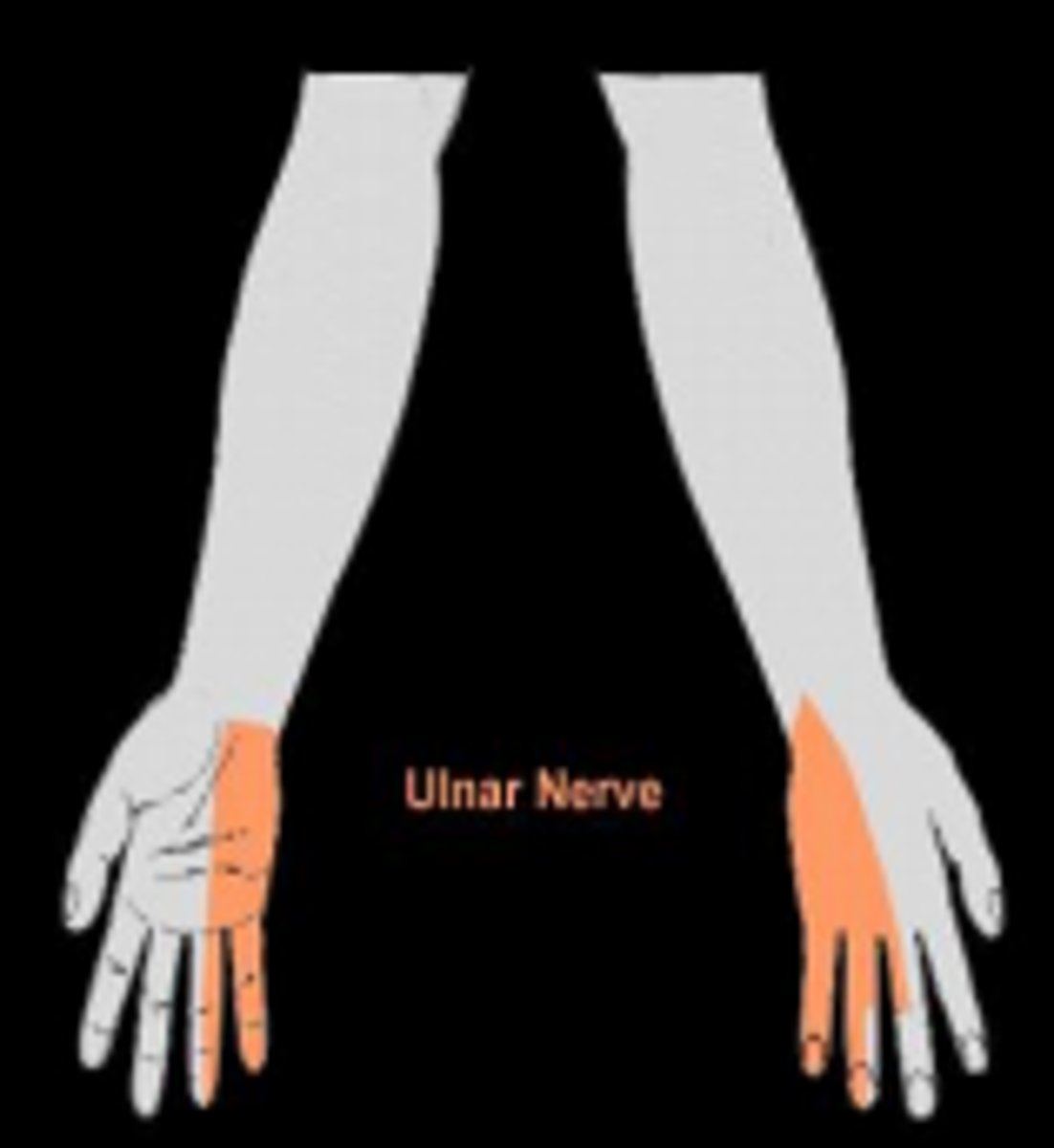
vagus nerve
the tenth cranial nerve that innervates digestive organs, heart and other areas
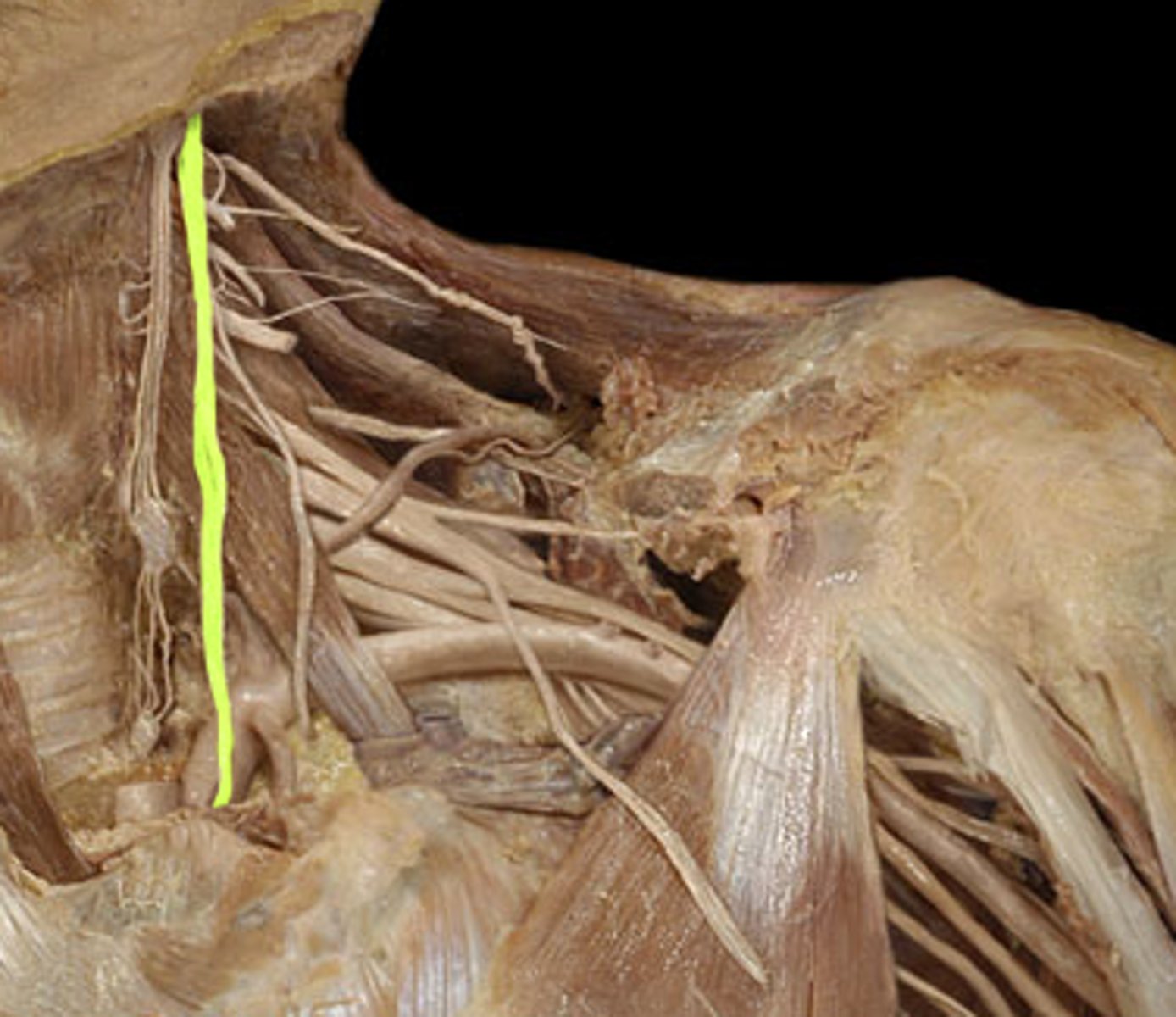
norepinephrine
A neurotransmitter involved in arousal, as well as in learning and mood regulation released by neurons in the sympathetic ganglia
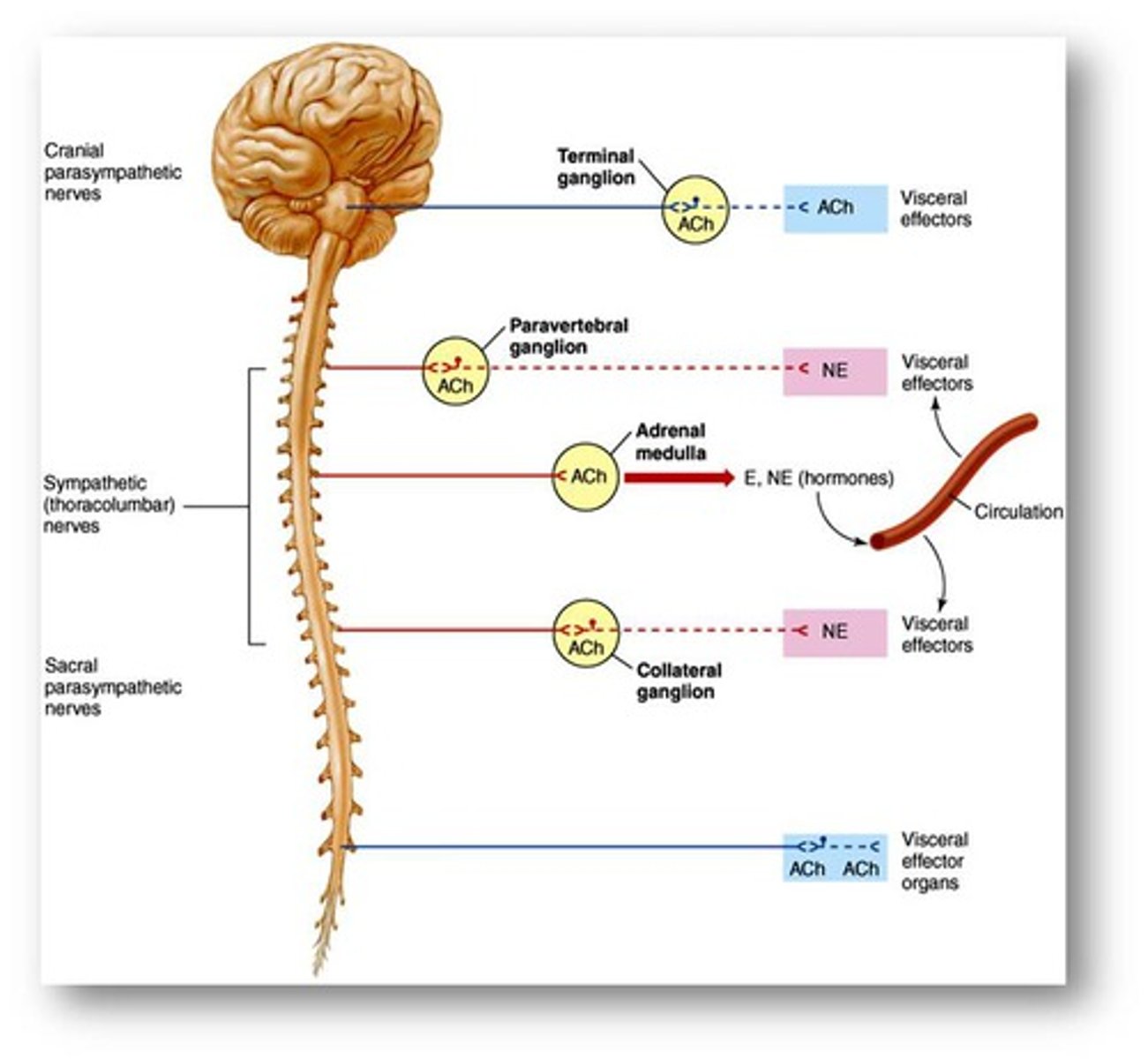
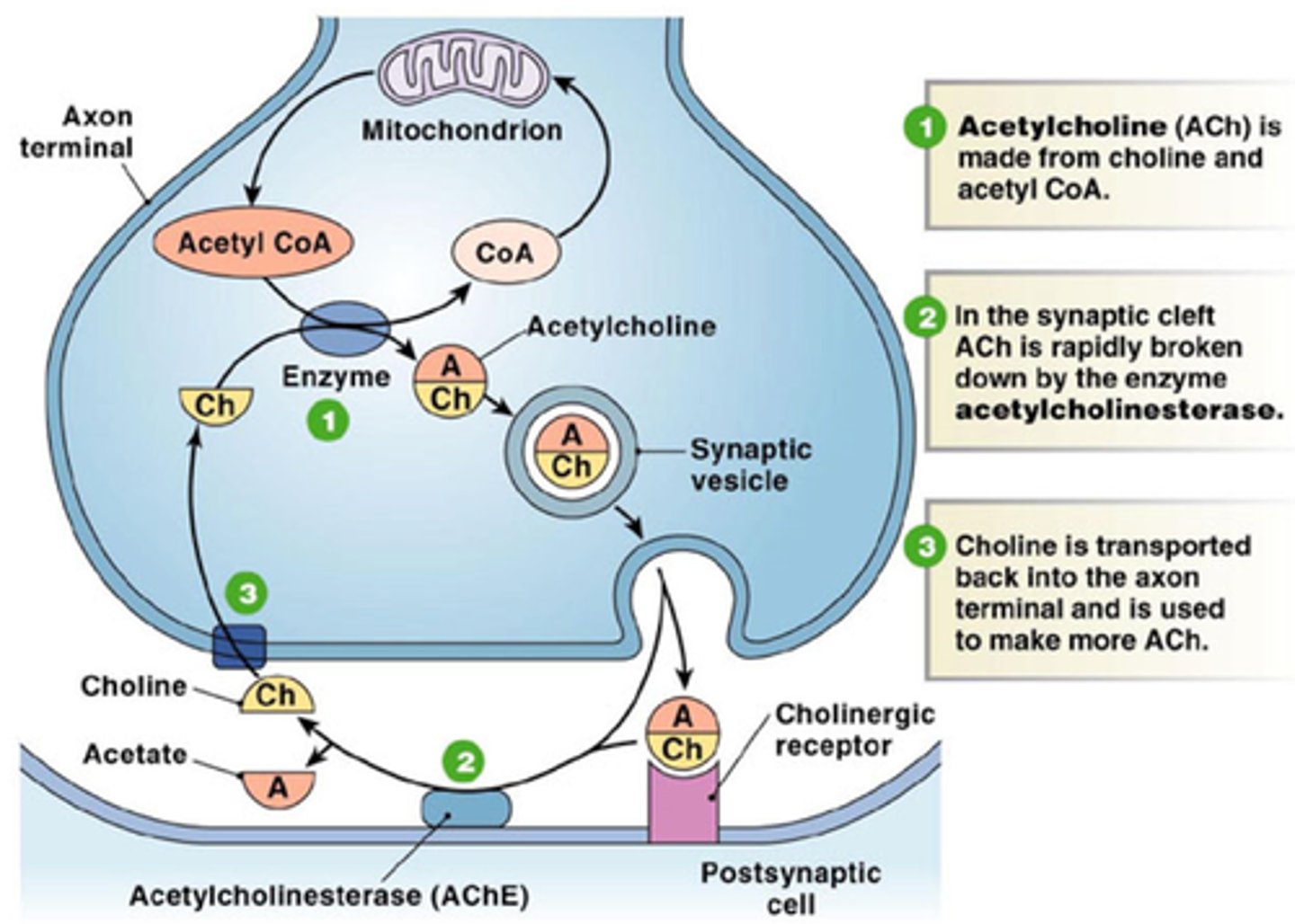
acetylcholine
neurotransmitter chemical released at the parasympathetic ganglia
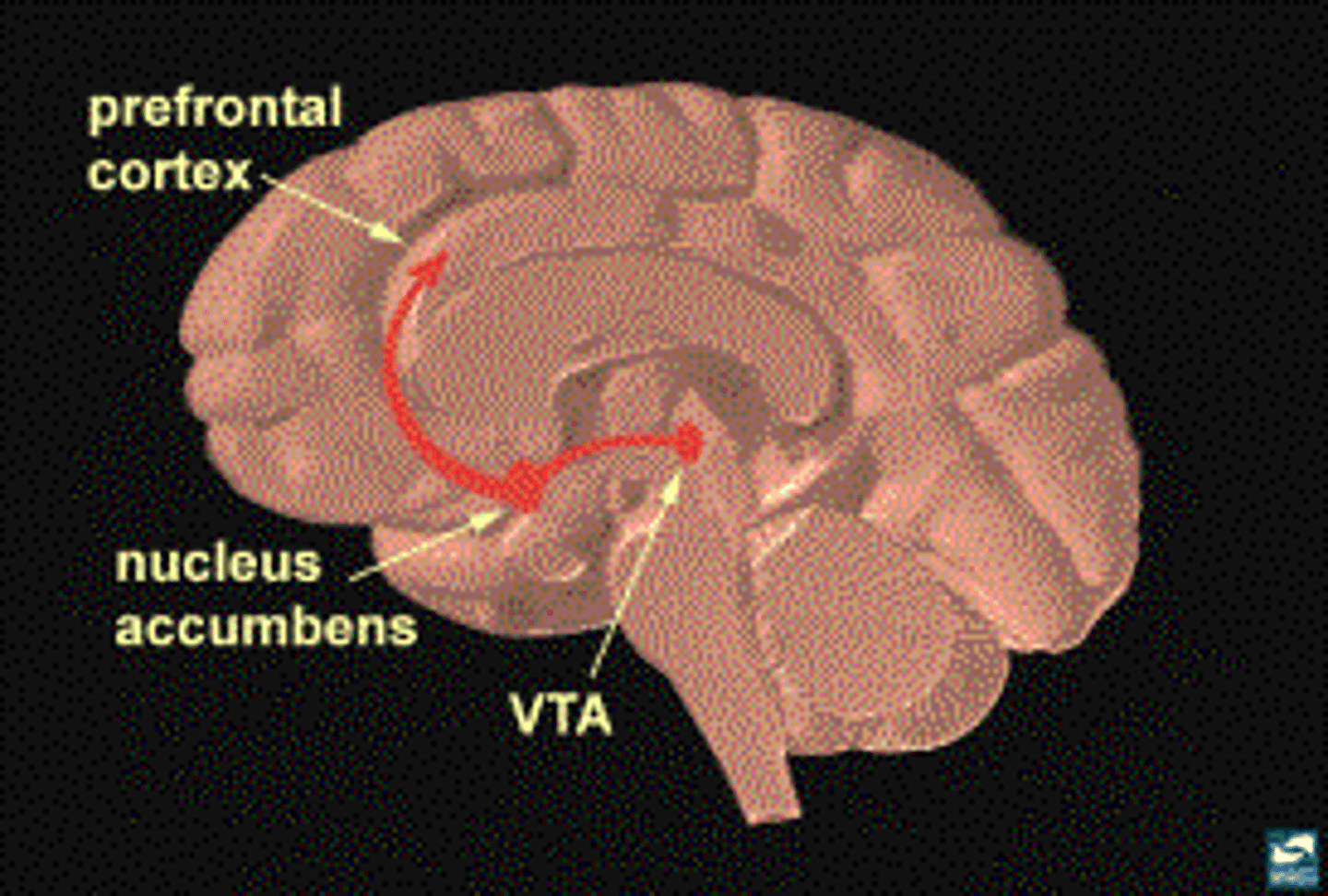
pleasure center
an area in the middle of the limbic system (mesolimbic area) which, when activated, produces pleasure (most notably in the hypothalamus
antagonist
a molecule that inhibits or blocks a neurotransmitter's action
dopamine
A neurotransmitter associated with movement, attention and learning and the brain's pleasure and reward system.
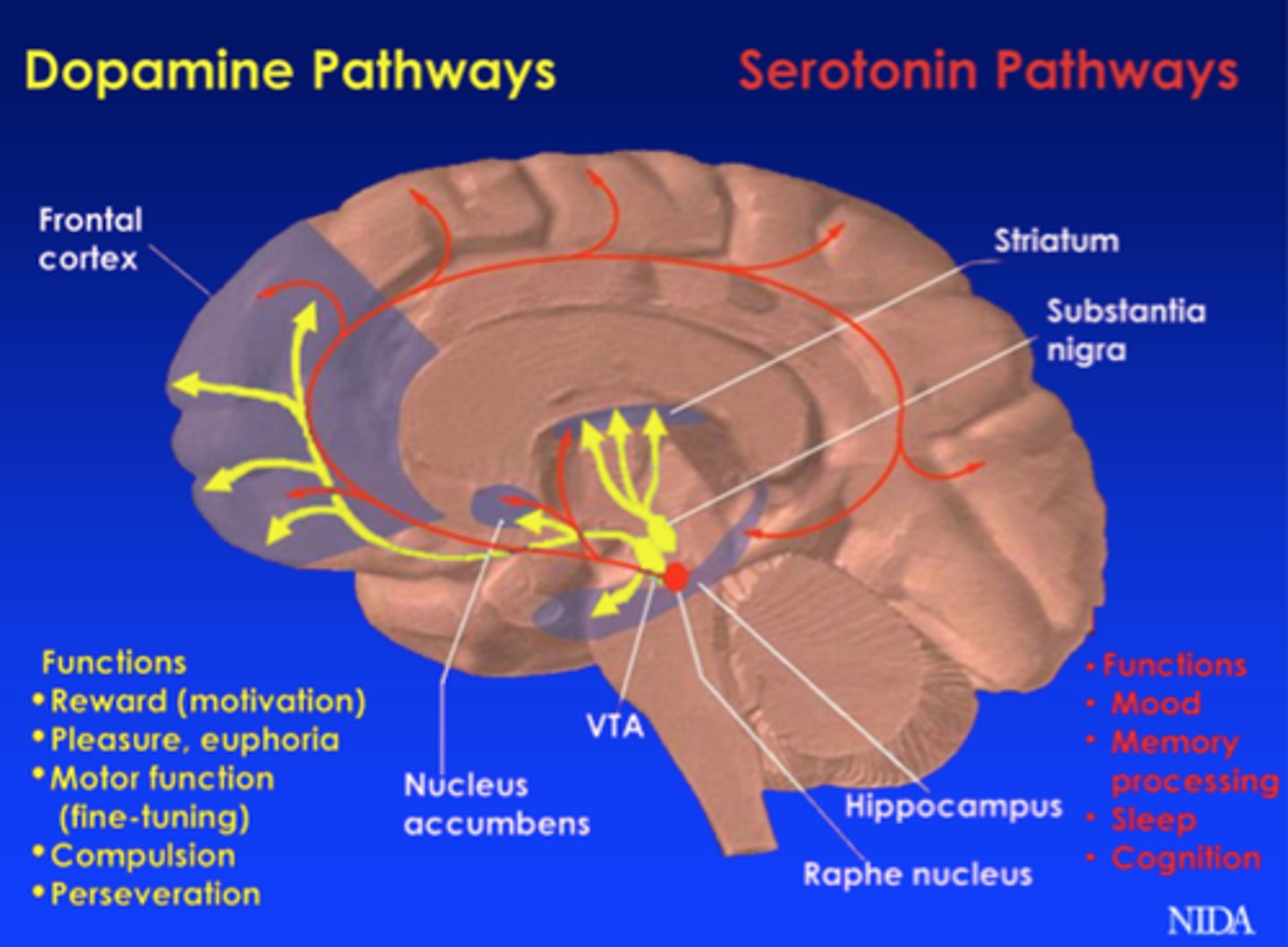
nucleus accumbens
area of the brain involved in reinforcing life-valuing habits
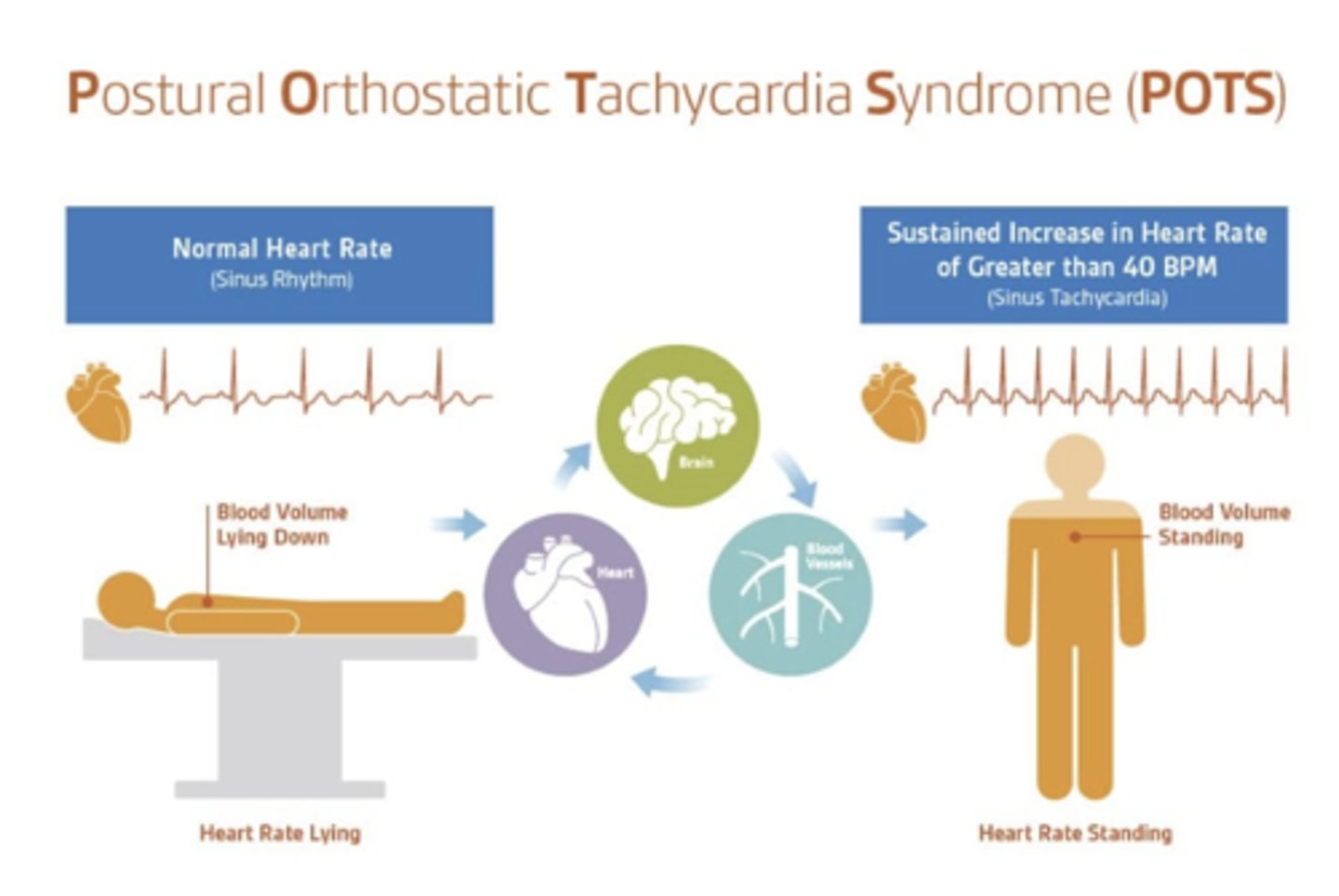
Postural orthostatic tachycardia syndrome (POTS)
An autonomic nervous system condition that causes heart palpitations, lightheadedness, increased heart rate, low blood pressure, low blood volume, inability to concentrate, "brain fog," trouble sleeping, gastrointestinal symptoms, and dark red-blue discoloration of the legs.
Familial Dysautonomia
rare genetic condition associated with an inability to detect pain or temperature
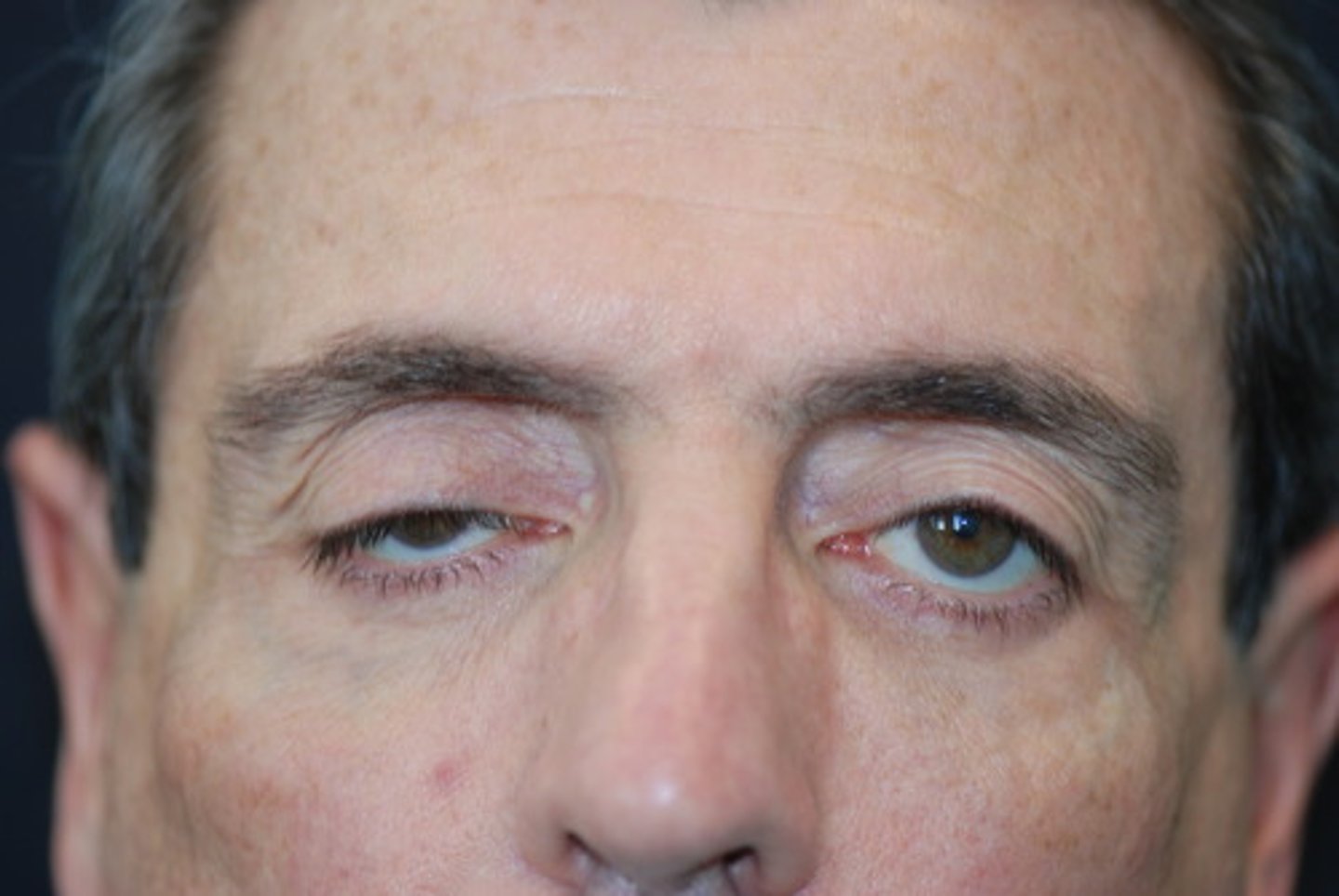
Horner's Syndrome
Sympathetic trunk/cervical ganglion damage results in ptosis, pupil constriction, vasodilation, and absence of sweating
ptosis
eyelid prolapse, downward displacement
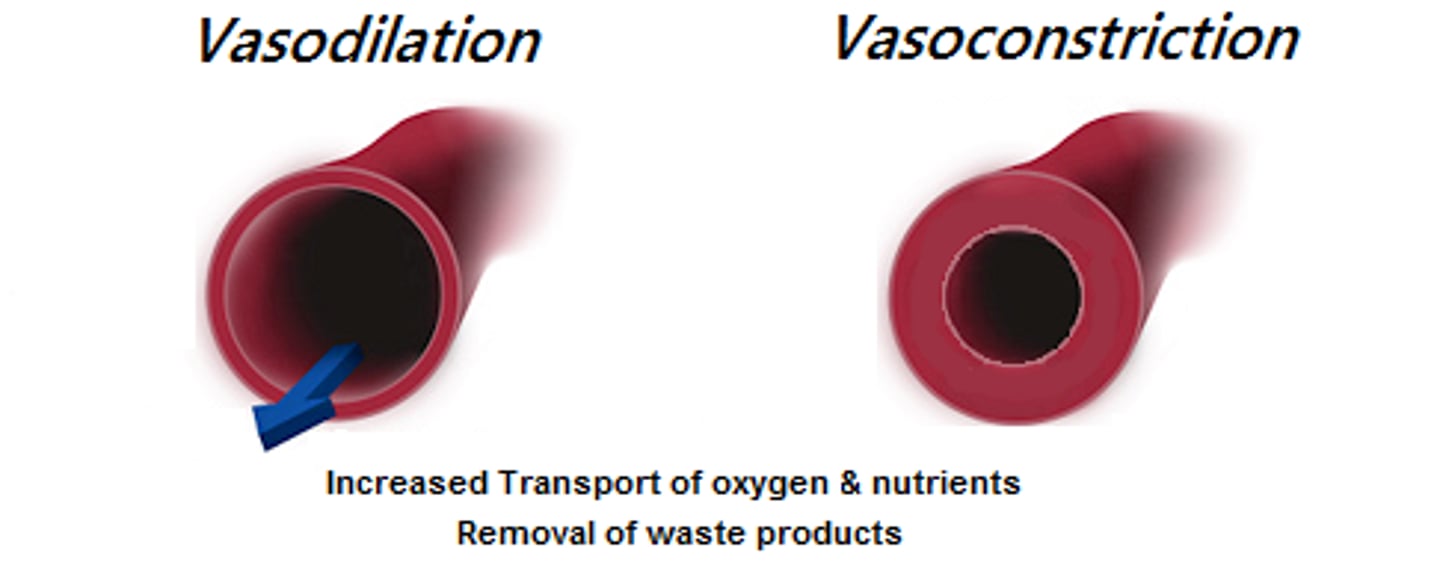
vasodilation
increase in diameter of a blood vessel
tachycardia
Abnormally rapid heartbeat
dopamine reward pathway
Begins in the ventral tegmental area (VTA) of the midbrain and connects to the nucleus accumbens ("pleasure center")
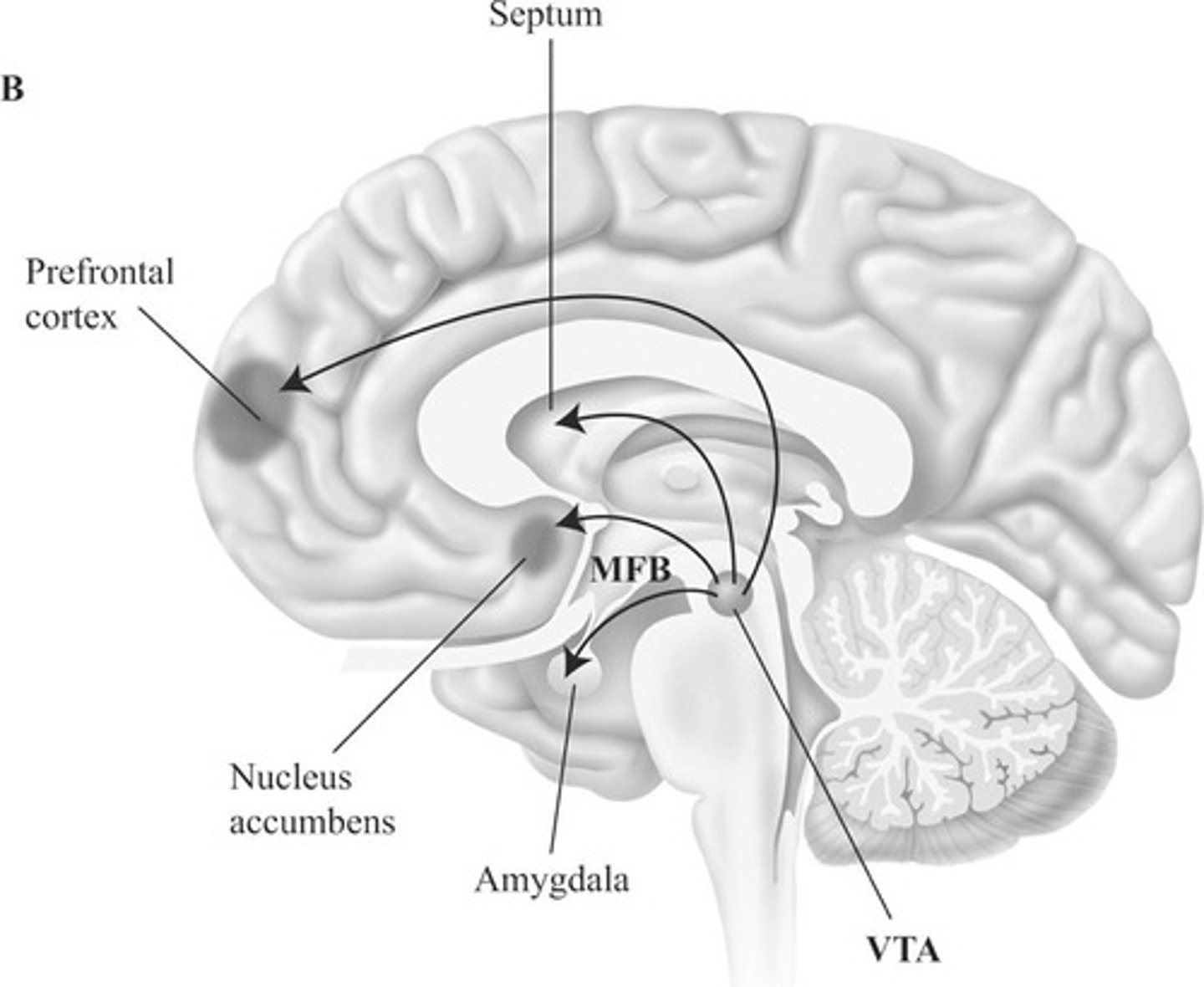
nucleus accumbens
a subcortical structure that participates in reward and addiction
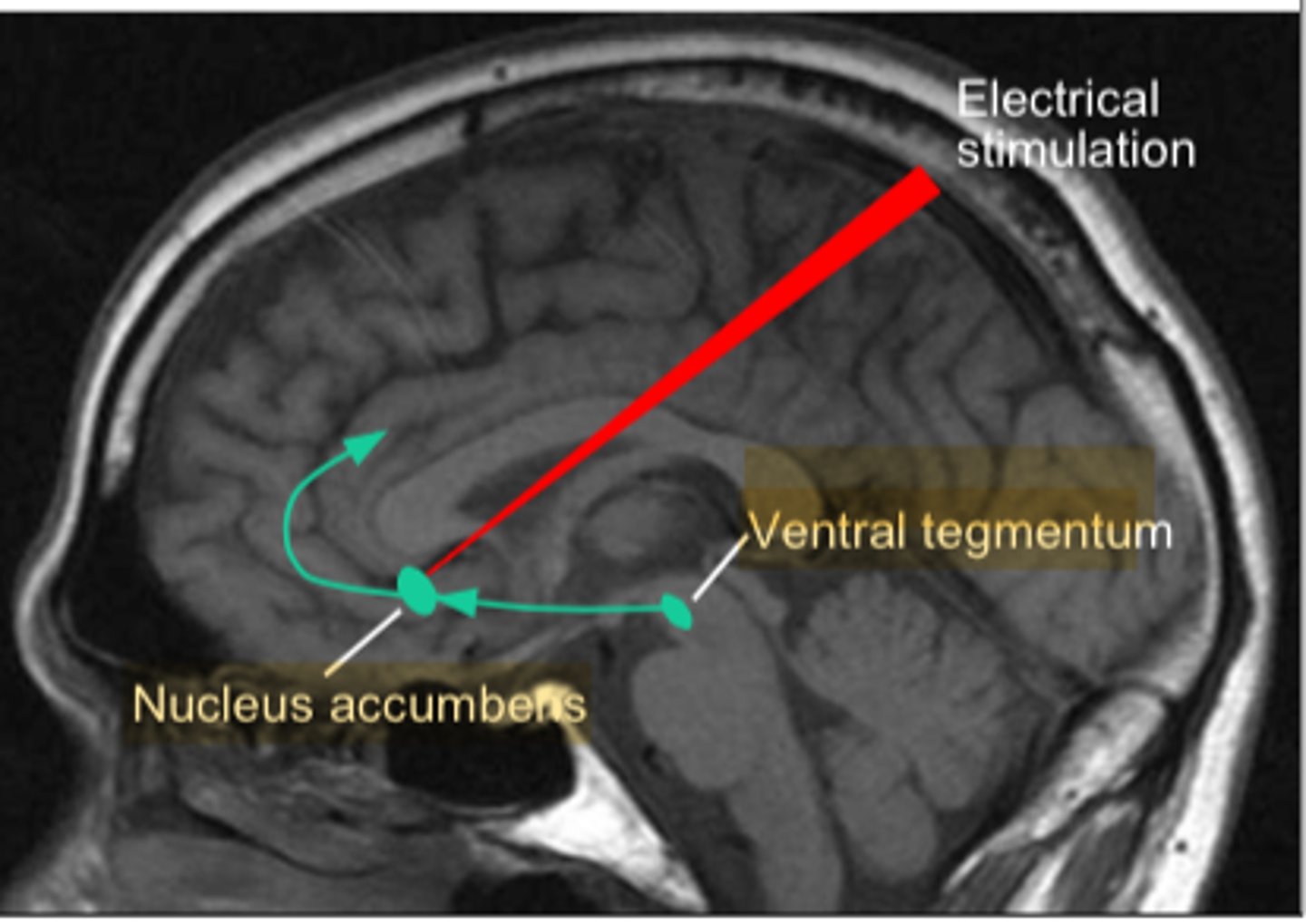
ventral tegmental area (VTA)
midbrain structure where dopamine is produced: associated with mood, reward, and addiction