SAT Math Equations to Know
 SAT Practice
 Call Kai
1/10

Name | Mastery | Learn | Test | Matching | Spaced | Call with Kai |
|---|

11 Terms
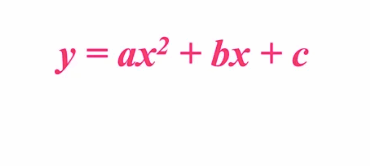
Quadratics: “Standard Equation” form
c = y-intercept
-b/2a = “axis of symmetry” (x-coordinate of the vertex)
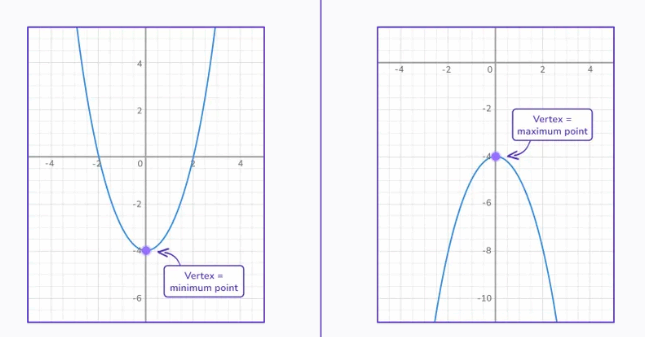
if a>0 then parabola opens UPWARDS
if a<0 then parabola opens DOWNWARDSand vertex is the minimum or maximum point of the parabola.
Quadratics: “Quadratic Formula
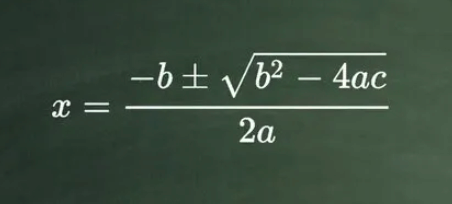
Use when finding the “solutions” (x-intercepts) of quadratic when your numbers are NOT easily factorable
Quadratics: “Vertex” form
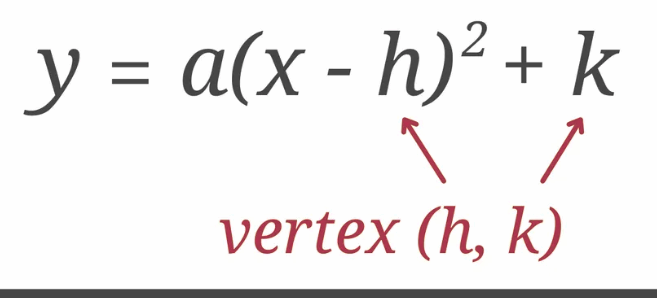
y = a(x-h)²+k, where (h,k) is the vertex.
The “vertex” of a quadratic
the maximum or minimum coordinate-point on the parabola
“Slope-Intercept” form of a line
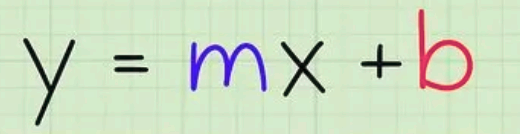
m = slope of the line
b = y-intercept
Slope formula
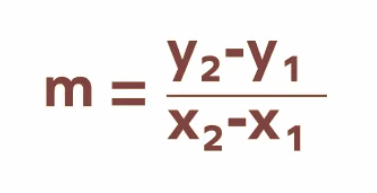
Slope = constant rate of change (for a line)
Must have 2 points on the line in order to calculate.
Sometimes called the “average rate of change”
Exponential vs Linear models
A Linear model will always have a slope: a constant rate of change.
(ex: +$10 earned for every additional sweater sold = +10 y every time x increases by 1). y = mx+b
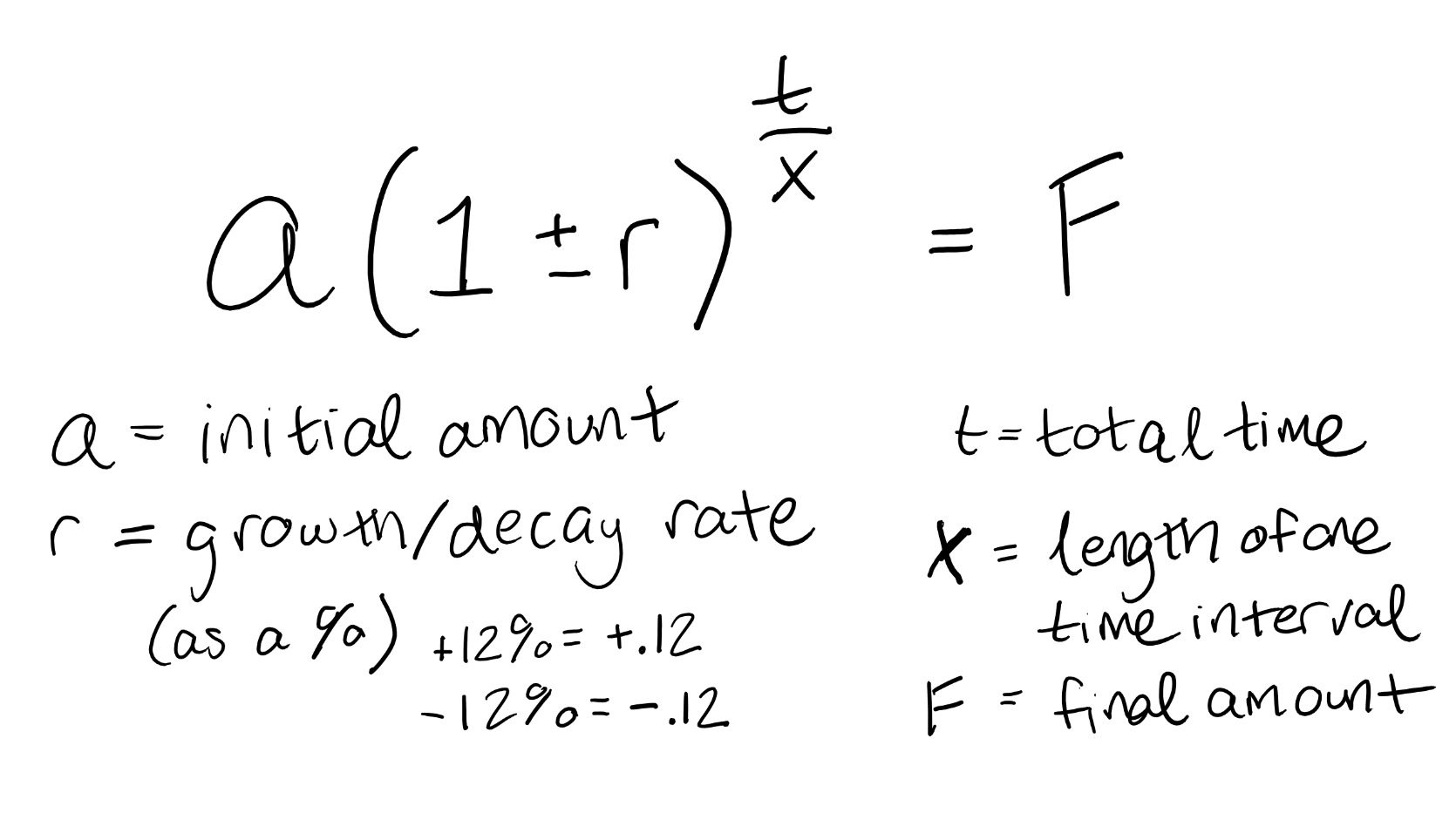
An Exponential model increases by a multiplicative factor or a percent, a changing rate of change, leading to rapid growth or decay over time.
(ex: earning 10% more each year leads to increasing returns as time goes on). ab^x = y
Exponential Growth and Decay equation
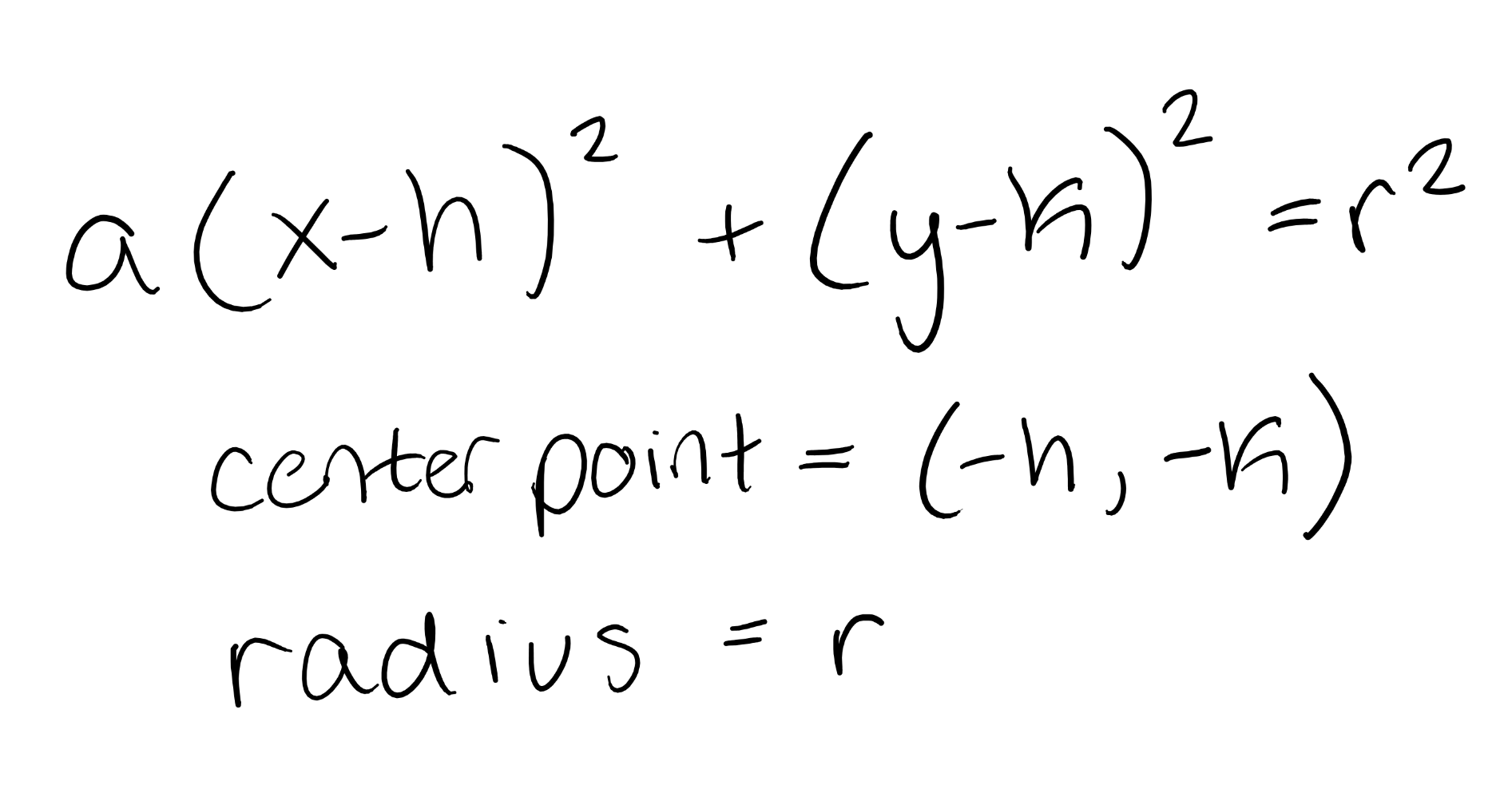
“Center-Radius” form of a circle
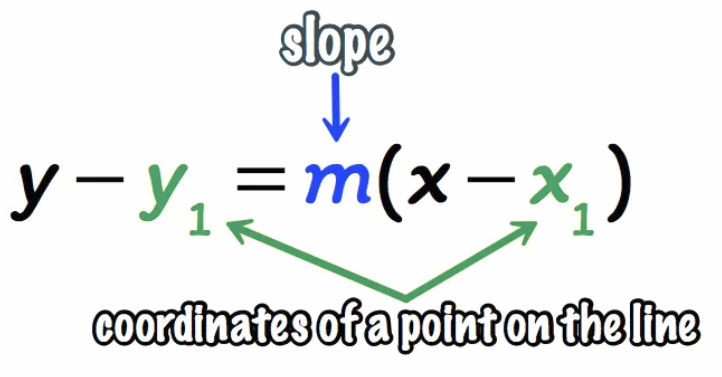
“Point-Slope” form of a line
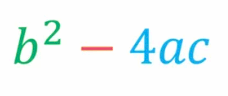
Quadratics: “The Discriminant”
Describes the number and type of solutions for a quadratic.
if b²-4ac > 0 then 2 REAL solutions
if b²-4ac = 0 then 1 REAL solution
if b²-4ac < 0 then NO REAL (imaginary) solutions