Unit 2 Vocabulary
 Call Kai
 Learn
Learn Practice Test
 Spaced Repetition
 Match
Match Flashcards
 Knowt Play
1/53

There's no tags or description
Looks like no tags are added yet.
Name | Mastery | Learn | Test | Matching | Spaced | Call with Kai |
|---|
No analytics yet
Send a link to your students to track their progress
54 Terms
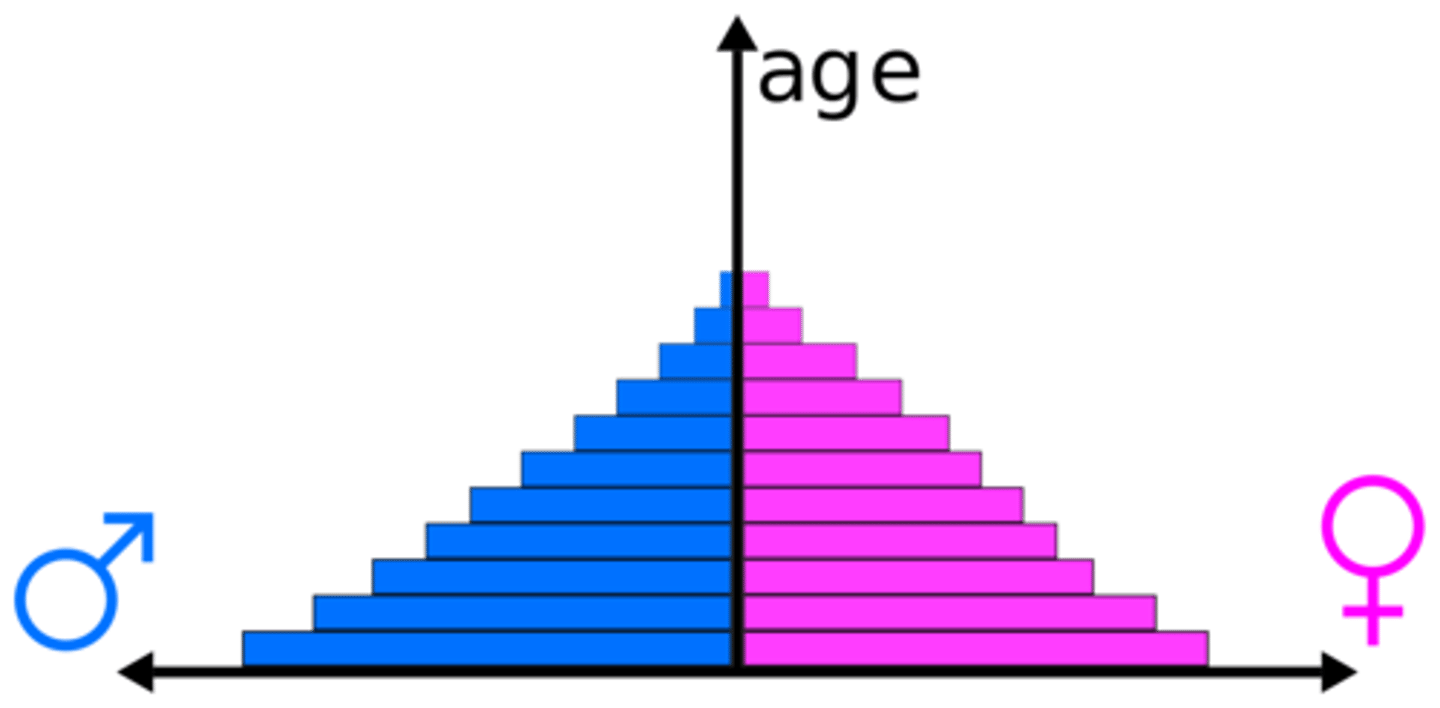
Age/sex ratio
comparison of the numbers of males and females of different ages
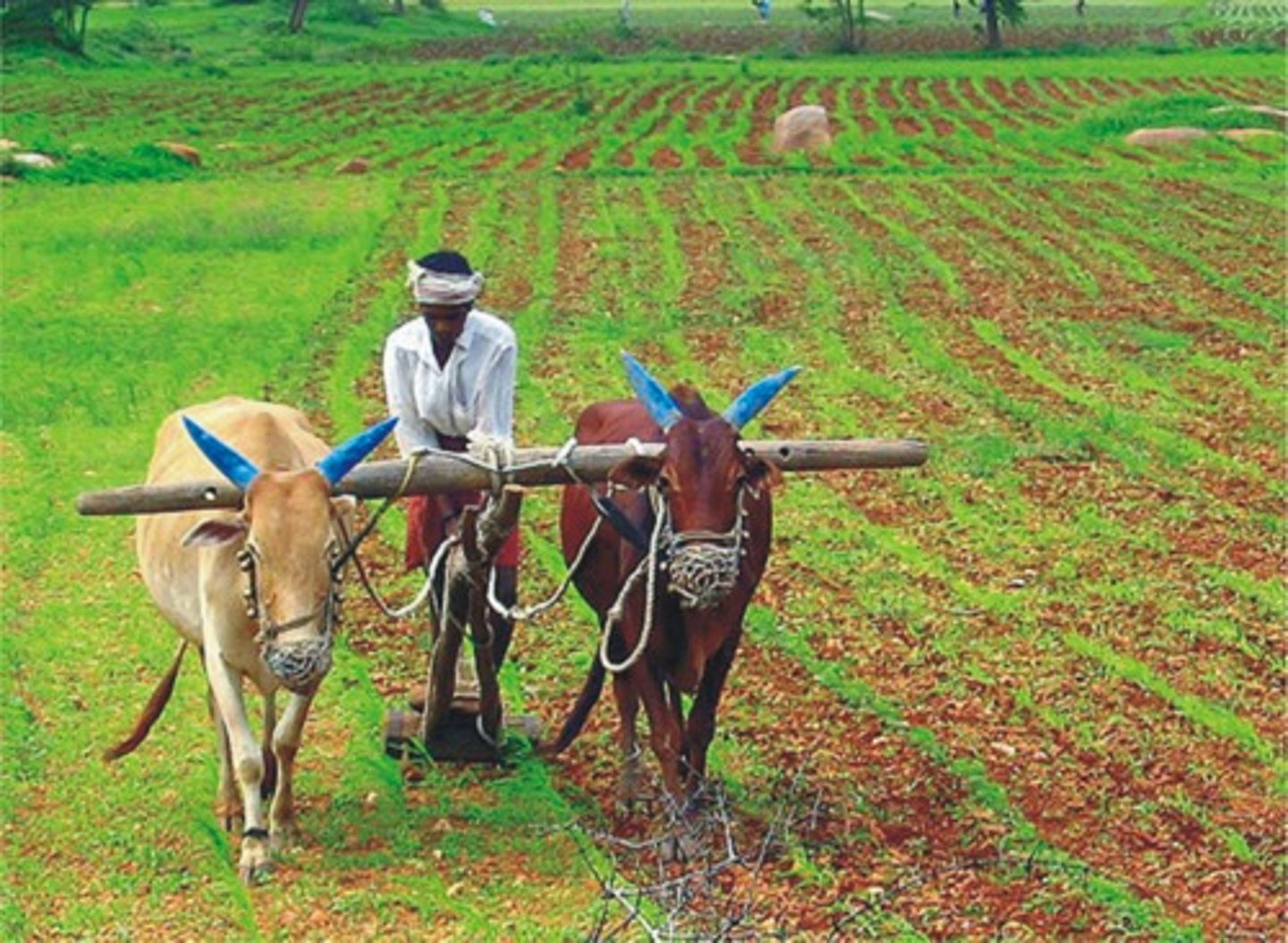
Agricultural density
the ratio of the number of farmers to the amount of arable land
Antinatalist policies
when a country provides incentives for people to have fewer children (sometimes including punishments)

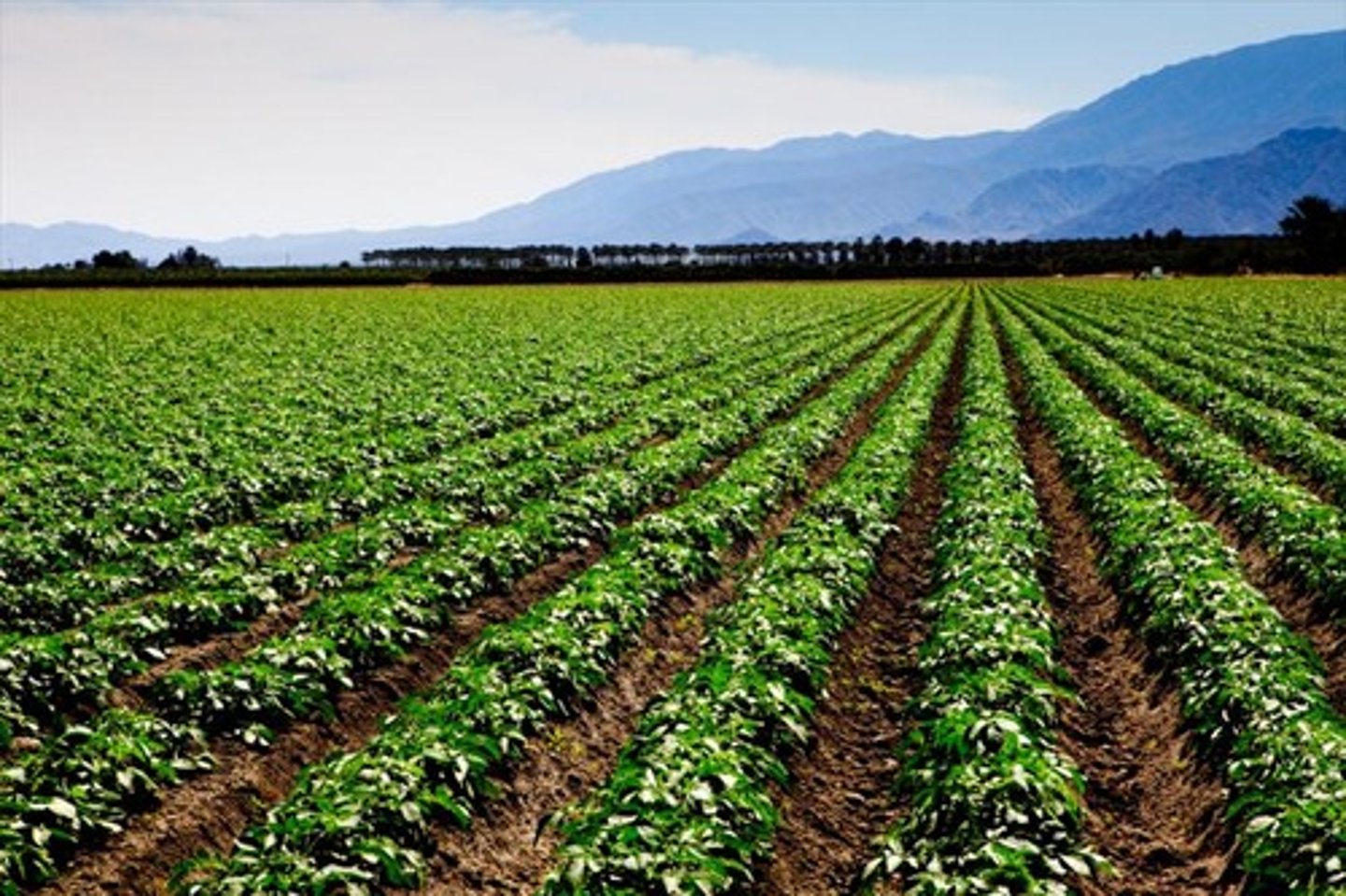
Arable land
land that can be farmed
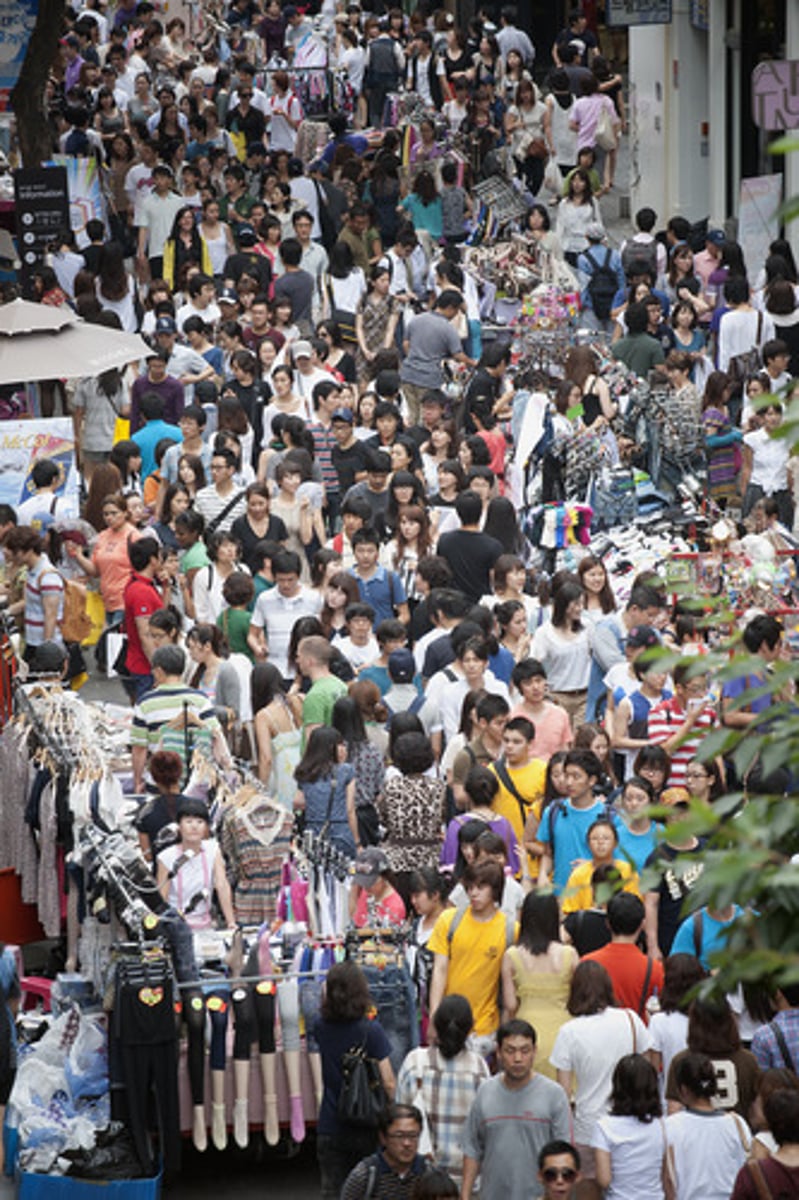
Arithmetic density
the total number of people divided by the total land area
Asylum seeker
a person seeking residence in a country outside of their own because they fleeing persecution
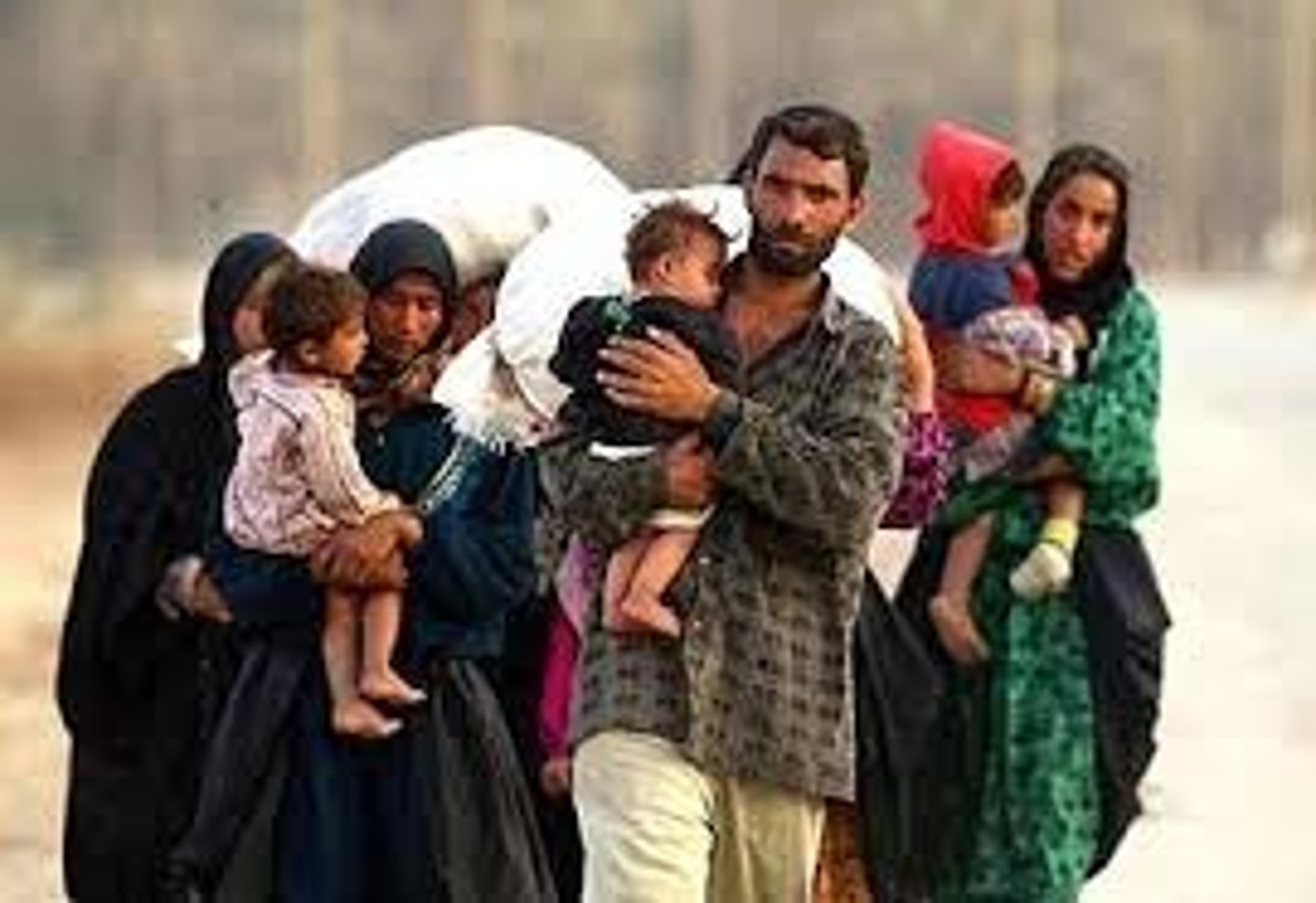
Brain drain
when the majority of educated or skilled workers leave an area to pursue better opportunities elsewhere

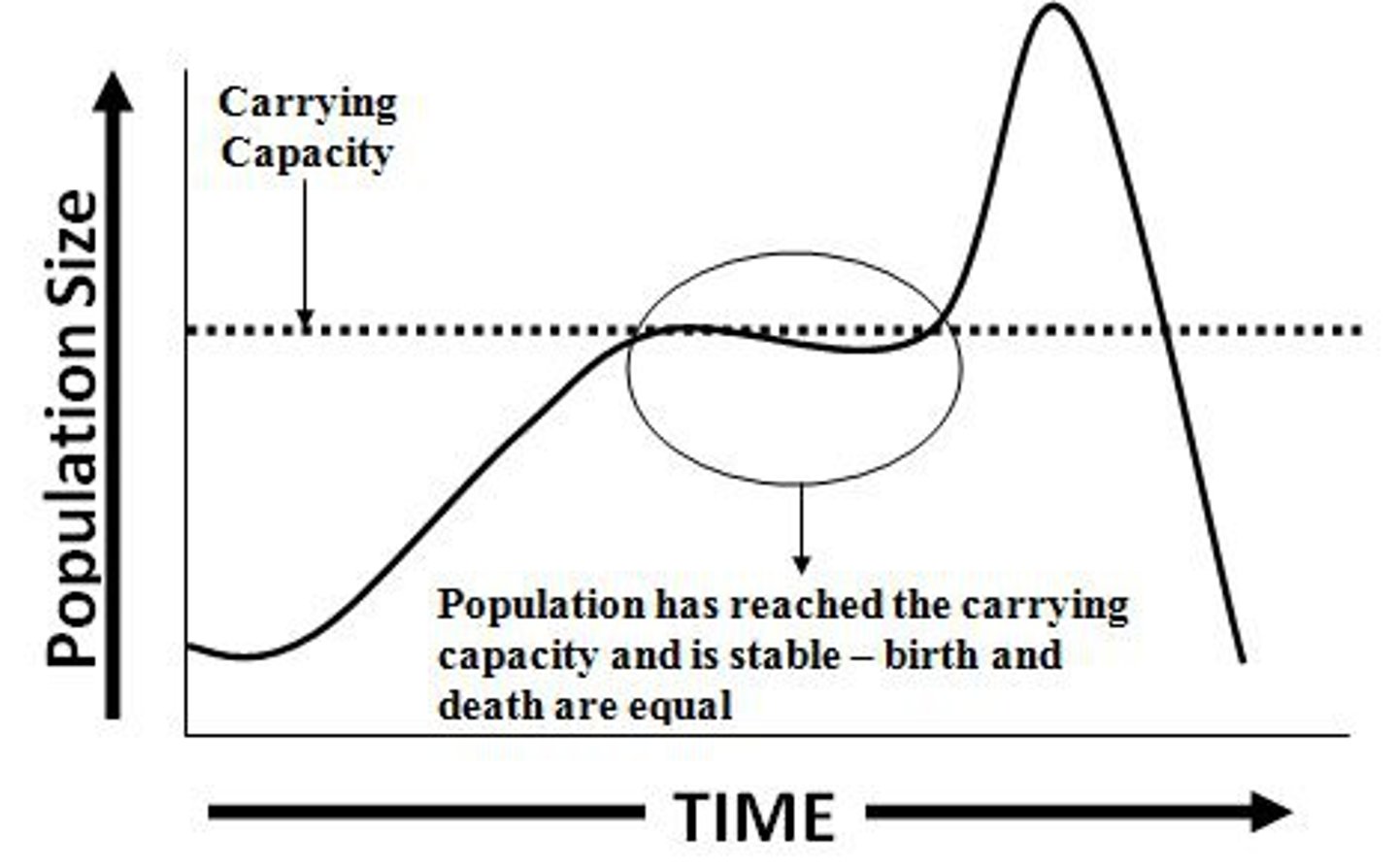
Carrying capacity
the maximum population size of the species that the environment can sustain
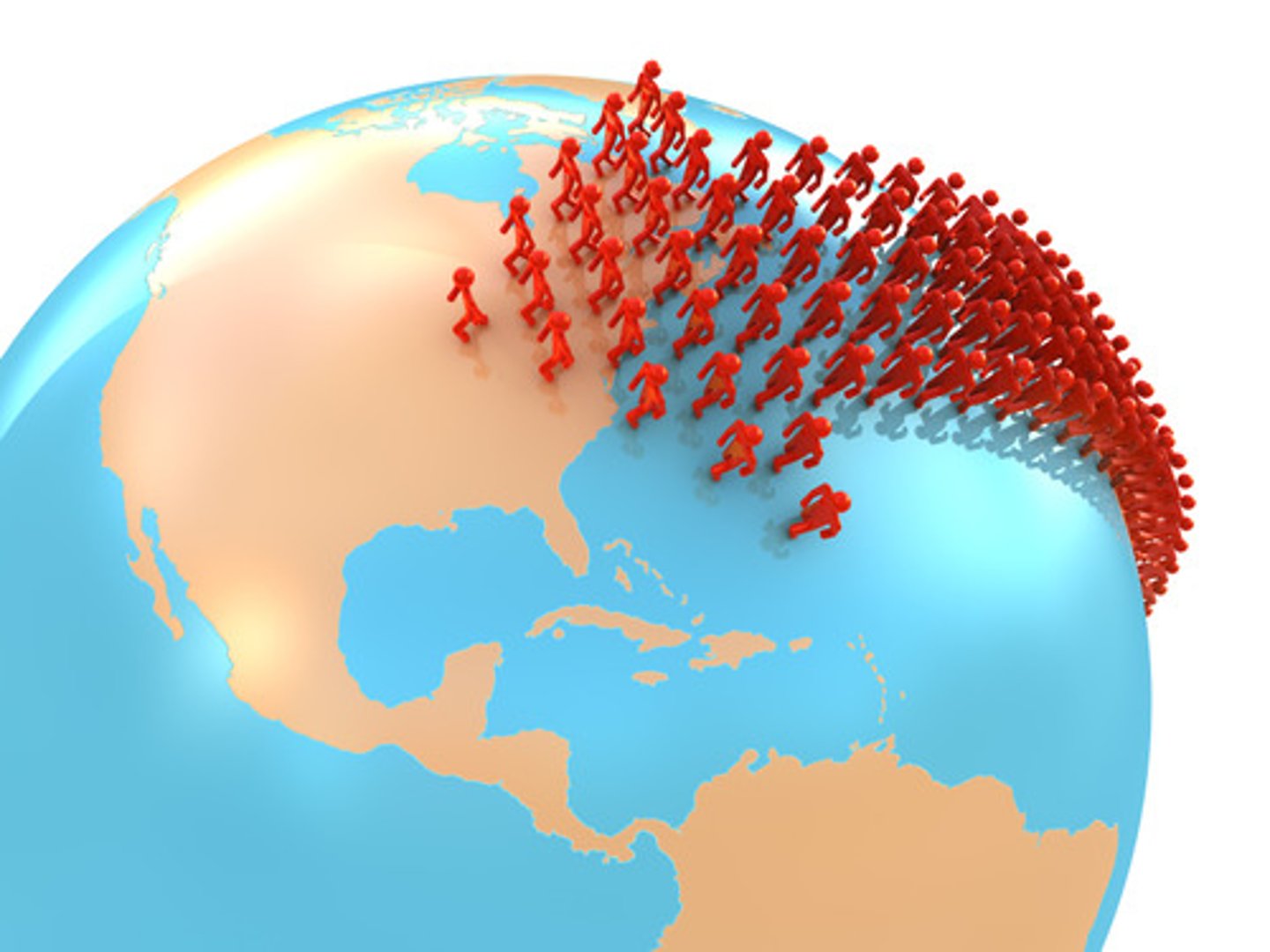
chain migration
a series of migrations within a group that begins with one person who through contact with the group, pulls people to migrate to the same area.
Contraception
methods of preventing pregnancy
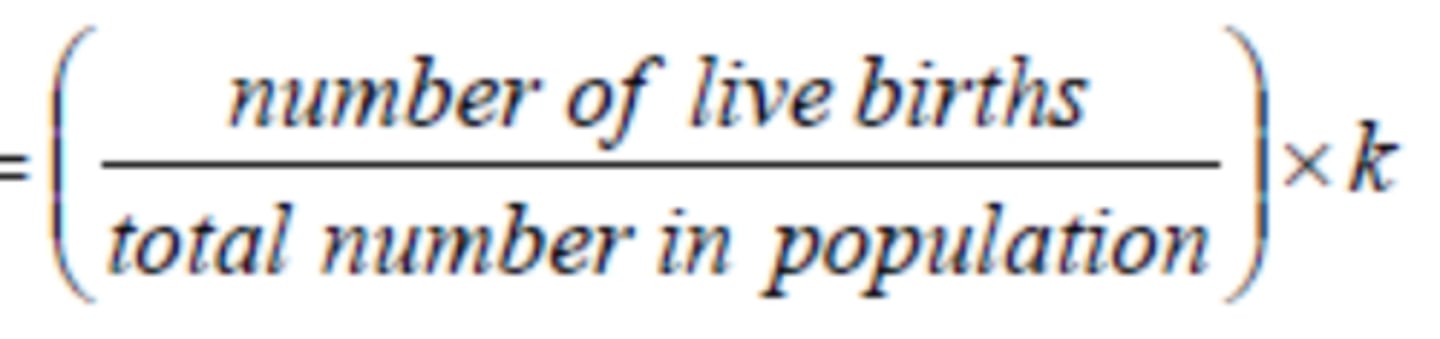
Crude Birth Rate (CBR)
the number of live births per one thousand people in the population
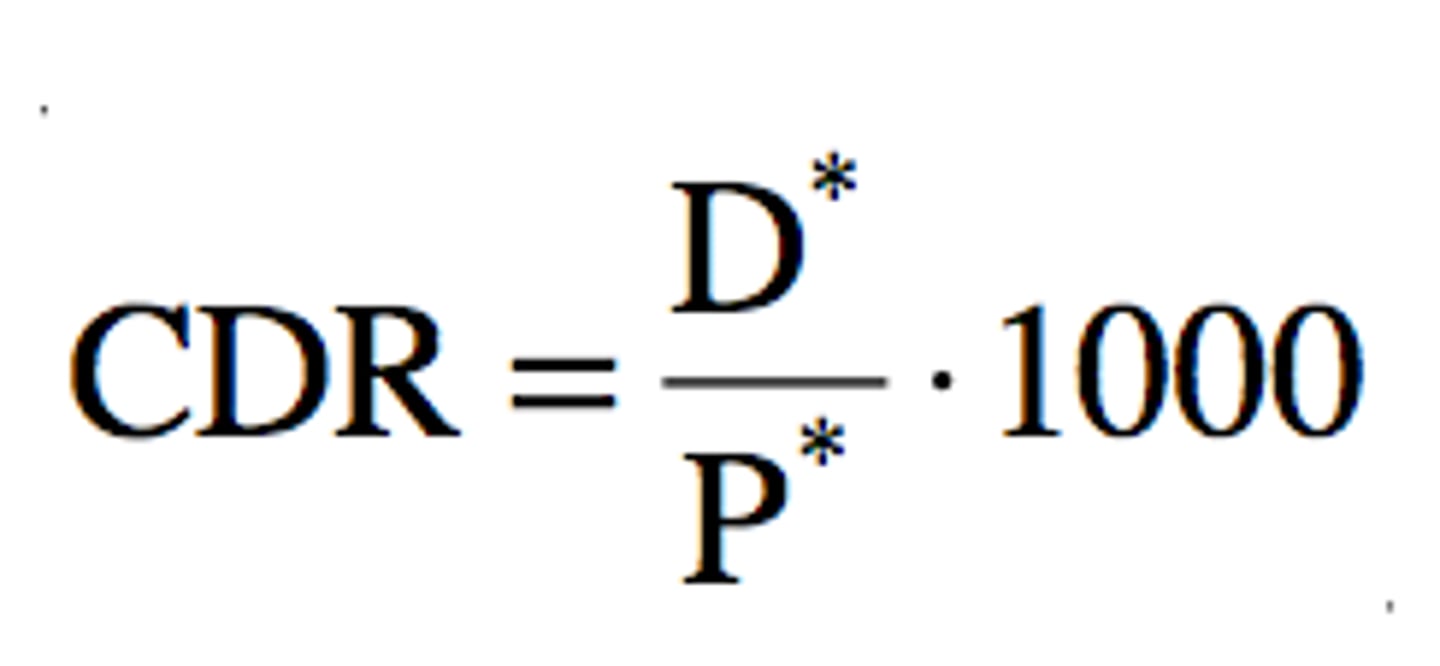
Crude Death Rate (CDR)
the number of deaths per one thousand people in the population
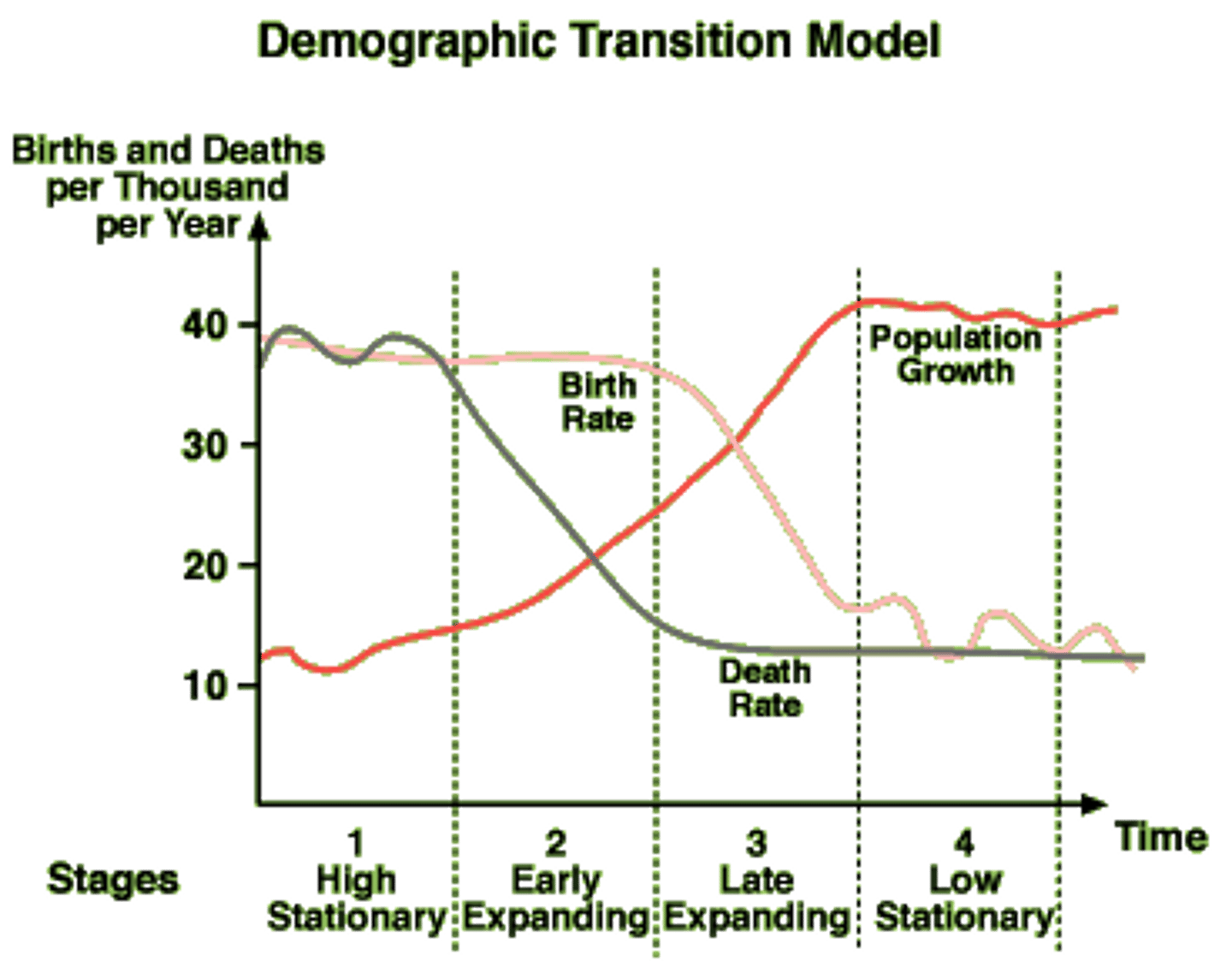
Demographic Transition Model (DTM)
a model that helps explain how countries throughout the world tend to proceed through a similar process in term of CBR, CDR, and population
Demography
the study of population
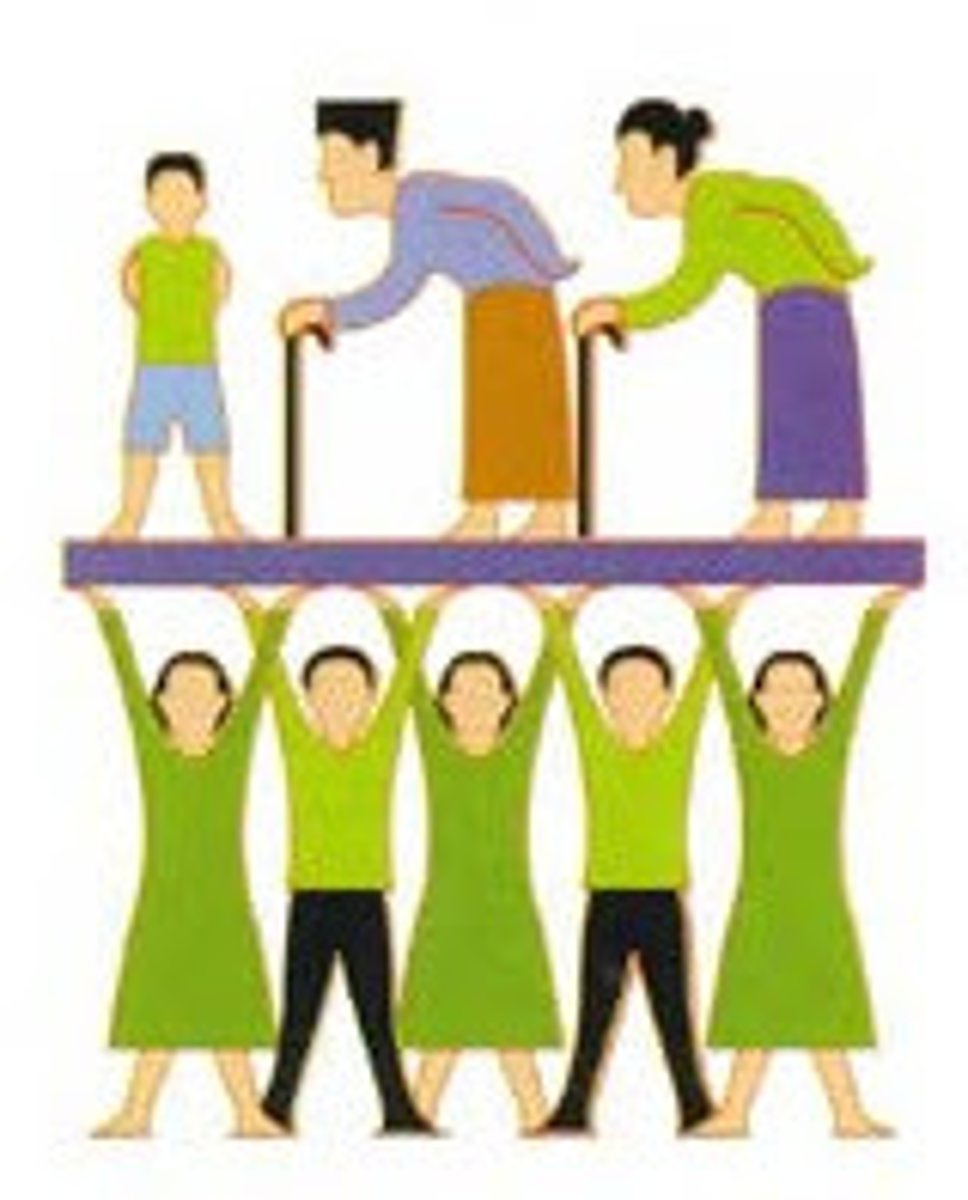
Dependency ratio
the ratio of the number of people not in the work force (dependents) and those who are in the work force (producers) - useful for understanding the pressure on the producers
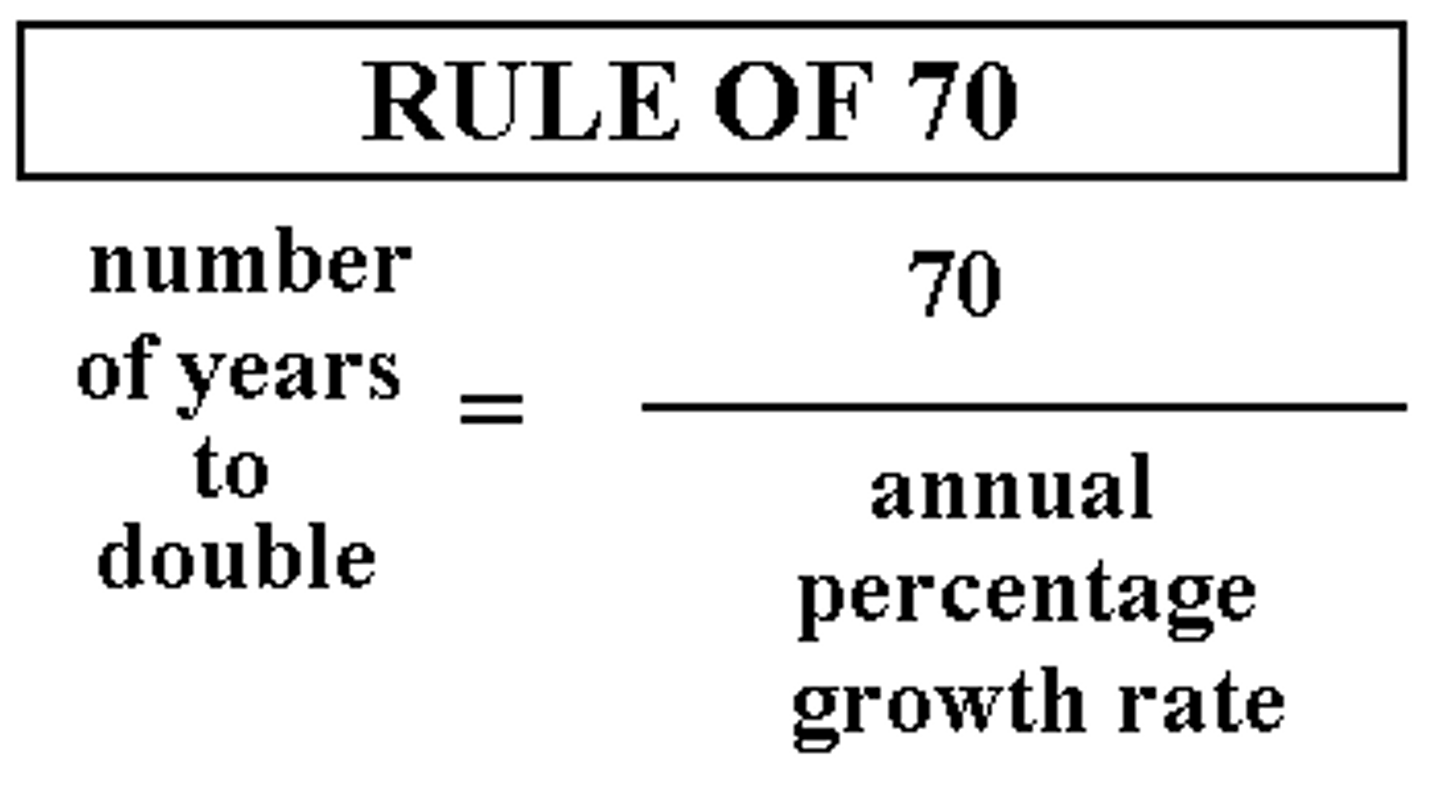
Doubling time
the time period it takes for a population to double in size
Ecumene
the permanently inhabited portion of the earth
Emigration
leaving an area as part of a permanent move
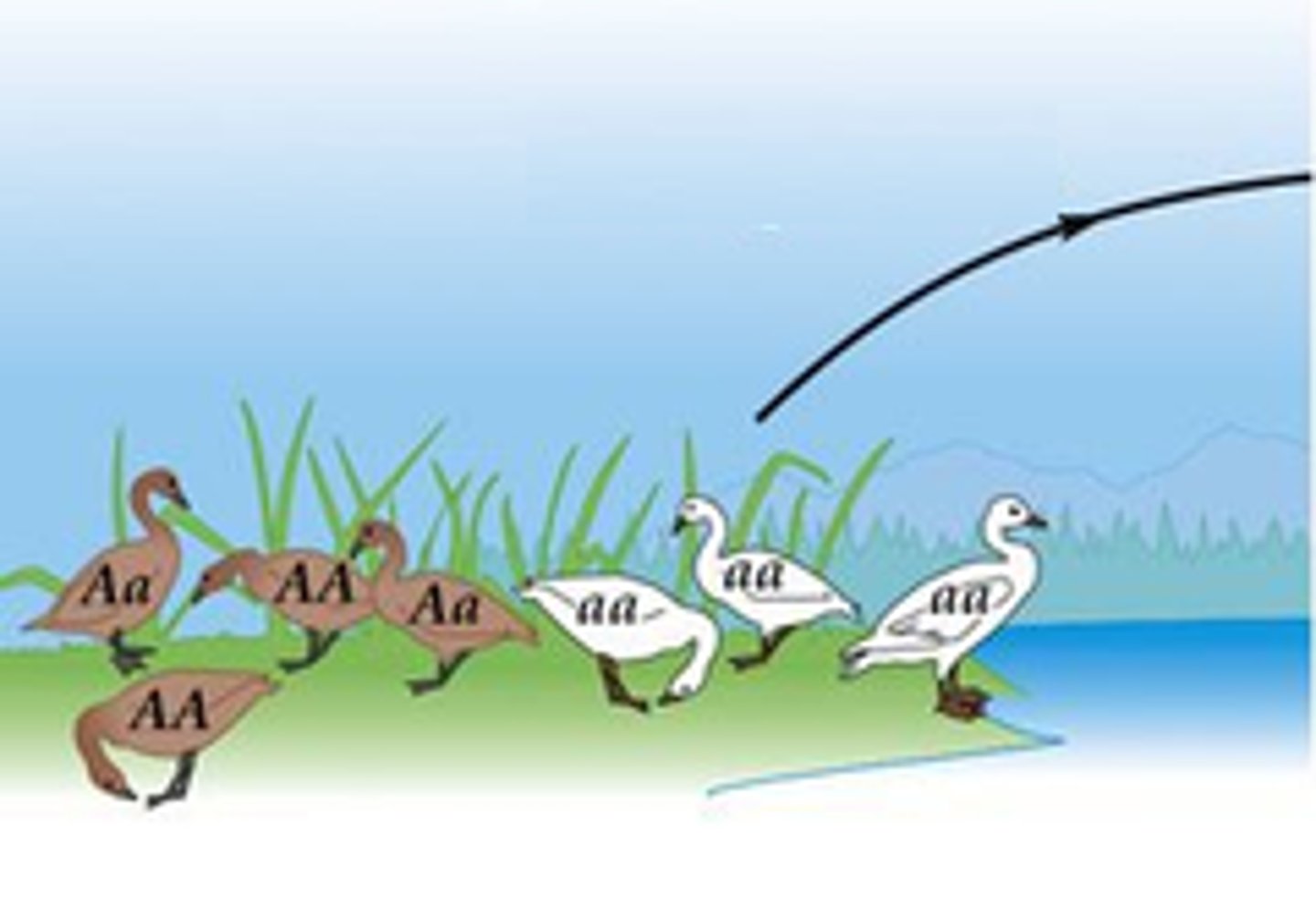
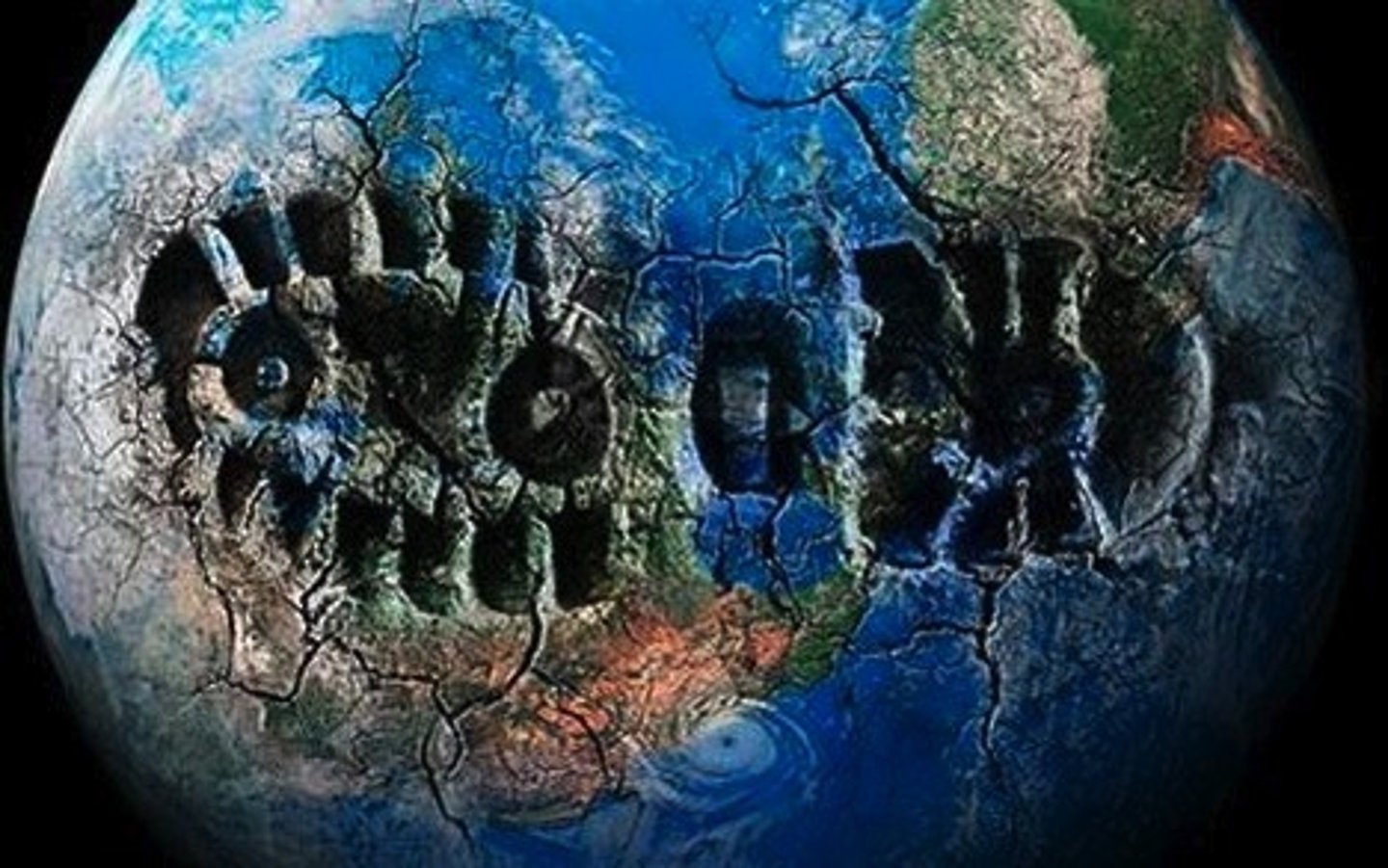
Environmental degradation
deterioration of the environment through depletion of resources such as air, water and soil and habitat destruction
Epidemiologic transition
distinctive causes of death in each stage of the demographic transition
Fecundity
fancy word for fertility or the ability of a woman to conceive
Fertility
the number of live births occurring in a population

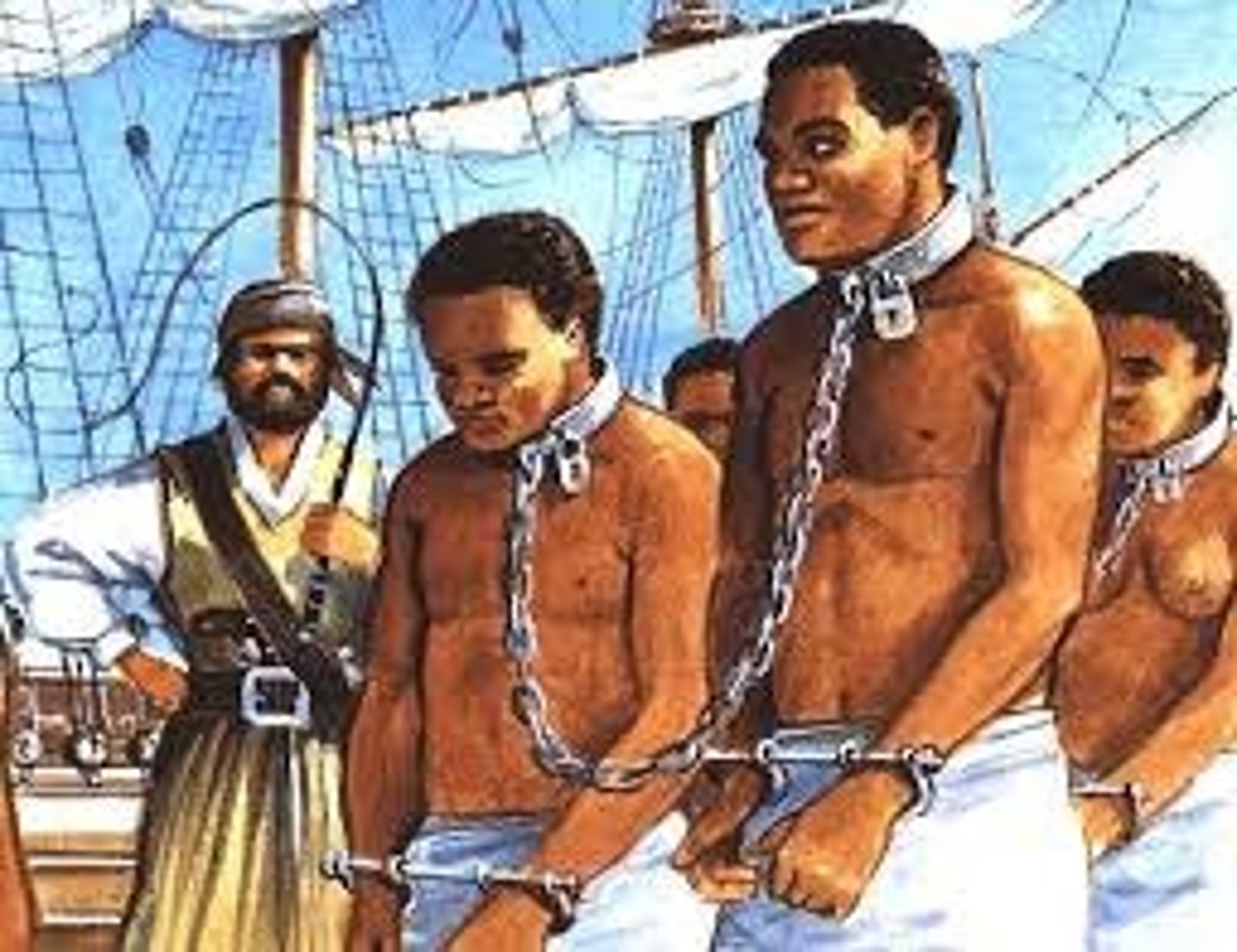
Forced migration
when people migrate not because the want to but because they have no other choice
General Fertility Rate (GFR)
the number of live births per one thousand women in their childbearing (fecund) years
Graying population
a shift in population where older people (gray hair!) become a bigger portion, usually as a result of declining birth rates

Guest worker
a legal immigrant who is allowed into the country to work, usually for a relatively short time period
Immigration
coming into an area as part of a permanent move
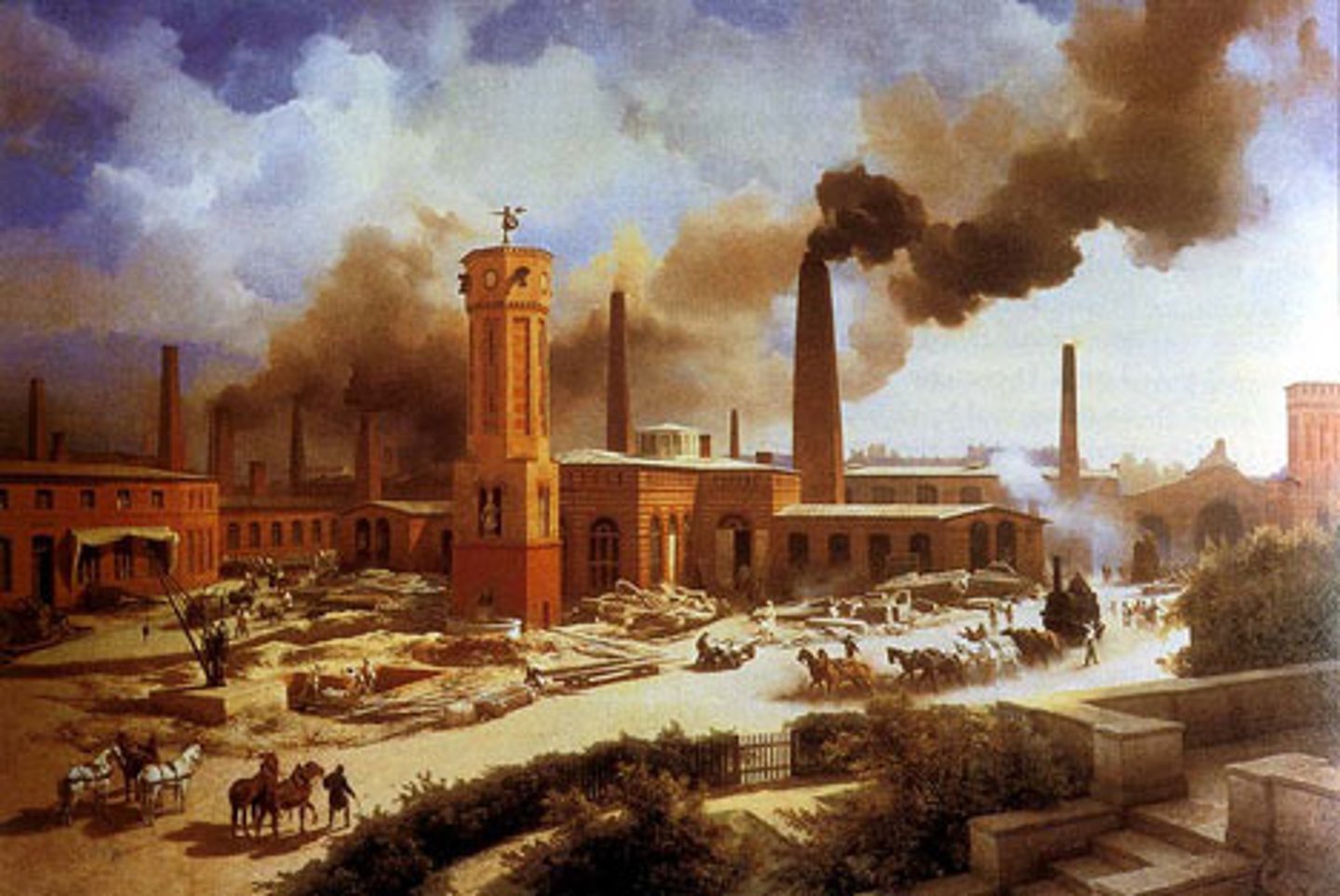
Industrial Revolution
economic and social changes resulting from technology changes that started in England in 1760 - moving away from hand tools to power-driven machines
Infant mortality rate (IMR)
the number of children who don't survive their first year of life per 1000 live births in a country
internally displaced persons
a person forced to flee their home who remains in their home country
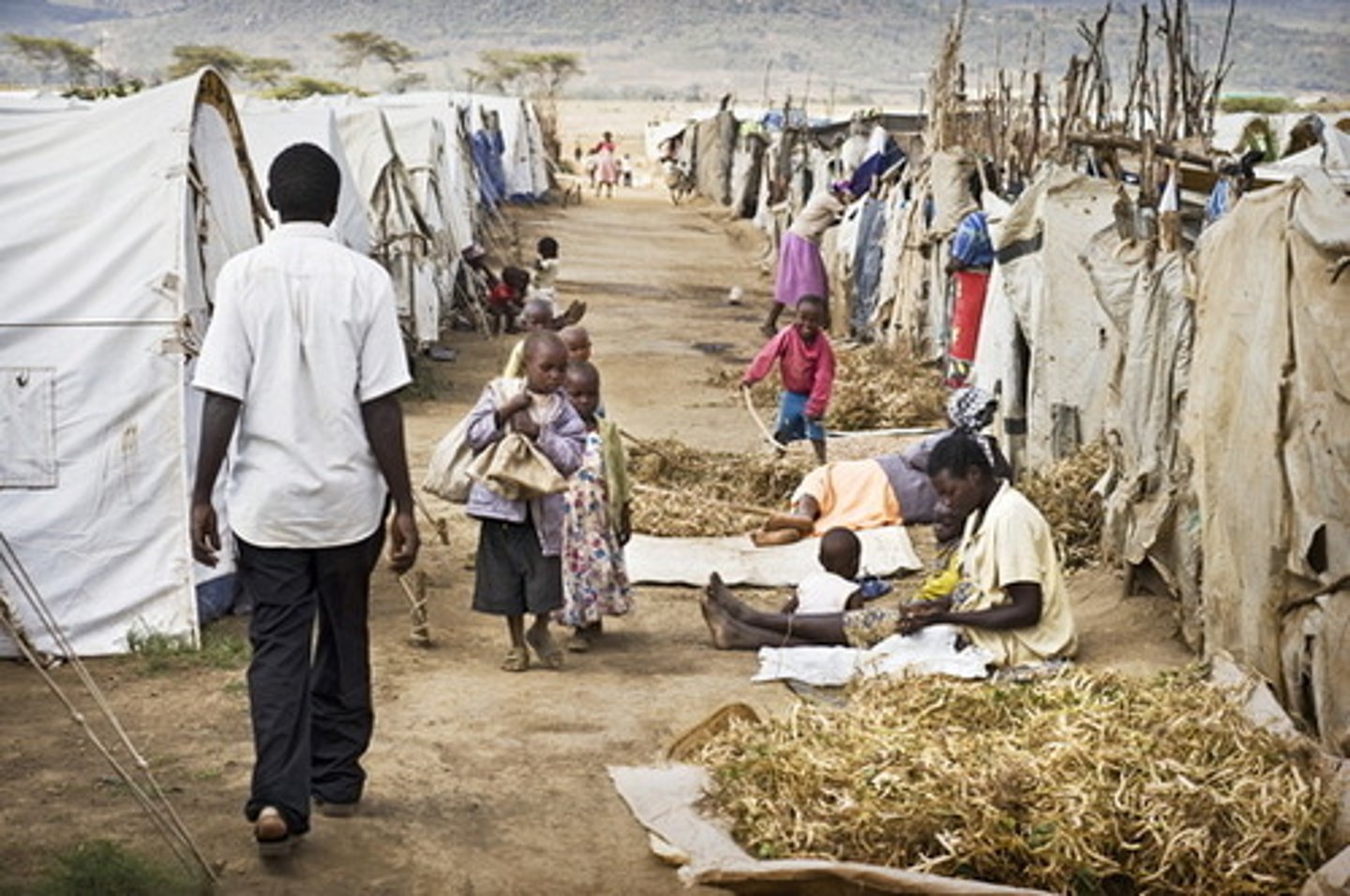
Intervening obstacle
an obstacle that hinders or blocks migration

Intervening opportunity
a favorable circumstance that causes people to stop a planned migration to take advantage of the prospect
Life expectancy
the average number of years a person born in a country might expect to live

Medical revolution
medical technology invented in Europe and North America that is diffused to the poorer countries of Latin America, Asia, and Africa. Improved medical practices have eliminated many of the traditional causes of death in poorer countries and enabled more people to live longer and healthier lives

Mortality
the number of deaths occurring in a population

Net migration
the difference between immigrants and emigrants per 1,000 inhabitants. (+Positive net migration means more people moving in than moving out, -negative net migration means more people moving out than moving in)
Overpopulation
when there are not enough resources in an area to support a population
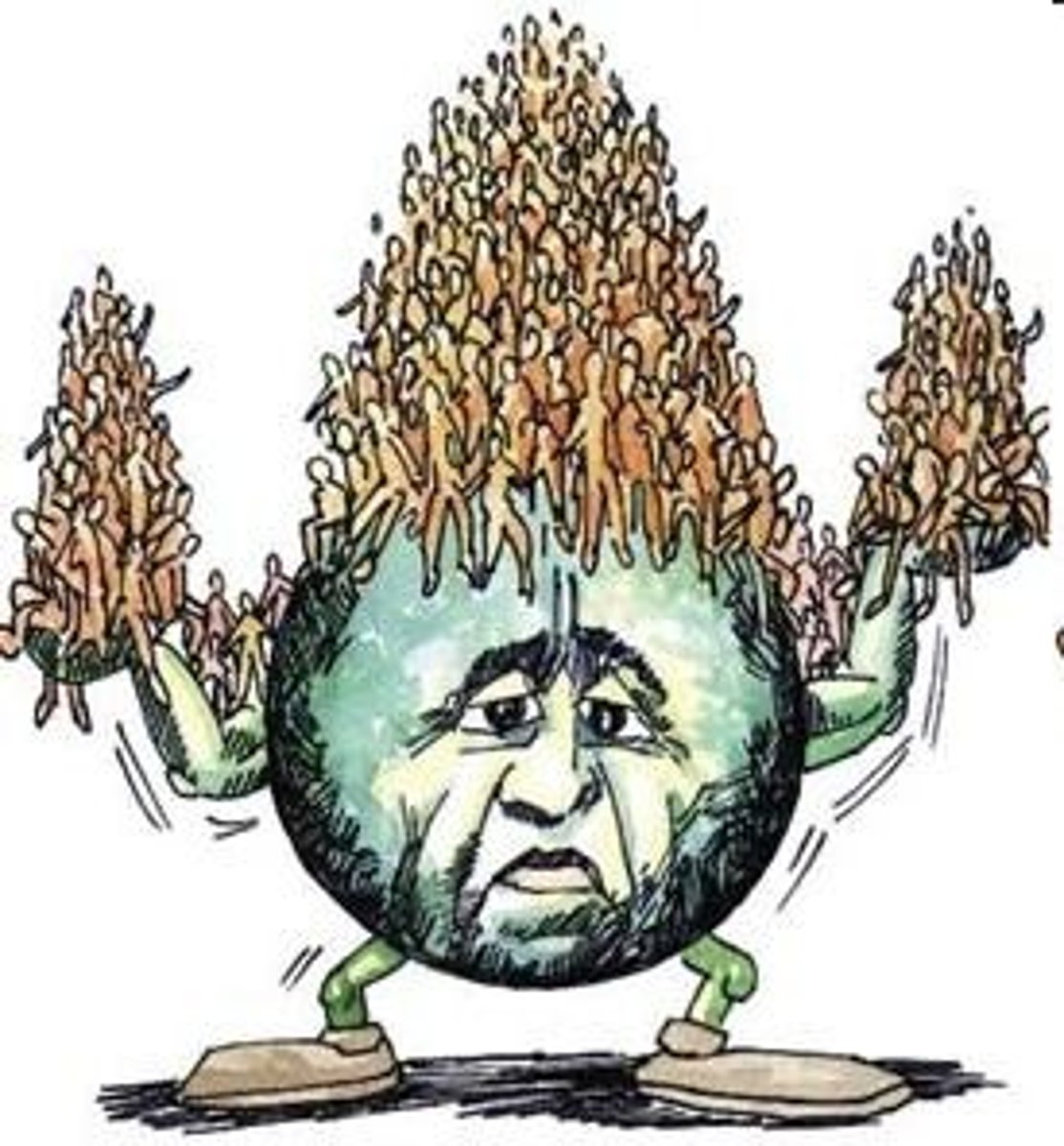
Physiological density
the number of people per unit of arable land
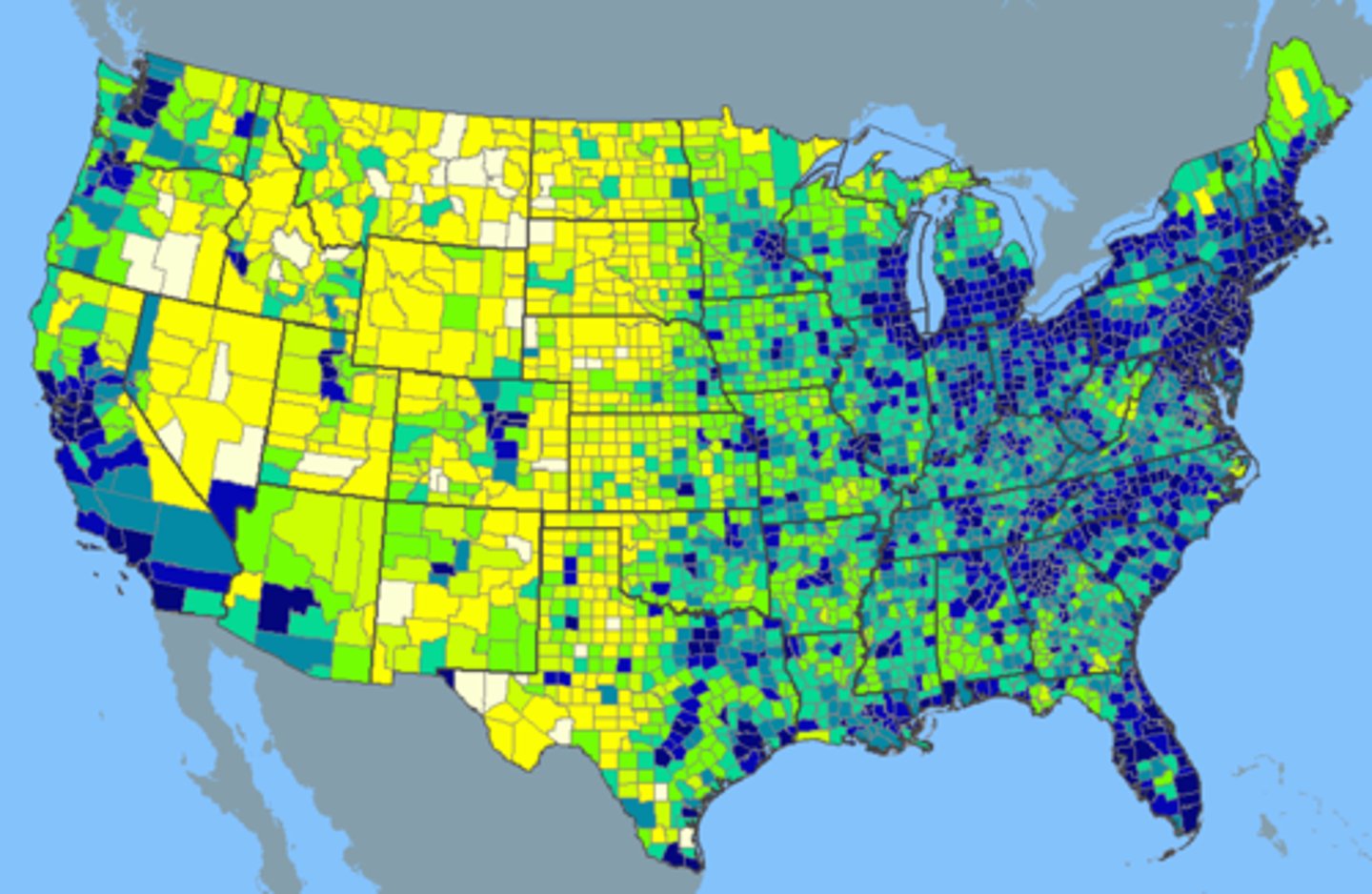
Population distribution
the pattern of where people live
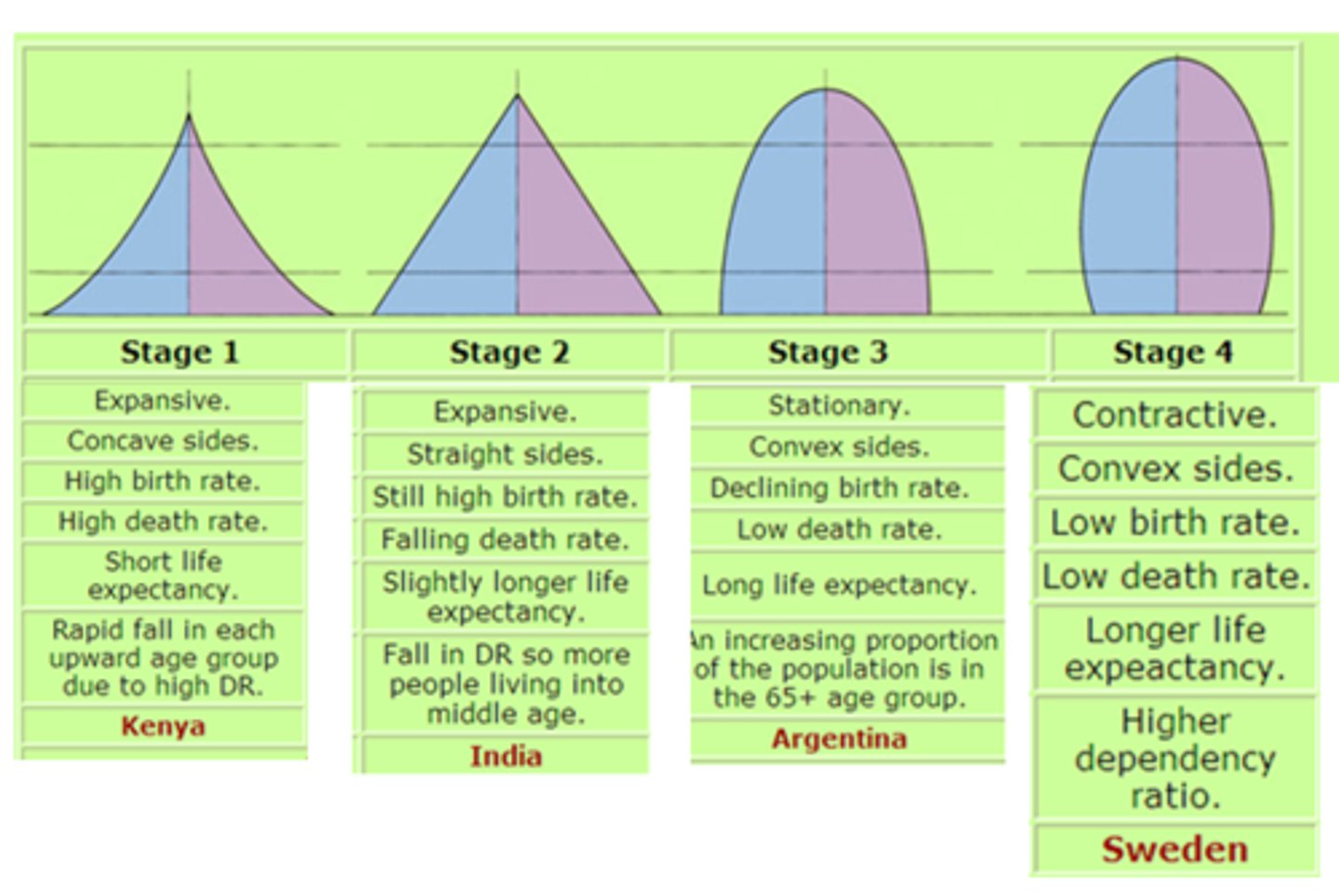
Population pyramid
a graph of the population of an area by age and sex - when a population is growing it takes a pyramid shape, hence the name
Pronatalist policies
when a country provides incentives for people to have more children
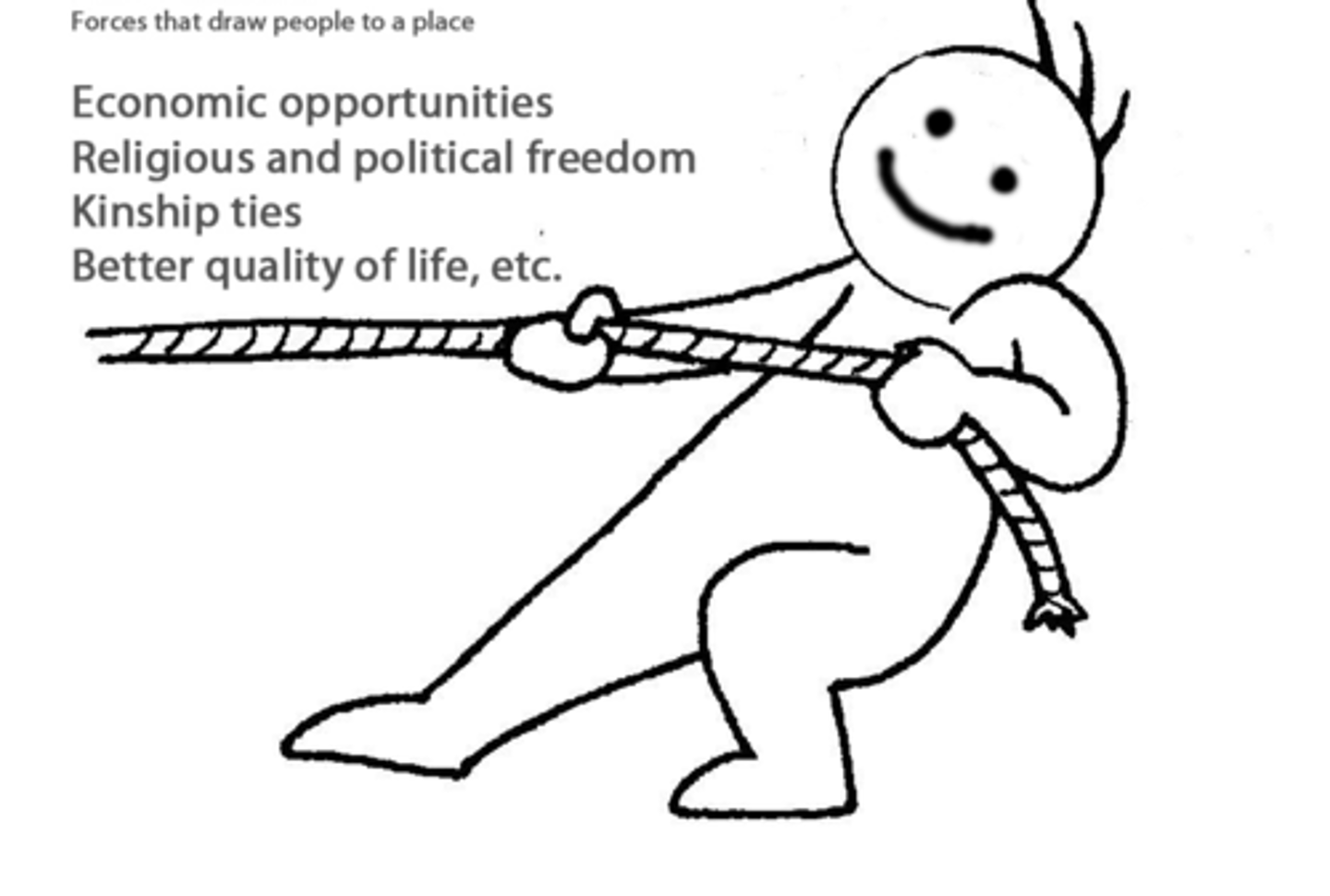
Pull factor
a motivator that draws people into an area
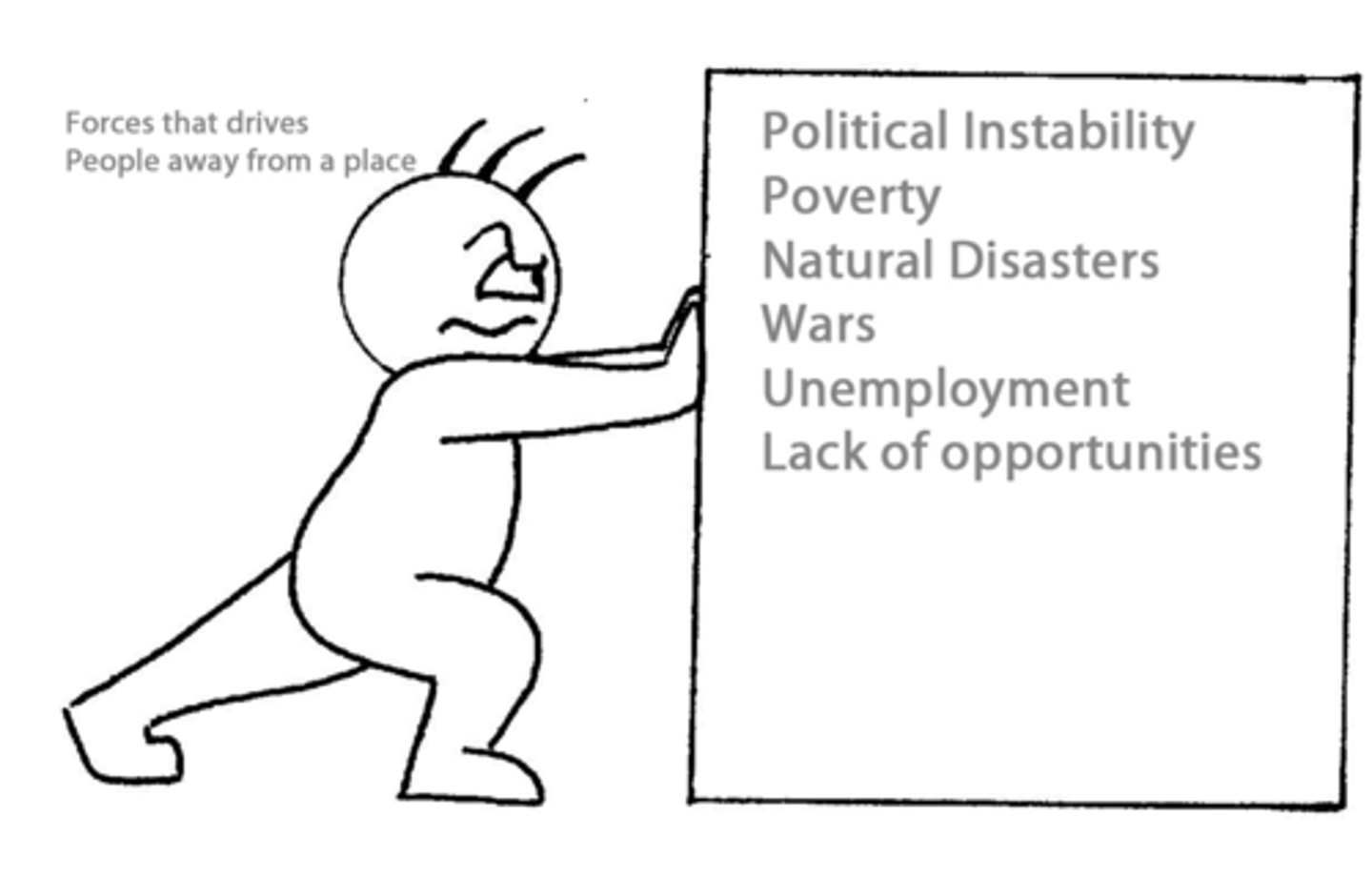
Push factor
a force that motivates people to leave an area
Rate of natural increase (RNI) [Unfortunately its also known as natural increase rate]
(birth rate - death rate)/10 - a postive NIR means a population is growing and a negative NIR means a population is shrinking
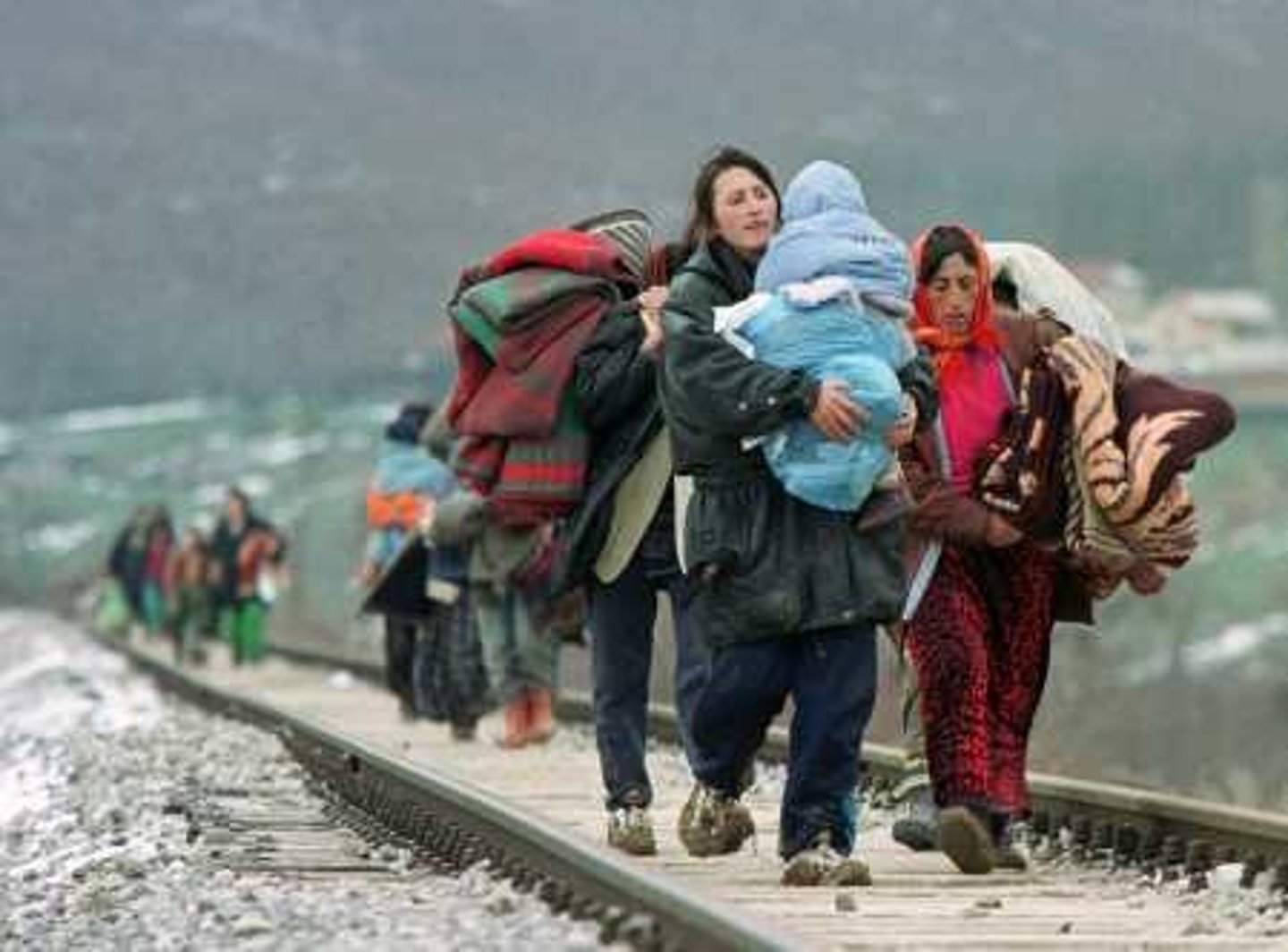
Refugee
a person who flees their home country and is not able to return
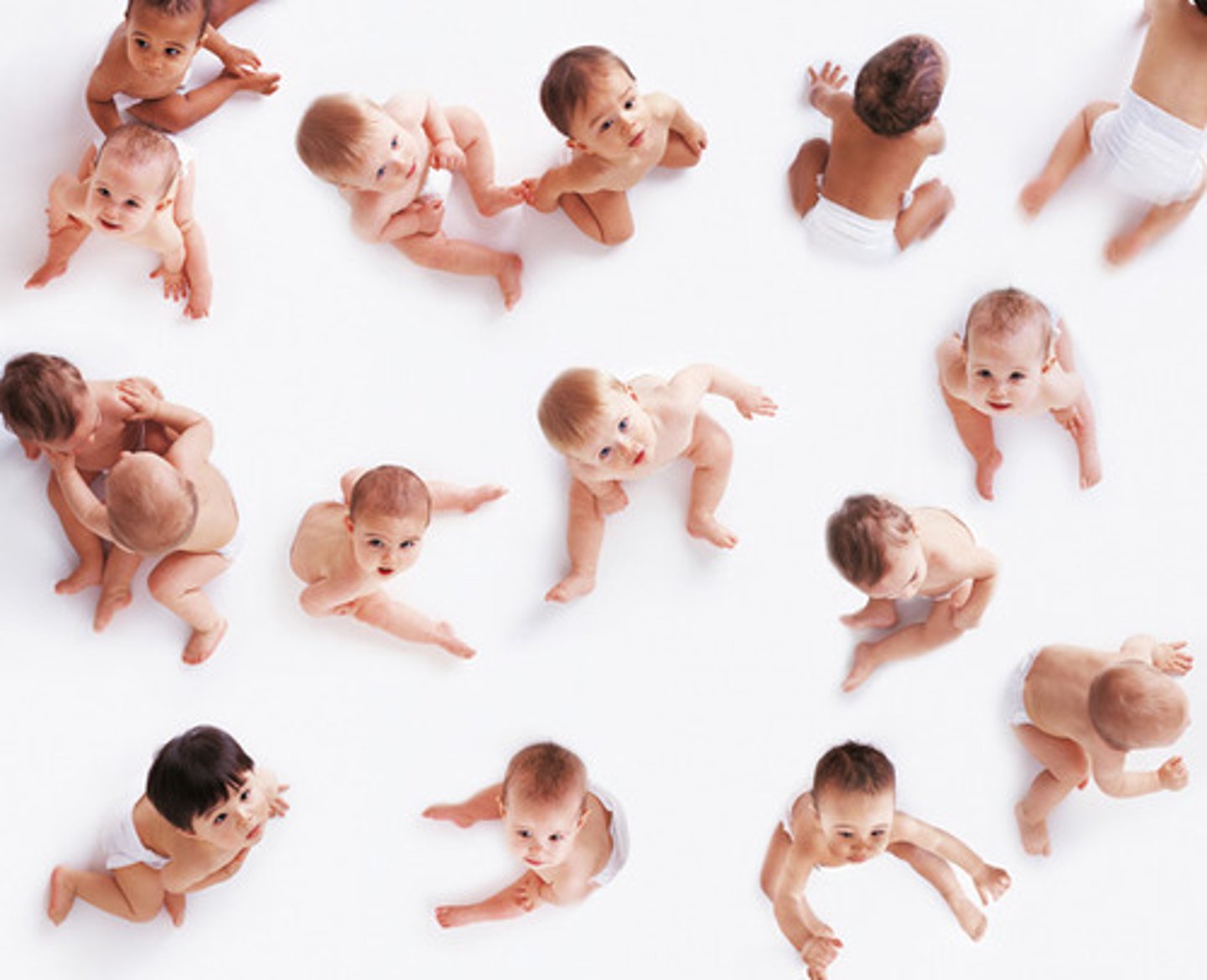
Replacement-fertility level
when a population is neither growing or shrinking but staying about the same (an NIR of 0 or TFR of 2.1)

Step migration
migration to a far away place that takes place in stages
Total fertility rate (TFR)
the average number of children a woman is predicted to have in her child bearing (fecund) years
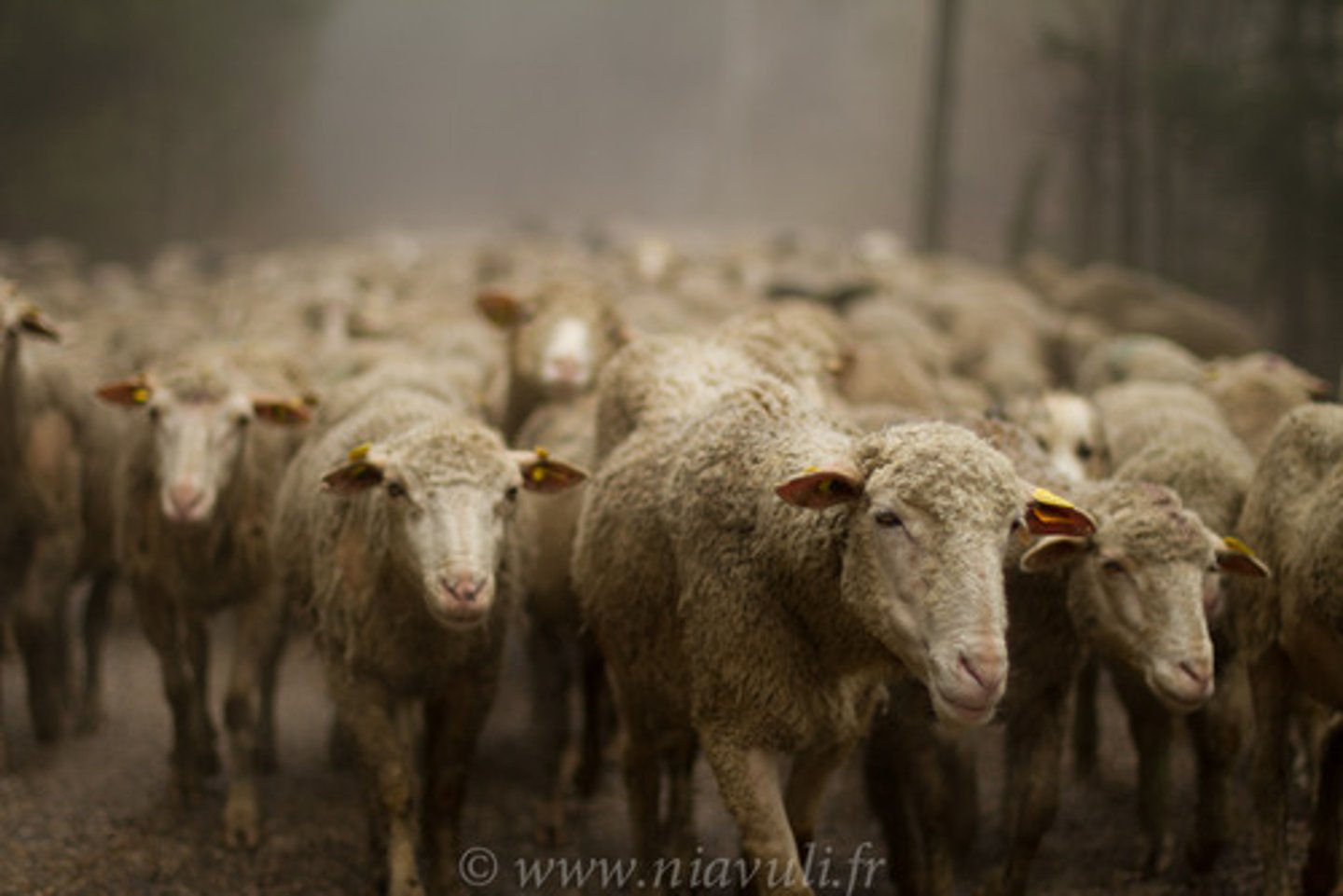
Transhumance
moving herds of animals to the highlands in the summer and into the low lands in the winter
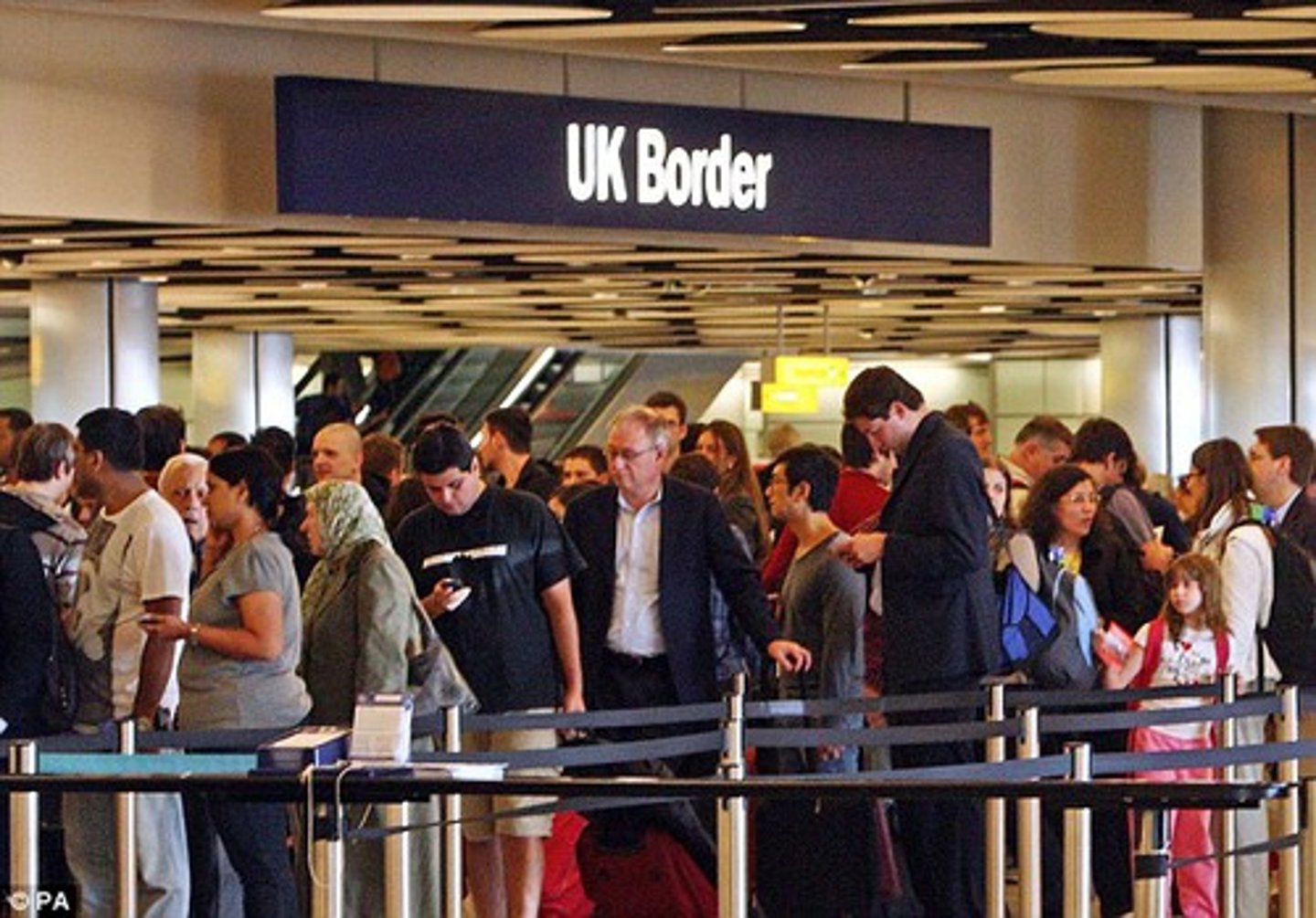
Transnational migration
moving across a border into another country

Unauthorized immigrant
person moving into a country without authorization (also know as illegal immigrants)

Urban
having to do with cities - urban areas are cities

Voluntary migration
people choosing to migrate (not being forced)
Zero population growth (ZPG)
when a country reaches replacement level fertility