Industrial Revolution
 Call Kai
 Learn
Learn Practice Test
 Spaced Repetition
 Match
Match Flashcards
1/27

There's no tags or description
Looks like no tags are added yet.
Name | Mastery | Learn | Test | Matching | Spaced | Call with Kai |
|---|
No analytics yet
Send a link to your students to track their progress
28 Terms
entrepreneur
person who assumes all financial risk in starting a business (business man)

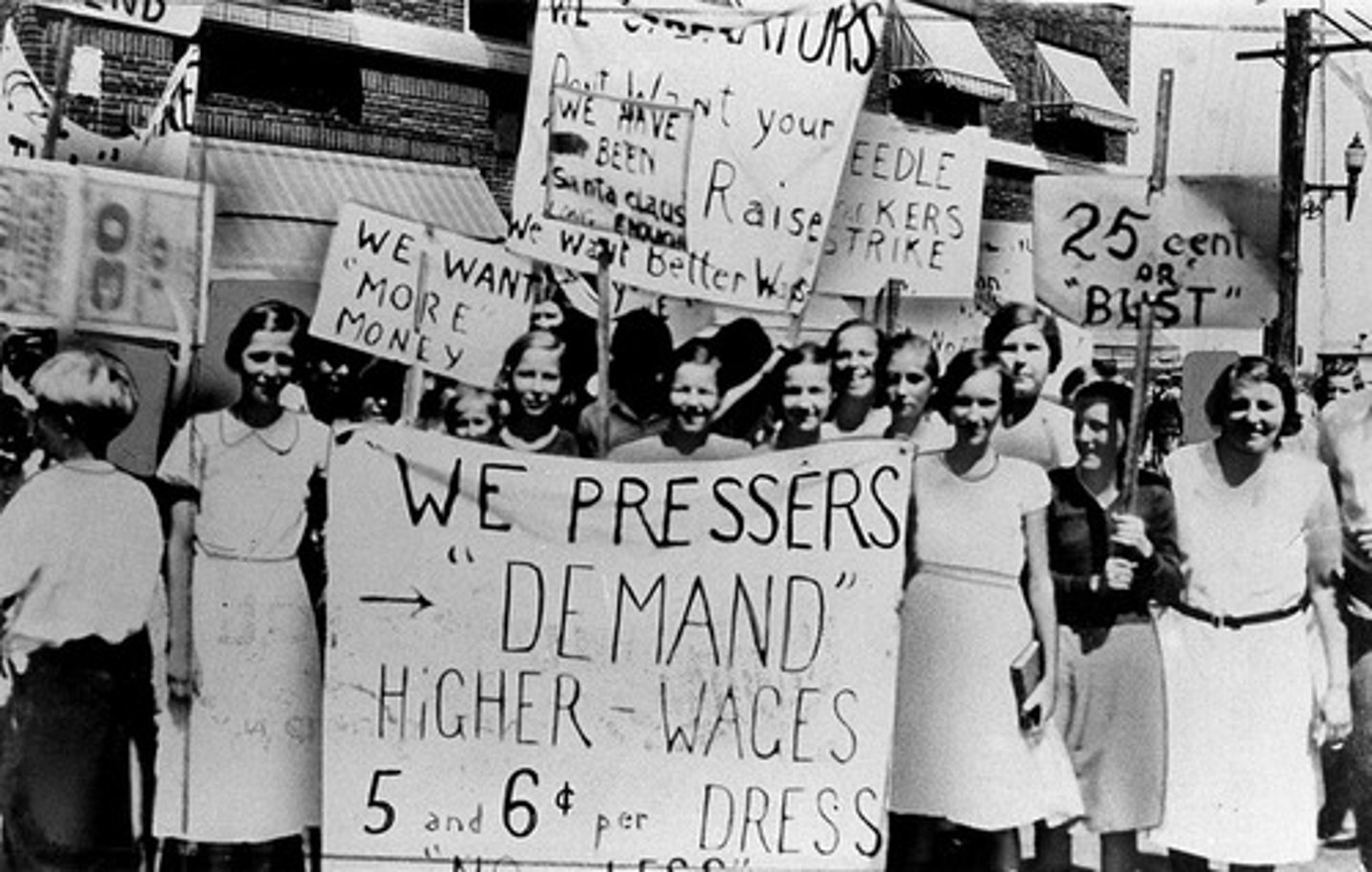
labor union
An organization of workers that tries to improve working conditions, wages, and benefits for its members
enclosure system
taking and fencing off land formerly shared by peasants to create larger fields
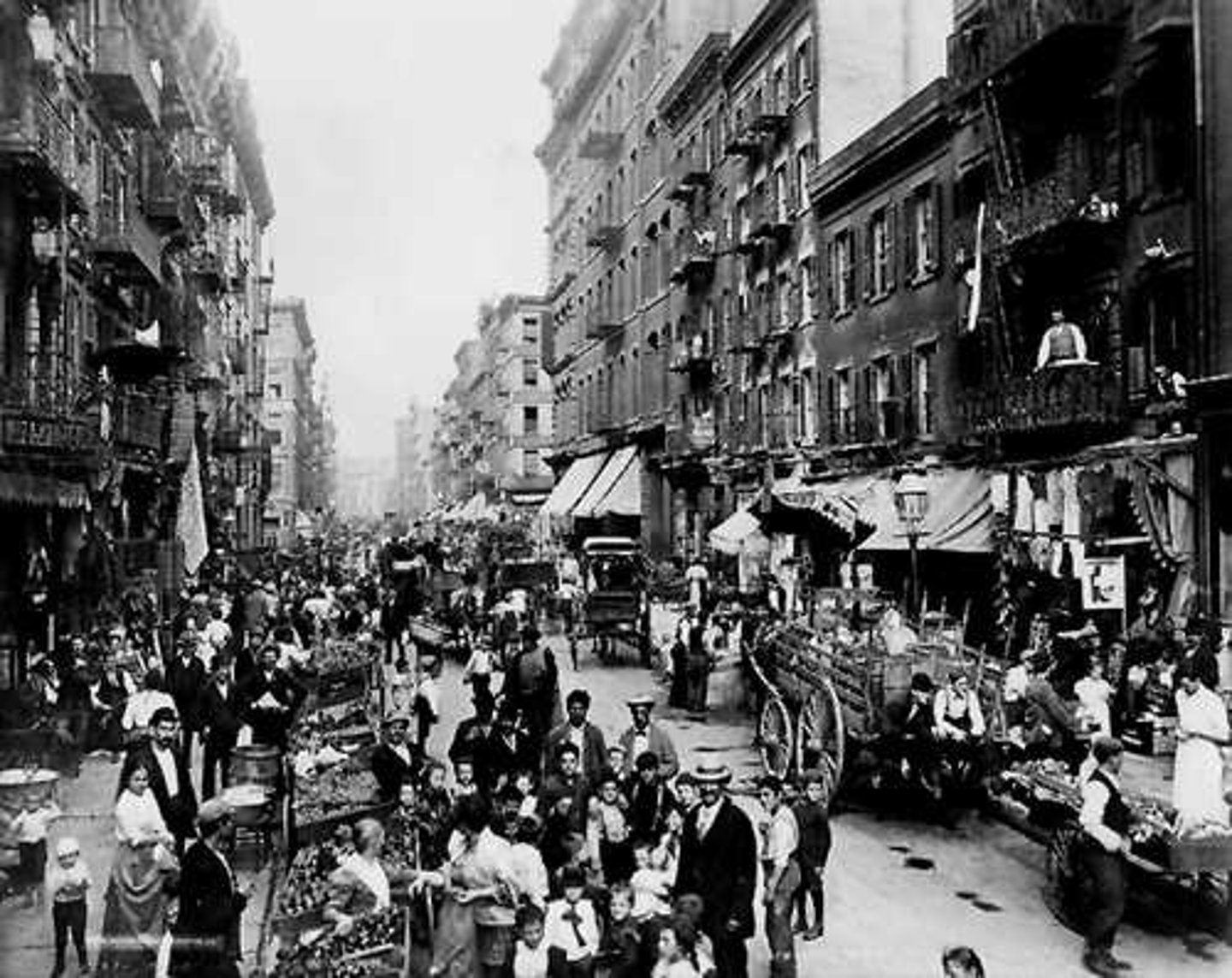
urbanization
movement of people from rural areas (country) to the cities
enterprise
business organization in a specific area, such as shipping, mining, railroads, or factories
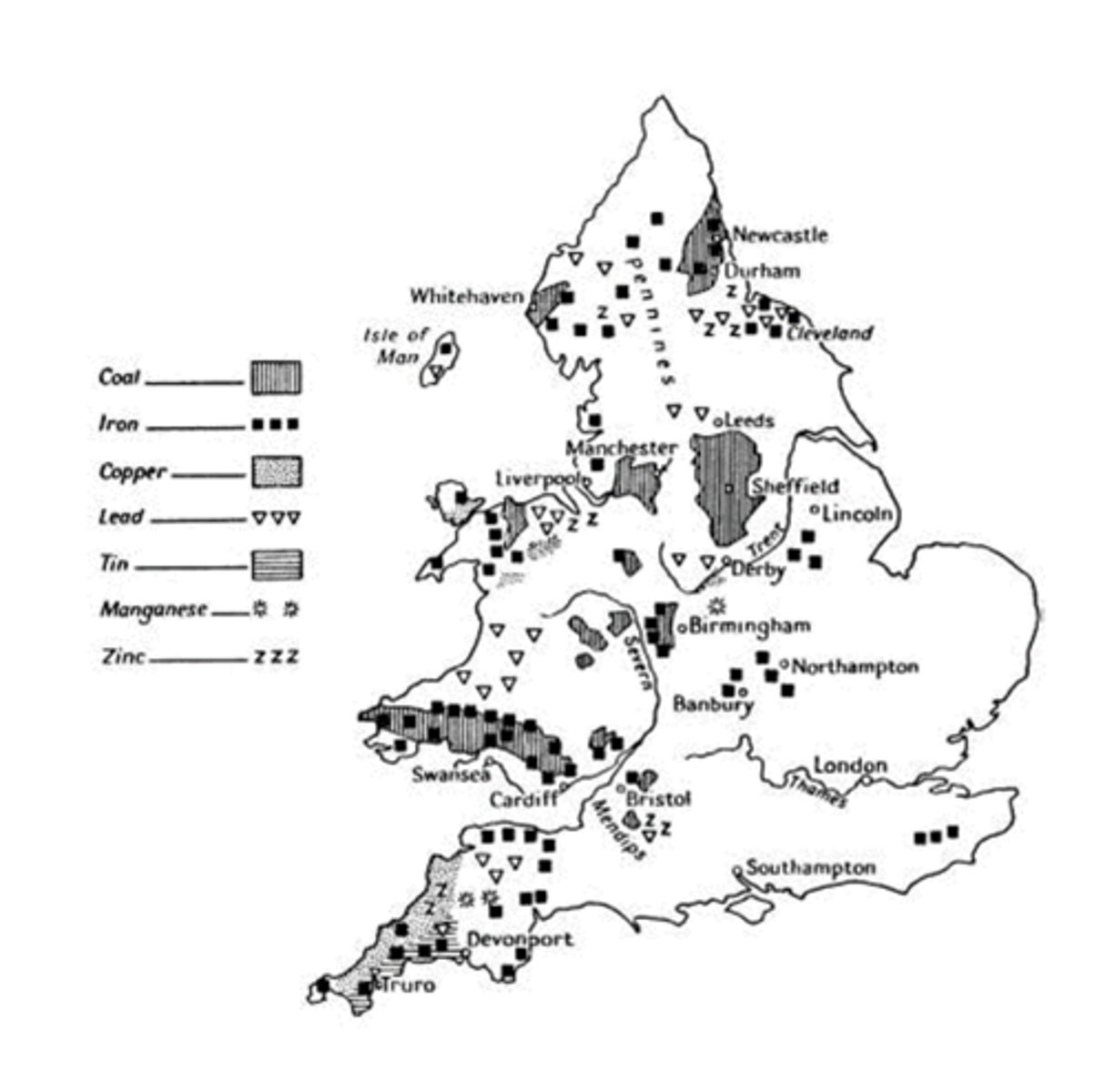
Why the Industrial Revolution began in Britain
natural resources, coal and iron
rivers for transportation and power
ready work force (people willing to work)
high demand for goods
increased population
capital (money used for investment)
stable government
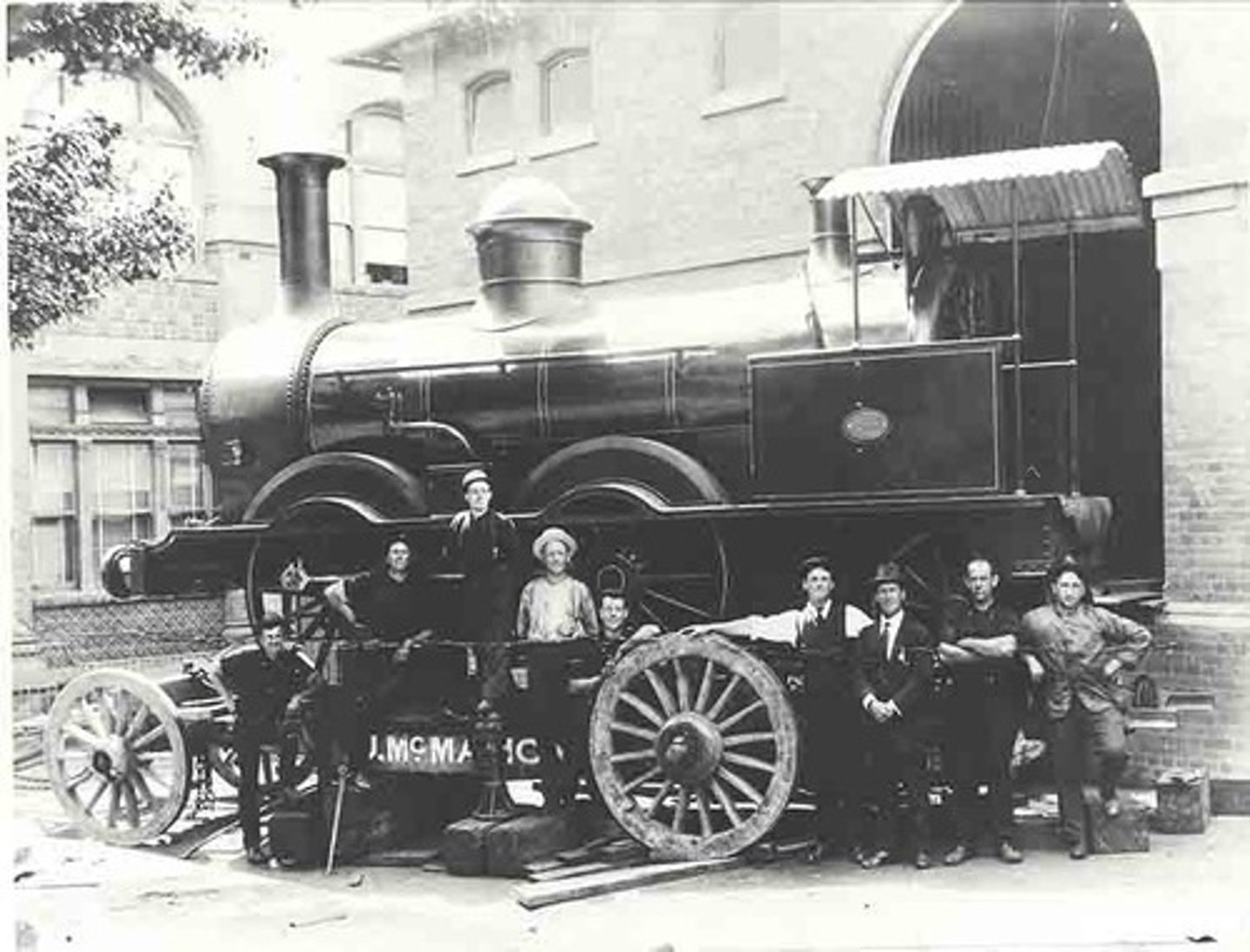
James Watt
Improved the steam engine
6 effects of the Agricultural Revolution
Increased population
Increase in life expectancy
Decrease in farming jobs available
People move to cities in search of work
Better hygiene and sanitation
Decline in famine(hunger)
6 social impacts of the Industrial Revolution
Urbanization
Poor living conditions-tenements
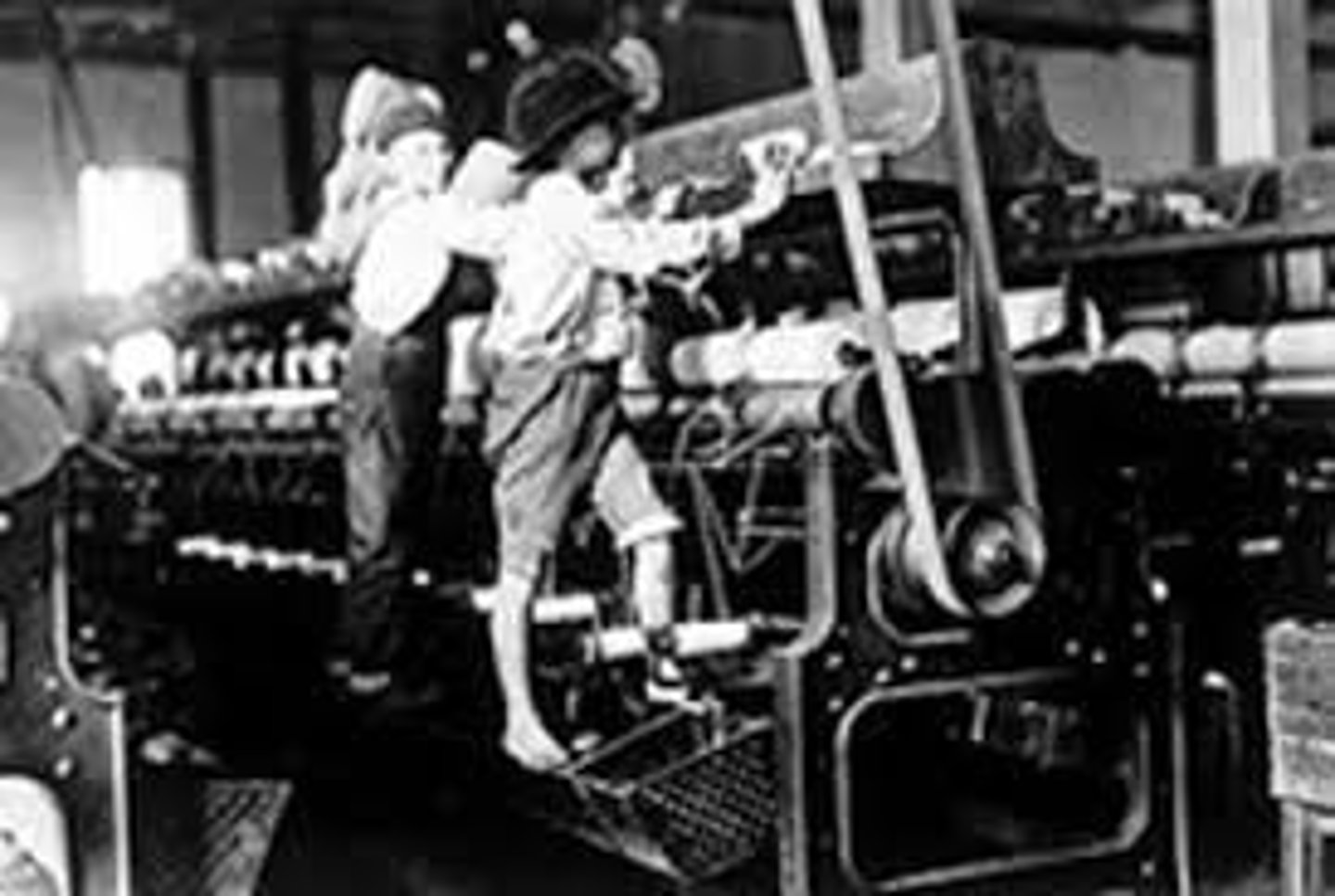
Bad working conditions
Child labor
Rise of labor unions
Growth of a middle class
positives of factory work
-people could earn money
5 negatives of factory work
-poor working conditions
-long hours
-low pay
-dangerous jobs
-mistreatment of children
capital
money; used to start a business

cottage/domestic system
goods made by hand in the home
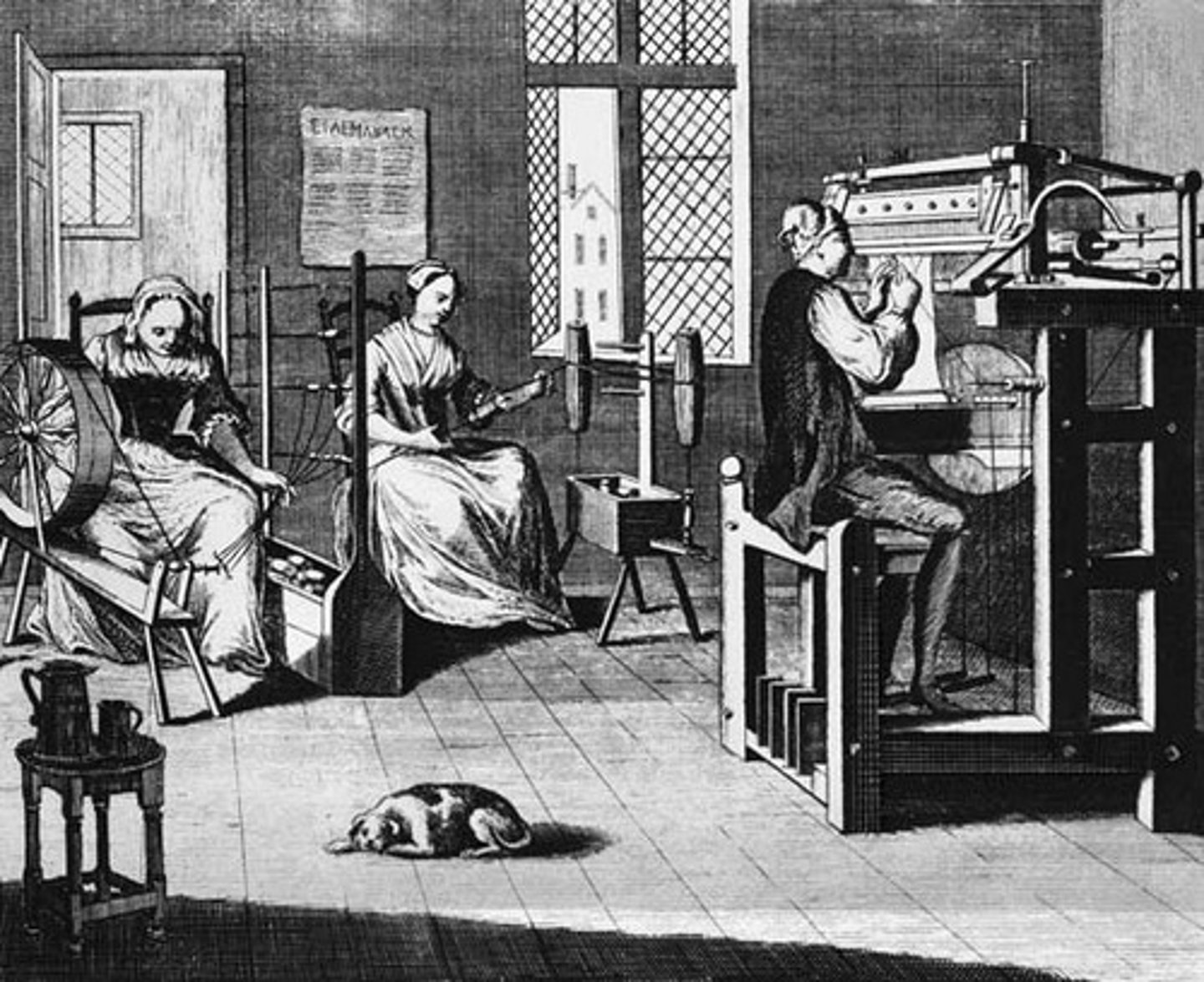
Henry Bessemer
This man revolutionized the way to manufacture steel by making the process quicker and more efficient
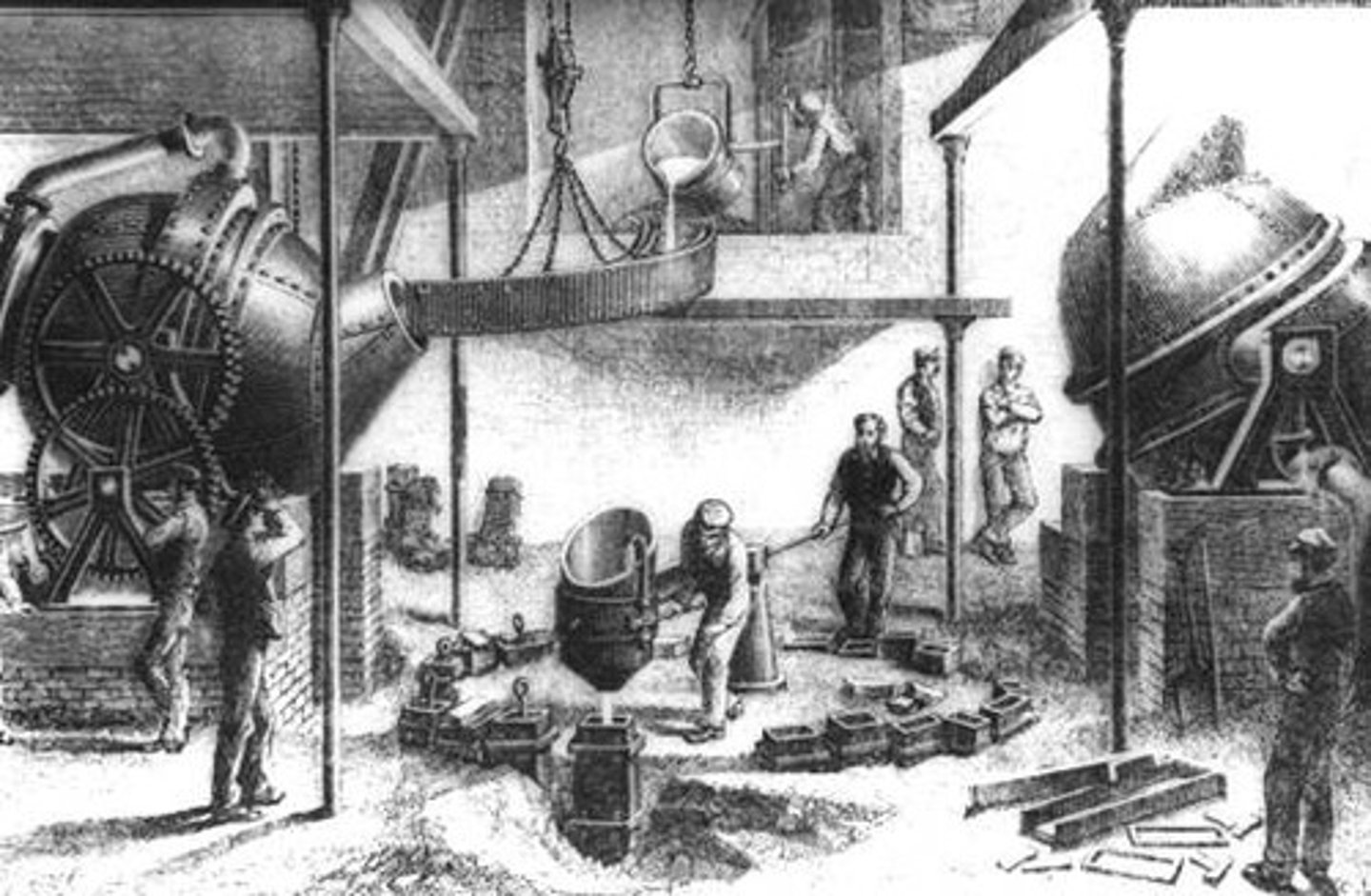
Eli Whitney
American inventor of the cotton gin
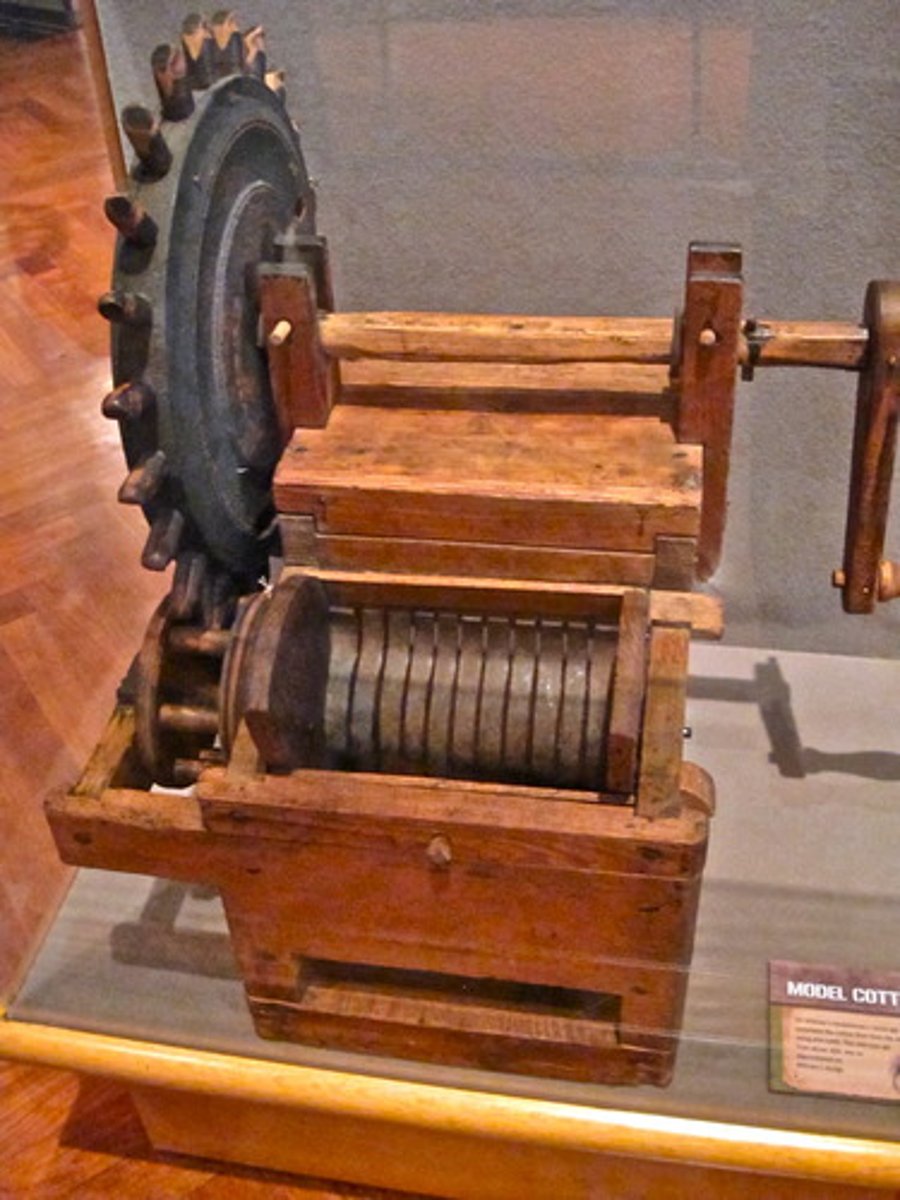
James Hargreaves
English inventor of the spinning jenny
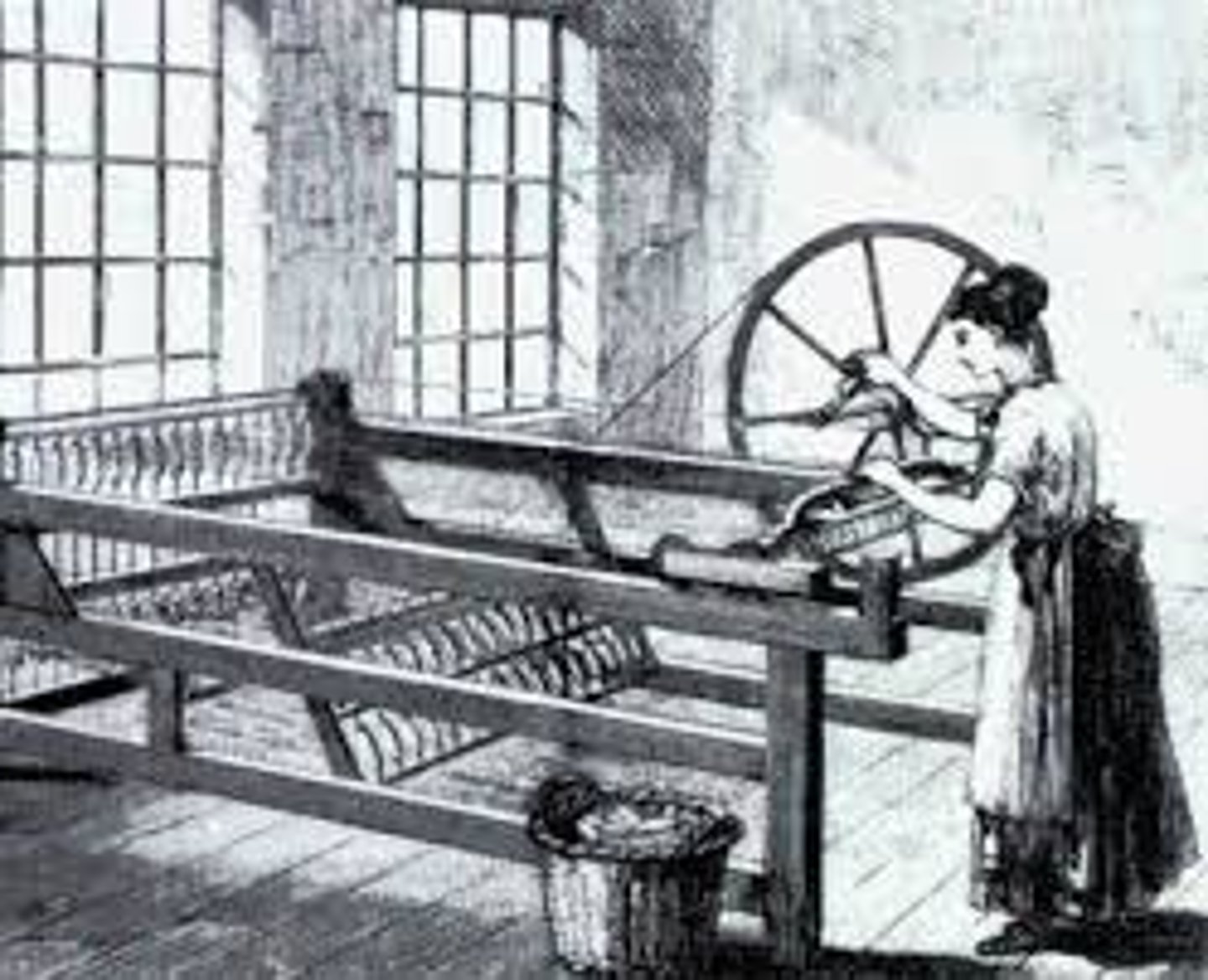
Factory Acts
Child labor reform
Lasseiz-faire
Government does not get involved with business. Supply and demand regulates the economy
Agricultural Revolution
Improved farming methods

strike
Nonviolent refusal to continue to work until a problem is resolved.
Conditions in tenements
Overcrowding and filth in new tenements promoting the spread of deadly diseases, such as cholera, typhoid, and tuberculosis
working conditions in early factories
machine noise could be deafening, poor lighting and ventilation, frequent fires and accidents were caused by fatigue, faulty equipment, and careless training
What natural resources allowed England to industrialize first? (3)
1. (water power/coal) ~ power new machines
2. (iron ore) ~ to construct machines, tools, and buildings
3. (rivers and harbors) ~ allow for transportation of natural resources and finished goods
How did railroads drive industrial growth? (3)
1. gives manufactures a cheap way to transport raw materials and finished products.
2. created thousands of new jobs for laying track and mining for coal.
3. increased agricultural and fishing industries ~ now able to transport to distant cities.
textiles
cloth goods made of linen, wool or cotton (clothing)
Industrial Revolution
A period during the late eighteenth century when machine power was substituted for human power, making it more economical to manufacture goods in factories than at home.
Adam Smith
(Scottish economist) in The Wealth of Nations, he created the concept of laissez-faire ( government should leave economy alone) & applied natural law to means of production & exchange (supply & demand); saw mercantilism as government interference in economy or free trade; believed that enlightened self-interest would create the best production & exchange for market conditions; government should only have 3 roles: protect society from invasion (army); defend citizens from injustice (police); & keep up public works (roads, canals, bridges) that private individuals could not afford to provide but that society needed
Capitalism
An economic system in which the factors of production are privately owned and money is invested in business ventures to make a profit; these ideas also helped to bring about the Industrial Revolution