Lab Final
 Call Kai
 Learn
Learn Practice Test
 Spaced Repetition
 Match
Match Flashcards
 Knowt Play
1/160

There's no tags or description
Looks like no tags are added yet.
Name | Mastery | Learn | Test | Matching | Spaced | Call with Kai |
|---|
No analytics yet
Send a link to your students to track their progress
161 Terms
*Microorganisms are commonly found in soil, surfaces, and dust, but not on living surfaces like skin.
False
*Microbes are generally (choose all that apply)
found everywhere. invisible to the naked eye.
*When a sample is heavily populated with microbes, the microbes are generally visible to the naked eye*
False
Laboratory techniques that excluded unwanted microbes are called
aseptic
isolated techniques are necessary in microbiology lab because
microbes are usually found as part of a mixed population
A tube of nutrient agar, upon which is growing a single species of bacteria is said to be a ___ culture.
pure
How to calculate how many times different a pH concentration is
Subtract both numbers, then use the answer as an exponent of 10. (Ex. 10^8)
The best buffer would have
smallest pH change
Biological importance of buffers
buffers help keep body pH stable so cells and enzymes work properly.
*What do you think causes the most “upset stomachs”
excess stomach acid irritating the stomach lining or esophagus
*Function of hydrochloric acid
helps digest food and activates digestive enzymes like pepsin & kills harmful bacteria
Can measurements be accurate but not precise?
Yes, measurements can be close to the target but separate from one another.
Can measurements be precise but not accurate?
Yes, measurements can be consistent with each other but far from the target value.
1 meter = __ cm
100 cm
100 cm = ___ mm
1000 mm
1000mm = ___m
1 m
1 km = __ m
1000 m
A mechanism that automatically closes a door leading into laboratory would be considered an example of
secondary containment
The most dangerous microbiological pathogens are classified as
BSL-4
the laboratory becnhtop should be cleaned at least
twice
Liquid cultures should be disposed of by
removing any labels from the outside of the tube and placing the tube in a rack for disinfecting
In BSL-1 and BSL-2 laboratories, standard personal safety practices EXCLUDE:
Wearing a mask over your nose and mouth
A wooden applicator stick that has been used to sample bacteria should be disposed of
in a biohazard bag
How to dispose of a petri dish w fungus
tape closed, dispose in biohazard bag
How to dispose of glass culture w bacterial culture
remove labels, place on rack for autoclaving
Clean a spill of broken glass and bacteria
Paper towel over spill, pour disinfectant, leave for 20 seconds, sweep glass into biohazard/glass container after autoclaving
Ebola Virus (BSL 1, 2, 3, or 4)
BSL 4
Mycobacterium tuberculosis (BSL 1, 2, 3, or 4)
BSL 3
Bacillus subtilis (BSL 1, 2, 3, or 4)
BSL 1
Clostridium tetani (BSL 1, 2, 3, or 4)
BSL 2
92.4 mm = ____ meters
0.0924
82 cm = ___ m
0.82
3.1 kg = __ g
3100
281 ml = __ L
0.281
*What do buffers do and why are they important in biological systems?
Mixtures of weak acids and weak bases that can combine with a strong acid or base to limit pH changes.
*What could produce “acid rain” having a pH of 4.5
Sulfur dioxide & nitr9gen oxide pollute to atmosphere, causing “acid rain”
*What is the active ingredient in Philips Milk of Magnesia? How is it different from that of products such as Tums?
Magnesium hydroxide, unlike Tums what uses calcium carbonate
*When using a brightfield microscope, the amount of light entering the objective lens is primarily regulated by the
diaphragm
*When transporting a microscope, it should be carried by the
base and arm
*The most common cause of an unacceptable microscope image is
dirty lenses
*Objective lenses should always be coated in immersion oil to keep them protected against dust and dirt. T/F?
False; only 100x touches immersion oil
*What can be safely used to clean microscope lenses?
Kimwipe or other laboratory tissue (Lint free)
*The total magnification of a microscopic image can be calculated by using which of the following formula?
magnification of ocular x magnification of objective lens
*The resolution of a microscopic image refers to
how detailed the image appears
*Immersion oil improves the quality of a microscopic image by removing which of the following from the light path?
air
*A microscope which produces a light image against a dark background is most likely a ______ microscope?
dark field microscope
*Parcentric
Switching objectives keeps the specimen centered
*Parfocal
switching objectives keeps specimen in focus
*Describe how the condenser and diaphragm should be adjusted for optimum viewing of a specimen using the oil immersion
For the oil immersion, raise the condensor all the way up, open the diaphragm fully so the specimen gets the most light
Decsibr how the properly clean the objective lenses
With a lens paper and lens cleaner. Wipe gently and remove any oil after oil immersion.
*Which supergroup of protists contain members with a feeding groove on one side of the organism
excavata
*characteristics important in the classification of membranes of the excavata include which two of the following?
mitochondria and flagella
*the protective covering that some protists can produce is a/n
cyst
*kelp (large seaweed) would most likely be found in which group within the SAR?
stamenophiles
*a protist that may acquire energy both photosynthetically and heterotrophically is described as being a/n
facultative phototroph
*members of genus plasmodium cause
malaria
diatoms have shells composed of
silicon dioxide
the agar used to solidify plates in the microbiology lab is extracted from
red algae
human pathogens are found in which subgroup of the unikonta?
entamoeba
long, threadlike pseudopods are found in members of which group?
rhizarians
color of chlorophyll
green
color of phycoerythrin
red
color of carotenoids
orange
color of xanthophyll
yellow
color of fucoxanthin
brown
*flagellum
a “tail” like structure used for movement
*Cilia
hair like external cell structures that can be used for mobility or sensory
*Pseudopod
Used for mobility and digestion. temporary projections of a cell
*Photosynthetic pigment
special colorization of a cell used to capture light energy for food
*difference between a trophozoite and a cyst, why is one generally more infective that the other?
A trophozoite is teh active, feeding, and growing form of a protist. A cyst is a dormant, protective form that can survive harsh conditions
*A freshwater sample containing a colonial algae, bright green in color with cell walls made of cellulose.
Green algae (chlorophyta)
*A blood sample in which the red blood cells have microbial inclusions. Belonged to a person who recently returned from a mosquito-infested region in Africa
Apicomplexans (plasmodium, malaria)
*A large organism (over 3m), found on teh beach, brown in color, stores food as mannitol
Brown algae (kelp)
A water sample from a birdbath. the numerous small organisms seen are covered with fine hairs
ciliates
*a marine sample containing a number of small organisms with nearly symmetrical shells. shells are made of silicon dioxide and that the organisms are rich in oil
Diatoms
*an organism possessing lobe-shaped pseudopods, isolated from the feces of a person recently deseased after gastrointestinal illness
Amoebas
*a seawater sample from Golf Coast. The water has an orange tint, and organisms in the jar have a pair of flagella and seem to rotate as they move
Dinoflagellastes
*pond water sample where flagellated organisms are marked by a single red spot at one end
euglenoids (eugena)
*All fungi are
heterotrophic
*Fungi that decompose dead organic material are said to be
saprobes
which Greek prefix indicates fungi?
myco
*fungi typically reproduce sexually when
environmental conditions are poor
*yeasts form the hyphae while molds form pseudohyphae.
true
*molds are made up of ____, which, when grouped together are referred to as __
hyphae, mycelium
*what word describes a hypha that is divided into small sections by crosswalls?
septate
*which fungal group possesses motile spores?
chytrids
*which characteristic is generally not used in the initial identification of a fungus?
food source
*which group are most mushrooms are categorized within?
basidiospores
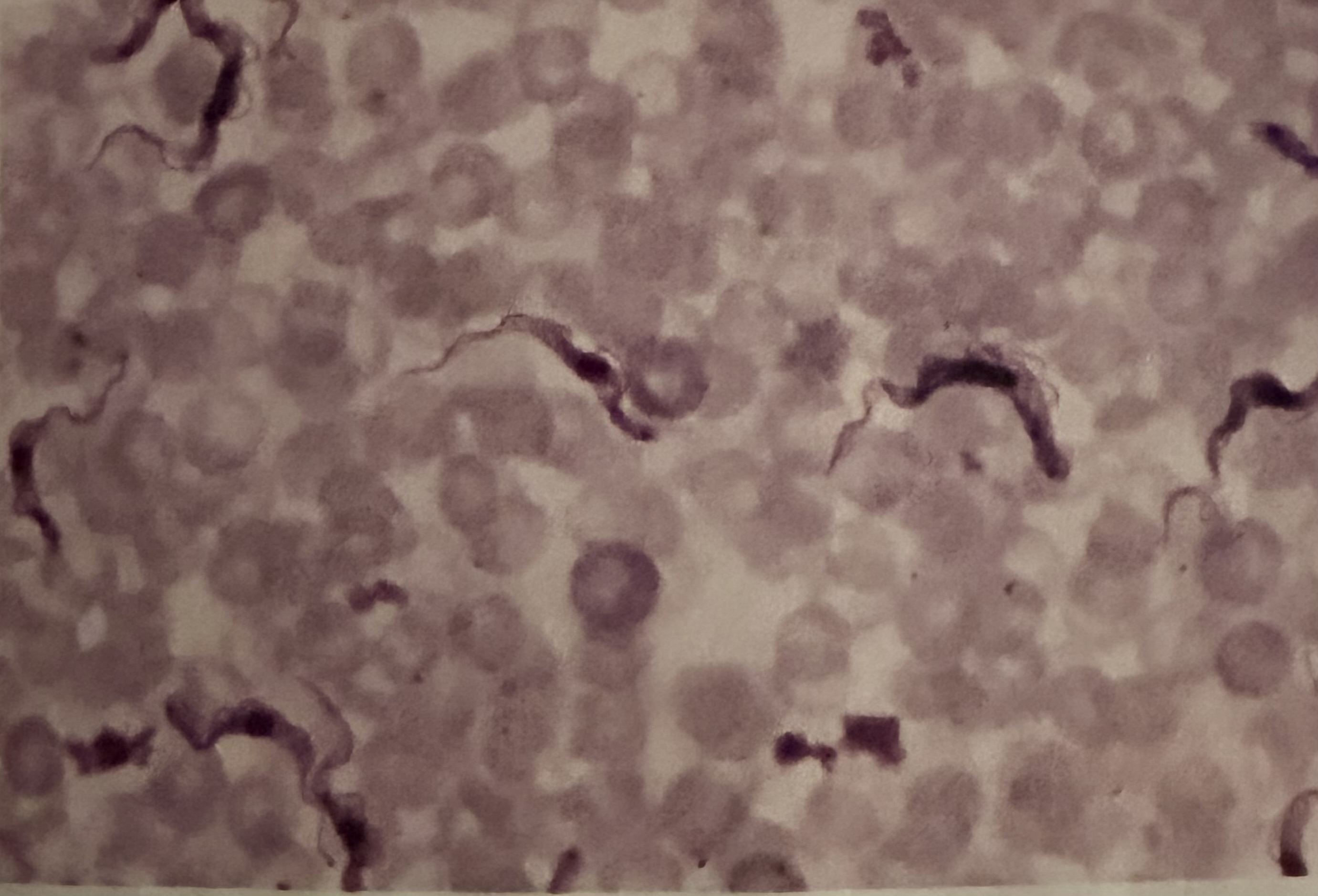
*What protist is this?
Trypanosoma
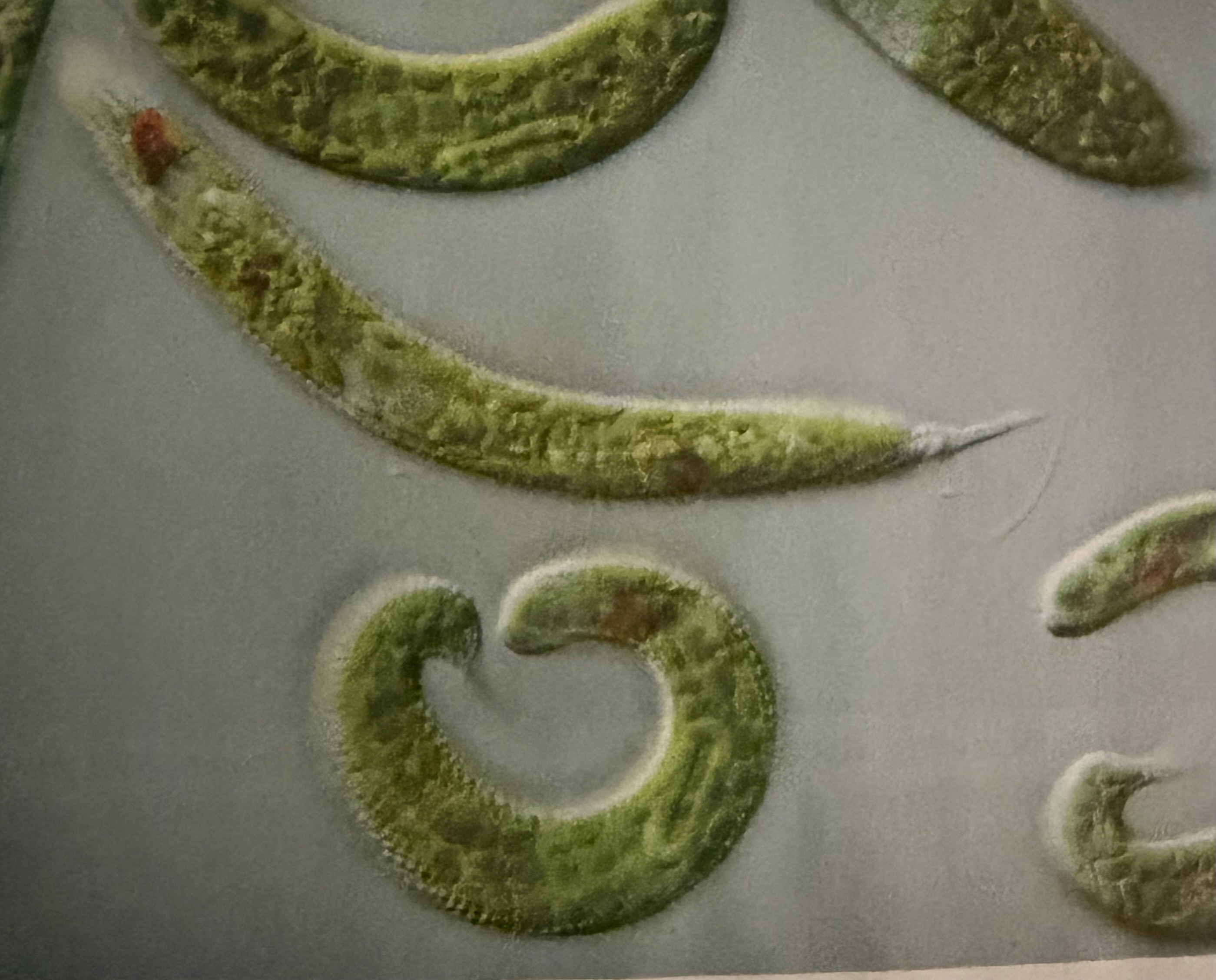
*What protist is this?
Euglena
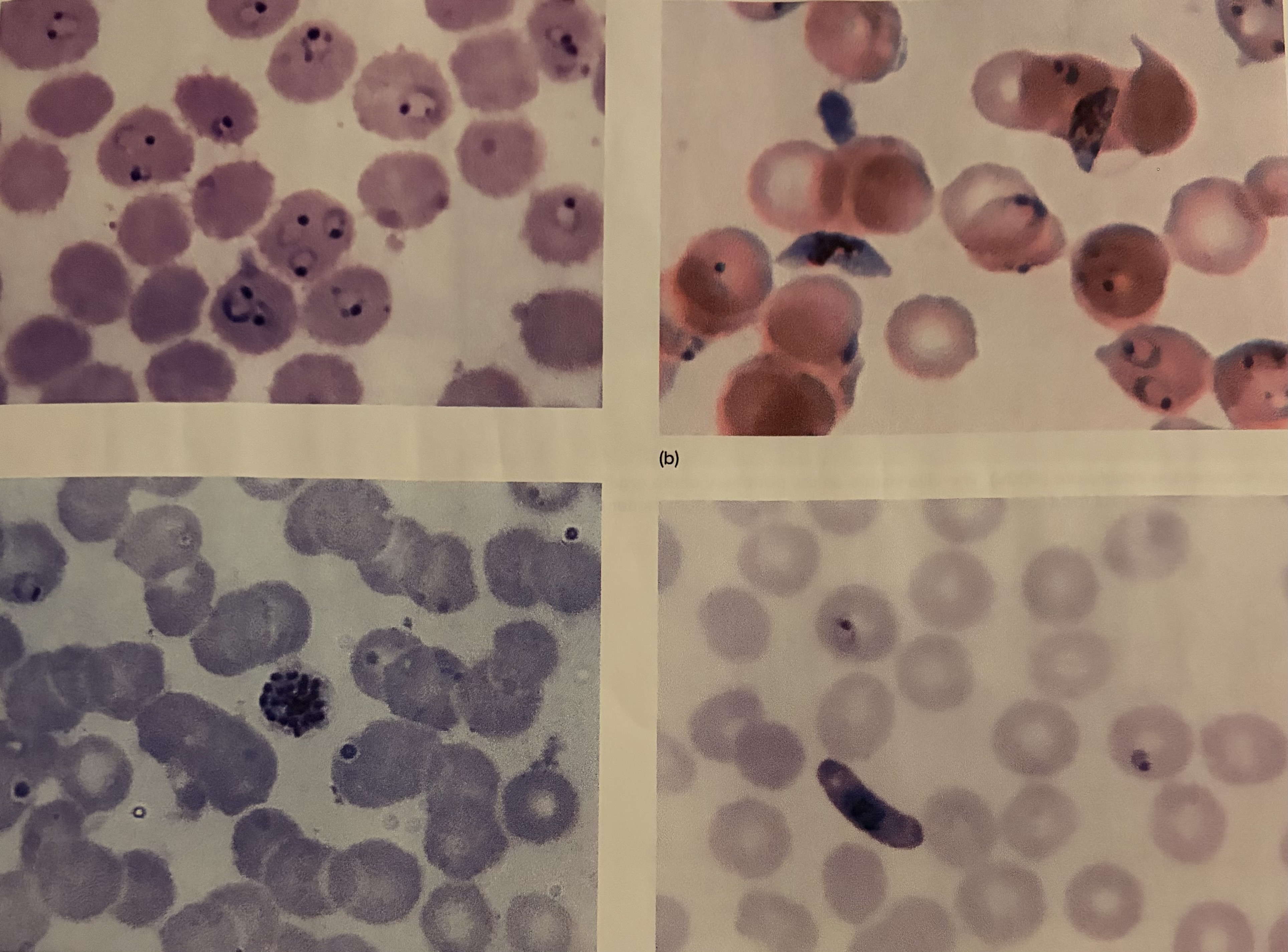
*What protist is this?
Plasmodium
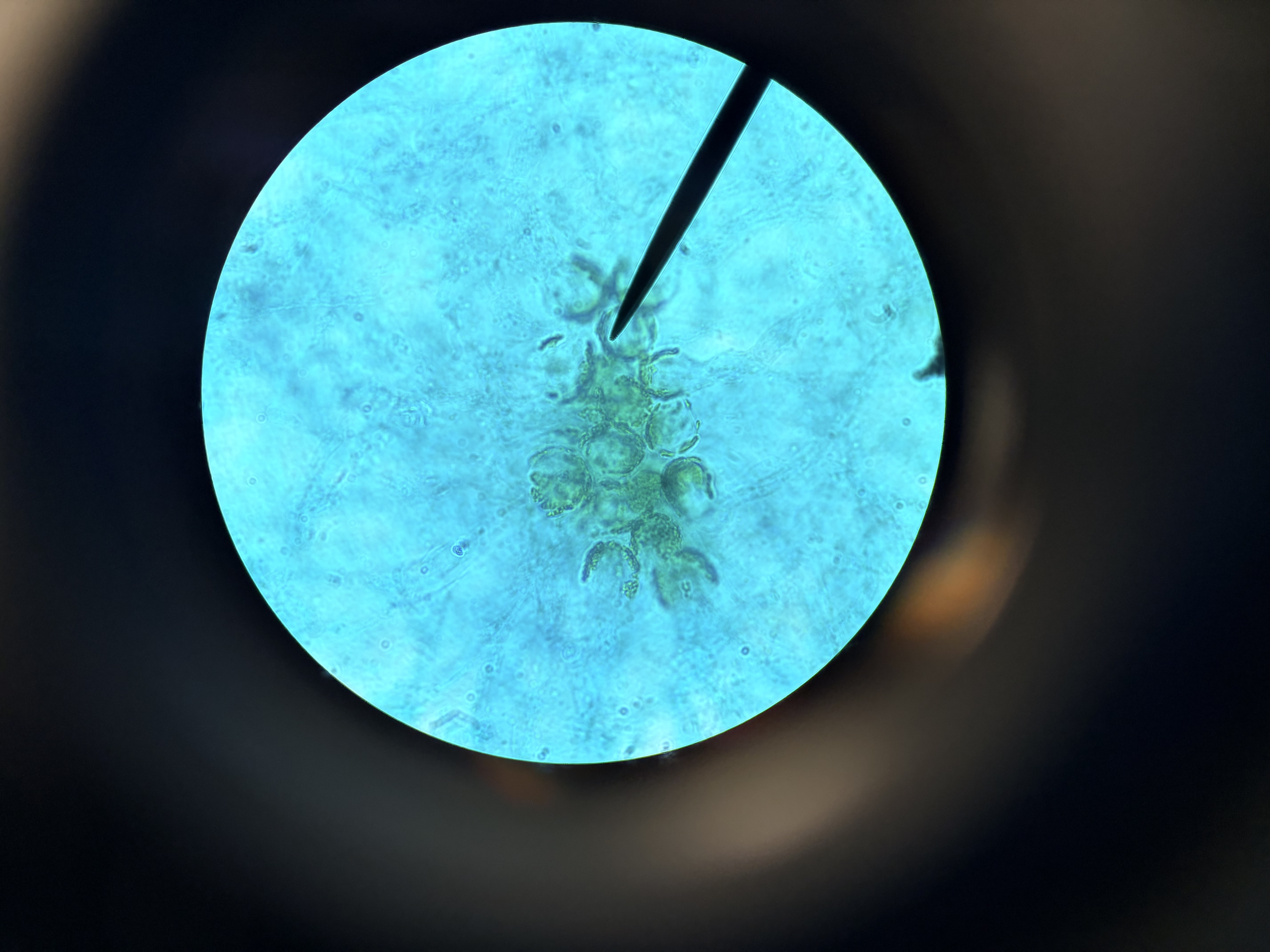
*What fungi is this
Aspergillus
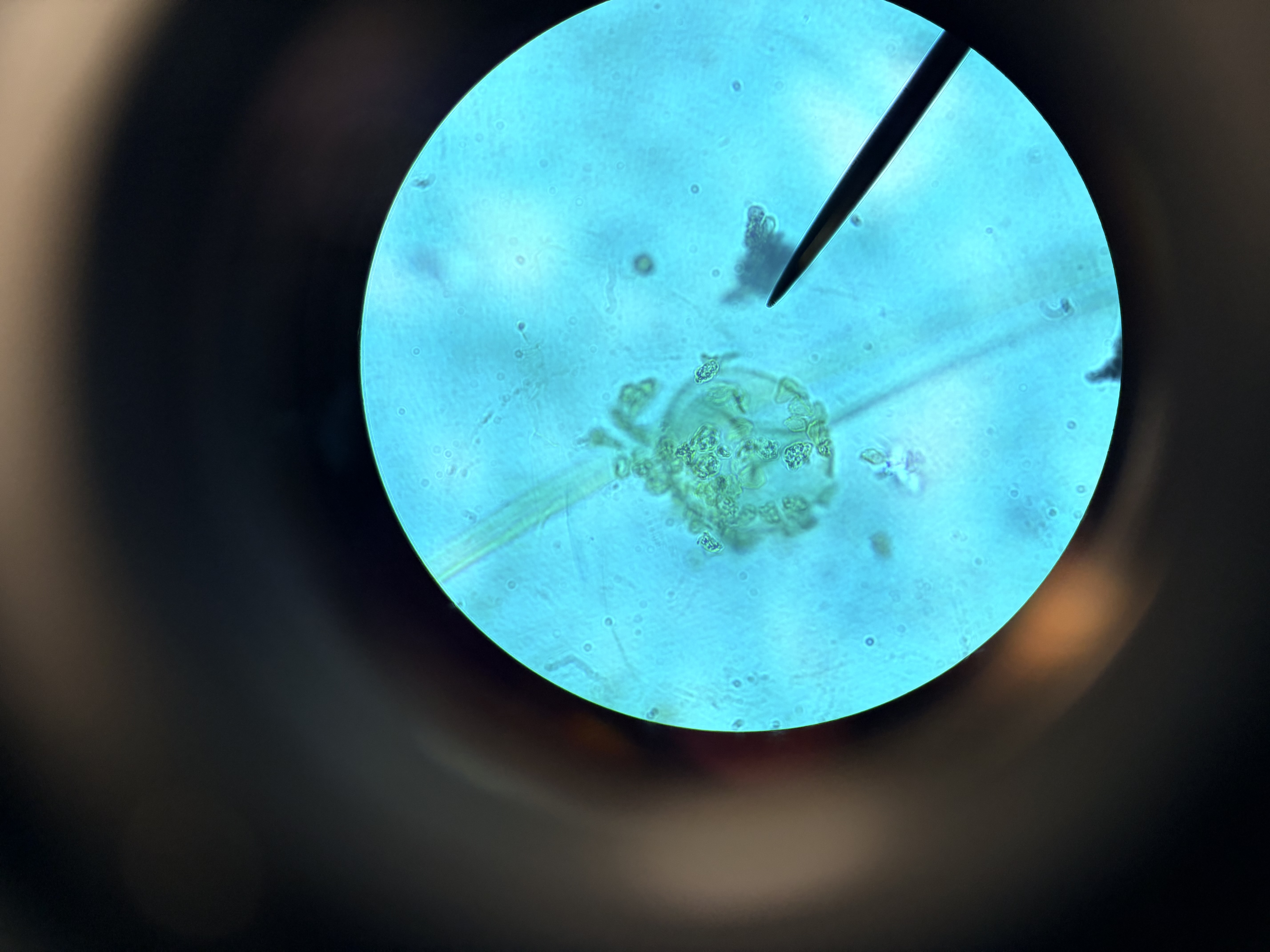
*What fungi is this
Rhizopus in 100x
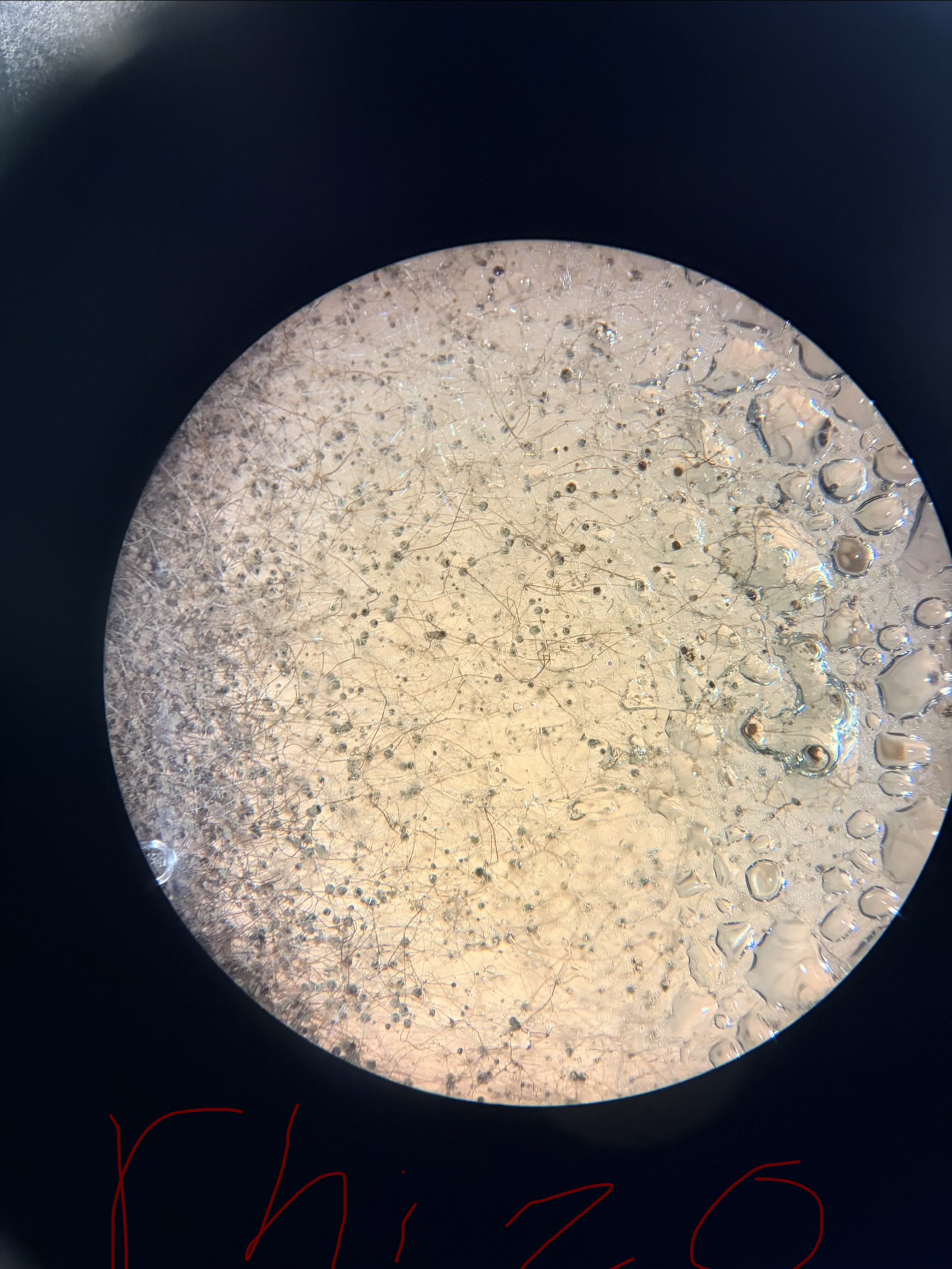
*What fungus is this
Rhizopus in 30x
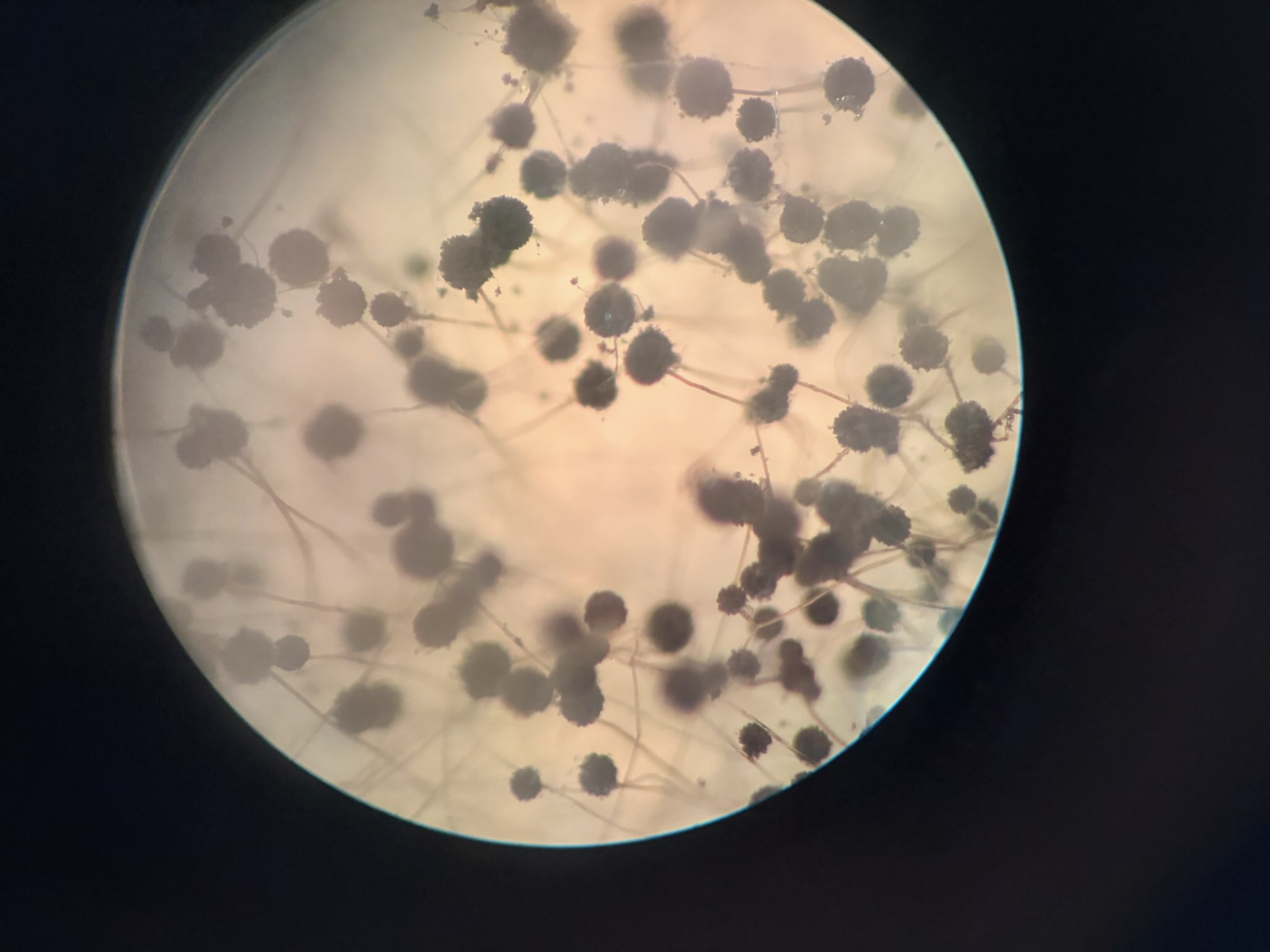
*What fungus is this
Aspergillus in 30x
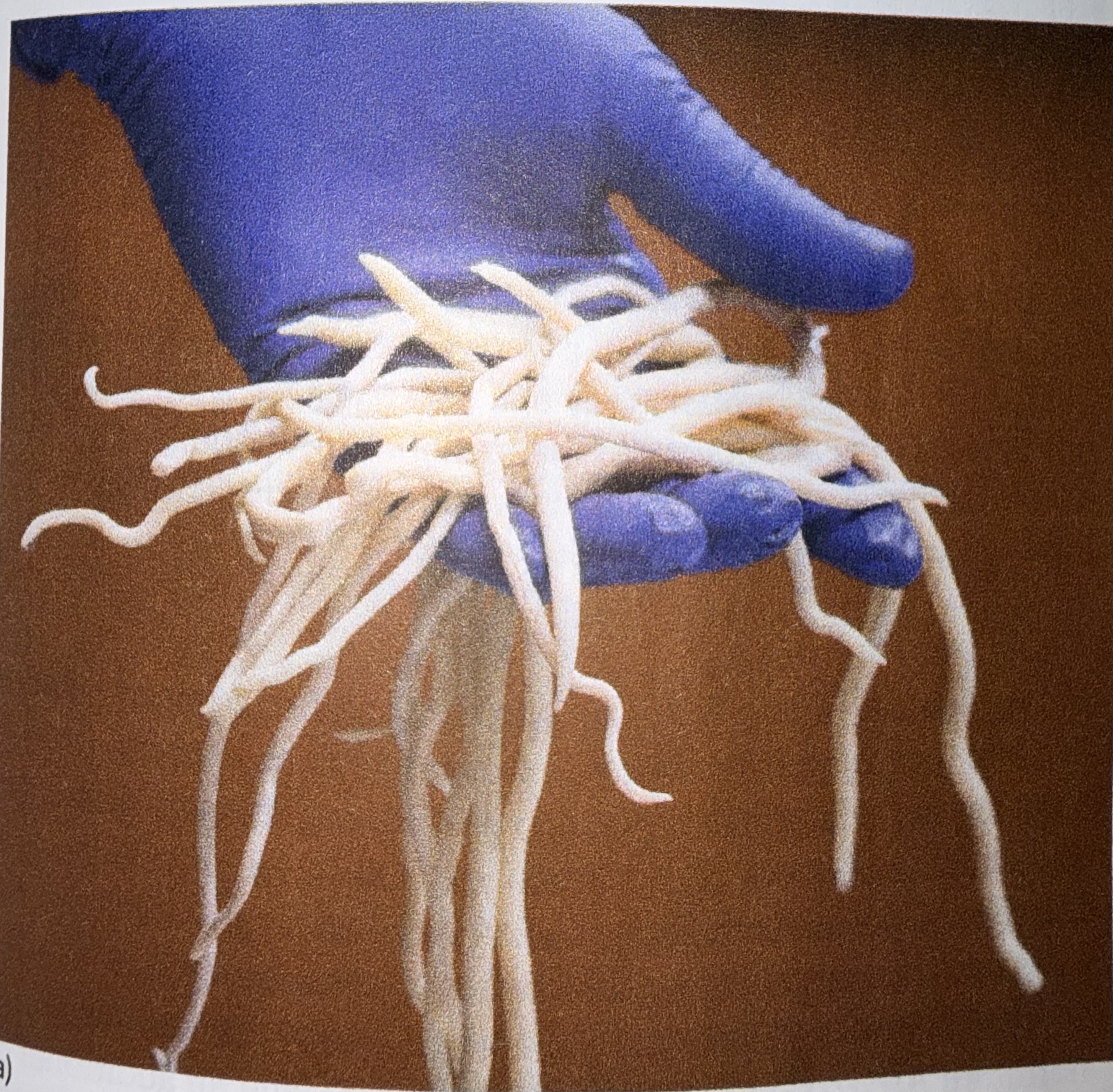
*What type of helminth is this?
Round worm
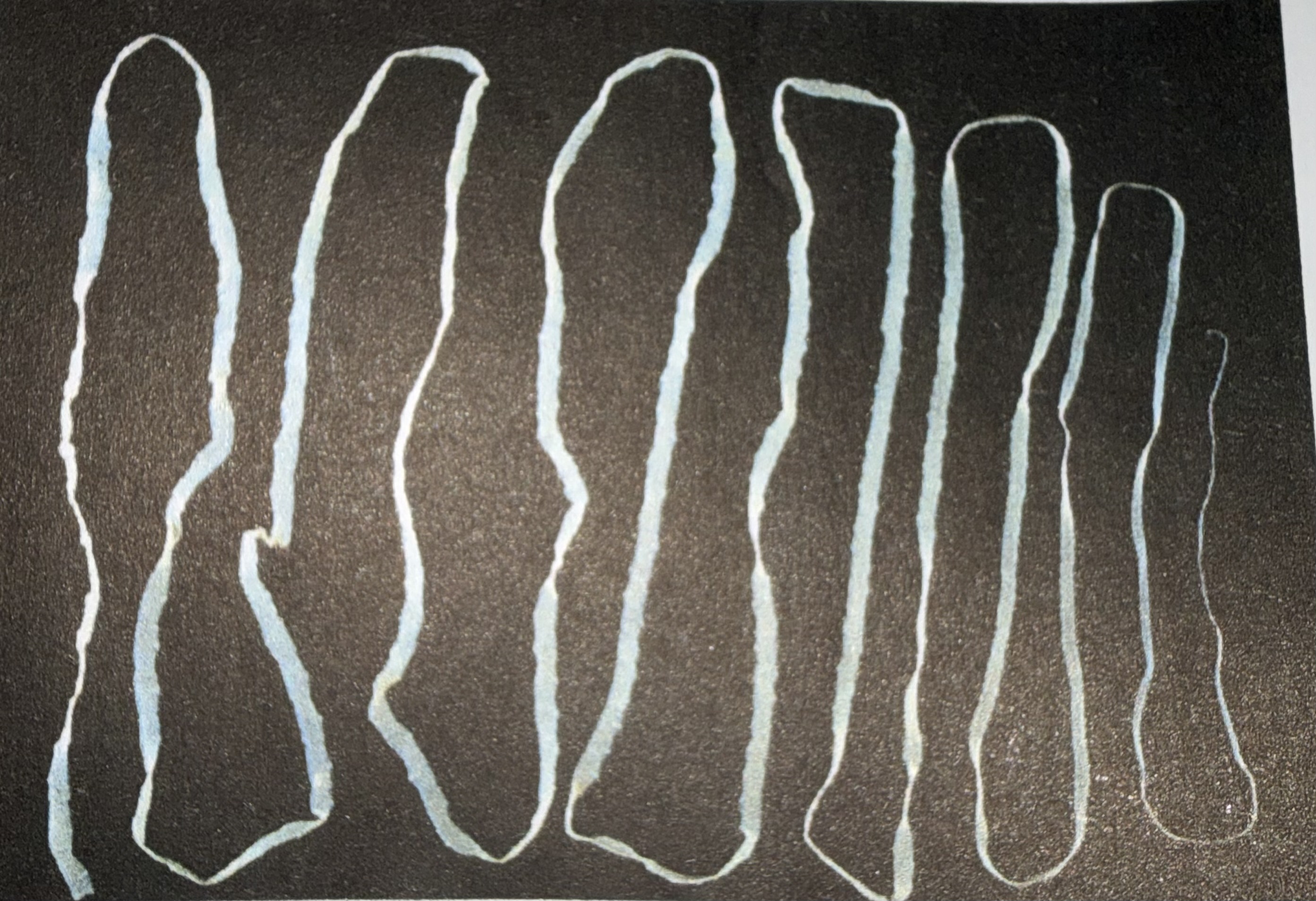
*What type of helminth is this?
Tape worm
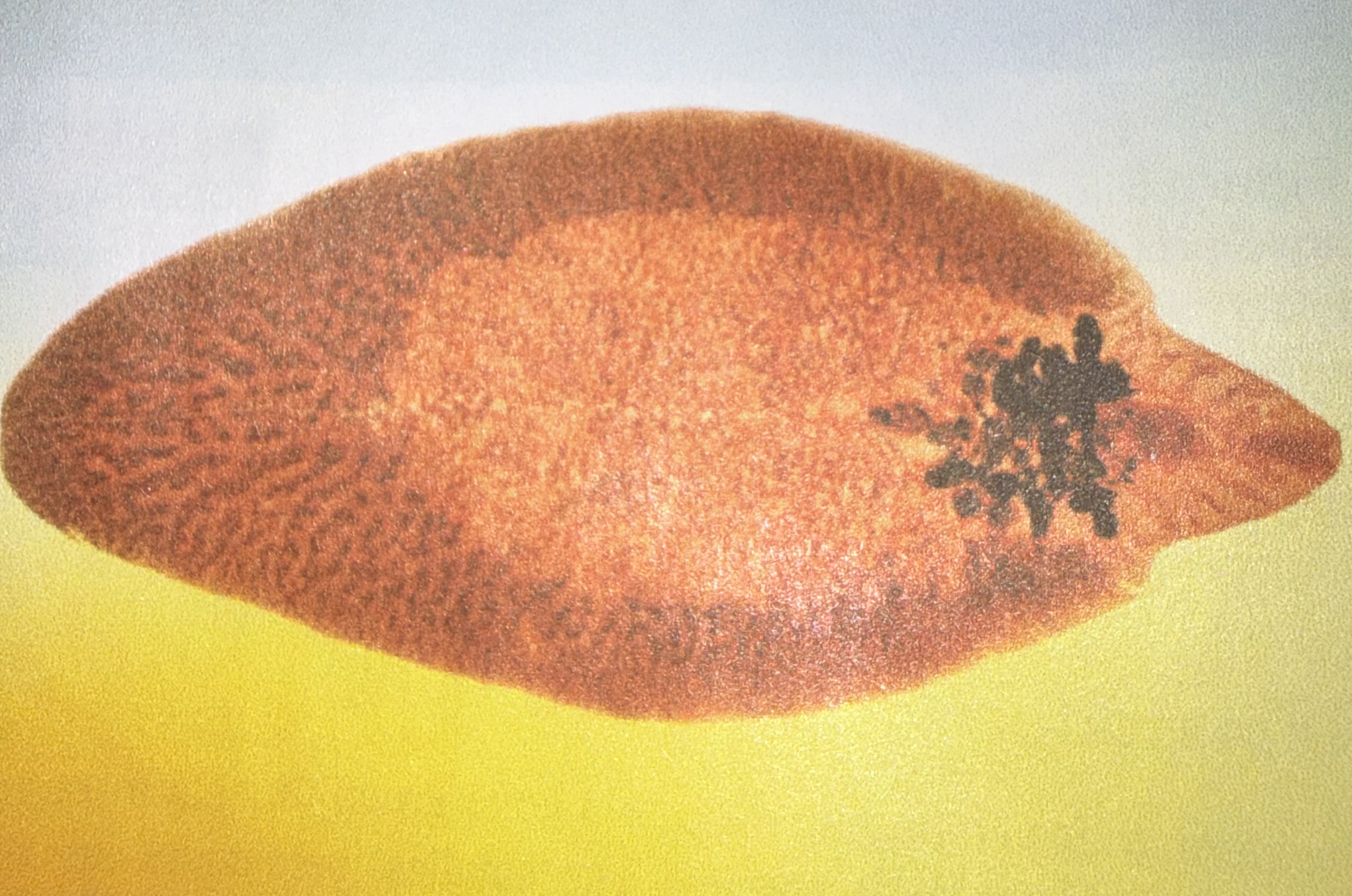
*What type of helminth is this?
Fluke
*biologically, helminths are closest to
humans
*treatment of helminthic infections is often difficult because
drugs which are effective at killing worms are often dangerous to their human host