gcm 210
 Call Kai
 Learn
Learn Practice Test
 Spaced Repetition
 Match
Match Flashcards
 Knowt Play
 Podcast
1/91

Earn XP
Description and Tags
midterm; lecture 1-4
Name | Mastery | Learn | Test | Matching | Spaced | Call with Kai | Chat |
|---|
No analytics yet
Send a link to your students to track their progress
92 Terms
what is packaging?
A coordinated system of preparing goods for transport, distribution, storage, retailing and use
what is consumer packaging?
A package that will ultimately reach the consumer as a unit of sale from a merchandising outlet
what is industrial packaging?
A package for delivering goods from manufacturer to manufacturer
usually contains goods or materials for further processing
the three levels of packaging?
primary
secondary
tertiary
what is primary packaging?
the first wrap or containment of the product that directly holds the product for sale
what is secondary packaging
a wrap or containment of the primary package
what is tertiary packaging
a wrap or containment whose prime purpose is to protect the product during distribution and to provide for efficient handling
what is a unit load
the three levels of packaging are assembled into a unit load form — a group of distribution packages assembled into a single unit for the purpose of mechanical handling, storage and shipping
5 functions of a package
contain
protect
preserve
create convenience
provide information
functions of a package; contain
keeps the product together
aims to prevent leaks and spills
functions of a package; protect
aims to prevent physical damage and pilferage
best scenario: no packaging material necessary because product has good durability
one of the most important factors to show service quality of manufacturers
what tests are conduct to check the package’s protection performance
compression test
vibration test
impact tests (drop test, incline test)
functions of a package; preserve
mostly refers to the extension of shelf life beyond the product’s natural life or the maintenance of sterility in food or medical products
biotic vs abiotic spoilage
biotic: caused by microorganisms
abiotic: caused by external factors (oxygen, moisture, light, temperature, loss/gain of volatiles
examples of preservation packaging problems and solutions?
oxygen → determine required barrier level
carbon dioxide → determine required barrier level
other volatiles → determine nature and barrier level
light → design opaque package
spoilage → determine nature/chemistry
biological deterioration → determine nature
deterioration over time →determine required shelf life
what can be used to extend shelf life?
oxygen scavengers
permeability of packaging materials
modified atmosphere MAP packaging
functions of a package; convenience
convenience for consumers:
special openings, reseals, lids, etc.
universal packaging design
barrier free packaging design
fillers/distributors/retailers:
specialized structures, coding systems for tracking, display systems, easy to handle, minimize waste
functions of package; information
packaging is the main way of identification
communication
last chance advertising
legal regulations
links multiple media/printing methods
the consumer packaging and labelling act
A. the common or generic name of the product
B. declaration of net quantity, generally in numerical count or metric units of measurement
C. identity and address of the person by or for whom the product was manufacturerd, sold or imported (dealer identification)
life cycle of packaging
raw material extraction → manufacturing → distribution → use → end of life
substrate vs materials
substrate in what we print on, materials are what we do not directly print on
beer bottle; paper label = substrate, glass = material
glass (packaging)
one of the oldest forms of packaging, provides UV protection.
glass (packaging) workflow
ingredients are mixed → melted → formed → annealed → inspected → surface treatment → packaging and delivery
ingredients of glass
silica sand, soda ash and limestone - cullet (recycled glass too)
melted at temps over 1000-1500 deg
what is gob
the amount of glass needed to make a bottle
advantages of glass
inert (does not interact with what it contains)
great for long term storage
good vertical strength for stacking
can be hot filled
highly recyclable
disadvantages of glass
heavy
dangerous when broken
high energy costs for manufacturing
cleaning glass is not so GREEN
expensive equipment
forming of glass
first makes a parison or blank mold which is to be formed further by either:
blow and blow BB
press and blow PB
narrow neck press and blow NNPB
annealing of glass
glass leaves the former at around 450 dec. Celcius
allowing glass to cool slowly to remove stresses + improve durability
surface treatment/coating of glass
glass is prone to surface scratches from friction → coating reduces this.
container design of glass
round and cylindrical are stronger and easier to form
tall narrow designs are more vulnerable to tipping
tapered necks are required for pouring
wide mouth works better for thicker semisolids
recessed areas for labelling, or fired screen printing
types of metal cans - geometry
tall cans, short cans, shallow cans
materials for cans
metal is 60-70% of the cost in can making. made of:
aluminum
tinplate
composition of a 3 vs 2 piece can
3 piece can:
bottom lid
cylindrical body
top lid
2 piece can:
a bottom integrated with a bottom lid
lid
benefits of 2 vs 3 piece cans?
manufacturing of 2 piece cans are faster than 3 piece cans, but limited in size
draw mechanisms for 2 piece cans
shallow draw (pull)
depth no greater than diameter
pet food cans, tuna cans
draw and redraw DRD - soup cans
depth greater than diameter
soup cans
draw and wall iron
walls thinner than bottom
soda cans
metal can closures
plain, ring pull and stay on tab
advantages of metal cans
low cost
thermally stable
easy to process on high speed lines
readily recyclable
good moisture and light barriers
excellent for long term storage
strong
common can defects
all can bodies - low/uneven tin coating, badly formed flanges
coated surfaces - pinholes, poor adhesion, underfilm staining, cracks in coating
3 piece can bodies - poor weld strength, badly formed
2 piece draw and wall ironed bodies - pinholes in body
can ends (plain) - lining compound incorrect weight and bad placement
can ends (easy open) - broken/leaking rivets, residual score out of specification
what is paperboard
also known as cartonboard, cardboard, boxboard… grammage of 250 gsm or over
paperboard - pulp matters
mechanical pulp = stiffer but not as strong, lower density
chemical pup = stronger but not as stiff, higher density, better surface appearance
types of paperboard
solid bleached board SBB
solid unbleached board SUB
folding boxboard FBB
white lined chipboard WLC
solid bleached board SBB
paperboard made from virgin bleached chemical pulp
also called SBS
solid unbleached board SUB
paperboard made mainly from unbleached virgin chemical pulp
also called SUS
a layer of bleached fibers is sometimes added to the top to provide greater whiteness
folding boxboard FBB
made from a layer or layers of mainly virgin mechanical pulp sandwiched between layers of virgin chemical pulp
corrugated paperboard - composition
liner (outisde, medium, inside)
corrugated medium (fluting)
adhesive
types of corrugated paperboard
single face = A liner + A medium
single wall = two liners + A medium
double wall = three liners + two mediums
triple wall = four liners + three mediums
flutes sizes (thickest to thinnest)
A > C > B > E > F
the larger the flute, the ________ the strength
greater
the finer/smaller, the _________ the printing
better
grammage of corrugated paperboard (composition)
outside liner = 170
medium = 127C
inside = 170
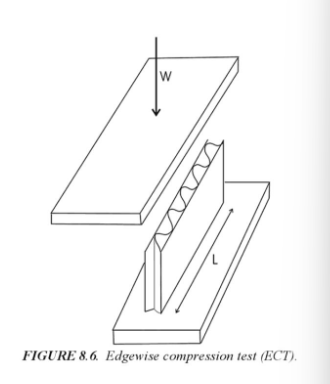
what is ECT - corrugated paperboard
ECT = edge wise crush test
the most significant of corrugated paperboard tests
measures the amount of force required to crush a piece of board standing on its edge with its flutes vertical
used to predict compression strength
types of boxes
regular slotted containers RSCs
Die cut containers
multi component designs
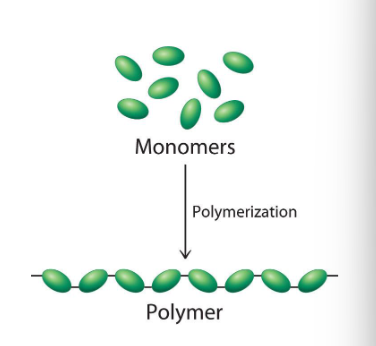
polymers vs monomers
polymers:
plastics and natural materials such as rubber/cellulose are composed of very molycules called poluymers
monomers:
polymers are constructed from relatively small molecular fragments knwon as monomesr that are joined together
two main class of plastics
thermoset plastics vs thermo plastics
thermoset plastics (thermosetting plastics)
contain polymers that cross link together during the curing process to form an irreversible chemical bond
always remain in a permanent solid state
epoxy, melamine formaldehyde, polyester
thermo plastics
the curing process is completely reversible
can be remelted back into liquid
generally used for packaging
poyethylene, polyprophylene, polystyrene, nylon
pros and cons - thermoset plastics
pros
more resistant to high temperatures than thermoplastics
excellent aesthetic appearance
high levels of dimensional stability
cost effective
cons
cannot be recycled
cannot be remolded or reshaped
pros and cons - thermoplastics
pros
highly recyclable
high impact resistance
remolding/reshaping capabilities
chemical resistant
eco friendly
cons:
generally more expensive than thermoset
can melt if heated
crystallinity
he degree of structural order in a solid, representing the percentage of a material that forms a highly ordered, repeating, 3D crystal lattice rather than a disordered (amorphous) structure.
as crystallinity increases: density, tensile strength, compression strength increases. permeability and clarity decreases
types of PE
polyethylene = PE
low density LDPE
linear low density LLDPE
high density HDPE
density of plastic = densest to least
HDPE > LLDPE > LDPE
PE - LDPE
low density polyethylene
flexible
natural milky colour, transulcent
predominantly used in film applications due to toughness, flexibility and relative transparency
popular for heat sealing
excellnt resistance to acids, bases and vegetable oils
PE - LDPE
low density polyethylene:
common packaging applications (dry cleaning, newspapers, bread, frozen food, etc.)
shrink wrap and stretch film
coatings for paper milk cartons and hot/cold bev cups
container lids
PE - LLDPE
linear low density polyethylene:
flexibke
natural milky colour, translucent
common used for stretch wrap
PE - HDPE
high polyethyloene
flexible
milky white; more opaque than LDPE LLDPE
common application:
milk bottles, water, juice, cosmetics
plastic — PP
polyprophylene
common packaging material for
margarine, takeout meals and deli meals packaging
medicine bottles
bottle caps and closures
bottles for catsup and syrup
plastic — PET
polyethylene terephthalate
excellent barrier to oxygen, water and carbon dioxide
excellent resistance to most solvents
safe but known to allow bacteria to accumulate
food safe
plastic - PVP
polyvinyl chloride
high impact strength, brilliant clairty, excellent processing performance
good resistance to oil and grease and chemical
construction purposes
plastic — PS
polystyrene
rigid container having thin walls (ex. yoghurt)
excellent moisture barrier for short shelf life products
health risk when heated - toxic chemicals
types of plastic cushion foams
EPE and EPS
plastic cushion foams - EPE
expanded polyethylene
made by expanding polyethylene beads with steam, pressure and blow agent
lightweight, flexibke
strong cushioning, shock proofing capabilities
plastic cushion foams - EPS
expanded polystyrene
made by expanding polystyrene beads with steam, pressure, and blow agent
low thermal conductivity and excellent insulation
STYROFOAM
light and rigid
lower material cost than EPE
labels - wet glue
“gummed”
needs to have an adhesive applied before application
beer, canned goods
choose substrate based on application and storage
labels - in mould
provided preprinted and precut in stacks
applied during manufacturing (placed in the mould)
molten plastic is then injected
label - sleeves
aka shrink sleeves
provides tamper evidence option
can combine 2 packs into 1
reverse printing is possible
advantages of aluminum foil
resistance to corrosion (oxidation)
non absorbent
stable in cold conditions
mostly no toxic residues or reaction
conductive
disadvantages of aluminum foil
loses strength above 150 deg. C
not ductile
prone to flex cracking
corrods with strong acids, mild alkalines (soaps) and salts
two types of shoppers
planned finders vs exploratory shoppers
3 components of branding package
strucutral components - physical form
dimension, shape, materials
graphic components - brand identity and information
colours, pictures, logo and slogan
tactile components - physical experience
material textures
stages of the product life cycle
introduction
growth
maturity
decline
time
when does brand packaging redesign typically occur?
brand positioning has shifted
target consumers have changed
market competition has intensified
sustainability or regulatory requirements evolve
existing design no longer stands out