Macromolecules & Microorganisms in Disease
 Call Kai
 Learn
Learn Practice Test
 Spaced Repetition
 Match
Match Flashcards
 Knowt Play
1/30

Earn XP
Description and Tags
These are flashcards of Nurse Cheung's Macromolecules & Microorganisms in Disease Study Guide YouTube video.
Name | Mastery | Learn | Test | Matching | Spaced | Call with Kai |
|---|
No analytics yet
Send a link to your students to track their progress
31 Terms
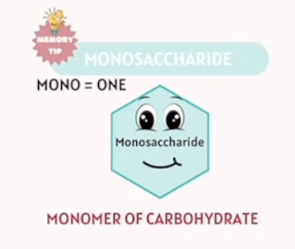
What is the monomer of carbohydrates?
Monosaccharide
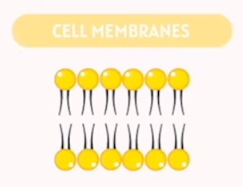
Which type of macromolecule plays a key role in forming cellular membranes?
Lipids
Which of the following is a characteristic of fungi?
They have a cell wall made of chitin
Which type of microorganism causes malaria?
Protozoa
What is a unique feature of viruses compared to other microorganisms?
They require a host cell to replicate
Which microscope would be best for viewing the detailed external morphology of a microoarganism?
Scanning Electron Microscope (SEM)
Which type of transmission involves infectious particles suspended in the air over time and distance?
Airborne transmission
Which disease is known to be transmitted through droplet spread?
Influenza
What do Carbohydrates consist of?
Carbon, hydrogen, and oxygen atoms (CHO)
What are Lipids?
Diverse group of organic compounds consisting of fats, waxes, and vitamins
Bonus: (CHO)
What are proteins?
Large biomolecules and macromolecules that comprise one or more long chains of amino acids
Bonus: (CHON)
What are Nucleic Acids?
Large biomolecules in all cells and viruses
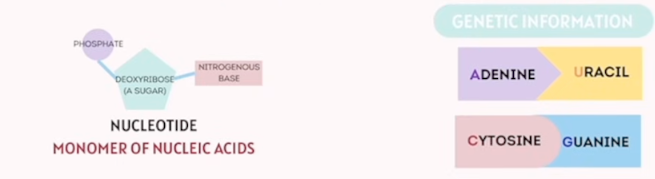
Sugar, phosphate, and nitrogenous base
Bonus: (CHONP)
What is a Monomer?
A building block - a molecule that can react together with other monomers to form a larger polymer chain
What do words ending with “ose” mean?
They are some form of carbohydrate
What are the different types of Saccharides?
Monosaccharide - Single, simple sugar molecules. They are the building blocks of all other saccharides
Examples: Glucose, Fructose, Galactose
Disaccharide - Molecules formed when two monosaccharides are linked together
Example: Sucrose, Lactose, and Maltose
Polysaccharide - Long, complex chains of monosaccharide units linked together. They function primarily as energy storage or structural components
Example: Starch, Glycogen, and Cellulose
Why are carbohydrates important to an organism’s structure and function?
Cell Walls:
Cellulose - Plant cell wall
Chitin - Fungi cell wall
Cellular Respiration:
Glucose - an energy source; used to make ATP
ATP - Adenosine and Triphosphate
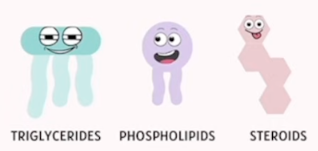
What are the different types of lipids?
Triglycerides, Phospholipids, and Steroids
Which of these in Incorrect about Lipids?
Lipids are mainly made of sugars and carbs
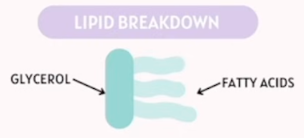
Why are Lipids important to an organism’s structure and function?
Cell membranes
Long-term energy storage
Insulation
Carries electrical impulses (in myelin sheath)
Temperature regulation (in animals)
Hormones
Why are Proteins important to an organism’s structure and function?
Amino Acid - Monomer of protein
Structure
Muscle Tissue
Hair Follicle
Collagen
Cell Membranes/Receptors
Protein Channels
Cell Receptor
Enzymes/Antibodies/Hormones
Why are Nucleic Acids important to an organism’s structure and function?
Nucleotide - Monomer of Nucleic Acids
Genetic Information
What does Pathogenic mean?
Bacteria, Viruses, and other types of germs that can cause some kind of disease
What does Virulence mean?
How severe or harmful the disease is
What is a Virus?
A pathogen that is an Intracellular Obligate Parasite (not alive; becomes active when inside of a host)
Size - 20 to 400 nM
Genome - containing both DNA and RNA
Contains both a Genome (the center) and a Capsid (outside shell)
Disease examples: Chicken pox, HIV, COVID, common cold, HPV, Polio
What is a Bacteria?
A living organism, Prokaryote (DNA floats freely in a central region of the cell called the nucleoid, without a membrane) with two types of walls: Gram positive (thick cell wall) and Gram Negative (thin cell wall and additional outer membrane)
Size - 0.2 to 15 microns
Two different shapes: Cocci (circle bacteria) and Bacilli (rod bacteria)
Two main formations: Staph (cluster formation) and Strep (line formation)
Aerobic (needs oxygen) and Anaerobic (doesn’t need oxygen)
Disease examples: Chlamydia, Community-Acquired Pneumonia, Streptococcus (Strep Throat), Tetanus
What is a Fungi?
A living organism, Eukaryotic (DNA is securely enclosed within a distinct, membrane-bound nucleus)
Size - 2 to 200 microns
Chitin - Cell Wall
Reproduces both sexual and asexual (through spores)
Disease examples: Ringworm, Athletes Foot, Thrush
What is a Protozoa
A living organism, Eukaryotic (DNA is securely enclosed within a distinct, membrane-bound nucleus) that consists of cysts
Size - 1 to 50 microns
Unicellular - a living thing that is made of only one single cell
Disease examples: Malaria, Giardiasis
What are Animals?
A living organism, Eukaryotic (DNA is securely enclosed within a distinct, membrane-bound nucleus) consisting of Helminths (worms) and Ectoparasites
Size - 3 mL to 10 m
Helminths shape matters: Round (Hookworms), Flat (Tapeworms), Flukes (Liver Flukes)
Ectoparasite Examples: Mites, Fleas, Bed Bugs, Ticks
What is the difference between Infectious and Non-Infectious diseases?
Infectious - can be spread from one person to another
COVID
Flu
Chicken Pox
Non-Infectious - Cannot be spread from one person to another and not cause by microorganisms
Diabetes
Heart Disease
Cancer
What are ways Infectious Diseases can spread?
Direct:
Direct Contact
Oral Secretions
Blood
Infectious Fluids
Droplet Spread
Infection Droplets (typically less than 2 meters)
Indirect:
Airborne Spread - Infectious agents carried by dust
Fomite Transmission - Contact with infected surfaces
Hard Surfaces like plastic, stainless steel can contain viruses longer
Porous Surfaces like fabrics are less likely to have long-living viruses
Vector:
Active - Biological Vectors
Passive - Mechanical Vectors
What is the difference between Magnification and Resolution in Microscopes?
Magnification - Action or process of magnifying something (makes it bigger, duh)
Resolution - Ability of microscope to distinguish details of a specimen or sample