DK Ching VD - Structure
 Call Kai
 Learn
Learn Practice Test
 Spaced Repetition
 Match
Match Flashcards
 Knowt Play
1/116

There's no tags or description
Looks like no tags are added yet.
Name | Mastery | Learn | Test | Matching | Spaced | Call with Kai |
|---|
No analytics yet
Send a link to your students to track their progress
117 Terms
structure
a stable assembly of structural elements designed and constructed to function as a whole in supporting and transmitting applied loads safely to the ground without exceeding the allowable stresses in the members
linear structure
a structural member having a length that dominates its other two dimensions
surface structure
a structural member having a length and width that dominates its thickness
rigid
of or pertaining to a structure or structural member having a shape that does not change appreciably under the action of an applied load or changing loads
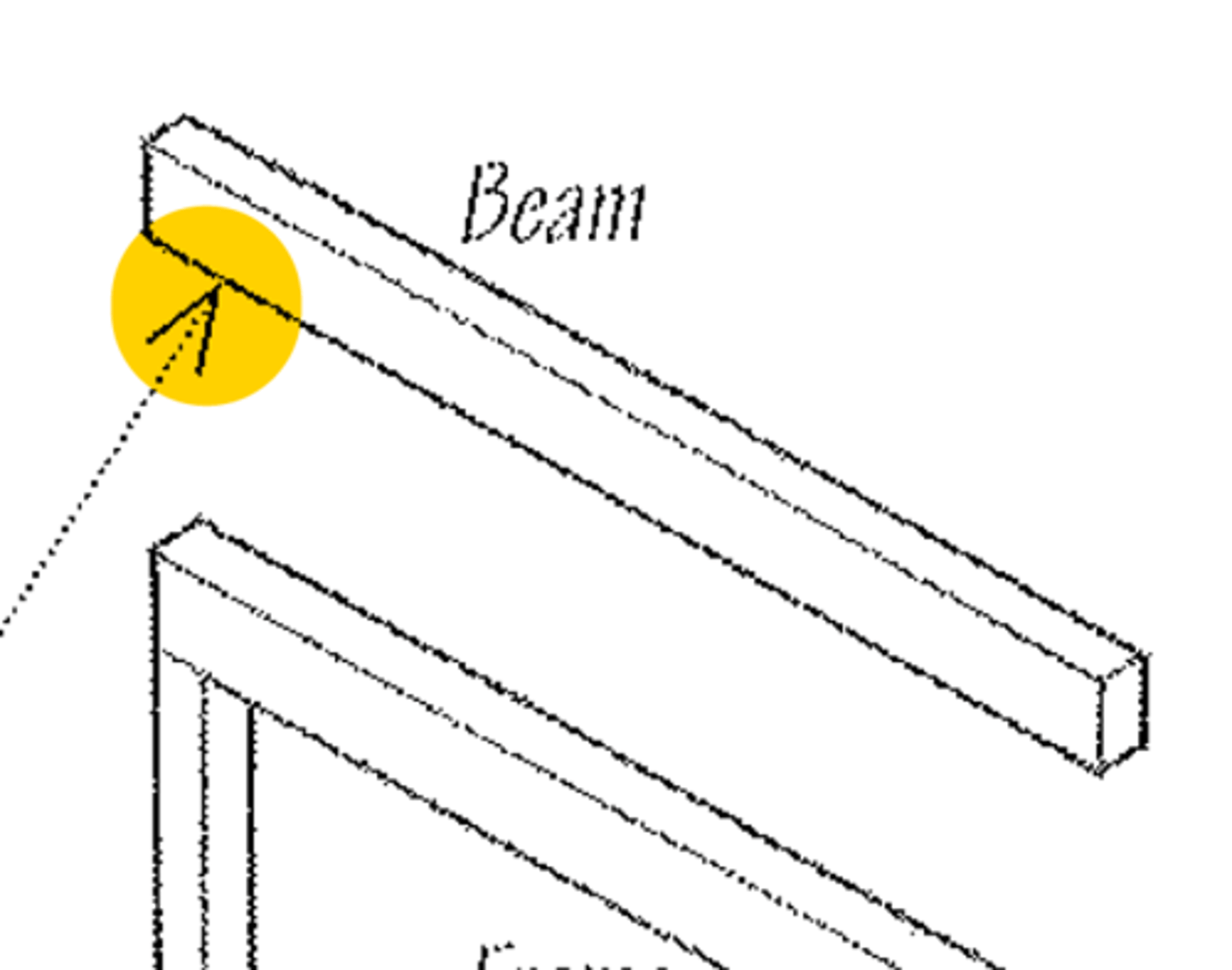
bulk-active structure
a structure or structural member that redirects external forces primarily through the bulk and continuity of its material, such as a beam or column
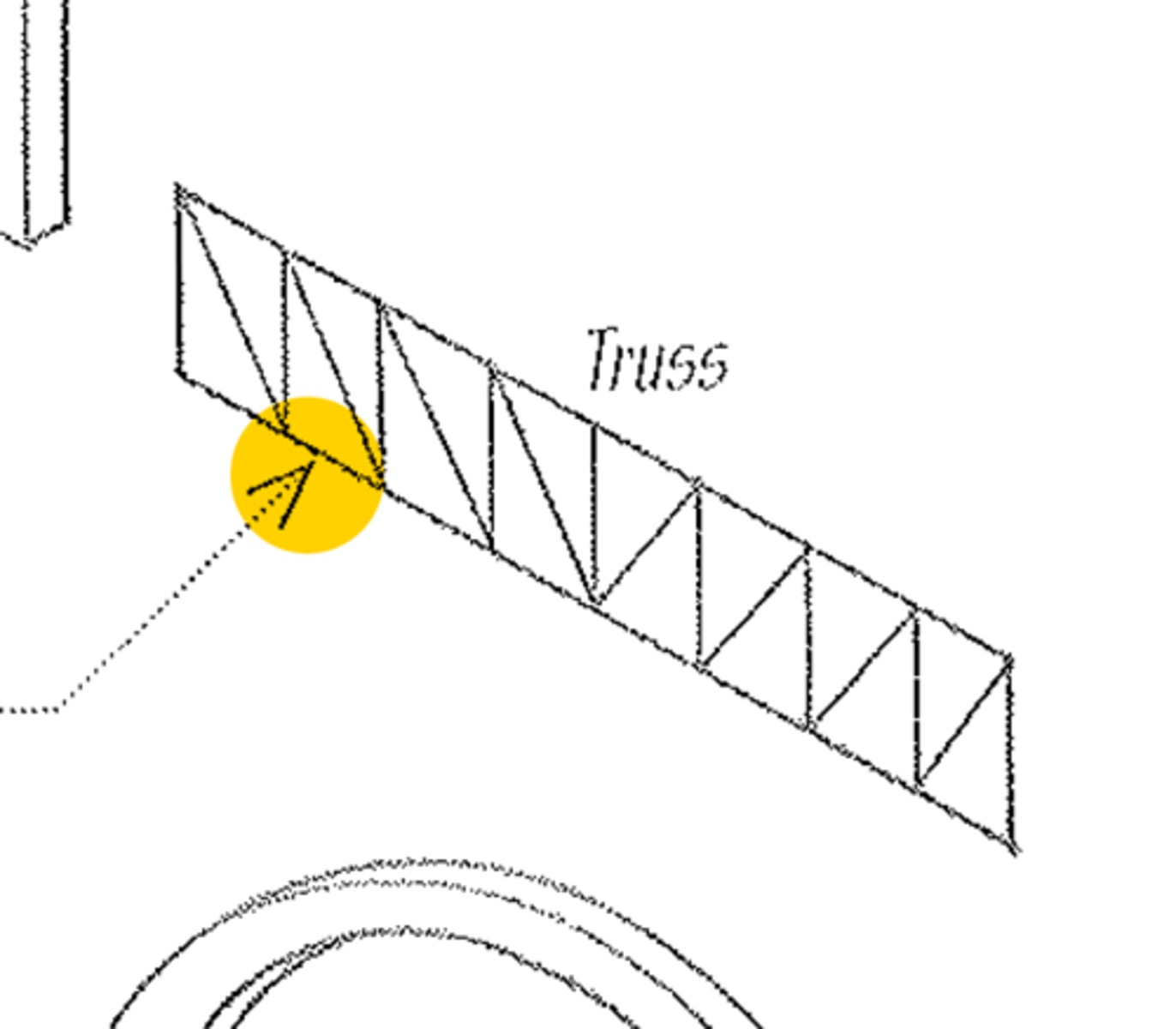
vector-active structure
a structure that redirects external forces primarily through the composition of tension and compression members, such as a truss
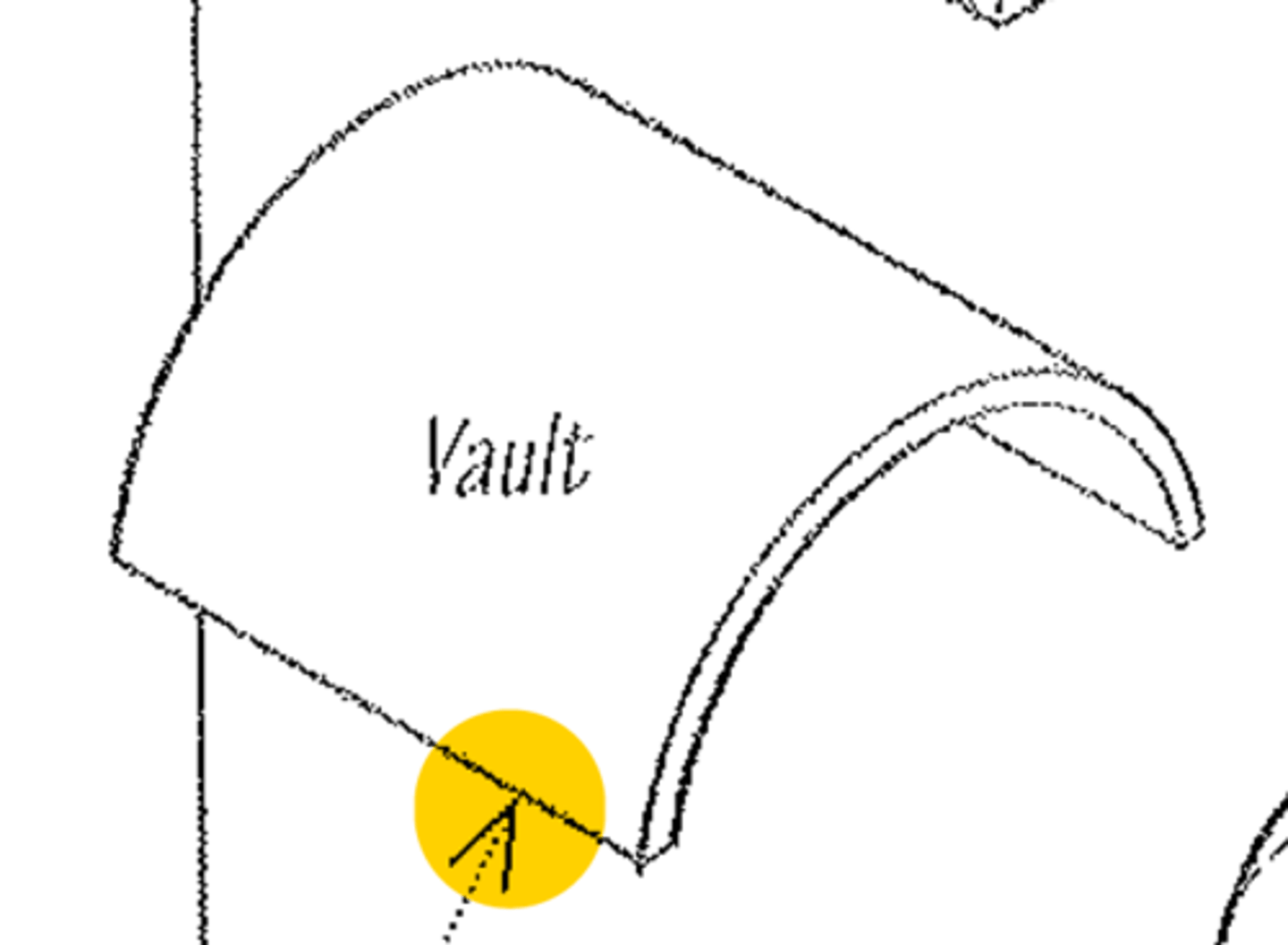
surface-active structure
a structure that redirects external forces primarily along the continuity of a surface, such as a plate or shell
flexible
of or pertaining to a structure or structural member characterized by a lack of stiffness and having a shape that responds to changes in loading
form-active structure
a structure or structural member that redirects external forces primarily through the form of its material, such as an arch or cable
tensegrity
contraction of tensional integrity: a term attributed to Buckminster Fuller, describing a structure whose stability is based on a balance between tensile and compressive forces
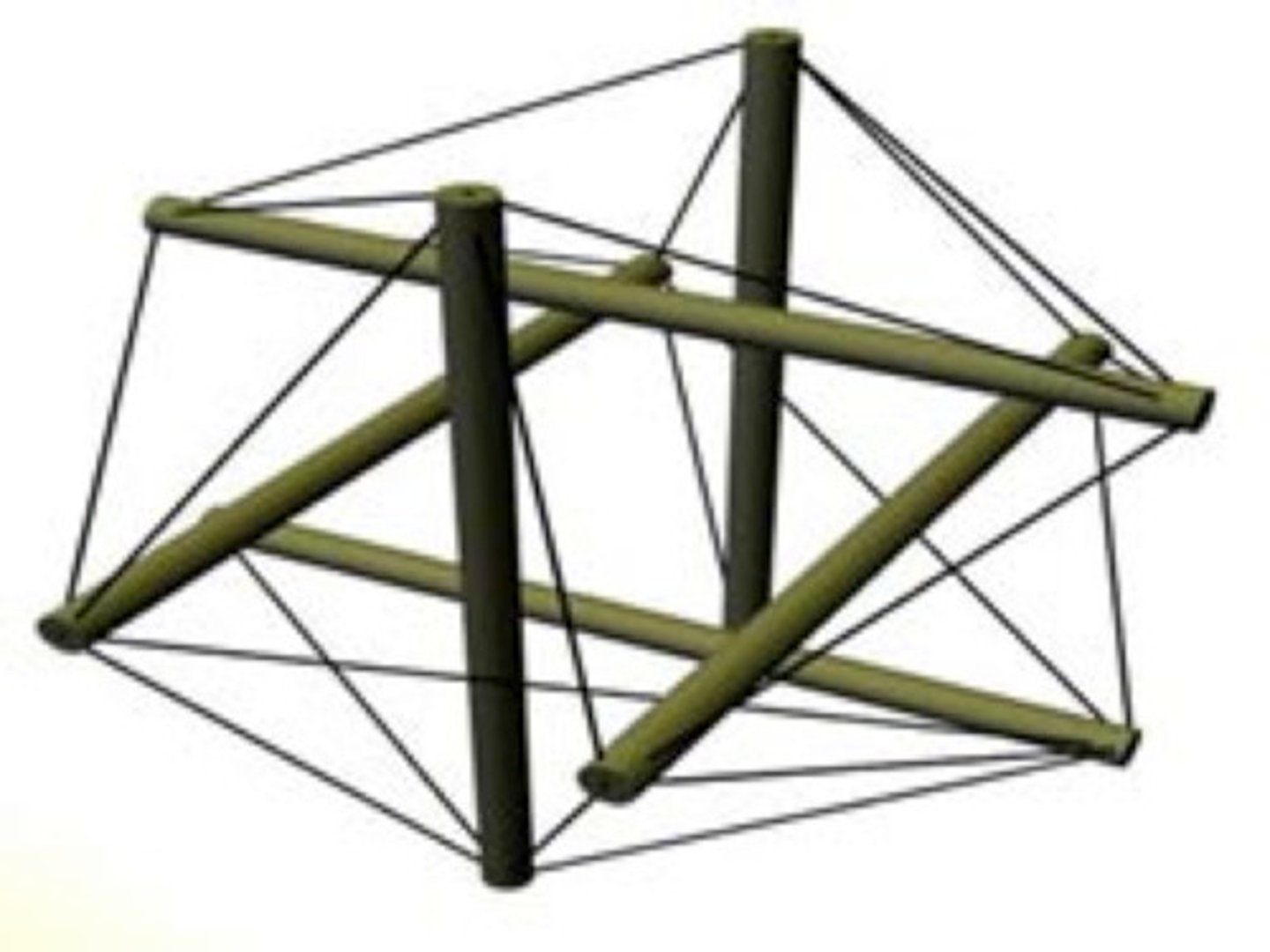
tensegrity structure
a closed skeletal structure system composed of a set of three or more discontinuous compressive struts within a network of tensile tendons; no structural member experiences bending
structural member
one of the constituent parts into which a structure may be resolved by analysis, having a unitary character and exhibiting a unique behavior under an applied load
compression member
a structural member subject primarily to compressive forces
strut
a structural member designed primarily to resist longitudinal compression
tension member
a structural member subject primarily to tensile forces
tie
a tension member designed to keep two structural members from spreading or separating
bending member
a structural member subject primarily to transverse forces
one-way
of or pertaining to a structure or structural member having a load-carrying mechanism that acts in one direction only
two-way
of or pertaining to a structure or structural member having a load-carrying mechanism that acts in two or more directions
structural unit
a discrete structure or assembly of structural members forming a spatial volume
bay
a major spatial division, usually one of a series, marked or partitioned off by the principal vertical supports of a structure
structural grid
a grid defining the principal points or lines of support for a structural system
regular grid
a structural grid having regularly repeating bays in two directions
double grid
a structural pattern consisting of to grids offset from each other and creating interstitial spaces between the bays
interstitial
forming an intervening space
transition structure
a structure mediating between two or more different structural patterns
irregular grid
a structural grid having irregularly shaped bays in one or more directions
slipped grid
a structural grid having points or lines of supports spaced uniformly in one direction but varying in the other
structural pattern
the arrangement of principal vertical supports for a structure, which influences the selection of an appropriate spanning system and establishes the possibilities for the ordering of spaces and functions
structural design
the process of arranging, interconnecting, sizing, and proportioning the members of a structural system in order to safely carry a given set of loads without exceeding the allowable stresses of the materials employed
allowable stress design
a method for sizing and proportioning a structural member based on the assumption that the service load will not stress the material beyond its allowable stresses; also called "elastic design", "stress design", "working stress design"
design load
a load used in structural design computations
allowable load
a load inducing the allowable stresses at a critical section of a structural member
service load
the maximum load a structure may be reasonably required to support during its useful life; also called "working load"
structural analysis
the process of determining the ability of a structure or any of its constituent members to safely carry a given set of loads without material distress or excessive deformation, given the arrangement, shape, and dimensions of the members, the types of connections and supports utilized, and the allowable stresses of the materials employed
limit state design
a structural design method that employs statistical probabilities to establish the acceptable reliability of a structure, based on the variability of anticipated loads, the variability in the strength of the materials and types of members used, and the variability of construction; also called "ultimate strength design" for concrete structures, and "load and resistance factor design" for steel and timber structures
limit state
a set of performance criteria that must be satisfied by a structure or structural component under loading
factored load
a design load equal to the service or nominal load multiplied by a load factor or a factor of safety; also called "ultimate load"
factor of safety
the ratio of the maximum tress that a structural member can withstand to the maximum stress estimated for it in the use for which it is designed
load factor
any of the factors assigned to service or nominal loads to account for unavoidable deviations in actual loads from nominal values and for uncertainties in load analysis
load combination factors
any of several combinations of load factors for modifying the dead and live loads applied to a structure, based on the assumption that not all live loads will act simultaneously on a structure at their full value and that their combined effect can be reasonably expected to be less than the sum of their separate actions
resistance factor
any of the factors assigned to different material properties and failure mechanisms to account for the variability in the nominal strength of different types of structural members and for the manner and consequences of failure; generally reduce the nominal strength of structural materials and members
resistance
the capacity of a structural material or component to resist the effects of loads, as determined by computation using specified material strengths and dimensions and formulas derived from accepted principles of structural mechanics
load trace
the process of modeling how a structure collects, channels, and redirects the loads; also called "load flow"
tributary area
the portion of a structure contributing to the load on a structural element or member
tributary
channeling into something more inclusive
load strip
the tributary area per unit length of a supporting structural member
tributary load
the load on a structural element or member collected from its tributary area
primary member
a structural member essential to the stability of a structural whole; also called "main member"
secondary member
any structural member supported by a primary member
tertiary member
any structural member supported by a secondary member
bearing
a point, surface, or mass that supports weight
bearing stress
the stress developed between a bearing member and an underlying support, equal to the quotient of the magnitude of the forces transmitted and the area of contact between the two elements
structural failure
any condition, such as fracturing, buckling, or plastic deformation, that renders a structural assembly, element, or joint incapable of sustaining the load-carrying function for which it was designed
support condition
the manner in which a structural member is supported and connected to other members, affecting the nature of the reactive forces developed on the loaded member
point of support
a point on a structural member at which its reaction to a load is transmitted as a force to a supporting member
unrestrained member
a structural member permitted to rotate freely about a point of support
roller support
a structural support that allows rotation but resists translation in a direction perpendicular into or away from its face
cable support
a cable anchorage that allows rotation but resists translation only in the direction of the cable
pin joint
a structural connection that allows rotation but resists translation in any direction; also called "hinge joint"
pin
a slender rod driven through holes in adjacent parts to keep the parts together or to permit them to move in one plane relative to each other
rigid joint
a structural connection that maintains the angular relationship between the joined elements, restrains rotation and translation in any direction, and provides both force and moment resistance; also called "fixed connection", "fixed joint"
fixed-end connection
a rigid joint connecting the end of a structural member to a support
anchorage
a means for binding a structural member to another or to its foundation, often to resist uplifting and horizontal forces
stability
the ability of a structure, when disturbed from a condition of equilibrium by an applied load, to develop internal forces or moments that restore the original condition
collapse mechanism
an unstable configuration of structural members susceptible to falling or breaking down under an applied load without a change in length of any individual member
lateral bracing
stabilizing a structural system against lateral forces by means of diagonal or cross bracing
brace
a structural element for positioning, supporting, strengthening, or restraining the members of a structural frame
diagonal bracing
a system of inclined members for bracing the angles between the members of a structural frame and ensuring the lateral stability of the whole
sway brace
a diagonal member for bracing a structure against lateral forces
cross bracing
a pair of transverse braces for stabilizing a structural frame against lateral forces; also called "X-bracing"
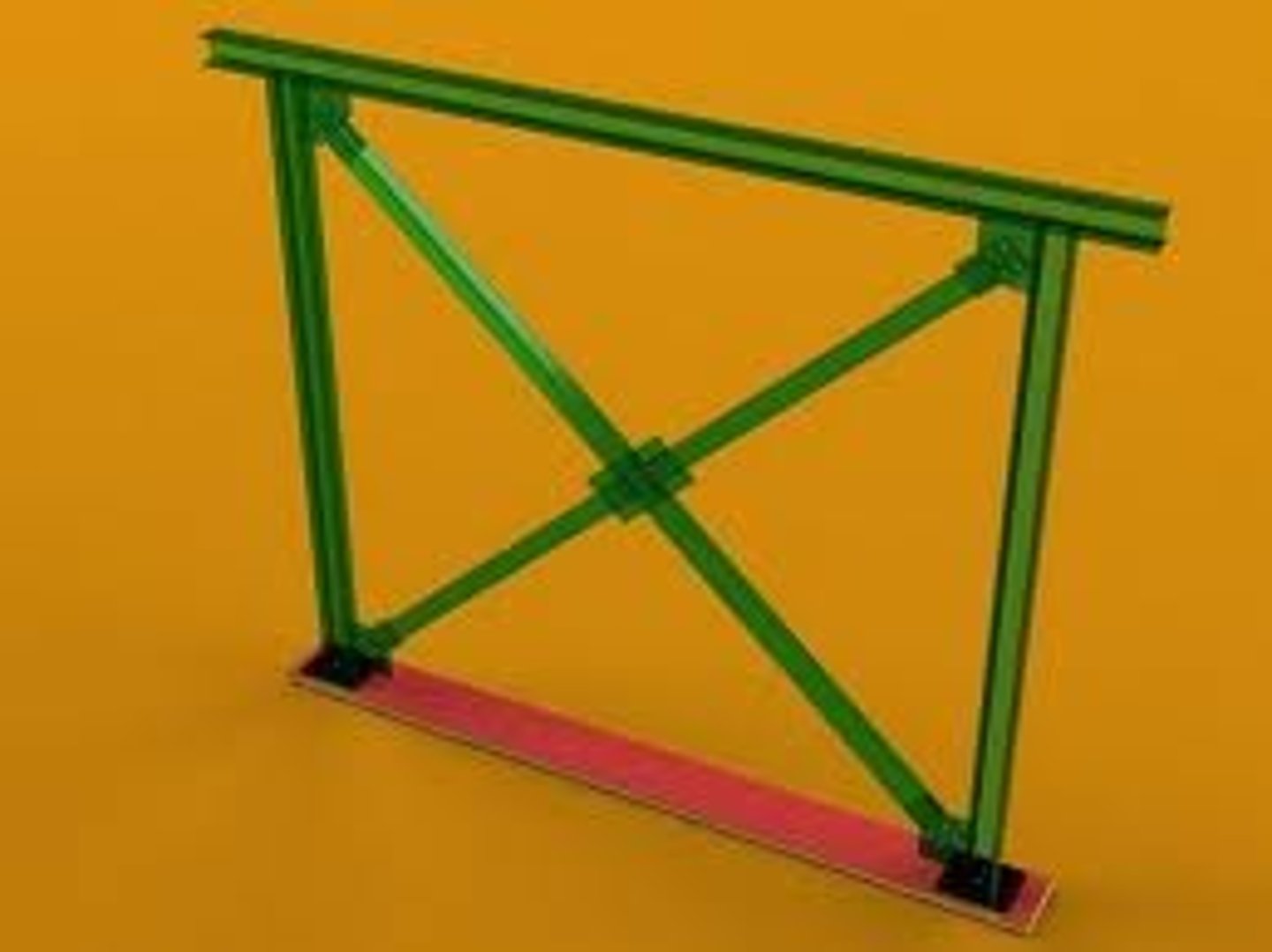
K-brace
a pair of diagonal braces for stabilizing a structural frame against lateral forces, meeting at some point along the length of a member of the frame
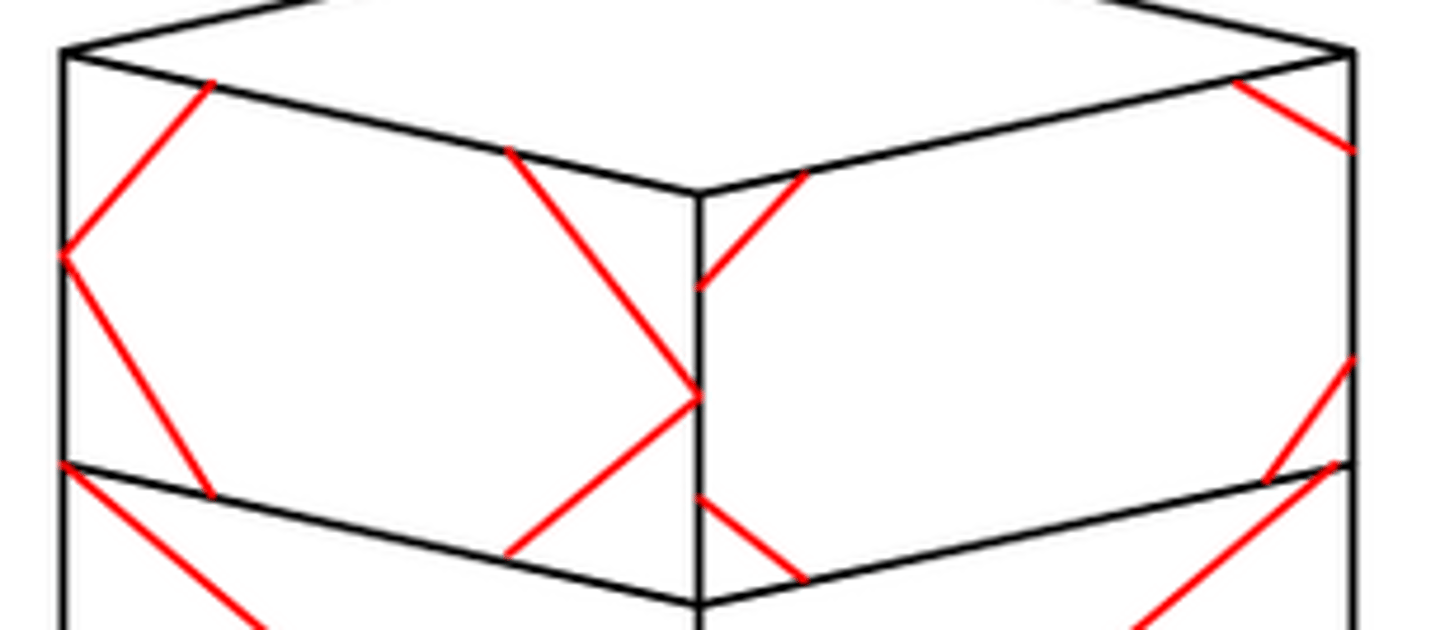
knee brace
a diagonal member for bracing the angle between two joined members, being joined to each partway along its length
lateral stability
the ability of a structure to resist lateral forces without sliding, overturning, buckling, or collapsing
racking
the straining and distortion of a structural frame by lateral forces
braced frame
a structural frame of linear members made rigid by a system of diagonal members
diaphragm
a relatively thin, rigid structural member capable of withstanding shear when loaded in a direction parallel to its plane
horizontal diaphragm
a rigid floor or roof plane acting as a thin, deep beam in transferring lateral forces to vertical shear walls, braced frames, or rigid frames
shear wall
a vertical diaphragm acting as a thin, deep cantilever beam in transferring lateral loads to the ground foundation
regular structure
a structural system characterized by the symmetrical configuration of mass and lateral force-resisting elements and having no significant discontinuities of stiffness or strength
dual system
a structural system for resisting lateral forces, combining the ductility of a moment-resisting frame with the rigidity of a shear wall
bearing wall system
a structural system consisting of vertical planar elements for supporting gravity loads and shear walls or braced frames for resisting lateral forces
frame system
a structural system consisting of a three-dimensional array of interconnected linear members that functions as a complete, self-contained unit in supporting gravity loads and shear walls or braced frames for resisting lateral forces
moment-resisting frame
a frame system designed to resist lateral forces primarily by flexure in the members and joints
eccentric bracing
a structural system for resisting lateral forces, combining the ductility of a moment-resisting frame with the rigidity of a braced frame
center of resistance
the centroid of the vertical elements of a lateral force-resisting system, through which the shear reaction to lateral forces acts; also called "center of rigidity"
irregular structure
a structural system characterized by any of various plan or vertical irregularities, such as a soft or weak story, a discontinuous shear wall or diaphragm, or the asymmetrical layouts of mass or lateral-force resisting elements
torsional irregularity
the asymmetrical layout of mass or lateral force-resisting elements, resulting in noncoincident centers of mass and resistance and causing the story drift at one end of the structure to be more than the average of the story drifts at both ends
reentrant corner
the plan configuration of a structure and its lateral force-resisting system having projections beyond a corner significantly greater than the plan dimension in the given direction
seismic joint
a joint that physically separates two adjacent building masses so that free vibratory movement in each can occur independently of the other
discontinuous diaphragm
a horizontal diaphragm having a large cutout or open area, or a stiffness significantly less than that of the story above or below
nonparallel system
a structural system having lateral force-resisting elements neither parallel nor symmetrical about the major orthogonal axes of the system
soft story
a story having a lateral stiffness significantly less than that of the stories above
weak story
a story having lateral strength significantly less than that of the stories above
irregular mass
a story having an effective mass significantly greater than that of an adjacent story
discontinuous shear wall
a shear wall having a large offset or a significant change in horizontal dimension
tube structure
a high-rise structure having perimeter lateral force-resisting systems internally braced by rigid floor diaphragms; acts as a cantilevered box beam in resisting lateral force
damp
to cause a decrease in amplitude of successive oscillations or waves
damping mechanism
any of various viscoelastic devices typically installed at structural joints to absorb the energy generated by wind or earthquake forces
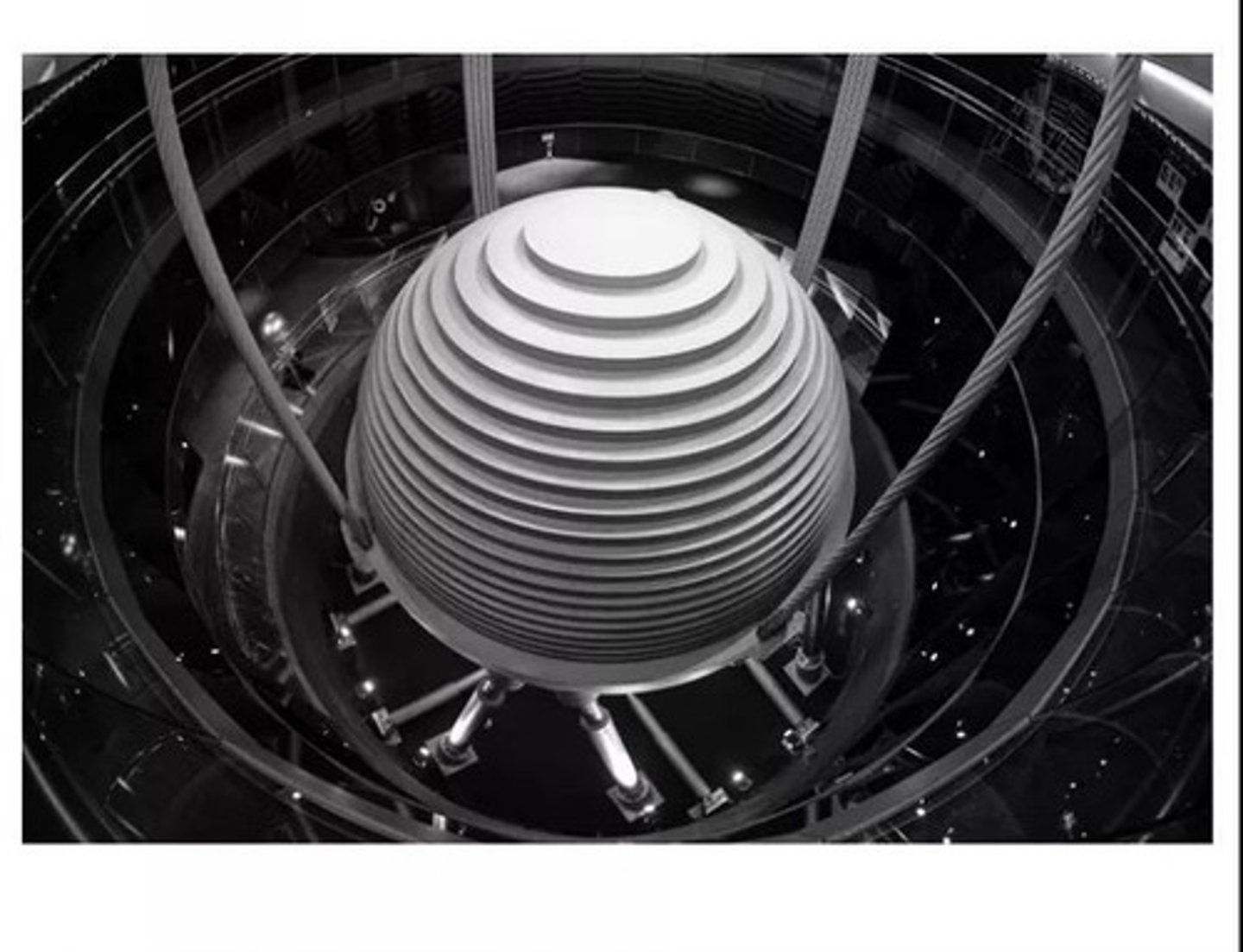
tuned mass damper
a heavy mass mounted on rollers or suspended with cables and attached to the upper portion of a tall building with spring damping mechanisms, having an inertial tendency to remain at rest and thus counteracting and dissipating any building movements