IS265 Ch 13 - Gaining Strategic Value from Information
 Call Kai
 Learn
Learn Practice Test
 Spaced Repetition
 Match
Match Flashcards
 Knowt Play
1/19

There's no tags or description
Looks like no tags are added yet.
Name | Mastery | Learn | Test | Matching | Spaced | Call with Kai |
|---|
No analytics yet
Send a link to your students to track their progress
20 Terms
what are strategic information systems
Designed and implemented to enable creation and appropriation of value (competitive advantage)
No need for proprietary IT:
Technology alone does not determine added value.
strategic planning & goal
definitions and visual
—> add to cheatsheet
Strategic planning: a structured set of steps; an iterative process.
Goal: identification of strategic information systems initiatives.
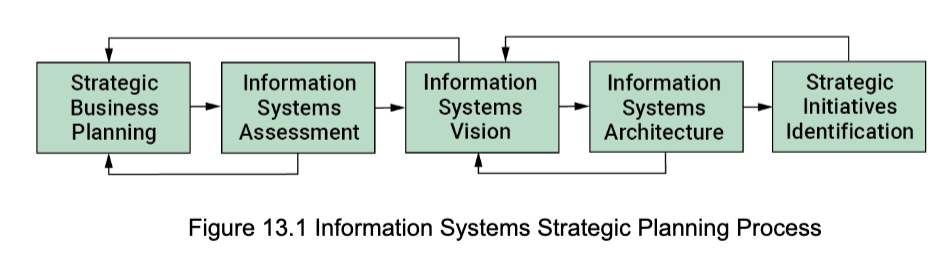
step 1: strategic business planning —> add to cheatsheet
know who you are
Identify the organization’s:
Mission
Strategies (How to achieve the mission)
Goals and objectives
step 2: Information Systems Assessment —> add to cheatsheet
IS resources ≠ IT resources
know where you start
Assessment of the organization’s current IS resources and how well they fulfill the needs of the organization
IS resources ≠ IT resources
Technical resources
Data and information resources
Human resources
what is an information systems assesment
a picture of the current state of information system resources in the organization
Step 3: Information Systems Vision —> add to cheatsheet
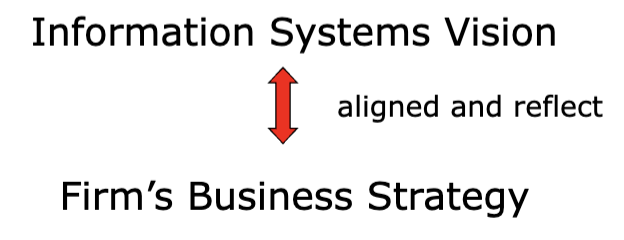
and what is information systems vision
Know Where You Want To Go
information systems vision = Broad statement of how the organization should use and manage its information systems for strategic purposes
Step 4: Information Systems Architecture —> add to cheatsheet
and what is information systems architecture
Know How You Are Going to Get There
information systems architecture = How IS resources should be used and how
they should work together.
Architectural guidelines can include statements about all information resources
Hardware, software, networks
Step 5: Strategic Initiatives Identification —> add to cheatsheet
proposals and frameworks
Know What You Need
strategic information systems initiatives
Proposals
Long-term (two to five year)
Identify new systems, new projects, or new directions for the organization.
Frameworks
IS SWOT Analysis
Porter Five Competitive Forces Model
Porter’s Value Chain
Virtual Value Chain
Advantages of the IS Strategic Planning Process
Improved Communication
Improved Coordination
Shared mental image of initiatives
Clear responsibilities agreed upon
Improved Decision Making
Clear guidelines and criteria
Consistent decisions making over time
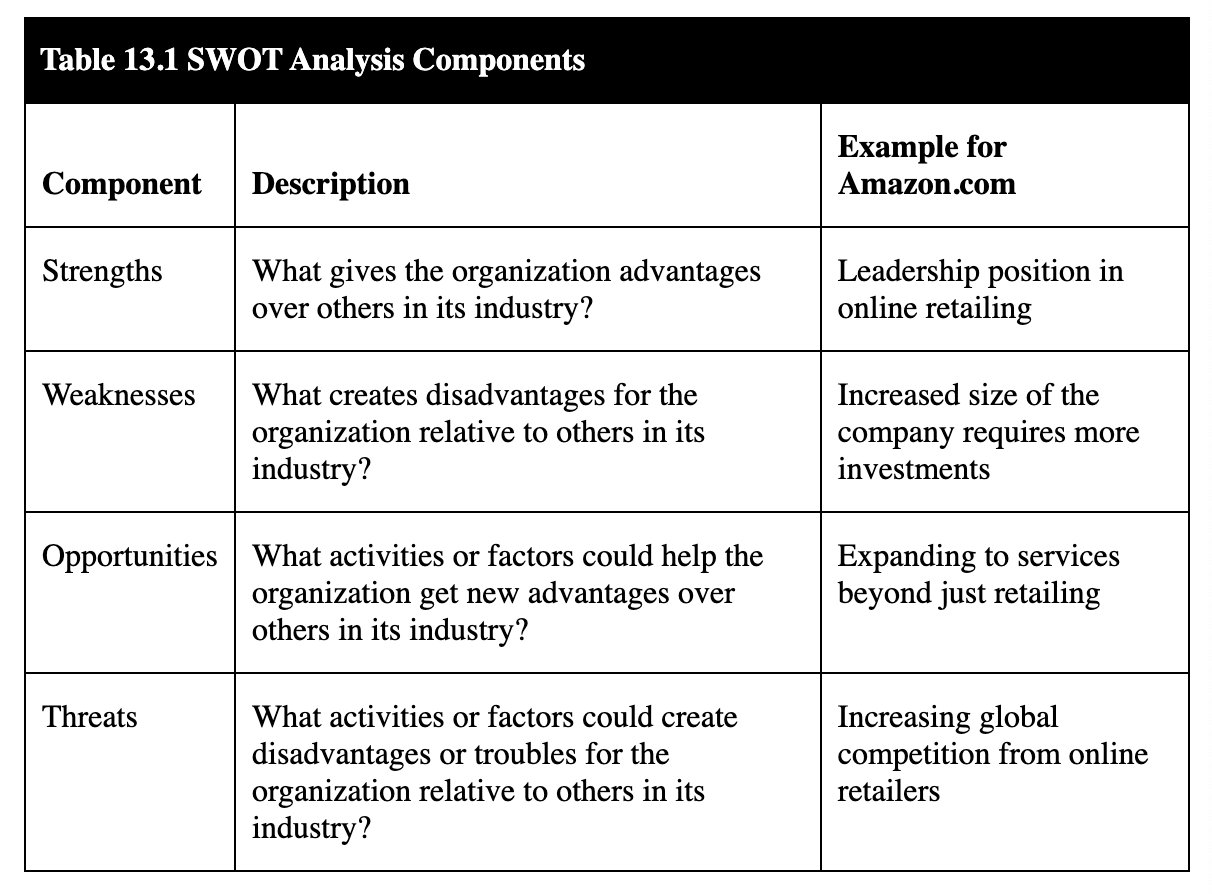
SWOT analysis
chart and what it stands for
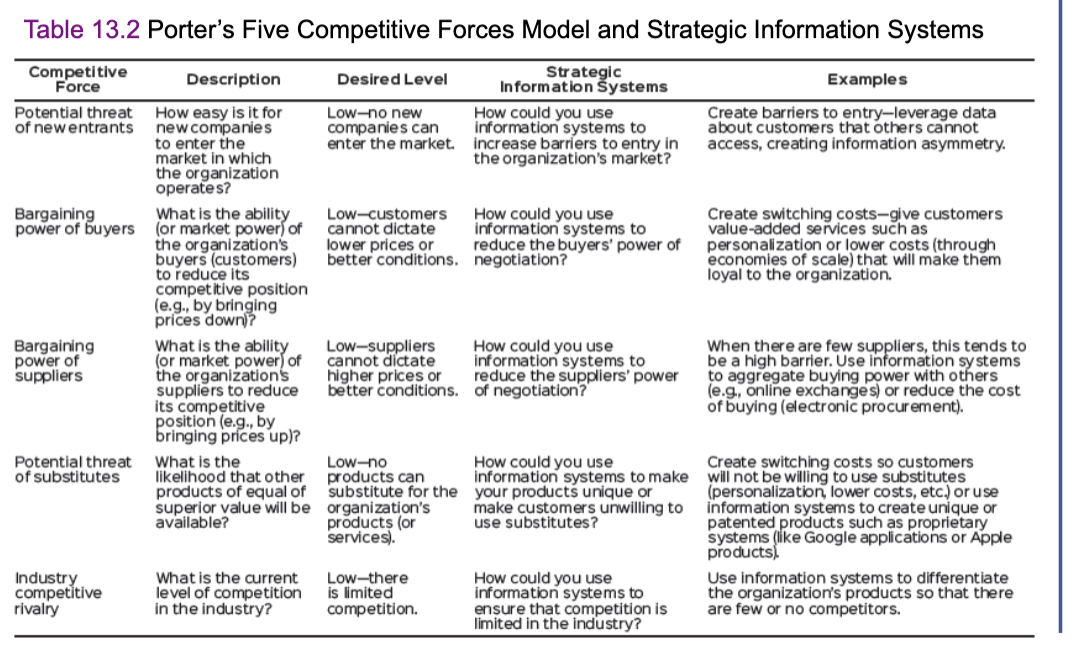
what is Porter’s Five Competitive Forces Model and diagram —> add to cheatsheet
Analysis of how competitive an industry is, and the major forces of that competitive environment
Can determine if a particular market could be attractive for an organization to consider.
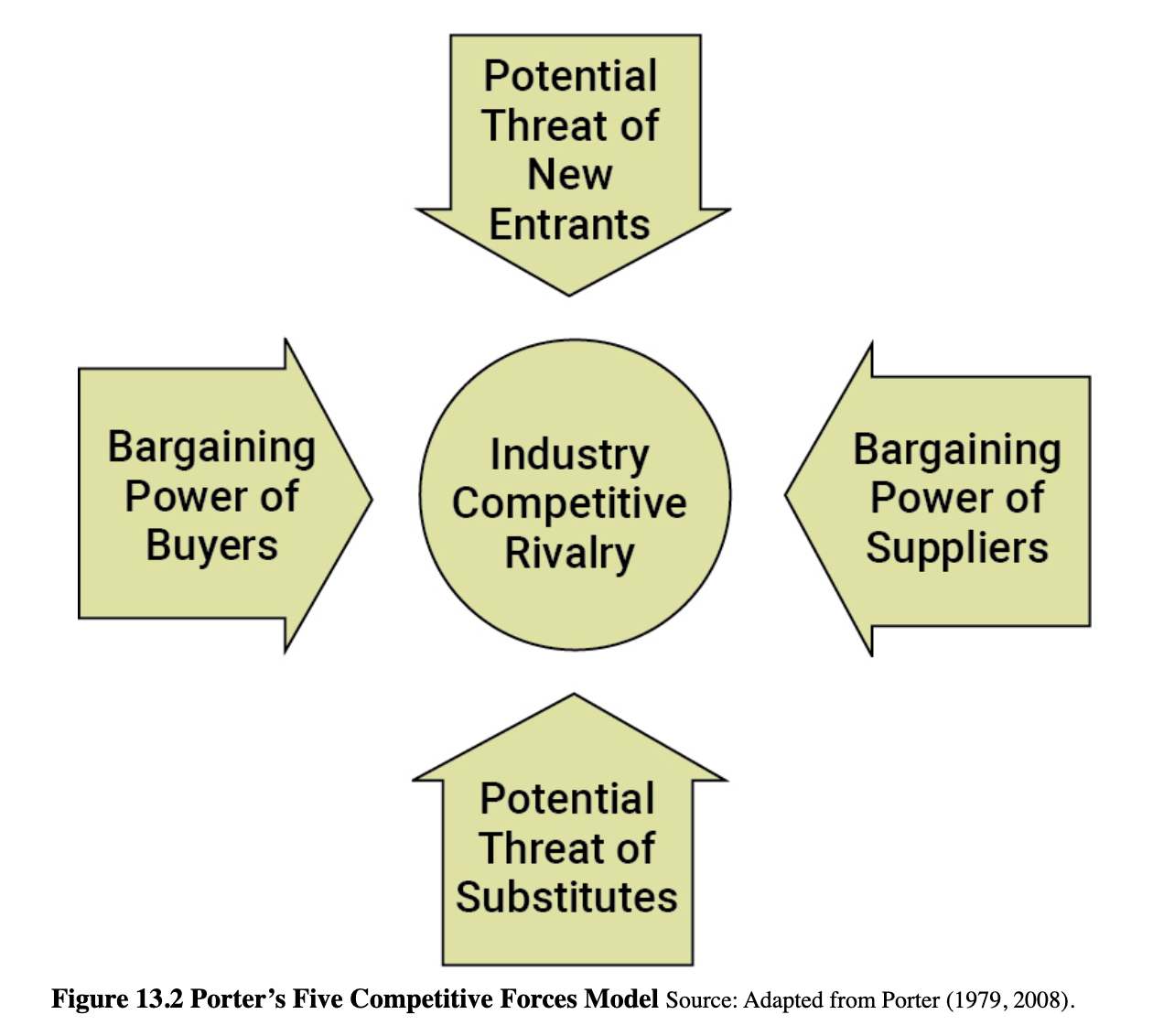
porter’s five competitive forces & the table —> add to cheatsheet (“Five Competitive Forces Model”)
potential threat of new entrants
bargaining power of buyers
bargaining power of suppliers
potential threat of subsitutes
industry competitive rivalry
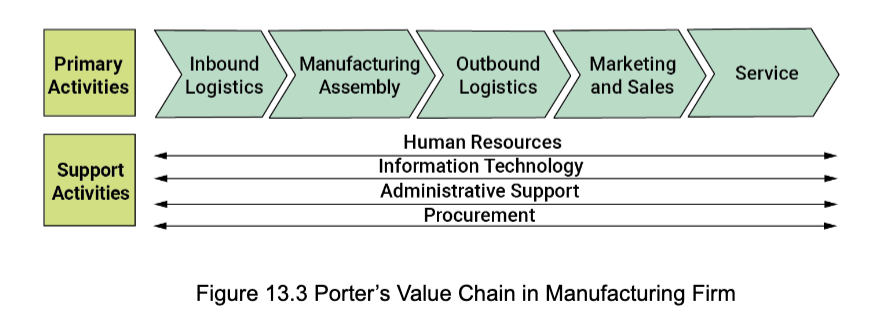
what is porter’s value chain analysis + diagram —> add to cheatsheet
managers identify all the activities an organization must perform to conduct its business
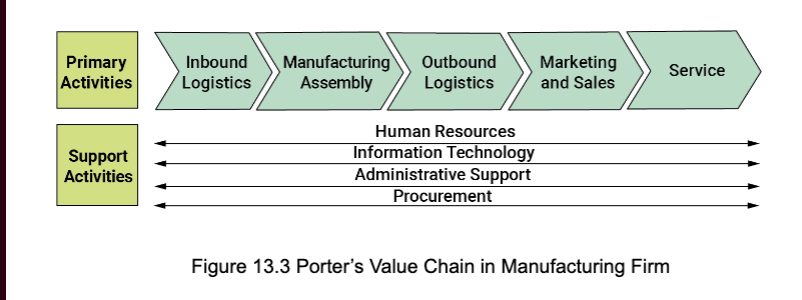
two types of activities and two sources of competition according to porter’s value chain —> add to cheatsheet
Two types of activities: primary and support
Competition can come from two sources:
Lowering cost to perform an activity
Adding value to product or service
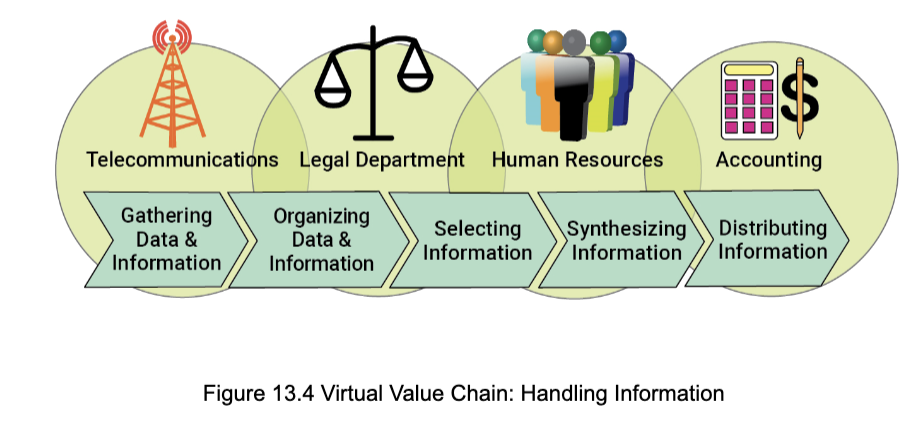
what is a virtual value chain + diagram —> add to cheatsheet? maybe remove later
looks at activities that turn raw data into useful information
evaluating strategic initiatives with critical success factors (CSF) —> add to cheatsheet
Critical Success Factors
Important considerations to be achieved for organizational survival and success
Not focused on technology!
Aligned with business vision and mission
Only a few critical success factors
ex. in a school
have highest quality students
have best possible faculty
provide a close link to the community
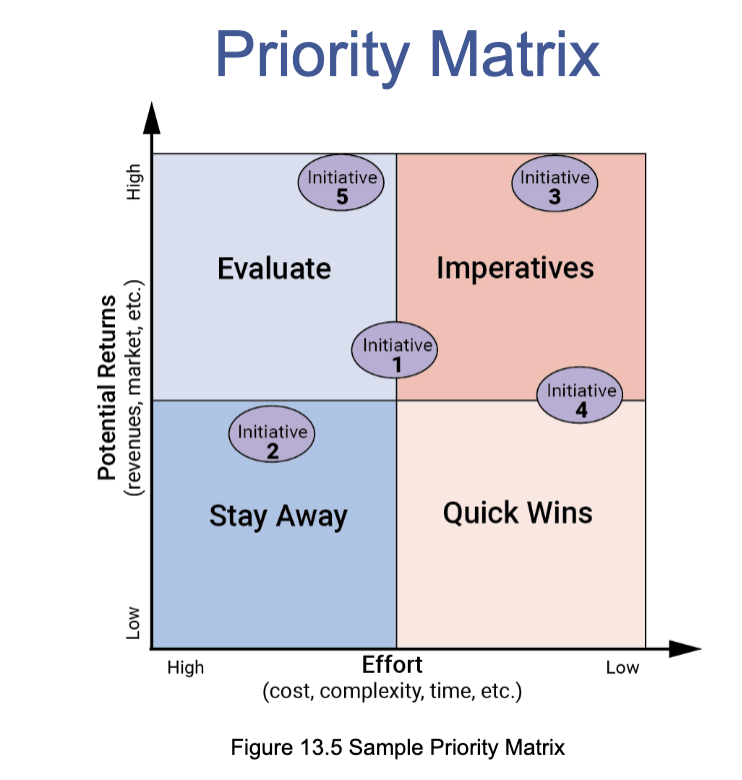
what is a priority matrix —> add to cheatsheet
allows managers to evaluate potential initiatives and prioritize them along 2 key dimensions
the effort to implement the system or project
ex. cost, time, effort, complexity
the potential returns from the implementation
ex. market share, savings, reputation
priority matrix quadrants chart for initiatives
imperatives
quick wins
evaluate
“stay away”
—> add to cheatsheet
imperatives
initiatives that should be easy to implement / low effort and can bring high returns
ex. cost little or the tech is already implemented
quick wins
initiatives that do not have much upside potential but are easy to implement with limited effort
evaluate
these initiatives in this section need to be discussed and evaluated thoroughly by managers
have potential for high returns but need a lot of effort
“stay away”
lost causes
high effort and limited potential returns
hypercompetition definition, and according to D’Aveni’s 7Ss
—> add to cheatsheet
hypercompetition - theres just sm fast pace of change in IT and innovations, leading ppl to question the sustainability of any competitive advantage that comes from initiatives
D’Aveni’s 7Ss suggest:
Every competitive advantage is eroded
Sustaining an advantage can be a deadly distraction
Goal of advantage should be disruption, not sustainability
Initiatives are achieved through series of small steps
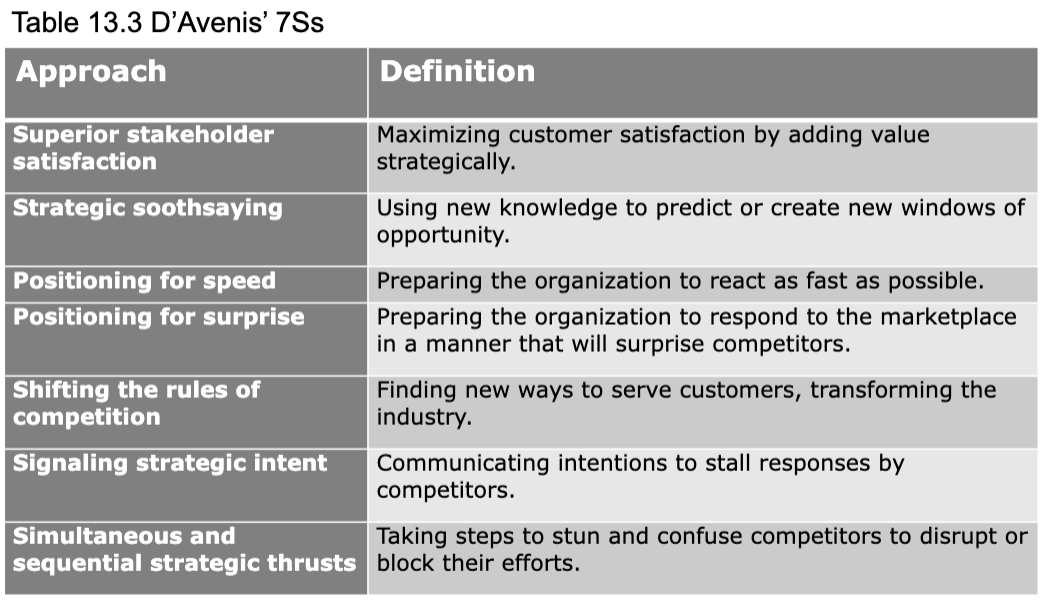
D’Aveni’s 7Ss chart —> add to cheatsheet
an approach to directing an organization in high velocity or hypercompetitive markets.
The framework was designed to enable a business to remain competitive through a series of initiatives delivering temporary advantages