Pharm - Antihyperlipidemics
 Call Kai
 Learn
Learn Practice Test
 Spaced Repetition
 Match
Match Flashcards
 Knowt Play
1/85

There's no tags or description
Looks like no tags are added yet.
Name | Mastery | Learn | Test | Matching | Spaced | Call with Kai | Chat |
|---|
No analytics yet
Send a link to your students to track their progress
86 Terms
What does this refer to
: an essential component of cell membranes, is the precursor to the sterol and steroid compounds that are synthesized in the body
Cholesterol
What does this refer to
composed of three fatty acids and glycerol, are the main storage form of fuel used to generate high-energy compounds
Triglycerides
What plays a role in the development of atherosclerotic heart disease
elevated concentrations of cholesterol and triglycerides
What does this refer to
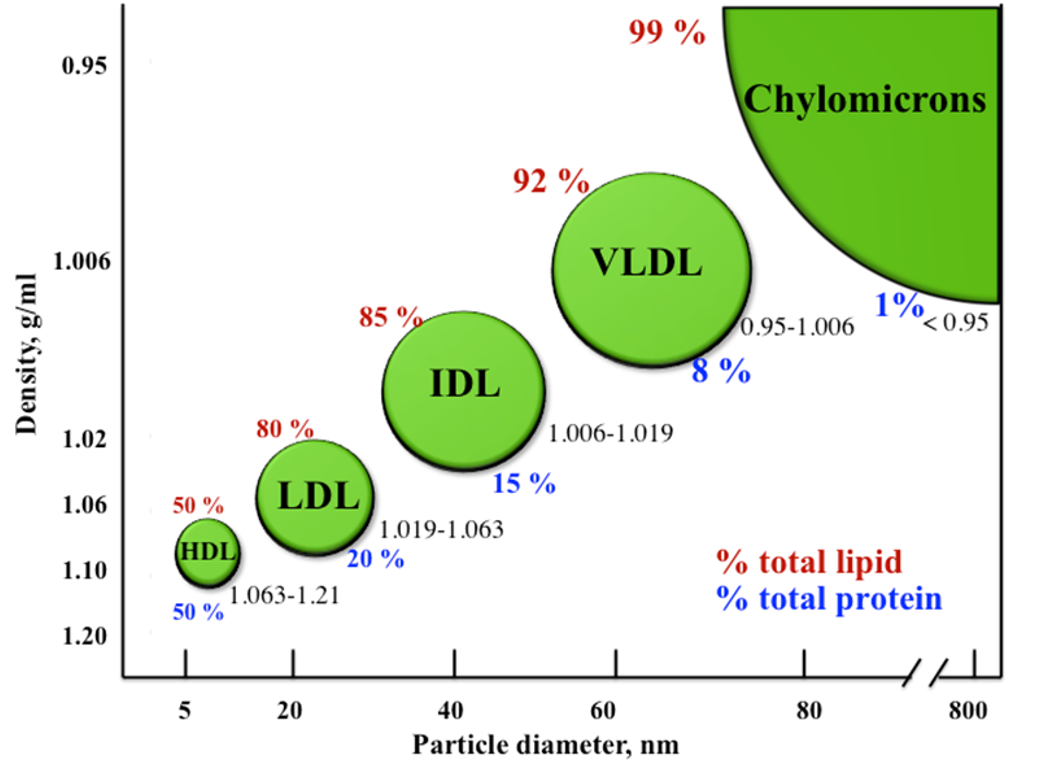
Cholesterol travels in the blood in distinct particles containing both lipid and proteins (lipoproteins)
Three major classes of lipoproteins are found in the serum of a fasting individual:
chylomicrons
low density lipoproteins (LDL)
high density lipoproteins (HDL)
very low density lipoproteins (VLDL)
intermediate density lipoprotein (IDL), resides between VLDL and LDL (in clinical practice, IDL is included in the LDL measurement)
Hyperlipidemia
What does this refer to
______ typically makes up 60–70 % of the total serum cholesterol
It contains 95% of the apolipoprotein, apo B-100 (apo B)
______ is the major atherogenic lipoprotein and has been identified as the primary target of cholesterol-lowering therapy
LDL cholesterol
What does this refer to
_______ normally makes up 20–30 % of the total serum cholesterol
The major apolipoproteins of ____ are apo A-I and apo A-II
________levels are inversely correlated with risk for CHD
Some evidence indicates that _____ protects against the development of atherosclerosis, although a low ______ level often reflects the presence of other atherogenic factors
HDL Cholesterol
What does this refer to
_____ are triglyceride-rich lipoproteins, but contain 10–15 % of the total serum cholesterol
The major apolipoproteins of ______ are apo B-100, apo Cs (C-I, C-II, and C-III), and apo E
______ are produced by the liver and are precursors of LDL; some forms of _________, particularly ______ remnants, appear to promote atherosclerosis, similar to LDL
VLDL Cholesterol
What does this refer to
_____, are also triglyceride-rich lipoproteins
they are formed in the intestine from dietary fat and appear in the blood after a fat-containing meal
The apolipoproteins of _____ are the same as for VLDL except that apo B-48 is present instead of apo B-100
Partially degraded _______ (______ remnants) probably carry some atherogenic potential
Chylomicrons
What does this refer to
Lipoproteins
What does this refer to
_____ transport cholesterol to peripheral tissues for incorporation into cell membranes and steroids
_____ can also deliver cholesterol to nascent atheromas and thereby contribute to the development of atherosclerosis
LDLs (Lipid Transport)
What does this refer to
______ transports cholesterol from atheromas and peripheral tissues to the liver (Reverse cholesterol transport)
The contribution of reverse cholesterol transport to CHD has been supported by epidemiologic studies that show an inverse correlation between ____ levels and risk
HDL (Lipid transport)
Hypercholesterolemia contributes to the pathogenesis of _____________
atherosclerosis
Hypertriglyceridemia is a risk factor for ________
pancreatitis
What is associated with coronary artery disease and vascular disease
Hyperlipidemia
What does this refer to
_________ occurs as a result of genetic or environmental factors that increase the formation of lipoproteins or reduce the clearance of lipoproteins from the circulation:
biochemical defects in lipoprotein metabolism
excessive dietary intake of lipids
endocrine abnormalities
use of drugs that alter lipoprotein formation or catabolism
Hyperlipoproteinemia
What does this refer to
The Adult Treatment Panel III of the National Cholesterol Education Program (NCEP) issued evidence-based guidelines for the management of high blood cholesterol and related disordersRecommendations for statin treatment and lipid monitoring were revised after consideration of 2013 American College of Cardiology/American Heart Association guidelines on the treatment of blood cholesterol
Recommendations for statin treatment were revised - treatment initiation (and initial statin dose) is now driven primarily by risk status rather than LDL cholesterol level
Management
What does this refer to
Shift the focus of treatment away from targeting specific LDL goals to identifying those patients in need of high-intensity, moderate-intensity, or no statin therapy
The guideline recommends statin therapy for the following groups:
People without cardiovascular disease who are 40 to 75 years old and have a 7.5 percent or higher risk for heart attack or stroke within 10 years
People with a history of heart attack, stroke, stable or unstable angina, peripheral artery disease, transient ischemic attack, or coronary or other arterial revascularization
People 21 and older who have a very high level of LDL cholesterol (190 mg/dL or higher)
People with Type 1 or Type 2 diabetes who are 40 to 75 years old
Guidelines from AHA & ACC
What does this refer to
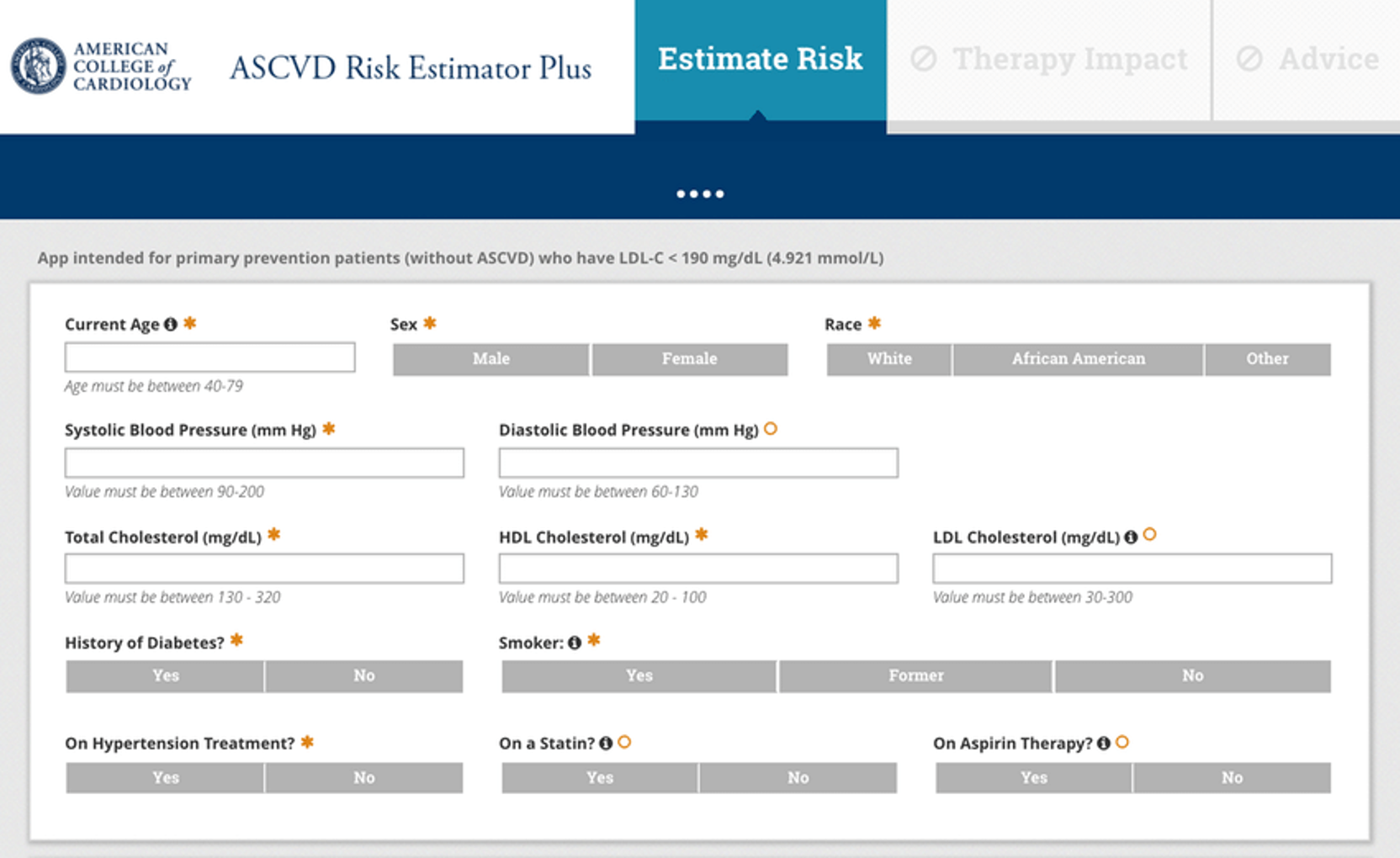
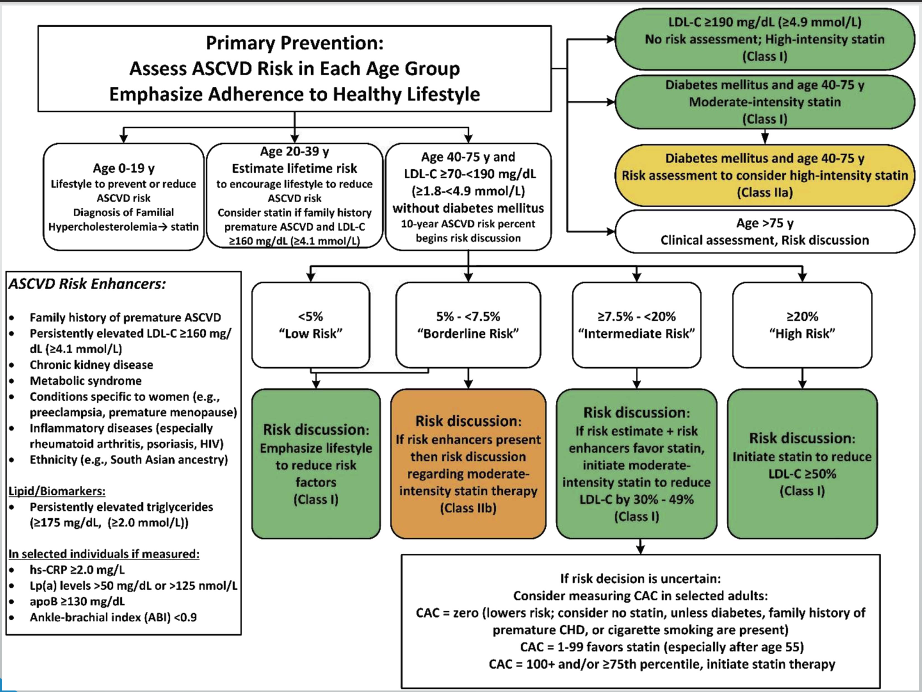
For primary prevention of cardiovascular disease, recommendations are based upon 10-year ASCVD risk.
ASCVD risk for adults aged 20 to 79 can be calculated using the ASCVD Risk Estimator Plus.
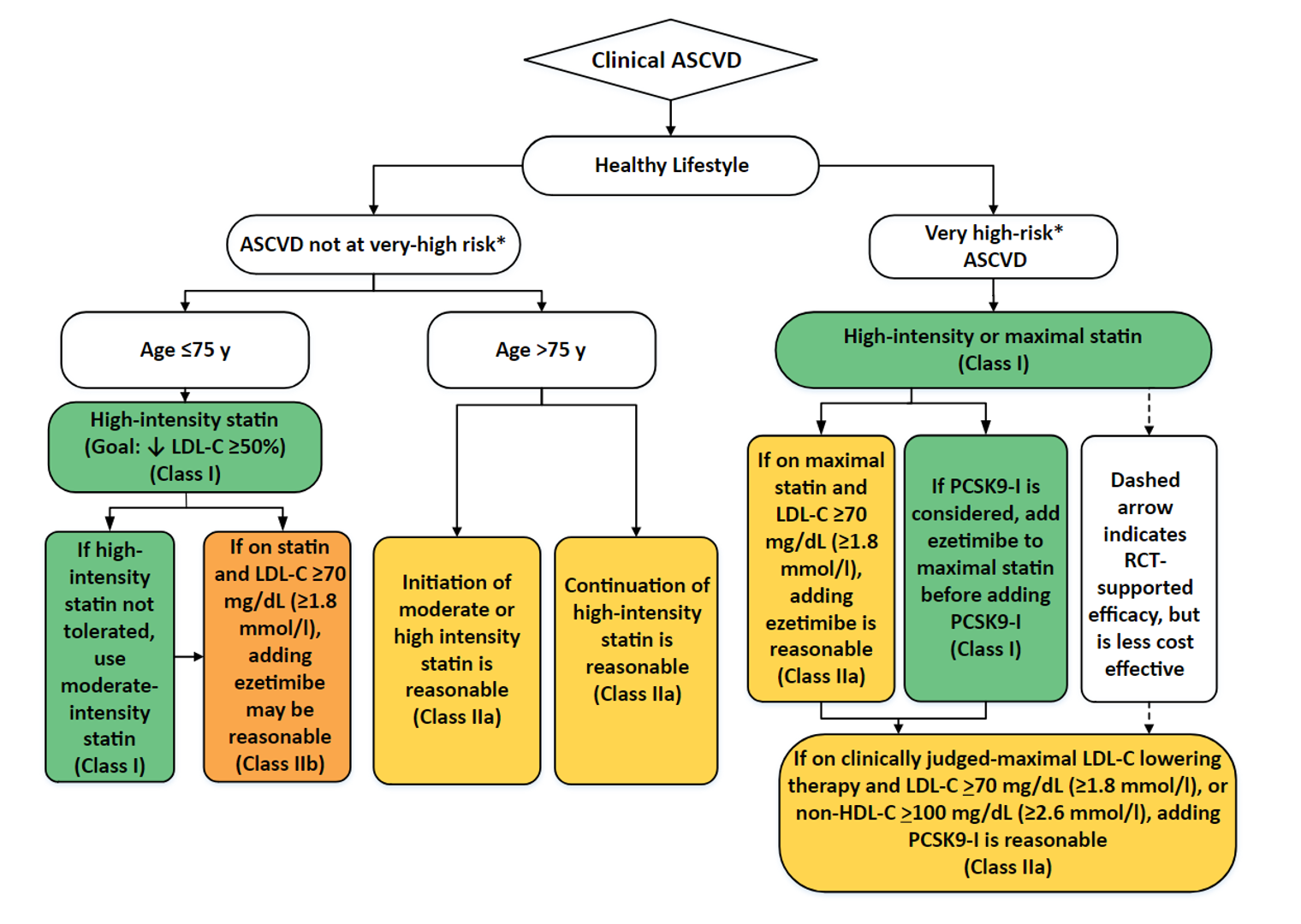
For secondary prevention in patients who have had a major cardiovascular event or procedure, the 2018 Guideline on Management of Blood Cholesterol recommends initiation of high-intensity statin therapy.
Pharmcotherapy for Hyperlipidemia
What does this refer to
charts you should look at
What does this refer to
Pharmacotherapy for Hyperlipidemia
Although _______________ many patients require pharmacologic therapy to achieve recommended lipid targets.
*KNOW THIS
lifestyle changes are the basis of lipid-lowering therapy
What does this refer to
The most effective lipid-lowering drugs are the ____________ and ____________.
Both drug classes have demonstrated efficacy in reducing serum low-density lipoprotein cholesterol (LDL-C) and decreasing cardiovascular events while maintaining safety.
Other lipid-lowering agents are helpful in management of dyslipidemia as adjunctive drugs or when the _____ and ________ are not well tolerated.
Statins and PCSK-9 inhibitors
What are these drugs for hypercholesterolemia used for
3-hydroxy-3-methylglutaryl-coenzyme A (HMG-CoA) reductase inhibitors (statins)
Bile Acid-binding resins
Cholesterol Uptake inhibitor
Lower LDL/Treat hypercholesterolemia
What are these drugs for hypercholesterolemia used for
Fibric acid derivatives
Niacin
Omega-3 Fatty acids
Target Triglycerides (and raise HDL)
Clinical trials have shown that “these” prevent coronary artery disease and reduce mortality
HMG-CoA Reductase Inhibitors (Statins)
Atorvastatin (Lipitor)
Fluvastatin (Lescol)
Lovastatin (Mevacor)
Pravastatin (Pravachol)
Rosuvastatin (Crestor)
Simvastatin (Zocor)
Pitavastatin (Livalo)
What does this refer to
Structurally related to HMG-CoA, which is the substrate for HMG-CoA reductase
low bioavailability
extensive first-pass metabolism
Statins
What does this refer to
HMG-CoA reductase converts HMG-CoA to mevalonic acid and is the rate-limiting enzyme in cholesterol biosynthesis
By competitively inhibiting this enzyme, statins reduce hepatic cholesterol biosynthesis and the amount of cholesterol available for incorporation into VLDL
This leads to an increase in the number of hepatic LDL receptors, increasing hepatic uptake of LDL-C
These actions cause a substantial reduction in LDL-C
In hypercholesterolemia, statins decrease LDL-C levels by 20% to 50%, whereas HDL-C levels are increased by 10%
Reduce triglycerides but inadequate singly for hypertriglyceridemia
HMG-CoA Reductase Inhibitors (Statins)
What does this refer to
Reduce blood cholesterol levels in hypercholesterolemia NCEP guidelines recommend using a ______ dose that can achieve a 30% to 40% reduction in LDL-C levels
Clinical trials show that these drugs slow the progression of atherosclerosis, reduce the risk of CHD and other atherosclerotic vascular diseases, and reduce cardiac mortality rate.
Clinical trials also indicate that statins may protect against osteoporosis and certain forms of cancer
Statins
What does this refer to
Depending on the specific drug and dose, ______ decrease serum LDL-C by 20%-50% to achieve the NCEP LDL-C goals
Doubling dose gets approximately 6% decrease in LDL
Starting doses give an 8-10% decrease in LDL
The statins also increase HDL-C modestly and have a variable and moderate lowering effect on triglycerides
Adverse effects are primarily elevated serum transaminase and myopathy.
Statins
What does this refer to
______ & _________ are the most potent currently available followed by atorvastatin
Rosuvastatin & Pitavastatin
What does this refer to
______ & _______ also have the greatest effect on triglycerides level can be useful in mixed hyperlipidemia
Atorvastatin & Rosuvastatin
What does this refer to
_______ also lower levels of lipoprotein(a)
Statins
What does this refer to
Statins with __________ are taken in the evening or at bedtime to ensure inhibition of nocturnal cholesterol biosynthesis
shorter half-lives
What does this refer to
_____ & ______ have longer half-lives and can be taken at any time of day
Atorvastatin and Rosuvastatin
What does this refer to
________ should be taken with the evening meal for absorption; the others can be taken without regard to food
Lovastatin (Mevacor)
What does this refer to
____ & ______ are inactive produrgs that must be converted to active metabolites in the liver, whereas the other statins are active compounds
Most likely to adversely affect liver function
They cross the blood-brain barrier and can cause sleep disturbances in some patients
Lovastatin (Mevacor) and simvastatin (Zocor)
What does this refer to
__________ though a weak statin, has the least side effects on the liver and may be useful for patients who need statin therapy and are otherwise unable to tolerate it
Pravastatin (Pravachol)
What does this refer to
__________ is only minimally metabolized by the cytochrome P450 isoenzyme system; therefore, drug-drug interactions involving this system are unlikely
Coadministration of cyclosporine, rifampin, and erythromycin results in a clinically significant increase in the systemic exposure of _____
This appears to be associated with inhibition of the organic anion transporting polypeptide (OATP), resulting in reduced uptake of the drug in the liver
Pitavastatin (Livalo)
What is the most serious adverse effect of statins is_______, which is potentially fatal form of skeletal muscle toxicity (myopathy)
rhabdomyolysis
What does this refer to
The most frequent adverse effects are GI problems, including cramps, constipation, diarrhea, and heartburn
Less frequently, hepatitis and elevation of hepatic enzymes
The most serious adverse effect of statins is rhabdomyolysis, which is a potentially fatal form of skeletal muscle toxicity (myopathy)
About 0.2% of patients develop myopathy, and only a few of these progress to rhabdomyolysis
Statins
What does this refer to
The earliest stage of statin-induced myopathy is _______, which consists of muscle ache or weakness without elevated creatine kinase (CK) levels
Reversible on statin withdrawal and resolves in 2 to 3 weeks
_______ can be followed by myositis or muscle inflammation accompanied by muscle pain, leakage of muscle CK into the plasma, and elevated CK levels
Myositis can eventually lead to rhabdomyolysis in which muscle cells disintegrate, releasing myoglobin into the circulation
Myoglobin then accumulates in the kidneys and causes acute renal failure
CK levels in rhabdomyolysis are often greater than 10 times normal, and persons have dark urine resulting from myoglobinuria
myalgia (statins)
What does this refer to
Increasing age
Female gender
Renal or hepatic disease
Hypothyroidism
Use of drugs that inhibit statin metabolism
Factors that increase the risk of statin-induced myopathy include
What does this refer to
Statin must be discontinued if ________ is diagnosed or if levels of CK are found to be significantly elevated
No specific treatment exists for rhabdomyolysis except drug withdrawal and fluid administration to maintain renal function
Because both statins and fibric acid derivatives may cause ________-, combined use should be avoided or used with great caution
myopathy
_______ are metabolized by CYP3A4, and their plasma concentrations are greatly increased by strong inhibitors of this isozyme, such as erythromycin, itraconazole, ritonavir, and grapefruit juice
Atorvastatin, lovastatin, and simvastatin
Many CCBs are also metabolized by ________
CYP3A4
What does this refer to
In 2013, the 4th Report of the Expert Panel on Detection, Evaluation, and Treatment of High Blood Cholesterol in Adults (ATP IV) was released
The expert panel identified 4 patient subgroups for which the benefits of statin therapy outweigh the risks. These 4 subgroups include:
1. those with clinically evident atherosclerotic disease
2. patients with low-density lipoprotein (LDL) cholesterol levels ≥ 190 mg/dL
3. patients, 40 to 75 years of age, with diabetes and an LDL level of 70 to 189 mg/dL
4. or those, 40 to 75 years of age, with a 10-year risk of atherosclerotic cardiovascular disease of ≥ 7.5% and an LDL level of 70 to 189 mg/dL
For patients within these subgroups, high-intensity statin therapy is generally recommended
According to the guidelines, high-intensity statin therapy reduces LDL levels by ≥ 50% on average
ATP IV
What does this refer to
The expert panel recommends atorvastatin 40 to 80 mg or rosuvastatin 20 to 40 mg once daily as appropriate agents for ______________
In patients who cannot tolerate _______ or those with diabetes and a 10-year risk of atherosclerotic cardiovascular disease < 7.5%, moderate-intensity statin therapy is recommended
Moderate-intensity therapy reduces LDL levels by approximately 30% to < 50% on average
High-intensity therapy
What does this refer to
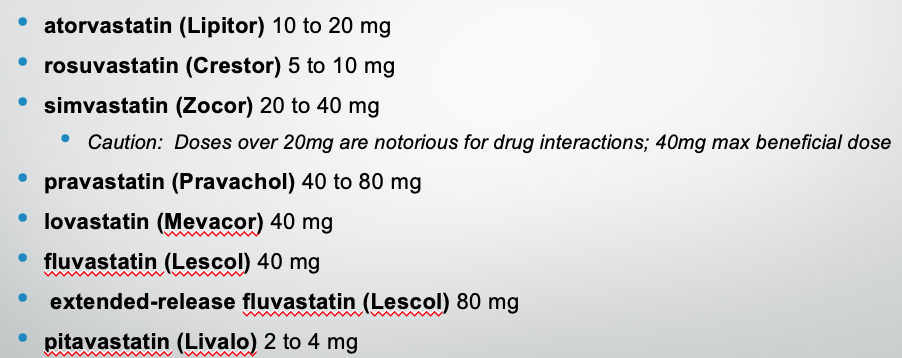
**Know the top 3
Recommended statin dosage regimens for moderate-intensity therapy
All recommended moderate-intensity dosage regimens should be given __________ except for immediate-release fluvastatin, which is administered twice daily
once daily
What does this refer to
The guidelines also identify patients for whom current clinical data do not support the use of statin therapy and for whom no treatment recommendation is made. These patients include:
1. Those on hemodialysis
2. Those > 75 years of age, unless atherosclerotic cardiovascular disease is present
3. Those with New York Heart Association class II to IV heart failure
ATP IV
What does this refer to
Evolocumab (Repatha)
Alirocumab (Praluent)
These two are monoclonal antibodies that block PCSK-9
Inclisiran (Leqvio)
Small interfering RNA (siRNA) inhibits PCSK-9 production
PCSK Inhibitors
The _________ are the most potent LDL-C lowering drugs.
Their mechanism of LDL-C lowering is based on inhibition of the recycling pathway of hepatic LDL-C receptors by which the latter are degraded.
Administration of the ________ is by subcutaneous self-injection twice monthly.
Rhinitis and local irritation at injection sites are notable side effects.
PCSK-9 inhibitors
PCSK-9 (proprotein convertase subtilisin/kexin type 9) is an enzyme that binds to the LDL receptor particles that allows LDL to be ingested by the liver. When PCSK-9 is present on these complexes, the LDL receptor on the liver gets internalized and chewed up as well
PCSK-9 inhibitors allow for a single receptor to be used multiple times to internalize and chew up LDL leaving the receptor untouched
Individuals with loss-of-function PCSK9 gene mutations have 88% relative decrease in risk for atherosclerotic CV events
LDL reduction of approximately 45%
PCSK-9 Inhibitors
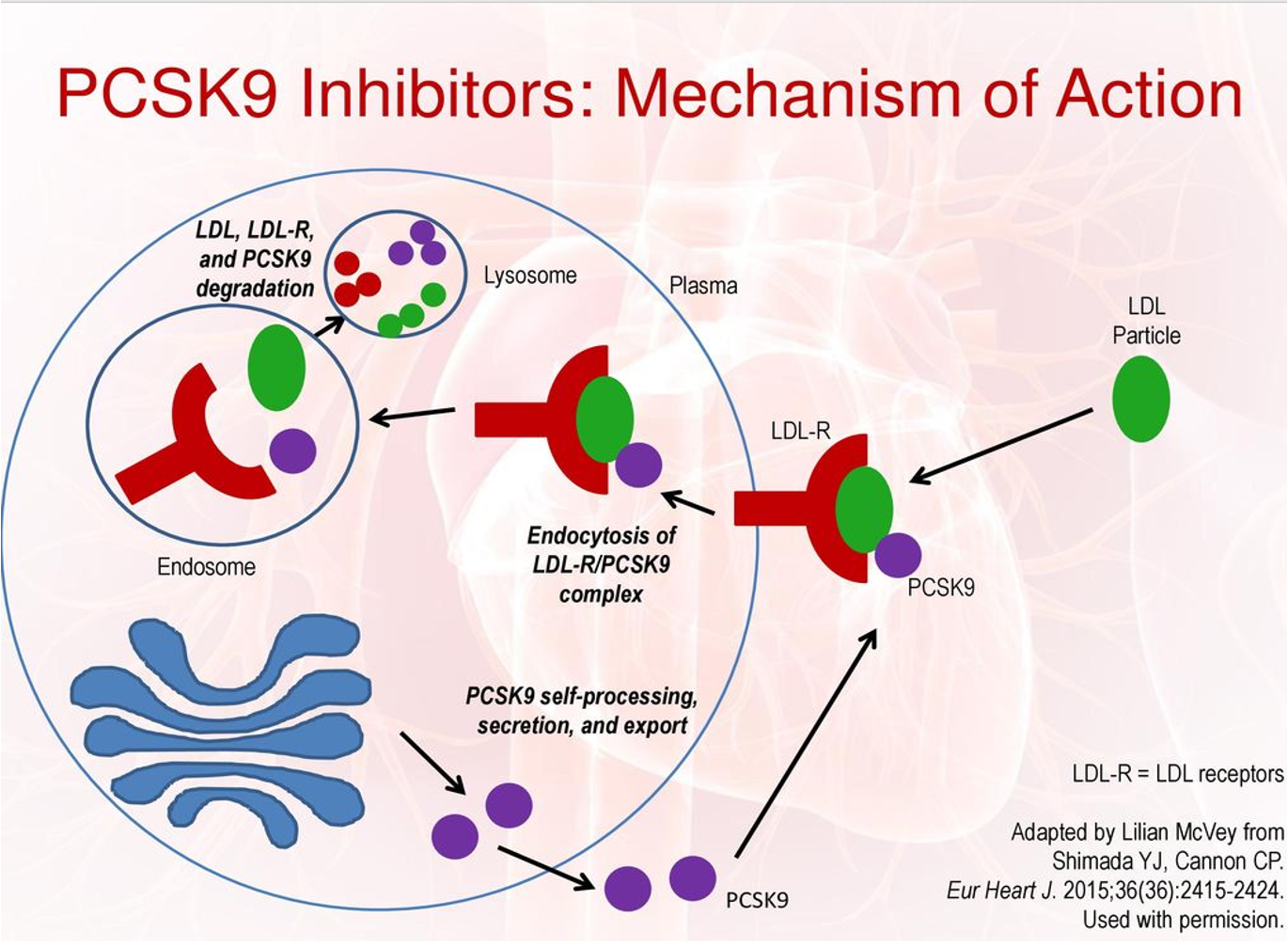
What does this refer to
Given SQ q2w (Repatha MAY be given monthly)
$$$
Currently for secondary prevention ONLY—seeking approval for primary
Alirocumab (Praluent) and Evolocumab (Repatha)
The bile acid sequestrants (_________) bind intestinal bile acids, reducing their reabsorption to the liver through the enterohepatic circulation.
Because of their modest cholesterol-lowering potency and adverse effects, these drugs are second-line agents for cholesterol lowering.
Side effects are constipation and nausea.
These drugs also hinder absorption of fat-soluble vitamins and drugs such as warfarin.
cholestyramine, colestipol, and colesevelam
What does this refer to
Moderately effective; excellent safety record
Large-molecular-weight polymers containing a chloride ion that can be exchanged for bile acids in the gut
To obtain more cholesterol for this purpose, the liver increases the number of LDL receptors
Then the levels of LDL-C in the serum are reduced as more cholesterol is delivered to the liver
Little effect on levels of HDL-C and triglycerides, which are usually increased slightly
Bile Acid-Binding Resins
What does this refer to
____ are not absorbed and are excreted in the feces
This prevents the enterohepatic cycling of bile acids and obligates the liver to synthesize replacement bile acids from cholesterol
Bile Acid-Binding Resins
What does this refer to
Few adverse effects: constipation, fecal impaction, and other GI side effects, some of which can be prevented by taking the drugs with a full glass of water
Occasionally, perianal area irritation and a skin rash
In the gut, cholestyramine (Questran) and colestipol (Colestid), can bind to digoxin, thyroxin, warfarin, and other drugs; take these resins 2 hours before or after taking other medications
Colesevelam (Welchol), does not affect the oral bioavailability of digoxin, warfarin, or lovastatin, and, therefore, can be co-administered with most drugs, including HMG-CoA reductase inhibitors
Bile-Acid Binding Resins
What does this refer to
In the gut,________, can bind to digoxin, thyroxin, warfarin, and other drugs; take these resins 2 hours before or after taking other medications
Cholestyramine (Questran) and colestipol (Colestid)
What does this refer to
___________- does not affect the oral bioavailability of digoxin, warfarin, or lovastatin, and, therefore, can be co-administered with most drugs, including HMG-CoA reductase inhibitors
Colesevelam (Welchol)
What does this refer to
Hypercholesterolemia ; particularly in patients who cannot tolerate other drugs
No hepatitis or myopathy
Can be given in combination with other drugs
Diarrhea and pruritus (itching) caused by excessive levels of bile acids
Indications (resins)
What does this refer to
______________ and __________ are bile acid-binding resins that are available in powder (granular) form for mixing with water or juice just before administration
For maximal effect on cholesterol levels, must be taken before each meal and at bedtime
Cholestyramine and colestipol
What does this refer to
_________ is available as tablets taken twice daily with meals
It decreases LDL-C to a similar degree as other resins and is more convenient and palatable
Colesevelam
What does this refer to
____________: inhibits absorption of cholesterol in the small intestine.
As monotherapy, it lowers LDL-C by up to 20%.
One of its most frequent uses has been in combination with a statin, in which LDL-C lowering is augmented by 15%-30% without an increase in myopathy or significant elevation of transaminase.
Pharmacotherapy for hyperlipidemia
Ezetimibe
What does this refer to
Oral; absorbed from the intestines and is mostly converted to pharmacologically active ezetimibe-glucuronide
This metabolite is distributed by the circulation to the small intestines where it localizes in the brush border and inhibits the absorption of both biliary and dietary cholesterol
Eliminated in the urine and feces
Ezetimibe (Zetia)
What does this refer
Because of its unique mechanism of action, _______ can be used alone or in combo with a statin
A fixed-dose combo of _____ and simvastatin (Vytorin) is available
Alone, ________ lowers LDL-C 19% to 23%
Co-administration of _______ and a statin can achieve reductions in LDL-C similar to that obtained with the highest statin doses; may permit use of lower doses of statins to obtain desired LDL-C levels
Headache and myalgia
Ezetimibe
What does this refer to
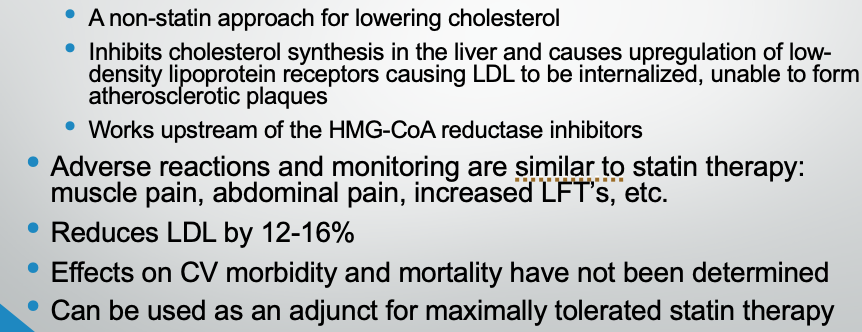
Bempedoic Acid (Nexletol) - A new treatment option
Other drugs for hyperlipidemia
_____________ derivatives are used to treat hypertriglyceridemia and to increase HDL-C levels in persons with abnormally low levels of this lipoprotein
Niacin and the fibric acid
What does this refer to
________ is also known as vitamin B3
Well absorbed oral; extensively metabolized; renal excretion
The action of niacin on lipids is a pharmacologic effect that requires several grams of the compound each day
Pharmacologic doses of niacin lower LDL-C and triglyceride levels while raising HDL-C levels
_______ acts primarily by inhibiting the formation and secretion of hepatic VLDL
Niacin (Nicotinic acid)
What does this refer to
Because of its favorable effects on VLDL, LDL, and HDL levels, ______ is effective for hypercholesterolemia, hypertriglyceridemia, and mixed hyperlipidemia, and it can be used to treat HDL deficiency
________ may be combined with a statin to treat mixed lipidemia
Niacin indication
What does this refer to
______________ - Rx only
indicated to reduce elevated TC, LDL-C, Apo B and TG levels, and to increase HDL-C in patients with primary hyperlipidemia and mixed dyslipidemia
Dose: Initially, 500mg po hs, then titrate up,as tolerated & based on clinical need, to 2000mg qhs
Niacin extended-release (Niaspan)
What does this refer to
Vasodilation and flushing of the skin, pruritus and a feeling of warmth and tingling
This effect can be reduced by pretreatment with aspirin
Effects reduced with the use of a sustained-release preparation
In a small percentage of patients, niacin can elevate serum transaminase levels and cause hepatitis
It can also cause gastric distress and may activate a peptic ulcer
Although niacin can cause glucose intolerance and aggravate diabetes, clinical trials show it can be used in persons whose diabetes is well controlled with little effect on glucose levels
Adverse effects and interactions of Niacin
What does this refer to
High triglyceride levels (>1000-1500 mg/dL) are associated with pancreatitis and are usually treated with fibrates to reduce the risk of this disorder
The benefit of treating mild-to-moderate elevations in triglyceride levels is less clear
Derivatives of a branched-chain carboxylic acid known as fibric acid or fibrate
The first drug in this class, clofibrate, is largely obsolete because of its high incidence of adverse effects
Gemfibrozil (Lopid) and fenofibrate (Tricor) are currently available in the United States
The fibrates reduce plasma levels of VLDL, triglycerides and LDL-C, while raising levels of HDL-C
Fenofibrate causes a greater reduction in LDL-C than does gemfibrozil
Fibric Acid Derivatives
What does this refer to
Fibric Acid Derrivatives
GI side effects and, less commonly, blood cell deficiencies and other hypersensitivity reactions
Myopathy and rhabdomyolysis
For this reason, the combining of statins and ________ should be avoided or used with great caution
Fibrates can be given with cholestyramine and colestipol, but the doses must be separated by more than 2 hours, because the resins reduce fibrate absorption
fibrates
What does this refer to
Hypertriglyceridemia
Useful with combined hypertriglyceridemia and hypercholesterolemia and can be administered to increase HDL-C in patients with an isolated HDL deficiency
Lopid 600 mg bid
Gemfibrozil
What does this refer to
Hypertriglyceridemia and mixed hyperlipidemia with elevated triglyceride and cholesterol levels
Tricor 48mg – 145mg qd
Fenofibrate
What does this refer to
_____________: Lovaza and Vascepa sourced from fish oils
These are predominantly a combination of ethyl esters of eicosapentaenoic acid (EPA - approximately 465 mg) and docosahexaenoic acid (DHA - approximately 375 mg)
Potential mechanisms of action include inhibition of acyl-CoA:1,2-diacylglycerol acyltransferase, increased mitochondrial and peroxisomal β-oxidation in the liver, decreased lipogenesis in the liver, and increased plasma lipoprotein lipase activity
Lovaza may reduce the synthesis of triglycerides in the liver because EPA and DHA are poor substrates for the enzymes responsible for TG synthesis, and EPA and DHA inhibit esterification of other fatty acids
Indicated as an adjunct to diet to reduce triglyceride levels in adult patients with severe ( > 500 mg/dL) hypertriglyceridemia
Vascepa only contains EPA and therefore may have better cardiovascular outcomes
Ethyl esters of omega-3 fatty acids
What does this refer to
Drug Combinations
The most useful are those consisting of _________ or a bile acid-binding resin in combo with a statin
_________ and simvastatin are available in a combo product (Vytorin), which enables the use of a lower dose of the statin to achieve target LDL-C levels and reduce the risk of myopathy
Colesevelam is a resin that can be co-administered with statins
Ezetimibe
What does this refer to
For patients with elevated levels of both cholesterol and triglycerides, a statin can be combined with niacin or a fibrate
_______ is often preferred for several reasons:
(1) ________ has a greater effect on cholesterol than do fibrates and may enable the use of lower doses of a statin
(2) clinical trials show niacin lowers cardiovascular and overall mortality
(3) ________ is less likely to cause myopathy and rhabdomyolysis when used in combination with a statin
Niacin
What does this refer to
For patients with elevated levels of both cholesterol and triglycerides, a statin can be combined with niacin or a fibrate
_________ + statins – Increased risk of myopathy and rhabdomyolyis
Gemfibrozil > fenofibrates to interact with statins – exercise maximum care prescribing, including low starting dose, requent monitoring
Fibrates
What does this refer to
___________ are secreted by the liver in the form of VLDL. After delivering triglycerides to adipose tissue, VLDL becomes LDL. LDL delivers cholesterol to peripheral tissues, the liver, and atheromas. HDL transports cholesterol from tissues and atheromas to the liver.
Cholesterol and triglycerides
What does this refer to
_________ is a risk factor for atherosclerosis and coronary artery disease. Hypertriglyceridemia, which is associated with pancreatitis, also has a role in the development of heart disease.
Hypercholesterolemia
What does this refer to
Patients with high blood cholesterol levels should be managed with ______ and drug therapy based on the guidelines of the NCEP.
TLC
What does this refer to
__________ and other HMG-CoA reductase inhibitors block the rate-limiting enzyme in cholesterol biosynthesis and lead to a secondary increase in hepatic LDL receptors and cholesterol uptake, thereby causing a reduction in LDL-C levels.
Atorvastatin
What does this refer to
_______ inhibits the absorption of dietary and biliary cholesterol from the intestines, thereby causing a reduction in LDL-cholesterol levels.
Ezetimibe
What does this refer to
__________ are bile acid-binding resins that prevent the enterohepatic cycling of bile acids and increase hepatic cholesterol conversion to replacement bile acids, thereby leading to a reduction in LDL-C levels.
Cholestyramine, colestipol, and colesevelam
What does this refer to
_______ and the fibric acid derivatives (gemfibrozil and fenofibrate) reduce triglyceride levels and increase HDL-C levels. ______ inhibits VLDL secretion and reduces triglyceride and LDL-C levels. Fibrates increase VLDL clearance by increasing lipoprotein lipase activity via activation of the PPAR-α.
Niacin