Type 1 Diabetic Care Plans
 Call Kai
 Learn
Learn Practice Test
 Spaced Repetition
 Match
Match Flashcards
 Knowt Play
1/10

There's no tags or description
Looks like no tags are added yet.
Name | Mastery | Learn | Test | Matching | Spaced | Call with Kai |
|---|
No analytics yet
Send a link to your students to track their progress
11 Terms
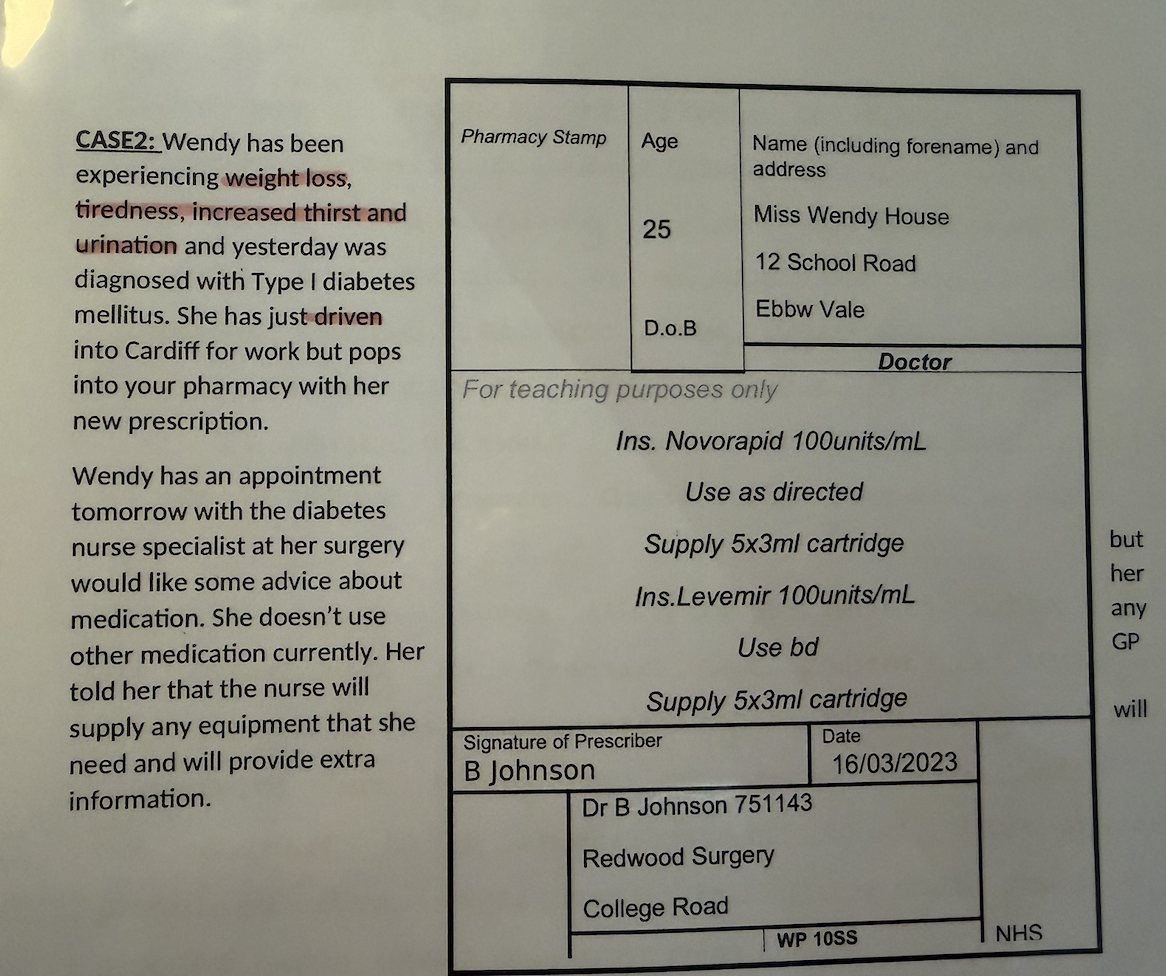
How would you describe this patients insulin regimen? Is it appropriate and are there alternatives?
This is the basal bolus insulin regimen
Insulin Novorapid → Rapid acting insulin (asparte) taken after meals to reduce post pradial glucose spikes - taken 3 times a day
Insulin levermir -Long acting insulin (determir) taken twice daily - with breakfast and evening meal - mimics background insulin
The basal bolus insulin regimen most closely mimics endogenous insulin and therefore is the gold standard insulin regimen for newly diagnosed type 1 diabetics.
Other regimens include biphasic where the patient is giving a premixed pen such as novomix containing an intermediate and rapid acting insulin and is taken twice daily with breakfast and evening meal. This is mostly recommended for those with good diabetic control.
When would a type 1 diabetic be moved to an insulin pump?
According to NICE, consider an insulin pump therapy of despite optimised basal bolus insulin, poor glycaemic control - HbA1C remain above target, recurrent hypoglycaemia, hypoglycaemia unawareness.
What is standard HbA1C target for type 1 diabetic?
In type 1 diabetes, the usual HbA1c target is around 48 mmol/mol, but this is individualised and may be relaxed (e.g. 53-58mmol/mol) if there is a high risk of hypoglycaemia or hypoglycaemia unawareness.
What equipment will Wendy need alongside her medication?
Needles are required to load pre-filled pens. Although this patient has been prescribed cartridges so as well as needles you need to ensure they have the pen device to inject. (Patient could have been prescribed disposable pens so need to inject they have the reusable pens if they are having cartridges)
Blood glucose monitor
Testing strips
Lancets
sharps bin
good practice to also prescribe - fast-acting glucose e.g. glucose tablets or gel
ketone testing strips - especially important in type 1 on sick days
What are the different options available for home blood glucose monitoring?
Finger prick blood glucose test with standard glucometer and test strips and lancet device - cheap and widely available and immediate results
Using the glucometer you can also take blood from the forearm, palm or thigh ALTHOUGH using forearm blood is less accuarate during rapid glucose changes - measures blood in interstitual fluid which lags behind glucose in blood
Continous glucose monitoring - sensor placed under skin measurng glucose in interstital fluid - gives real-time glucose readings and trends - replaced every 7-14 days - this is often paired with insulin pump - a closed loop system in which the two devices communicate to one another
Encourage finger tip testing in hypos
How often should type 1 diabetics be monitoring glucose levels?
at least 4 times a day - before each meal and at bed time
additional checks are needed - before driving, before and after exercise, if feeling hypo/hyper, during sick days, at night if hypos suspected
gold standard - minimum of 4 checks per day up to 10 checks per day
How many units of insulin should Wendy use and how can she calculate this?
Who does Wendy need to tell about her diabetes?
Wendy should inform the DVLA of her diagnosis of type 1 diabetes as she is using insulin and so has a higher risk of hypos. Also best to inform her employer so they can support hypoglycaemia management.
Why should care be taken for those who have diabetes and drink alcohol?
alcohol increases the risk of hypoglycaemia and can mask symptoms of hypoglycaemia e.g. confusion, dizziness, slurred speech, as the signs overlap with alcohol intoxication, so care needs to be taken!
How many units of insulin does Wendy nee to inject?
The dose of insulin will be specific for the patient. DAFNE programme to help patients adjust the dose and carbohydrate counselling - patient can tailor dose for each meal.
What is DAFNE?
Dose Adjustment for Normal Eating - teaches diabetics how to count carbs, adjust insulin dose, manage hypos, exercise, illness etc.