Functional group
 Call Kai
 Learn
Learn Practice Test
 Spaced Repetition
 Match
Match Flashcards
 Knowt Play
1/72

There's no tags or description
Looks like no tags are added yet.
Name | Mastery | Learn | Test | Matching | Spaced | Call with Kai |
|---|
No analytics yet
Send a link to your students to track their progress
73 Terms
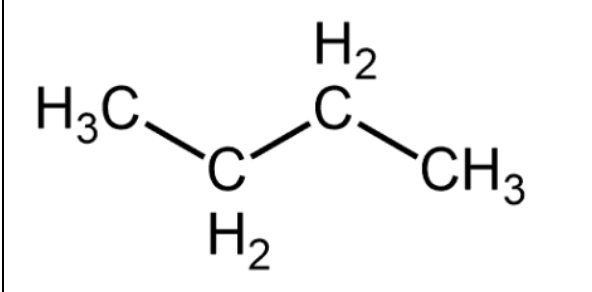
alkane
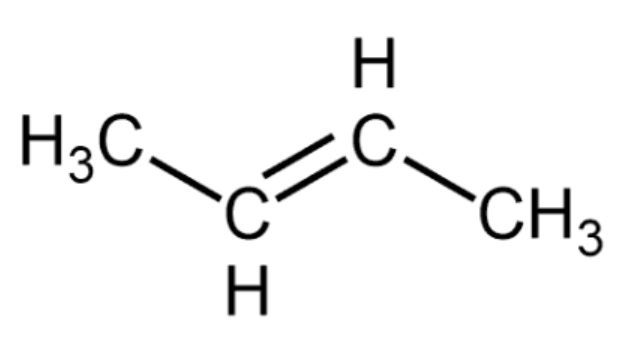
alkene
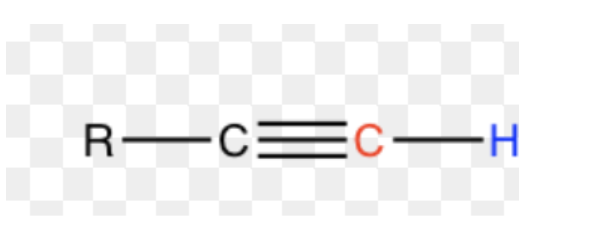
alkyne
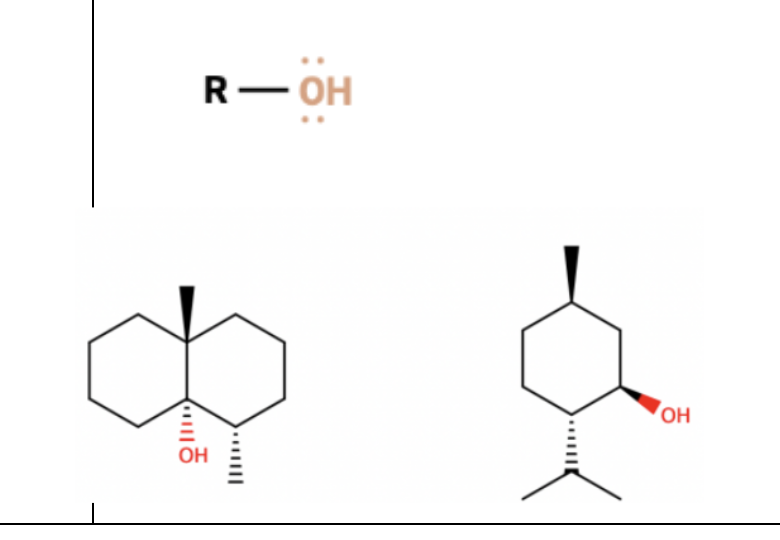
alcohol
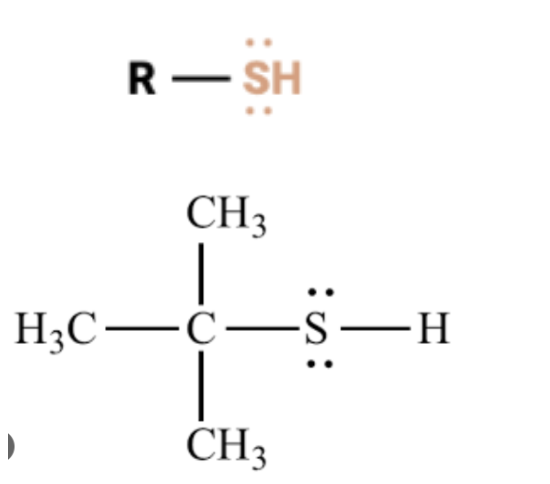
thiol
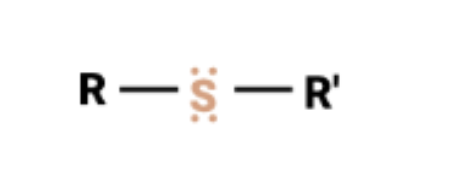
thioether
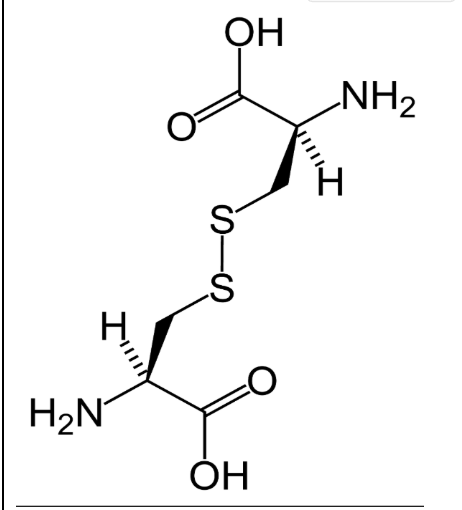
disulfidde
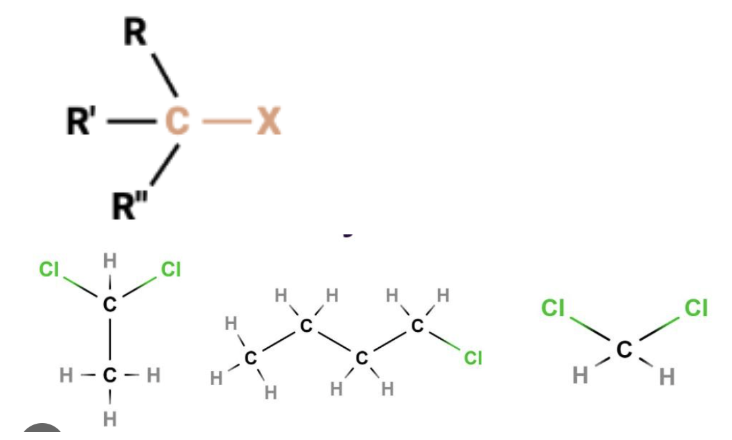
akyl halide
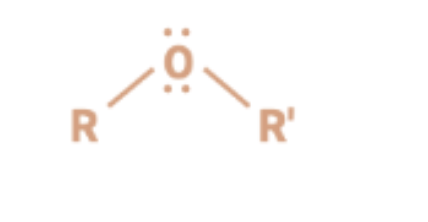
ether
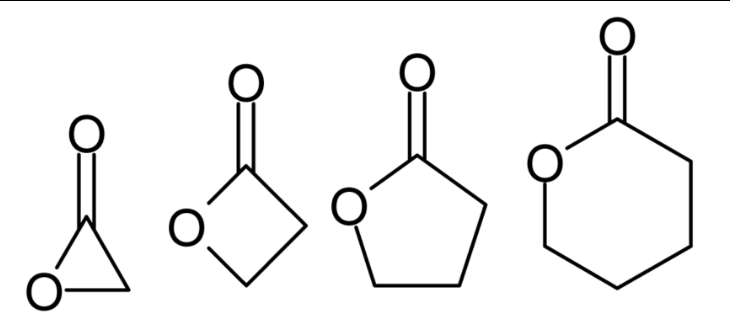
lactone
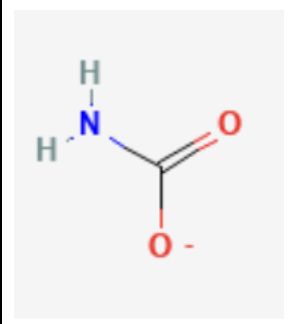
carbamate amide
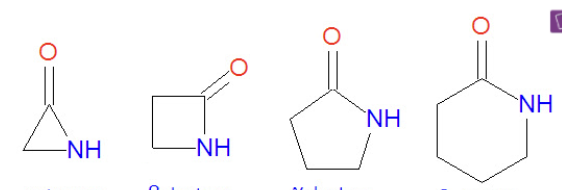
lactom - cyclic amide
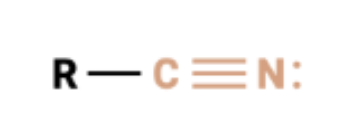
nitrile
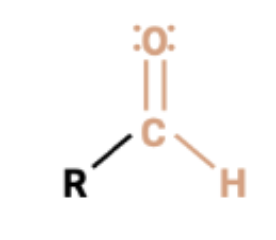
aldehyde
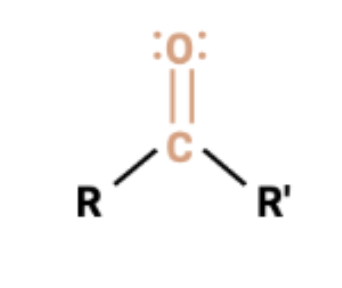
ketone
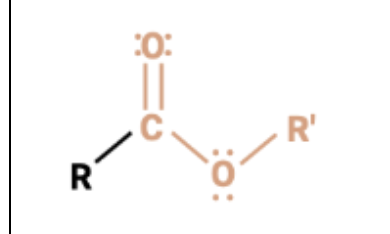
ester
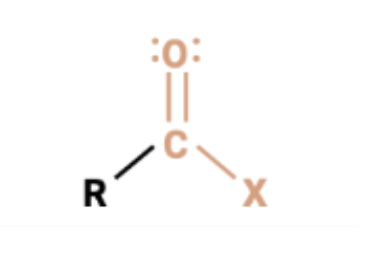
acyl halide
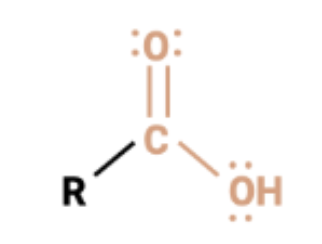
carboxylic acid
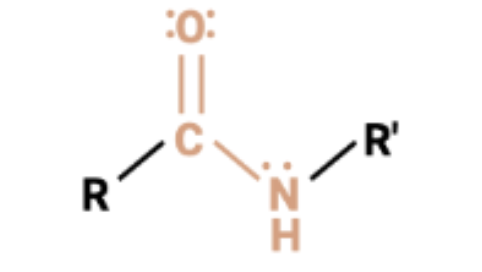
amide
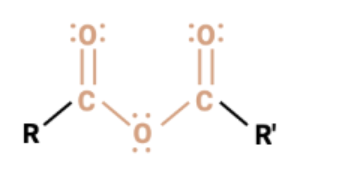
acid anhydride
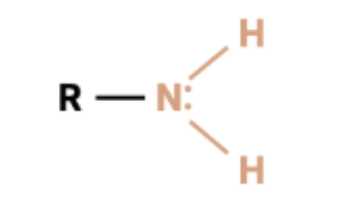
amine - single bond
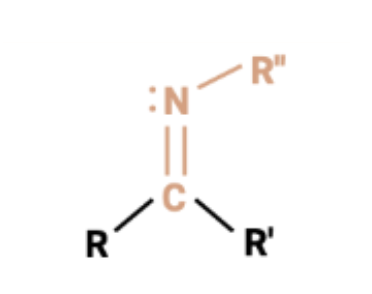
imine - double bond
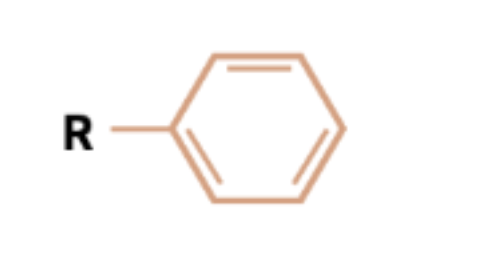
phenyl
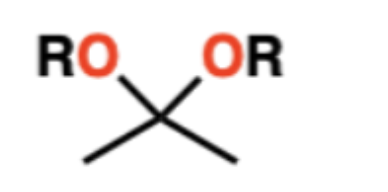
acetal
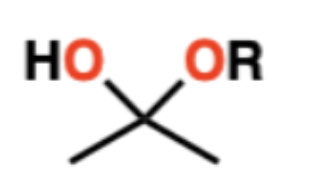
hemiacetal
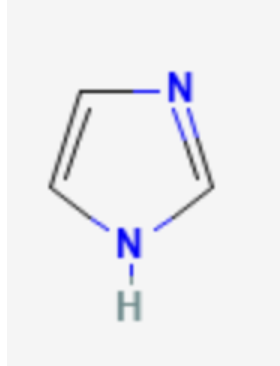
imidazole ring - in histidine
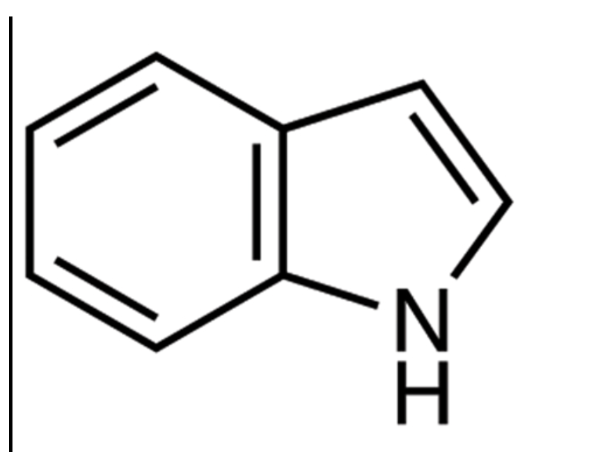
indole - in tryptophan
Acidity (Weakest → Strongest)
“Which loses H⁺ easiest
Alkanes < Amines < Alcohols < Thiols < Phenols < Carboxylic acids
Basicity (Weakest → Strongest) “Which accepts H⁺ best?”
Carboxylic acids < Phenols < Alcohols < Amines
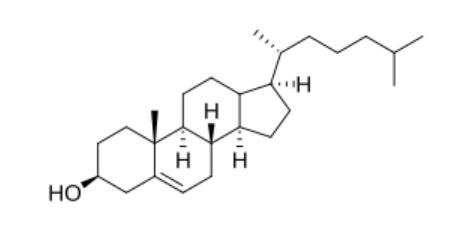
cholesterol (steroid)
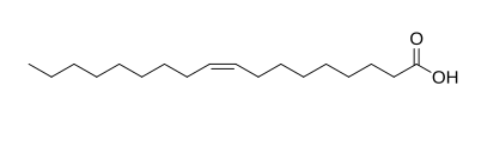
free fatty acid - monounsaturated
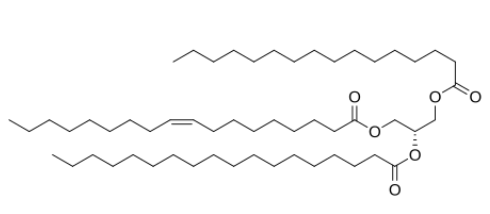
triglyceride (storage lipid) - three fatty acids ester-linked to a single glycerol
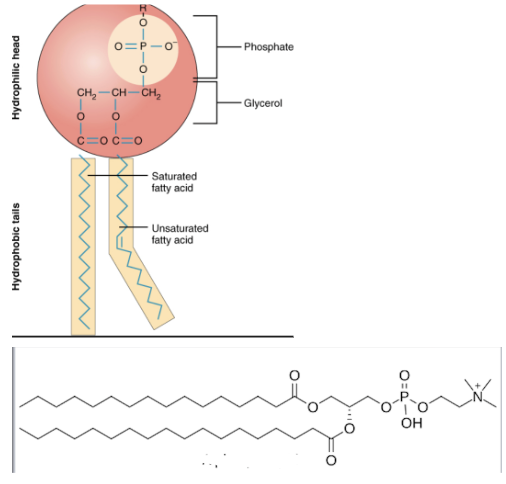
phospholipid (phosphatid) - two fatty acids ester-linked to a single glycerol plus a charged head group
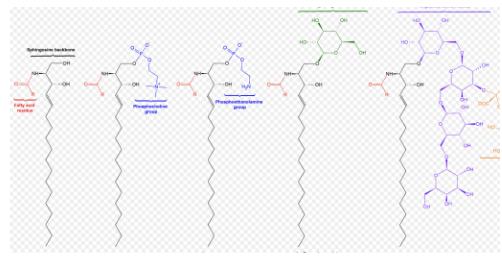
sphingomyelin - two fatty acids ester-linked to a single sphingosine plus a charged head group
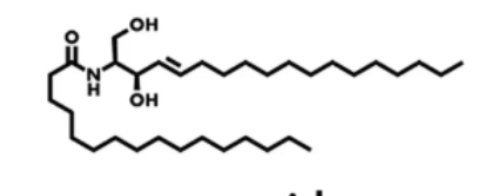
ceramide - three fatty acids ester-linked to a single sphingosine, involved in cell signaling
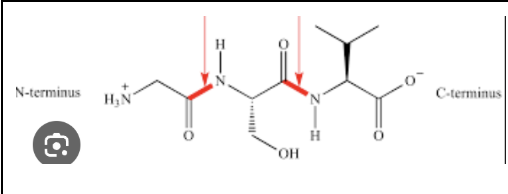
peptide bond - made up of amide bonds
-amide bonds formed between carboxyl carbon + amine nitrogen
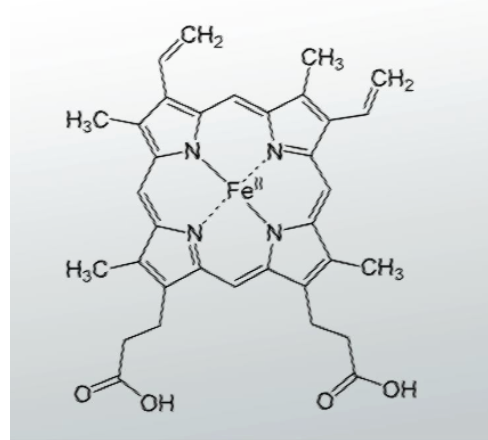
heme
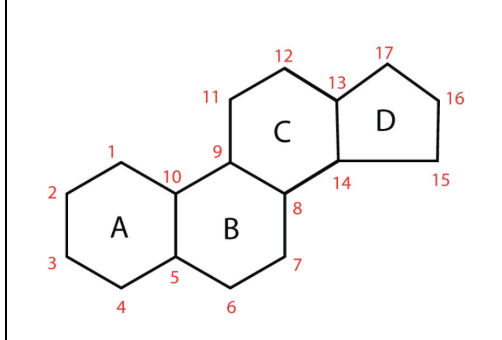
steroid
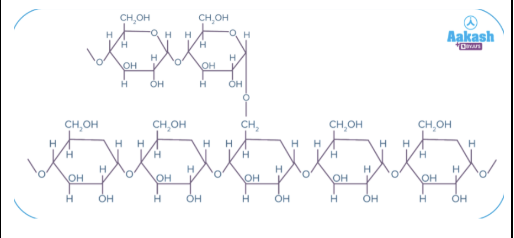
glycogen - (a - 1 - 6), highly branched
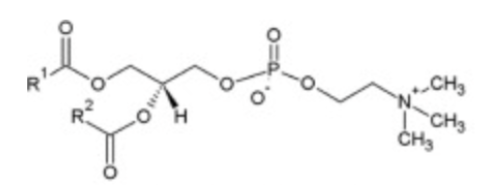
Phosphatadylcholine
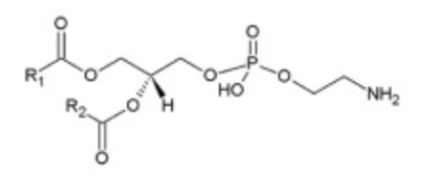
Phosphoethanlomine
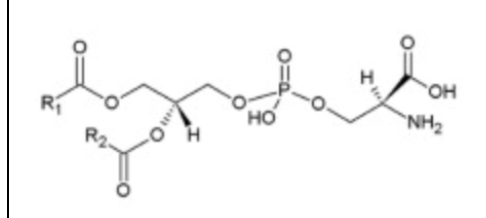
Phosphatidylserine
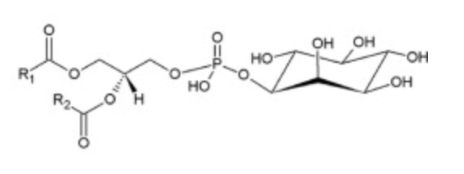
Phosphatidylinositol
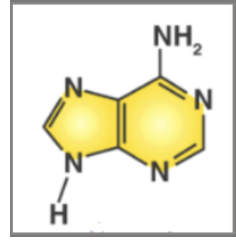
adenine
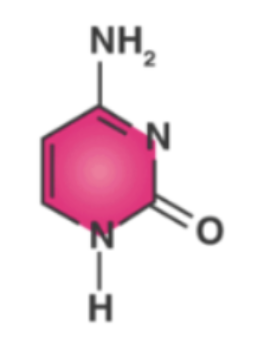
cytosine - 1 hydrogen donor 2 hydrogen acceptors
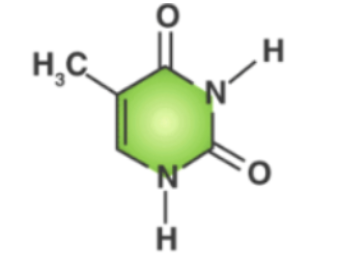
thymine
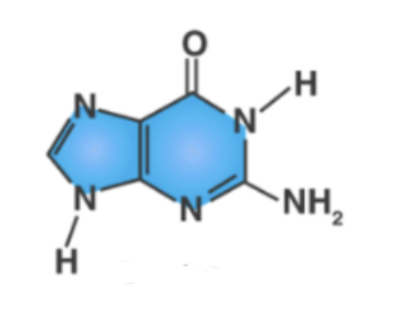
guanine - 2 hydrogen donors and 1 hydrogen acceptor
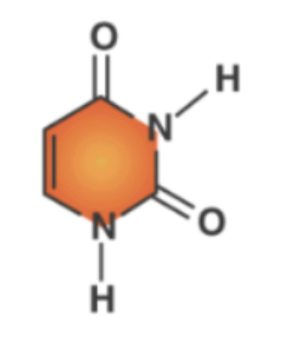
uracil
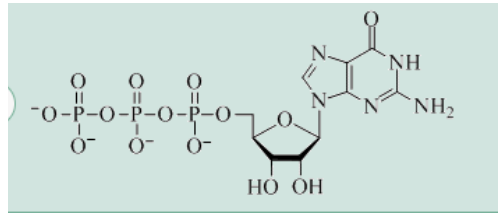
GTP
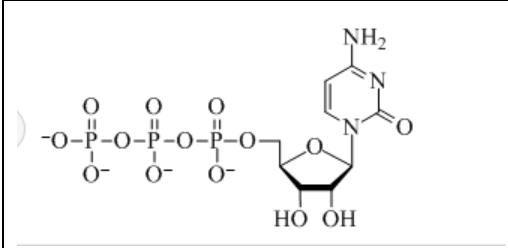
CTP
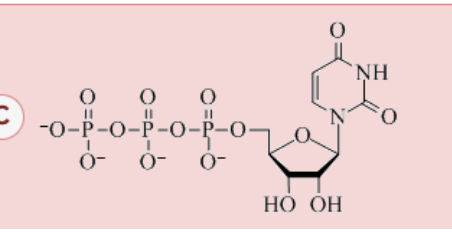
UTP
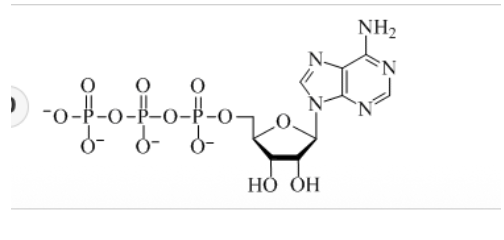
ATP
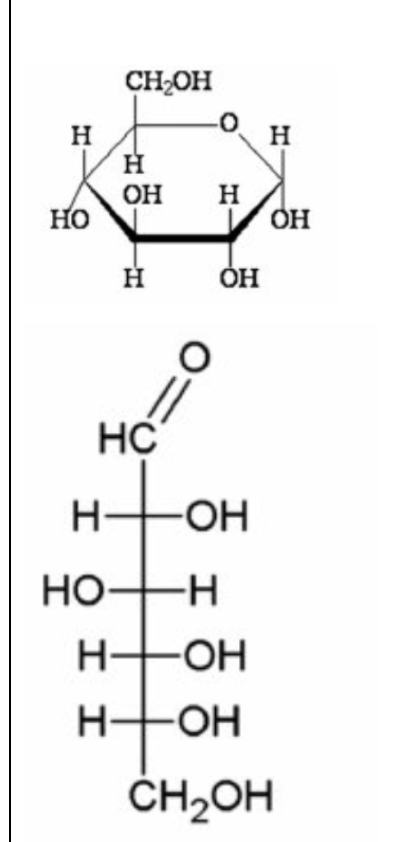
glucose - OH down (alpha)
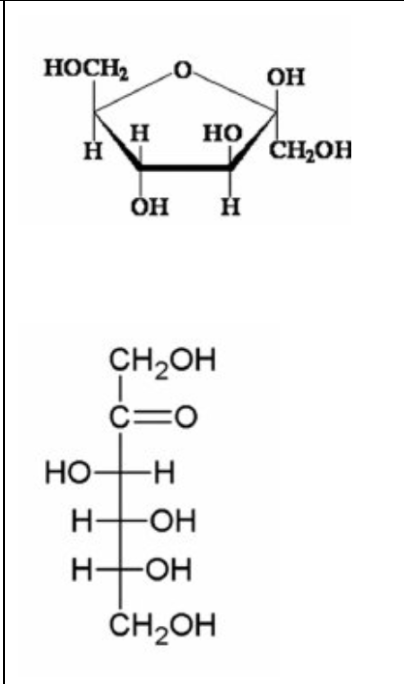
fructose
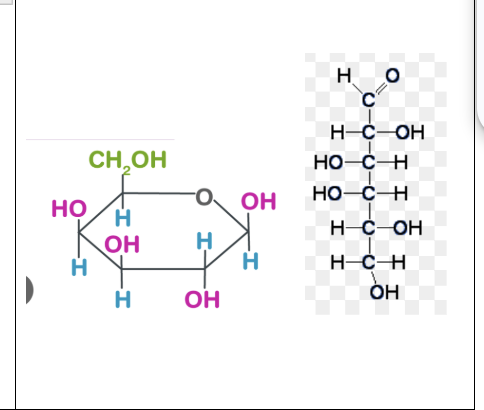
galactose, OH up, b eta
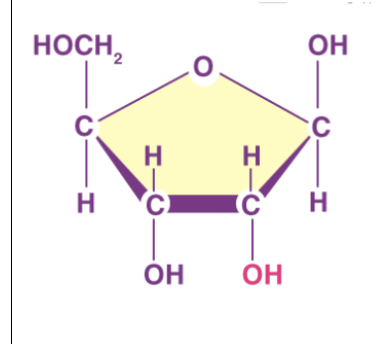
ribose
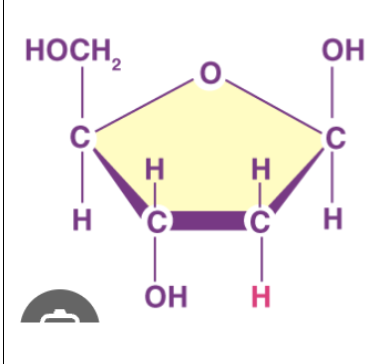
deoxyribose
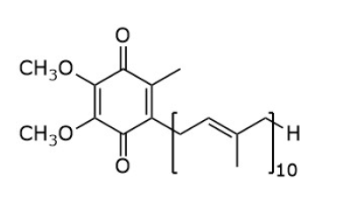
ubiquinone
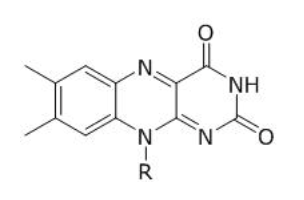
flavin
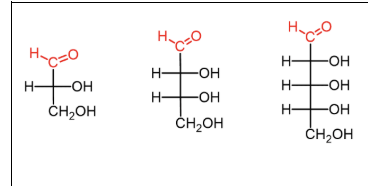
aldolase
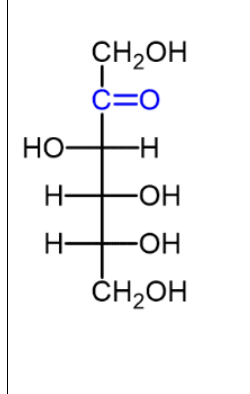
ketone
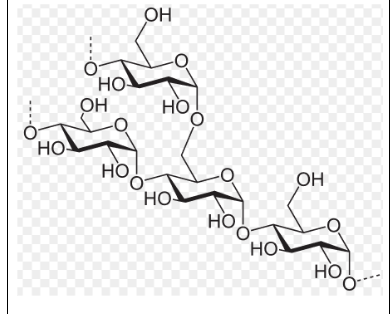
amylopectin - branched α(1→4) + α(1→6)
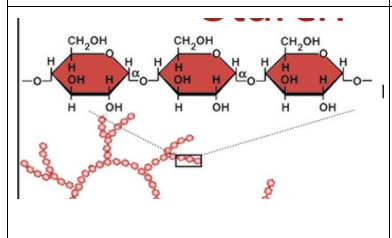
general structure of starch
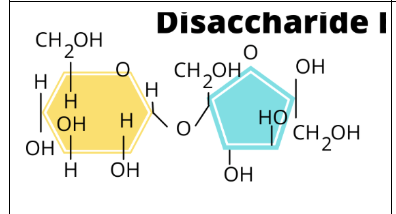
sucrose (glucose + fructose)-
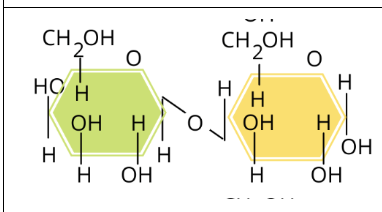
lactose (galactose + glucose); Bond: β(1→4)
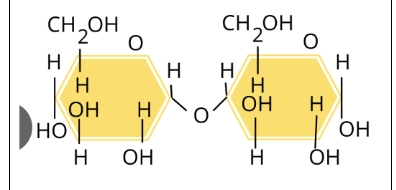
maltose (glucose + glucose) Bond: α(1→4)
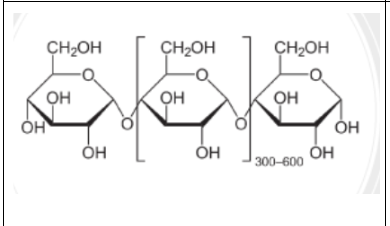
amylose - α(1→4) straight chain
Cellulose (plants)
β(1→4), humans can not digest
non reducing involve
hemiacetals
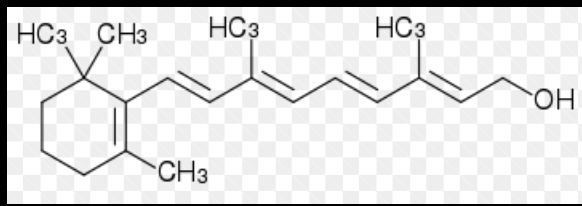
Vitamin A → Vision
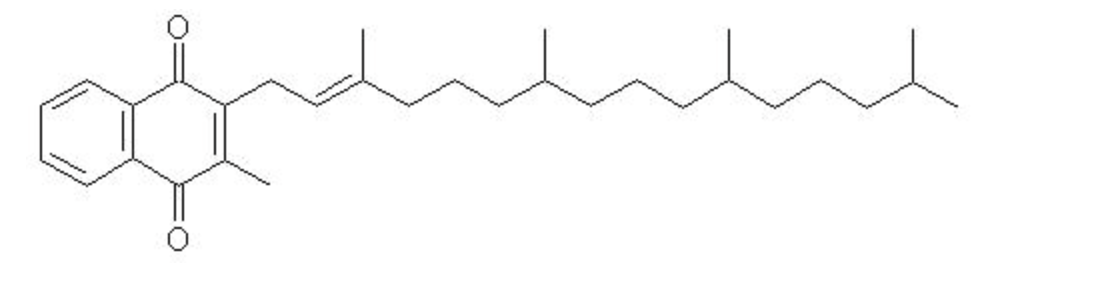
Vitamin K → Clotting factors
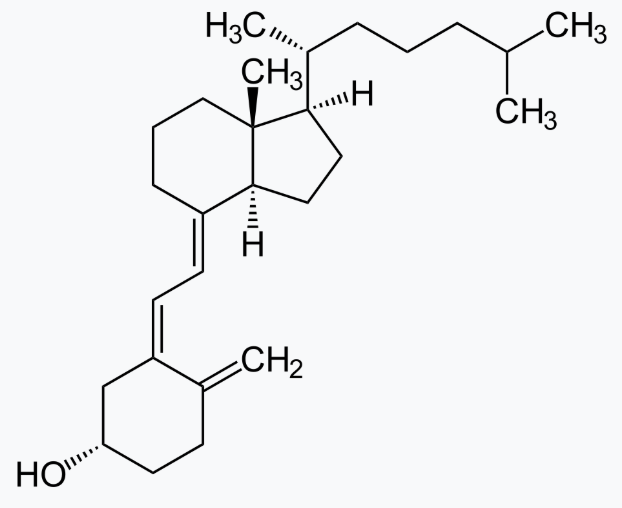
Vitamin D → Calcium absorption
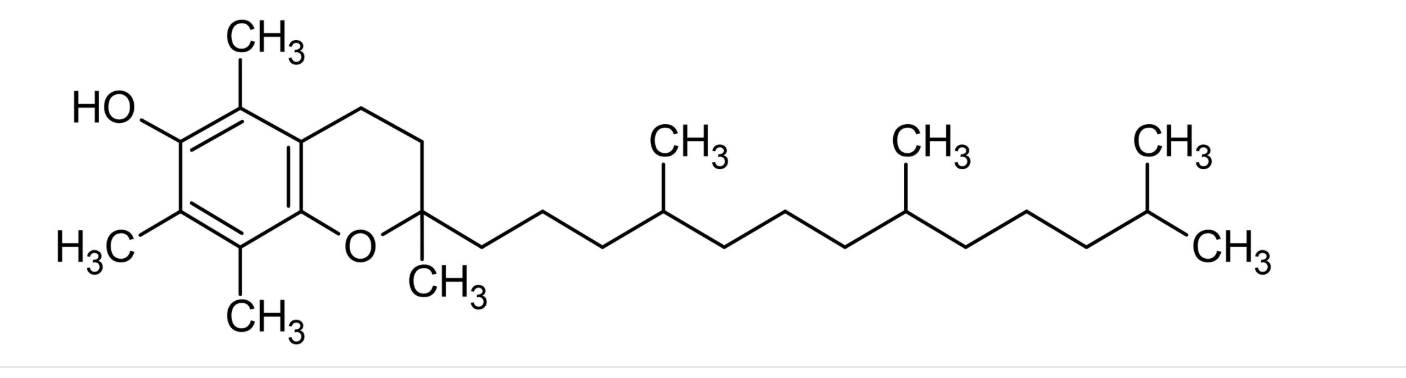
Vitamin E → Antioxidant