PLSC 381 Module 1/Plant List 1 & 2 Quiz
 Call Kai
 Learn
Learn Practice Test
 Spaced Repetition
 Match
Match Flashcards
 Knowt Play
1/55

There's no tags or description
Looks like no tags are added yet.
Name | Mastery | Learn | Test | Matching | Spaced | Call with Kai |
|---|
No analytics yet
Send a link to your students to track their progress
56 Terms
reasons to use natives in the landscape (know at least 5)
reflects the local natural beauty
creates plant community-based gardens that:
have similar cultivation requirements (soil/light/nutrients/water)
promotes ecology of the area
provides us with plants that are well adapted to the climate and soil
increases diversity within garden by including plants from similar plant communities
can be economic because they can decrease water consumption in the summer
can decrease soil disturbance and don’t require constant amending
many are aesthetically beautiful
long bloom periods
evergreen foliage with low water requirements
how do native plants support native fauna?
native pollinators that require specific plants to lay eggs & grow larvae
provide food to local and migratory organisms
apical meristem
produces tissues that grow into mature stem and leaf tissues (top of stem)
node & internode
leaves attached at the node (1 or more leaves occur at each node)
internodes are the space between each node
axillary bud
a bud that occurs in the axil of each leaf, axillary buds grow into new leafy stems or flowers
morphology of a leaf (blade, petiole, stipule)
blade: expanded portion of the leaf
petiole: leaf stalk
stipule: appendage at the base of the petiole
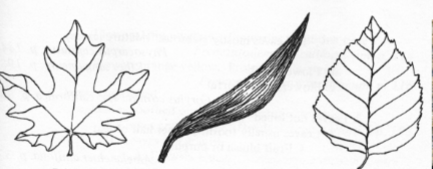
list venation (left to right)
palmate, parallel, pinnate
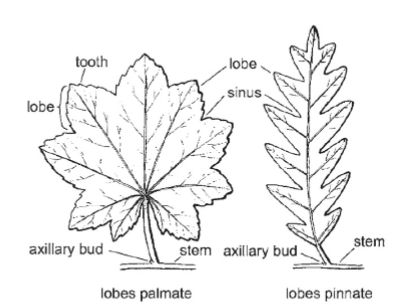
leaf lobes
palmate, pinnate
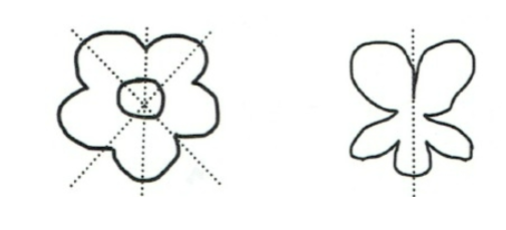
floral symmetry
radial, bilateral
screen
must be evergreen and not deciduous
be sensitive of ultimate height of plant
tall, dense, do not want to se through it
background contrast
unusual shade of foliage for a contrast against the background
can be deciduous
Sequoia sempervirens, Vitis californica
shade trees
what seasons do you want shade? only in the summer→ deciduous okay
Acer marcophyllum, Umbellularia californica
fill
a plant that can spread and fill an area, reducing opportunity for weeds to flourish, providing a pleasant ground cover
dense, spreads quickly, evergreen
watch for creeping/fast filling/thicket forming
foundation cover
stays short, doesn’t block windows
not too wide
evergreen
Ceanothus spp., Berberis aquifolium, Baccharis pilularis ‘Pigeon Point’
focal point
requires a special attribute that draws the eye towards it
pop of flow color
seasonal foliage color
sharply contrasting foliage
herbaceous borders
an assortment of non-woody, soft-stemmed, perennial plants
can have annuals and shrubs that provide contrast and color
higher maintenance
amazing show of color
biodiversity hotspots
regions that harbor a great diversity of species and have been significantly impacted by humans
Mediterranean regions of the world
SW & S Australia
W Cape & S Africa
Mediterranean Basin
Central Chile
California
commonalities of Mediterranean regions
latitude between 30-45 degrees
W or SW edge of continents
diverse topography
cold ocean currents nearby
warm dry summers, cool wet winters
10-40 inches of rainfall annually
which Mediterranean region is the largest in area?
Mediterranean basin
which Mediterranean region is the smallest in area?
South Africa
which region has the most plant diversity?
South Africa
which region has the highest percentage of endemic plants?
Australia
convergent evolution
plants from different geographic locations develop similar traits due to similar environmental pressures
Aesculus californica
California buckeye
20’ to 30’ tall and 15 to 30’ wide
summer drought deciduous and winter deciduous
seeds are poisonous and pollen is poisonous to European honeybees
very showy in spring with cream (also pink) flowers
terminal flowers at end of branch
palmately compound, 5-7 leaflets on leaf, opposite arrangement
Arctostaphylos ‘Howard McMinn’
Howard McMinn manzanita
6 to 10’ tall & 10-15’ wide
evergreen
smaller leaves
more green than grey, glossy, fruits are smaller
most dependable and adaptable manzanita (widely available)
Arctostaphylos manzanita ‘Dr. Hurd’
Dr. Hurd manzanita
10-16’ tall, 10-15’ wide
evergreen
showy bark
small tree/large scrub
large, grey leaf, not glossy, broadly elliptical
pale pink/white flowers
Arctostaphylos ‘John Dourley’
John Dourley manzanita
1-3’ tall, 4-6’ wide
evergreen
attractive orange-red new growth in spring
mounding shrub, spreads but doesn’t hug ground
rounded leaves
hairy stems
Arctostaphylos ‘Pacific Mist’
Pacific mist manzanita
2-3’ tall, 6-10’ wide
evergreen
performs best on coast, tolerates dry shade
long, grey/dull/matte, narrower leaves
urn-like flower
Artemisia californica
California sagebrush
1-4’ tall, 4’ wide
can be summer drought deciduous, drought tolerant
leaves in tufted clusters
linear, long, narrow, alternate leaves
chaparral & coastal scrub communities
Carex praegracilis
clustered field sedge
1 to 2’ in height, spreading via rhizomes
evergreen
narrow leaves
sedges have edges→ triangular flower stalk
needs some supplemental water in the summer
Cercis occidentalis
western redbud
12-20’ tall & 10-15’ wide
deciduous
naturally multi-trunked, but can be pruned
early spring bloom→ very showy in spring with pink flowers
rounded-orbicular leaves with palmate venation of bottom
angular/zig-zag branch between nodes
Iris douglasiana
Douglas iris
1-2’ tall, 2-3’ wide
evergreen
lavender/blue/white flowers
parallel leaf veins, red at bottom
nice adjacent to water→ bioswales, creek bed
slowly spreading via rhizomes
Juncus patens
common rush/CA grey rush
1-2’ tall & wide
evergreen
forms dense clumps from short rhizomes
very versatile rush as it is adapted to dry summers & wet winters
rushes are round
good in drainage areas
Quercus agrifolia
coast live oak
40-60’ tall and 40-50’ wide
evergreen
dark green elliptic leaf w/ little spines on edge
long & narrow acorns
don’t like compaction/disturbance around roots
Quercus tomentalla
island oak
40-60’ tall, 20'-30’ wide
evergreen
very prominent leaf veins, felty underneath, serrated margins
comes from Channel Islands
Ribes sanguineum
red flowering currant
6-8’ tall, 6-10’ wide
winter deciduous
stunning flowers in red/pink, flowers hang down
palmate veined & lobed
sandpaper-like feeling bark
Salvia leucophylla ‘Point Sal Spreader’
Point Sal purple sage
under 2 1/2’ in height, spreads 8-10’ wide
evergreen
groundcover, stays low
light grey leaves, opposite, rounded tips
purple flowers along stem
drought deciduous, looses some leaves
Woodwardia fimbriata
giant chain fern
4-6’ tall and wide
evergreen (can be semi-deciduous if exposed to summer drought)
found in riparian washes, likes shade
biggest fern we’ll see
linear sori
little leaflets don’t separate well (all one plant tissue)
Baccharis pilularis ‘Pigeon Point’
coyote brush ‘Pigeon Point’
Pigeon Point is a male selection, dioecious, with less messy flower debris
grows 2’ tall & 8’ wide
evergreen cultivated shrub
groundcover, mounding, low spreading
round leaves
Berberis aquifolium
Oregon grape
3-7’ tall, 6’ wide
spreads by rhizomes
evergreen
showy yellow flowers at end
yellow wood
spines on leaflets→ good barrier plant
pinnately compound (7-9 leaflets)
tend to grow upright
Bouteloua gracilis
blue grama
warm-season, bunching perennial grass that spreads slowly
grows between 4-16” tall, 24” in flower
deciduous
full sun or little bit of shade
tolerates foot traffic and moving
Calliandra californica
Baja fairy duster
native to Baja Mexico
red flowers
3-5’ tall & wide
evergreen
bipinnately compound leaves, finely divided leaflets
seedpod
hot, dry, semi-arid, sunny locations
Calycanthus occidentalis
CA spice bush
deciduous shrub that grows in moist places
3-13’ tall, 5-8’ wide
once established, it is fast growing and spreading by rhizomes, eventually forming a thicket
pretty flowers, big green leaves
good on edges of bioswale
leaves smell sweet and have a little sandpaper feel
Encelia californica
CA brittlebush/CA bush sunflower
bushy, sprawling shrub reaching 2-5’ in height
solitary flower heads are daisy-like, bright yellow
very fast growing, easy to grow, spreading with seeds
summer drought deciduous
one large mid-vein and two come on the sides
big perennial
Erigeron glaucus
seaside fleabane/beach aster/seaside daisy
perennial daisy growing from a stout rhizome
2-12”
flowers with yellow centers & surrounded by ray florets in shades of deep blue/purple/lavender/white
great plant for coastal gardens and produces abundant flowers in spring
very round at tip of leaf
low growing groundcover
Festuca idahoensis
Idaho fescue/blue bunchgrass
densely-clumping, long-lived perennial grass
1-3’ in height
long, grey, bladed leaf
root system is thick and penetrates deeply into the soil
rabbits like eating
Morella californica
California wax myrtle
evergreen shrub/small tree
inconspicuous yellow flowers that turn into maroon colored fruit
30’ tall, 20’ wide
found close to the coast and in drier climates, riparian corridors
alt, lanceolate leaves w/ serrated margins
Polystichum munitum
western sword fern
evergreen
2-3’ tall & wide
shade to part shade
tolerant and tough species, capable of enduring cool/dry conditions
ground cover in deer resistant gardens
shorter frond, can pull leaflets off individually
good in bioswale
round sori
Quercus lobata
valley oak
winter deciduous
lobed, alt leaves
found in valleys where water drains
Rhamnus crocea
spiny redberry
evergreen shrub
stiff almost spine-like stems
3-8’, grows slowly, wider spread
showy red fruit
small, round leaf, very small serrations on leaf margin
good for chaparral or coastal sage scrub
Salvia apiana
white sage
evergreen
3-6’ tall, 3-6’ wide (usually smaller)
light purple flowers (lighter than desperado)
Salvia ‘Desperado’
Desperado sage
cross between Salvia apiana and Salvia leucophylla
grows 6-8’ tall, 4-6’ wide
evergreen to summer semi-deciduous shrub
showy purple to violet flowers
light grey, elliptic, velvet feeling leaves
bigger than salvia apiana, smells better
Stachys bullata
CA hedge nettle
found in wet, swampy, boggy places
perennial, evergreen, prefers partial shade
spreads viz rhizomes to become a spreading groundcover
16-24” tall
great for bioswales, pond margins
showy lavender flowers
little bristles on stem/leaves but does not sting
Thalictrum fendleri
meadow rue
found in moist forests or woodland areas
prefers shade & works well with other ferns
drought deciduous and winter deciduous
3-6’ tall, 1'-2’ wide
leaves are grey and have rounded serration
yellow/cream flowers
Verbena ‘De La Mina’
de la Mina verbena
2’ high, 4’ wide
evergreen
showy lavender to purple flowers
low perennial groundcover
very divided/lobed leaves