NURS 306: Week 11 - Older Adult Care is Political and Calls for Action!
 Call Kai
 Learn
Learn Practice Test
 Spaced Repetition
 Match
Match Flashcards
 Knowt Play
1/29

There's no tags or description
Looks like no tags are added yet.
Name | Mastery | Learn | Test | Matching | Spaced | Call with Kai |
|---|
No analytics yet
Send a link to your students to track their progress
30 Terms
As nurses, it is our duty to remain neutral and distance ourselves away from politics as much as possible in order to protect the safety of our patients (True/False).
False
1 multiple choice option
Universal access to healthcare does not mean equitable access (True/False).
True
1 multiple choice option
What are the essential requirements for aging with chronic illness?
- Income security
- Stable housing
- Home care and caregiver supports
- Medication access
- Culturally safe services
How do age-based assumptions affect healthcare for older adults?
They influence diagnostic intensity, treatment options, and referral patterns.
What do chronic disease outcomes reflect?
Income, racism, colonization impact, and geography.
What challenges do rural and northern areas face in chronic disease management?
Long wait times and specialist bottlenecks disrupt continuity of care.
What does 'aging in place' assume?
It assumes stable housing and family support.
What is a significant gap in home and community care for older adults?
Chronic illness management relies heavily on unpaid caregivers.
Which populations experience unequal aging?
- Indigenous older adults
- Newcomer seniors
- 2SLGBTQ+ elders
- Disabled and low-income older adults
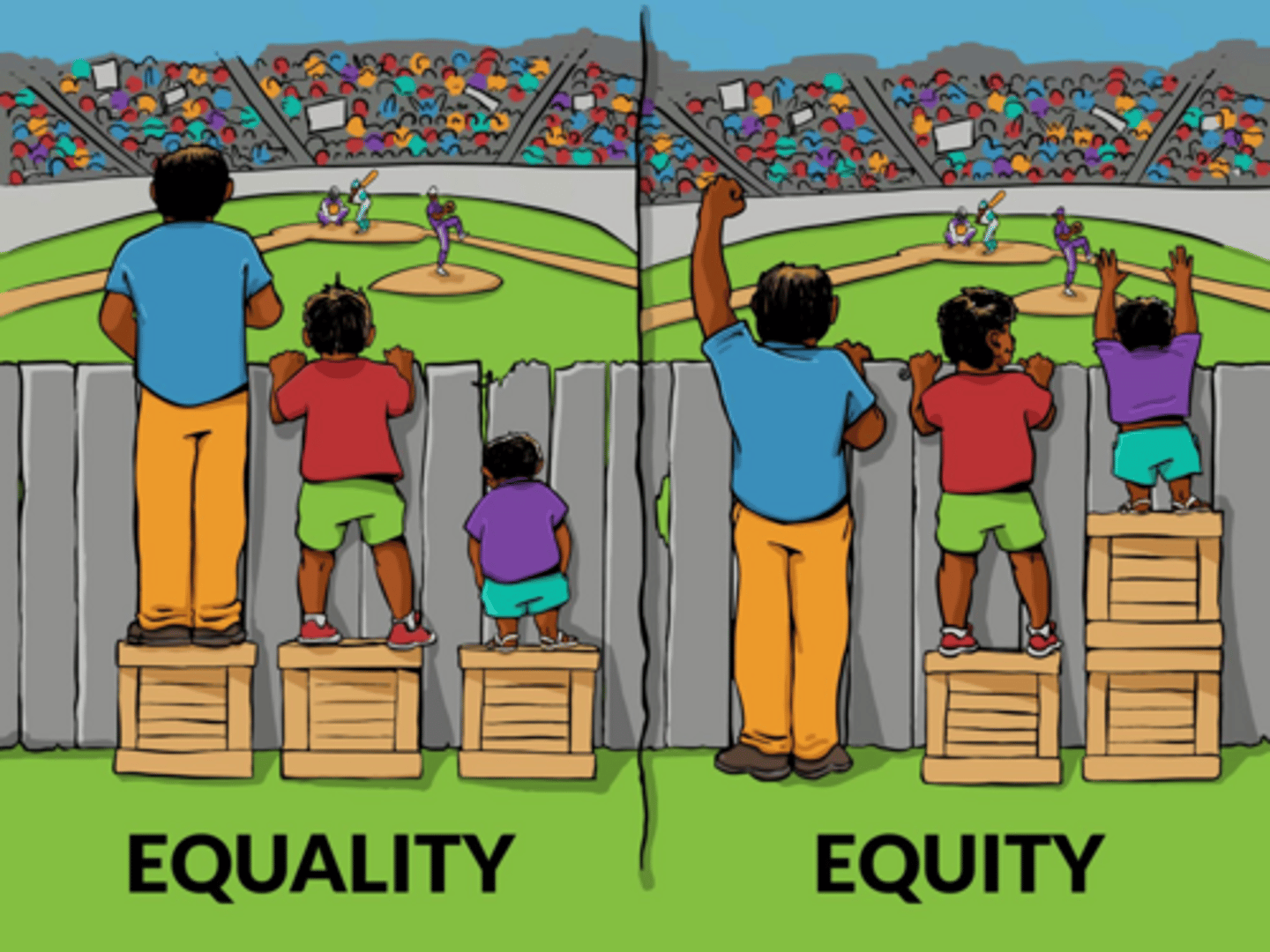
What does policy language promise for older adults?
Autonomy, self-determination, independence, aging in place, and patient-centered care.
What is the lived reality for older adults regarding care?
Underfunded home and community supports and chronic illness managed through unpaid family caregiving.
How is autonomy often framed in the context of aging?
As personal responsibility rather than a structural right.
What are the implications of framing support needs as personal failure?
Older adults may be labeled 'non-compliant' when structural barriers exist.
What moral challenges do nurses face in chronicity and aging care?
They experience moral distress when care is delayed or insufficient due to policy gaps.
What is the core takeaway regarding nursing practice in aging care?
Nurses practice in the gap between policy ideals and lived inequity.
What is the impact of structural barriers on older adults' independence?
Independence is often constrained by income, housing-food insecurity, and geography.
What are the consequences of underfunded home and community supports?
Chronic illness management often falls to unpaid caregivers, leading to inequities.
What role does advocacy play in improving justice for older adults?
Interdisciplinary advocacy can elevate long-term care as a federal priority.
How does the concept of 'successful aging' relate to social networks?
It is tied to self-management and strong social networks.
What happens when autonomy is celebrated but not funded?
Costs are absorbed by individuals, and failures in independence may lead to blame.
What is the significance of the United Nations Declaration regarding health?
Health is framed as an inalienable right.
What is the role of nurses in managing chronic conditions?
They witness the consequences of upstream policy gaps and manage worsening conditions.
What is a key challenge in the healthcare system for older adults?
The disconnect between policy promises and the reality of care.
What does the term 'moral distress' refer to in nursing?
The emotional strain experienced when care is inadequate or delayed.
A patient's room is an _____ space.
- Emotional
- Relational
- Cultural
- Social
- Spiritual
- Physical
- Publicly funded
- Local, provincial, and federal-shaped
Acute care can temporarily stabilize inequity (True/False).
True
1 multiple choice option
Chronic care exposes inequity in health care over time (True/False).
True
1 multiple choice option
What is the main ethical tension that occurs in nursing practice when dealing with chronic care?
Stabilizing the health of older adults only to return them to unstable living conditions.
What is the impact of the ethical tension in chronic care on nurses?
- Moral distress
- Burnout and ethical fatigue
- Complicity
- Emotional strain
What is the nurse's role in politics?
- Recognizing structural determinants of health
- Naming injustice
- Understanding public funding as public responsibility
- Seeing chronic illness as shaped by policy and not just biology