swallowing treatment techniques
 Call Kai
 Learn
Learn Practice Test
 Spaced Repetition
 Match
Match Flashcards
 Knowt Play
1/21

Earn XP
Description and Tags
treatment guidelines & maneuvers
Name | Mastery | Learn | Test | Matching | Spaced | Call with Kai |
|---|
No analytics yet
Send a link to your students to track their progress
22 Terms
T/F compensatory tx procedures are usually introduced first in the diagnostic procedure
true
____ strategies are those that control the flow of food and eliminate the pt’s symptoms (i.e., aspiration) but do not change the physiology of the swallow itself. They require less muscle effort, therefore less fatigue
compensatory
list compensatory strategies
postural changes (change dimensions of the pharynx and the direction of food flow)
increase sensory input
modify volume or speed of food presented
change the food consistency or viscosity
intra oral prosthetics
posture - head back
dx: inefficient oral transit → back of tongue propulsion reduced
rationale: gravity used to clear the oral cavity
posture - chin down
dx: delay in the trigger of the pharyngeal swallow, the bolus has moved past the ramus of mandible but no pharyngeal swallow initiated
rationale: widens vallecula (prevent bolus from entering airway), narrows airway entrance, pushed epiglottis posteriorly
posture - chin down
(but for when there is reduced posterior motion of tongue base)
this means there is residue in the vallecula
this posture will push the tongue base backwards and towards the pharyngeal wall
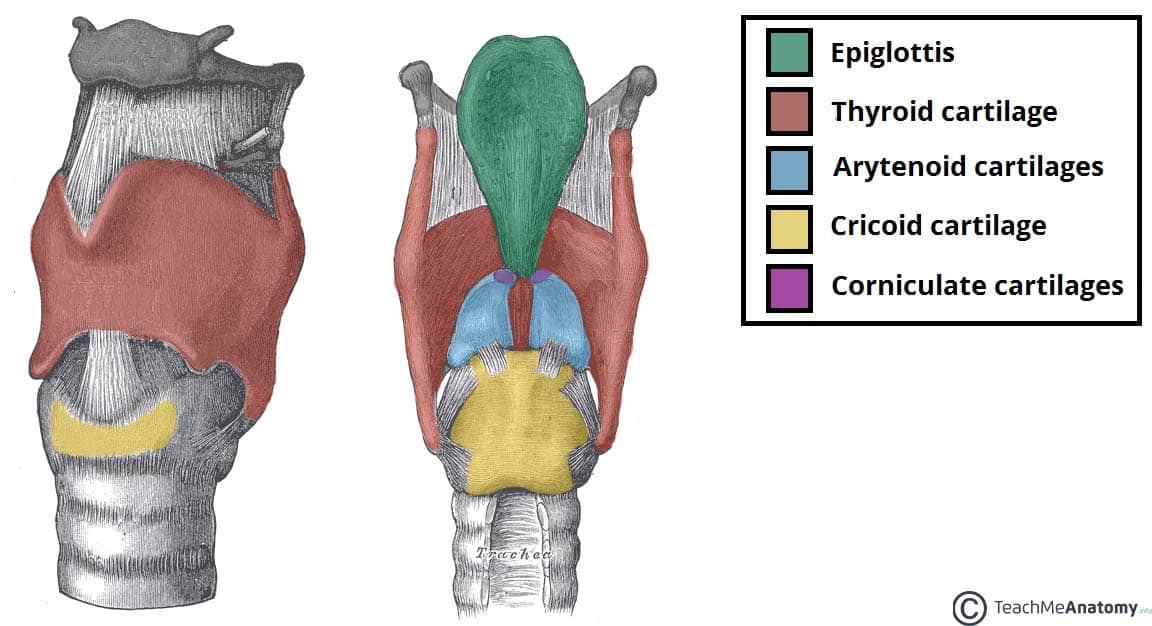
posture - head rotated to damaged side (+ chin down)
dx: unilateral laryngeal dysfunction (aspirates during the swallow)
rationale: places extrinsic pressure on the thyroid cartilage and increases adduction
posture - head rotated to damaged side (+ chin down)
**reduced laryngeal closure
aspiration during the swallow bc airway/larynx isn’t closed off
rationale: will put the epiglottis in a more protected position, narrows laryngeal entrance, increase VF closure by applying extrinsic pressure
posture - lying down on one side
dx: reduced pharyngeal contraction (residue spread throughout the pharynx)
rationale: eliminates gravitational effect on pharyngeal residue
easy wording: upright → residue can fall down toward the airway but when on side gravity pulls it laterally and it pools on the side walls of pharynx away from the airway
posture - head rotated to damaged side (only)
unilateral pharyngeal paresis (partial weakness or reduced muscle function, not complete loss)
residue spread throughout the pharynx because reduced clearance
rationale: eliminates the damaged side from bolus path
posture - head tilt to stronger side
dx: unilateral oral and pharyngeal weakness on the same side (residue in mouth and pharynx on same side)
rationale: directs bolus down stronger side
posture - head rotated
dx: cricopharyngeal dysfunction (residue in pyriform sinuses)
rationale: pulls the cricoid cartilage away from posterior pharyngeal wall, reducing the resting pressure in cricopharyngeal sphincter
1.) use it or lose it (principles of neural plasticity by Kleim and Jones)
if a neural substrate is not biologically active, its function can degrade
(degradation of a function)
2.) use it and improve it
with increased biological activity → future functioning is enhanced (especially if that activity involves skill training or what could be called target practice)
3.) plasticity is experience specific
suggests that changes may occur only in the neural substrates involved in the particular behavior being trained
deafferentation in one modality!
4.) intensity matters
A nonlinear relationship between the intensity of exercise-induced stimulation and the markers of neural plasticity (cortical representation, synaptogenesis, and behavioral representation) has been demonstrated.
On the one hand, there appears to be a threshold of intensity required to elicit neural changes
5.) time matters
Protracted (rather than short) periods of training and continuous (rather than intermittent) training may maximize neural change
However, the time of intervention initiation postinjury often dictates the intensity of rehabilitation
6.) salience matters
As Ludlow et al. (2008) point out in motor speech (see article in this issue), it has been promoted that simple repetitive movements or strength training likely do not enhance skilled movement and induce changes in neural function.
Rather, neural plasticity is best induced when the movement is purposeful and related to the behavior being trained
7.) age matters
Younger nervous systems are more responsive to training and adaptive neural plasticity than older ones.
Nonetheless, neural plasticity does occur over the life span, although outcomes are demonstrated to decrease with age
8.) transference
“the ability of plasticity within one set of neural circuits to promote concurrent or subsequent plasticity”
9.) inference
“the ability of plasticity within a given neural circuitry to impede the induction of new, or expression of existing, plasticity within that same circuitry”
The result is that learning or skill acquisition or reacquisition may be hampered.
10.) repetition matters
Neural substrates may be modified by extensive and prolonged practice. Further, behavioral change is evidenced before lasting neural changes