6.6. Physiology: Immune and lymphatic system
 Call Kai
 Learn
Learn Practice Test
 Spaced Repetition
 Match
Match Flashcards
 Knowt Play
1/60

There's no tags or description
Looks like no tags are added yet.
Name | Mastery | Learn | Test | Matching | Spaced | Call with Kai |
|---|
No analytics yet
Send a link to your students to track their progress
61 Terms
1. Which of the following changes in hemoglobin or hemoglobin function occurs during the transition from fetus to newborn within the first weeks after birth?
A. The proportion of γ subunits in hemoglobin increases.
B. The sensitivity of hemoglobin’s oxygen affinity to 2,3-bisphosphoglycerate decreases.
C. The hemoglobin concentration in the blood decreases.
D. The oxygen affinity of hemoglobin increases.
E. The oxygen saturation of hemoglobin in arterial blood decreases.
C. The hemoglobin concentration in the blood decreases.
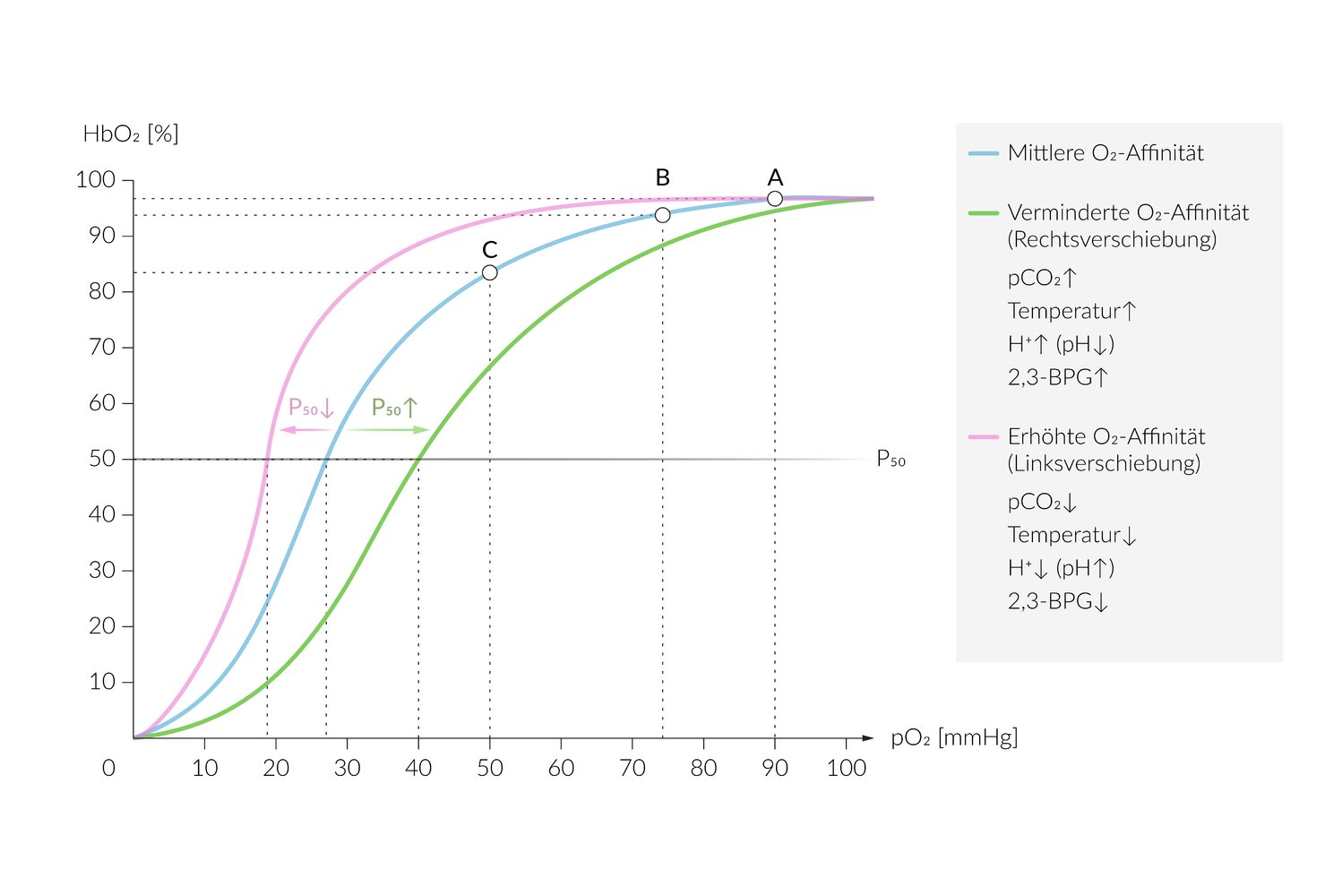
2. Which combustion gas binds with high affinity to the heme iron of hemoglobin and can thereby, when inhaled, dangerously reduce oxygen transport in the blood?
A. Carbon monoxide (CO)
B. Carbon dioxide (CO₂)
C. Nitrous oxide (N₂O)
D. Nitrogen dioxide (NO₂)
E. Sulfur dioxide (SO₂)
A. Carbon monoxide (CO)
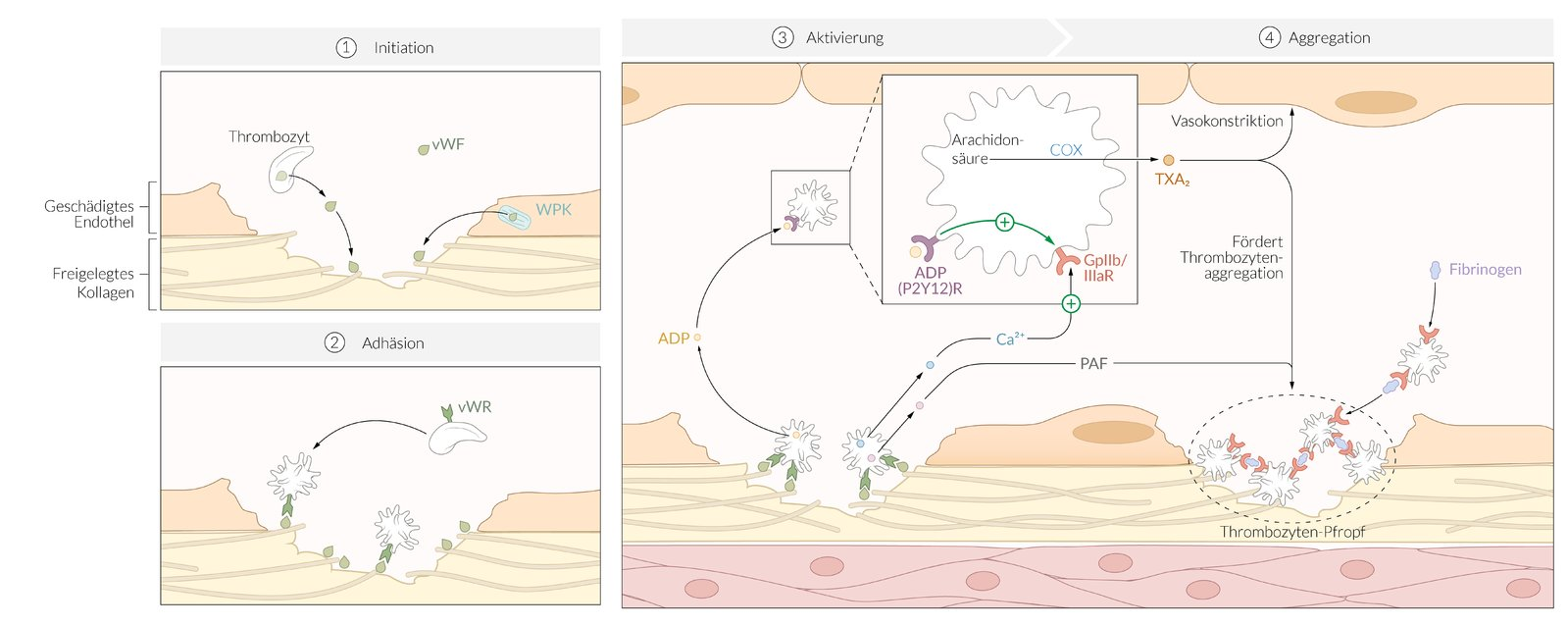
3. Congenital and acquired diseases as well as pharmacological interventions can lead to increased or decreased hemostasis.
A decreased synthesis of which of the following molecules most likely leads to a prolonged bleeding time, without pathological changes in thromboplastin time (Quick value, INR) and (activated) partial thromboplastin time (PTT)?
A. Fibrinogen
B. Coagulation factor VIII
C. Prostaglandin I₂ (prostacyclin)
D. Prothrombin
E. Thromboxane A₂
E. Thromboxane A₂
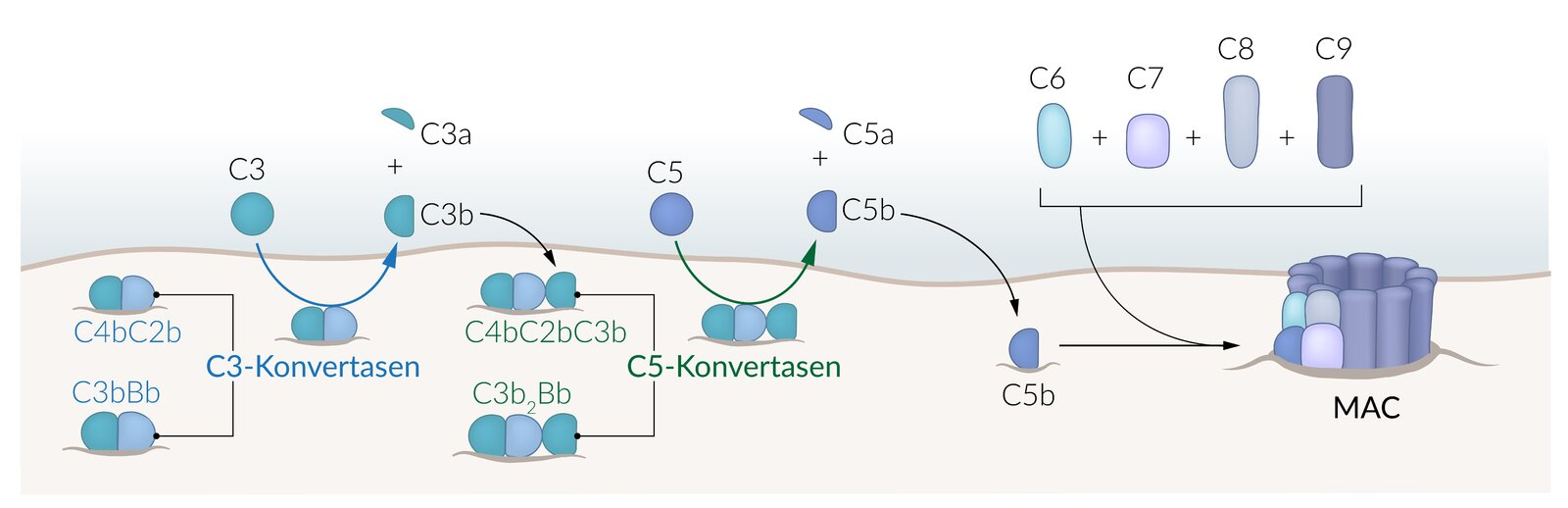
4. Through the formation of membrane attack complexes, foreign organisms can be lysed and thus eliminated.
In which defense mechanism is the formation of a membrane attack complex most likely to occur?
A. Activation of the complement system
B. Activation of B lymphocytes
C. Activation of macrophages
D. Activation of neutrophilic granulocytes
E. Activation of NK cells (natural killer cells)
A. Activation of the complement system
5. Some toxins and drugs act by modulating synaptic transmission at chemical synapses.
A typical characteristic of chemical synapses is:
A. The ribosomal synthesis of peptidergic cotransmitters occurs in the synaptic vesicles.
B. The probability of vesicle fusion is directly controlled by the Na⁺ concentration in the presynapse.
C. The release of the transmitter into the synaptic cleft is triggered by a brief increase in the K⁺ concentration.
D. The so-called SNARE proteins serve vesicle endocytosis.
E. The transmitter action is terminated, among other mechanisms, by reuptake of the neurotransmitter into the presynapse.
E. The transmitter action is terminated, among other mechanisms, by reuptake of the neurotransmitter into the presynapse.
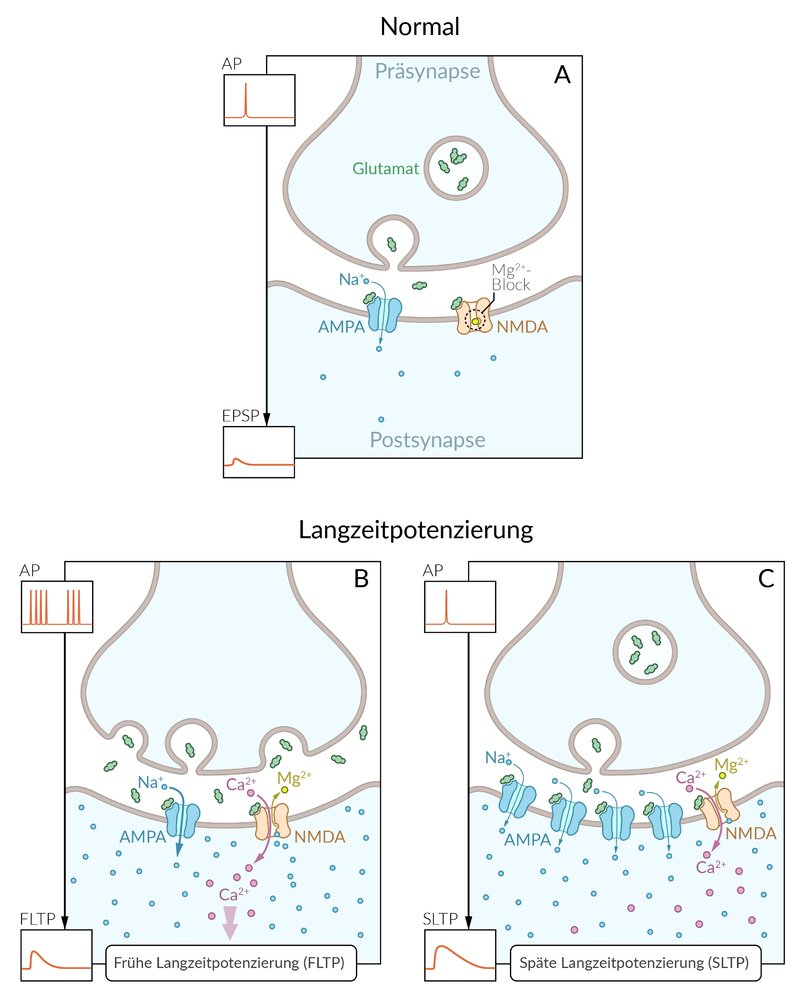
6. NMDA receptor channels are also called “coincidence detectors” because they are preferentially activated during simultaneous pre- and postsynaptic depolarization.
These channels owe this property to the fact that they
A. Can activate Ca²⁺/calmodulin-dependent kinases (CaMK)
B. Promote the insertion of AMPA glutamate receptors into the postsynaptic membrane
C. Can activate the phosphatase calcineurin
D. Have a high permeability for Ca²⁺
E. Are voltage-dependently blocked by Mg²⁺
E. Are voltage-dependently blocked by Mg²⁺
7. Which receptor can typically influence the excitability of the nerve cell by changing the transmembrane Cl⁻ conductance?
A. Dopamine receptor
B. GABAₐ receptor
C. Muscarinic acetylcholine receptor
D. Nicotinic acetylcholine receptor
E. Serotonin receptor
B. GABAₐ receptor
8. After traumatic brain injury, increased intracranial pressure may occur as a result of edema formation in the brain tissue.
Which of the following measures is most suitable for achieving a short-term reduction in intracranial pressure?
A. Lowering the head to about 10 cm below heart level
B. Hyperventilation
C. Infusion of 1 L isotonic saline solution
D. Infusion of adenosine into the common carotid artery
E. Infusion of potassium chloride solution to raise the plasma potassium concentration to 5 mmol/L
B. Hyperventilation
9. Which statement about the blood-brain barrier is most accurate?
A. Adrenaline from the blood plasma reaches the cerebrospinal fluid by facilitated diffusion.
B. The blood-brain barrier is less permeable to lipophilic substances than to hydrophilic ones.
C. The ionic concentrations of blood plasma and cerebrospinal fluid are identical.
D. Glucose crosses the blood-brain barrier with the help of transporters, e.g., GLUT1.
E. The blood-brain barrier is tighter in the circumventricular organs than in other brain regions.
D. Glucose crosses the blood-brain barrier with the help of transporters, e.g., GLUT1.
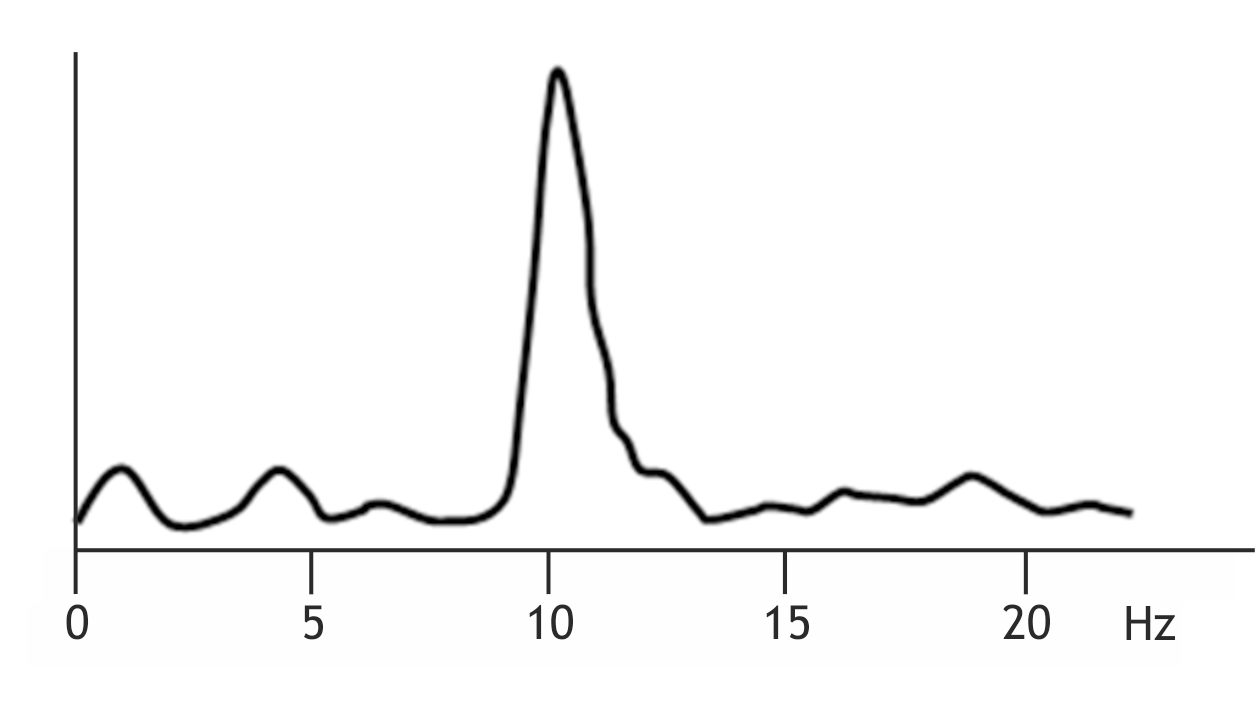
10. The distribution of frequency components (frequency analysis) of the EEG from an occipital lead is shown for a subject in a sleep laboratory.
Which statement can be derived from the presentation?
A. The subject is in deep sleep.
B. The subject is moving their eyes intensely.
C. The subject is thinking with concentration.
D. The subject has their eyes open and is observing their surroundings.
E. The subject has their eyes closed and is mentally relaxed.
E. The subject has their eyes closed and is mentally relaxed.
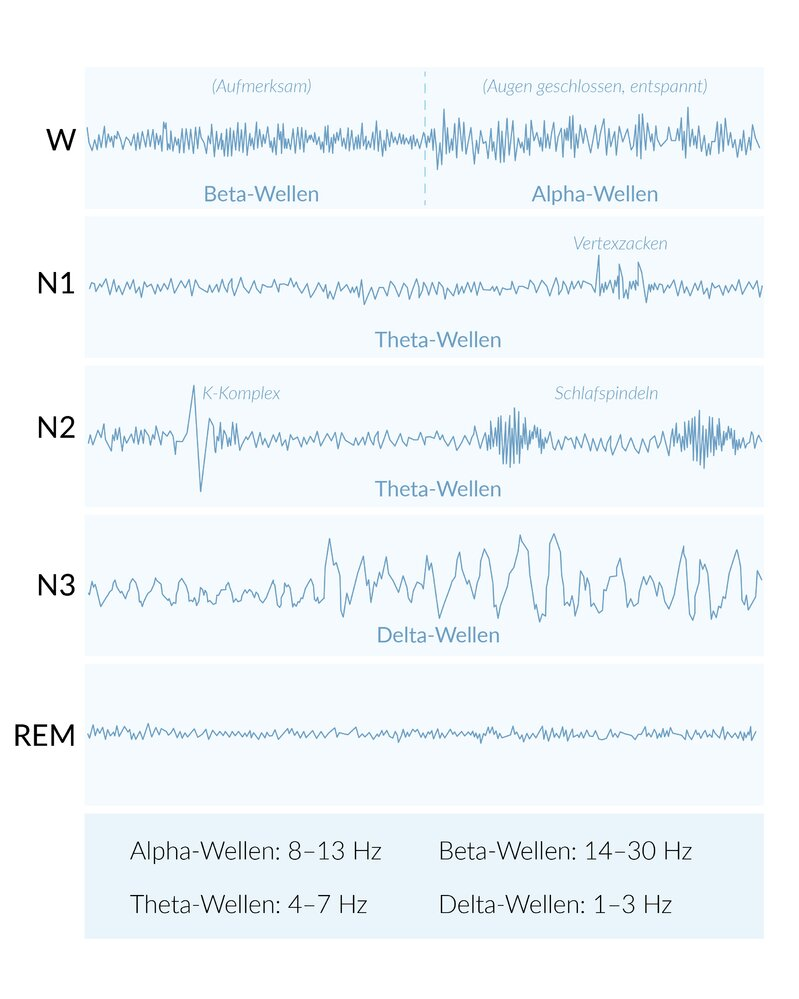
11. The EEG allows classification of sleep into different stages.
Which statement about sleep and EEG is correct?
A. In the falling-asleep phase (sleep stage I / N1 stage), θ (theta) waves appear in the EEG.
B. Medium sleep depth (sleep stage III / lighter N3 stage) is mainly characterized by α (alpha) waves in the EEG.
C. Polyphasic K-complexes are restricted to the waking state.
D. REM sleep phases are mainly characterized by δ (delta) waves.
E. (Non-REM) deep sleep (sleep stage IV / deeper N3 stage) is mainly characterized by EEG waves of low amplitude.
A. In the falling-asleep phase (sleep stage I / N1 stage), θ (theta) waves appear in the EEG.
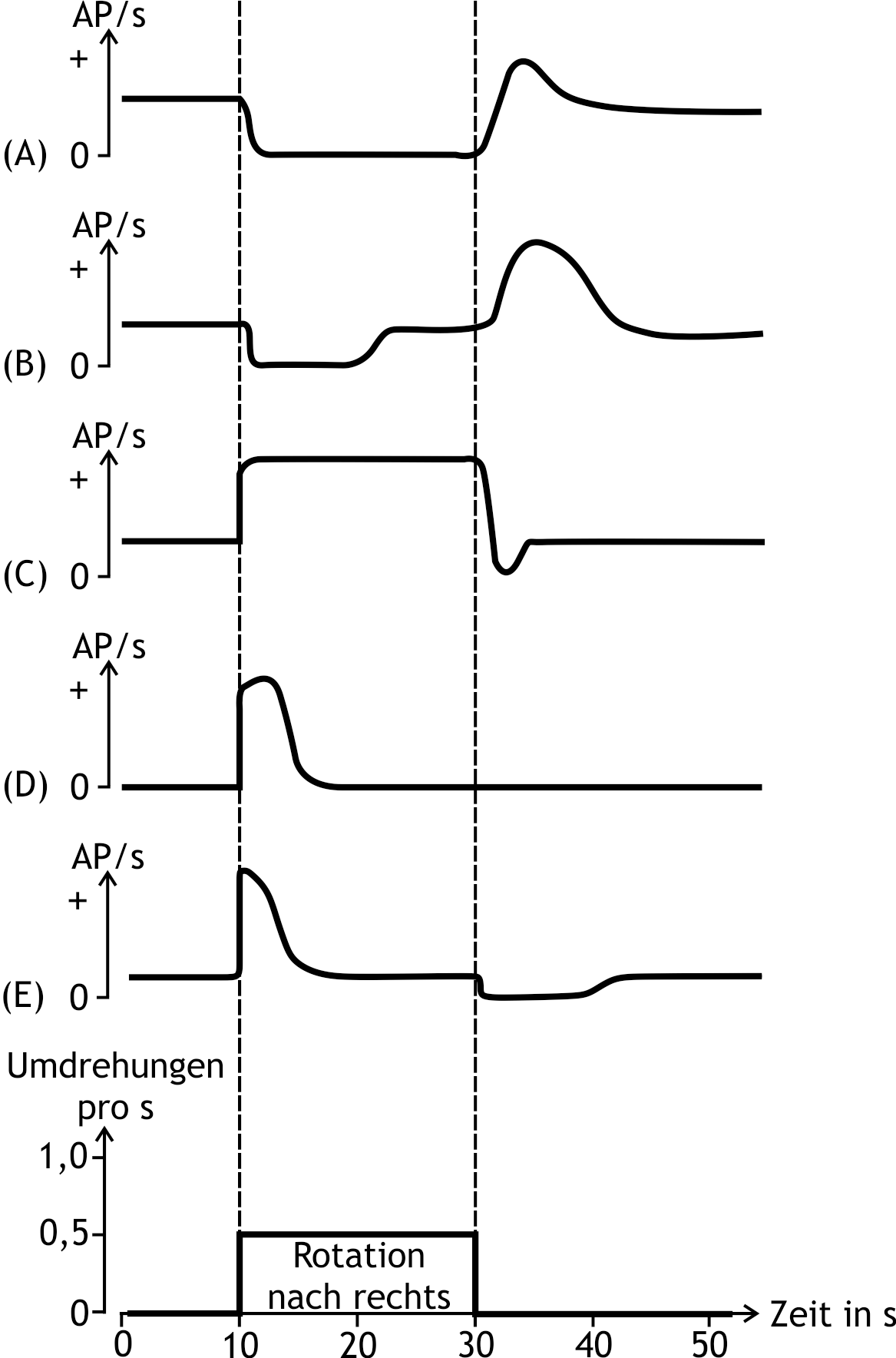
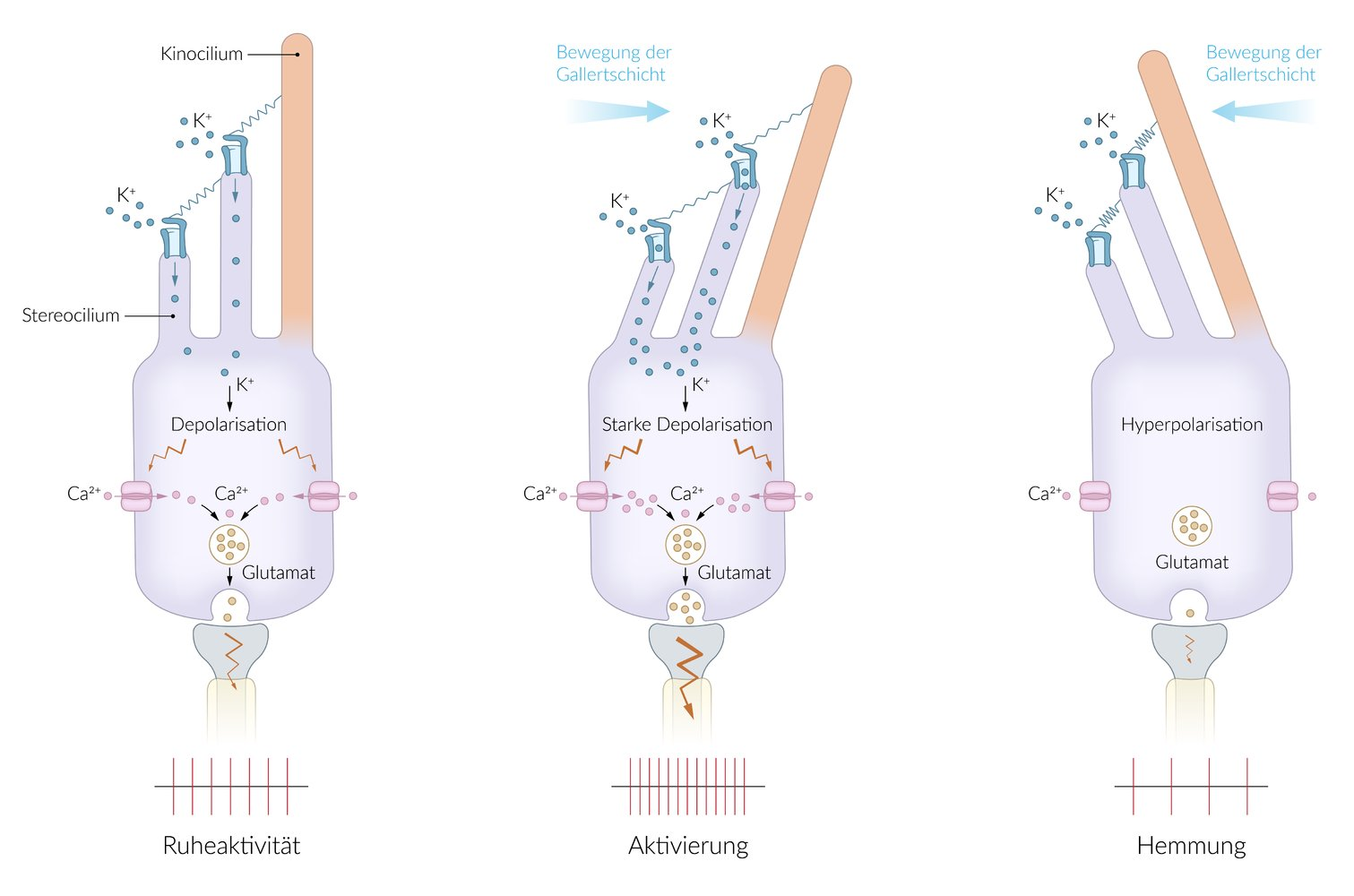
12. A subject is seated upright on a rotating chair with the head tilted forward by 30 degrees and is rotated to the right at a constant angular velocity (0.5 revolutions per second) for 20 seconds.
Which of the curves (A) to (E) most likely represents the course of the action potential frequency (AP/s) in afferent nerve fibers from the right horizontal semicircular canal?
(+ indicates activation, 0 indicates no activity)
A. (A)
B. (B)
C. (C)
D. (D)
E. (E)
E. (E)
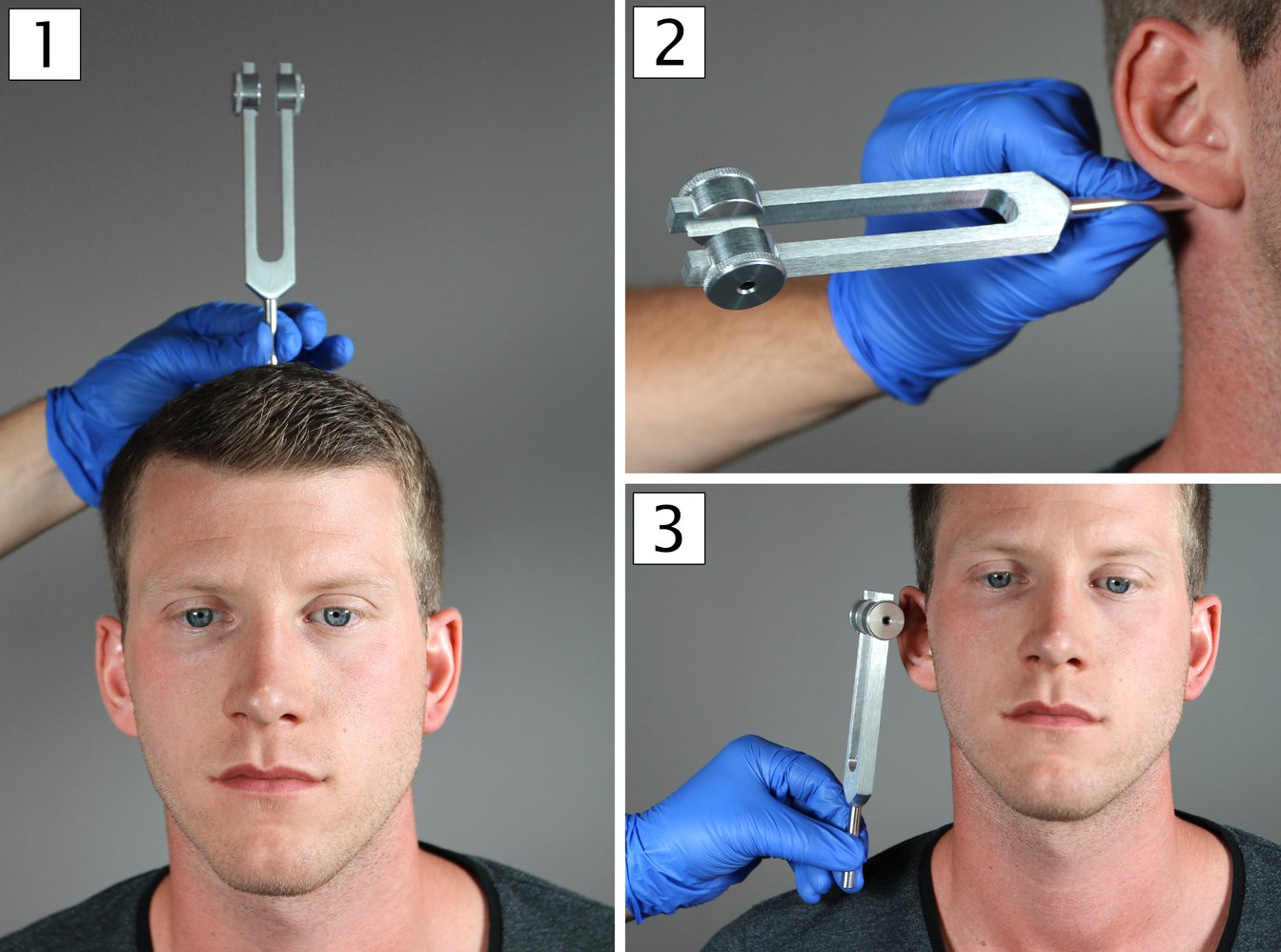
13. Due to unilateral blunt trauma, a 30-year-old patient completely loses middle ear function in the right ear, while the inner ear function remains intact. The function of the left ear is normal.
Which examination finding is most likely in this patient?
A. In the Weber test, the patient lateralizes to the right ear.
B. The Rinne test of the right ear is positive.
C. The bone conduction threshold audiometry shows a difference of 20 dB between the right and left ear.
D. The air conduction threshold audiometry shows a difference of 60 dB between the right and left ear.
E. Sounds above 5,000 hertz are no longer perceived by the right ear.
A. In the Weber test, the patient lateralizes to the right ear.
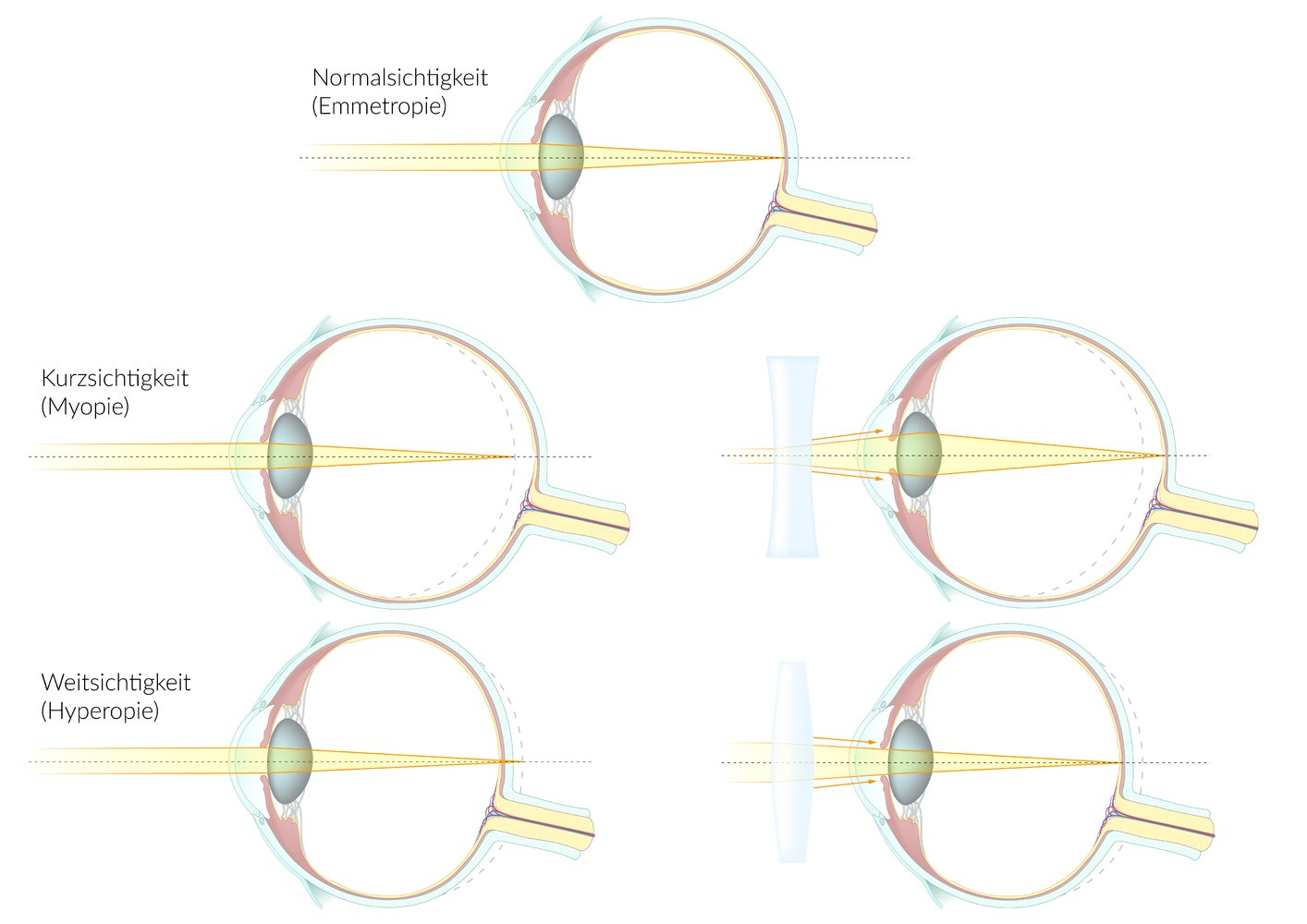
14. During a routine ophthalmological examination of elementary school students, one student is found to have hyperopia of +2 diopters.
Which accompanying phenomenon or consequence of hyperopia is most likely to be observed in this student before correction with visual aids?
A. The student cannot see the blackboard clearly at a distance of 5 meters.
B. The near point distance is increased (compared to age-matched emmetropic students).
C. The refractive error is corrected by placing a −2 diopter diverging lens in front of the eyes.
D. When the student tries to read the blackboard, the visual axes of both eyes diverge more than in an age-matched emmetropic individual.
E. When the student tries to read the blackboard, the pupils dilate more than in an age-matched emmetropic individual.
B. The near point distance is increased (compared to age-matched emmetropic students).
15. A student leaves a lecture hall illuminated with artificial light and steps outside on a bright, sunny day. The bright daylight initially causes glare, but after a short time, the eyes adapt to the brighter light and normal vision is restored.
Which of the following mechanisms or phenomena contributes significantly to the described adaptation?
A. The content of 11-cis-retinal in the cones increases.
B. The Ca²⁺-mediated inhibition of guanylate cyclase in cones decreases.
C. Dopaminergic amacrine cells switch off rod vision.
D. Mydriasis occurs.
E. There is increased activation of phosphodiesterase in cones.
B. The Ca²⁺-mediated inhibition of guanylate cyclase in cones decreases.
16. A 70-year-old myopic patient presents to the ophthalmologist because he has recently noticed that he easily overlooks objects he does not directly fixate on. Visual field testing reveals paracentrally arranged arcuate scotomas in both eyes. The patient’s visual acuity (with myopia corrected by glasses) is 0.8 in both eyes. Intraocular pressure is elevated bilaterally.
The patient’s visual field defects, together with the other findings, most strongly suggest (of the given options):
A. Detachment of temporal portions of the retina in one eye
B. Degeneration of central parts of the retina in the macular region (macular degeneration) in both eyes
C. Inflammation of one of the optic nerves (retrobulbar neuritis)
D. Damage to the optic nerve fibers exiting the eyeball at the margin of the optic disc in both eyes
E. Damage to both optic nerves in the region of the optic chiasm (e.g., due to a pituitary tumor)
D. Damage to the optic nerve fibers exiting the eyeball at the margin of the optic disc in both eyes
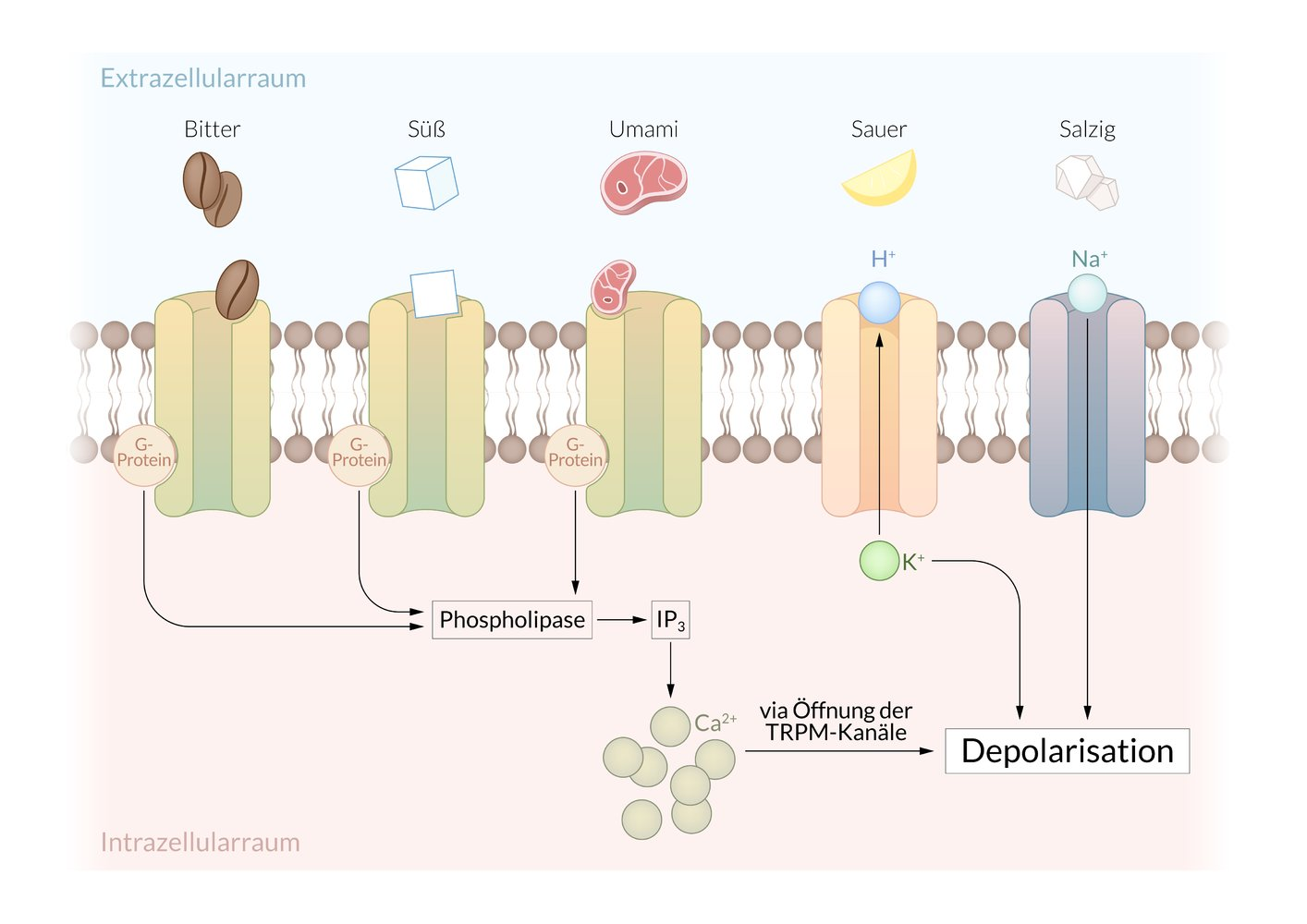
17. Which statement about the taste sensation “bitter” is correct?
A. The corresponding sensory cells are mainly located at the tip of the tongue.
B. The taste substance increases ENaC-mediated Na⁺ permeability of the apical membrane.
C. Activation of the receptor proteins leads to the opening of TRPM5 channels.
D. The corresponding taste receptor cells are primary sensory cells located in the taste buds.
E. The specific receptor proteins activate adenylate cyclase.
C. Activation of the receptor proteins leads to the opening of TRPM5 channels.
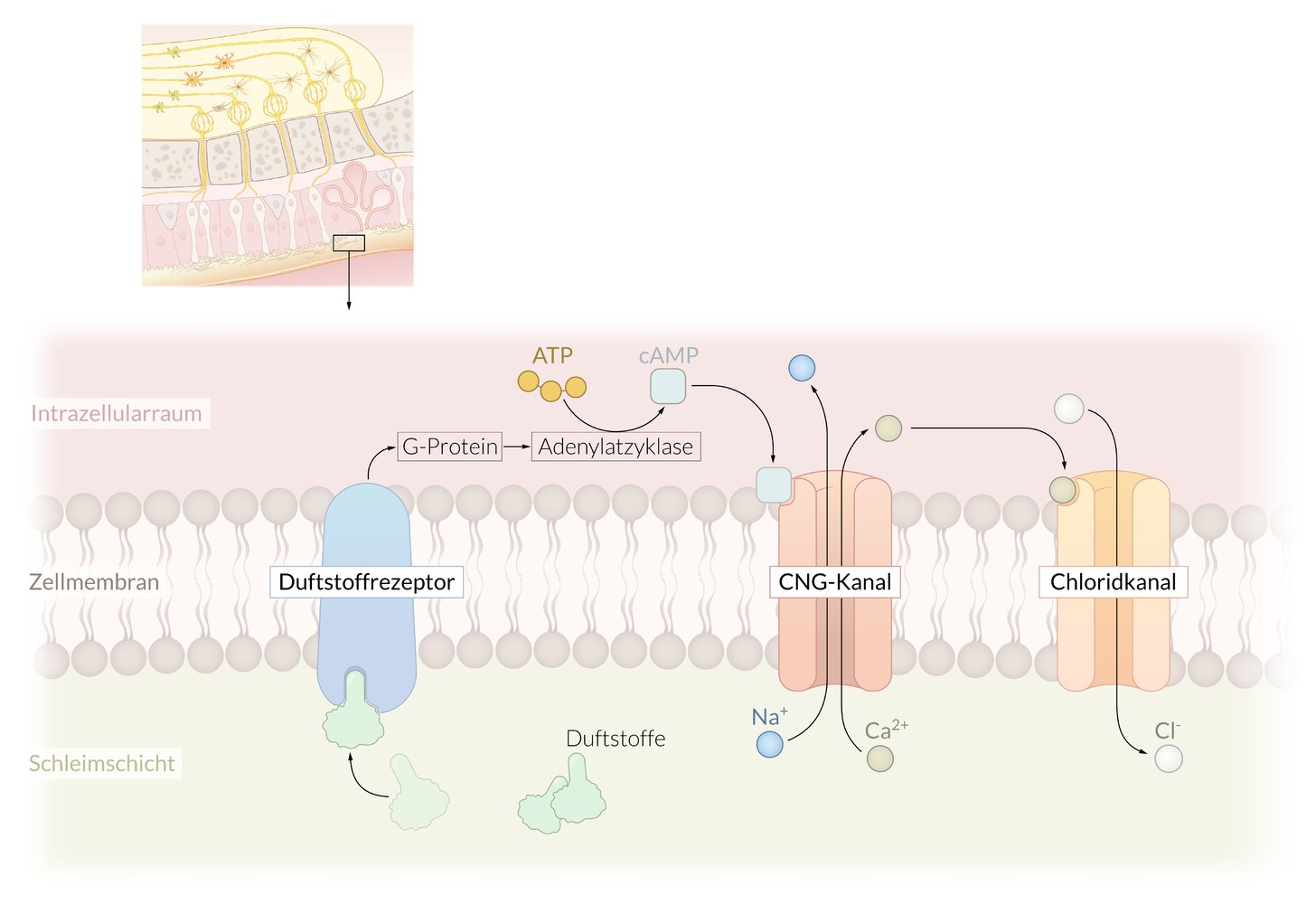
18. The human olfactory system exhibits pronounced adaptation behavior.
In the olfactory sensory cells, a major contributing mechanism is:
A. Activation of Ca²⁺-dependent chloride channels
B. Ca²⁺-dependent inactivation of phosphodiesterase
C. Inhibition of CNG channels by the Ca²⁺/calmodulin complex
D. Inhibition by GABA
E. Inhibition of adenylate cyclase by the olfactory G protein Golf
C. Inhibition of CNG channels by the Ca²⁺/calmodulin complex
19. During inflammation, sensitization of the nociceptive system occurs.
Which of the following phenomena is most likely due to central sensitization of the nociceptive system at the level of the spinal cord?
A. Blood flow in the area around the inflammation is increased (redness).
B. A touch directly in the inflamed area is not perceived.
C. A 35 °C warm liquid is perceived as painfully hot over the inflamed area.
D. In an area surrounding the inflammation, sensitivity to pain from pinpoint pressure stimuli is increased.
E. Local cooling relieves the inflammatory pain.
D. In an area surrounding the inflammation, sensitivity to pain from pinpoint pressure stimuli is increased.
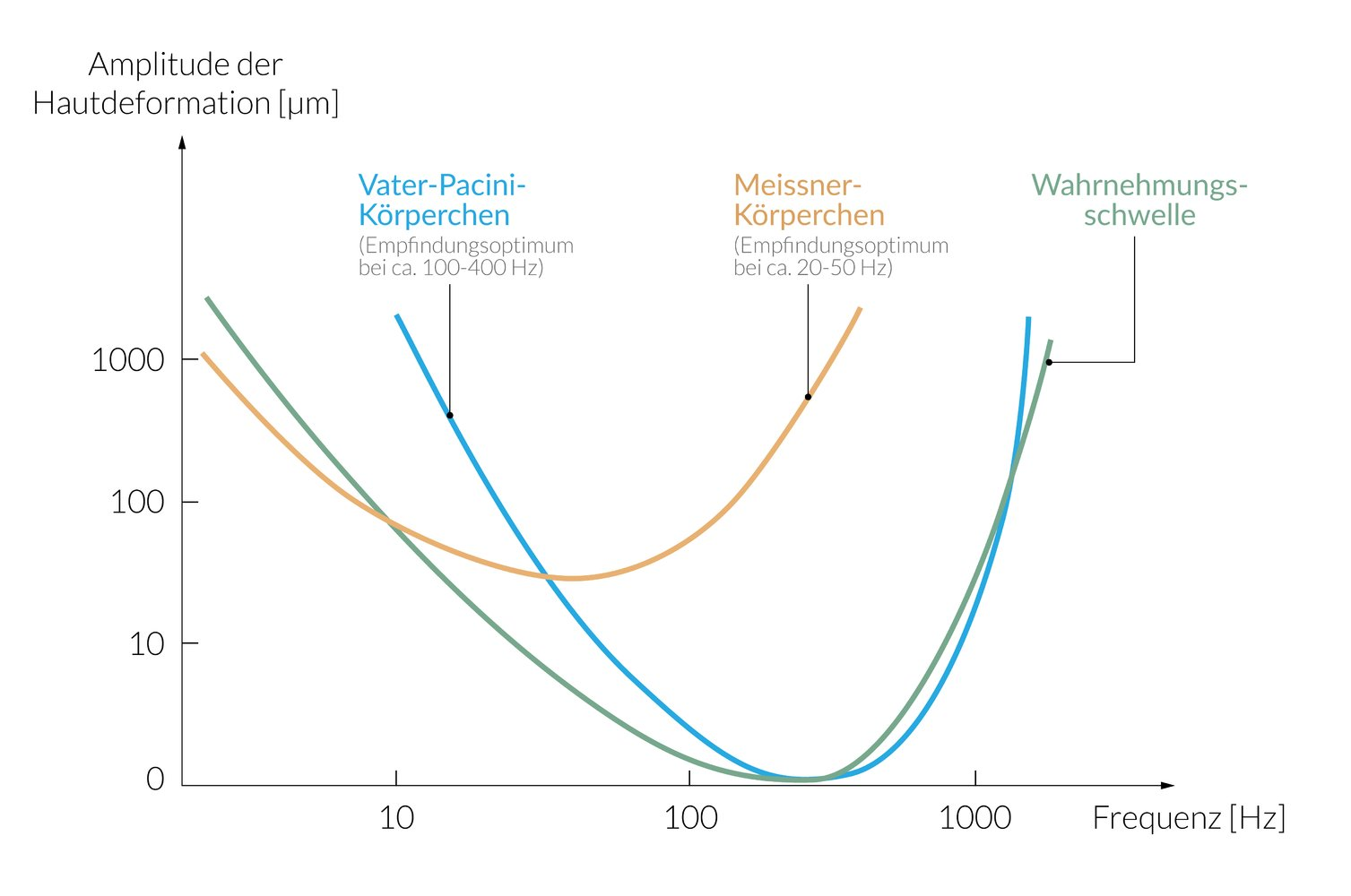
20. The perception threshold for vibration (vibration threshold) depends on the frequency of the vibratory stimulus.
In which of the given frequency ranges is the threshold lowest?
A. 1 to 3 Hz
B. 10 to 30 Hz
C. 100 to 300 Hz
D. 1 to 3 kHz
E. 10 to 30 kHz
C. 100 to 300 Hz
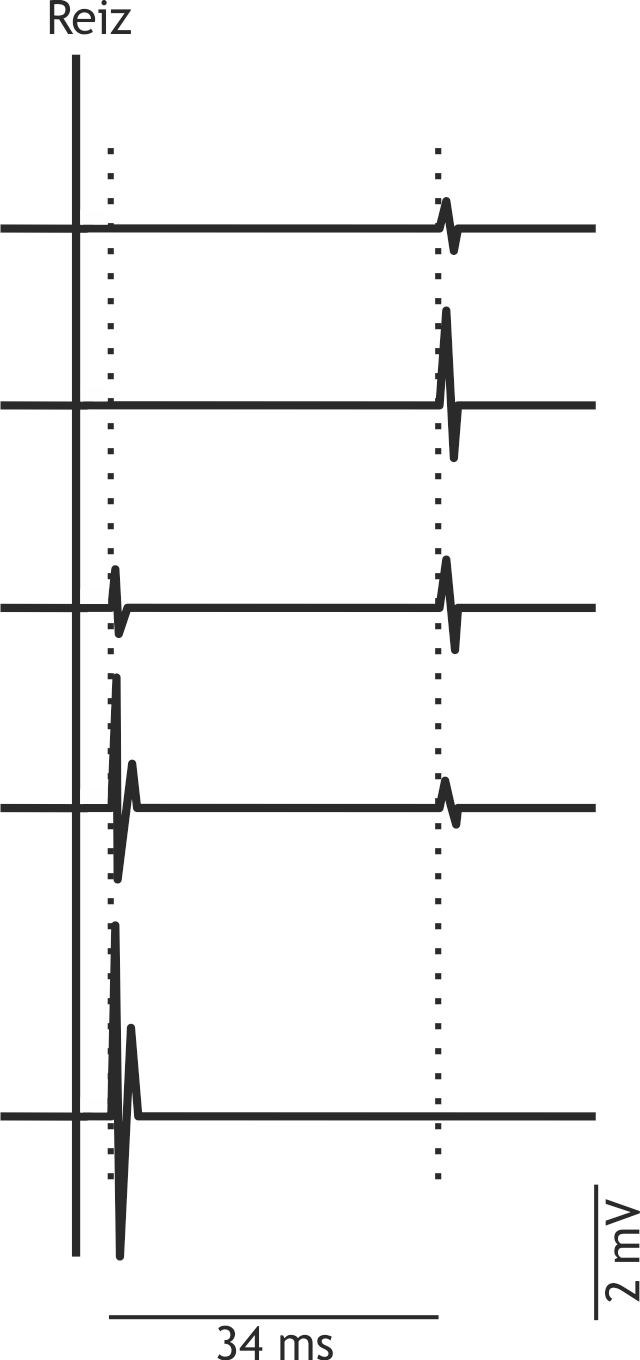
21. Ms. M. has had type 1 diabetes mellitus for years, which in affected patients often leads, among other complications, to peripheral nerve damage. Therefore, her diabetologist orders annual measurements of nerve conduction velocity. In the given example, the tibial nerve was electrically stimulated in the popliteal fossa. The diagram shows the electromyogram (EMG) recorded from the triceps surae muscle at increasing stimulus strength.
Approximately how great is the mean nerve conduction velocity in the corresponding axons, if synaptic transmission of the reflex signal in the spinal cord takes about 2 ms, the distance from the popliteal fossa to segments L5–S2 is about 0.7 m, and the distance between the popliteal fossa and the EMG electrodes on the triceps surae muscle is about 0.2 m?
A. 5 m/s
B. 10 m/s
C. 25 m/s
D. 50 m/s
E. 100 m/s
D. 50 m/s
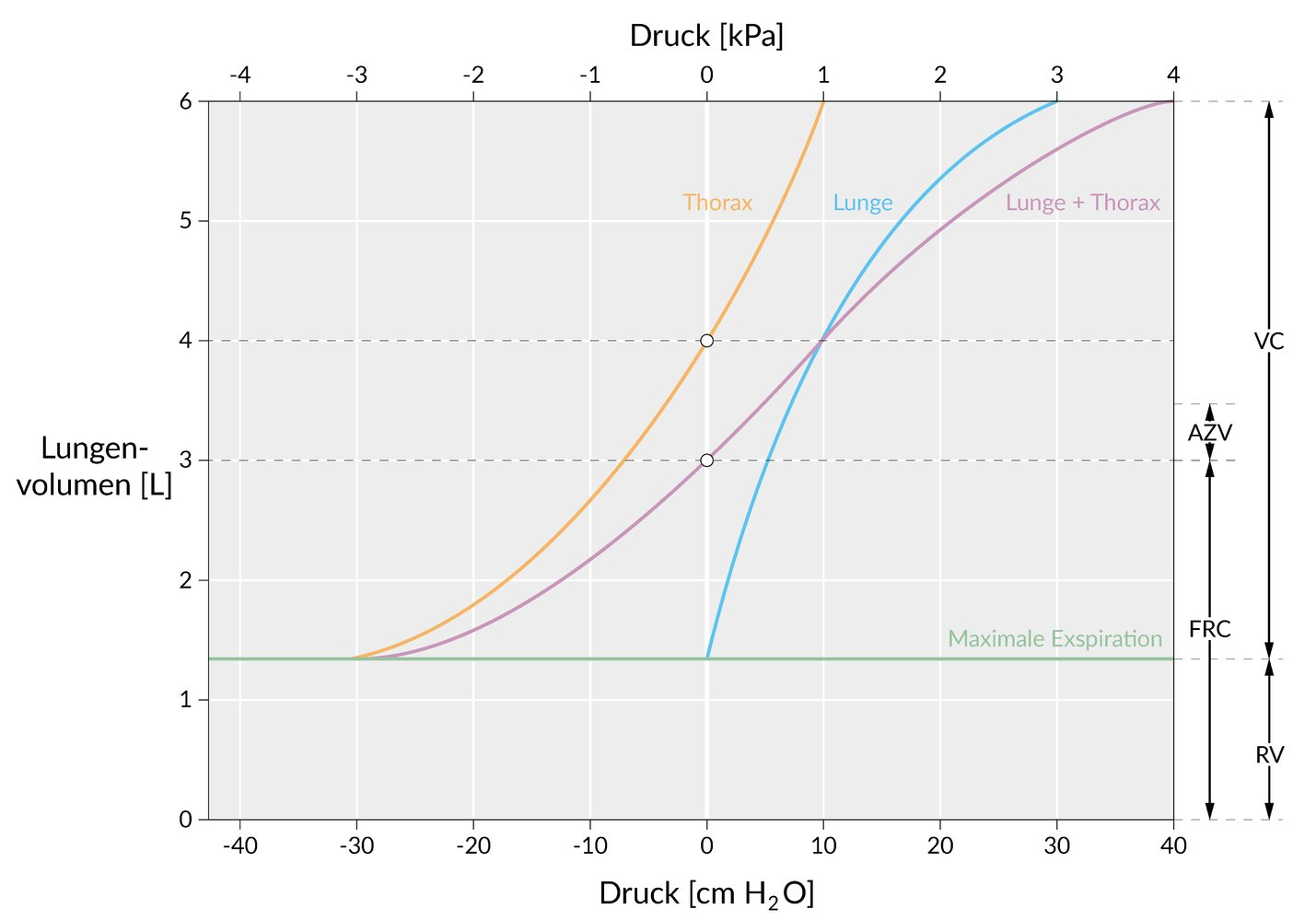
22. In an experiment, an isolated lung is filled with different air volumes, and for each, the air volume in the lung and the corresponding static pressure are measured. From these data, a curve (function graph) is generated showing the dependence of volume on pressure.
The slope of this curve corresponds to which parameter?
A. Peak flow (maximum expiratory airflow)
B. Work of breathing
C. Lung compliance
D. Residual volume
E. Airway resistance
C. Lung compliance
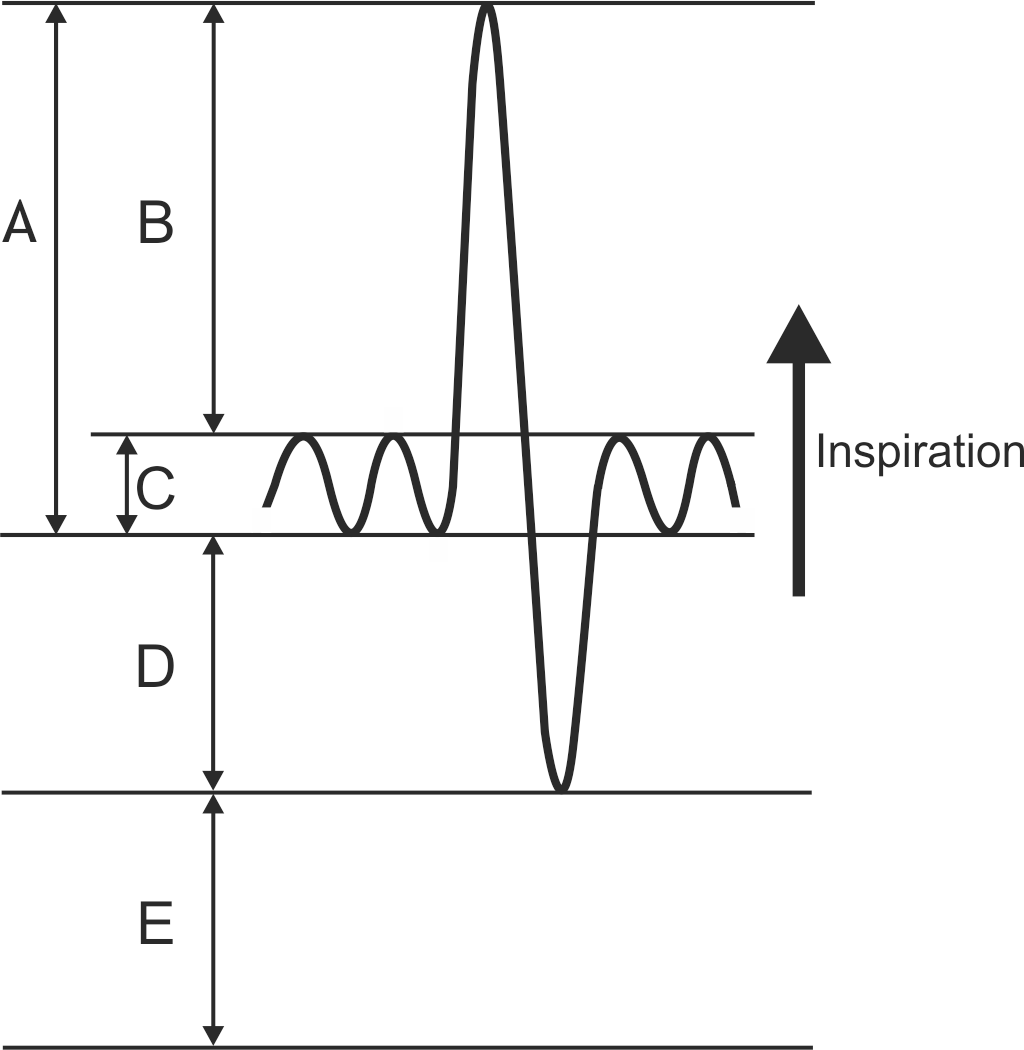
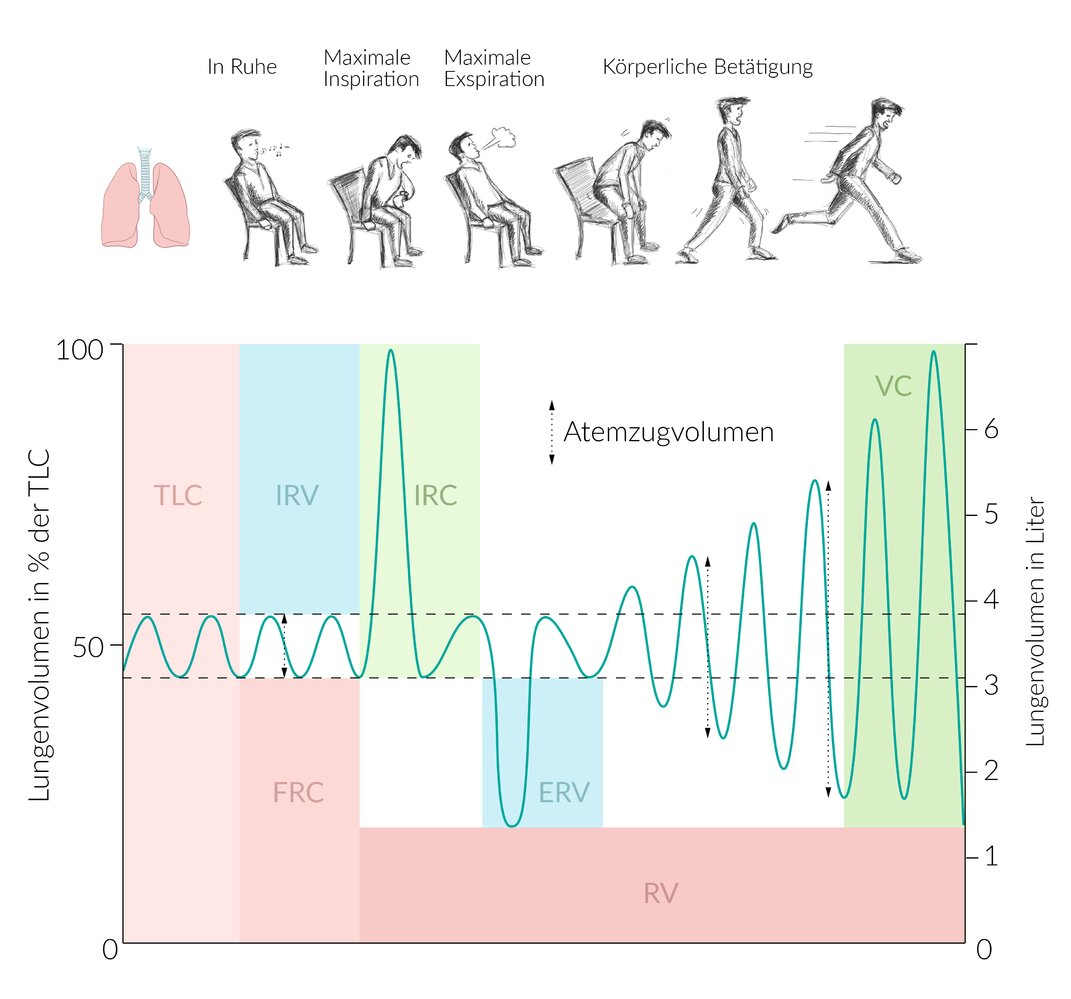
23. The diagram below schematically shows normal breathing as well as maximal inspiration and expiration, with lung volumes/capacities labeled A to E.
You have a pneumotachograph and want to perform follow-up pulmonary function testing on a patient.
Which of the parameters A to E cannot be measured using the pneumotachograph?
A. (A)
B. (B)
C. (C)
D. (D)
E. (E)
E. (E)
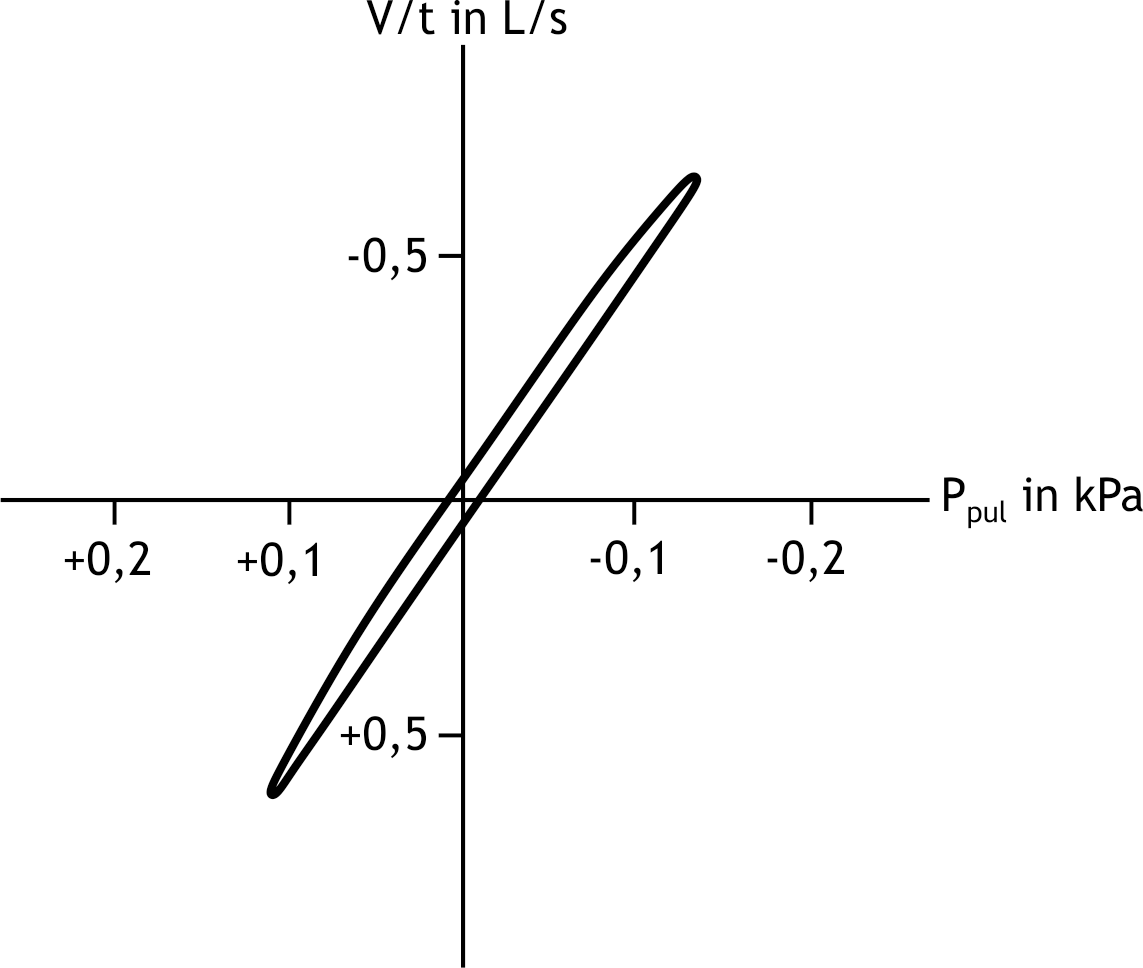
24. In a patient, the resistance curve (flow–pressure curve) for a resting breath was recorded in a whole-body plethysmograph:
(V/t: airflow; Ppul: intrapulmonary pressure)
Approximately how large is the resistance?
A. −1.5 kPa·s/L
B. −5 kPa·s/L
C. 0.2 kPa·s/L
D. 0.6 kPa·s/L
E. 5 kPa·s/L
C. 0.2 kPa·s/L
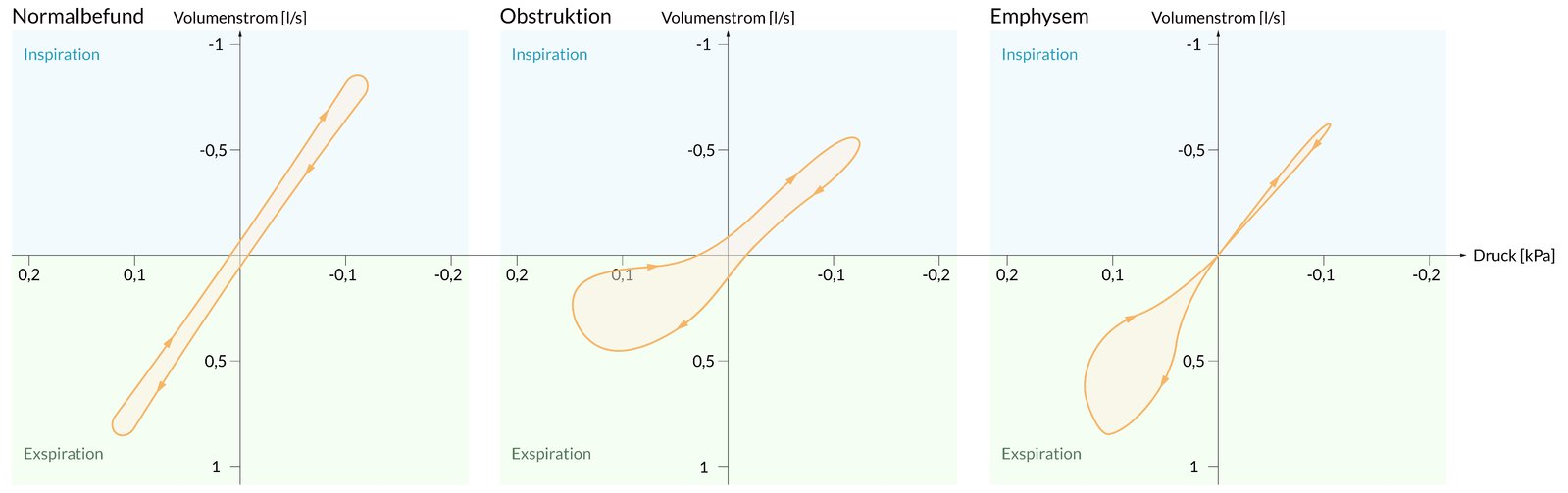
25. If, during mechanical ventilation, the respiratory rate is increased from 12/min to 24/min while the tidal volume is reduced from 0.6 liters to 0.3 liters, then:
A. The minute ventilation decreases.
B. The alveolar ventilation increases.
C. The dead space ventilation increases.
D. The alveolar CO₂ partial pressure decreases.
E. The alveolar O₂ partial pressure increases.
C. The dead space ventilation increases.
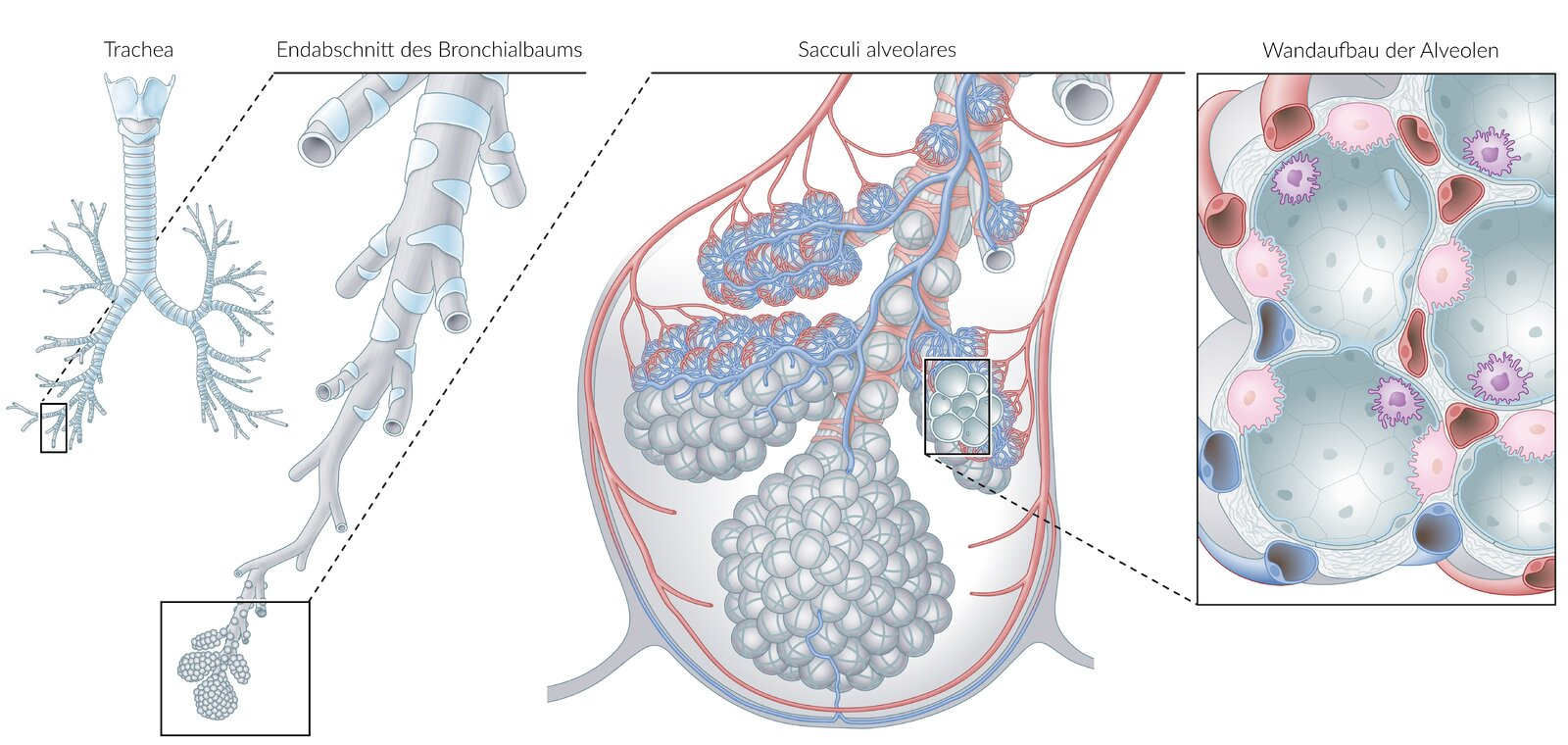
26. Alveolar ventilation is essential for oxygen uptake and carbon dioxide elimination.
Which statement is correct for adults?
A. Starting from normal ventilation, voluntary increase of alveolar ventilation causes the total O₂ content in arterial blood to rise more than the total CO₂ content falls.
B. The O₂ partial pressure in the alveolar gas mixture is higher than that in the expiratory gas mixture.
C. The alveolar ventilation of a 70 kg male subject at rest is typically 8–9 liters per minute.
D. The water vapor saturation in the alveolar gas mixture is typically 60–70%.
E. During normal breathing, typically less than 20% of the alveolar gas mixture is exchanged per breath.
E. During normal breathing, typically less than 20% of the alveolar gas mixture is exchanged per breath.
27. Feedback-controlled chemosensory reflex pathways influence respiration to adjust it to current needs.
Which statement about chemosensory influences on respiration is correct?
A. The CO₂ partial pressure is detected by both central and peripheral chemoreceptors.
B. Respiratory stimulation by a decrease in pH is less pronounced when CO₂ partial pressure remains constant than when CO₂ partial pressure decreases.
C. The CO₂-dependent increase in respiration is equally strong at reduced O₂ partial pressure as at normal O₂ partial pressure.
D. A continuous decrease in O₂ partial pressure increases respiration up to the maximum breathing limit.
E. A continuous increase in CO₂ partial pressure increases respiration up to the maximum breathing limit.
A. The CO₂ partial pressure is detected by both central and peripheral chemoreceptors.
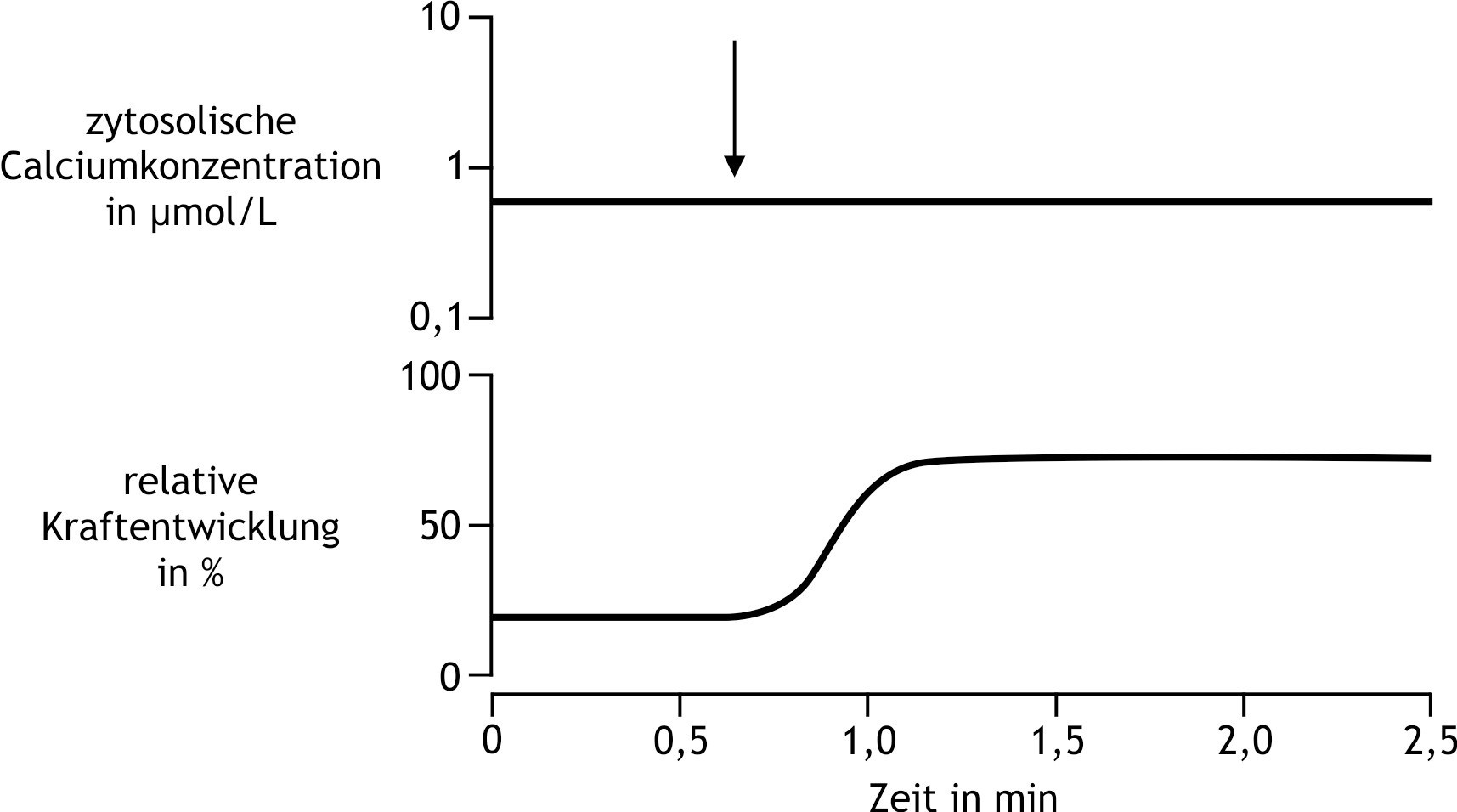
28. As part of your medical doctoral research, you conduct pharmacological studies on isolated arterial preparations obtained from human surgical material. You simultaneously record changes in Ca²⁺ concentration and vascular tone after the addition of a test substance (see arrow in the diagram).
Which of the following mechanisms best explains the effect of the test substance?
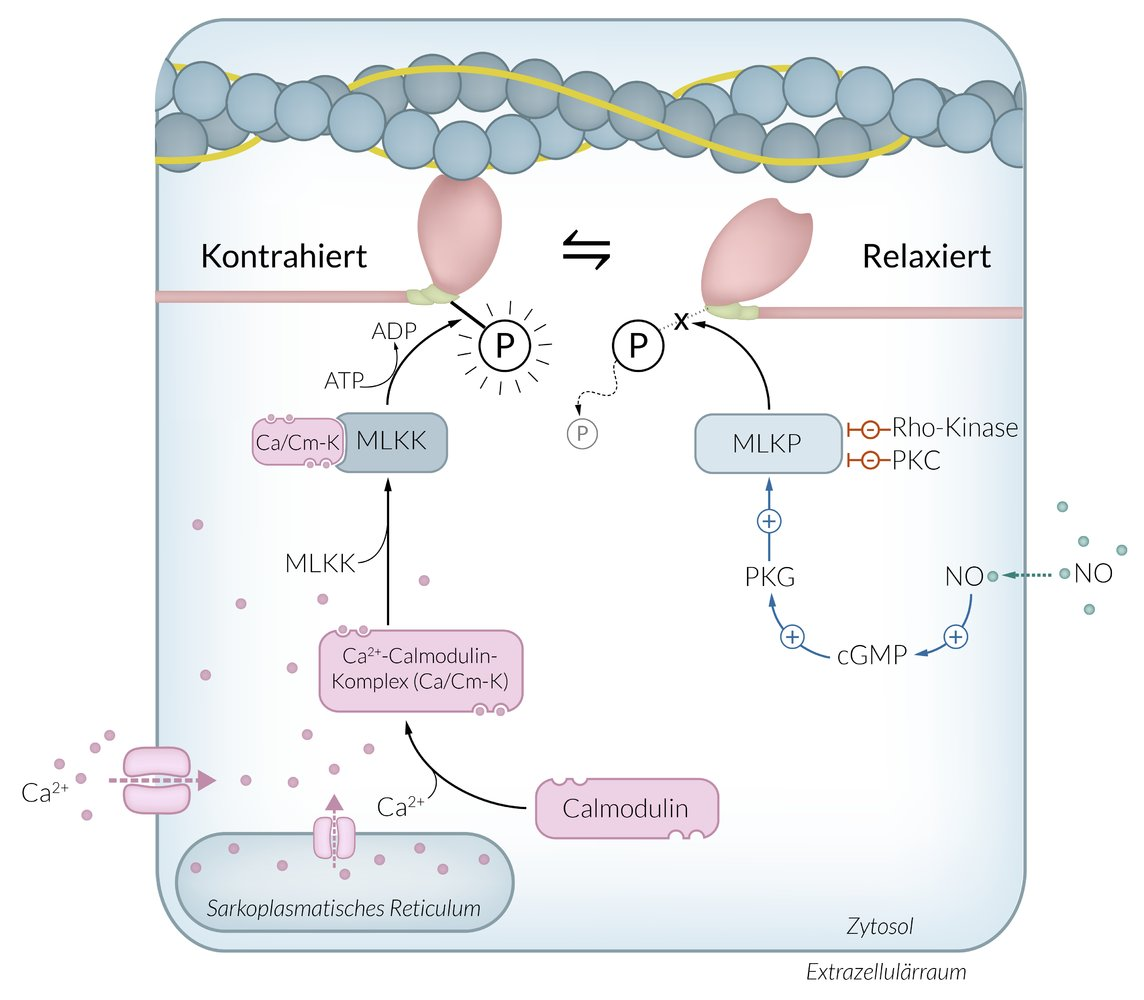
A. The substance activates the Rho/Rho-kinase signaling pathway.
B. The substance inhibits protein kinase C.
C. The substance inhibits the sarcoplasmic Ca²⁺-ATPase (SERCA).
D. The substance closes K⁺ channels in the cell membrane.
E. The substance opens Ca²⁺ channels in the cell membrane.
A. The substance activates the Rho/Rho-kinase signaling pathway.
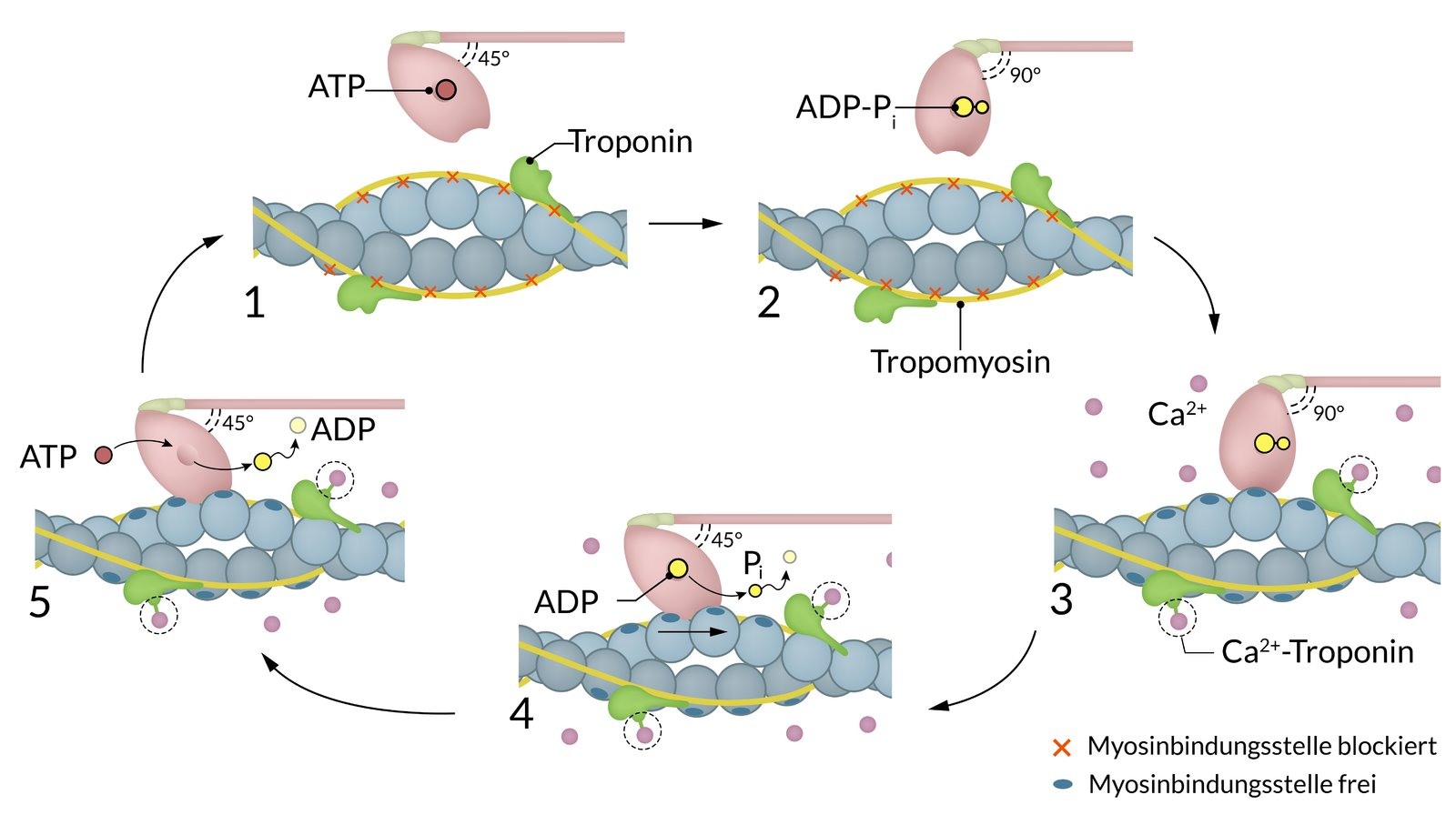
29. Which statement about the contraction cycle (cross-bridge cycle) of skeletal muscle is correct?
A. ATP consumption in an individual cross-bridge cycle of skeletal muscle depends on the contraction velocity.
B. The key step controlling whether cross-bridge cycles occur (initiation of muscle contraction) is the direct binding of Ca²⁺ to myosin.
C. The binding of ATP to the myosin head increases its affinity for actin.
D. For renewed binding of myosin to actin in the cross-bridge cycle, hydrolysis of ATP into ADP and phosphate is required.
E. In the cross-bridge cycle, after splitting the ATP molecule, ADP is released first and then phosphate.
D. For renewed binding of myosin to actin in the cross-bridge cycle, hydrolysis of ATP into ADP and phosphate is required.
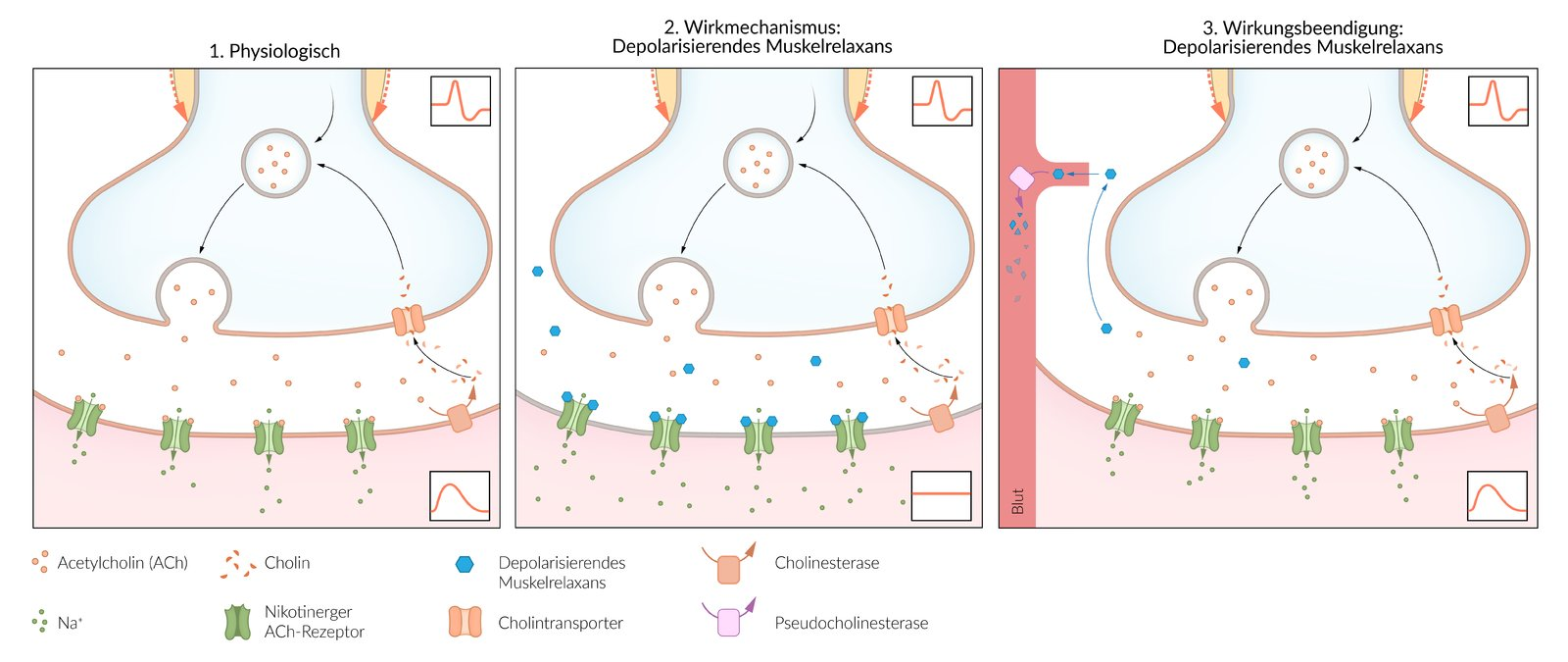
30. Various substances can influence neuromuscular signal transmission.
Which pairing of substance and effect is typical?
A. Acetylcholinesterase inhibitor – blockade of acetylcholine release
B. Botulinum toxin – competitive displacement of acetylcholine from its receptor
C. Succinylcholine – sustained depolarization at the motor end plate
D. Tetanus toxin – sustained depolarization of motor anterior horn cells
E. Tubocurarine (curare) – blockade of acetylcholine release
C. Succinylcholine – sustained depolarization at the motor end plate
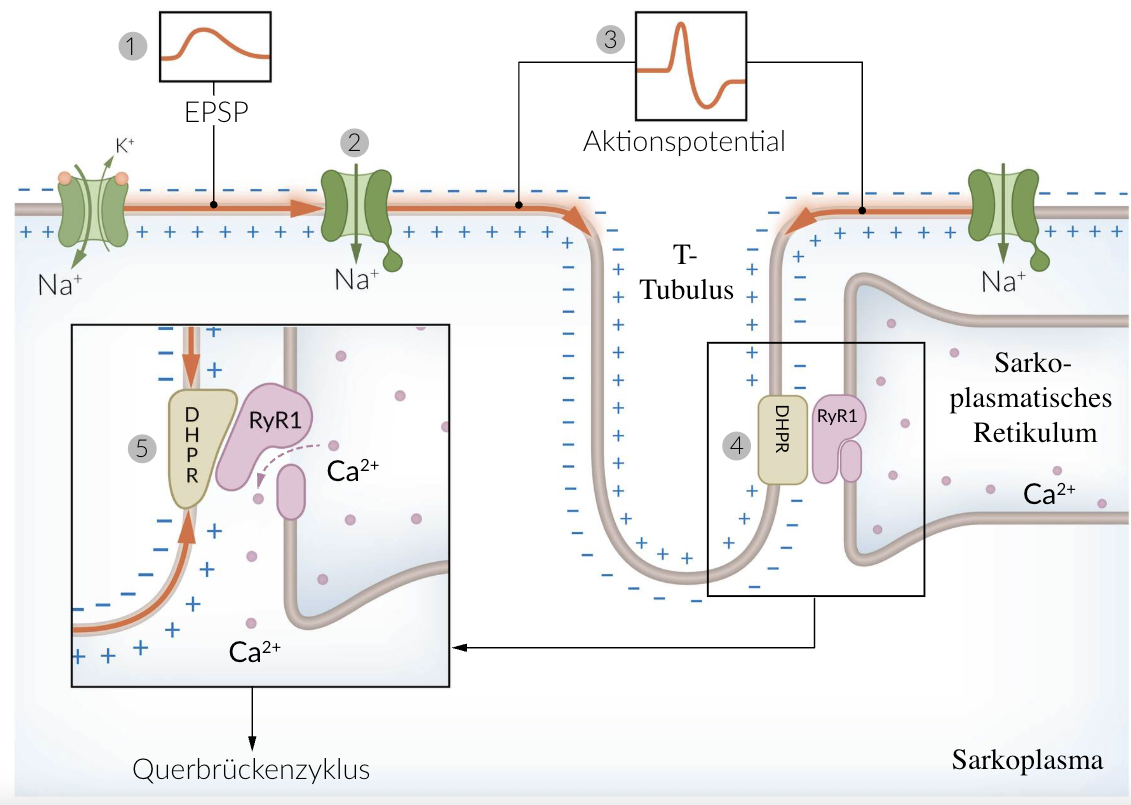
31. In an 18-year-old patient, tachycardia, muscle spasms, elevated body temperature, and acidosis occur during surgery under inhalation anesthesia. Genetic testing reveals a point mutation in the RyR1 gene (the gene encoding the ryanodine receptor typical of skeletal muscle), confirming the diagnosis of malignant hyperthermia.
Which statement about ryanodine receptors in skeletal muscle is correct (also in healthy individuals)?
A. The action potential of the cell membrane arises through activation of ryanodine receptors.
B. The ryanodine receptor activates the dihydropyridine receptor.
C. The ryanodine receptor is a Ca²⁺ channel of the sarcoplasmic reticulum.
D. The ryanodine receptor is responsible for the reuptake of Ca²⁺ from the cytosol into the sarcoplasmic reticulum.
E. Activation of the ryanodine receptor is primarily triggered by Ca²⁺ influx from the extracellular space.
C. The ryanodine receptor is a Ca²⁺ channel of the sarcoplasmic reticulum.
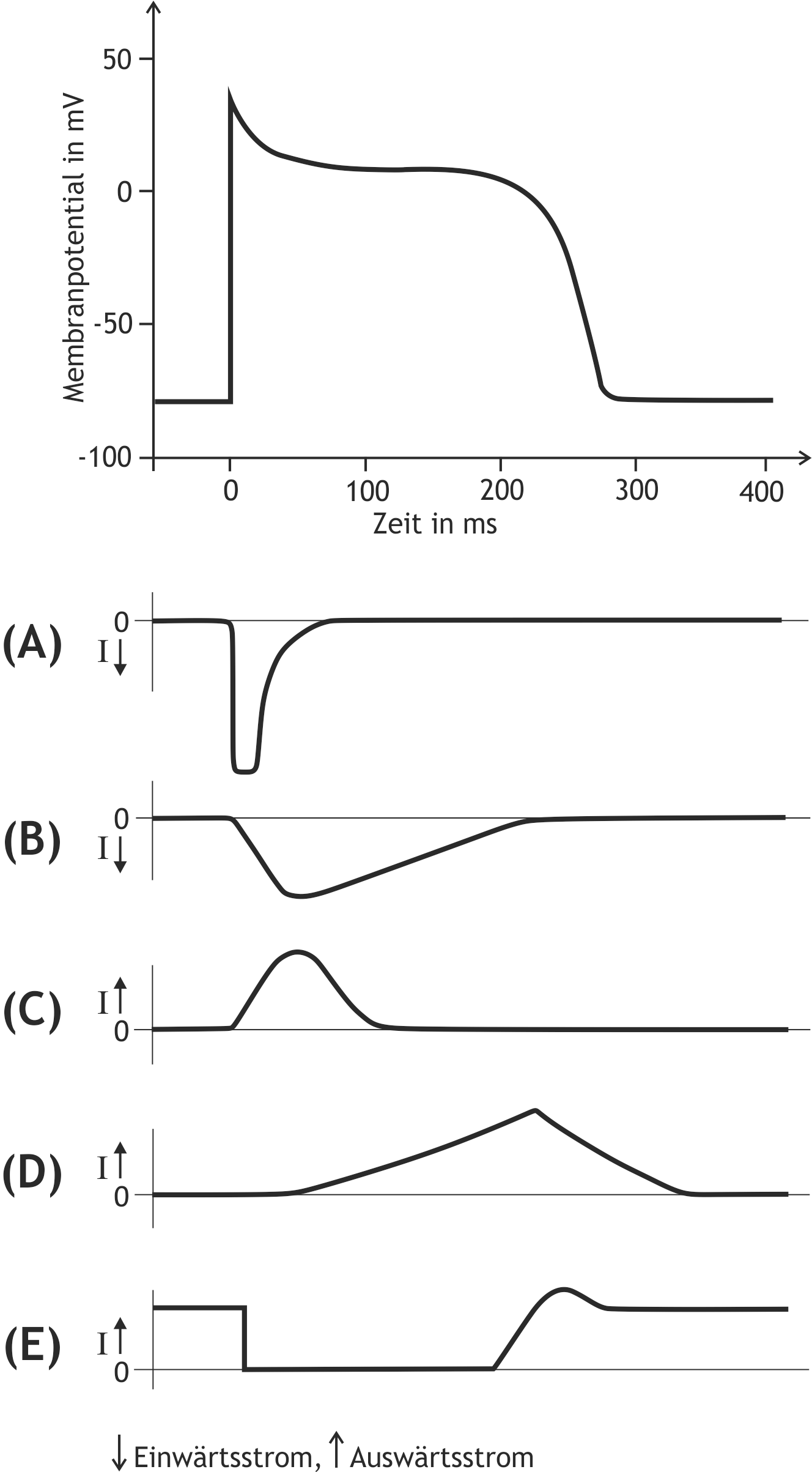
32. The diagram below shows, at the top, the action potential of a working myocardial cell and, beneath it, five simultaneous current traces.
Which of the curves (A) to (E) best represents the current (I) through an inwardly rectifying K⁺ channel (current IK1)?
A. (A)
B. (B)
C. (C)
D. (D)
E. (E)
E. (E)
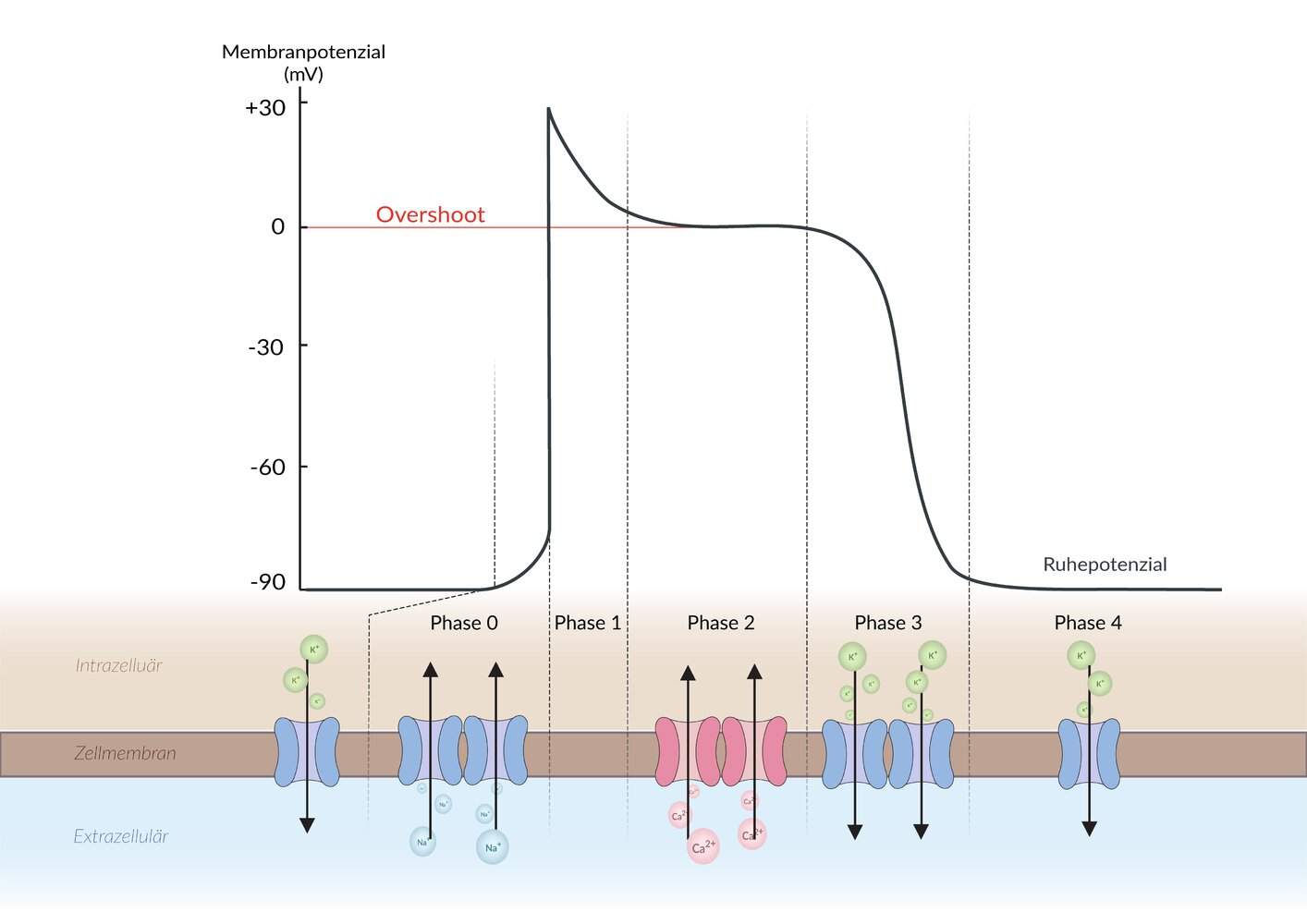
33. “Loss of function” mutations of outwardly rectifying potassium channels (e.g., KCNQ1) can lead to episodic, life-threatening cardiac arrhythmias.
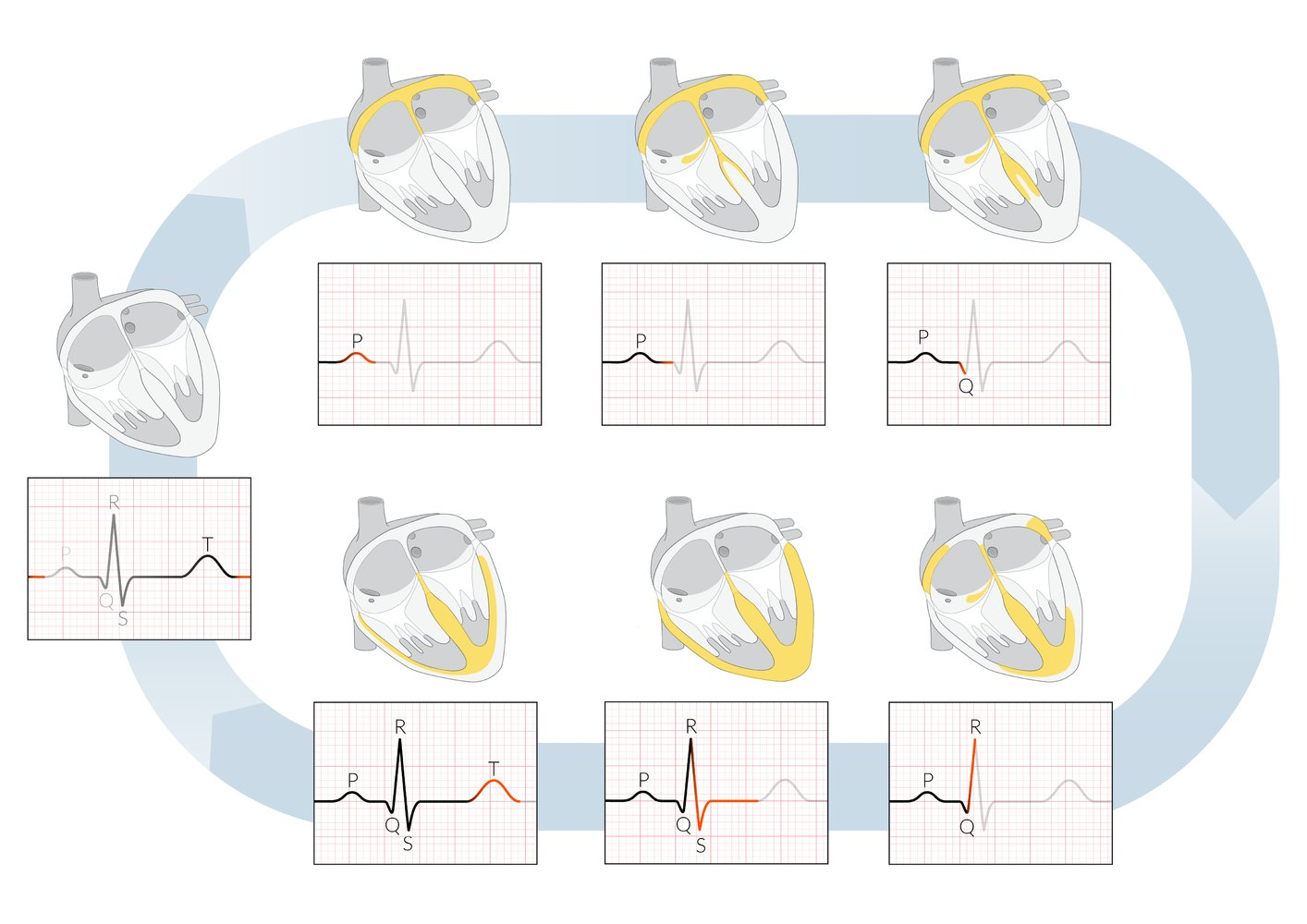
How can such mutations most likely be recognized on an ECG?
A. By a widened P wave
B. By a prolonged PQ interval
C. By a widened QRS complex
D. By a prolonged QT interval
E. By a shortened ST segment
D. By a prolonged QT interval
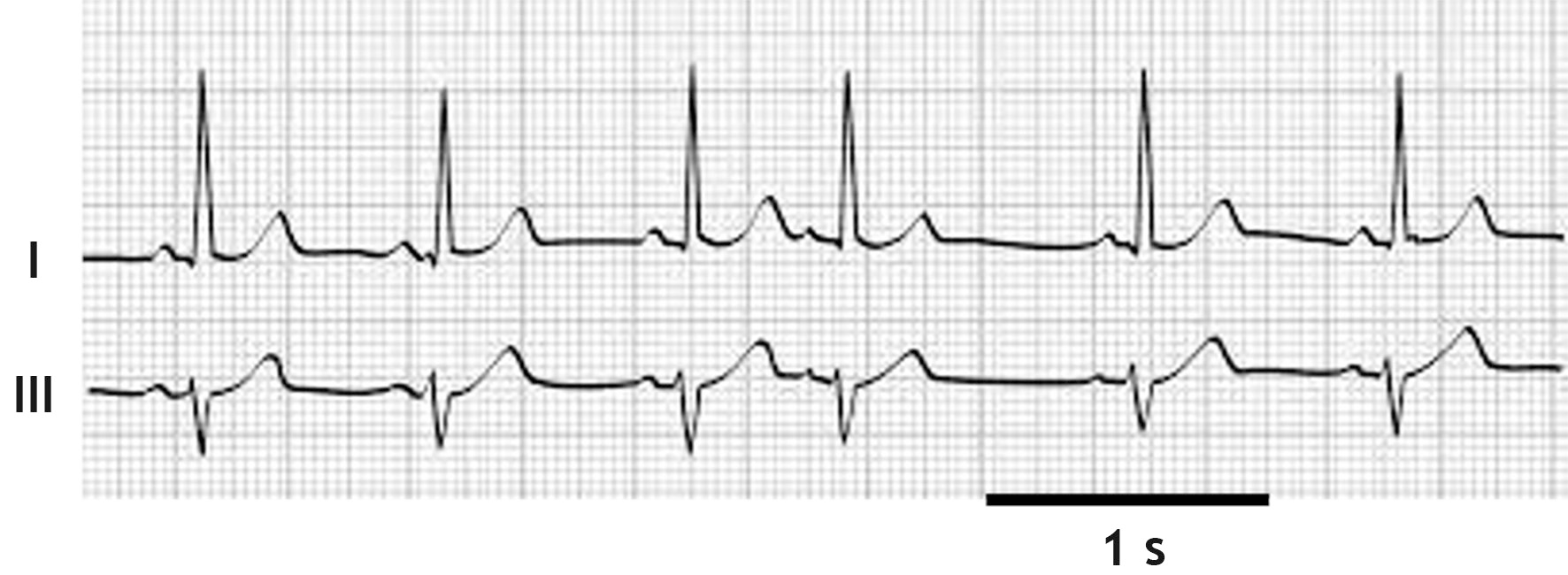
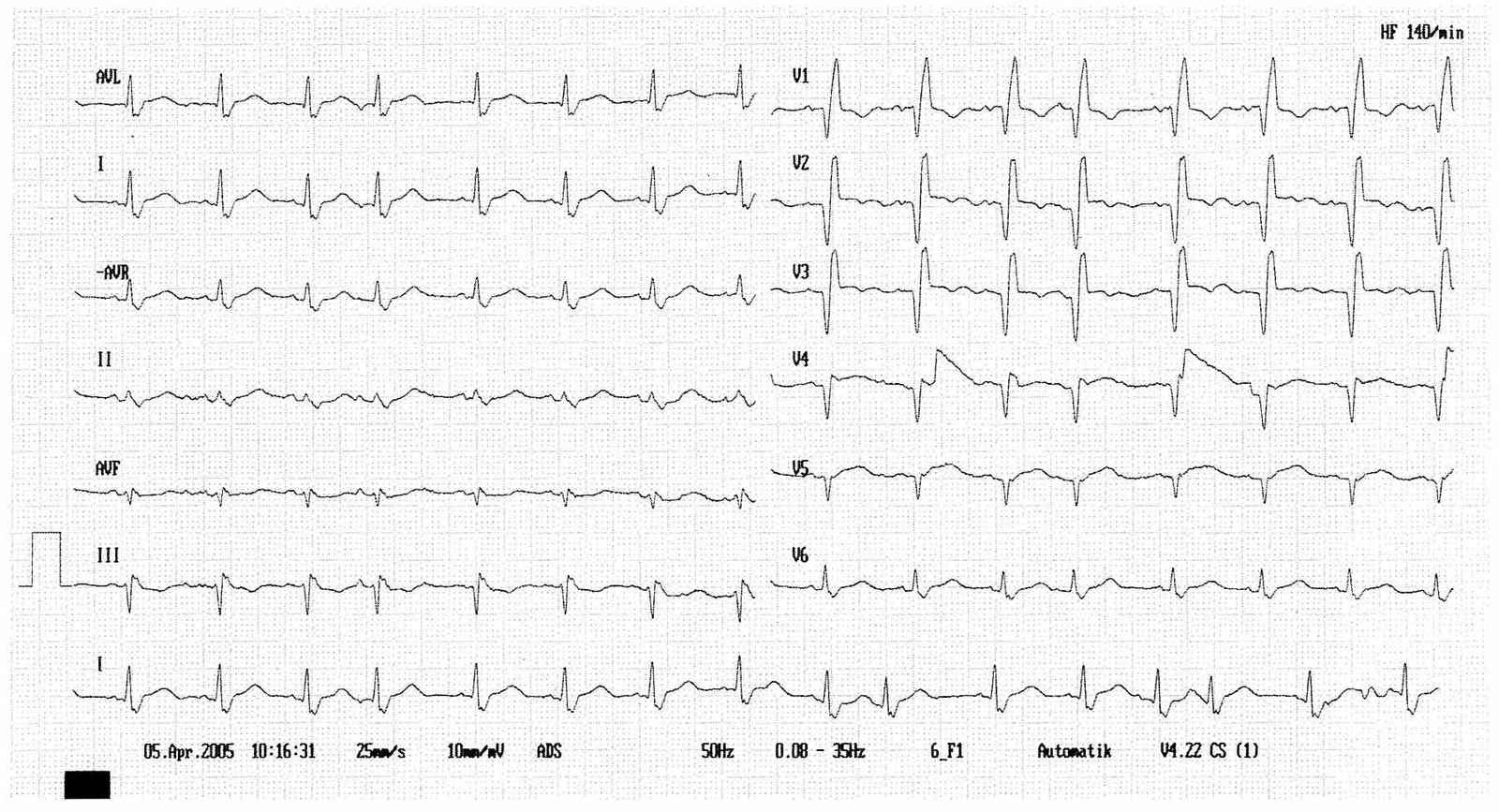
34. During a routine examination of a young man, an ECG is recorded. The diagram shows the Einthoven leads I and III of the ECG.
Which conclusion can most likely be drawn from the ECG?
The ECG shows a:
A. Second-degree AV block
B. Third-degree AV block
C. Bradycardia
D. Supraventricular extrasystole
E. Ventricular extrasystole
D. Supraventricular extrasystole
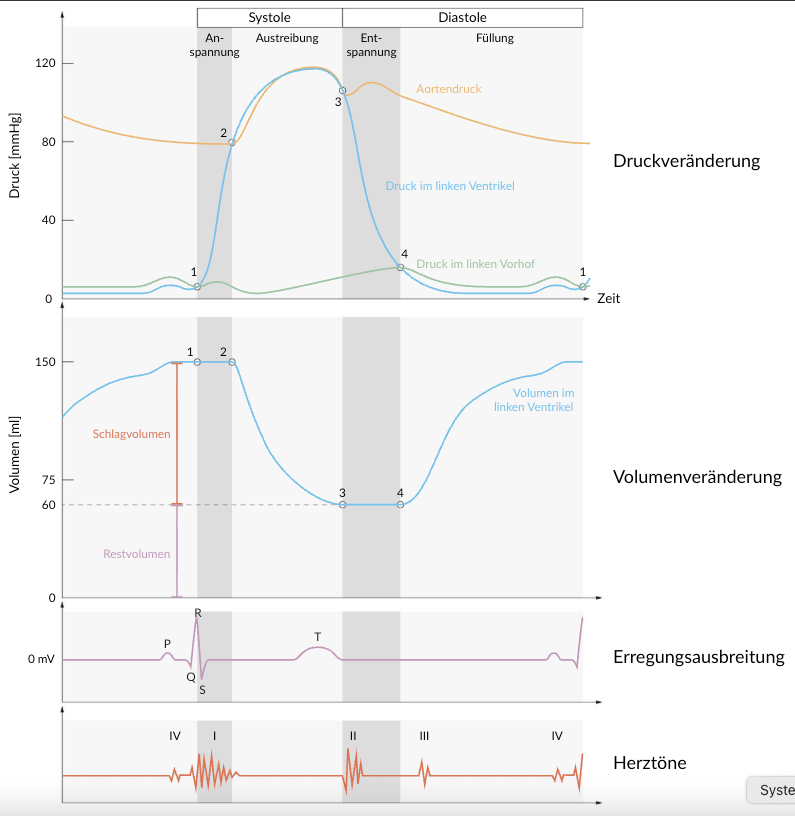
35. You record, in a healthy subject (arterial blood pressure 120/80 mmHg, pulse 60/min), the pressure in the left ventricle using a manometer catheter in the cardiac catheterization lab, while simultaneously recording the ECG.
Which statement about the pressure in the left ventricle is most likely correct?
A. It reaches its highest value during the duration of the QRS complex.
B. It measures 80 mmHg during the duration of the PQ interval.
C. It decreases continuously during the duration of the ST segment.
D. It is at its lowest value at the beginning of the T wave.
E. It is less than 10 mmHg at the beginning of the P wave.
E. It is less than 10 mmHg at the beginning of the P wave.
![<p>36. In the pressure–volume diagram of the heart, the pressure in the left ventricle is plotted against the ventricular volume. In the illustrated diagram, letters mark specific points, and numbers denote the lines (phases of the cardiac cycle) between those points.</p><p>Which statement is correct?</p><p>A. Phase [4] follows along the diastolic (resting) filling curve.</p><p>B. Phase [1] corresponds to the ejection phase.</p><p>C. Phase [4] corresponds to the relaxation phase.</p><p>D. At point [D], the aortic valve closes.</p><p>E. The volume at point [A] corresponds to the end-systolic volume.</p>](https://knowt-user-attachments.s3.amazonaws.com/c25c814a-58df-4523-96fb-381a394c9ca9.png)
36. In the pressure–volume diagram of the heart, the pressure in the left ventricle is plotted against the ventricular volume. In the illustrated diagram, letters mark specific points, and numbers denote the lines (phases of the cardiac cycle) between those points.
Which statement is correct?
A. Phase [4] follows along the diastolic (resting) filling curve.
B. Phase [1] corresponds to the ejection phase.
C. Phase [4] corresponds to the relaxation phase.
D. At point [D], the aortic valve closes.
E. The volume at point [A] corresponds to the end-systolic volume.
A. Phase [4] follows along the diastolic (resting) filling curve.
![<p>A. Phase [4] follows along the diastolic (resting) filling curve.</p>](https://knowt-user-attachments.s3.amazonaws.com/0880382e-6def-496d-b05e-c11bba8bae06.png)
37. The maintenance of an adequate cardiac output by the ventricular myocardium requires alternating filling and ejection phases.
Which statement about the ventricular filling phase is generally correct?
A. When atrial pressure falls below ventricular pressure, the atrioventricular valves open.
B. Ventricular filling occurs mainly in the last third of diastole.
C. The majority of ventricular filling occurs due to the pressure gradient generated by atrial contraction.
D. At the beginning of diastole, the valve plane moves toward the apex of the heart.
E. A return movement of the valve plane toward the base of the heart facilitates ventricular filling.
E. A return movement of the valve plane toward the base of the heart facilitates ventricular filling.
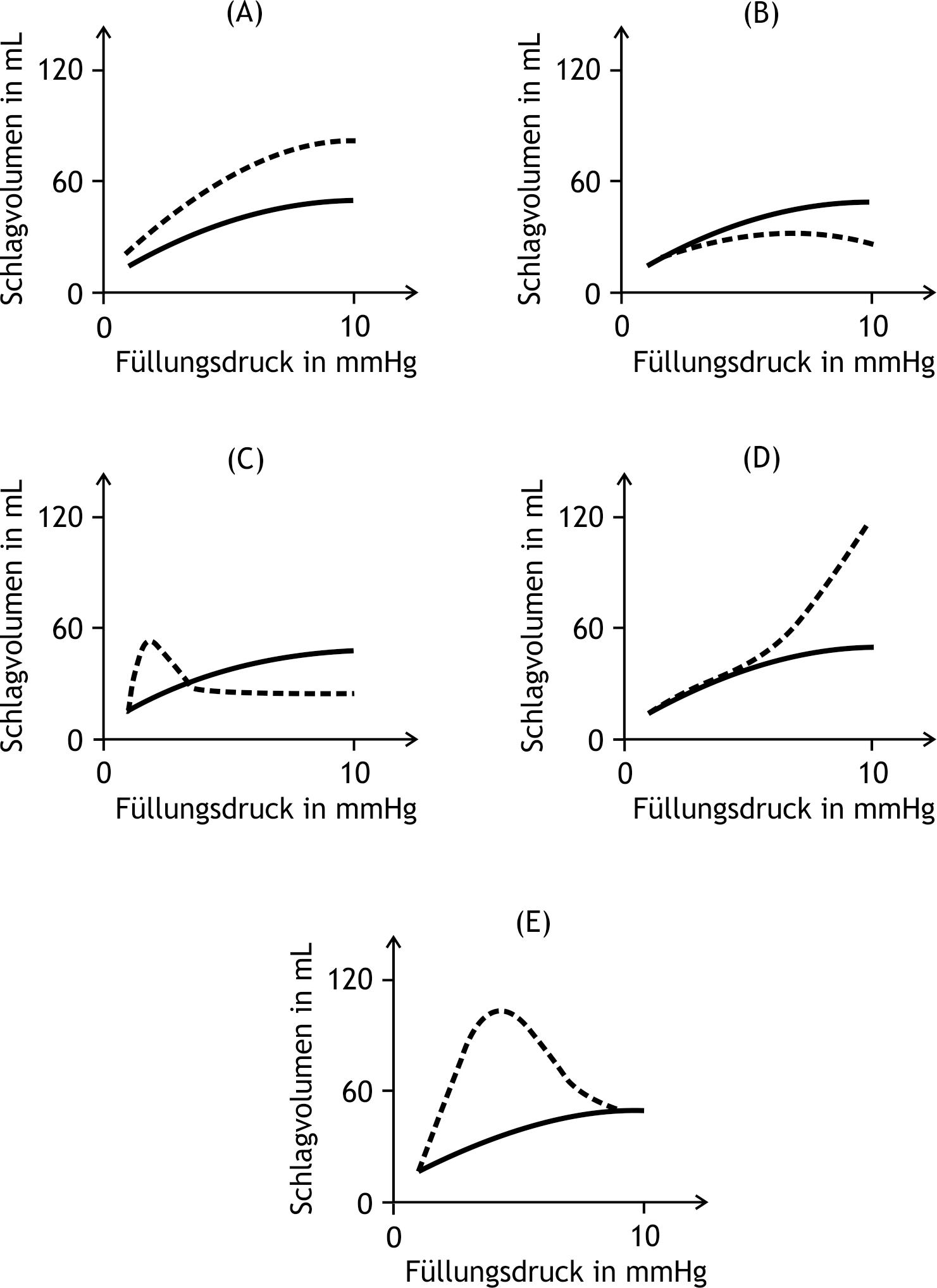
38. In the diagrams (A) to (E), the relationship between left ventricular filling pressure and stroke volume in a patient with moderate heart failure is shown as a solid line. Pharmacological partial inhibition of the Na⁺/K⁺-ATPase is then performed, and the altered relationship is drawn as a dashed line.
Which of the diagrams (A) to (E) best corresponds to this description?
A. (A)
B. (B)
C. (C)
D. (D)
E. (E)
A. (A)
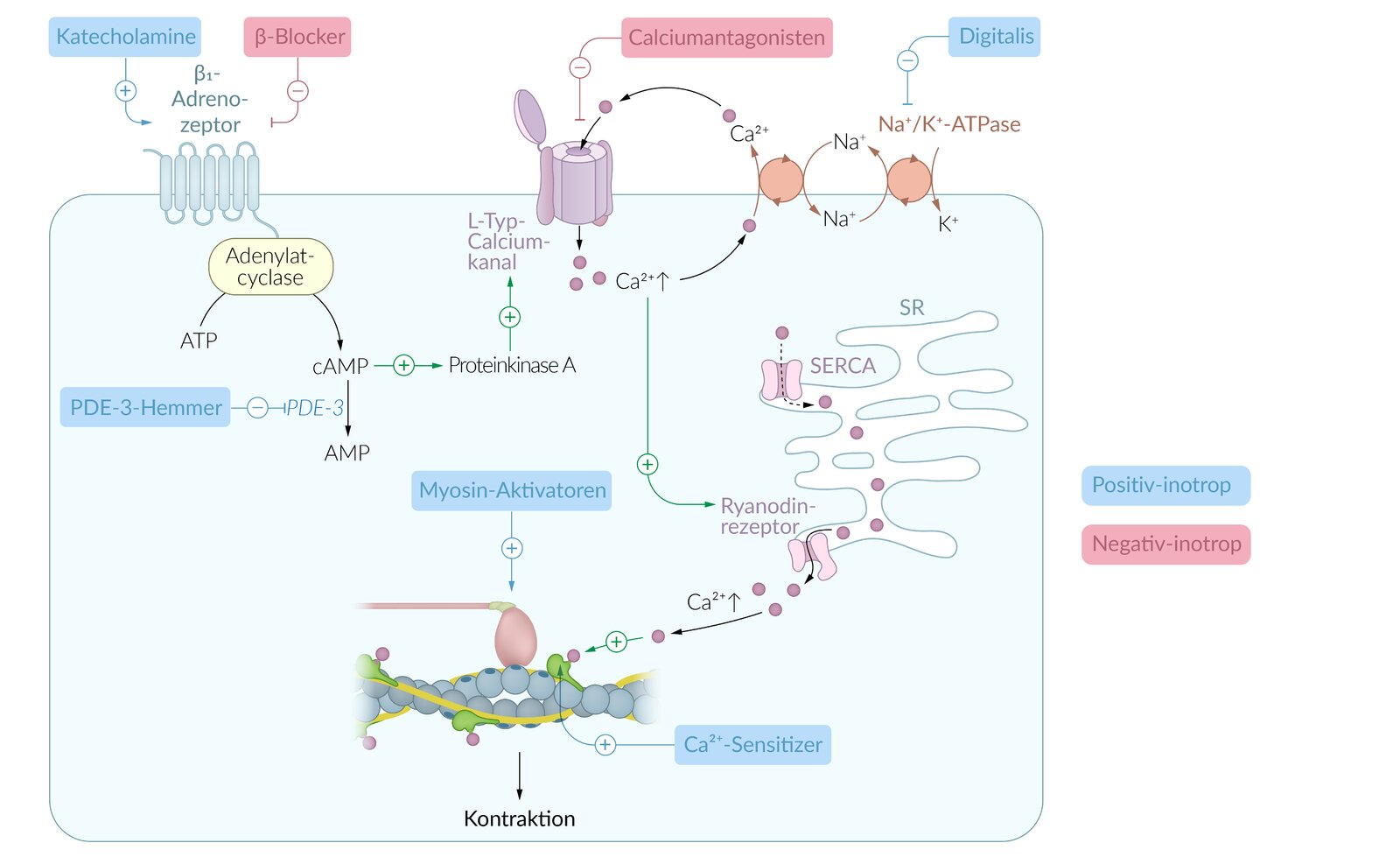
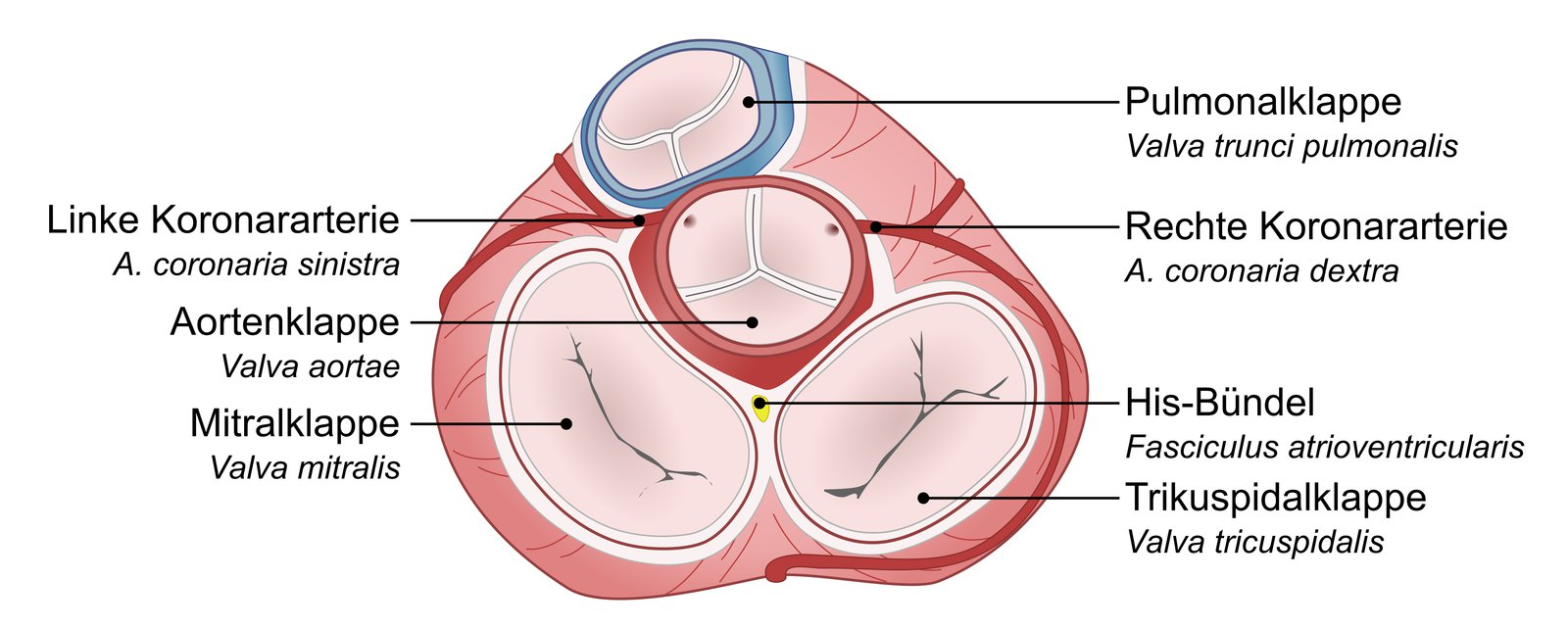
39. A 58-year-old woman suffers from a heart valve defect that primarily impedes the inflow of blood into the left ventricle.
Which change in heart valve function most likely corresponds to this description?
A. Aortic valve insufficiency
B. Aortic valve stenosis
C. Mitral valve insufficiency
D. Mitral valve stenosis
E. Tricuspid valve insufficiency
D. Mitral valve stenosis
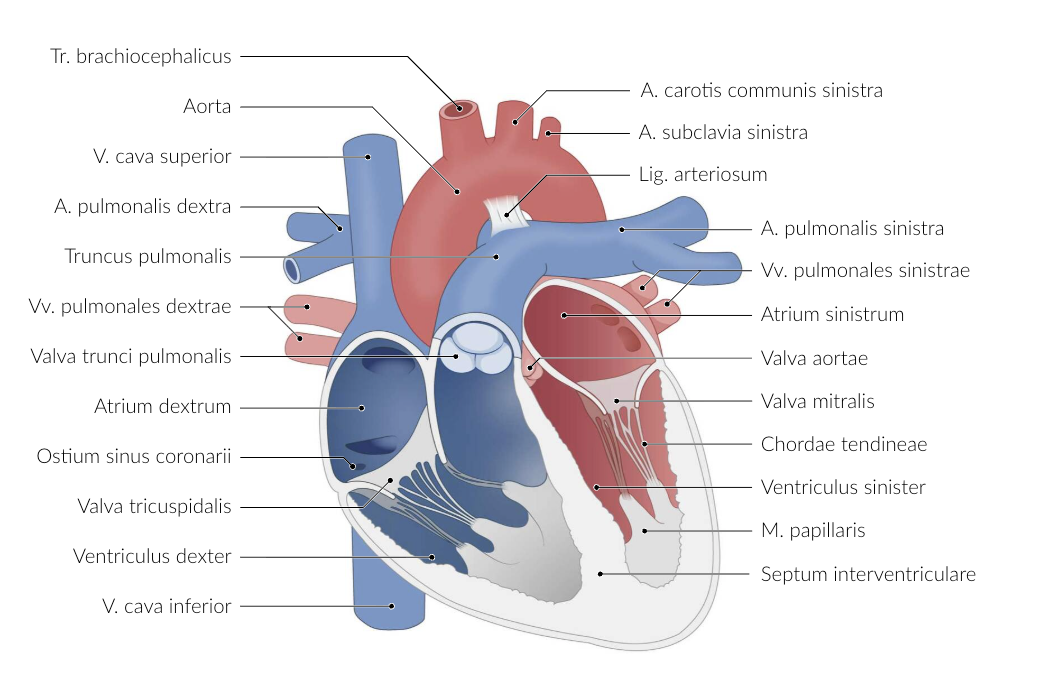
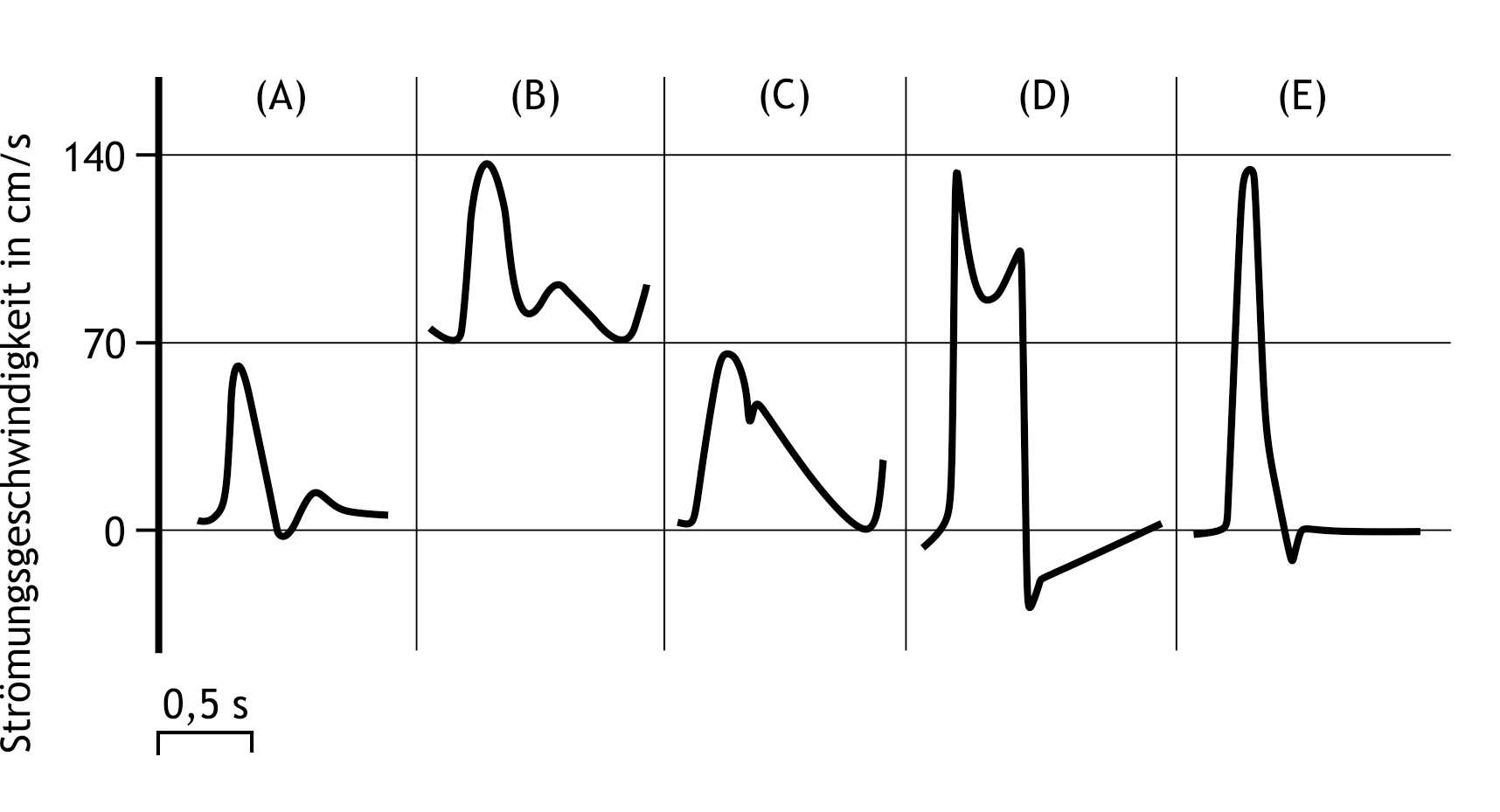
40. Which of the following curves (A) to (E) best represents the time- and amplitude-correct flow profile of blood in the ascending aorta?
A. (A)
B. (B)
C. (C)
D. (D)
E. (E)
E. (E)
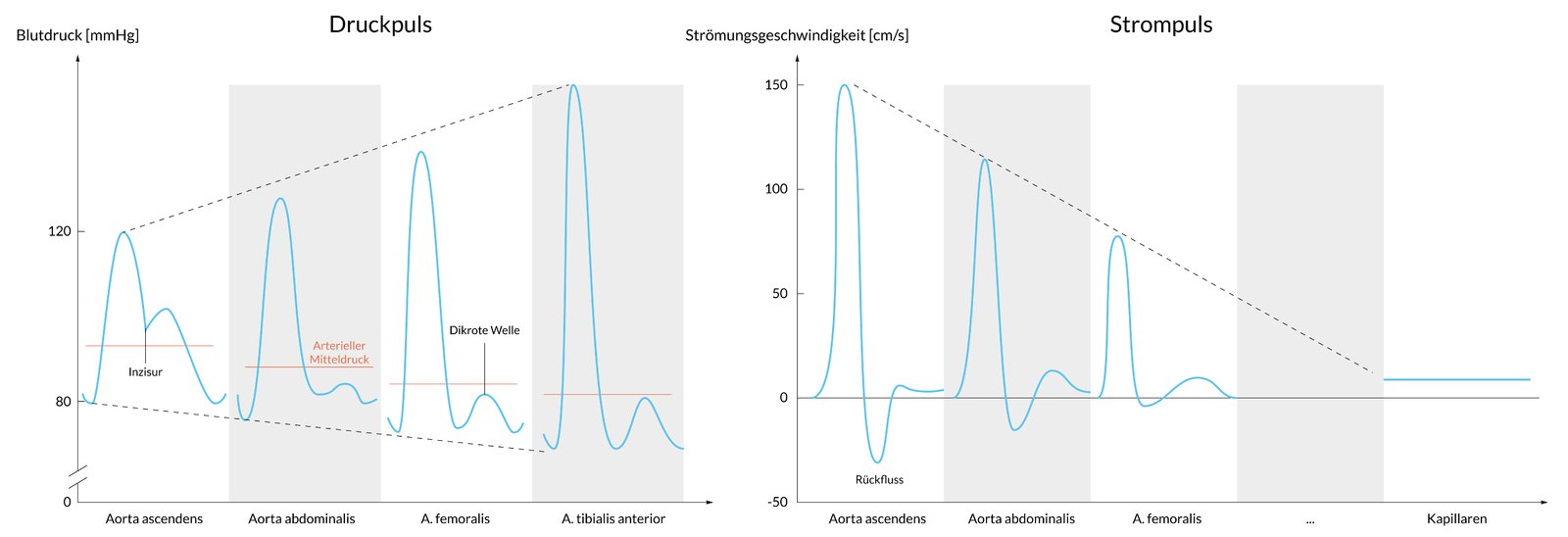
41. The ejection of the stroke volume with each heartbeat generates a pressure pulse in the aorta, which propagates through the peripheral vascular system. This pressure pulse shows a characteristic pattern in different sections of the vascular system.
Which statement about the pressure pulse is correct?
A. The amplitude of the pressure pulse is higher in the aorta than in the anterior tibial artery.
B. The propagation velocity of the pressure pulse is greater in the femoral artery than in the aorta.
C. The so-called dicrotic wave in the pressure pulse curve is caused by respiration-dependent differences in ventricular filling.
D. A second peak in the pressure pulse curve in distal arteries (e.g., anterior tibial artery) is called the incisura.
E. In arteriosclerotic vessels, the propagation velocity of the pressure pulse is decreased.
B. The propagation velocity of the pressure pulse is greater in the femoral artery than in the aorta.
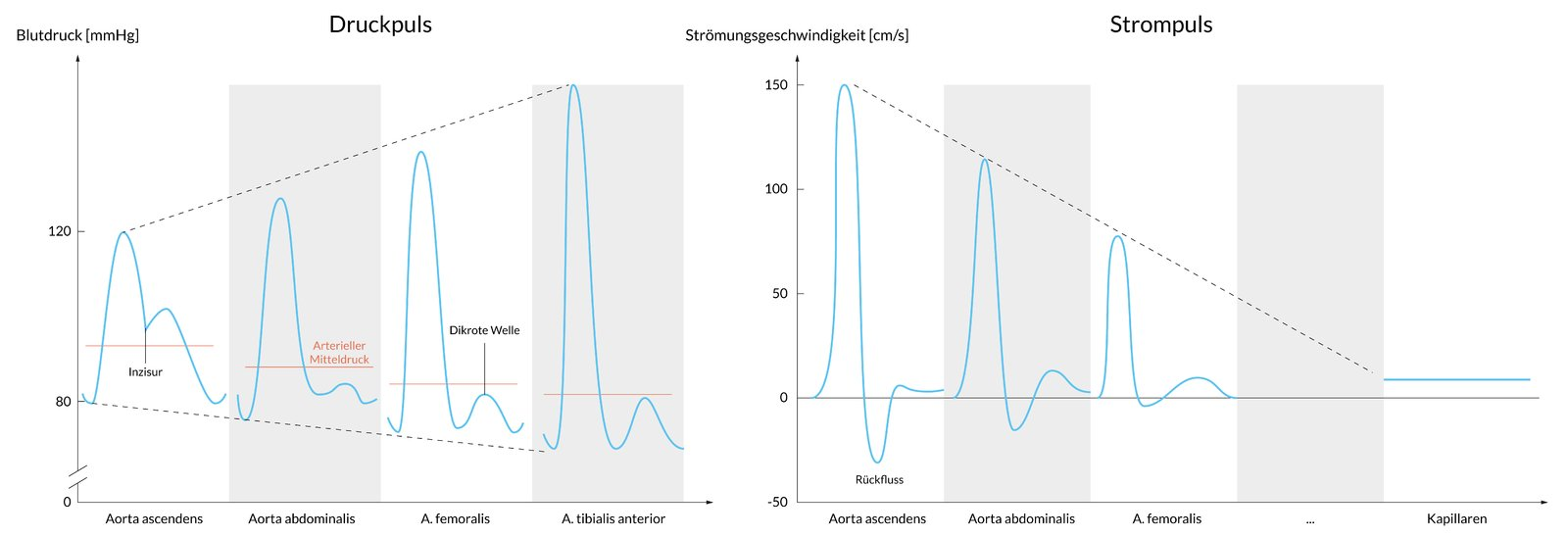
42. During the orthostatic circulatory response, arterial baroreceptors trigger rapid compensatory reactions following an acute drop in blood pressure.
In this process:
A. The drop in blood pressure leads to activation of the dorsal motor nucleus of the vagus nerve in the medulla oblongata.
B. The drop in blood pressure causes an increase in the activity of arterial pressoreceptors (baroreceptors).
C. The drop in blood pressure leads to disinhibition of sympathetic premotor neurons in the medulla oblongata.
D. The drop in blood pressure causes a decrease in resistance of arterial vessels.
E. The most important triggering baroreceptors are located in the renal arteries.
C. The drop in blood pressure leads to disinhibition of sympathetic premotor neurons in the medulla oblongata.
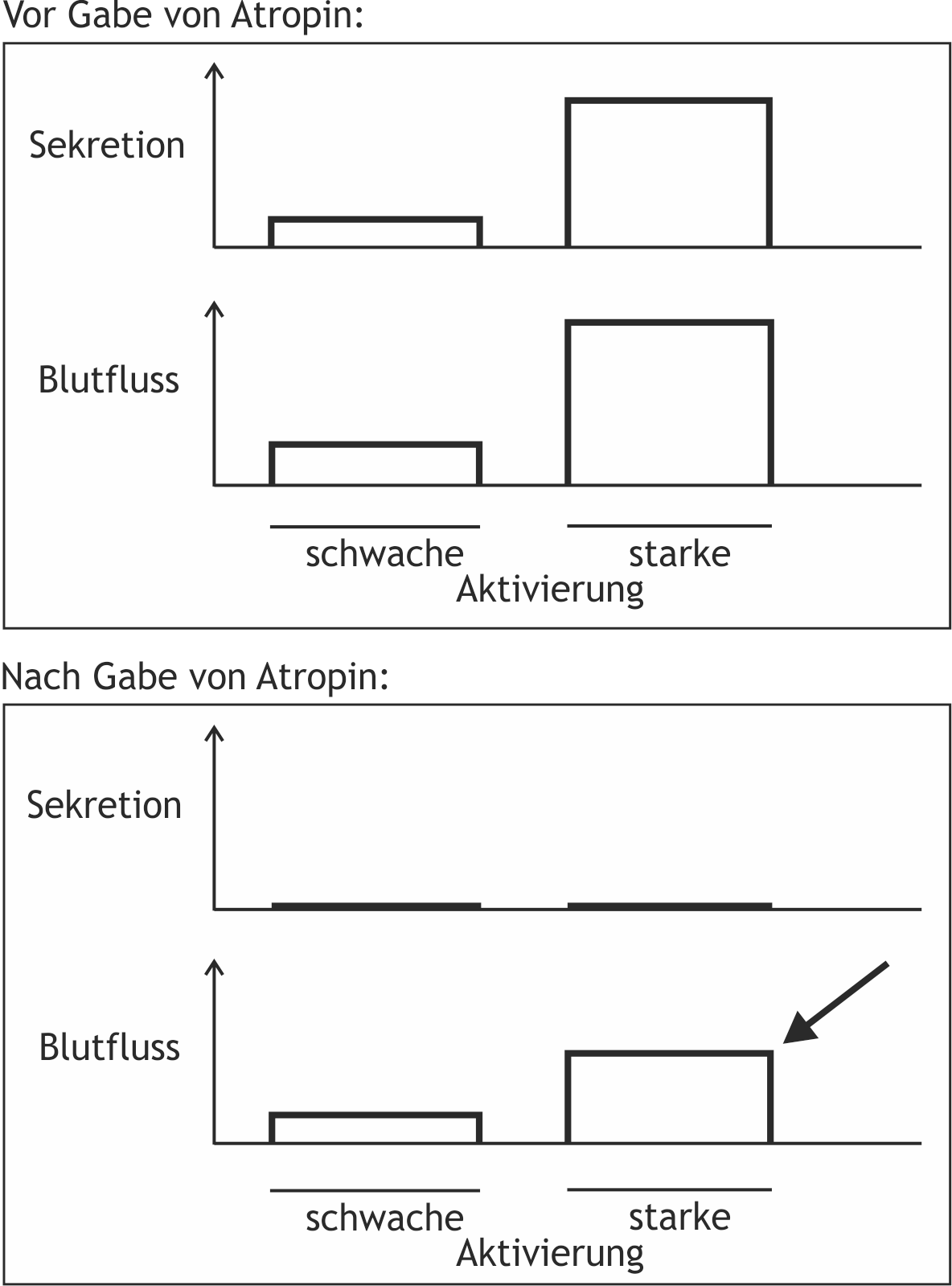
43. The schematic bar graph below shows the effect of activating efferent parasympathetic neurons on salivary secretion and blood flow in the salivary glands. Weak and strong activations of these neurons were induced by low- and high-frequency electrical stimulation, both before and after administration of atropine.
Regarding the blood flow marked by the arrow, which statement is most likely correct?
A. The response occurs through stimulation of muscarinic acetylcholine receptors.
B. The response occurs via stimulation of α-adrenoceptors.
C. The response is mediated by acetylcholine.
D. The response is triggered by an increase in smooth muscle calcium concentration.
E. The response is mediated via vasoactive intestinal polypeptide (VIP).
E. The response is mediated via vasoactive intestinal polypeptide (VIP).
44. In a healthy subject, oxygen uptake increases from 0.3 L/min at rest to 0.6 L/min during exercise (measured at steady state).
Approximately how much energy per unit time is transferred to the ergometer during exercise in watts, assuming a muscle efficiency (net efficiency) of about 25% and a caloric (energetic) equivalent of 20 kJ/L O₂?
A. 25 Watt
B. 50 Watt
C. 100 Watt
D. 150 Watt
E. 200 Watt
A. 25 Watt
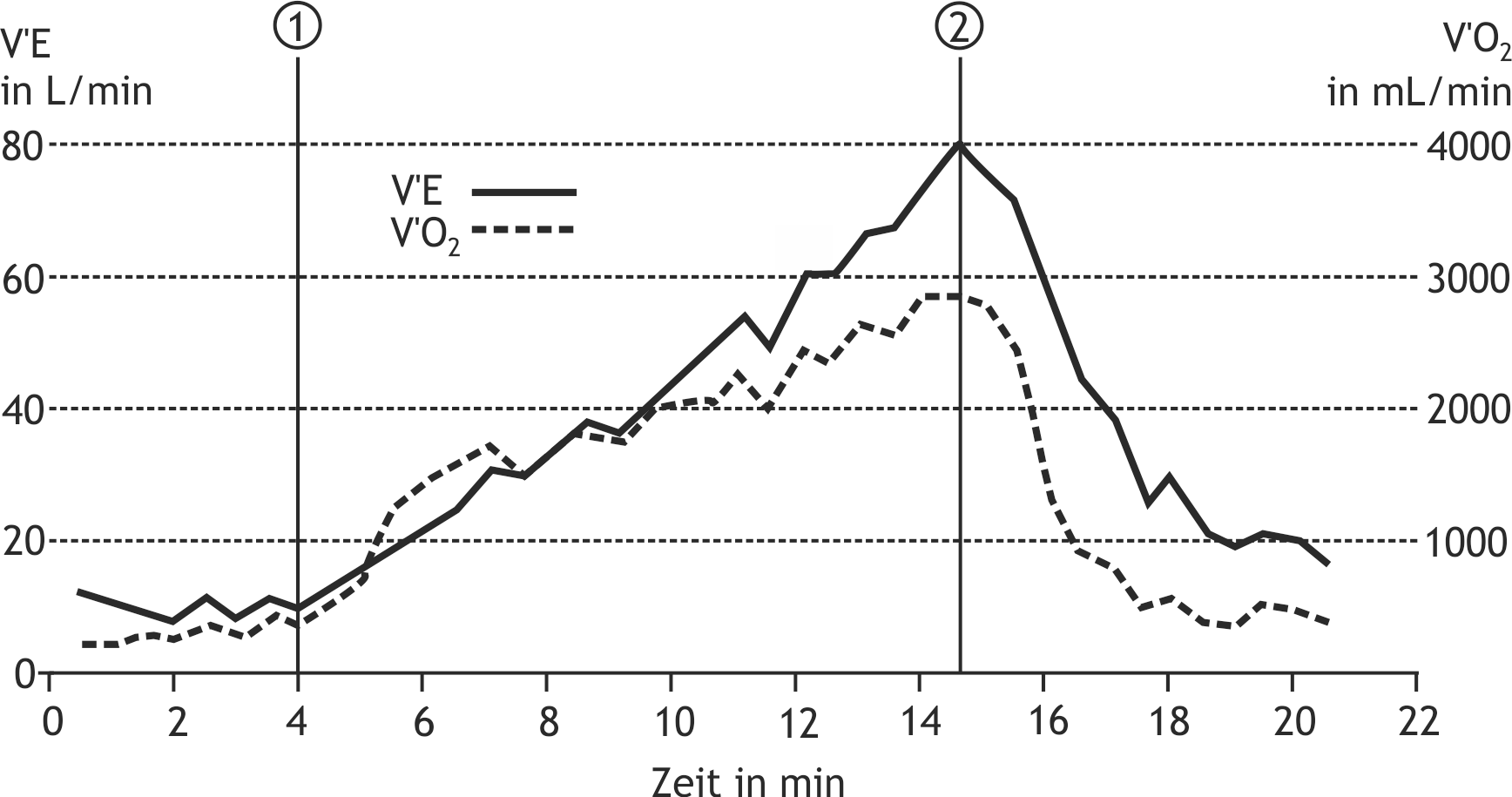
45. You perform a spiroergometry test on a healthy subject and record the minute ventilation (V’E) and oxygen uptake (V’O₂) over time:
Which statement can most likely be derived from this?
A. At time point ①, the energy turnover is approximately 1,000 J/min.
B. At time point ②, the lactate concentration in the blood plasma is < 1.2 mmol/L.
C. At time point ②, the workload is below the endurance limit.
D. At time point ②, a partially compensated metabolic acidosis is present.
E. At time point ②, the ratio of CO₂ output to O₂ consumption (V’CO₂ / V’O₂) is lower than at time point ①.
D. At time point ②, a partially compensated metabolic acidosis is present.
46. To determine physical performance capacity, step and endurance tests are performed, providing information about cardiovascular strain, oxygen supply, and energy metabolism.
Which statement about oxygen supply or energy metabolism at the beginning and end of dynamic exercise is correct?
A. During intense fatiguing exercise, heart rate reaches a plateau after about 30 minutes, which remains stable until the end of exercise (after 60 minutes).
B. In intense fatiguing exercise, the O₂ deficit reached is greater than the post-exercise O₂ uptake.
C. The hydrolysis of creatine phosphate becomes relevant only toward the end of a 60-minute workload at 75 W.
D. During intense fatiguing exercise, the maximum blood plasma lactate concentration is reached about 2–3 minutes before exercise termination due to exhaustion.
E. To repay the O₂ debt after exercise, oxygen is required, among other things, for the formation of glucose from lactate.
E. To repay the O₂ debt after exercise, oxygen is required, among other things, for the formation of glucose from lactate.
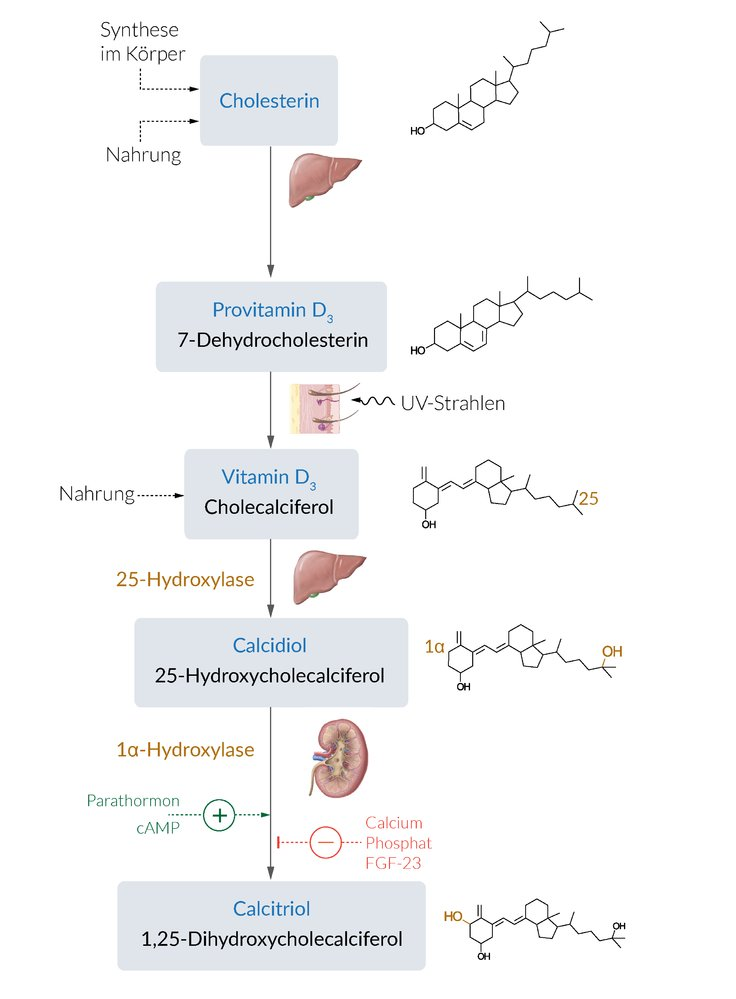
47. Disorders in calcium-phosphate metabolism are possible causes of osteoporosis and are therefore responsible for a large number of hospitalizations in Germany.
Which of the following situations promotes bone resorption?
A. Dialysis-dependent renal failure
B. Removal of the thyroid gland
C. Hereditary FGF23 deficiency
D. Postmenopausal hormone substitution with estrogen analogs
E. Overproduction of calcitonin
A. Dialysis-dependent renal failure
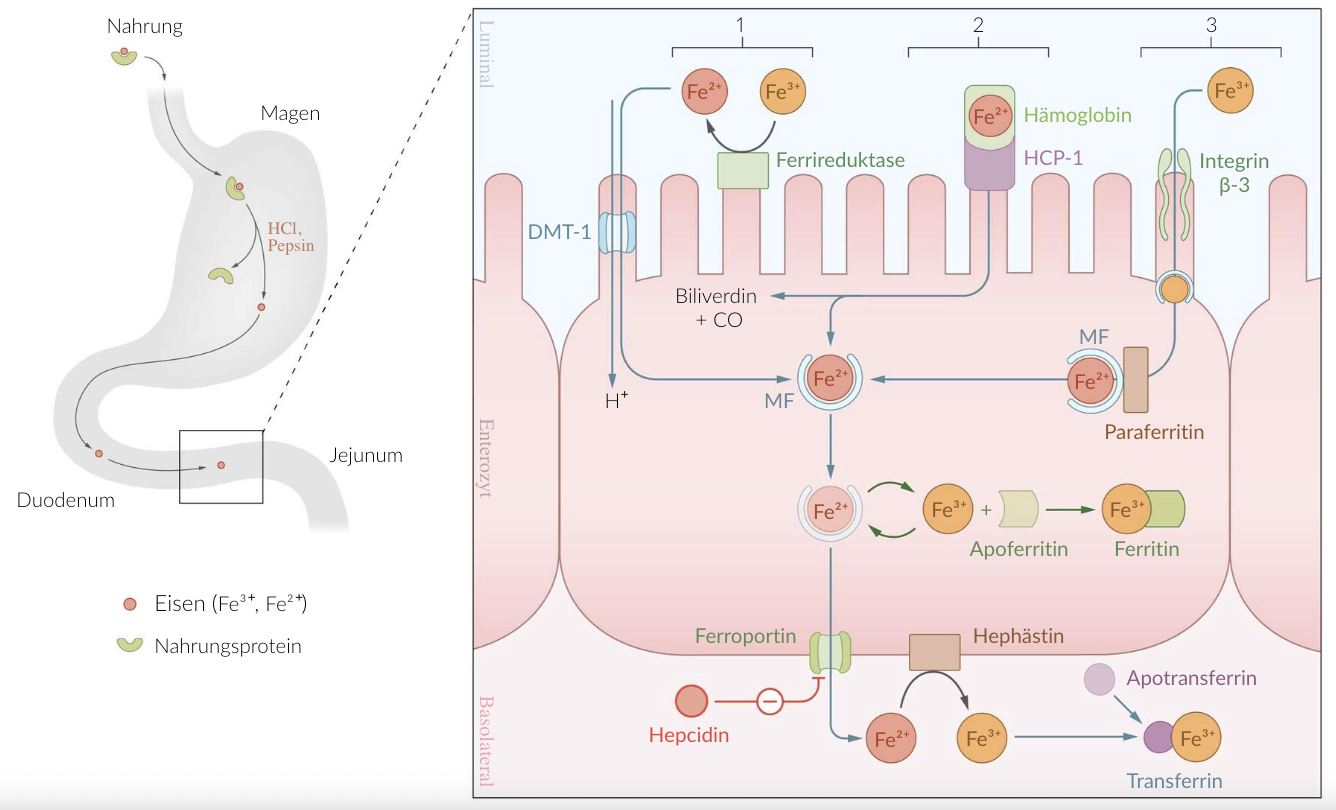
48. Which statement about apotransferrin or transferrin is correct?
A. Apotransferrin binds specifically to Fe²⁺ ions in blood plasma.
B. Apotransferrin in blood plasma is normally less than 50% saturated with iron.
C. Apotransferrin is mainly synthesized by erythroid precursor cells.
D. Transferrin is the main iron-storing protein in hepatocytes.
E. Transferrin migrates in the γ-globulin fraction during electrophoretic separation of plasma proteins.
B. Apotransferrin in blood plasma is normally less than 50% saturated with iron.
49. Vomiting is an accompanying symptom of many diseases.
During vomiting, vegetative accompanying reactions occur. These typically include:
A. Bradycardia shortly before the actual act of vomiting
B. Dry mouth shortly before the actual act of vomiting
C. Reduction of abdominal muscle tone during regurgitation
D. Decrease in tone of the duodenum and jejunum during regurgitation
E. Vasoconstriction of cutaneous blood vessels
E. Vasoconstriction of cutaneous blood vessels
50. Which of the following membrane proteins is located in the apical (luminal) cell membrane of the gastric parietal cell and is the most important (of the listed proteins) for hydrochloric acid secretion?
A. HCO₃⁻/Cl⁻ antiporter
B. K⁺ channel
C. Na⁺ channel
D. Na⁺/K⁺-ATPase
E. Na⁺, K⁺, 2Cl⁻ symporter
B. K⁺ channel
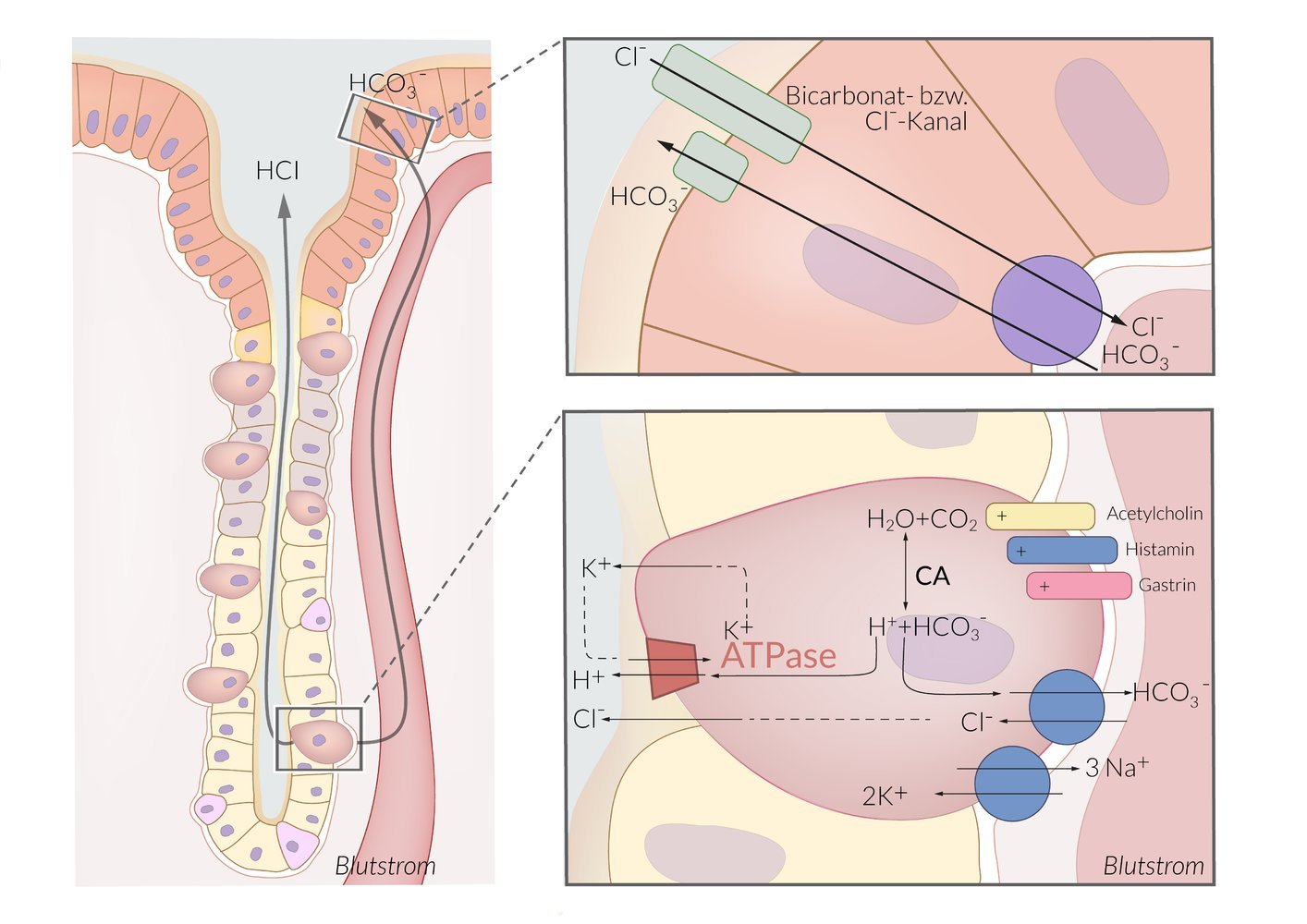
51. Damage to the gastric mucosa with the risk of a gastric ulcer is a common clinical problem. The development of mucosal lesions involves, among other factors, acid secretion and protective mechanisms of the gastric mucosa.
Which statement about acid secretion or protection of the gastric mucosa is generally correct?
A. The formation of a protective mucus layer by the gastric mucosa is inhibited by prostaglandin E₂.
B. Blood flow in the gastric mucosa is increased by stress (e.g., polytrauma).
C. Gastric acid secretion is inhibited by gastrin.
D. Gastric acid secretion is stimulated by secretin.
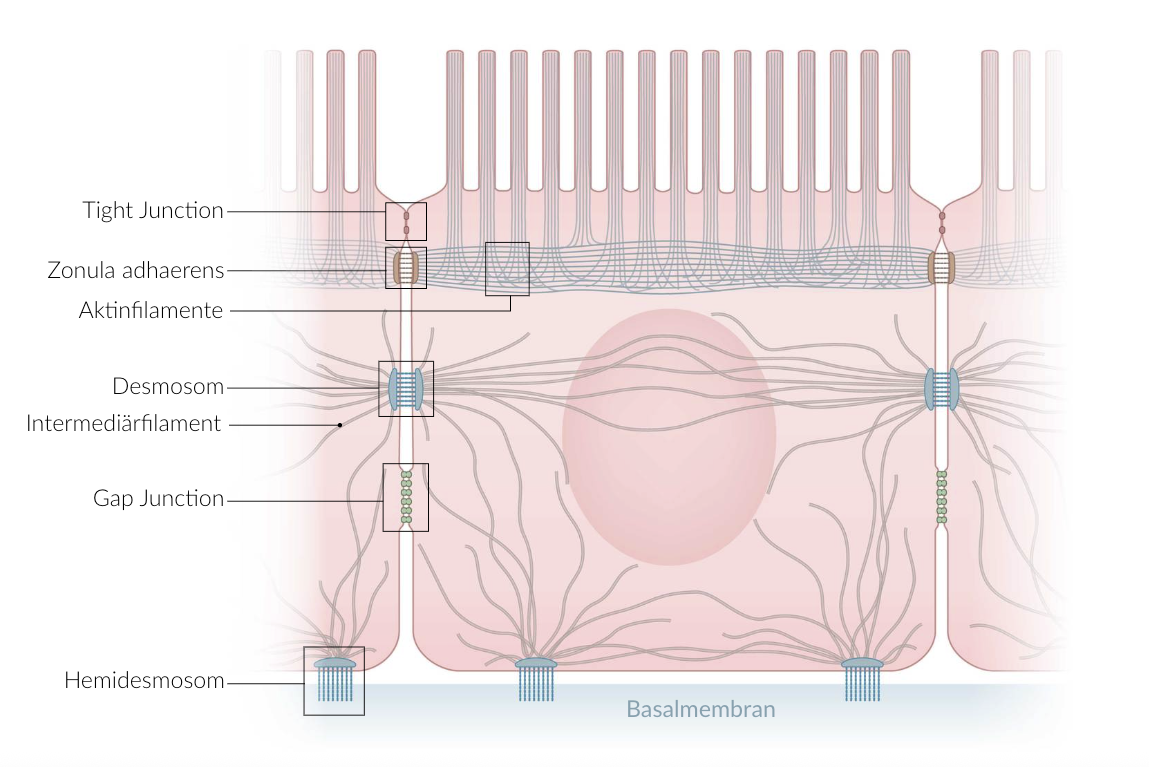
E. Tight junctions between gastric epithelial cells help protect the basolateral side of the epithelium from protons.
E. Tight junctions between gastric epithelial cells help protect the basolateral side of the epithelium from protons.
52. The effective glomerular filtration pressure significantly influences the glomerular filtration rate (GFR).
Which of the following most likely causes an increase in GFR?
A. Decrease in the oncotic pressure of the filtrate
B. Increase in the hydrostatic pressure in Bowman’s capsule
C. Increase in the oncotic pressure of the blood plasma
D. Dilation of the afferent arteriole
E. Dilation of the efferent arteriole
D. Dilation of the afferent arteriole
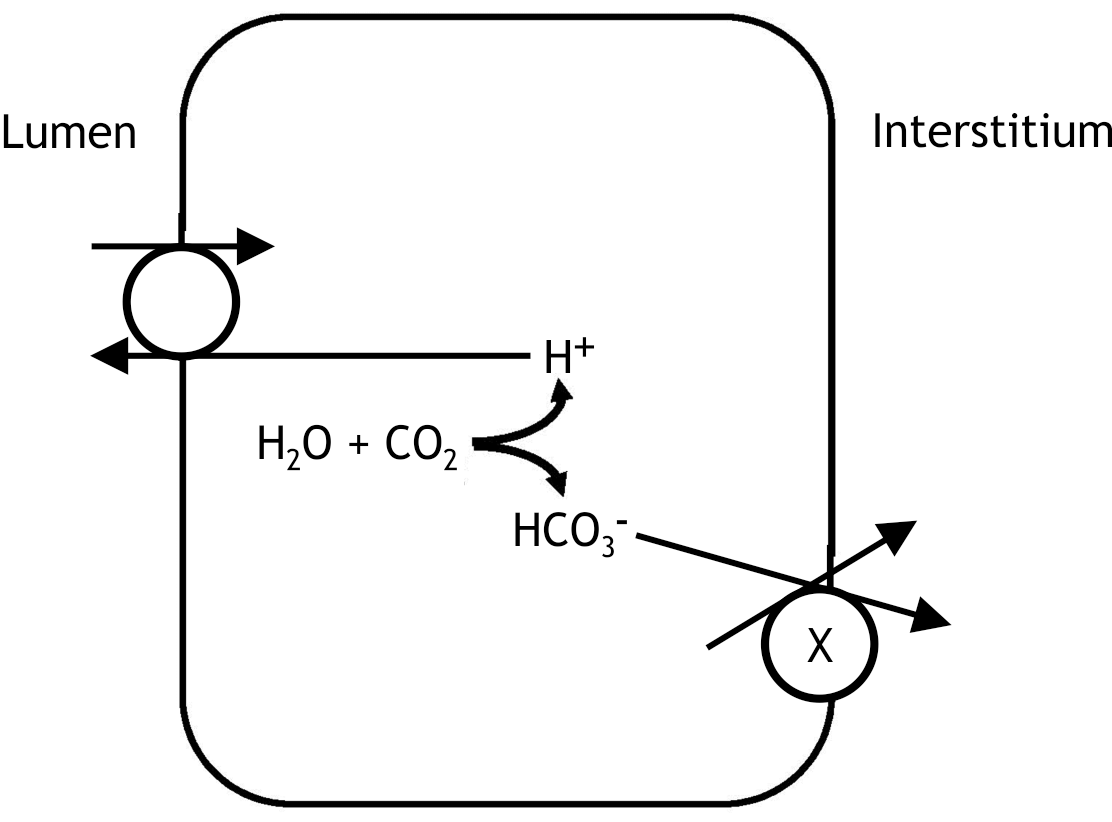
53. In the proximal tubule of the kidney, large amounts of substances are reabsorbed. In the schematic diagram below, a symporter in the cell membrane of a proximal tubule cell is marked with X:
What is an essential property of the symporter marked with X?
A. It has a stoichiometry of HCO₃⁻ to the cotransported ion of 2:1.
B. It is electroneutral.
C. It is primary active.
D. It transports Cl⁻ in symport with HCO₃⁻.
E. It transports Na⁺ out of the cell.
E. It transports Na⁺ out of the cell.
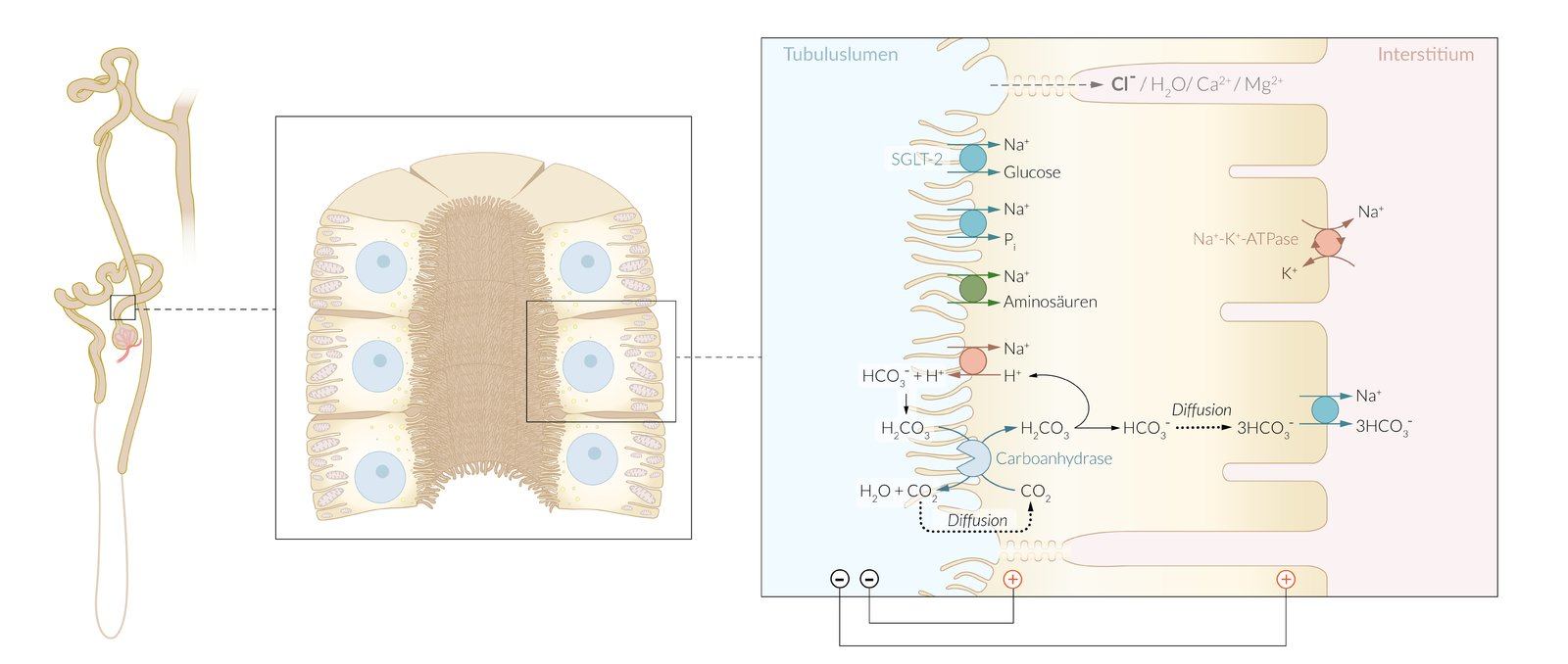
54. Sodium reabsorption in the kidney contributes significantly to the kidney’s ability to concentrate urine.
Which transporter or channel contributes most to this sodium reabsorption?
A. Epithelial Na⁺ channel (ENaC)
B. Na⁺, Cl⁻ symporter (NCC)
C. Na⁺, glucose symporter (SGLT)
D. Na⁺, K⁺, 2Cl⁻ symporter (NKCC)
E. Na⁺, phosphate symporter (NaPi)
D. Na⁺, K⁺, 2Cl⁻ symporter (NKCC)
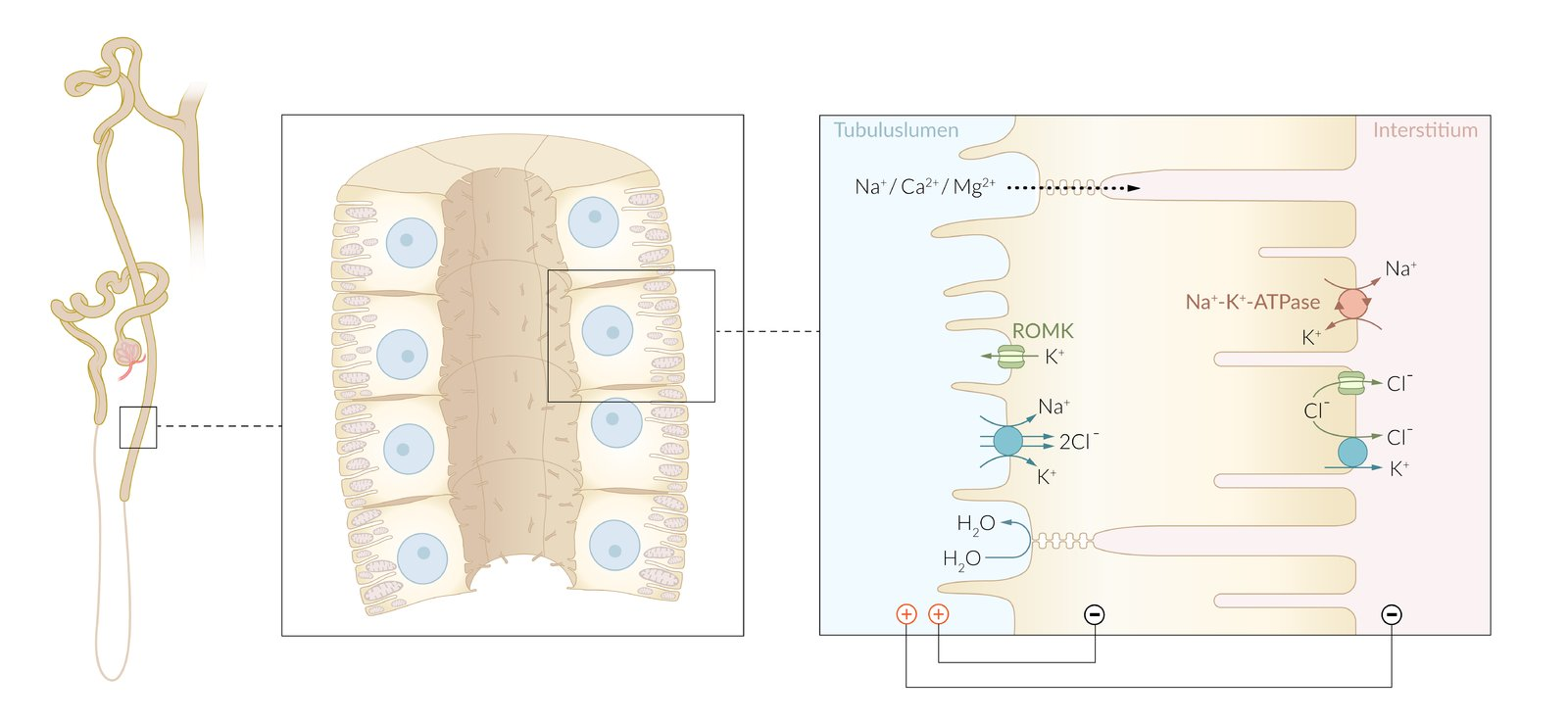
55. The countercurrent system is an important functional principle in the kidney.
Which statement about the countercurrent system in the kidney is correct?
A. It serves to conserve HCO₃⁻.
B. It leads to a decrease in the O₂ concentration in the renal medulla.
C. It is necessary for glucose reabsorption.
D. It can increase the osmolarity in the renal medulla to a maximum of 600 mosm/L.
E. It accumulates urea and ammonia in the renal cortex.
B. It leads to a decrease in the O₂ concentration in the renal medulla.
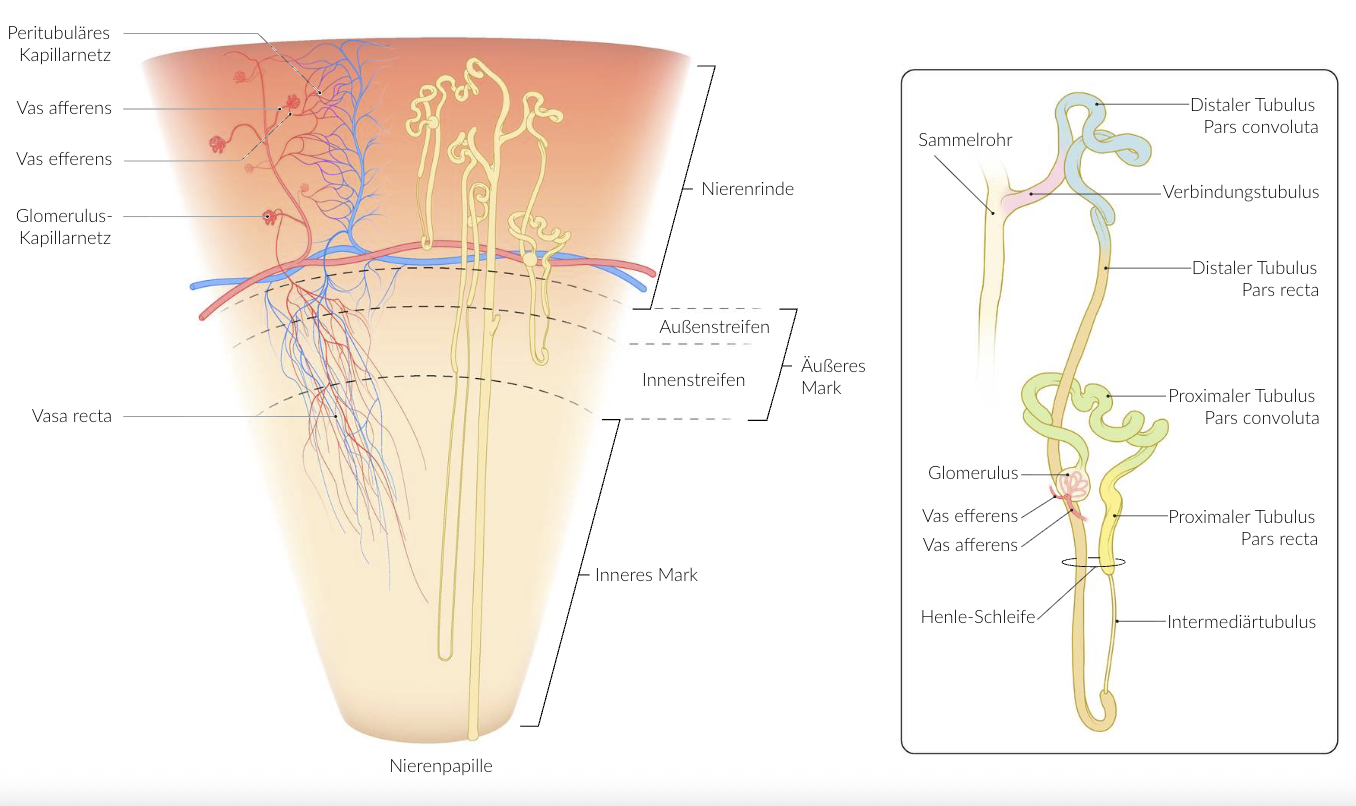
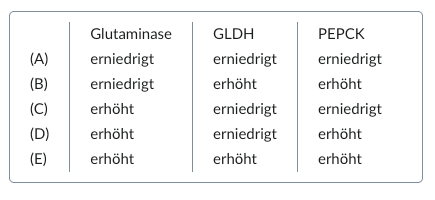
56. The kidneys play an important role in regulating acid-base balance. When blood pH changes, the expression levels of enzymes involved in this regulation can be modulated in the kidneys.
Which adaptations are expected for the enzymes glutaminase, glutamate dehydrogenase (GLDH), and phosphoenolpyruvate carboxykinase (PEPCK) during metabolic acidosis?
A. (A)
B. (B)
C. (C)
D. (D)
E. (E)
E. (E)
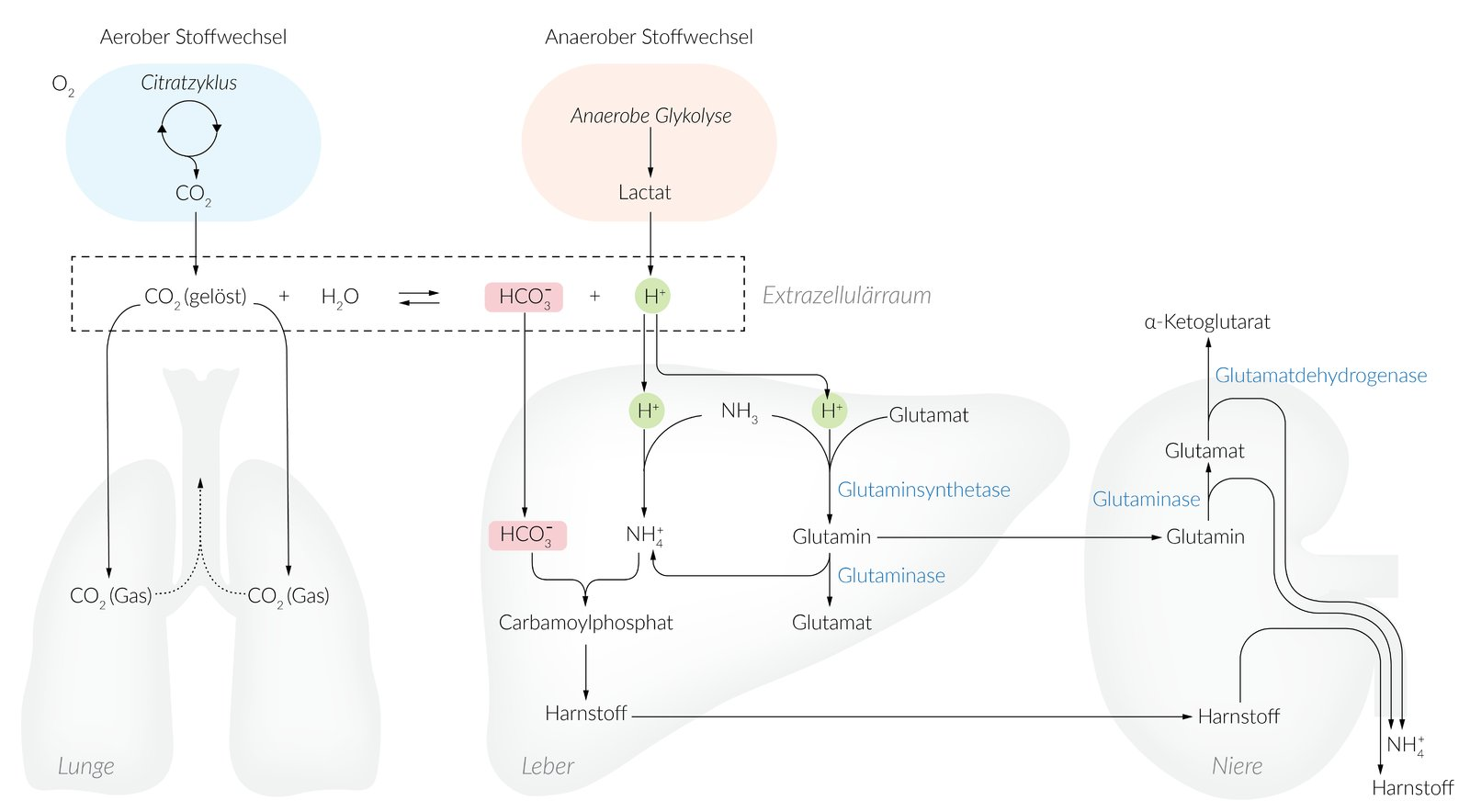
57. A 20-year-old patient with severe hyperglycemia due to diabetes mellitus receives insulin therapy.
What must be considered regarding electrolyte and acid-base balance?
A. Insulin increases cellular uptake of K⁺.
B. Insulin causes intracellular acidification.
C. Insulin inhibits the Na⁺/H⁺ antiporter.
D. Insulin inhibits the Na⁺, K⁺, 2Cl⁻ symporter (NKCC).
E. Insulin inhibits the Na⁺/K⁺-ATPase.
A. Insulin increases cellular uptake of K⁺.
58. Treatment with glucocorticoids produces effects that chronically exceed the physiological actions of cortisol.
Which of the following functional relationships is correct?
A. ACTH suppression by the therapy increases gastric protection compared to the state without therapy.
B. The diabetogenic effect of the therapy causes thick skin.
C. The catabolic effect of the therapy causes muscle wasting.
D. The effect of the drugs on the aldosterone receptor reduces renal potassium excretion.
E. The effect of the therapy on the immune system leads to lymphocytosis.
C. The catabolic effect of the therapy causes muscle wasting.
59. A patient suffers from chronic hypothyroidism due to severe iodine deficiency.
Which of the following parameters, measured at physical rest, is most likely to be increased as a result of this condition?
A. Basal metabolic rate
B. Heart rate
C. Core body temperature
D. T₄ concentration in blood plasma
E. TSH release from the adenohypophysis
E. TSH release from the adenohypophysis
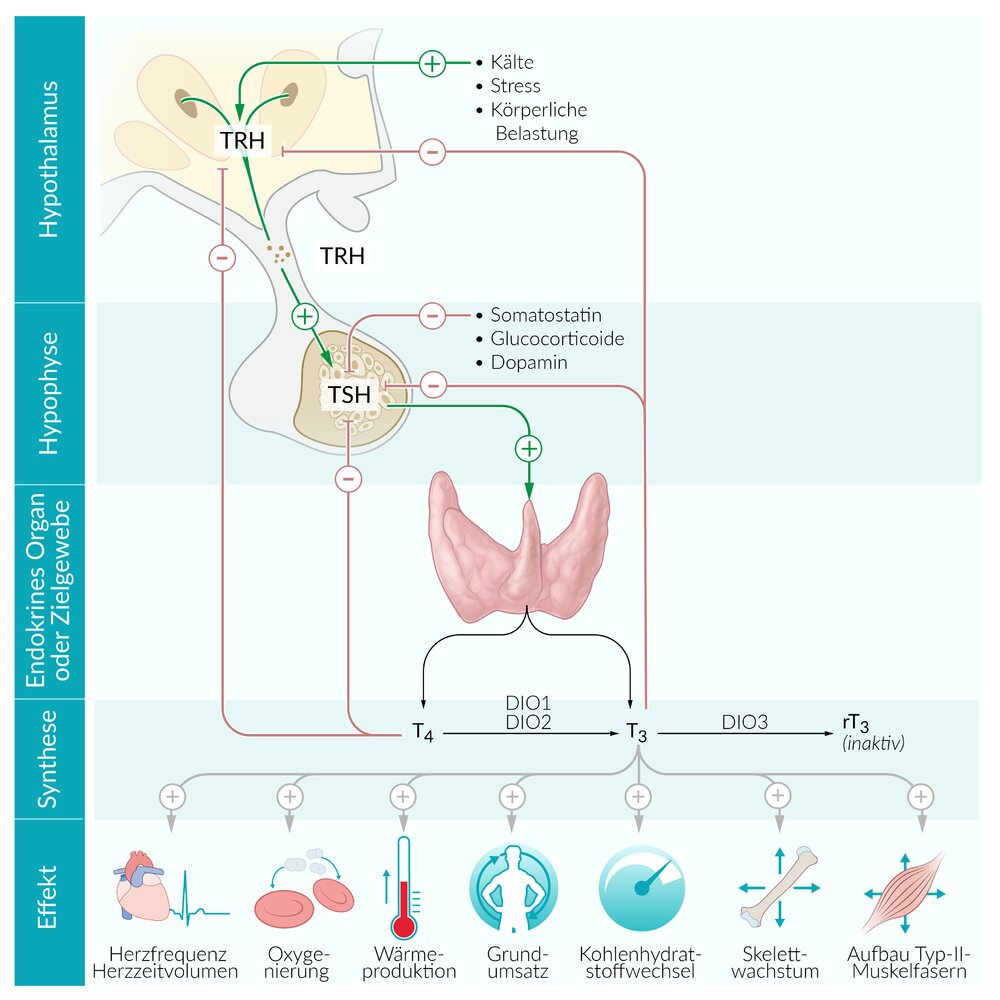
60. The induction of puberty depends on age, developmental status, and environmental factors.
Which statement about puberty is correct?
A. The induction of puberty is mainly prevented by a persistently elevated concentration of corticotropin-releasing hormone (CRH).
B. Gonadotropin-releasing hormone (GnRH) inhibits the induction of puberty.
C. Boys, on average, enter puberty earlier than girls.
D. Kisspeptin inhibits the onset of puberty.
E. Leptin promotes the induction of puberty.
E. Leptin promotes the induction of puberty.
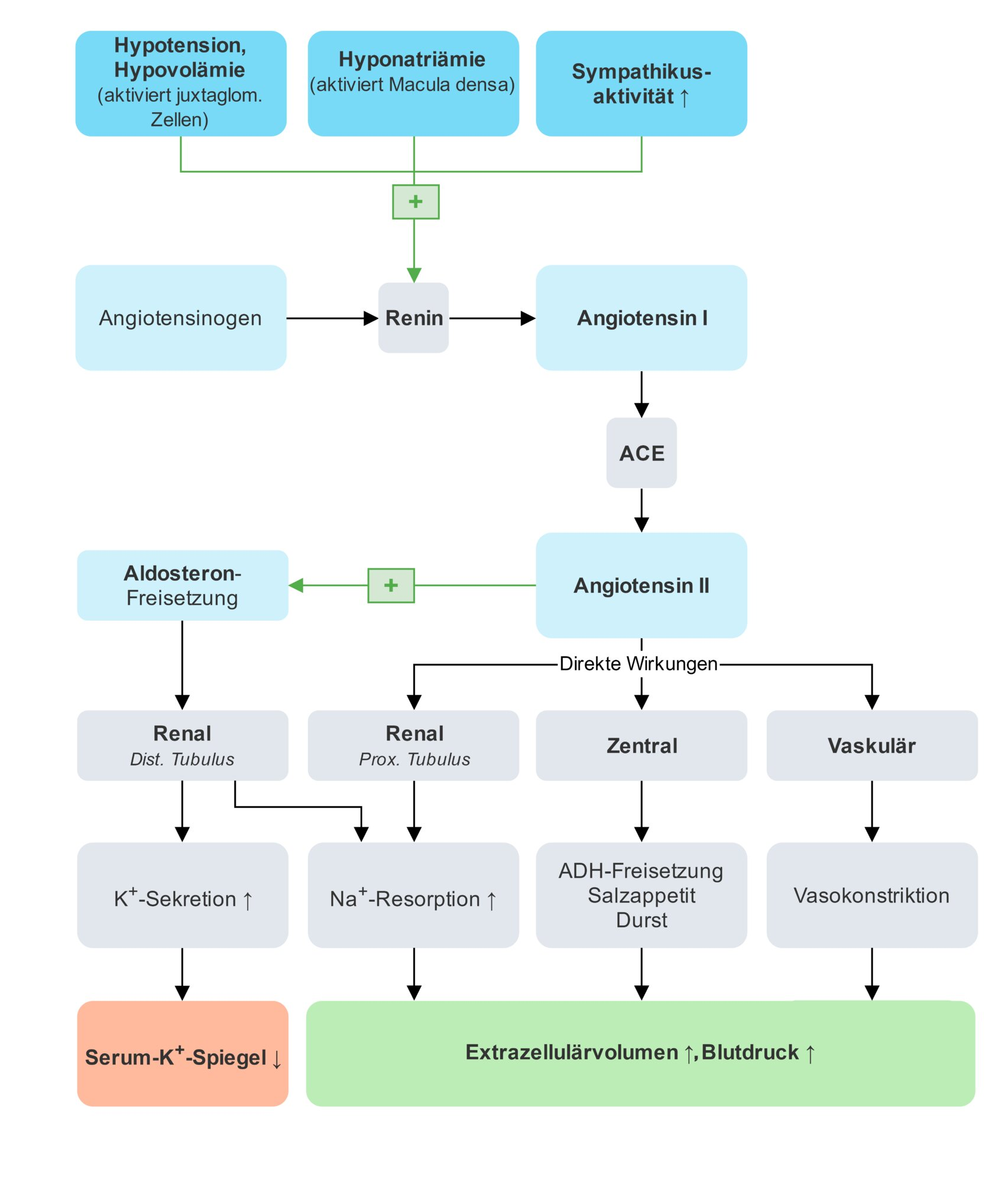
61. The renin-angiotensin system is an important therapeutic target in the treatment of hypertension and heart failure.
Through which mechanism or hormone is renin release stimulated?
A. Activation of angiotensin II receptors (AT₁ receptors)
B. Antidiuretic hormone (ADH, vasopressin)
C. Atrial natriuretic peptide (ANP)
D. Inhibition of β₁-adrenoceptors
E. Inhibition of angiotensin-converting enzyme (ACE)
E. Inhibition of angiotensin-converting enzyme (ACE)