Business Objectives in Edexcel Economics A-level: Profit, Revenue, Sales, and Satisficing
 Call Kai
 Learn
Learn Practice Test
 Spaced Repetition
 Match
Match Flashcards
 Knowt Play
1/25

There's no tags or description
Looks like no tags are added yet.
Name | Mastery | Learn | Test | Matching | Spaced | Call with Kai |
|---|
No analytics yet
Send a link to your students to track their progress
26 Terms
What determines a firm's motives?
The control of the firm, which can be by owners, directors, managers, workers, the state, consumers, or pressure groups.
What is the primary goal of profit maximisation?
To maximise returns for owners or shareholders in the short run.
How can firms generate funds for investment?
By profit maximising in the short run, which helps them survive economic downturns.
What condition must be met for a firm to short-run profit maximise?
Firms must produce where marginal cost (MC) equals marginal revenue (MR).
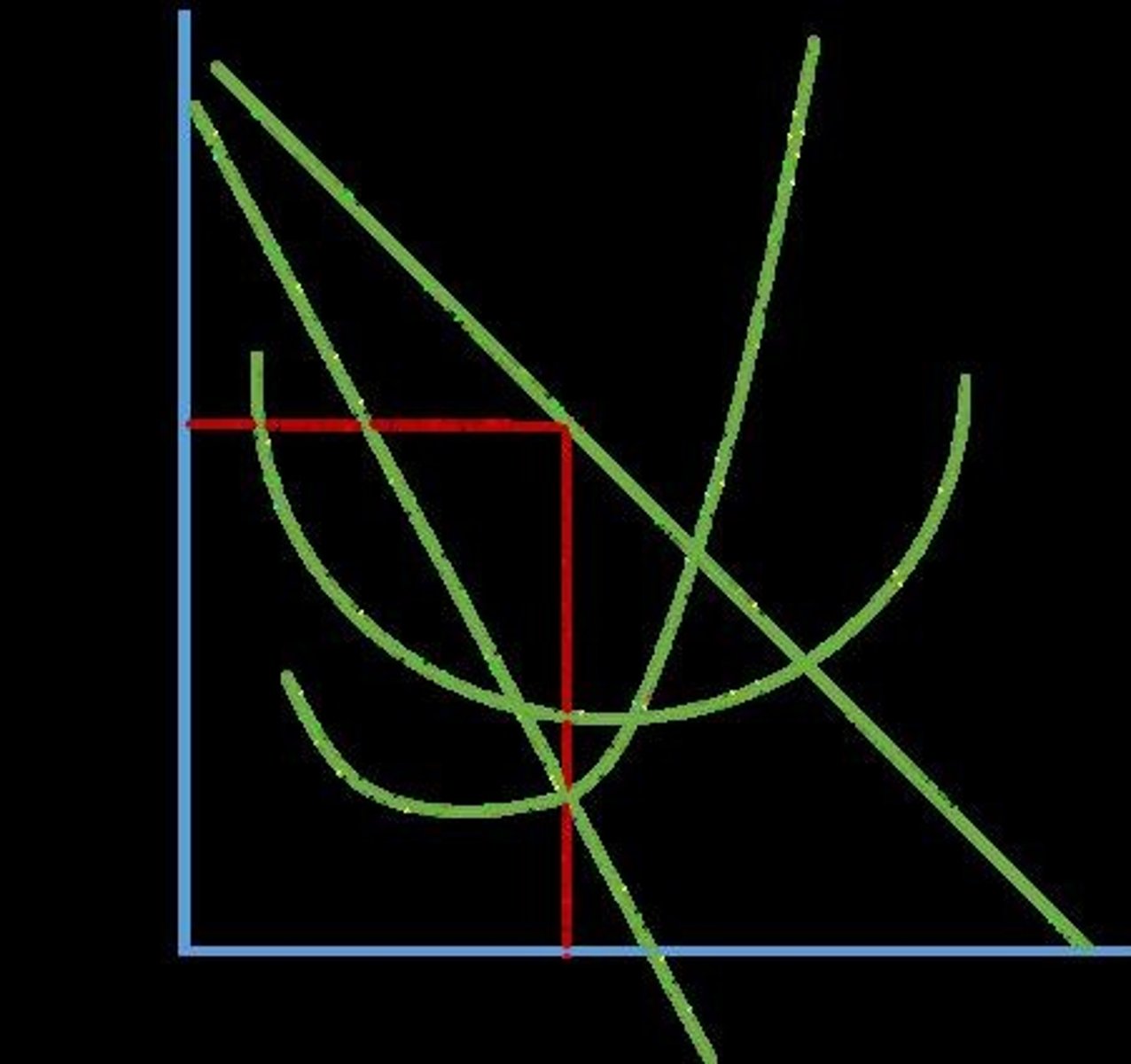
What happens if a firm produces less than the profit maximising output?
Producing more would increase profit since marginal revenue would be higher than marginal cost.
What is revenue maximisation?
An objective where firms aim to maximise their revenue, often linked to managers' salaries.
Why might managers prefer revenue maximisation?
It positively impacts their prestige and justifies managerial rewards to shareholders.
What is the output condition for revenue maximisation?
Firms produce where marginal revenue (MR) equals zero.
What is sales maximisation?
An objective where managers aim to maximise the growth of their company over other objectives.
Why do managers pursue sales maximisation?
Growth is easier to measure and can enhance their prestige and job security.
What is the output condition for sales maximisation?
Firms produce where average cost (AC) equals average revenue (AR).
What is satisficing?
A strategy where managers make enough profit to keep owners happy while pursuing other objectives.
What causes the principal-agent problem?
The differing goals of owners and directors, leading to potential conflicts in objectives.
How does the level of profit needed for satisficing change?
It varies year on year based on the profits of other firms in the industry.
What is a potential downside of sales and revenue maximisation?
They may necessitate a fall in price, which can lead to lower profits and minimal revenue increase.
What example is given for a company that follows revenue maximisation?
Amazon, which aimed to dominate the market with high revenue but stable profits.
What example is provided for companies pursuing sales maximisation?
Netflix and Spotify, which focus on increasing their business size.
What is the relationship between market share and sales maximisation?
Increasing sales maximisation can lead to greater market share and potentially push competitors out of business.
What is the implication of managers increasing their own salaries?
It can lead to increased costs and decreased profits, affecting the firm's overall profitability.
What is the significance of consumer sovereignty in business objectives?
Businesses must respond to consumer preferences to succeed in the market.
What is the role of pressure groups in influencing business objectives?
They can affect firm behavior and objectives through advocacy and public opinion.
What is the impact of a fall in revenue on a firm?
It can signal financial trouble and lead to a decrease in staff and lending from financial institutions.
What is the typical outcome of firms pursuing short-term strategies like sales maximisation?
They may face challenges in achieving long-term profitability.
How does profit maximisation relate to market structures?
It is assumed that firms profit maximise across all market structures in economic theory.
What does the term 'normal profits' refer to in the context of sales maximisation?
The minimum profit level that keeps owners satisfied while pursuing higher sales.
What is the relationship between firm size and financial security?
Larger firms are perceived to have greater security and resilience during economic downturns.