chemistry boi i am finna rock this final bra
 Call Kai
 Learn
Learn Practice Test
 Spaced Repetition
 Match
Match Flashcards
 Knowt Play
1/90

Earn XP
Description and Tags
chem final chem final chem final chem final
Name | Mastery | Learn | Test | Matching | Spaced | Call with Kai |
|---|
No analytics yet
Send a link to your students to track their progress
91 Terms
pure substances - elements and compounds
pure substances cannot be broken down to a smaller parts.
elements
on the dang periodic table
compounds
made of 2 or more elements
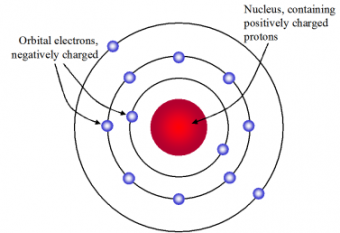
what type of atom diagram is this
bohr’s diagram
atomic number means…
amount of electrons and protons (# of electrons = # of protons)
atomic mass is…
how many grams is in a mol of that element/compound
atomic mass - protons =
number of neutrons
ions are…
atoms that lost or gained an ion
cations
positively charged - electron is removed
these ions got oxidized
happens to metals
LEO
anions
negatively charged ions - gained an electron
these ions get reduced
happens to non-metals
GER
LEO says what
he sais GER
reducing agents
metals (cations)
oxidizing agents
non-metals (anions)
naming cations
name + ion
calcium ion
naming anions
name + ____ide + ion
sulfide ion
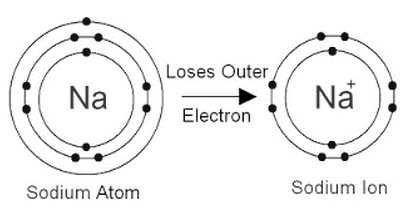
what is this
bohr’s ion diagram
make sure to add how many ions gained/removed
alkali metals
group 1
very reactive
shiny, soft, malleable, reactive
alkali earth metals
reactive but not as reactive as alkali
group 2
soft, shiny, and silver but not as reactive
halogens
group 17
very reactive non-metals
create salts with group 1
noble gases
non reactive and stable
group 18
diatomic
hydrogen, nitrogen, fluorine, oxygen, iodine, chlorine, bromine
Have No Fear Of Ice Cold Beer
ionic compounds
complete transfer of ions
cation and anion
molecular compounds
two non-metals
share electrons (covalent bond)
polyatomic molecules
sulfur - EIGHTTTTTTT
phosphorus - four
ionic hydrates
# of waters and then hydrate
sodium carbonate pentahydrate
electronegativity
the ability to attract electrons
non-metals have higher electronegativity because they need electrons, while metals have lower ones because they need to get rid of theirs.
intramolecular bond
bond within an atom
the bond between hydrogen atoms and oxygen atoms
intermolecular bonds
bonds outside of atom
the bond between 1 water atom and another water atom
types of intramolecular bonds in the context of electronegativity
ionic bond - a difference of 1.7 or more
polar covalent bond - a difference of less than 1.7
covalent bond - no difference/very low - maximum of 0.4 difference
ion compounds create
crystal lattices
they create very high melting/boiling points
electrons want to be as ___________ from each other as ________
far possibe
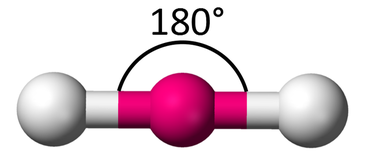
wat dat
linear bond
example - CN
number of bonds
how many thing can connect to it
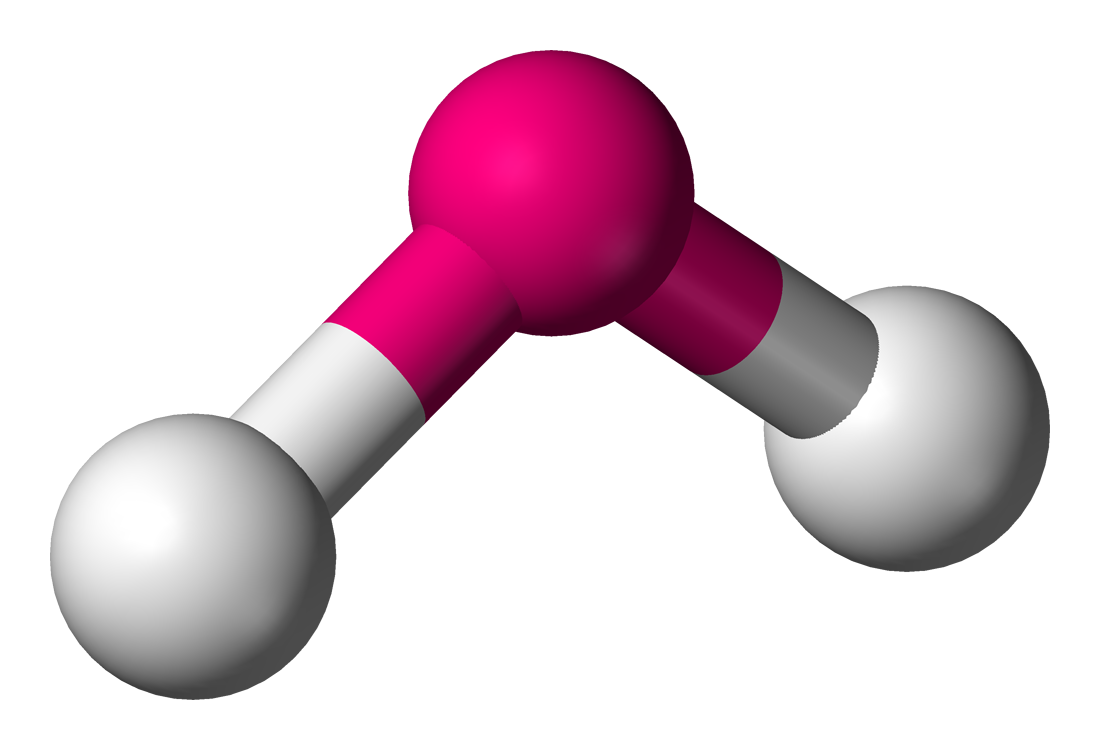
wat dat
bent
examole - water
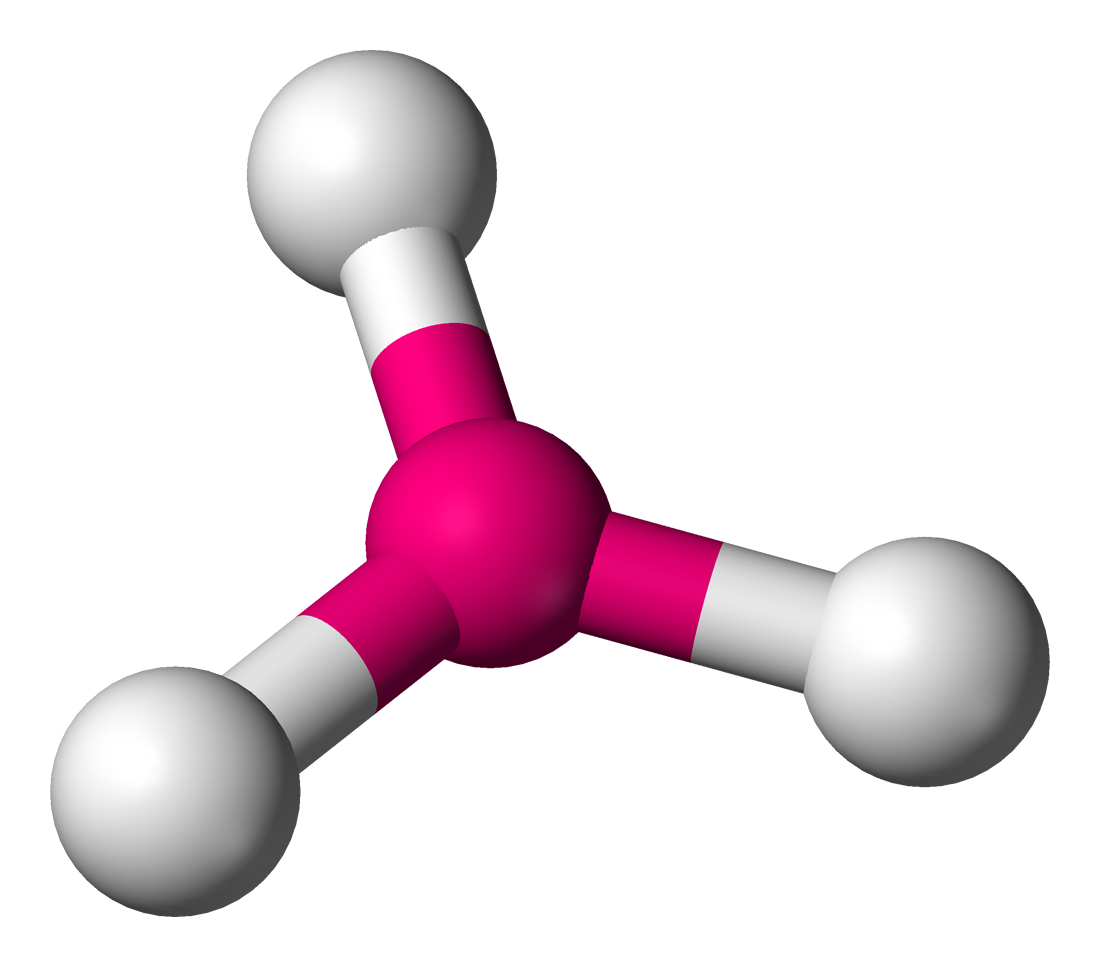
wat dat
trigonal planar
4 atoms
example - double bond and 2 bonds
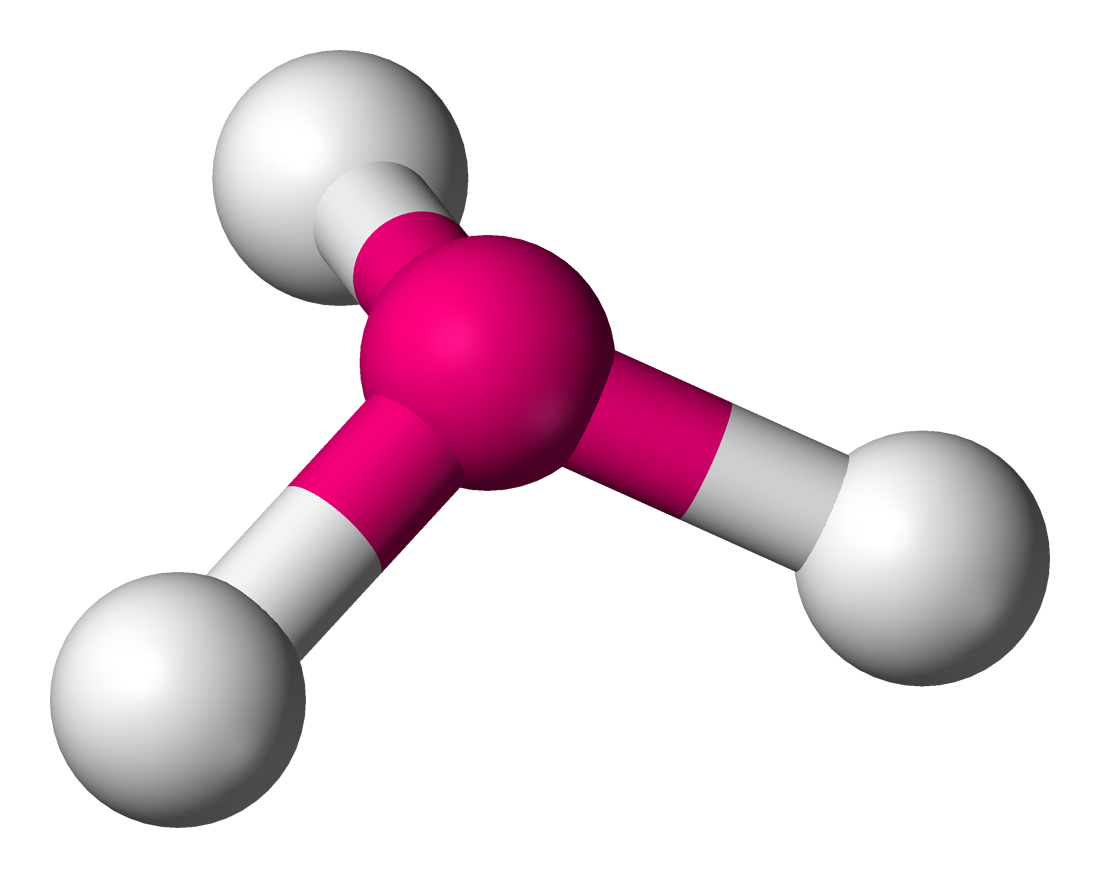
wat dat
pyramidal
4 atoms with a lone pair
examole - NH3
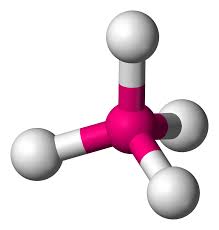
watdat
tetrahedral
5 atoms
no lonepair possible
example - CH4
most repelling thing ever
lonepair
what type of compound is non polar all the time
hydrocarbons
strongest to weakest intermolecular forces
ionic bonding
hydrogen bonding
dipole dipole
london dispersion forces
london dispersion forces
a temporary dipole effect caused by the movement of electrons. The force of LDFS increases the larger a compound is. This force is there for all molecules.
Dipole-dipole forces
present in polar covalent bonds
caused by difference in electronegativity - there’s 2 sides; one slightly negative, one side slightly positive.
The greater the difference in electronegativity, the stronger the force
H-bonding
caused by an oxygen, nitrogen, or fluorine atom being bonded to a hydrogen
idk why
has a large effect on physical properites
Oh No Fred
the higher the boiling point,
the stronger the intermolecular forces are.
isoelectronic
same size (number of electrons and protons), but different intermolecular forces.
what di polar things dissolve in
polar things
like dissolves…
like
compounds with h bonding dissolves
compounds with H bonding
what will dissolve in water
polar and (ideally) h bonded things
water still dissolves just polar things with no h bond
network covalent
carbon ions
electrolytes vs non electrolytic
electrolytes disperse ions with charges into water after being dissolves
non electrolytes: disperse neutral particle
what happens when a soluble compound gets dissolved in water
it breaks into its elements
nacl → na + cl
this is electrolytic
insoluble ionic compounds
maintain the same compound but just becomes aqueous
AgCl(s) → AgCl(aq)
dissociation
when something breaks into its ions
1 cation and 1 anion
this happens to ionic compounds and bases
what is ionization
when the neutral covalent bond forms an ion in water
this happens to ACIDS (hydrogen = non-metal, the other one is also a non metal)
bases and solubility
bases are basic and are made of a metal and a hydroxide
look at the chart for the solubility
high solubility - dissociate into major entities
low solubilities - stay the same but becomes aqueous
adic and solubility
strong acids ionize completely and become their ions
weak acids just become aqueous
electrolyte solutions
all ionic compounds, acids, and bases
what are the solutions that are not electrolytic
elements (except for oxygen and halogens), and molecular compounds
molecular compounds and solubility
high solubility (polar) would just become aqueous
CHO(l) → CHO(aq)
low solubility (non polar) would stay the exact same
CH(g)→CH(g)
what are the soluble elements
oxygen and halogens
arrhenius’ acids
acids start with H or end with COOH
turn litmus red
arrehnius bases
ionic compounds that have the hydroxide ion
turns litmus blue
arrhenius neutral substance
H+ and OH- (H2O)
endothermic and exothermic
endothermic = absorb energy
exothermic = release energy
breaking bonds
requires energy
(endothermic)
forming new bonds
releases energy
(exothermic)
solubility test =
look for things that make precipitate
dilution question
c1v1=c2v2
misability
misability = polar
immisability = non polar
misability is when a liquid can mix and become one uniform textre
example of immisability: water+oil (different layers)
revised arrhenius’ definitions
there are hydronium ions present
pH calculation
-log[H+]
negative log the CONCENTRATION
[ ]
concentration
pH sigdigs
only digits after the decimal place matter
124.1 has a sig dig count of 1
ph concentration calculation
10 to the power of NEGATIVE pH
pOH calculation
-log[OH-]
pOH concentration calculation
10 to the power of NEGATIVE pOH
pH + pOH
= 14
[H+] x [OH-] =
10 to the power of negative 14
boyle’s law
p1v1=p2v2
charle’s law
direct relationship between volume and temperature if pressure stays the same
v1/t1=v2/t2
combined gas law
p1v1t2=p2v2t1
percent yield
actual yield/theoretical yield x 100 = percent yield
avogadro’s theory about gas
just use r/g
equal volumes of gas at the same temperature and pressure = same number of molecules in all of them
when doing the dissociation equation, you already get all the ratios out of the way which makes this law possible
how to act most like an ideal gas
high temperatures
low pressure (don’t want them colliding because of attraction that wouldmess things up)
PV=nRT
ok
equivalence point
when the concentration reaches the same amount of [H+] and [OH-]
endpoint
when the thing changes color
non ionic
normal
total equation
shows all the major entities - dissociated elements will be shown as such, and unchanged will also be there
net ionic
same as total except the spectators (same as before) are removed from the equation
>99%
quantitative, what is expected in a stoic question
steps to a stoic
balanced chemical reaction
calculate mols of given
r/g
solve