6.9. Physiology: Sexuality and Basics of Embryology
 Call Kai
 Learn
Learn Practice Test
 Spaced Repetition
 Match
Match Flashcards
 Knowt Play
1/58

There's no tags or description
Looks like no tags are added yet.
Name | Mastery | Learn | Test | Matching | Spaced | Call with Kai |
|---|
No analytics yet
Send a link to your students to track their progress
59 Terms
1. A swimmer with a total lung capacity of 6 liters takes one maximal deep breath while floating on the water surface. Then, without exhaling, he immediately dives to a depth of 10 m.
The gas volume of the lungs at this depth is approximately:
A. 2 L
B. 3 L
C. 4 L
D. 5 L
E. 6 L
B. 3 L
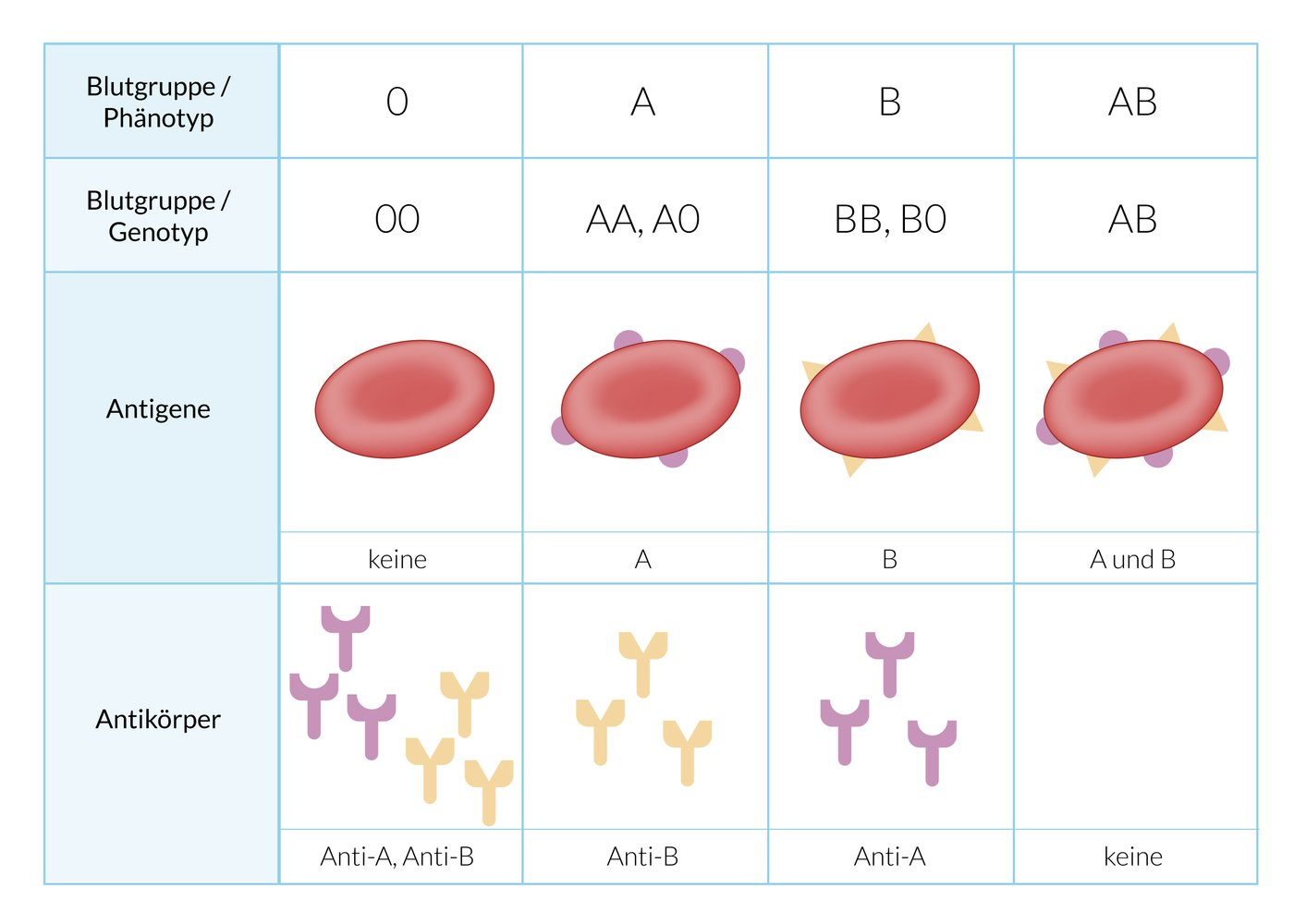
2. A mother has blood group B, Rhesus-negative (rh), and her biological child has blood group O, Rhesus-positive (Rh).
Which of the following blood group characteristics is the biological father most likely to have?
A. A, rh
B. A, Rh
C. AB, Rh
D. O, rh
E. B, rh
B. A, Rh
3. In a 16-year-old student with sore throat and fever, a purulent tonsillitis caused by a streptococcal infection is diagnosed.
Which of the following cell types primarily migrates into the inflamed tissue in such acute bacterial inflammations?
A. Thrombocytes
B. Erythrocytes
C. Macrophages
D. Mast cells
E. Neutrophilic granulocytes
E. Neutrophilic granulocytes
4. In a 3-year-old child, a skin rash develops all over the body a few minutes after a bee sting, and the face as well as the neck swell.
Which immunoglobulin most likely mediates the child’s reaction to the sting?
A. IgA
B. IgD
C. IgE
D. IgG
E. IgM
C. IgE
5. The innate immune response to a viral infection involves the production of interferons.
Which of the following antiviral immune responses is most likely attributable to interferon-alpha (a type I interferon)?
A. Activation of complement proteins
B. Activation of chemotaxis of neutrophilic granulocytes
C. Activation of receptors for pathogen-associated molecular patterns (PAMP)
D. Inhibition of protein synthesis of host cells
E. Upregulation of MHC class II molecules
D. Inhibition of protein synthesis of host cells
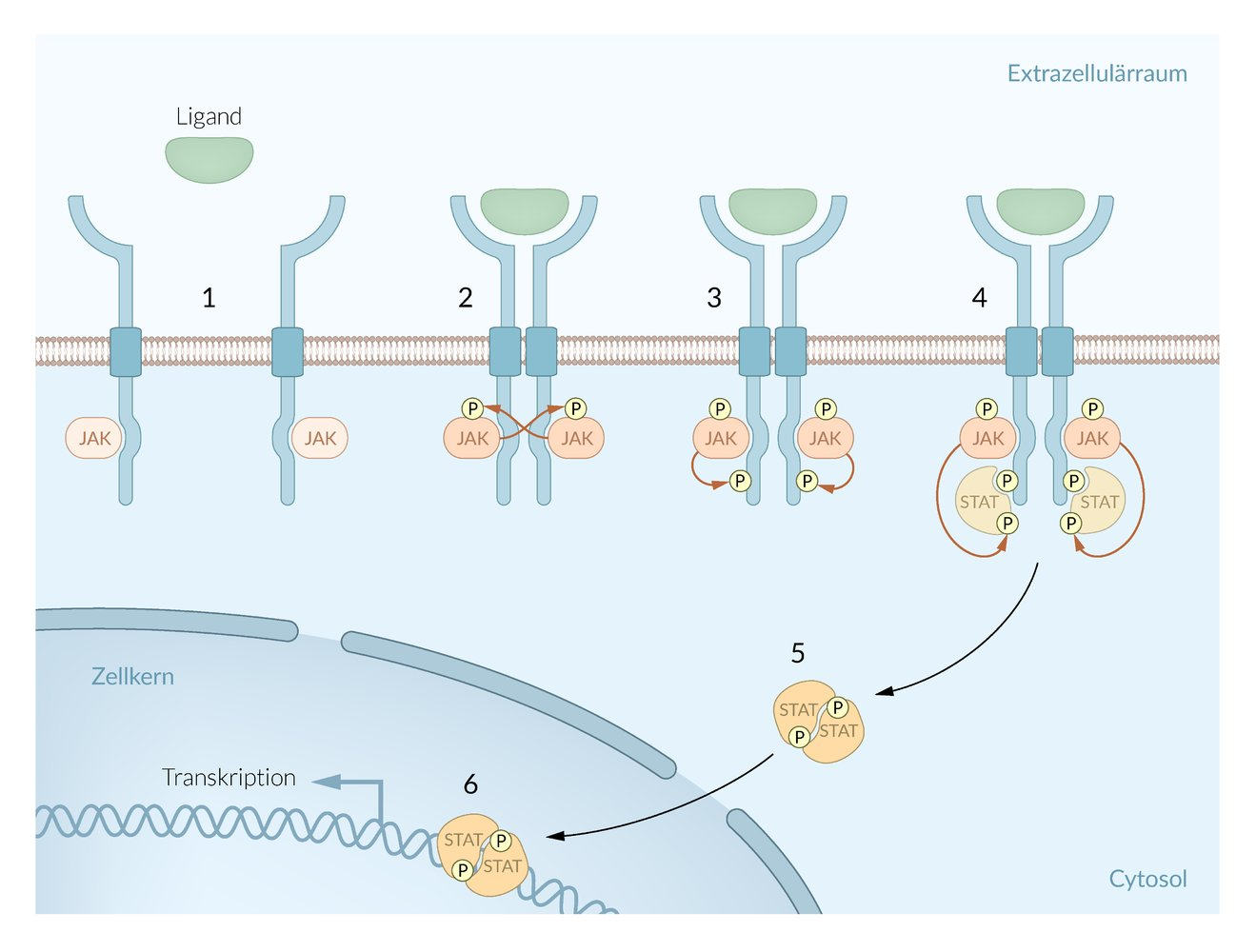
6. In vascular injuries, adhering thrombocytes release vasoconstrictors that contribute to primary hemostasis.
Which directly vasoconstrictive substance do the thrombocytes secrete from their granules in this process?
A. Vasopressin
B. Prostacyclin
C. Serotonin
D. Histamine
E. Prostaglandin E2
C. Serotonin
7. Heparin has an inhibitory effect on blood coagulation.
Which of the following leukocytes typically store heparin and release it upon activation?
A. Neutrophilic granulocytes
B. Eosinophilic granulocytes
C. Basophilic granulocytes
D. Lymphocytes
E. Monocytes
C. Basophilic granulocytes
8. In addition to K⁺ channels, Cl⁻ channels can also contribute to the resting membrane potential.
What is approximately the intracellular Cl⁻ concentration of a hypothetical cell whose plasma membrane is permeable exclusively to Cl⁻ ions, if the extracellular Cl⁻ concentration is 100 mmol/L and the membrane potential of the cell (at 37 °C) is −61 mV?
A. 5 mmol/L
B. 10 mmol/L
C. 50 mmol/L
D. 100 mmol/L
E. 150 mmol/L
B. 10 mmol/L
9. Functional relationships in the central nervous system (CNS) are complex due to the many cells involved in multiple interactions but follow a manageable number of principles.
Which functional principle of the CNS primarily serves to limit neuronal hyperexcitability?
A. Facilitation
B. Divergence
C. Convergence
D. Lateral inhibition
E. Recurrent inhibition
E. Recurrent inhibition
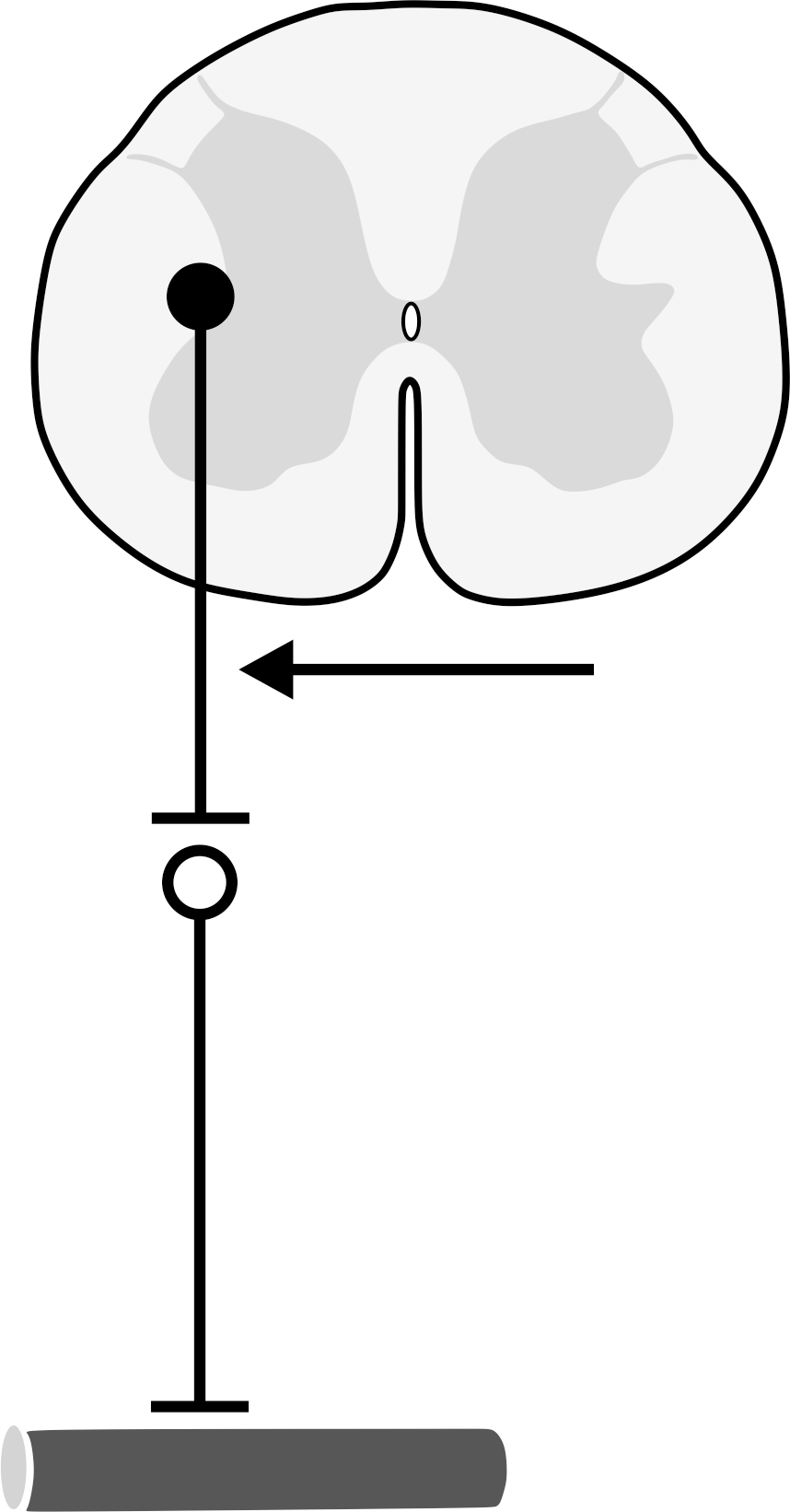
10. The illustration schematically shows an autonomic efferent pathway from the spinal cord to a coronary vessel.
What is typically the neurotransmitter of the neuron marked by the arrow?
A. Acetylcholine
B. Adrenaline
C. Dopamine
D. Glutamate
E. Noradrenaline
A. Acetylcholine
11. Short-term potentiation (also called short-term facilitation) is a mechanism that enhances synaptic transmission.
Which mechanism most likely underlies short-term potentiation as a result of high presynaptic action potential frequencies?
A. Internalization of presynaptic autoreceptors
B. Slower degradation of neurotransmitters in the synaptic cleft
C. Removal of the Mg²⁺ block from NMDA receptors
D. Phosphorylation of postsynaptic AMPA receptors
E. Increased rise in presynaptic Ca²⁺ concentration
E. Increased rise in presynaptic Ca²⁺ concentration
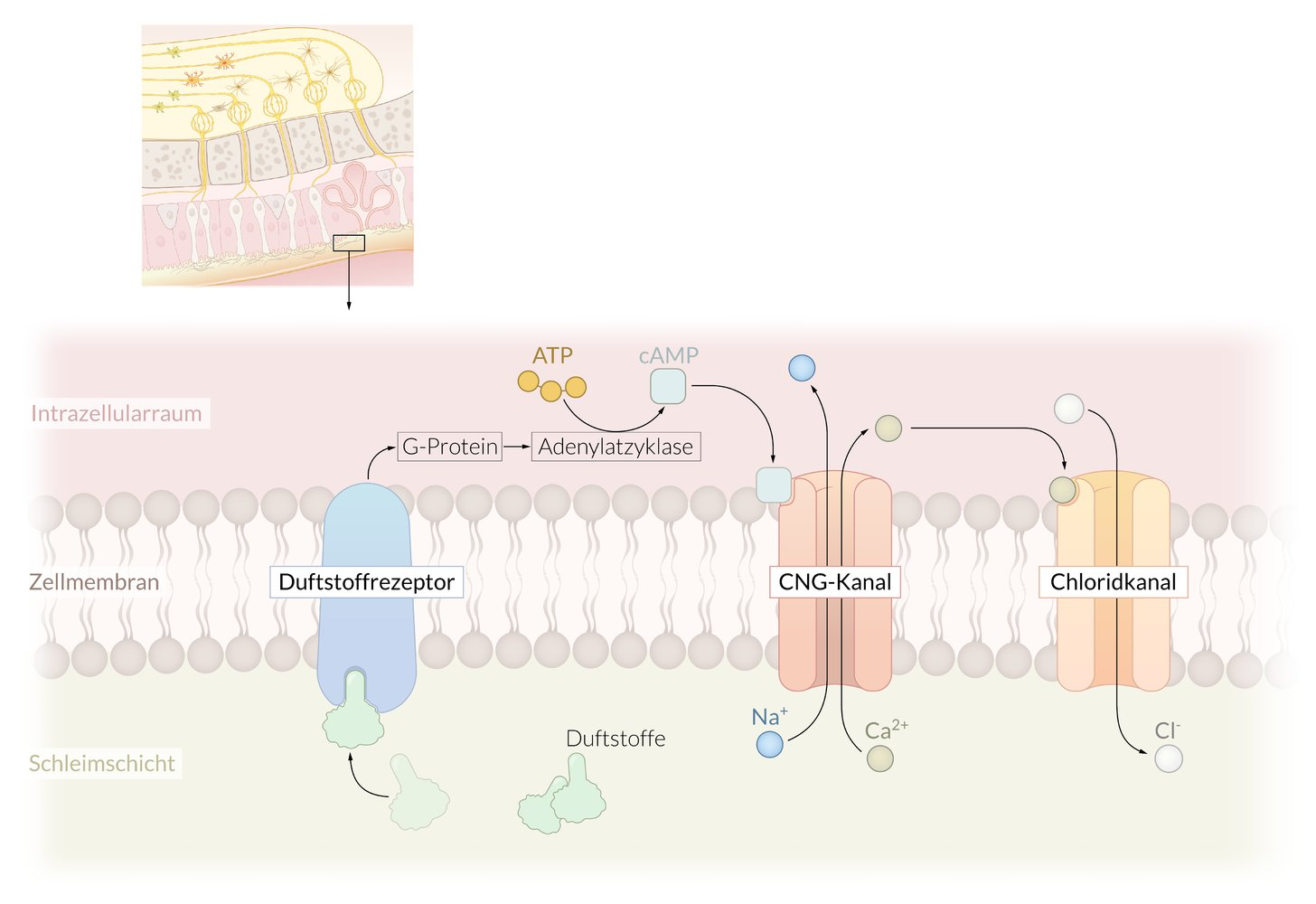
12. The binding of odorants to an olfactory receptor triggers a G-protein-coupled signal transduction.
Which of the following Golf-mediated mechanisms plays the central role in the increase of intracellular Ca²⁺ ion concentration?
A. Opening of Cl⁻ channels with hyperpolarization-mediated opening of HCN channels
B. Inhibition of K⁺ channels with depolarization-mediated opening of Cav channels
C. Activation of phospholipase C with IP₃-mediated opening of Ca²⁺ channels
D. Activation of adenylate cyclase with cAMP-mediated opening of CNG channels
E. Activation of adenylate cyclase with PKA-mediated opening of Cav channels
D. Activation of adenylate cyclase with cAMP-mediated opening of CNG channels
13. A 60-year-old man wears eyeglass lenses with a refractive power of −4 diopters in both eyes to fully correct his myopia. With maximal near accommodation, the refractive power of his eye lenses is 1 diopter higher than when looking into the distance.
Without visual aid, the (accommodative) near point of the man is therefore most likely at:
A. 20 cm
B. 33 cm
C. 60 cm
D. 100 cm
E. 150 cm
A. 20 cm
14. On dashboards, instruments are often illuminated in a specific color tone at night.
Which of the following explanations best justifies why this should be a red rather than a blue or green color tone?
A. Blue and green cones have a higher spectral sensitivity than red cones.
B. Blue and green are perceived worse than red under scotopic vision.
C. Rods lose less sensitivity through red light than through blue or green light.
D. Cones lose more sensitivity through blue or green light than through red light.
E. Red is perceived better under scotopic vision than under photopic vision.
C. Rods lose less sensitivity through red light than through blue or green light.
15. Misinterpretations of X-ray images can occur due to incorrectly perceived contrasts (Mach effect).
Which of the following mechanisms most likely contributes to the contrast enhancement of the receptive fields of the retina?
A. Excitation of ON ganglion cells by ON cone bipolar cells
B. Excitation of ON cone bipolar cells by rod amacrine cells
C. Inhibition of photoreceptors by horizontal cells
D. Inhibition of OFF ganglion cells by OFF cone bipolar cells
E. Inhibition of OFF cone bipolar cells by rod amacrine cells
C. Inhibition of photoreceptors by horizontal cells
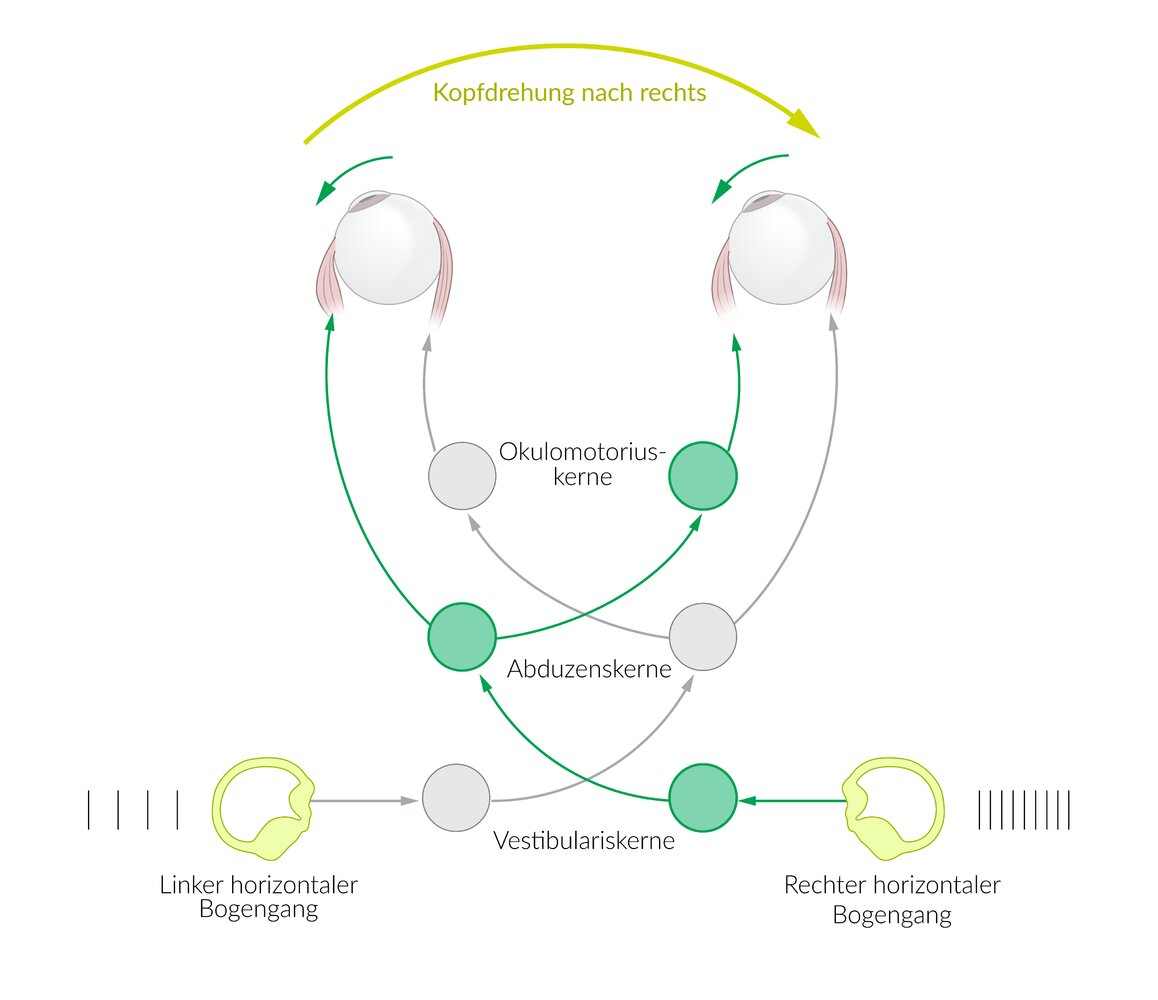
16. The vestibulo-ocular reflex is tested, for example, in the diagnosis of vertigo. When the head is suddenly and passively moved to the left while upright, the horizontal vestibulo-ocular reflex is normally triggered.
Which of the following reactions is, in this case, part of the vestibulo-ocular reflex?
A. Activation of the afferents of the left horizontal semicircular canal
B. Slow movement of the right eye by contraction of the right medial rectus muscle
C. Slow movement of both eyes in the direction of rotation
D. Slow movement of the left eye by contraction of the left lateral rectus muscle
E. Saccade of both eyes against the direction of rotation
A. Activation of the afferents of the left horizontal semicircular canal
17. Loss-of-function mutations of prestin lead to hearing impairment.
Which specific function does prestin have in the inner ear?
A. Formation of the tip links between the stereocilia of the hair cells
B. Connection of the inner hair cells with the surrounding supporting cells
C. Mediation of the length change of the outer hair cells
D. Reduction of the stiffness of the tympanic membrane
E. Anchoring of the Na⁺, K⁺, 2Cl⁻ symporter in the membrane of the stria vascularis
C. Mediation of the length change of the outer hair cells
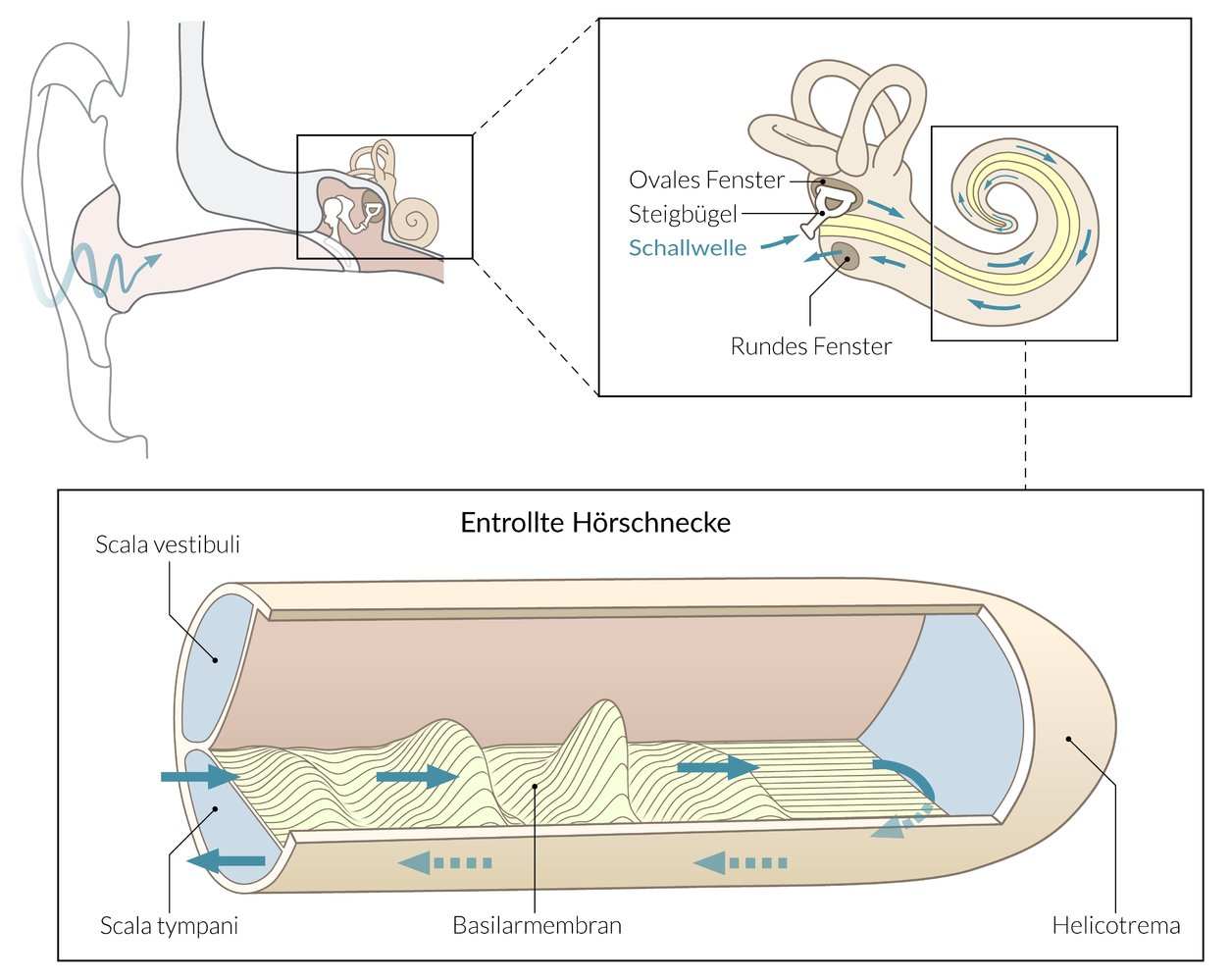
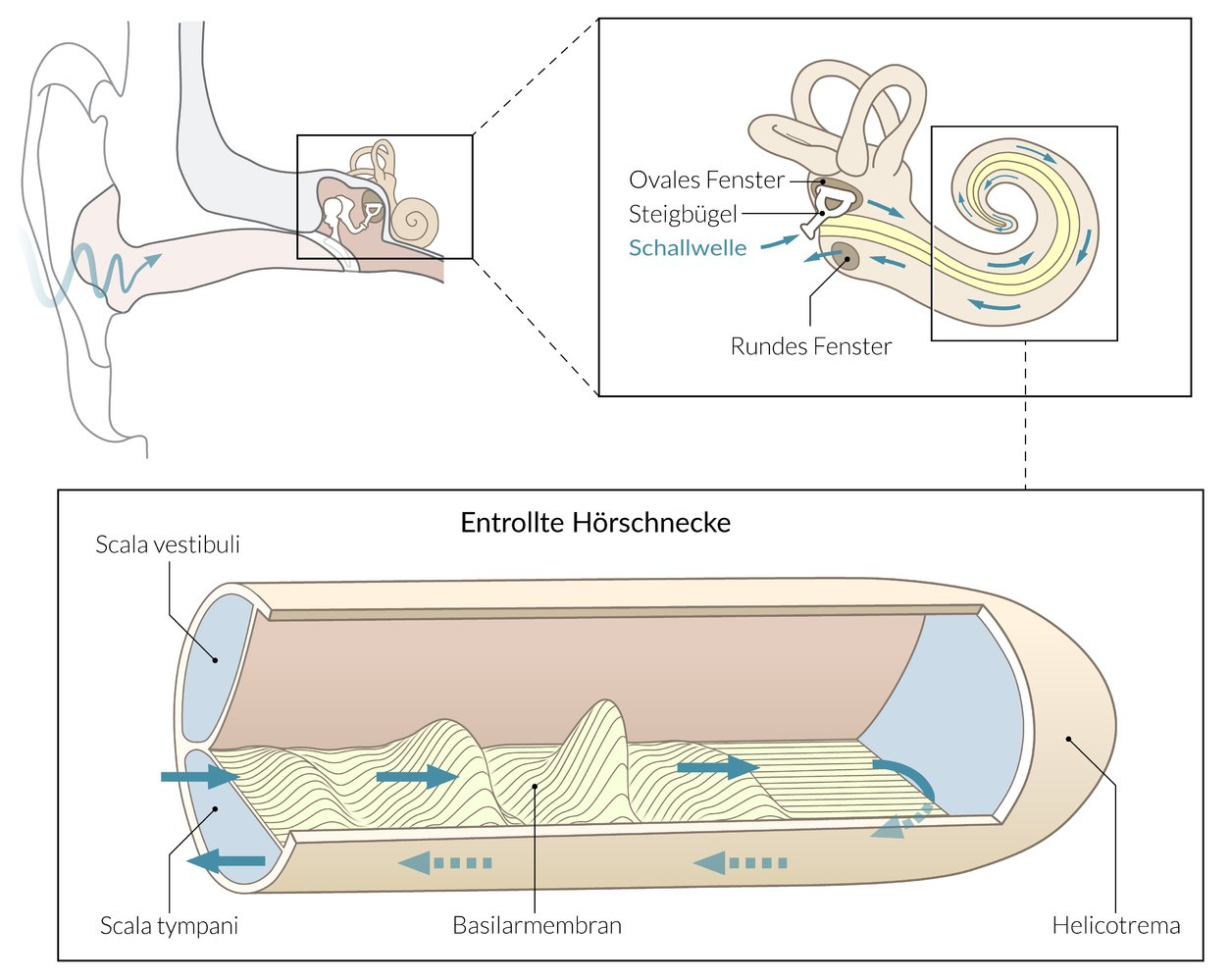
18. Certain properties of the cochlea contribute to the selective perception of different pitches.
Which of the following properties of the cochlea is most likely involved in this?
A. Density differences in the endolymph
B. Different stimulus sensitivity of the inner hair cells
C. Suppression of the amplifier function of the outer hair cells
D. Different stiffness of various regions of the basilar membrane
E. Mutual cancellation of traveling waves outside the dominant frequencies
D. Different stiffness of various regions of the basilar membrane
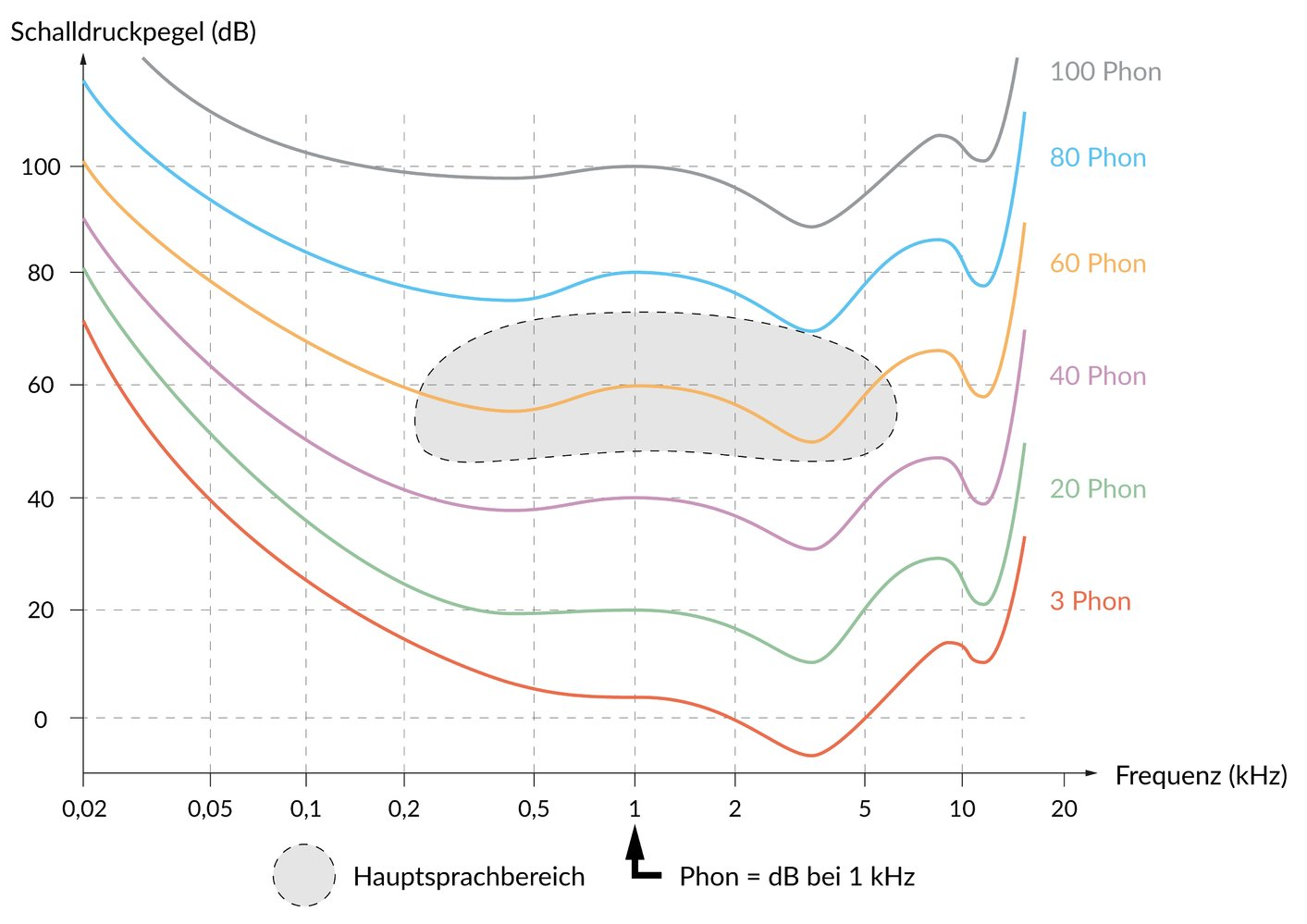
19. In a healthy young female subject, the hearing threshold is first determined by pure-tone audiometry at a tone of 30 Hz, and a just-suprathreshold sound pressure level is set. Then, with the sound pressure level kept constant, the frequency is set to 3,000 Hz.
Such a tone of 3,000 Hz is likely to be perceived, compared to a tone of 30 Hz, as:
A. Not perceived
B. Perceived as painful
C. Perceived as quieter
D. Perceived as equally loud
E. Perceived as louder
E. Perceived as louder
20. Cellular reactions to pressure and tensile forces, as occur with vascular shear stress and in Merkel cells, are mediated by the opening of specific ion channels.
To which channel family do these ion channels belong?
A. HCN
B. Piezo
C. Nav
D. CNG
E. ENaC
B. Piezo
21. A patient reports that light touch of a skin area on the lateral edge of the foot with a cotton swab causes pain.
Which of the following terms most likely describes this phenomenon?
A. Allodynia
B. Hypesthesia
C. Hyperalgesia
D. Paresthesia
E. Projected pain
A. Allodynia
22. The release of endogenous opioids, for example in the context of injuries, contributes significantly to pain relief.
Which of the following mechanisms most likely explains this effect of endogenous opioids in the nociceptive system?
A. Blockade of TRPV1 channels
B. Persistent depolarization of nociceptive neurons
C. Inhibition of prostaglandin formation by inflammatory cells
D. Inhibition of synaptic transmission
E. Reduction of the conduction velocity of Aδ fibers
D. Inhibition of synaptic transmission
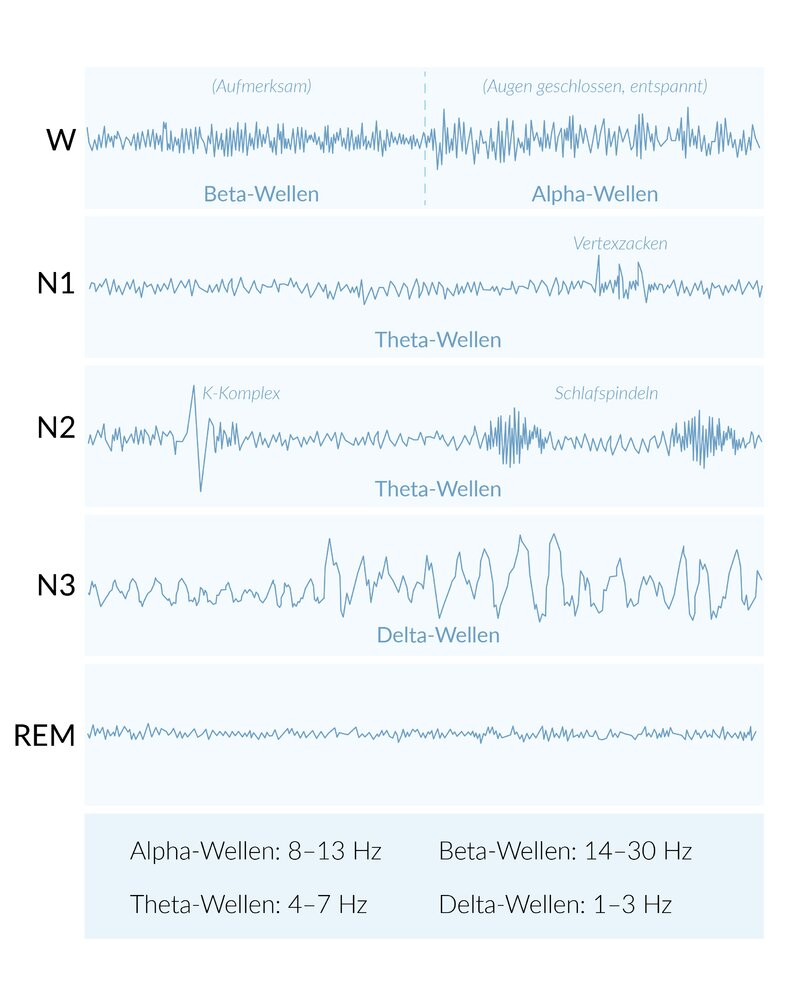
23. Physiological brain activity during sleep can be examined in a sleep laboratory using polysomnography.
Which of the following electroencephalographic features is most characteristic of the N2 stage of non-REM sleep?
A. Alpha waves
B. Theta waves
C. Beta waves
D. Vertex spikes
E. K-complexes
E. K-complexes
24. The mesolimbic system is involved, among other things, in positive reinforcement, which increases the likelihood of the reinforced behavior occurring.
Which of the following mechanisms most likely plays a central role in positive reinforcement?
A. Activation of neurons in the nucleus accumbens by dopaminergic neurons of the substantia nigra
B. Inhibition of neurons in the nucleus accumbens by GABAergic neurons from the ventral tegmental area
C. Activation of neurons in the nucleus accumbens by dopaminergic neurons from the ventral tegmental area
D. Activation of neurons in the ventral tegmental area by dopaminergic neurons of the nucleus accumbens
E. Activation of neurons in the prefrontal cortex by glutamatergic neurons of the nucleus accumbens
C. Activation of neurons in the nucleus accumbens by dopaminergic neurons from the ventral tegmental area
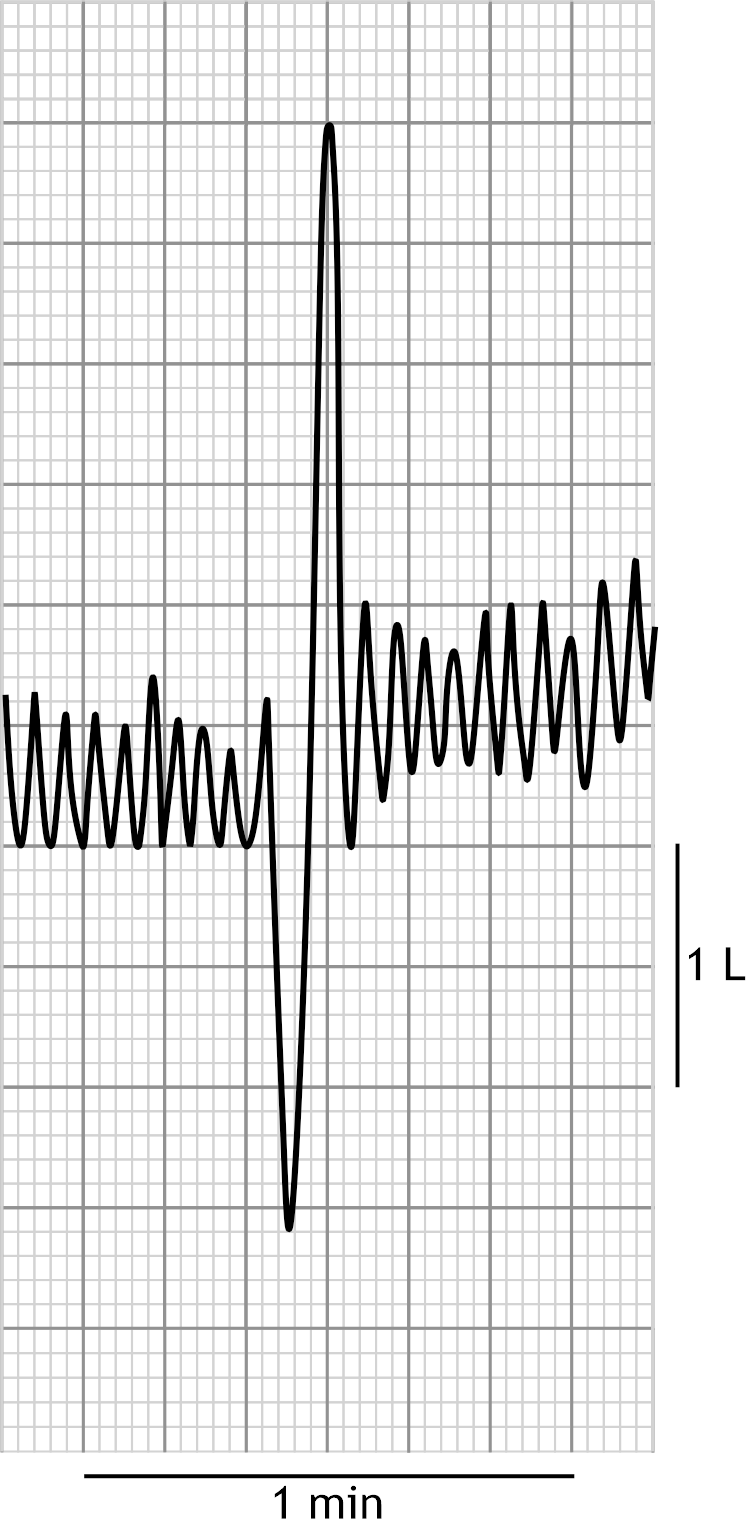
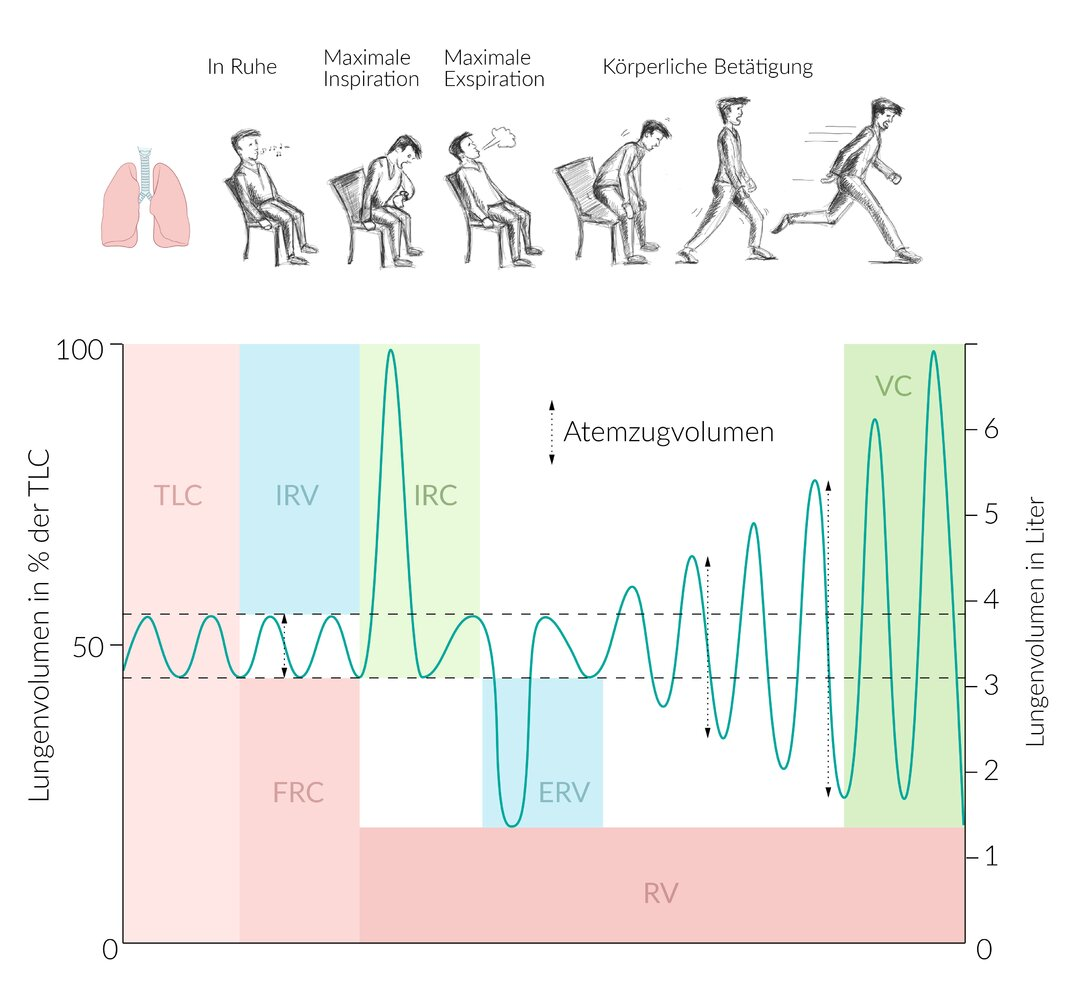
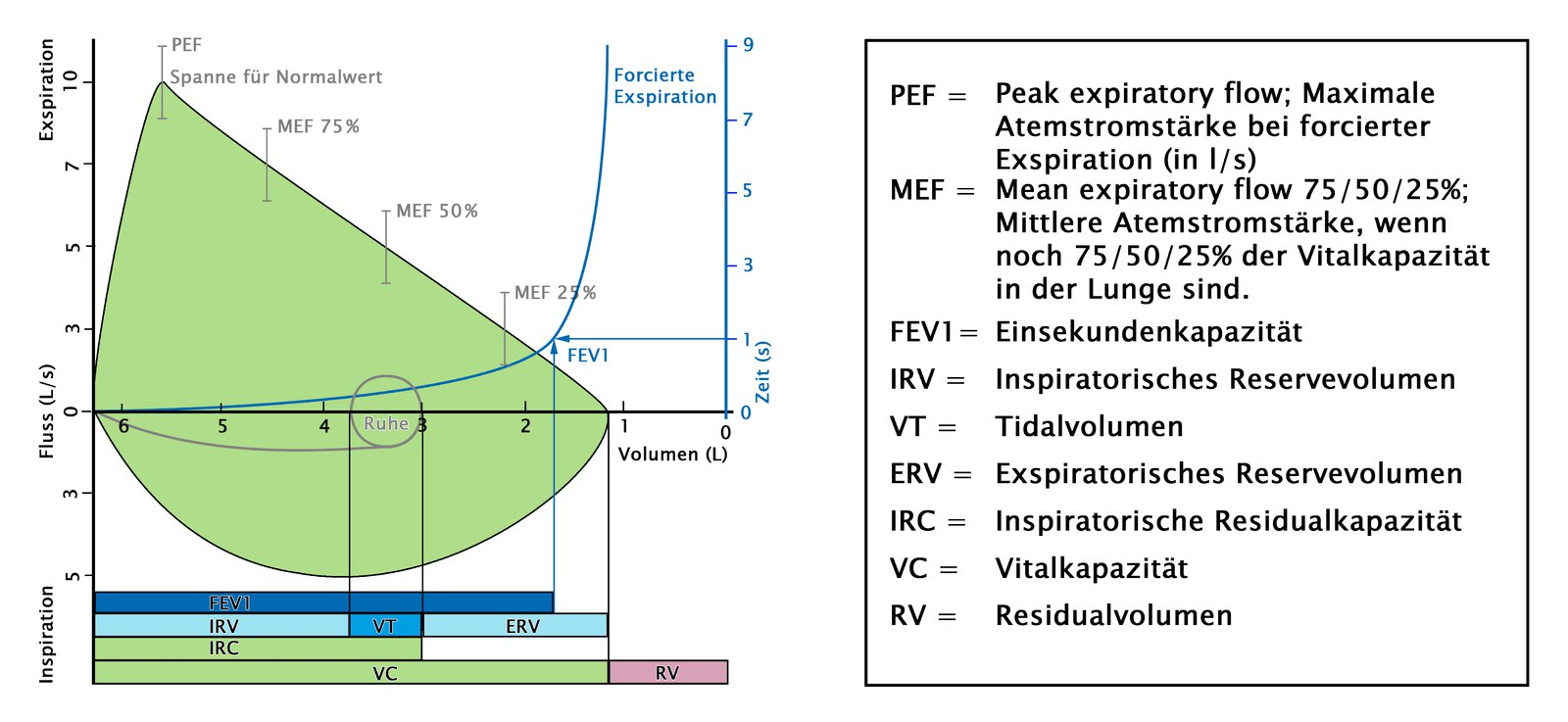
25. As part of an occupational health examination, a lung function test is performed. The figure below shows a result of the spirometric examination. Using the helium wash-in method, the functional residual capacity is also determined to be 2.9 L.
What is the most likely residual volume in this case?
A. 0.7 L
B. 1.3 L
C. 1.6 L
D. 2.2 L
E. 4.6 L
B. 1.3 L
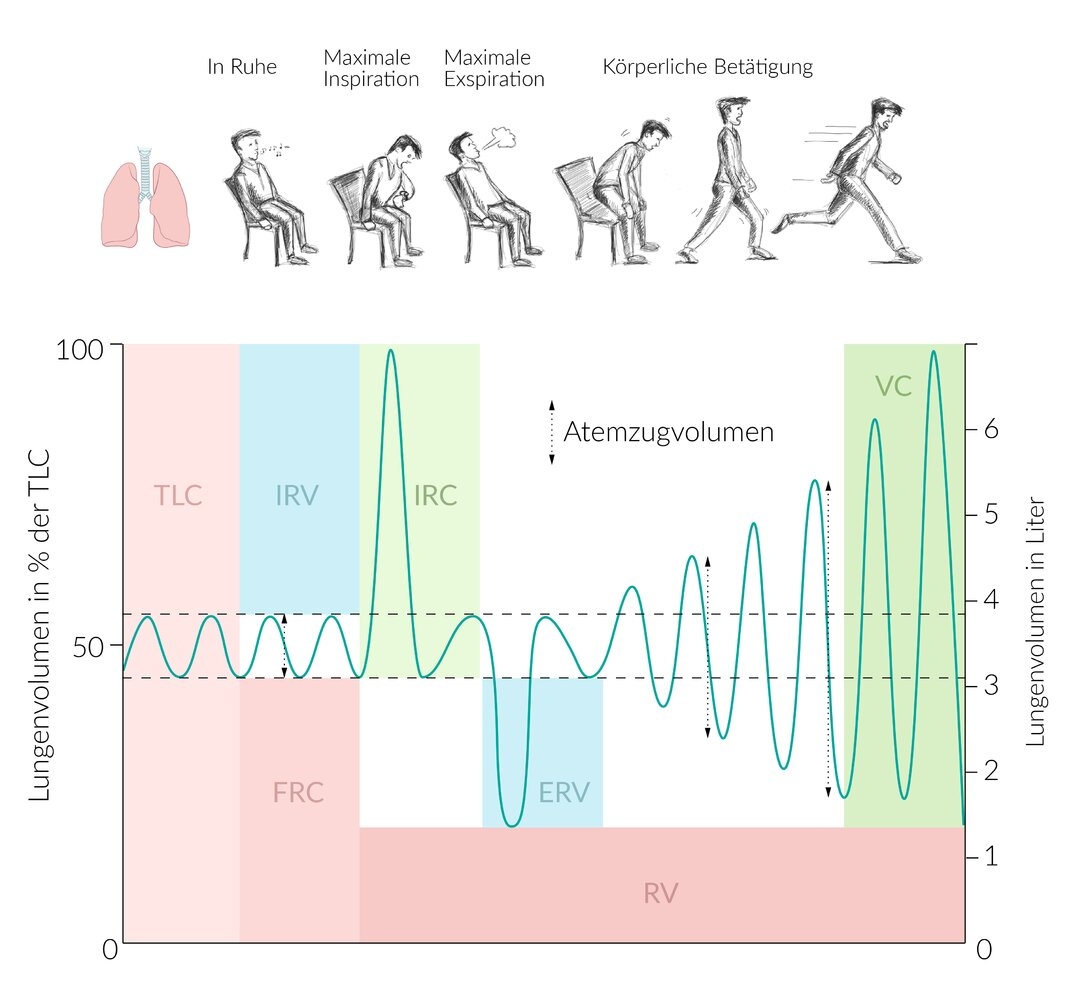
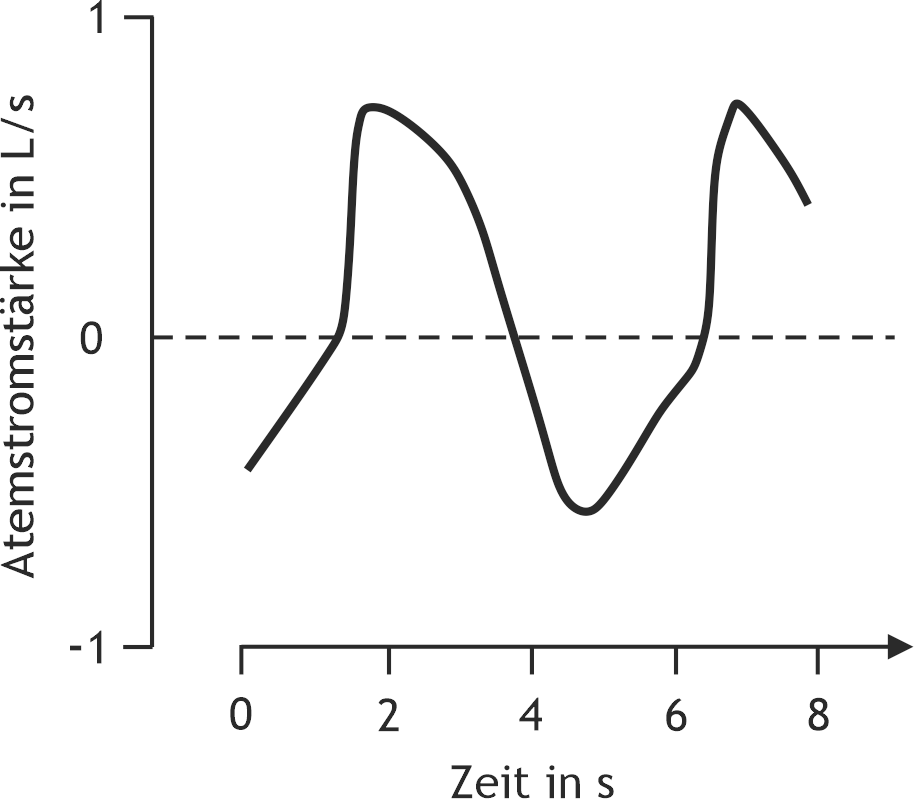
26. Basic examinations of lung function can be performed in general medical practice using a pneumotachograph. The figure shows a respiratory measurement.
Which of the following variables can most likely be determined by integrating the parameter shown over time?
A. Maximum voluntary ventilation
B. Tidal volume
C. Airway resistance
D. Lung compliance
E. Forced expiratory volume in one second
B. Tidal volume
27. The size of the alveoli in the lungs changes during the respiratory cycle. The breathing work required for this size change is influenced by surfactant.
Which statement about the function of surfactant is correct?
A. Neonatal respiratory distress syndrome is caused by an excess of surfactant.
B. Surfactant is produced by type I pneumocytes.
C. Surfactant increases the work of breathing during inspiration.
D. Without surfactant, the pressure due to surface tension in an alveolus with a larger radius is greater than in an alveolus with a smaller radius.
E. The effect of surfactant is mediated by amphiphilic compounds such as phospholipids and lecithin derivatives.
E. The effect of surfactant is mediated by amphiphilic compounds such as phospholipids and lecithin derivatives.
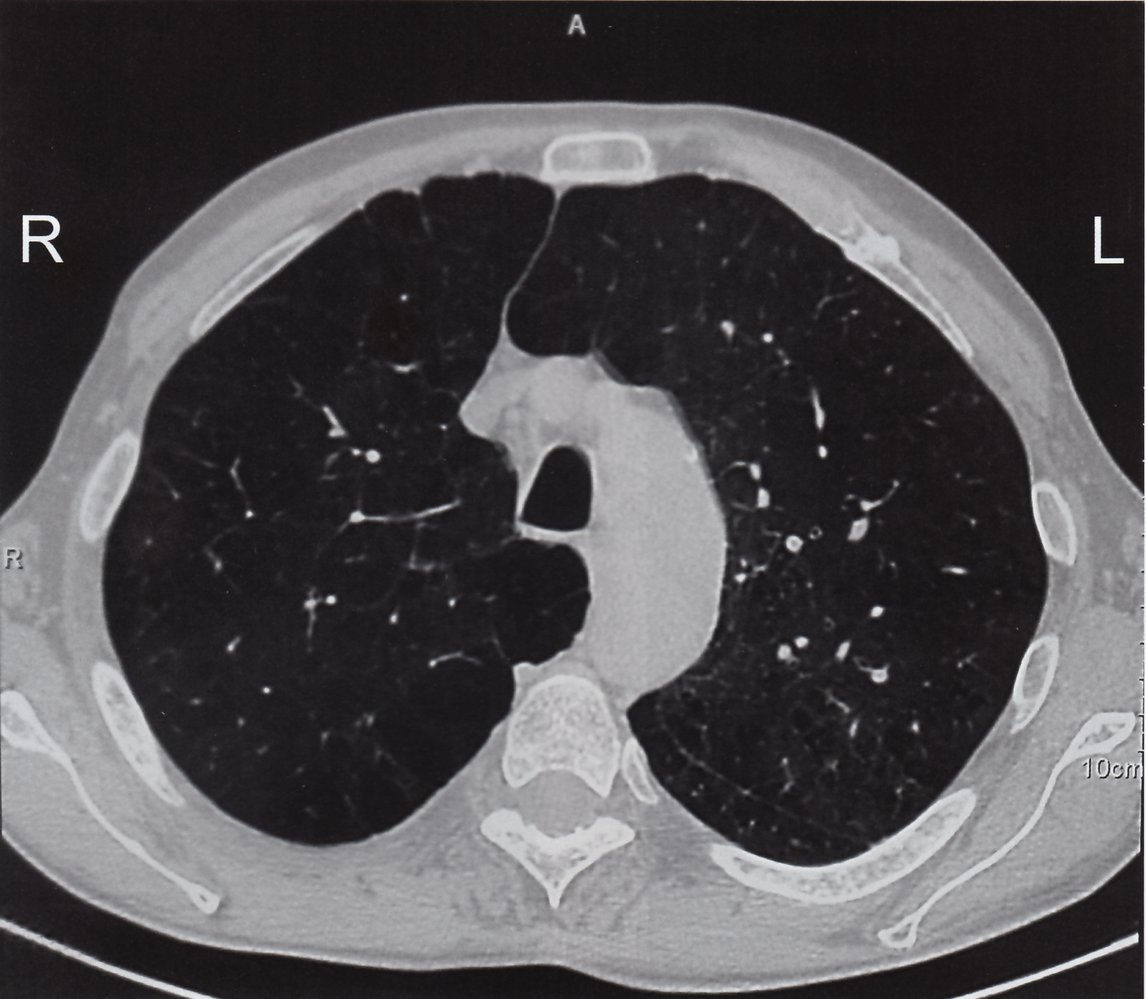
28. In a so-called pulmonary emphysema, which is caused by an increased, usually chronic degenerative loss of alveolar septa and the elastic fibers contained in them, dyspnea (shortness of breath) may occur.
Which of the following changes in lung function parameters in pulmonary emphysema most likely indicates the cause of the dyspnea?
A. Increase in inspiratory reserve volume
B. Decrease in airway resistance during forced expiration
C. Decrease in the alveolocapillary oxygen pressure difference
D. Increase in the diffusion capacity of the lung for O₂
E. Increase in residual volume
E. Increase in residual volume
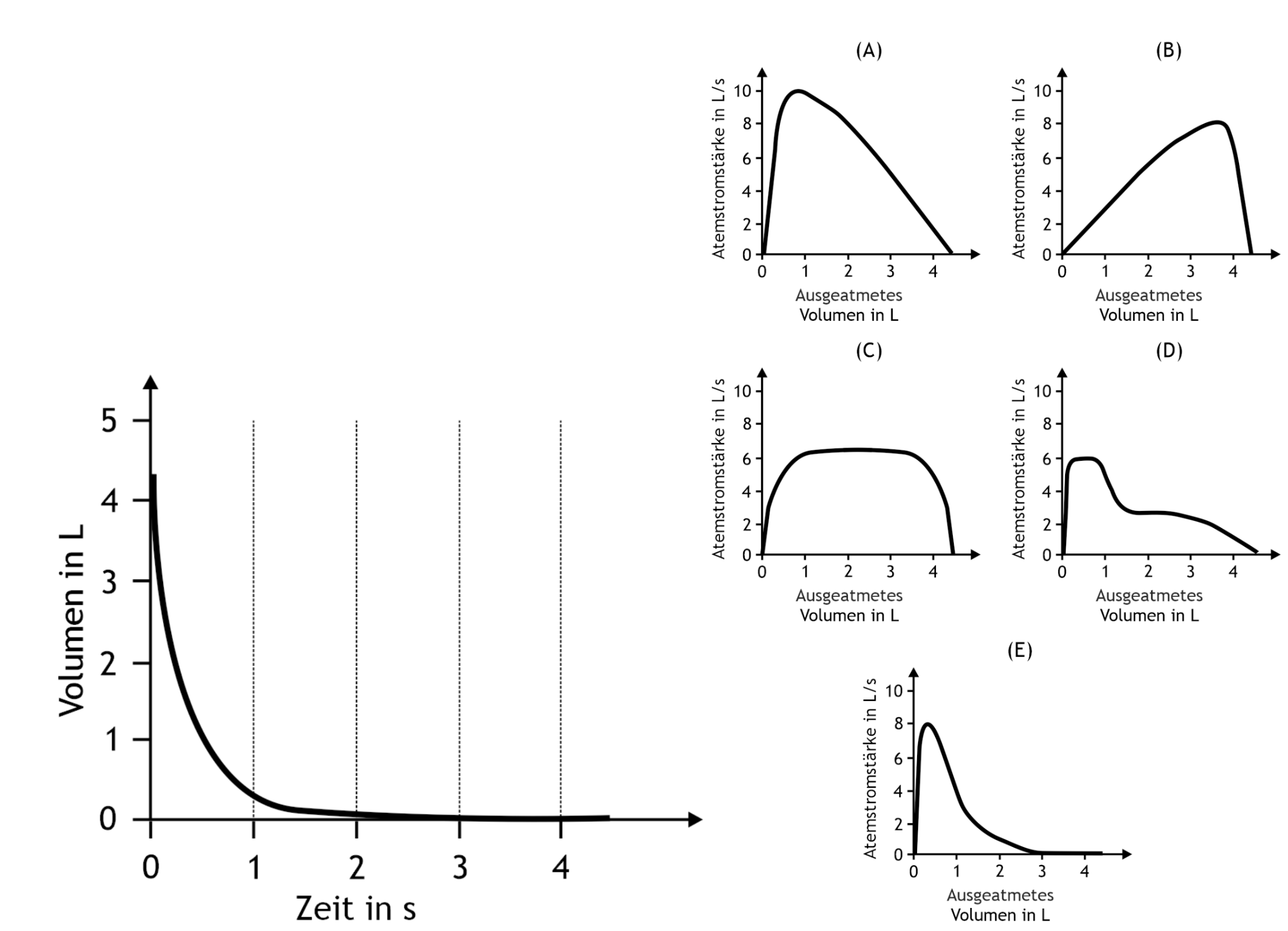
29. As part of a pre-employment medical examination, a forced expiratory test (Tiffeneau test) is performed after maximal inspiration. The figure shows the measurement result.
Which of the following diagrams most likely represents the corresponding flow–volume curve?
A. (A)
B. (B)
C. (C)
D. (D)
E. (
A. (A)
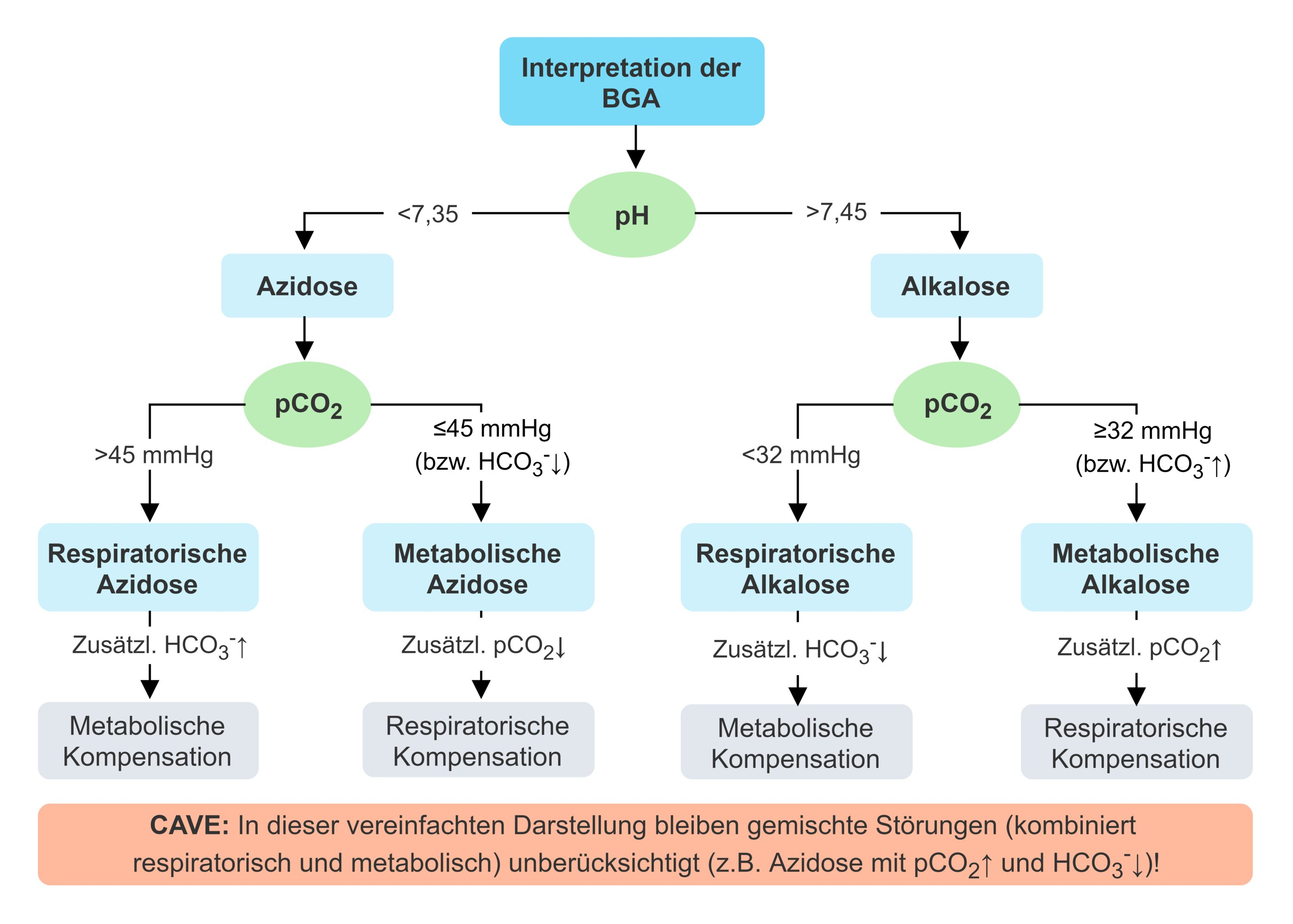
30. In a 34-year-old woman, the following acid-base status was determined by arterial blood gas analysis:
pH: 7.46
Standard bicarbonate: 24 mmol/L
Base excess: +0.5 mmol/L
CO₂ partial pressure: 34 mmHg
Which of the following diagnoses or findings are these values most consistent with?
A. With hyperventilation
B. With an obstructive ventilation disorder
C. With a restrictive ventilation disorder
D. With paralysis of the respiratory muscles
E. With a normal finding
A. With hyperventilation
31. A well-trained swimmer is preparing for a 25-meter underwater swimming attempt. To do so, he breathes deeply and rapidly for 30 seconds. He then dives about 2 meters below the water surface. After 22 meters, he intends to surface but loses consciousness just below the water surface.
Which of the following mechanisms most likely contributed to the fainting?
A. The water pressure prevented efficient breathing by compressing the thorax.
B. A delayed onset of the respiratory drive led to cerebral oxygen deficiency.
C. The swimming movements during diving caused cerebral hypercapnia.
D. The venous return to the heart was so severely impeded by the water pressure that ventricular filling did not occur.
E. Activation of the diving reflex triggered extreme tachycardia, resulting in reduced cardiac output.
B. A delayed onset of the respiratory drive led to cerebral oxygen deficiency.
32. Compared to staying in the air, during a prolonged dive the urine flow rate can increase.
Which mechanism most likely accounts for this increase in urine flow rate?
A. Increased activation of heat receptors
B. Pressure of the water on the urinary bladder
C. Increased stretching of the right atrium
D. Increased release of ADH
E. Hyperventilation
C. Increased stretching of the right atrium
33. Compared to previous rest, heavy physical exertion leads to a physiological increase in parameters of the cardiovascular and respiratory systems.
Which of the following parameters typically shows the smallest relative increase in adults?
A. Tidal volume
B. Blood flow to dynamically working skeletal muscles
C. Pulmonary blood flow
D. Oxygen uptake of the body
E. Stroke volume of the heart
E. Stroke volume of the heart
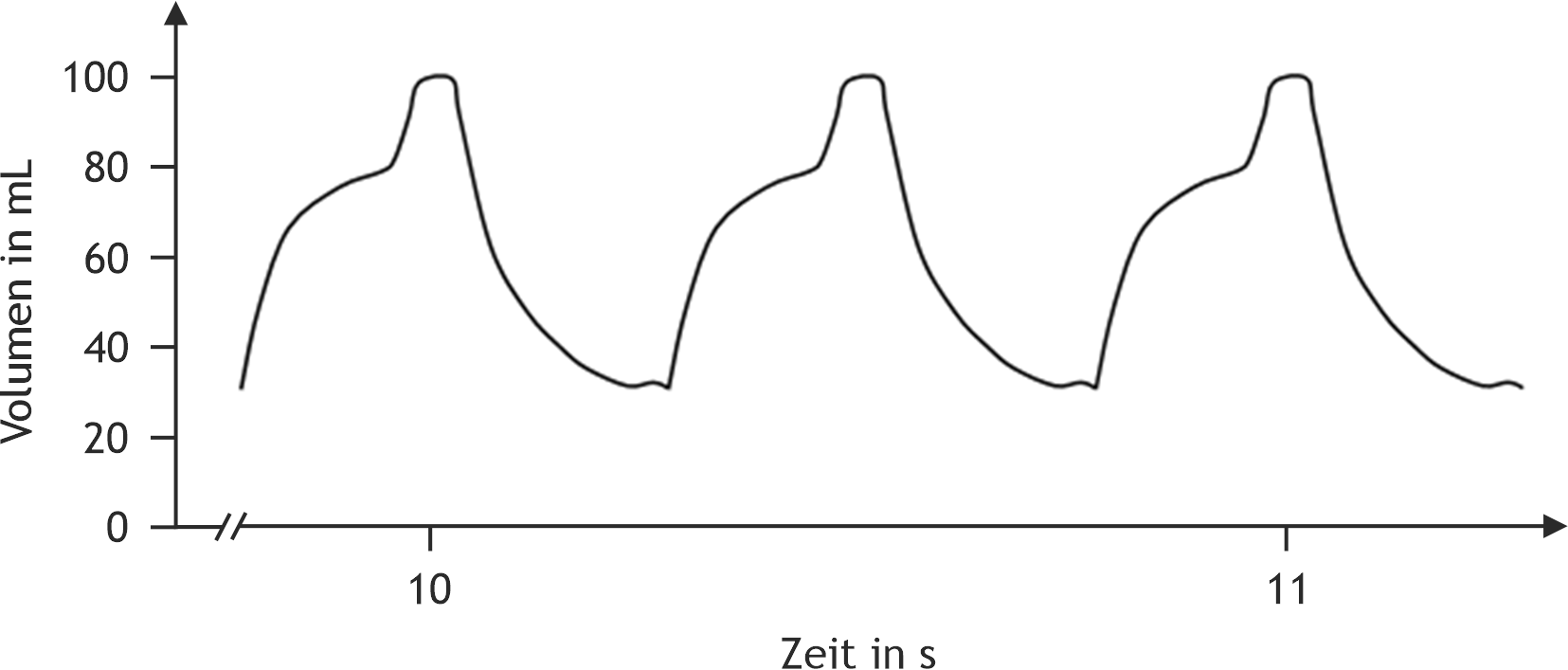
34. In a patient undergoing cardiac evaluation, the following recording of left ventricular volume as a function of time is obtained.
In which range is the patient’s cardiac output?
A. < 7 L/min
B. 7 L/min to 9 L/min
C. 9.1 L/min to 11 L/min
D. 11.1 L/min to 13 L/min
E. > 13 L/min
B. 7 L/min to 9 L/min
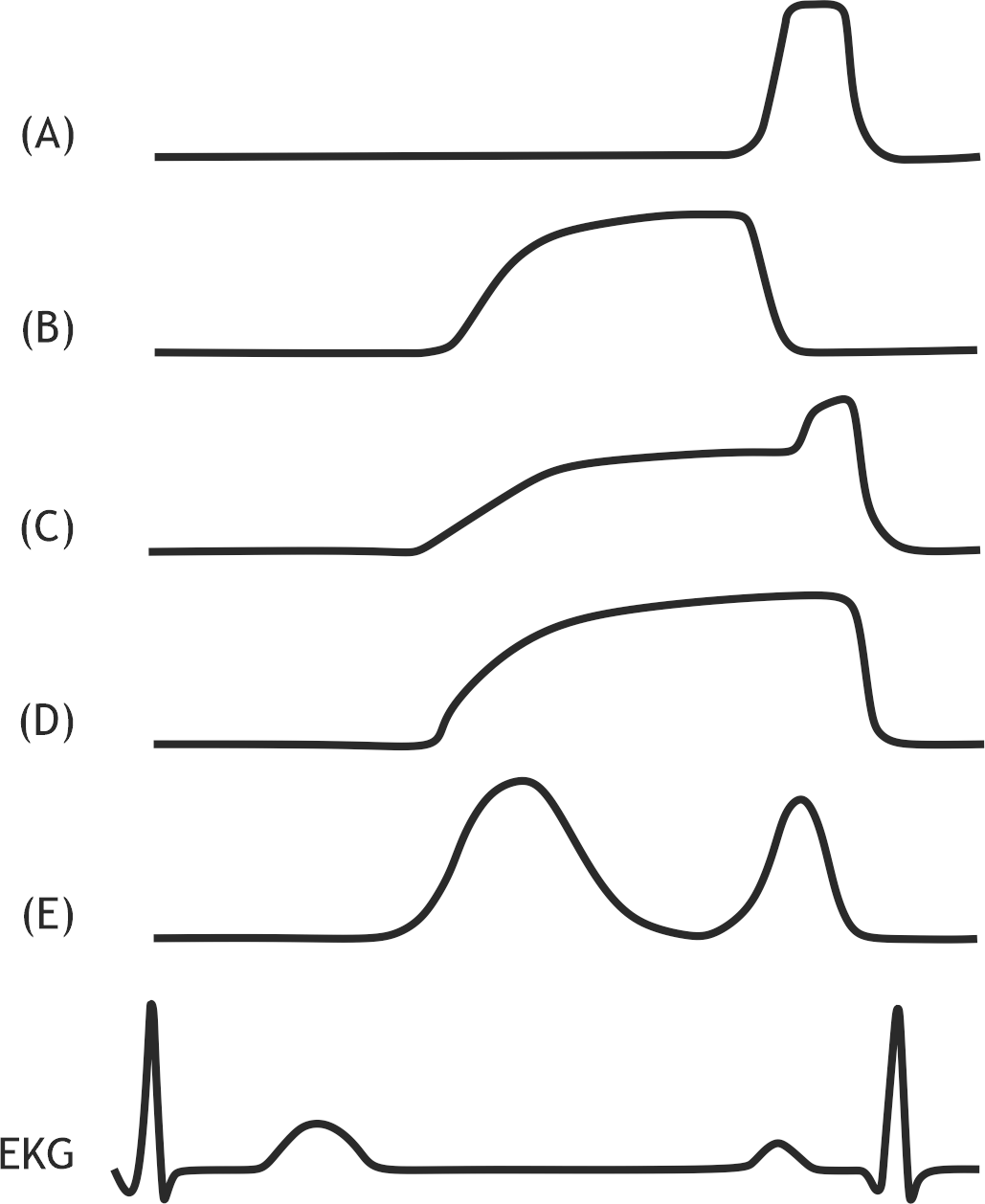
35. The diastolic inflow velocity of volume into the left ventricle through the mitral valve changes during the cardiac cycle.
Which of the following curves most likely represents, under physiological conditions, the schematic course of the diastolic inflow velocity into the left ventricle?
A. (A)
B. (B)
C. (C)
D. (D)
E. (E)
E. (E)
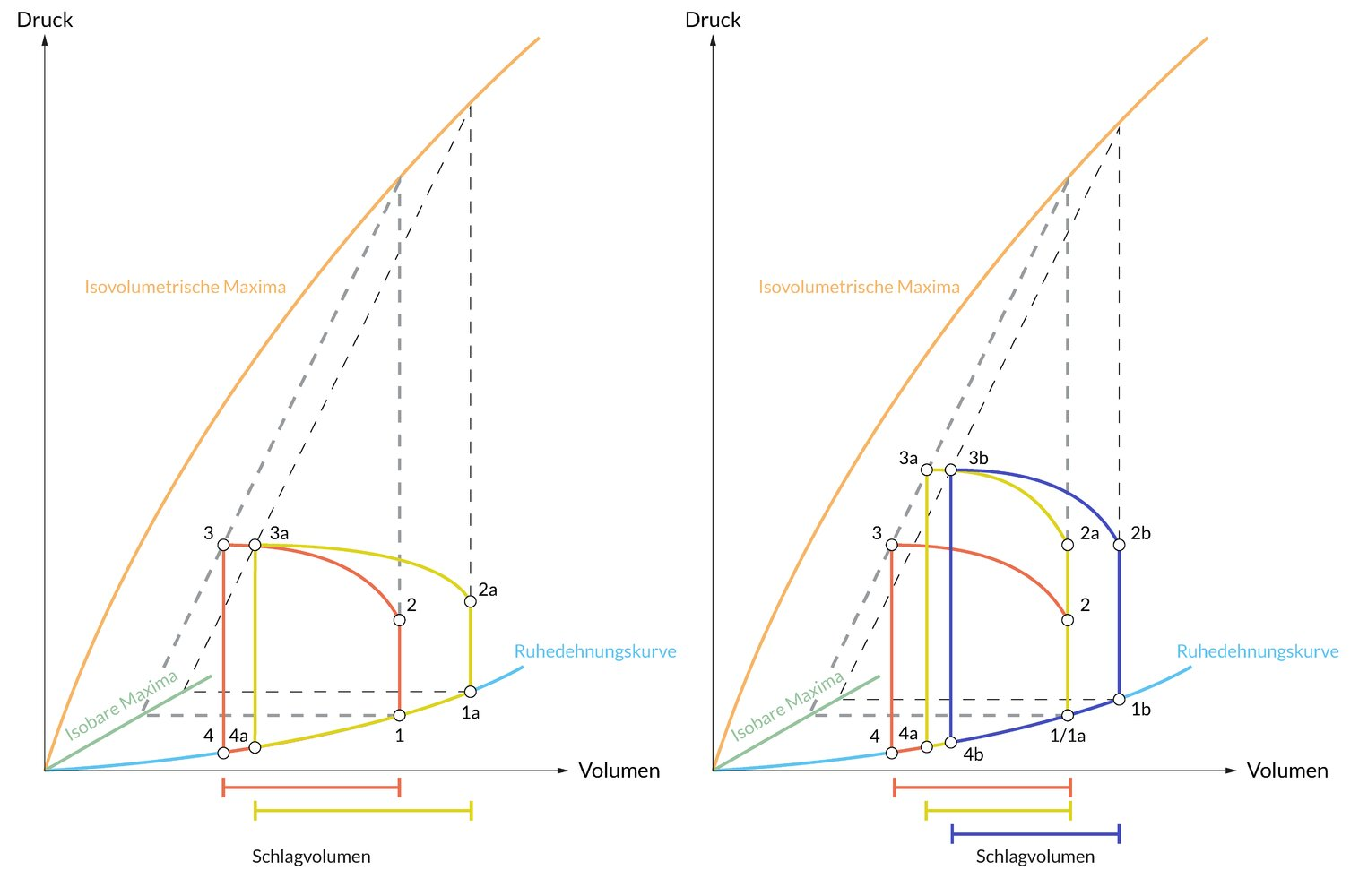
36. The Frank–Starling mechanism describes the beat-to-beat adjustment of the heart’s stroke performance depending on the end-diastolic ventricular volume (EDV).
Which functional consequence most likely results from an acute increase in the EDV of the left ventricle?
A. Increase in contractile force
B. Decrease in stroke volume
C. Decrease in energy consumption during ventricular systole
D. Increase in myocardial blood flow during ventricular systole
E. Shortening of the ejection phase
A. Increase in contractile force
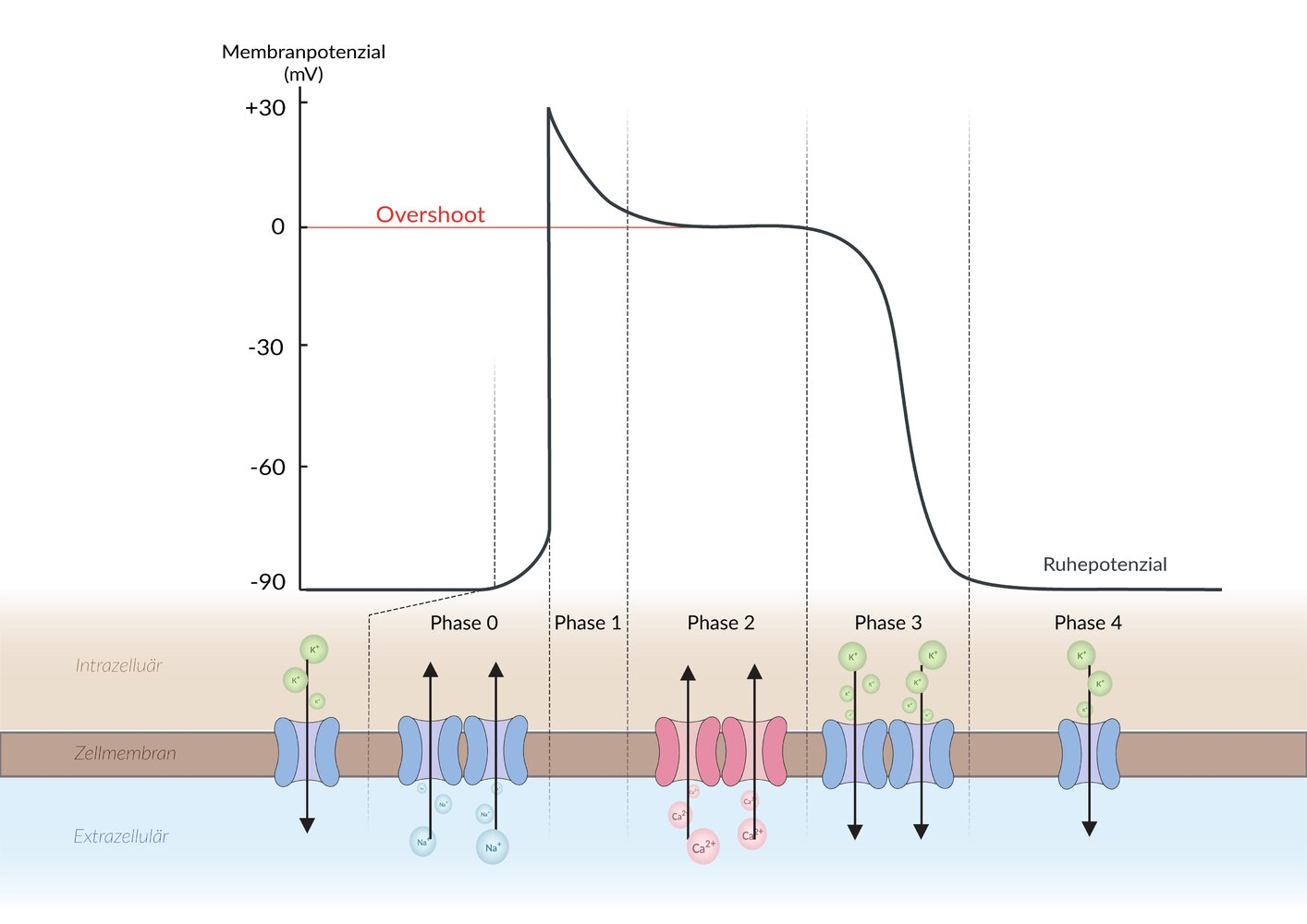
37. During surgery, the heart can be temporarily and reversibly stopped. For this purpose, the heart can be perfused with a so-called cardioplegic solution. The K⁺ concentration in this solution is increased compared to the physiological K⁺ concentration in the blood and can therefore induce sustained depolarization.
Which of the following changes in the functional state of ion channels is most important in this case for cardioplegia caused by hyperkalemia?
A. Activation of voltage-gated Na⁺ channels
B. Blockade of voltage-gated K⁺ channels
C. Deactivation of voltage-gated K⁺ channels
D. Stimulation of voltage-gated K⁺ channels
E. Inactivation of voltage-gated Na⁺ channels
E. Inactivation of voltage-gated Na⁺ channels
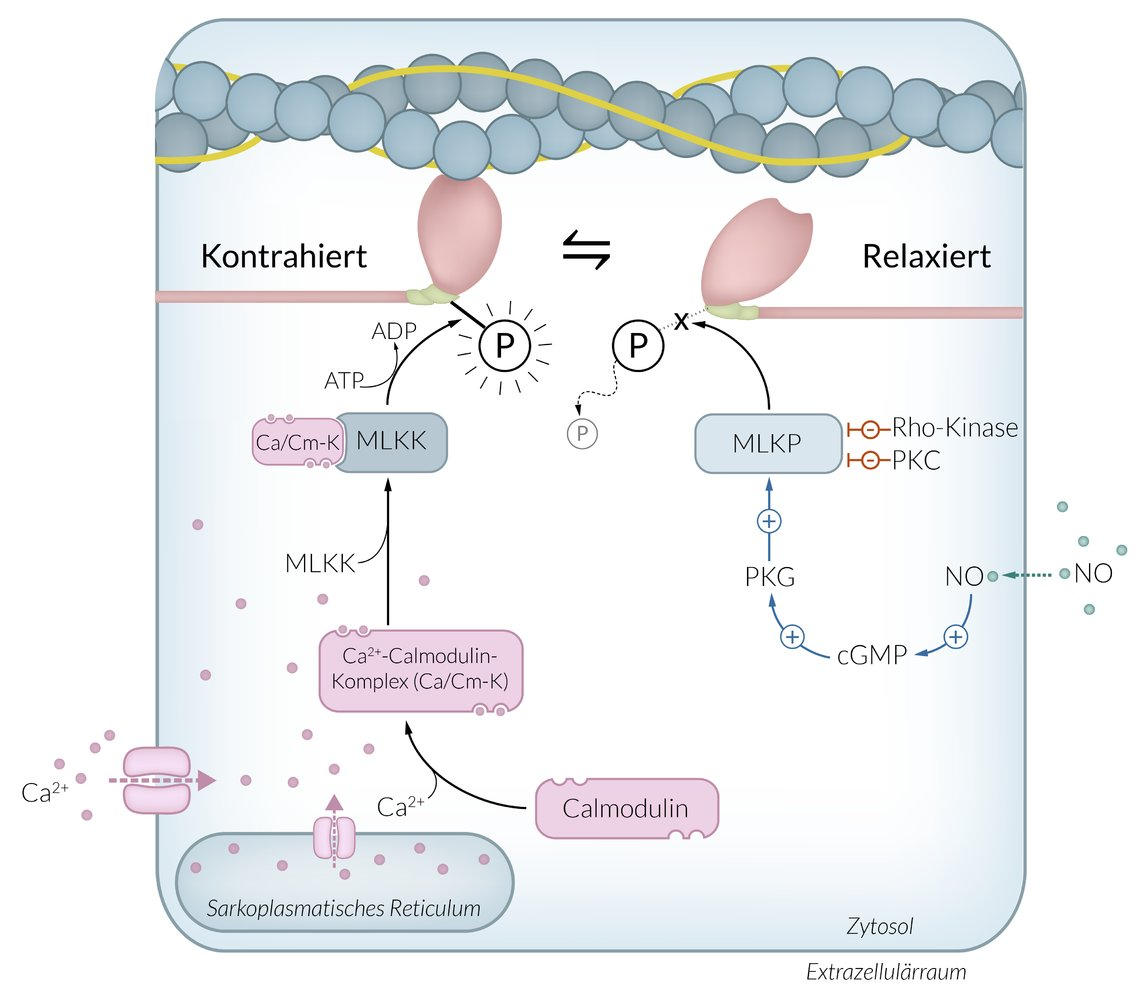
38. NO donors can be used, among other things, to treat acute contractile weakness of the heart.
On what is the therapeutic effect of NO, mediated by increased cGMP formation, most likely based?
A. Decrease in cardiac output
B. Increase in end-diastolic ventricular volume
C. Decrease in peripheral resistance
D. Decrease in heart rate
E. Increase in venous tone
C. Decrease in peripheral resistance
39. Starting from resting blood flow, the blood flow of an organ can be adjusted according to its needs.
In which of the following organ systems is the maximum possible relative increase in blood flow the greatest?
A. Kidney
B. Brain
C. Skin
D. Gastrointestinal tract
E. Heart
C. Skin
40. Vascular tone consists of a local and a systemic component.
Which of the following most likely increases local vascular tone?
A. Increase in CO₂ partial pressure
B. Increase in H⁺ concentration
C. Increase in tissue osmolarity
D. Release of NO from the endothelium
E. Increase in transmural pressure
E. Increase in transmural pressure
41. A healthy subject first stands still for 10 minutes. The ambient temperature is 25 °C. Then, for 2 minutes, he repeatedly contracts his calf muscles (“standing on tiptoe”). Afterwards, he is to stand still again for 10 minutes but must stop early because of dizziness and “blackout” sensations and has to sit down.
How can this interruption most likely be explained?
A. The increased blood flow to the calf muscles leads to greater blood pooling in the legs with insufficient venous return to the heart.
B. The increased venous return to the right heart leads to excessive pulmonary circulation at the expense of systemic circulation.
C. The venous return from the head and arm region hinders filling of the right heart.
D. The baroreceptors in the carotid artery and aortic arch are activated.
E. Profuse sweating leads to volume loss and centralization of the circulation.
A. The increased blood flow to the calf muscles leads to greater blood pooling in the legs with insufficient venous return to the heart.
42. For effective pulmonary oxygenation, regional pulmonary blood flow must be adjusted to local alveolar ventilation.
Through which mechanism does this ventilation–perfusion matching primarily occur under physiological conditions?
A. Bohr effect
B. Euler–Liljestrand mechanism
C. Head reflex
D. Haldane effect
E. Hering–Breuer reflex
B. Euler–Liljestrand mechanism
43. In smooth muscle, the cyclic activity of cross-bridges is regulated by the Ca²⁺ concentration in the sarcoplasm.
Which protein serves as the primary Ca²⁺ sensor in this process?
A. Caldesmon
B. Calmodulin
C. Myosin-binding protein C
D. Troponin C
E. Tropomyosin
B. Calmodulin
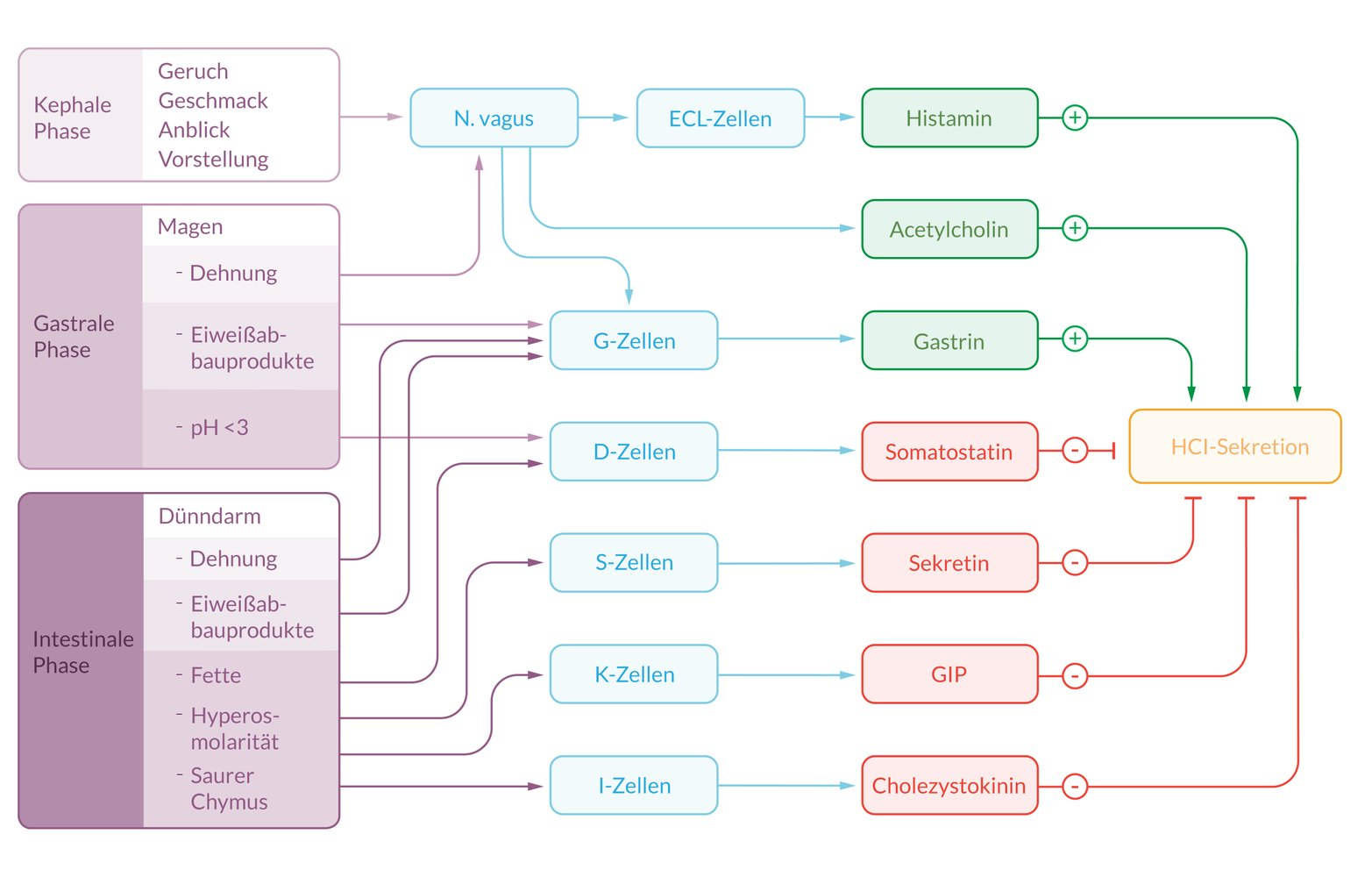
44. When gastric acid secretion increases, the pH value in the gastric lumen decreases.
Which of the following most likely leads to an increase in gastric acid secretion?
A. Activation of ECL (enterochromaffin-like) cells of the gastric mucosa
B. Intravenous administration of atropine
C. Stimulation of secretin release in the gastric mucosa
D. Stimulation of somatostatin release in the gastric mucosa
E. Stimulation of EP3 receptors in the gastric mucosa by prostaglandin E₂
A. Activation of ECL (enterochromaffin-like) cells of the gastric mucosa
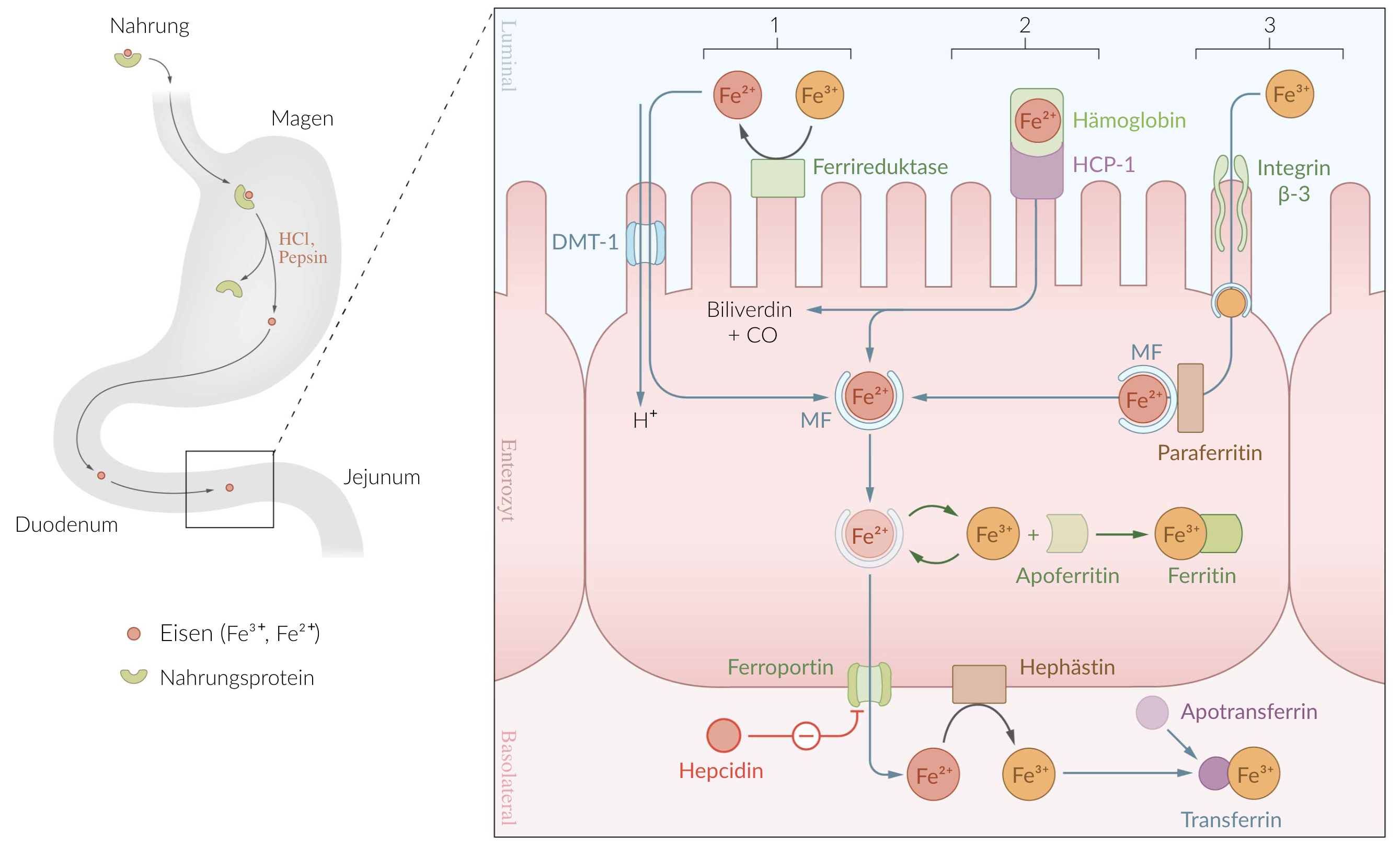
45. In a patient with a chronic inflammatory bowel disease, iron deficiency is detected, and increased production of hepcidin is suspected.
How does hepcidin most likely lead to iron deficiency?
A. Inhibition of the divalent metal ion transporter (DMT1)
B. Promotion of enterocyte shedding
C. Inhibition of iron reabsorption in the proximal tubule of the kidney
D. Inhibition of heme oxygenase
E. Inhibition of ferroportin
E. Inhibition of ferroportin
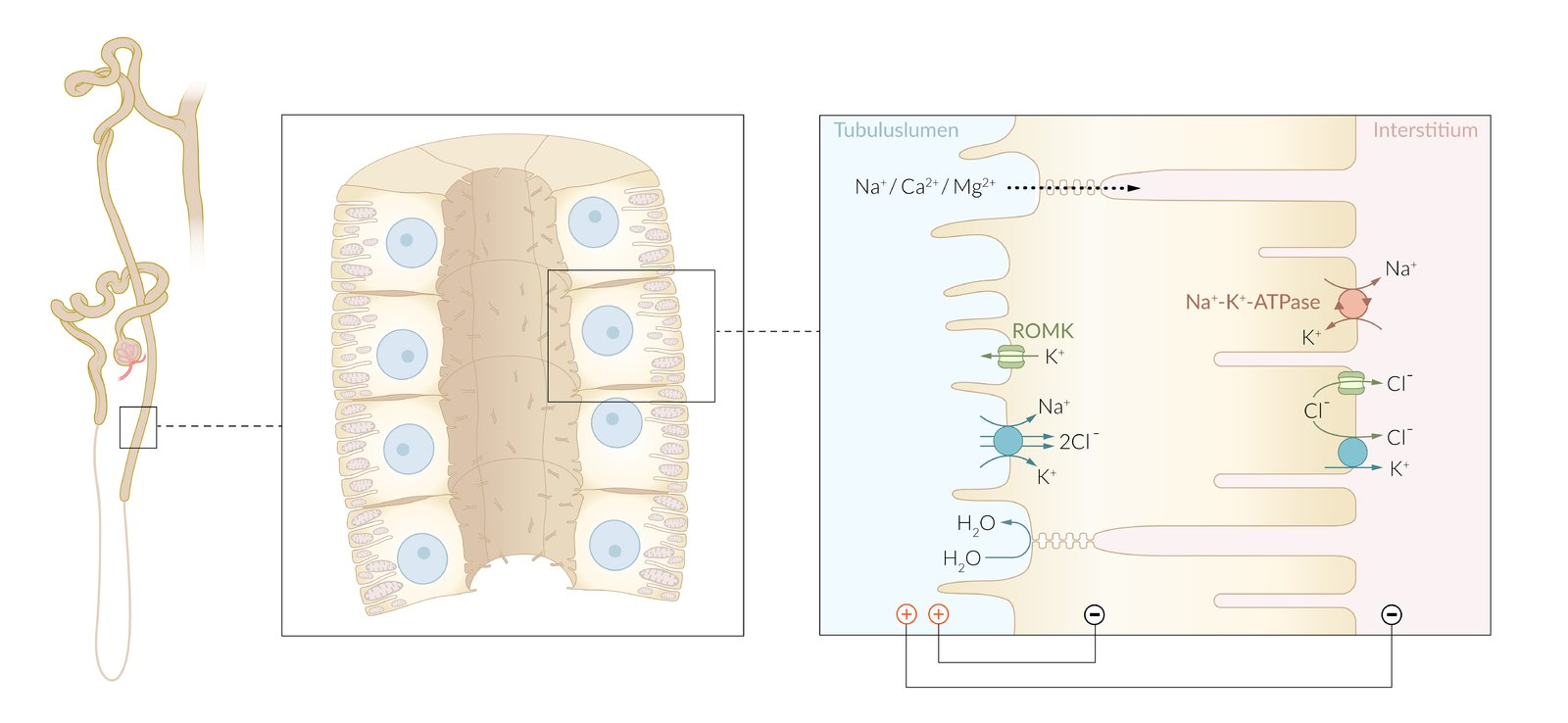
46. Impairment of the reabsorptive capacity of the thick ascending limb of the loop of Henle usually leads to diuresis.
A defect in which membrane protein of the tubular epithelial cells in the thick ascending limb of the loop of Henle directly or indirectly causes increased urine production?
A. Aquaporin-2 channels
B. Epithelial Na⁺ channels (ENaC)
C. K⁺ channels (ROMK)
D. Na⁺/glucose symporter (SGLT2)
E. UT-A urea transporter
C. K⁺ channels (ROMK)
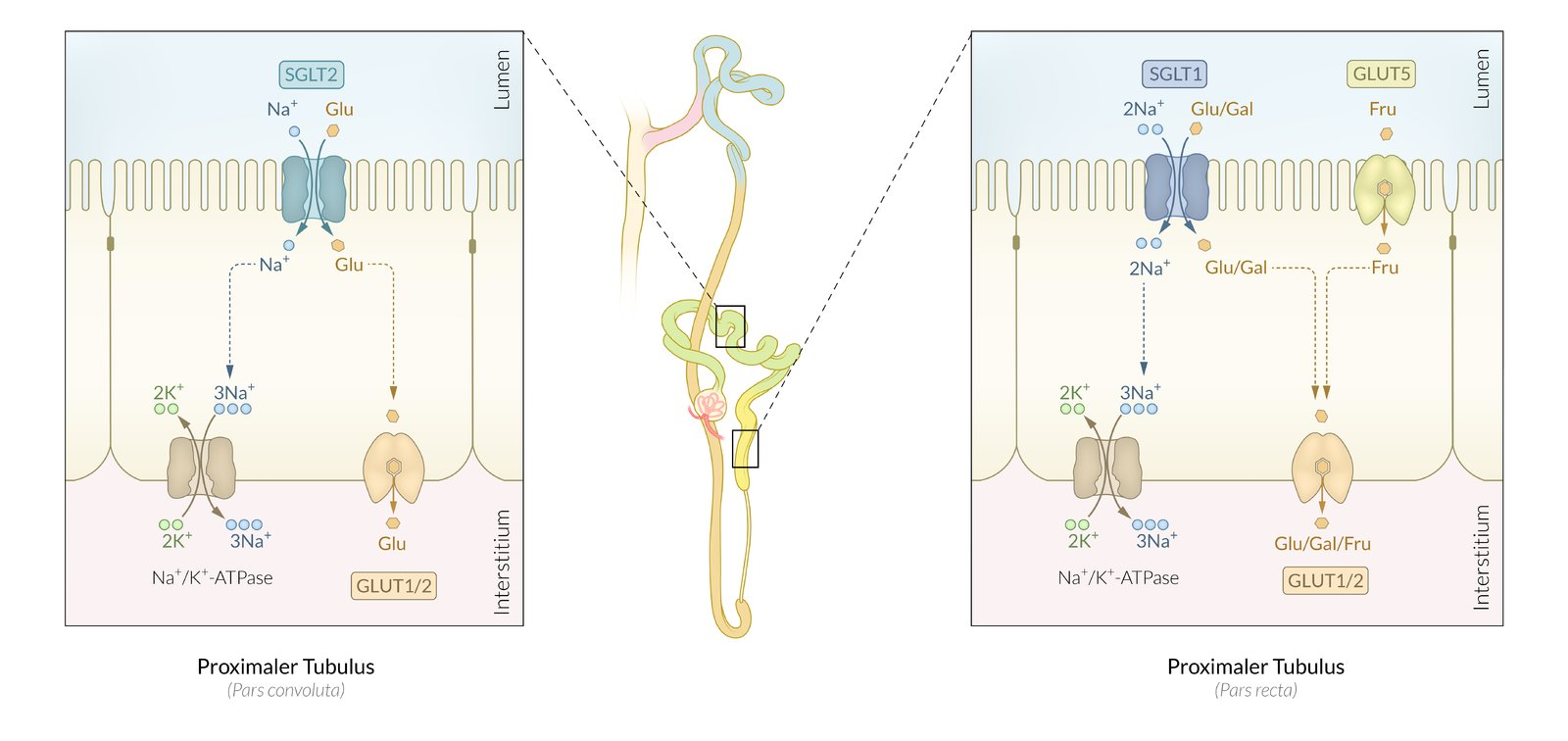
47. In which of the following changes in the proximal tubule is urinary glucose excretion most likely to increase?
A. Increased function of the Na⁺/HCO₃⁻ symporter
B. Reduced function of carbonic anhydrase
C. Increased function of the Na⁺/K⁺ pump
D. Reduced function of the Na⁺/glucose symporter
E. Increased function of the basolateral K⁺ channel
D. Reduced function of the Na⁺/glucose symporter
48. The creatinine clearance of a patient is to be calculated based on the following values:
Urine flow rate: 90 mL/h
Creatinine concentration in urine: 4 mmol/L
Creatinine concentration in serum: 200 μmol/L
What is the resulting creatinine clearance?
A. 1.33 mL/min
B. 4.5 mL/min
C. 30 mL/min
D. 120 mL/min
E. 1800 mL/min
C. 30 mL/min
49. In kidney diseases, damage to the proximal tubules can lead, among other things, to impairment of the kidney’s endocrine function.
Which hormone is primarily produced in the cells of the proximal tubule of the kidney?
A. Calcitonin
B. Calcitriol
C. Cortisol
D. Erythropoietin
E. Parathyroid hormone
B. Calcitriol
50. Fever arises from an increase in the hypothalamic temperature set point.
Which of the following substances most likely mediates this increase?
A. Noradrenaline
B. Acetylcholine
C. Histamine
D. Prostaglandin E₂
E. Serotonin
D. Prostaglandin E₂
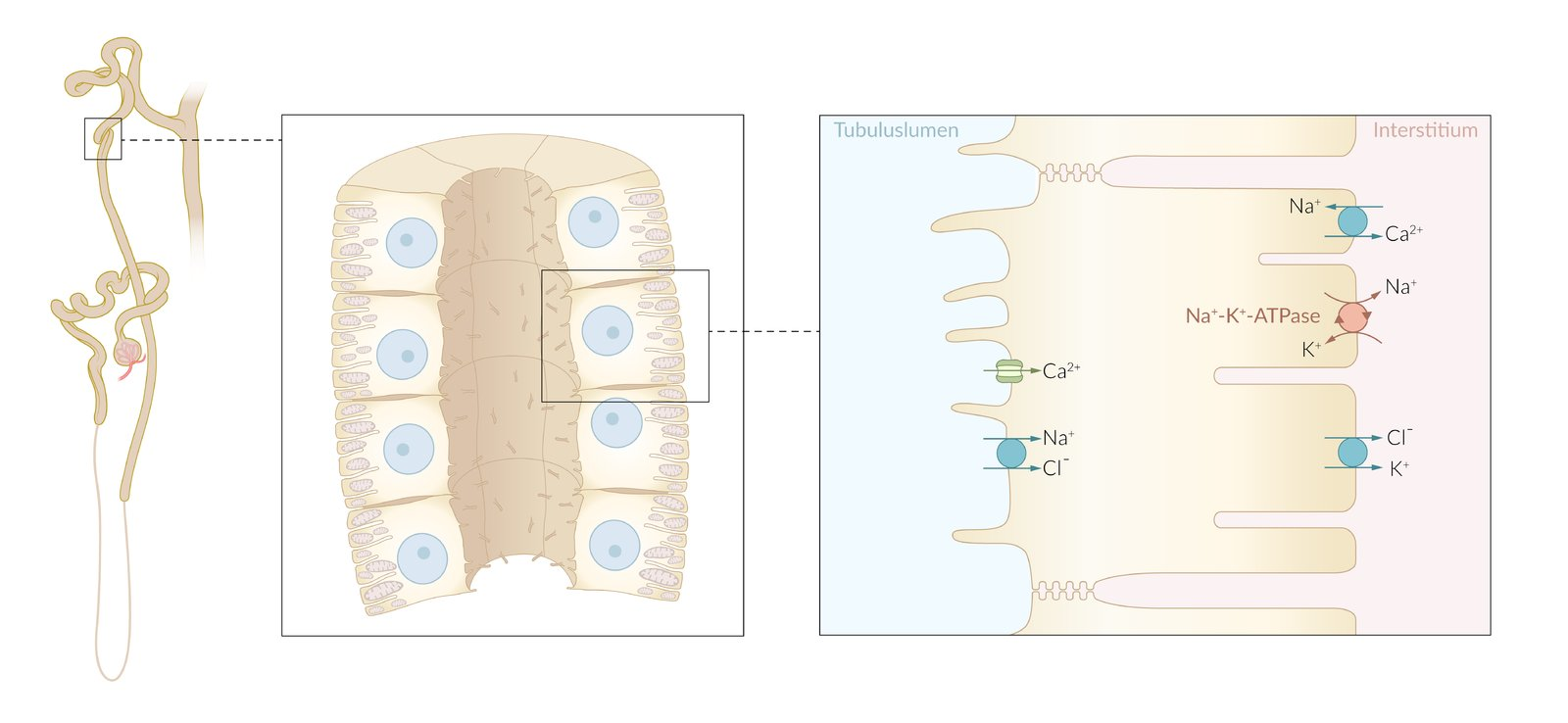
51. Calcitriol can lead to increased renal reabsorption of Ca²⁺.
How is this effect mediated?
A. Increased expression of TRPV5 channels
B. Enhanced degradation of calbindin
C. Increased function of voltage-gated Ca²⁺ channels
D. Enhanced inhibition of the Na⁺/Ca²⁺ exchanger
E. Increased expression of mechanosensitive Ca²⁺ channels
A. Increased expression of TRPV5 channels
52. In a 60-year-old woman, one hormone typically has a significantly higher level than in a 35-year-old.
Which of the following hormones is most likely involved?
A. Adrenocorticotropic hormone
B. Follicle-stimulating hormone
C. Insulin
D. Estrogen
E. Somatotropin
B. Follicle-stimulating hormone
53. Which of the following parameters is most likely lower in a woman during the last trimester of pregnancy than before pregnancy?
A. Tidal volume
B. Blood plasma volume
C. Blood volume
D. Hemoglobin concentration in the blood
E. Cardiac output
D. Hemoglobin concentration in the blood
54. In a 52-year-old woman, a benign aldosterone-producing tumor of the adrenal cortex is diagnosed.
Which of the following findings is most likely to be expected?
A. Increased renin secretion
B. Hypotension
C. Hypokalemia
D. Hyponatremia
E. Non-respiratory acidosis
C. Hypokalemia
55. Glucocorticoids are frequently used for immunosuppression in transplant medicine.
Which of the following is another — in this context undesirable — effect of elevated glucocorticoid concentrations?
A. Activation of collagen synthesis
B. Activation of glucose uptake in fat and muscle cells
C. Inhibition of gastric hydrochloric acid secretion
D. Increase in proteolysis in skeletal muscle
E. Increase in plasma K⁺ concentration
D. Increase in proteolysis in skeletal muscle
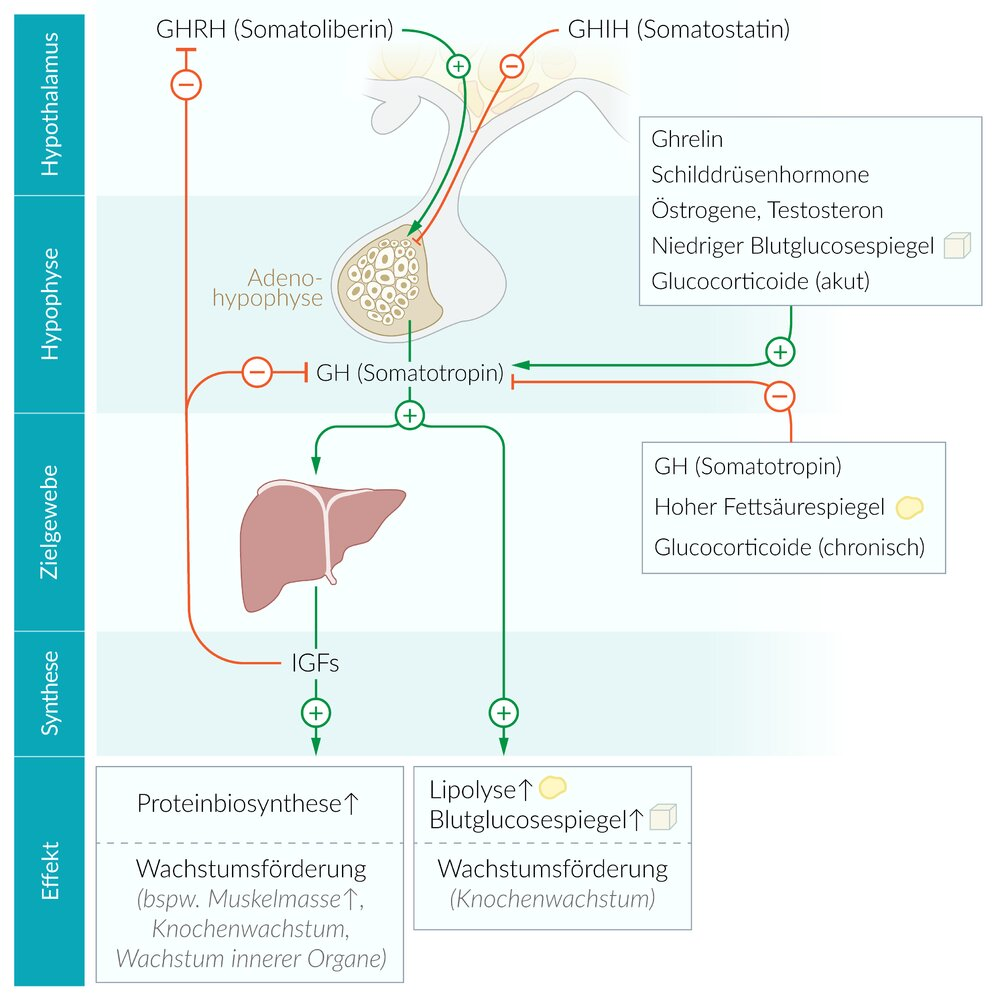
56. The growth hormone somatotropin promotes the growth of bones, muscles, and organs, as well as the protein synthesis required for growth.
Which of the following most likely inhibits the secretion of somatotropin from the pituitary gland?
A. Prolonged non-REM sleep
B. Increased arginine concentration in the blood
C. Hyperthyroidism
D. Increased dopamine concentration in the blood
E. Hyperglycemia
E. Hyperglycemia
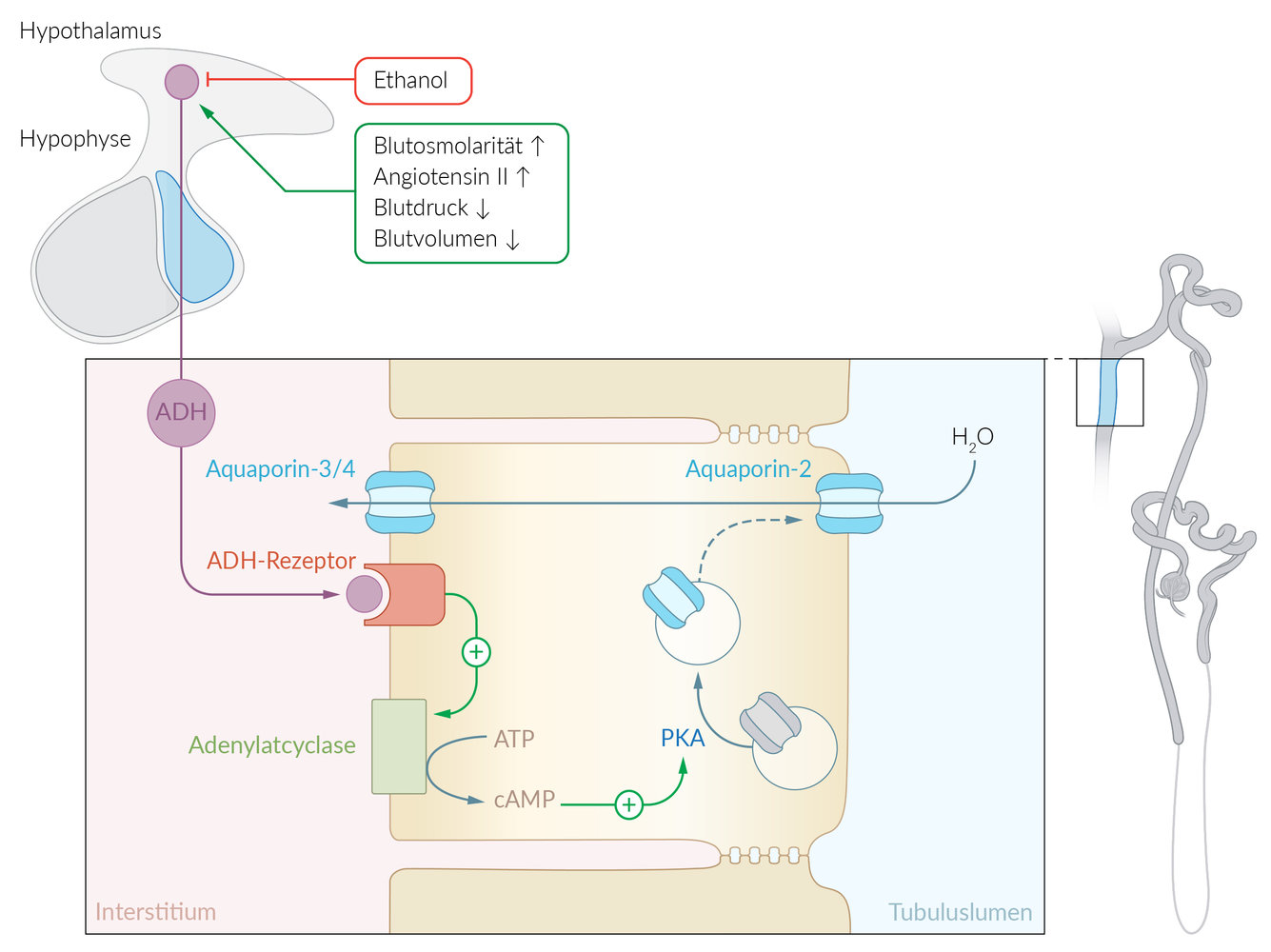
57. Adiuretin (ADH) is released by the neurohypophysis and plays an important role in regulating blood osmolarity, volume, and pressure.
Under which of the following conditions is the release of adiuretin most likely increased?
A. Transection of the pituitary stalk due to traumatic brain injury
B. Consumption of large amounts of high-proof alcohol
C. Polyuria due to a congenital aquaporin-2 defect
D. Drinking 1.5 liters of mineral water within 15 minutes
E. Increased stretching of the atria
C. Polyuria due to a congenital aquaporin-2 defect
58. After consuming very salty foods, a feeling of thirst typically occurs.
Through which mechanism is this effect primarily mediated?
A. Stimulation of renin release (with subsequent formation of angiotensin II) in the kidney
B. Activation of osmosensitive neurons in the hypothalamus
C. Release of brain natriuretic peptide (BNP) in the heart
D. Promotion of cortisol production in the adrenal gland
E. Activation of CRH-releasing neurons in the hypothalamus
B. Activation of osmosensitive neurons in the hypothalamus
59. Which of the following receptors is typically a G-protein-coupled, metabotropic receptor?
A. D₁ receptor (dopamine D₁ receptor)
B. GABAₐ receptor
C. Glycine receptor (GlyR)
D. Nicotinic acetylcholine receptor
E. NMDA receptor (N-methyl-D-aspartate receptor)
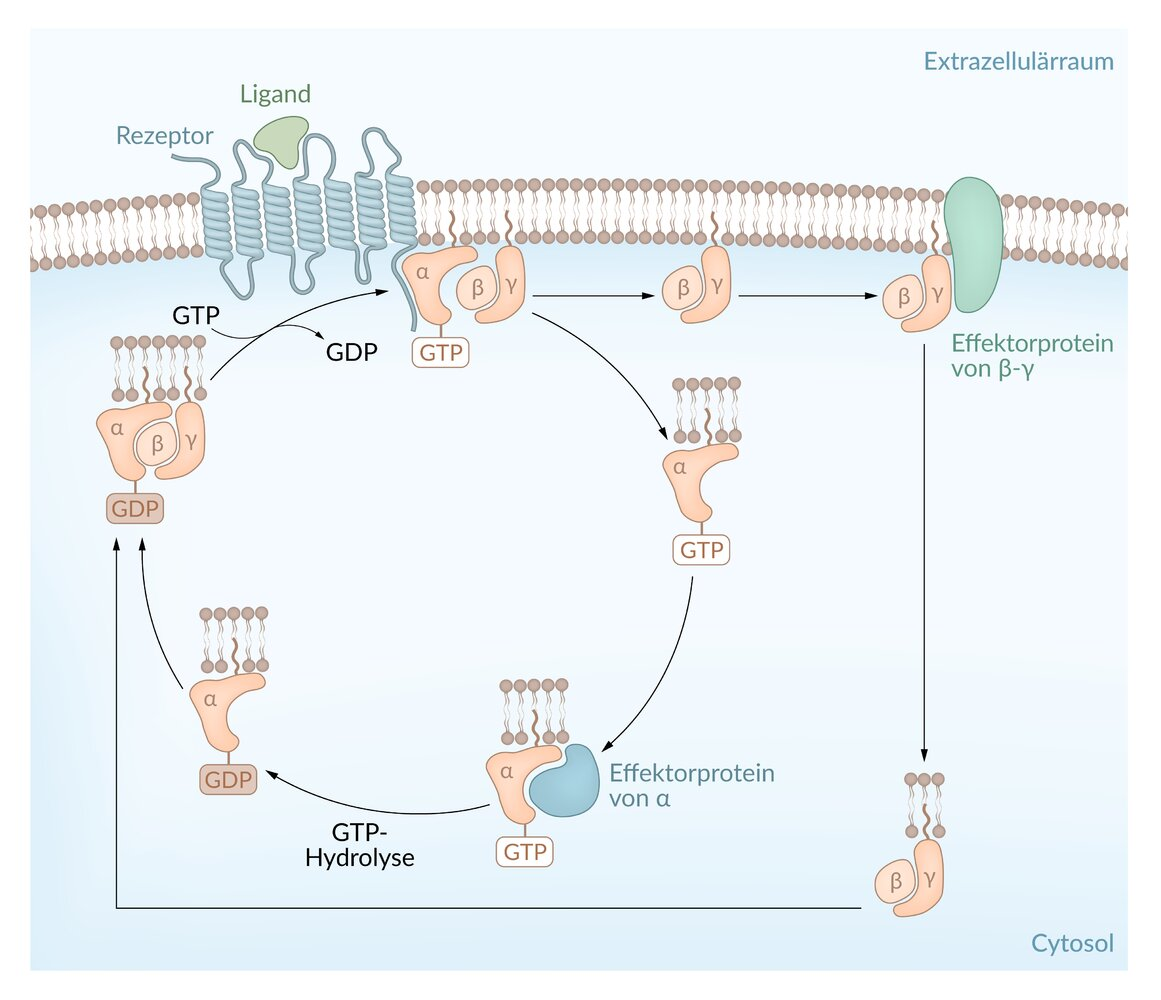
A. D₁ receptor (dopamine D₁ receptor)