Global Art History Final Exam
 Call Kai
 Learn
Learn Practice Test
 Spaced Repetition
 Match
Match Flashcards
 Knowt Play
1/63

There's no tags or description
Looks like no tags are added yet.
Name | Mastery | Learn | Test | Matching | Spaced | Call with Kai |
|---|
No analytics yet
Send a link to your students to track their progress
64 Terms
abstraction
looks like the original model but is not a direct translation
Idealism
aims at perfection, which is a cultural or individual construct
Naturalism
Aims at a direct translation of the visible nature but not objective reality
Realism
seeks to portray objective reality
Expressionism
Intended to invoke emotions rather than portray objective reality
What is Art For Statements
-prettiness in art matters
-art is sad with and for us- brings reassurance
-art rebalances both individuals and societies
-art highlights what is worth appreciating
-art can be a tool which helps us explore emotions/attitudes
Macrothemes
Spirituality, Identity, the Body, Time, Memory, Place, Language, Science
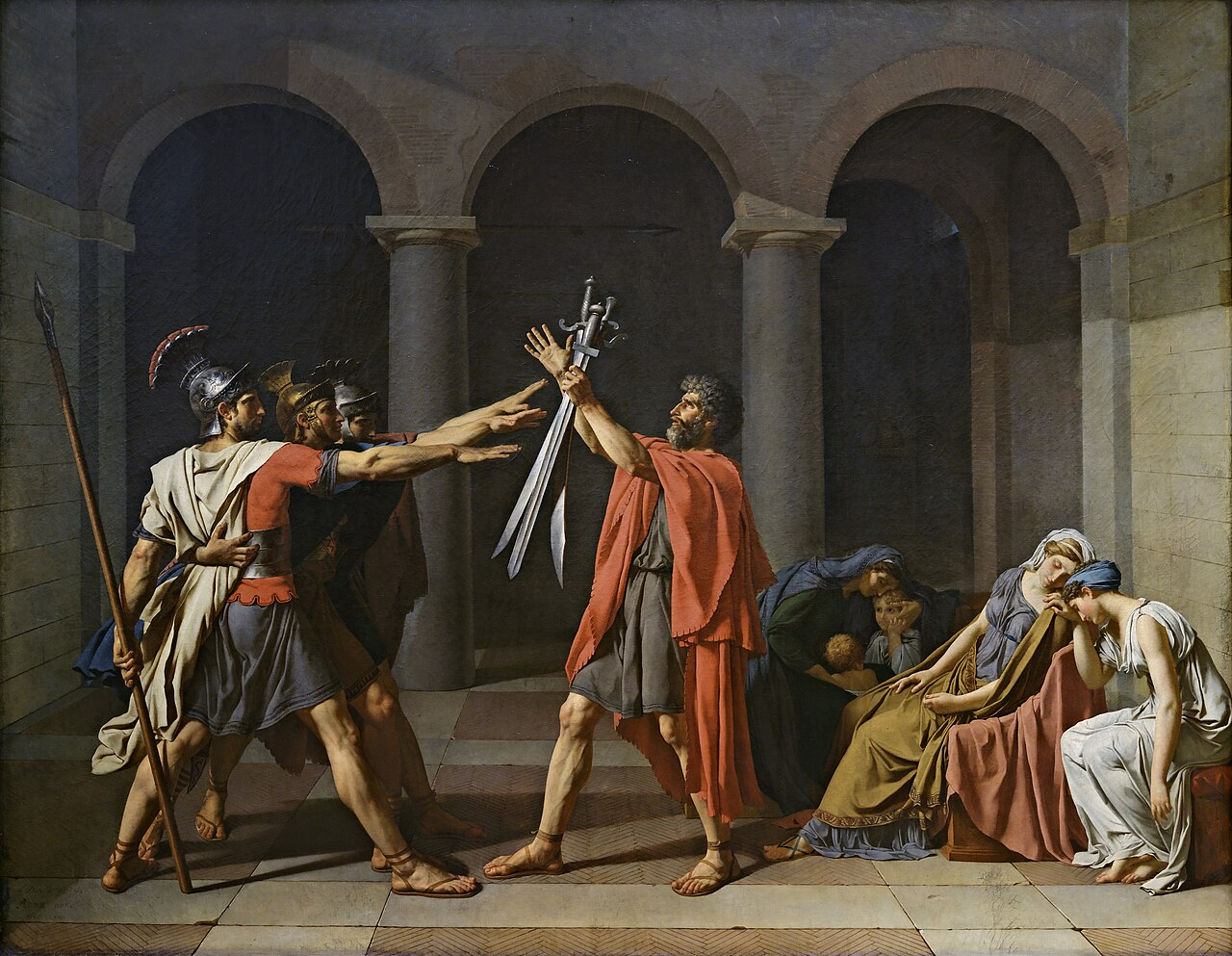
Oath of the Horatii, David 1785/1794, Neoclassicism
-very balanced painting
-oath of loyalty passed through paris
-men are rigid and committed, women show emotional cost
-a model of sacrifice, duty, loyalty, and putting state above private feeling
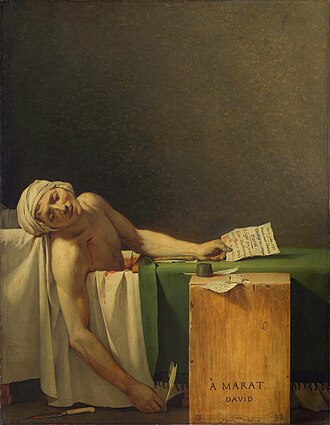
The Death of Marat, David, 1793, Neoclassicism
-private study
-he was killed by Queen Charlotte during the Reign of Terror
-not a history painting, instead a contemporary, immoral event with classical elements
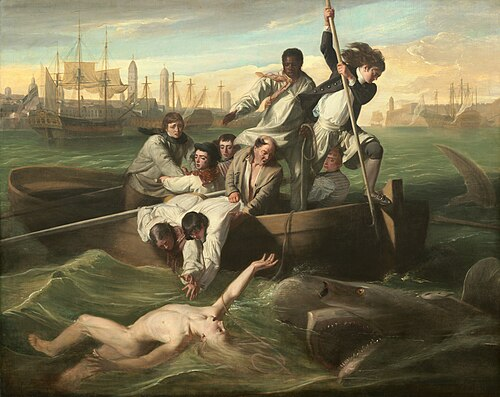
Watson and the Shark, Copley, 1778, Neoclassicism
-painting installed in an orphanage to serve as an inspiration of triumph over adversity
-moral inspiration and virtue
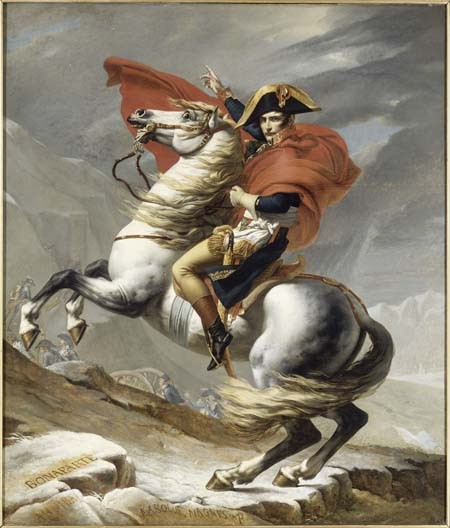
Napoleon Crossing the Great St. Bernard Pass, David, 1801, Neoclassicism
-depicts a myth of Napoleon as the great emperor, a continuation of the Roman Empire, leading in the front lines
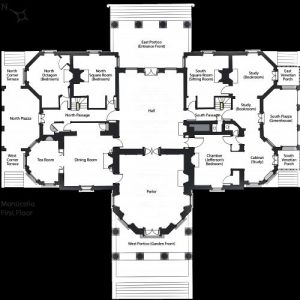
Monticello, Jefferson, 1770-1784, Charlottesville, Virginia, Neoclassicism
-a main entry room of the brick house modeled after the Pantheon represents his passion for history and art
-library holds inventions (ex: swivel chair and double-painted window)
dates style, subject matter, and message of Neoclassicism
1750-1830
style: linear style- balanced and rational, restrained emotion
subject matter: history paintings, portraiture, classic historical references
message: to convey virtue (art + morality were closely related)
What were the differing usages/messages in France versus the United States of the
Neoclassical style using a work of art/architecture to explain these concepts.
United States: it served as an architectural expression of Enlightenment ideals, stability, and democratic virtue for a new nation
France: emphasized intense moral duty, favoring severity and patriotism, highlighting loyalty
dates, style, subject matter, message of Romanticism
1800-1850
style: painterly (loose, fluid brushwork) and dramatic contrasts of light and dark
subject matter: nature, landscape, social criticism, the psyche, the individual, the decay of time, the restorative power of nature
message: rejecting the rules of rationale, disillusionment of society, Enlightenment ideas
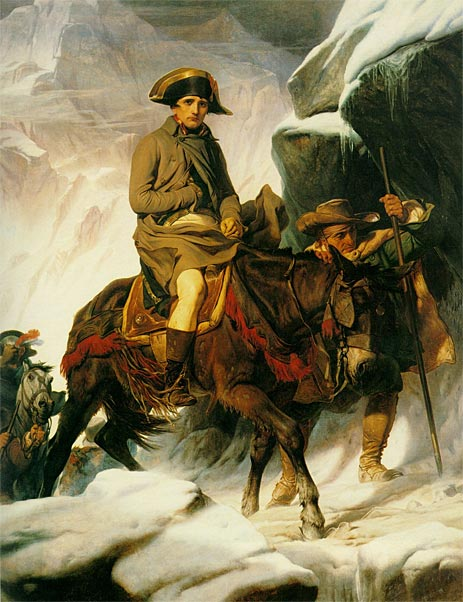
Bonaparte Crossing the Alps, Paul Delaroche, 1850, Romanticism
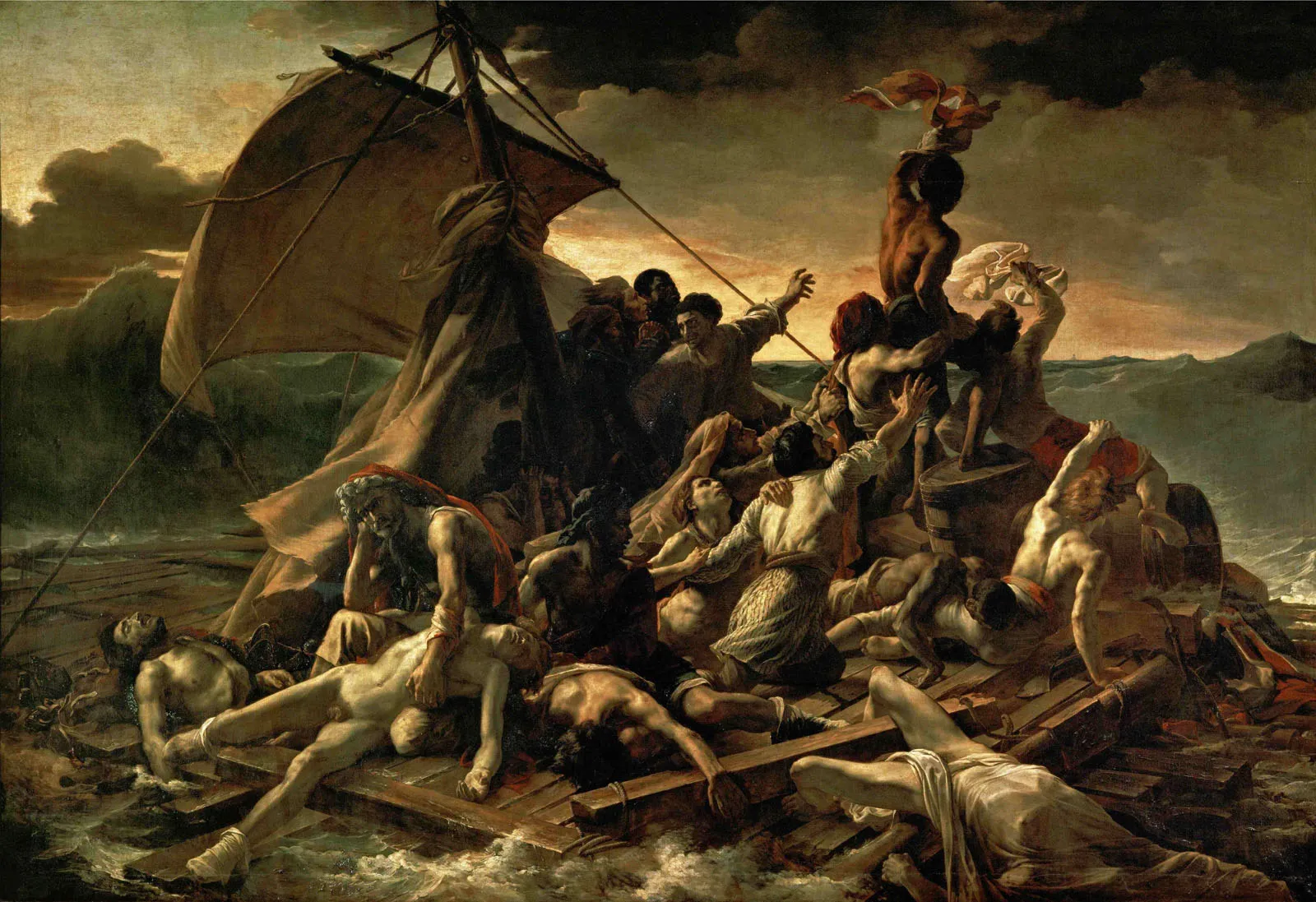
The Raft of Medusa, Gericault, Romanticism
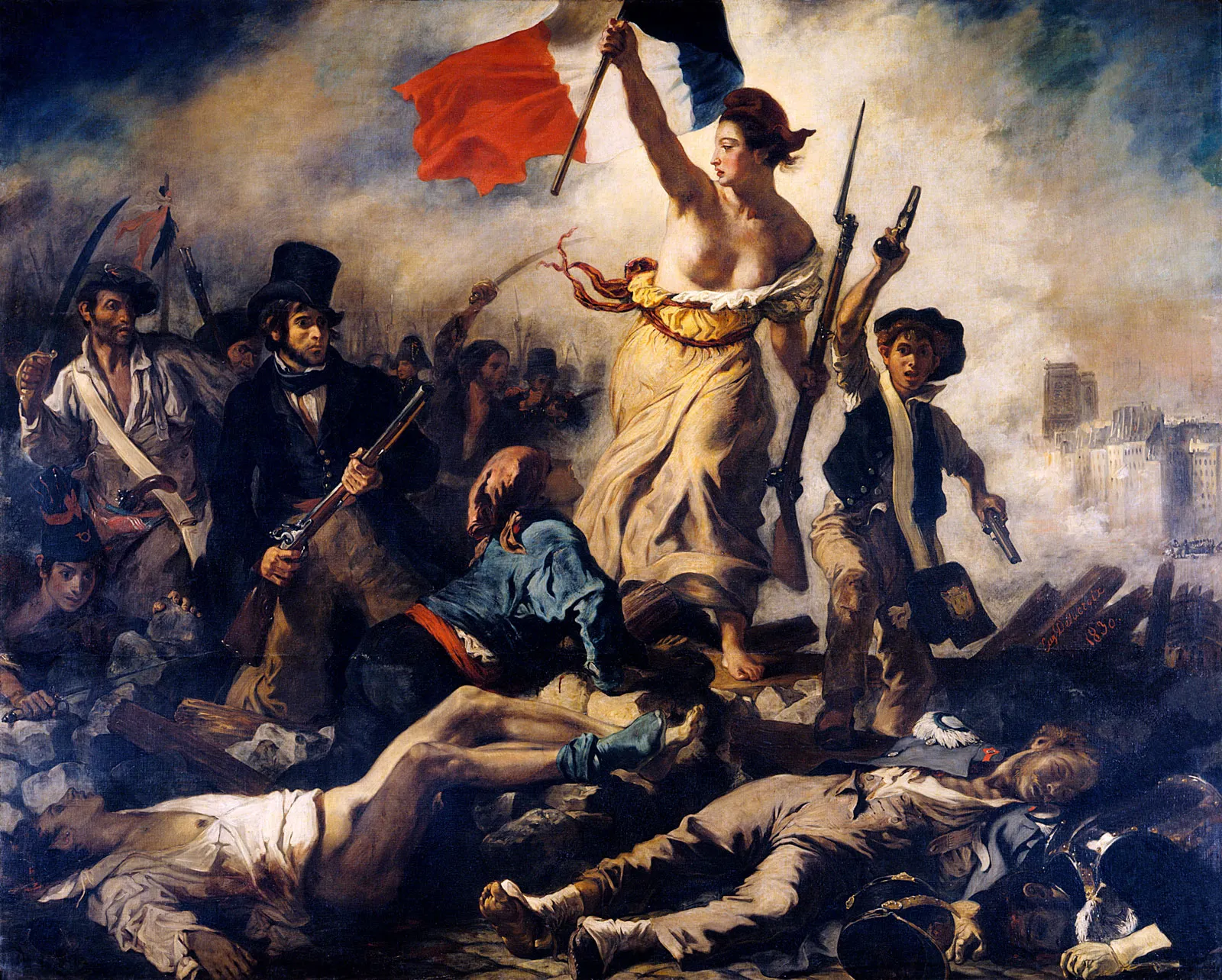
Liberty Leading the People, Delacroix, Romanticism

View on the Catskill, Thomas Cole, Romanticism

Twilight in the Wilderness, Frederic Edwin Church, 1860, Romanticism
How did Romanticism react to the disillusionment of its age (generally and related to Napoleon)?
-reaction against the failed ideals of the French Revolution, the rationality of the Enlightenment, and the environmental and social destruction of the Industrial Revolution
-glorified rural life and the natural world, viewing it as a source of truth
-focused on exploring the “inner moral and imaginative” world of the individual
What were the differing usages and messages of Romanticism in France?
-political critiques
-exoticism to personal expression
-nature observation
-”art for art’s sake”
What were the differing usages and messages for Romanticism in the United States?
-helped define a unique American identity
-fueled reforms
-elevated the “common man”
dates, style, subject matter, messages of Realism
1840’s - 1880’s
style: objective representation
subject matter: scenes of everyday life
messages: highlighted the struggles of the poor and working class, treating them with the seriousness previously reserved for the rich. It also challenged the Academy, arguing that any subject, no matter how humble, was worthy of art
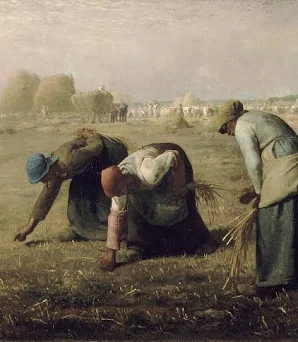
The Gleaners, Francois Millet, 1857, Realism
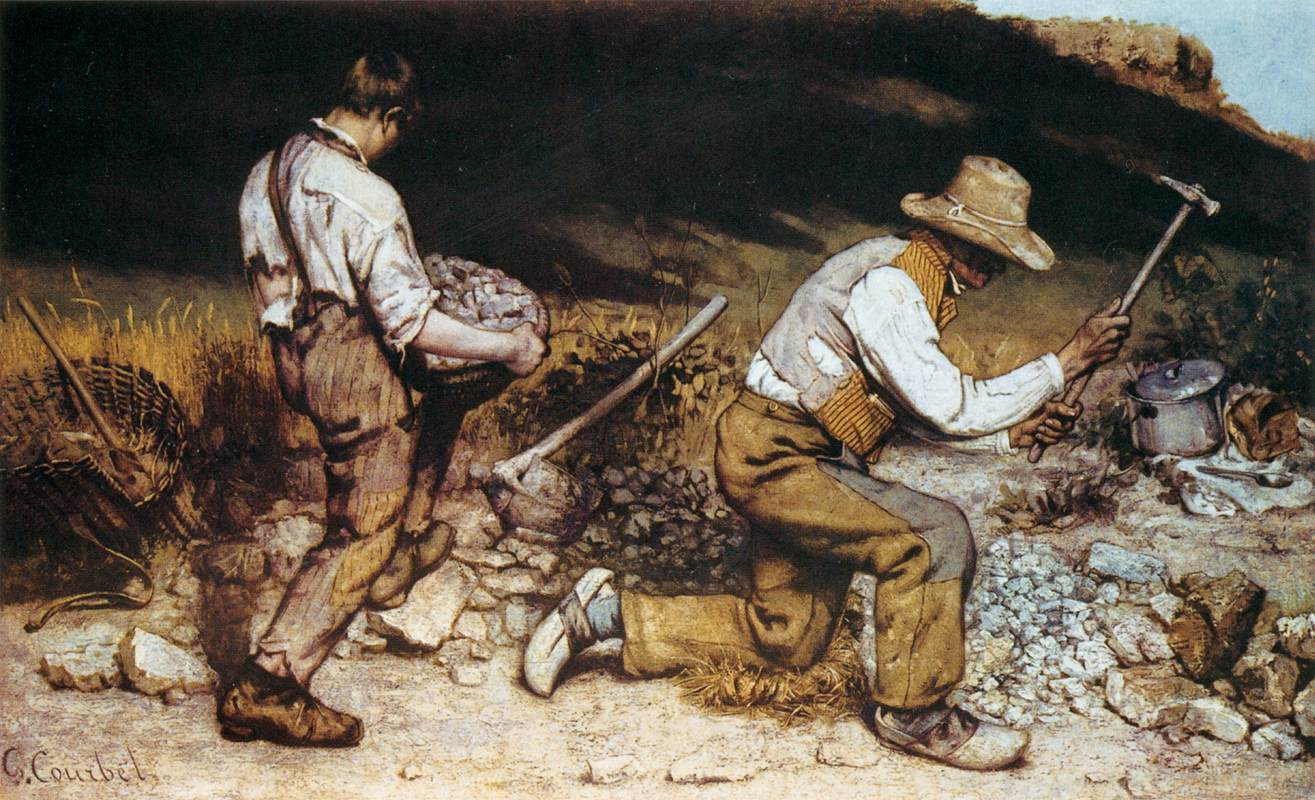
The Stone Breakers, Gustave Courbet, 1849, Realism
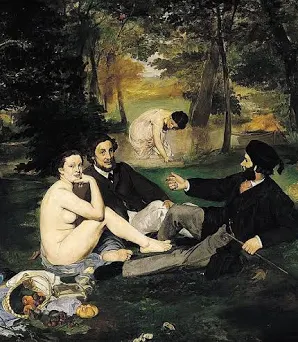
Luncheon on the Grass, Manet, 1860’s, Realism
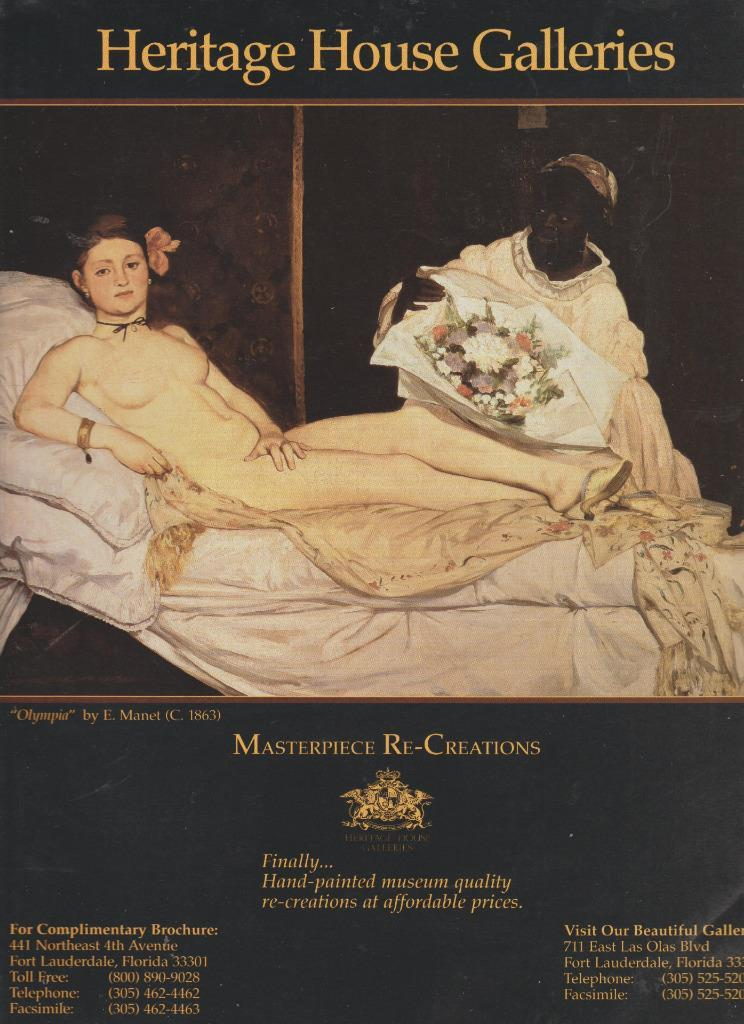
Olympia, Manet, 1863, Realism
-inspired by Venus of Urbino
Define the Industrial Revolution and Positivism
Industrial Revolution: a period of change where production shifted from hand-made goods at home to machine-made goods in factories. Instituted an urban, mechanized life
Positivism: a 19th century approach emphasizing that true knowledge comes only from empirical observation and the observable world rather than speculation or metaphysics
What is the relationship of photography and Realism to Positivism?
-both were used as tools and artistic expressions aimed at documenting observable, empirical reality with objective precision
-photography captures reality
What is meant by the “heroism of everyday life?”
it meant finding beauty, grandeur, and moral significance in the ordinary, mundane, and contemporary experiences of common people, rather than in historical, mythological, or romanticized subjects
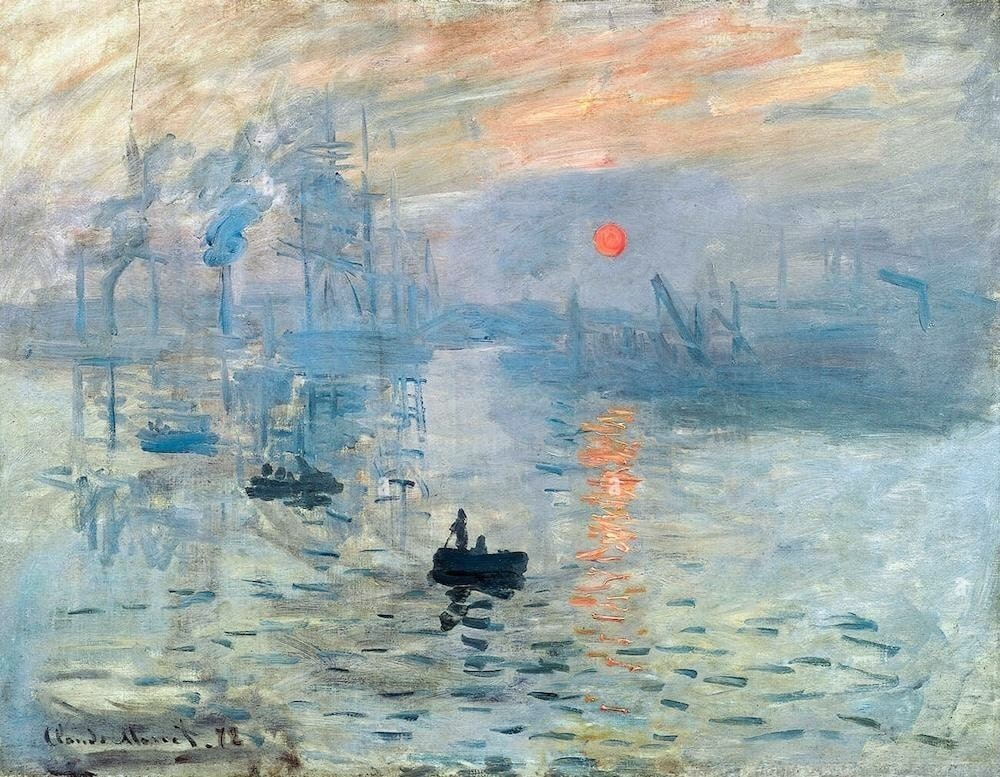
Impressionism Sunrise, Monet, 1872, Impressionism
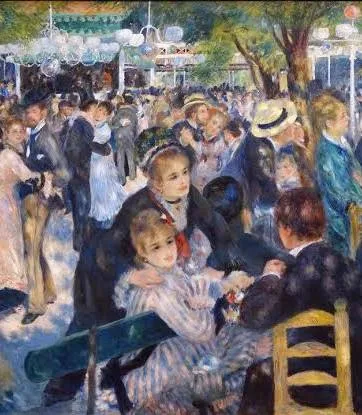
Moulin de la Galette, Renoir, 1876, Impressionism
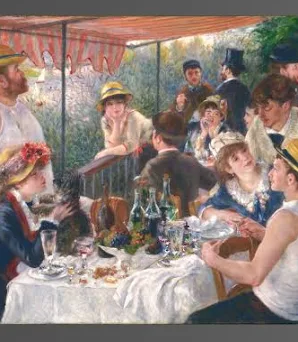
Luncheon of the Boating Party, Renoir, 1881, Impressionism
dates, style, subject matter, messages of Impressionism
1840’s - 1880’s
style: short, thick, visible brushstrokes
subject matter: contemporary, everyday life (middle class leisure activities and modern cityscapes)
messages: capturing fleeting moments is essential and modernity is just as important of a subject as history and mythology
What is the relationship of Impressionism to Positivism?
Impressionism is deeply rooted in the philosophical and scientific context of Positivism
what four influences account for the development of Impressionism?
money, the city, politics, science
why were Impressionist works rejected from the Salon? When do the Impressionists have their first independent exhibition?
-their style featuring brushstrokes, bright colors, and modern life subjects conflicted with the Academy’s preference for polished, traditional, historical, or mythological scenes
-the first Impressionist independent exhibition was held in 1874
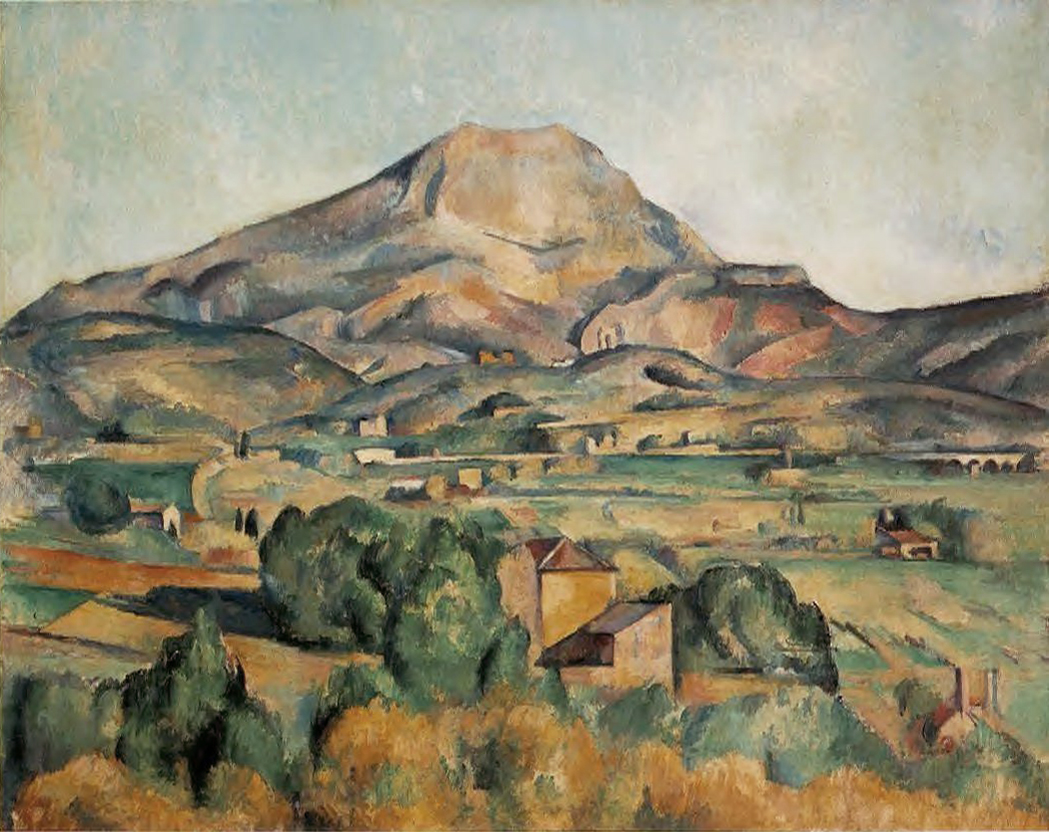
Cezanne’s Mount Sainte-Victoire
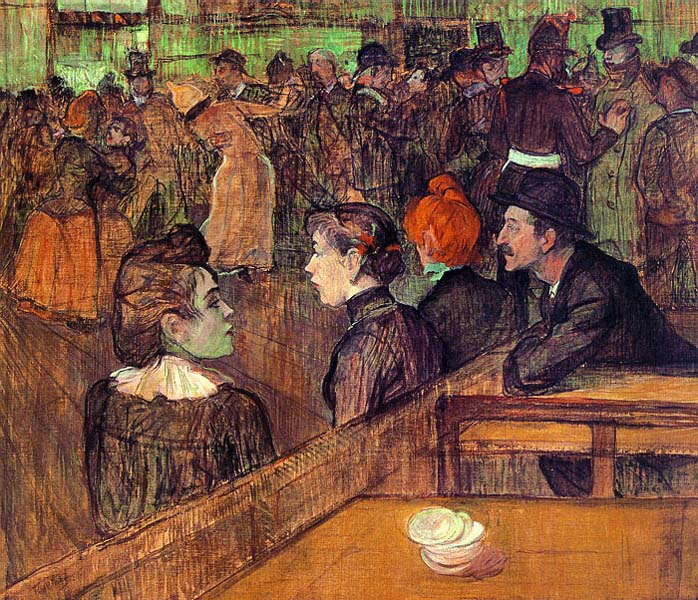
At the Moulin de la Galette, Lautrec
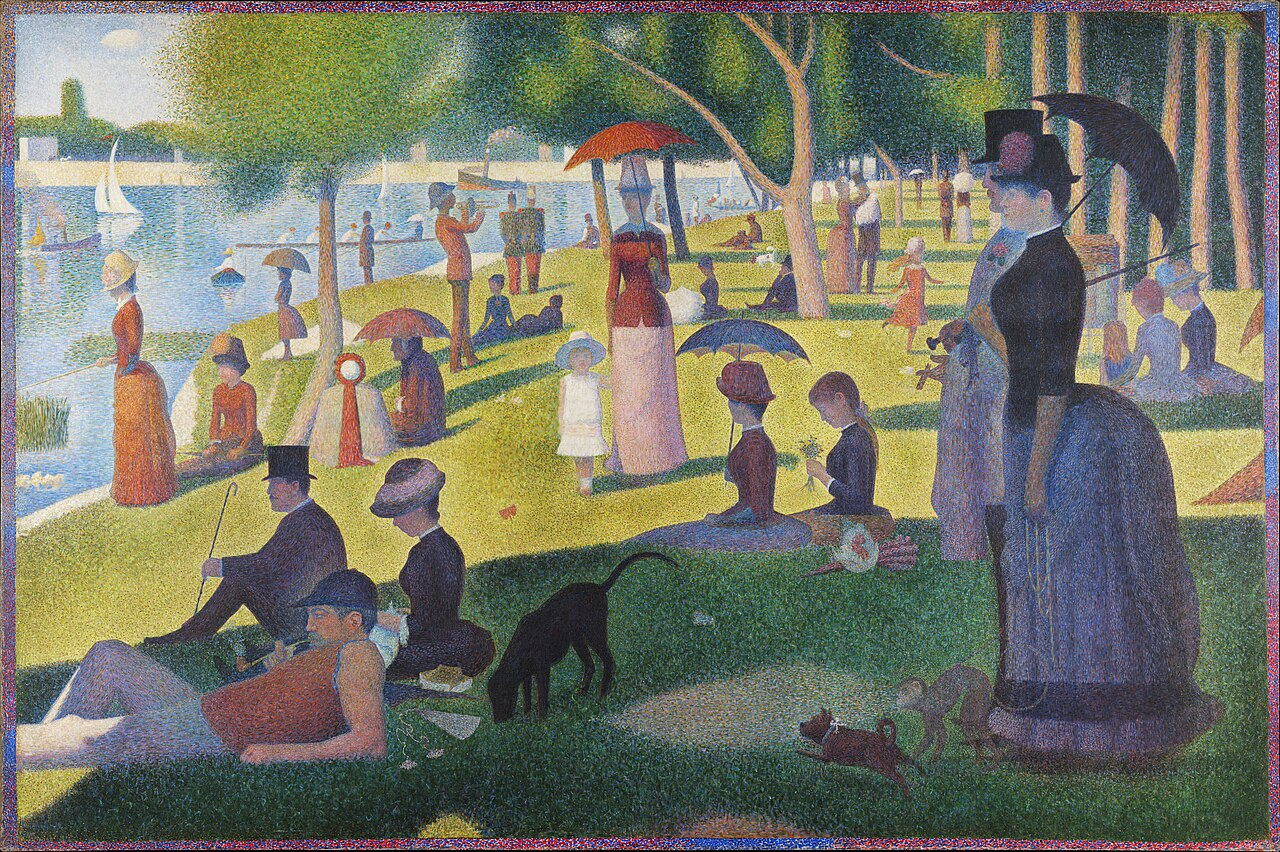
Sunday Afternoon on the Island of La Grande Jatte, Seurat
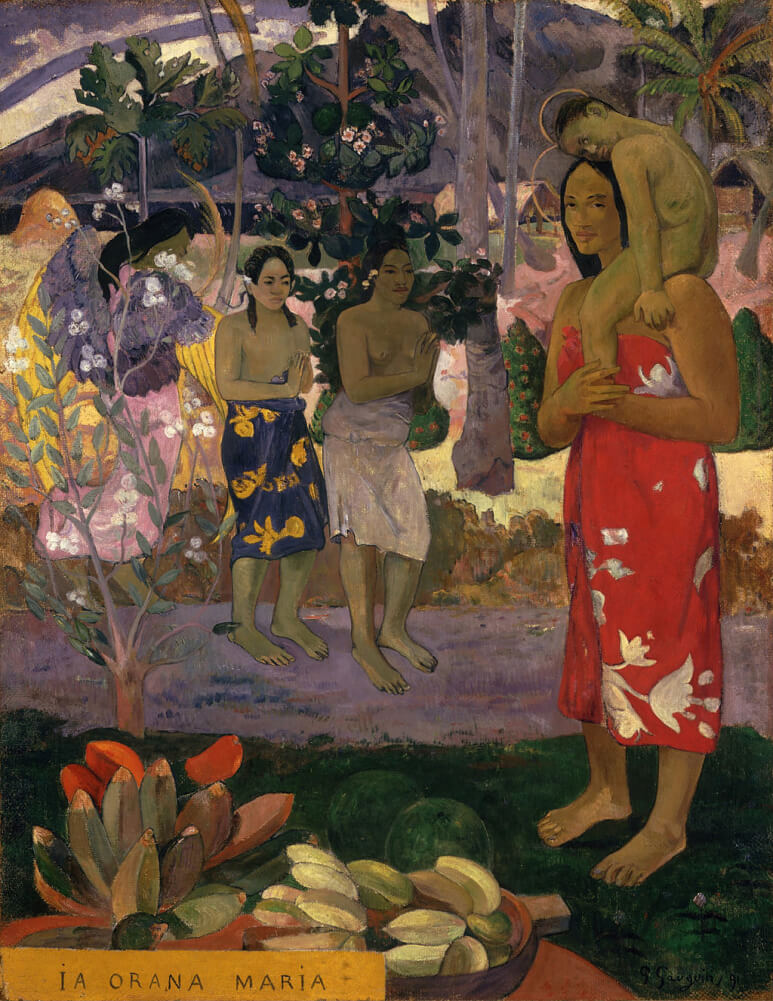
La Orana Maria, Gauguin, Symbolism
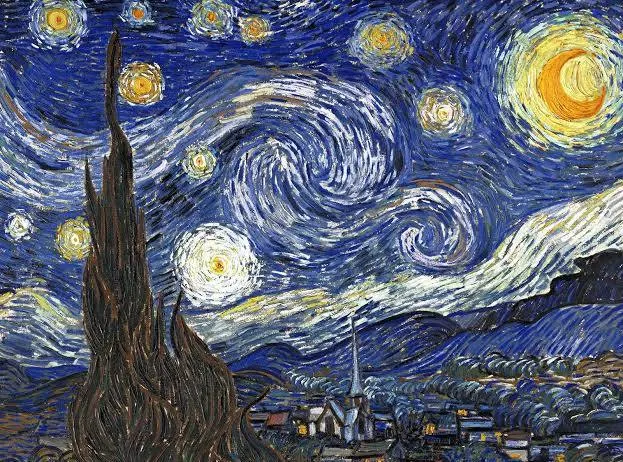
‘
Starry Night,van Gogh, Expessionism
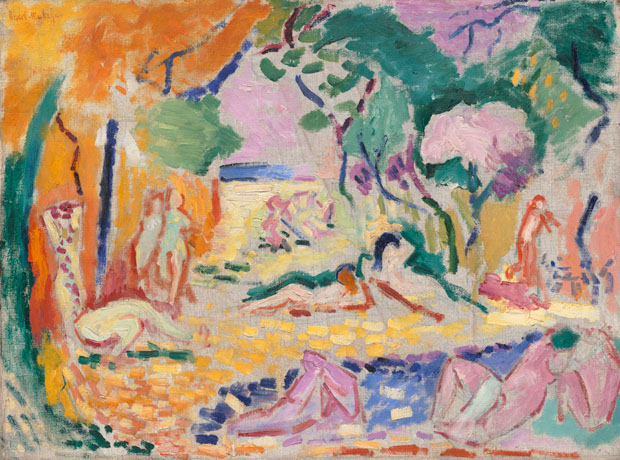
The Joy of Life, Matisse
define fauvism
style of painting that flourished in France around the turn of the 20th century. Fauve artists used pure, brilliant color aggressively applied to the canvas

Flood Improvisation, Kandinsky
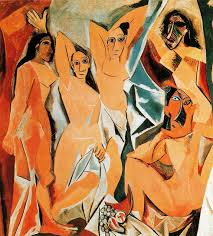
Le Demoiselles d’Avignon, Picasso, Cubism
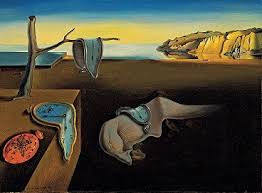
The Persistence of Memory, Dali
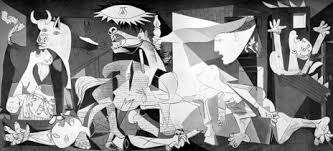
Guernica, Picasso
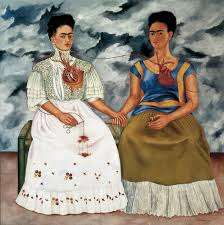
Two Fridas, Kahlo
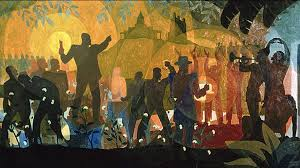
Aspects of Negro Life, Douglas

Picture of Garbage, Muniz
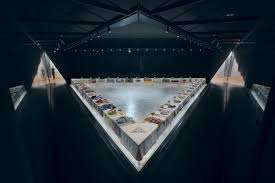
The Dinner Party, Chicago
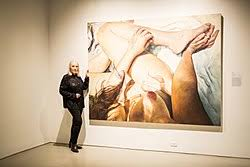
Me Without Mirrors, Semmel
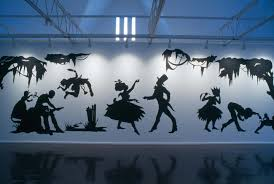
Presenting Negro Scenes, Walker
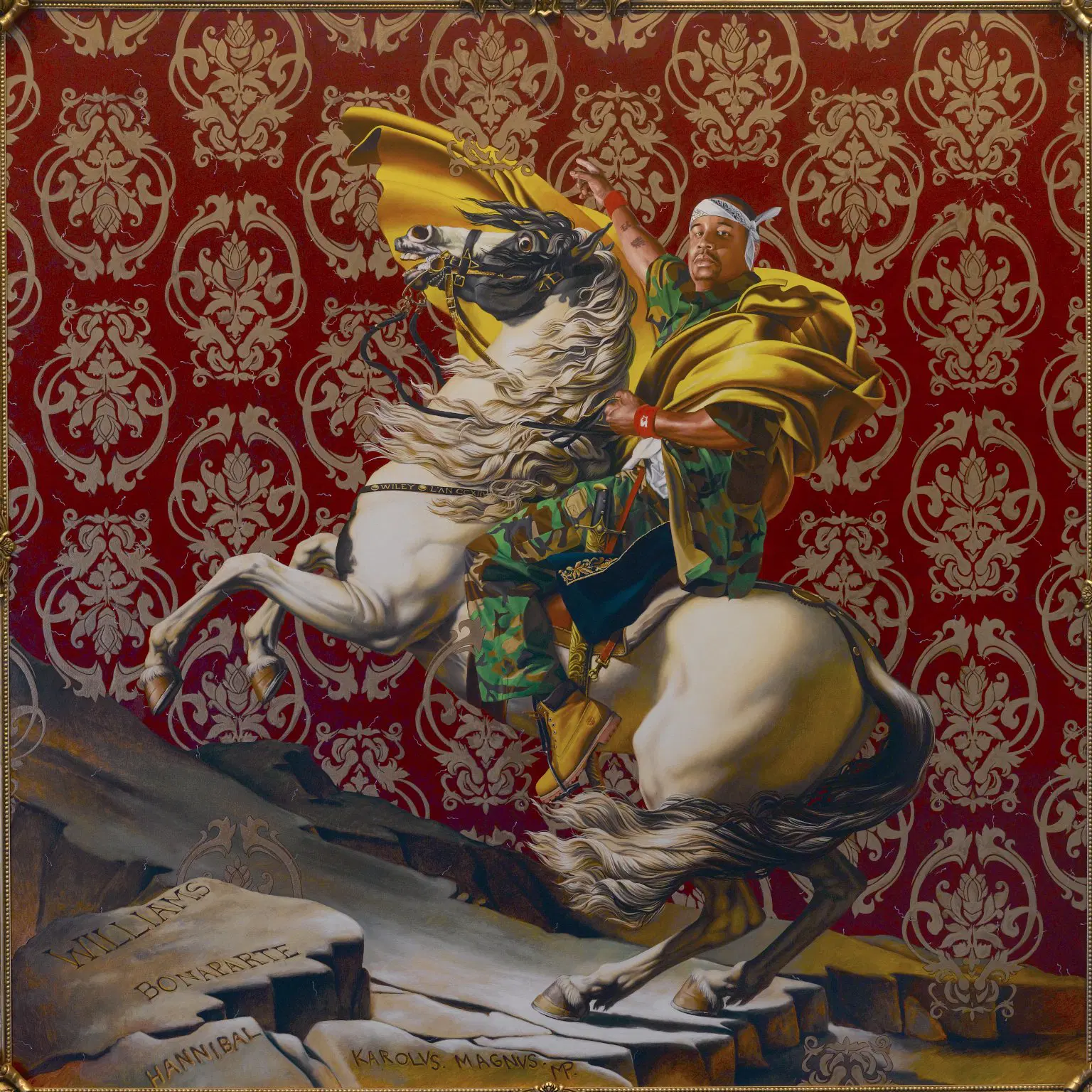
Napoleon Leading the Army Over the Alps
dates of Modernism
1880-1970’s/1980’s
What two elements characterize Modernism?
rejection of tradition, and experimentation with form and style
What are the general dates of Post-Impressionism
1880-1910
How was Post-Impressionism the beginning of Modernism?
post-impressionism rejected impressionism’s fleeting realism and favored personal expression, emotional depth, and structural experimentation, which launching modernism
what are the sub styles of Post Impressionism
Neo-impressionism (pointillism), symbolism, synthetism, les nabis
which problems of society does modern art attempt to address
power structures, inequality, climate change, and human rights
what are the dates of Post-Modernism?
1970s/1980s - Present
what distinguishes post-modernism from modernism?
postmodernism rejected absolute truths, objective reality, and grand narratives, favoring skepticism, irony, relativism, and subjective experiences