Romanesque Burgundy
 Call Kai
 Learn
Learn Practice Test
 Spaced Repetition
 Match
Match Flashcards
 Knowt Play
1/11

There's no tags or description
Looks like no tags are added yet.
Name | Mastery | Learn | Test | Matching | Spaced | Call with Kai |
|---|
No analytics yet
Send a link to your students to track their progress
12 Terms
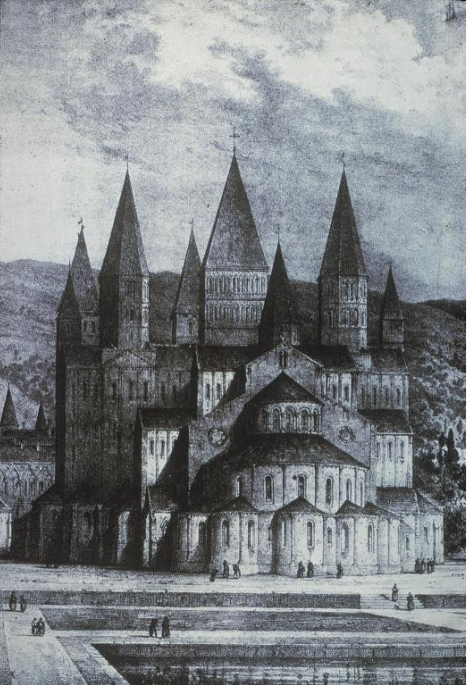
Abbey Church of Cluny III, 1088-1130 (destroyed)
Large church, destroyed during the French Revolution, housed up to 200 monks and thousands of people
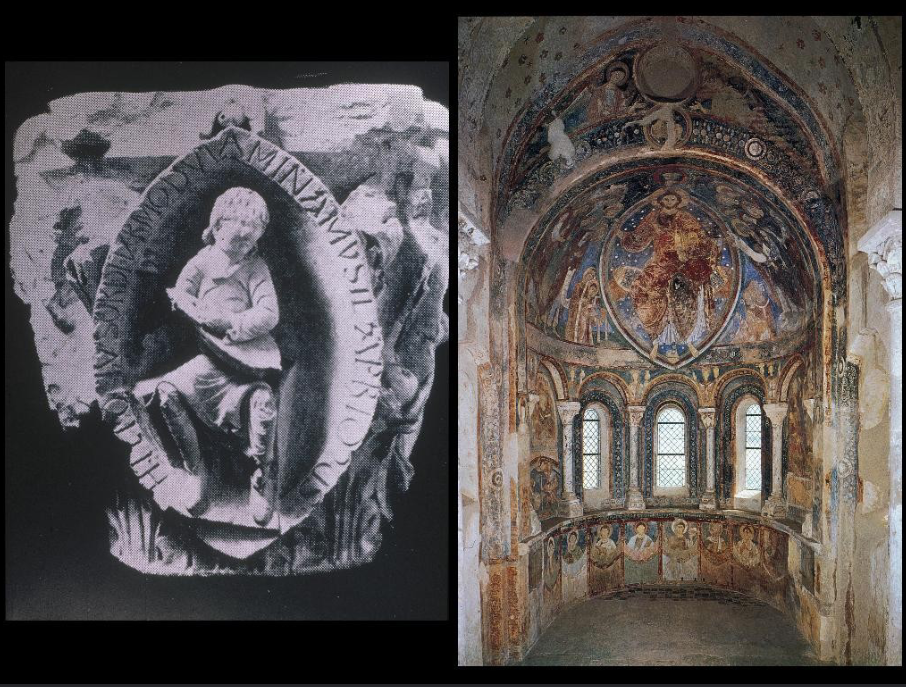
Abbey Church of Cluny III, 1088-1130 (destroyed)
First Tone of Plainsong, capital, ambulatory c. 1088-1095
singing and chanting was important to monastic life,
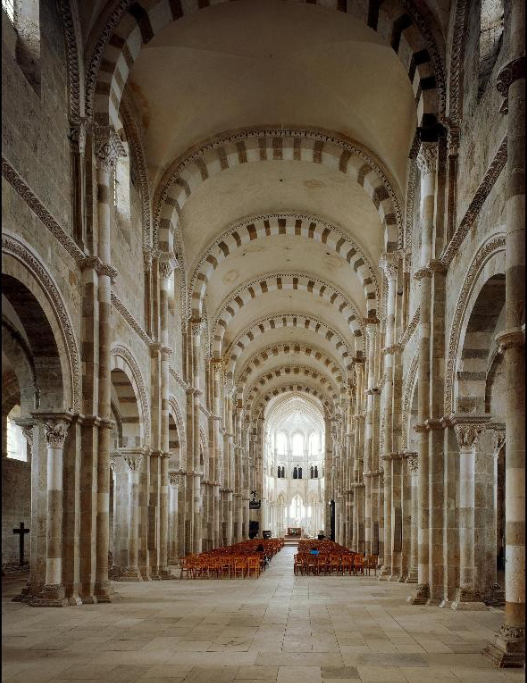
Ste. Madeleine, Vézelay, 1120-1132
Nave
alternating colors of stonework, which comes from ottonian influences, historiated capitals
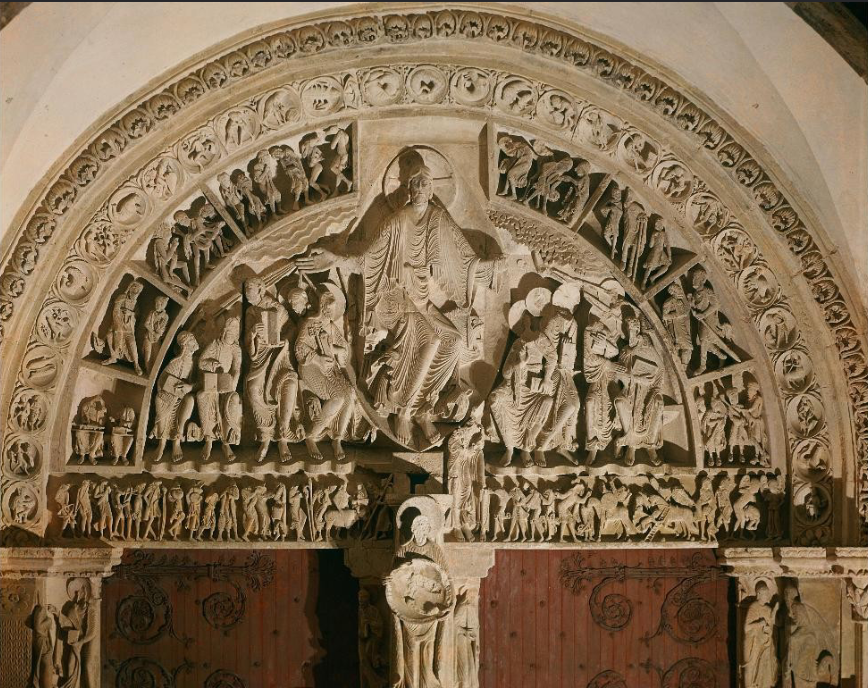
Ste. Madeleine, Vézelay, 1120-1132
Mission of the Apostles, tympanum
Holy spirit coming over the apostles to spread the word of God, Veezelay was a part of the crusades, reflected in the story of evangelism
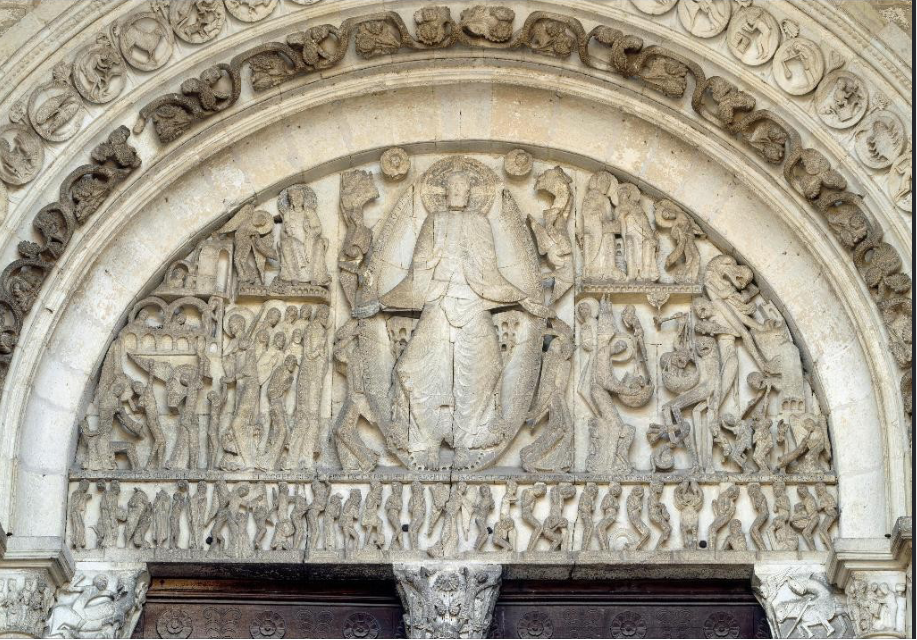
Gislebertus, sculptures at Cathedral, Autun, 1120-1135
Last Judgment, tympanum and lintel
sculptor signed name into the portal of the church,
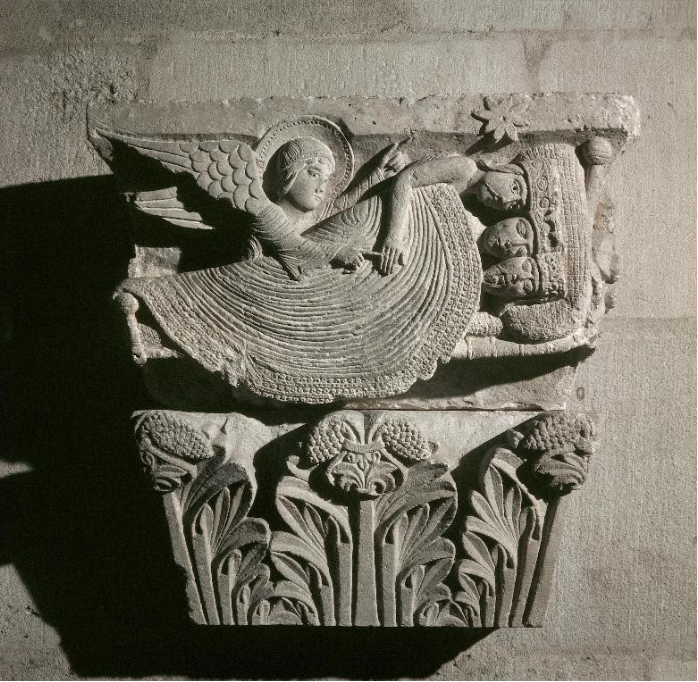
Gislebertus, sculptures at Cathedral, Autun, 1120-1135
Dream of the Magi, nave capital
begining to characterize the magi, each one being a different age
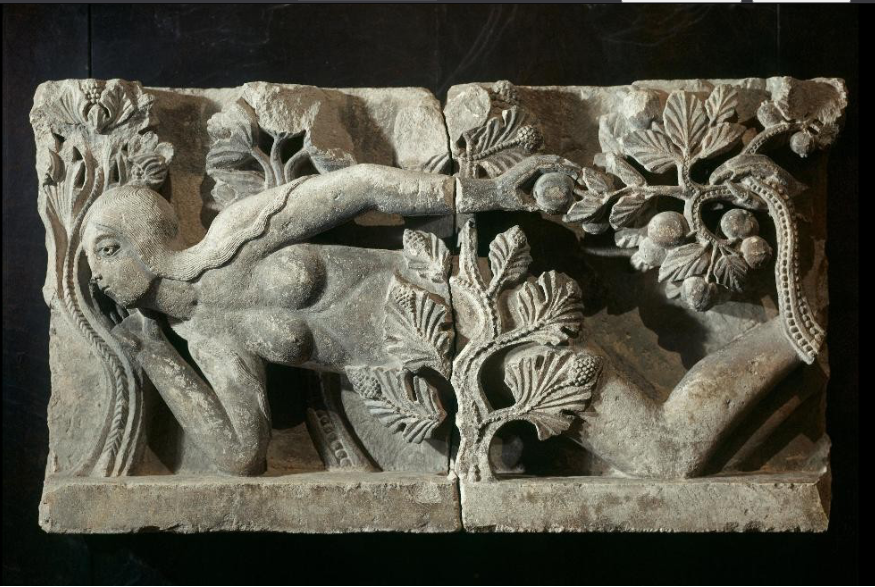
Gislebertus, sculptures at Cathedral, Autun, 1120-1135
Eve, from lintel
body of eve is represented with some degree of naturalism
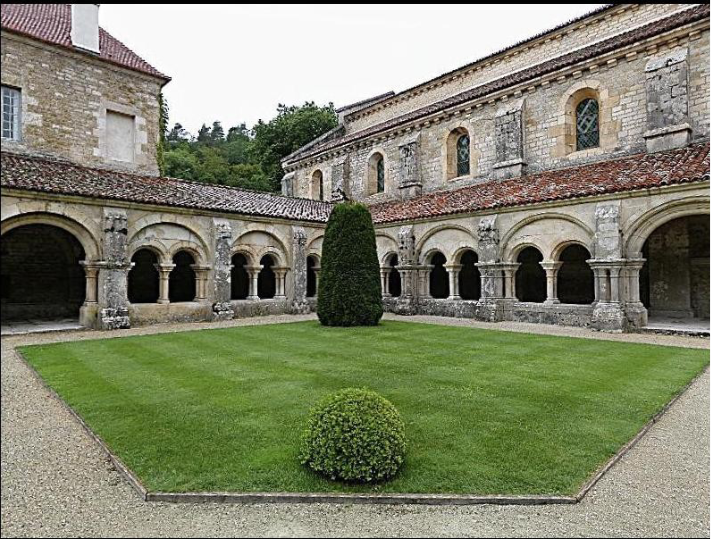
Cistercian monastery at Fontenay, 1139-1147
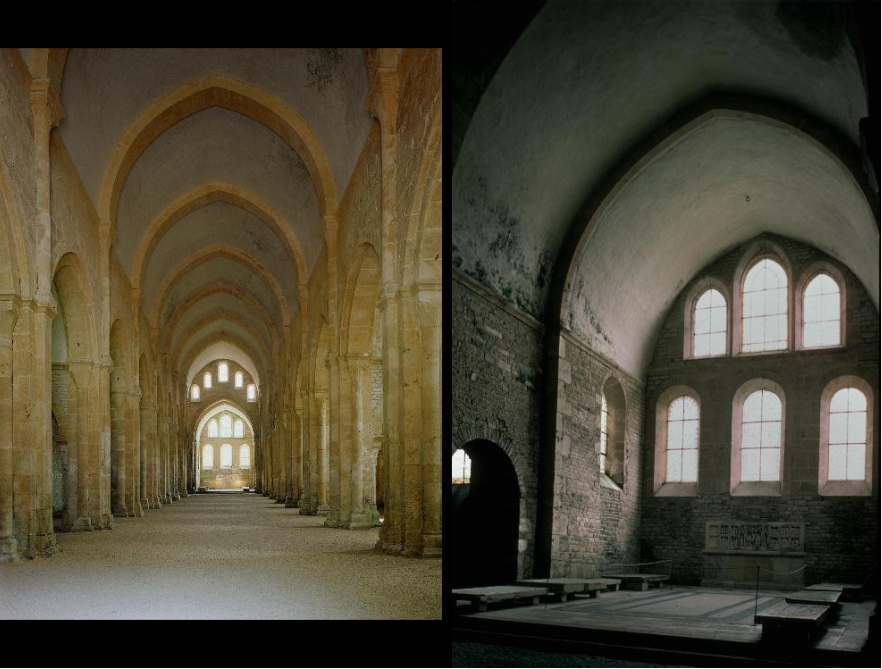
Cistercian monastery at Fontenay, 1139-1147
simple space, Cistercian order founded on basis of Church and monasteries being corrupt and too focused on earthly goods like money and jewels
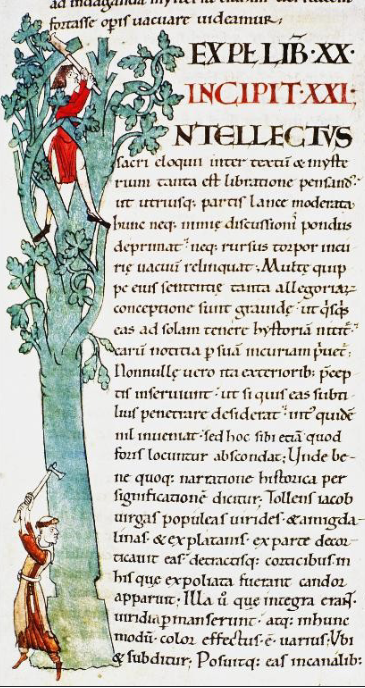
Illuminated capitals in Moralia in Job (by Gregory the Great), 1111
I, woodsmen
monk cutting down the tree with someone in it, could be a critique of monastic life
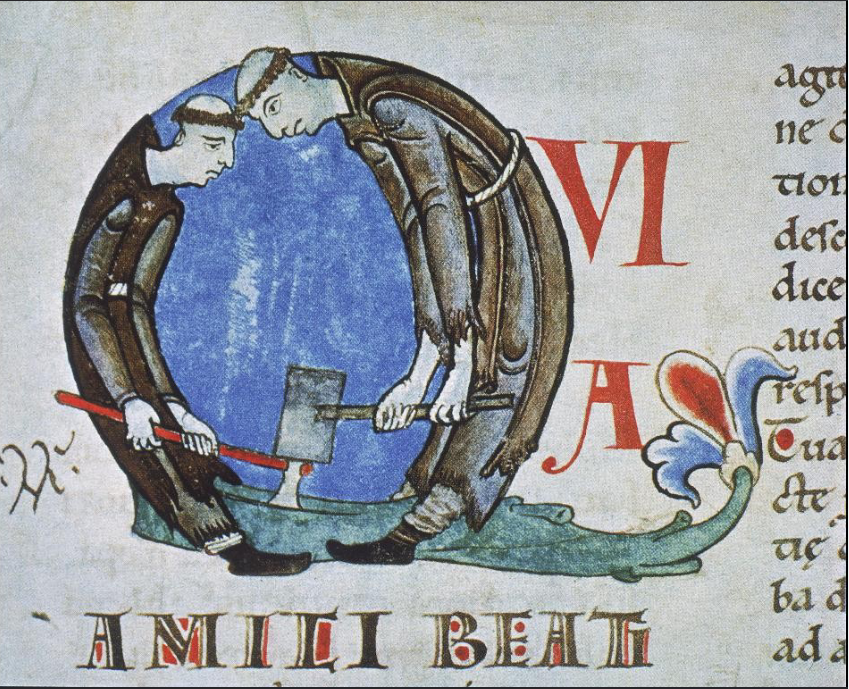
lluminated capitals in Moralia in Job (by Gregory the Great), 1111
O, woodsman
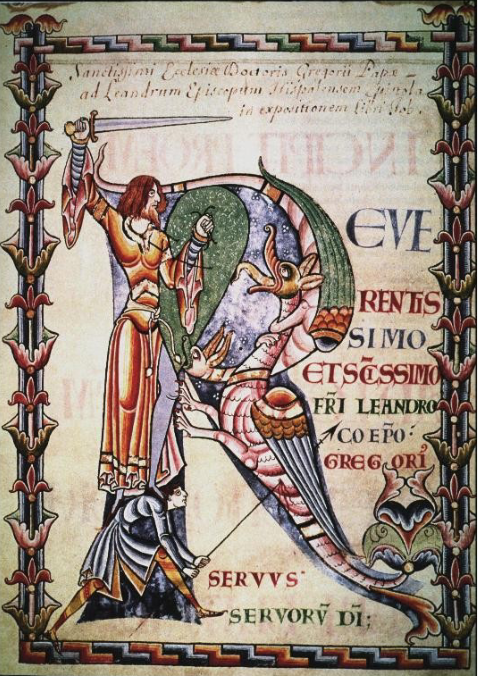
lluminated capitals in Moralia in Job (by Gregory the Great), 1111
R, knight and monster
knight fighting a monster but the knights quire is the one slaying the beast, critique of knighthood, the humbler person being the one to defeat the dragon